Buying Guides
Cooktop Buying Guide

In the market for a new cooktop? You’ll find a wide variety of different types and styles to choose from. To help make finding the best cooktop for your kitchen simpler, we’ve developed a cooktop buying guide to help you learn what sets each type apart, the features you should be looking out for, and more. Before you make your way in store or start adding to your cart online, discover everything you need to know about kitchen cooktops.
$5,999 you
pay $4,799Ends in
24 Hours$1,099 you
pay $799Ends in
2 Days$1,379 you
pay $1,179Ends in
2 Days

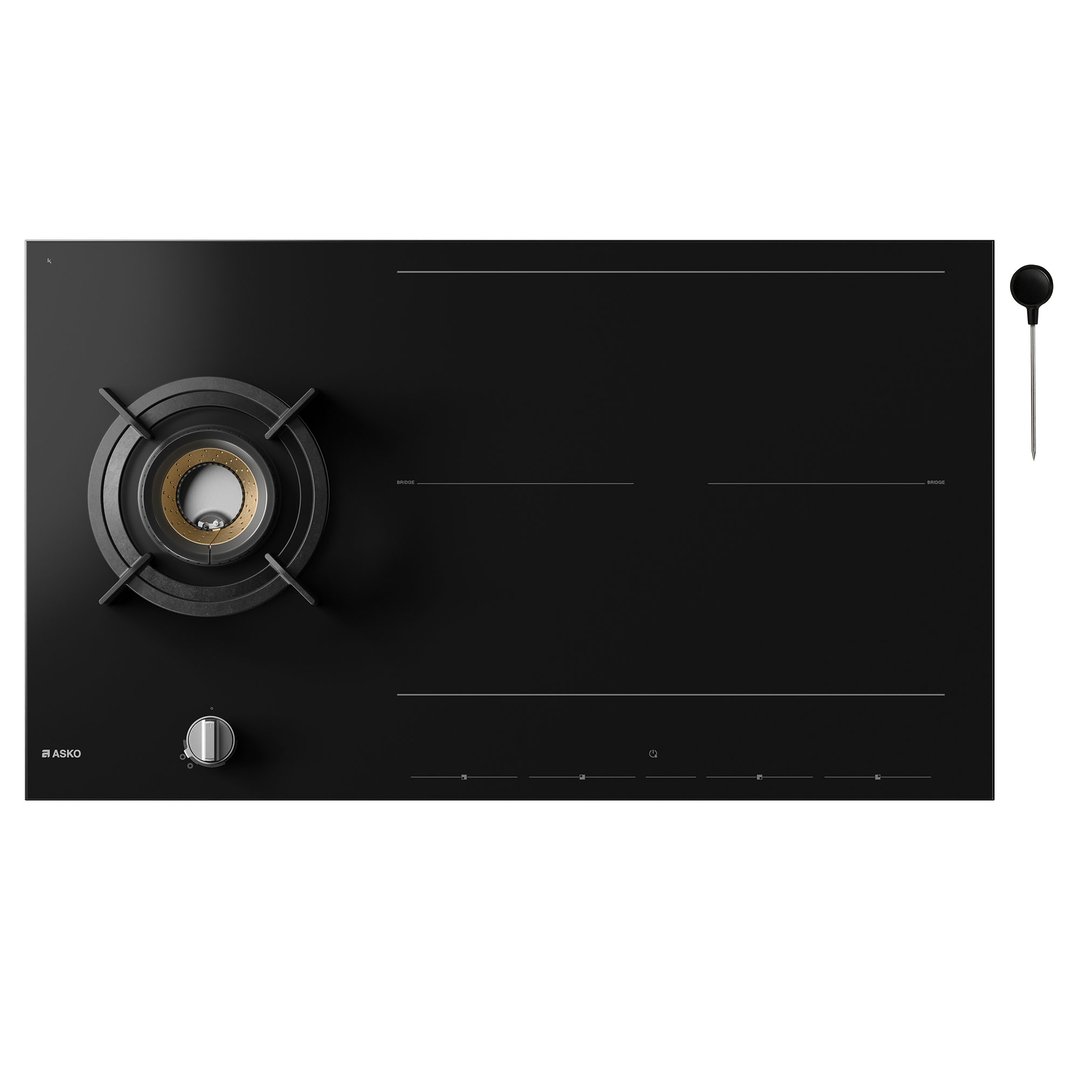
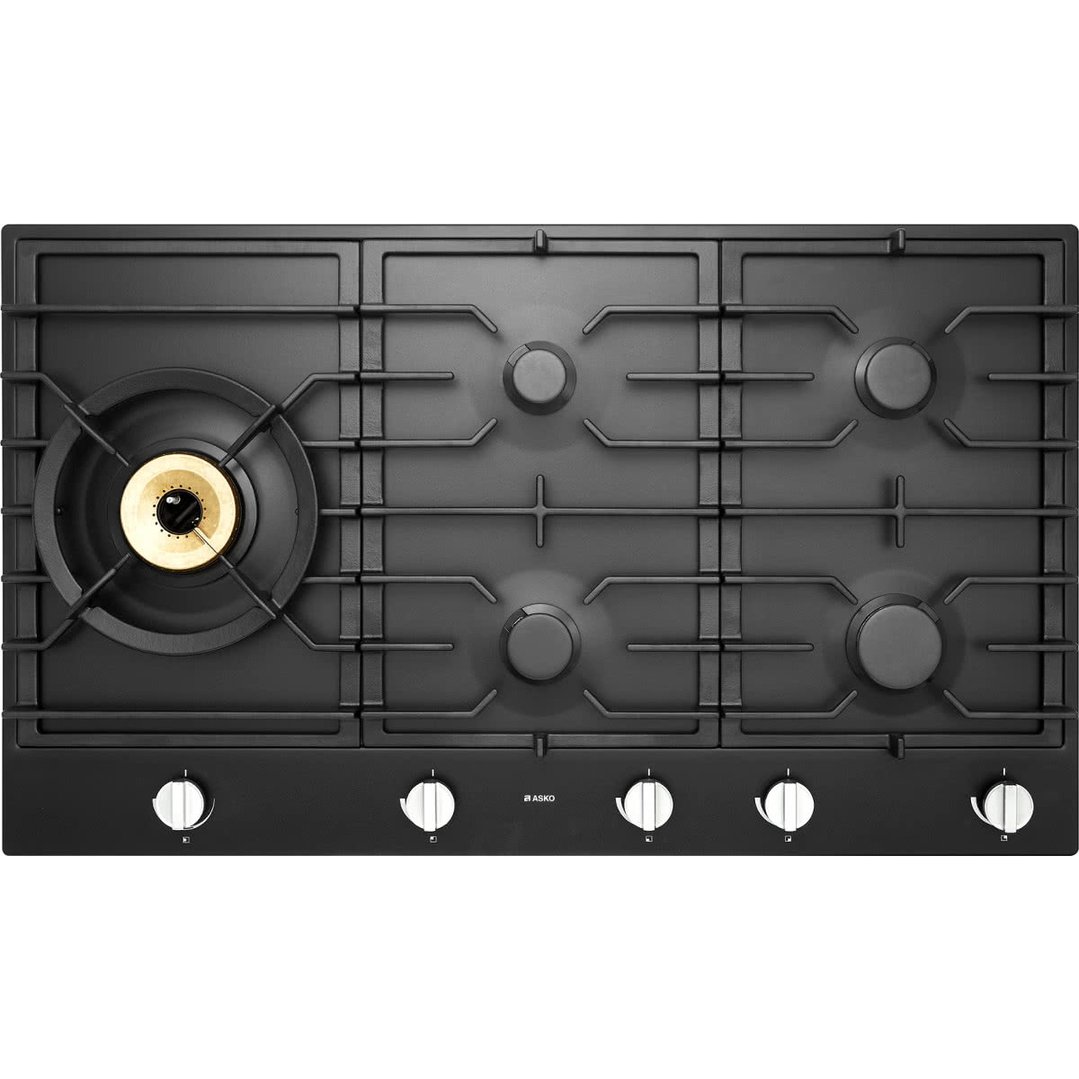

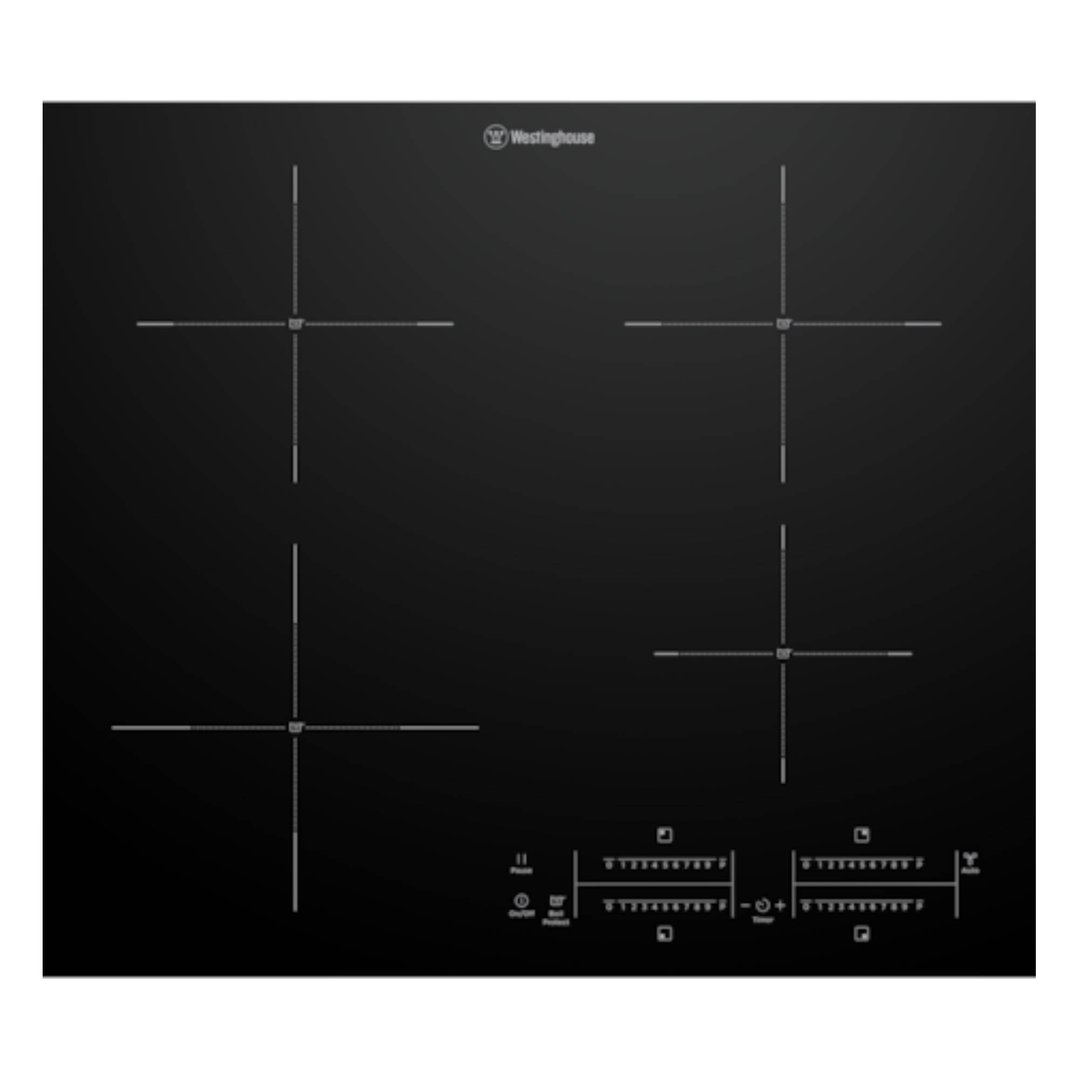



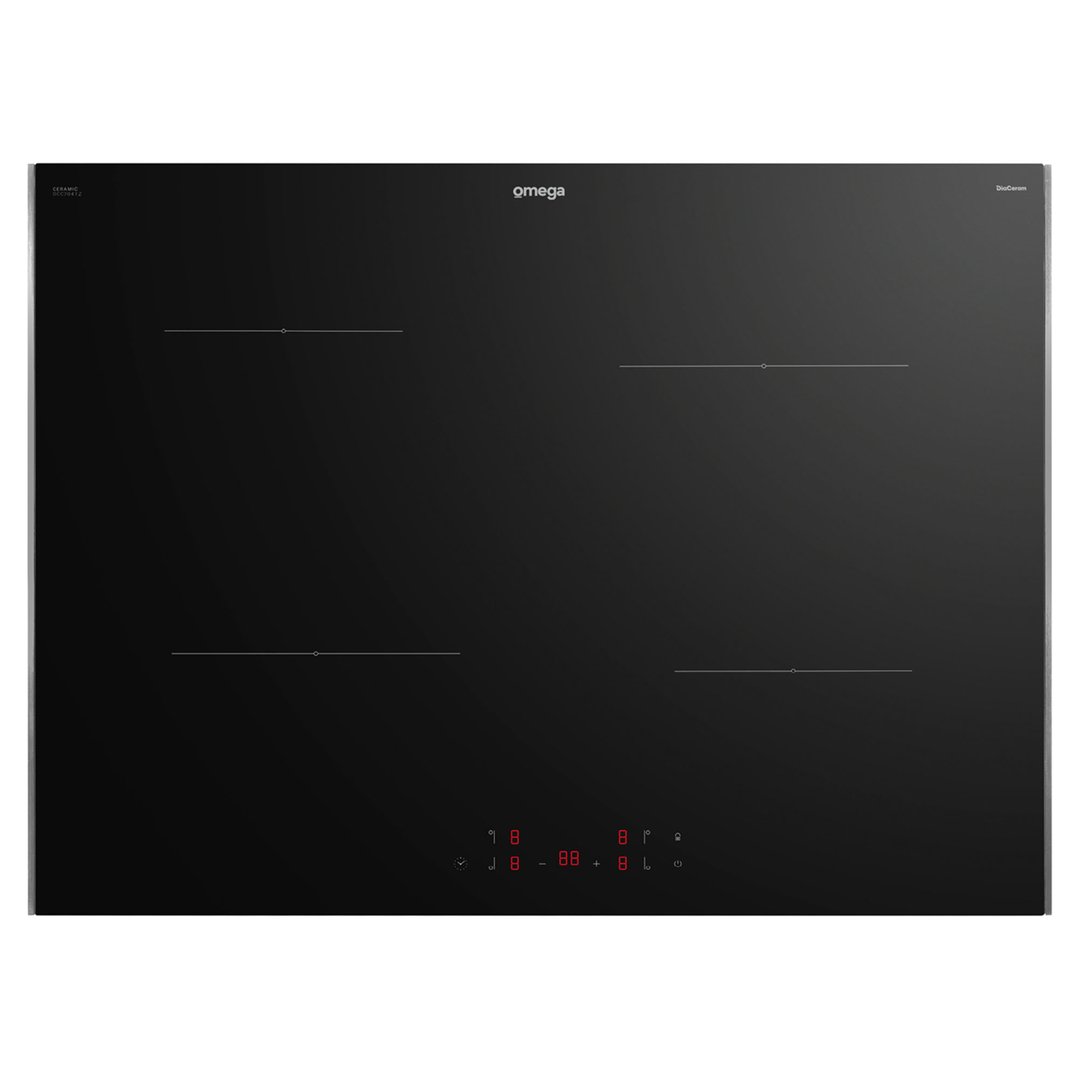


Jump to
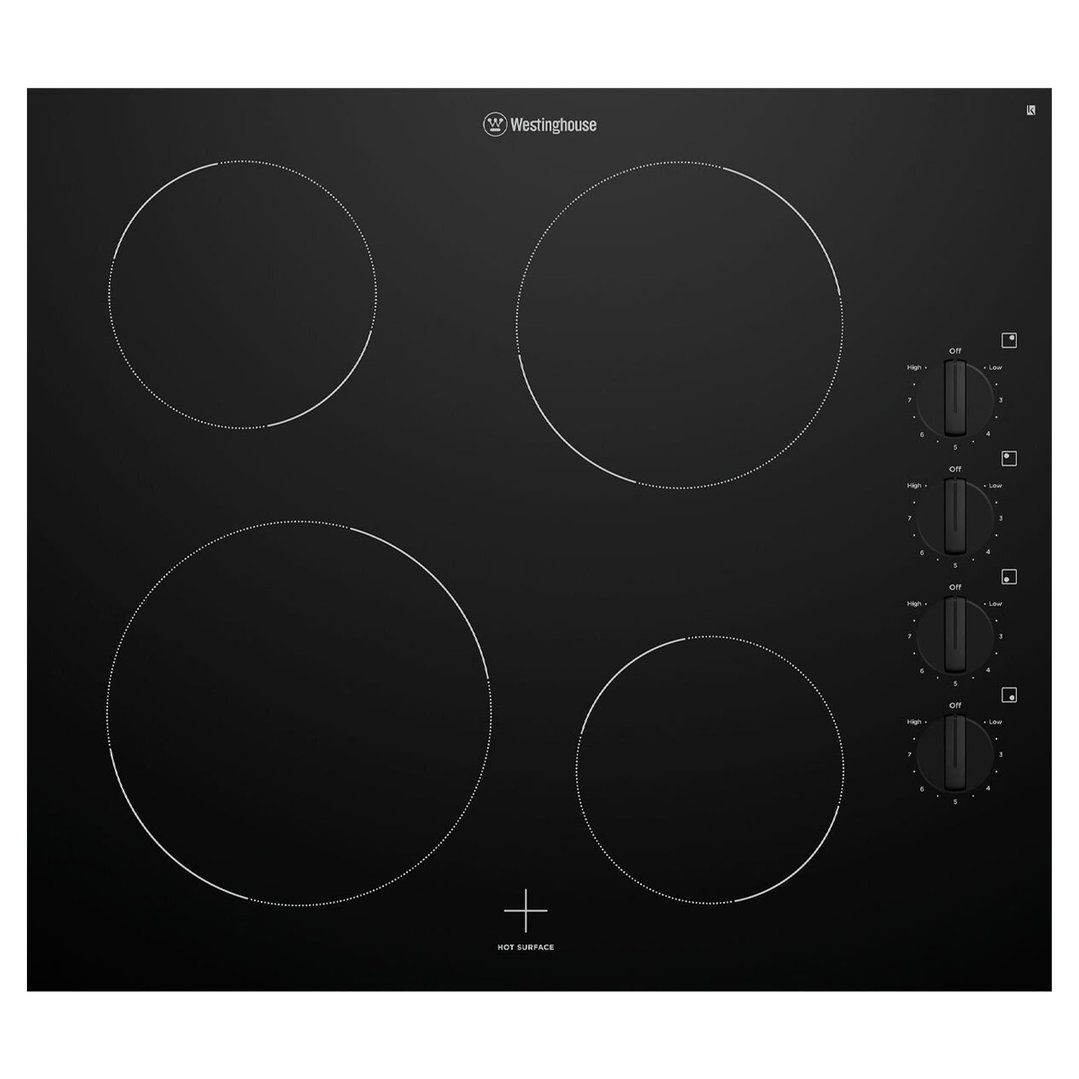
ELECTRIC COOKTOPS
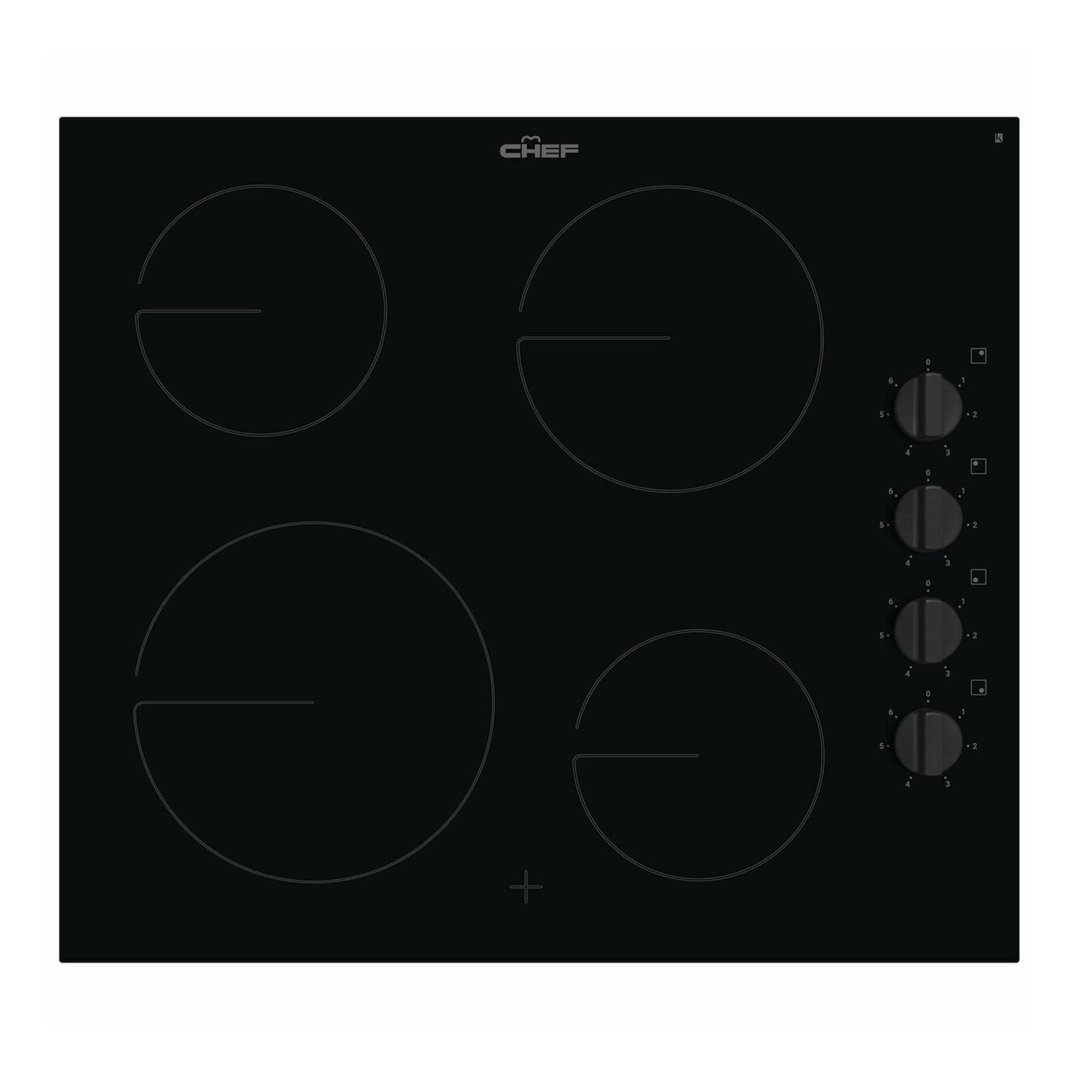
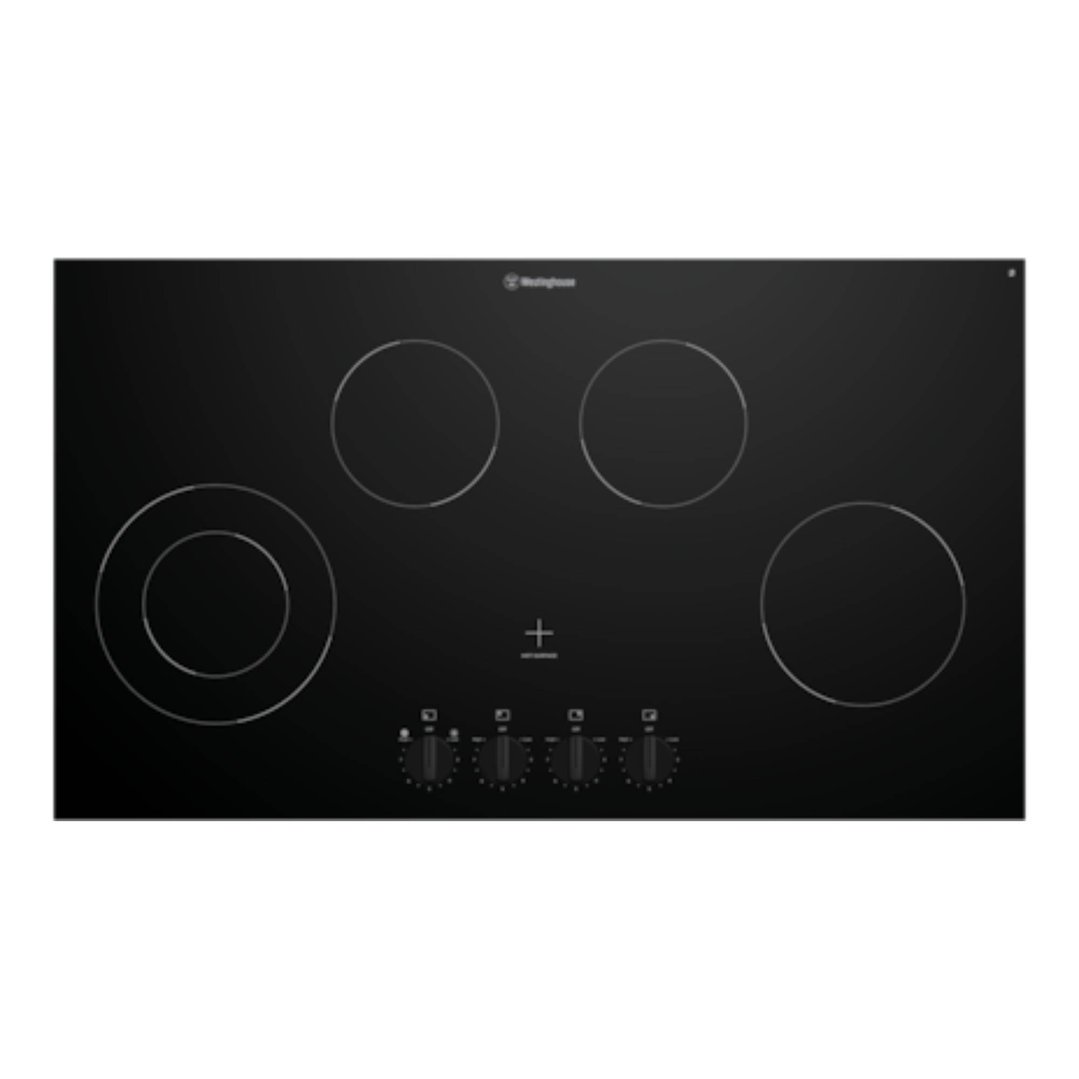
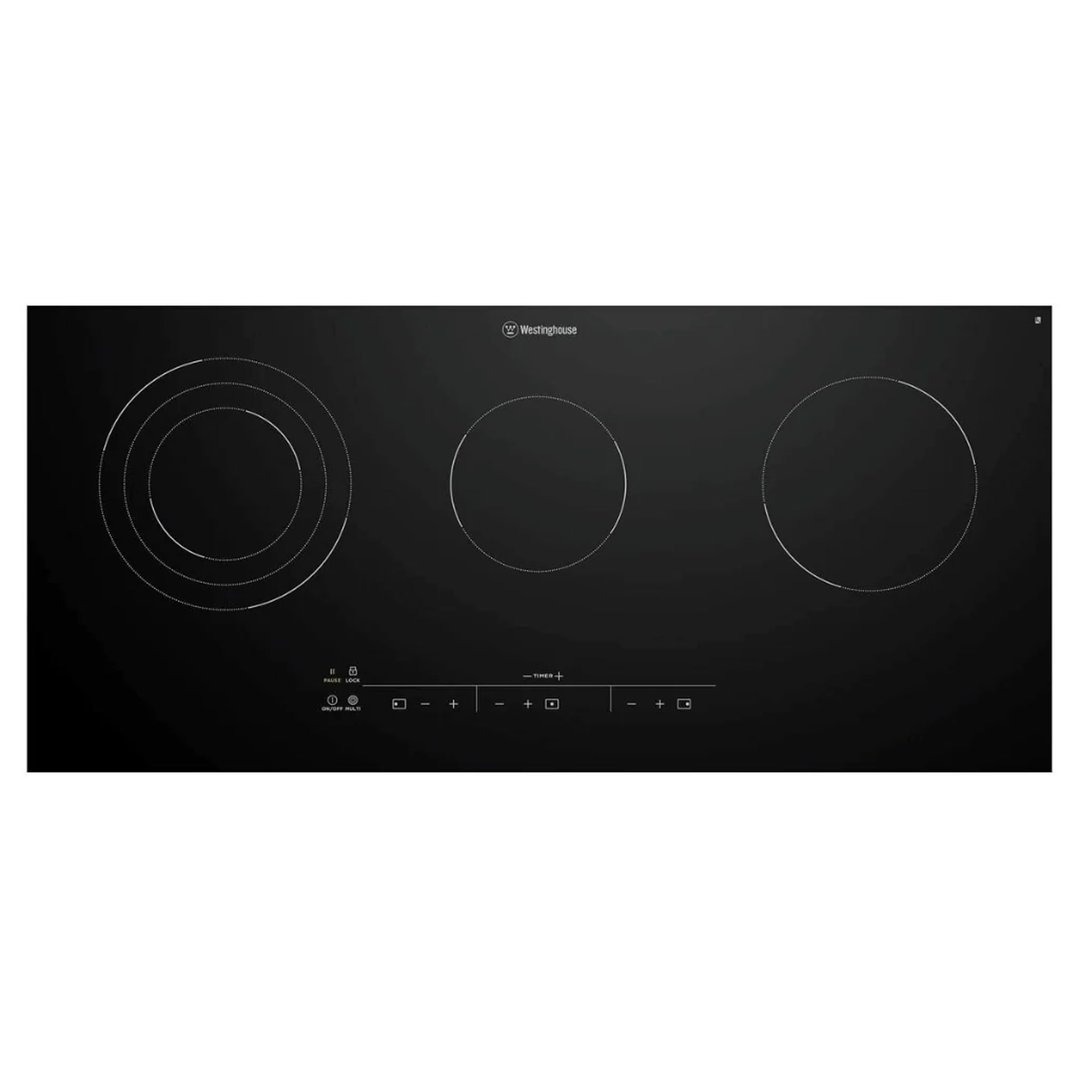
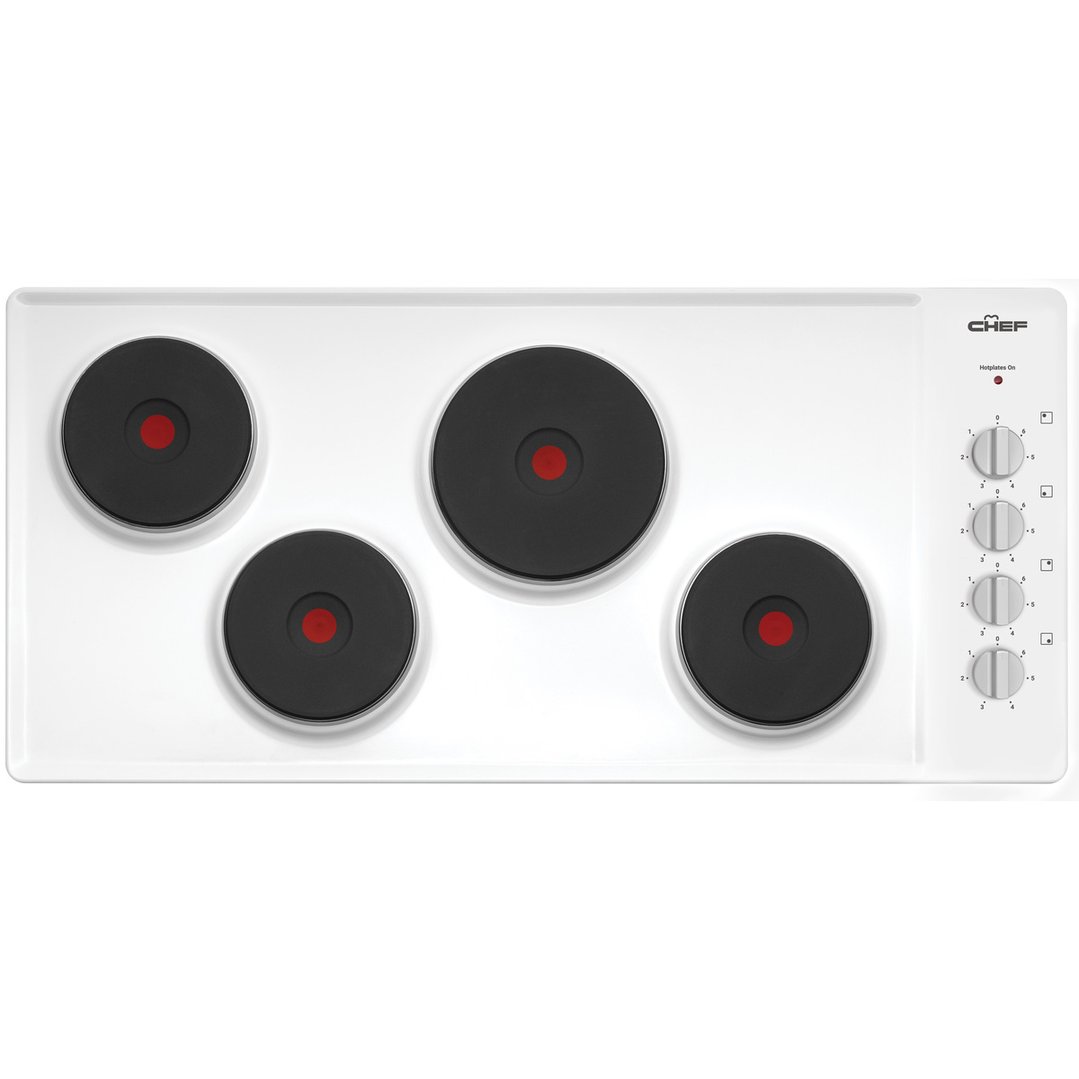
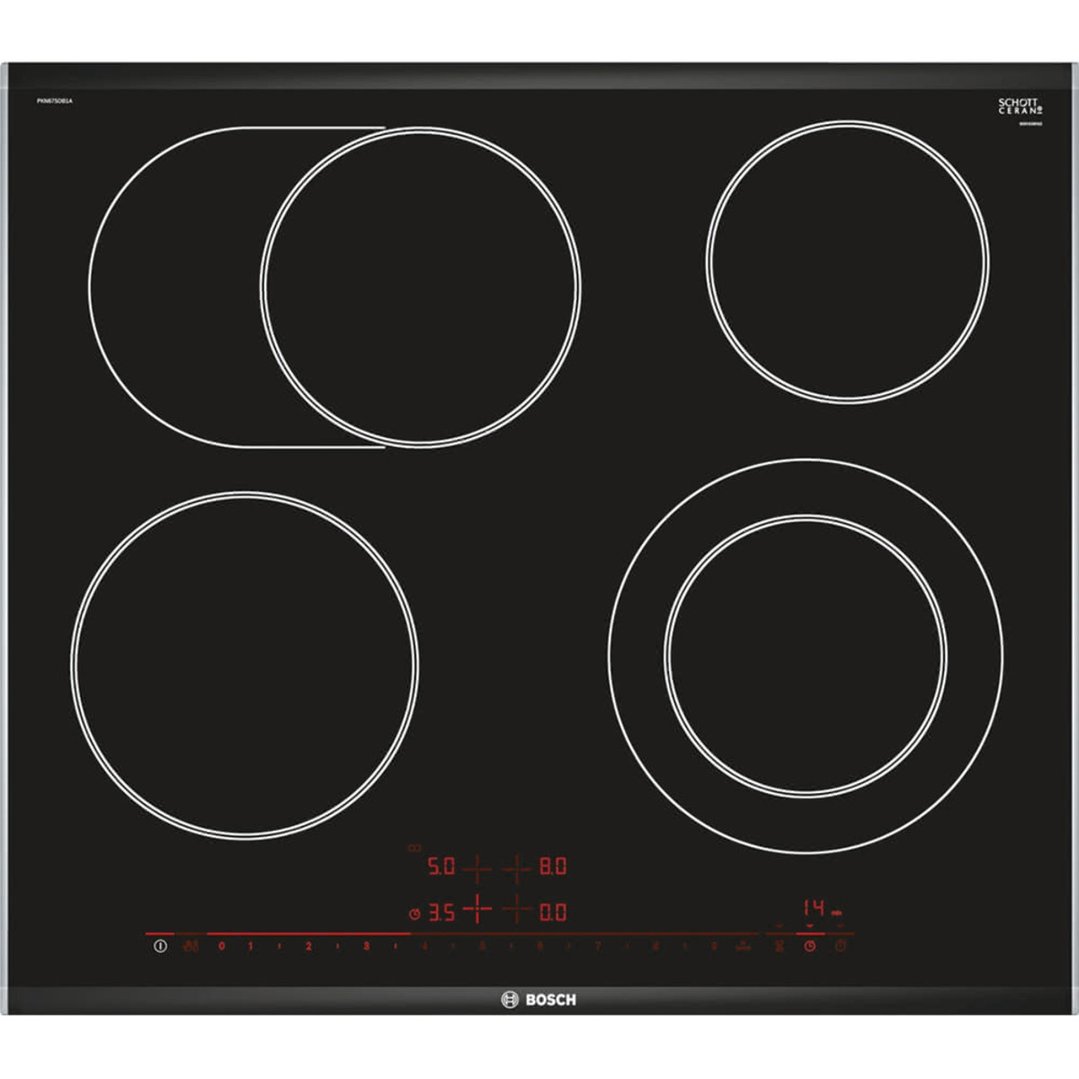
Affordable and easy to use, electric cooktops are one of the most common types of cooktop on the market. They are available with either solid or coil-shaped heating elements, or, in the case of ceramic cooktops, a flat glass cooktop surface.
Often the cheapest type of cooktop available
Typically quite easy to operate
Heat up quite quickly
Generally pretty easy to clean, although this may vary from model to model
Take longer to respond to temperature changes
Popular brands of electric cooktops: Westinghouse, Chef




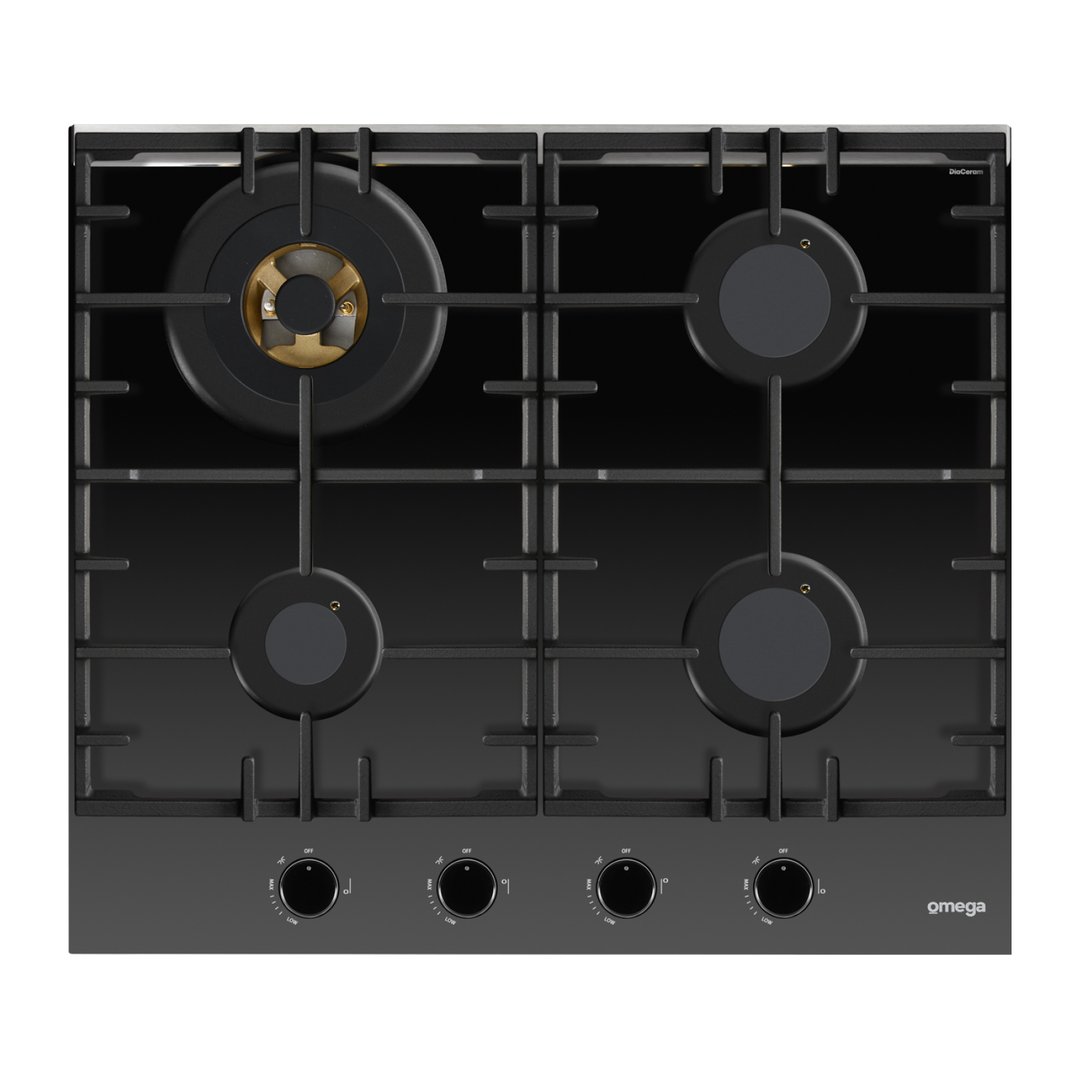
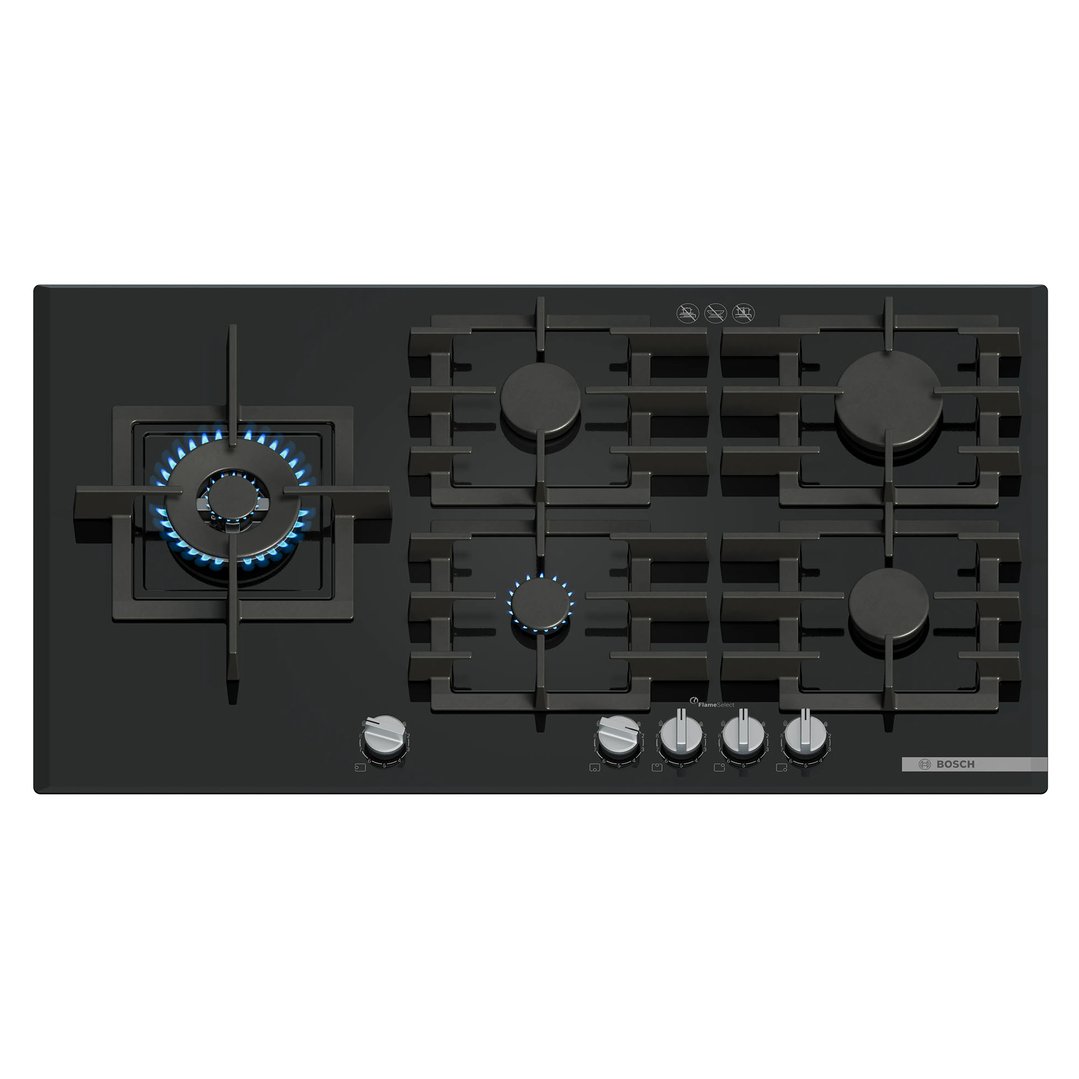
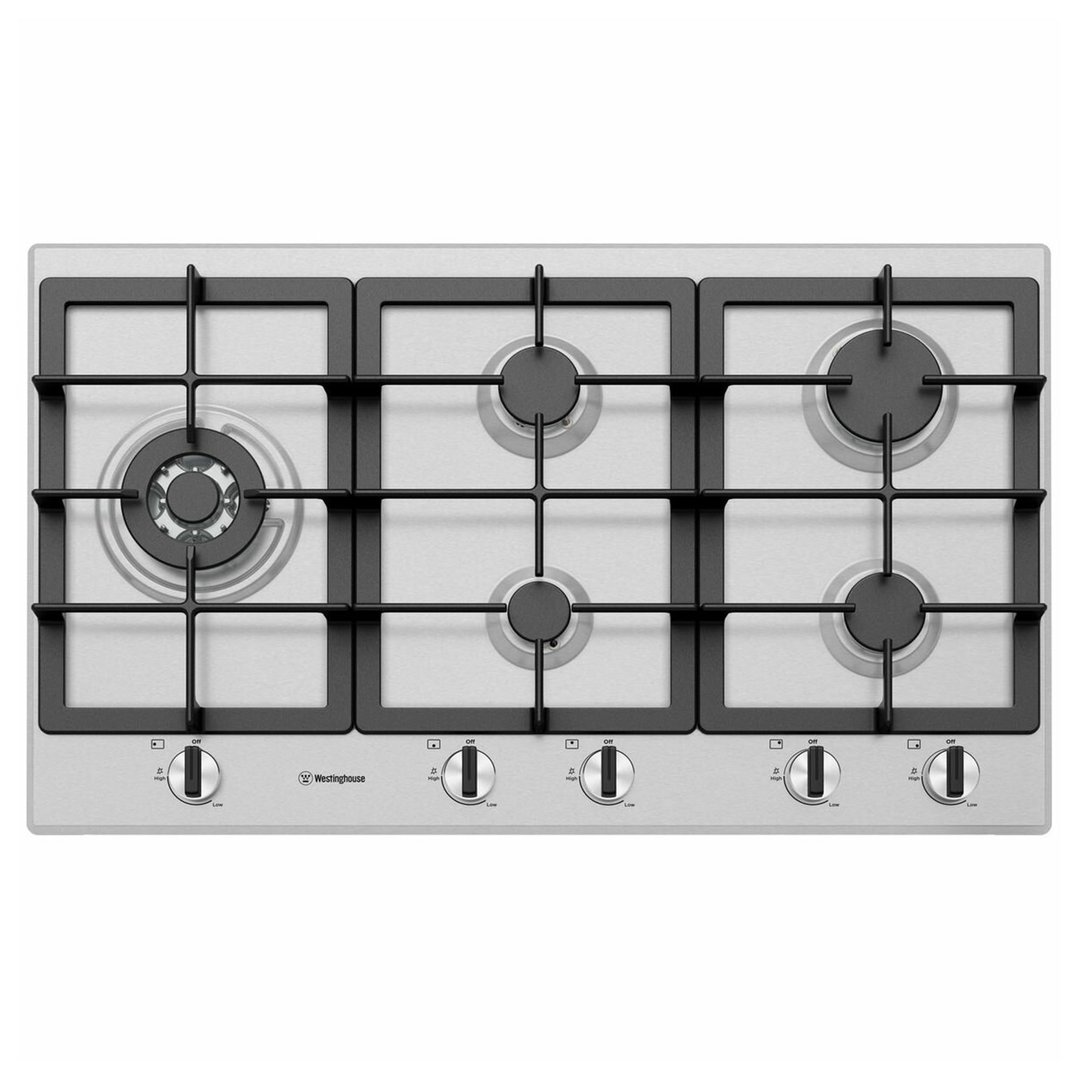
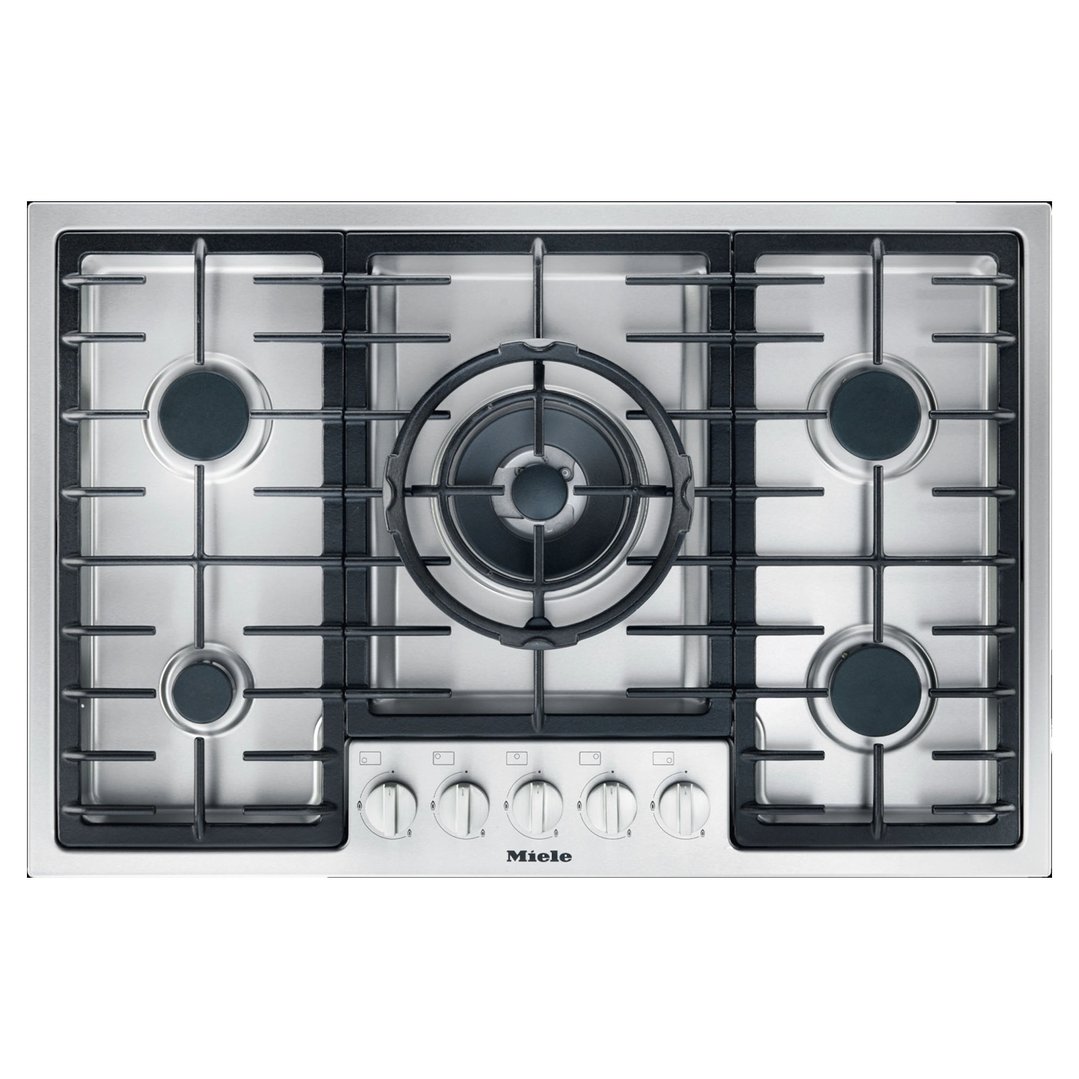
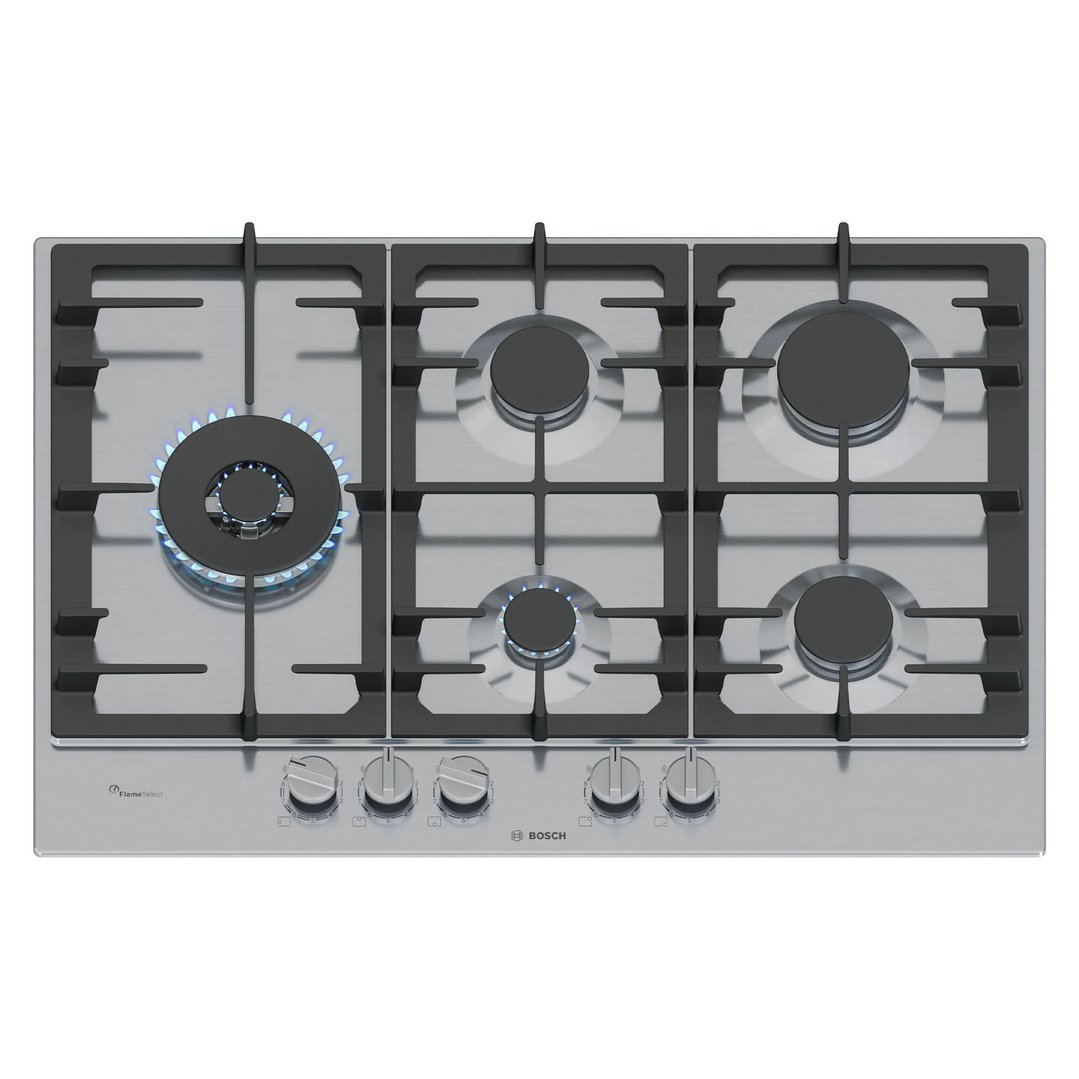
GAS COOKTOPS
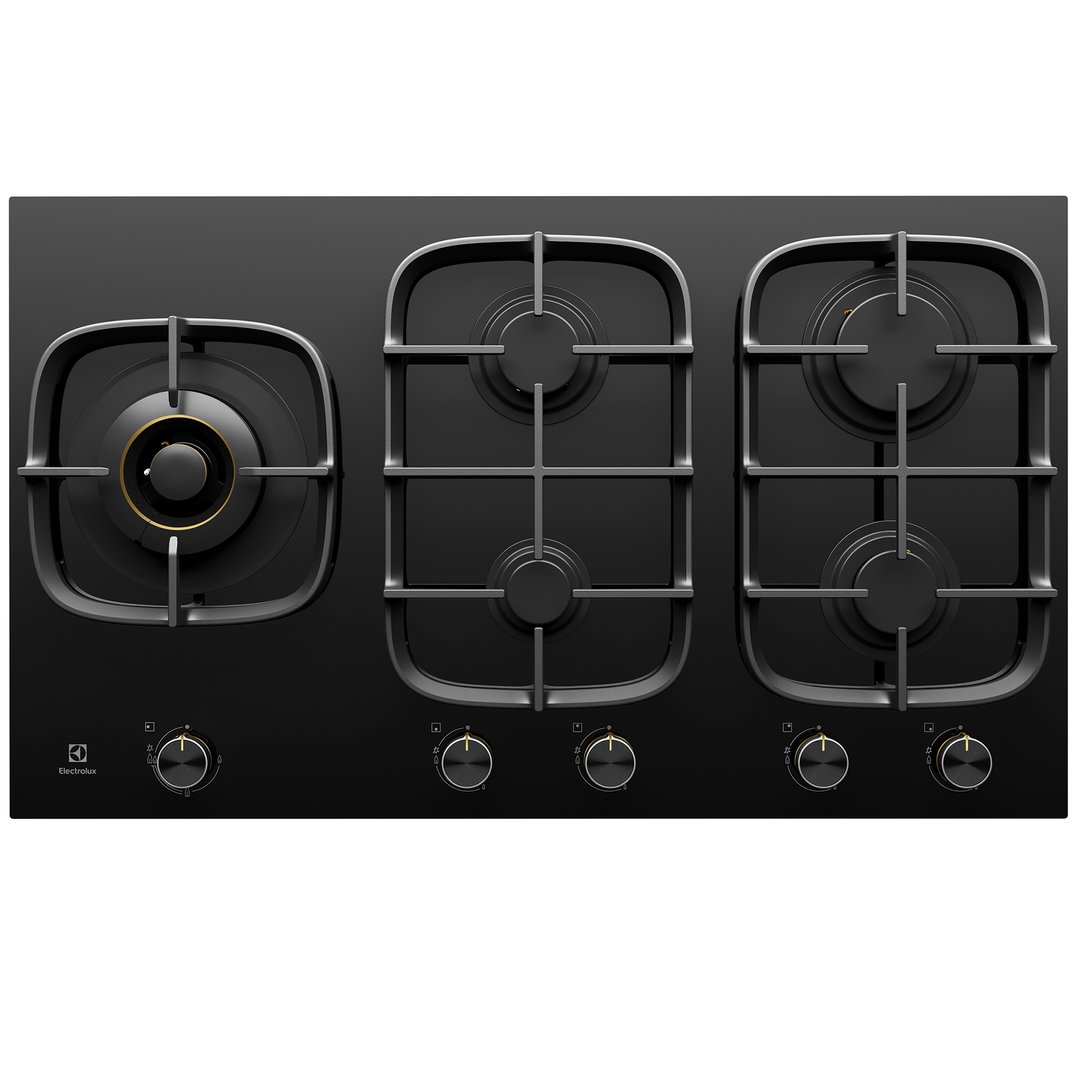
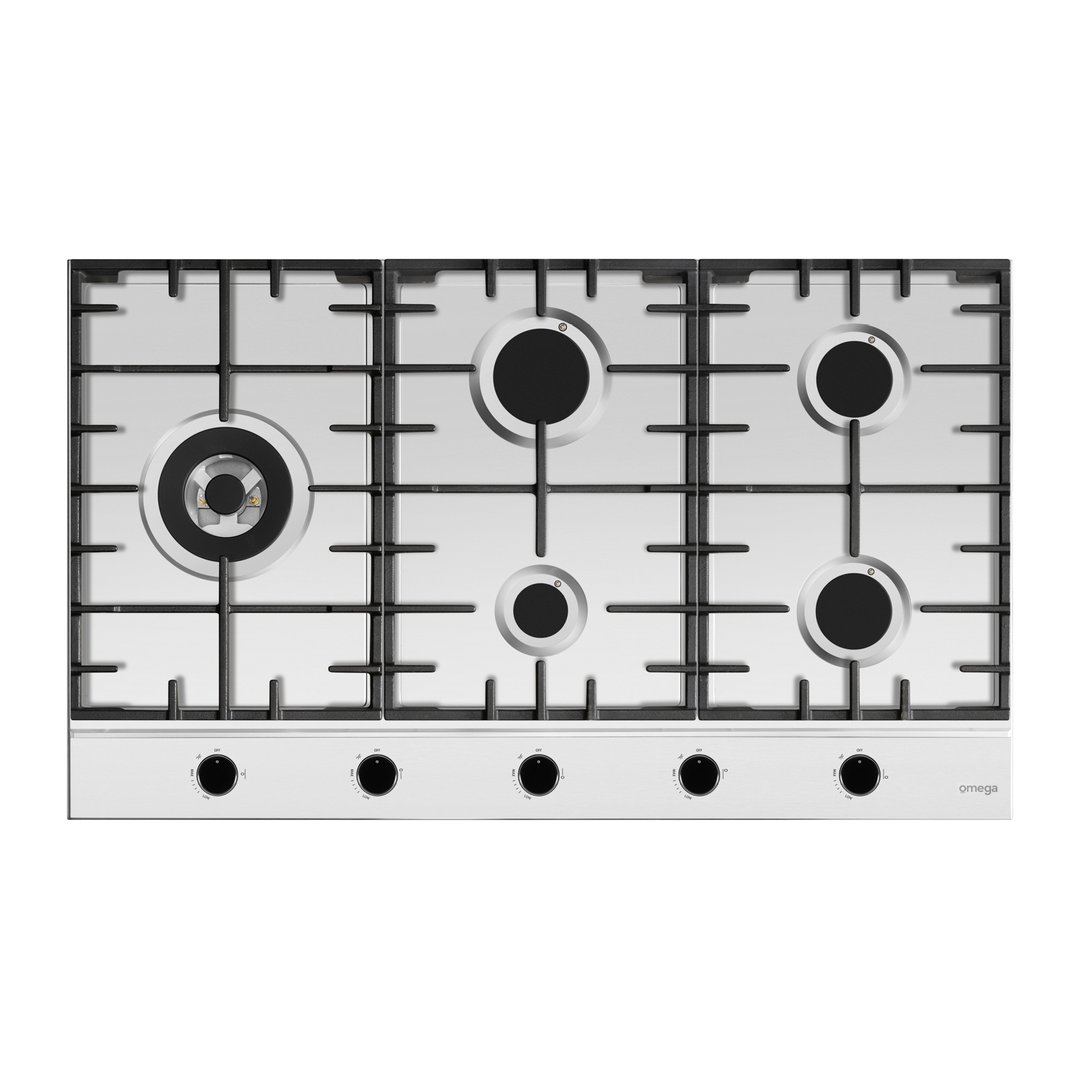
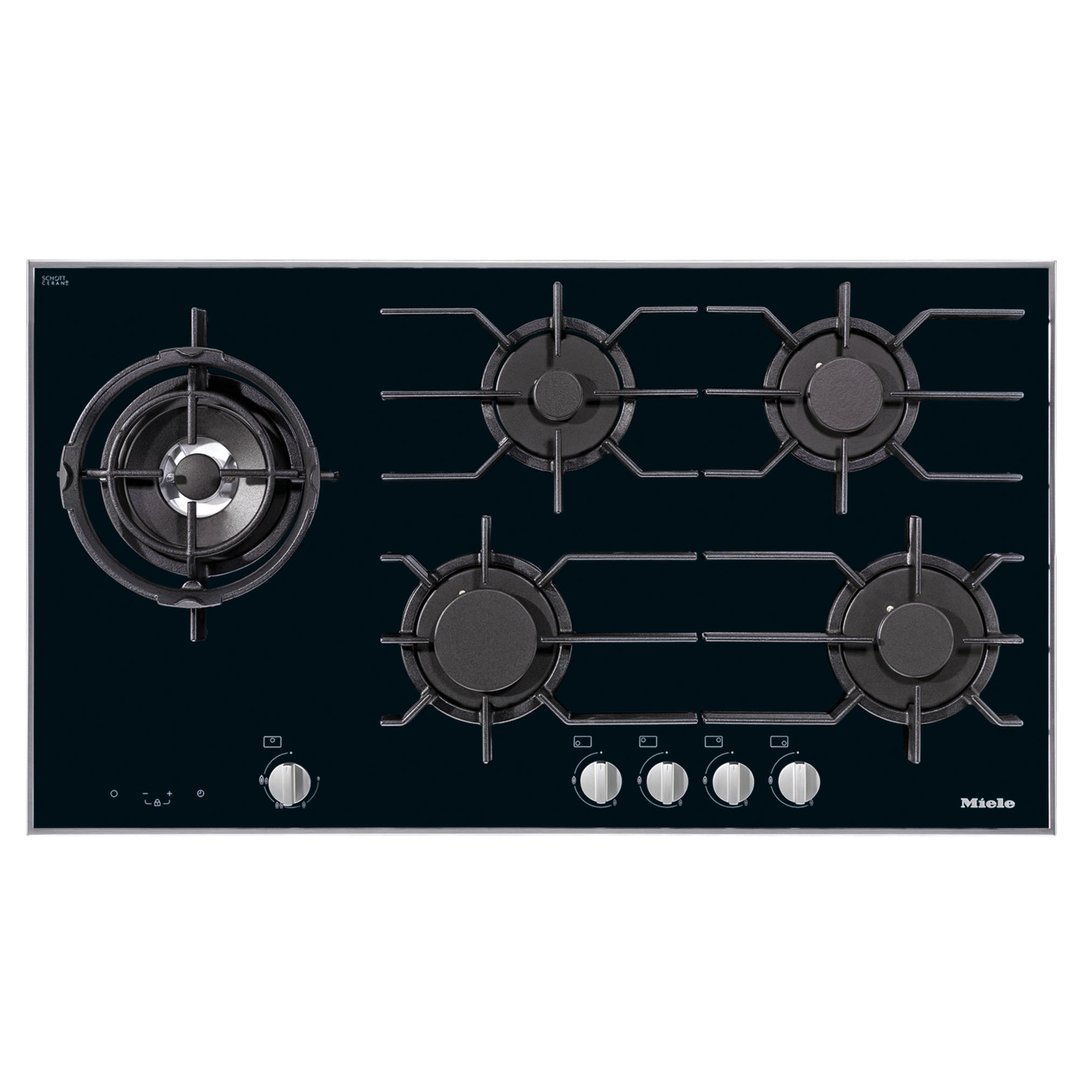
Loved by professional chefs and home cooks alike, gas cooktops are popular not only for their fast heating times and energy efficiency, but for the amount of control users are given over the temperature used. An ignition spark is used to ignite a supply of natural gas that flows out of the cooktop’s burners, creating a flame used for cooking.
No need to wait for an element to heat up - once the gas is lit, it’s ready to use
May be used with a variety of different pots and pans, including woks
Generally quite cost-effective to operate
Allow you to adjust the temperature as you need, with almost immediate effect
Pots and pans are heated from the sides, as well as from the bottom
Require a natural gas connection
Produce a lot of heat, which may be less than ideal in summer or warmer locations
Can be difficult to clean
Popular brands of gas cooktops: Smeg, Miele, Electrolux, Westinghouse
$1,699 you
pay $1,388Ends in
16 Days


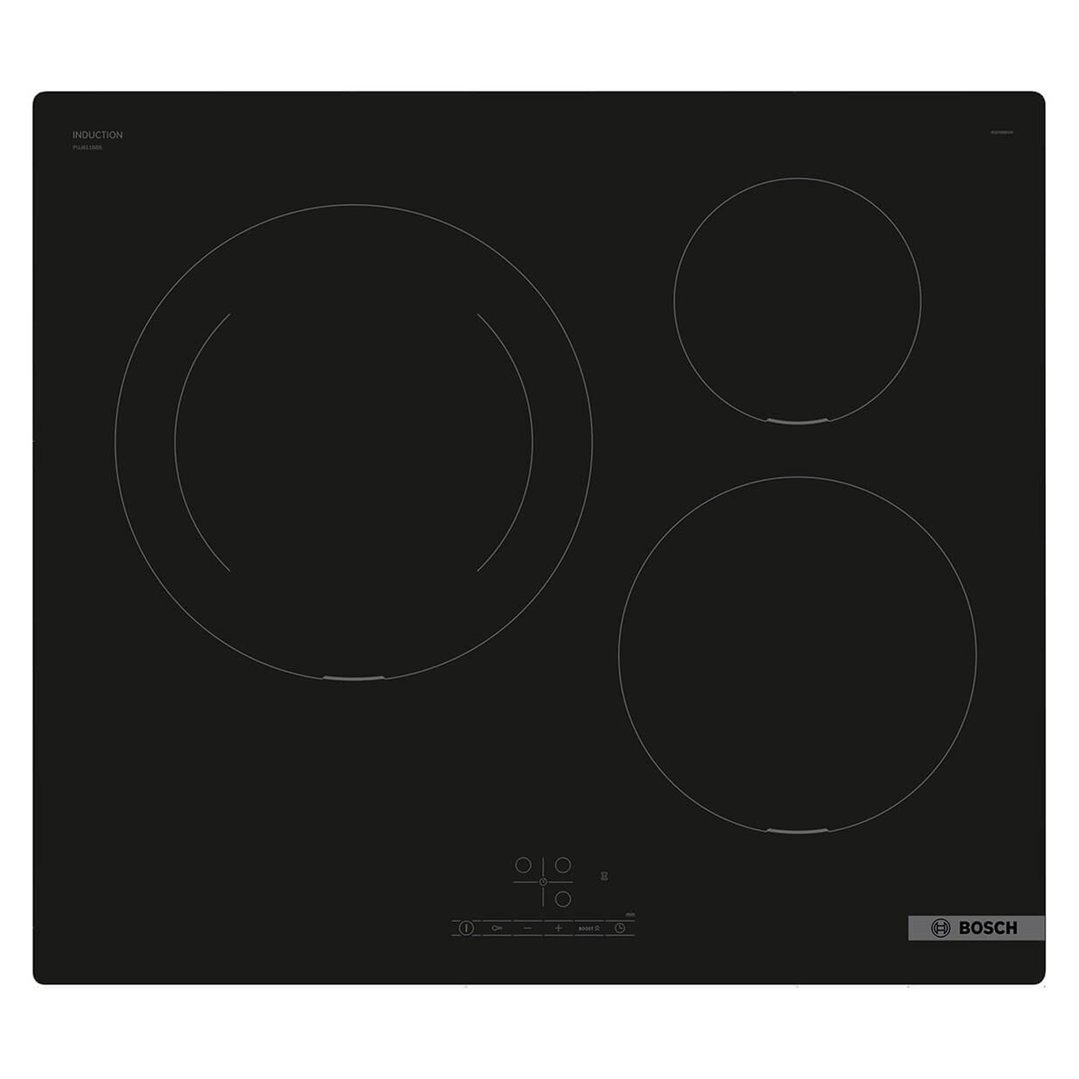
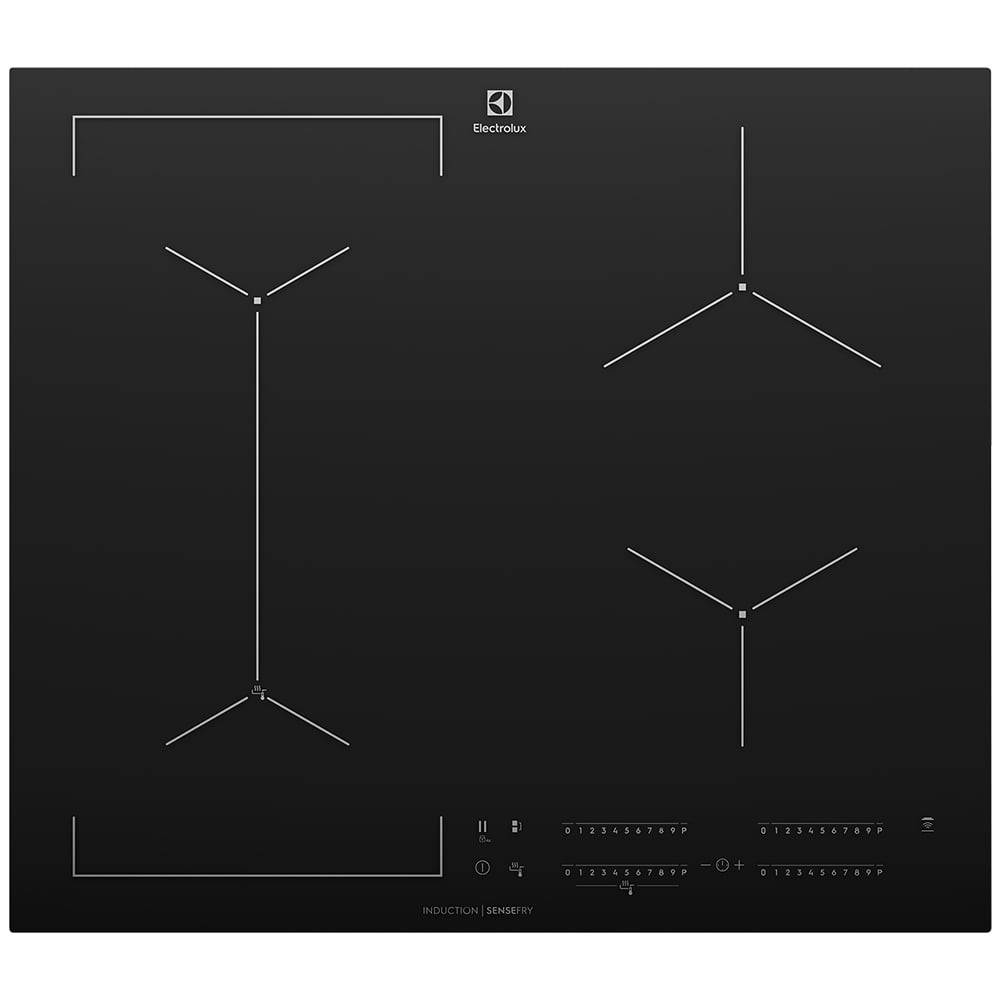
INDUCTION COOKTOPS
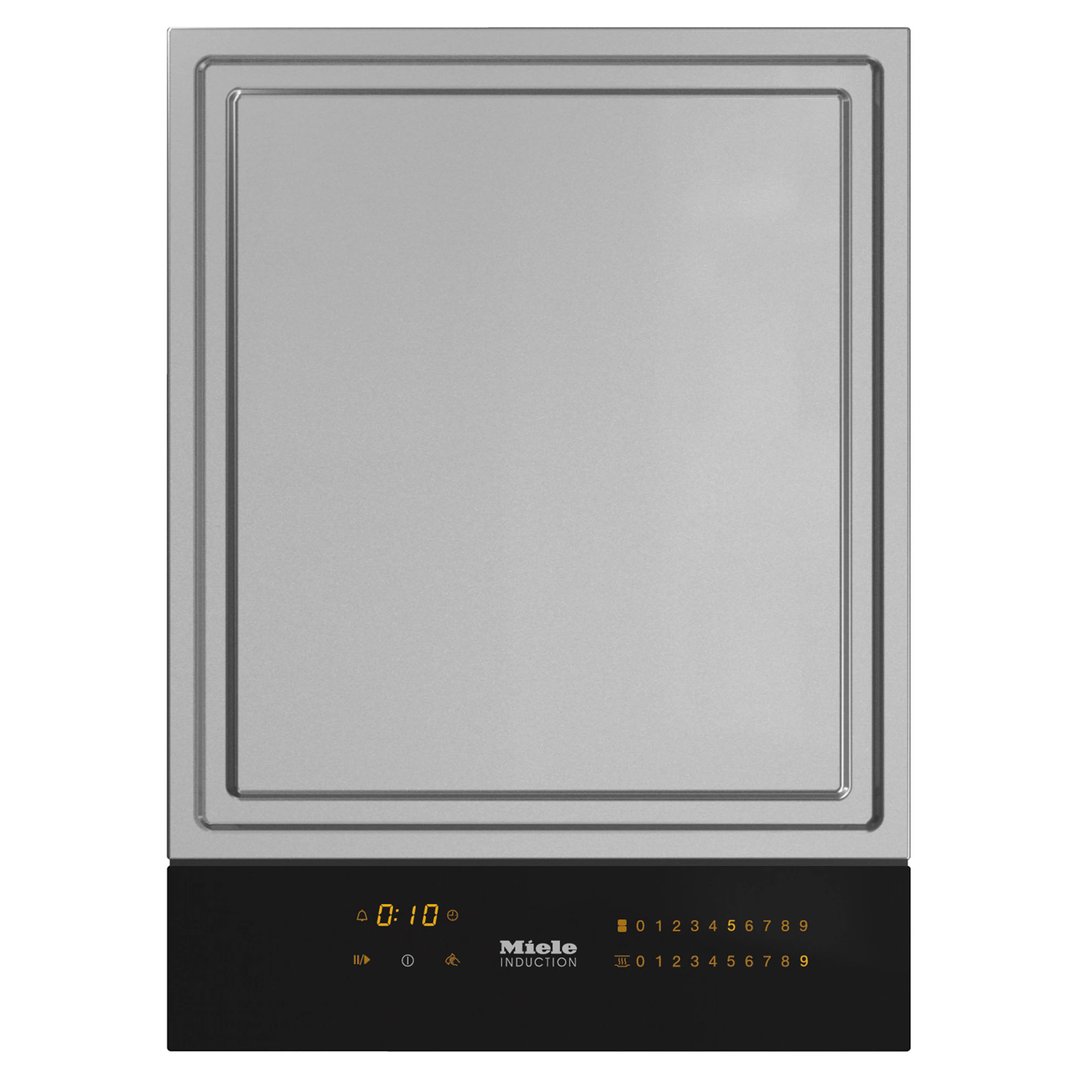
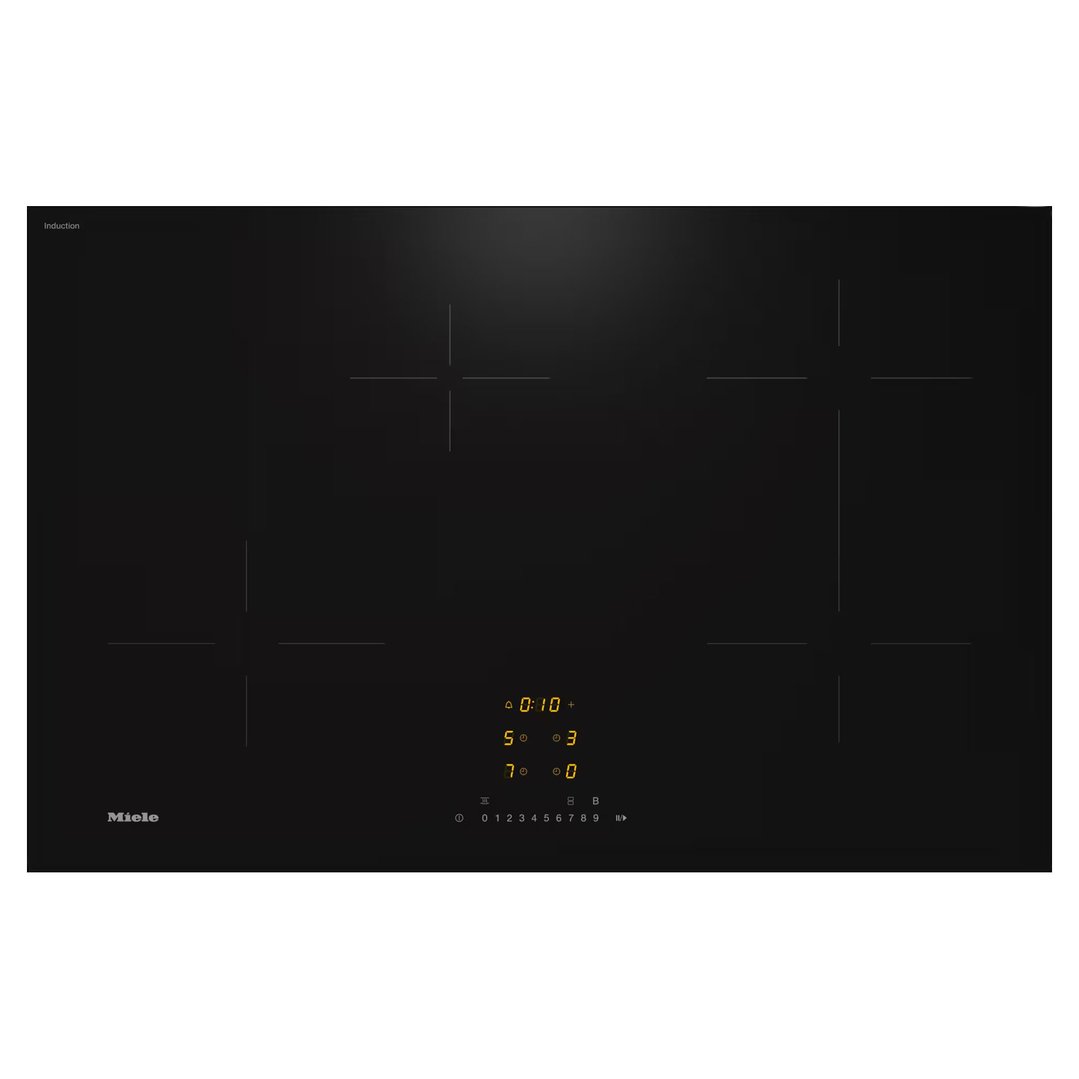
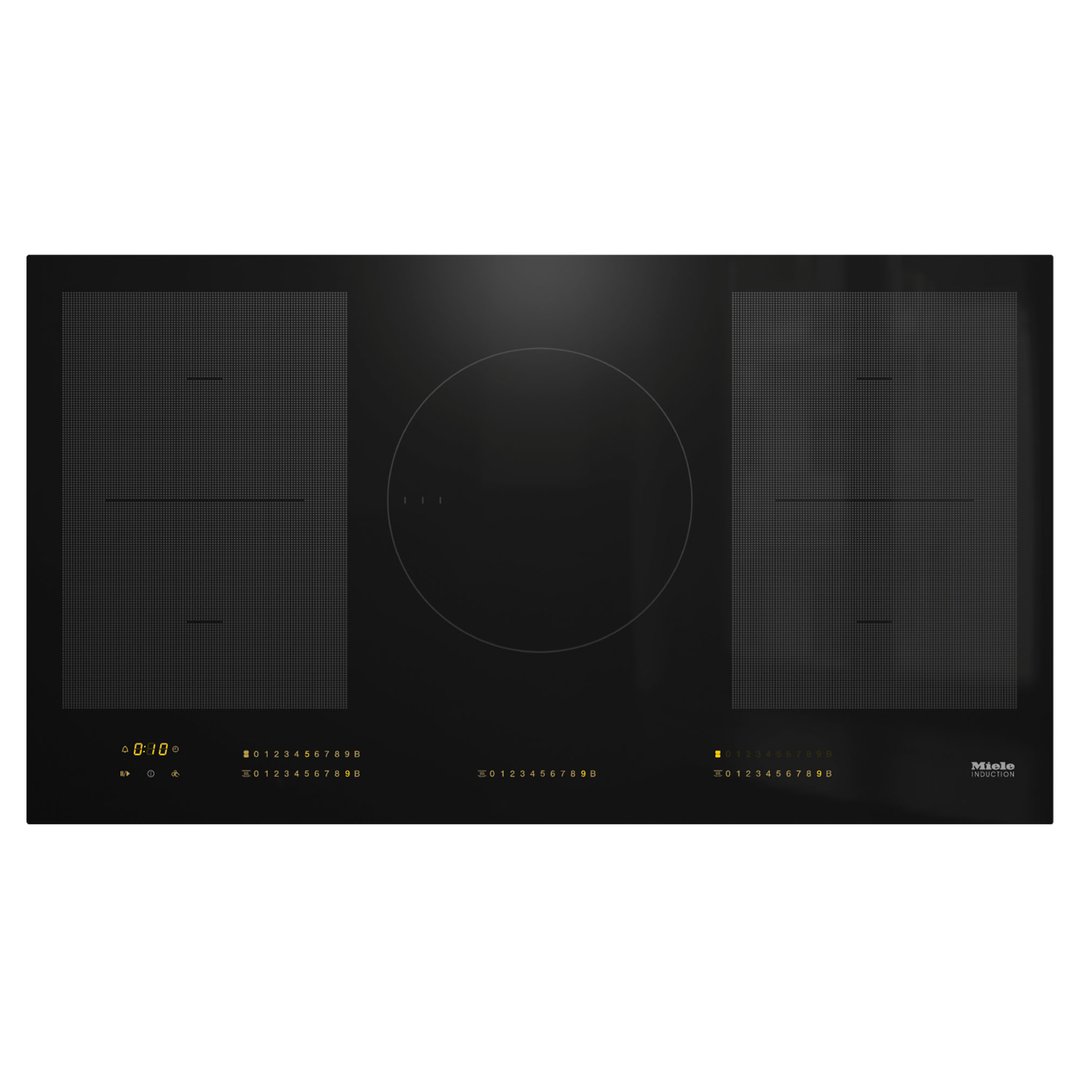
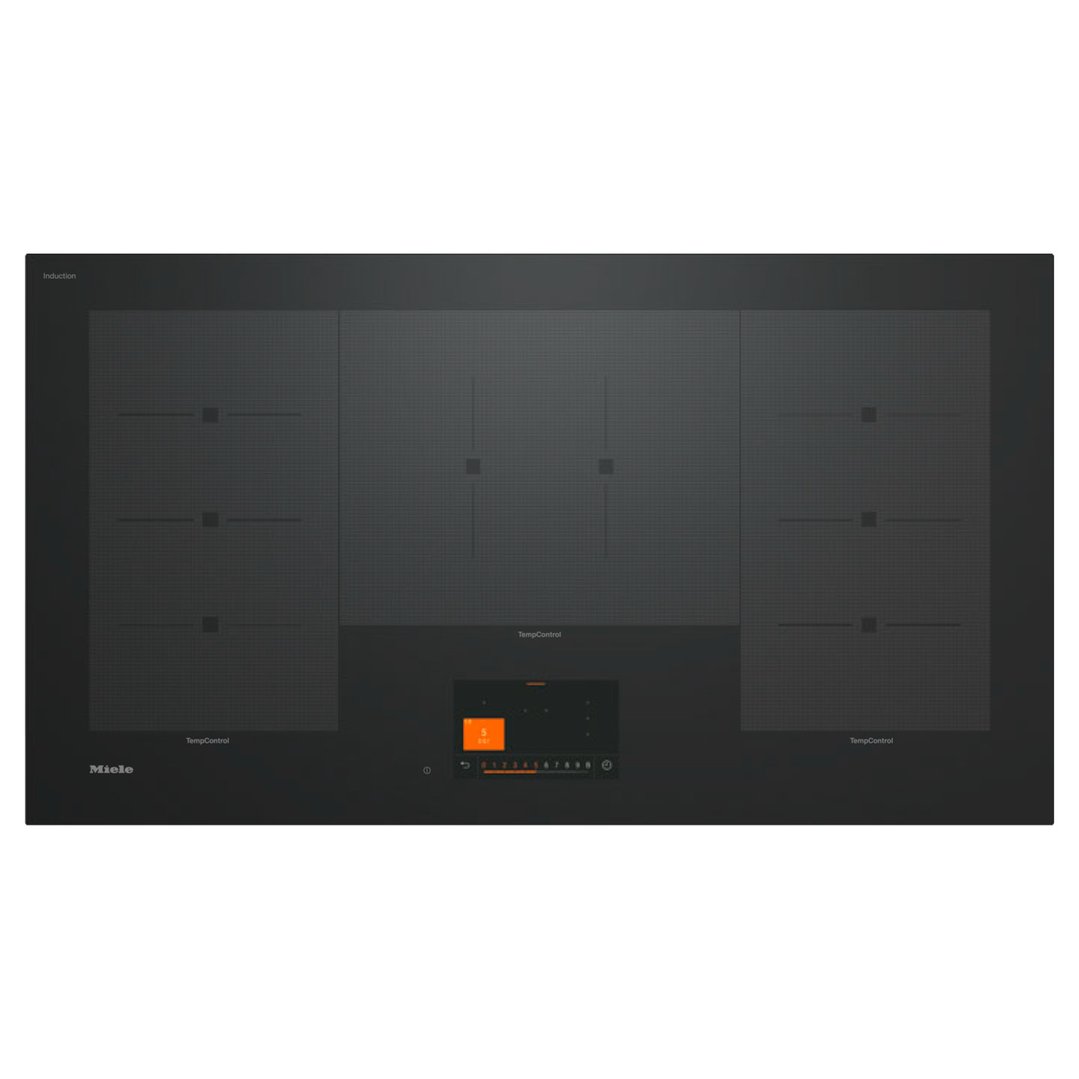
One of the newest types of cooktops on the market, induction cooktops heat pots and pans using a reaction between magnetic fields and the materials the pots and pans are made of. They require the use of specific cookware, but are popular for their fast heating times and energy efficiency.
Heats up very quickly
Only the pots and pans used are heated, not the cooktop itself, making it a safer choice for family homes
Easy to clean
Have sleek, modern styling
One of the most efficient cooktop types
Can only be used with specific types of cookware
Can typically only be used with cookware with a flat bottom
More expensive than gas and electric cooktops
Popular brands of induction cooktops: Smeg, Miele, Fisher & Paykel
$1,099 you
pay $799Ends in
2 Days$1,379 you
pay $1,179Ends in
2 Days

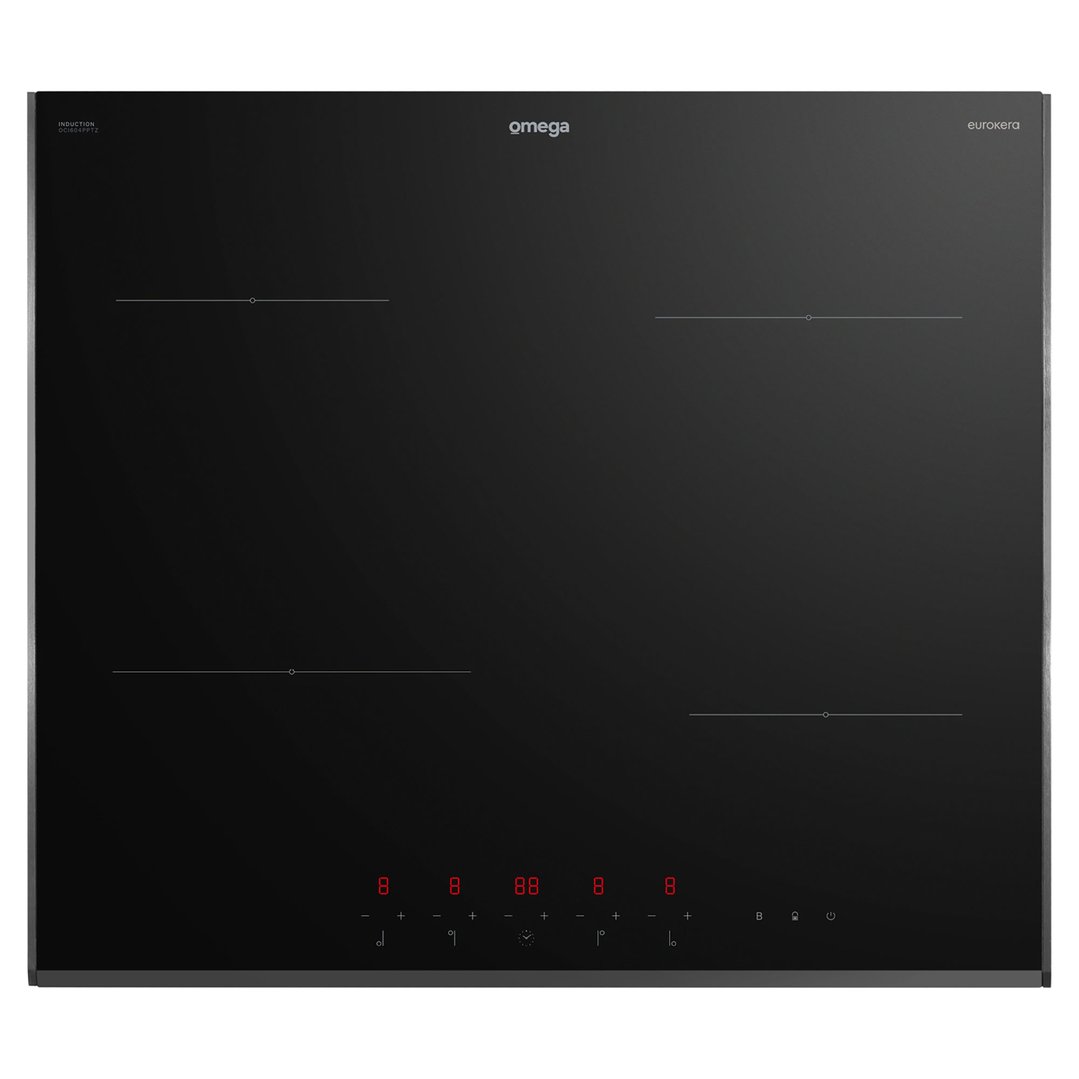
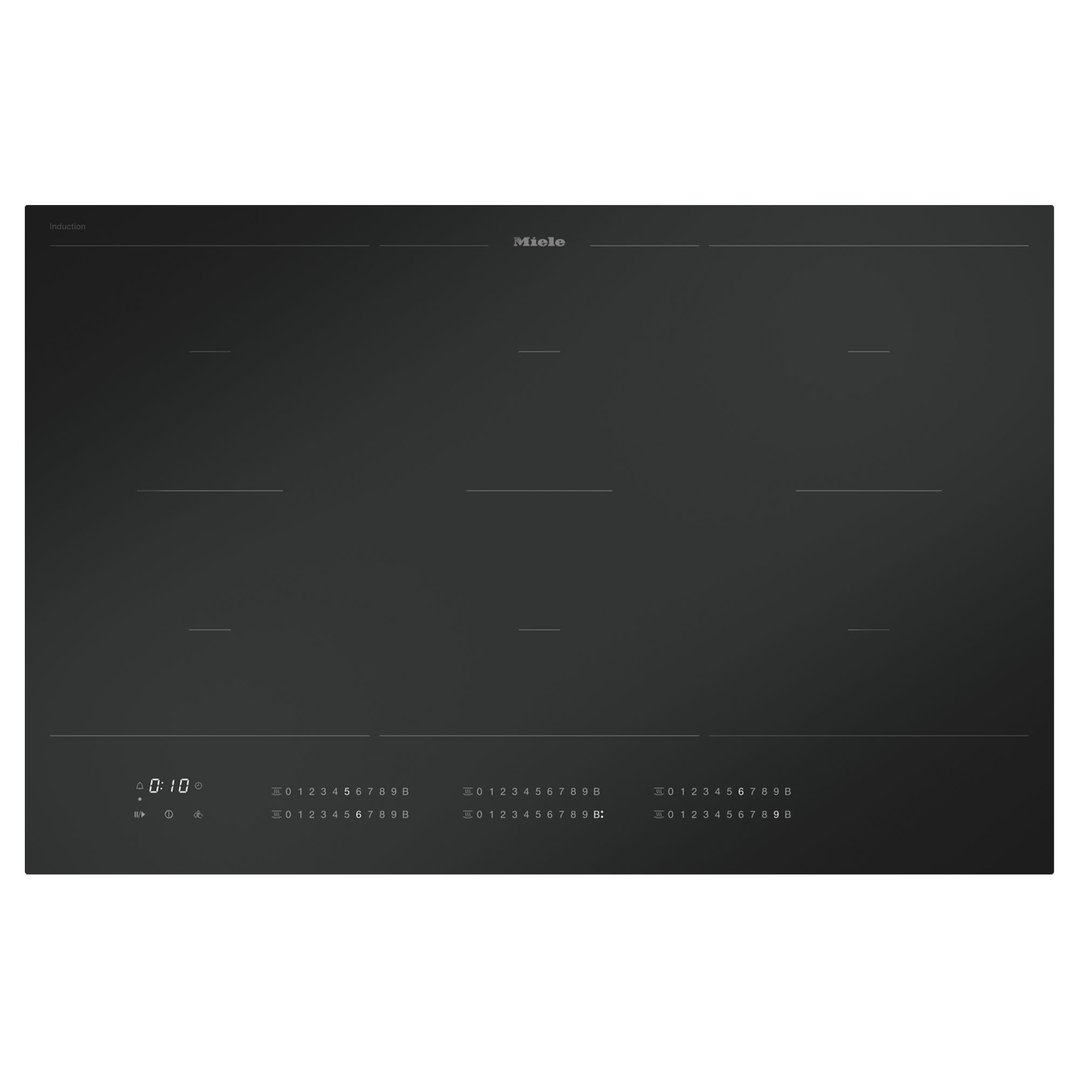
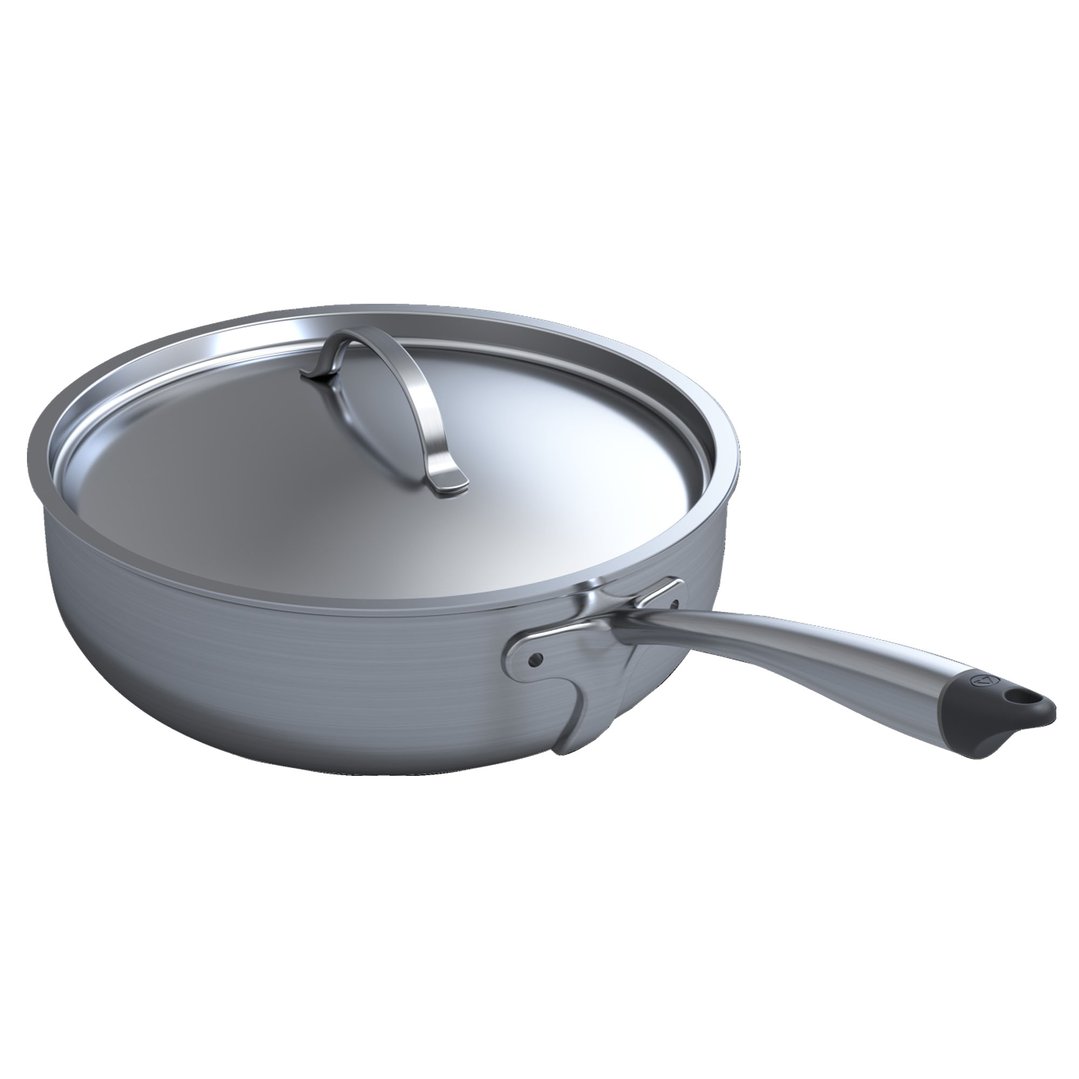
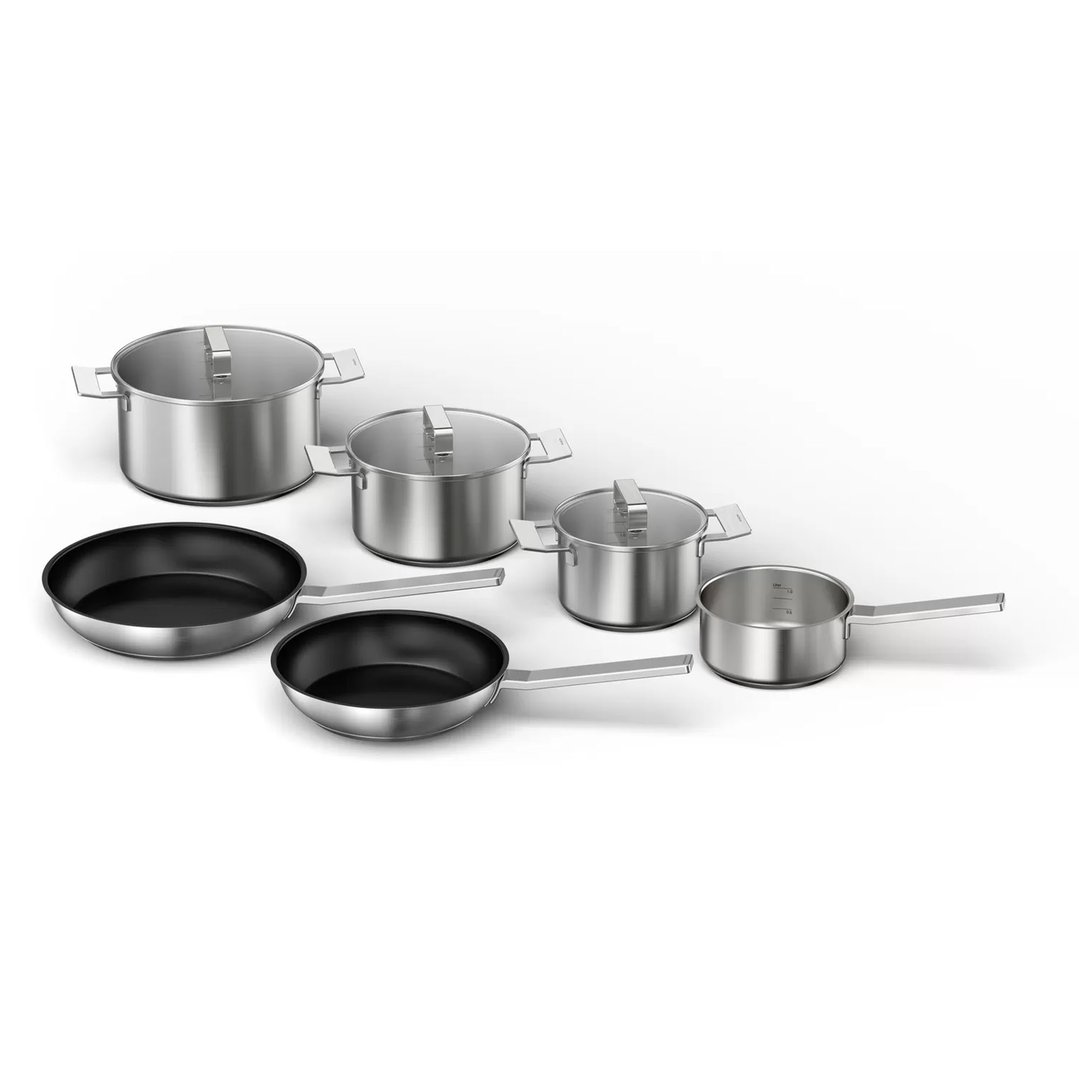
For each type of cooktop, there are different restrictions on the type of cookware that you can use.
COOKWARE FOR ELECTRIC COOKTOPS
Must have a flat bottom to avoid toppling over
Can be made from a variety of different materials
If you select a ceramic cooktop, it’s recommended that you avoid heavier cookware to prevent accidental damage
COOKWARE FOR GAS COOKTOPS
Most pot and pan shapes are compatible, including woks with rounded bases
Can be made from a variety of different materials
Care needs to be taken to prevent flames from going too high up the edges of your cookware to avoid unwanted warping
COOKWARE FOR INDUCTION COOKTOPS
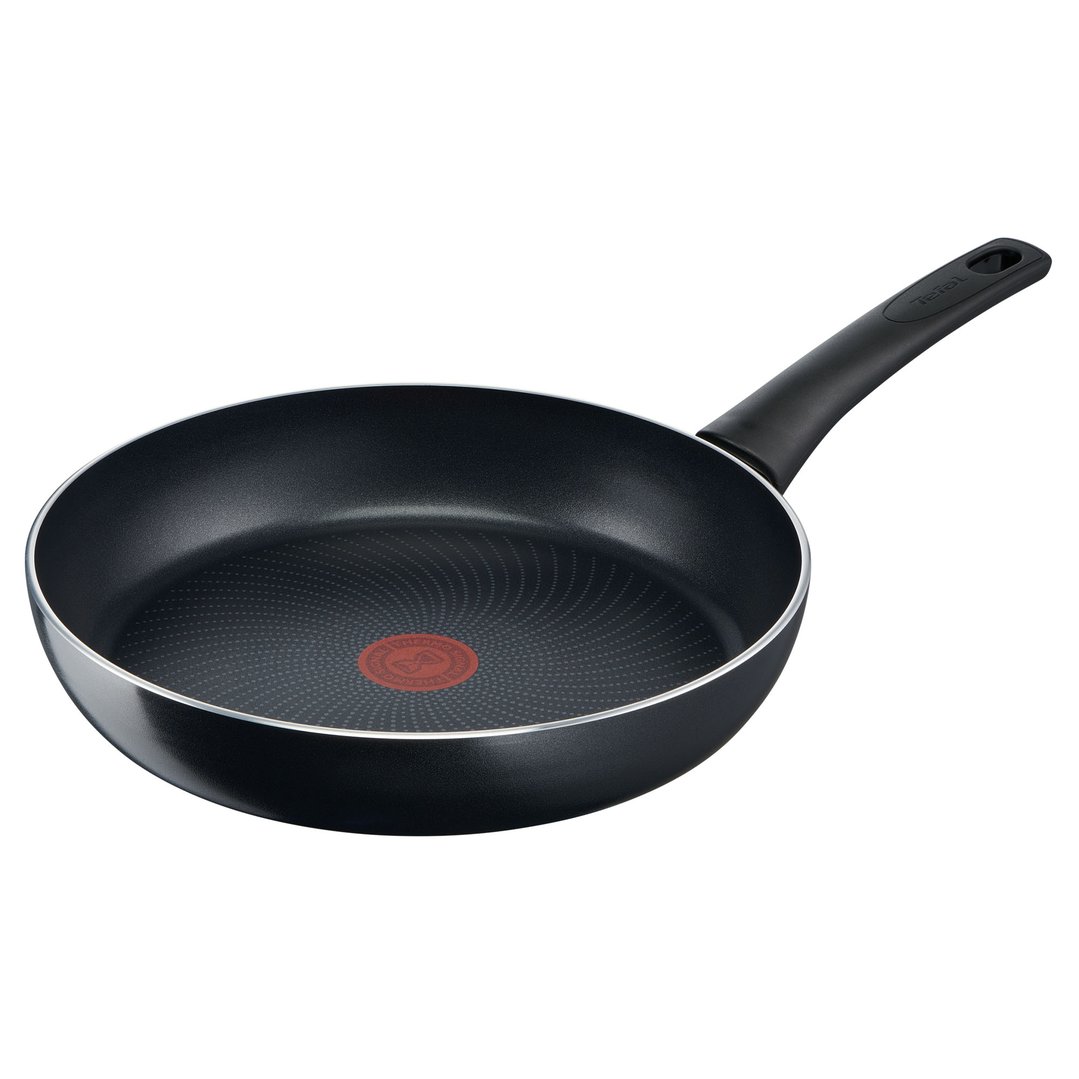
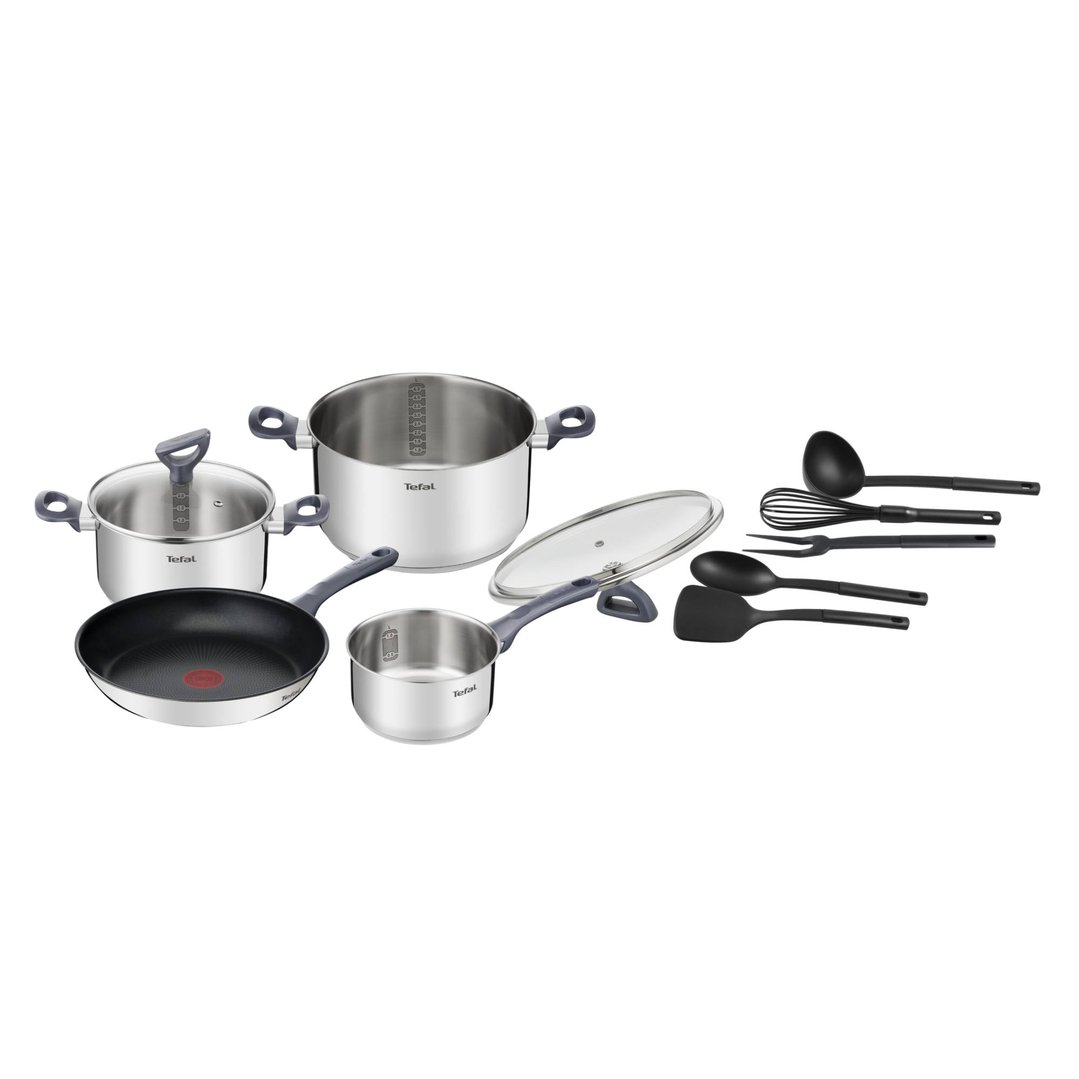
Requires the use of induction-compatible cookware to allow heat to be transferred
Only pots and pans made from a magnetic material, such as stainless steel or cast iron can be used
To check if the cookware you already own is compatible, check to see if a magnet will stick to its base. If it does, it will generally be compatible.






When looking for the best cooktop for your home, one of the most important things to consider is how much space you have available. Most people will need to work with the existing space that they have, while others may be able to opt for a model that’s larger than the one they already have, particularly if they’re planning to remodel their kitchen.
Take the time to measure your existing cooktop or the space you have available to find out how much room you have to play with. Use these measurements to narrow down your options. Most cooktops sold in Australia are either 60cm or 90cm wide. A smaller cooktop will have fewer burners when compared to its larger counterparts, but burner configurations do vary from model to model. 60cm cooktops typically have three to five burners, while 90cm cooktops may have anywhere up to six. Some narrower 30cm cooktops, typically featuring two burners, are also available.
Power settings: Induction cooktops generally come with multiple power settings, allowing you to cook several different dishes at once using varied temperatures. While a model with more power settings may be more expensive, it does offer greater versatility.
Ease of cleaning: To help make cleaning easier, look for models with fewer parts and crevices. Gas cooktops are typically the hardest type of cooktop to clean, but this is a result of the different components required for their operation. Electric cooktops are generally easier to clean than gas cooktops, while induction cooktops are typically the easiest of the bunch to clean.
Controls: Different types of controls are used across each variety of cooktop. Gas cooktops are typically controlled using knobs, most induction cooktops have touch controls, while electric and ceramic cooktops feature manual controls. Touch controls are often the easiest style of control to clean. When choosing a cooktop, look for a model that has controls that are not only easy to read but also to use.
Cooking styles: The way that you prefer to prepare your food can play a part in helping you decide which is the best cooktop for your needs. If you love stir frying meats and vegetables, a cooktop with a wok burner may be best for your needs. If you typically cook with large pots and pans, you’ll need a burner layout that accommodates them comfortably, while slow cooking and simmering is best suited to cooktops with low heat settings or simmer burner ratings.
Energy efficiency: Much like any other appliance, it’s important to choose a model that’s energy efficient, reducing not only your impact on the environment, but also the size of your bills. Cooktops often get used daily, if not more, so it makes sense to pay that little bit extra for a model that will help reduce your running costs in the long run.
Automatic sensors: Although they may not be a feature of every cooktop model, automatic sensors can be a handy addition, especially in a family home. Some gas cooktops automatically shut off the supply of gas if the flame was to go out, while induction cooktops shut off as soon as a pot or pan is removed.
Rangehood height requirements: Cooktops need to be positioned a certain distance from the rangehood above. If you are looking to replace a cooktop that you already have, it’s worth investigating whether the type you’re considering will be suited to the height of your current rangehood. The highest part of a gas cooktop must be at least 65cm from the rangehood above, while electric cooktops must be 60cm or more away. Check out our rangehood buying guide for more information.
Q. What is the best cooktop for my kitchen?
The best cooktop for your kitchen depends on your preferences. At Bing Lee, we offer a wide range of gas, electric, and induction cooktops. Gas cooktops provide precise control, electric cooktops are easy to maintain, and induction cooktops deliver fast and efficient cooking. Explore our selection to find the perfect match.
Q. What are the standard cooktop dimensions?
Cooktop sizes typically range from 60 cm to 90 cm in width, but compact options as small as 30 cm and larger models up to 120 cm are also available at Bing Lee. Be sure to measure your kitchen space before making a decision.
Q. What kind of pots and pans are best for induction cooktops?
Induction cooktops require cookware that has a magnetic base, such as stainless steel or cast iron. Look for pots and pans that are specifically labelled “induction-compatible” when shopping at Bing Lee.
Q. What are the four basic types of stovetops or cooktops?
The four main types of cooktops available at Bing Lee are gas, electric, induction, and ceramic. Each type offers unique benefits, such as gas’s flame control, electric’s ease of use, induction’s speed, and ceramic’s sleek design.
Q. How long do induction cooktops last?
Induction cooktops are built to last around 10 to 15 years with proper use and care. At Bing Lee, we offer a range of durable, high-quality induction cooktops from trusted brands.
Q. What materials work on induction cooktops?
Only cookware with a magnetic base will work on induction cooktops. This includes stainless steel, cast iron, and some multi-layered pans.
Q. What is the difference between ceramic and induction cooktops?
Ceramic cooktops use electric heating elements under a smooth glass surface, while induction cooktops use electromagnetic energy to directly heat the pan. Induction is faster and more energy-efficient, while ceramic offers a stylish design with even heating.
Q. How do I clean an induction cooktop?
Induction cooktops have a smooth, flat surface that is easy to clean. Use a soft cloth with warm soapy water or a ceramic cooktop cleaner to wipe it down. For stubborn spots, a non-abrasive scraper can be used.
Page last updated: April 13 2026 | Information provided by the experts at Bing Lee.