Buying Guides
Hair Dryer Buying Guide

Thinking about buying a new hair dryer? With so many different makes and models on the market, it can be hard to know where to start when shopping for this ever-popular device. Before you buy a hair dryer, take the time to read through our handy hair dryer buying guide to learn more about the different types of hair dryers available, the features you should be looking out for and more.

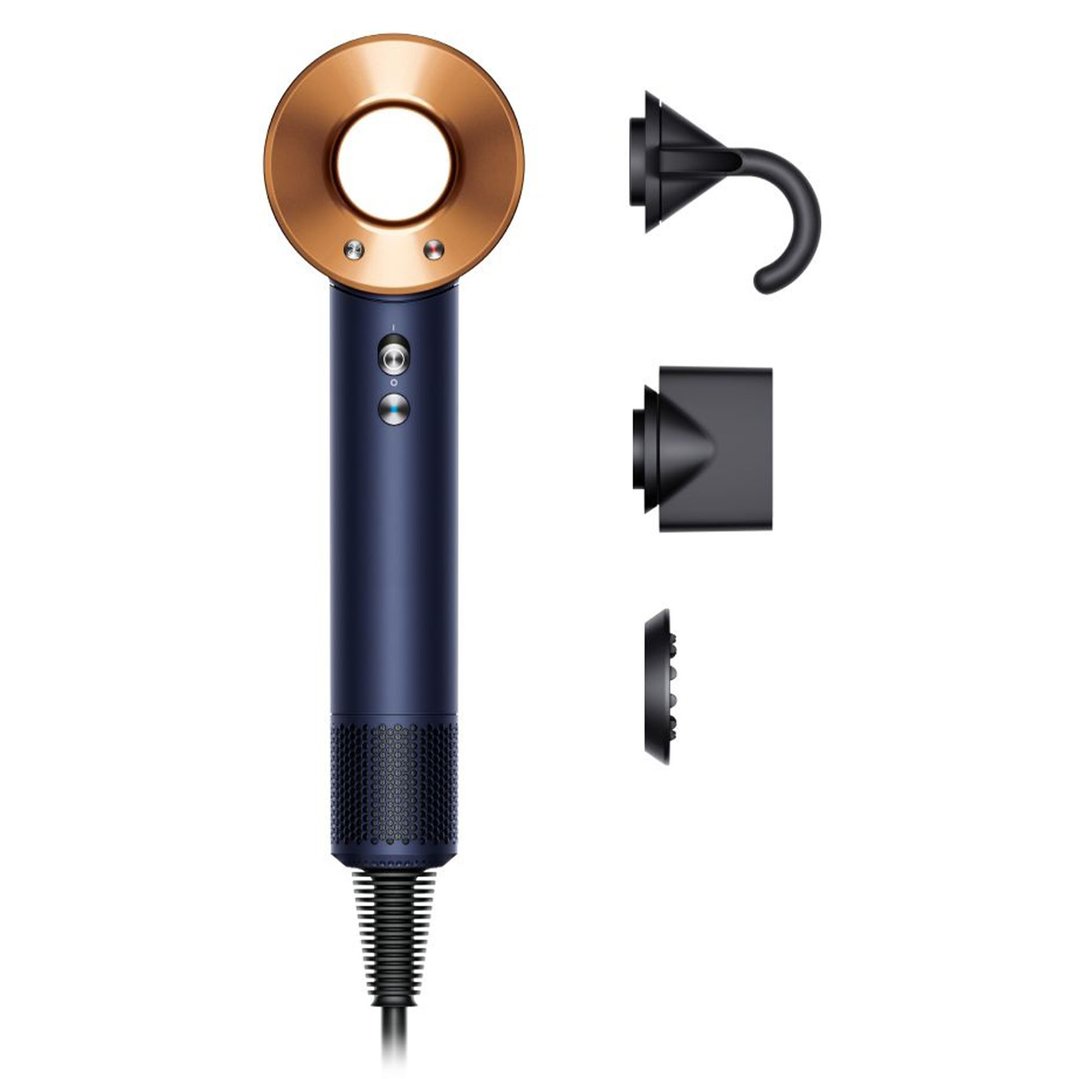


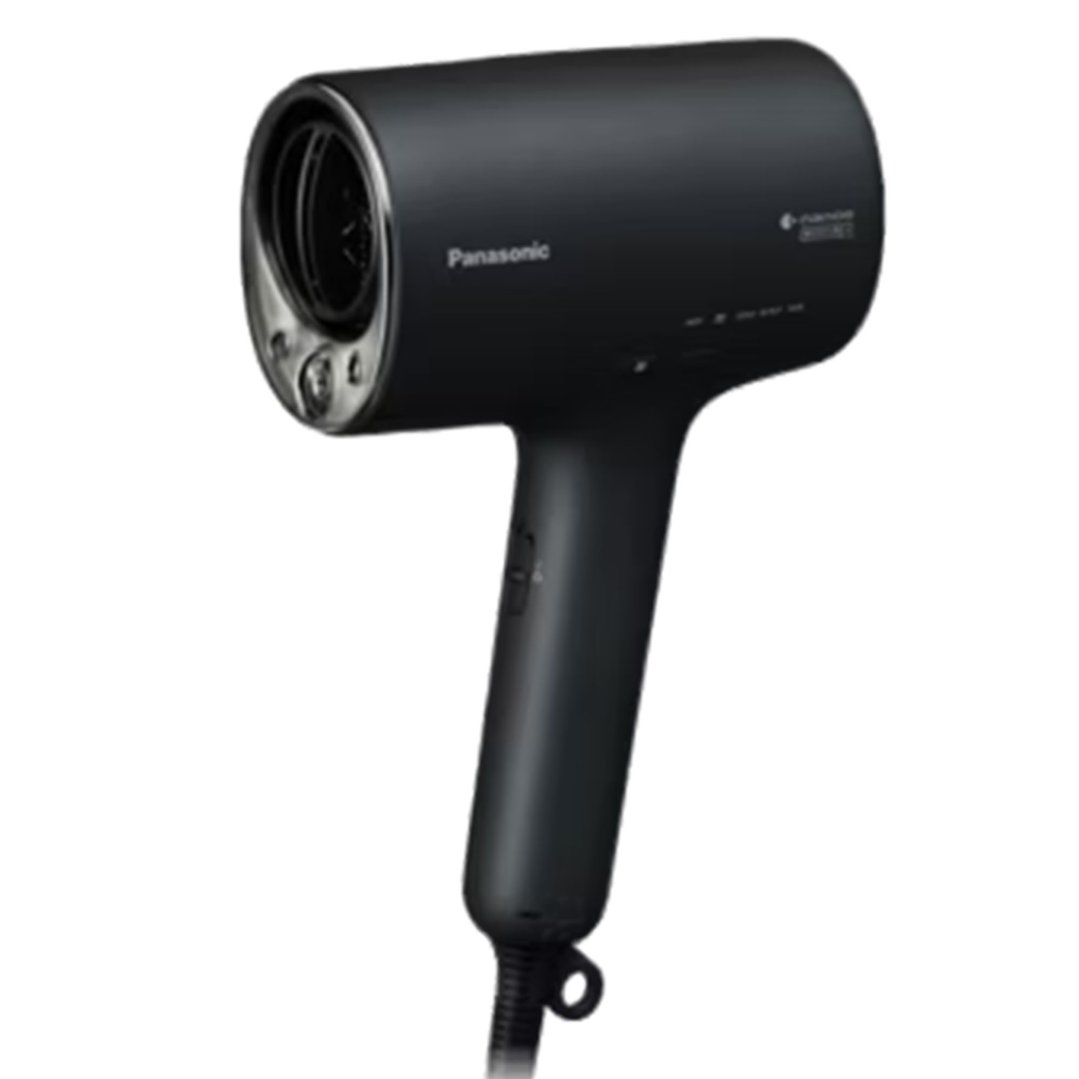

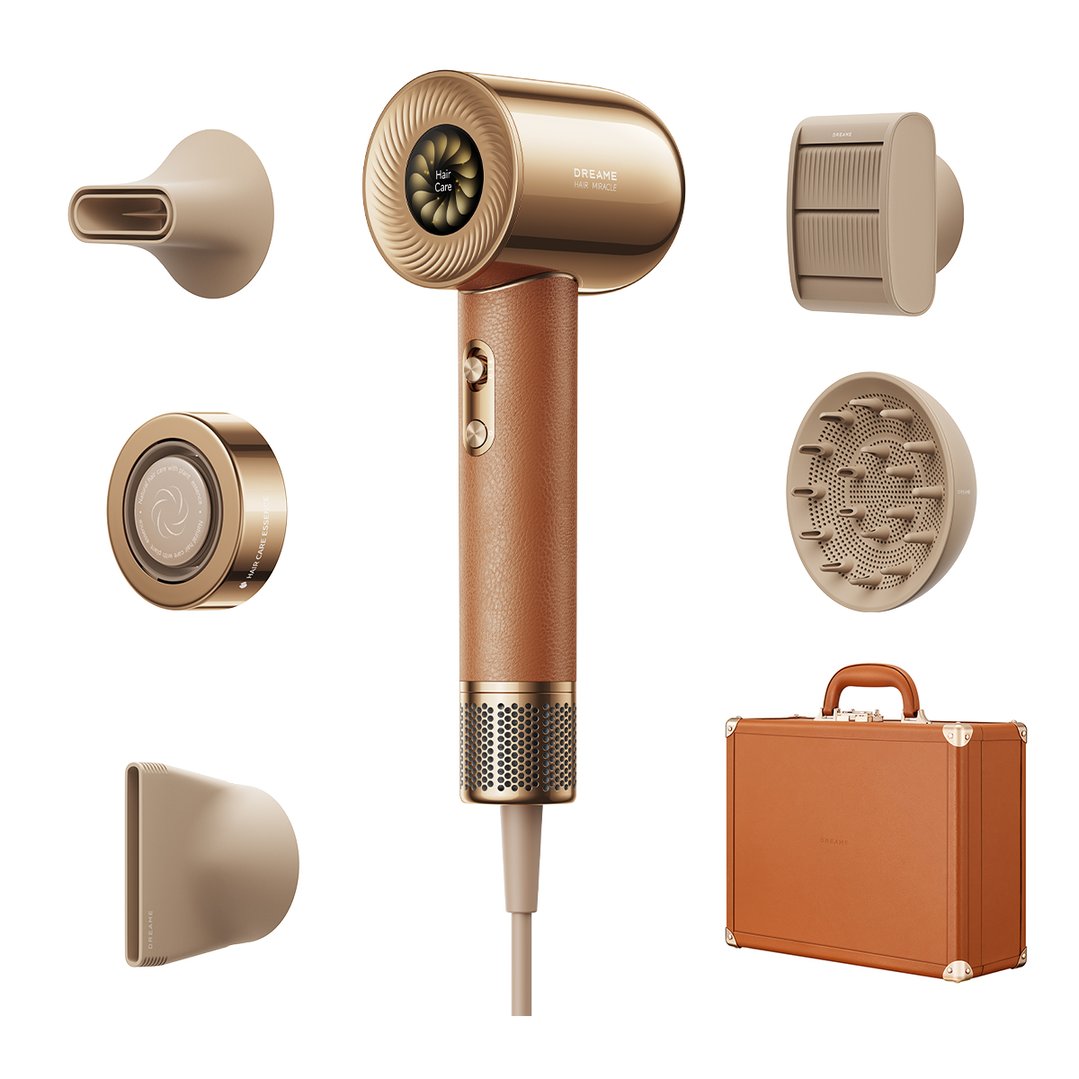
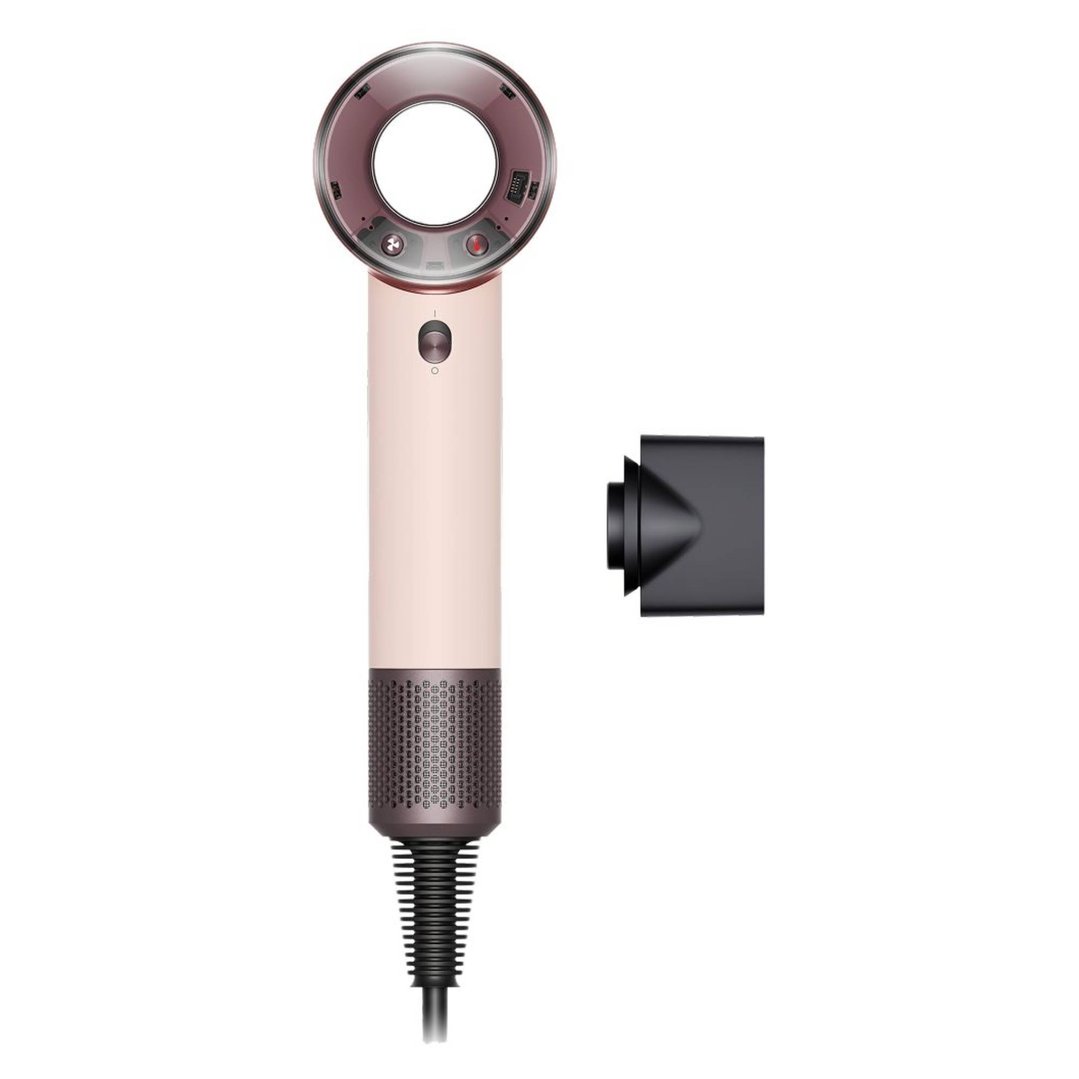

TYPES OF HAIR DRYERS
STANDARD HAIR DRYERS
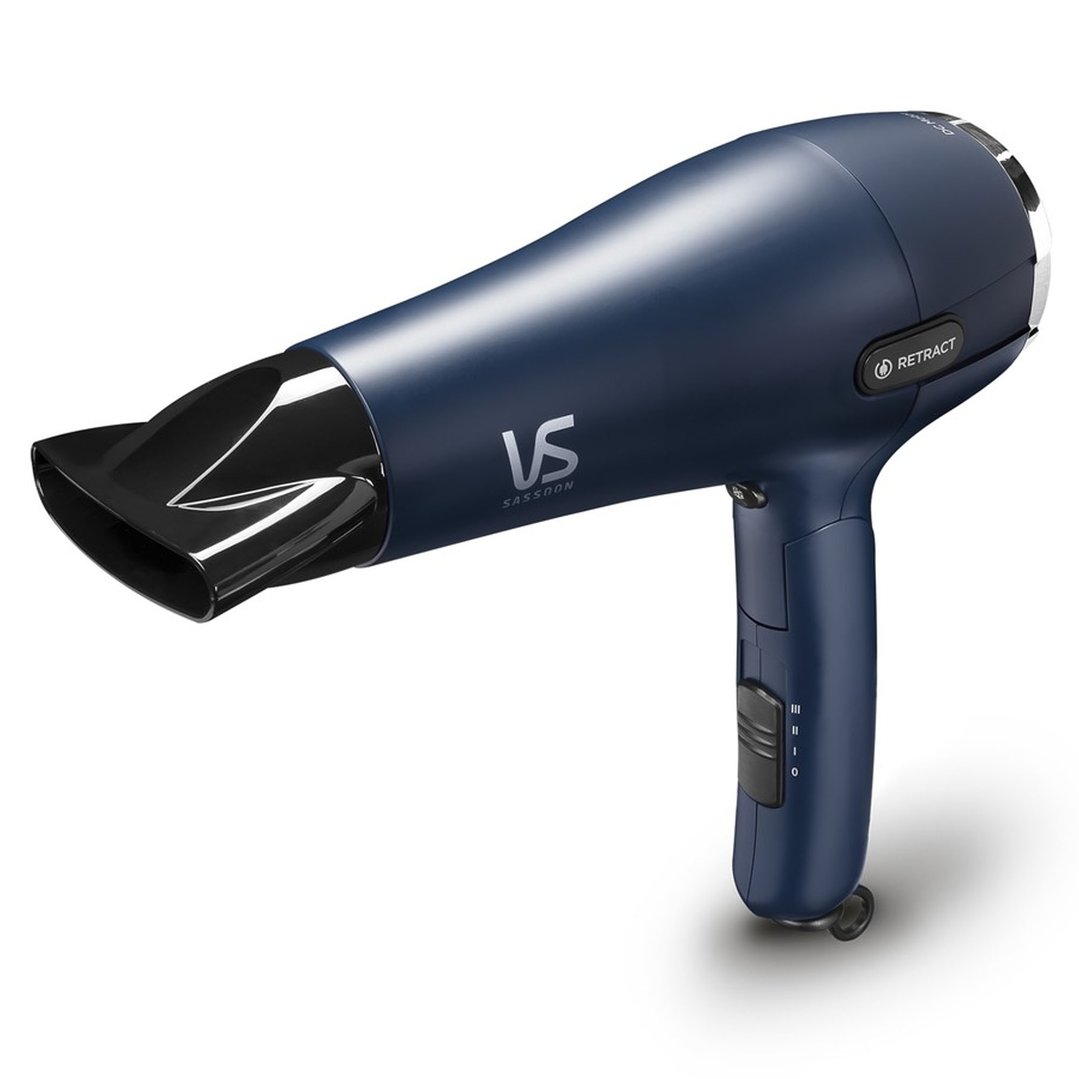
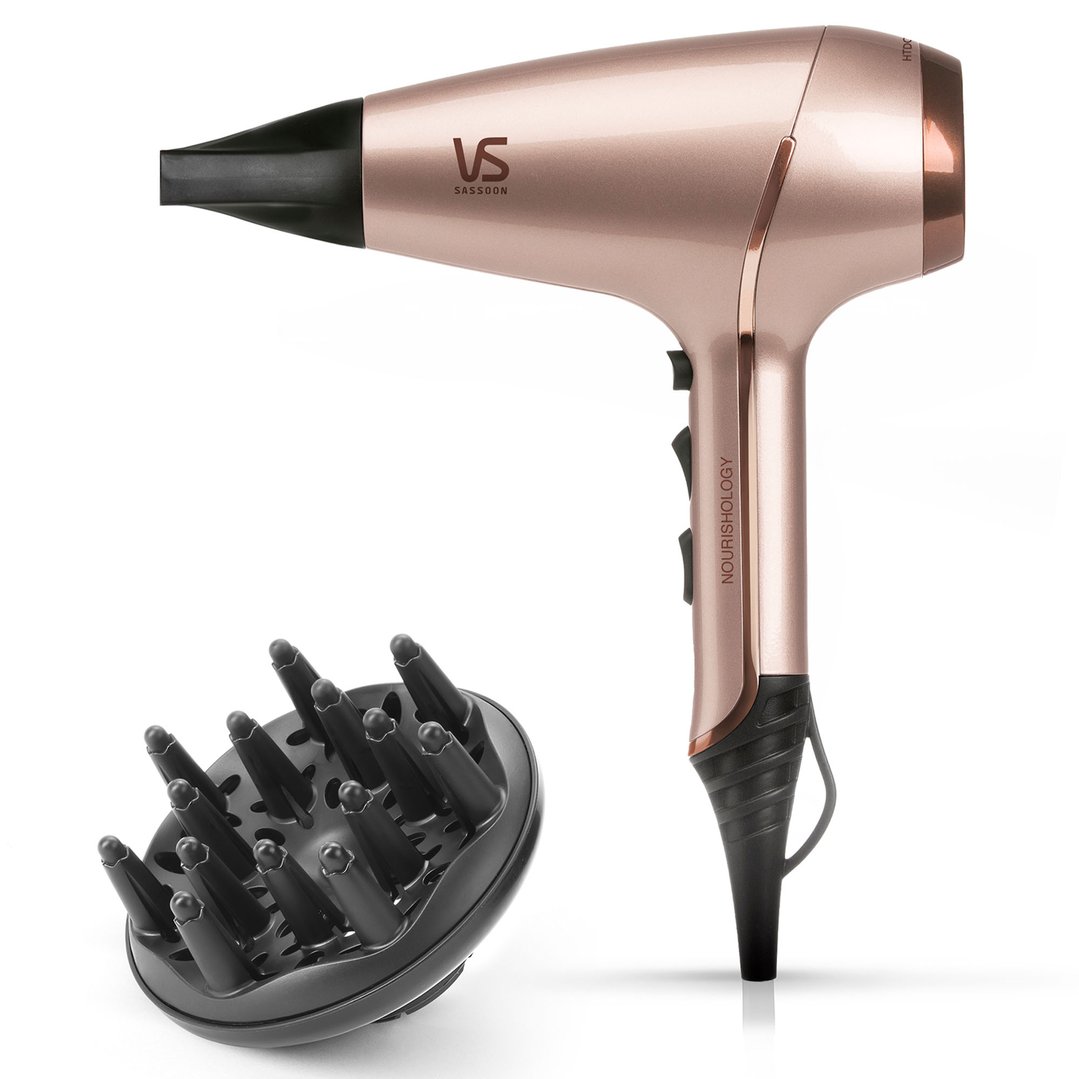
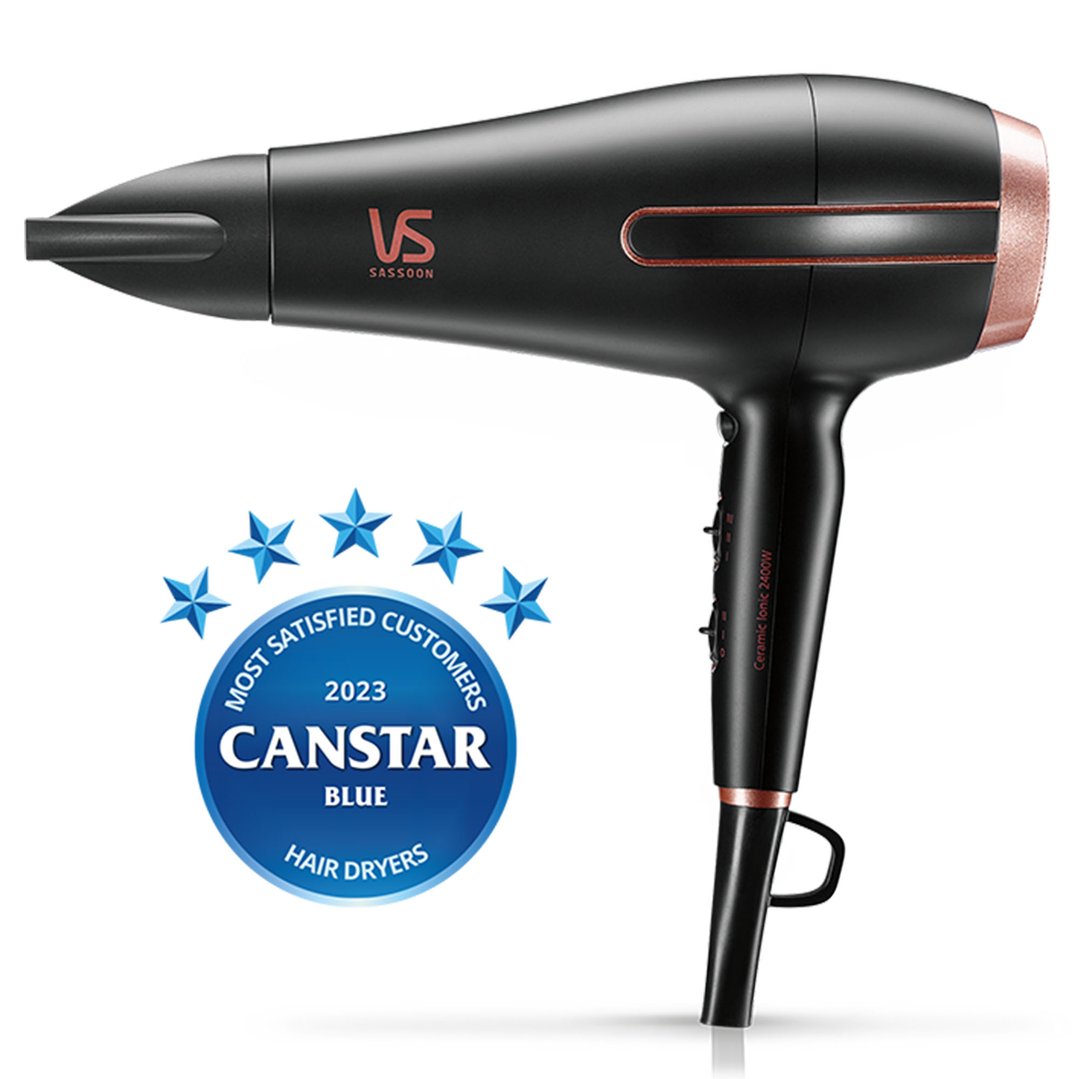
Great for everyday use, standard hair dryers are the most common type of hair dryer you’ll find on the market. Typically quite light and easy to use, they are available at a variety of different price points.
The most common type of hair dryer available on the market
Often cheaper than salon hair dryers
Wide variety of wattages and styles available
Tend to be lighter than salon hair dryers
Have a shorter lifespan than salon hair dryers (approximately 500 hours)
Popular brands of standard hair dryers: VS Sassoon, Panasonic
SALON HAIR DRYERS
Offering greater power and a longer lifespan than standard hair dryers, salon hair dryers are often more expensive than their counterparts. Drying hair faster with a stronger airflow, these models tend to be of higher quality than standard appliances.
Generally more powerful than standard hair dryers, allowing for faster drying
Often heavier than standard hair dryers
Tend to have a longer lifespan than standard hair dryers (approximately 2,000 hours)
Typically more expensive than standard hair dryers
Popular brands of salon hair dryers: Parlux
TRAVEL HAIR DRYERS
Typically lighter than a standard hair dryer, travel hair dryers are designed with luggage weight restrictions in mind. Great for travel, they also make great additions to gym bags.
Lighter than standard hair dryers
Often smaller than standard hair dryers
Some have foldable parts, making them easier to pack and store
May not be as powerful as other models
Popular brands of travel hair dryers: VS Sassoon
WHAT SHOULD YOU KNOW BEFORE BUYING A HAIR DRYER?
Wattage
A hair dryer’s wattage indicates just how powerful the appliance is. As a general rule of thumb, the higher the wattage, the more heat is produced. Most people will be fine using a hair dryer with a wattage that’s somewhere between 1,300 W and 1,800 W, while higher wattage models (2,000+ W) are best reserved for thick hair. If you have fine hair, you might want to look for a hair dryer with a low wattage to help prevent tangles and heat damage.
CHOOSING THE RIGHT HAIR DRYER FOR YOUR HAIR TYPE
Depending on your hair type and the condition of your locks, different hair dryers may be better suited to your needs. Discover what types of hair dryers and accessories are best for common hair types below:
Fine hair
Lower wattage hair dryers are recommended
Low heat settings are best when drying and styling, helping to prevent over-drying and heat damage
Ceramic hair dryers may help to provide more even distribution of heat throughout the hair
Thick hair
Higher wattage hair dryers are recommended
High heat settings are best when drying, allowing excess moisture to be removed
A concentrator attachment can be useful when drying each section of hair
Curly hair
Unless your hair is overly thick, a hair dryer with a standard wattage is recommended
A diffuser attachment should be used when drying curly hair, helping to maintain the shape of curls as they dry
Ionic technology may help to prevent unwanted static
Dry and damaged hair
Lower wattage hair dryers are recommended
Low heat settings are best when drying and styling, helping to prevent further damage
Ceramic hair dryers may help to provide a more even distribution of heat throughout the hair, preventing additional damage and drying
FEATURES TO LOOK OUT FOR
Size and weight. Although it may not seem like such a big deal when comparing different models, the size and weight of a hair dryer can certainly affect its usability, especially if you plan on blow drying long hair. If your chosen hair dryer is heavy to start with, you’ll likely end up with sore arms by the time you finish styling your hair. Lightweight models are best suited for drying long hair, while standard weight models may be fine for shorter hair or infrequent use. How you use your hair dryer can also help you decide what size model is right for your needs. If you travel a lot or are looking for a model that you can pack into your gym bag, a compact hair dryer might be best for you.
Switches. Used to help you cycle between different settings, a hair dryer’s switches should be easy to use. Look for switches that are easy to access and that have intuitive labelling.
Air filters. Some hair dryers feature a removable air filter, allowing you to clean off any dust or fluff that may accumulate with use.
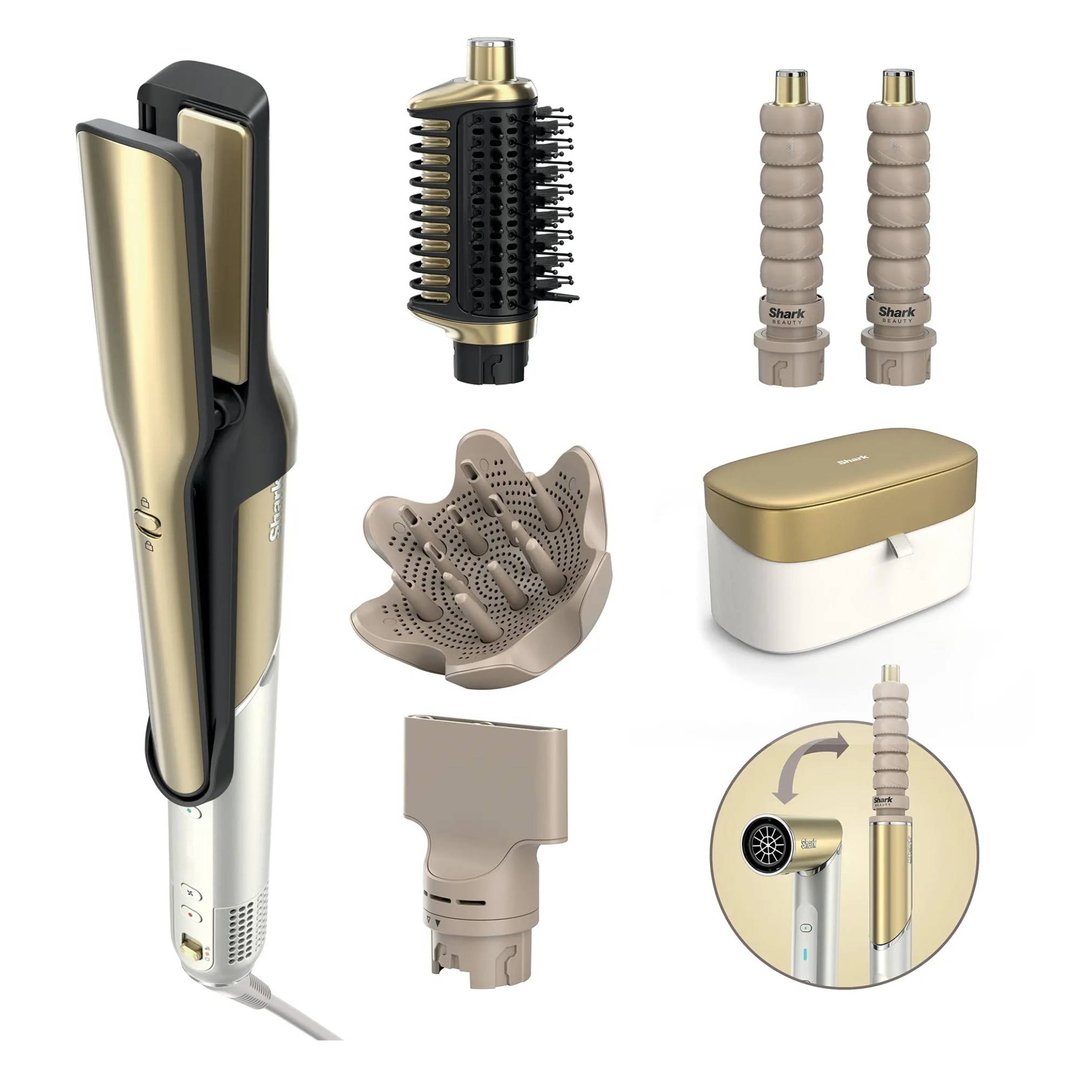
Nozzles and attachments. The different attachments and nozzles that come with a hair dryer can allow you to achieve different results. Concentrator attachments make it easy to achieve a more controlled flow of air, while diffusers allow for dispersed airflow that reduces frizz and heat damage.
Temperature control. Being able to choose which heat setting you’ll use gives you greater control when drying and styling your hair. Hotter temperatures are often used to dry the hair, while cooler temperatures are better for general styling. Different temperatures are also recommended for different types of hair.
Airflow control. Much like being able to adjust heat settings, airflow control is another important feature to look out for. High airflow can be used to dry thicker hair more efficiently, while lower airflow is best for styling.
Cool shot. Helping to set hairstyles in place and seal in shine, cool shot settings blow unheated air on to the hair, allowing for rapid cooling.
Turbo setting. Great for when you need to dry your hair in a hurry, turbo settings temporarily increase the amount of air that flows through the hair dryer, speeding up the drying process.
Noise. Although hair dryers are typically quite noisy appliances, some models come with noise reduction technology.
Hair dryer technologies. A variety of different hair dryer technologies are available, with each providing different benefits. Ionic technology is said to use negatively charged ions to help retain moisture and reduce frizz, ceramic technology provides a more even distribution of heat while also protecting from damage and frizz, while tourmaline technology generates negative ions that help to reduce static and speed up drying.