Buying Guides
Irons & Garment Steamers Buying Guide

In need of a new iron? Looking for an easy way to rid your clothing of unwanted wrinkles and creases? Browse through our handy iron and garment steamer buying guide to learn more about each type of appliance, what to look out for when comparing different models and some of the main features to keep in mind.
TYPES OF IRONS AND STEAMERS
IRONS
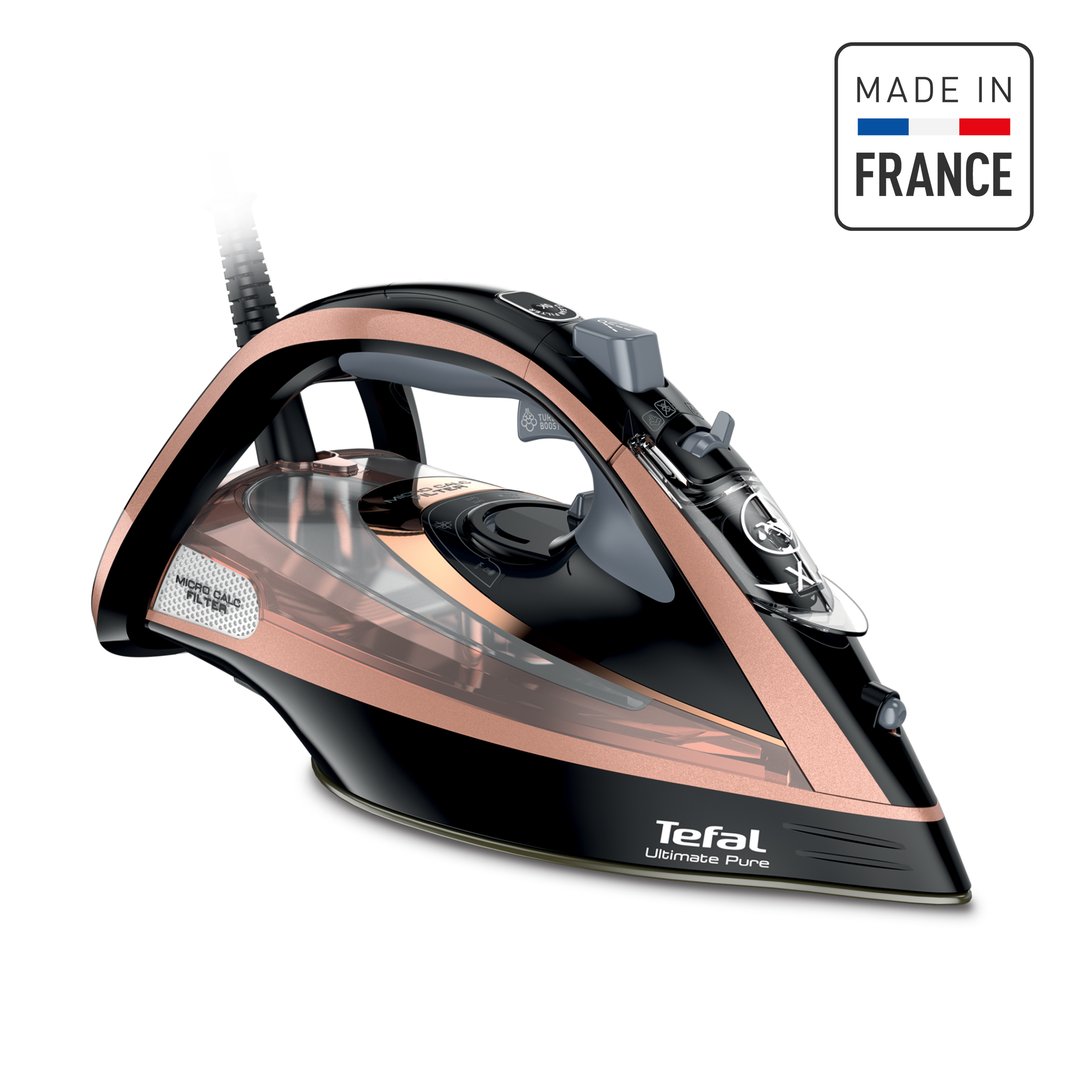
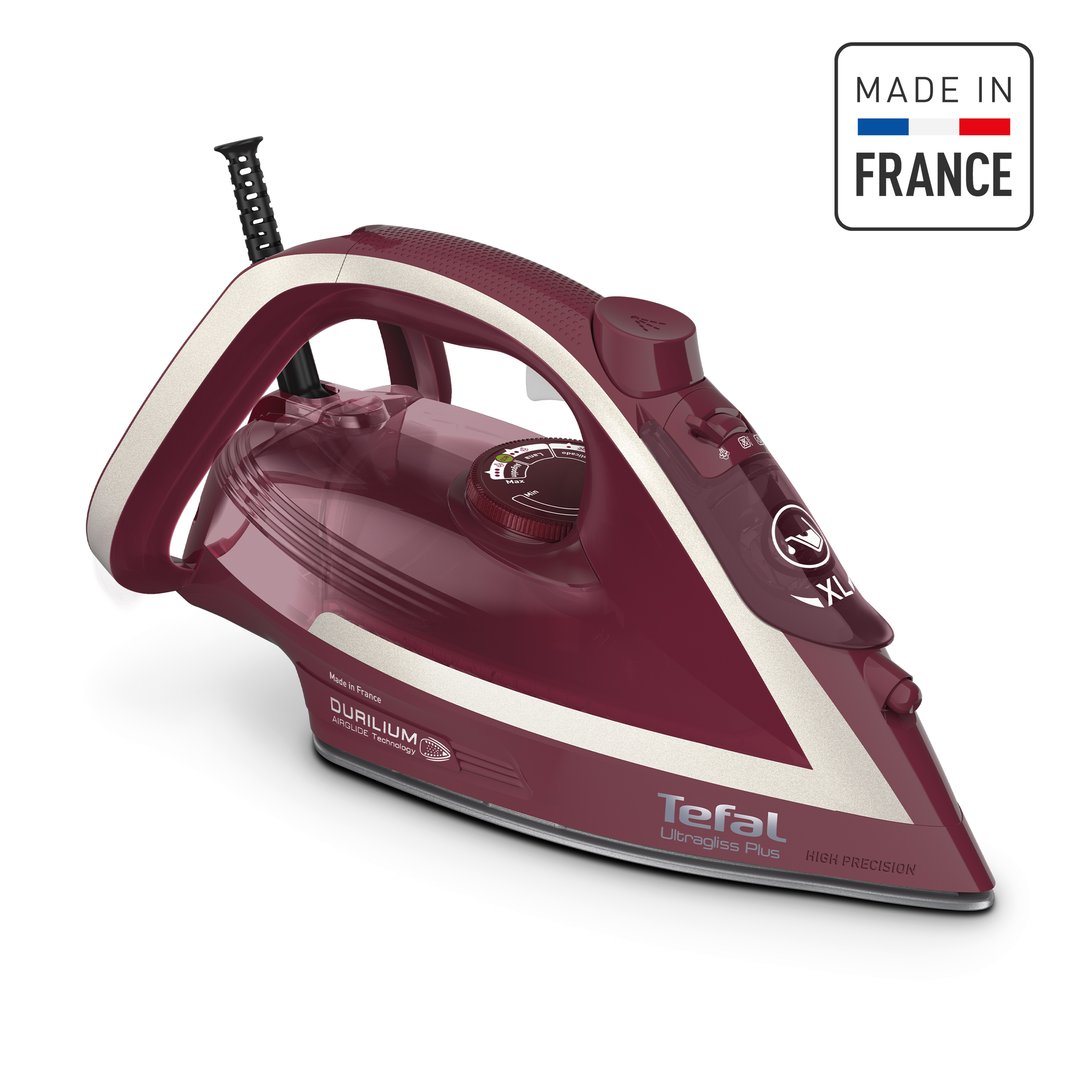
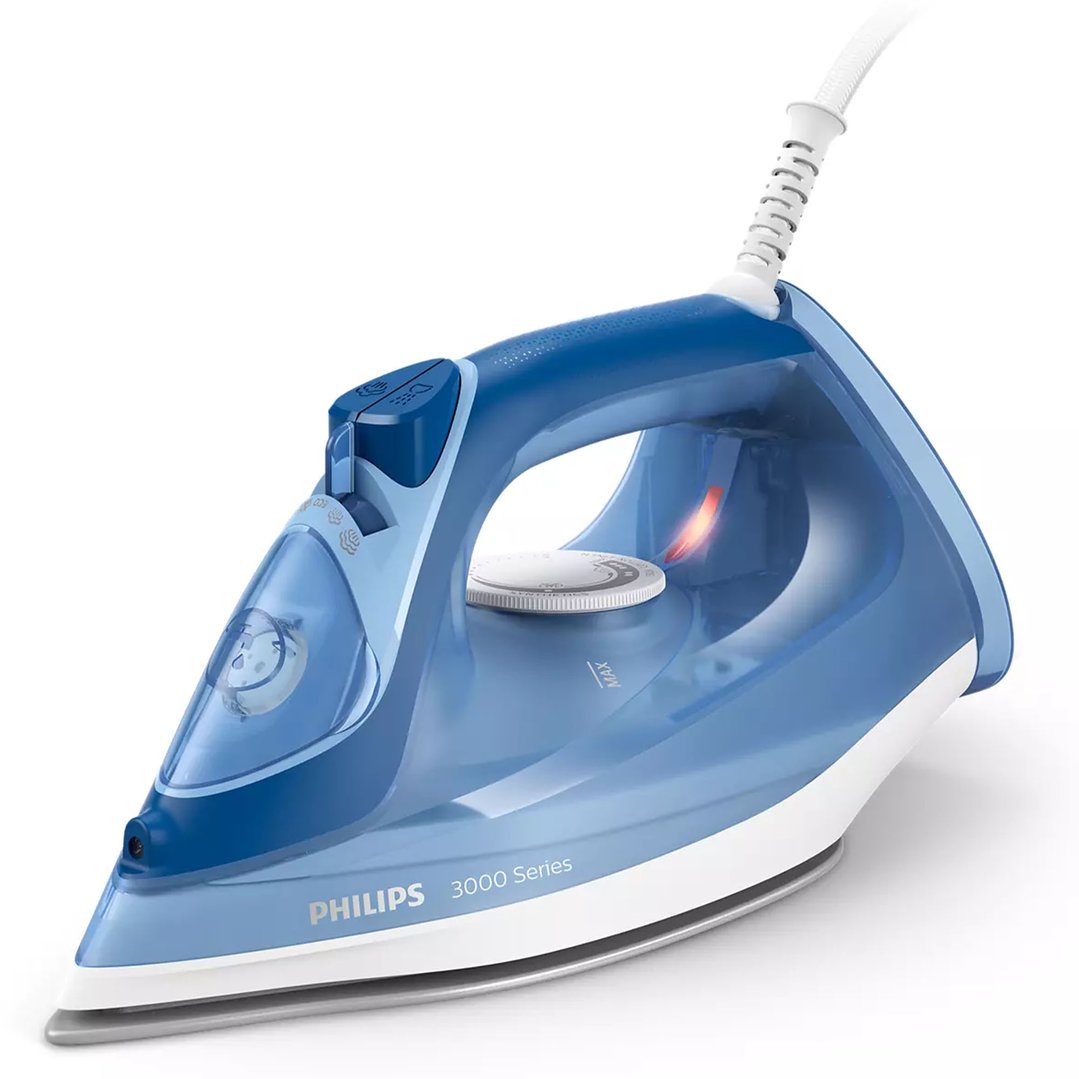
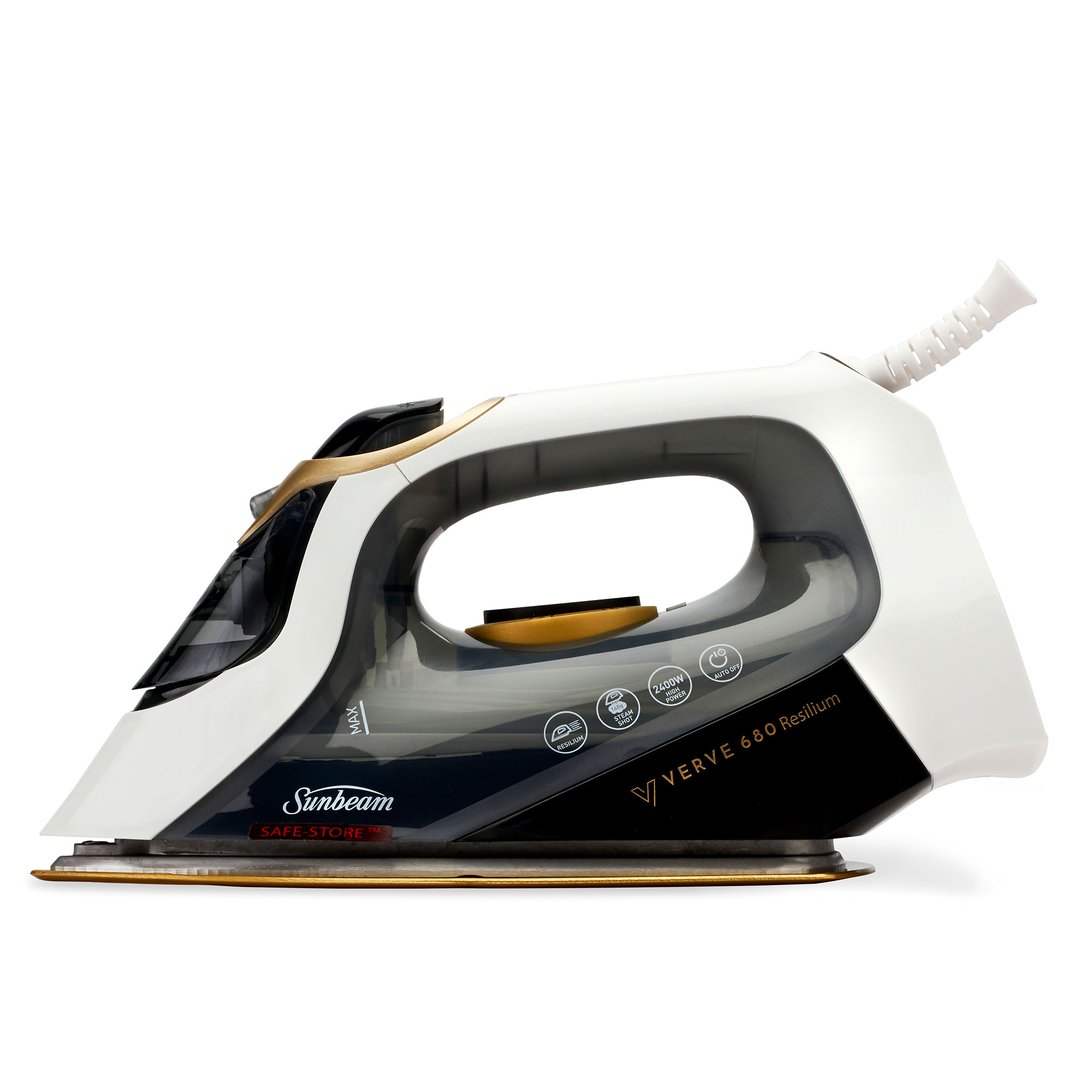
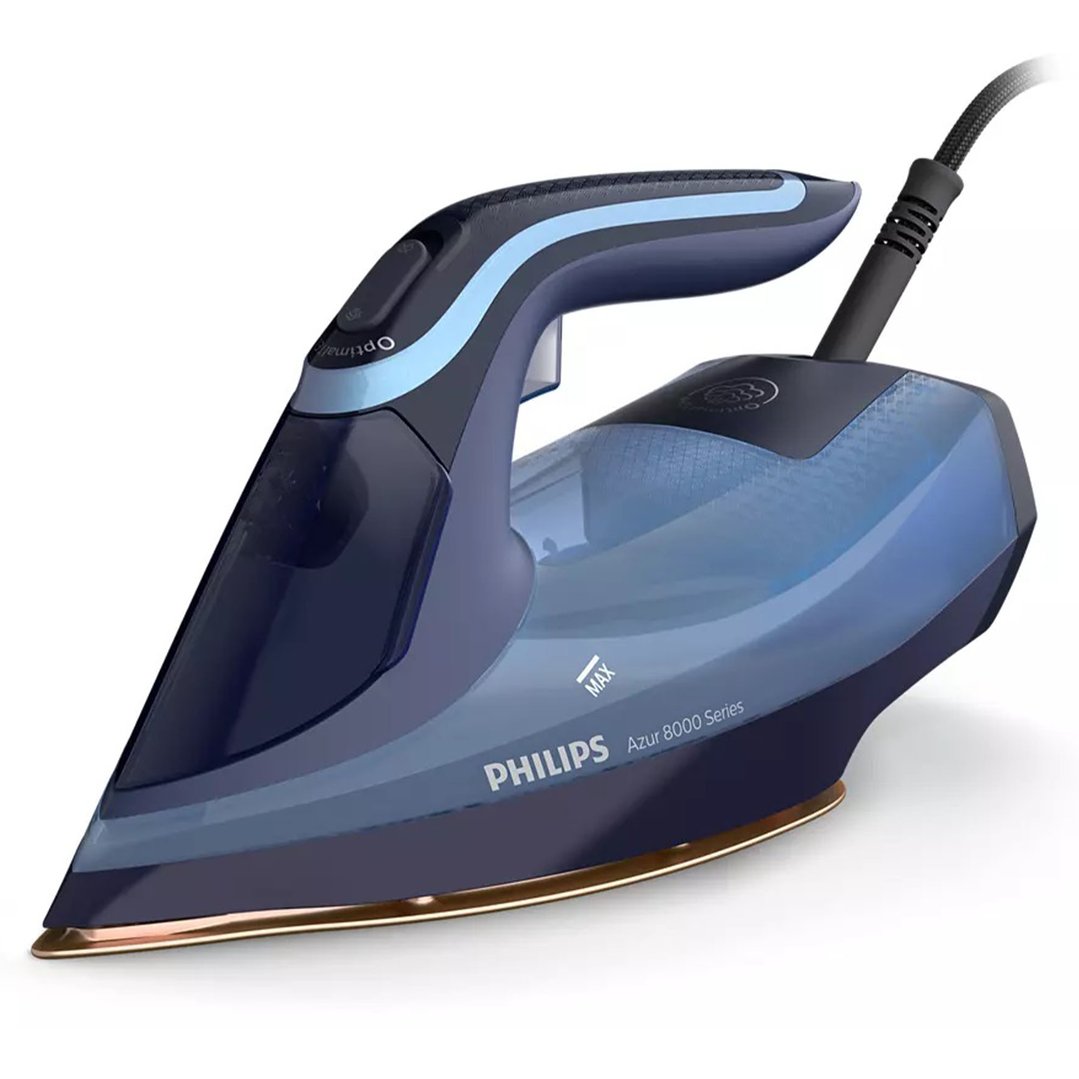
The most common garment care appliance on the market, irons use heat and steam to remove wrinkles and creases from fabric. A variety of makes, models and price points are available, making it easy to find one to suit the needs of your household.
Use heat and steam to smooth fabric
Variety of different soleplate materials available
Many different price points to choose from
Typically cheaper than garment steamers and steam generators
Don’t offer the same steam power as garment steamers and steam generators






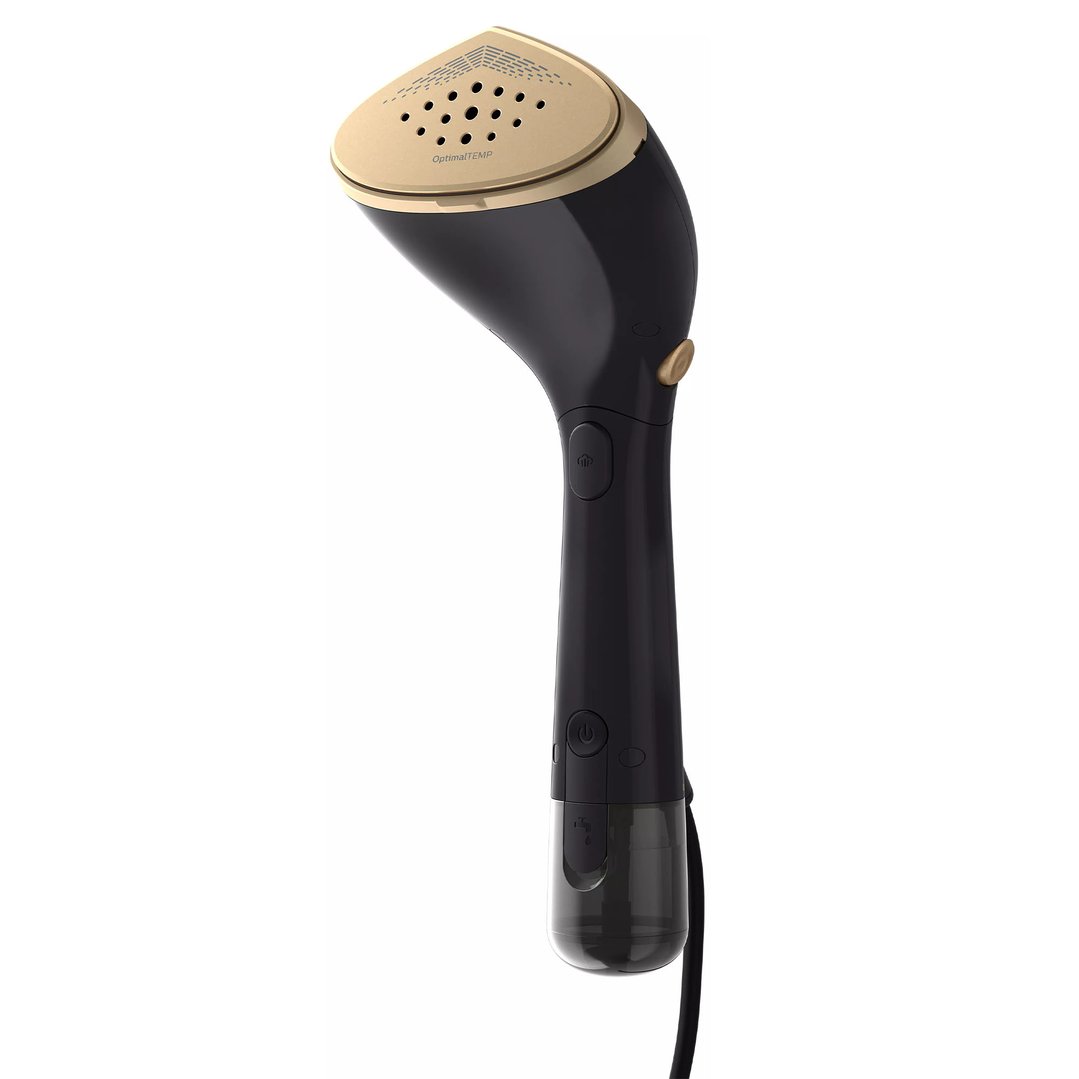
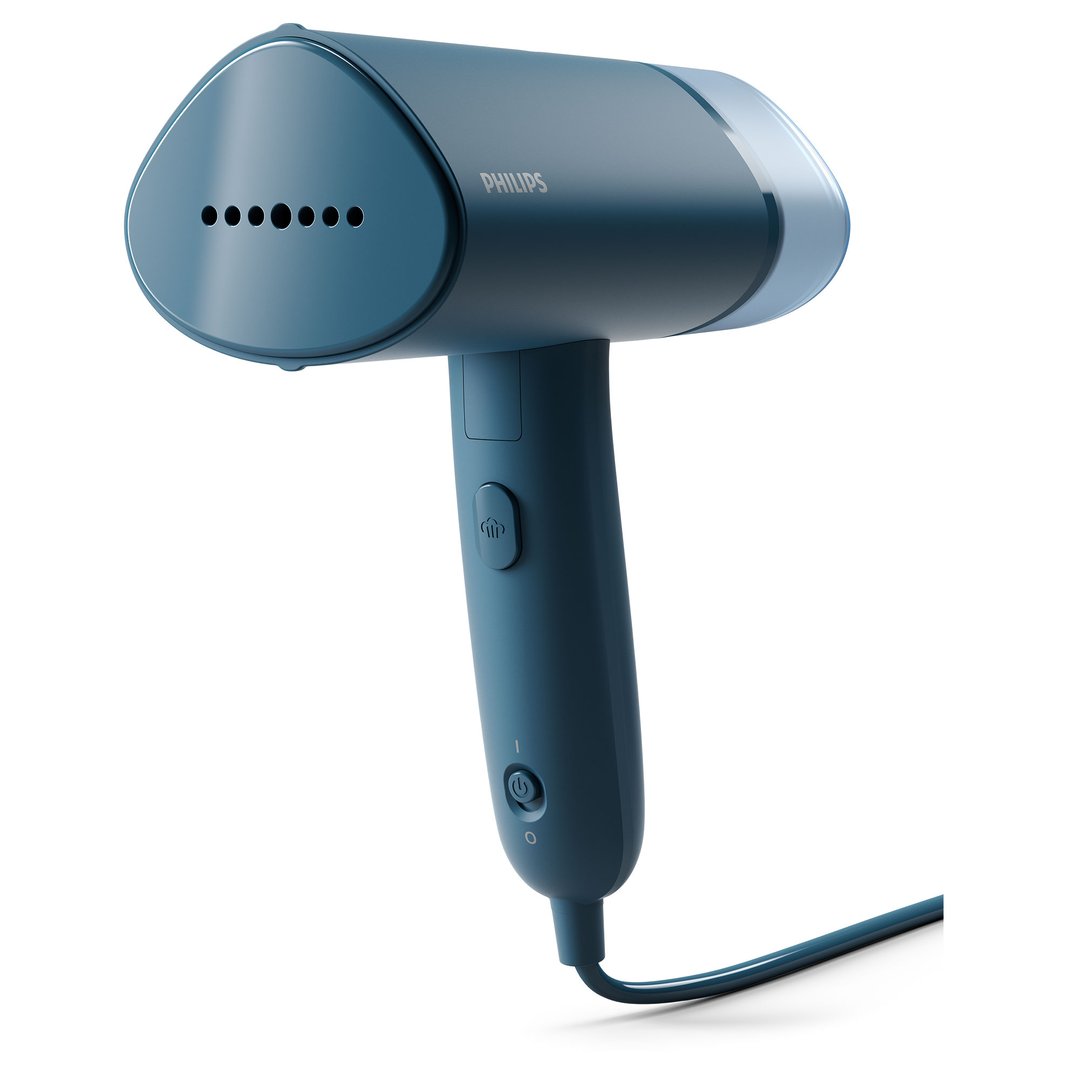
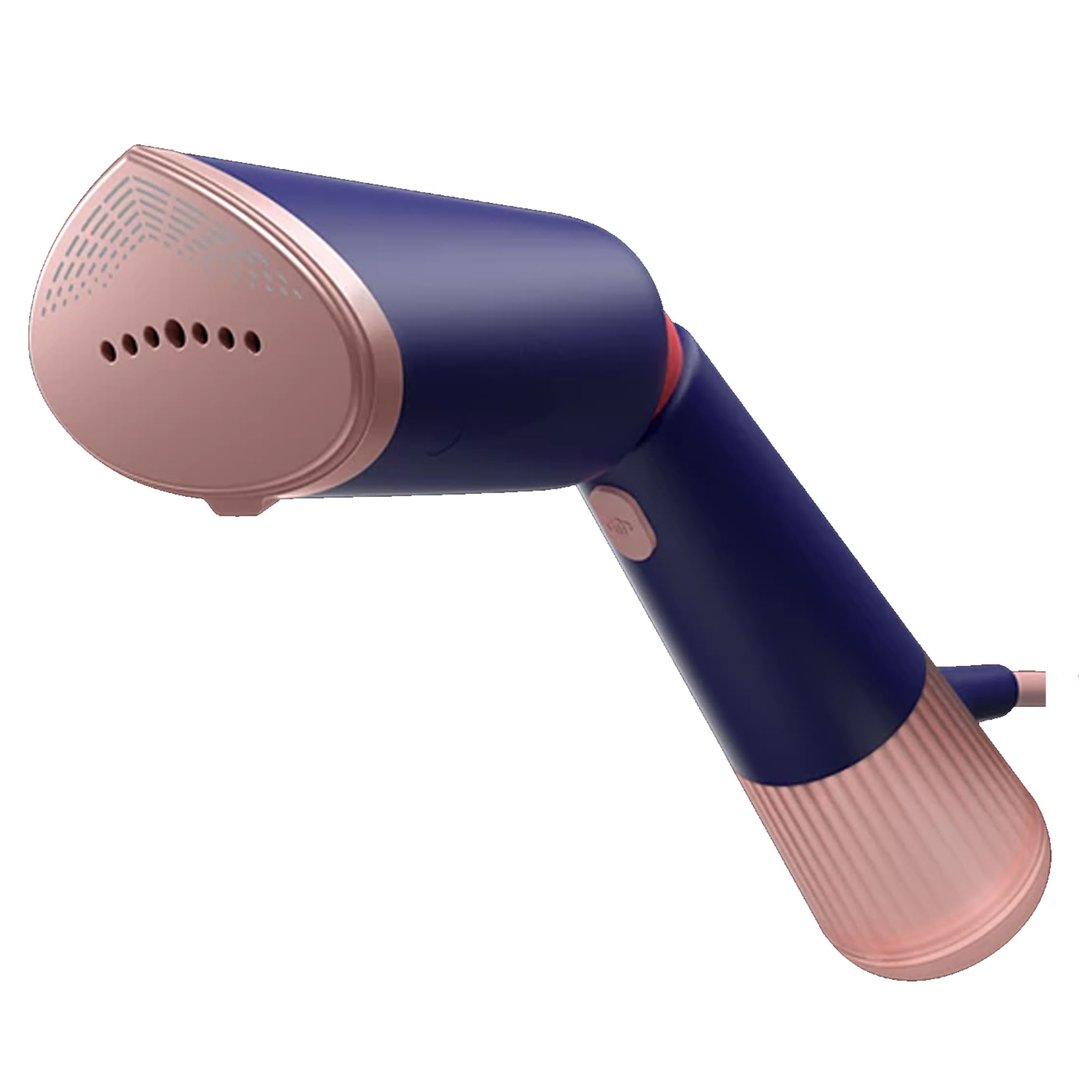
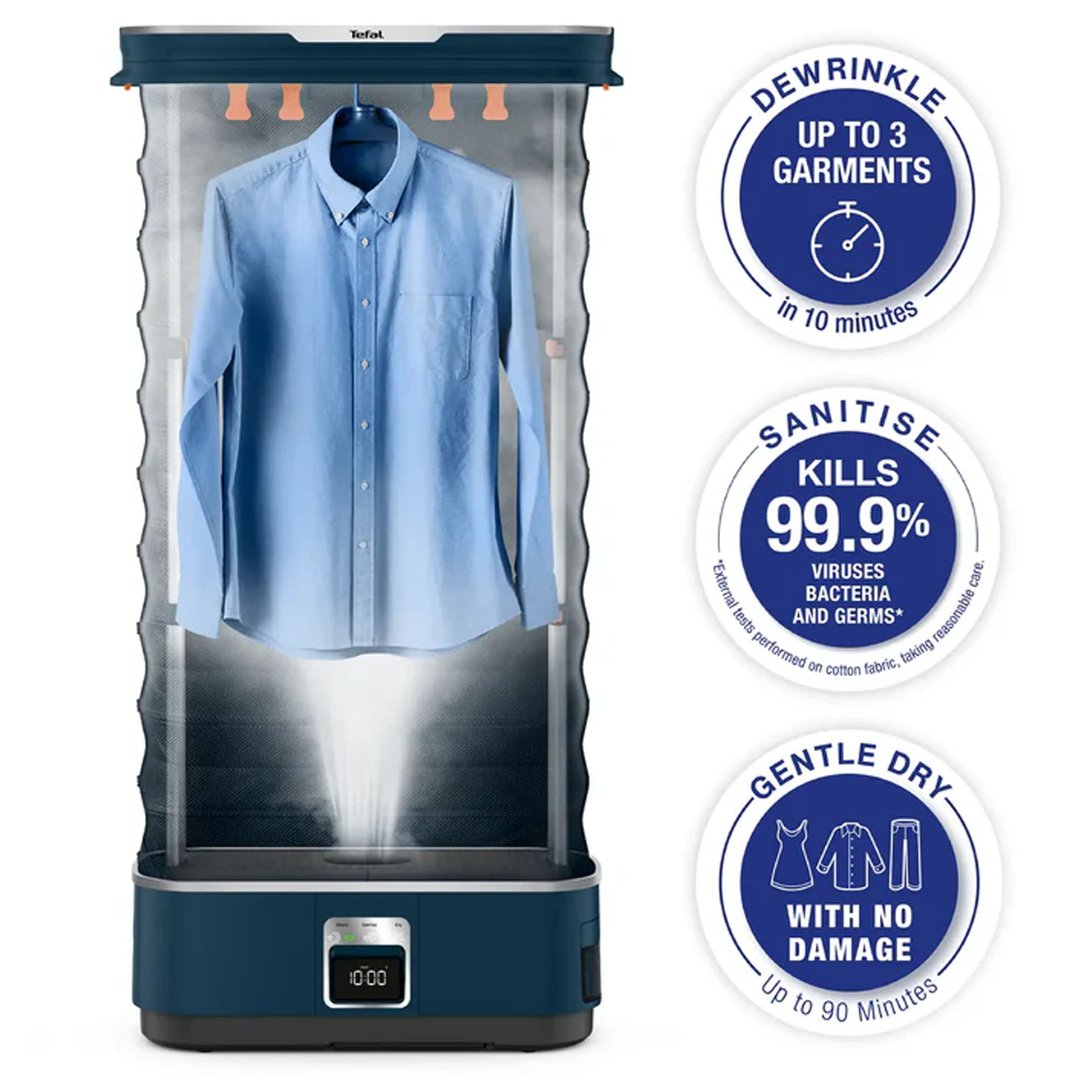
GARMENT STEAMERS
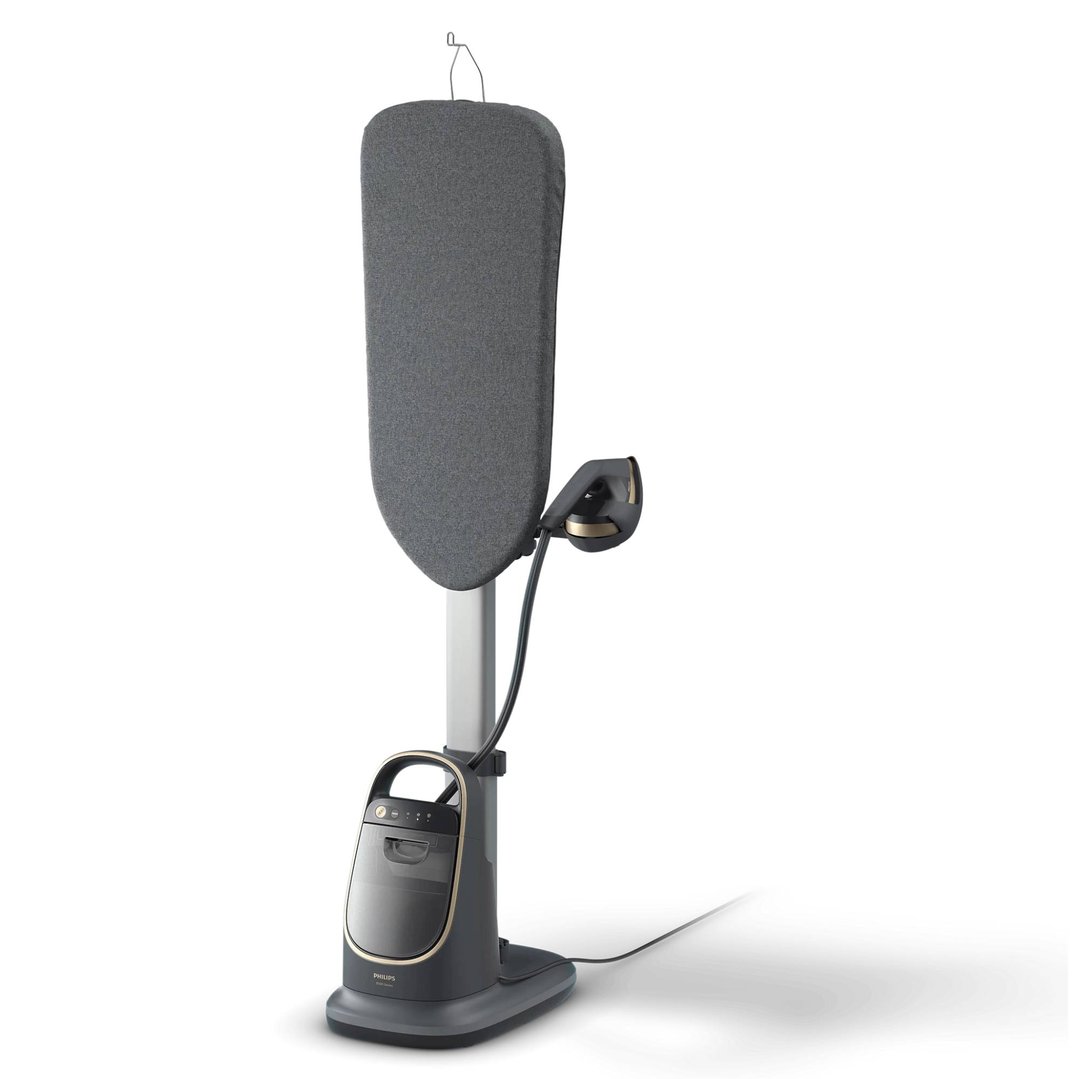
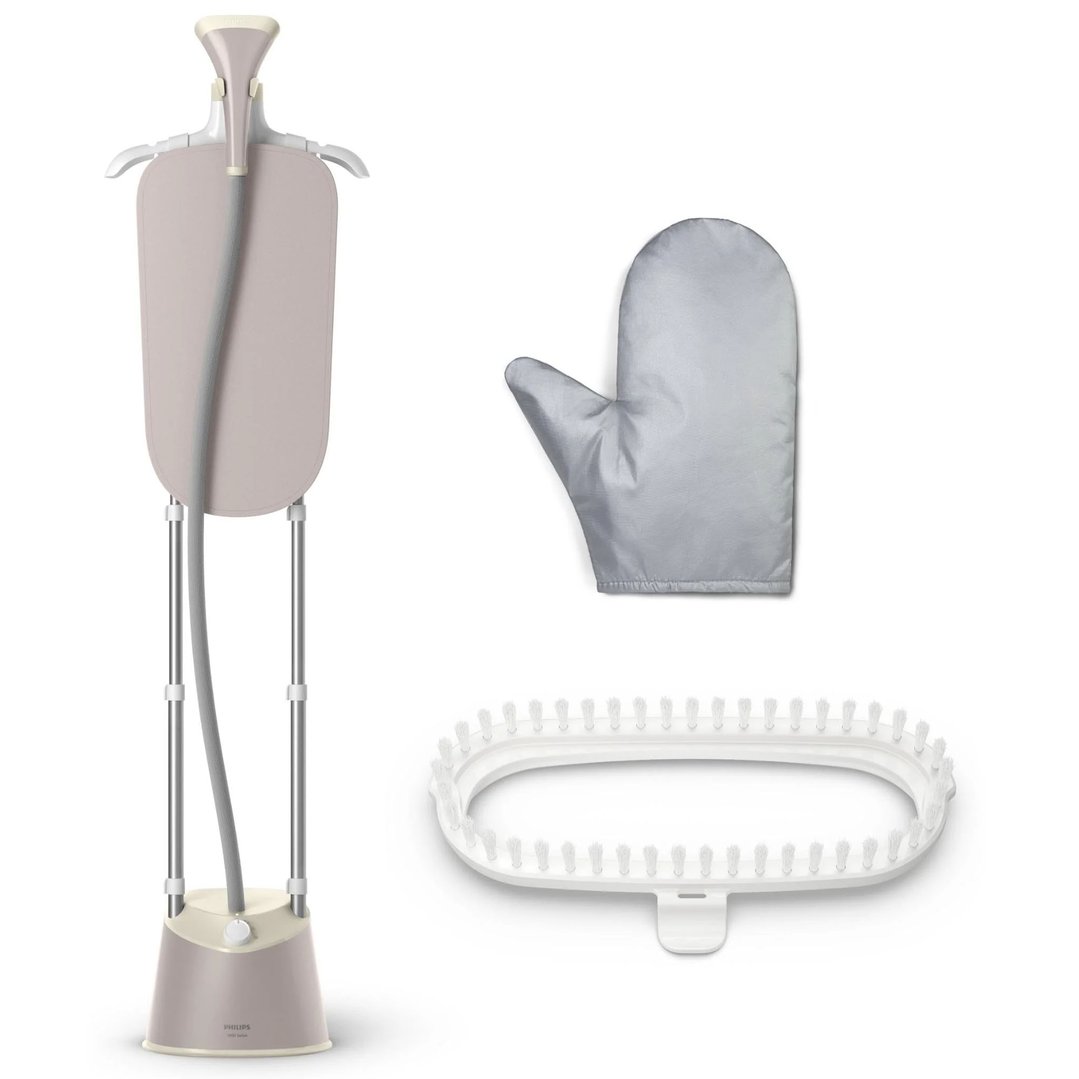
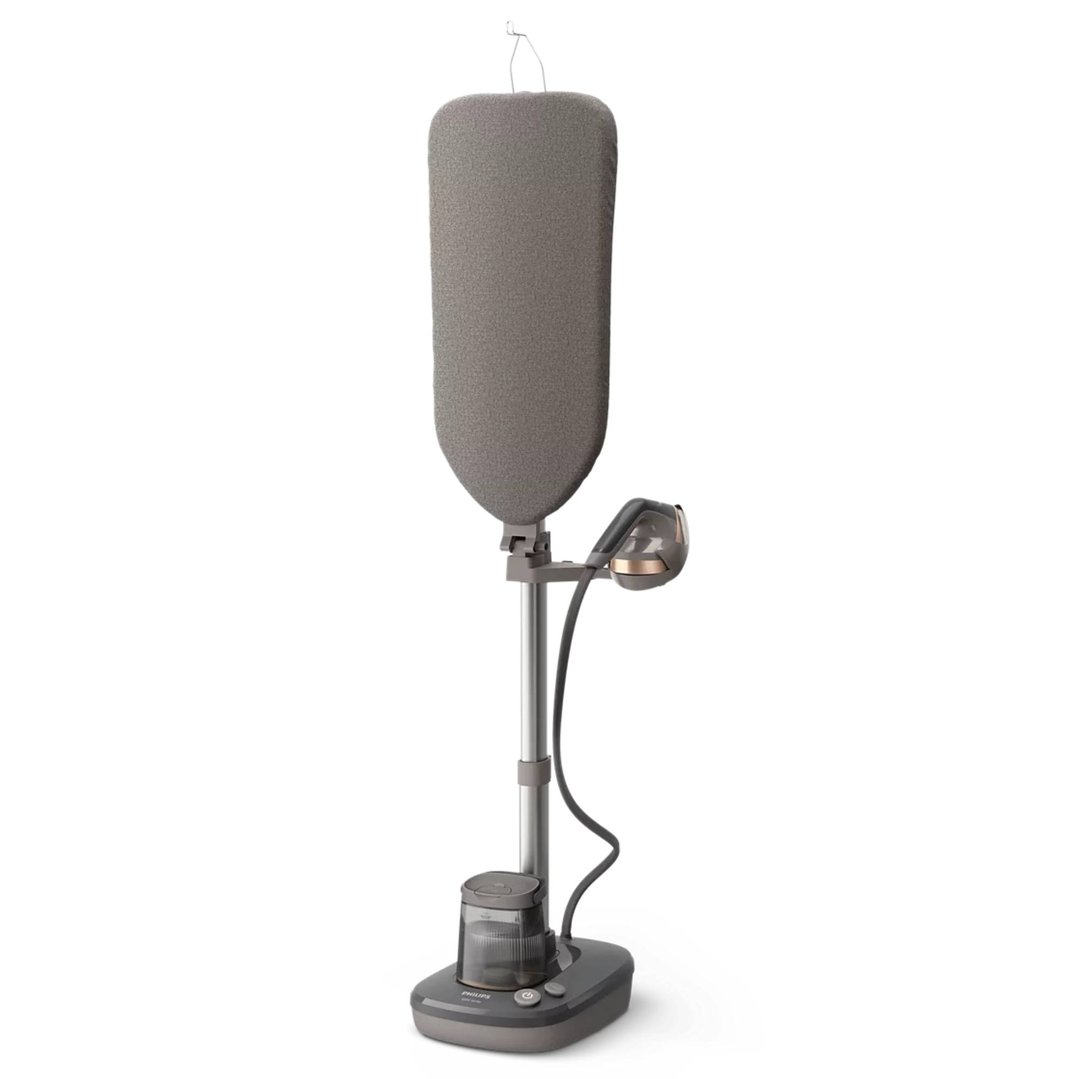
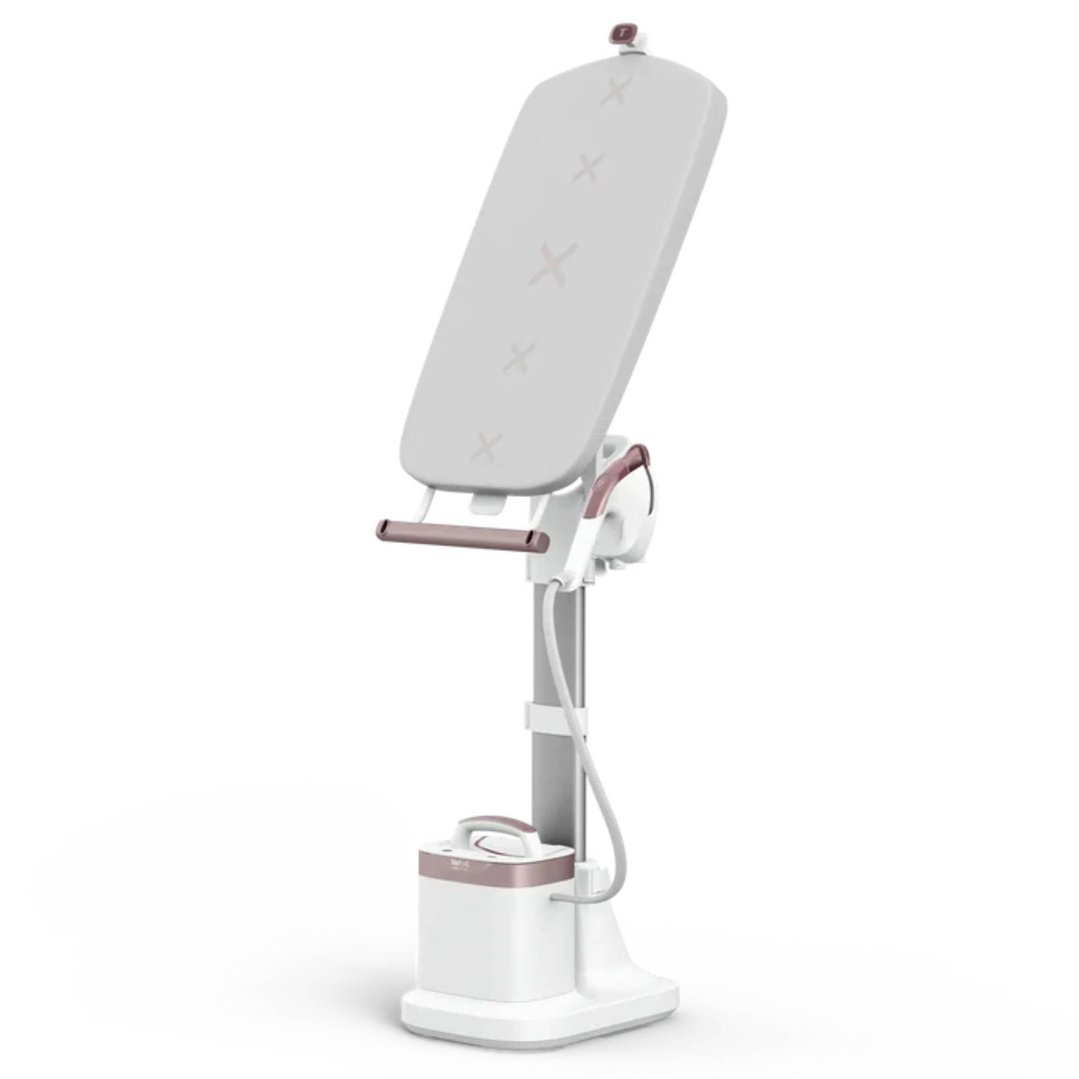
Great for removing wrinkles from fabric, garment steamers can be a handy addition to any laundry. Available in handheld and standalone models, they are useful if you’re looking to quickly refresh a garment.
Great for quickly refreshing garments
Typically quite simple to use
Often bulkier than a standard iron
Results aren’t quite as crisp as those produced by a standard iron or steam generators
Tend to be more expensive than a standard iron


STEAM GENERATORS
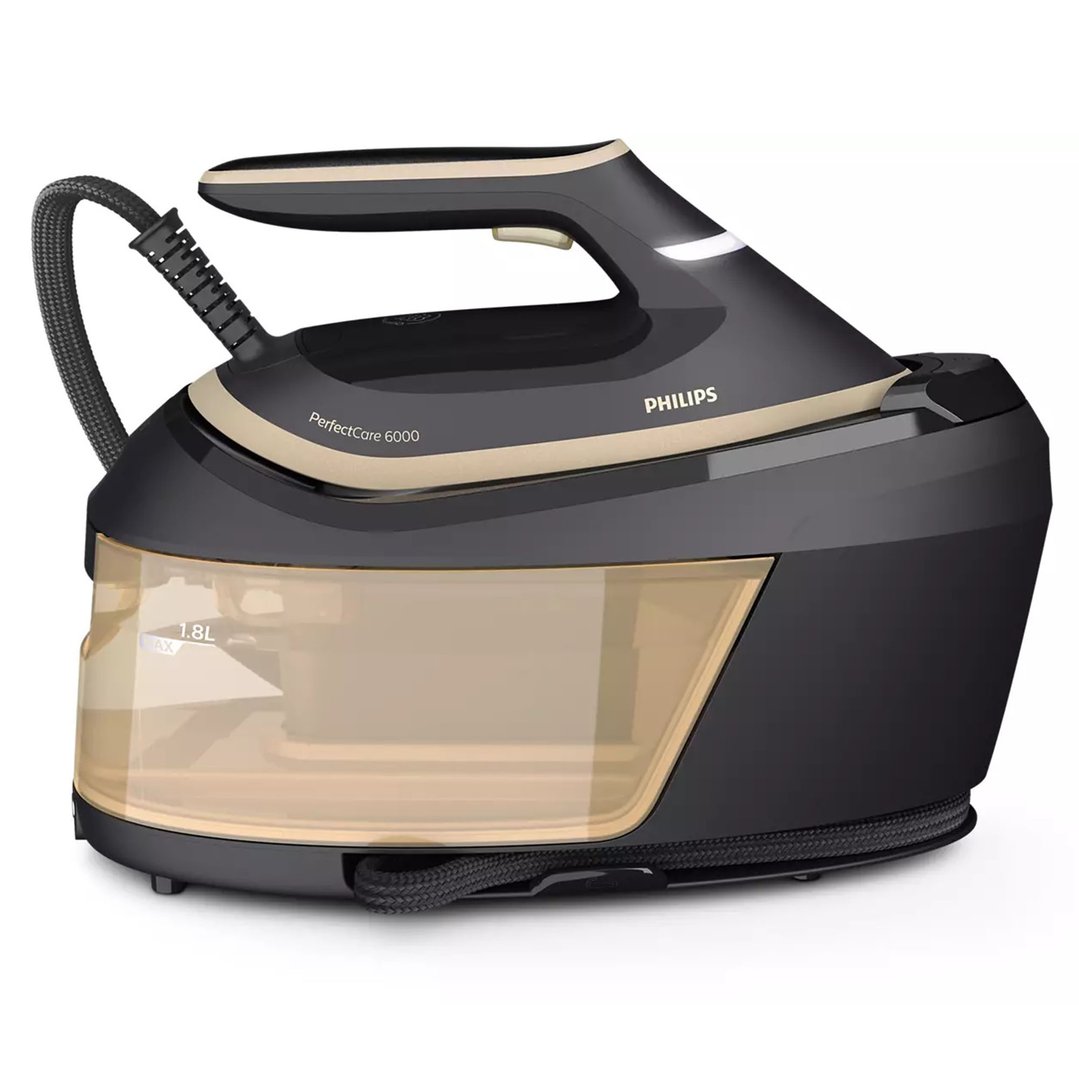
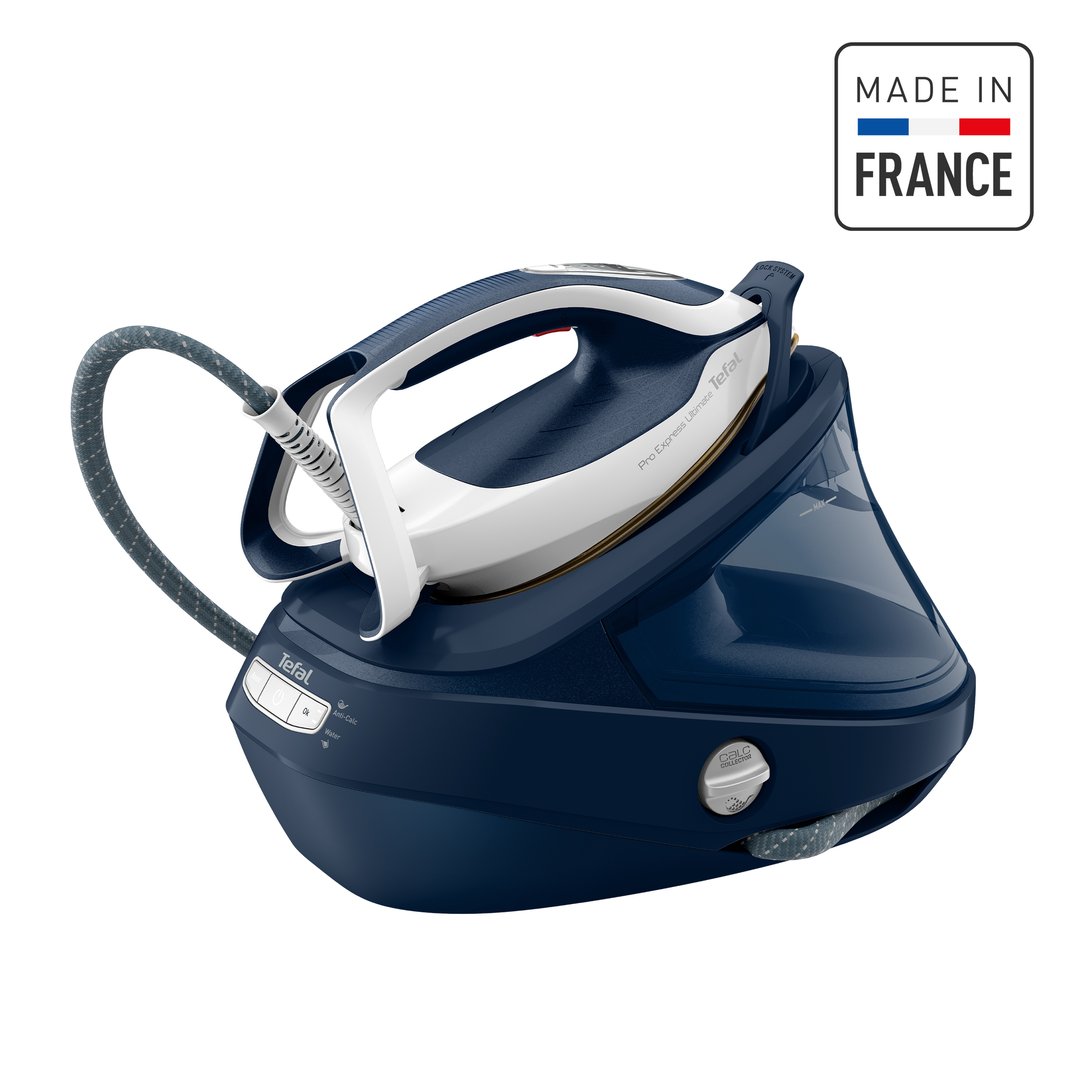
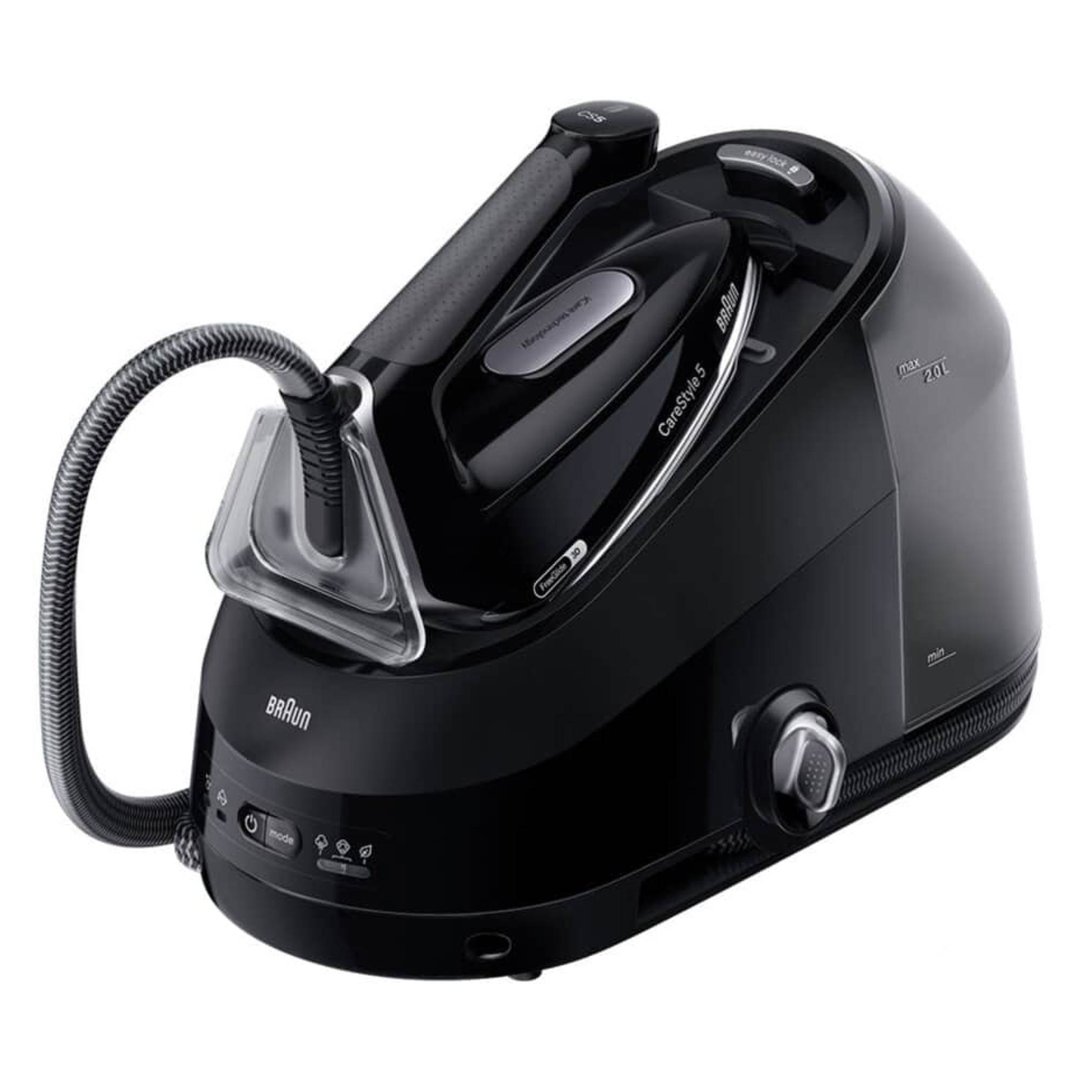
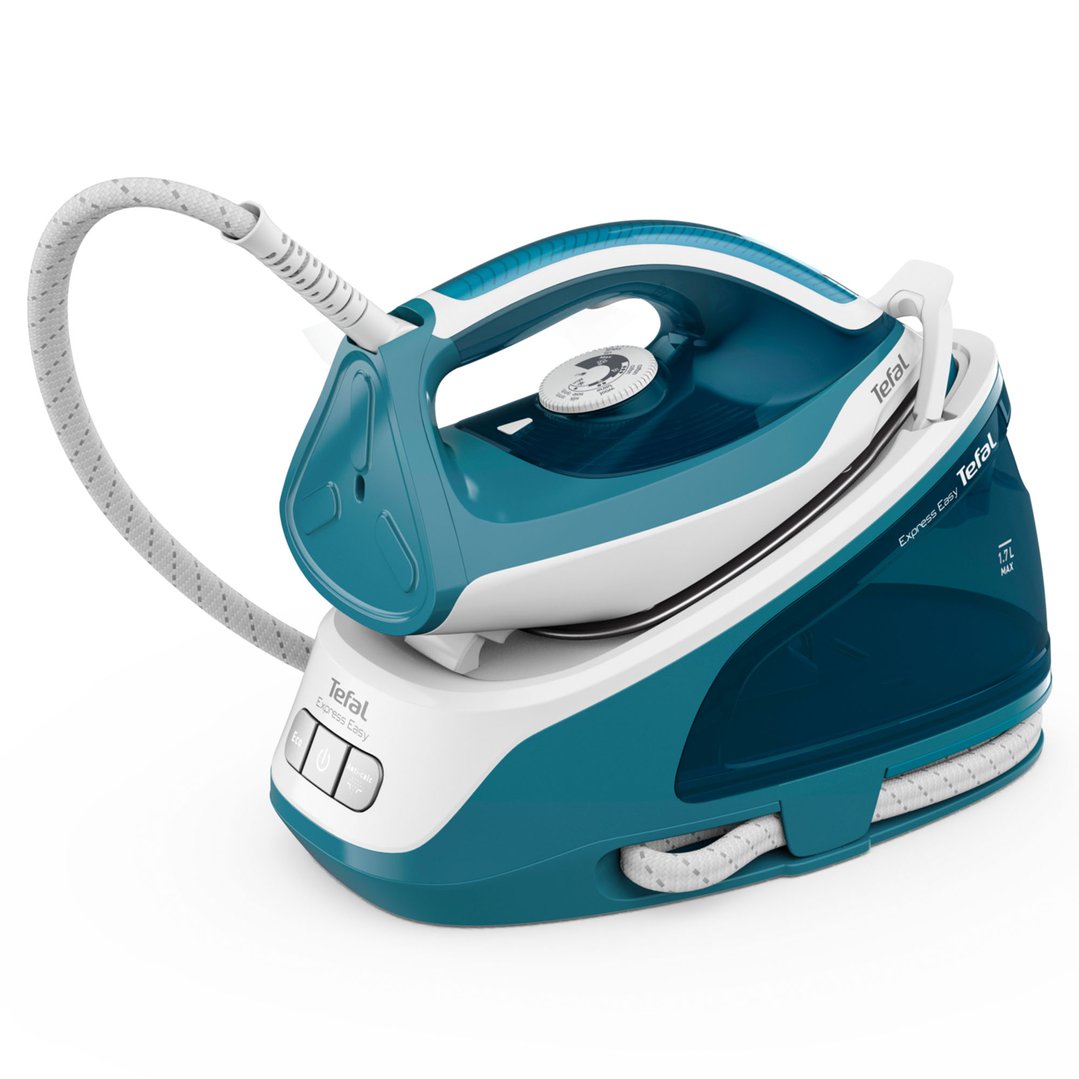
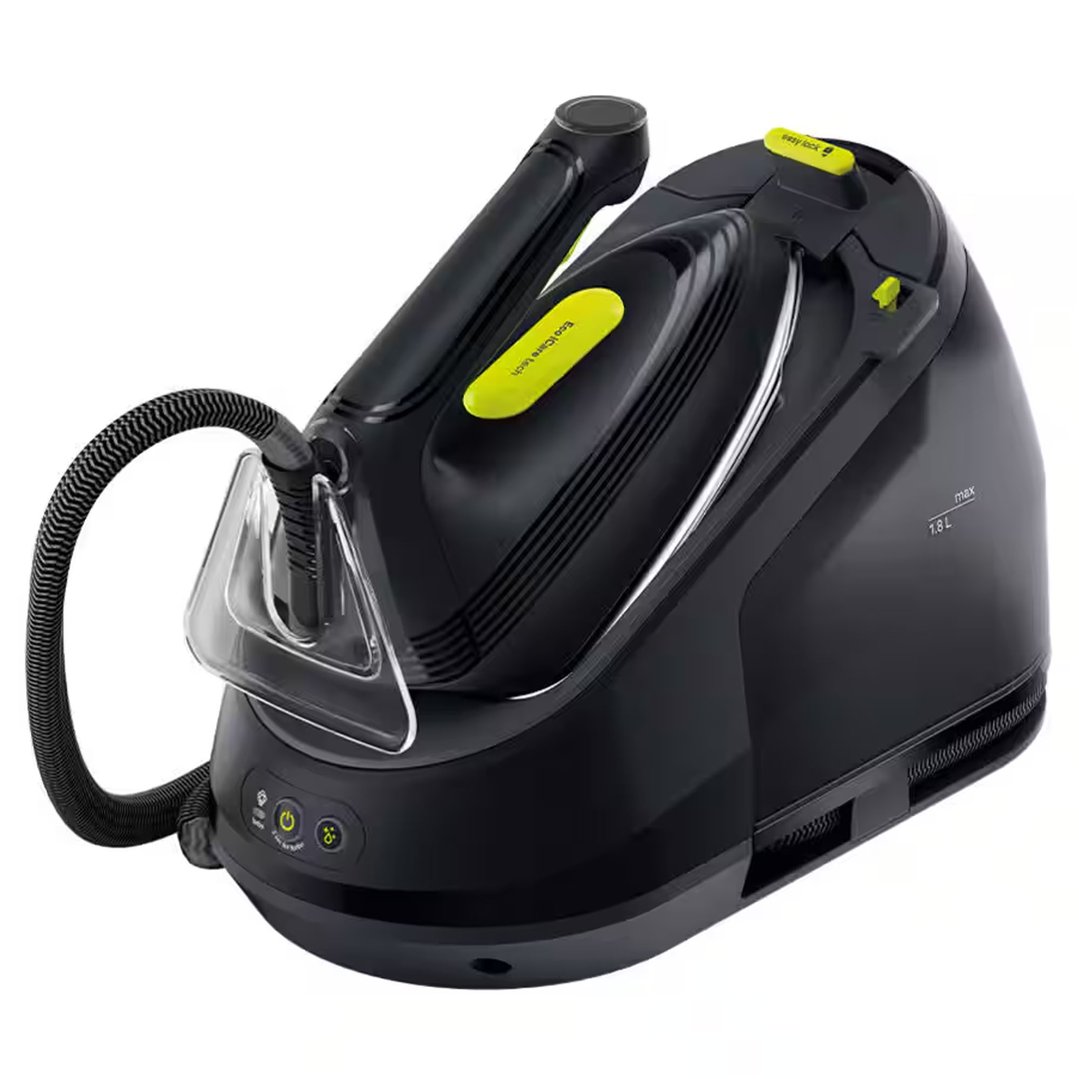
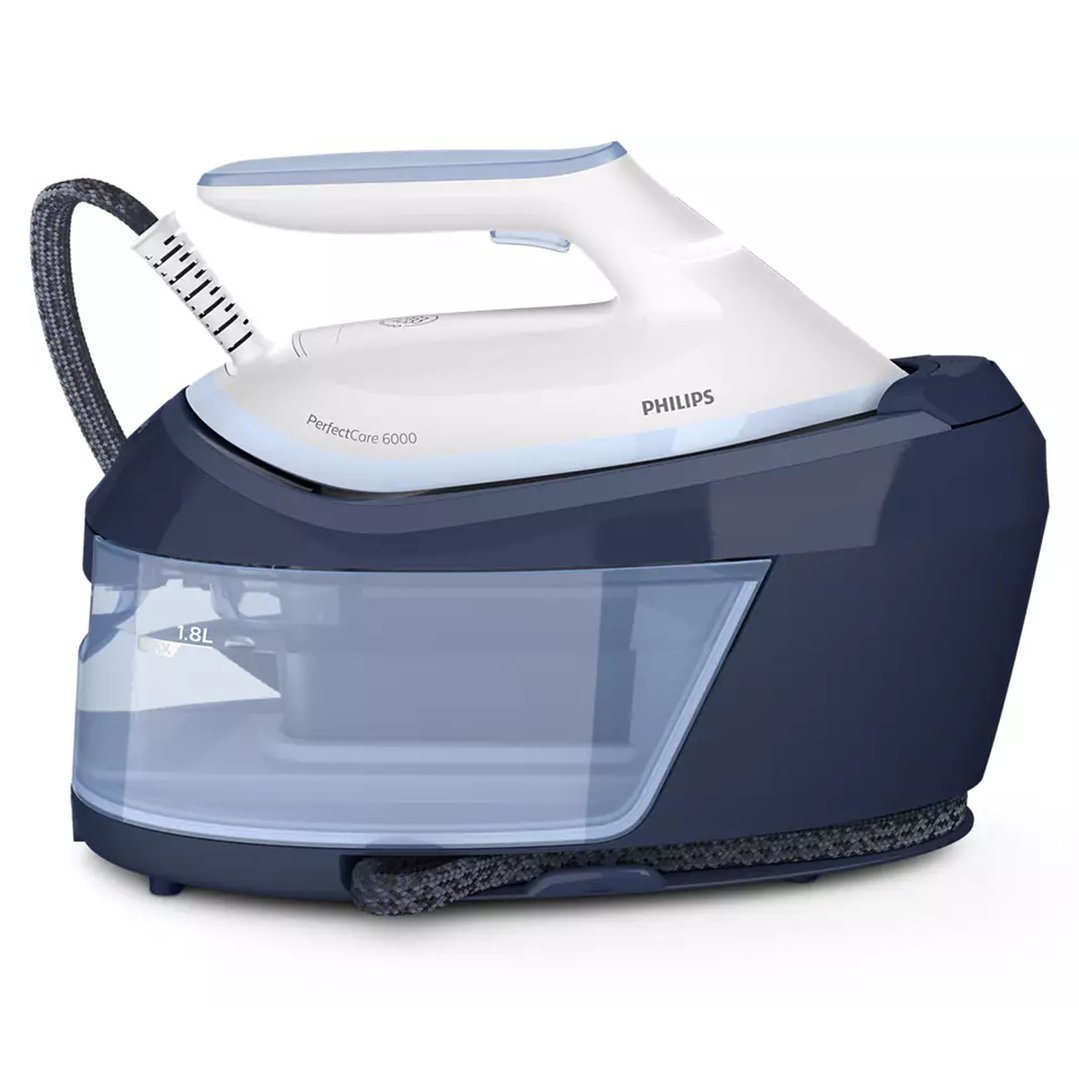
Great for tackling larger amounts of ironing, steam generators have a large water reservoir that can produce greater volumes of steam than a standard iron. Sometimes referred to as steam station irons, they have many of the same features of a standard model, including a heated soleplate.
Generate more steam than a standard iron
Feature a heated soleplate
Have a large water reservoir
Produce steam quickly after being switched on
Larger than irons, yet smaller than some garment steamers
Tend to be more expensive than standard irons



WHAT SHOULD YOU KNOW BEFORE BUYING AN IRON OR GARMENT STEAMER?
SOLEPLATES
Located at the bottom of the iron, the soleplate is the metal surface that comes in direct contact with your garments. There are several different soleplate materials available, with each offering different benefits. Some of the most popular materials are:
Non-stick: Covered with a special coating, non-stick soleplates glide easily over fabric without unwanted sticking. They are often simple to clean, but care does need to be taken to prevent scratching the delicate soleplate surface.
Aluminium: One of the cheapest options on the market, aluminium soleplates generally do a decent job but can start to stick over time.
Stainless steel: Found on irons of all price points, stainless steel soleplates offer even heat distribution and good performance. Care needs to be taken when ironing with a stainless steel soleplate as buttons, zippers and some trims may scratch the soleplate surface.
Ceramic: Although expensive, ceramic soleplates tend to be quite reliable and durable. They glide well across fabric and are renowned for their heat conducting properties.
HEAT SETTINGS
Different types of fabrics tolerate varied amounts of heat. Natural fibres, including cotton and linen, tend to hold up well against high temperatures, while synthetic fabrics made from substances such as polyester require special care to prevent melting and burning. You’ll find that most irons allow you to easily adjust the temperature, ensuring you use the right temperature when needed. If you’re not familiar with what temperature you should use for each fabric type, look for a model with a temperature dial that lists the recommended setting for most popular fabrics
STEAM SETTINGS
While heat is important for keeping your clothing looking good, steam plays an important role too, helping to make removing wrinkles easier. Before you settle on a specific make or model, look into what steam settings are included. Some common settings include:
Steam burst: Great for eliminating stubborn wrinkles, steam burst settings produce a concentrated burst of steam that can be directed wherever you need it most.
Variable steam: Not all fabrics can tolerate the same amount of steam so being able to control the output of your iron or garment steamer is important when caring for your fabrics correctly. Variable steam settings make it easy to turn up the steam level for thicker fabrics or reduce the amount of steam produced when removing wrinkles from more delicate garments. Some irons and garment steamers may have controls with different fabrics listed or a steam level dial.
Vertical steam: Great for eliminating creases from items such as curtains, shirts and dresses, vertical steam settings make it easier to steam them while they hang.
FEATURES TO LOOK OUT FOR
Weight. Whether you choose to purchase a standard iron or a garment steamer, it’s important to take the weight of the appliance into consideration. Lighter irons are easier to maneuver than heavier models, but more pressure is required to achieve better results. Handheld garment steamers and garment steamer attachments can be quite weighty, especially when you need to use them for a period of time. Look for models that are comfortable to hold and use.
Controls. Different makes and models have different types of controls, from dials to buttons, slides and digital controls. Check that the models you’re considering have controls that are easy to read and use.
Auto shut-off. As diligent as you may be in turning off appliances, it’s easy to get distracted for one reason or another. Auto shut-off features power off the appliance when it hasn’t been in use for a period of time.
Water reservoir. Look for an iron or garment steamer with a high capacity water reservoir to help avoid having to refill your appliance over and over again. It can also be a good idea to look for models with a viewing window, allowing you to see exactly how much water remains in the reservoir.
Cord length. Although it may not be the most exciting feature, the length of an iron or garment steamer’s power cord is important to take into consideration. You should keep an eye out for a model with a longer cord, allowing for greater manoeuvrability and flexibility of use. You’ll also find some cordless models on the market, which can be good alternatives.
Narrow tip. This feature can be handy when ironing garments with collars, cuffs and buttons, with the narrow tip allowing you to reach tighter spaces.
Anti-drip features. Anti-drip technology helps to prevent water dripping or leaking through the soleplate as you iron. Without this feature, dripping water could potentially stain your clothing.
Wattage. The wattage of an appliance typically indicates how powerful it is and how efficiently it manages heat. Higher wattage irons tend to heat up faster than their less powerful counterparts. Whatever your price range, you should look for a model with a higher wattage. 2,000 watts is ideal for home ironing.
Misting spray. Deep wrinkles can be difficult to eliminate but a misting spray function can make it easier to smooth out any crinkles.
Steam holes. Used to spread steam across fabric, the number and location of steam holes an iron has can either help or hinder even distribution. As a general rule of thumb, you should look for models with more steam holes
Heat up time. Irons and garment steamers can take different amounts of time to heat up. If you need to be able to iron or steam your clothes in a hurry, look for models with quick heat functions.
Attachments. Garment steamers typically come with several attachments that can be used on different fabrics and clothing items. Look for attachments that best suit the clothing you wear most often to ensure you can get the most use out of your appliance.