Buying Guides
Home Security System Buying Guide

Looking for great ways to protect your home when you’re out and about? Enjoy some peace of mind with the wide variety of smart home products on the market. From security cameras and home surveillance systems to video doorbells, you’ll find an assortment of devices that help to protect your home. Before you start designing your home security setup, check out our home security buying guide to learn more about the different devices available, features to look out for and more.


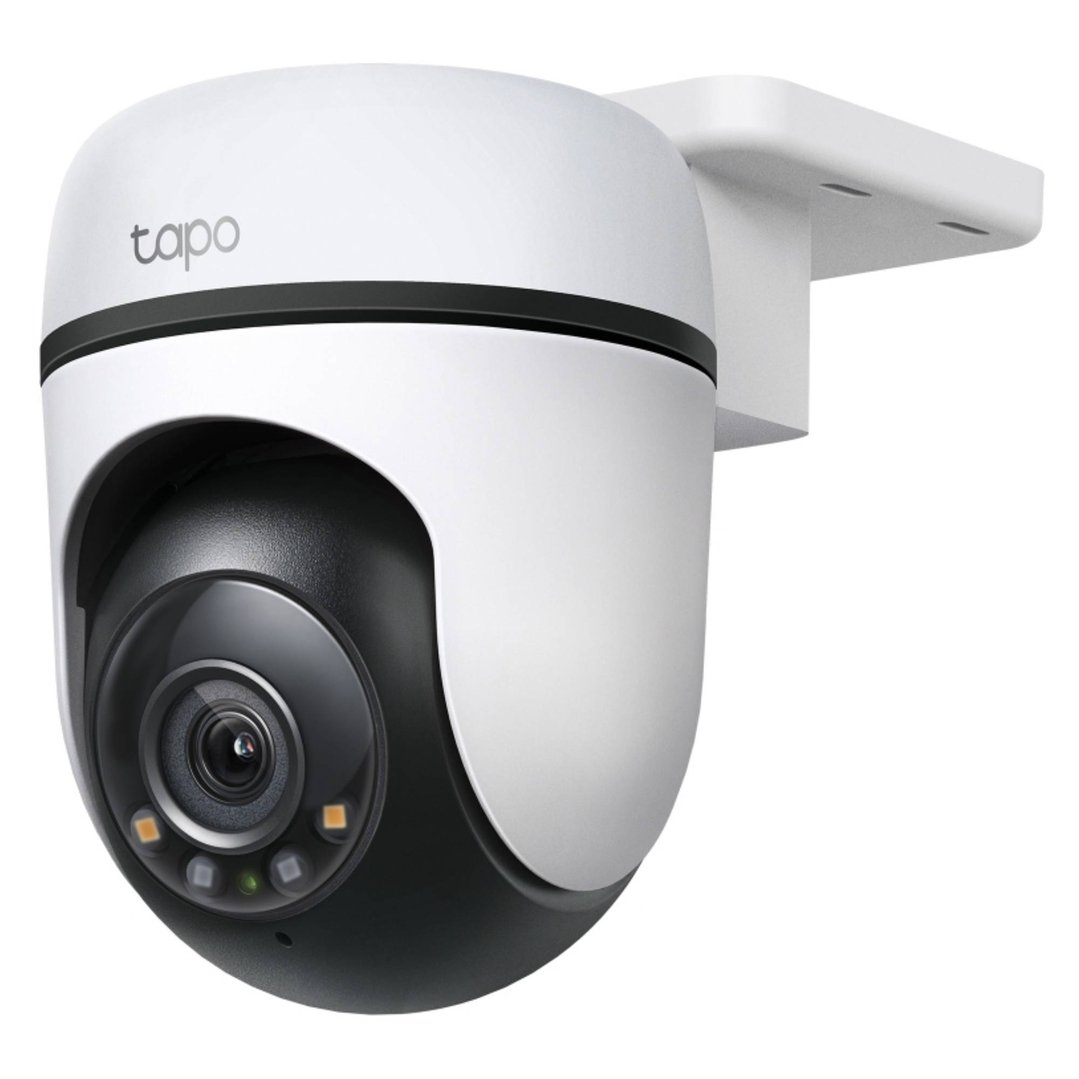


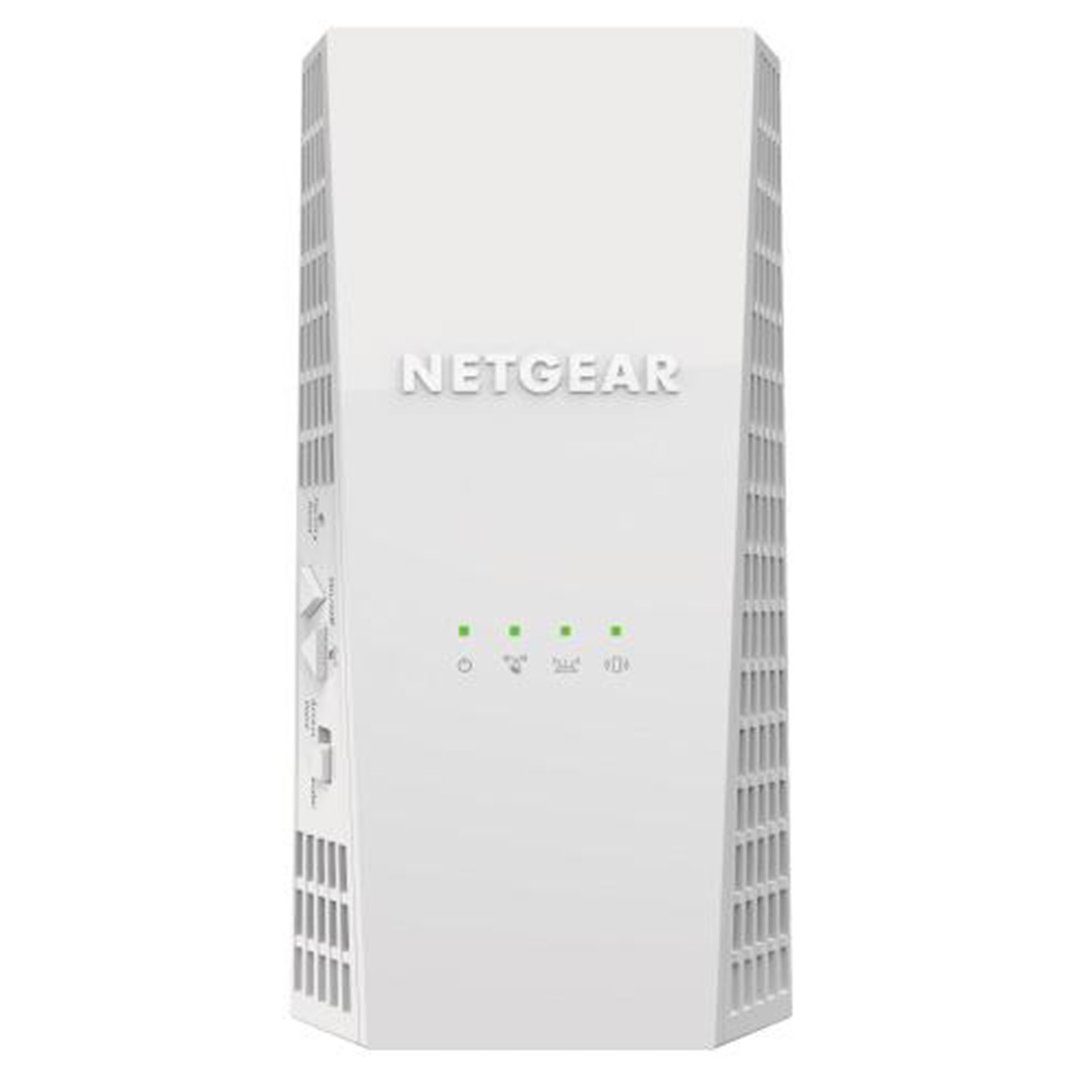
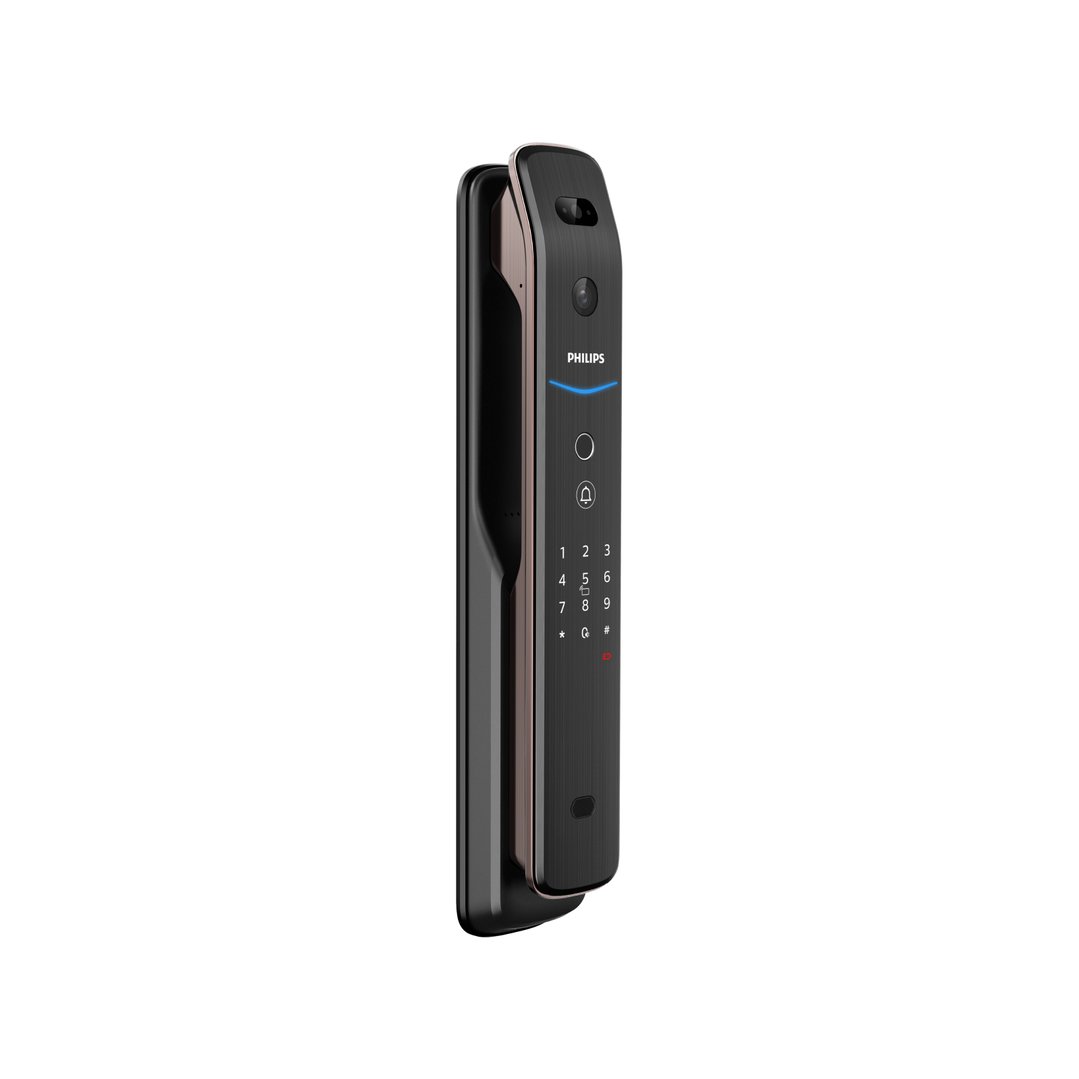

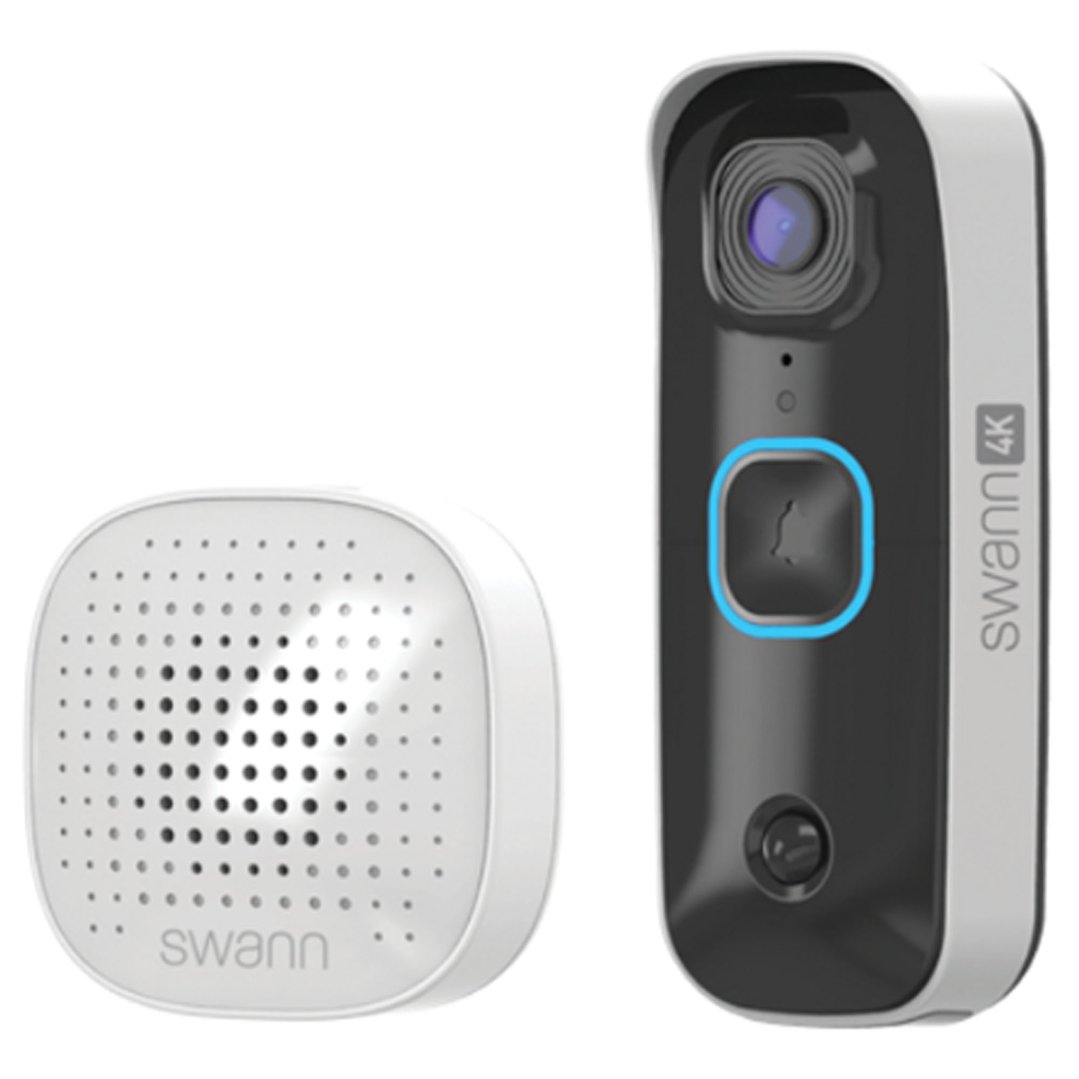

TYPES OF HOME SECURITY DEVICES
SECURITY CAMERAS
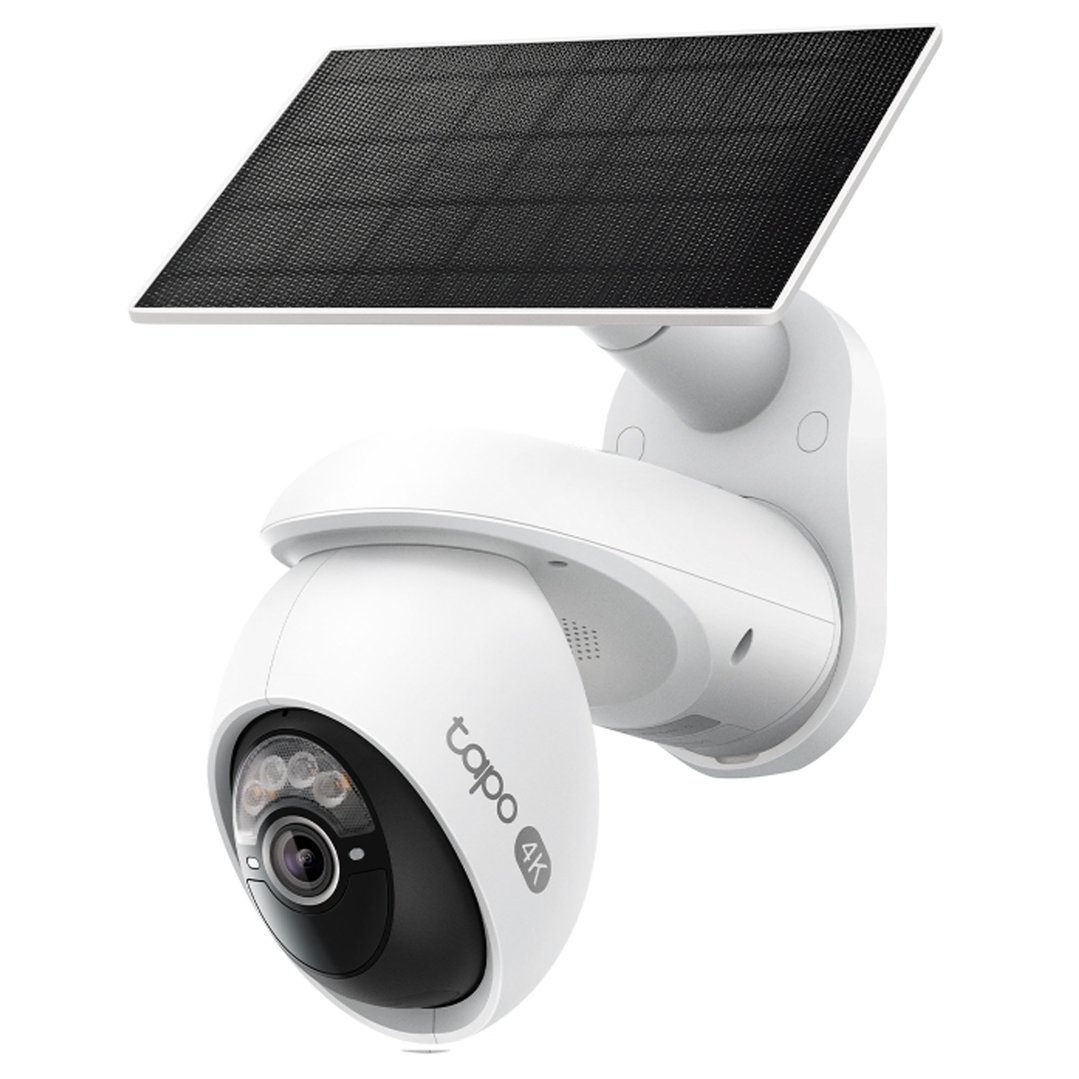
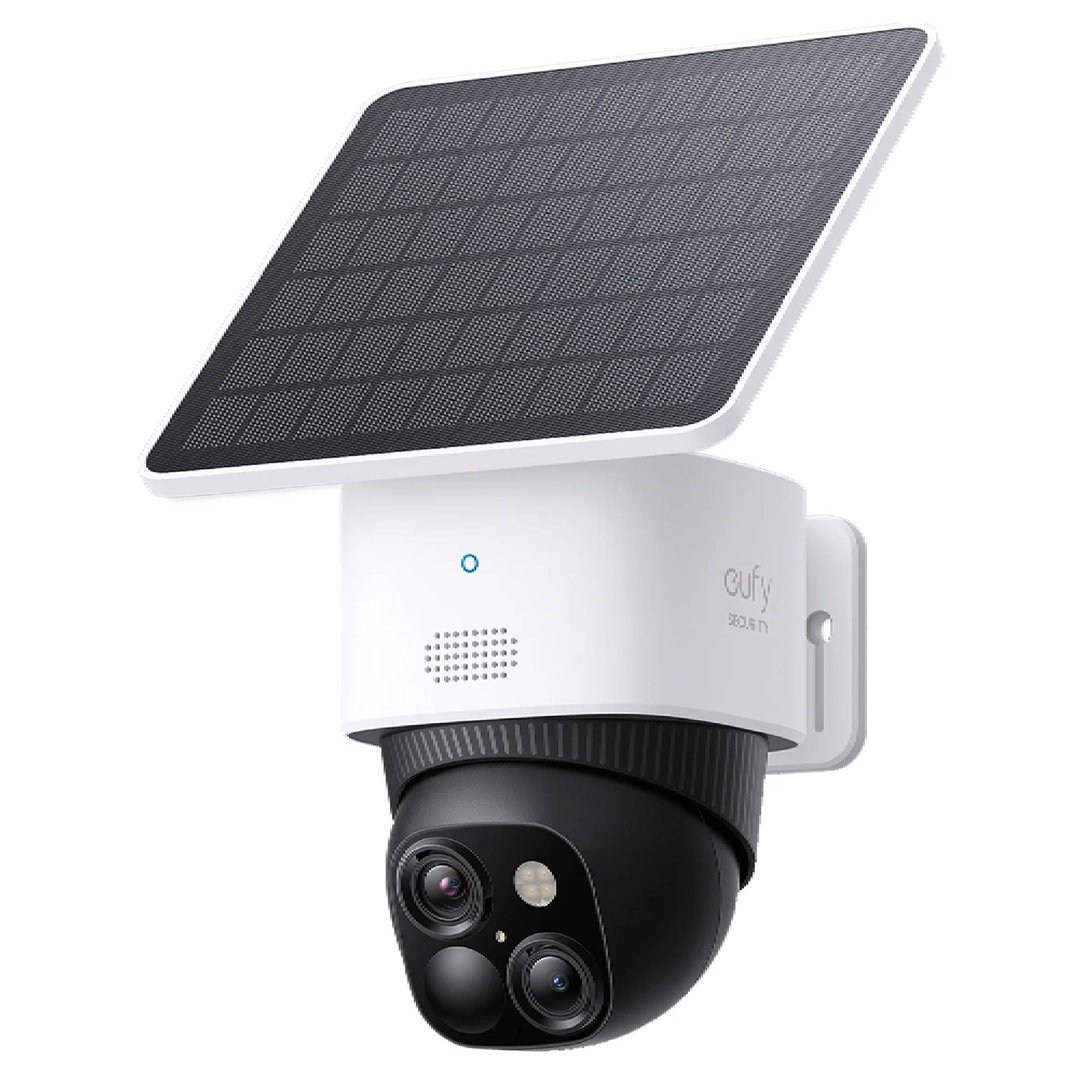
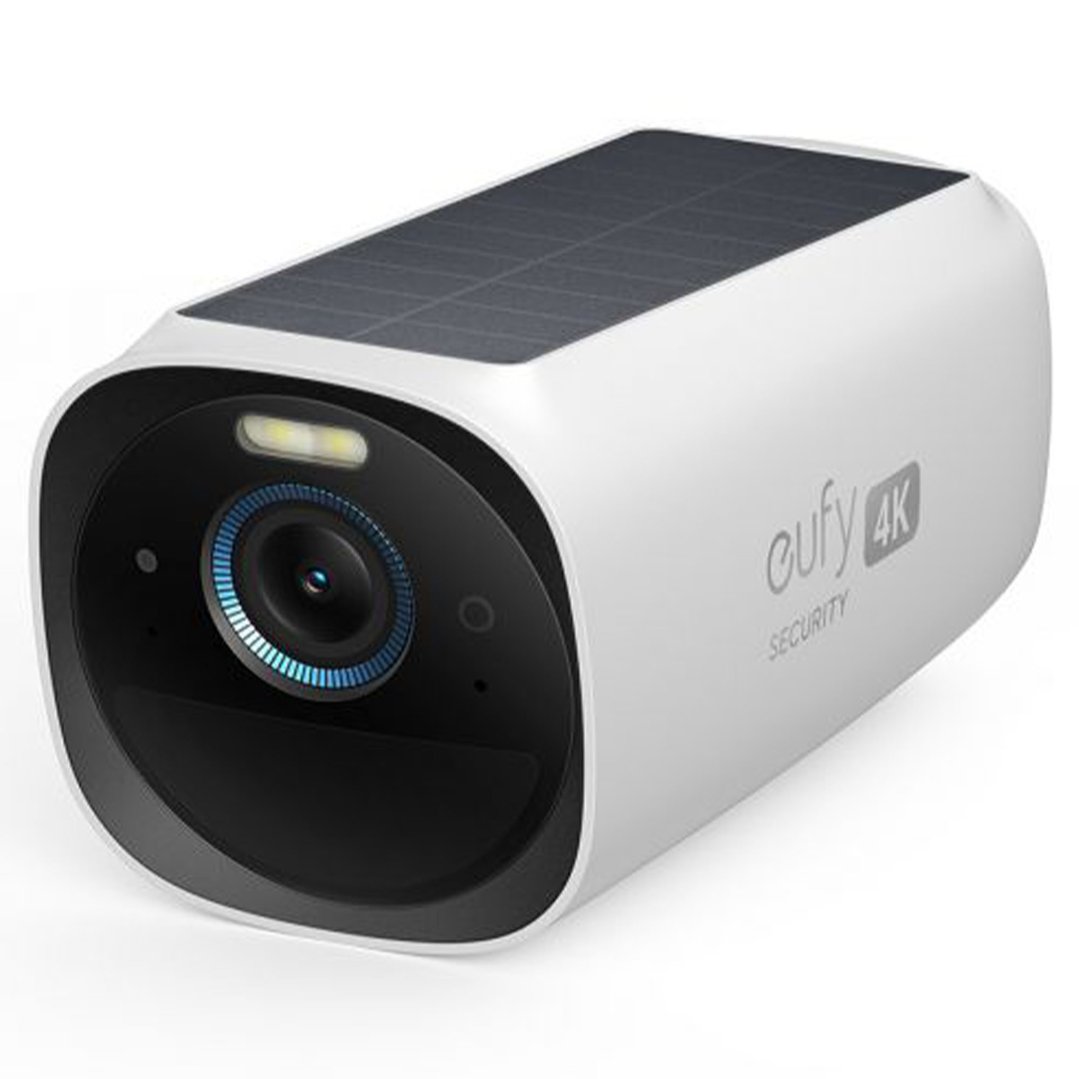
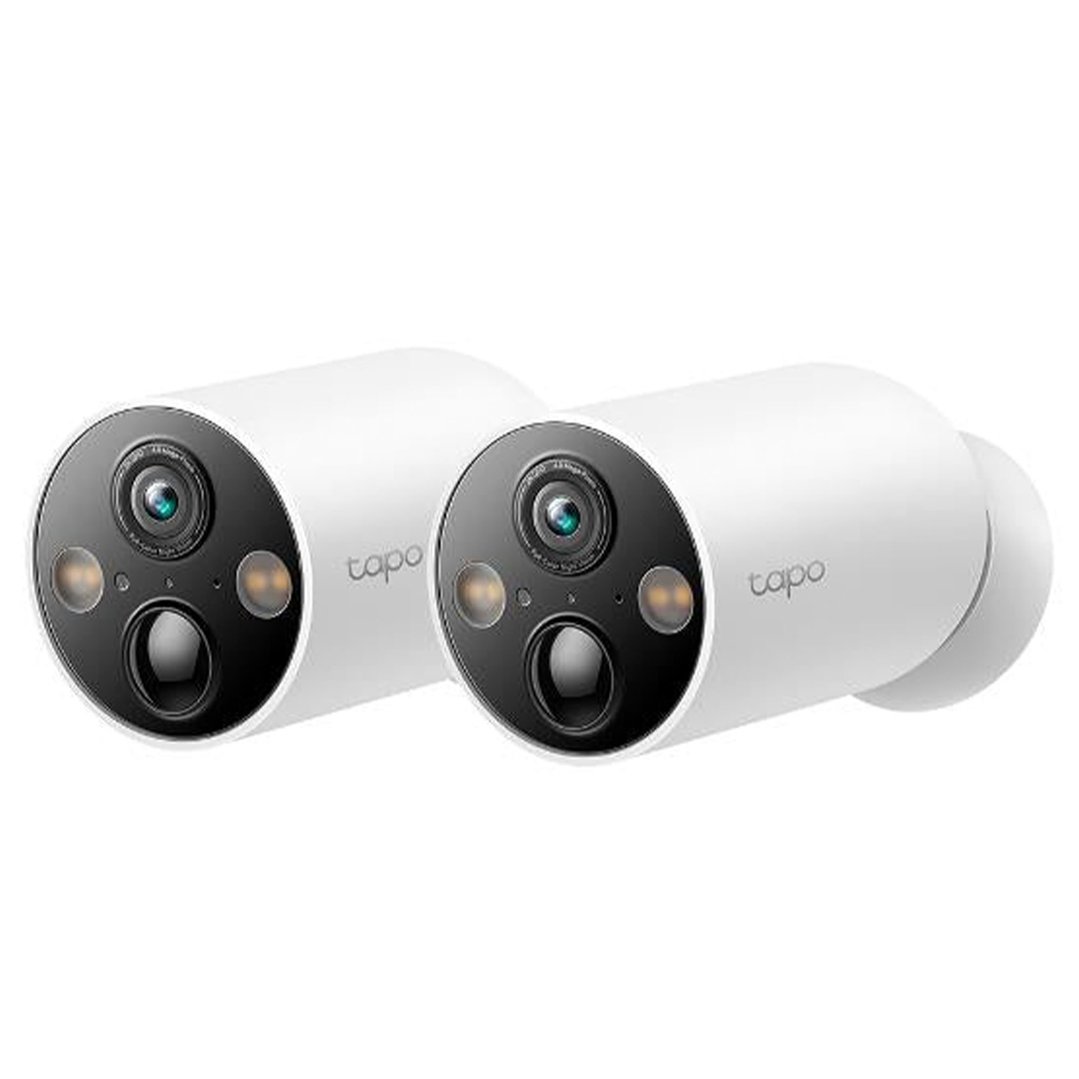
A great choice for when you’re wanting to monitor specific areas in and around your home, standalone security cameras make it easy to keep an eye on your home even when you’re not there.
Available in wired and wireless models
Wireless security cameras are often easy to install and can be placed anywhere around the home, but may be affected by interference or signal loss
Wired security cameras may require professional installation but tend to offer greater reliability
Great for monitoring front doors, back doors and side gates
Can also be used to monitor pet behaviour within the home
Some models connect to smartphone apps, allowing you to monitor your home in real time
Indoor and outdoor models available
Popular brands of security cameras: Eufy, Swann, Arlo, TP-Link


HOME SURVEILLANCE SYSTEMS
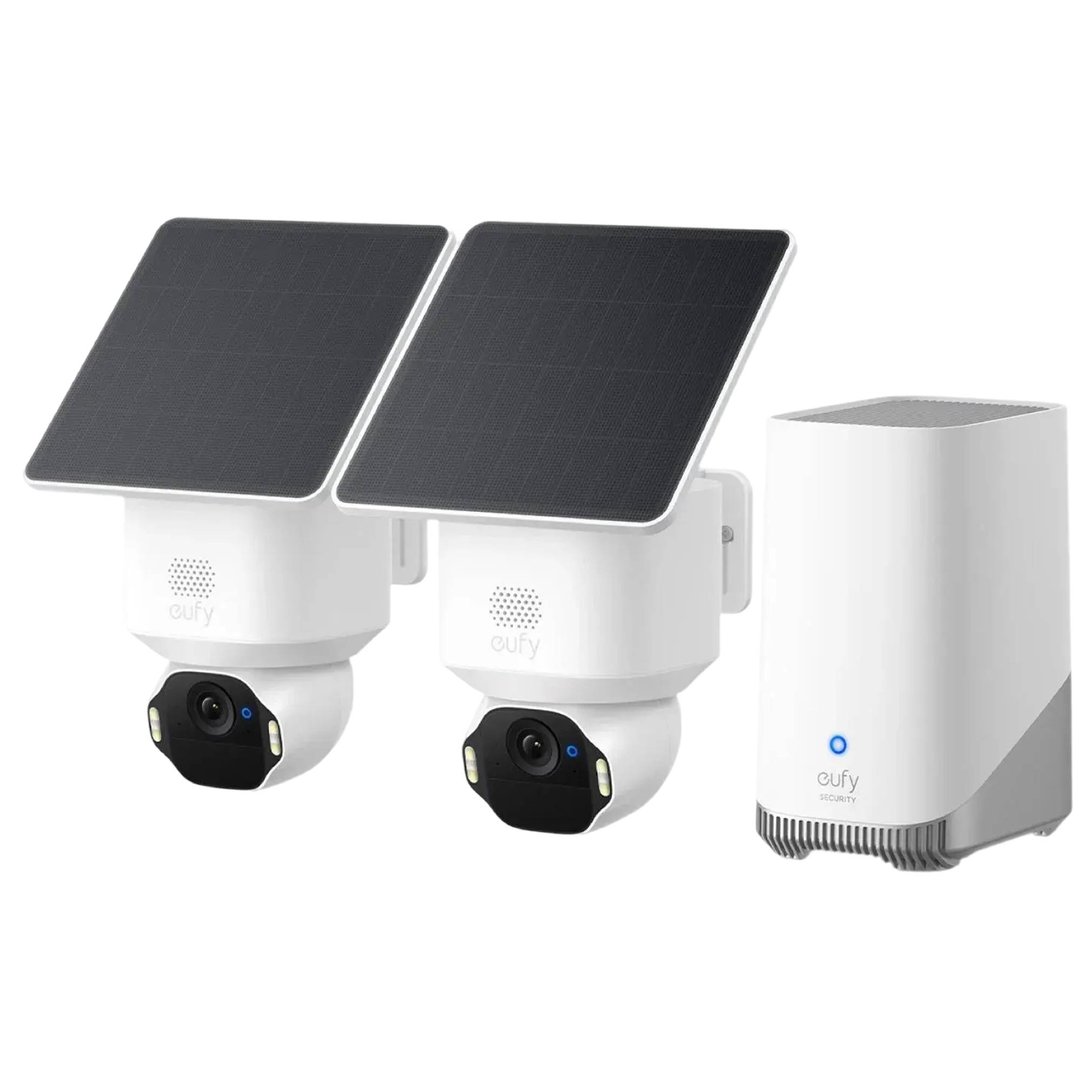
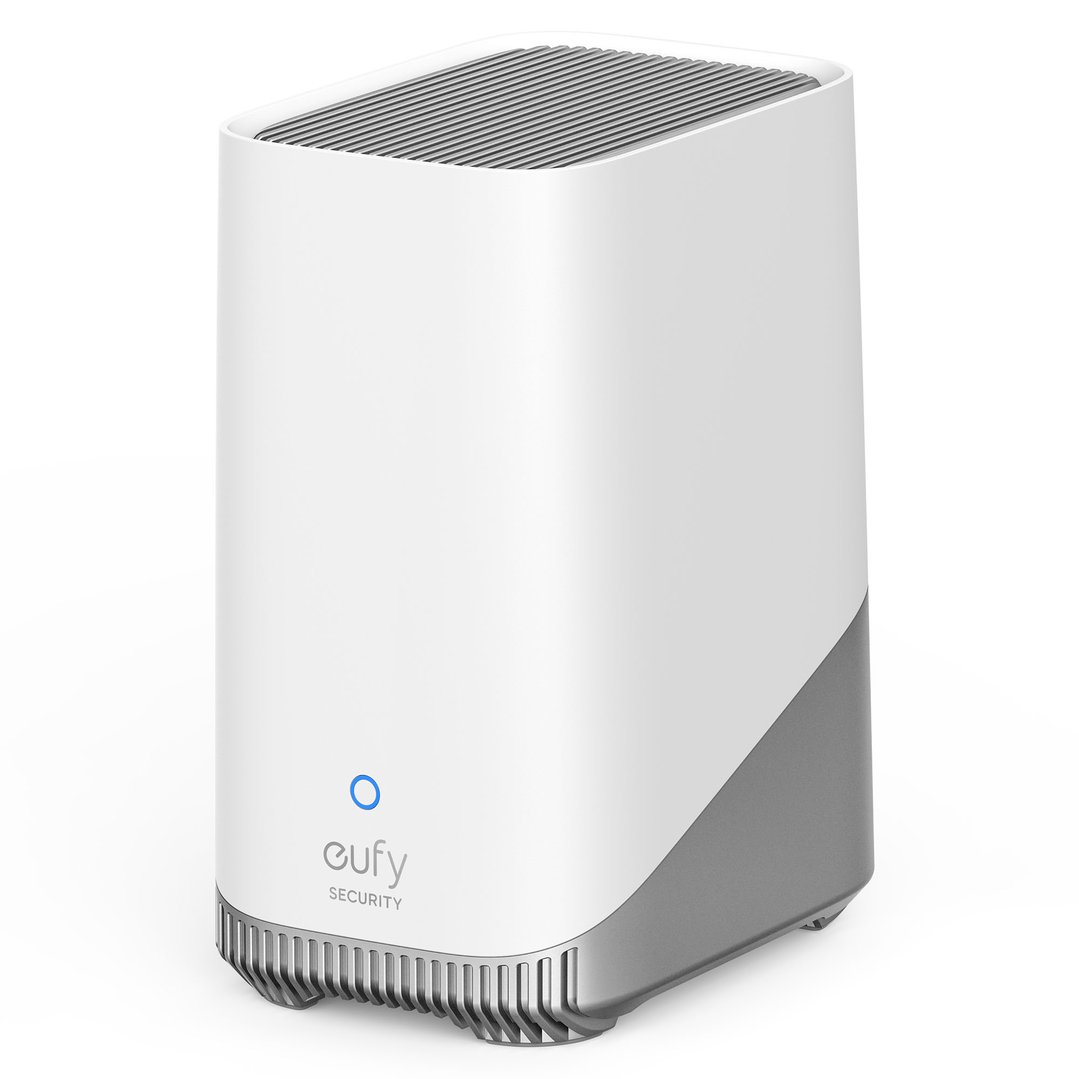
Allowing you to monitor the entirety of your property using one handy system, home surveillance systems typically come with several cameras and a recorder that facilitates footage playback when needed. Some systems can be connected to smartphones and other devices, allowing for remote viewing and playback.
Good for monitoring larger areas and complete homes
Available in wired and wireless models
Wireless security cameras are often easy to install and can be placed anywhere around the home, but may be affected by interference or signal loss
Wired security cameras may require professional installation but tend to offer greater reliability
Some kits allow additional cameras to be added to the system
Popular brands of home surveillance kits: Swann
VIDEO DOORBELLS
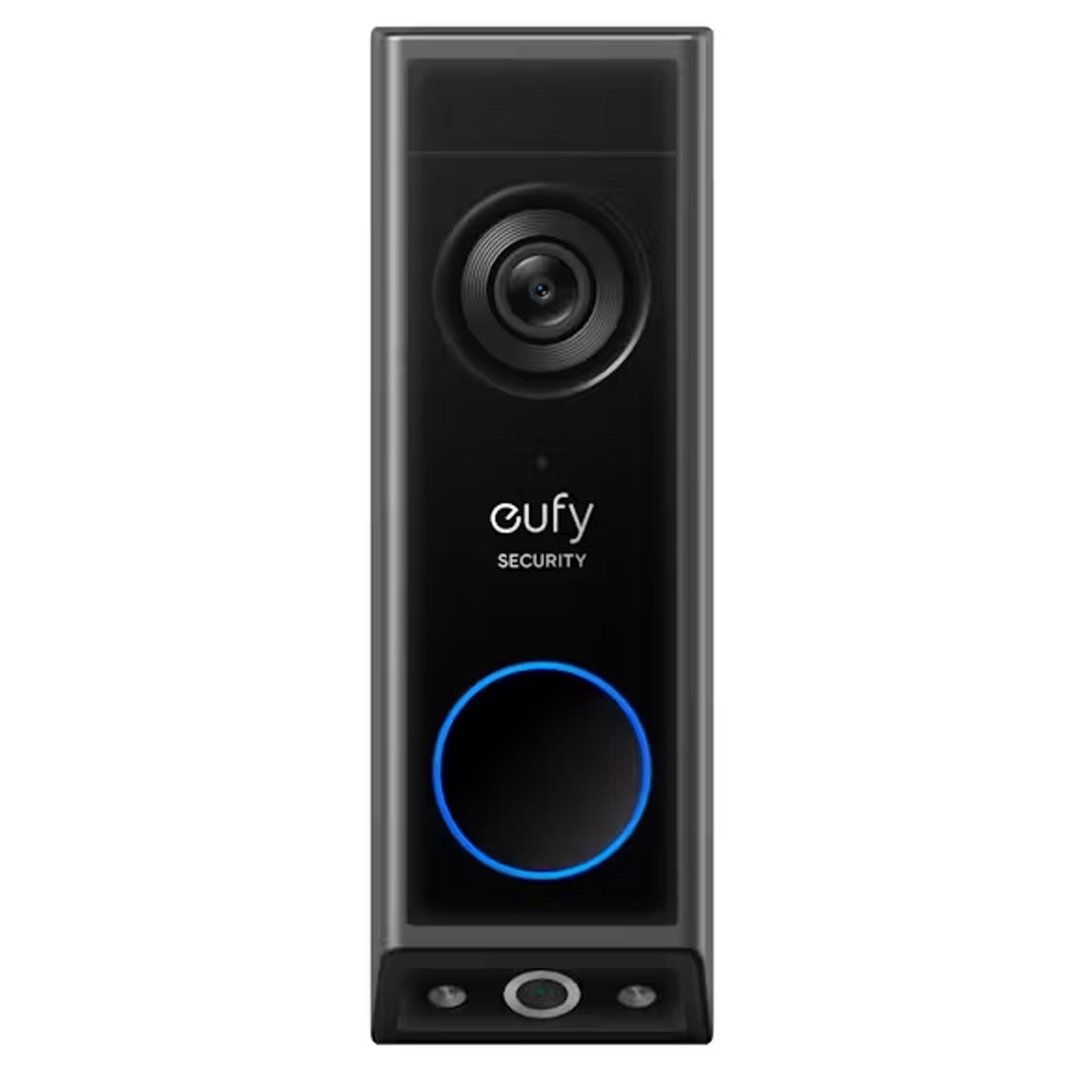
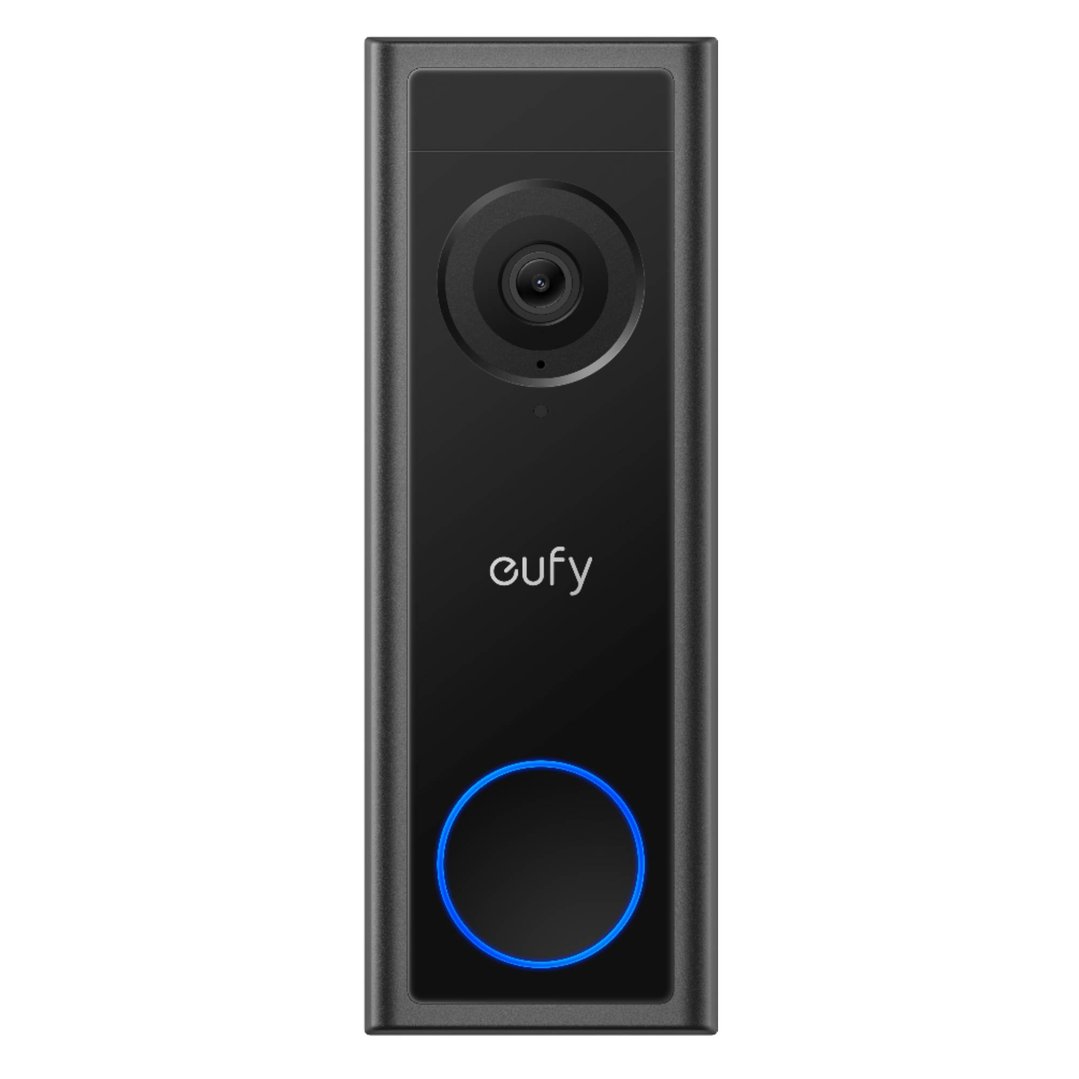
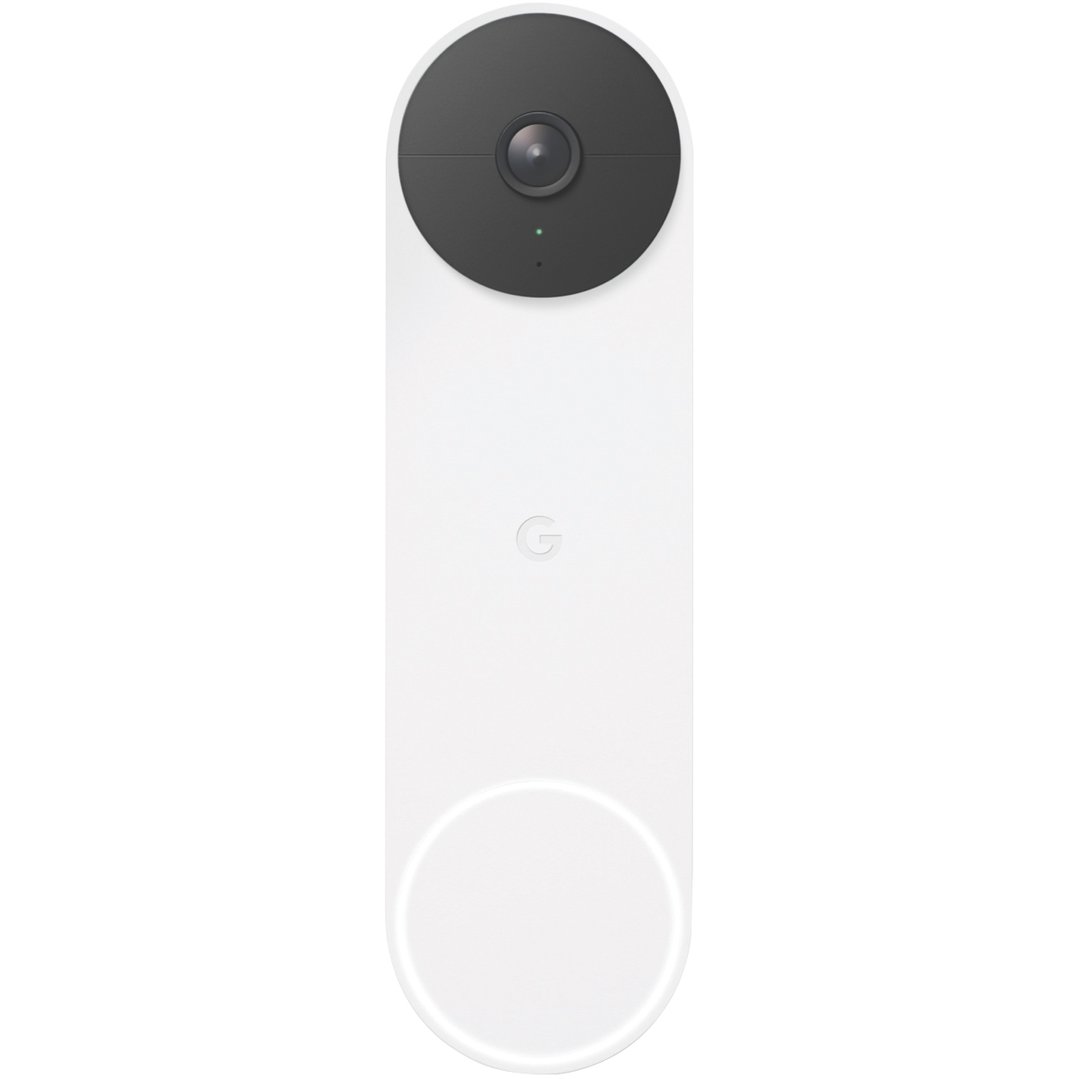
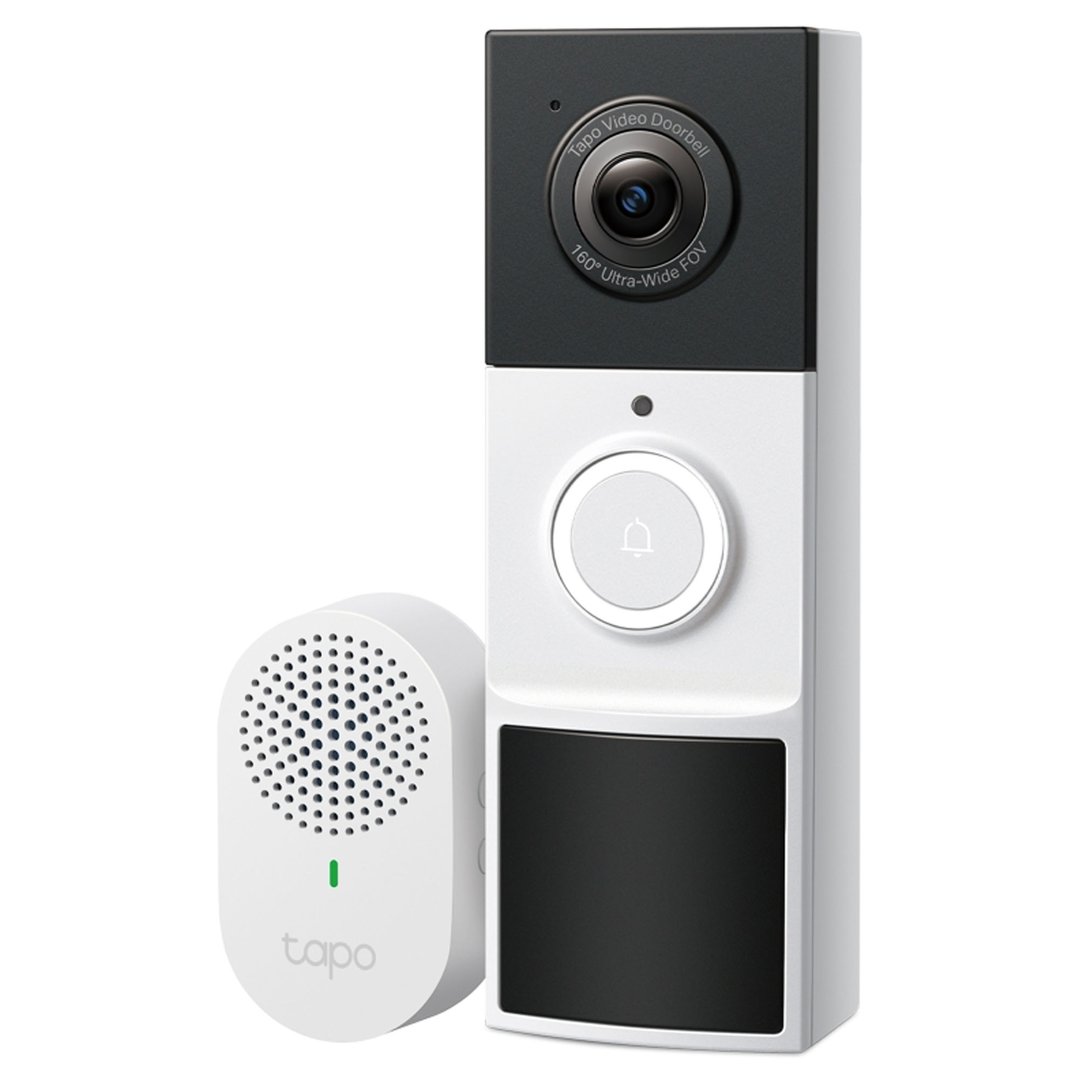
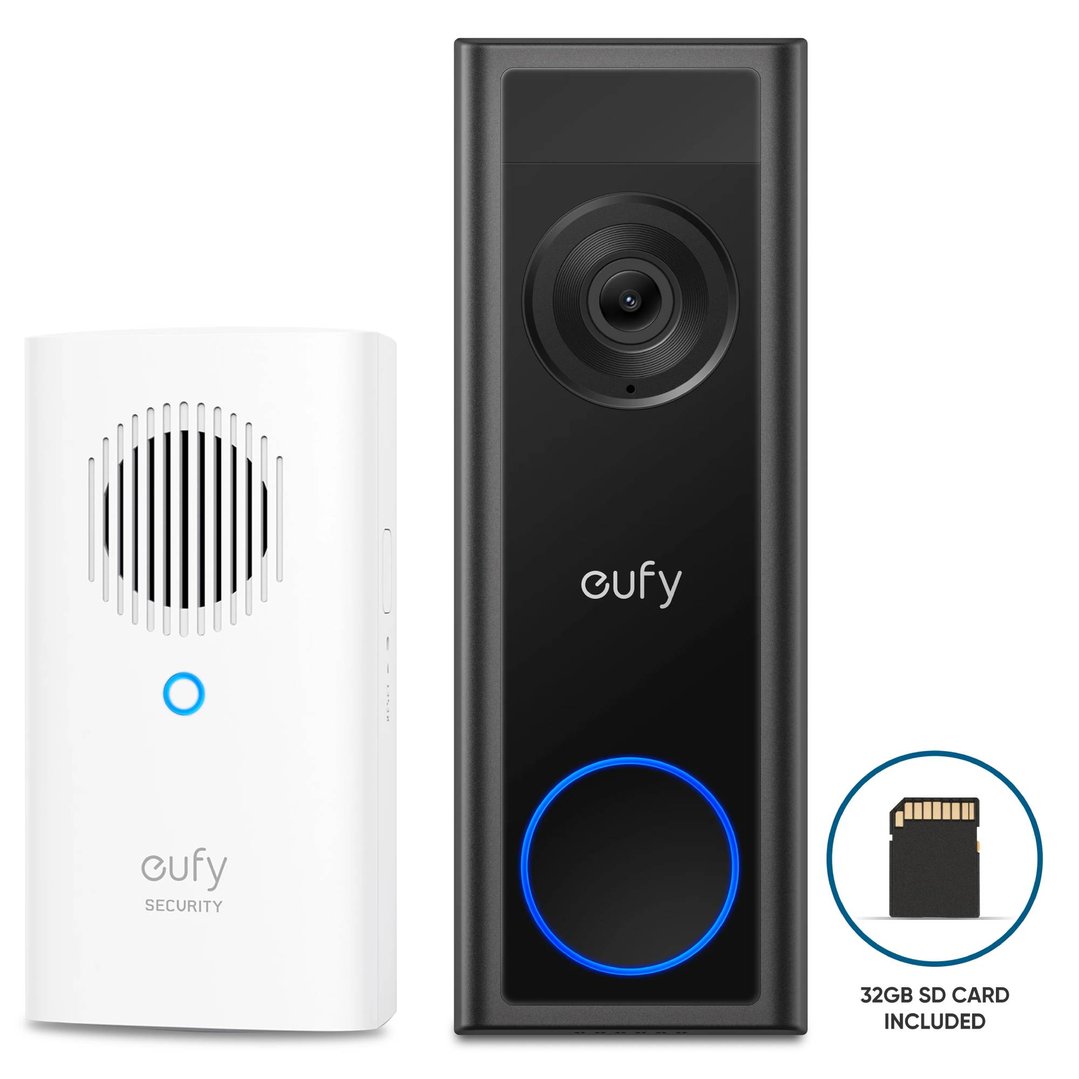
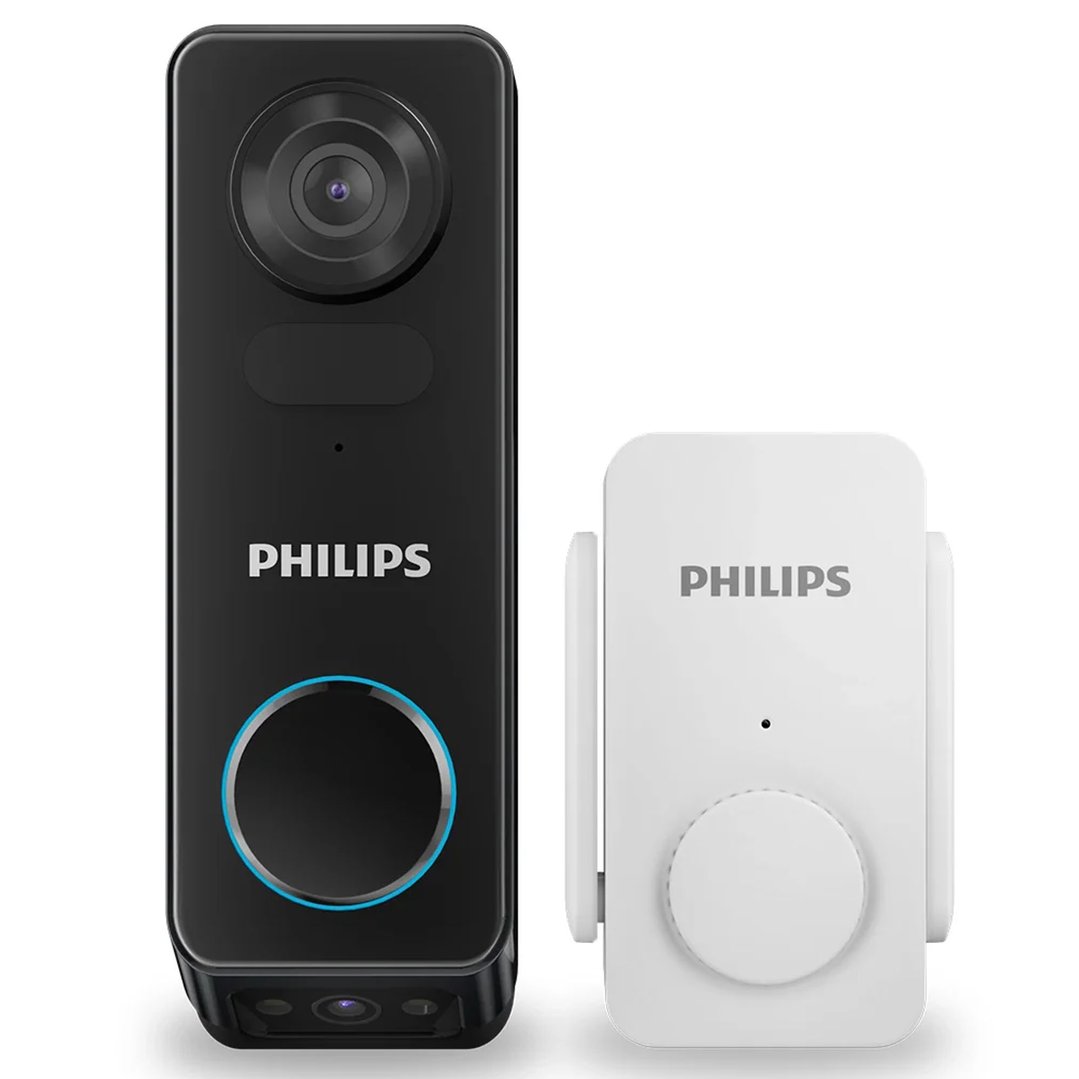
Connected to your home WiFi network, video doorbells are nifty devices that allow you to see who is approaching your front door in real time. Connected to your smartphone, you’ll receive notifications alerting you when someone is at your front door, allowing you to see who’s there whether you’re at work, on holiday or relaxing in your backyard.
Available in wired and wireless models
Many have motion detection and night vision features
Some models have an intercom feature, allowing you to speak with the person at your door through your smartphone
Useful for monitoring parcel deliveries and general home surveillance

ALARMS
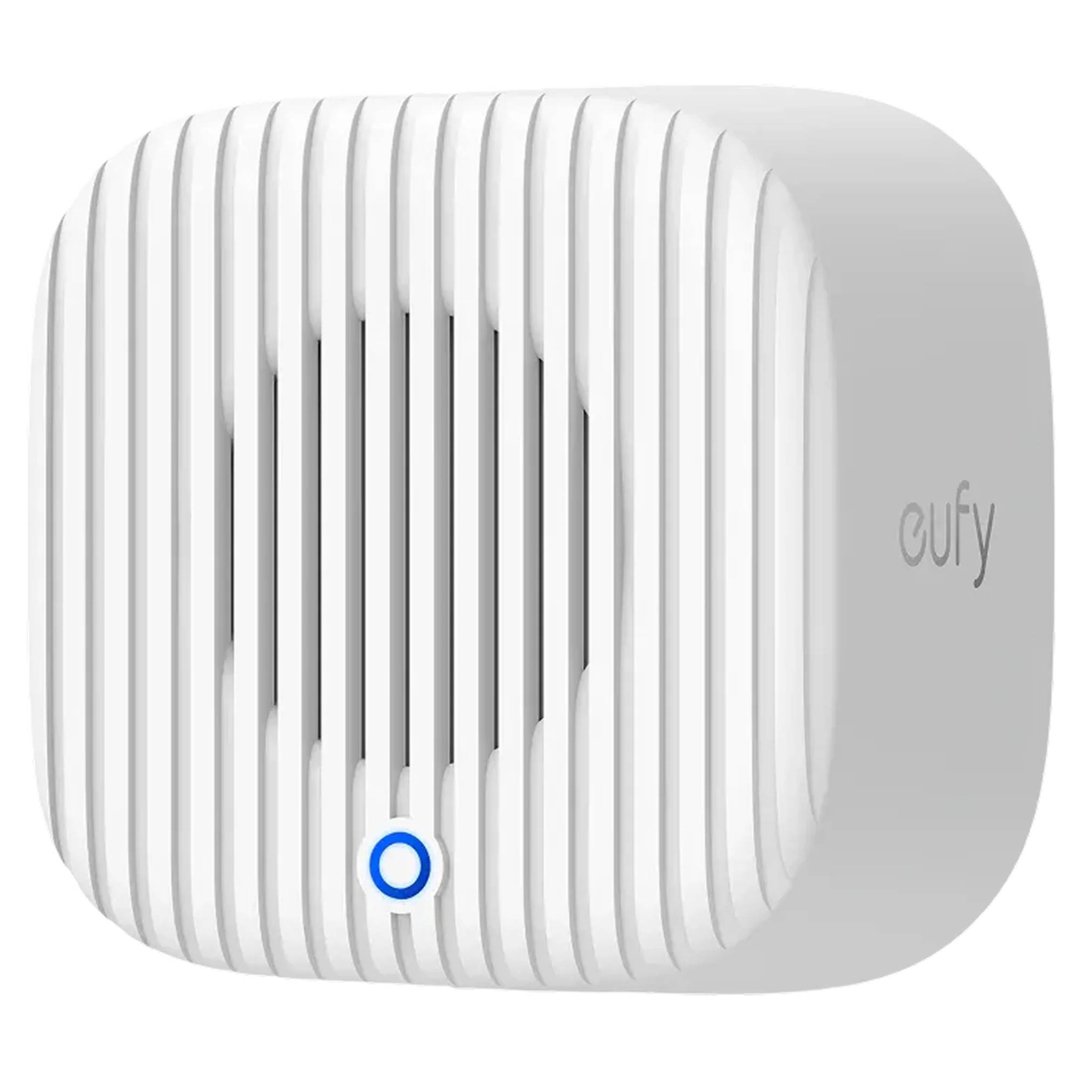
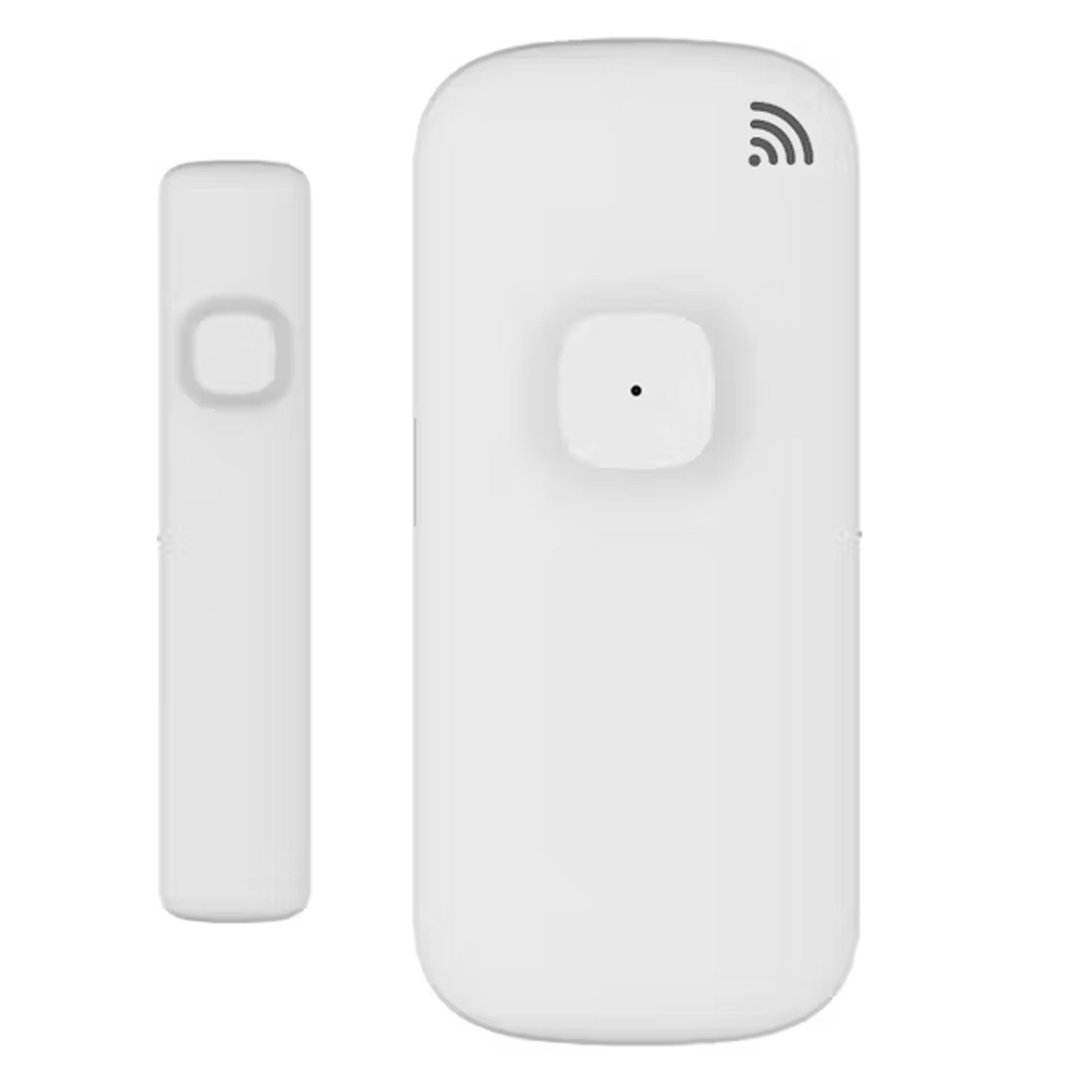
Alerting you when motion is detected or when windows or doors are opened, home alarms are a standard addition to most home security systems. Basic models produce an alarm noise to attract your attention and deter intruders, while more advanced models send you alerts directly to your smartphone.
Available in wired and wireless models
Some models have adjustable sensitivity, allowing you to tailor settings to your needs
Some models can be armed or disarmed using your smartphone, while other rely on a standard keypad
Popular brands of alarms: Eufy
MOTION SENSORS
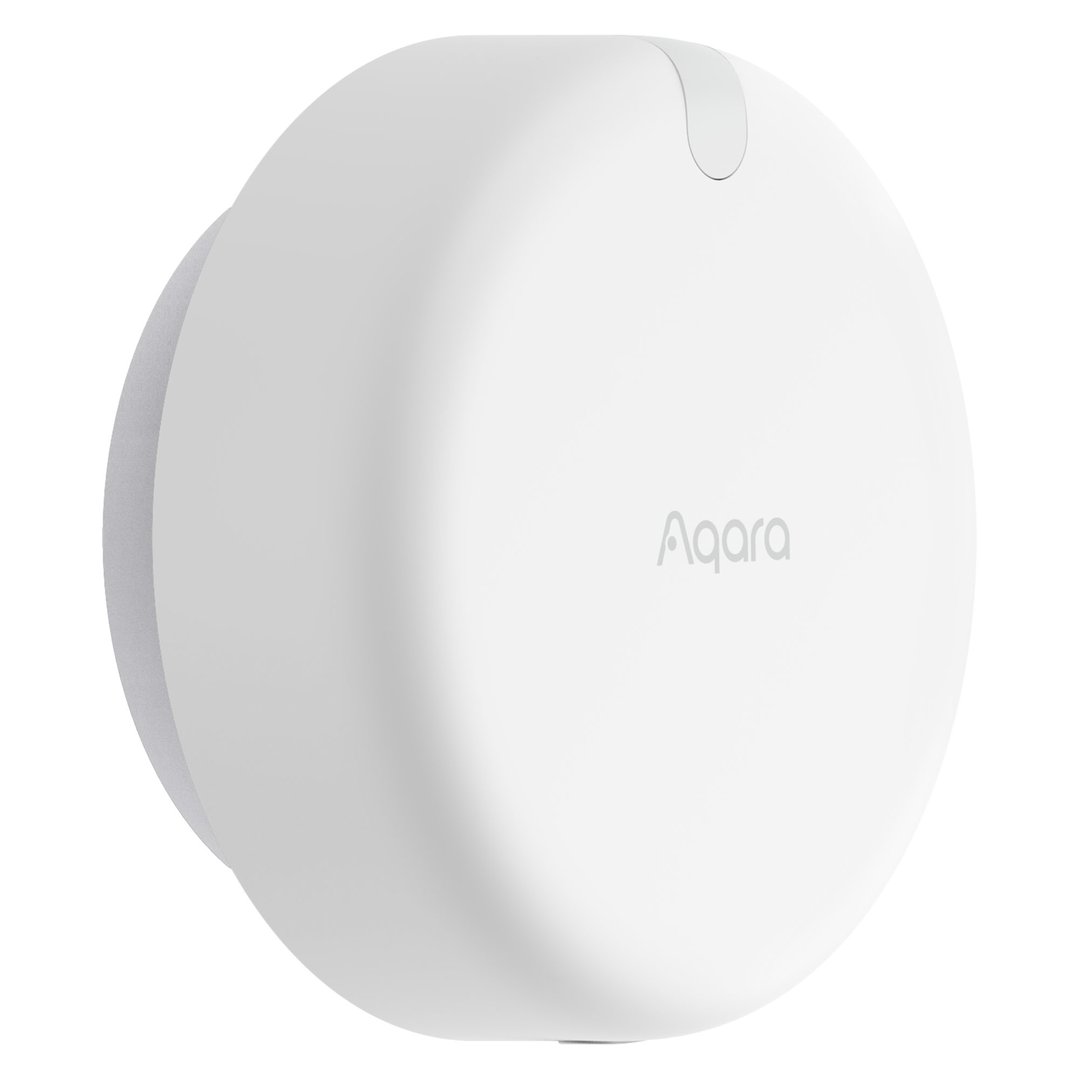
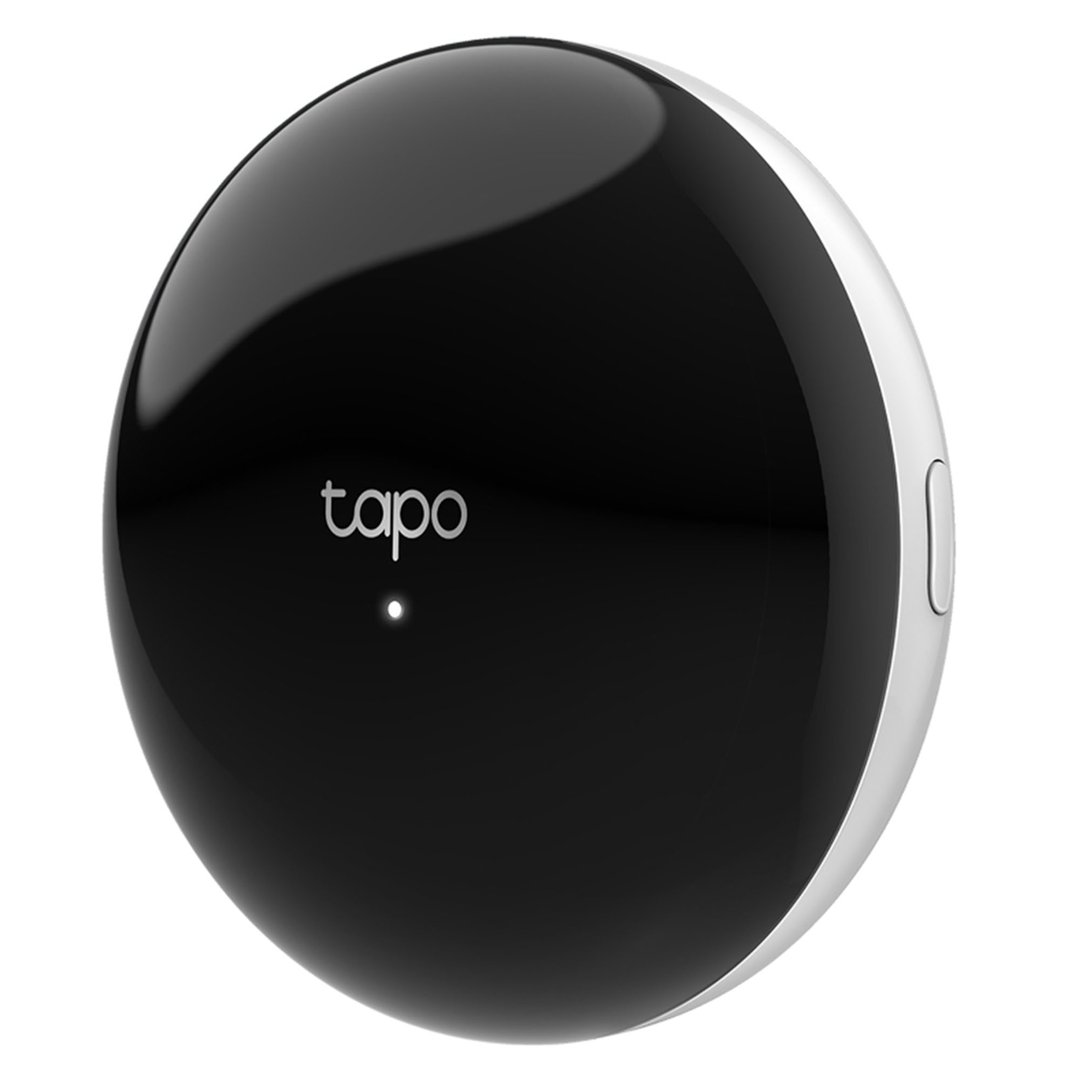
Used to detect movement, motion sensors are a key piece of equipment for any home security system. Connected to alarms or other notification systems, the technology used to detect movement can vary, from infrared and ultrasonic sensors to heat sensors.
Can be placed in a variety of different areas in and around the home
Some pet-friendly models are available, helping to avoid false alarms
Popular brands of motion sensors: Eufy






WHAT SHOULD YOU KNOW BEFORE BUYING A HOME SECURITY SYSTEM?
CHOOSING THE RIGHT DEVICES FOR YOUR HOME
Before you start purchasing cameras, motion sensors and other security devices, there are a few key considerations to weigh up. These include:
Your budget. Can you afford a top-of-the-line system with all the bells and whistles or is a basic system more realistic for you?
Your primary needs. Are you wanting to be able to monitor your home at all times or would you rather just be alerted when an intruder attempts to access your home? Depending on your needs, the devices that are best suited to your home will vary.
Your handle on technology. Although many modern home security devices can send notifications and updates directly to your smartphone, if you aren’t a confident smartphone user, they may not necessarily be worth investing in.
WIRED VS WIRELESS HOME SECURITY DEVICES
When shopping for your home security system, you’ll find that many devices are either wired or wireless. Each has its own pros and cons, which can make it easy to find an option that best suits your needs.
Wireless devices
Generally easier to install
No restrictions on where devices can be placed
Typically battery operated, meaning that batteries will need to be recharged or replaced at some point in time
Often require a WiFi connection
Interference and signal loss may interrupt operation
Wired devices
Often require installation by qualified professionals
Positioning options for cameras and other devices may be limited
Run off mains power
Some models have backup batteries, allowing for continued operation during blackouts and other power interruptions
Tend to be more reliable than wireless models
HOME SECURITY AND PRIVACY LAWS
While it’s perfectly legal to install a home security system on your property, there are a few rules and regulations that you do need to follow to ensure your privacy and that of others. All cameras within your system, whether they are inside your home or outdoors, should only be directed at your own home. The footage recorded by your home security cameras should also only be shared with police when required. Sharing footage on social media or elsewhere on the internet could potentially compromise your privacy and that of others.
FEATURES TO LOOK OUT FOR
Camera resolution. Just like regular cameras, resolution influences the quality of the footage captured by home security cameras. Most basic cameras have VGA resolution which may not be the best quality, but is less likely to push your home network to its limits. The next step up, high definition recording, provides greater picture clarity and is also unlikely to strain home networks. Full HD models are able to capture great quality footage with high levels of detail, but may slow home internet speeds.
Two-way talk features. Not only can it be handy to hear what is going on in and around your home, but being able to communicate with others, such as the postman, friends and family, and even your pets, can be a useful feature.
Smartphone connectivity. As home security is most important to us when we’re out and about, being able to check in on the status of your home when you’re on the go appeals to many. Some modern home security devices offer smartphone connectivity, allowing you to check security cameras remotely and receive notifications when motion is detected or an alarm is triggered.
Storage options. If you’re choosing to install security cameras in and around your home, you’ll need to consider which type of storage is best for your needs. SD card storage is generally quite easy to access and use, but the storage space available can be filled quite quickly. DVR storage allows large quantities of footage to be stored, which can be great for networks with multiple cameras. Some smart home security cameras save the footage they record to the cloud, allowing you to access the video captured on a variety of devices. Cloud storage does, however, rely on internet access, meaning that footage may not be saved if you have issues with your home network.