Buying Guides
Eco-Friendly Appliance Buying Guide

Wanting to purchase appliances that are more environmentally friendly? Before you commit to a certain make or model, be sure to check out our guide to energy and water efficiency to find out how you can protect our fragile environment and help conserve these important resources. Learn more about water efficiency, energy efficiency and some easy eco-friendly behaviours you can practice at home.
WATER EFFICIENCY
WHAT IS WATER EFFICIENCY?
Put simply, water efficiency is a measure of how effectively an appliance uses water resources. Appliances which use more water than similar models in the same product category are typically considered to be less water efficient, while those that use less water are more efficient.
HOW CAN YOU TELL HOW WATER EFFICIENT AN APPLIANCE IS?
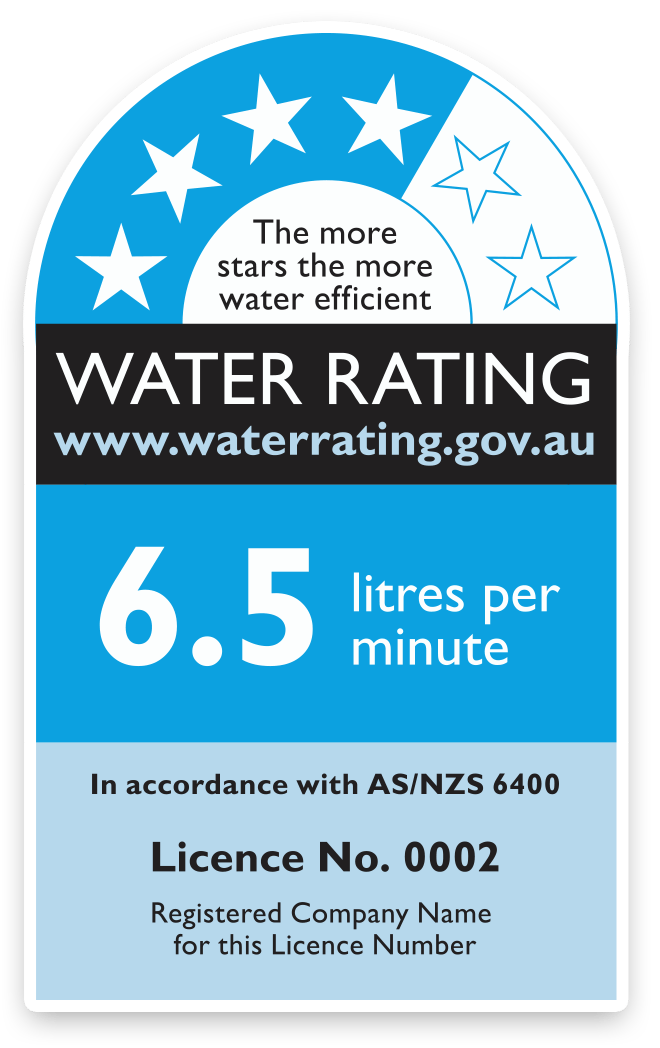
In Australia, you can compare the water efficiency of different makes and models of appliances with the help of stickers created under the Water Efficiency Labelling and Standards (WELS) scheme. The scheme applies a water efficiency rating to a variety of appliances, including washing machines and dishwashers, after testing their water consumption. Each appliance is given a rating out of six stars. The more water efficient appliances are, the higher score they receive.
In addition to a star rating, WELS stickers also state the average water consumption per load. This can be handy for working out how much the water used during each load of dishes or laundry will cost you.
ENERGY EFFICIENCY
WHAT IS ENERGY EFFICIENCY?
Much like water efficiency, energy efficiency is a measure of how much energy an appliance consumes with typical use. As a general rule of thumb, appliances that use more energy than others in the same product category are considered to be less efficient than those that use less.
HOW CAN YOU TELL HOW ENERGY EFFICIENT AN APPLIANCE IS?
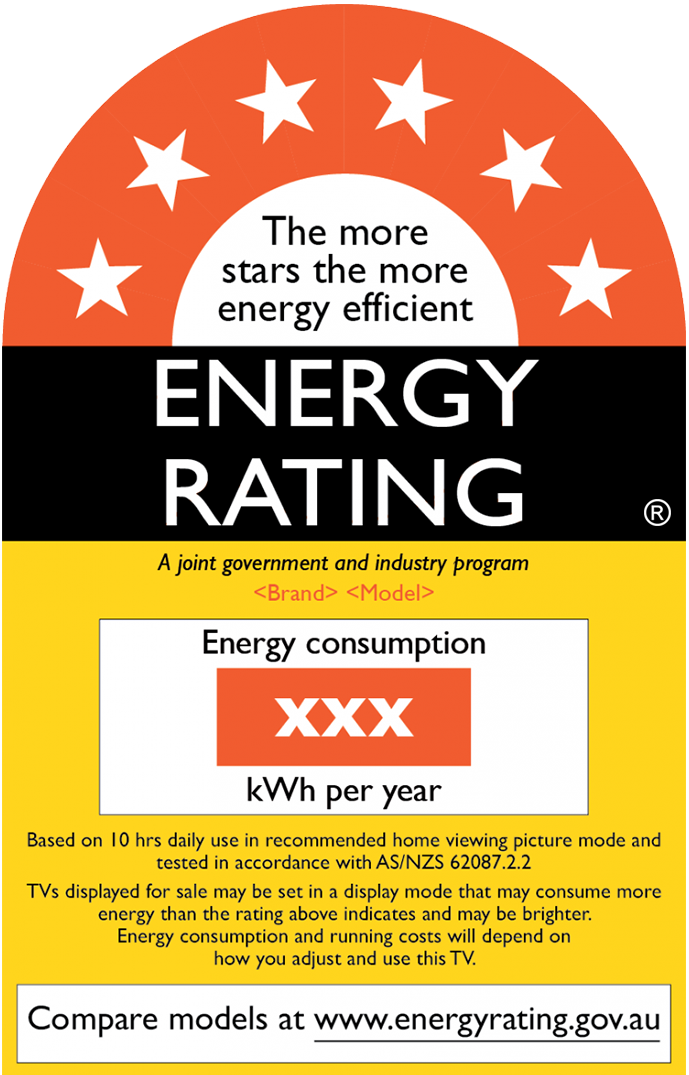
Energy Rating Labels are used in Australia to not only help consumers understand how energy efficient appliances are, but to also help them compare similar appliances in the same product category.
Each label has two main features: a star rating and figure that indicates the appliance’s average annual energy usage. Energy efficiency is represented by a star rating between zero and six or, in some cases, zero and 10. The more stars an appliance has, the better the energy efficient rating. Beneath the star rating, the appliance’s average annual energy consumption is listed and can be used to help calculate how much it will cost to run the appliance.
Energy Rating Labels are displayed on a variety of different appliances, including air conditioners, washing machines, clothes dryers, dishwashers, fridges, freezers and televisions.
DOES ENERGY EFFICIENCY SAVE MONEY?
In general, energy efficient appliances can save you money in the long run. Some appliances may be more expensive to purchase, but over time their efficiency means that less energy is used, reducing the size of your electricity or gas bill.
WHY SHOULD YOU USE ECO-FRIENDLY APPLIANCES?
If you’re concerned about the environment, eco-friendly appliances are well worth exploring. Using fewer resources, such as energy and water, during their operation, they help to reduce your overall environmental footprint. Appliances that are more efficient typically use less energy and water when compared to their less efficient counterparts. Although energy efficient appliances may be more expensive to purchase upfront, in many cases they do end up being cheaper to run over time, saving you money on water and energy. If you do have the choice between a less efficient and a more efficient model, the more efficient appliance is often a better option.
CHOOSING WATER AND ENERGY EFFICIENT APPLIANCES
When weighing up energy efficiency and efficient water use, you’ll find that not all appliances are created equal. Learn more about what to look for when shopping for common household appliances.
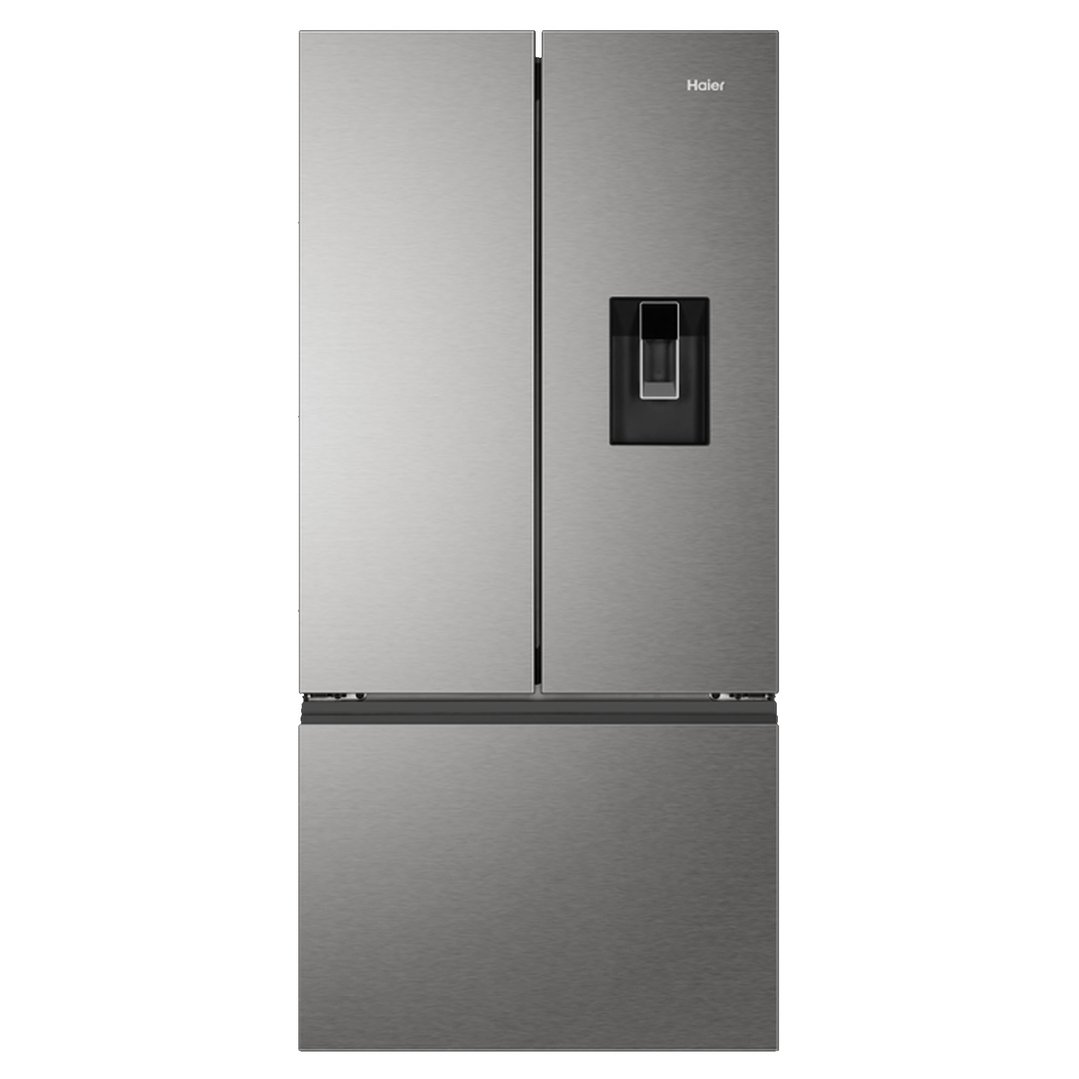
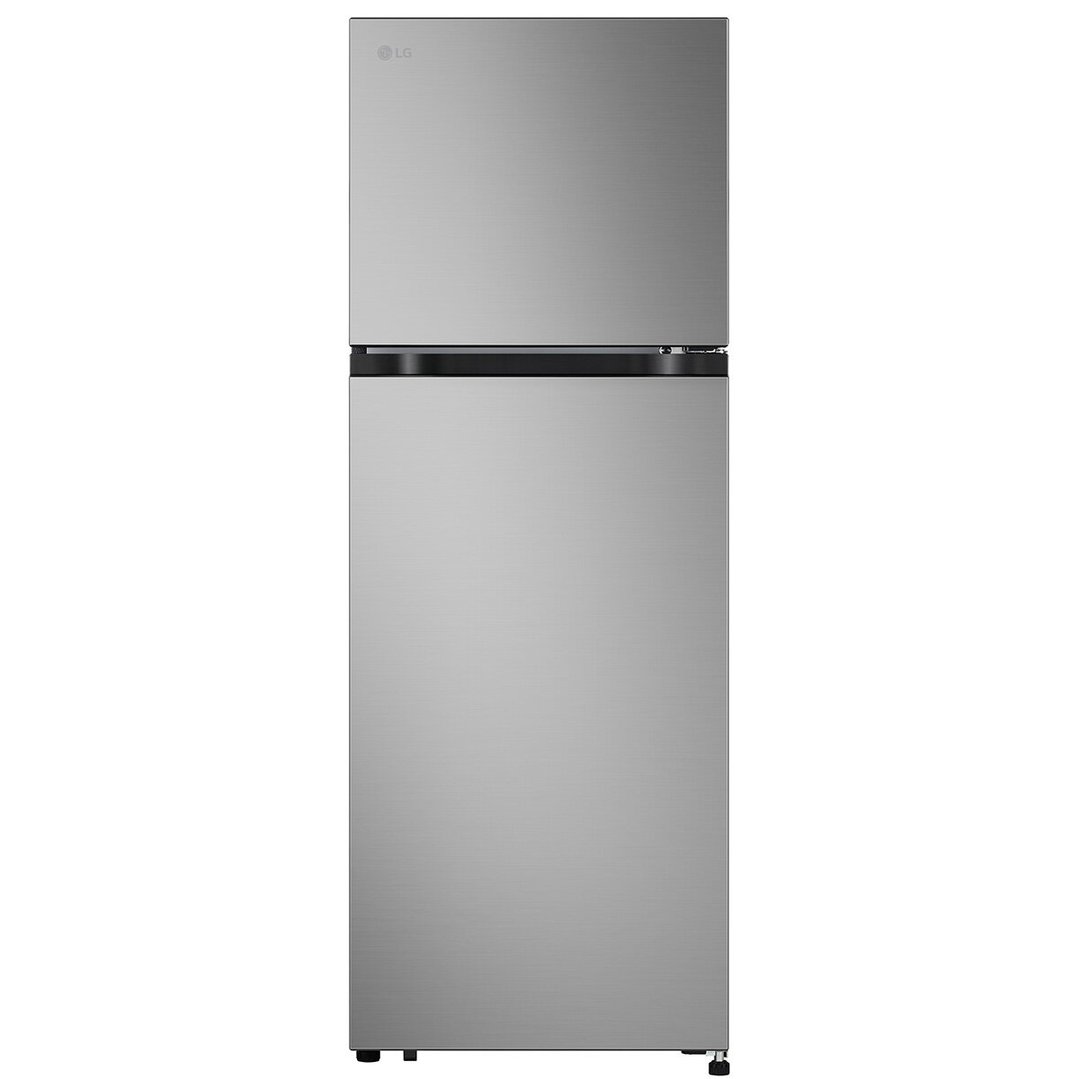
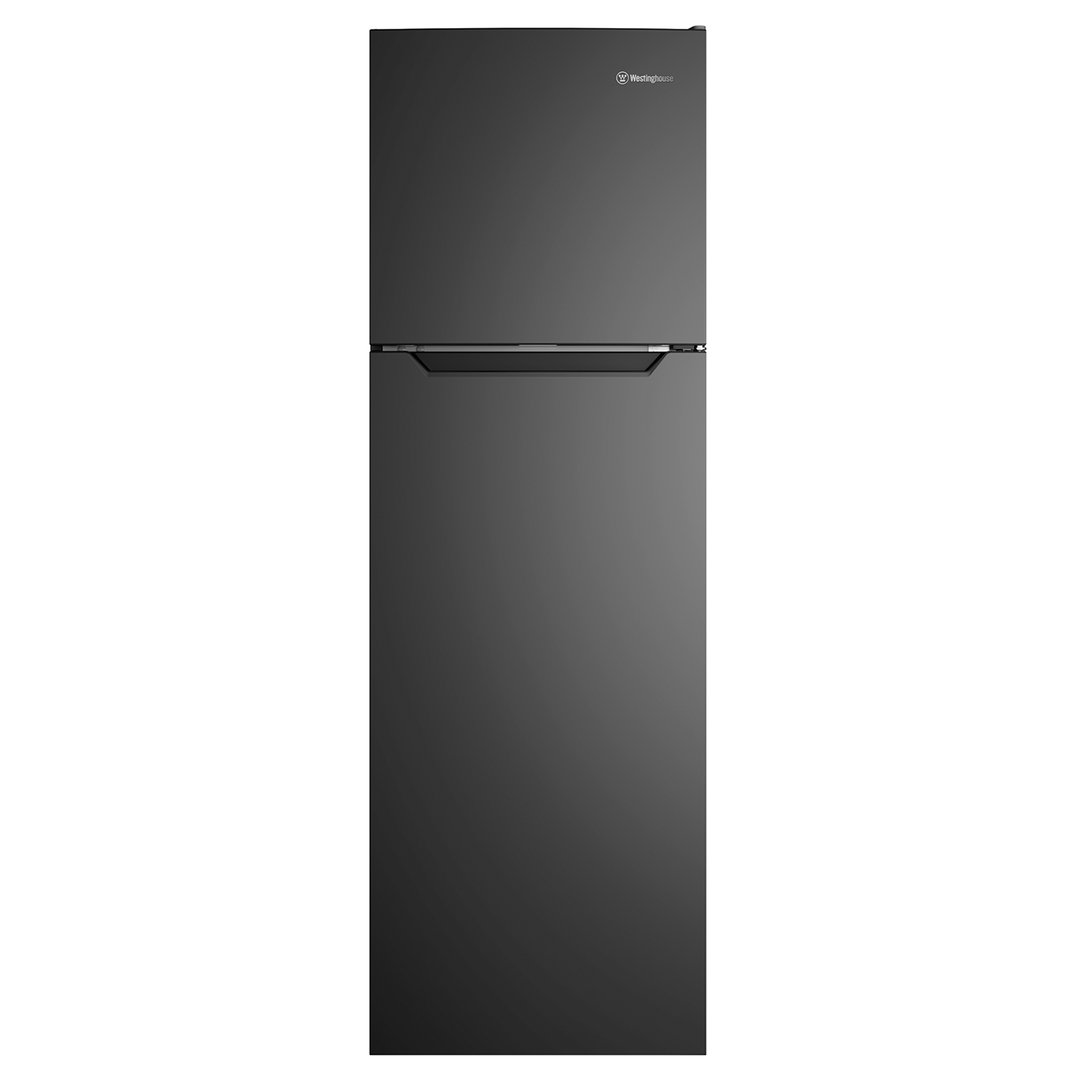
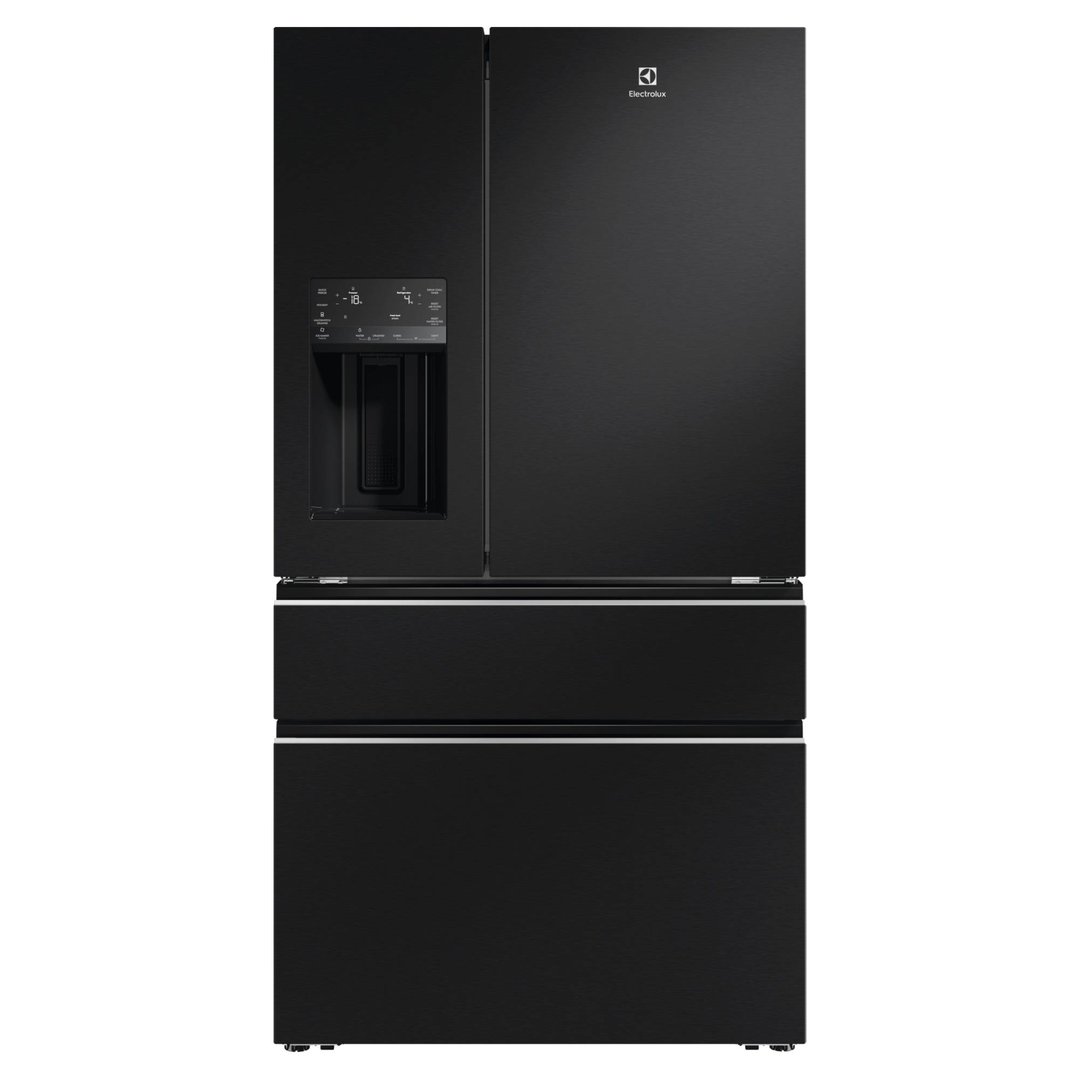
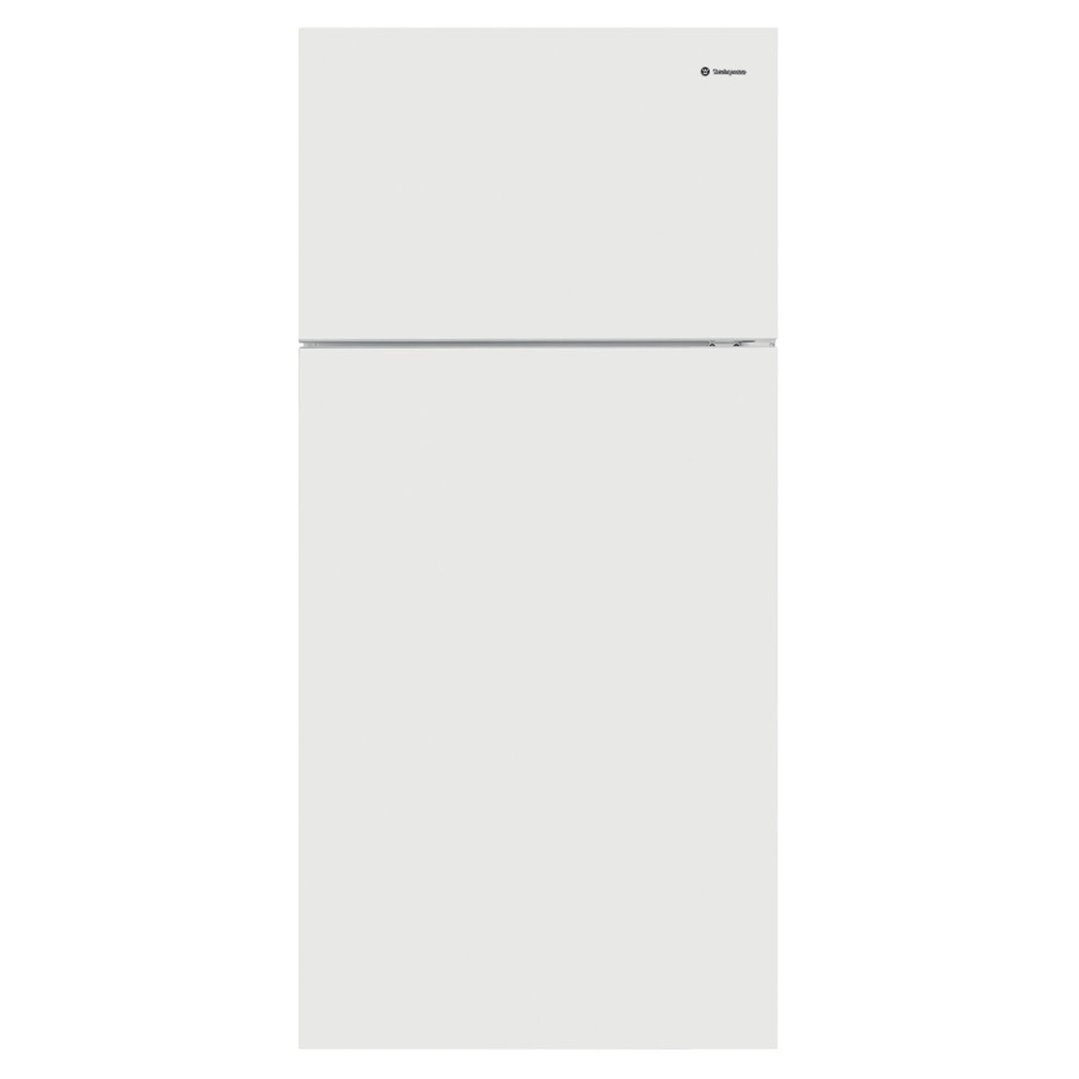
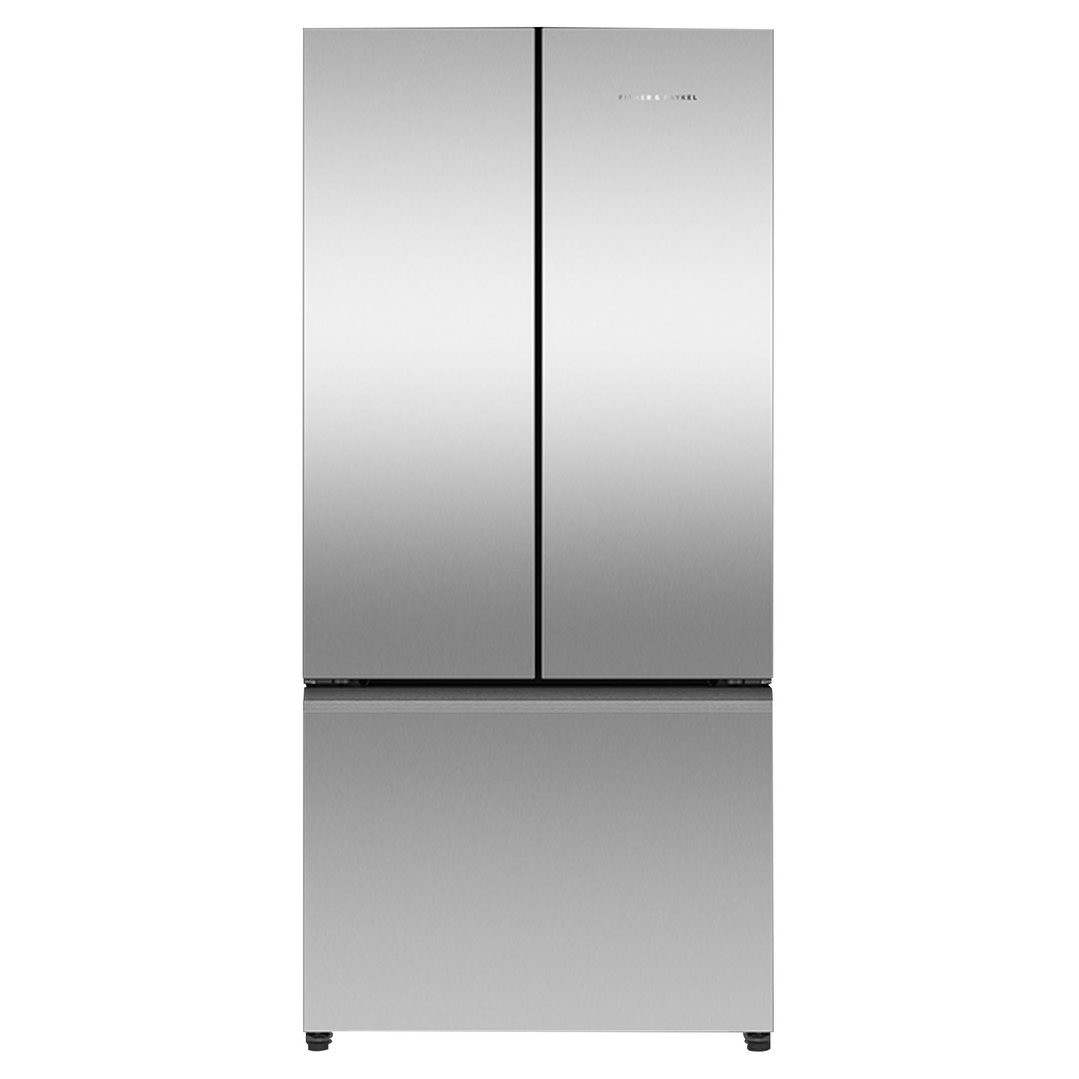
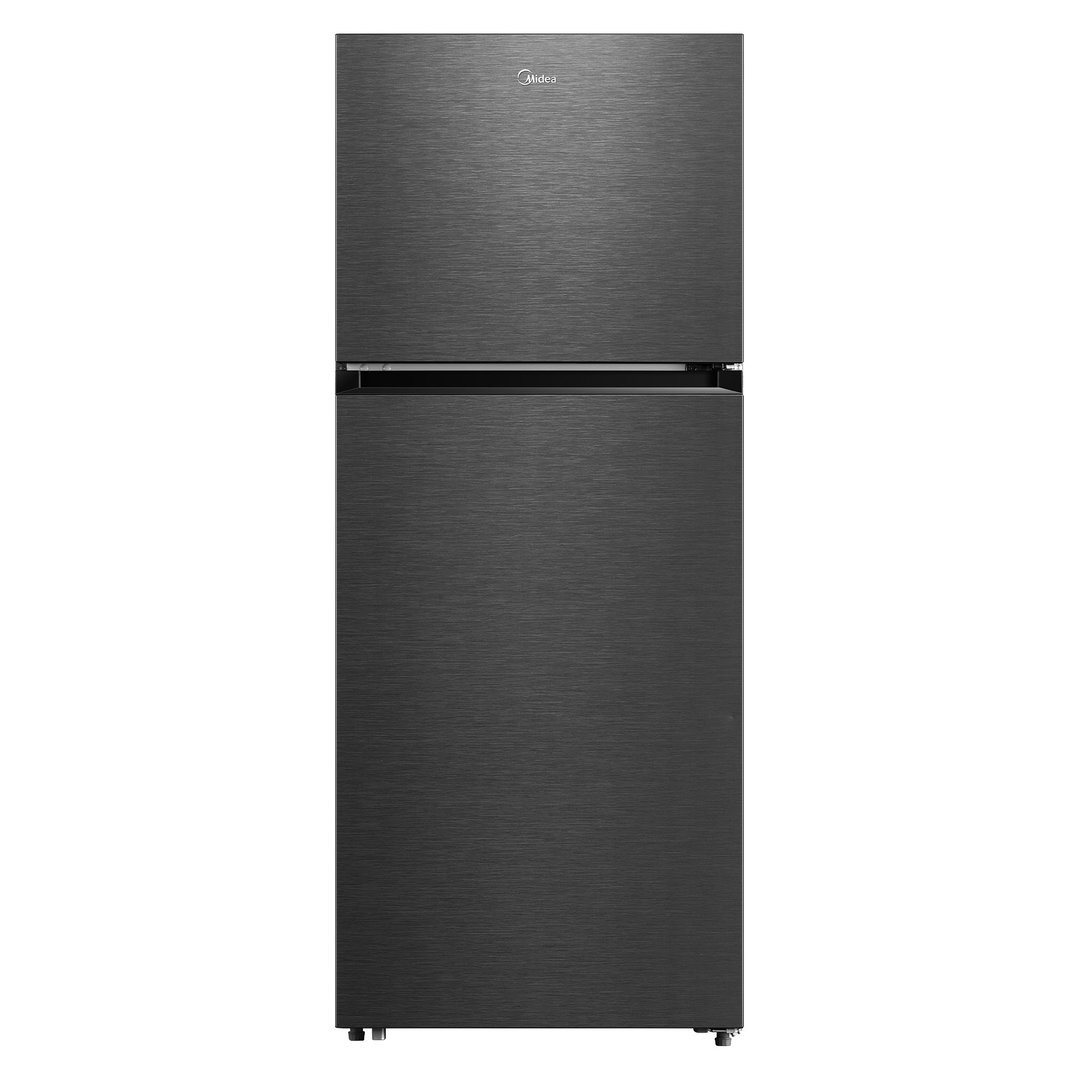
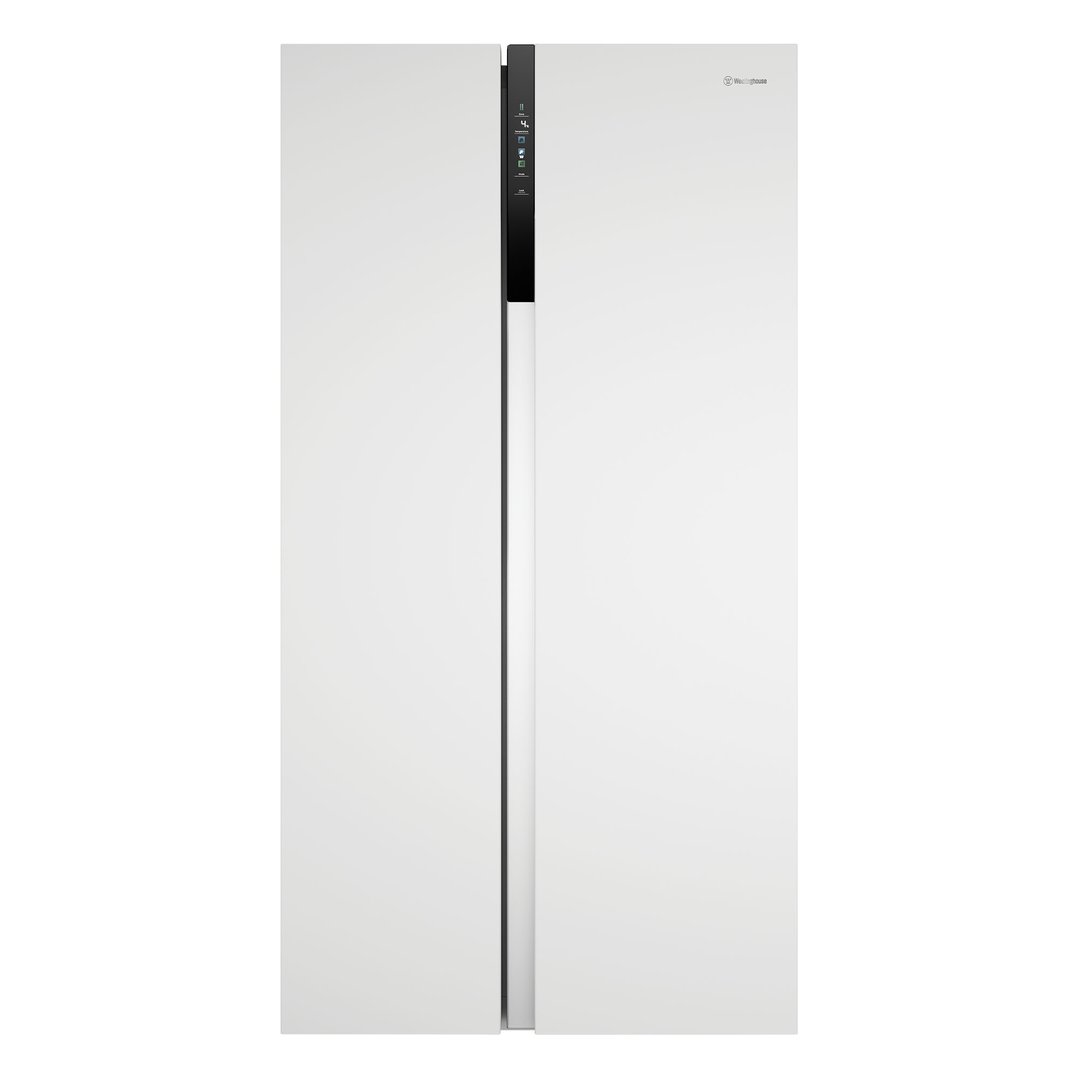
ENERGY EFFICIENT FRIDGES AND FREEZERS
What to look for:
Fridges and freezers with the right capacity for your needs. Unlike some other appliances, fridges and freezers often operate more efficiently when fuller. To help ensure you find the most energy efficient fridge or freezer for your home, think carefully about what capacity your household realistically needs.
Fridges without inbuilt ice makers and water dispensers. Models with ice makers and water dispensers typically use more energy than models without them. If you can live without these features, you’ll find yourself using less energy over time.
What to remember when using fridges and freezers at home:
Adequate ventilation space is required for efficient use. For a fridge or freezer to work efficiently, there needs to be an adequate amount of space left behind, above and to the sides of the appliance. A minimum of 5cm of space is required for the sides and back of the fridge or freezer, while 10cm should be left free at the top of the appliance.
You should keep to the recommended temperature settings. Although it may be tempting to turn your fridge or freezer’s temperature settings down lower to chill or freeze foods faster, doing so could actually use more energy. In Australia, it’s recommended that fridges are set to between 0°C to 4°C, while freezers should be close to -18°C.
$1,999$1,799Ends in
9 Days







WATER AND ENERGY EFFICIENT WASHING MACHINES
What to look for:
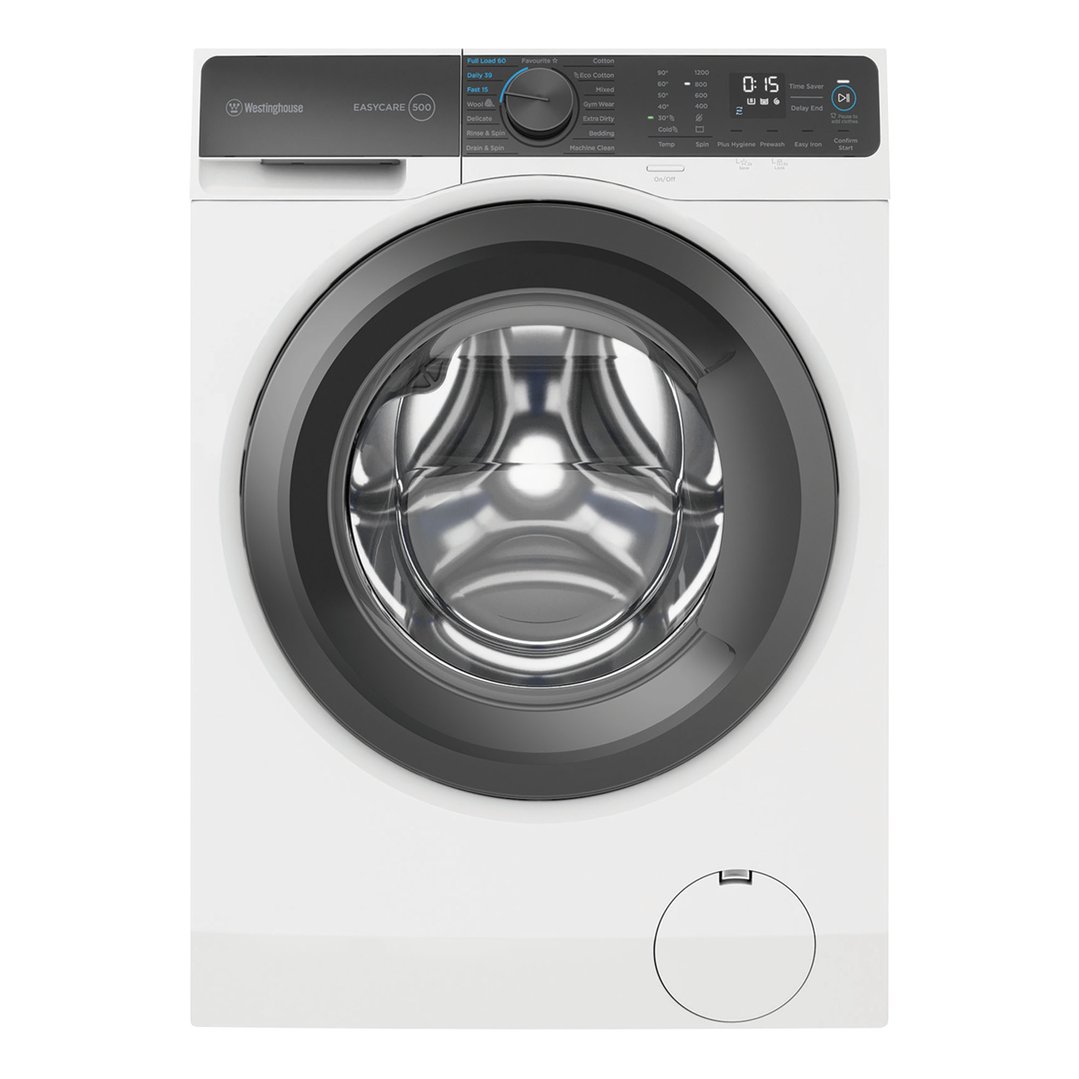
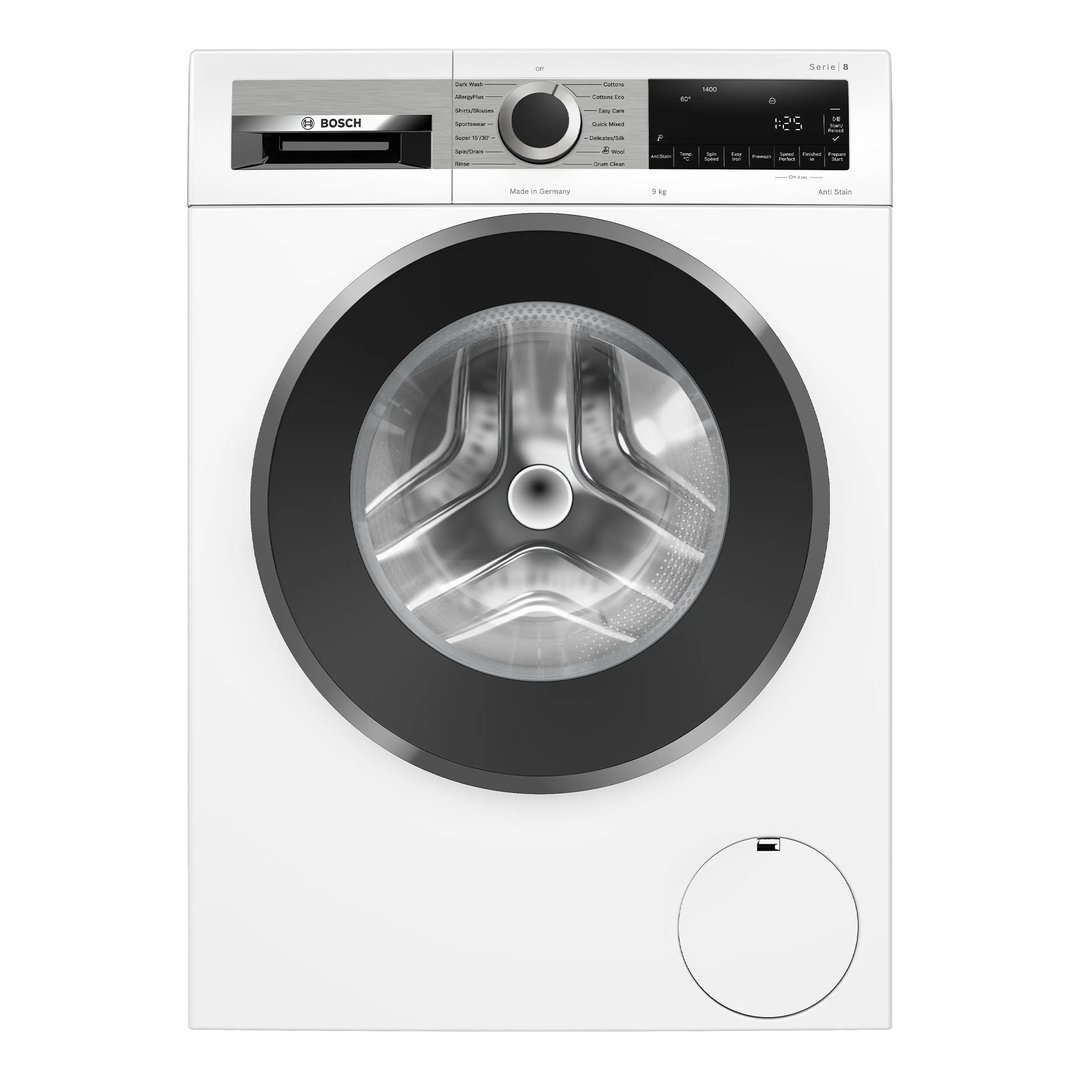
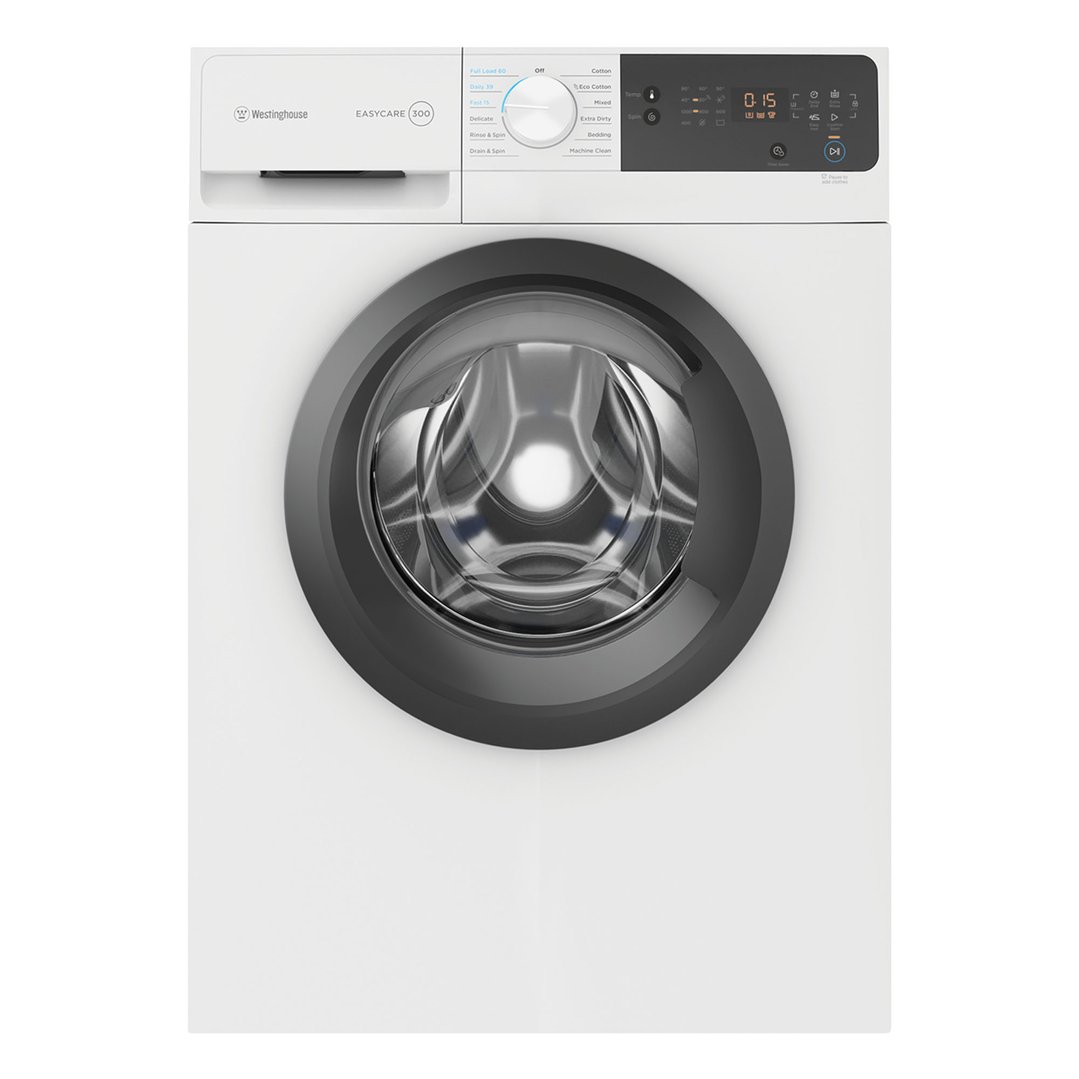
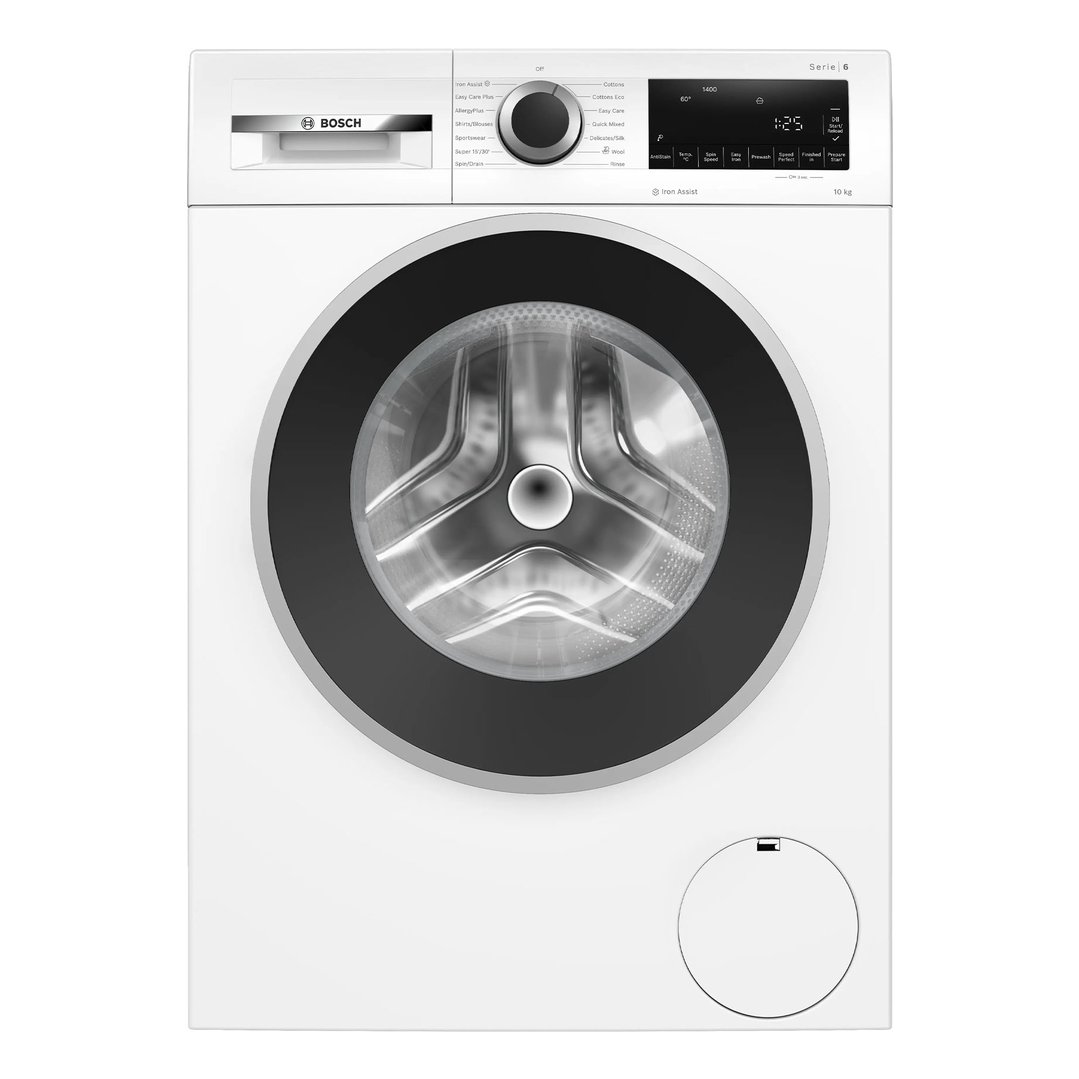
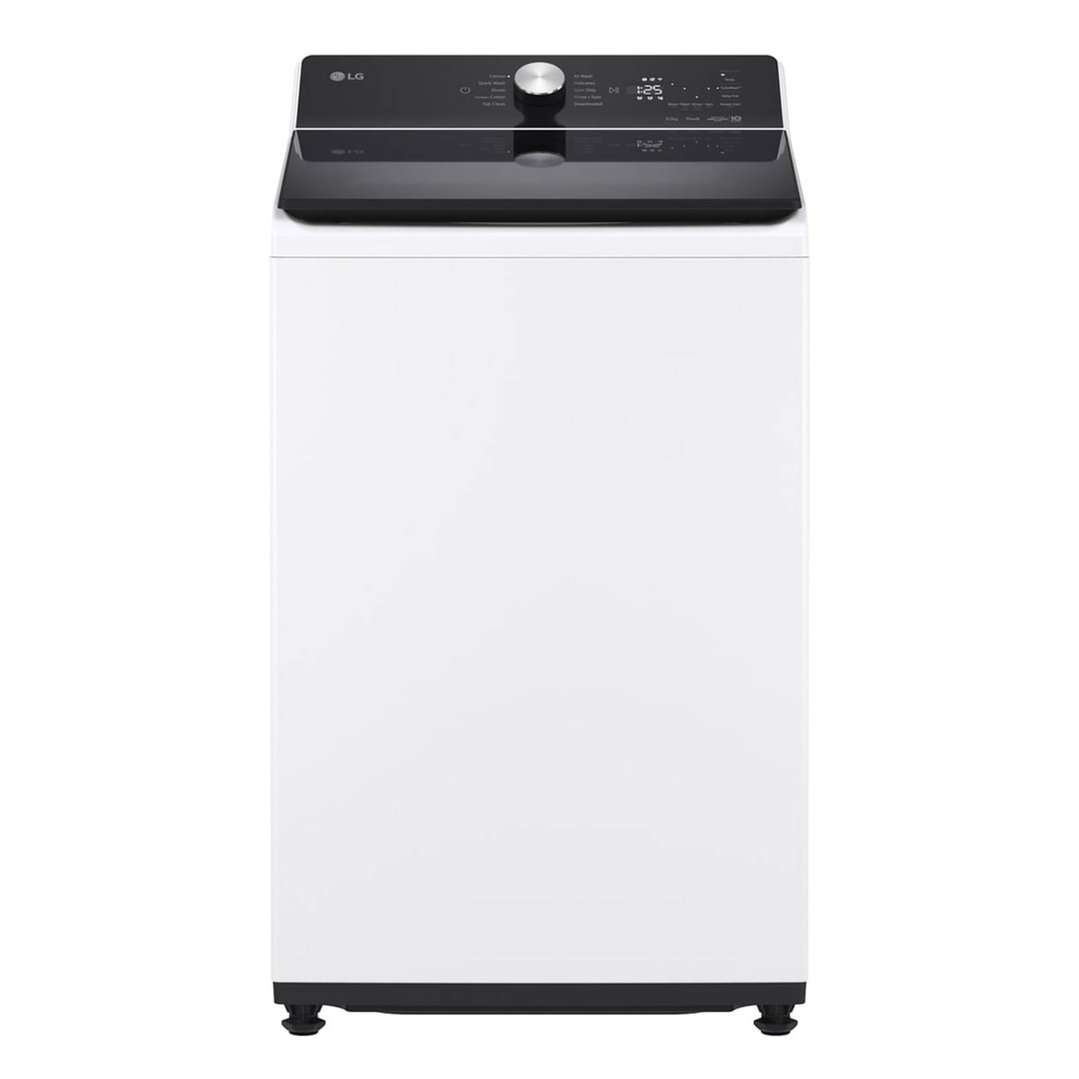
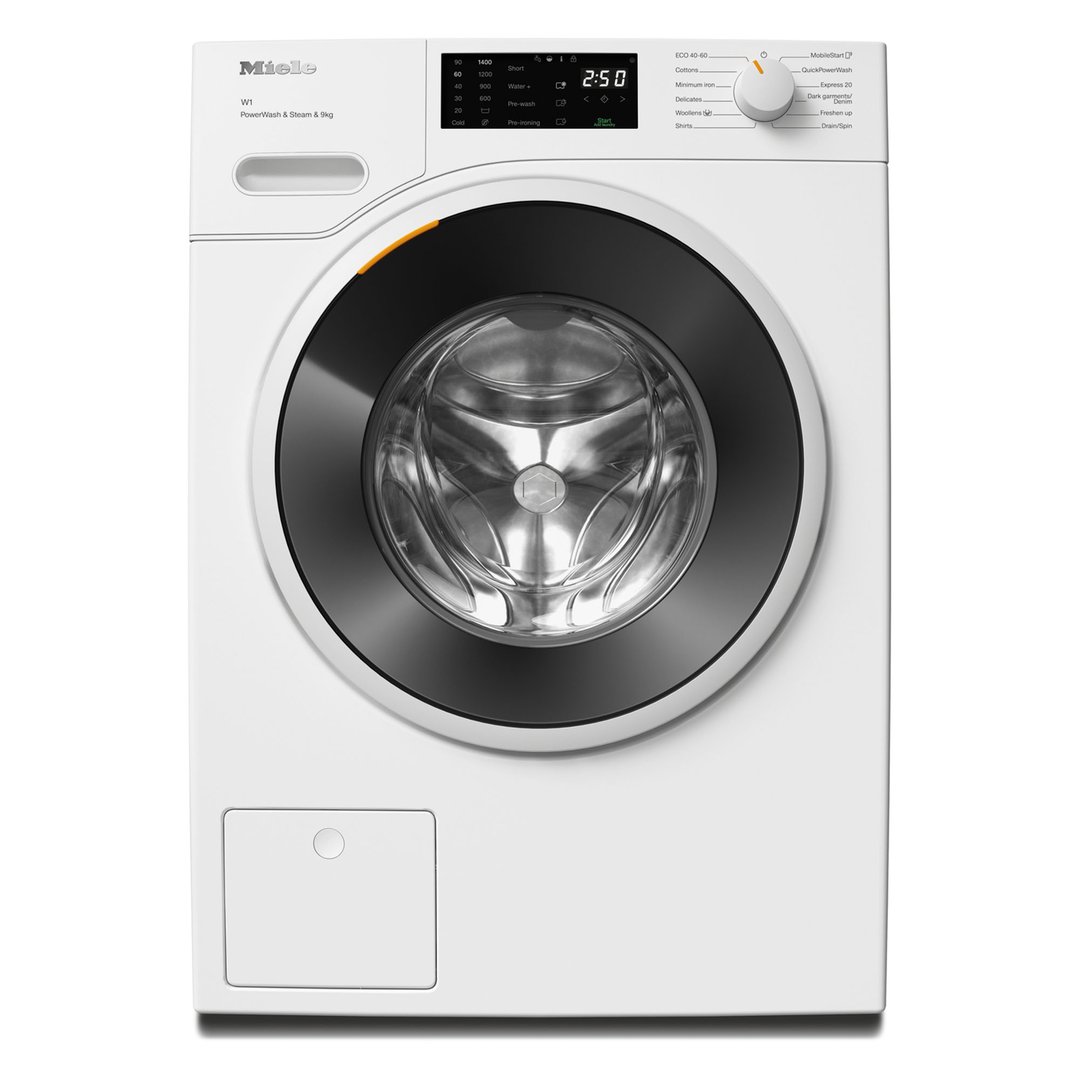
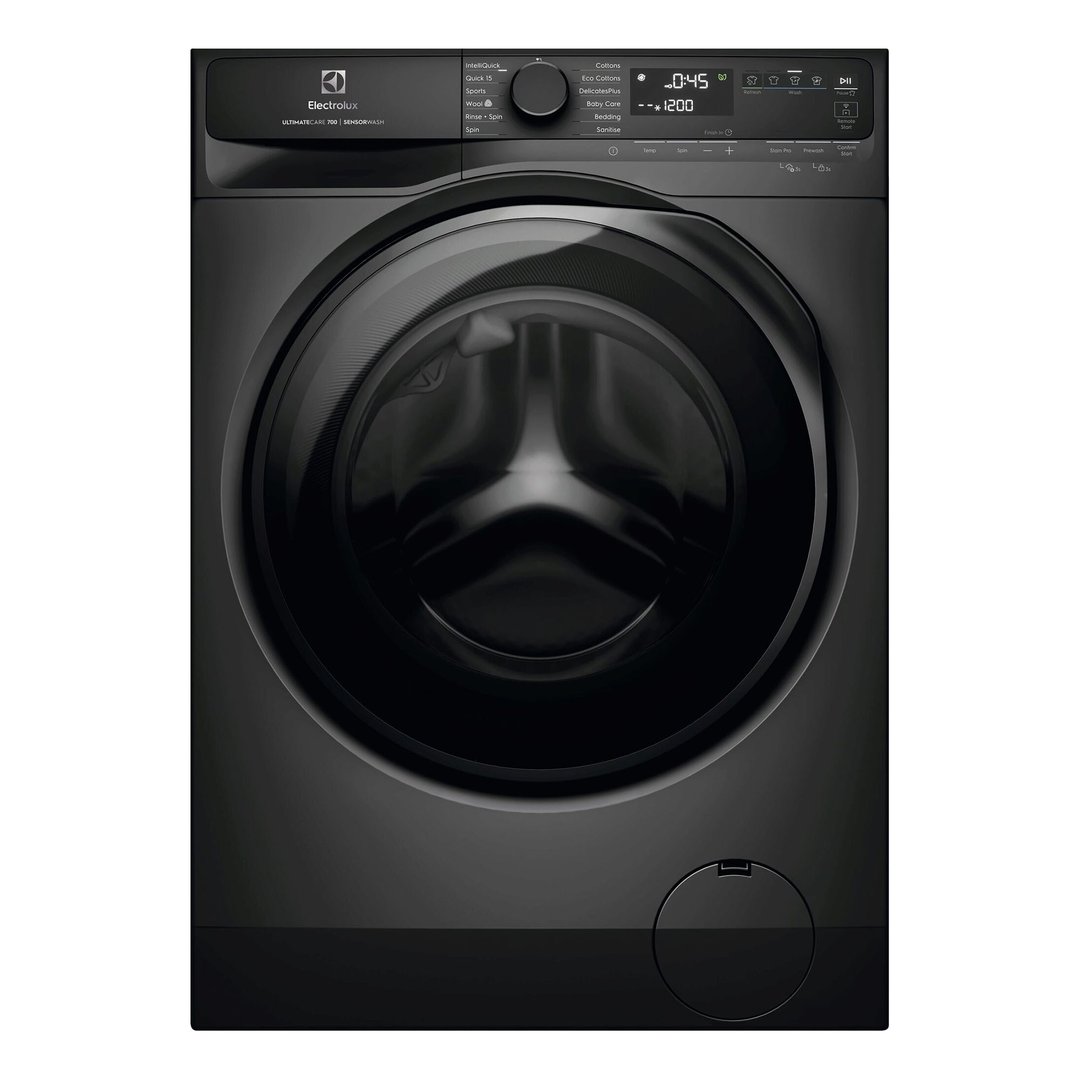
Models with eco modes and load size sensors. The amount of energy and water used by a washing machine can start to add up, especially if you’re washing multiple loads daily. Look for models with eco modes and load size sensors to help ensure you only use the required energy and water.
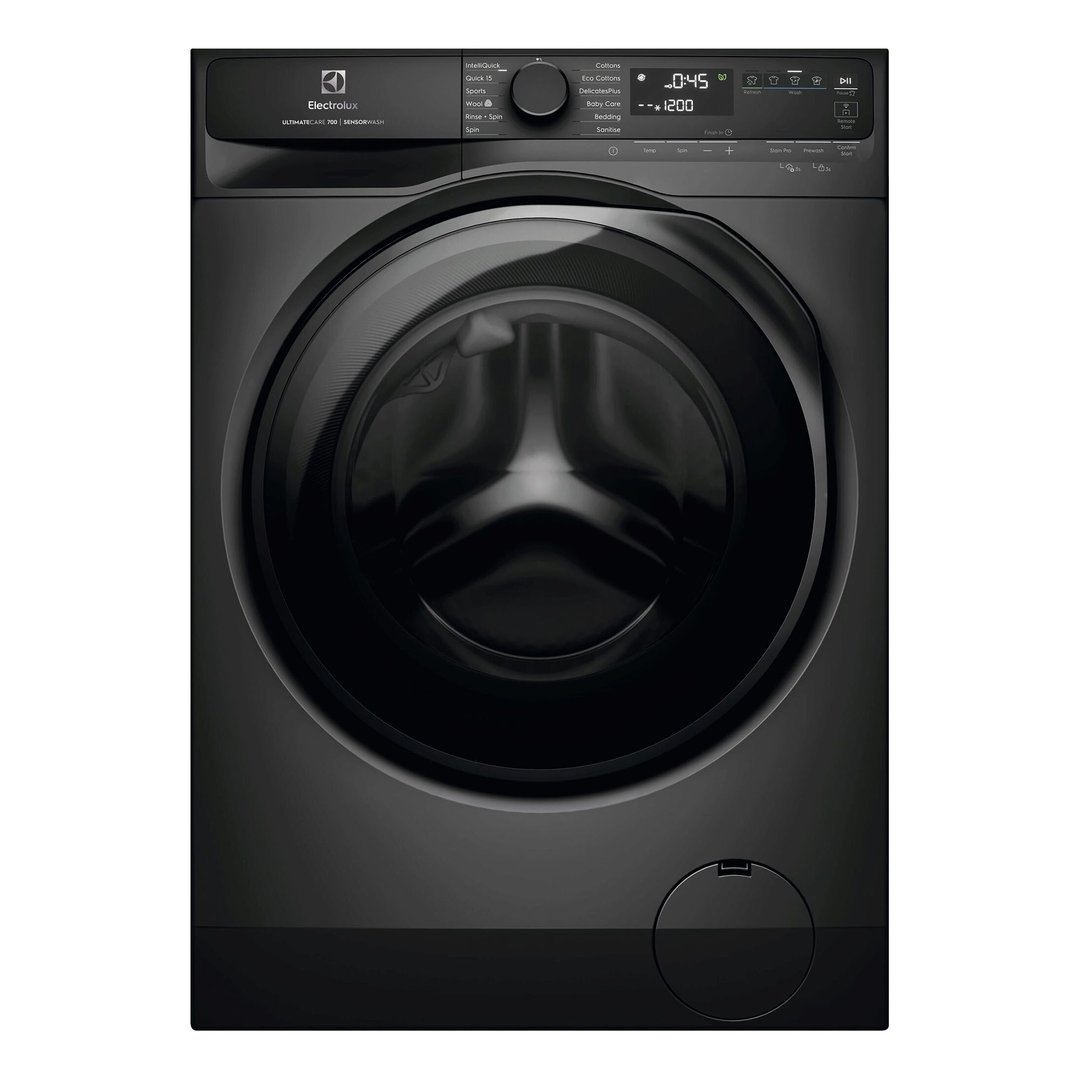
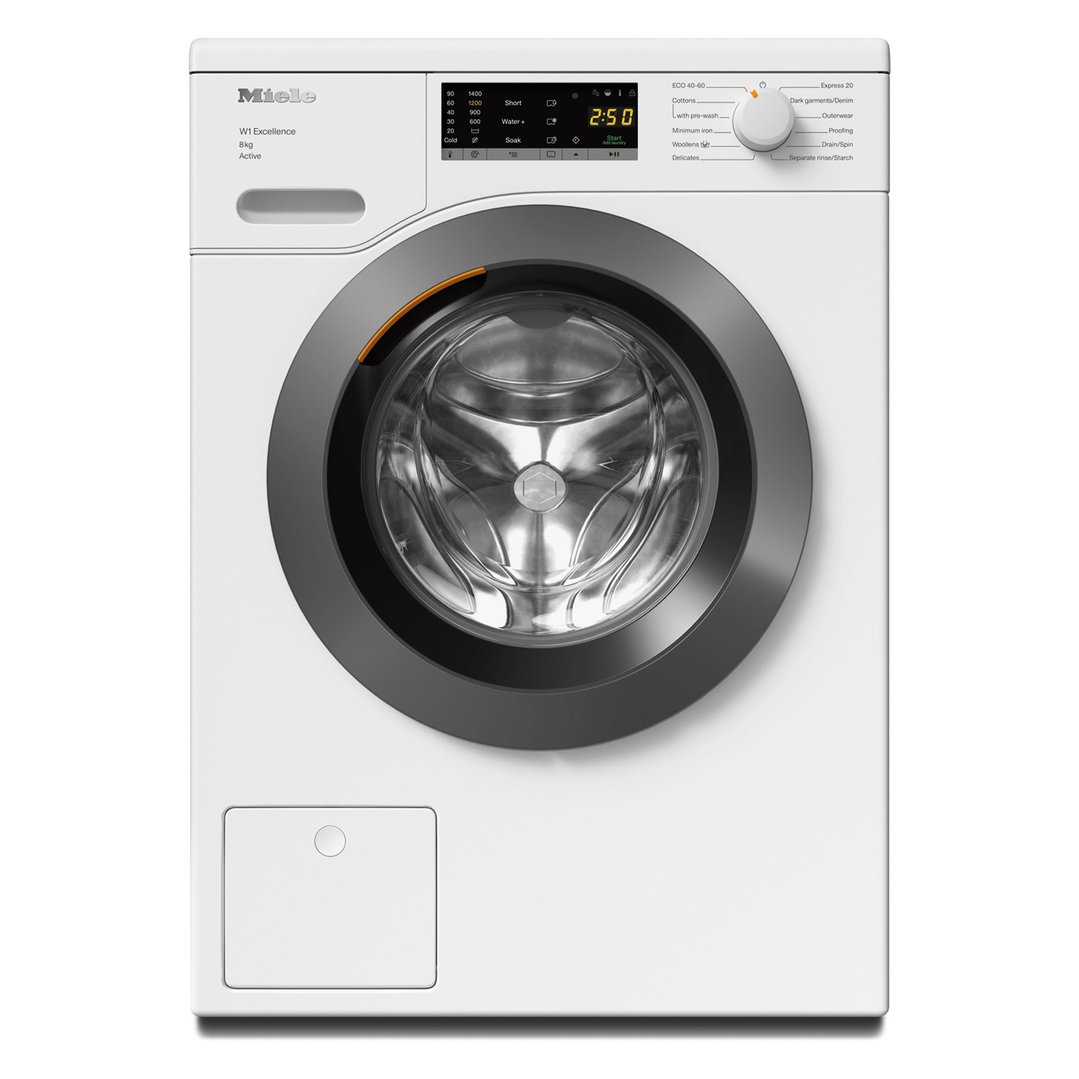
Front-loader washing machines. If your laundry layout and budget allow you to choose a front-loader washing machine, they are often the best choice in terms of efficiency. They are generally the most water and energy efficient washing machines on the market.
What to remember when using them at home:
Wash with a full load. If you are unable to find a washing machine with eco modes or load size sensors to suit your budget, get into the habit of washing full loads only. Some washing machines use the same amount of water for each load, regardless of how full the drum may be, so you’ll be less likely to waste water once you get into this habit.
Use cold water. While sometimes you will need warm or hot water to thoroughly wash items, most modern washing machines can clean your clothes well with just cold water. Using cold water can reduce your energy use, with less heated water required.
$2,499$2,249Ends in
2 Days


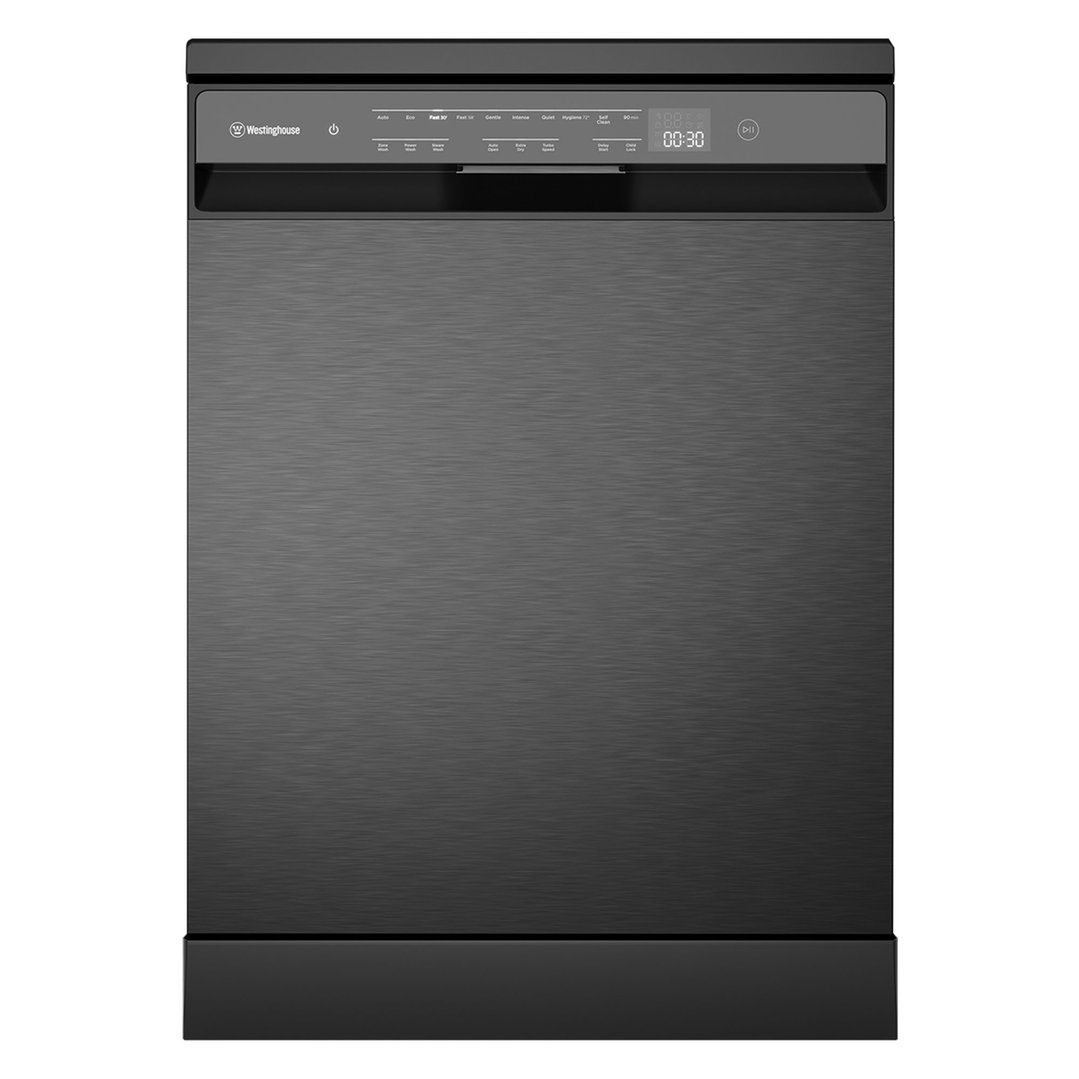
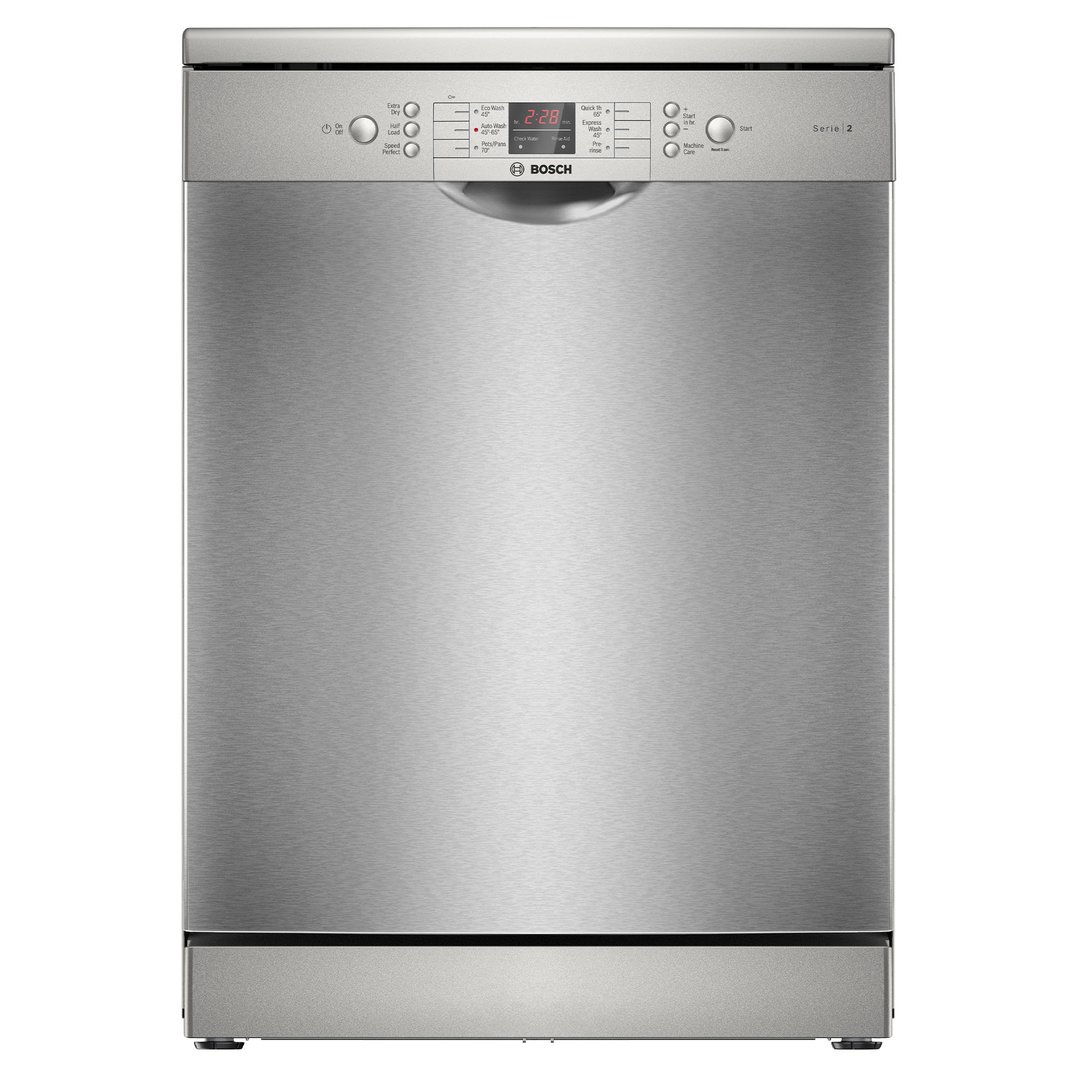
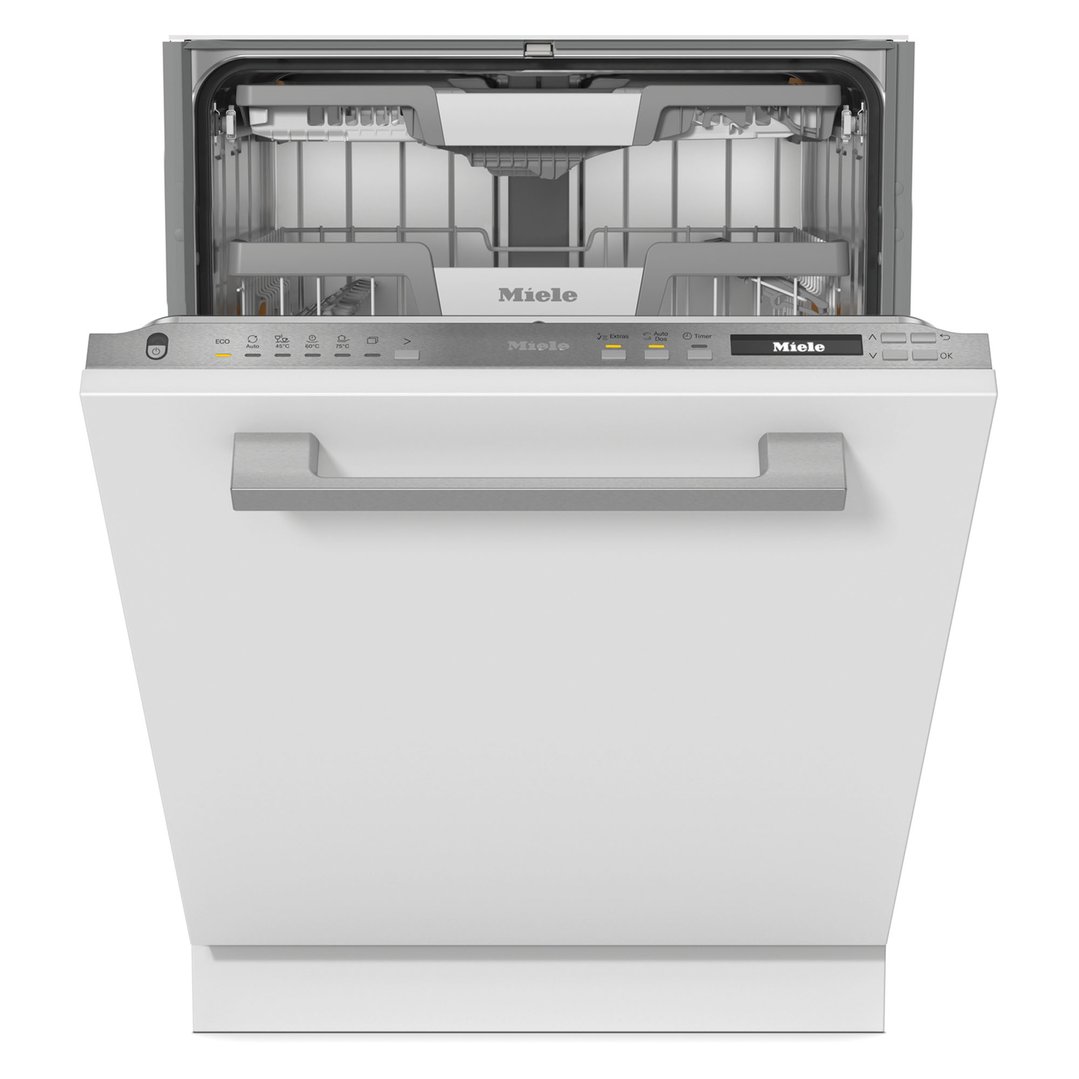
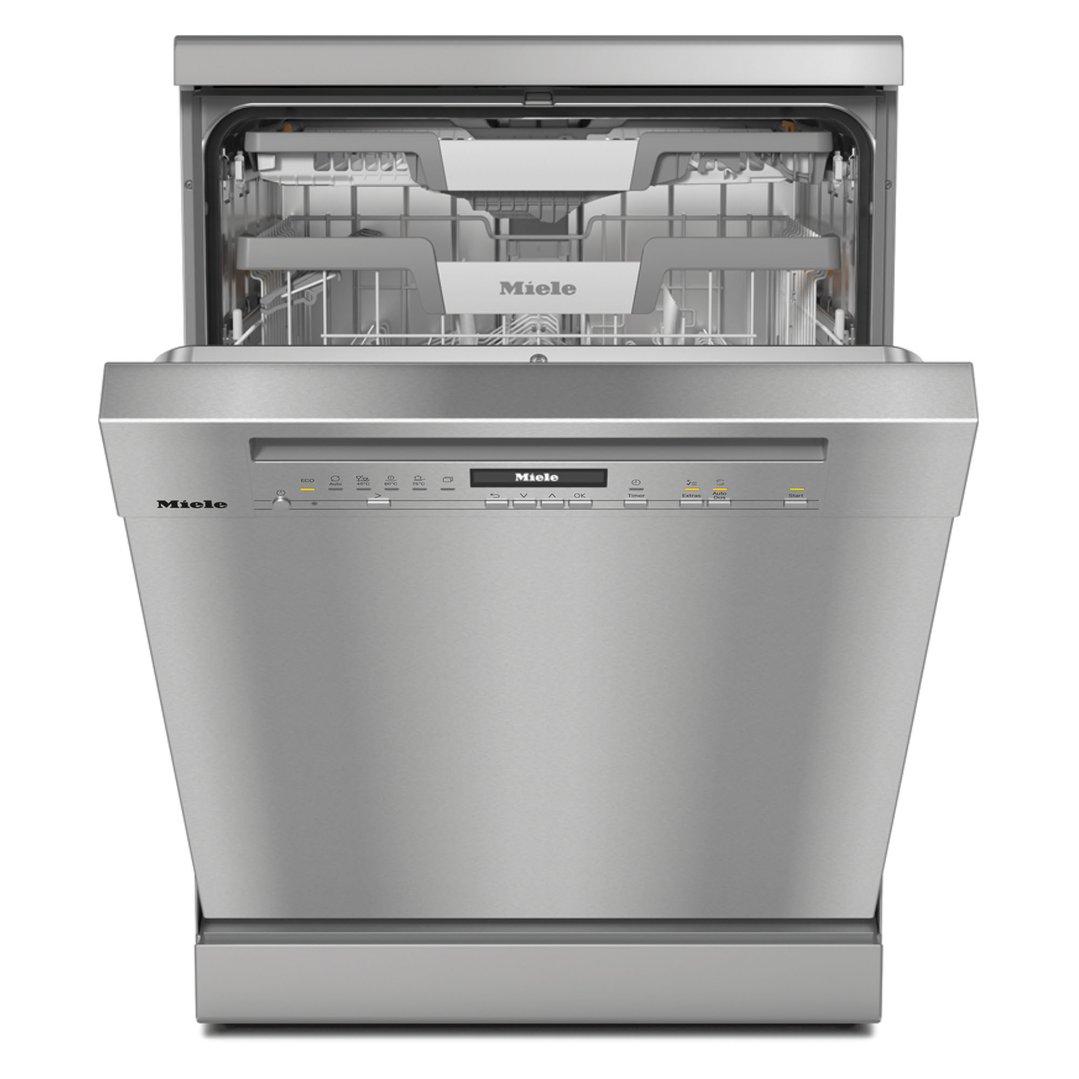
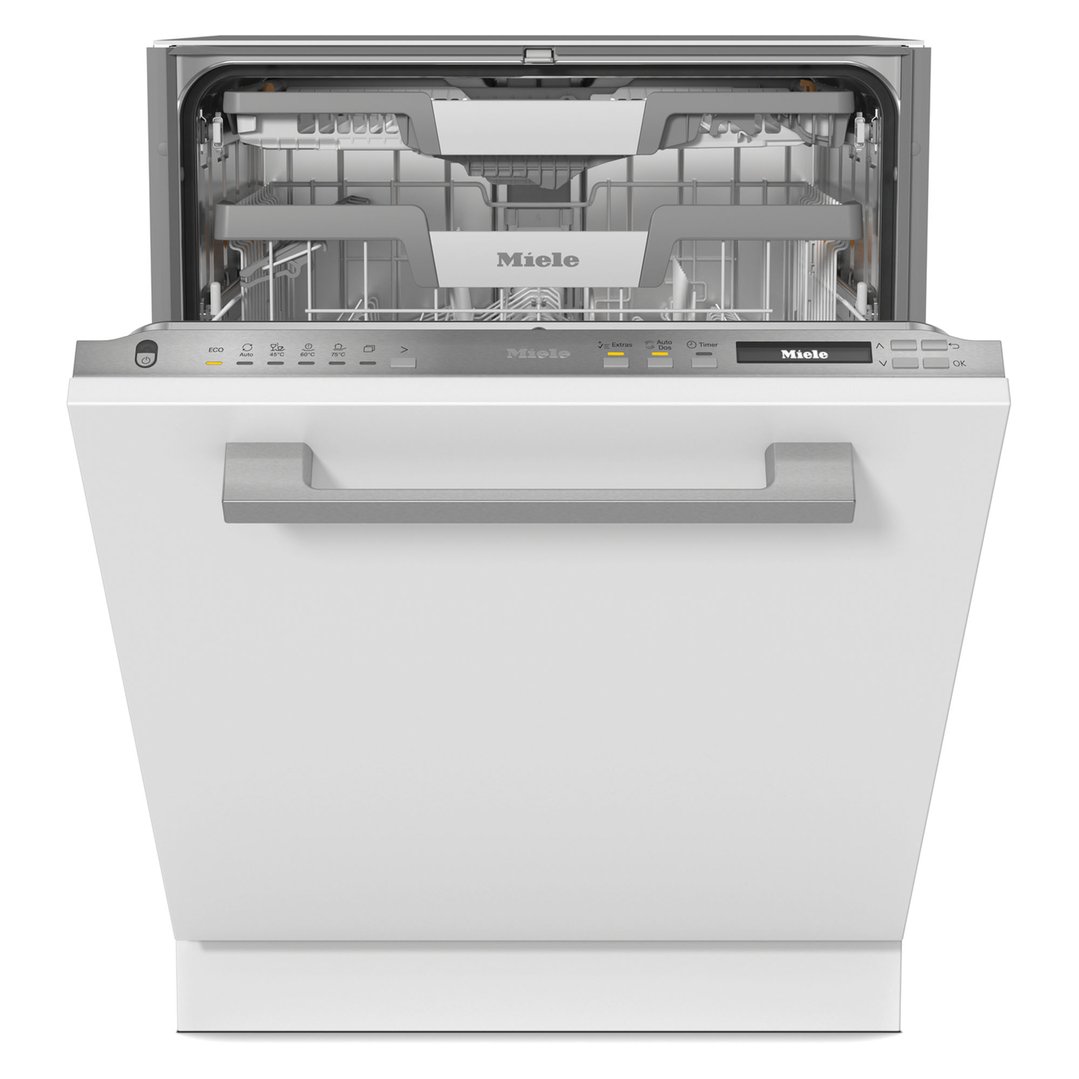
WATER AND ENERGY EFFICIENT DISHWASHERS
What to look for:
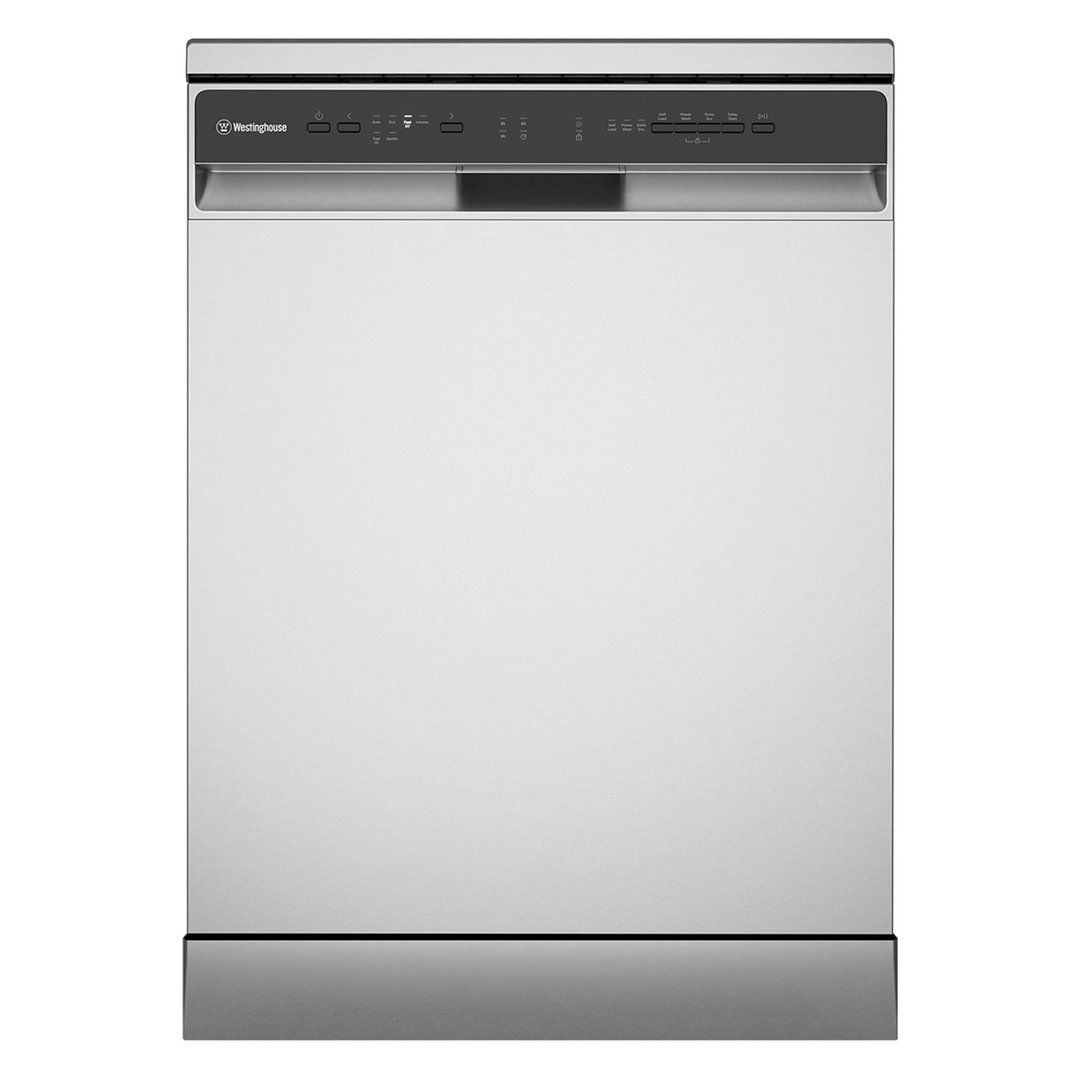
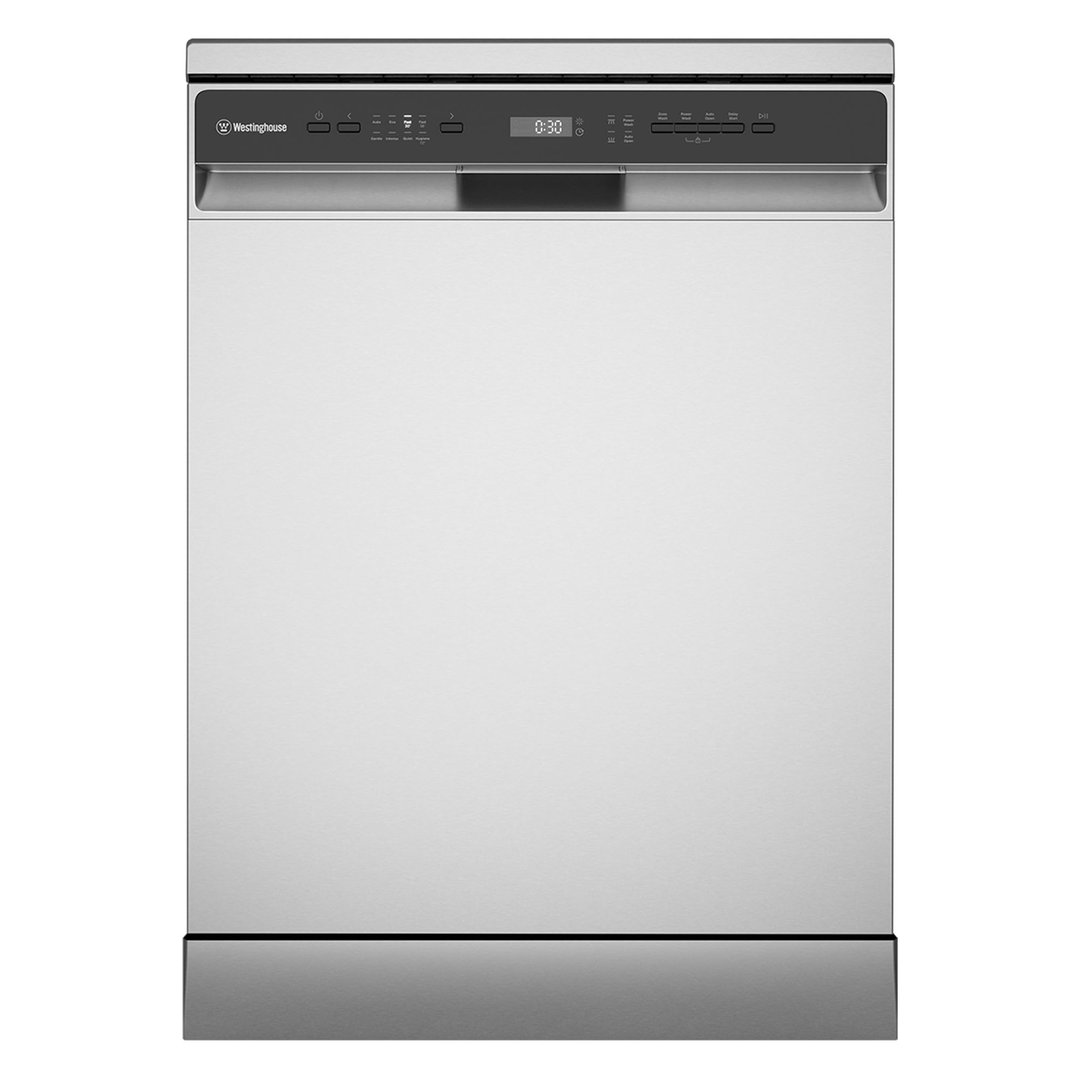
Dishwashers without inbuilt drying settings. Although they may be handy features, inbuilt drying settings do significantly increase the amount of energy used by dishwashers. If you can live without this feature, you’ll enjoy energy savings over time.
Dishwashers with economy modes. Similar to eco modes found in washing machines, some dishwashers have economy modes that use less water and energy than a standard wash cycle.
What to remember when using them at home:
Wash with a full load. Much like washing machines, dishwashers operate most efficiently with a full load of dishes. If you are able to, wait to fill your dishwasher as much as you can before running a load.
Scrape your dishes instead of pre-rinsing. Choosing to pre-rinse your dishes by hand can see you waste a large amount of water in the process. If possible, look to scrape any excess food off your dishes before loading them into the dishwasher.
$3,499$3,149.10Ends in
2 Days$2,699$2,429.10Ends in
2 Days$3,199$2,879.10Ends in
2 Days


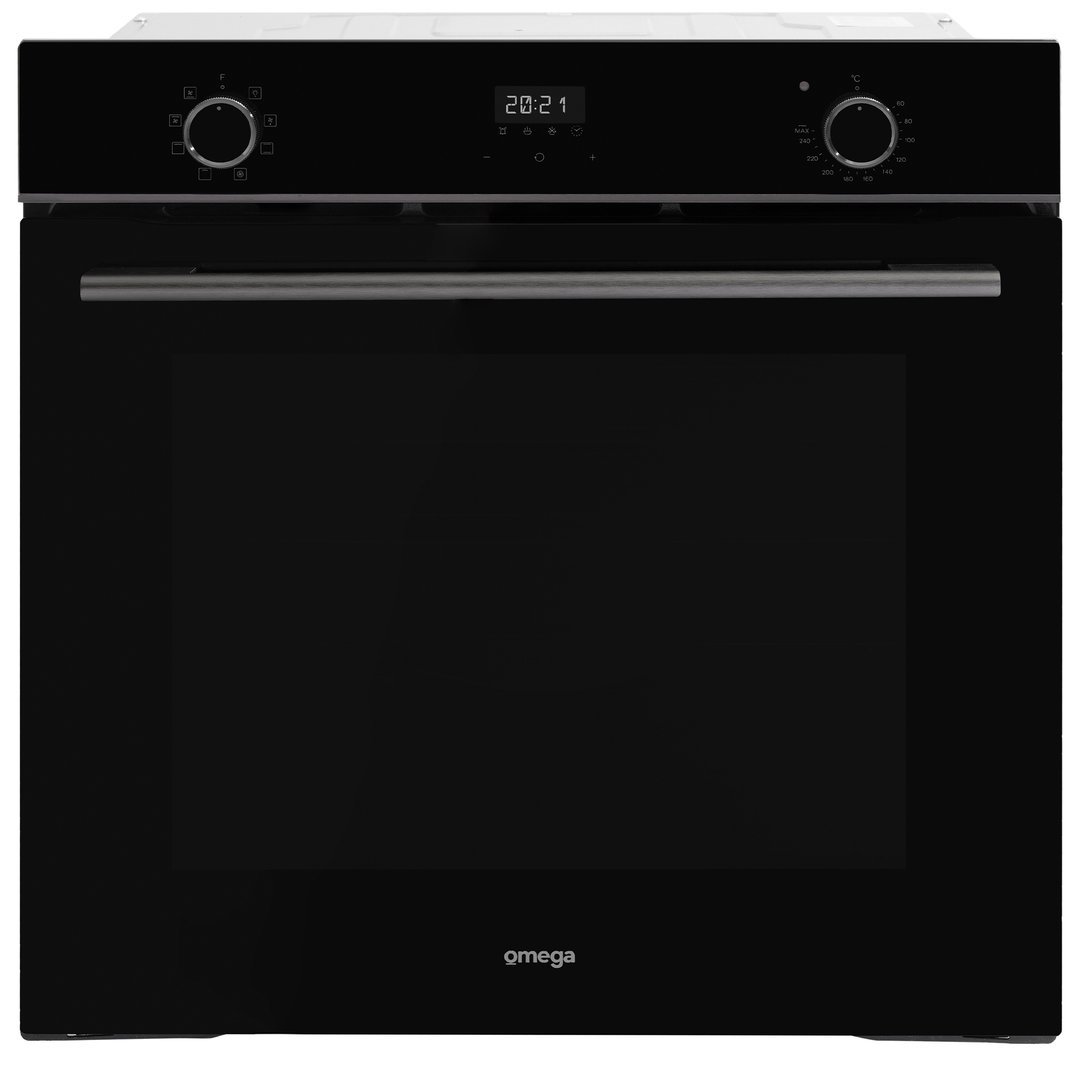
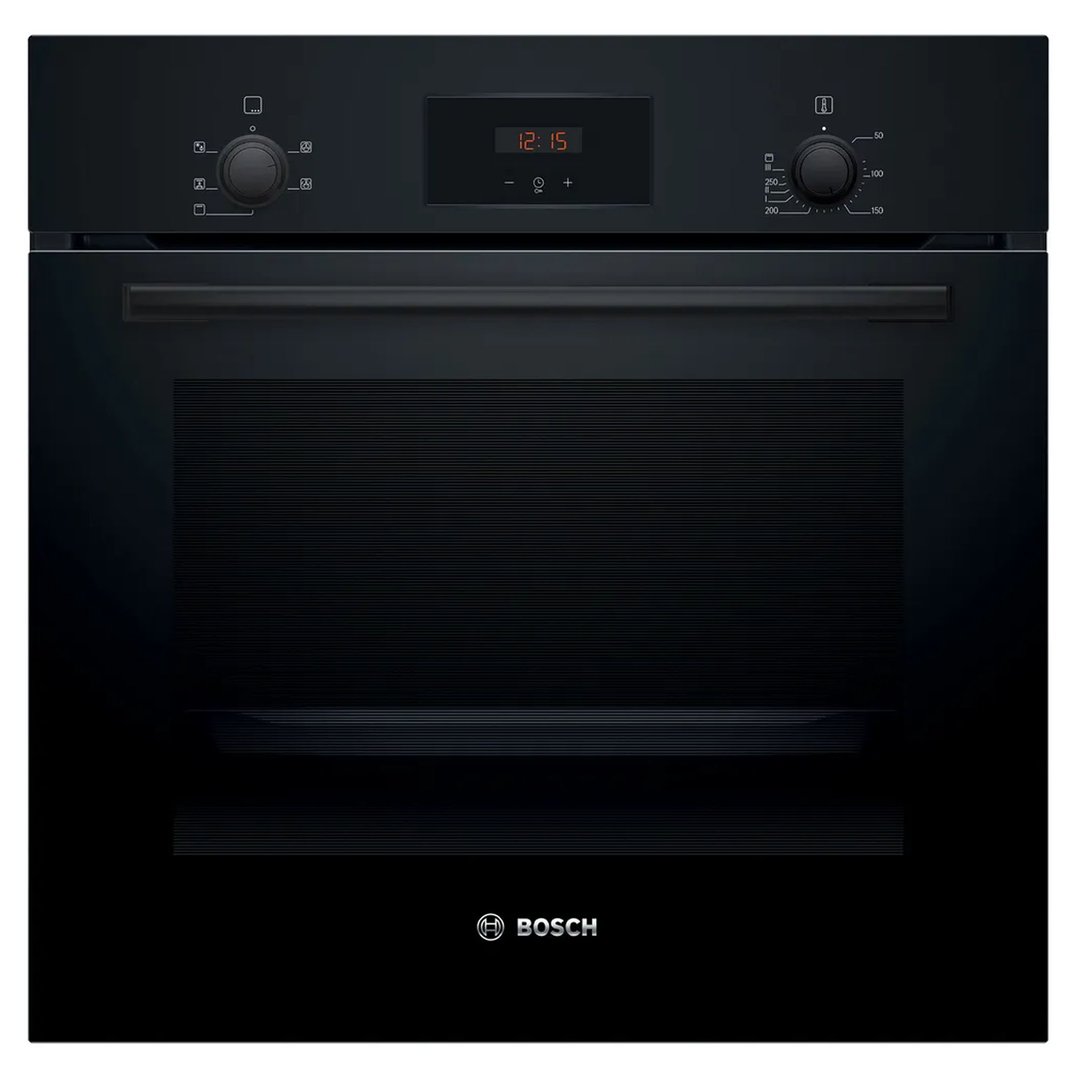
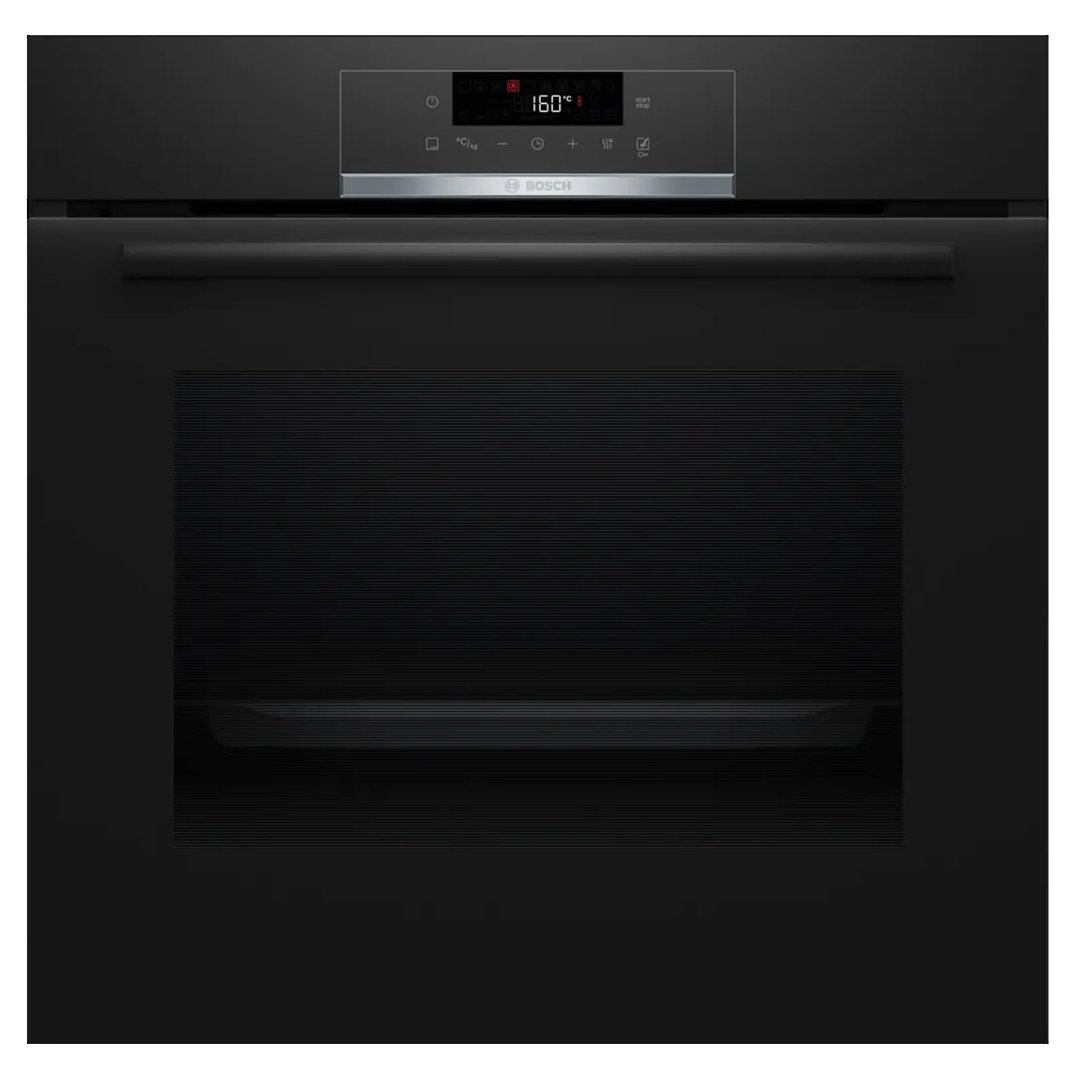
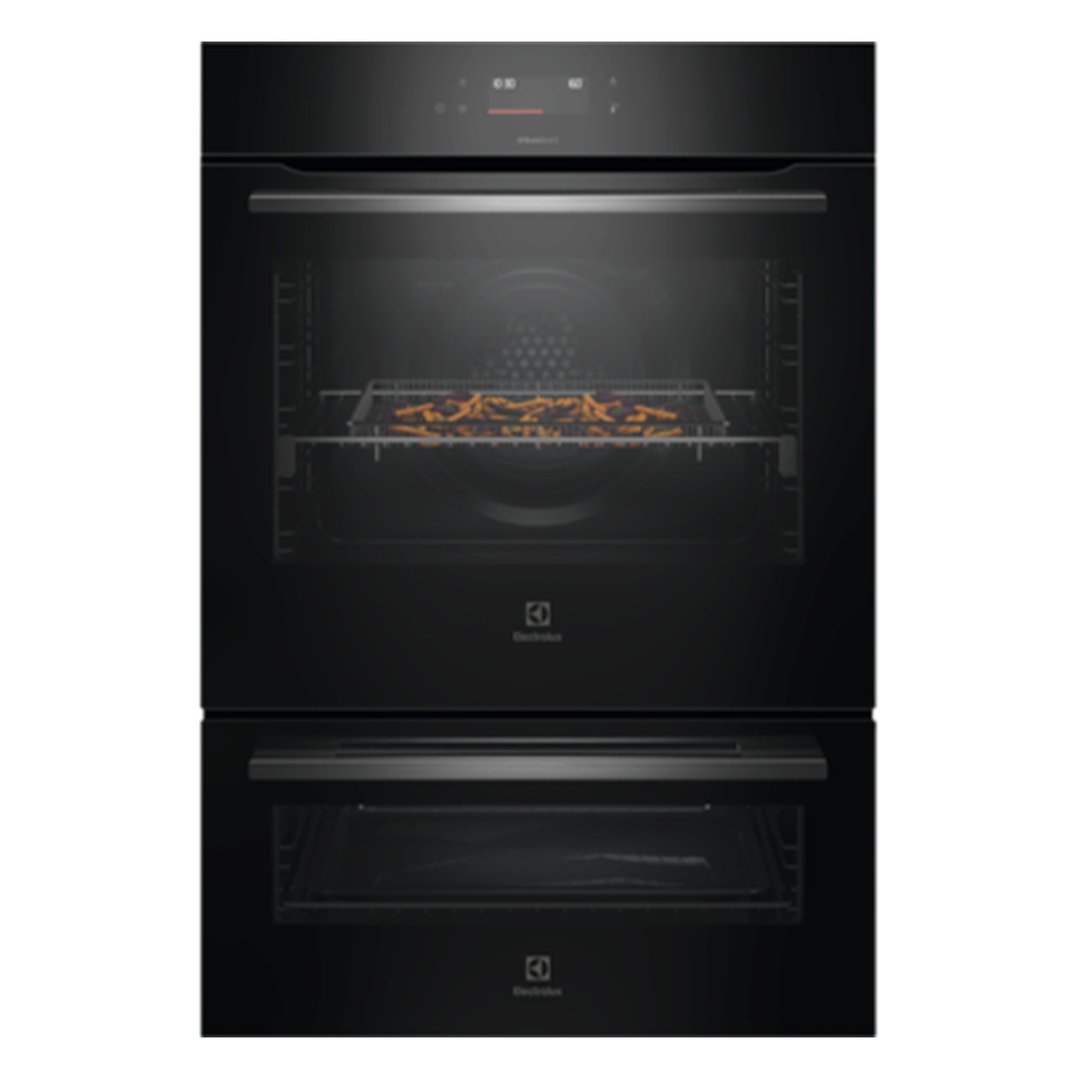
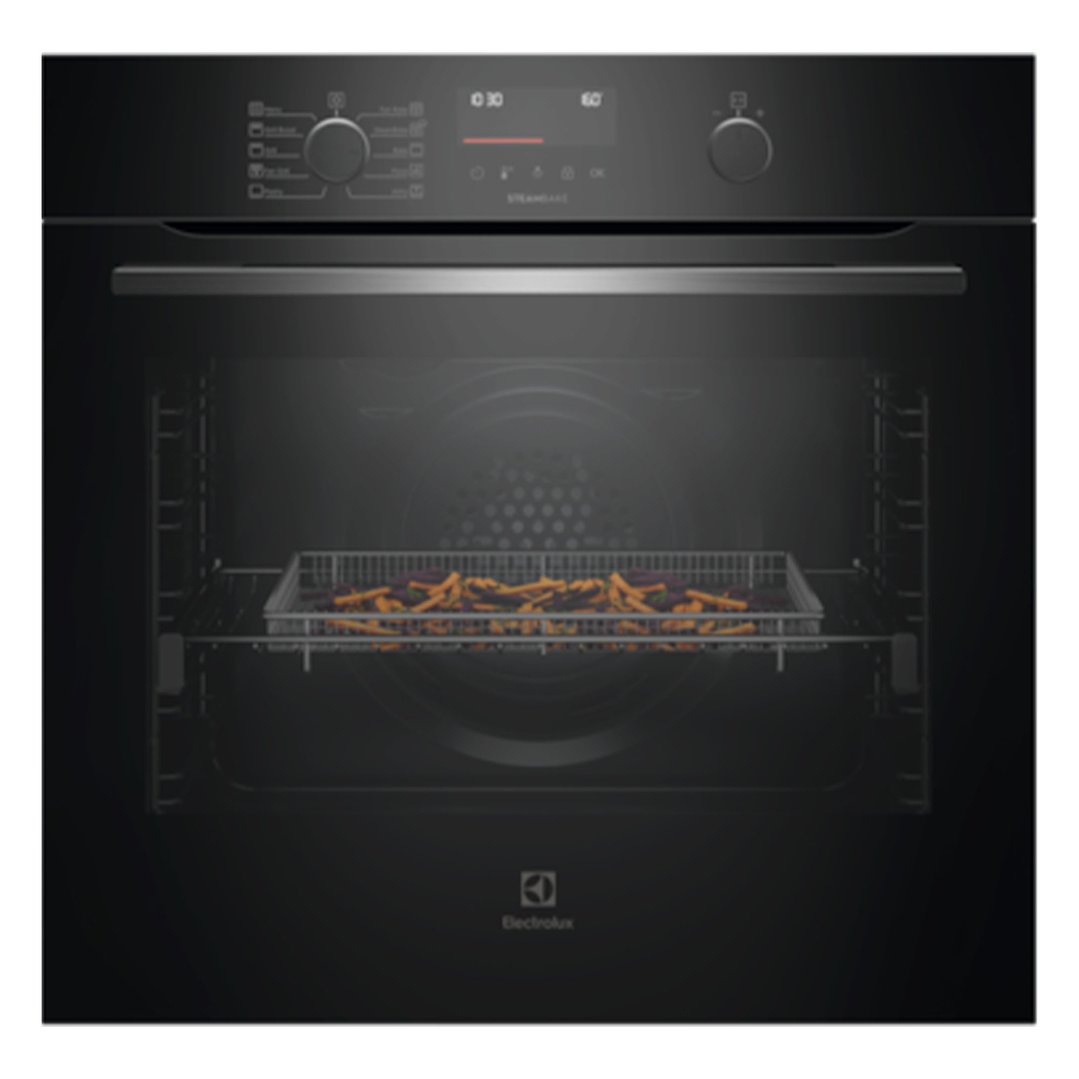
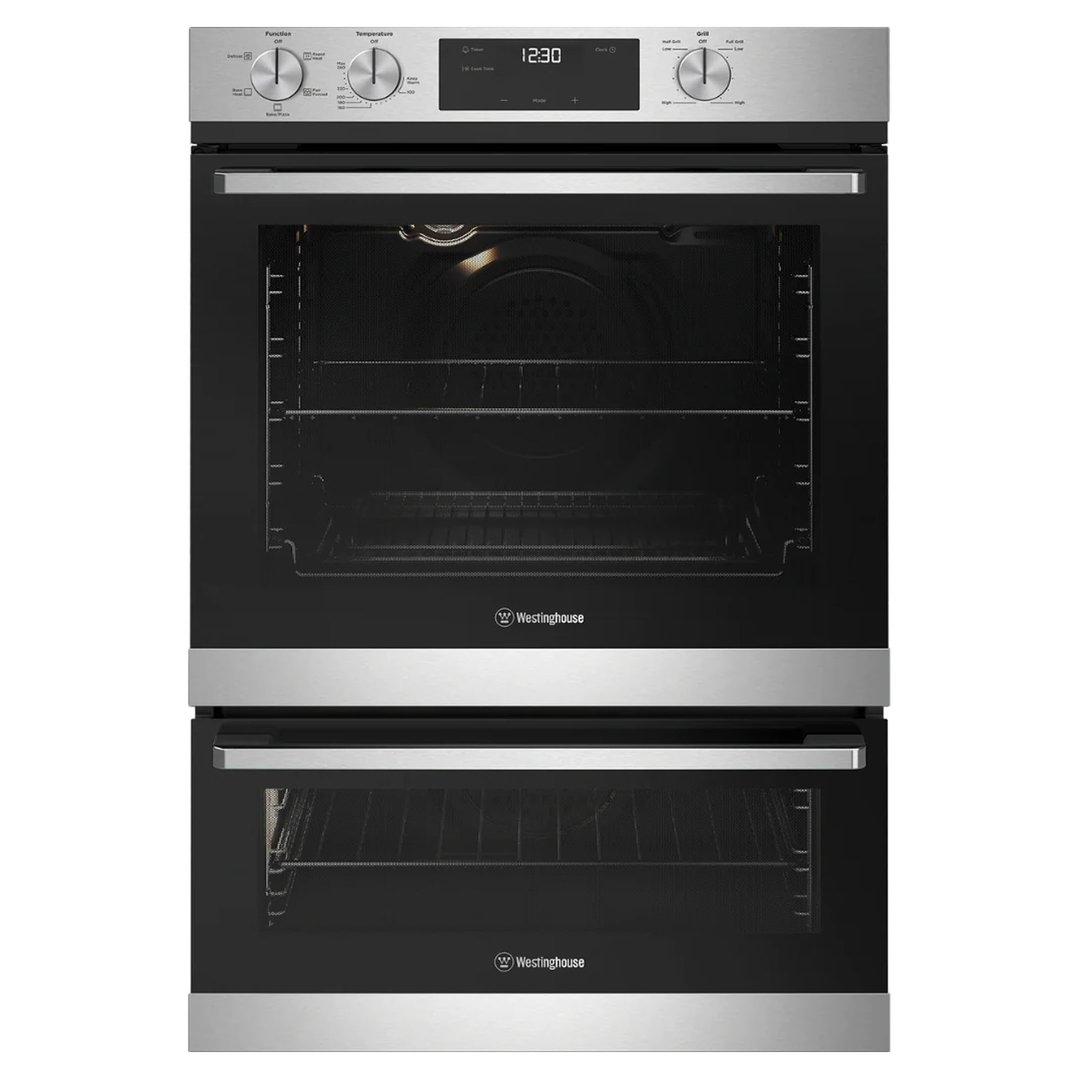
ENERGY EFFICIENT OVENS
What to look for:
Smaller sized ovens. Similar to many other appliances, smaller ovens tend to use less energy than their larger counterparts.
Gas ovens. While they may not be as popular as electric ovens, gas ovens generate fewer carbon emissions. If a gas oven suits your lifestyle and budget, it may be an option worth considering.
What to remember when using them at home:
Fan forced cooking modes are often more energy efficient than others. As this cooking mode uses a fan to help circulate heat around the oven interior, it tends to use approximately 20% less energy than others.
Ovens are more efficient when they are fuller. Just like fridges and freezers, you’ll find that ovens are also more efficient when cooking greater quantities of food. If possible, reserve the use of your oven for when you have several dishes to cook.
$3,499$3,149.10Ends in
2 Days



ENERGY EFFICIENT HEATING AND COOLING
What to look for:
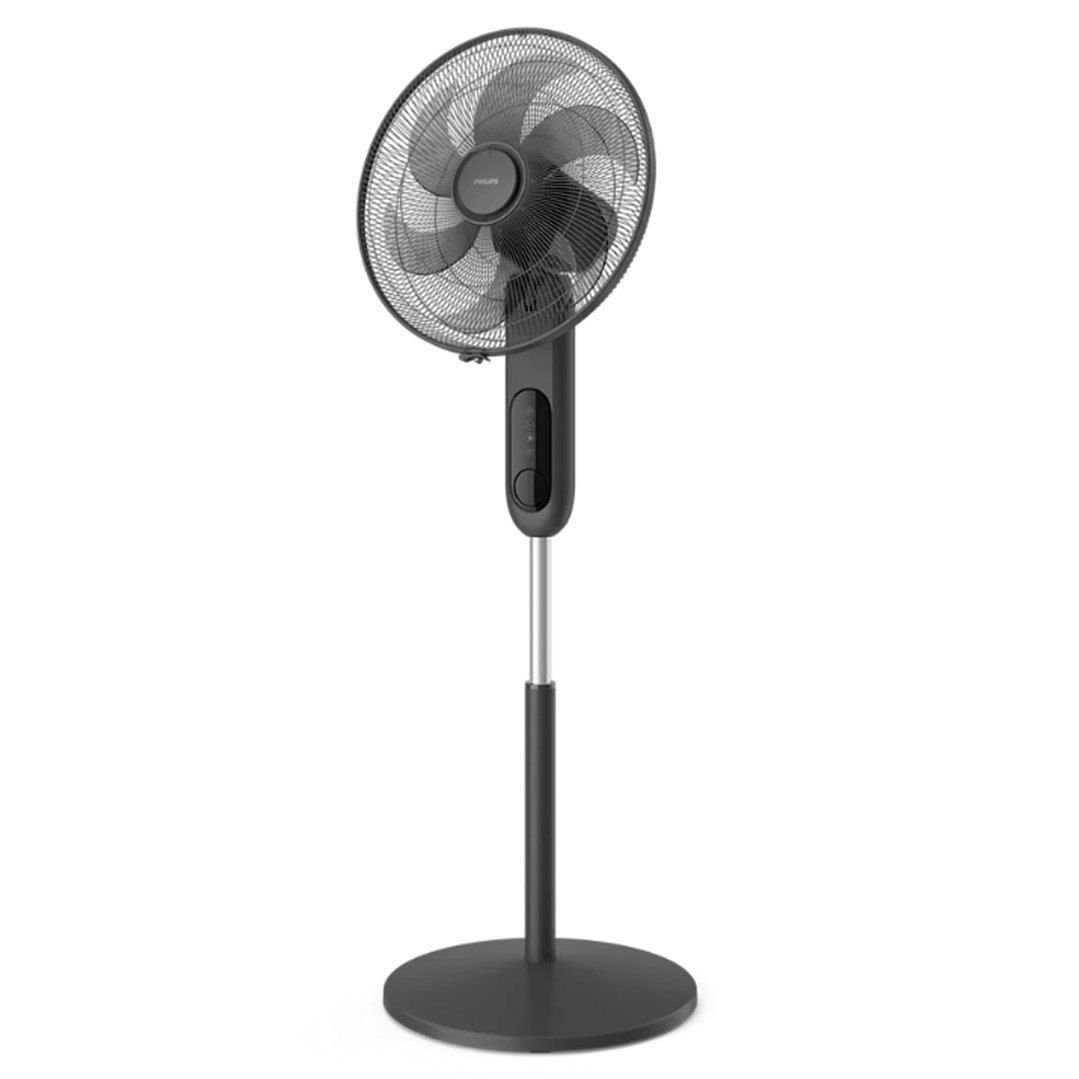
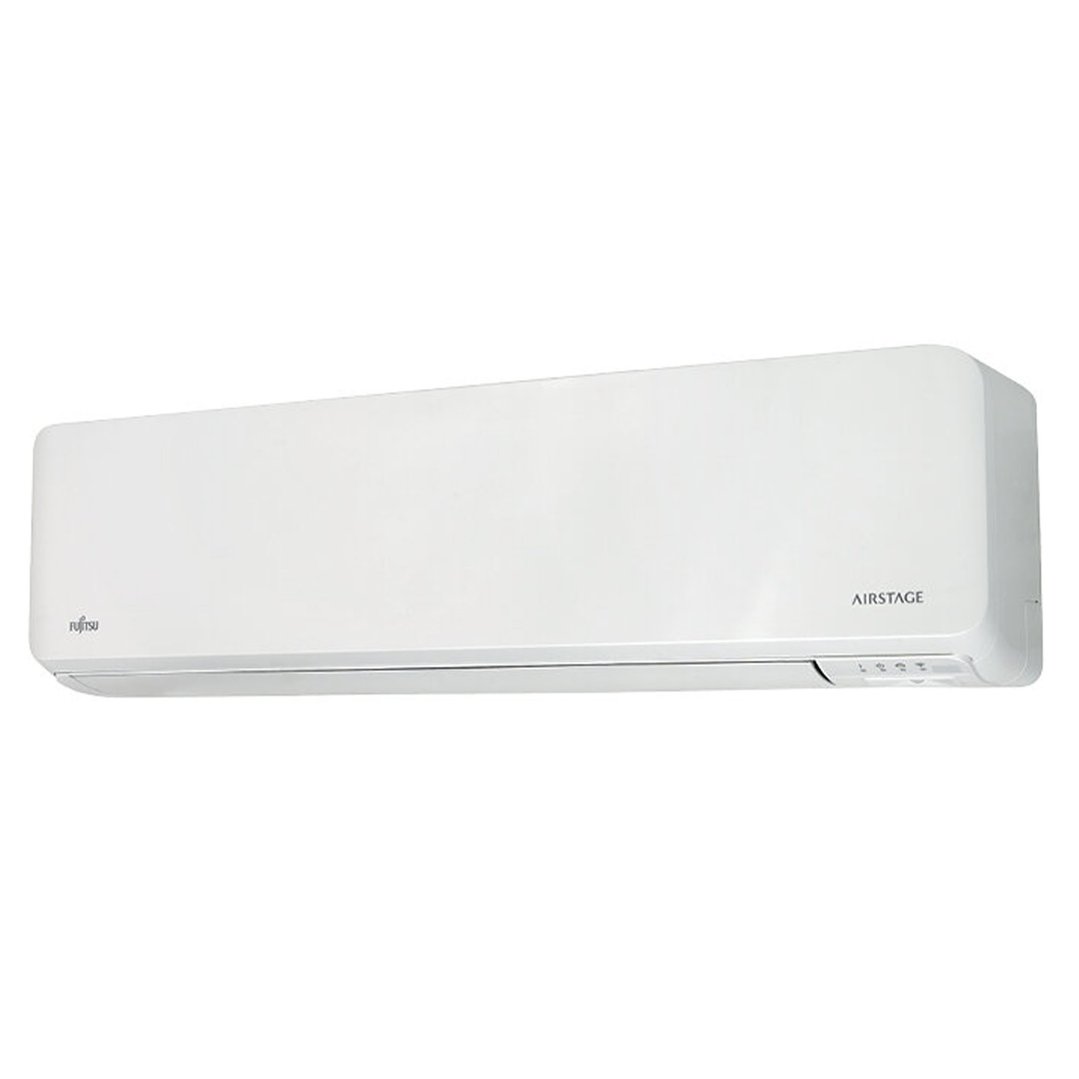
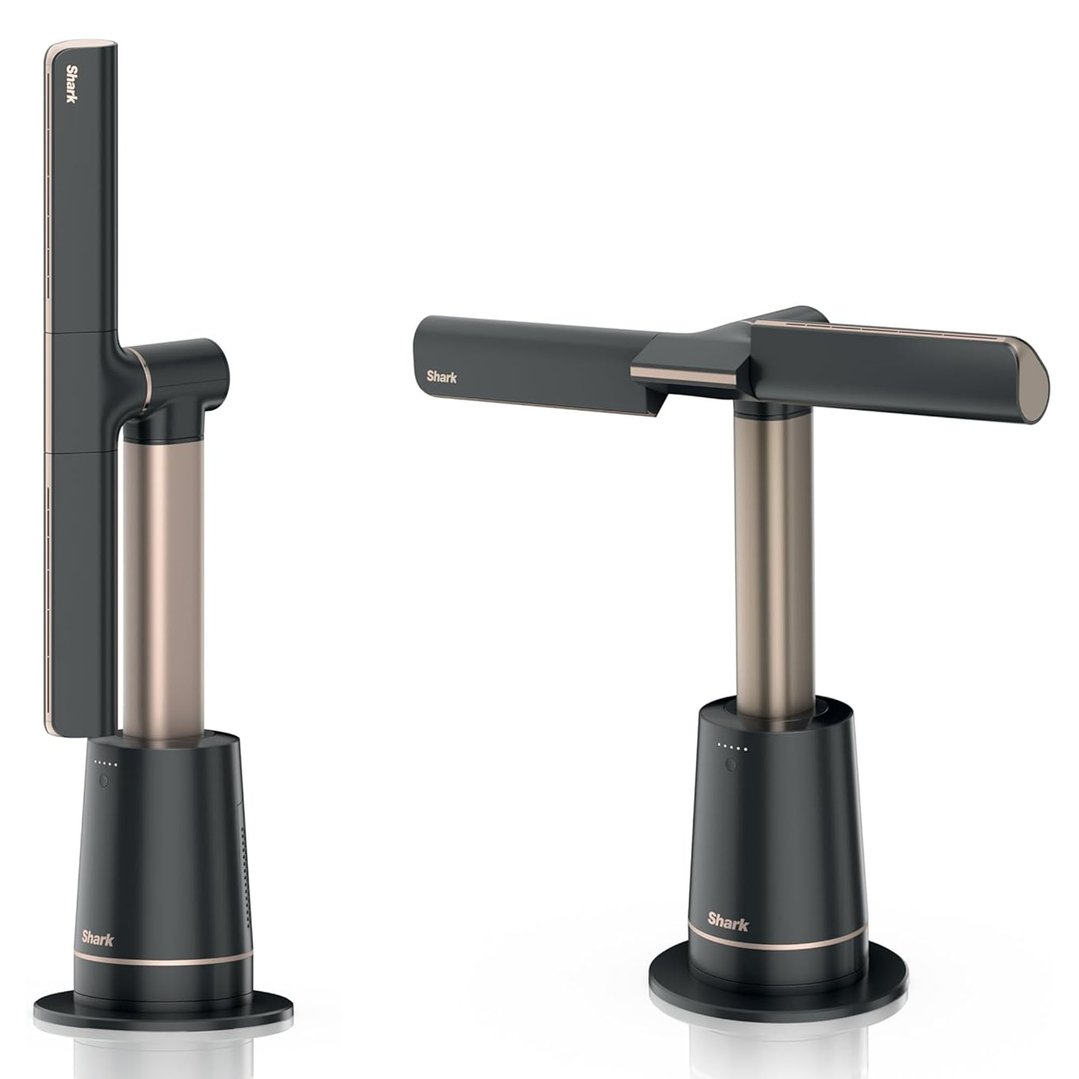
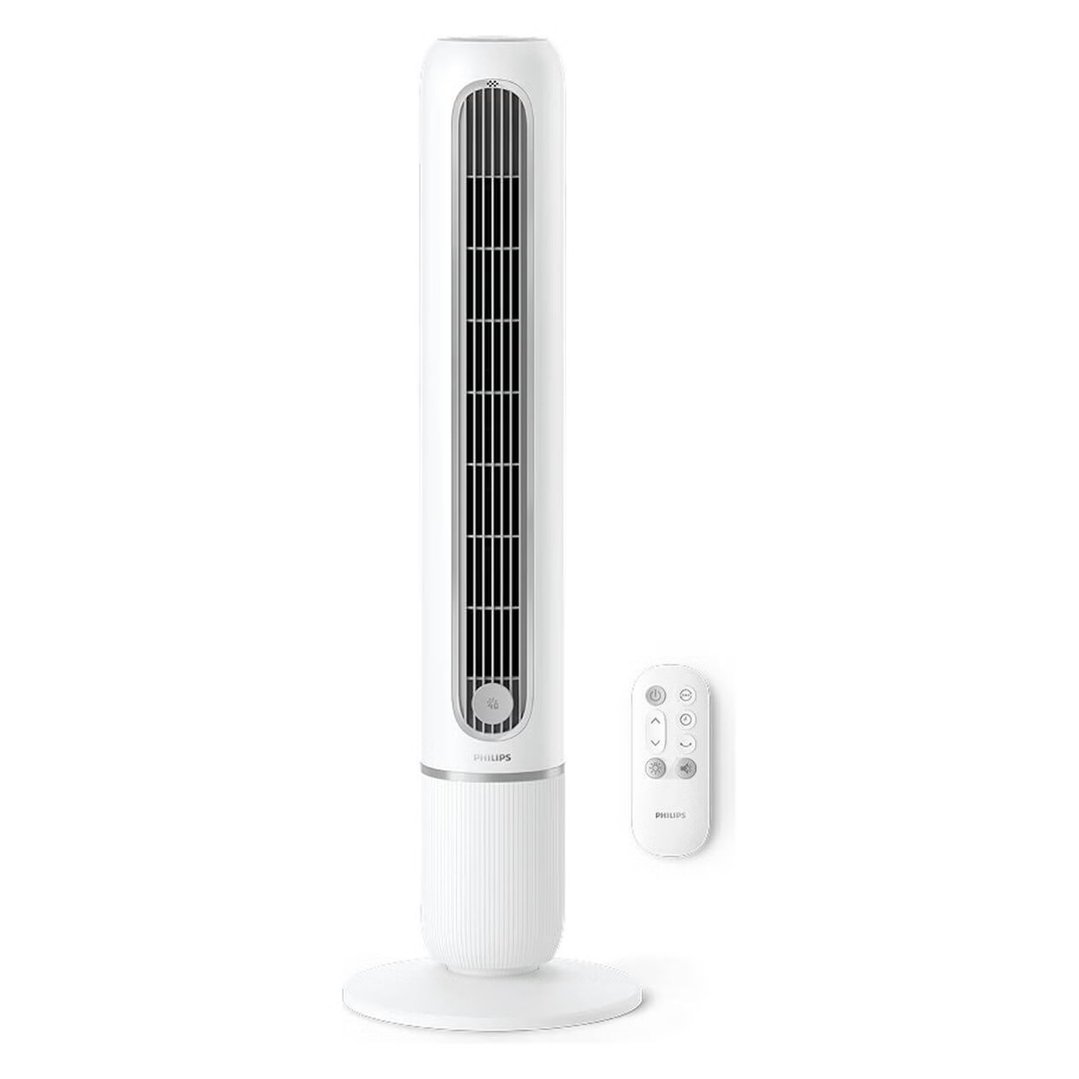
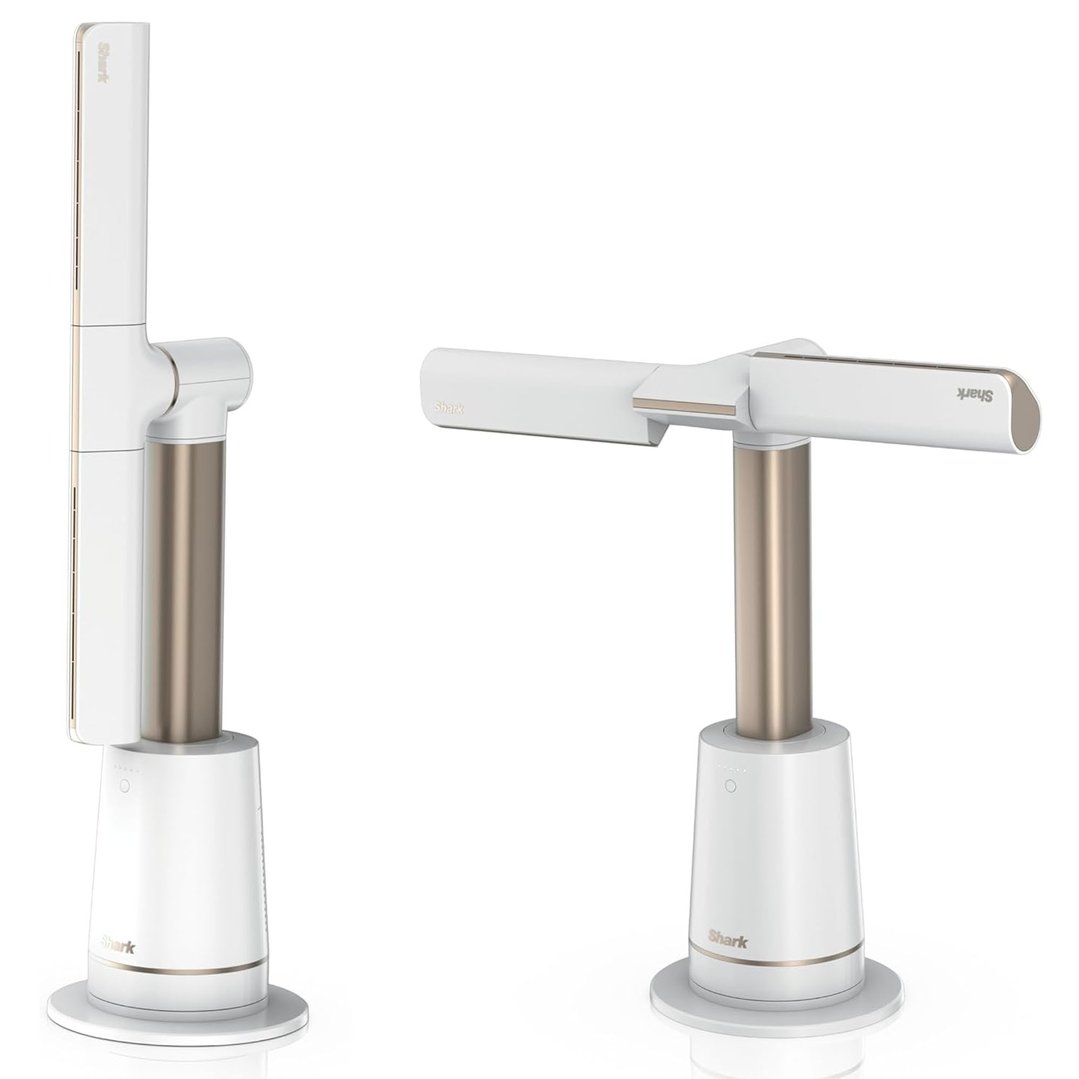
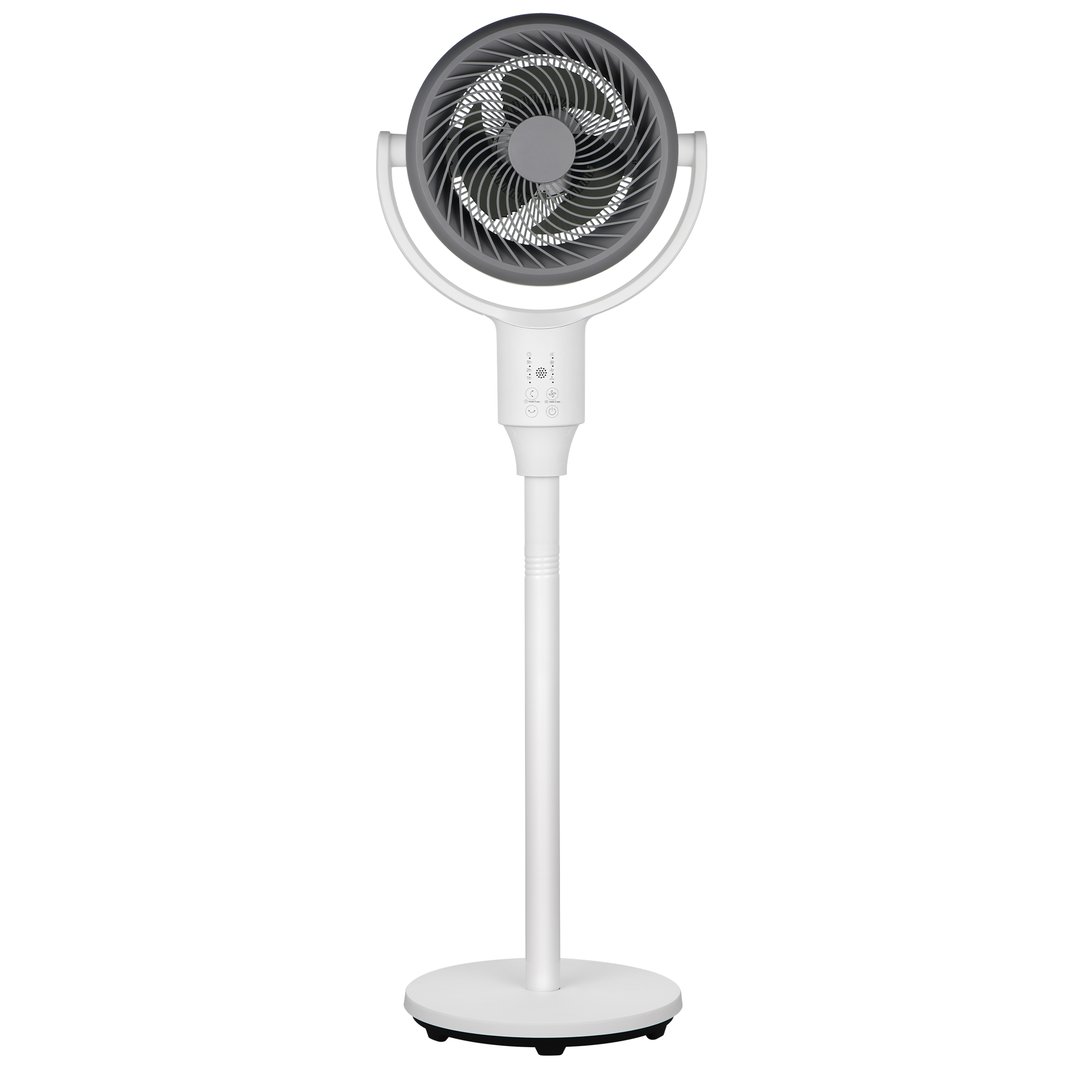
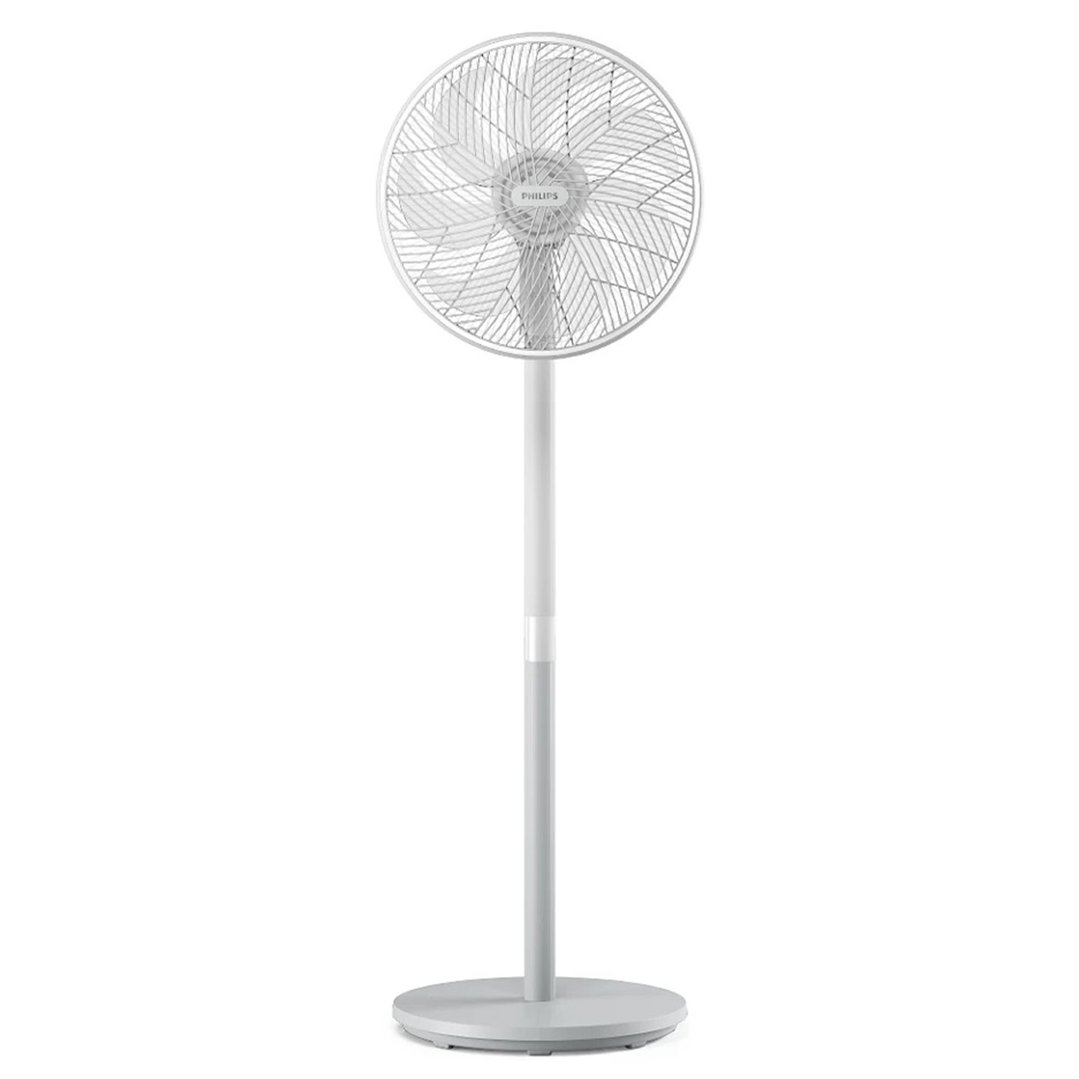
Fans. Although they may not cool your home to the same degree as an air conditioning unit, fans use far less energy. If you can cool your living space with a fan, you’ll likely save money in the long run too.
Ducted heating and cooling with zone controls. If you choose to install a ducted heating or cooling system, look for models with zone controls, allowing you to isolate the flow of air as needed. Being able to cool one room at a time instead of several at once will allow for more efficient heating and cooling.
What to remember when using them at home:
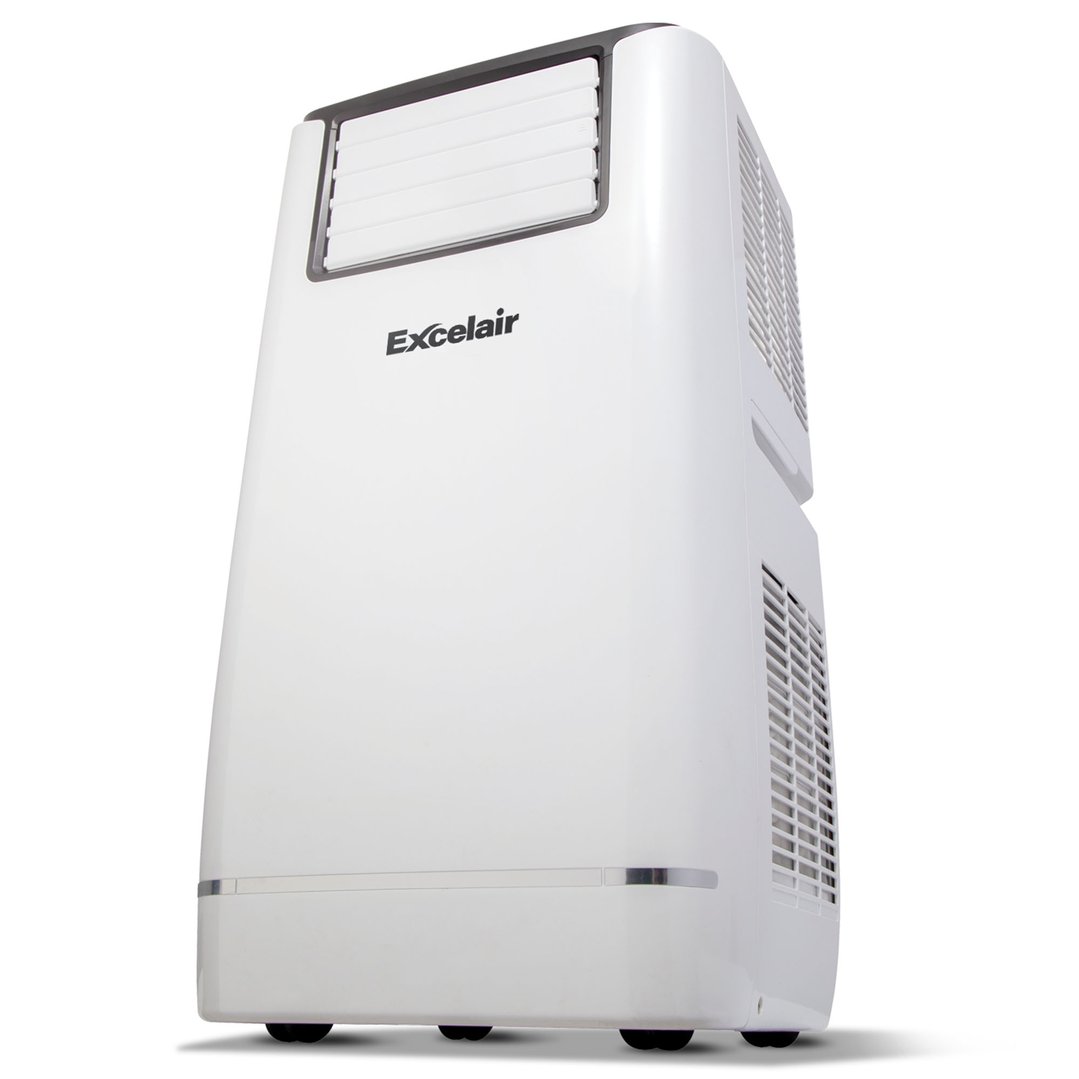
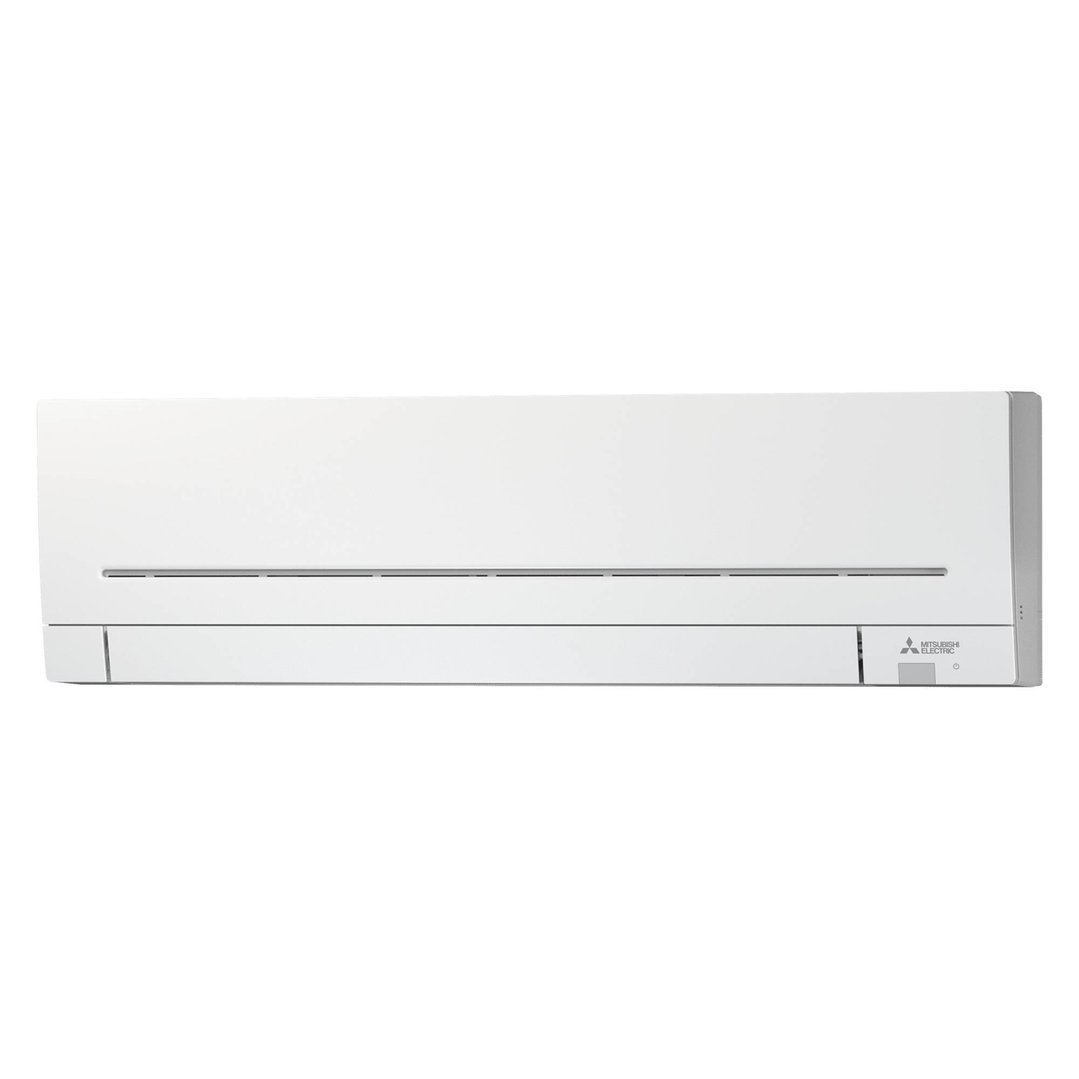
It’s best to run air conditioners at higher temperatures when cooling. When it’s hot outside, you’ll likely want to cool your home as fast as possible. However, turning the temperature down can lead your air conditioner to use more energy than needed. Instead of settling on a very cold temperature in summer, aim for somewhere between 22°C and 24°C. Every degree helps to save energy and money.
Heating and cooling appliances work better in insulated homes. If you are able to have your home insulated, it could actually help to make your heating and cooling more efficient, keeping your home warmer in winter and cooler in summer.





OTHER TIPS FOR SAVING WATER AND ENERGY
Turn appliances off at the powerpoint when not in use. Even if an appliance has been put into standby mode, it still continues to use some electricity. An easy way to save a few extra dollars on your electricity bill, turning your appliances off at the powerpoint is an easy habit to get into.
Take the time to compare the efficiency of different makes and models. When you already need to weigh up different features, product dimensions and other details, energy and water efficiency might not be top of your list when shopping for new appliances. Although it may take a little while to understand what all the ratings mean, the savings you could make in the future are well worth the effort now.
Regular maintenance is the key to continued efficiency. Just like cars, if appliances aren’t maintained properly they can start to become less efficient over time. If your appliance requires services or specific maintenance routines, be sure to follow them as per the manufacturer’s recommendations.
Use your appliances in accordance with the manufacturer’s directions. You might be excited to plug in your new appliance and start testing out all its features, but it’s important to read the guidebook to learn about the different settings, modes and other factors which may affect how it operates.