Buying Guides
Dryer Buying Guide

Before buying your dryer you will need to think about how often you intend on using the machine, what your expectations are in regards to energy consumption, what your average load will be so that you buy one with the right capacity, the space you have to fit the machine and if the space is well ventilated. Considering these things will help you decide between a condenser dryer, a vented dryer, gas dryer and heat pump condenser dryer.
In today's market you will find that dryers have quite a lot of features and functions that could be time saving and convenient for you such as drying racks, sensors, reverse tumbling, crease free tumbling, hot/cold drying, timers and so much more. Dryers along with other appliances can pose a fire risk but with regular maintenance this shouldn't be an issue. Dryer capacity can range anywhere between 3kgs and over 8kgs with all different energy ratings and features.
Whether your little one can’t stand to wait for their blanket to be washed and hung out on the line to dry all day or you are just simply sick of damp clothes piling up due to our unpredictable Australian weather, you know it’s time to break out that measuring tape! This buyer’s guide should help you decide which product is right for you.
Jump to
Through our guide discover the difference between dryer models & what type of dryer is best for you and your home. Our diverse range of premium dryers will keep your laundry routine quick, easy & efficient.
VENTED DRYERS
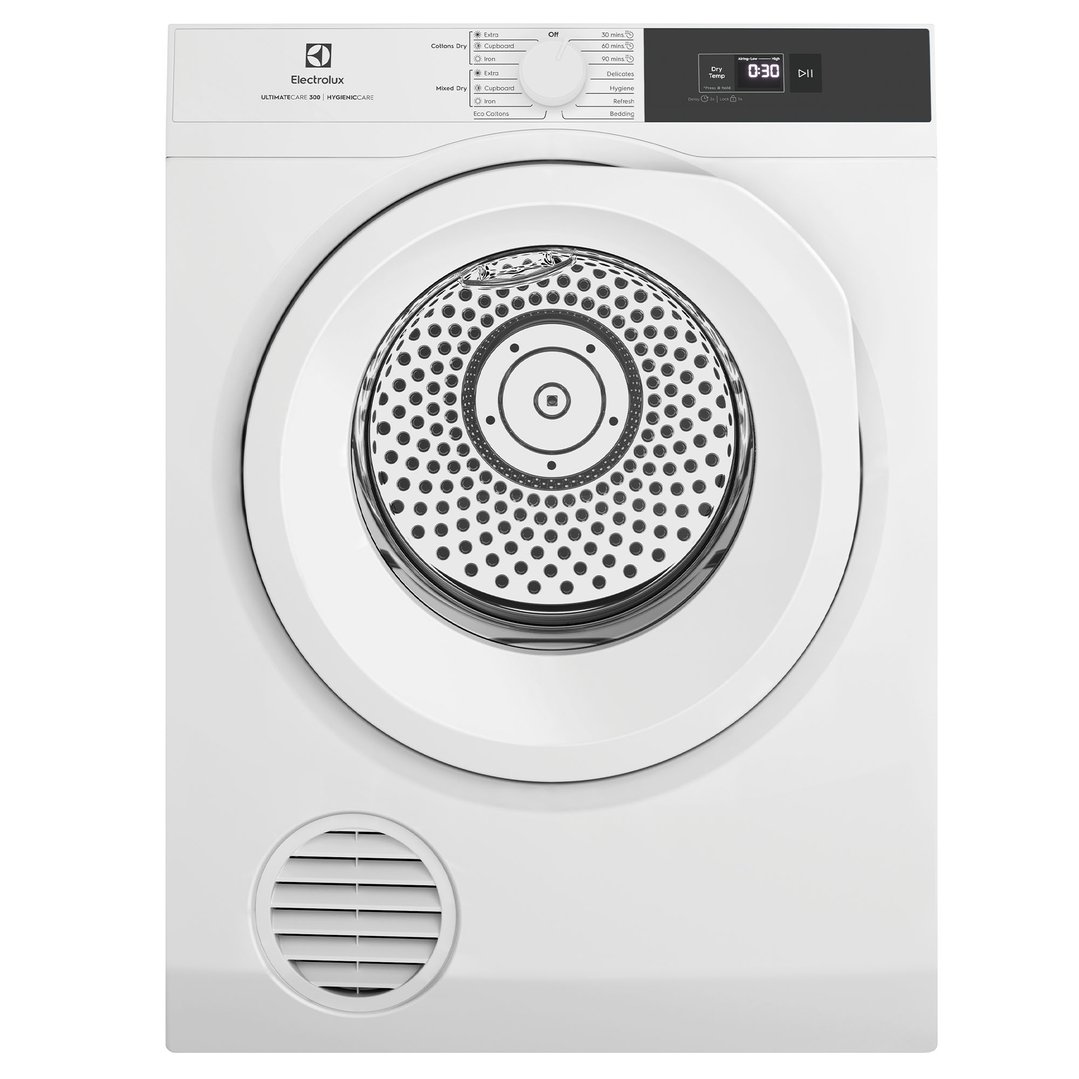
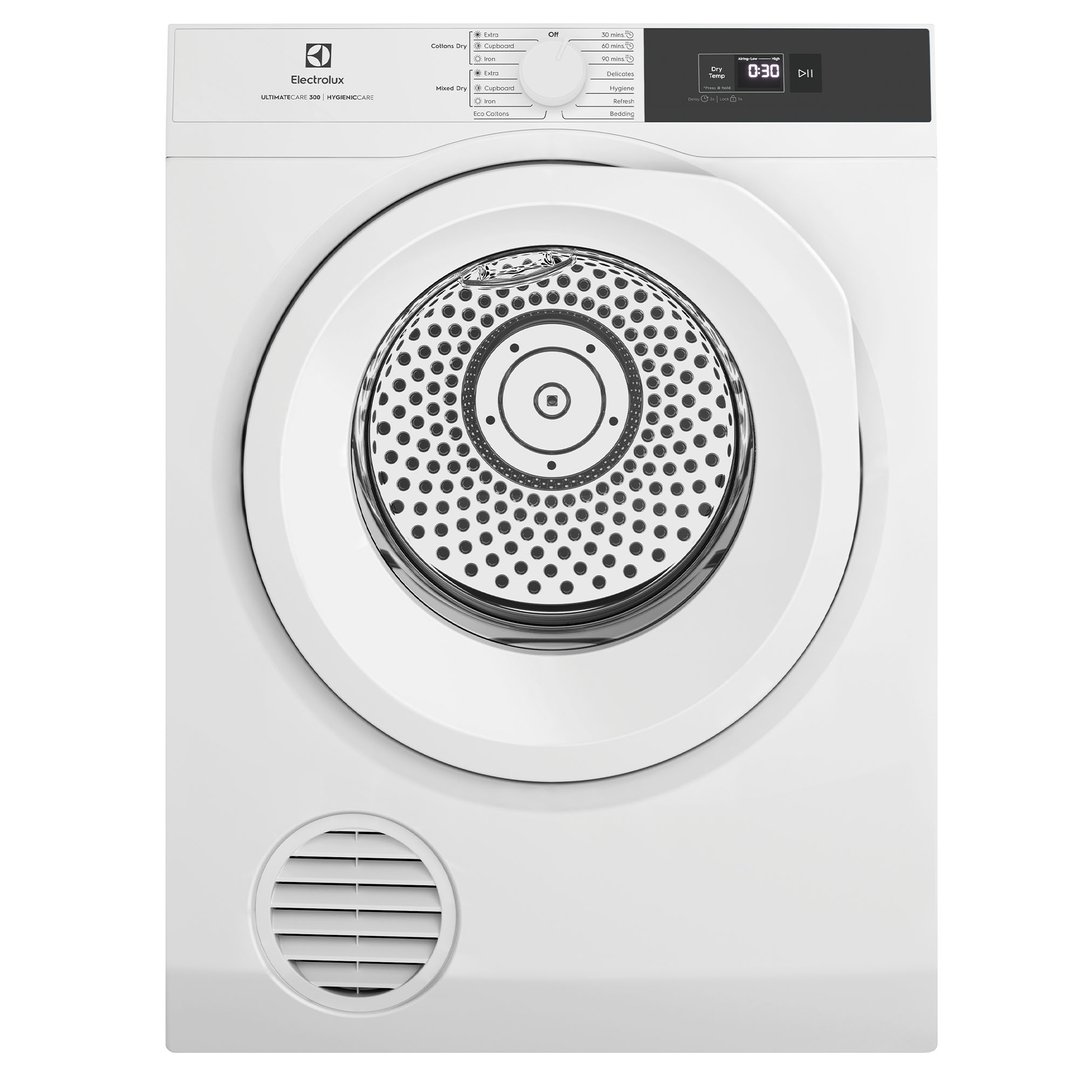
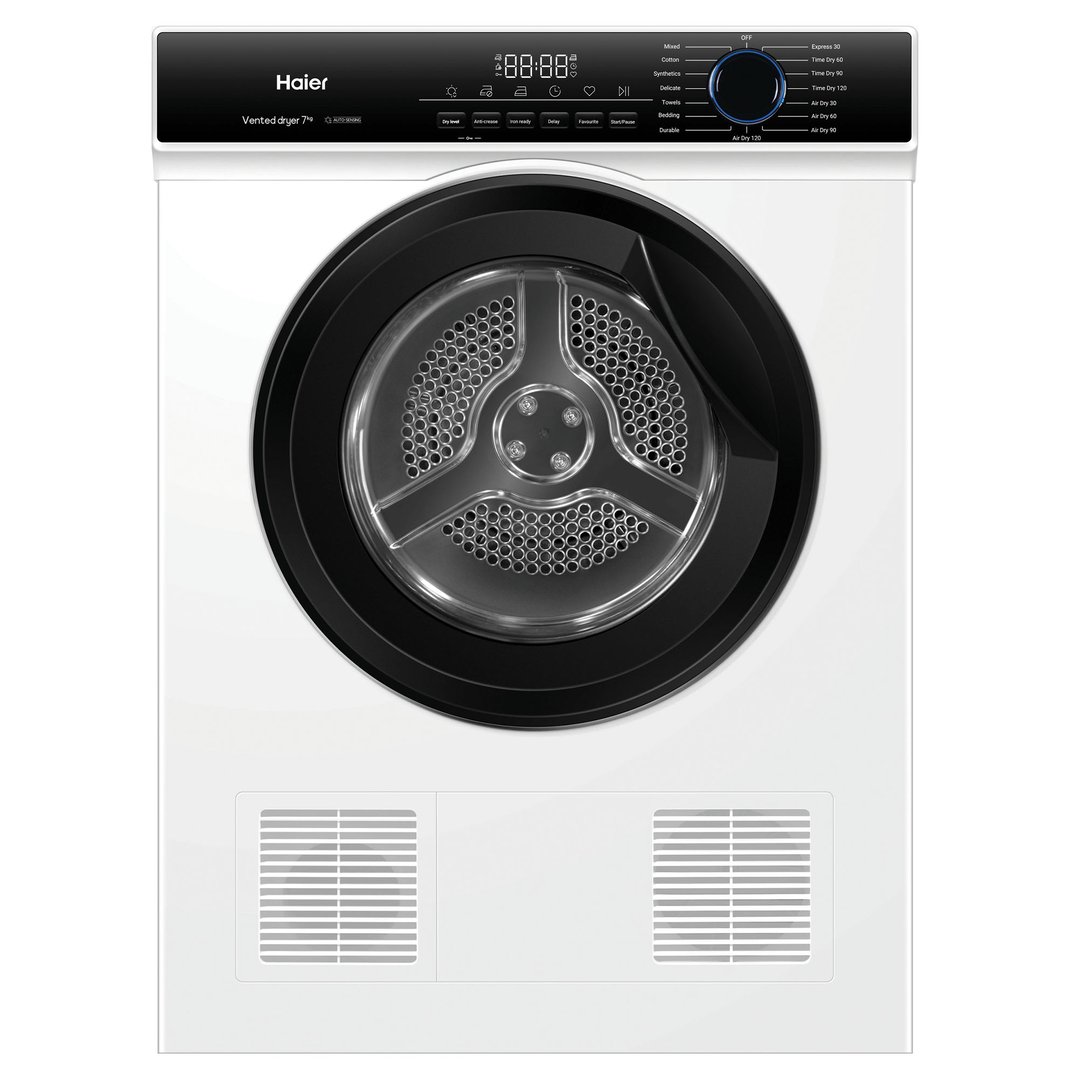
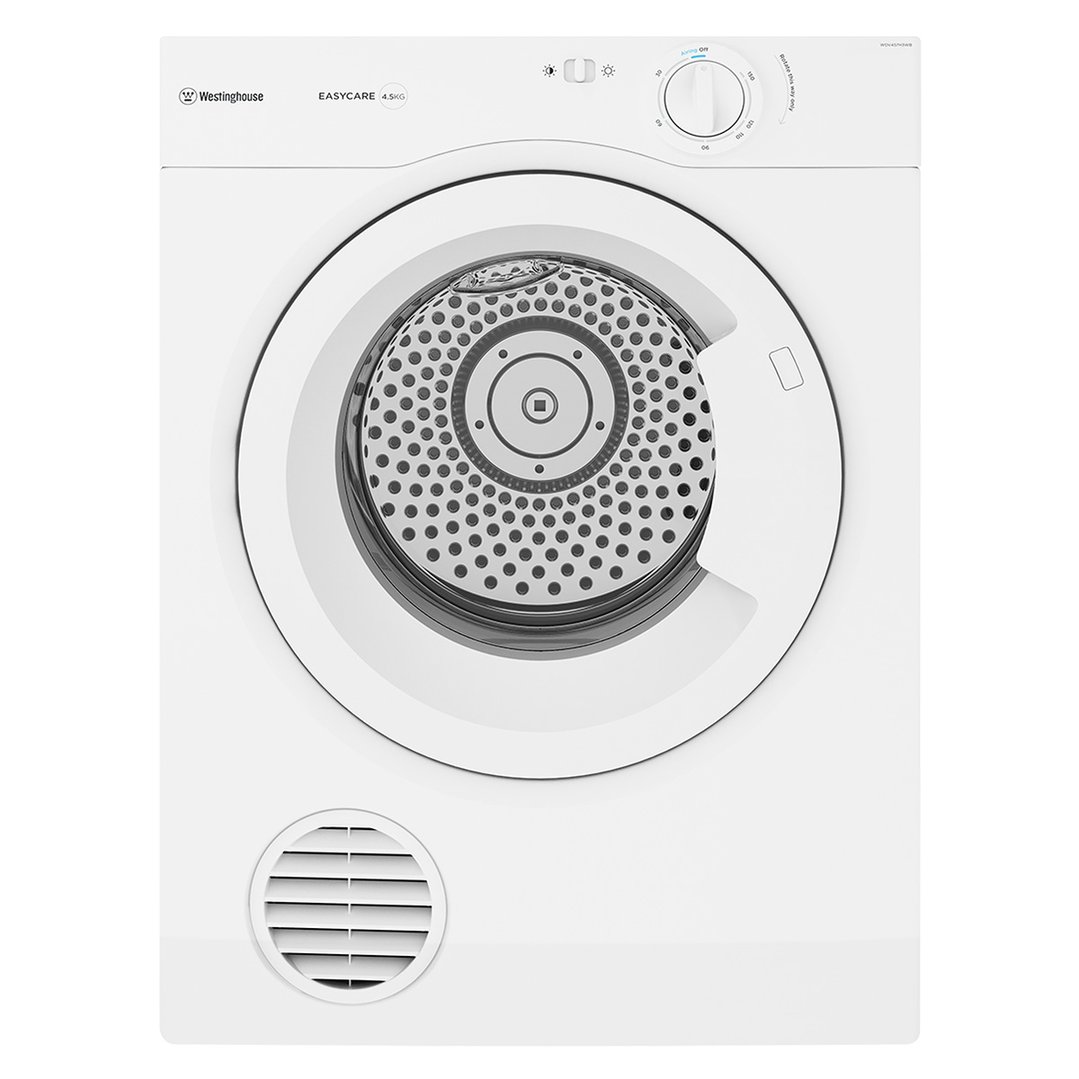
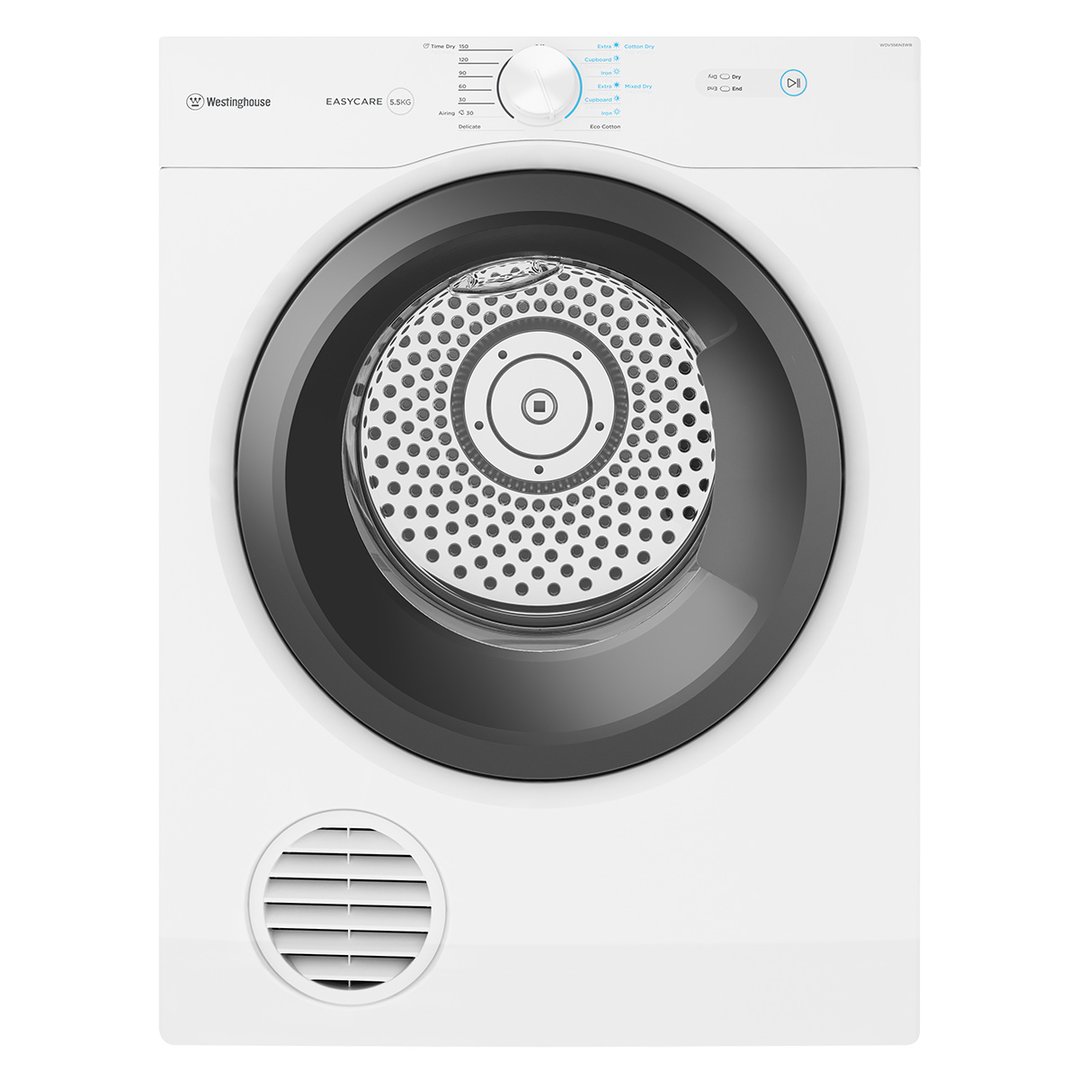
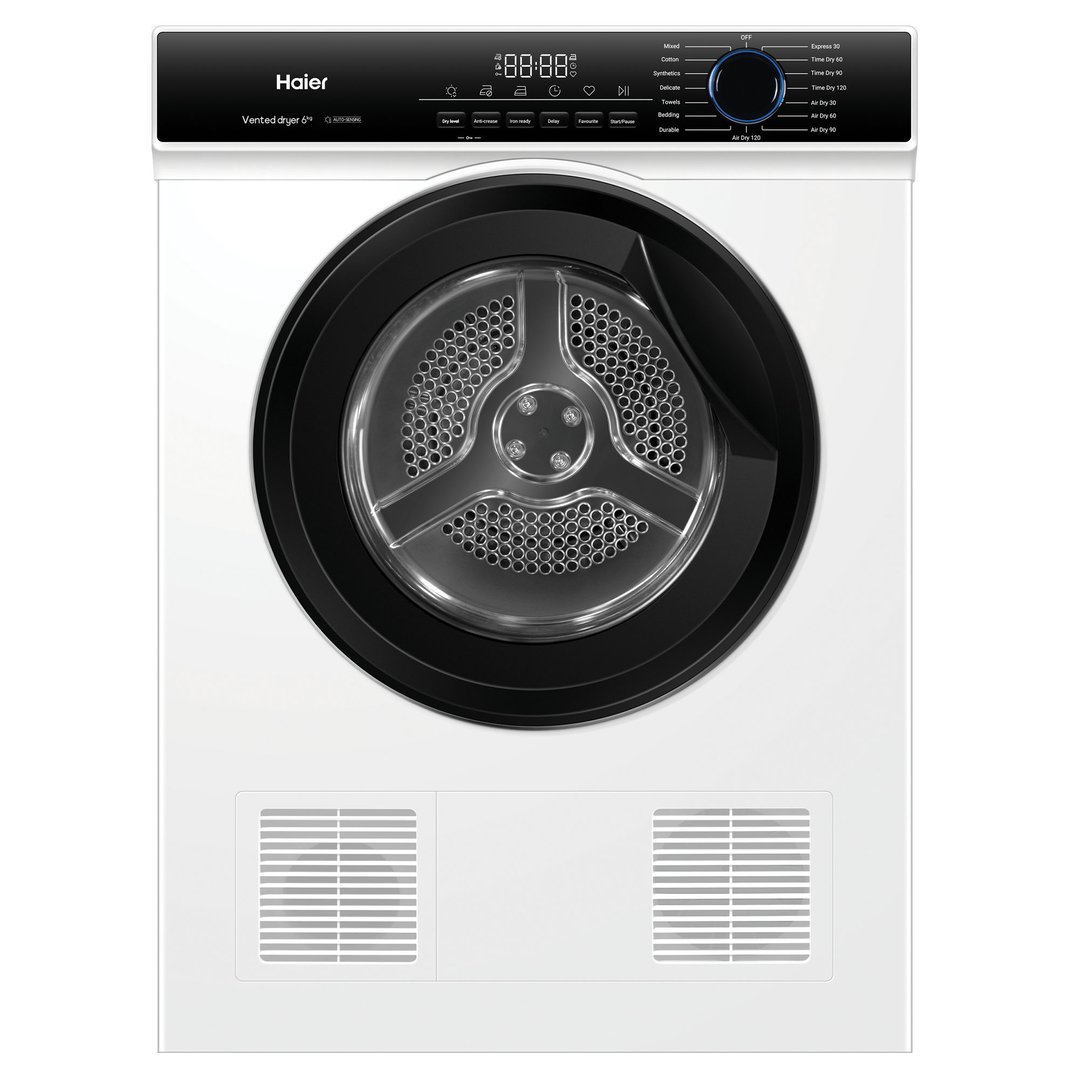
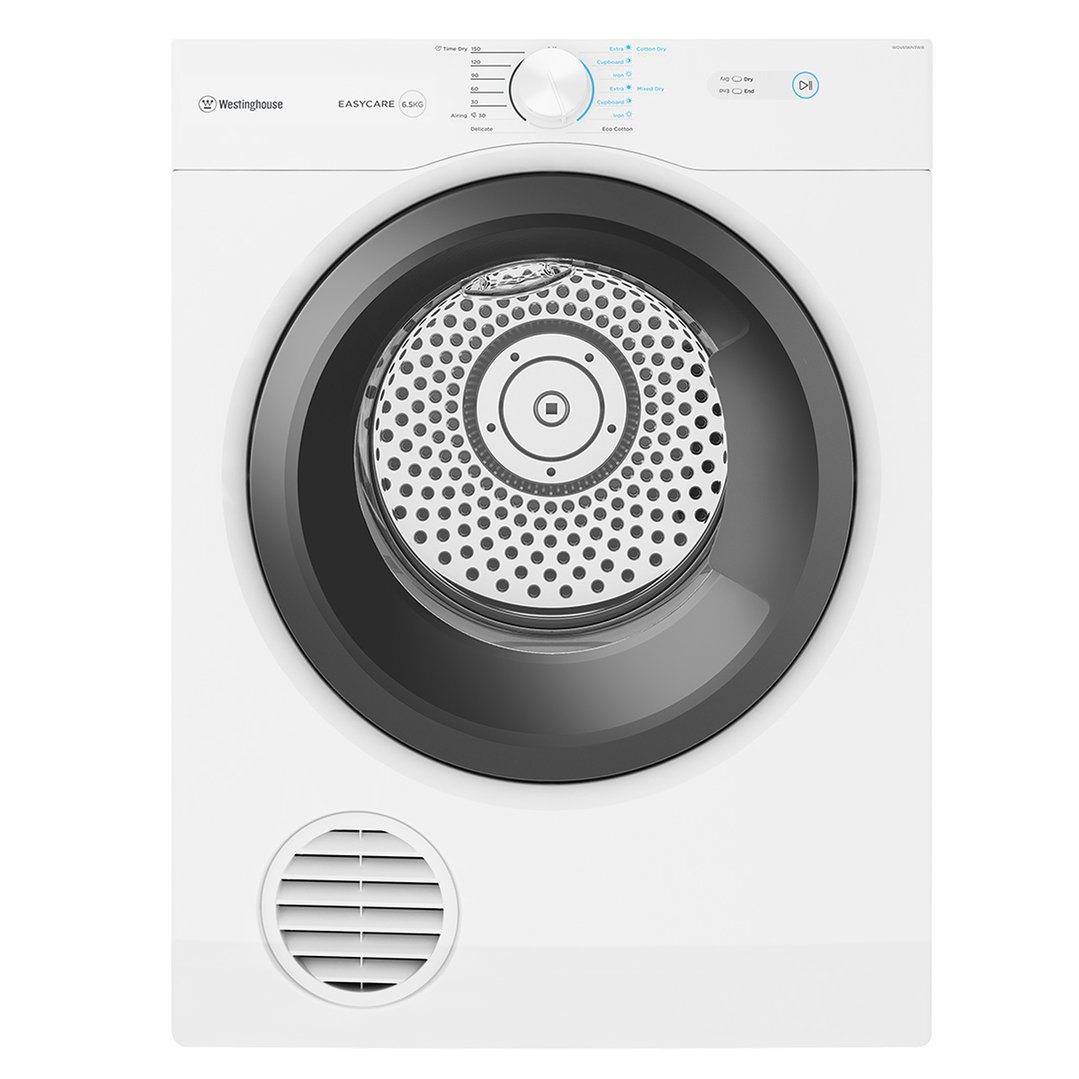
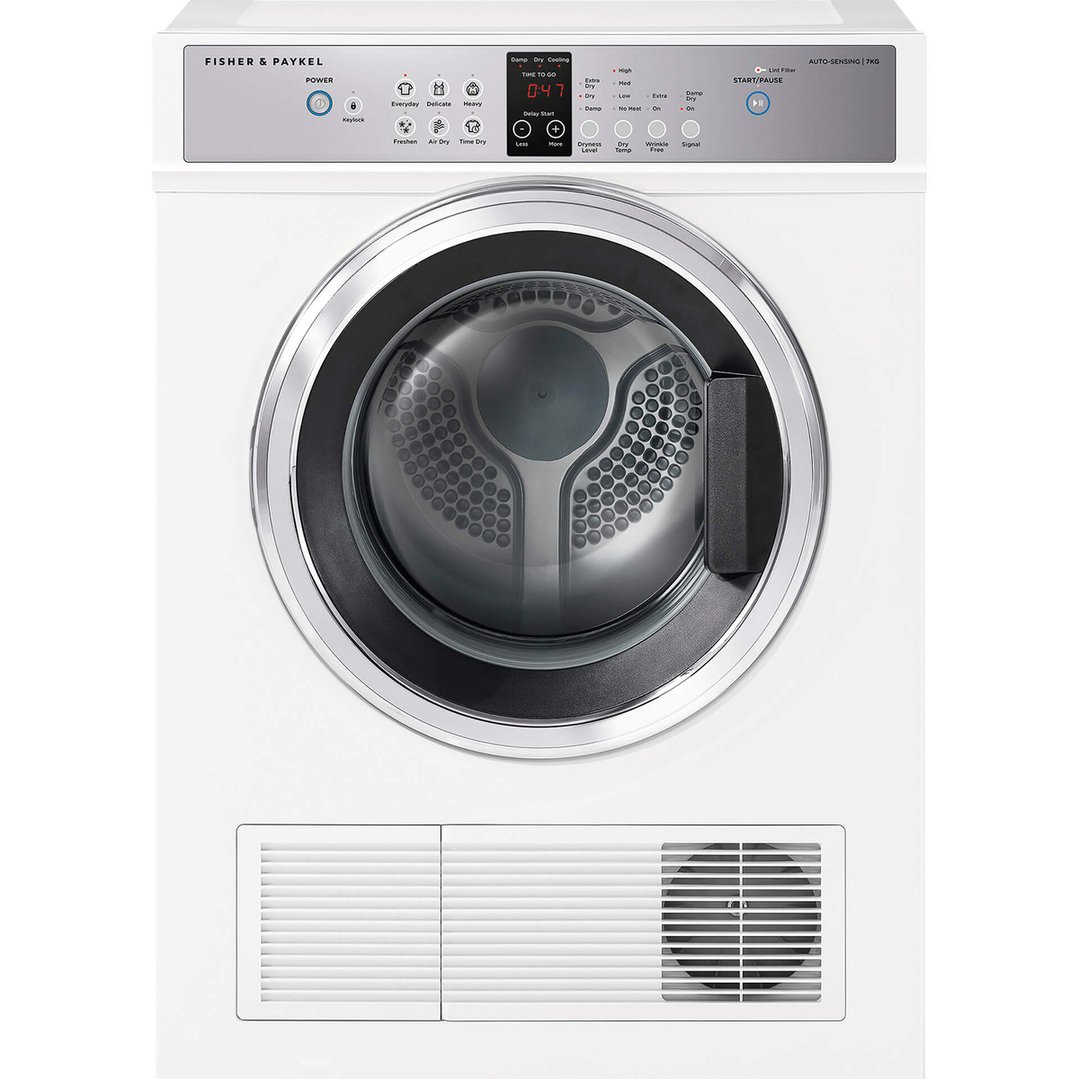
Vented tumble dryers are your traditional type of drying appliance. These dryers are on the cheaper end of the market as the damp air that is produced during the drying process is expelled from the dryer. It is for this reason that this type of dryer will need to be situated near a external wall, window or door. Vented dryers are sometimes supplied with a ventilation hose so that the moist air can be expelled though a window or permanent vents can be fitted onto outside walls. Vented dryers can be stacked.






CONDENSER DRYERS
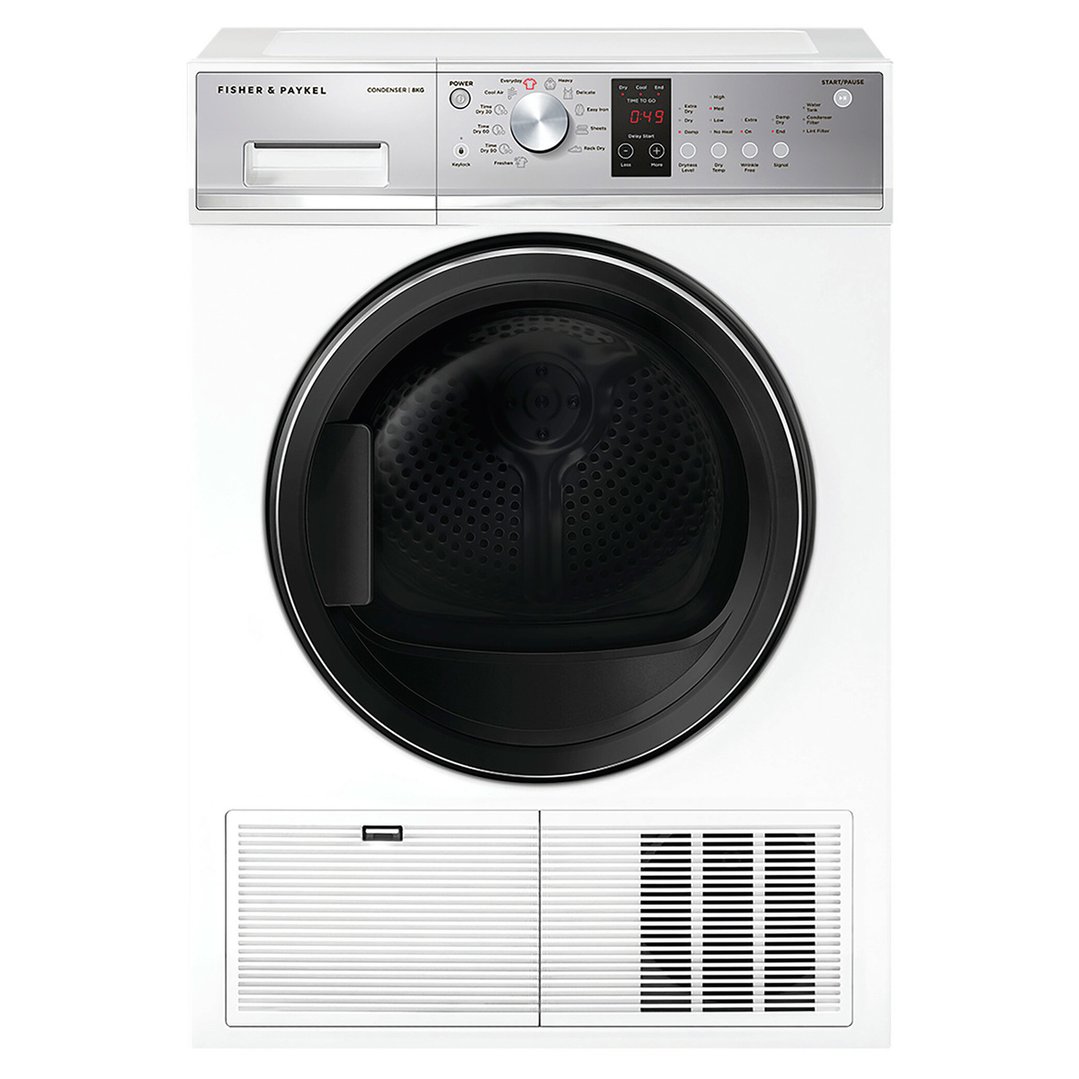
Condenser clothes dryers work by separating the moisture from the air and the water vapour is then expelled into container that will need to be manually emptied or expelled though a plumbing hose. You won’t need an external hose to vent the air making it convenient for you to place the dryer where you like but it is a good idea to place the appliance in a ventilated room as the air vented out can be quite warm. Condenser dryers can be stacked but due to the appliances weight it can't be wall mounted.
HEAT-PUMP CONDENSER DRYERS
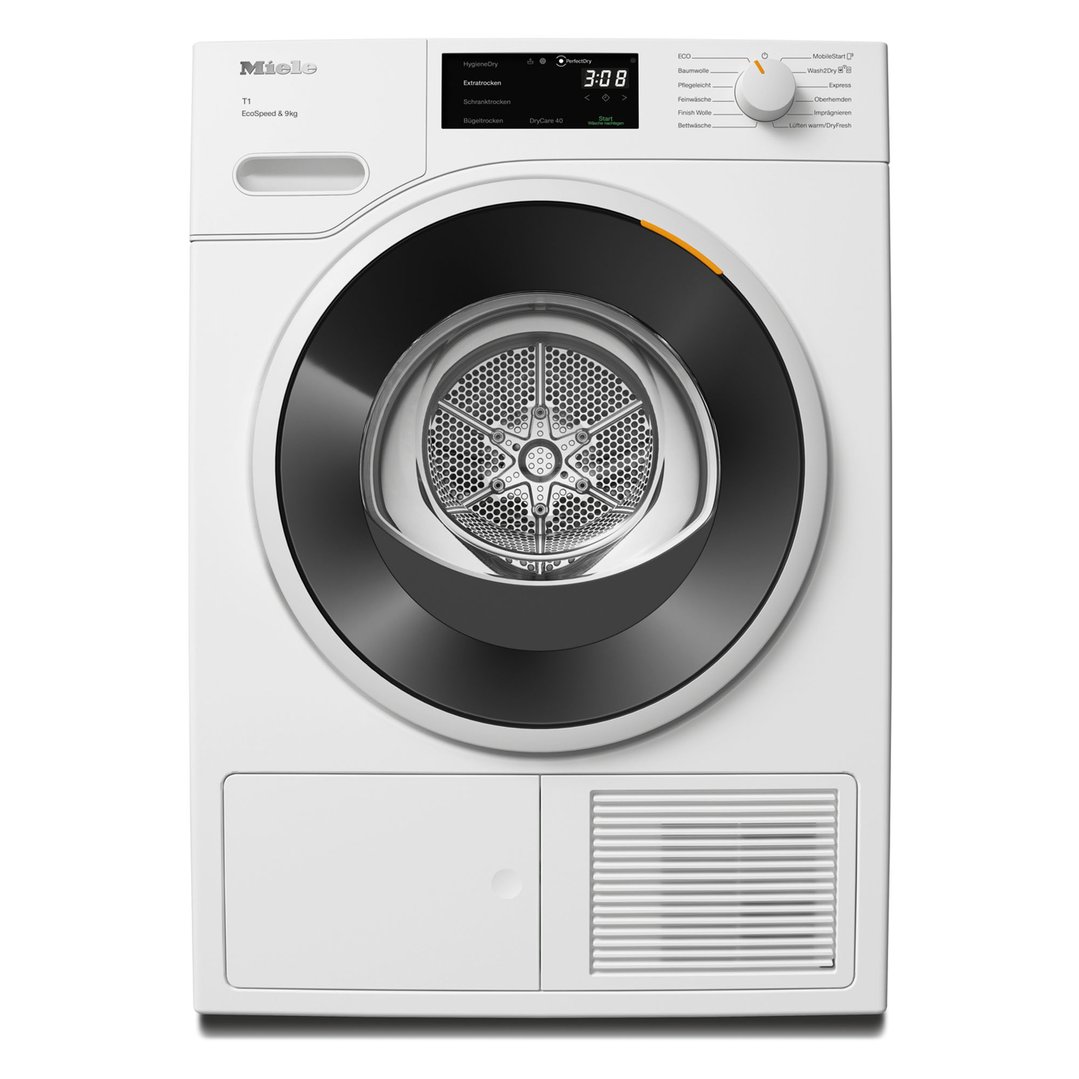
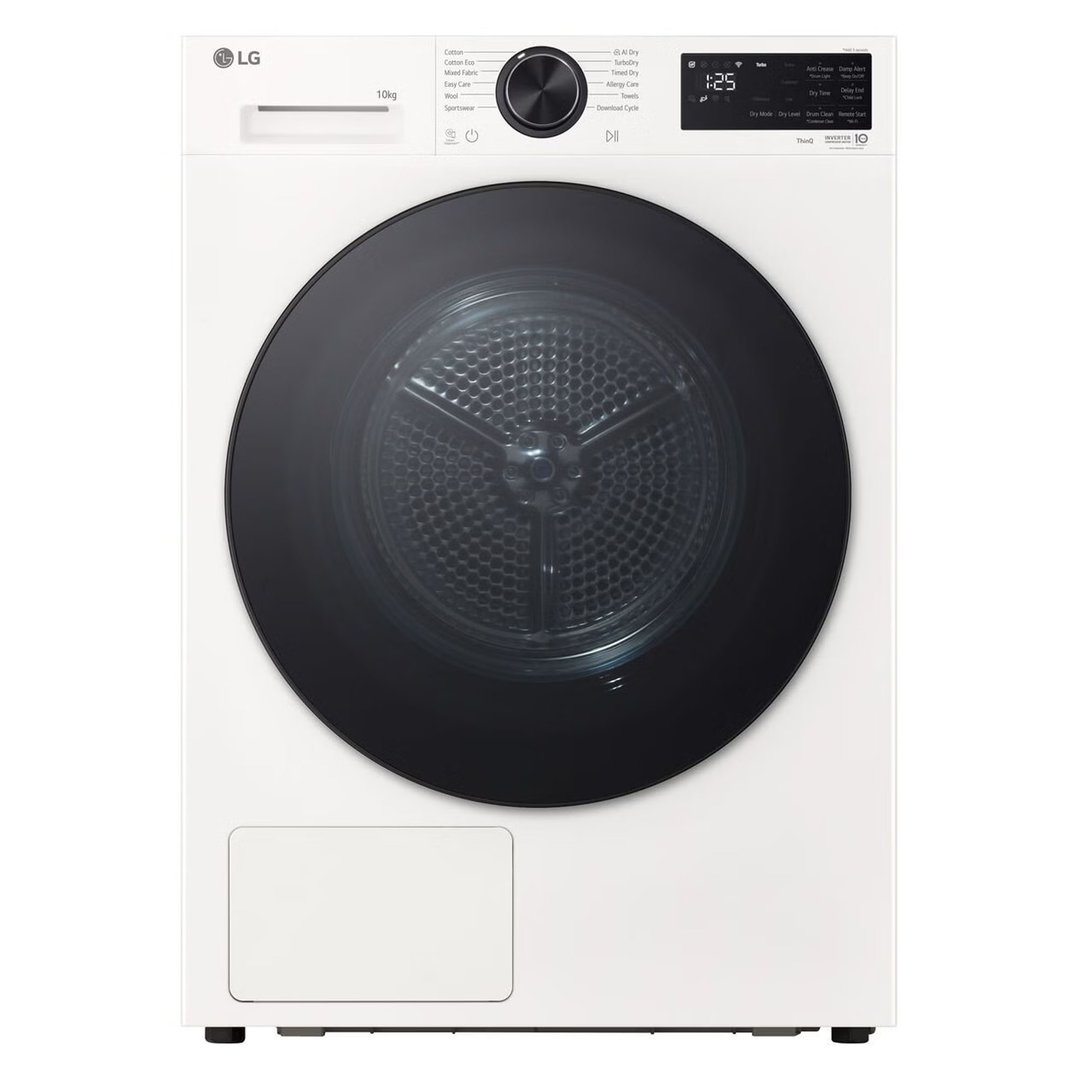
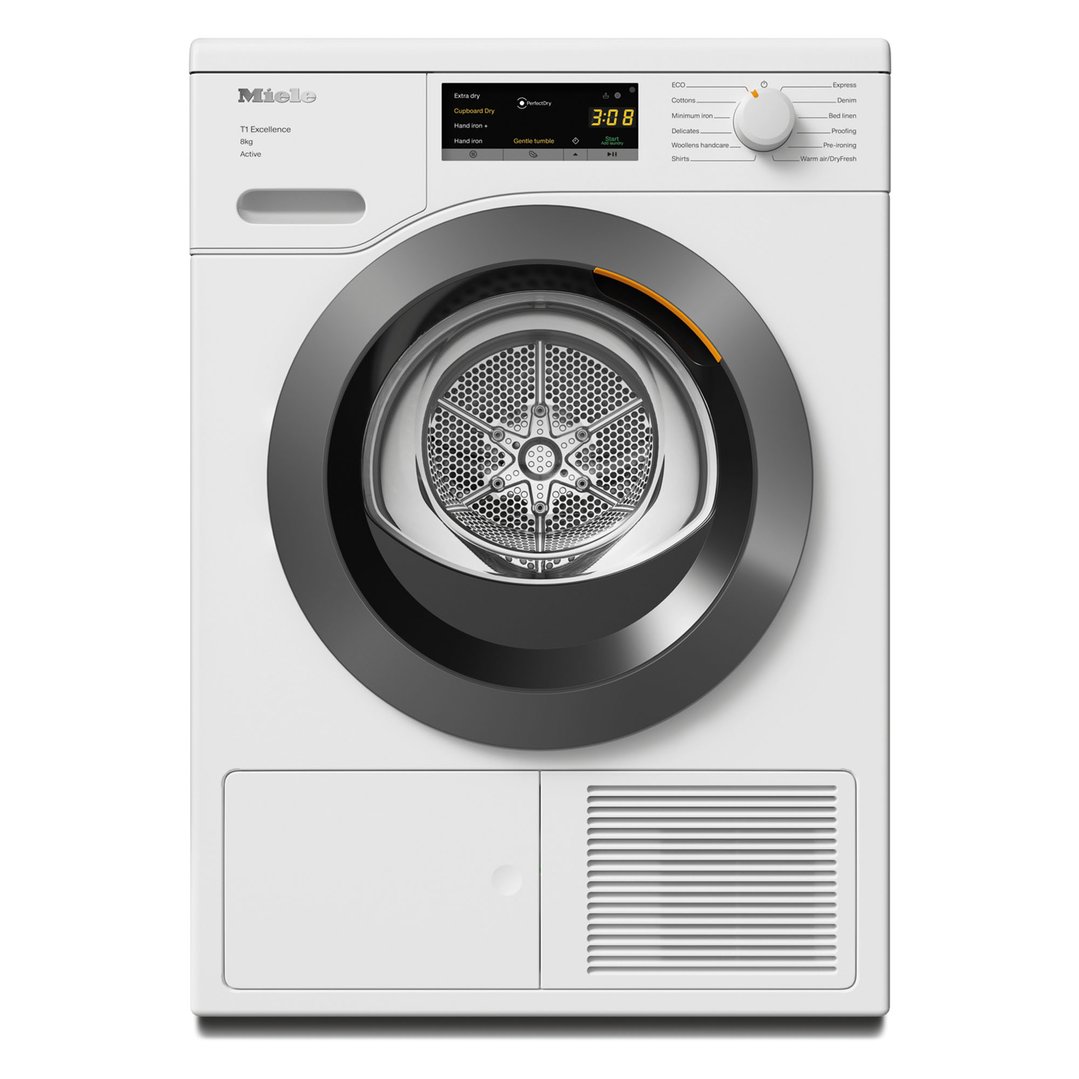
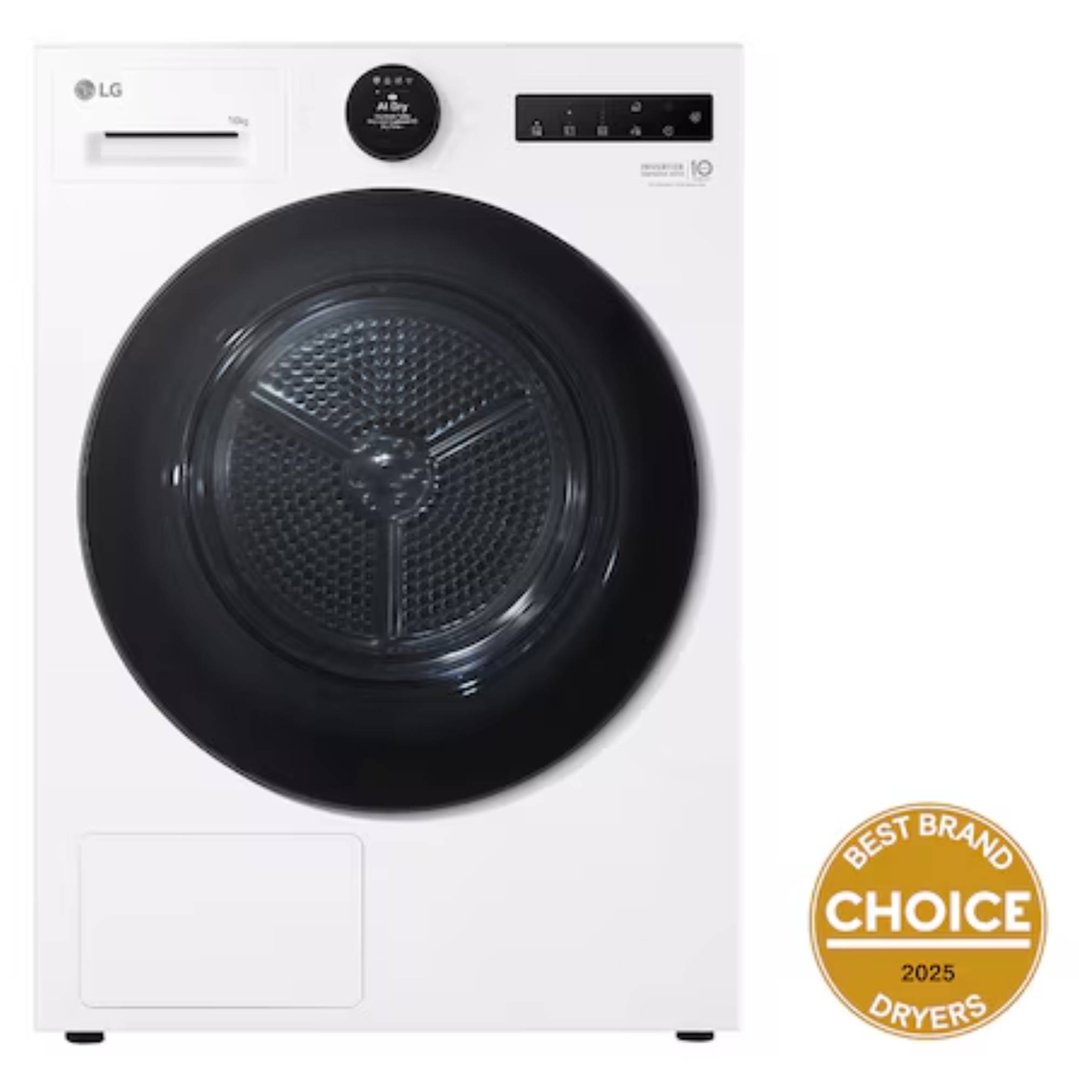
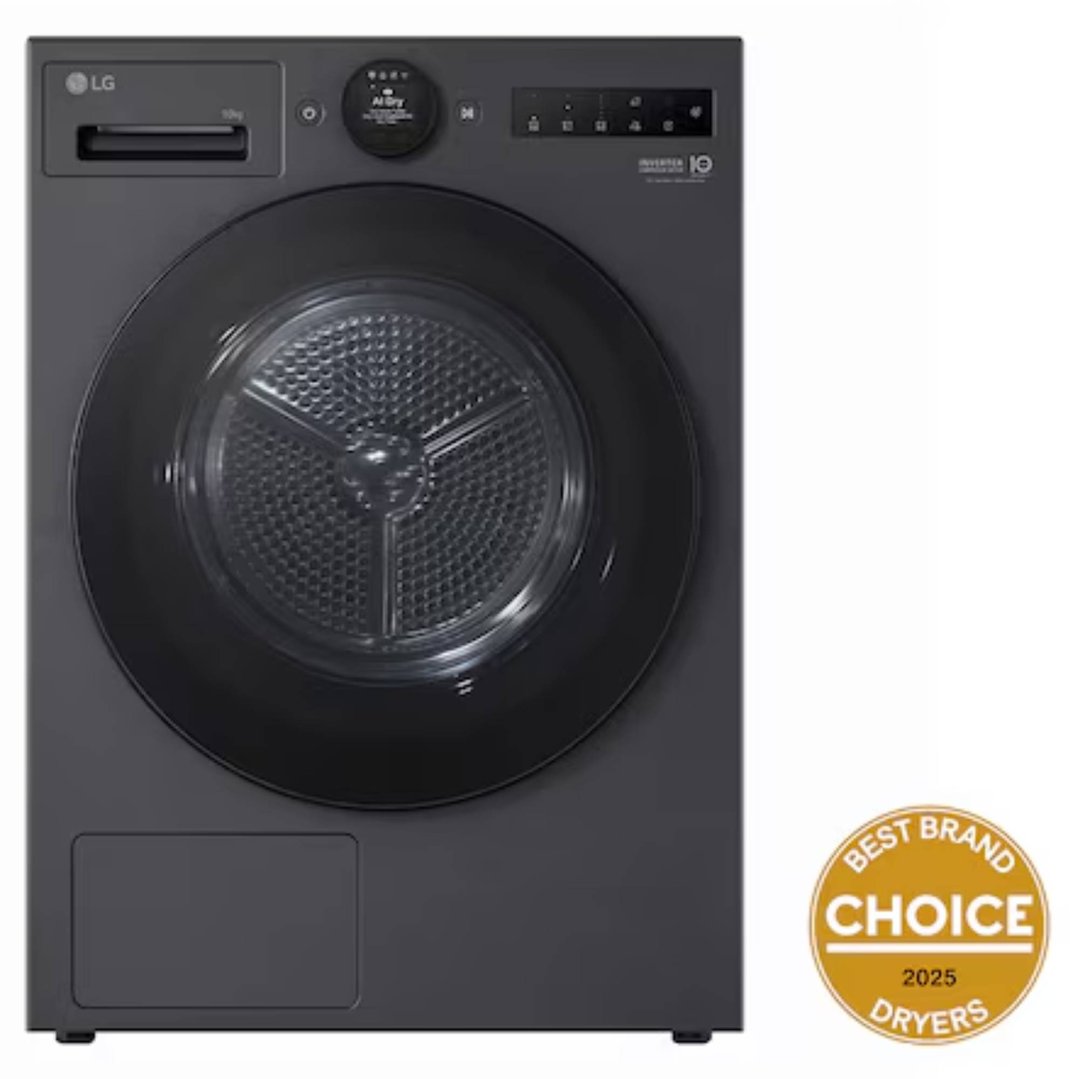
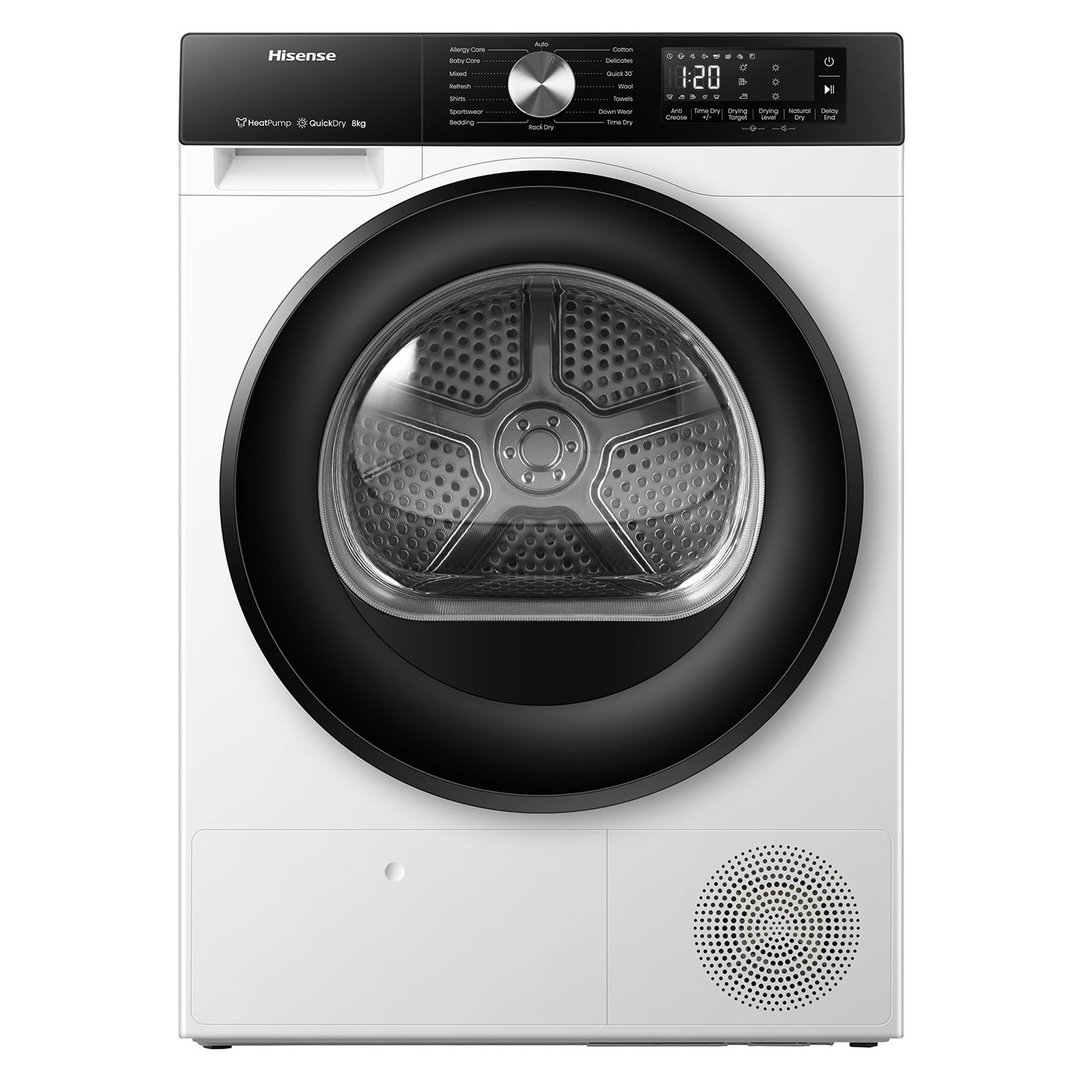
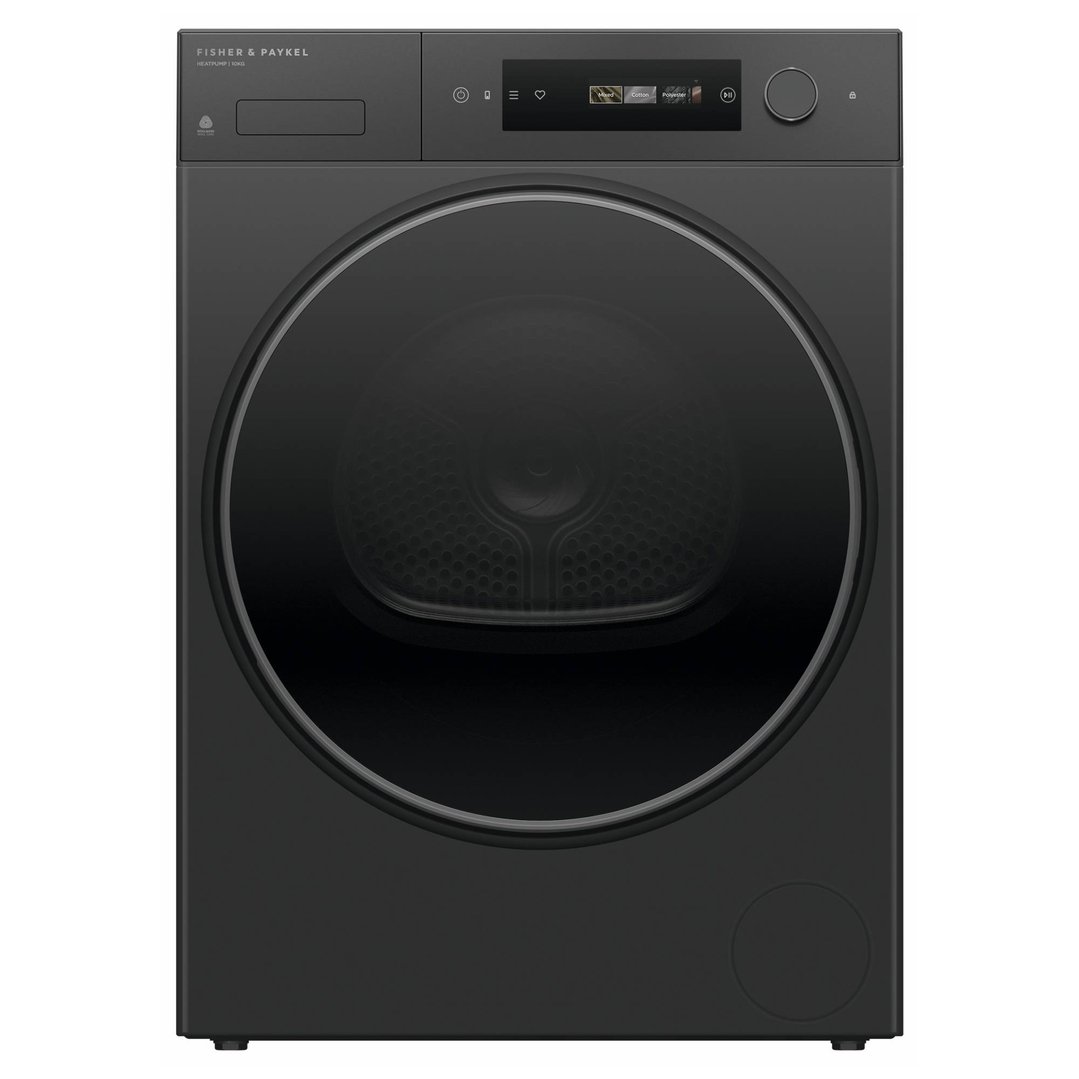
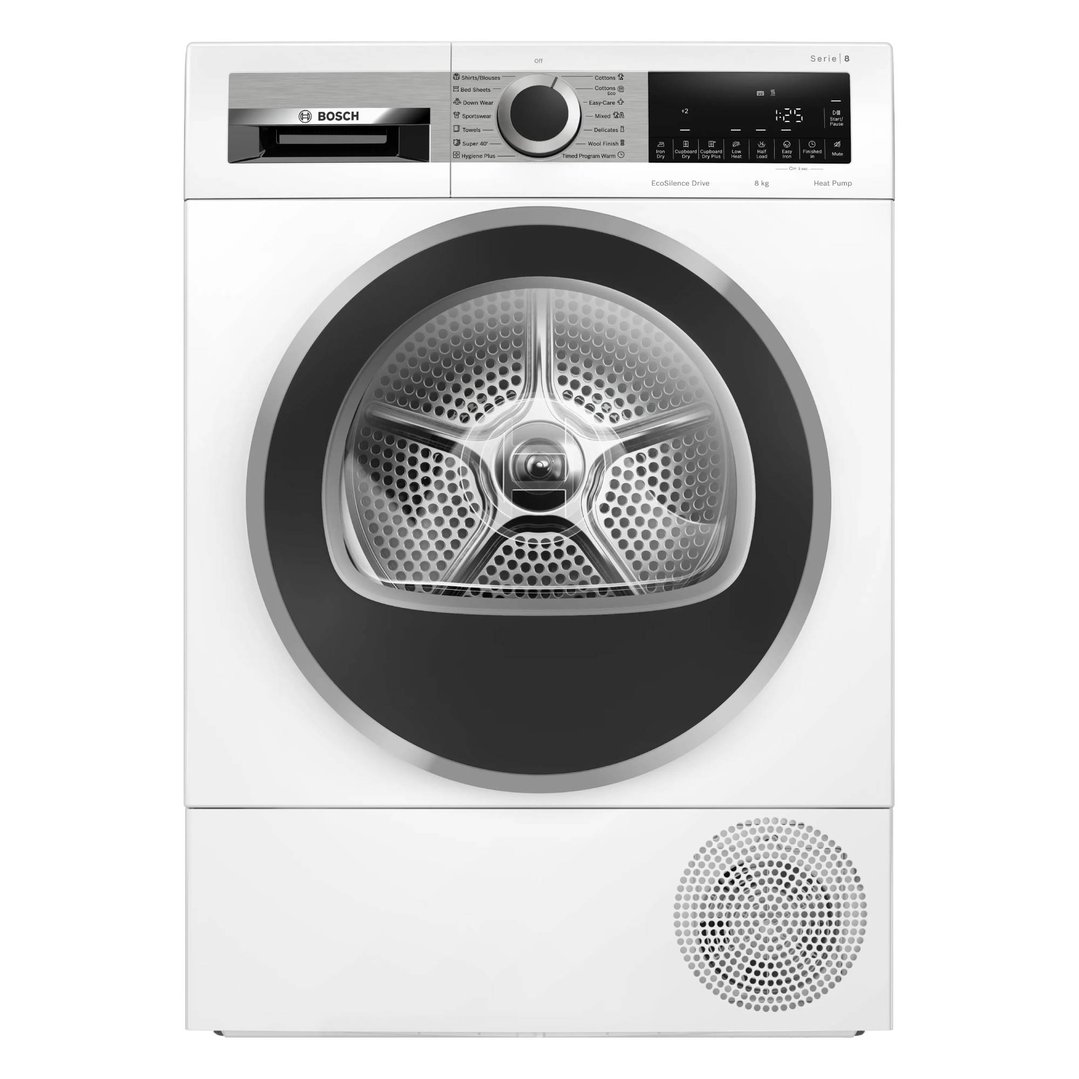
Heat pump dryers can be more costly than other dryers but have the advantage of using less energy to run than other electric dryers. These dryers work like condenser dryers except that they recycle the hot air used to dry the clothing. This means that the air vented out from the dryer is dry and cool and won't fog up your mirrors and windows. Another great thing about heat pump dryers is that they are very quiet compared to other dryers and are also gentle on your fabrics. You can place this dryer anywhere in your home as long as there is power to the unit.
$2,699$2,449Ends in
2 Days






GAS DRYERS
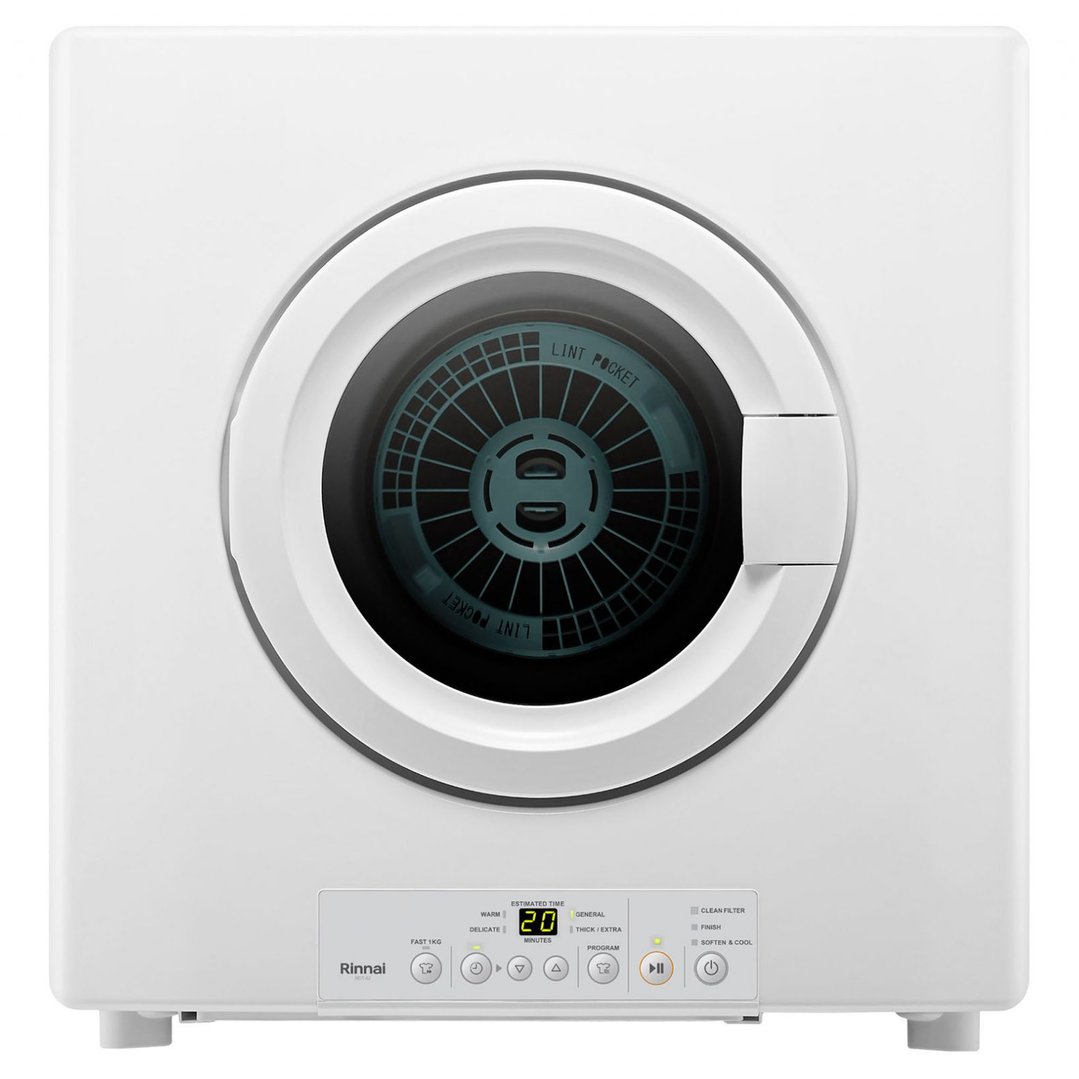
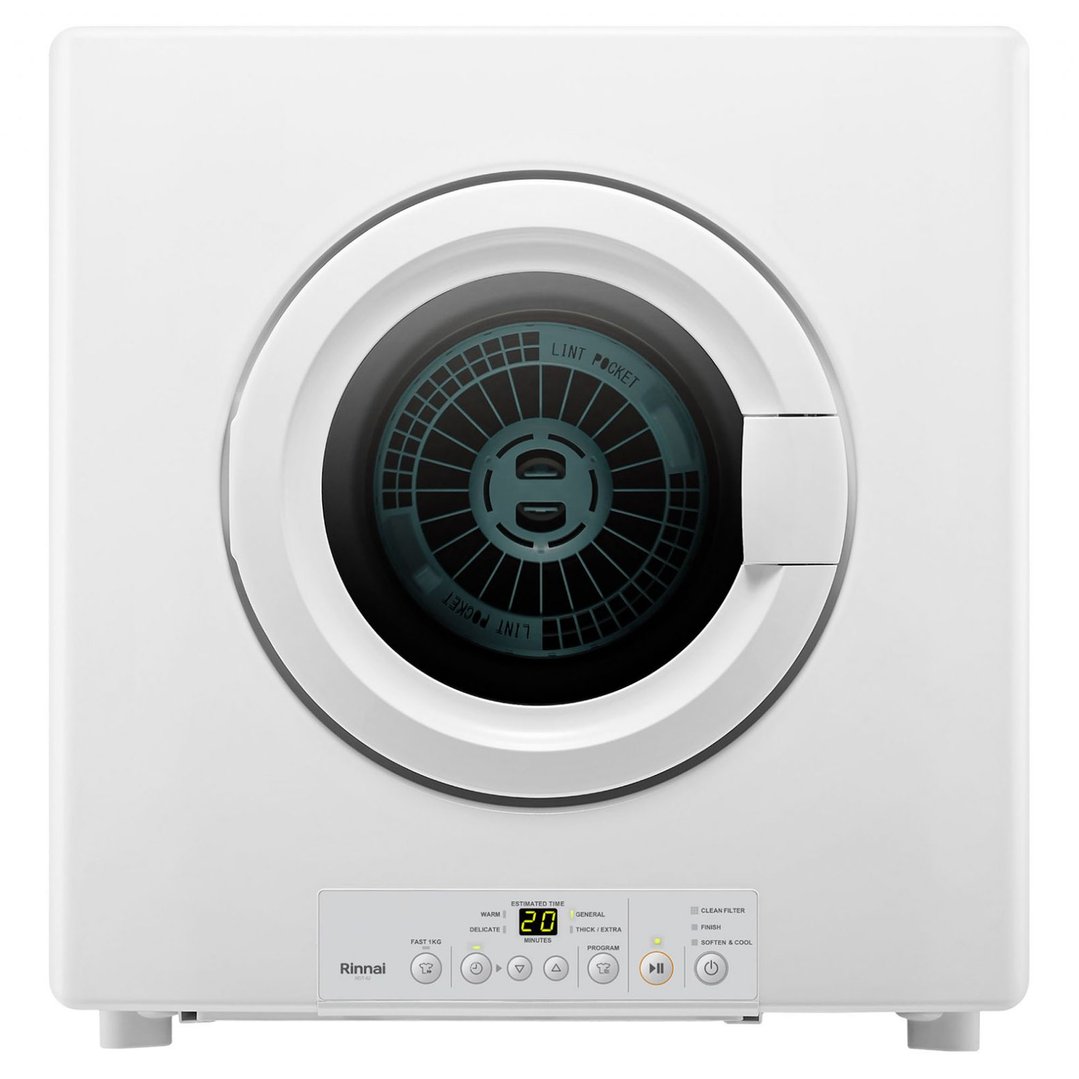
Gas dryers are very similar to vented electric tumble dryers with the exception that they use gas instead of electricity. Most houses don't have gas outlets in their laundry so keep in mind that you will need to hire a registered engineer to install this machine for you which can be costly. That being said, gas dryers are the cheapest to run as they use approximately 60% less energy than other dryers on the market.

CAPACITY
Dryer capacity is measured in kilograms just the same as washer capacity. This measurement refers to dry clothes not damp ones. Before selecting your dryer you should consider if you will be drying just a few items or entire wash loads. As a guide, a 5-7kg dryer is perfect for a family of 4. Make sure you don't over fill your dyer as it will reduce the machines efficiency while using more energy and time. Dryers with larger drums improve hot air flow making the product more efficient and will shorten the time it would take or the clothes to dry.
ENERGY CONSUMPTION
Dryers can consume a fair bit of energy if used regularly. Apart from selecting a gas dryer or a dryer with a higher energy efficiency label there are other ways to minimise your carbon footprint and save on energy costs. Some ways of doing this include buying a washing machine that has a higher spin rate so that your clothes are less damp and will take less time to dry, avoid over loading the dryer, dry similar fabrics together, find a sensor dryer that will automatically shut off once the clothes are dry and dry your loads one after another as the drum would already be heated and minimise energy consumption used to re heat the drum.
WALL MOUNTING & STACKING
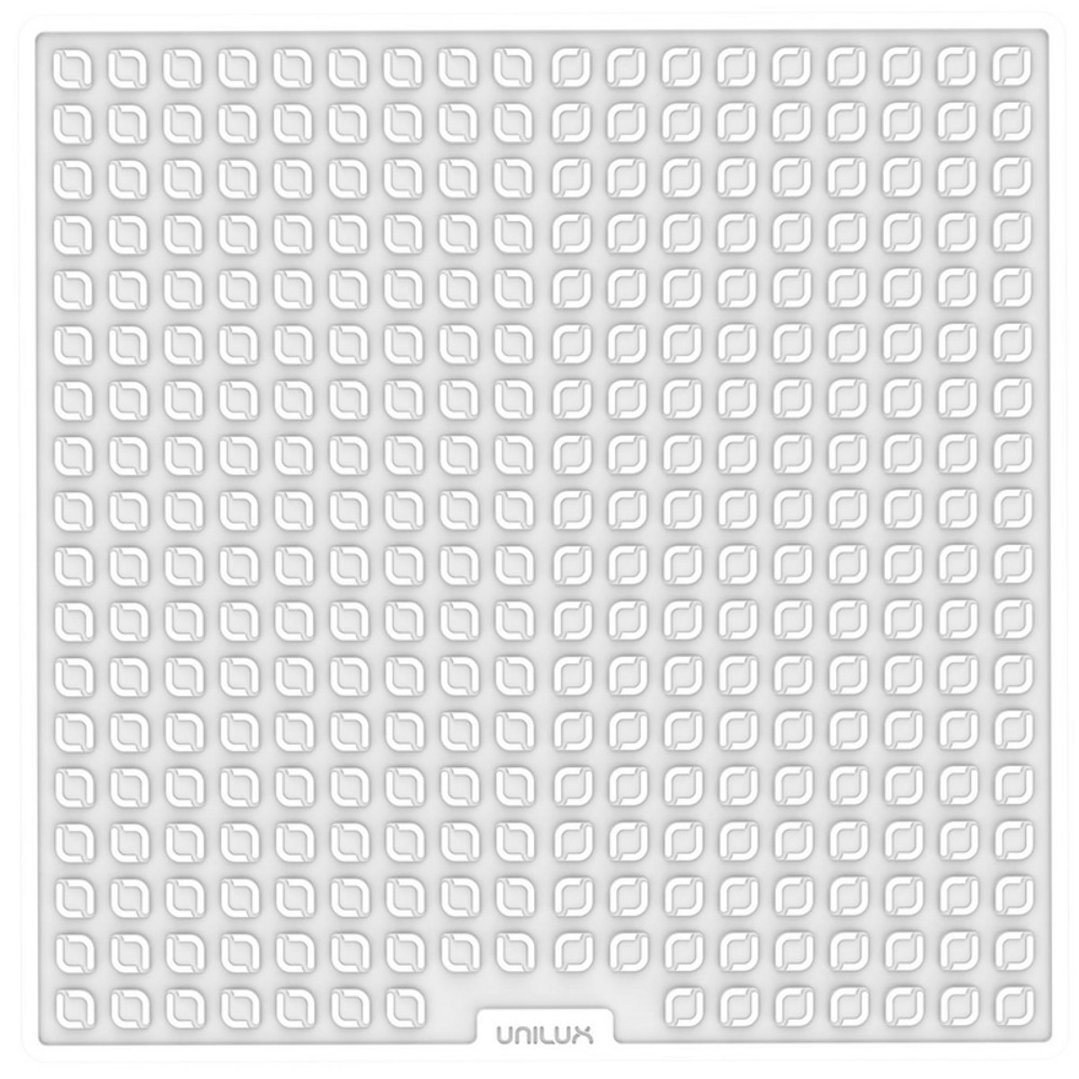
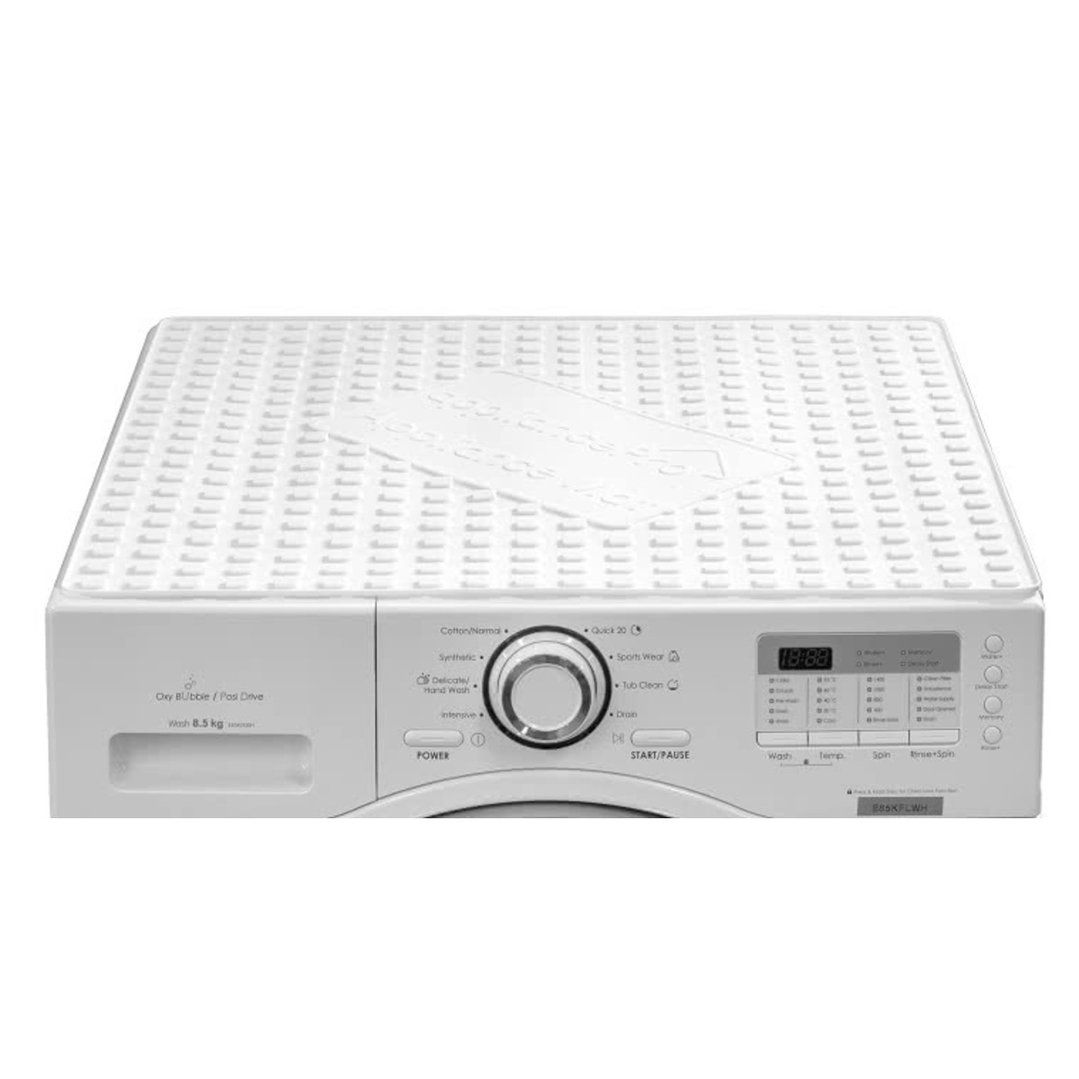
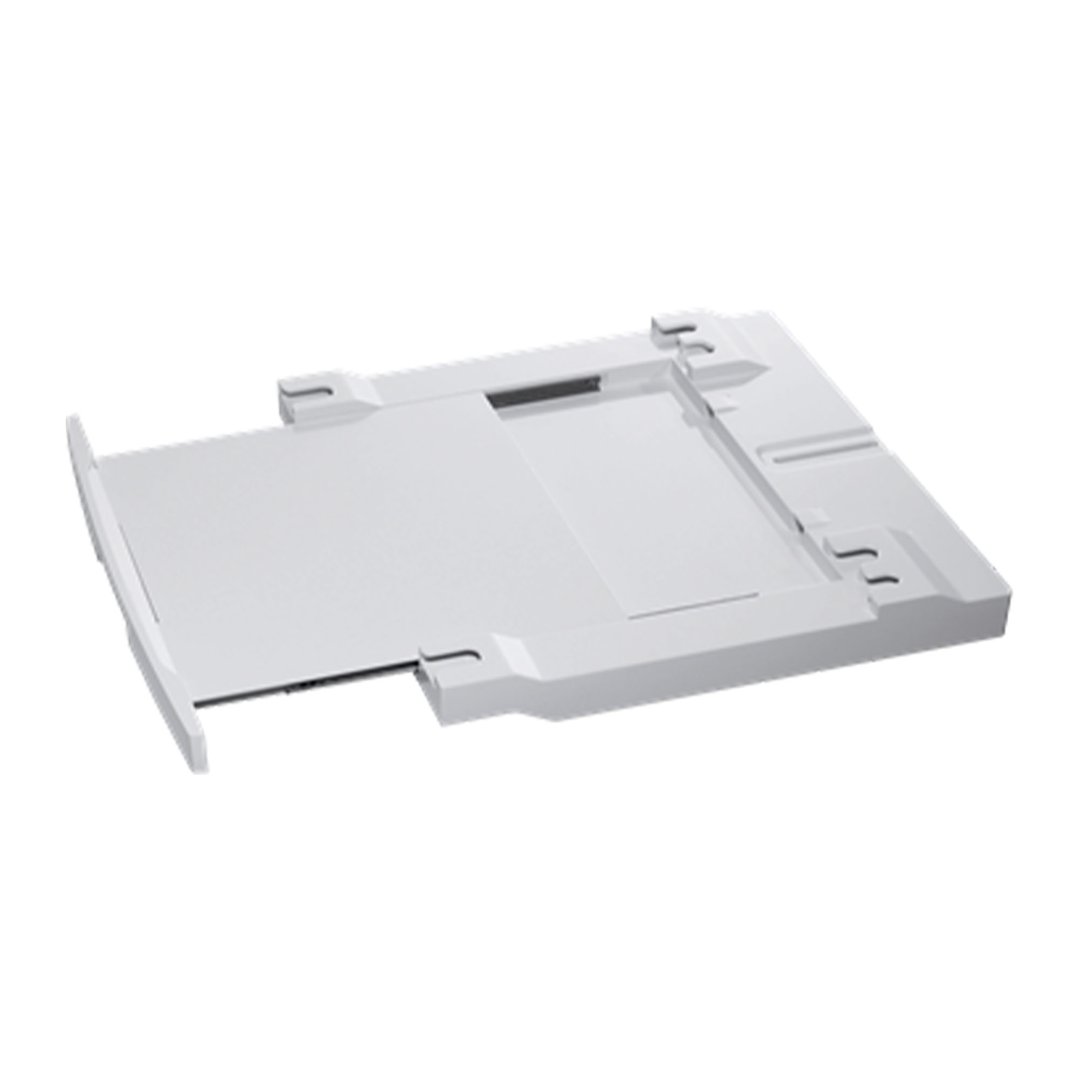
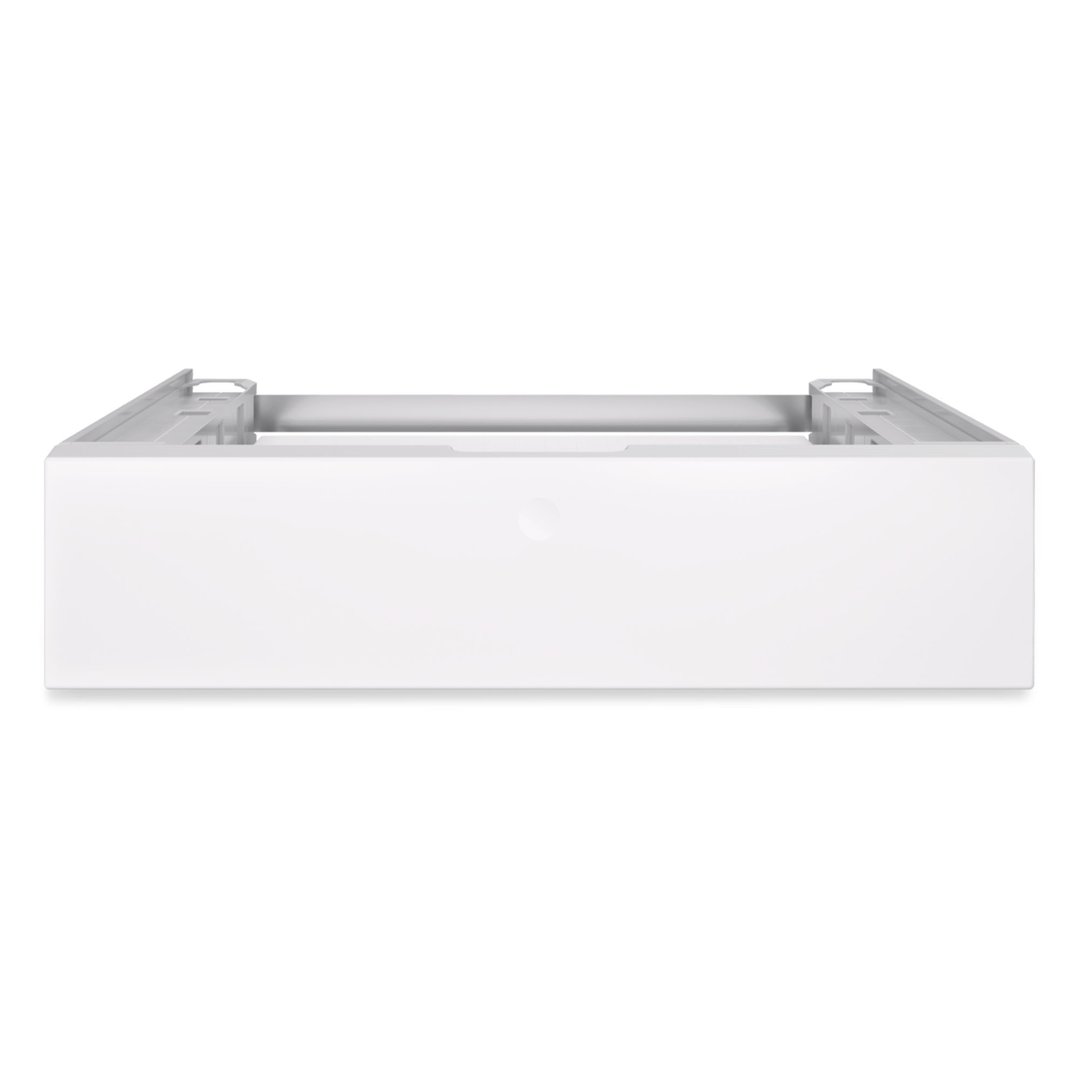
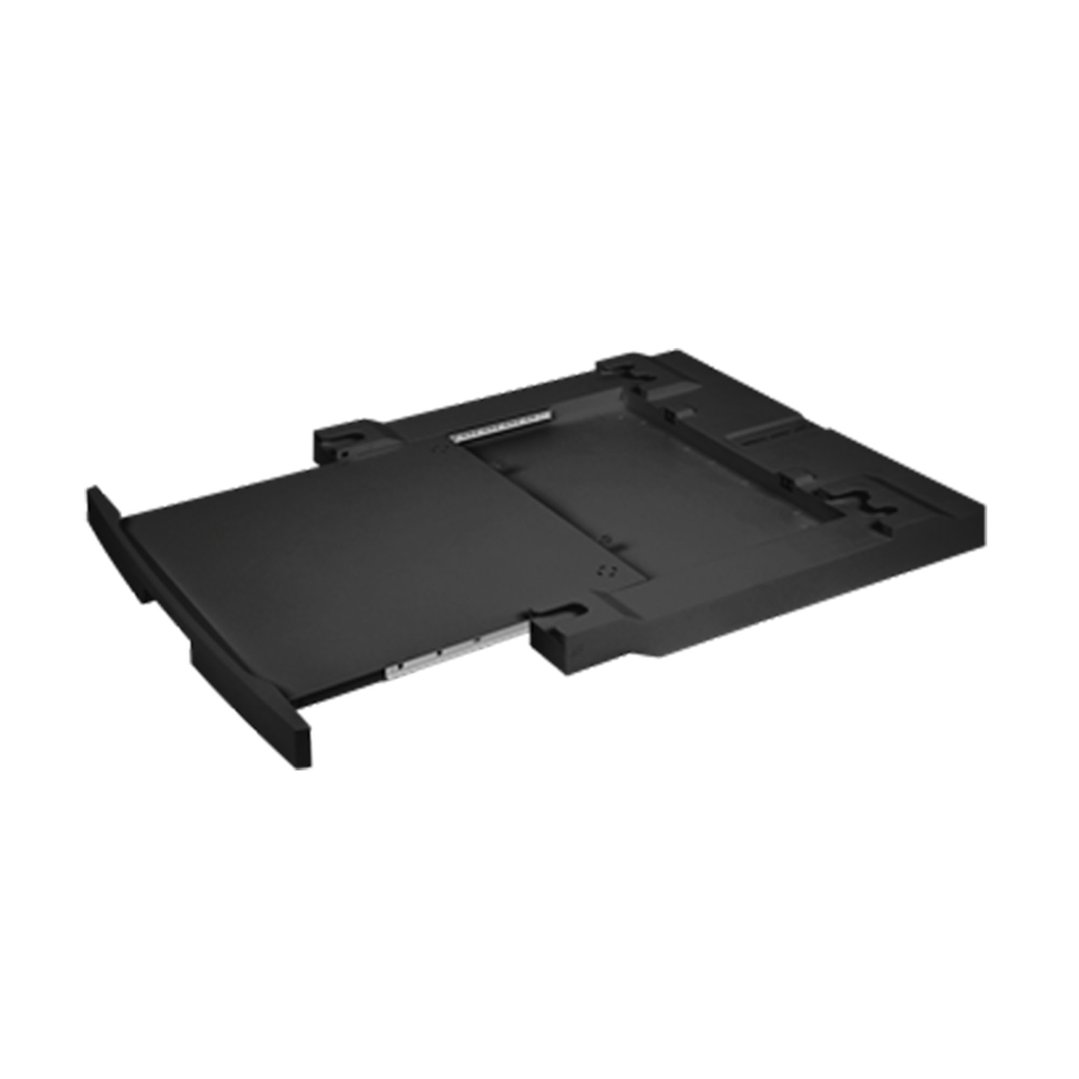
If you find that you are limited with floor space in your laundry most dryers can be either stacked on top of your front loading washing machine or mounted onto your laundry room wall. Keep in mind that if you decide to stack your product there are mats and stacking kits that can be placed between the washer and the dryer that prevent damage and vibration noise during use. Wall mounting is a great idea but you may find that wall mounting kits are sold separately and some kits can only be purchased from the manufacturer and won’t work with products of other brands. If you want to wall mount your appliance take note of where the lint filter is located before purchasing as lint filters placed at the front of the machine will be easier to access once mounted onto your wall.
MAINTENANCE & SAFETY
A well maintained machine will not only be safer to use but will have a longer lifespan too. If your dryer has a lint filter it is absolutely necessary to empty and clean this filter after every load. Without regular cleaning the fluff in the lint filter can reduce the efficiency of your machine or potentially pose a fire risk.
SETTINGS & PROGRAMS
All dryers have similar settings and programs that are put in place to care for your clothes or make life easier. Not all dryers have the same programs so it is a good idea to take a look at what additional settings you can get before buying.
Reverse tumbling - the barrel will alternate the direction of the tumble cycle regularly which dries clothes more evenly and can minimise the chances of tangling.
Drying rack - You can find models that have a small drying rack that can be used for items you are not ready to tumble due to fabric differences.
Anti-crease - Prevents the creasing of clothes when you can’t empty the dryer after the cycle has ended by occasionally tumbling the clothing until you're ready to remove the items.
Sensor - Detects when the clothes are dry and automatically ceases drying.
Cottons, delicates and synthetics - Programs that you can select based on the fabrics you need to dry.
Iron dry, normal dry and extra dry - Programs that can leave the clothes from slightly damp to dry as bone depending on what your needs are.
Cold tumble - No heat tumble which is great for airing out items that have sat in the cupboard for too long.
NOISE
Tumble dryers do make quite a bit of noise. Consider where you will be placing the dryer. Is it too close to your bedrooms or other living areas? Perhaps there might be another location in your home that would be better suited. You can also find dryers that have a dampener system that cushions around the drum which will help eliminate some noise.




At Bing Lee, we offer a premium selection of clothes dryers from top brands like Miele, Bosch, and Electrolux. Our range includes advanced heat pump dryers, efficient condenser dryers, and versatile vented models, ensuring you find the perfect solution for your laundry needs. These top models are designed to deliver exceptional performance, energy efficiency, and fabric care, making laundry day easier and more efficient.
$2,699$2,449Ends in
2 Days
Q. What size dryer do I need?
The size of the dryer you need depends on your laundry load and household size. For singles or couples, a compact 4-6kg dryer is ideal. Families should consider a larger capacity dryer, around 7-9kg, to handle bigger loads efficiently.
Q. What is the best wall mounted dryer in Australia?
The best wall-mounted dryer in Australia is the Fisher & Paykel 7kg Vented Dryer. It's compact, efficient, and perfect for small spaces, providing powerful drying performance while saving floor space.
Q. What is a dryer that doesn’t need a vent?
Condenser dryers and heat pump dryers don’t require a vent. Models like the Midea 9kg Heat Pump Dryer are an excellent choice as they recycle air within the unit, making installation flexible and hassle-free.
Q. What is a dryer that doesn’t shrink clothes?
Heat pump dryers are gentle on clothes and help prevent shrinking. The Miele 8kg Heat Pump Dryer is a top pick, offering precise temperature control and various settings to protect your fabrics.
Q. How to dry clothes fast?
For the fastest drying times, vented dryers are the way to go. The Westinghouse 6.5kg Vented Tumble Dryer is a standout option. Its advanced drying technology will ensure your clothes are dry in no time.
Q. What is a dryer that doesn’t cause condensation?
To avoid condensation, consider a heat pump dryer like the Fisher & Paykel 8kg Heat Pump Dryer. These dryers use advanced technology to keep the air inside the drum, preventing moisture from escaping into your home.
Q. Can I stack a dryer on top of my washing machine?
Yes, you can stack a clothes drying machine on your washing machine if both are compatible. Use a stacking kit for secure installation, making it a great space-saving solution for small areas.
Q. What’s the best clothes dryer for a small apartment?
For recommendations and insights that suit your specific needs, be sure to check out our blog article on the best clothes dryers for small apartments.
Q. How long does a dryer take to dry clothes?
The drying time for clothes typically ranges from 30 to 60 minutes, depending on the dryer type, load size, and fabric thickness. Smaller loads and lighter fabrics may dry faster, while larger or heavier items may take longer. For optimal results, avoid overloading the dryer.
Q. Are there financing options available for purchasing a dryer?
Whether you choose to shop online or in-store, Bing Lee offers a wide range of safe and secure payment and purchase options, including Afterpay or Zip Pay.
Q. Can heat pump dryers be wall-mounted?
Yes, heat pump dryers can be wall-mounted if they are designed for that purpose. Ensure you follow the manufacturer's guidelines and use the appropriate mounting kit to secure the dryer safely.
Page last updated: 10th June 2026 | Information provided by the experts at Bing Lee.