Vented Dryers
15 products

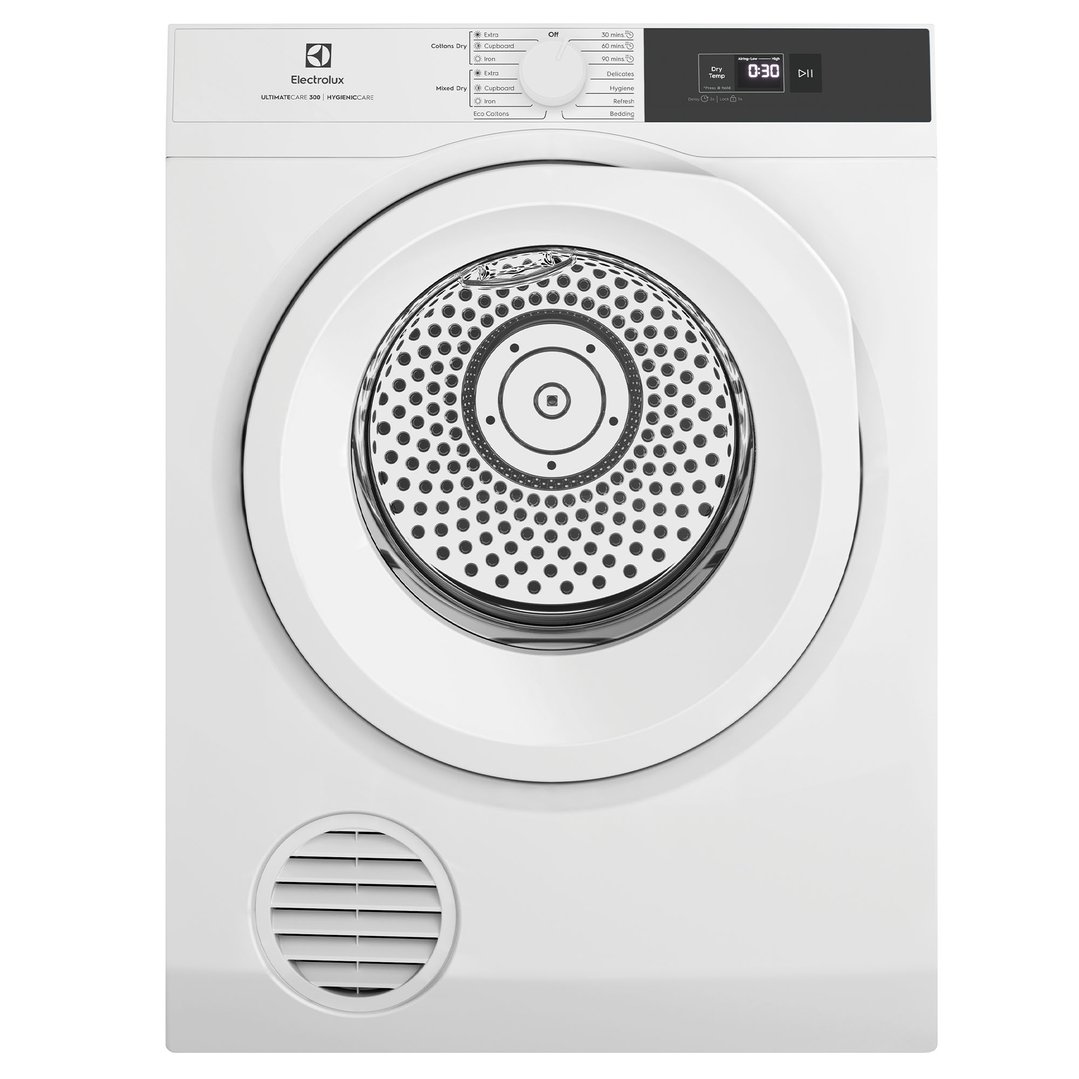
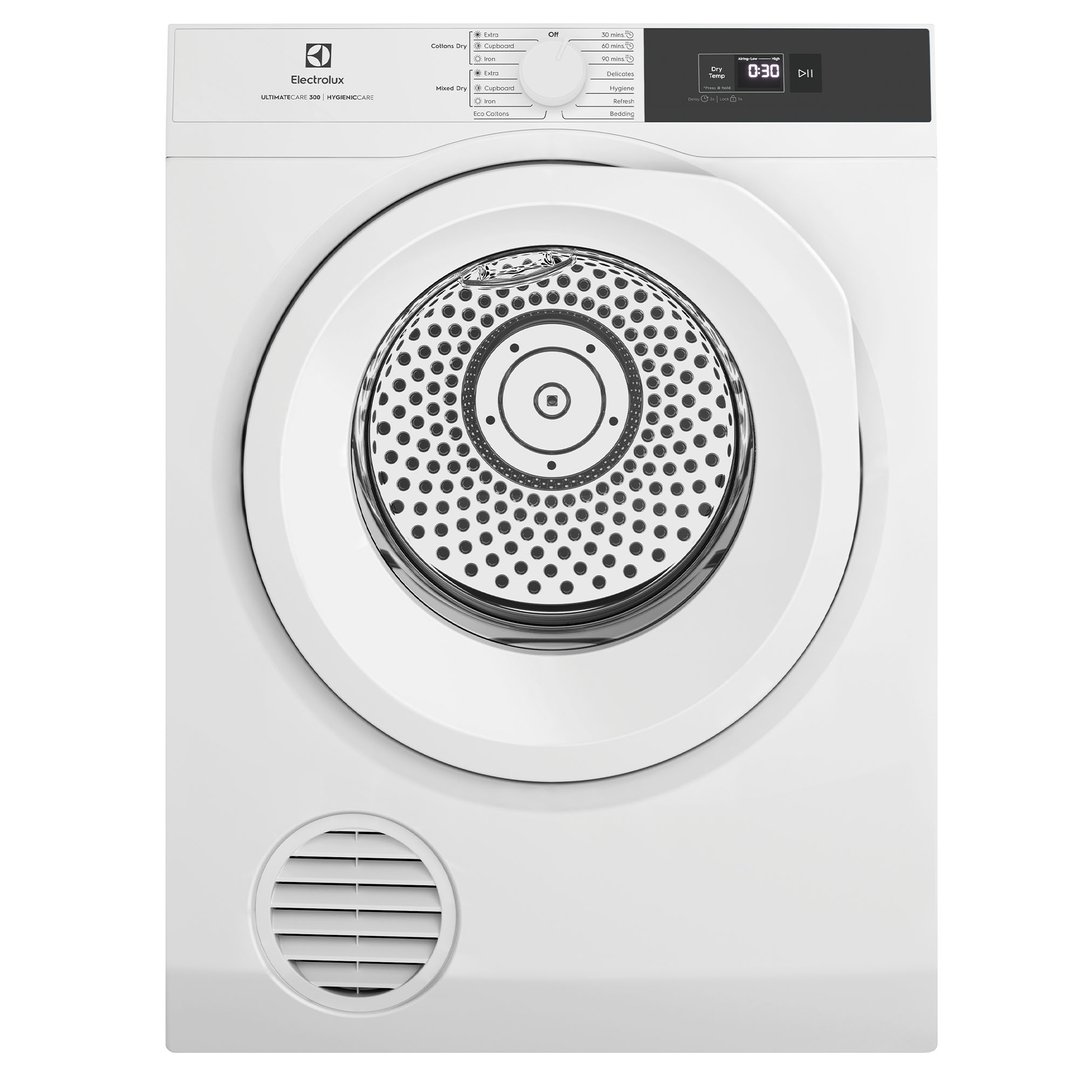

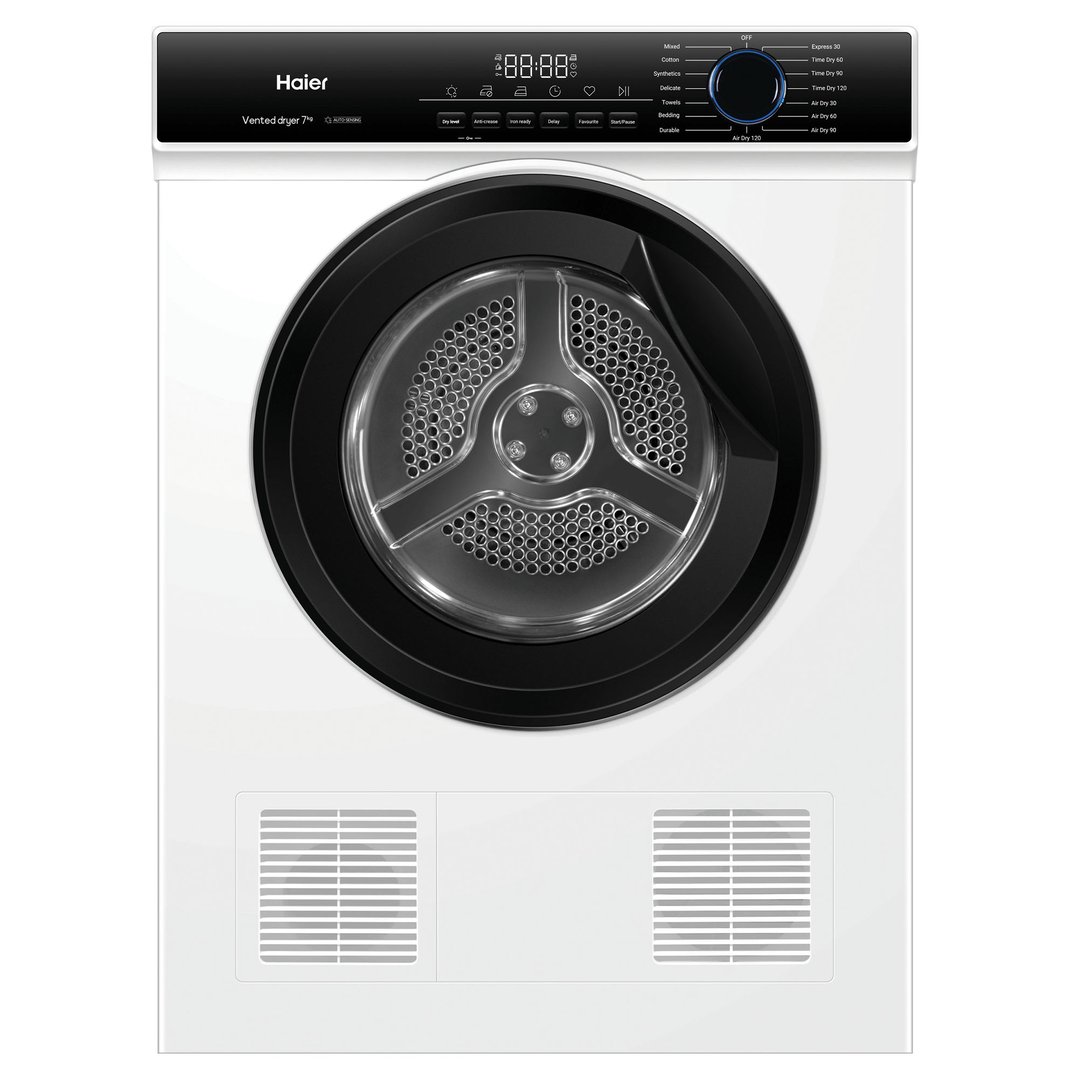

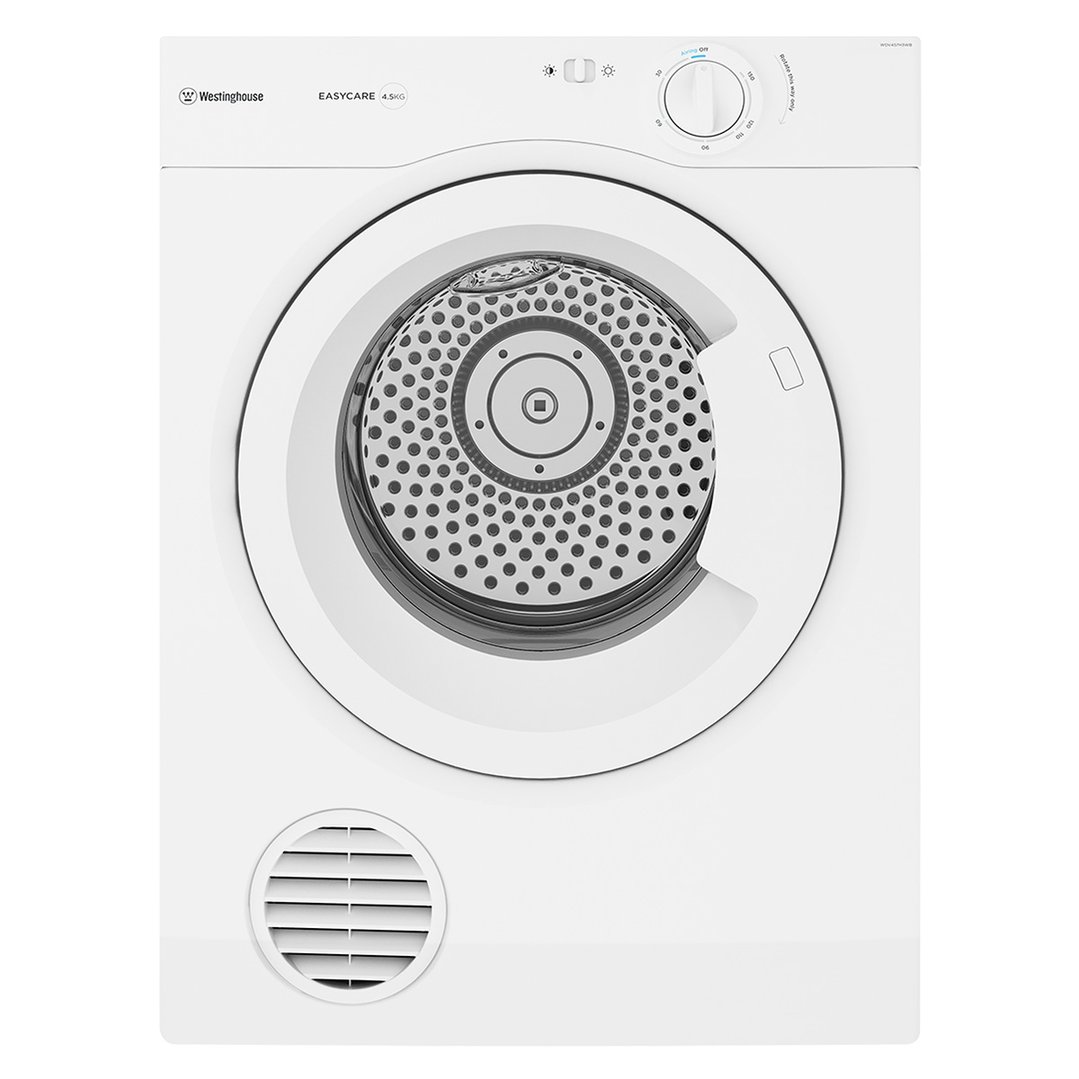
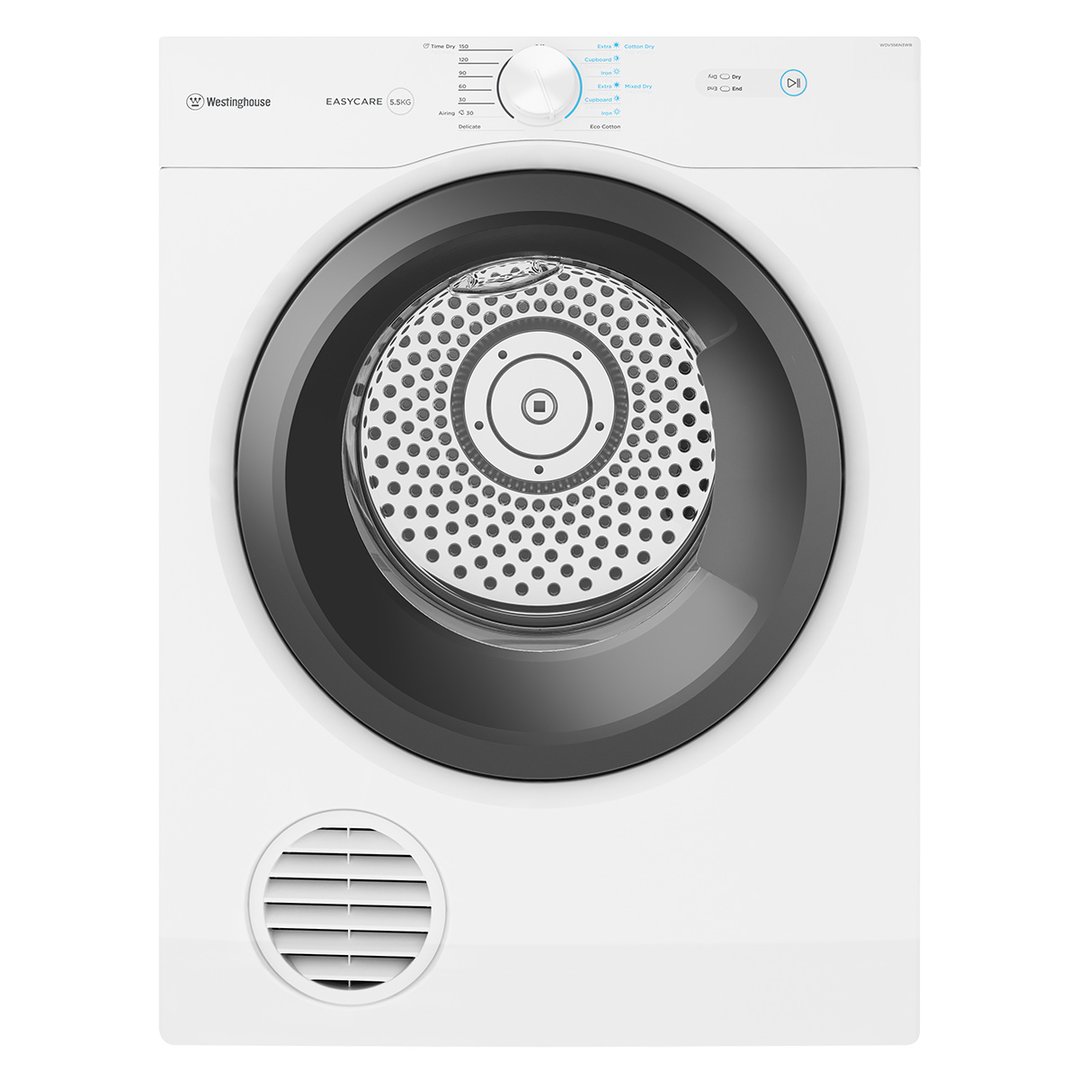
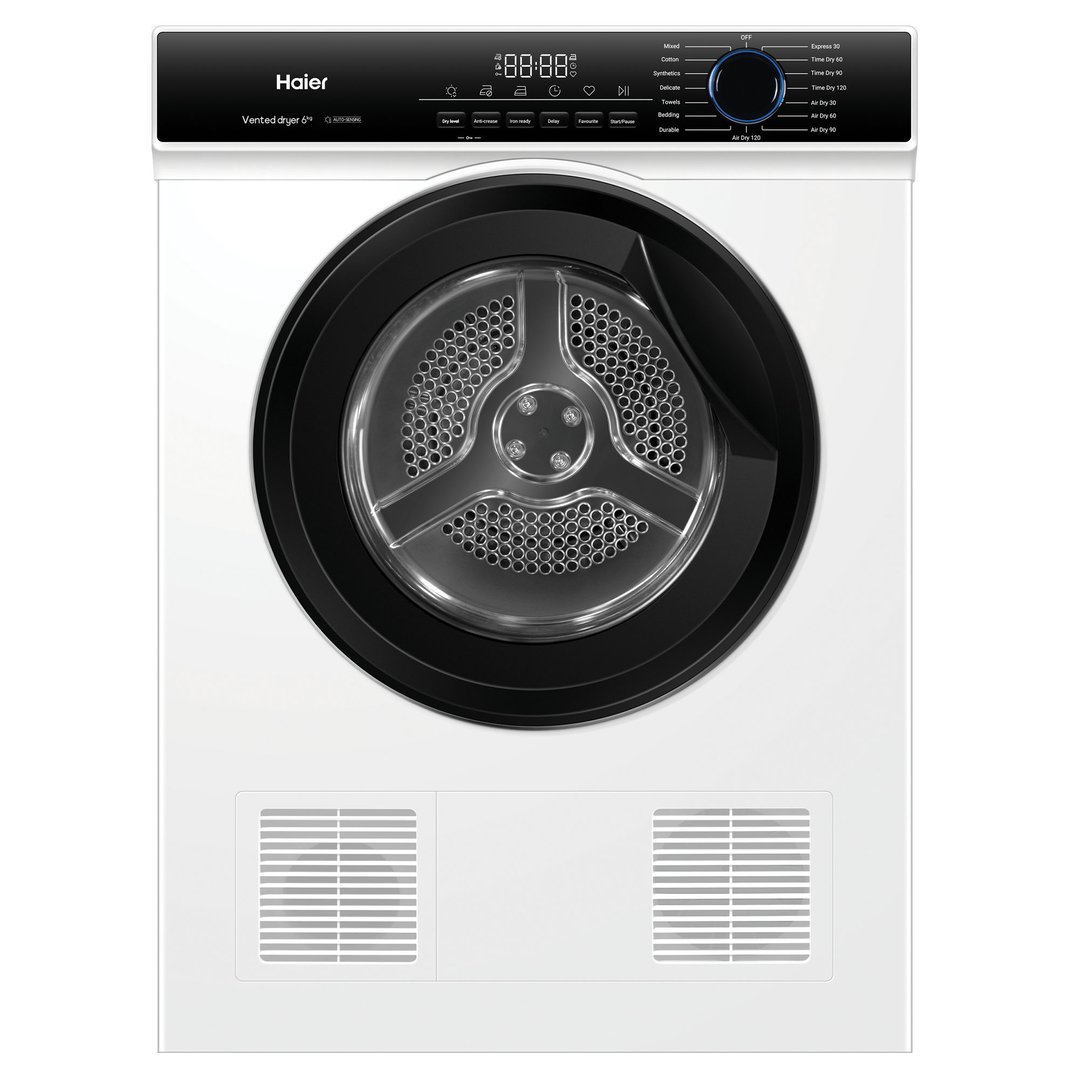
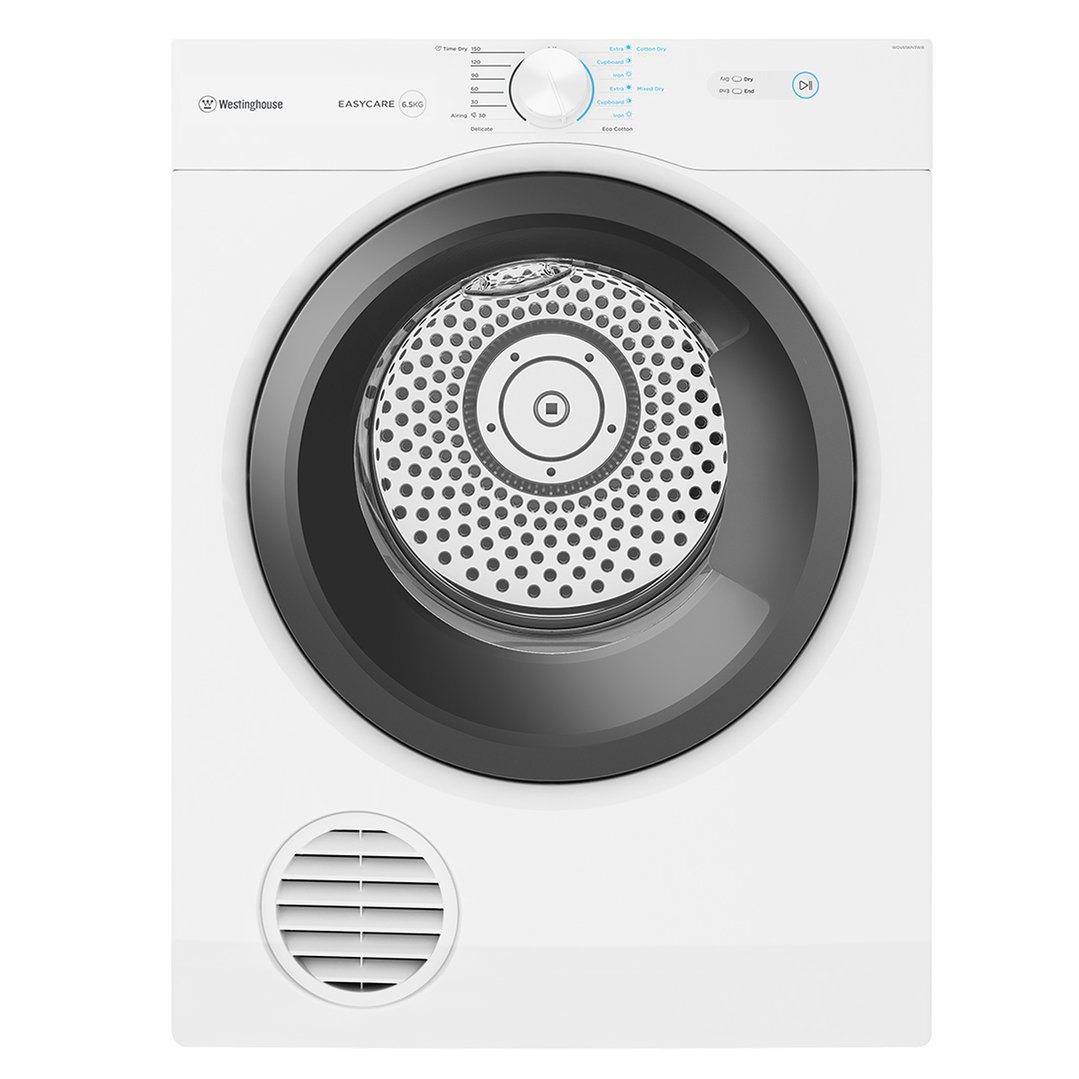

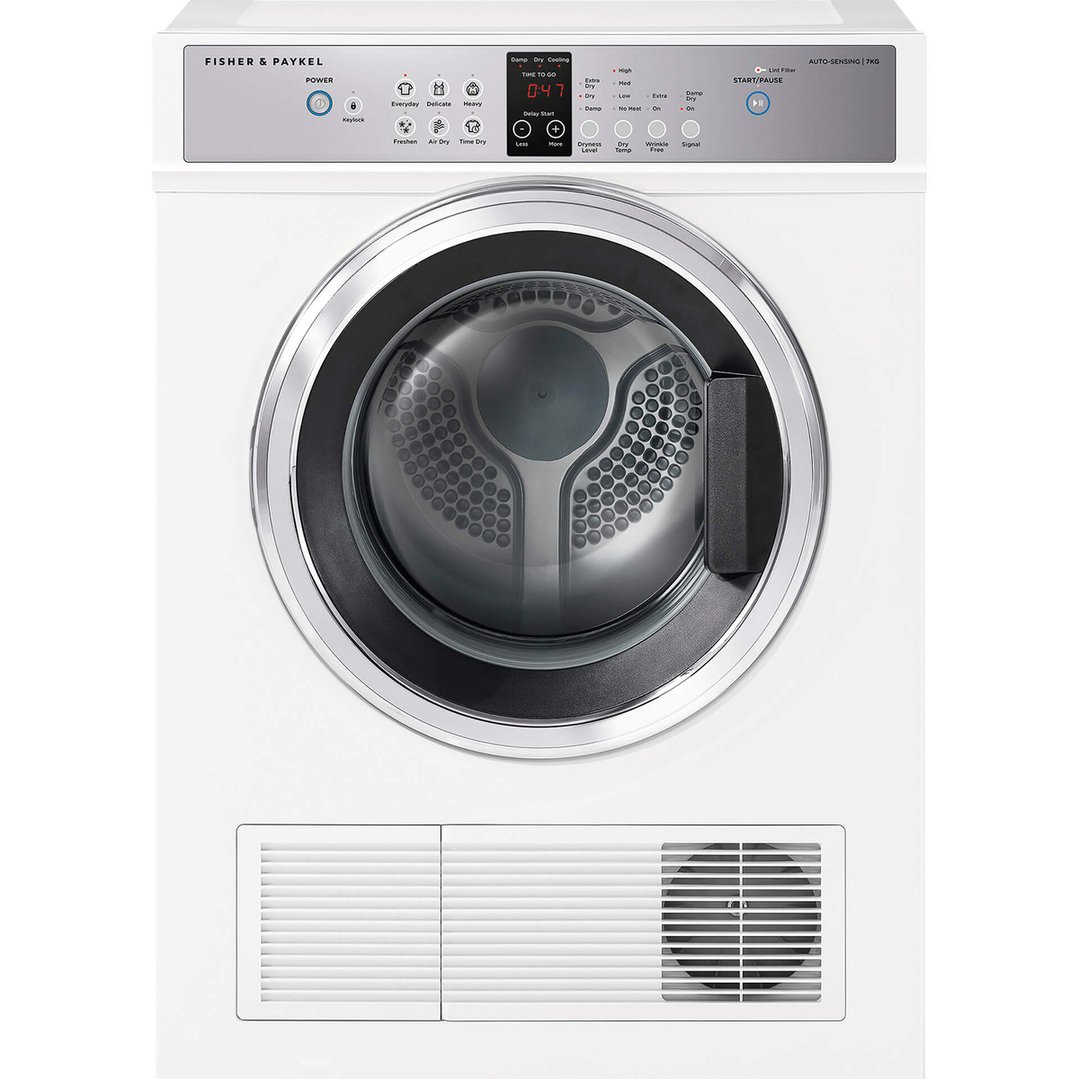


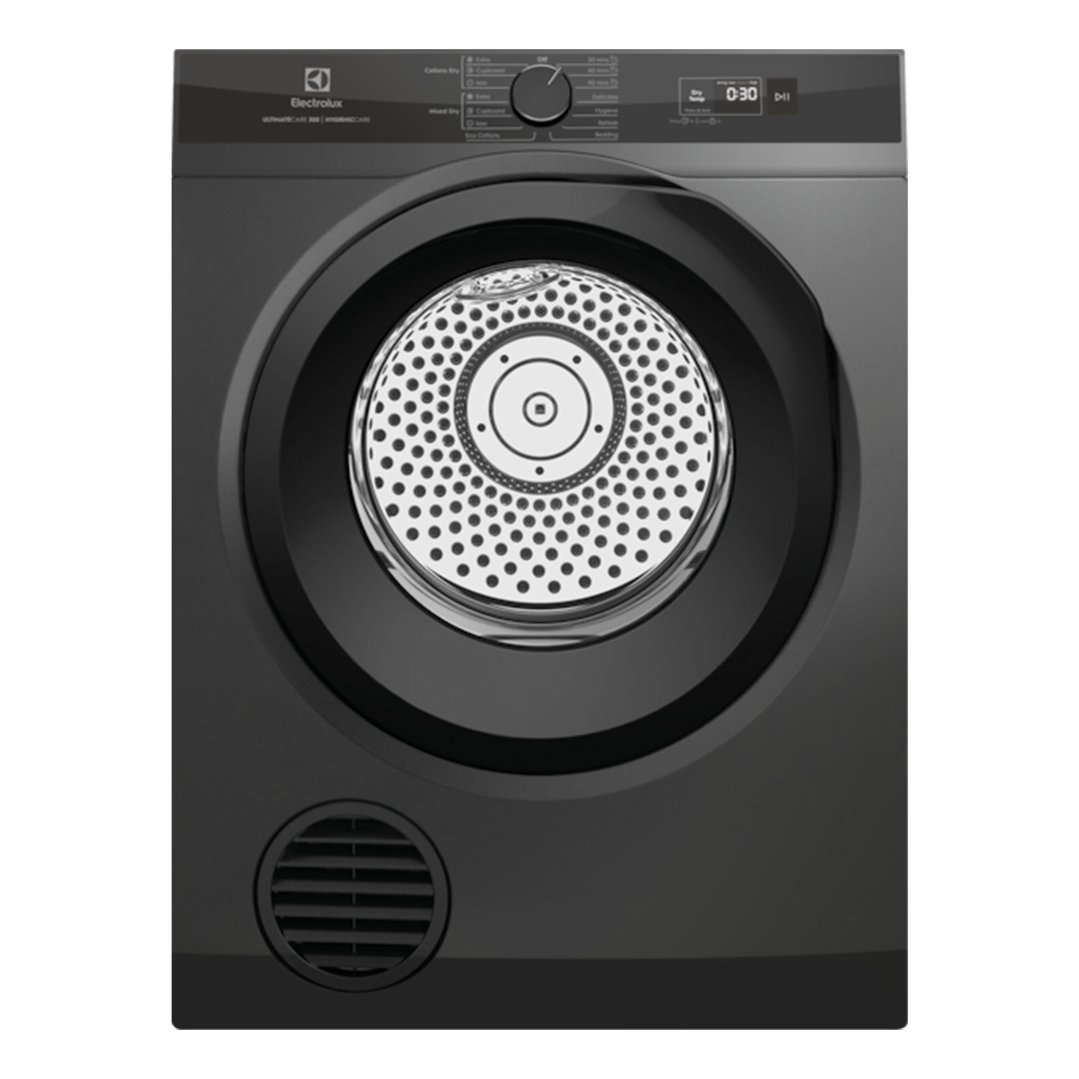
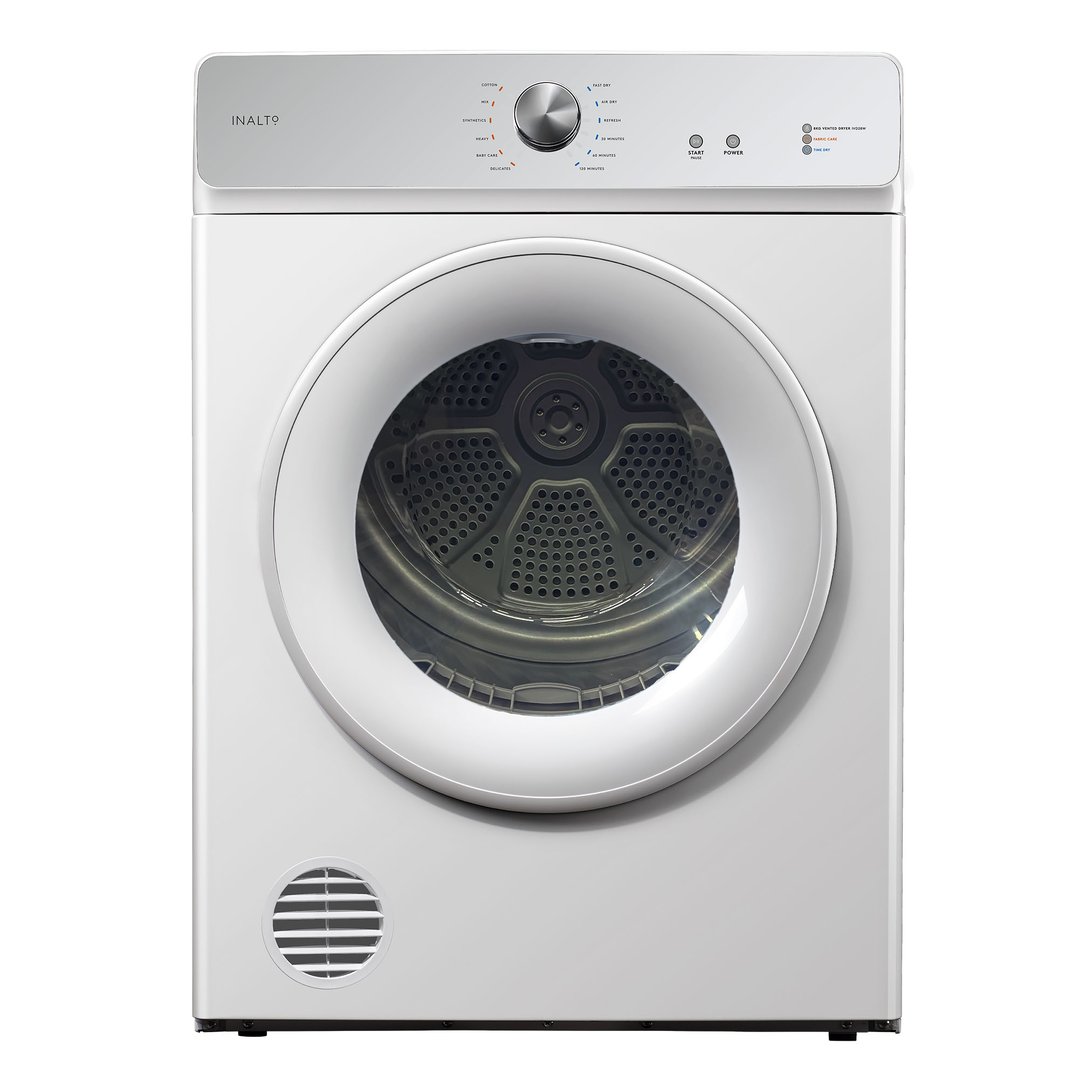
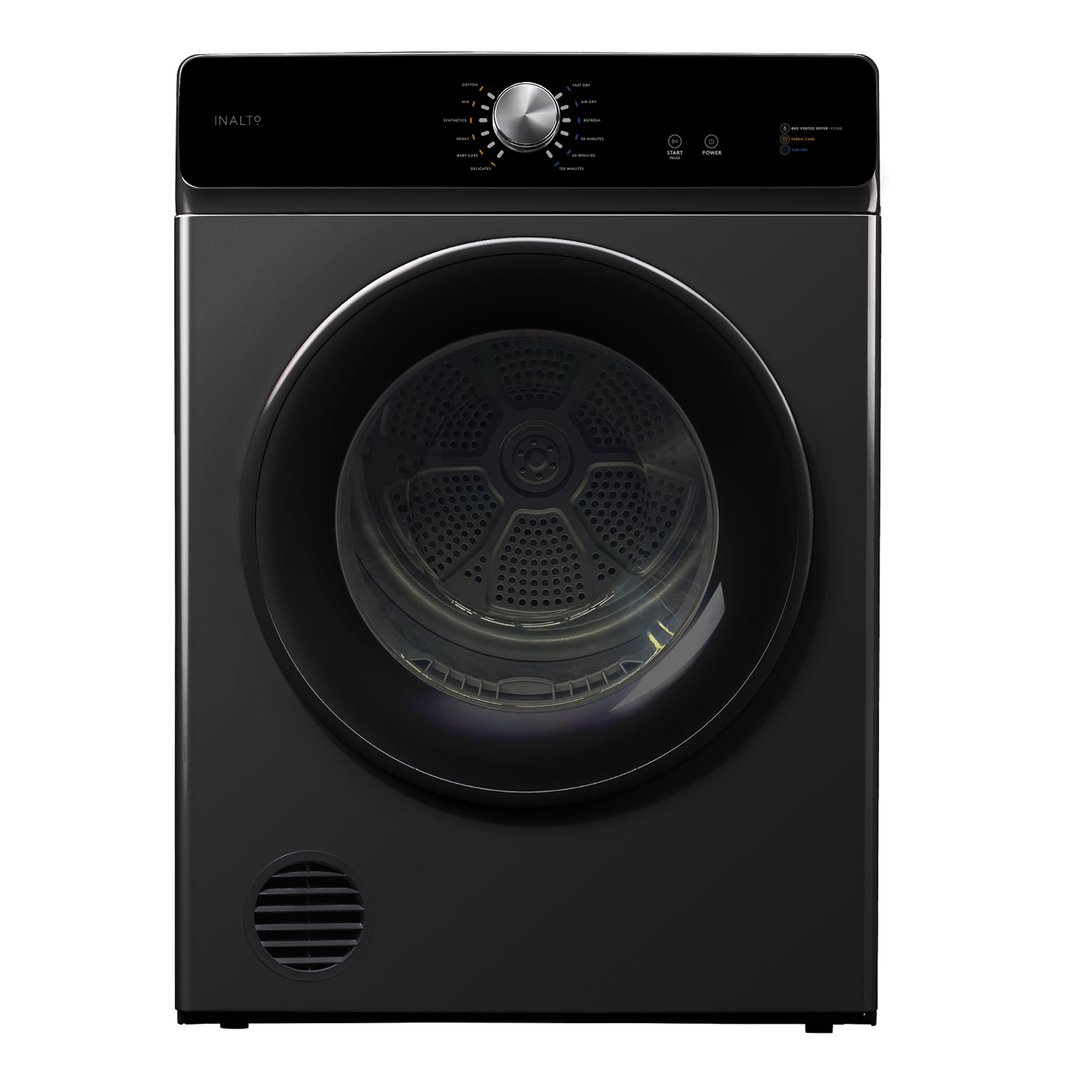
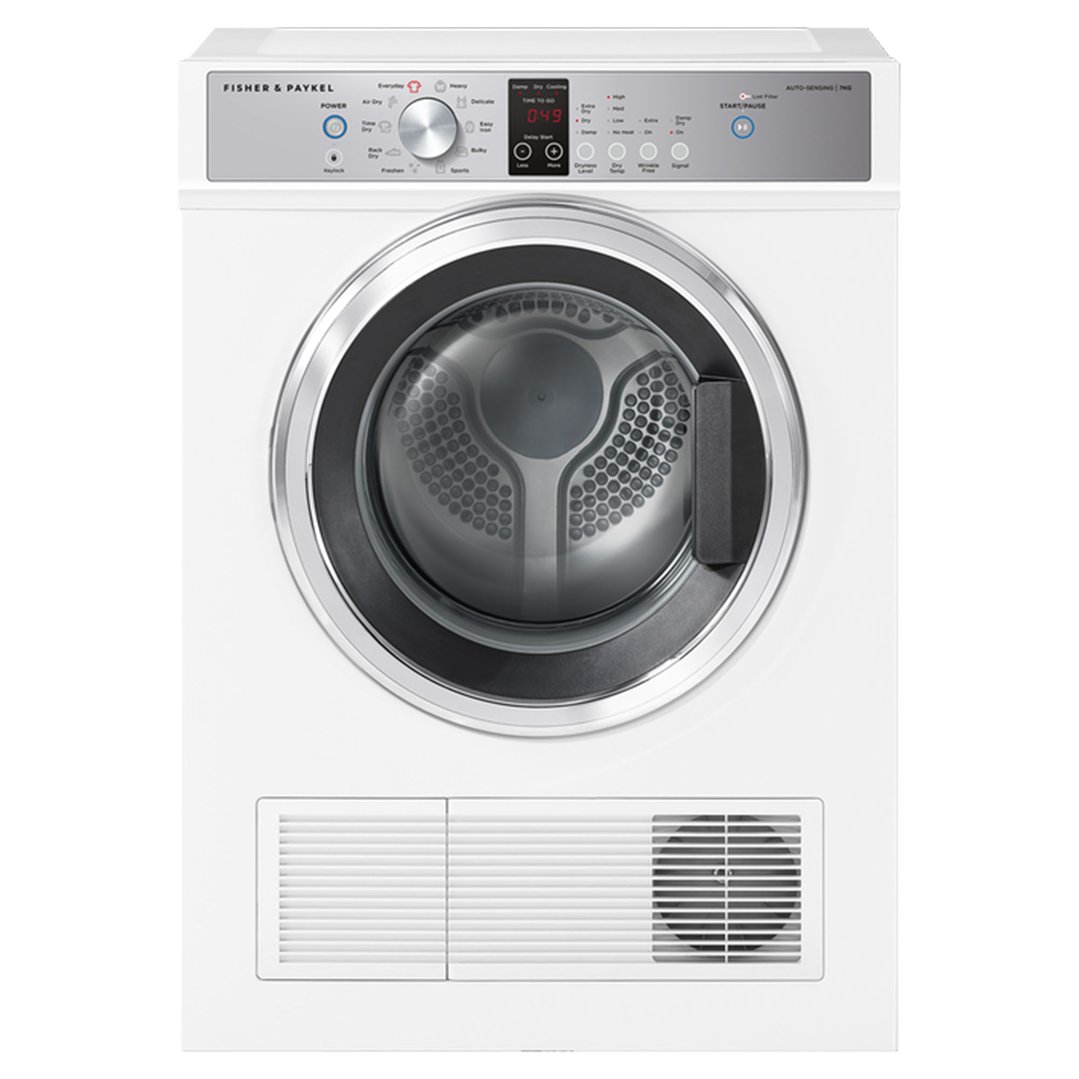
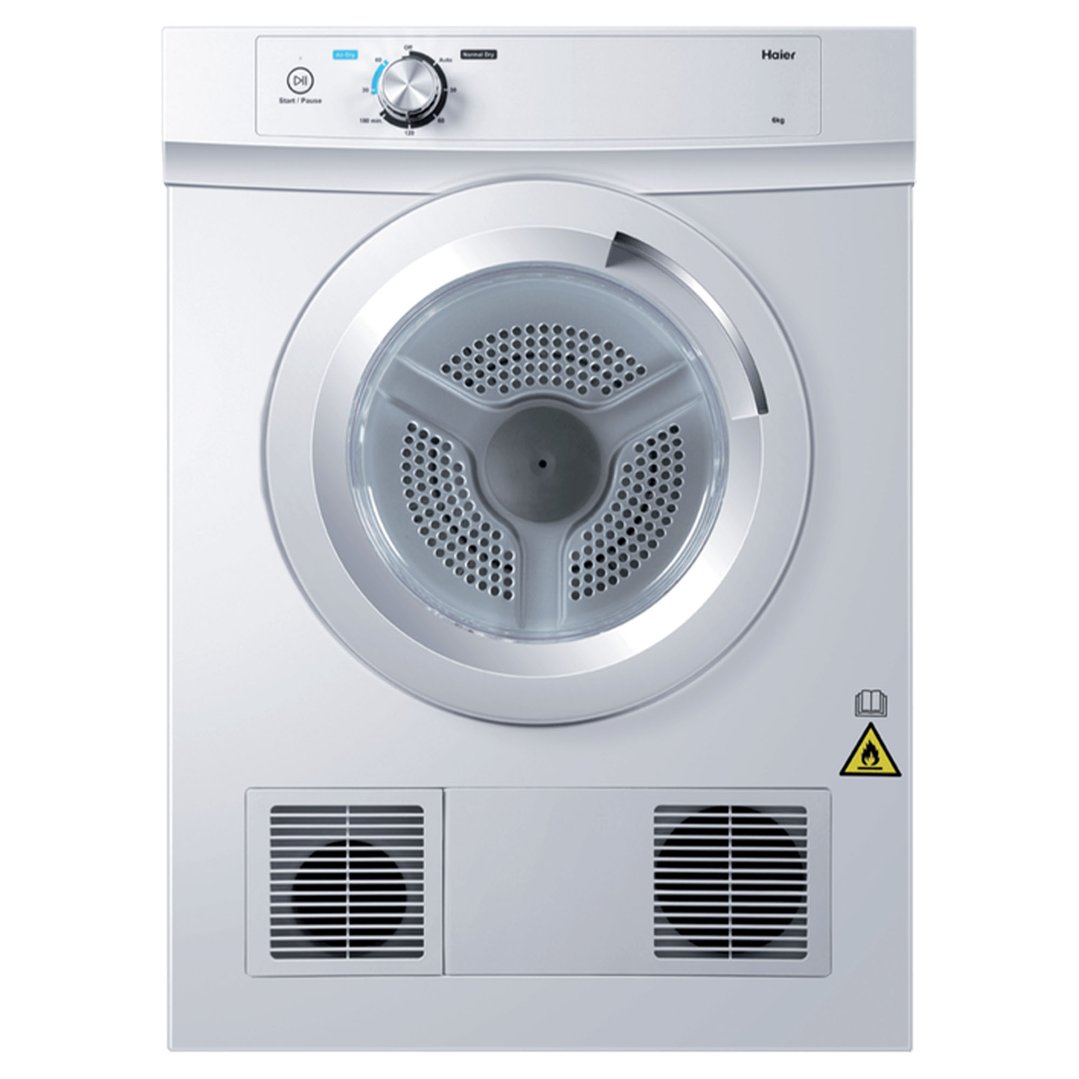
Looking for a no-fuss way to dry your clothes that won’t break the bank? A vented dryer is one of the most straightforward and affordable clothes dryer options available and is often more compact and lightweight than other types, making it a great dryer for small laundries or apartments with proper ventilation. If you're comparing laundry appliances, it’s helpful to understand how a vented dryer stacks up against other types like a gas dryer or heat pump dryer - or whether you’d be better off with an all-in-one washer dryer combo. Explore our full collection of clothes dryers and washers & dryers to find the perfect match for your home.
FAQs
1. What is a vented dryer and what does “vented dryer” mean?
A vented dryer is a type of clothes dryer that works by drawing in air, heating it, and blowing it through the drum to dry your laundry. As your clothes tumble, the heat removes moisture, which is then expelled from the machine through a vent or duct - typically connected to an external wall or window. This ventilation process is where the name “vented dryer” comes from.
Unlike condenser or heat pump dryers, a vented tumble dryer doesn’t store or recycle moisture - it needs a clear path to the outside, making proper installation and airflow essential. This type of dryer is often referred to as a traditional dryer because it’s one of the oldest and simplest drying technologies still in use.
Vented clothes dryers are popular for their fast drying speeds, relatively low cost, and straightforward functionality. They're an excellent choice for households with access to external ventilation and for those looking for an efficient, no-frills appliance. If you're setting up a new laundry or replacing an old model, a vented dryer is worth considering for its simplicity, reliability, and ease of use.
2. What is the difference between a heat pump dryer and a vented dryer?
The difference lies in how they handle moisture and energy. A vented dryer releases hot, damp air outside, while a heat pump dryer recycles and reuses air within a closed system, storing moisture in a tank. This makes heat pump dryers more energy-efficient and ideal for enclosed spaces - but they come at a higher price point. If you're after quicker drying at a lower upfront cost, a vented dryer may be the better option.
3. What are the pros and cons of using a vented clothes dryer?
Here are a few reasons many people choose a vented clothes dryer:
- Faster drying times than condenser or heat pump models
- Lower purchase price, ideal for budget-conscious shoppers
- Simple maintenance with fewer moving parts
However, they do require a suitable venting setup and may consume more energy over time. If ventilation is an issue in your home, consider exploring a gas dryer or heat pump dryer instead.
4. What should I look for in the best vented dryer?
To find the best vented dryer for your home, consider the following:
Capacity – Choose a size that matches your laundry load needs (e.g. 5kg for singles, 7–8kg for families)
Energy rating – Look for a high star rating to help manage long-term energy costs
Features – Options like reverse tumbling, auto-sensing, or anti-crease modes can make a big difference
Installation – Make sure your laundry space has proper ventilation or access to an external wall
Need more guidance? Our full range of washers & dryers includes expert-picked models to suit every household and budget, or check out our Dryer Buying Guide for more info.