Buying Guides
How to Choose the Best Heater for Your Space and Budget

Finding the right heater for your home ensures you'll stay warm and cosy during the winter months, but there are a number of different home heating options out there. With such a wide range of gas and electric heaters available, it can be hard to know what's the most efficient and cost-effective space heater for your home. To make deciding easier, we've broken down the different types of heaters available and suggested what spaces they're most suitable for.
Jump to
| Heater Type | Best For | Pros | Cons |
|---|---|---|---|
| Fan Heaters | Small rooms, quick heat | Portable, fast warm-up | Noisy, less efficient |
| Panel Heaters | Medium rooms, overnight use | Quiet, safe for kids | Higher initial cost |
| Oil Column Heaters | Bedrooms, long heat retention | Silent, energy-efficient over time | Slow to heat up |
| Radiant Heaters | Spot heating, outdoor areas | Direct warmth, instant heat | Limited coverage |
| Gas Heaters | Large, uninsulated areas | Powerful, low running | Needs ventilation or gas point |
| Reverse Cycle AC | Whole-home, year-round use | Energy-efficient, doubles as cooler | Expensive upfront |
LARGE ROOM HEATER
If you have a large living room, particularly an open plan living space or room with a high ceiling, a powerful gas heater is your best option. Gas heaters are also excellent if you don’t have insulation or double-glazing in your home. They heat and circulate the air evenly around the room. This isn’t always possible with electric heaters, especially ones that heat an area directly. Between 2000 and 24000W is usually suitable for larger rooms.
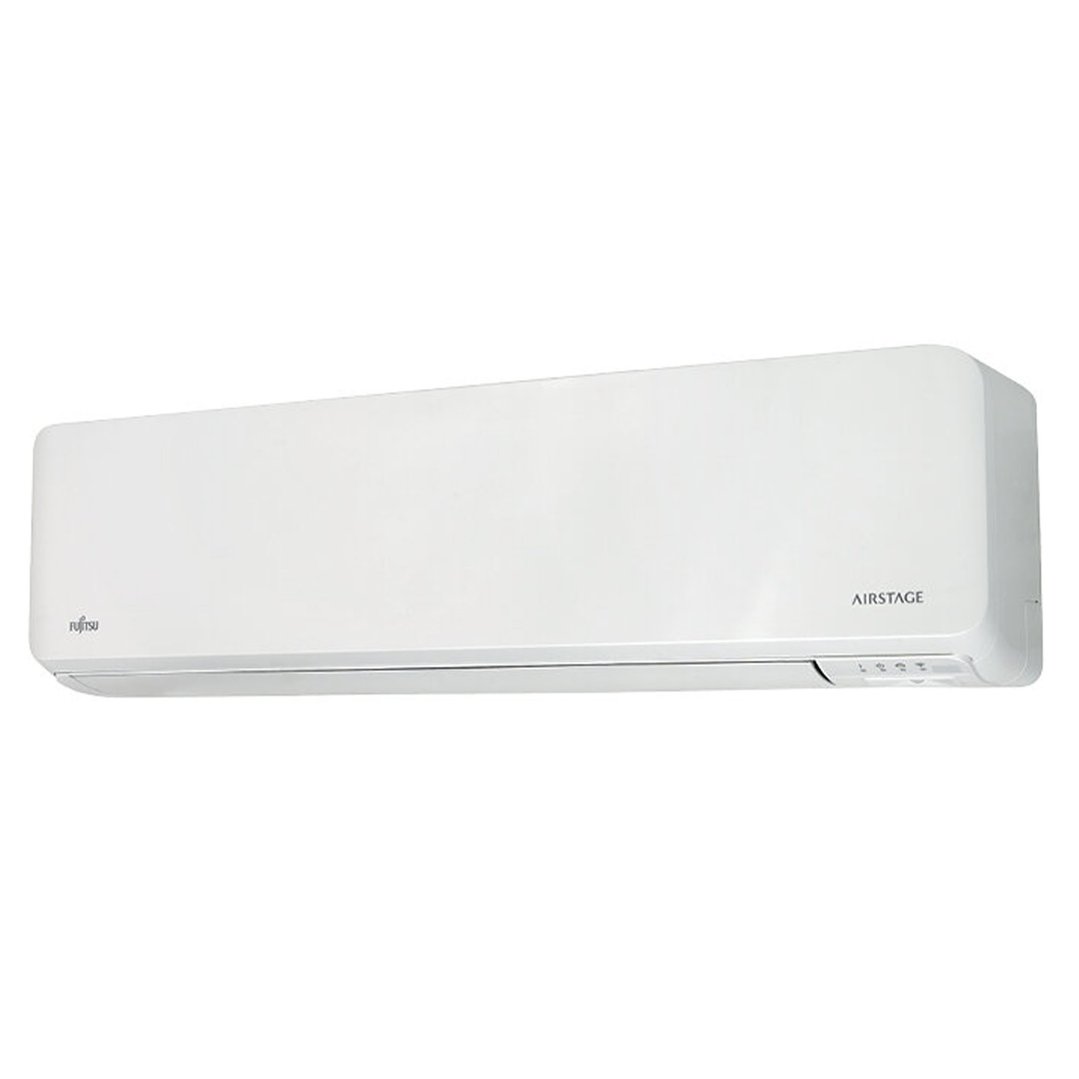
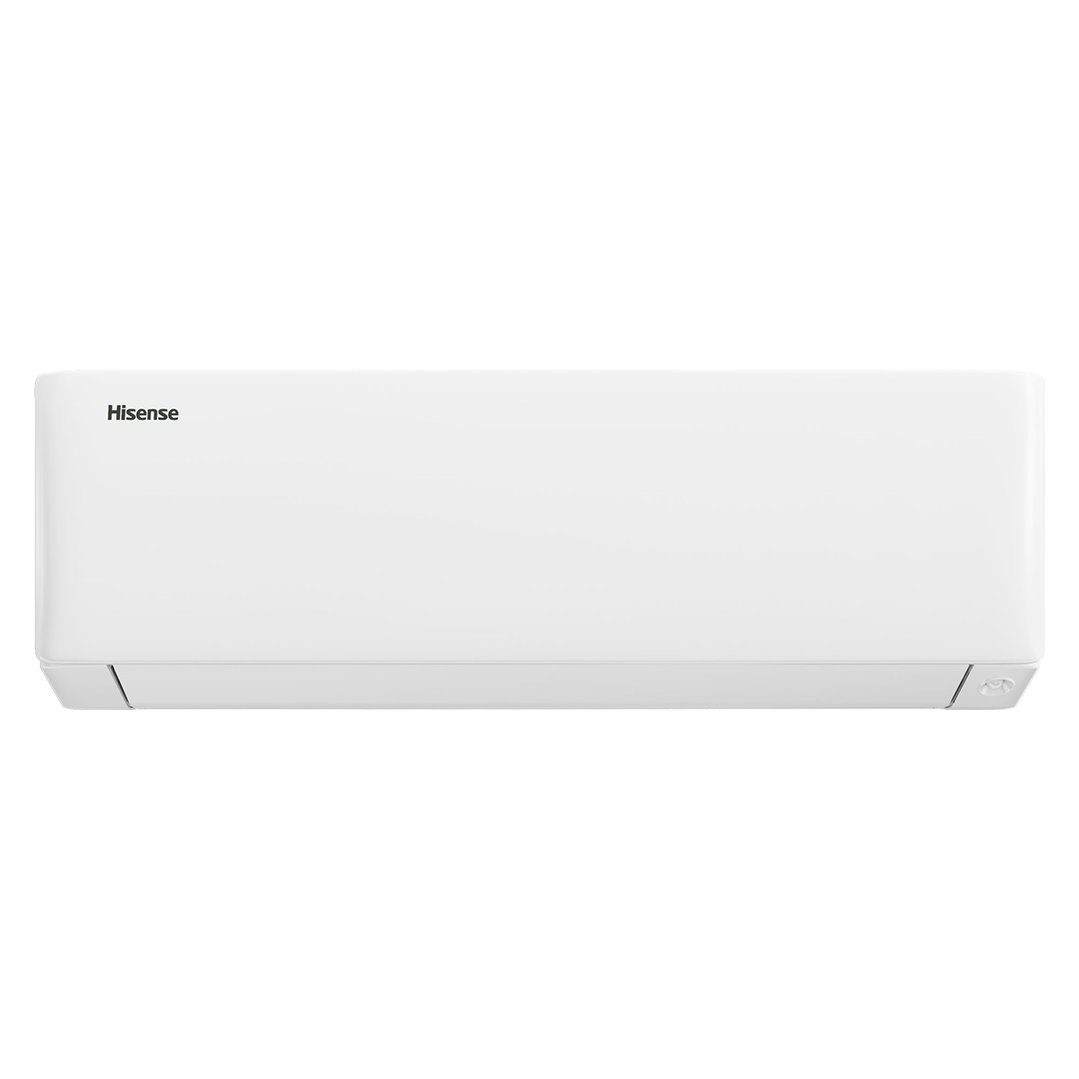
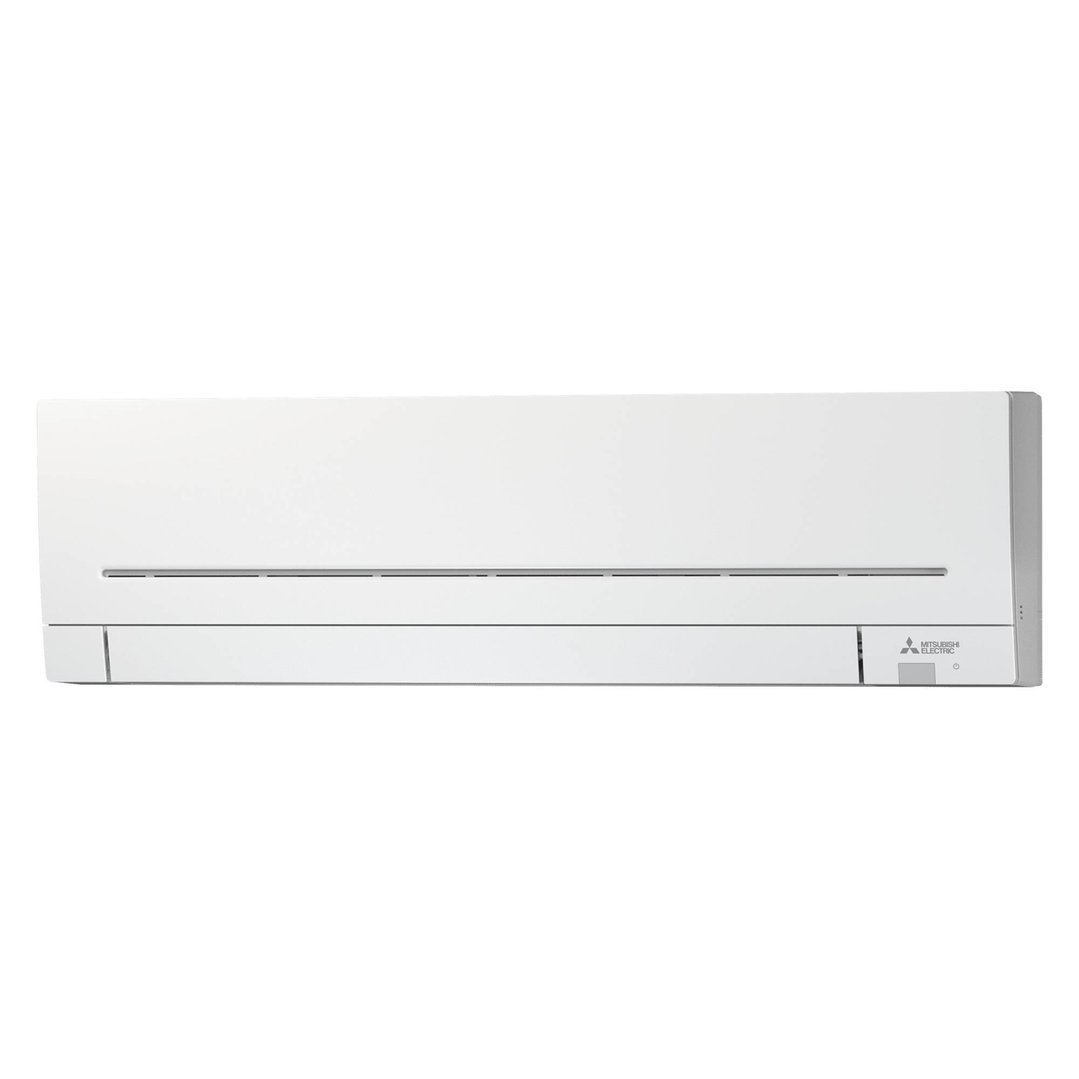
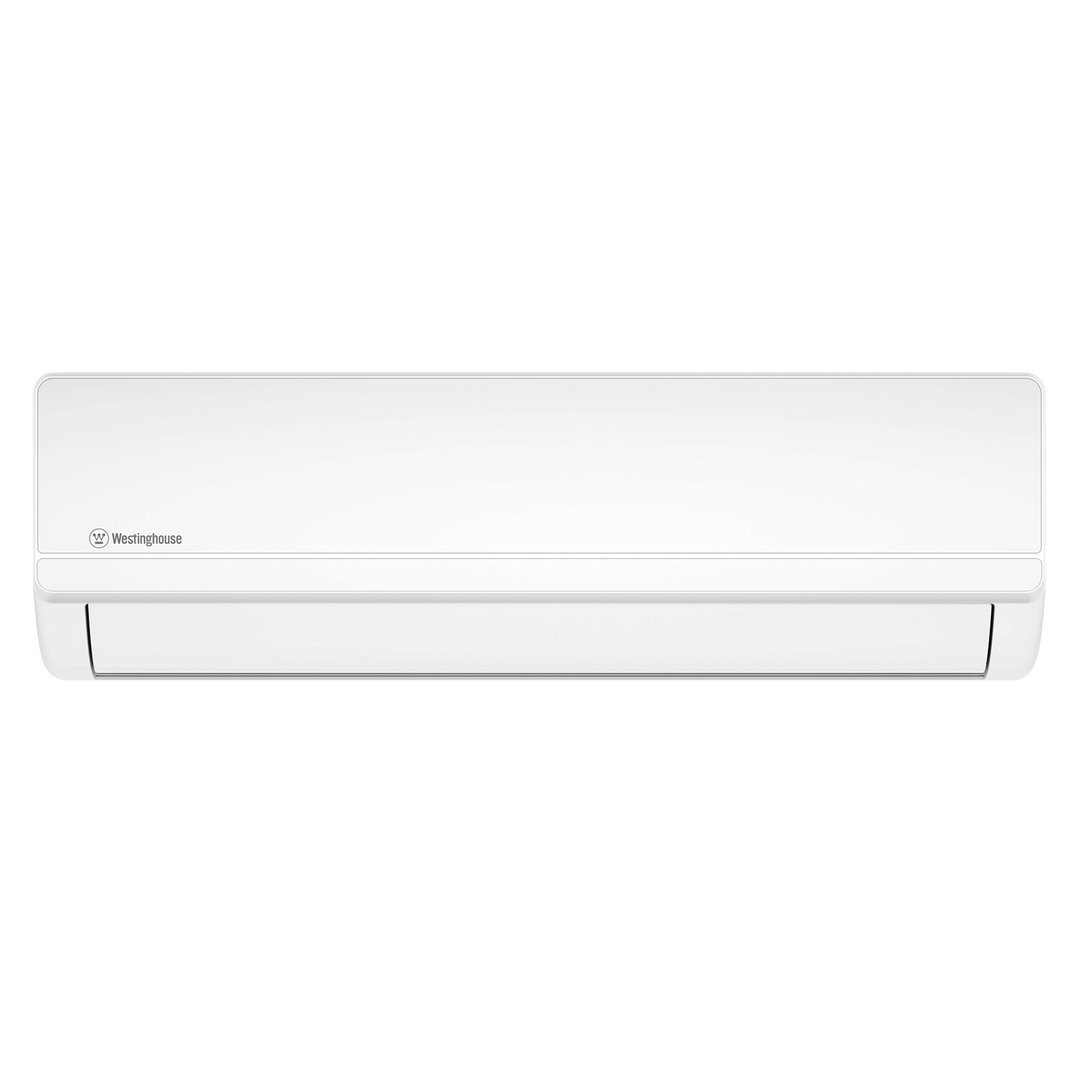
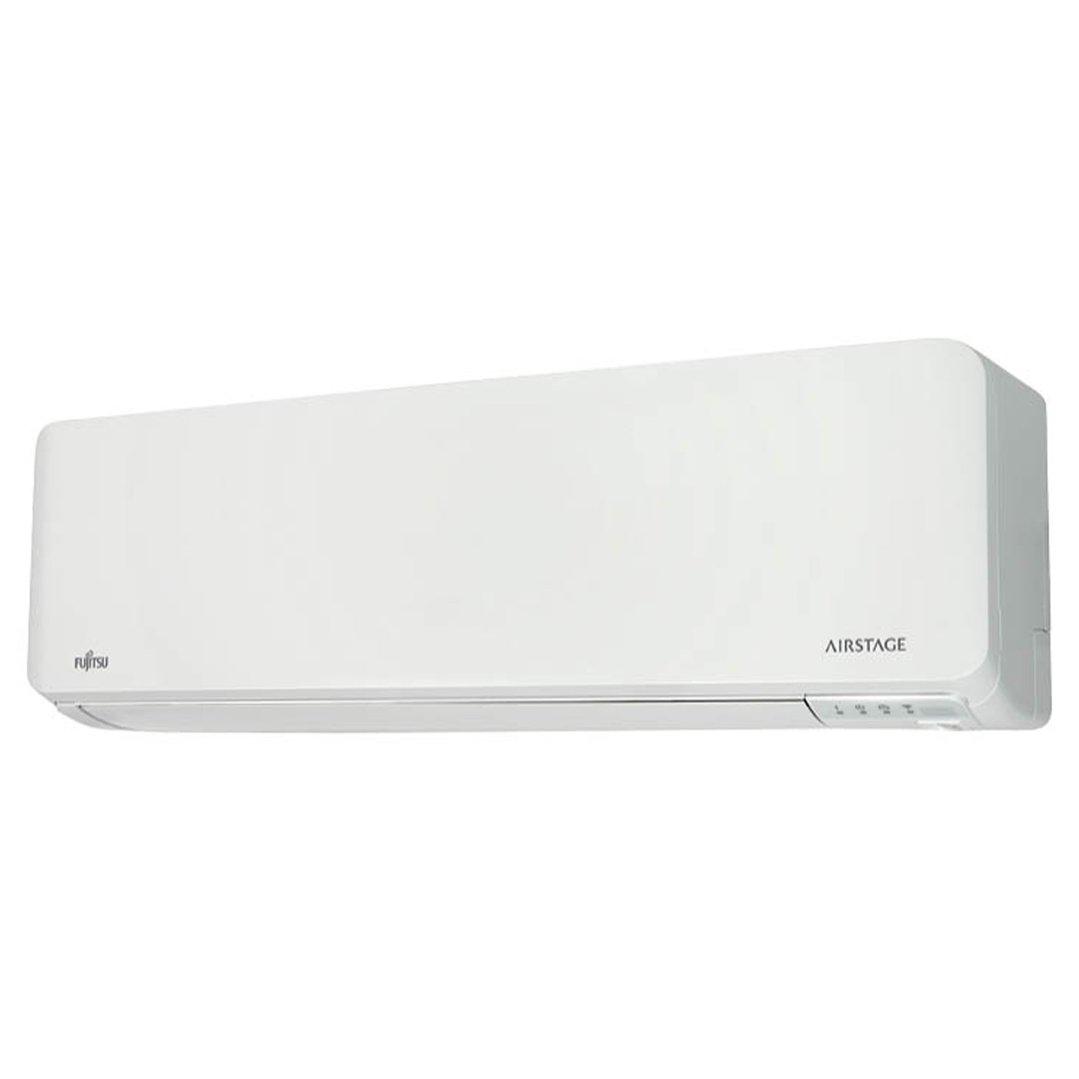
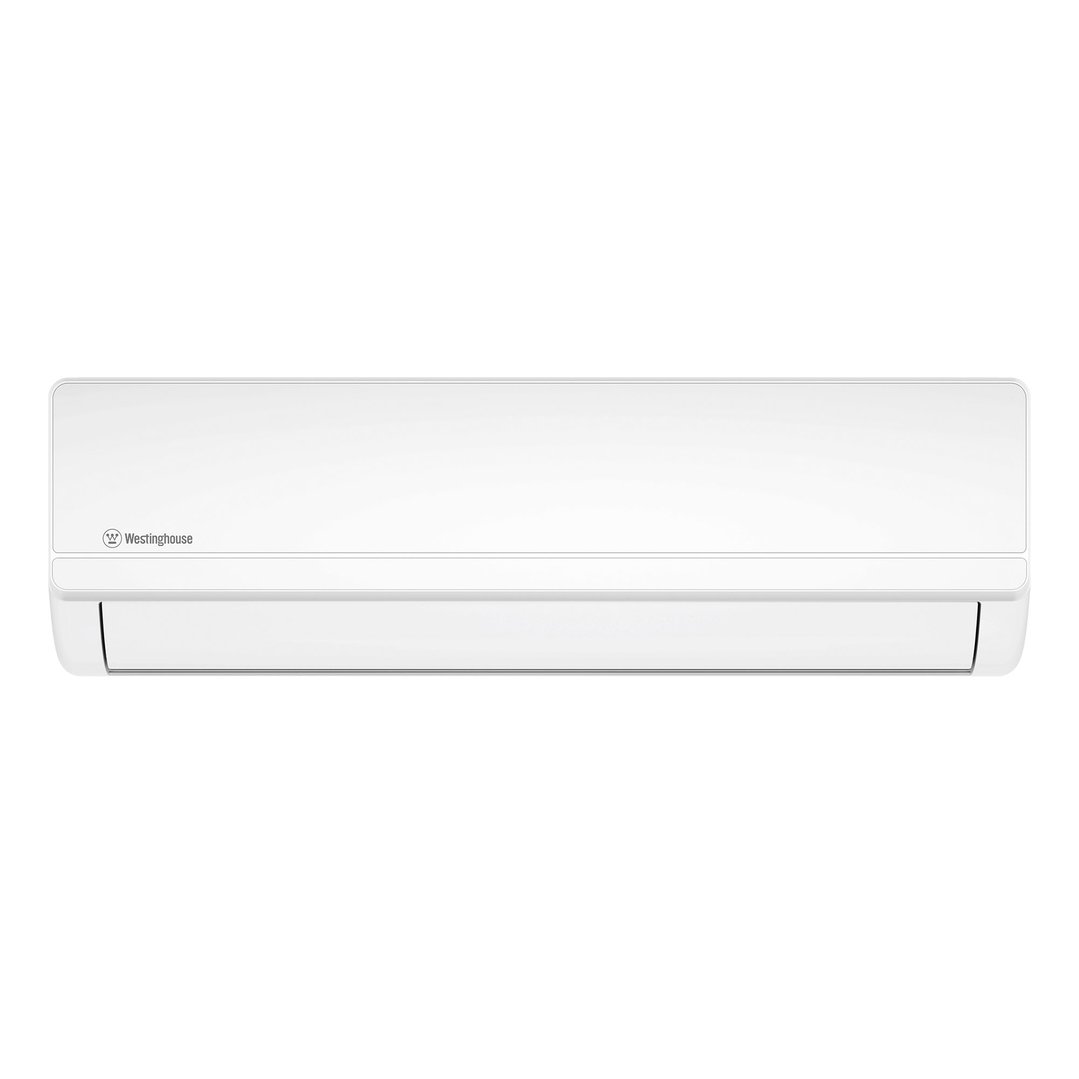
If you don’t want a gas heater, a reverse-cycle air-conditioner is another effective home heating option for larger rooms. Quality gas heaters and reverse-cycle air conditioners tend to cost a little more upfront than electric heaters, but they’re less costly to run, and you can spread the payments out with Afterpay or ZipPay at Bing Lee.
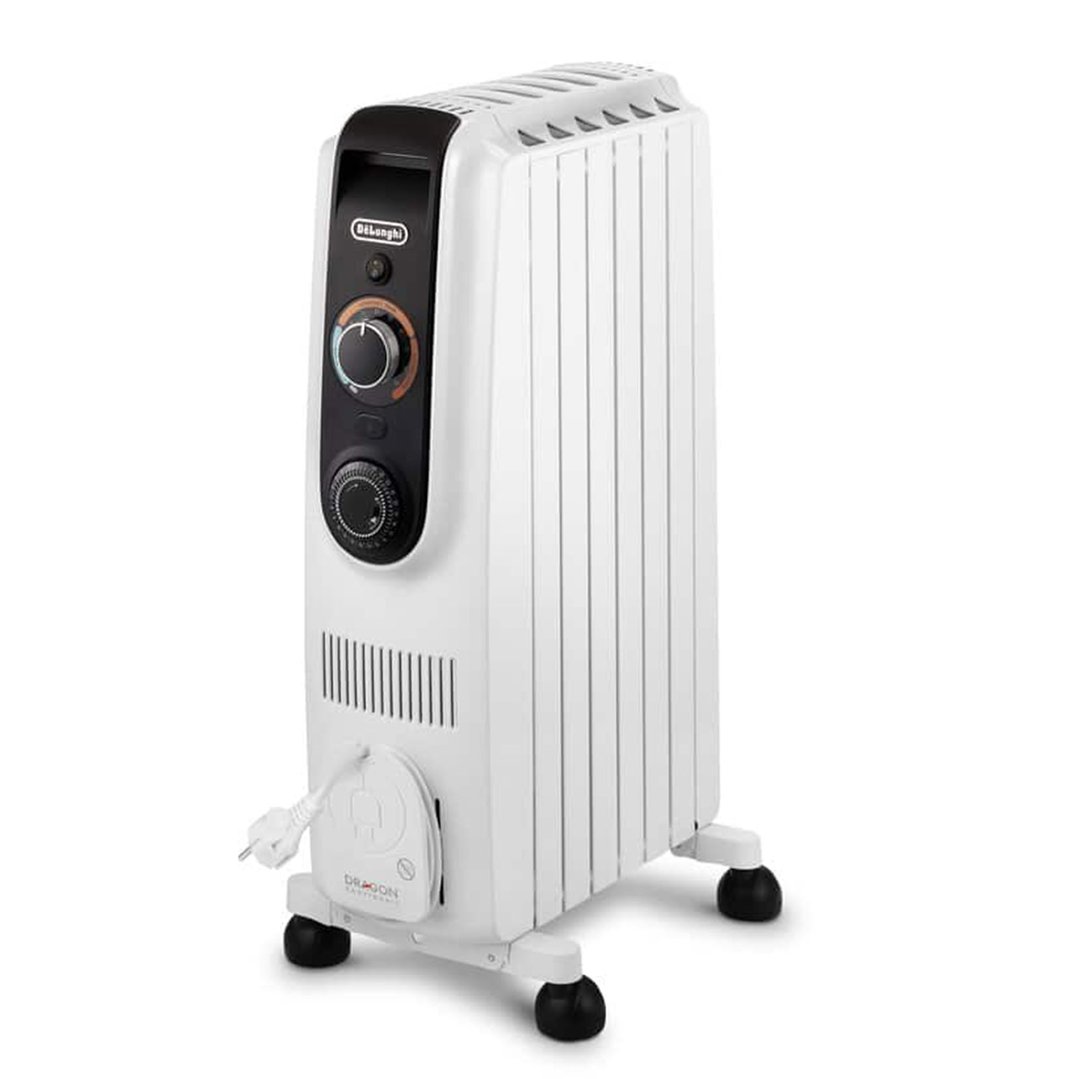
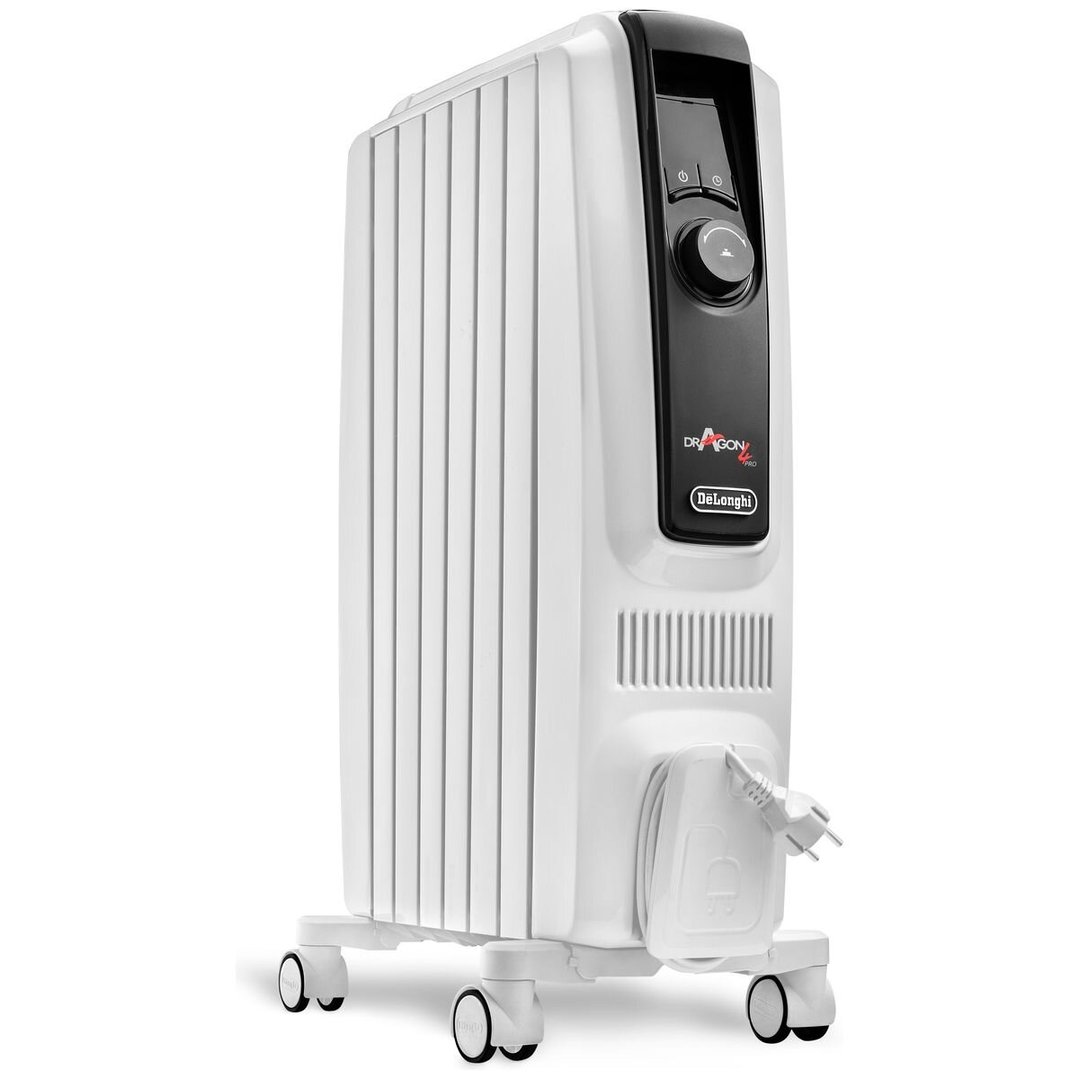
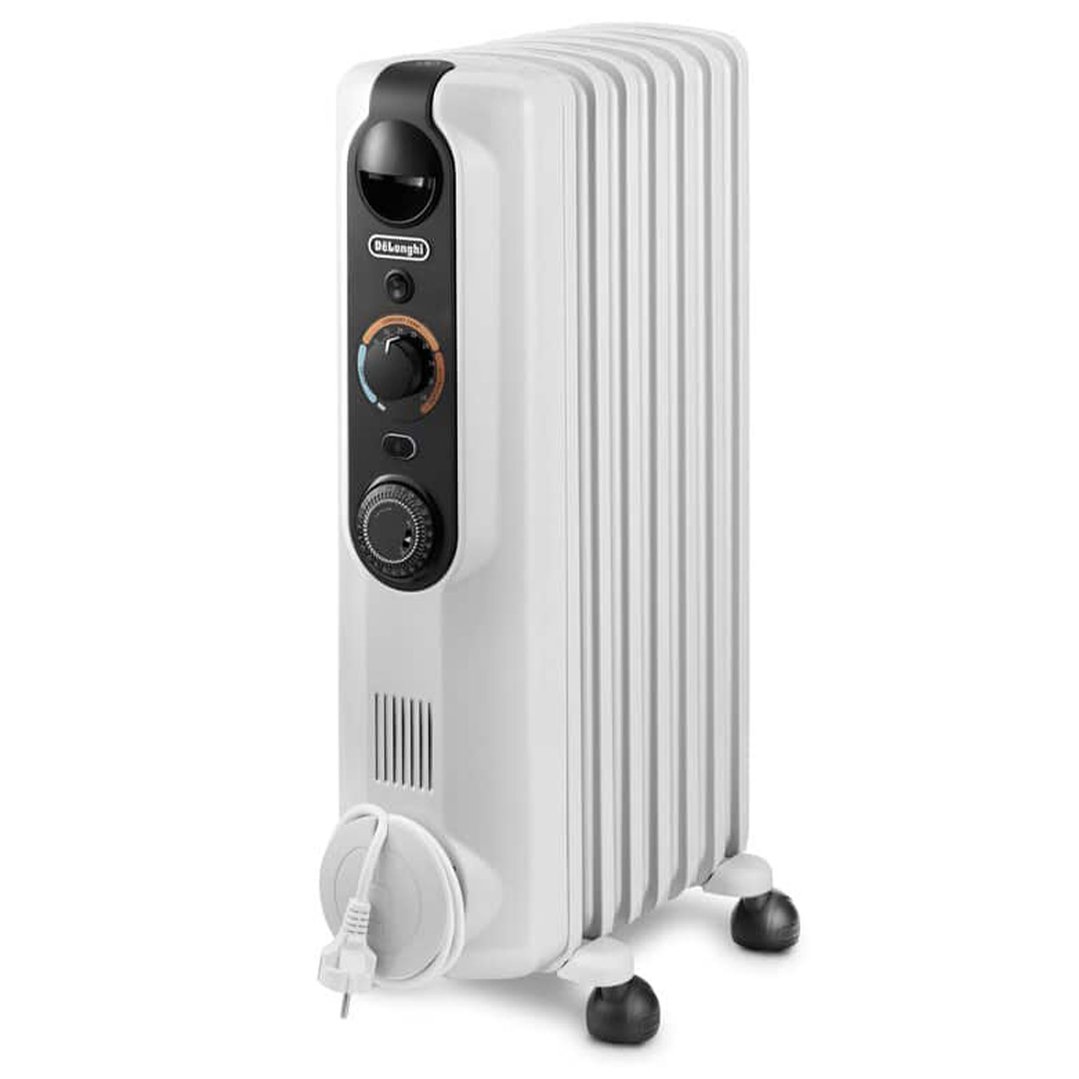
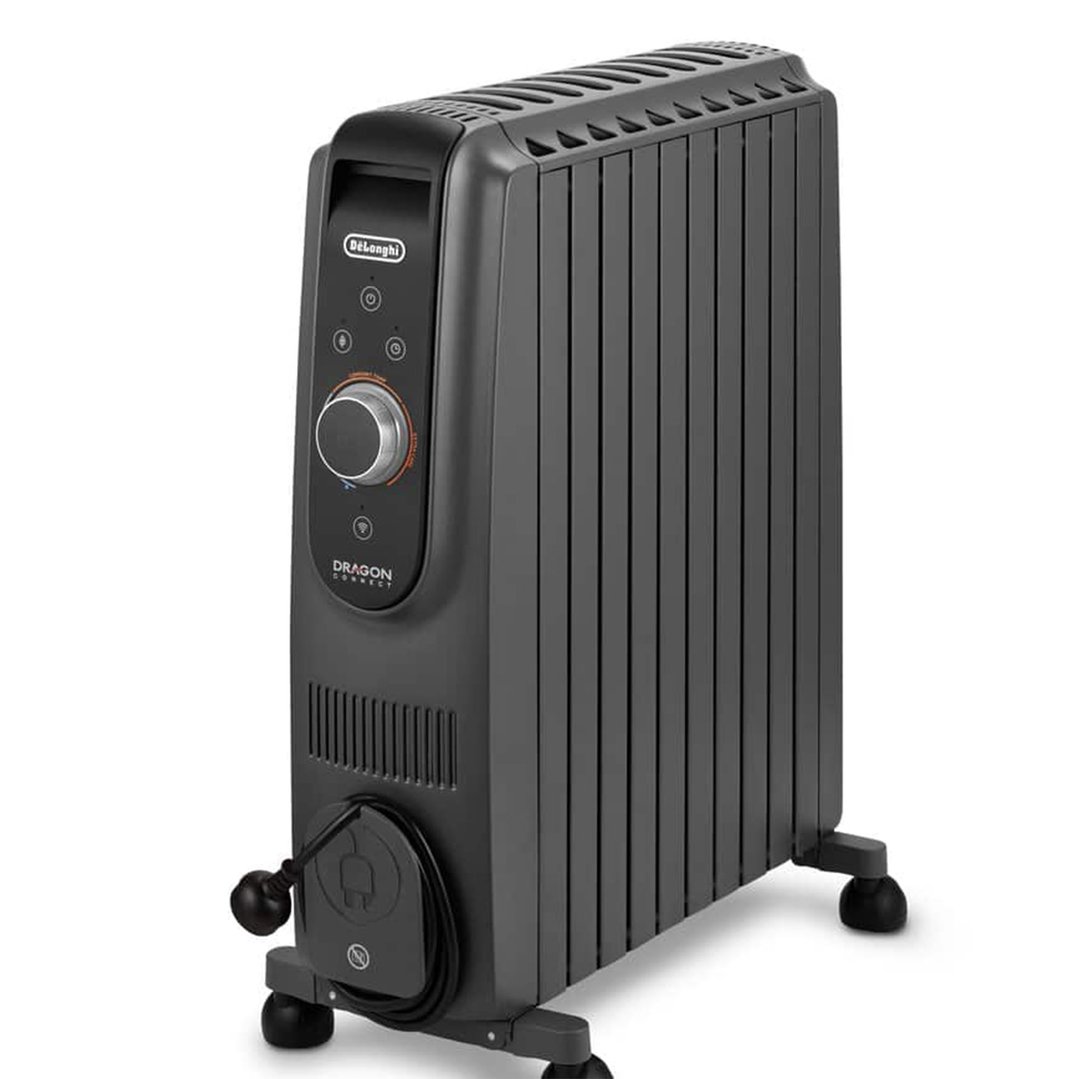
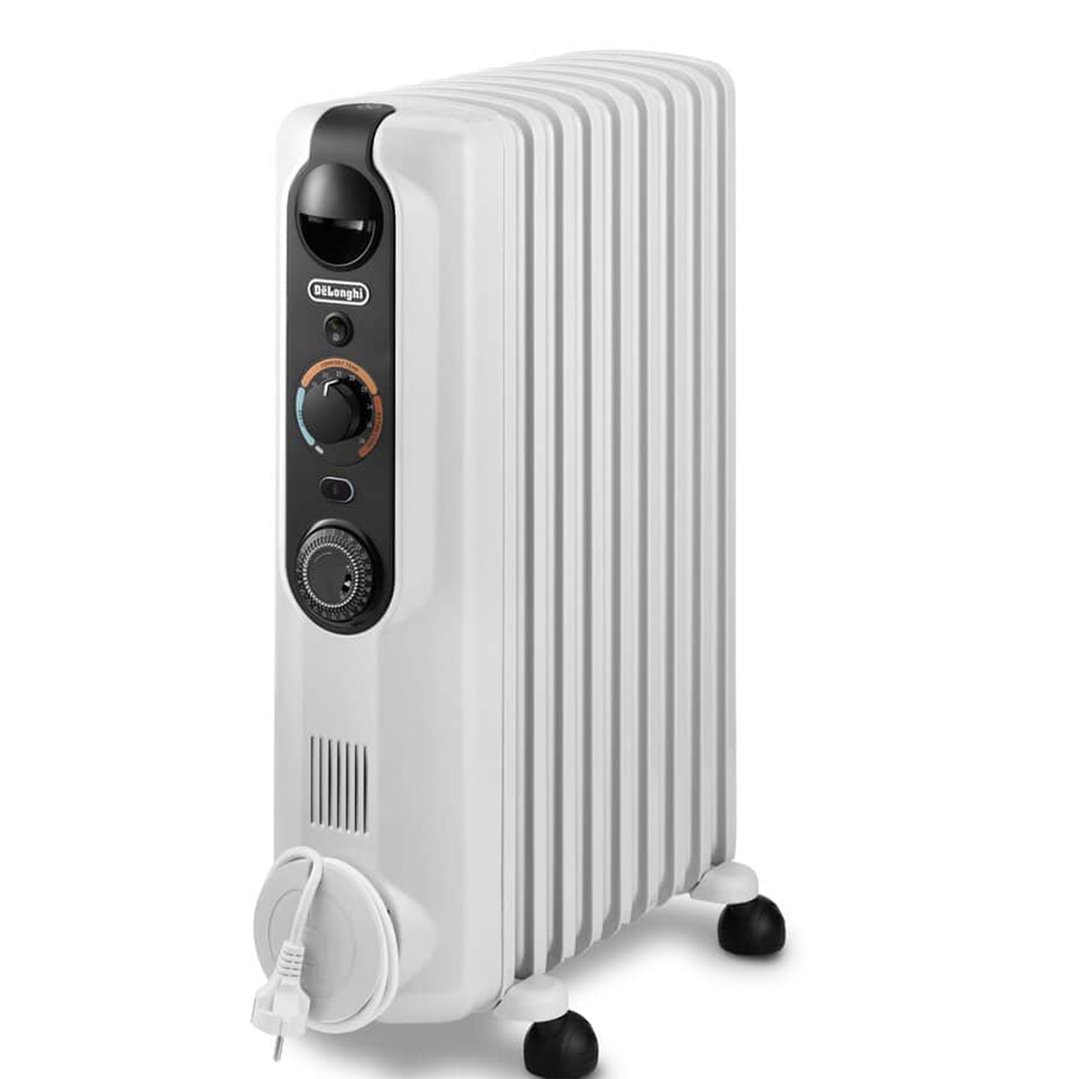
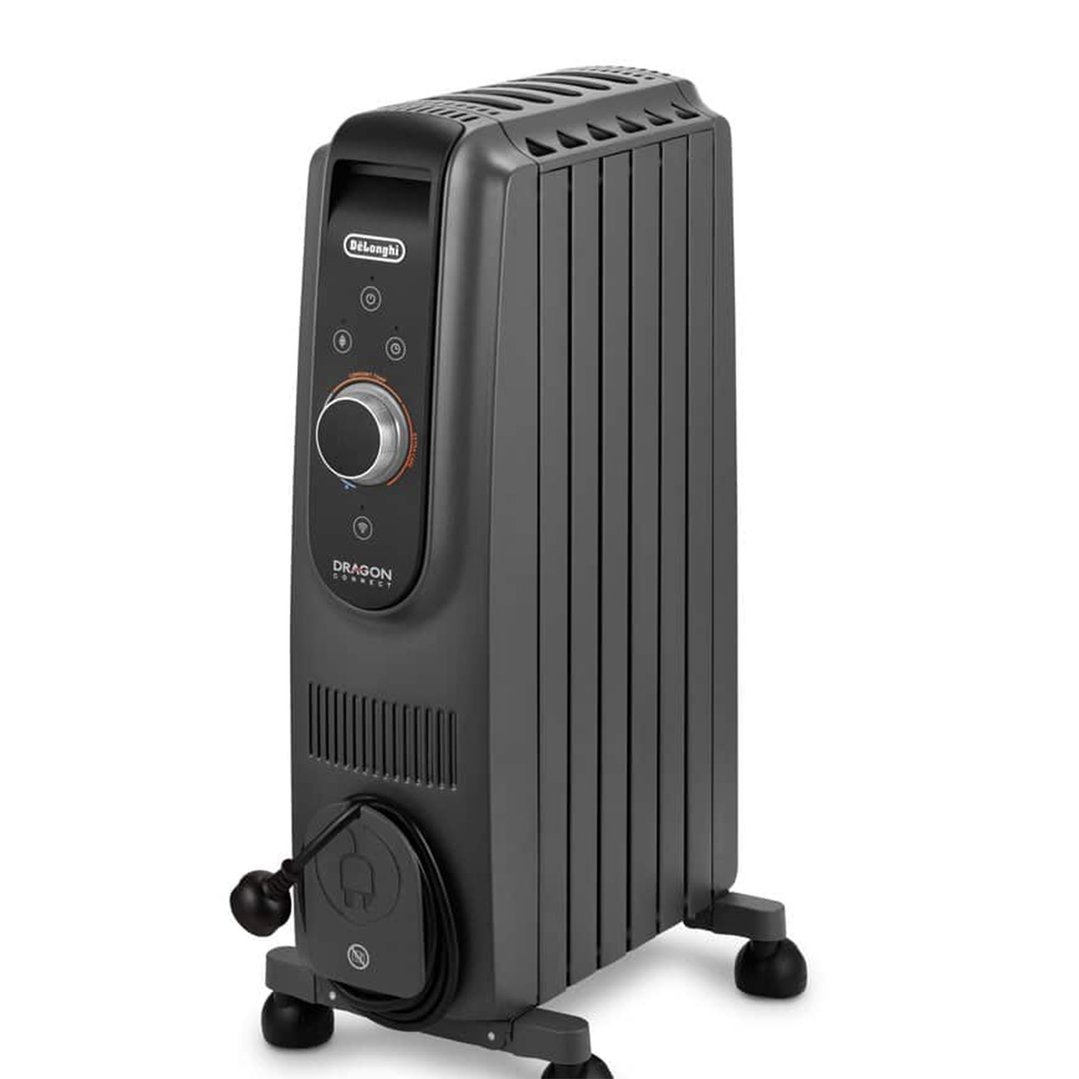
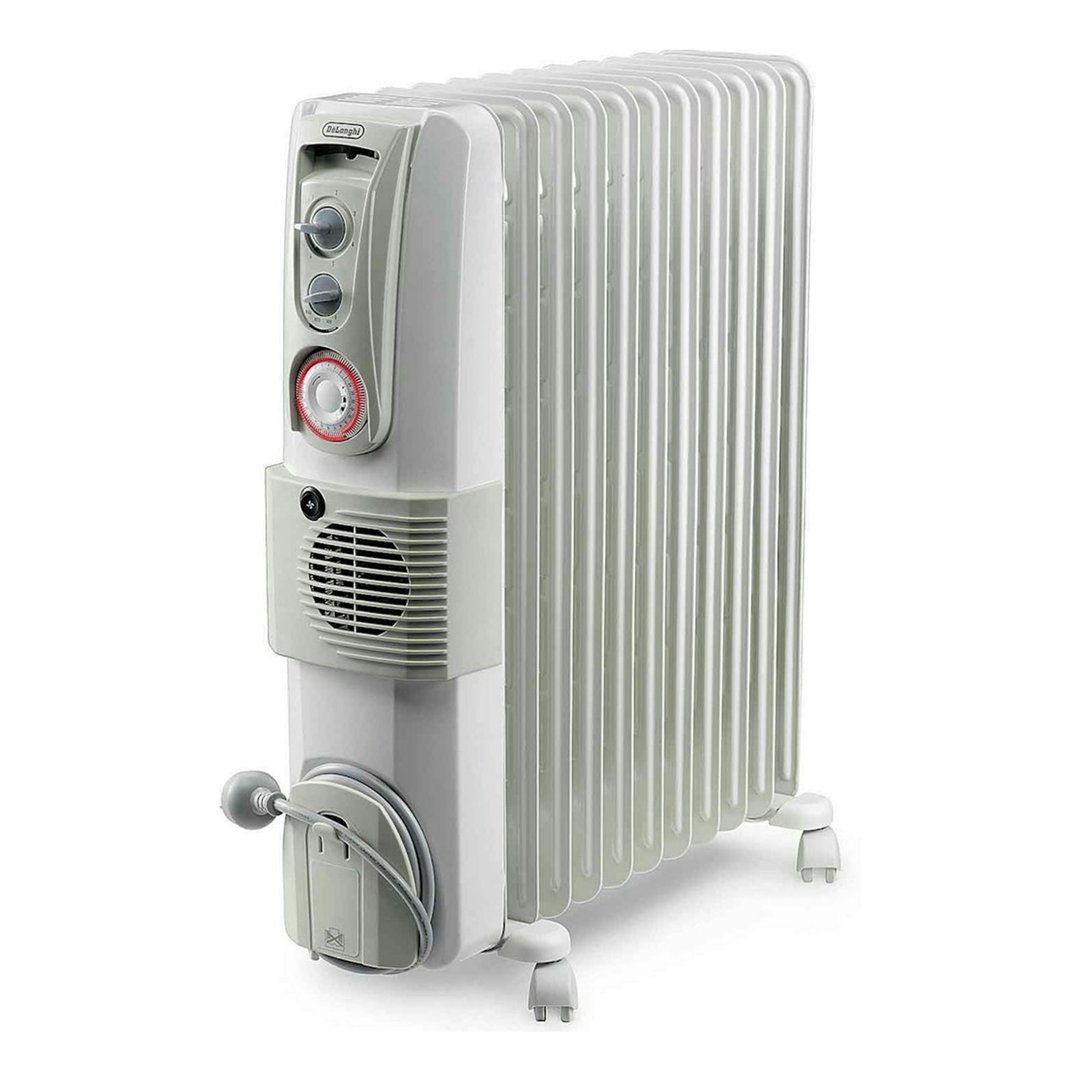
For ordinary sized rooms, between 20 and 40 square metres, a column heater, convection heater or panel heater will do the job. While these home heaters won’t warm up as quickly as a fan or radiant heater, they tend to be better at circulating heat, keeping the room warmer for longer.
SMALL ROOM HEATER
An electric heater is a reliable option for small, enclosed spaces such as a bedroom or bathroom. Convection heaters and column heaters with fans can keep smaller rooms warm and cosy, but if you’re looking to get direct heat quickly, radiant and fan heaters are probably your best option. Look for an electric heater with a thermostat if you plan to keep it on for long periods of time. It will ensure the room stays at a moderate temperature and help keep energy bills down.
1500W is usually a sufficient amount of power for small room heaters. However, this depends on a number of factors, such as how well your home is insulated and the outside temperature. Keep in mind that the higher the wattage, the higher the running costs. If you want to keep your electricity bill down, you’ll find a number of energy efficient room heaters online, available for delivery or pick-up from Sydney and Melbourne Bing Lee stores.
Choosing an energy-efficient heater isn’t just about saving money, it’s about staying warm smarter. The more efficient your heater, the less power it needs to maintain a comfortable temperature, which means lower running costs and a lighter environmental footprint. Whether you're heating a bedroom or an open-plan living space, investing in the right type of heater can make a noticeable difference to your energy bills over winter.
Here’s our breakdown of the most efficient heaters on the market:
Winner: Reverse-Cycle Air Conditioners
These systems are up to three times more efficient than standard electric heaters. They use heat pump technology to move warm air instead of generating it, making them ideal for heating large or frequently used areas.
Runner-Up: Oil Column Heaters
While they take longer to heat up, oil column heaters retain warmth well after they’ve been turned off, making them a great low-energy choice for bedrooms or overnight use.
Tip: Use off-peak electricity (10pm–7am) for lower running costs.







The cost of heating your home during the winter months will vary depending on which heater you choose for your living space. We have calculated the below running costs based on a usage rate of 30c per kWh of electricity, and 3c per MJ. We have also assumed that the heater is used for 6 hours a day over a 90 day period (approximately 3 months/540 hours). These calculations are indicative only and will vary depending on your energy retailer, the energy efficiency of your heater and other factors.
| Heater Type | Hourly Running Cost | Cost Over Winter |
| Gas Heater (25MJ) | $0.75 | $405.00 |
| Reverse Cycle Air Conditioner (8.5kW) | $0.67 | $362.34 |
| Column Heater (2.4kW) | $0.72 | $388.80 |
| Convection Heater (22MJ) | $0.66 | $356.40 |
| Panel Heater (2.2kW) | $0.66 | $356.40 |
| Heater Type | Hourly Running Cost | Cost Over Winter |
| Fan Heater (2kW) | $0.60 | $324.00 |
| Radiant Heater (2.3kW) | $0.69 | $372.60 |
| Electric Fire Heater (2kW) | $0.60 | $324.00 |
Heat output. The heat from your gas or electric heater is measured in watts. The amount of heat you will need depends on the size of the room, how well your home is insulated and the ceiling height. However, a 2400W heater should be ideal for most homes.
Timers. A 24 hour timer allows you to program your heater to turn on at specific times of the day, when your home tends to be coldest.
Thermostats. Not only is a thermostat good for setting your heater at a comfortable temperature, it also prevents it from using too much energy and increasing your electricity bill.
Safety features. If you are looking for a safe heater, opt for one with tip-over protection, automatic cut out and drip protection, especially if you plan to use it in your bathroom.
Child lock: Ideal for families, a child lock prevents curious little hands from changing settings or turning the unit on or off. It adds an extra layer of safety, especially for heaters with exposed elements or touchscreen controls.
Portability: If you plan to move your heater between rooms, look for a model with castor wheels and a carry handle. Portable heaters give you flexibility without the need for multiple units around the house.
Smart controls: WiFi-enabled heaters can be controlled via smartphone apps or voice assistants like Google Home or Alexa. Perfect for pre-warming a room before you get home or adjusting settings without leaving the couch.
Combat the cold with Bing Lee’s best electric heaters, portable heaters & premium room heaters. Keep your space toasty & cosy on the coldest of days, explore our top picks & most popular heaters below.

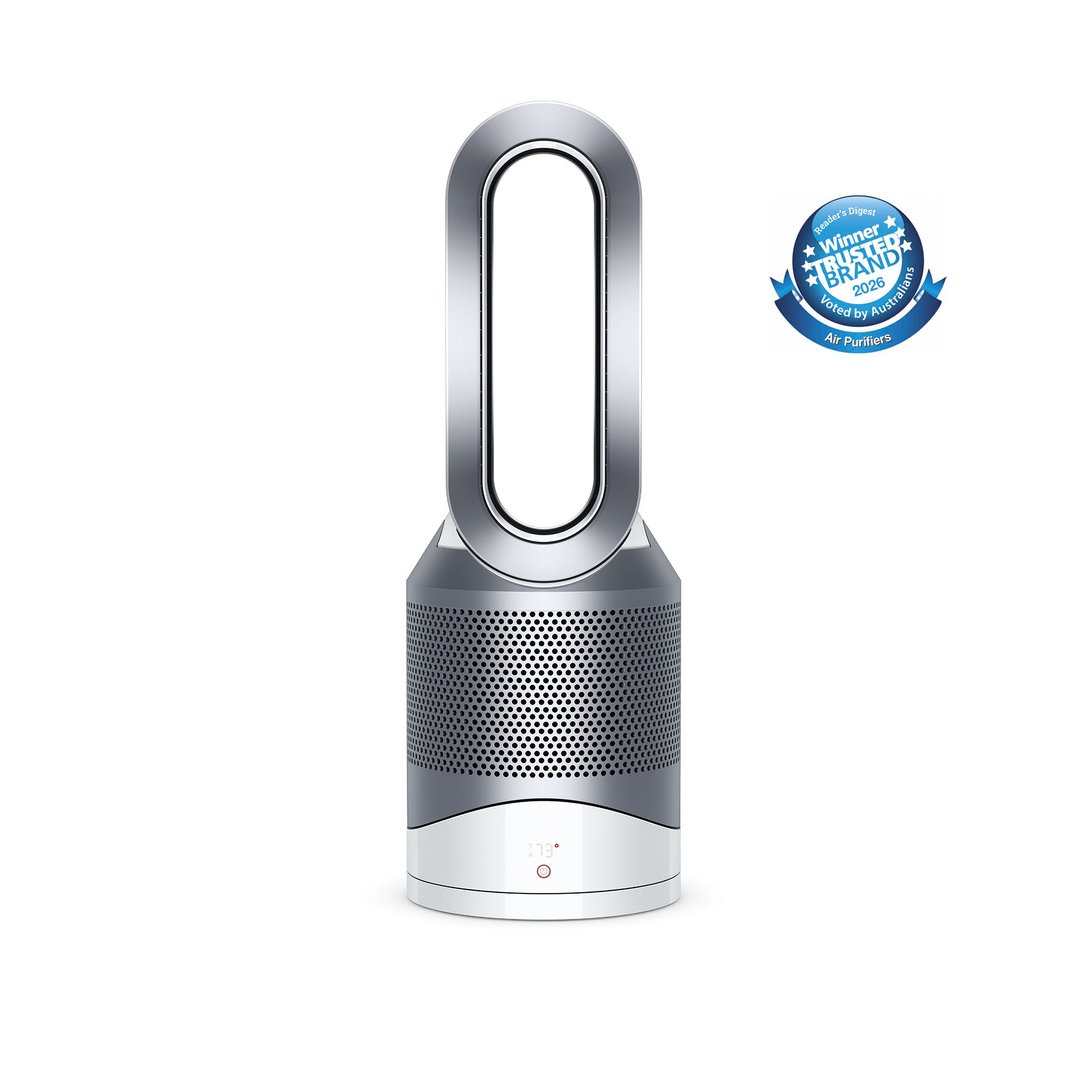
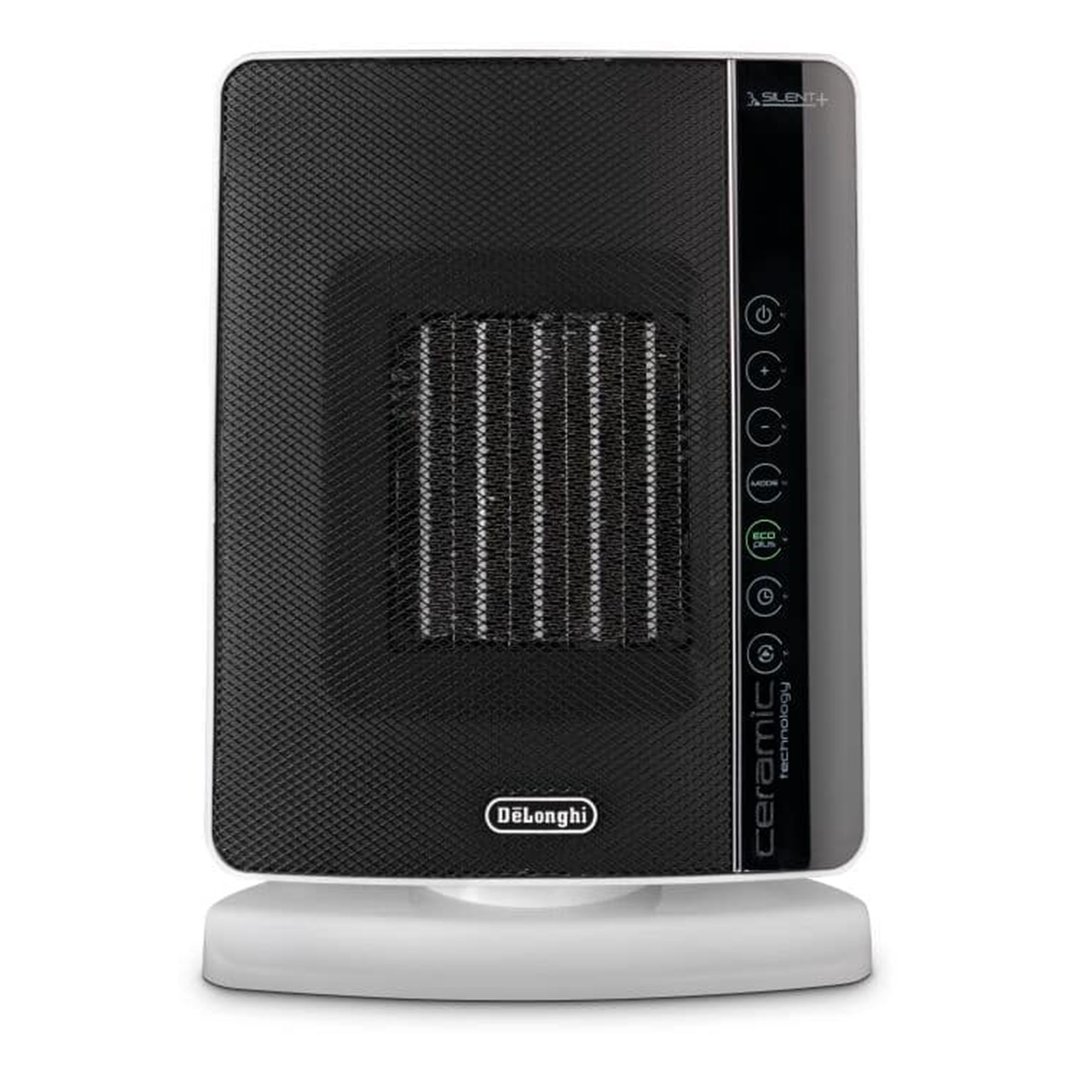

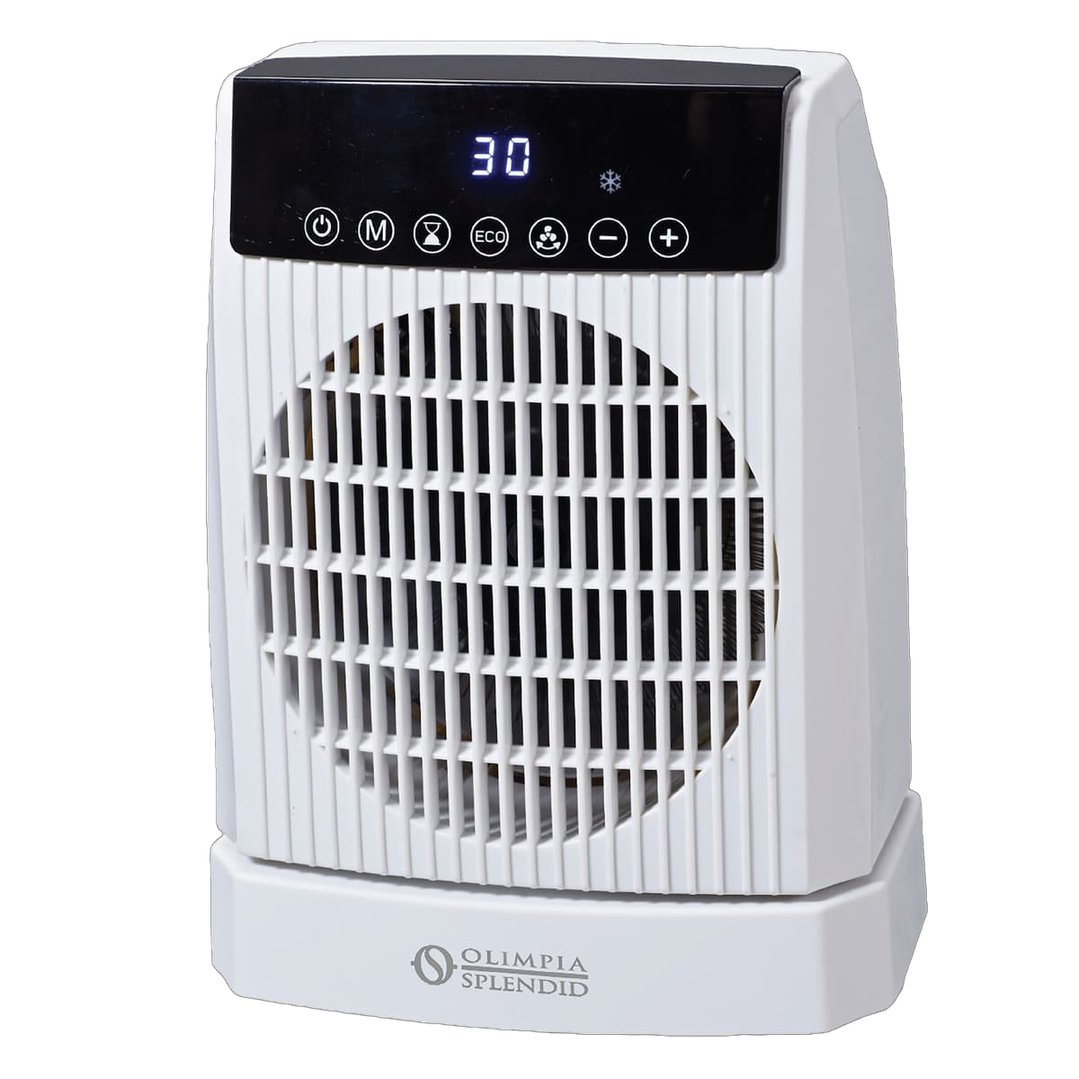

Q. What is the cheapest heater to run?
Small electric heaters tend to be pretty budget-friendly, giving you plenty of warmth quickly without breaking the bank. These little appliances are perfect for smaller spaces.
But arguably, the biggest (unsung) hero of cost-effective heating is oil heaters. These energy-efficient machines can retain heat even after you’ve switched them off. They also operate quietly, making them perfect for bedrooms or quiet corners of your home where you don’t want the constant thrum of a heater.
Q. What heaters are safe to leave on overnight?
If you get cold easily overnight, you might want a heater that can do its job without costing you a fortune – or causing a fire risk! Convection, panel and oil heaters are generally safe for night-long warming. They will deliver consistent heat without costing the earth or keeping you up at night. However, safety is always key with heaters, so make sure you read the instructions and follow their rules for leaving the device on for long periods.
Choose models with thermostats and timers. Avoid radiant or fan heaters for overnight use.
Q. What are the best heaters for bedrooms?
The most practical choices are column heaters and electric heaters, as both can get the job done quietly. With their sleek designs, column heaters fit nicely into most rooms without stealing the spotlight, while electric heaters provide gentle warmth for a comfortable night’s sleep.
Page last updated: 10 June 2026 | Information provided by the experts at Bing Lee.