Buying Guides
Rangehood Buying Guide

Looking to buy a new rangehood? Whether you’re wanting a model that’ll look sleek, modern and stylish in your kitchen or one that’ll simply do the job, you’ll find a great range of rangehoods to choose from. To help make selecting the perfect rangehood for your kitchen and specific needs simpler, we’ve created a rangehood buying guide detailing the different types of rangehoods available, top features to look out for, and so much more.
TYPES OF RANGEHOODS
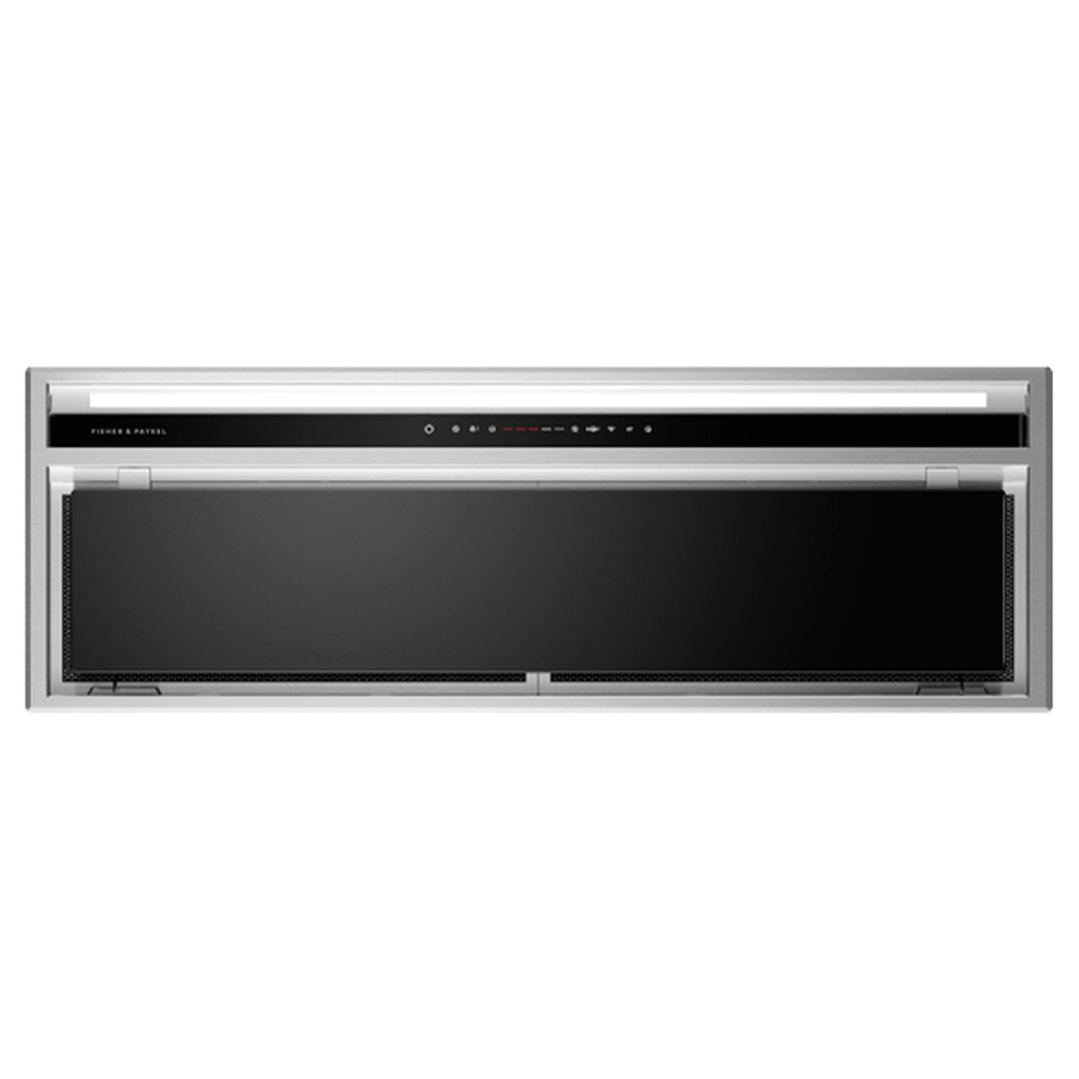
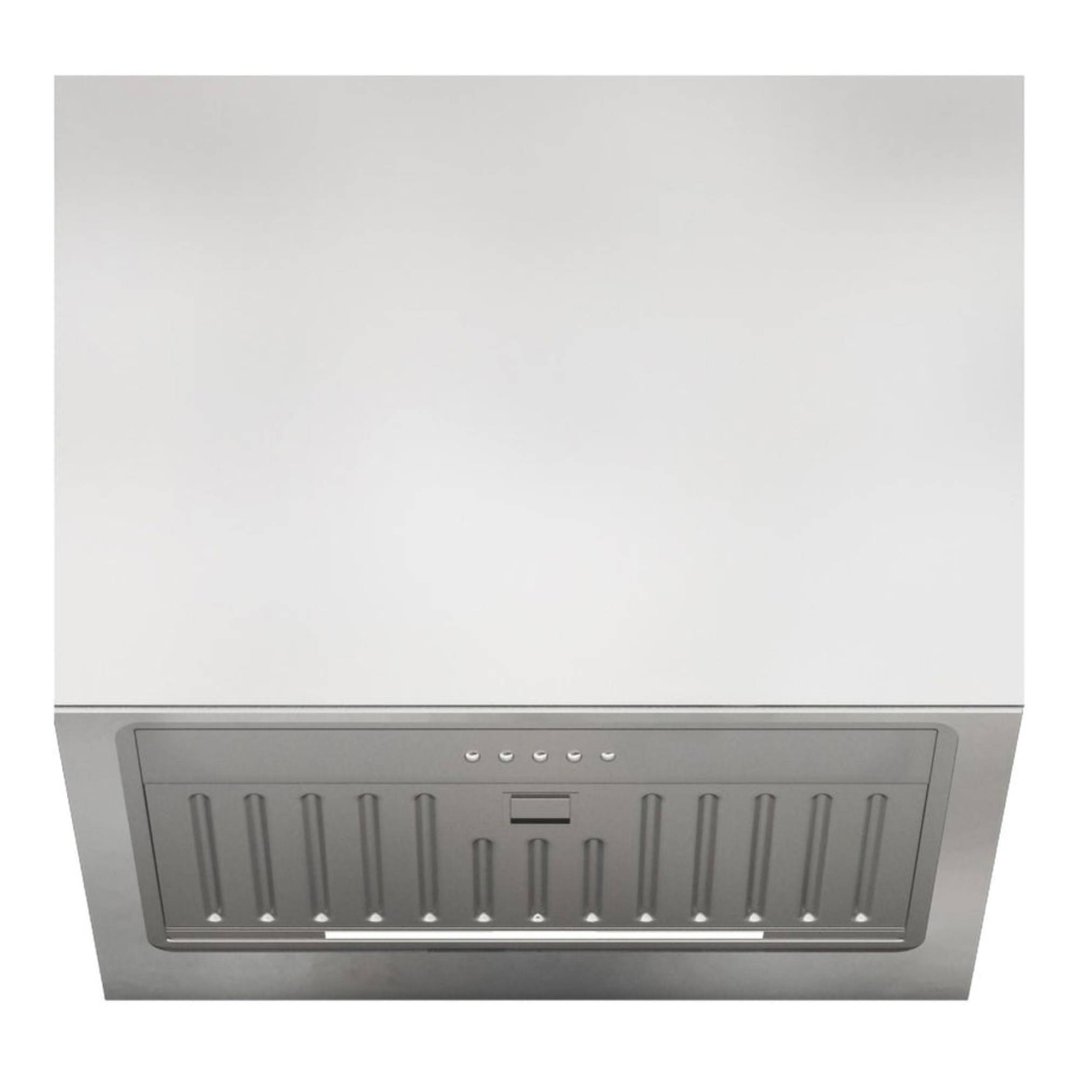
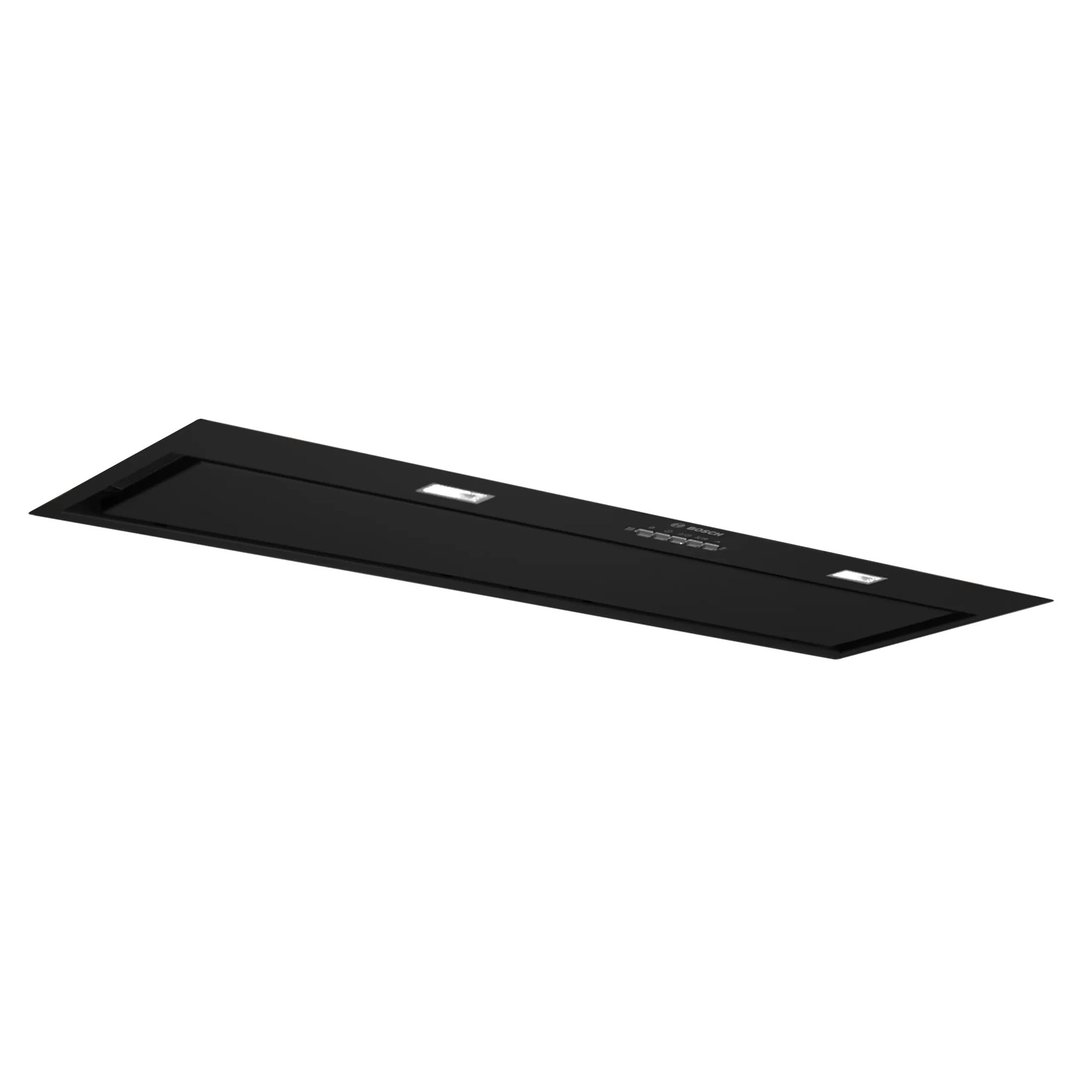
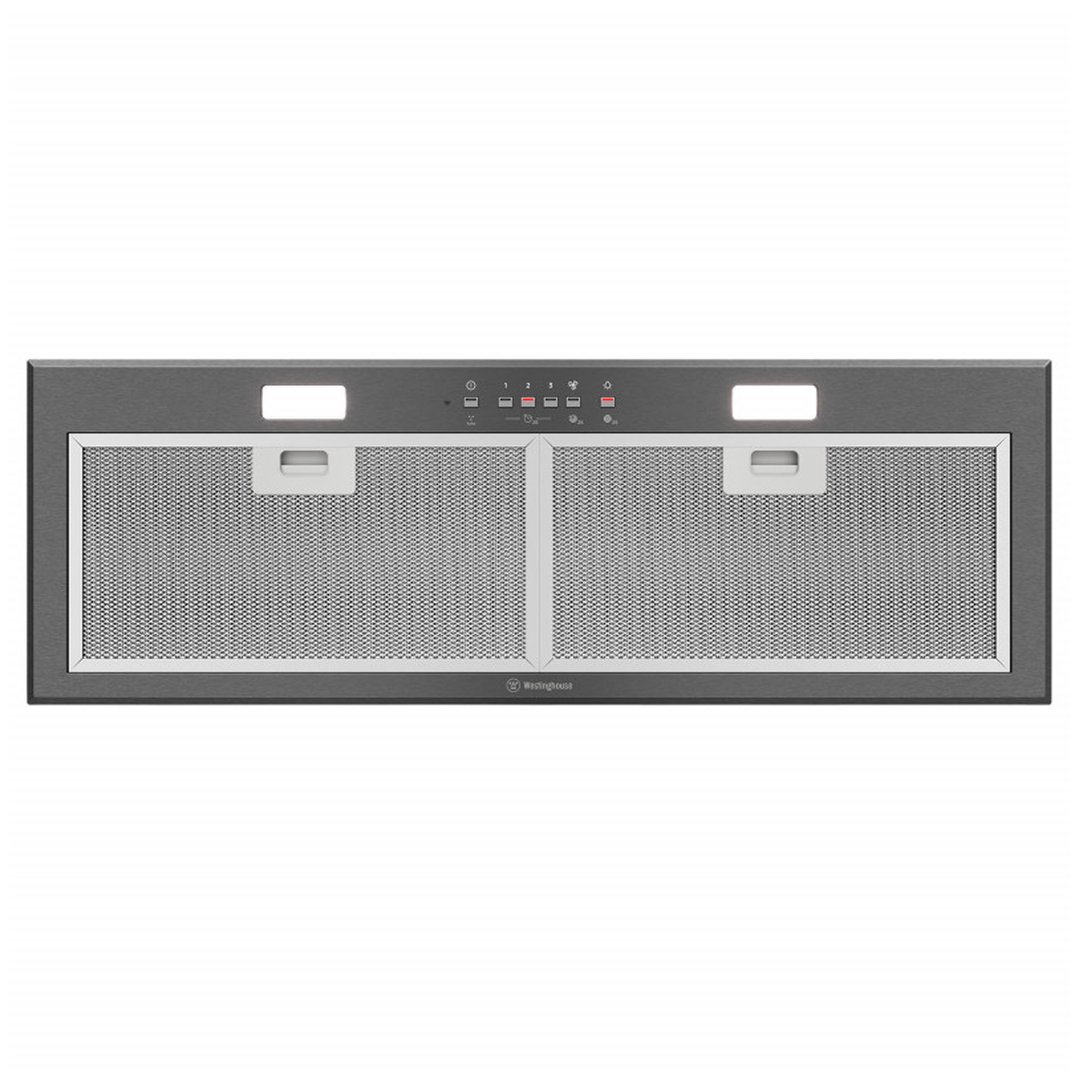
UNDERMOUNT RANGEHOODS
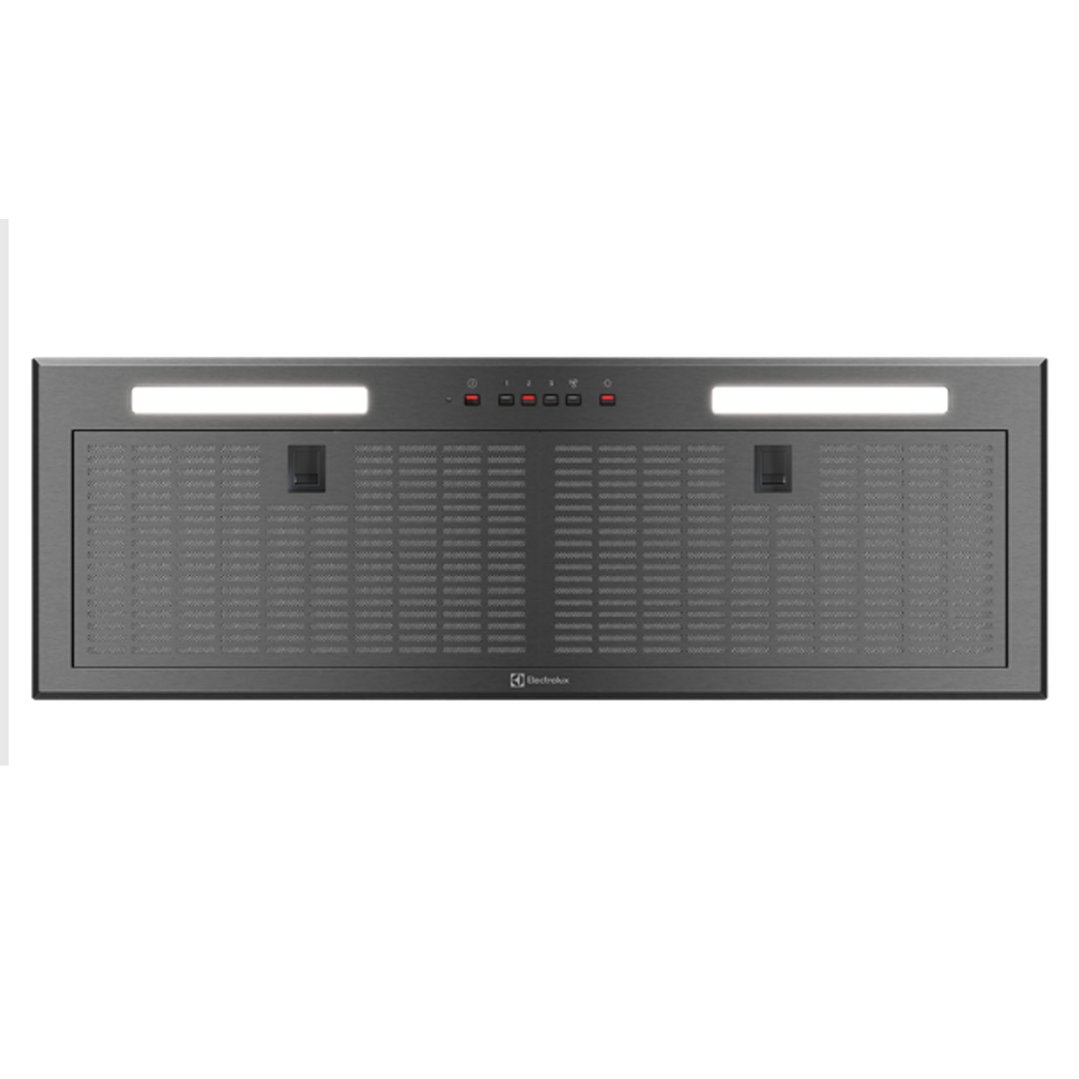
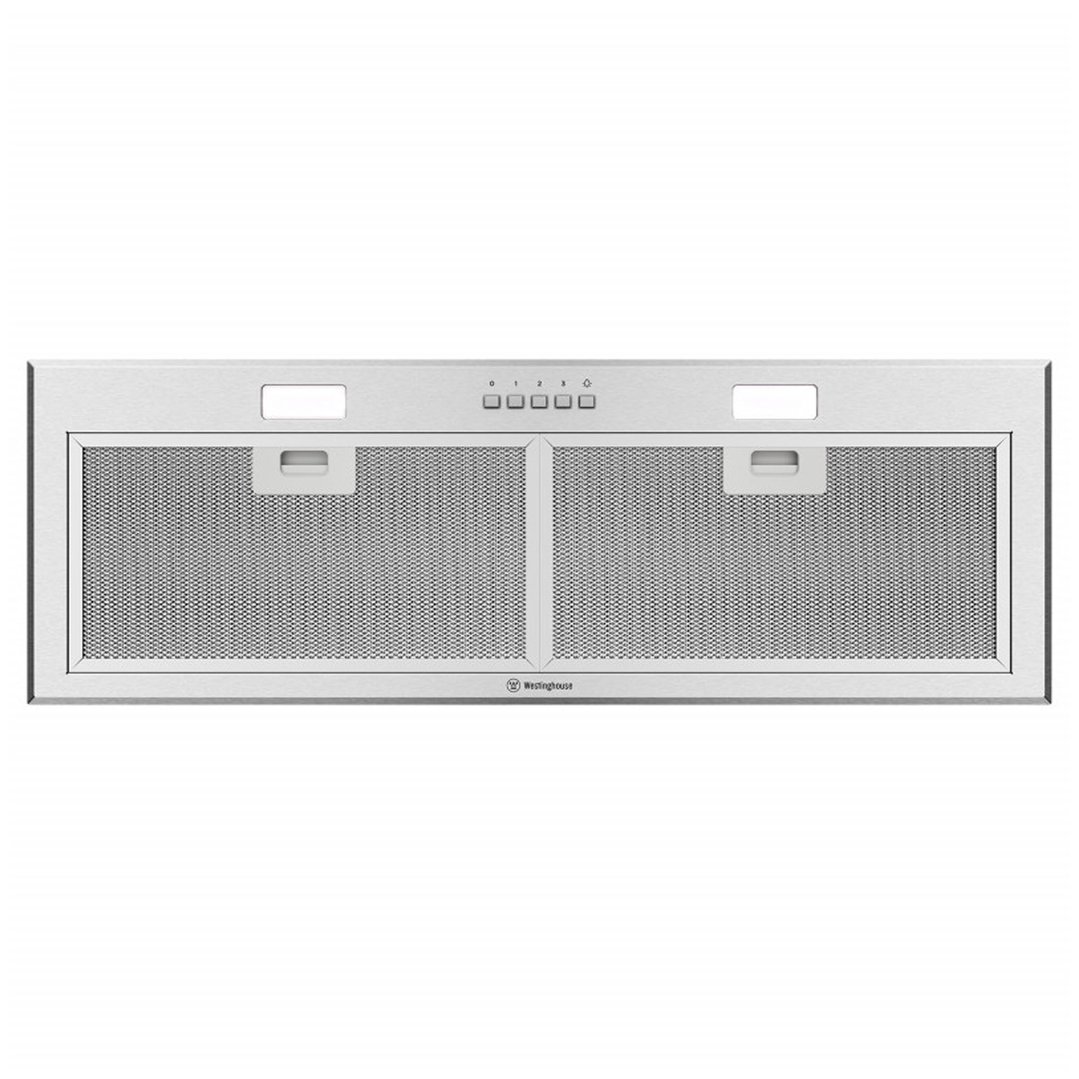
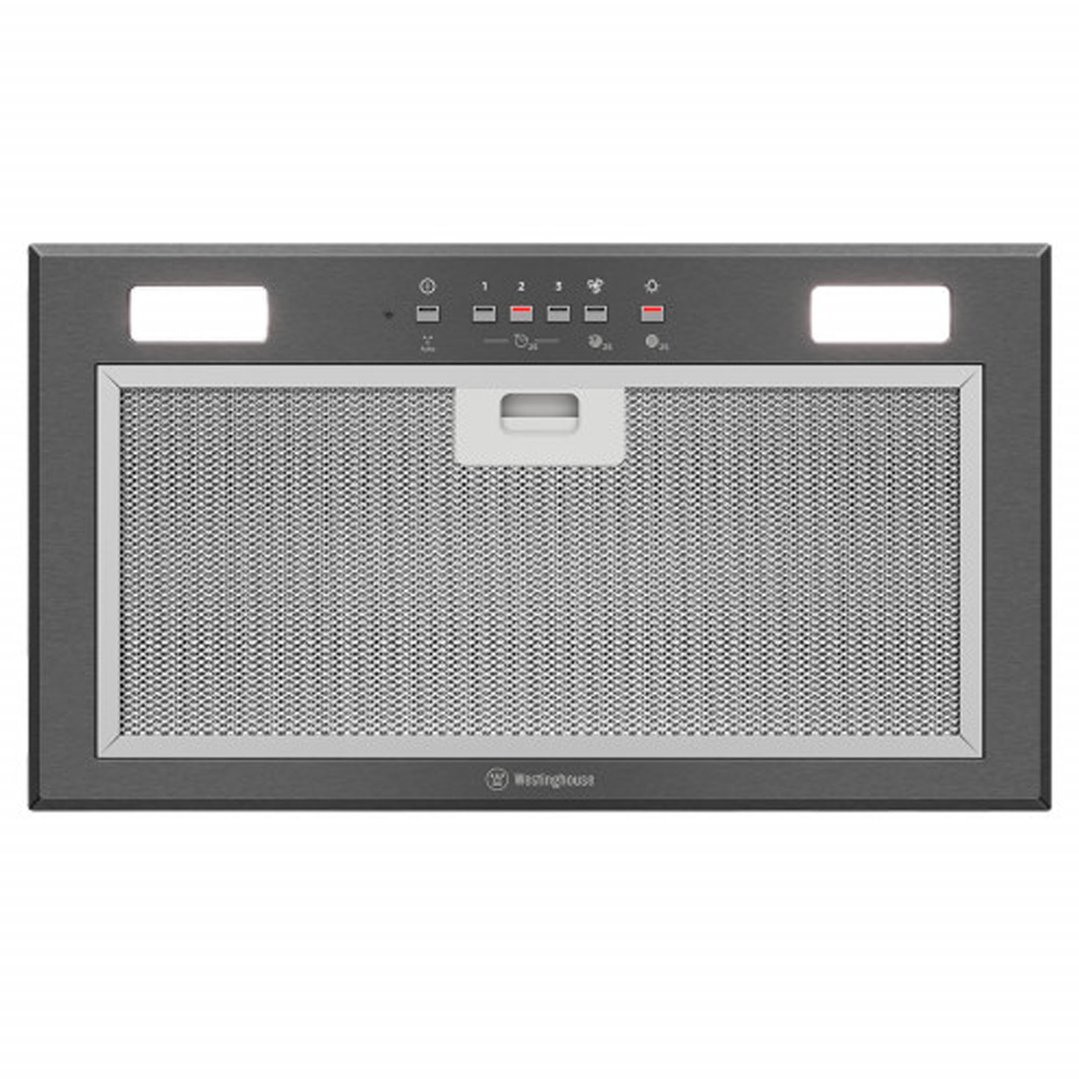
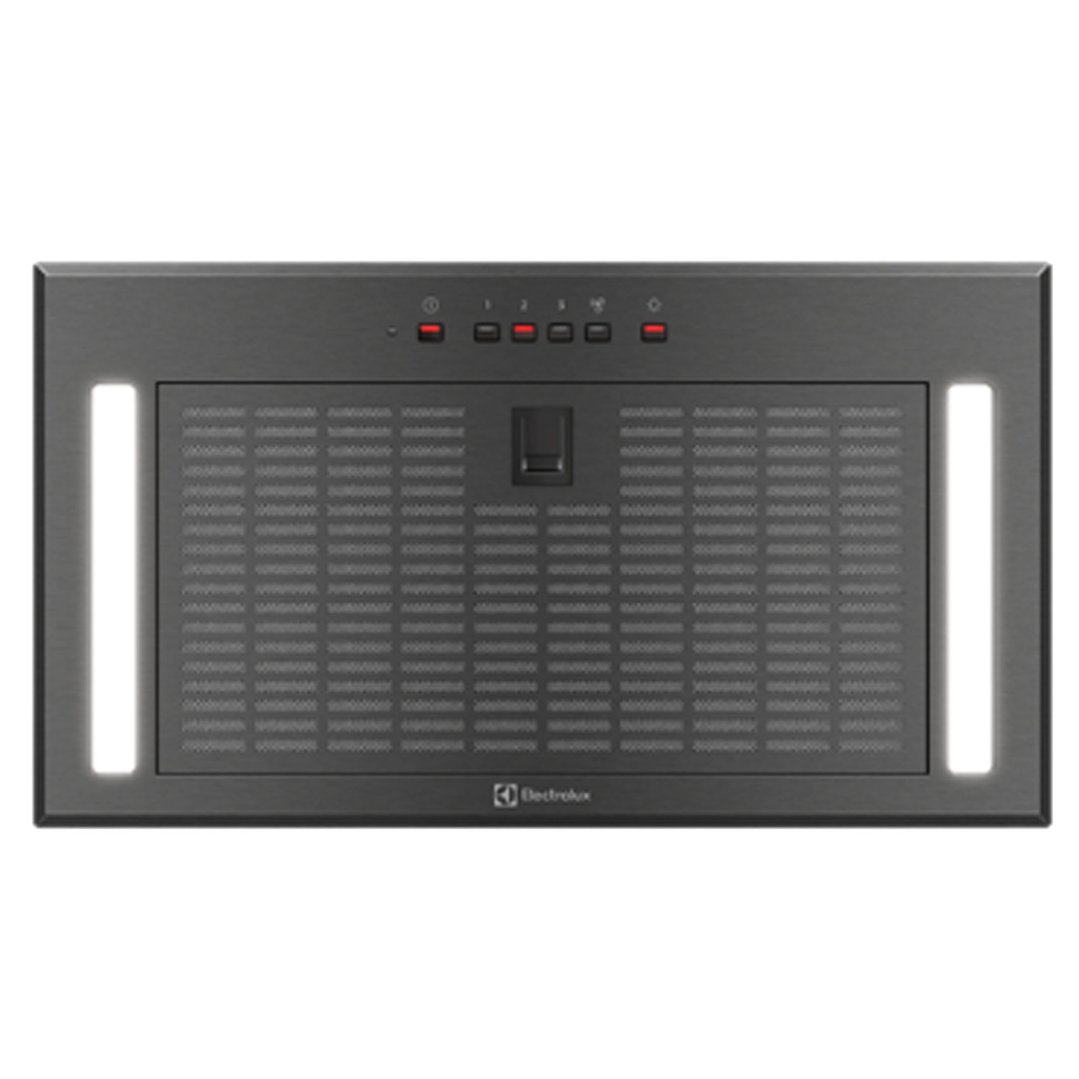
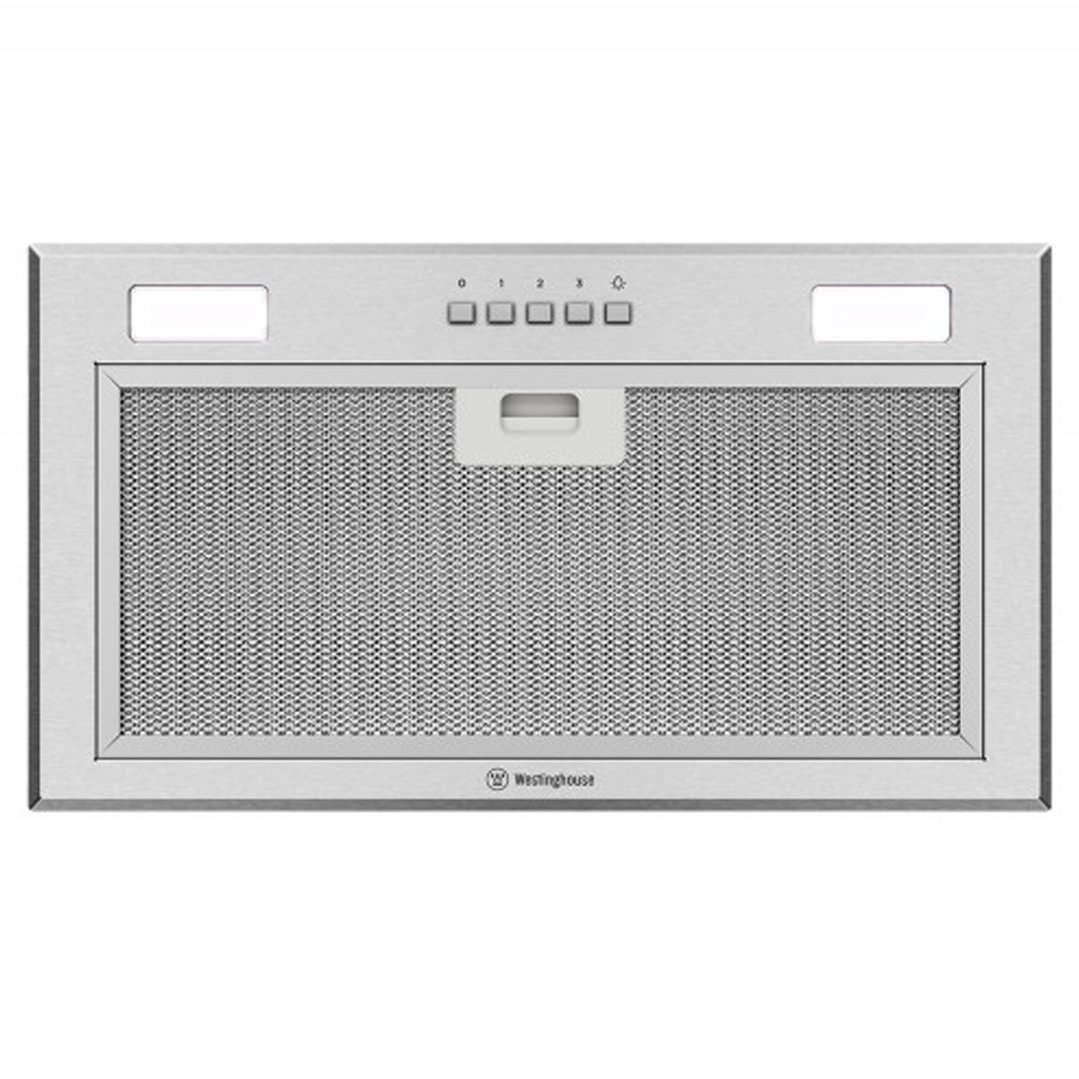
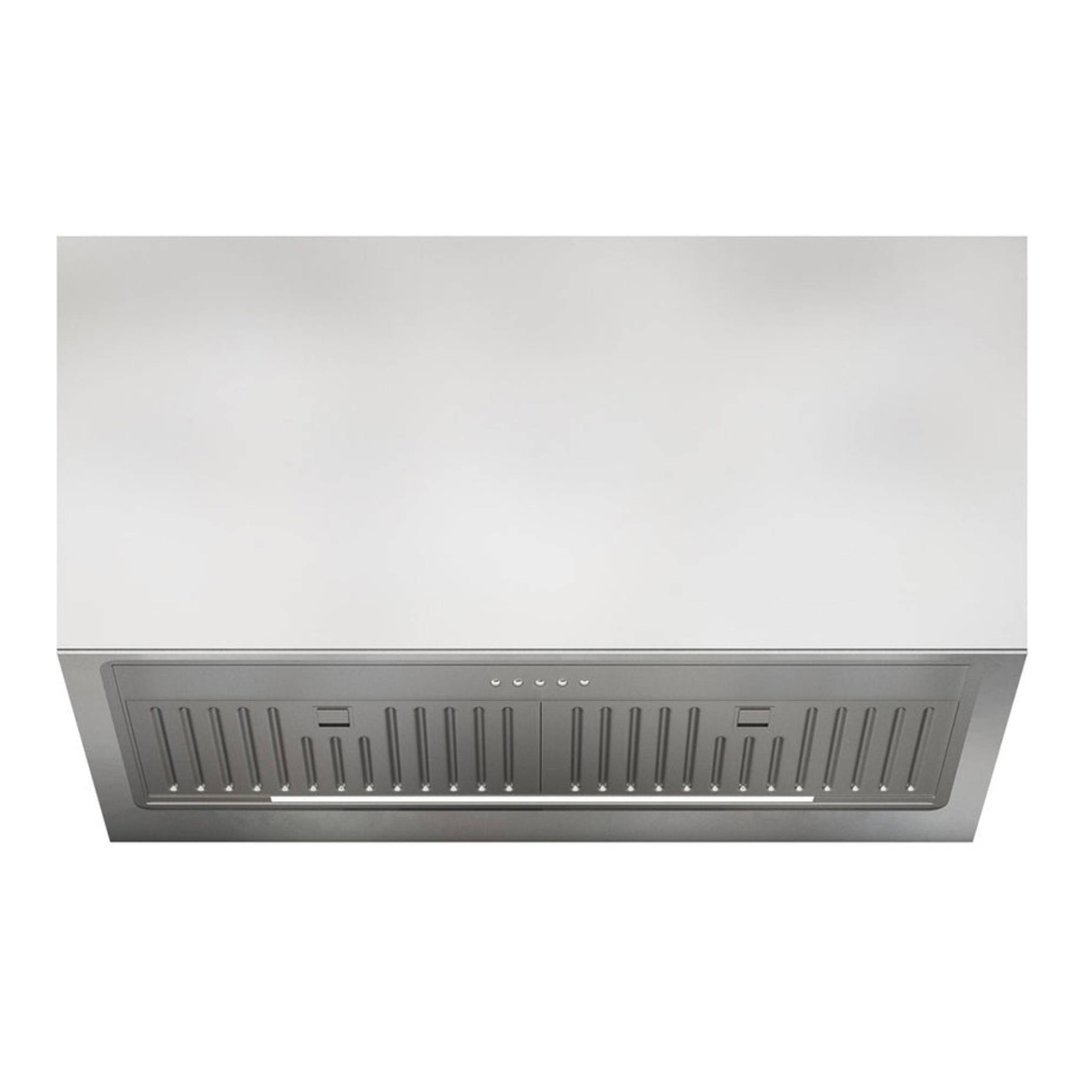
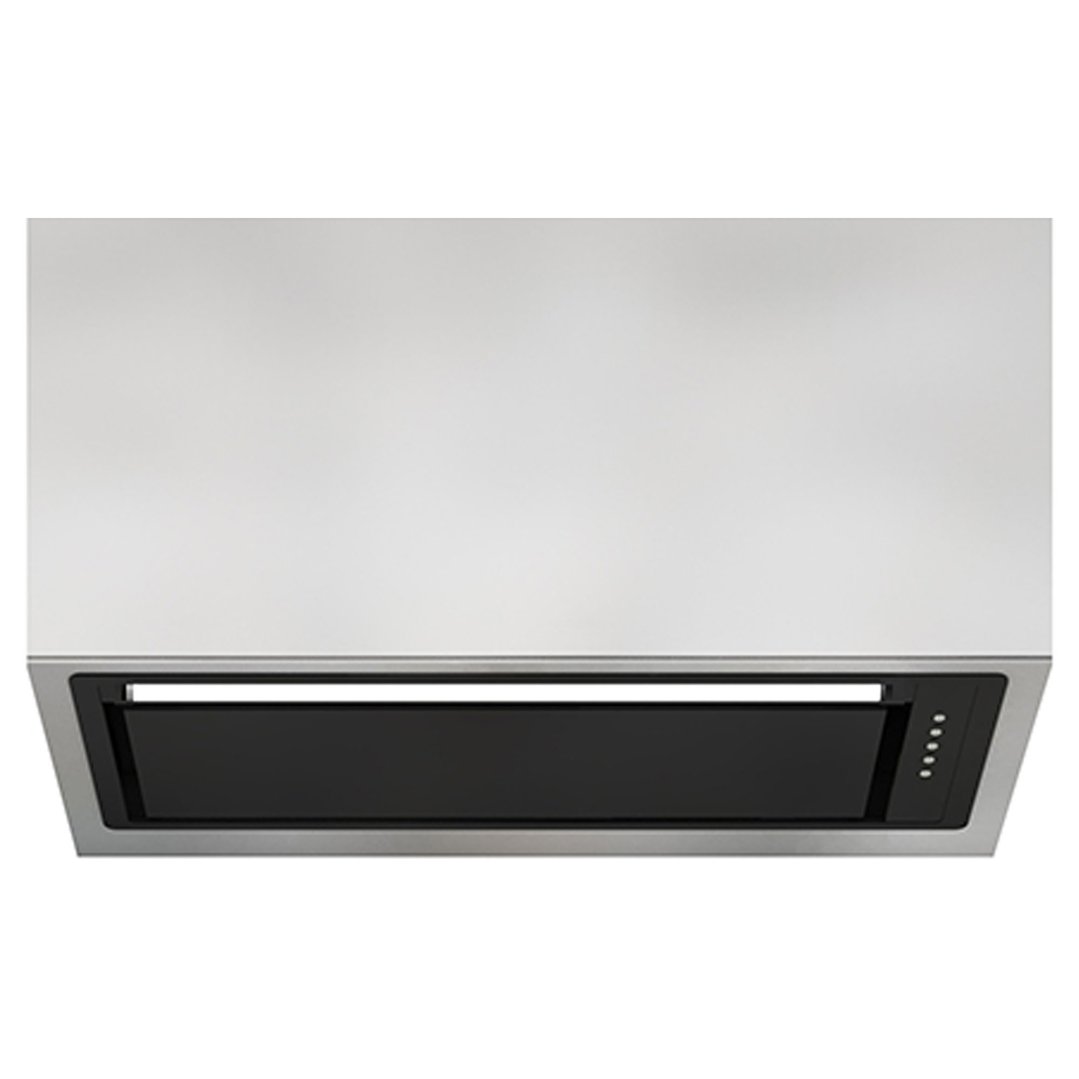
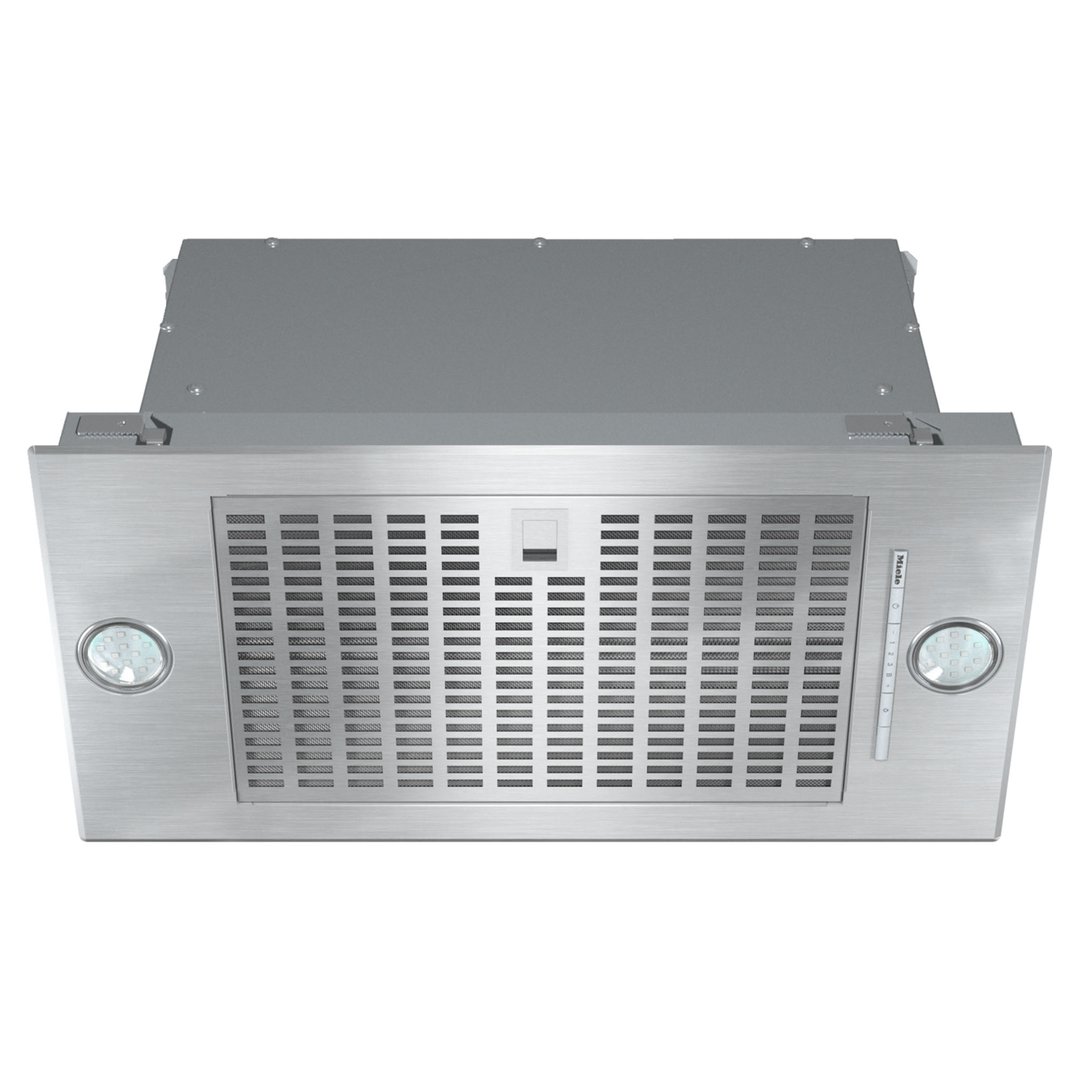
An unobtrusive option, undermount rangehoods are integrated into kitchen cabinetry, leaving the appliance hidden from sight. They tend to provide good suction, but, because of their compact size, they may not expand across the whole cooktop.
Great for small kitchens or when design is important.
Often quiet when in operation as the surrounding cabinetry absorbs the majority of the noise created by the unit.
Offer good lighting, making it easy to see when cooking.
May not cover the entire cooktop area.
Popular undermount rangehood brands: Falmec, Miele, Westinghouse, Bosch, Sirius, Smeg





FIXED RANGEHOODS
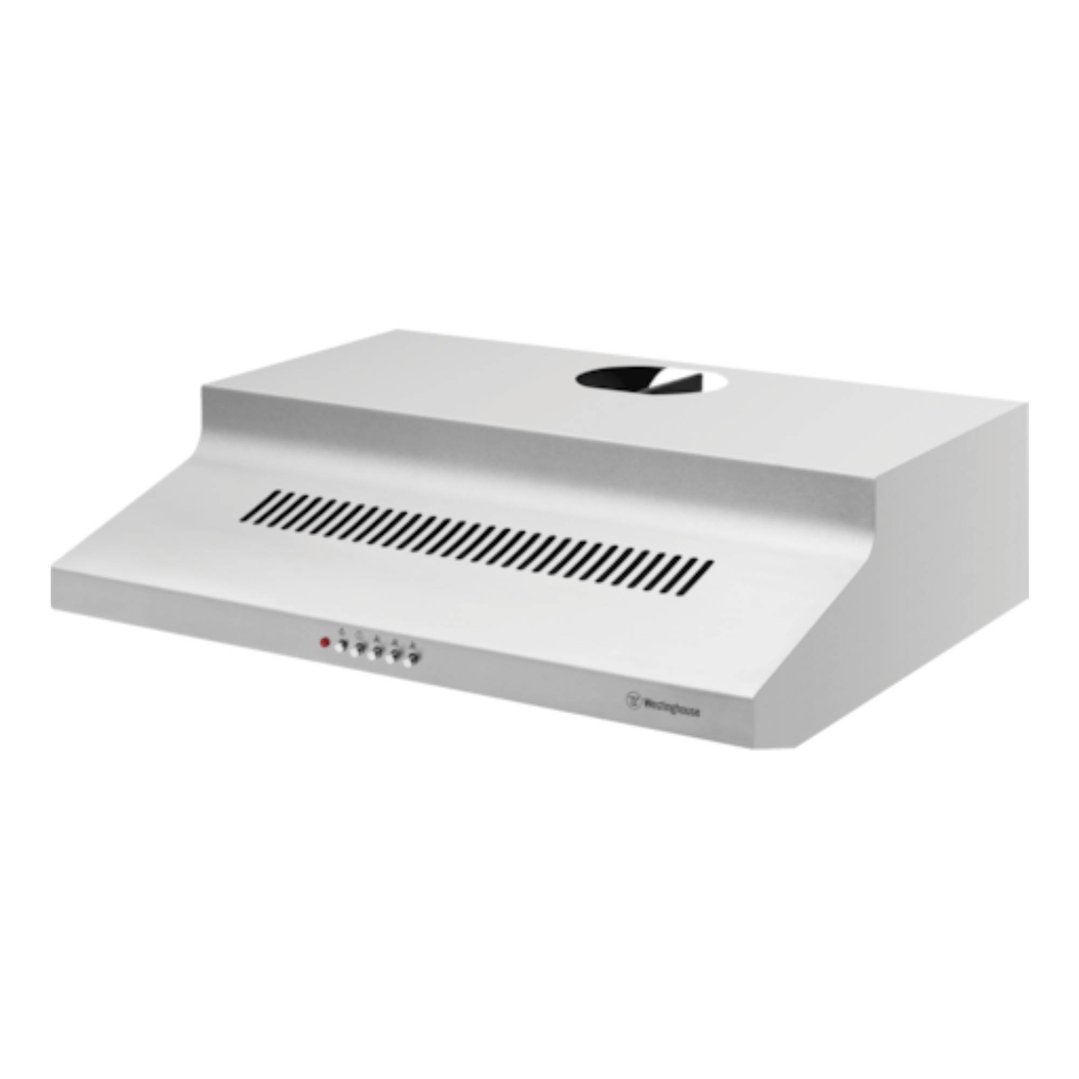
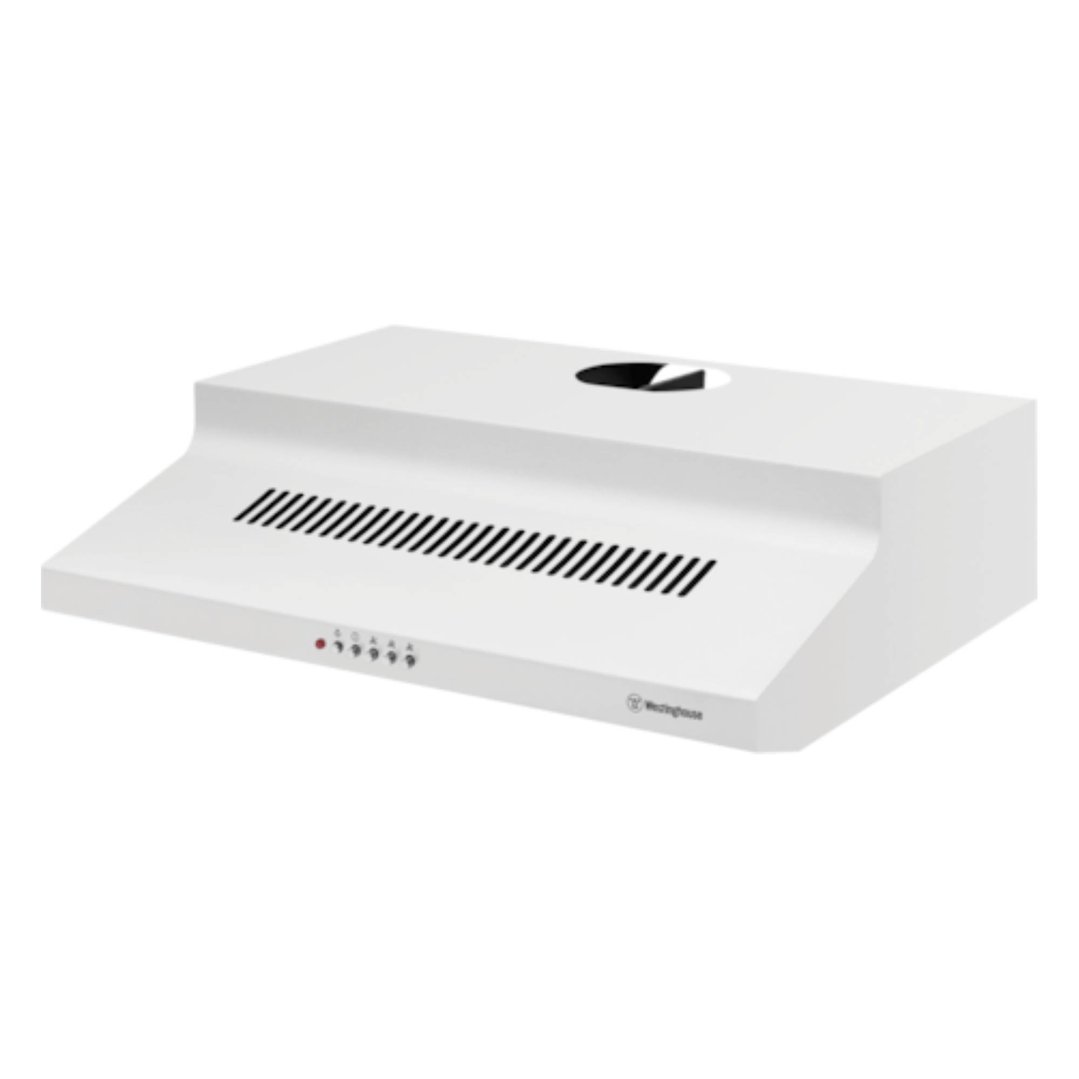
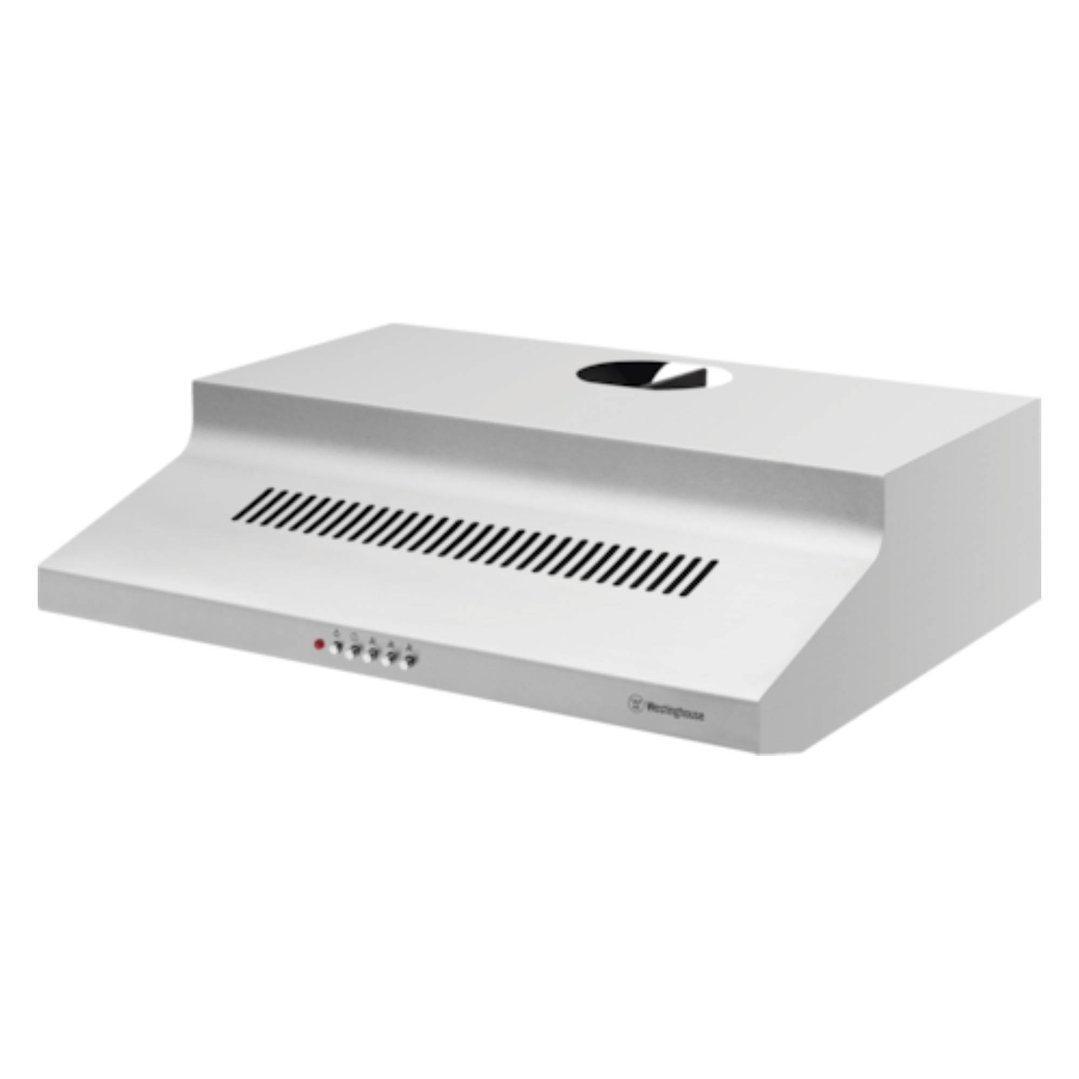
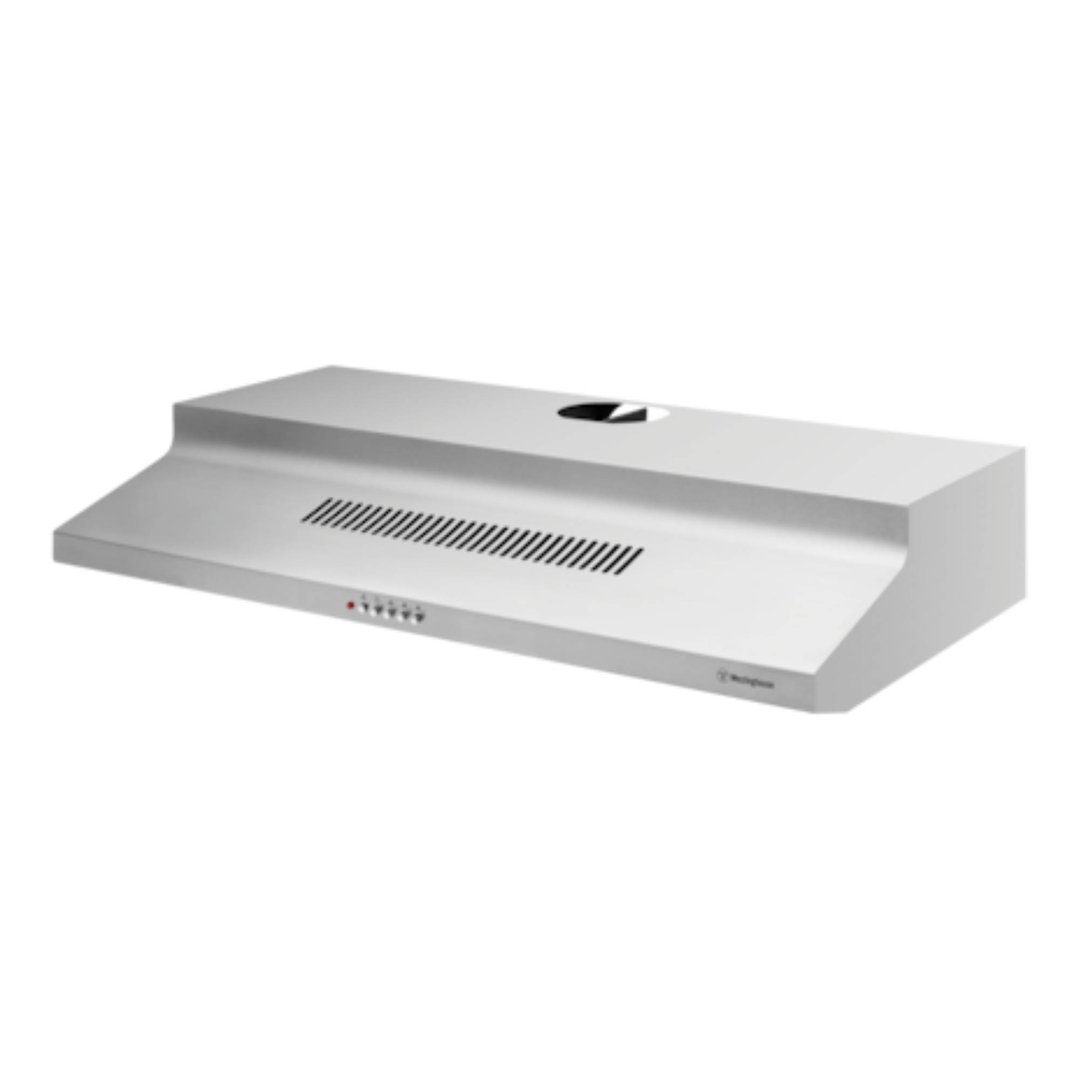
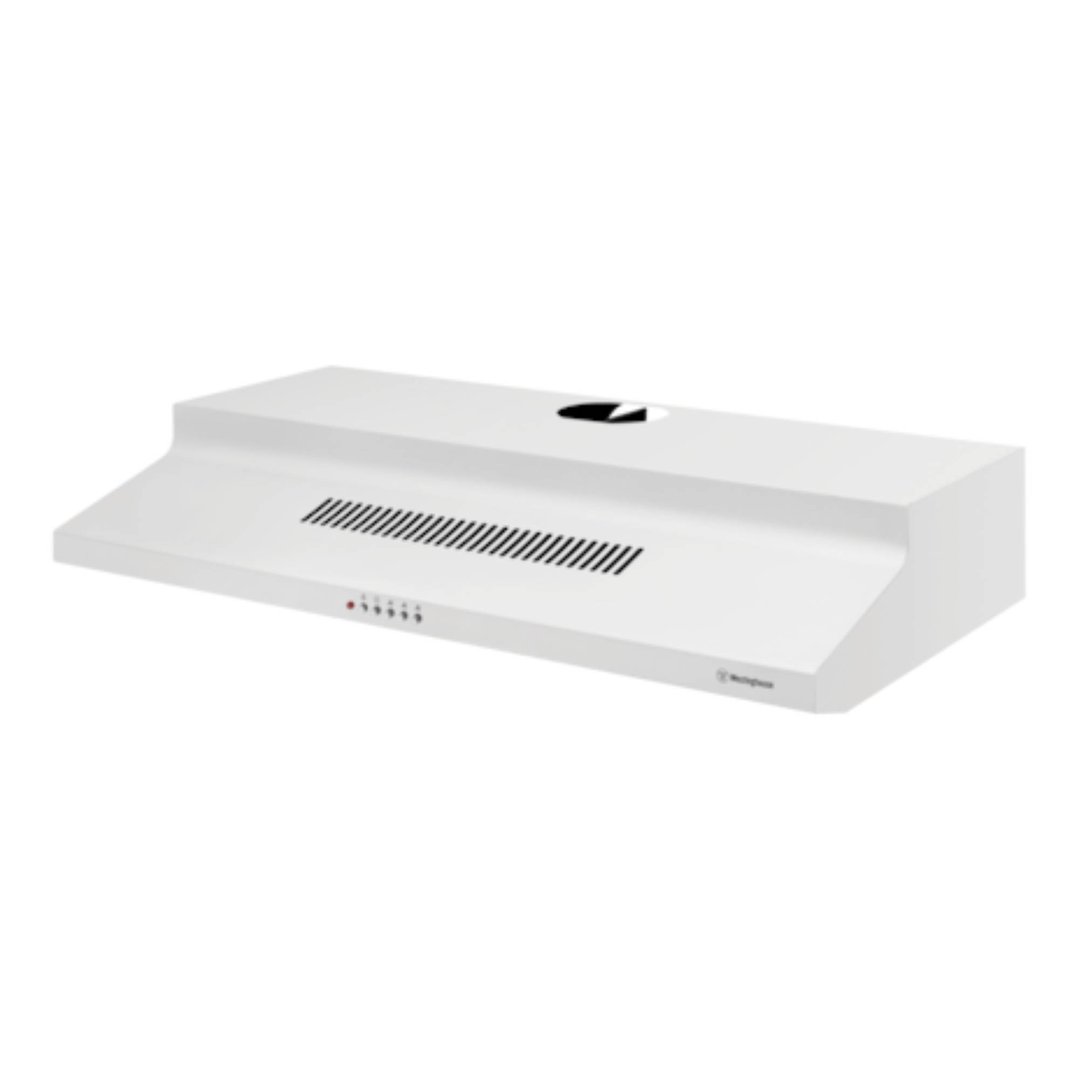
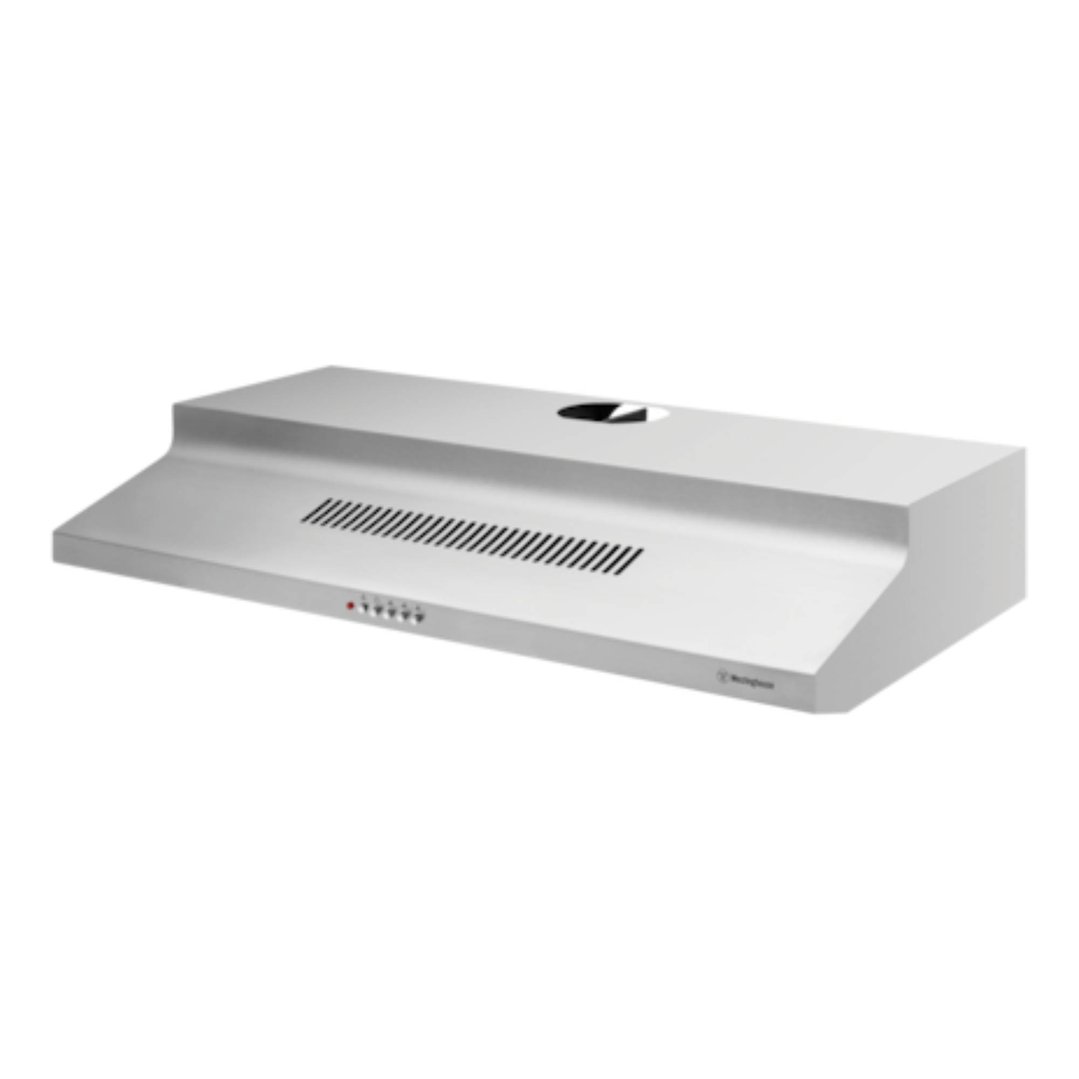
Covering the whole stove area, fixed rangehoods tend to work better than some other types of rangehoods as a result of their larger air collection area. A downside of their fixed position, however, is that they may get in the way when cooking, especially if they are positioned at head height, and can be obtrusive design-wise.
Often have a larger filter area than some other types of rangehoods.
Lighting tends to be basic.
Fixed position may cause issues when in use.
Always visible and may clash with the wider kitchen design.
Popular fixed rangehood brands: Miele, Westinghouse, Euromaid, Chef



RETRACTABLE RANGEHOODS (SLIDEOUT RANGEHOODS)
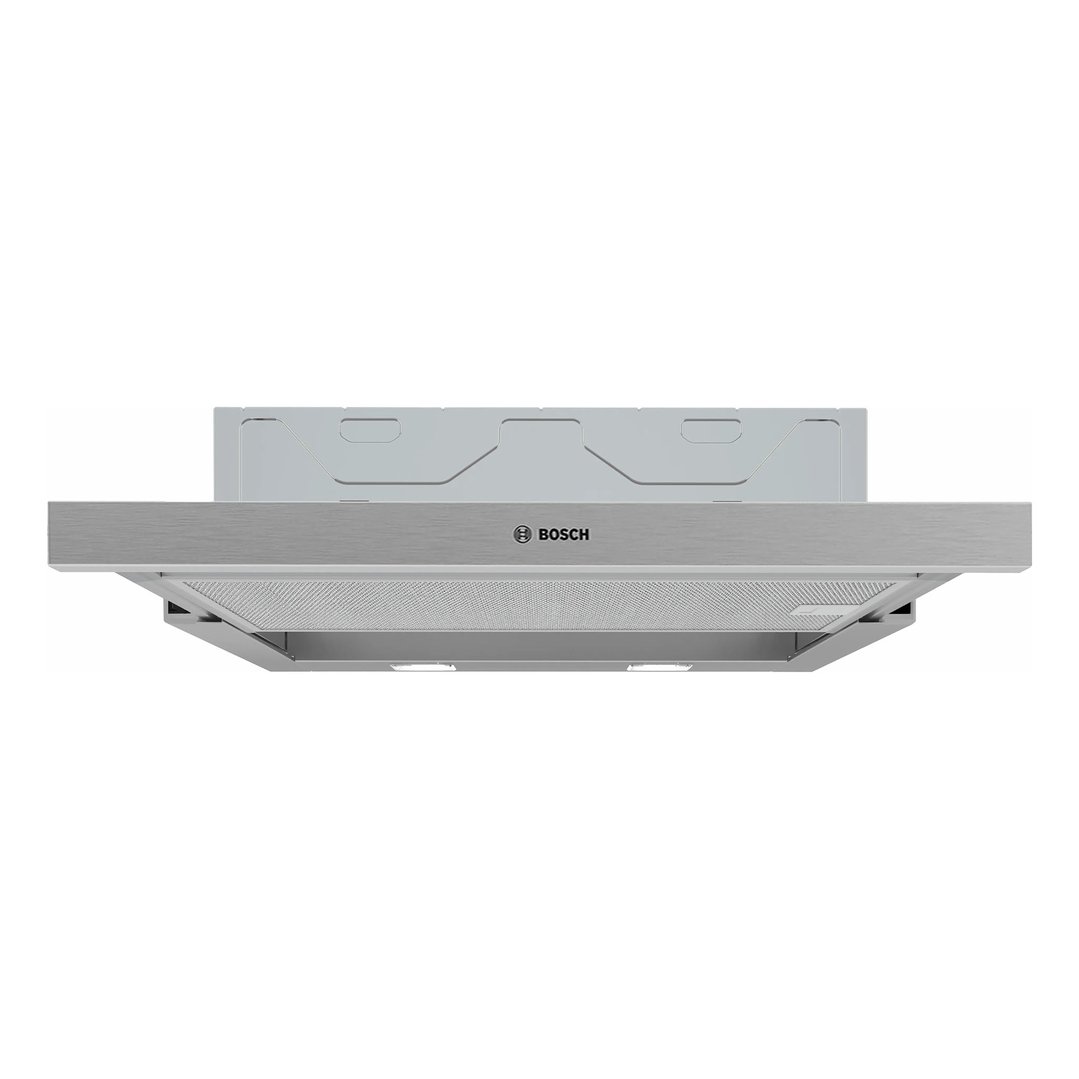
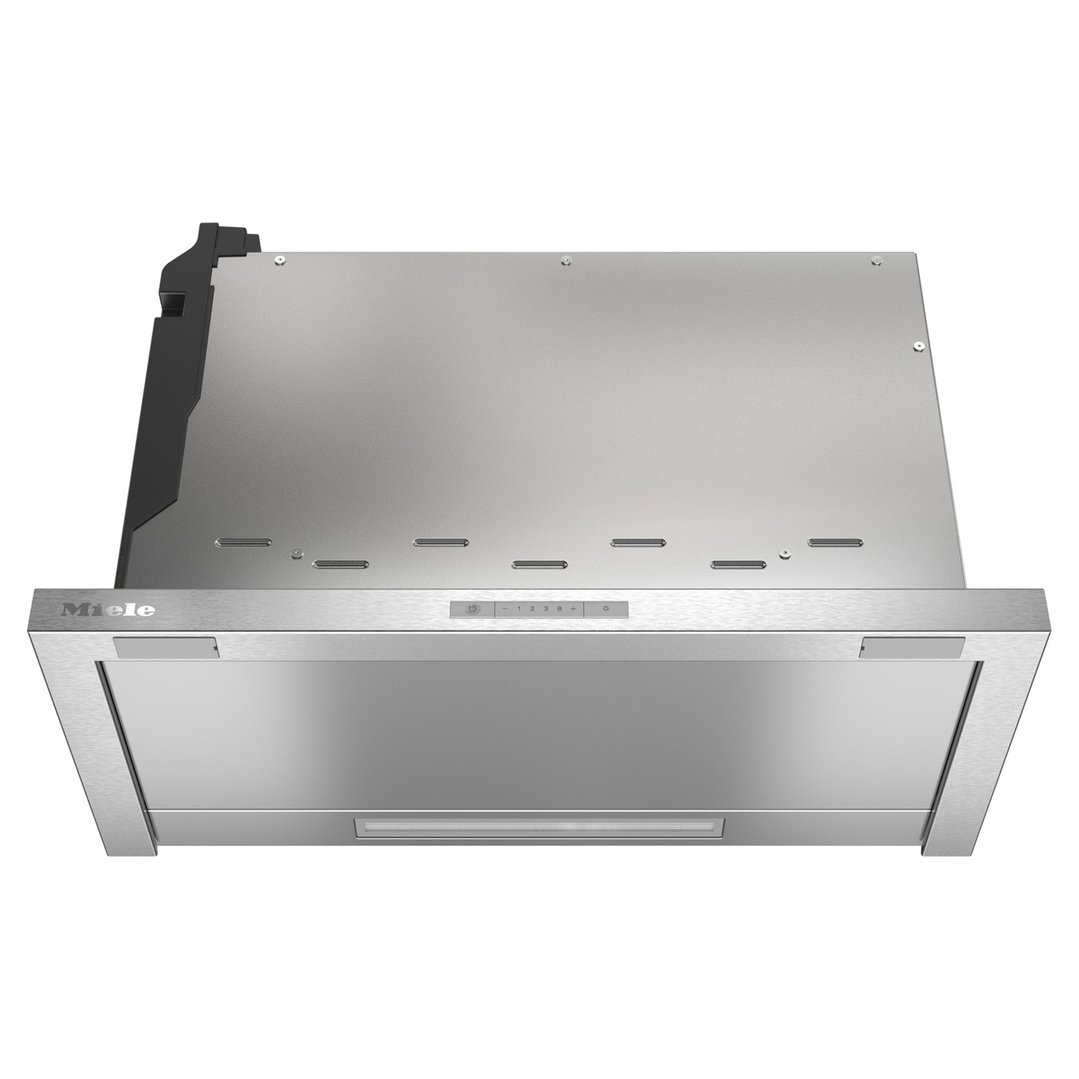
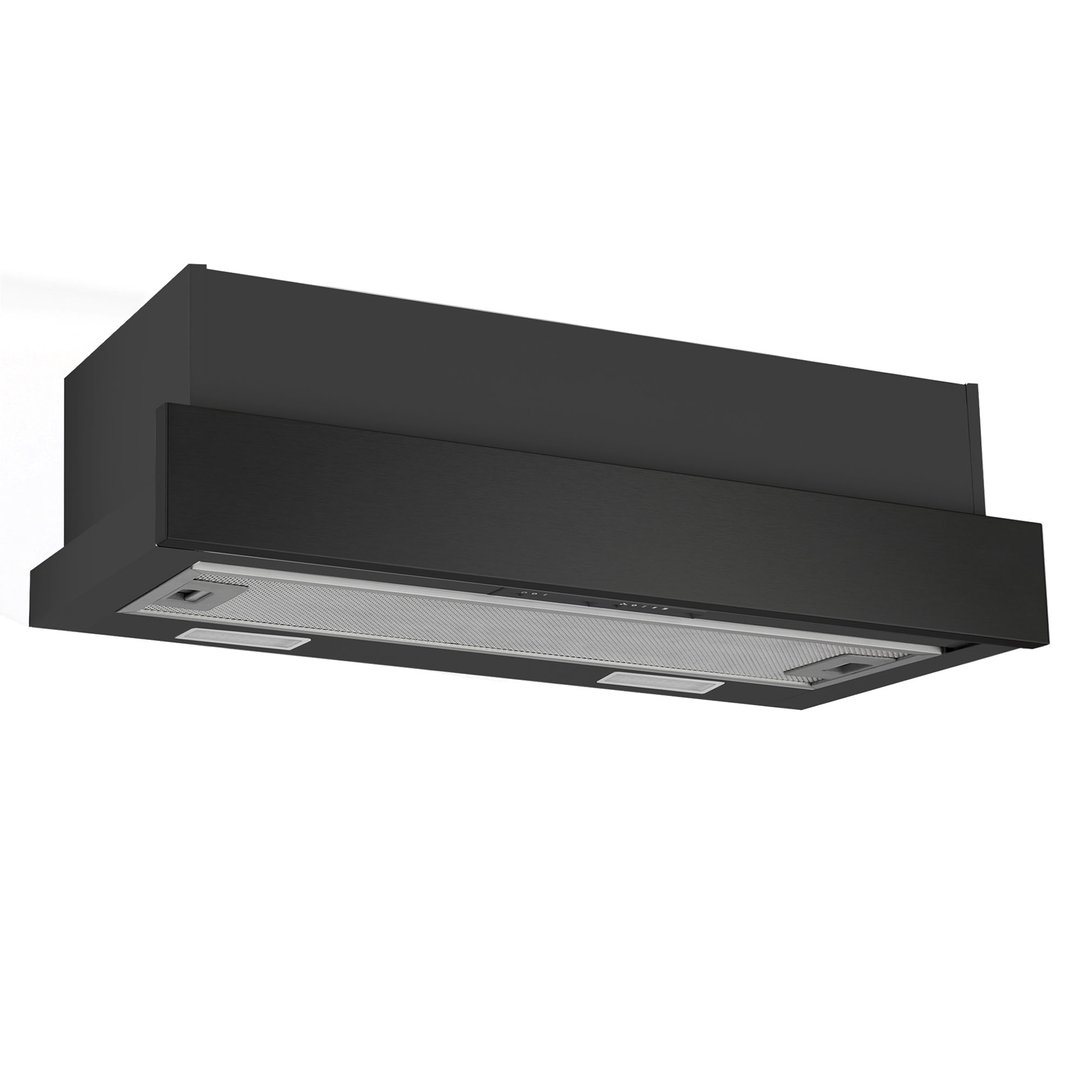
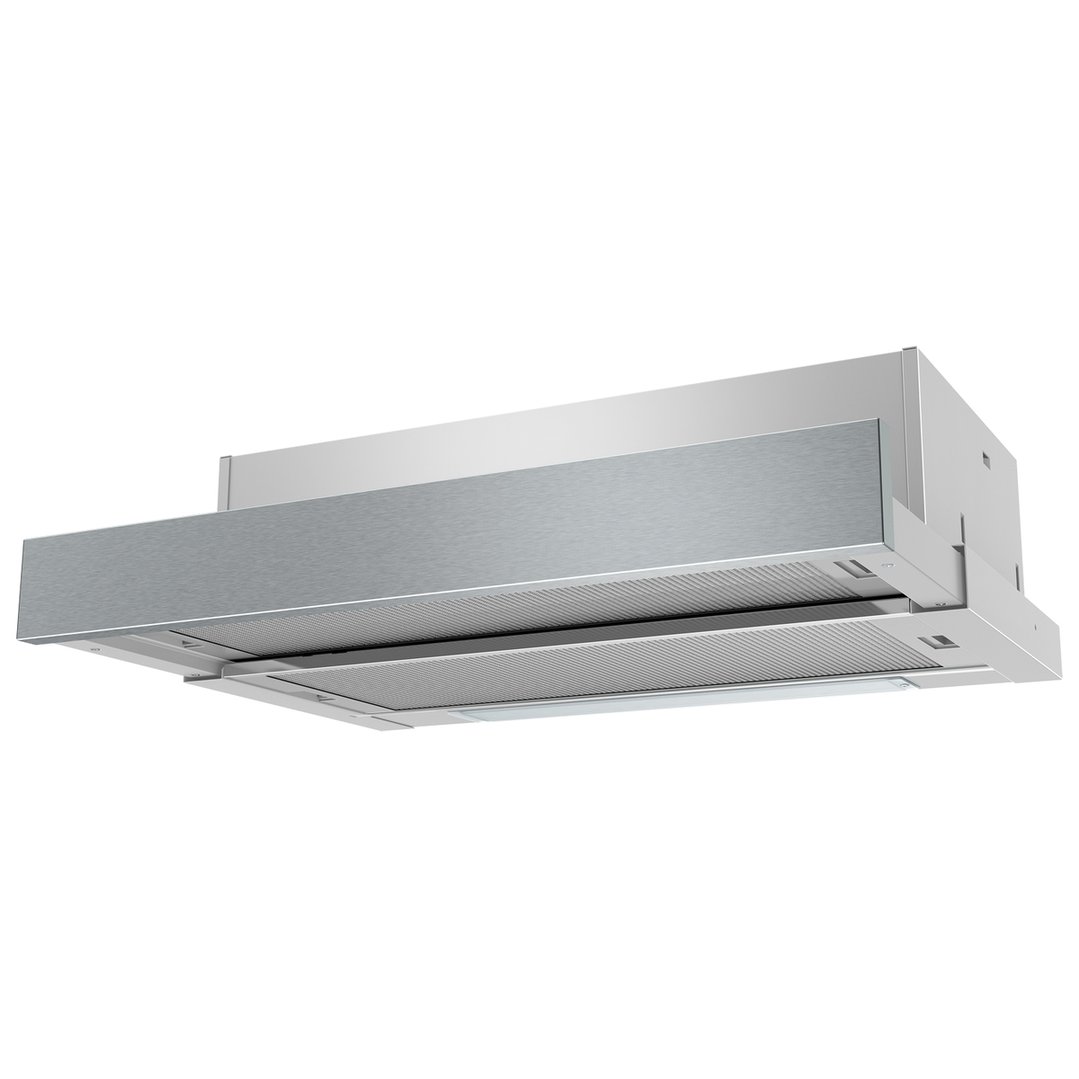
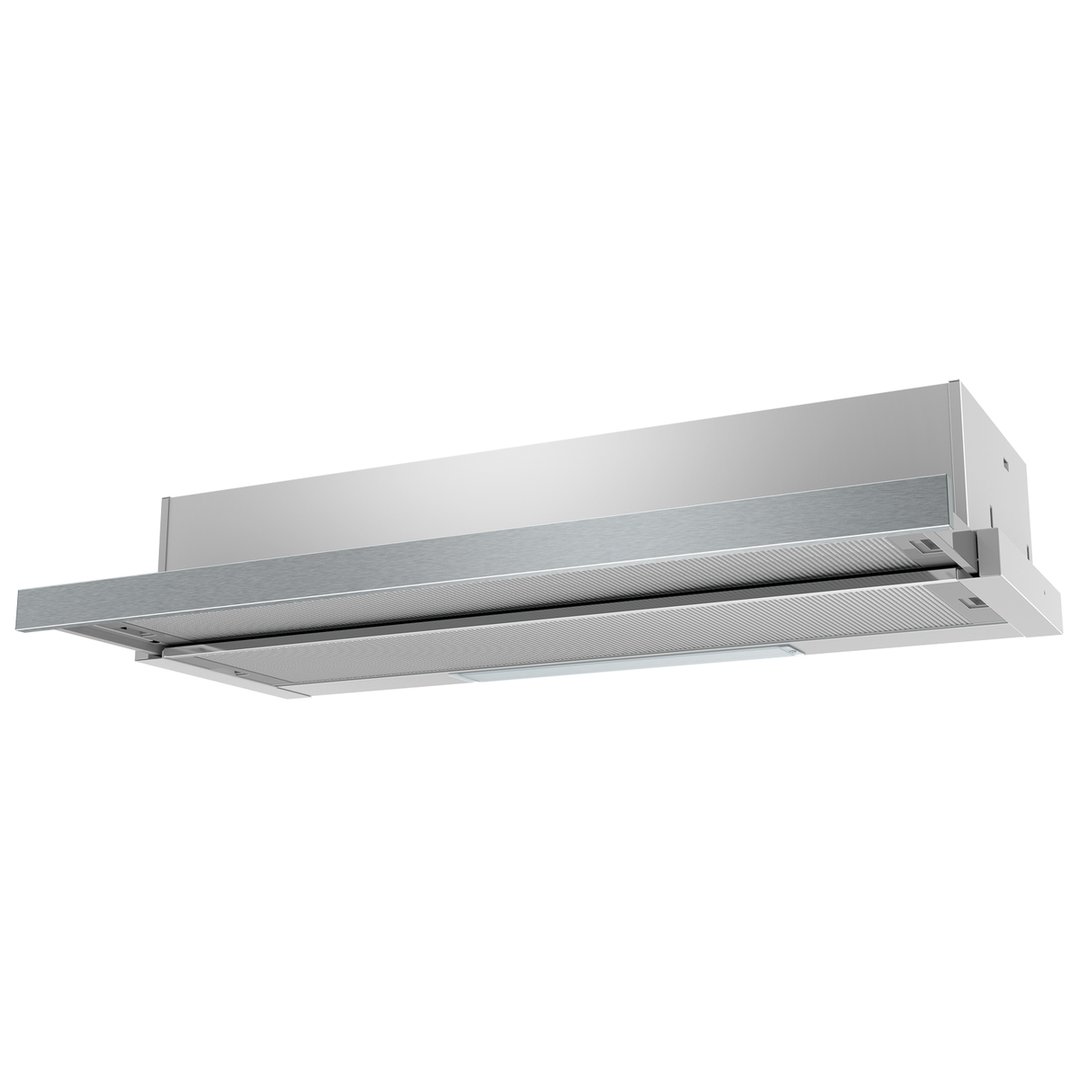
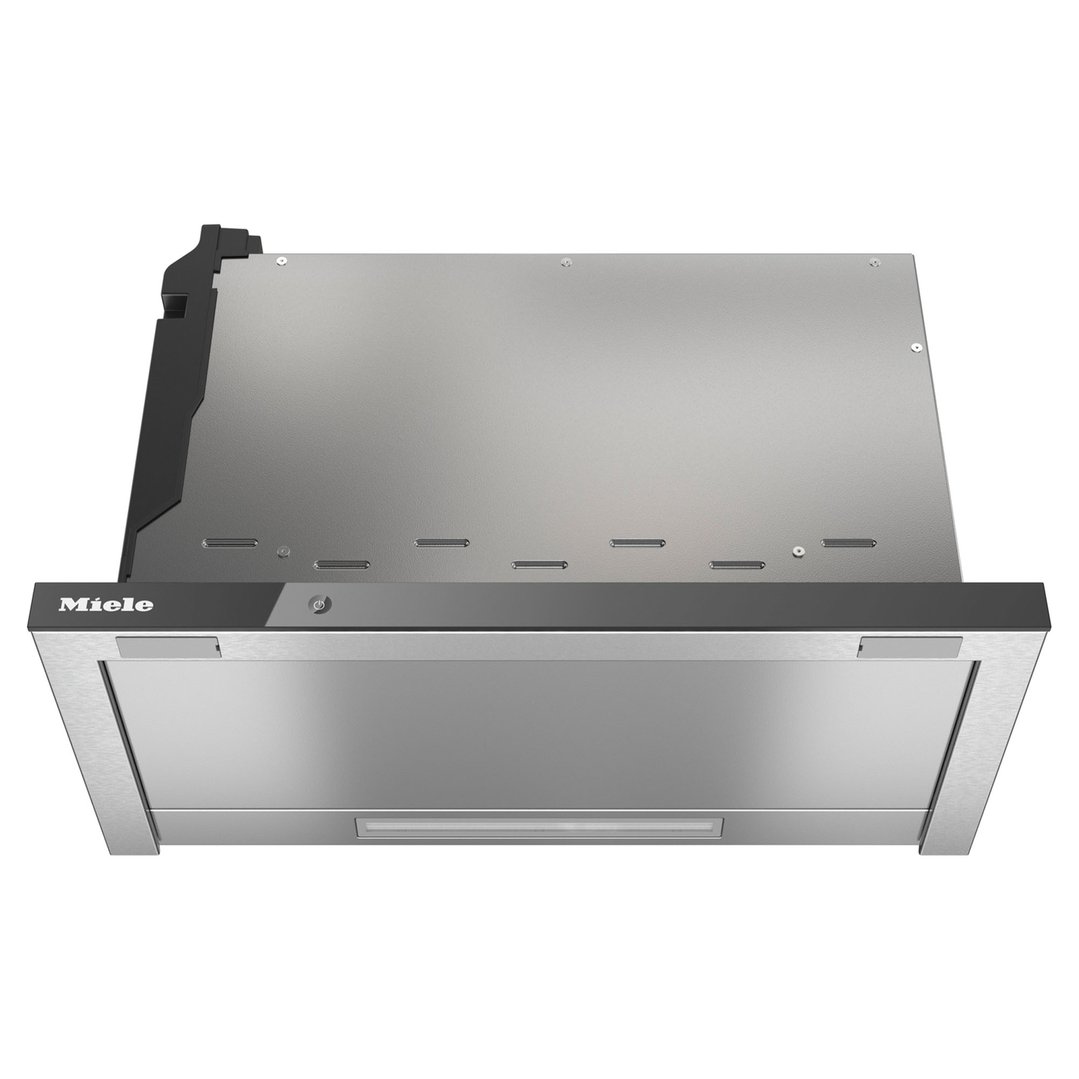
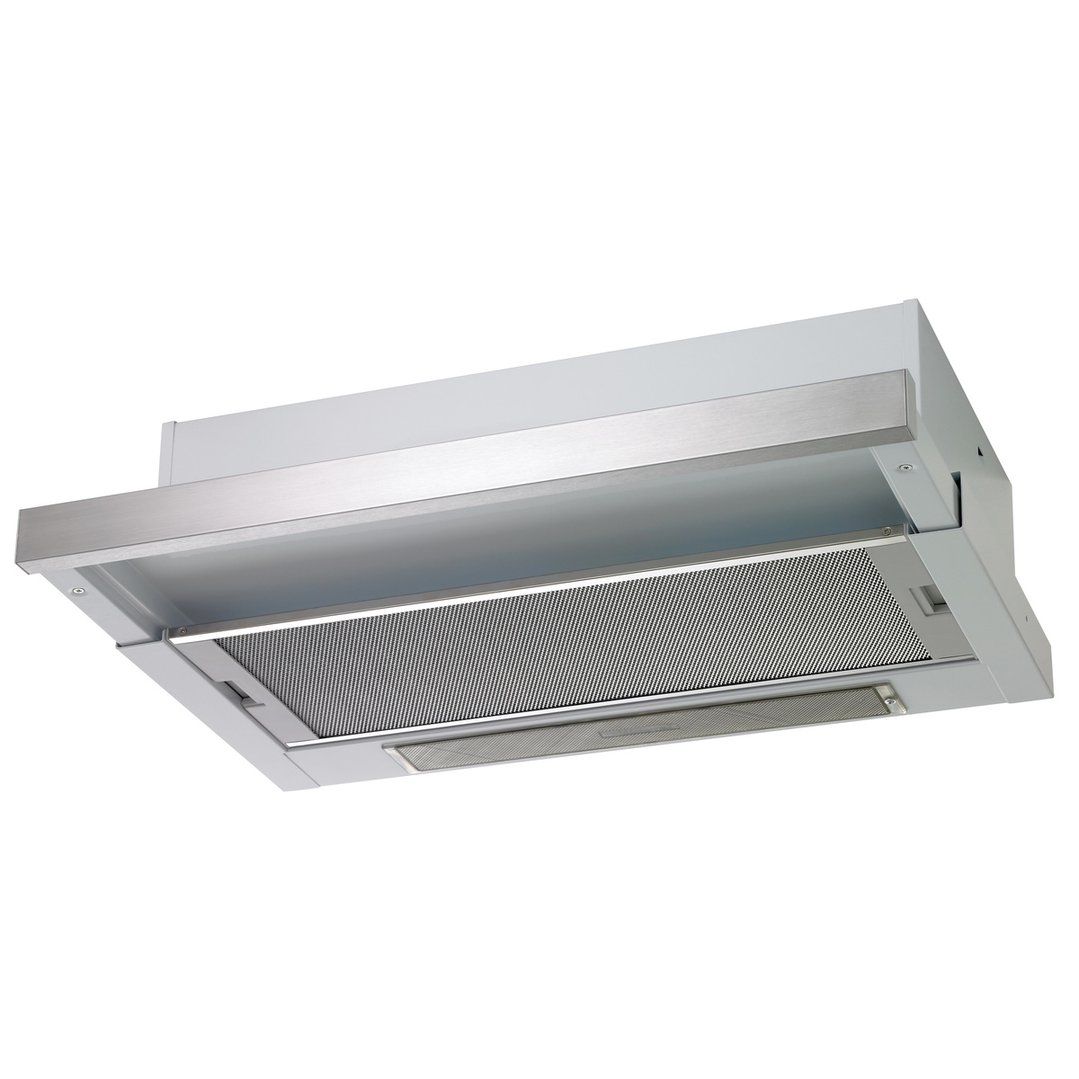
Retractable rangehoods, also known as slideout rangehoods, are not only easy to use but they can be pushed out of sight when not in operation. Operated by sliding out a section of the unit, triggers within the rangehood switch on the light and fan, with different positions allowing settings to be adjusted.
Sleek, unobtrusive design suits modern kitchens.
Easy to operate.
The steam collection area tends to be smaller than other types of rangehoods, making them less efficient than some others.
Popular retractable rangehood brands: Westinghouse, Smeg, Omega, Miele
$1,999$1,799.10Ends in
2 Days$2,199$1,979.10Ends in
2 Days$2,199$1,979.10Ends in
2 Days





CANOPY RANGEHOODS
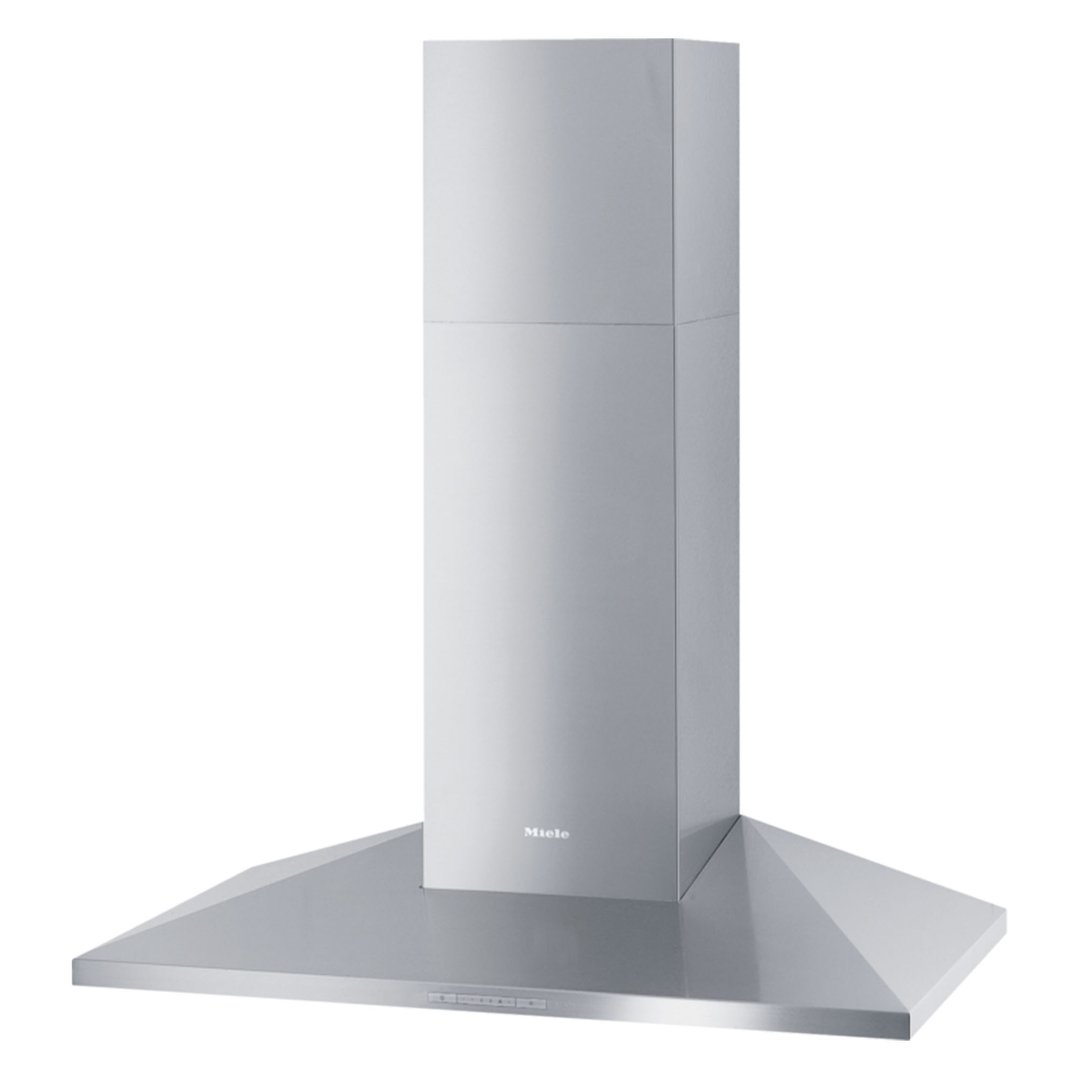
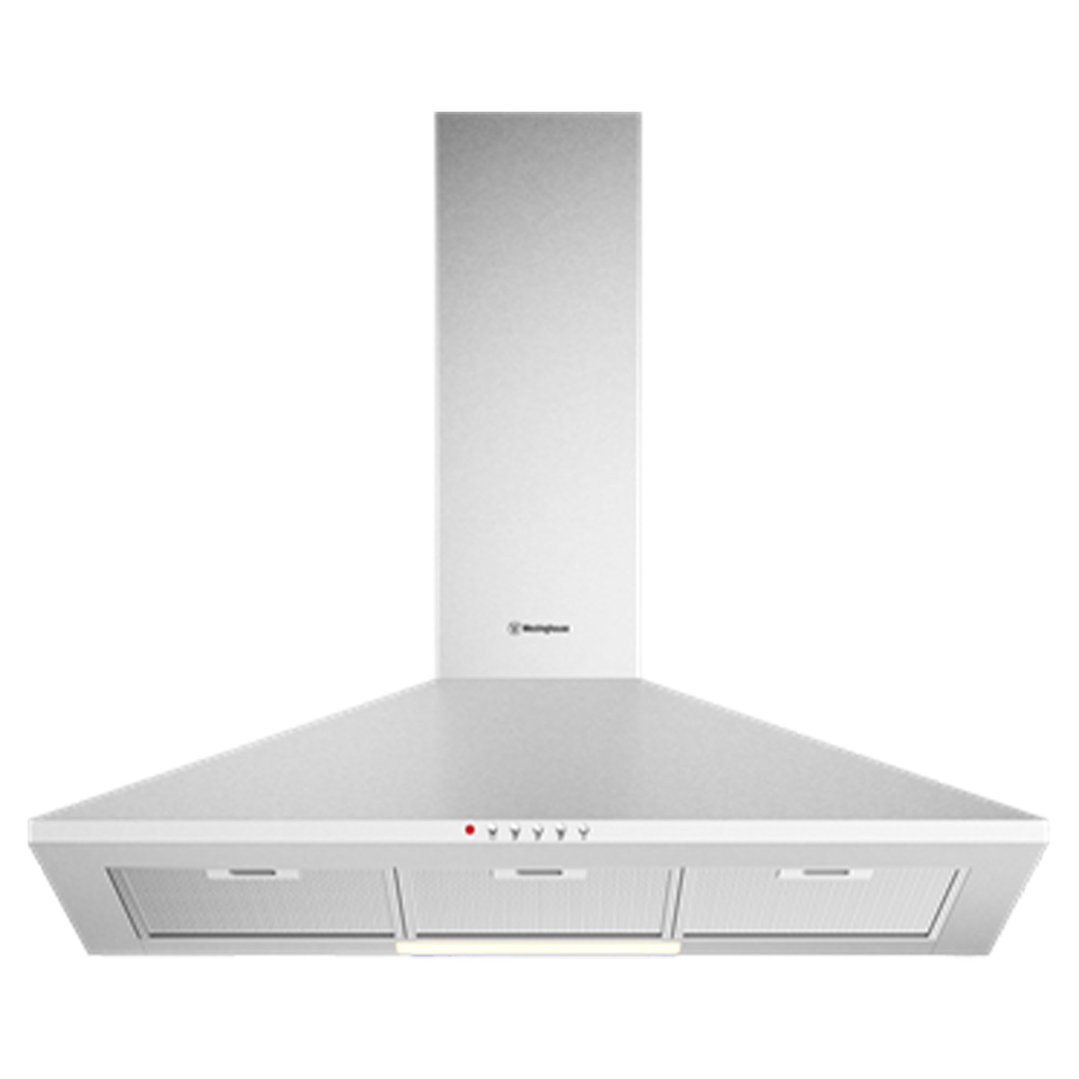
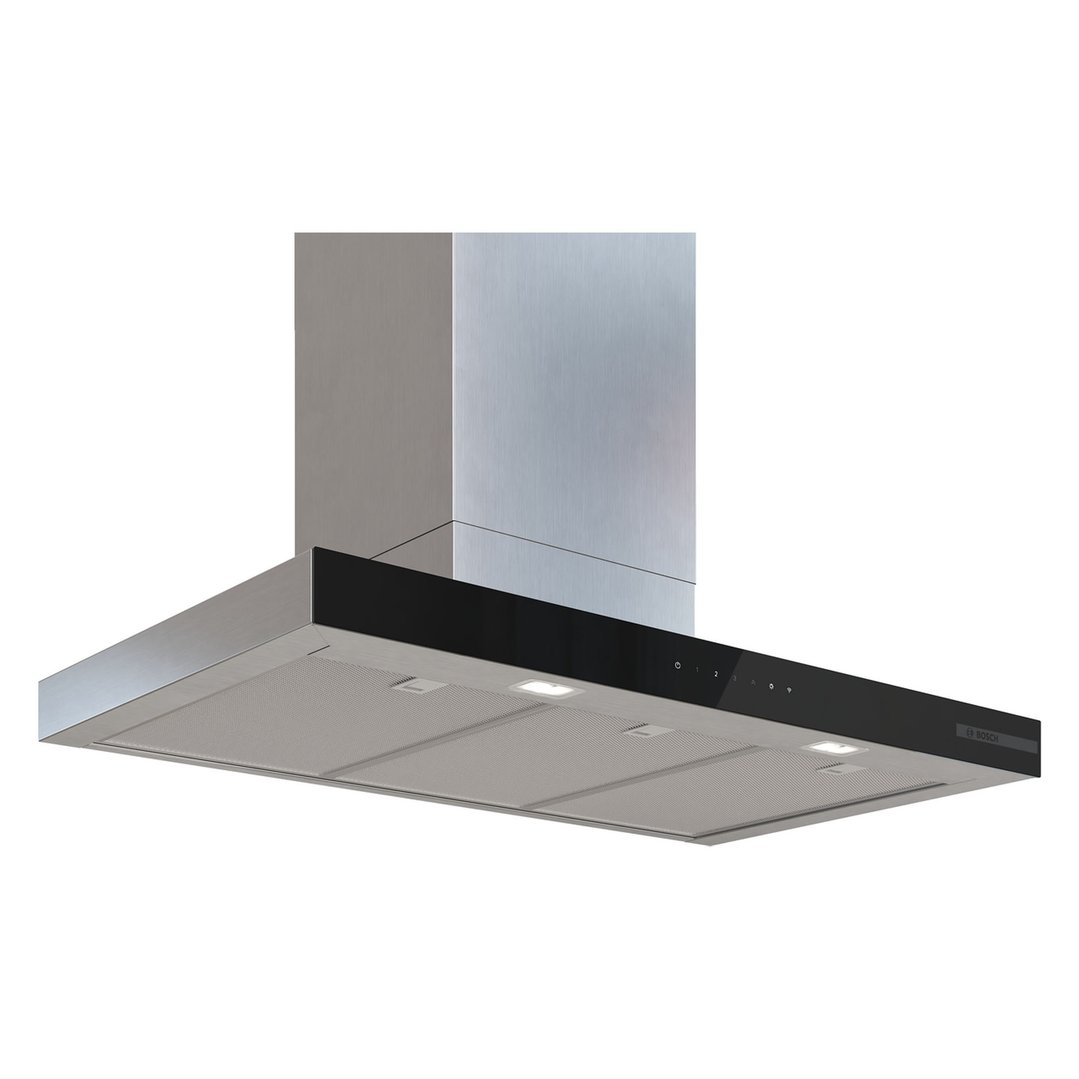
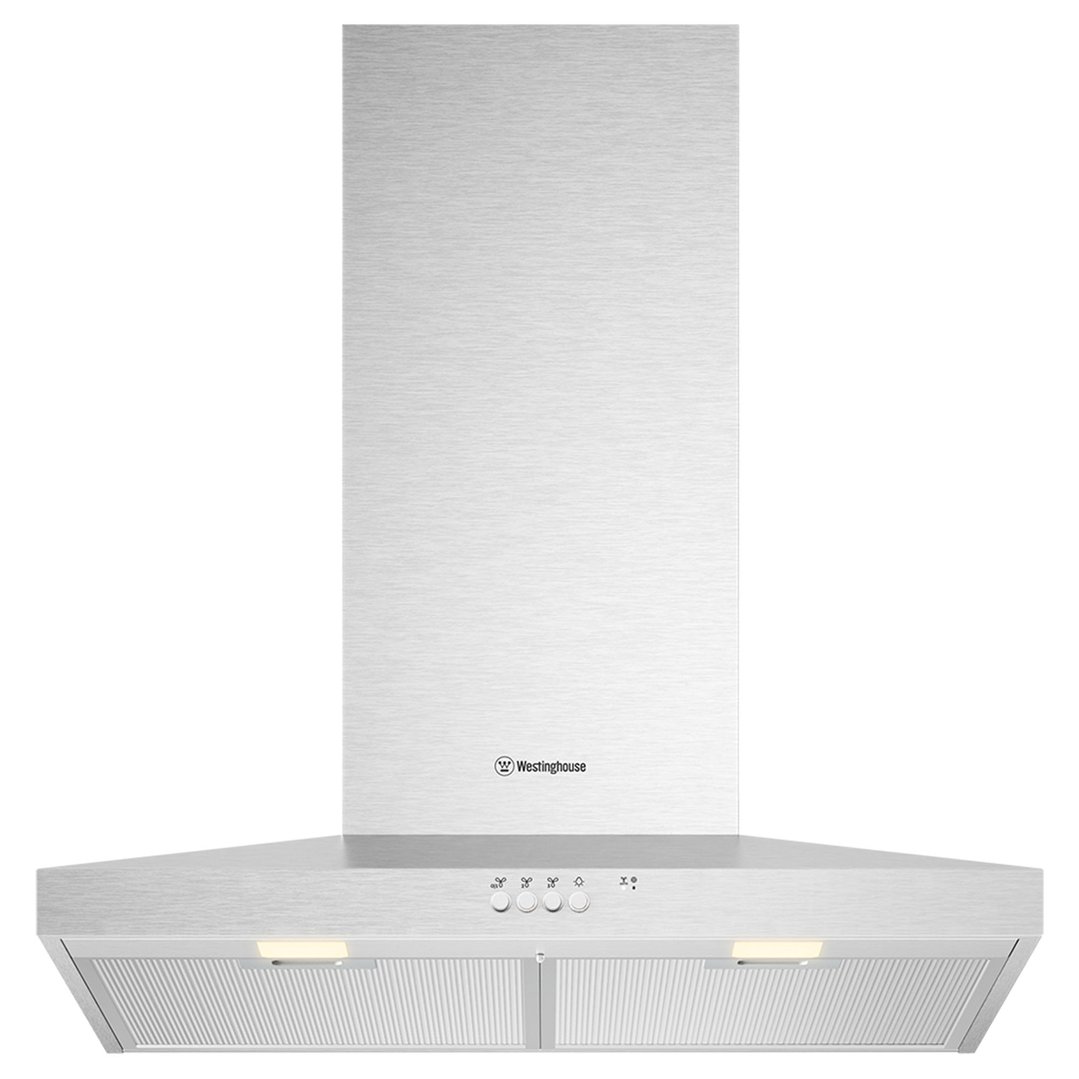
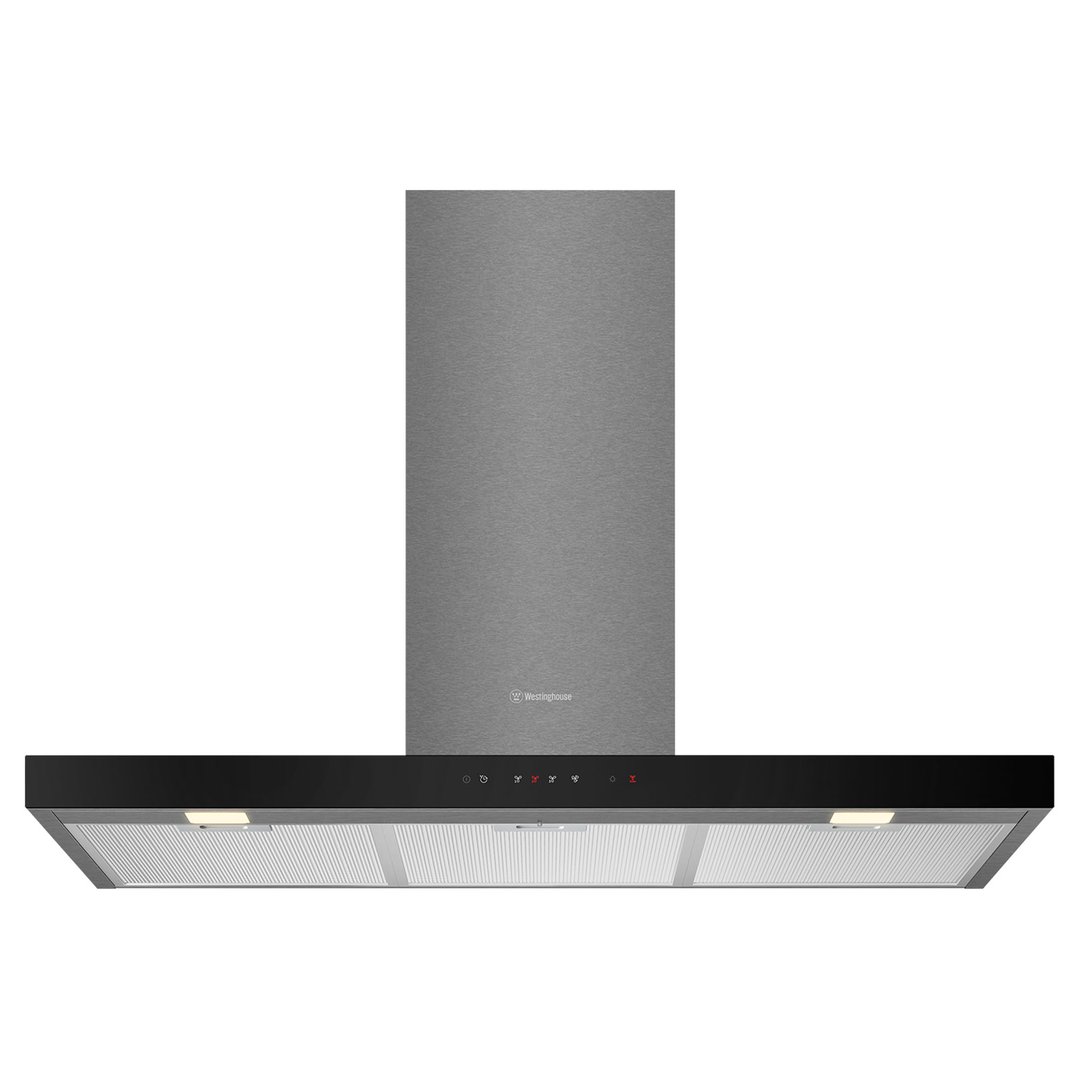
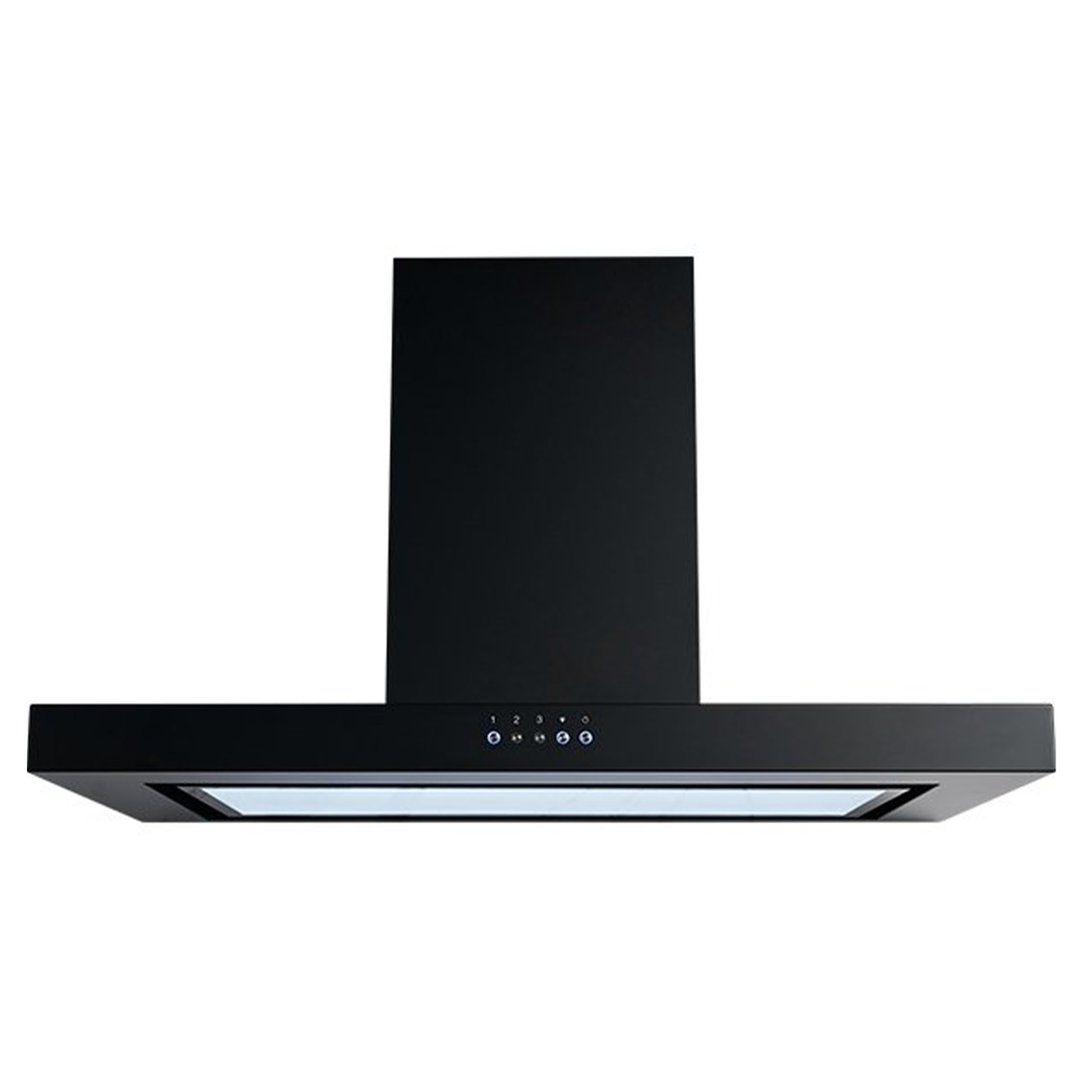
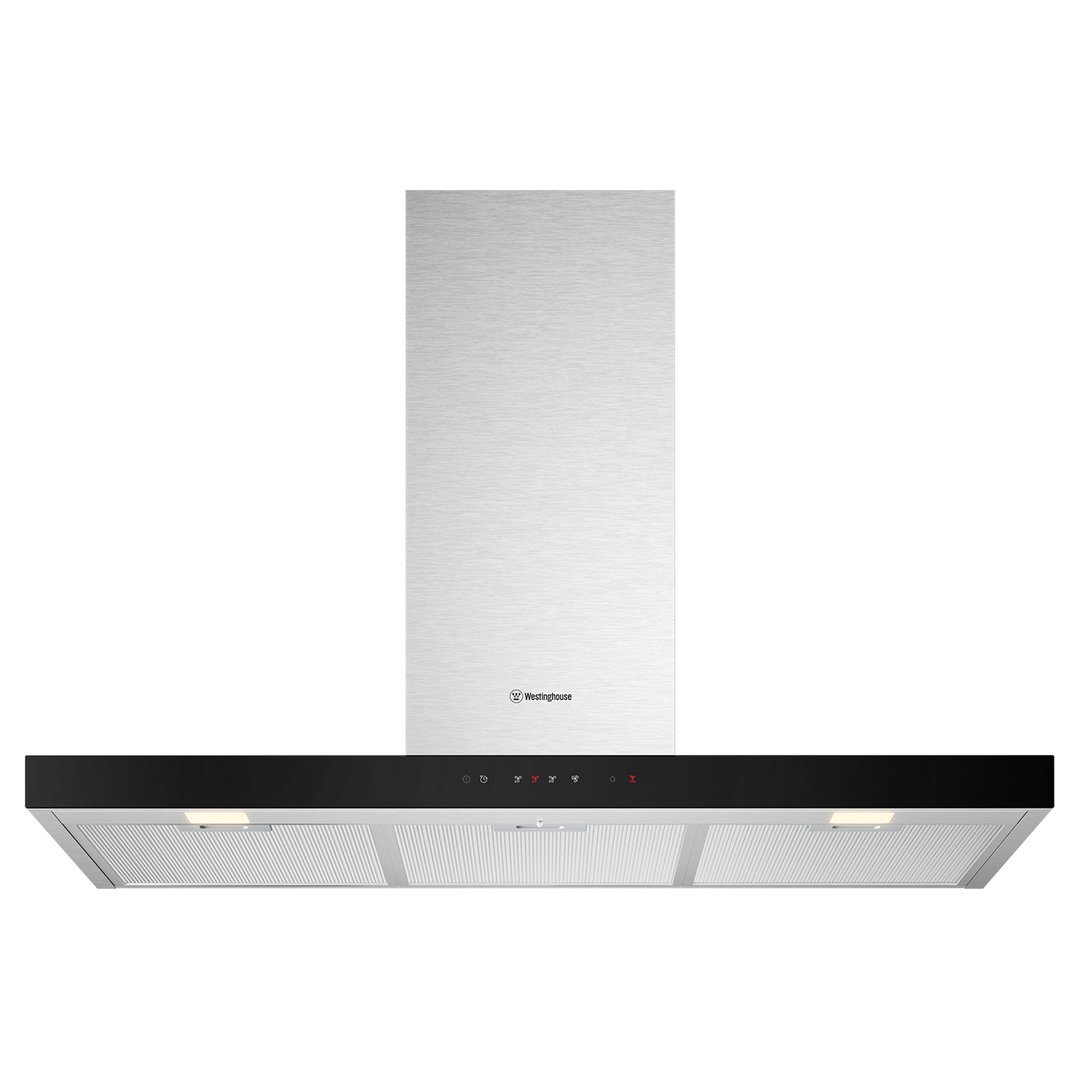
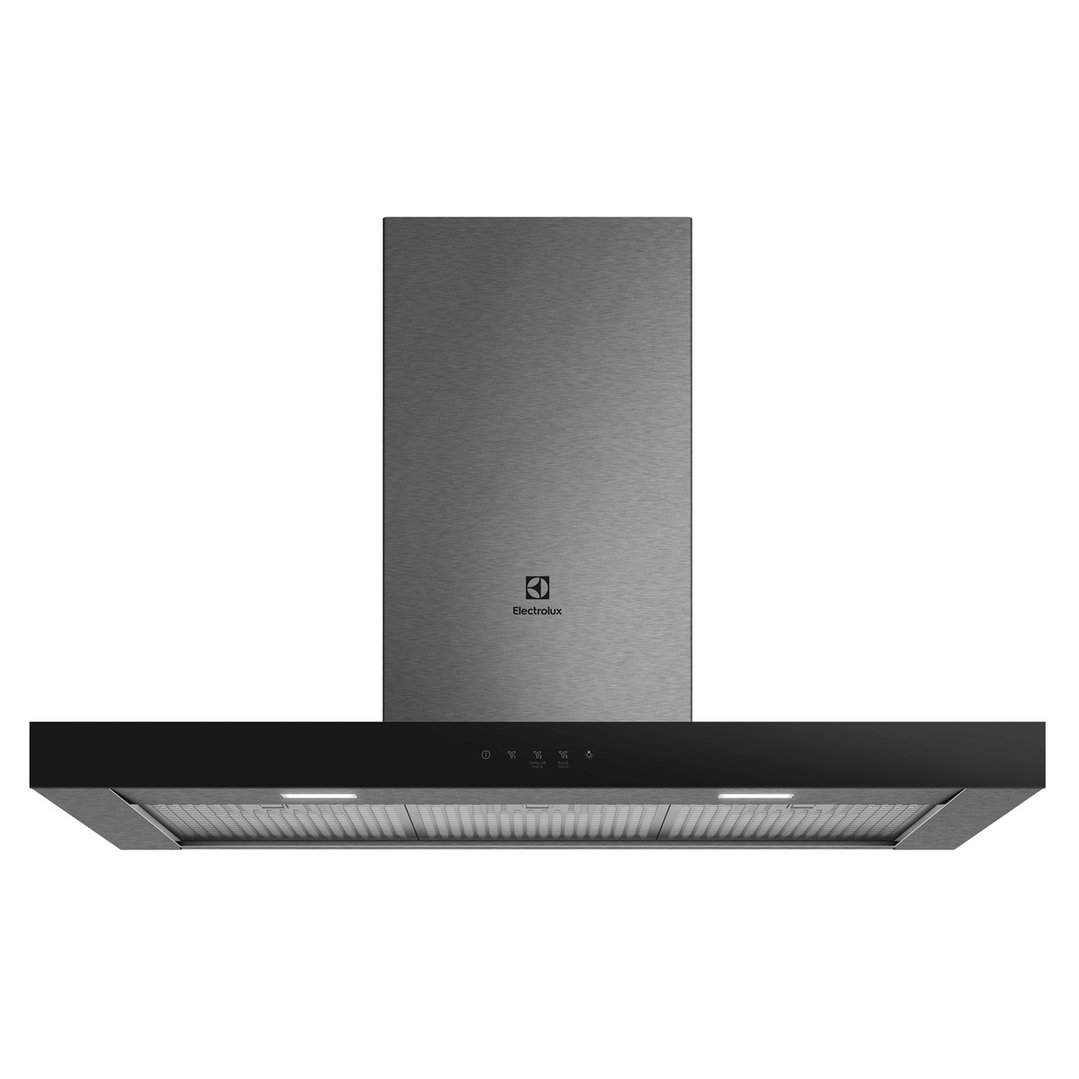
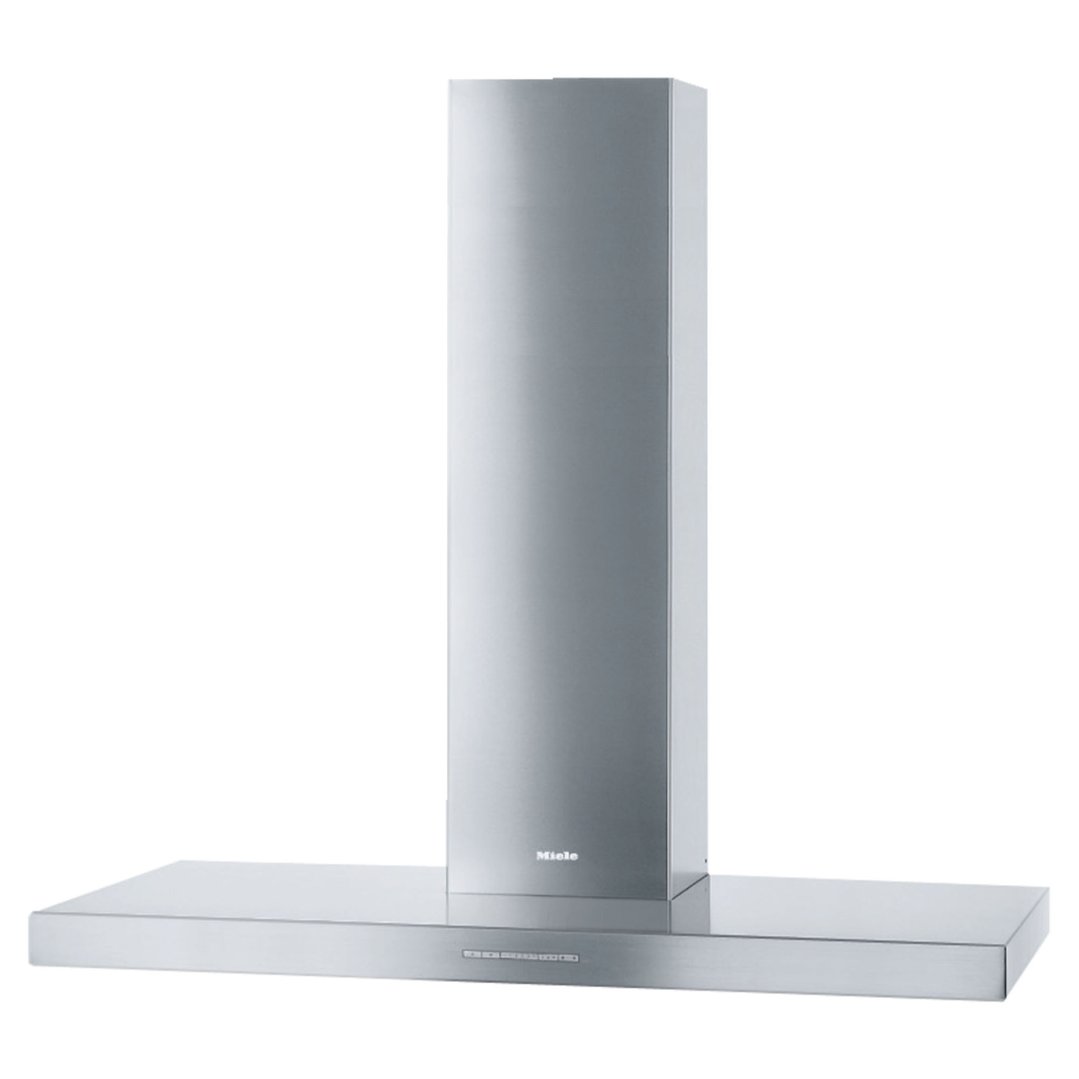
Similar in style to the rangehoods used in professional kitchens, canopy rangehoods are efficient and effective. This style of rangehood essentially forms a canopy over the cooktop and has a chimney-style body that is wall-mounted or positioned over a kitchen island. They may be more expensive than other types, but can be a stylish addition to a modern kitchen.
One of the most common rangehood styles.
Often covers more of the stovetop area than other types of rangehood.
Typically more expensive than other types of rangehood.
Can be mounted above a kitchen island or on a wall.
Popular canopy rangehood brands: Smeg, Falmec, Falcon, Euromaid

$4,499$4,049.10Ends in
2 Days

EXTRACTION METHODS
DUCTED RANGEHOODS
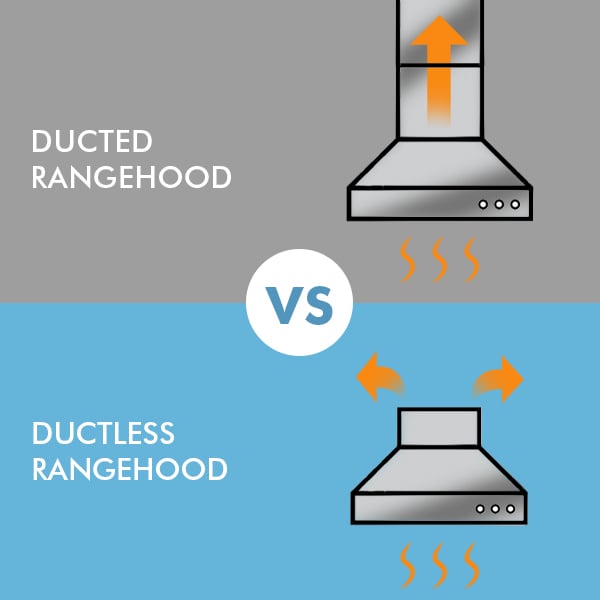
Ducted rangehoods send the air extracted outside via a metal duct. This is useful as odours, smoke and steam are removed from the room instead of simply being filtered. This option can be more expensive as a ducting pipe needs to be installed in the home and it can be difficult to retrofit. In the case of some buildings, such as apartments, it may not be possible to duct a rangehood due to size and structural limitations.
RECIRCULATING RANGEHOODS (NON-DUCTED RANGEHOODS)
Recirculating rangehoods take in the air from above the cooktop and run it through a filter. Once the air has been filtered, it is then reintroduced into the kitchen. This extraction method doesn’t necessarily remove smoke, heat or odours in their entirety, but it can reduce the severity of cooking smells. Without the need for a ducting pipe, recirculating rangehoods are often cheaper and easier to install. In the long run, however, you may need to replace the filter to ensure it operates properly.
FILTER TYPES
All rangehoods use some kind of filter to help remove grease, smoke and smells from the air. There are two types of filters that are commonly used: aluminium rangehood filters and charcoal rangehood filters.
ALUMINIUM RANGEHOOD FILTERS
Often used in ducted rangehoods, aluminium rangehood filters are generally pretty easy to remove and clean, with some modern aluminium rangehood filters even able to be cleaned in the dishwasher. This type of filter does not need to be replaced after a certain period of time, but merely cleaned instead.
CHARCOAL RANGEHOOD FILTERS
Used in recirculating rangehoods, charcoal rangehood filters remove smells and impurities from the air. Unlike aluminium rangehood filters, charcoal rangehood filters do need to be replaced once they reach the end of their lifespan. Some manufacturers recommend that filters should be changed once a month, while others suggest anywhere between every six and 12 months. Overtime, the cost of changing charcoal rangehood filters can add up.
FINDING THE RIGHT RANGEHOOD FOR YOUR NEEDS
SIZE
When buying a rangehood, there are two key measurements that you should take note of: the width of your cooktop and the amount of space you have available for the rangehood itself. As a general rule of thumb, the width of the rangehood should match the width of your cooktop, while the space you have between your cabinetry and other areas of your kitchen should be large enough to comfortably fit the unit.
HEIGHT LIMITATIONS
In Australia, there are installation standards that require a certain amount of space to be left between the rangehood and the cooktop below. For a gas cooktop, there must be at least 65cm between the highest part of the cooktop and the rangehood, while for electric cooktops, this measurement must be a minimum of 60cm. When shopping for a new rangehood, it’s important to take this measurement into consideration or else you won’t comply with warranty conditions or Australian regulations.
AESTHETIC CONSIDERATIONS
Just with any other new addition to your kitchen, the style of the rangehood you’re considering should work well with your existing décor. For some kitchens, a sleek, modern canopy rangehood could be a feature in itself, while in an older home, it may look out of place. If you prefer your rangehood to blend seamlessly into your cabinetry, a retractable rangehood or an undermount rangehood might be more your style.
FEATURES TO LOOK OUT FOR
Noise. Some rangehoods can be quite noisy, especially when they are switched to their maximum setting. If noise is a concern for you, particularly if you have an open-plan kitchen, dining and lounge area, be sure to test out your chosen rangehood before you commit to buying.
Controls. Look for controls that are clearly labelled, easy to understand and that aren’t difficult to operate day-to-day.
Extraction rates. The effectiveness of a rangehood is often measured by its extraction rate. The higher the extraction rate, the greater the volume of air that can be vented. The extraction rate is measured in cubic metres per hour, with more powerful rangehoods having a rate of 600 cubic metres per hour. Although this is one of the main measurements used to compare rangehoods, it’s important to know that the overall design of the rangehood can also have a significant impact on its efficiency.
Fan speeds. Having the choice of several fan speeds or settings can be handy, allowing you to adapt the use of your rangehood unit to your needs. You may only need a low fan speed most of the time, but it’s good to have the option in case you happen to cook something particularly smoky or steamy.
Lighting. It’s important that you’re able to see what you’re doing when cooking, so look for a model that provides adequate lighting for your needs. In addition, it’s good to check if the lightbulbs are easy to replace once the time comes.
Easy-to-clean exterior. Although the interior of a rangehood is likely to get dirtier and greasier than its exterior, being able to easily clean the outside of your chosen rangehood unit is still important. Look for a model that doesn’t have many crevices where grease or dirt can build up. As a general rule of thumb, rangehoods that are fixed in position are often easier to clean than their retractable counterparts.