Buying Guides
Air Conditioning Buying Guide

Whether you’re searching for the perfect air conditioner to cool your living room, a great bedroom air conditioner or a unit that can cool your whole house, you’ll find that there’s a wide variety of air conditioners to choose from. To help make buying your next air conditioner simpler, we’ve developed a handy guide featuring the different types of air conditioners available, how to find the best air conditioner for your home, the top features to look out for, and more.






TYPES OF AIR CONDITIONERS
SPLIT SYSTEM AIR CONDITIONERS
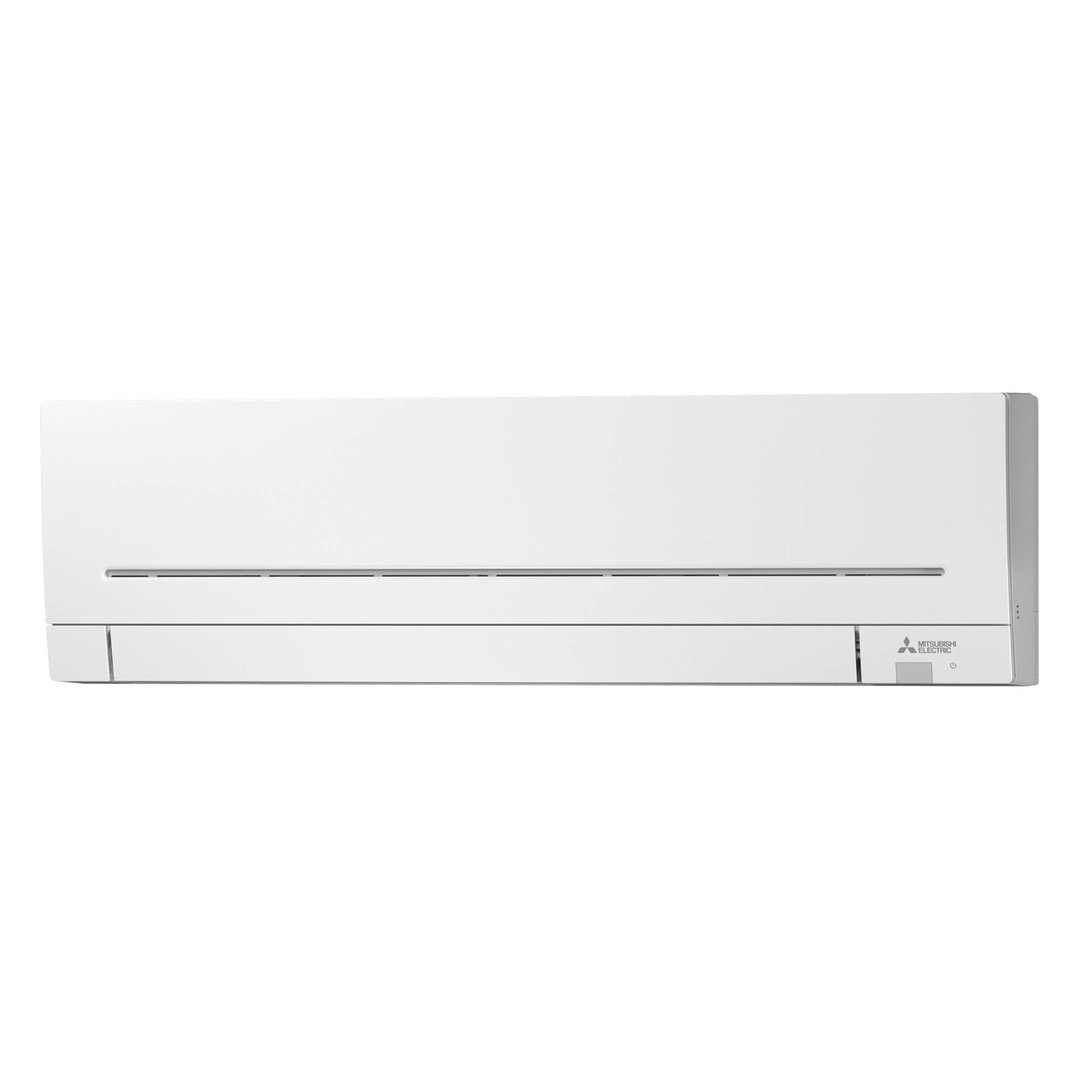
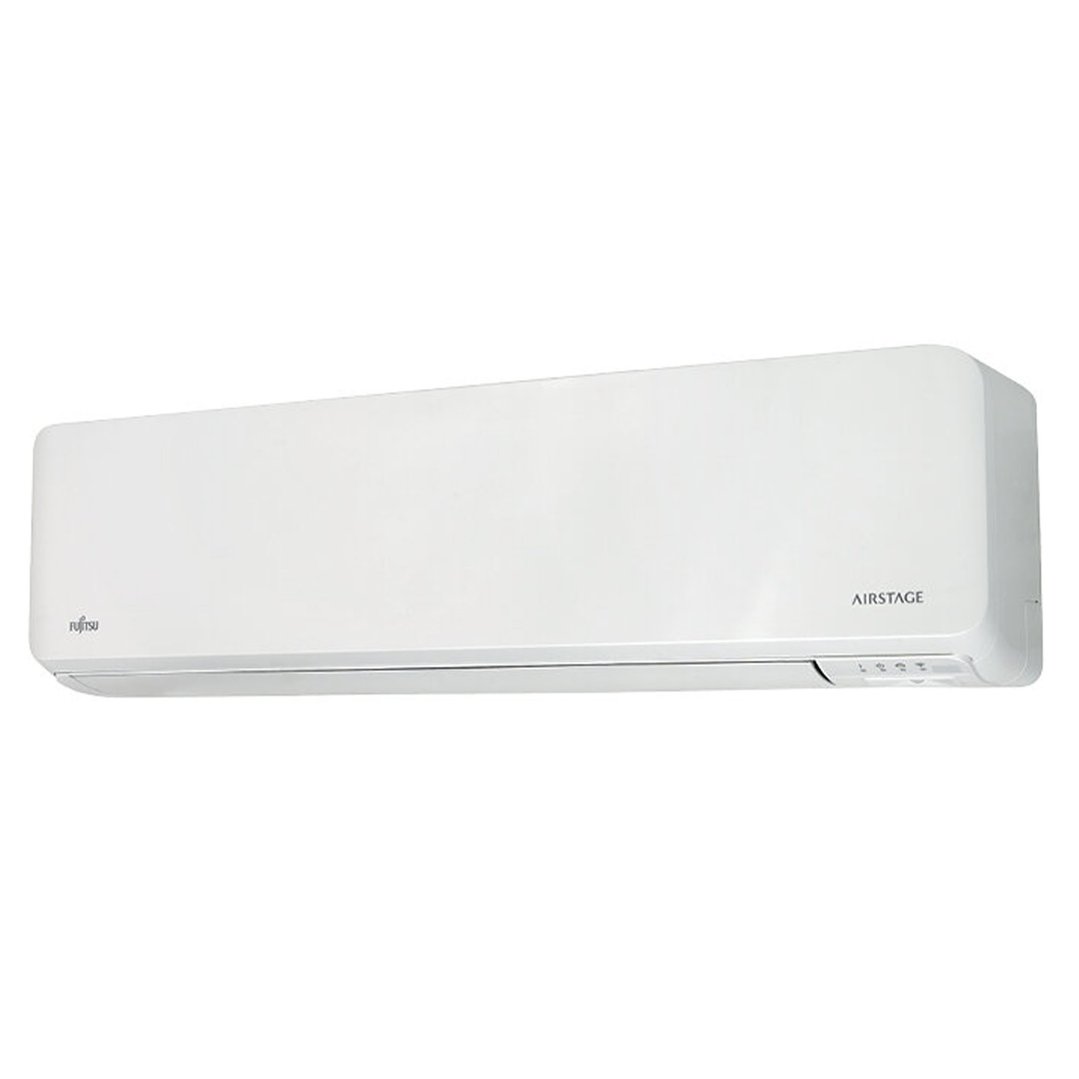
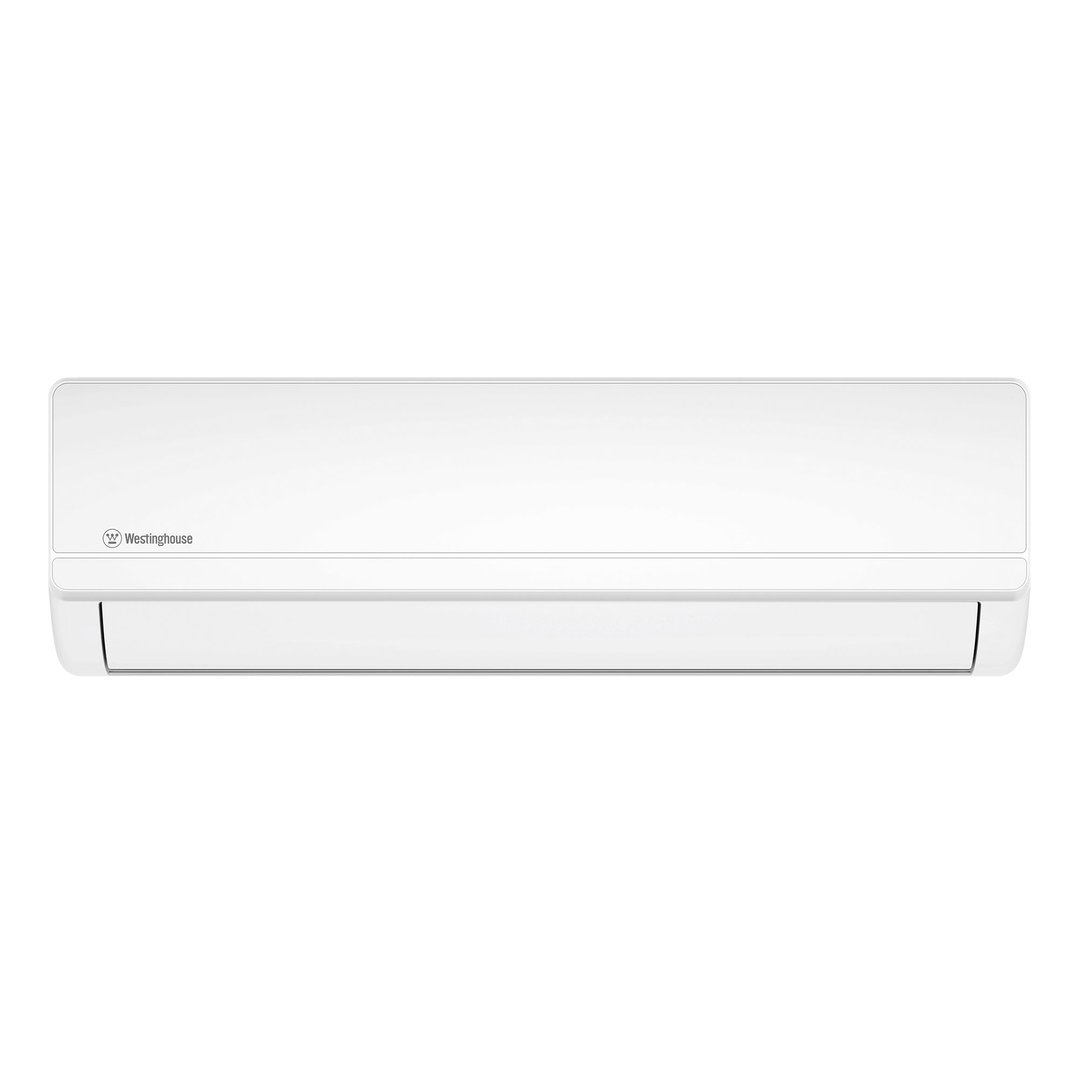
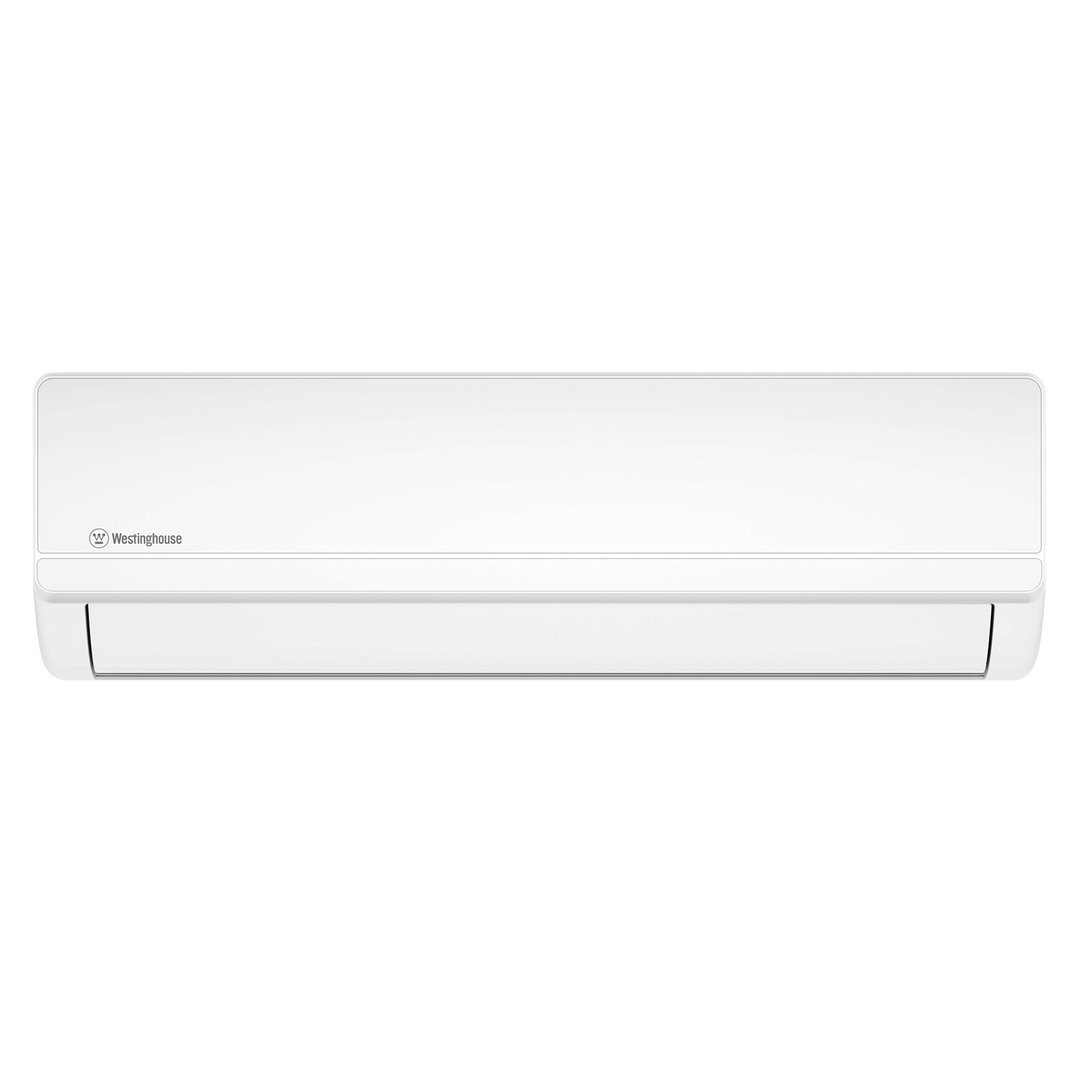
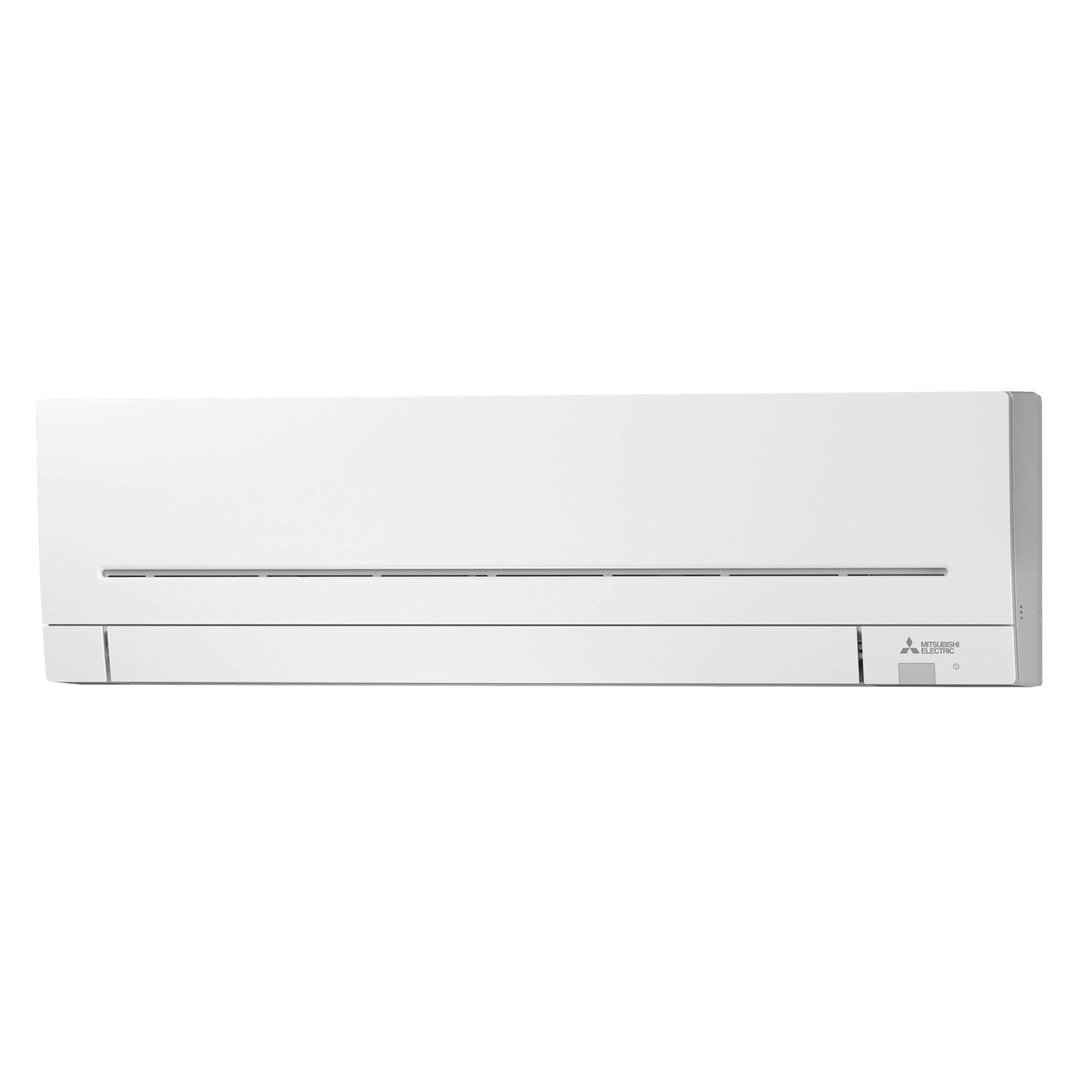
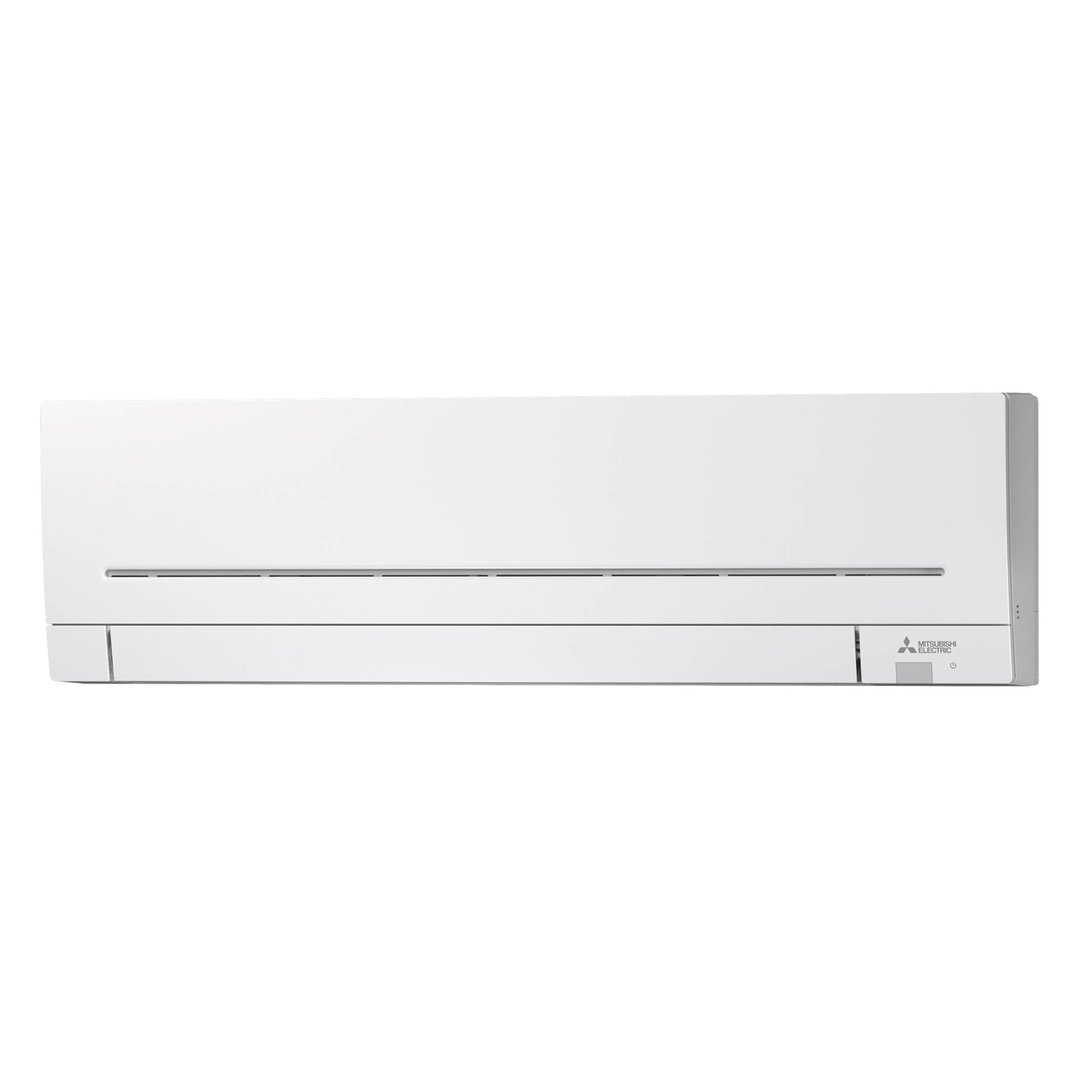
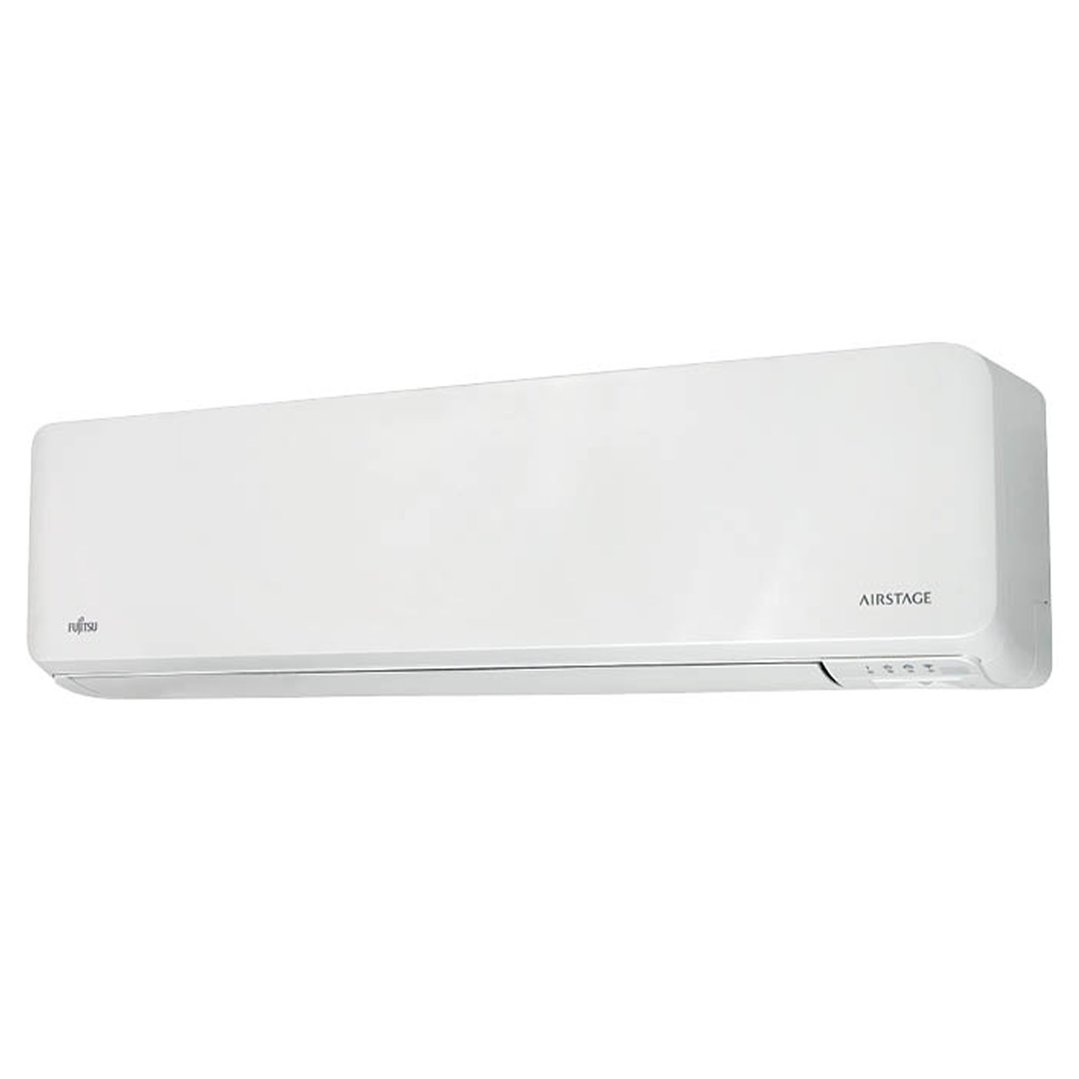
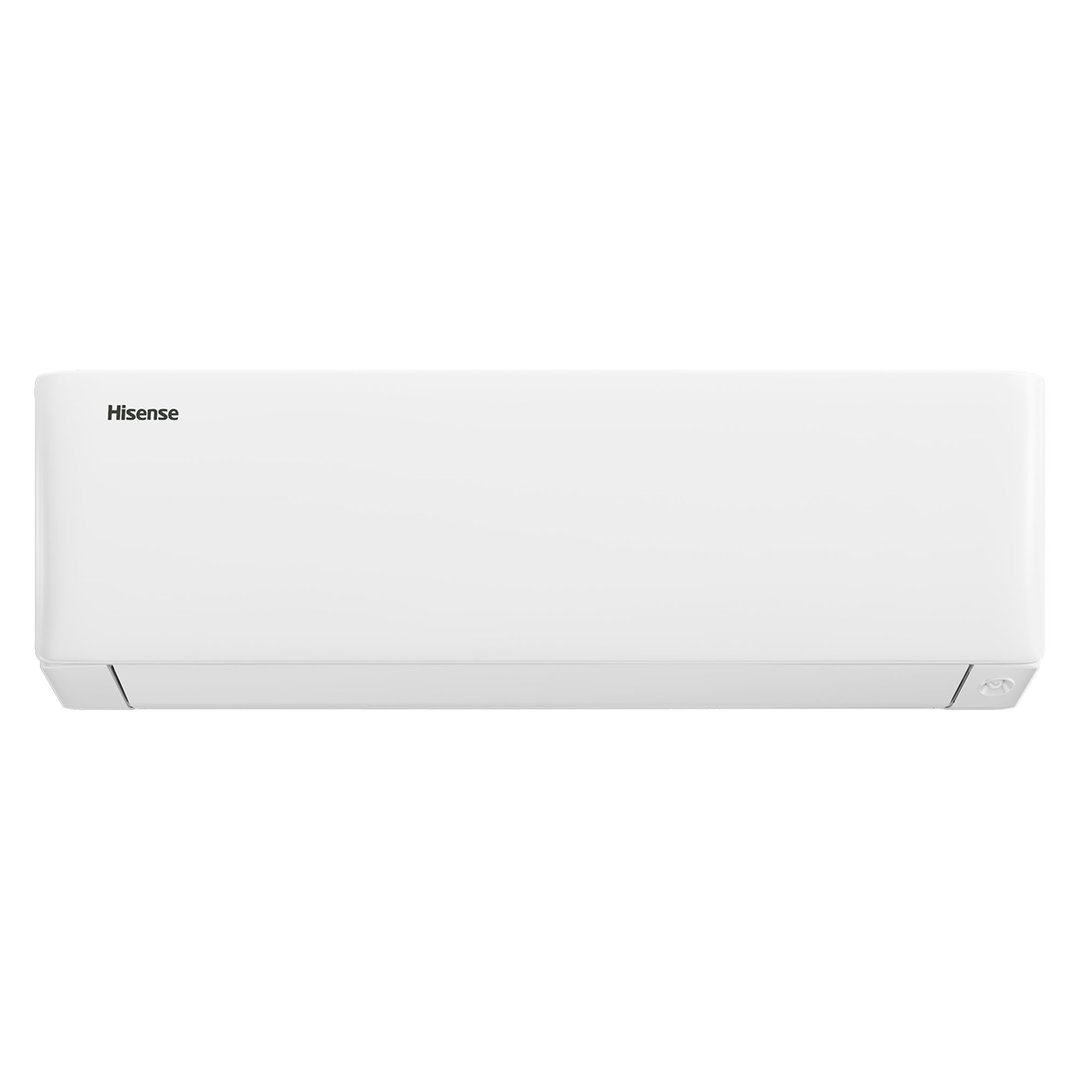
Split system air conditioners, as their name suggests, are made up of two main components: an external unit and an internal unit. The two are connected by pipes, providing quiet and efficient cooling. Split system air conditioners are ideal for cooling large rooms or, depending on their size, open plan areas of up to approximately 60㎡.
Split system air conditioners are generally more powerful than other types of air conditioners.
Installation by a licenced professional is required.
Many split system air conditioners also provide air purification and allergen filtration while in operation.
Multi-split systems with several internal units are also available.
Reverse cycle split systems provide both heating and cooling.
Popular split system air conditioner brands: Panasonic, Mitsubishi Electric, Fujitsu, Kelvinator
WINDOW AND WALL AIR CONDITIONERS
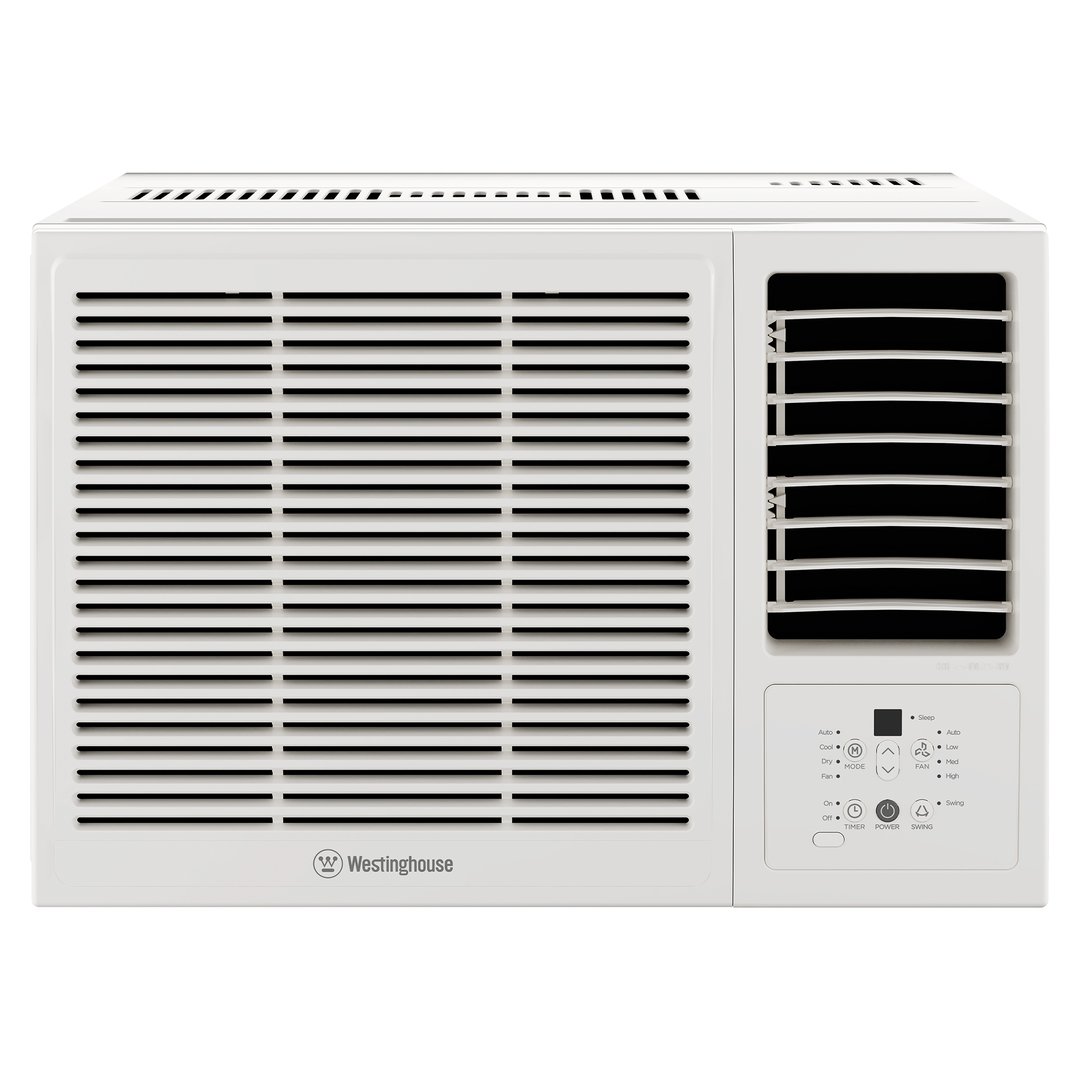
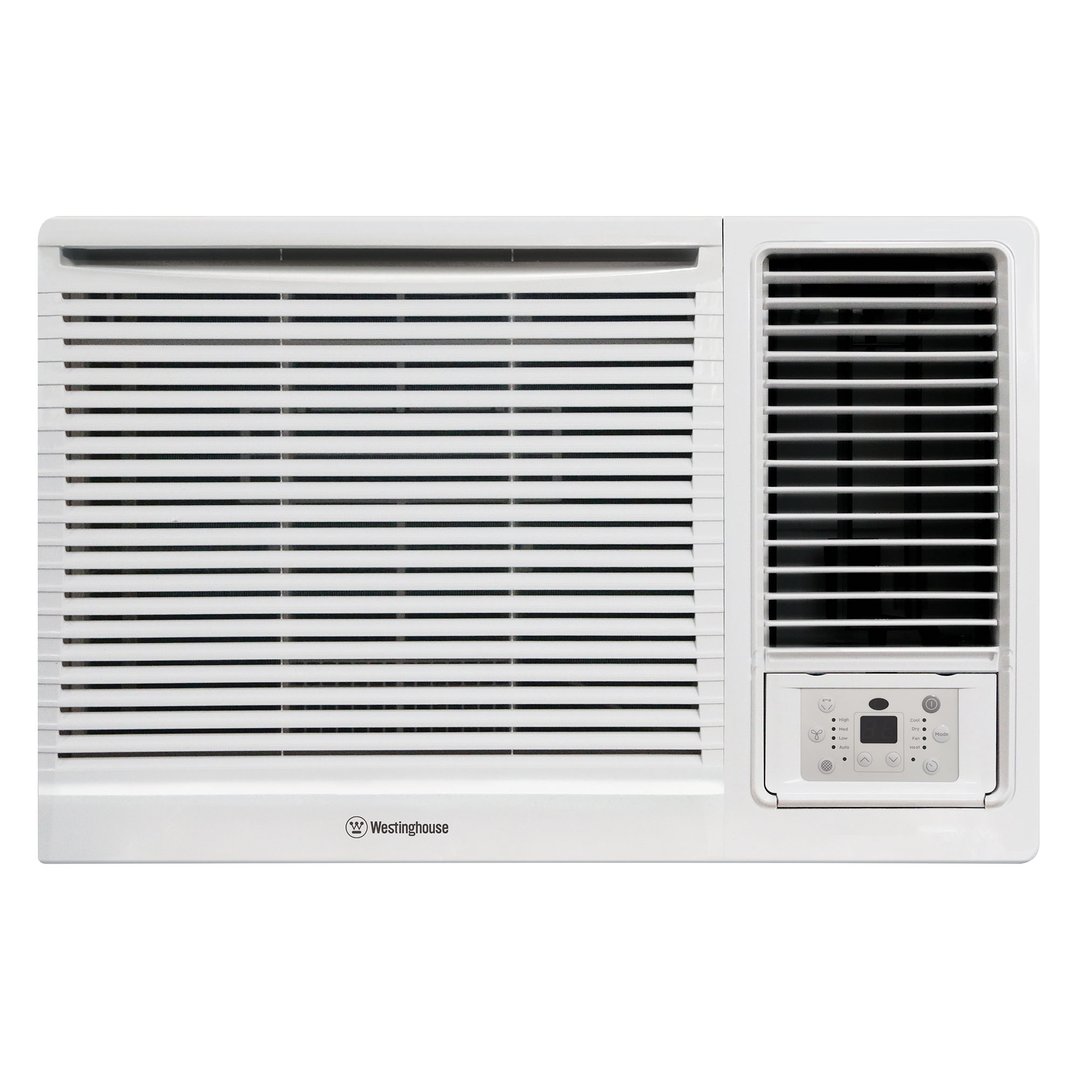
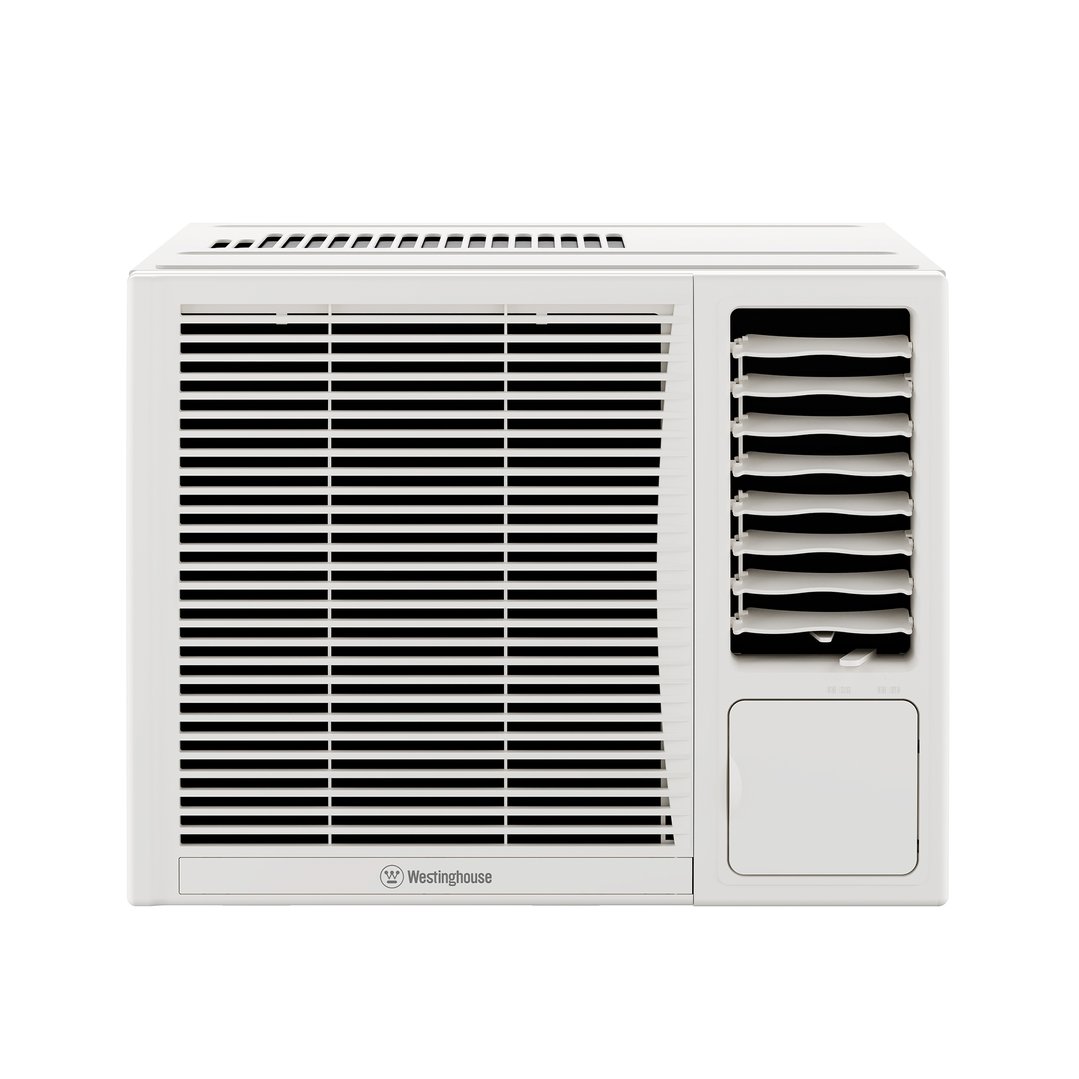
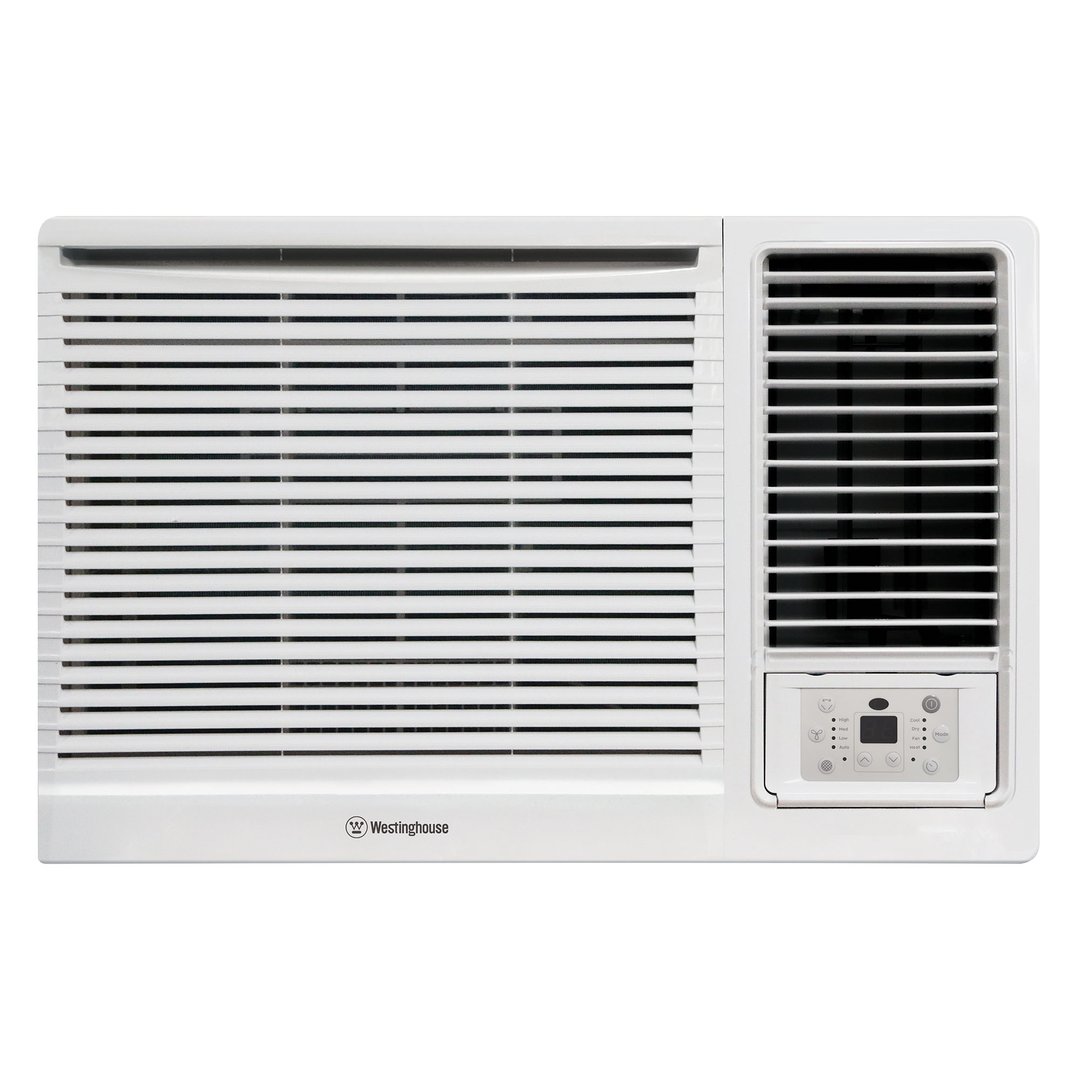
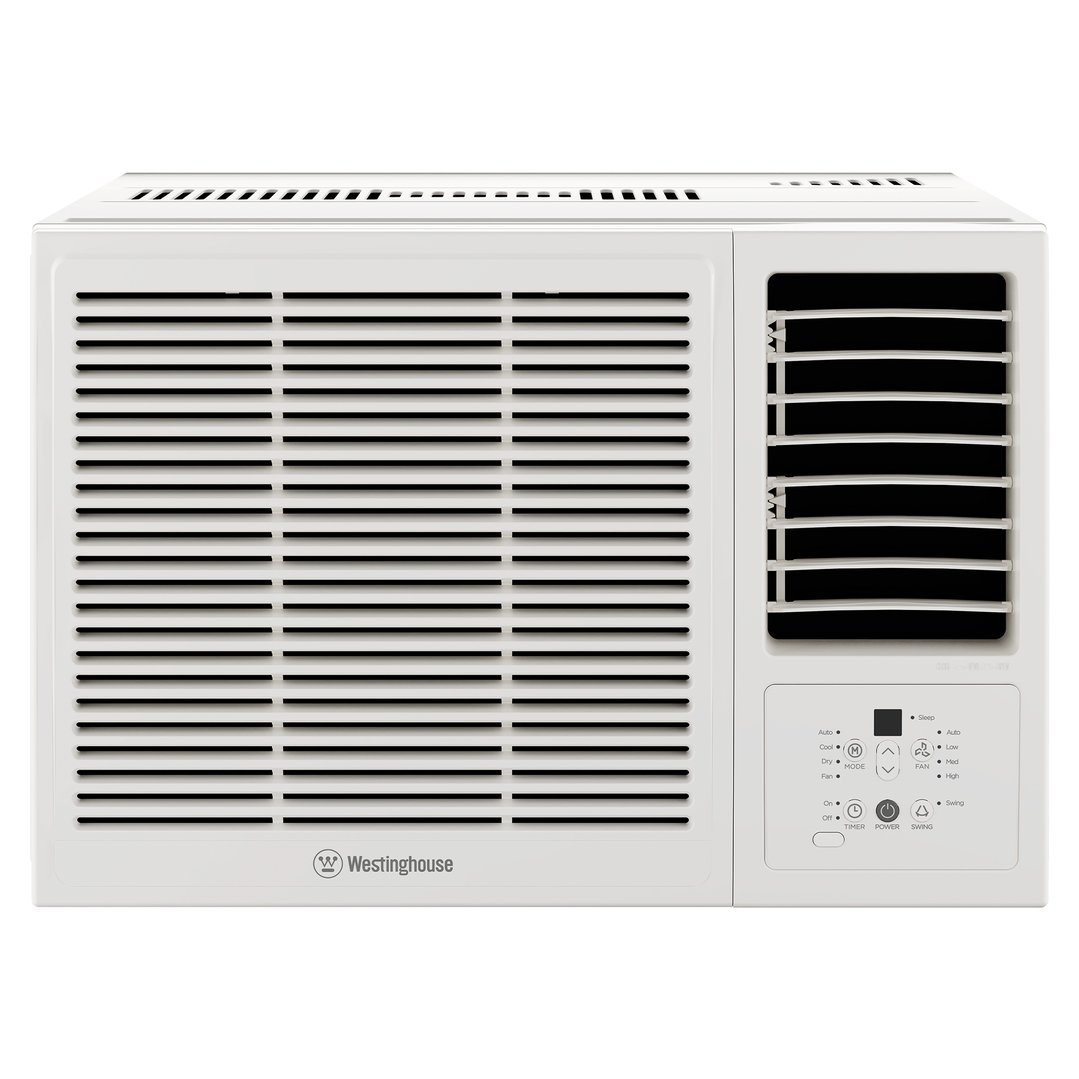
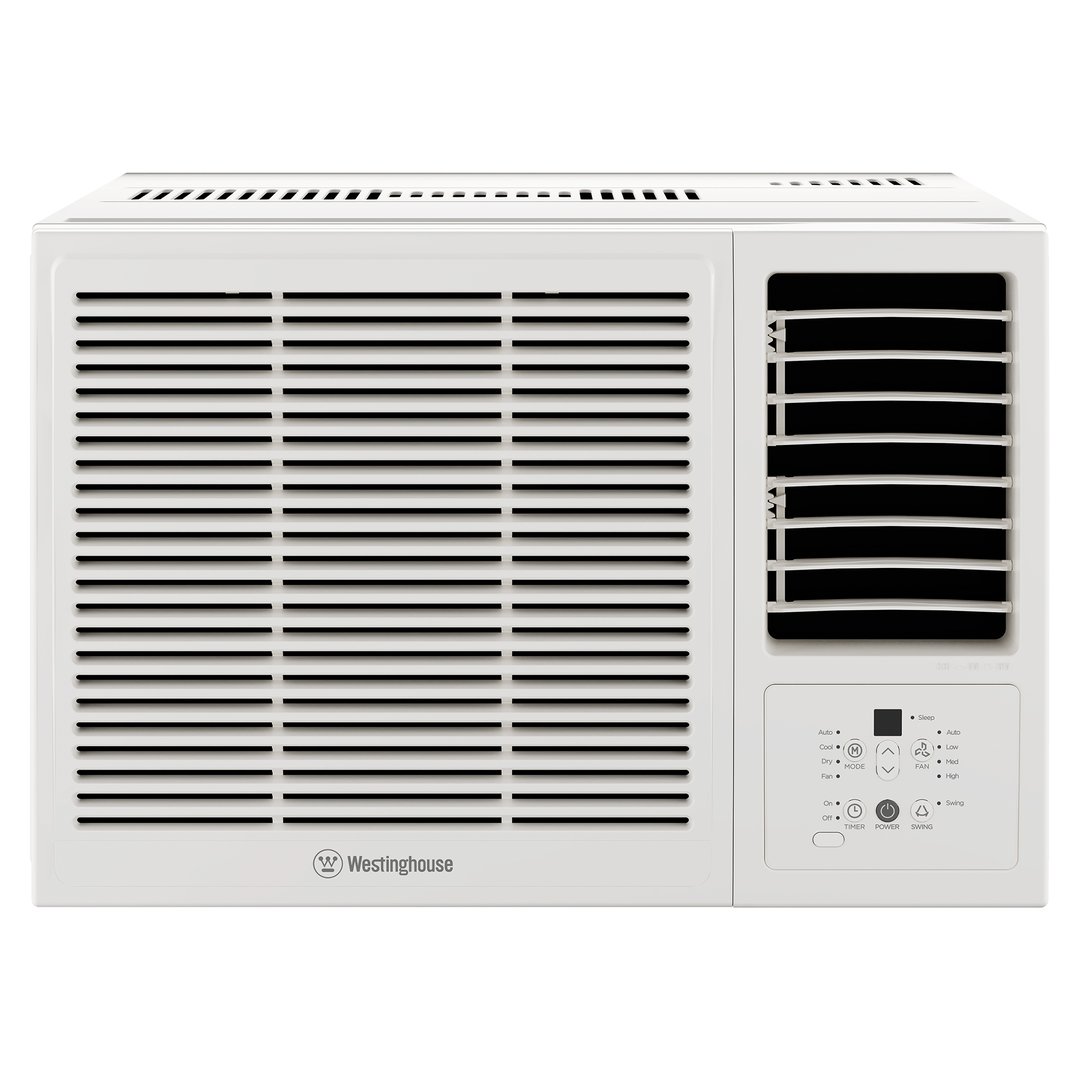
Typically a more affordable air conditioning option than split system air conditioners, window and wall air conditioners are best suited to cooling a single room or a smaller space, such as a bedroom or study. Although relatively small in size, they can be quite efficient when used properly.
Window air conditioners are positioned on a window sill, while wall air conditioners are installed into a hole in the wall.
Typically easier to install than a split system air conditioner, although some units may require hard wiring.
A window must be open at all times when using a window air conditioner. If you are concerned about insects entering your home, consider a model with an in-built insect guard.
Often cheaper to purchase than a split system air conditioner, but also less efficient.
Smaller models that do not require hard wiring or wall mounting can be a good choice for renters.
Some models can heat and cool.
Popular window and wall air conditioner brands: Kelvinator
PORTABLE AIR CONDITIONERS
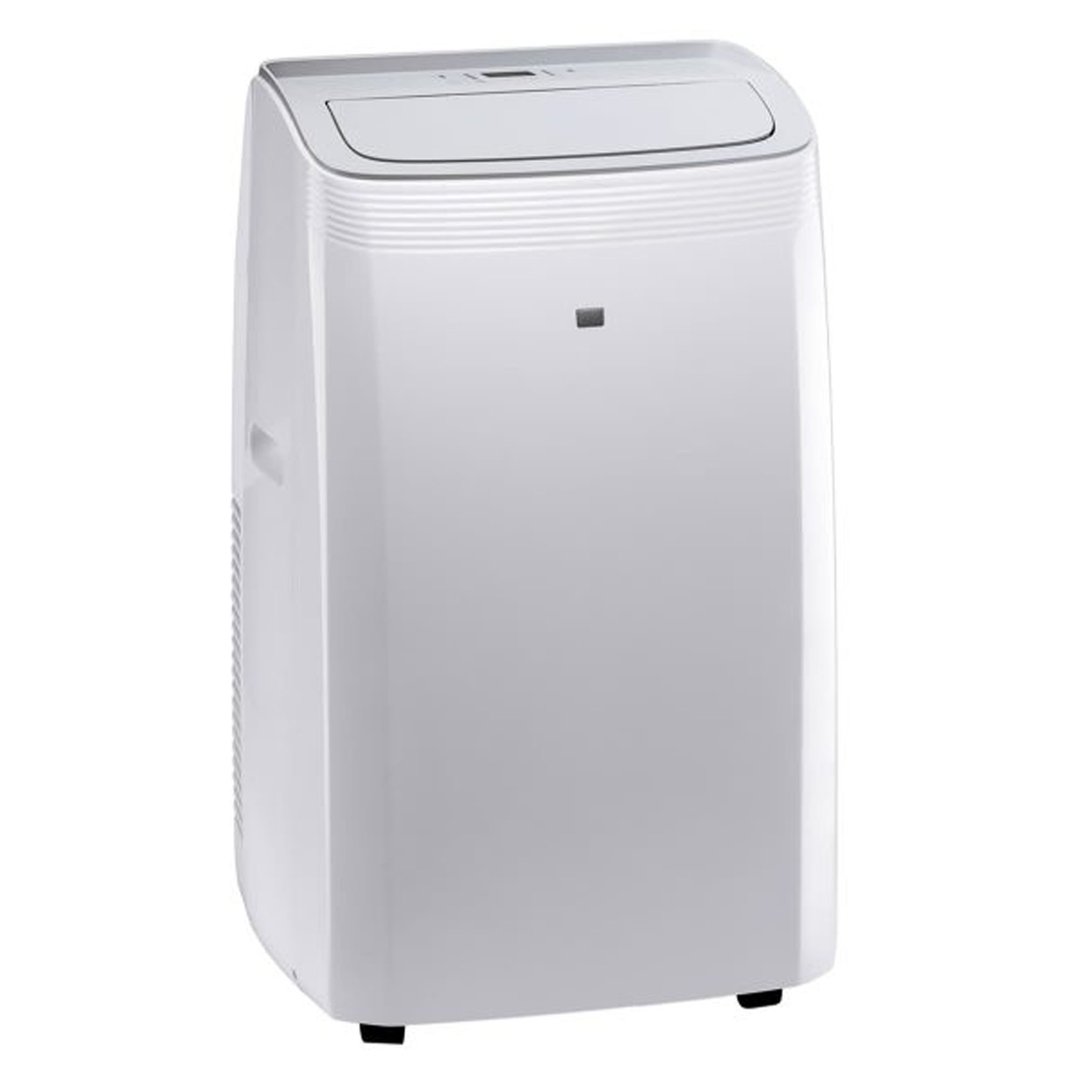
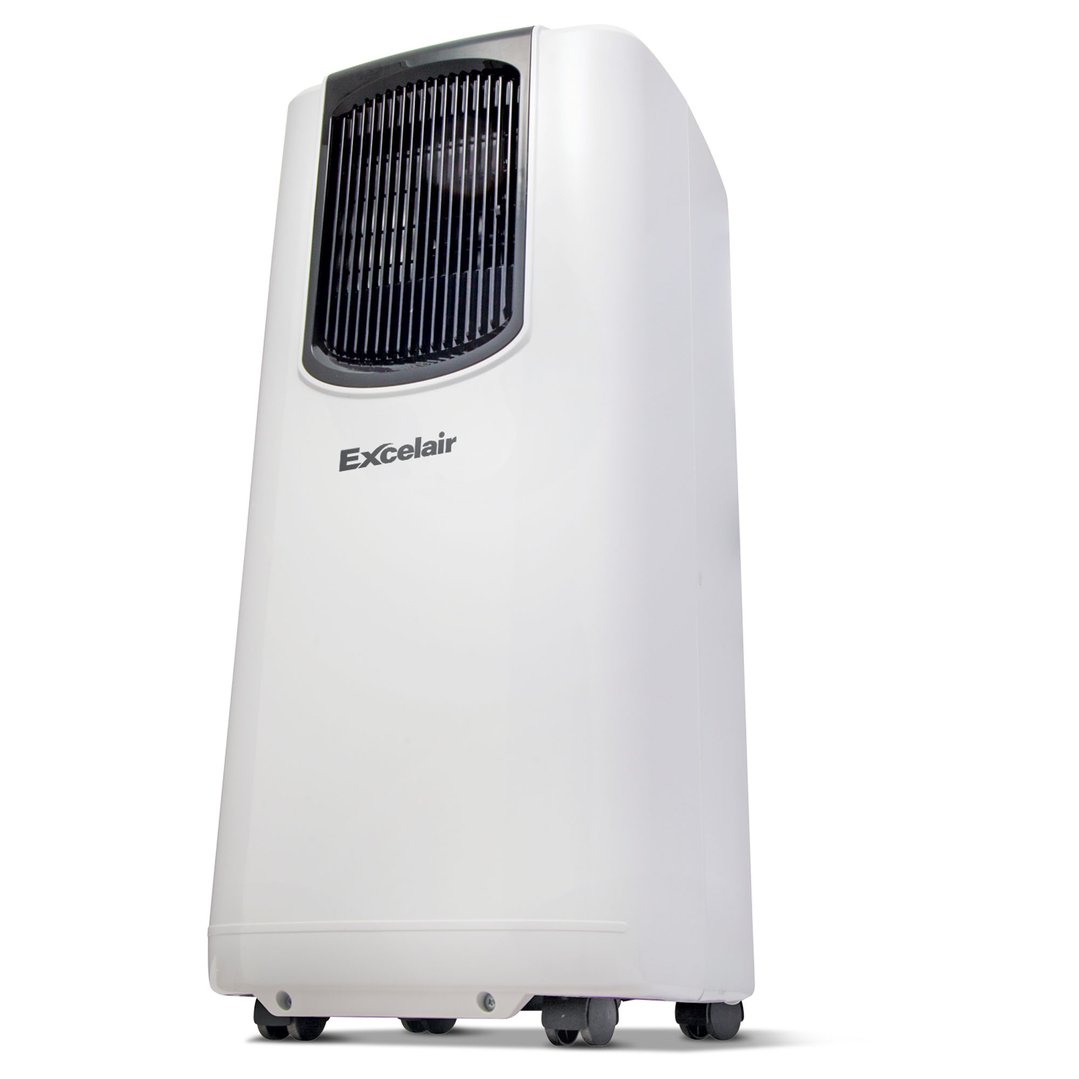
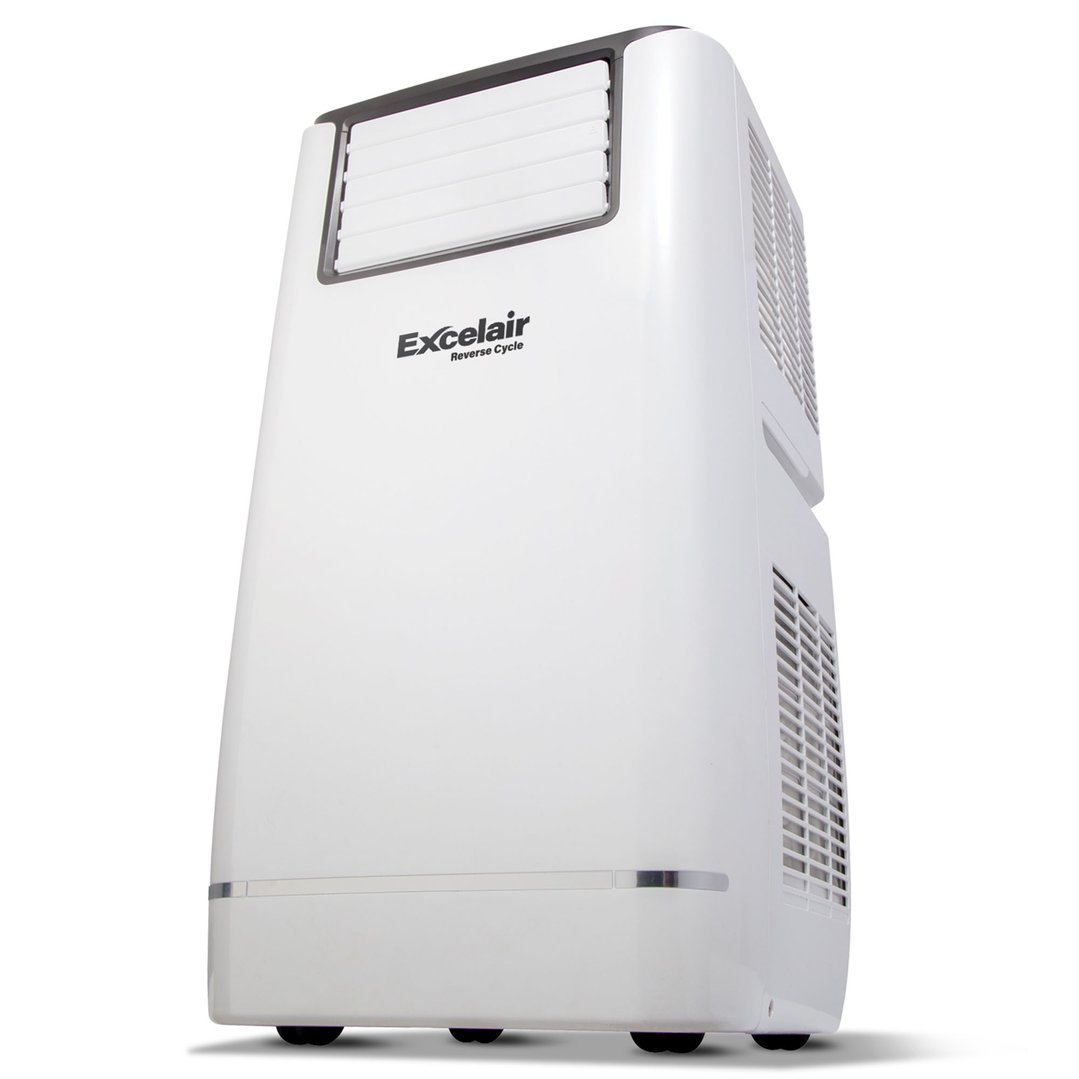
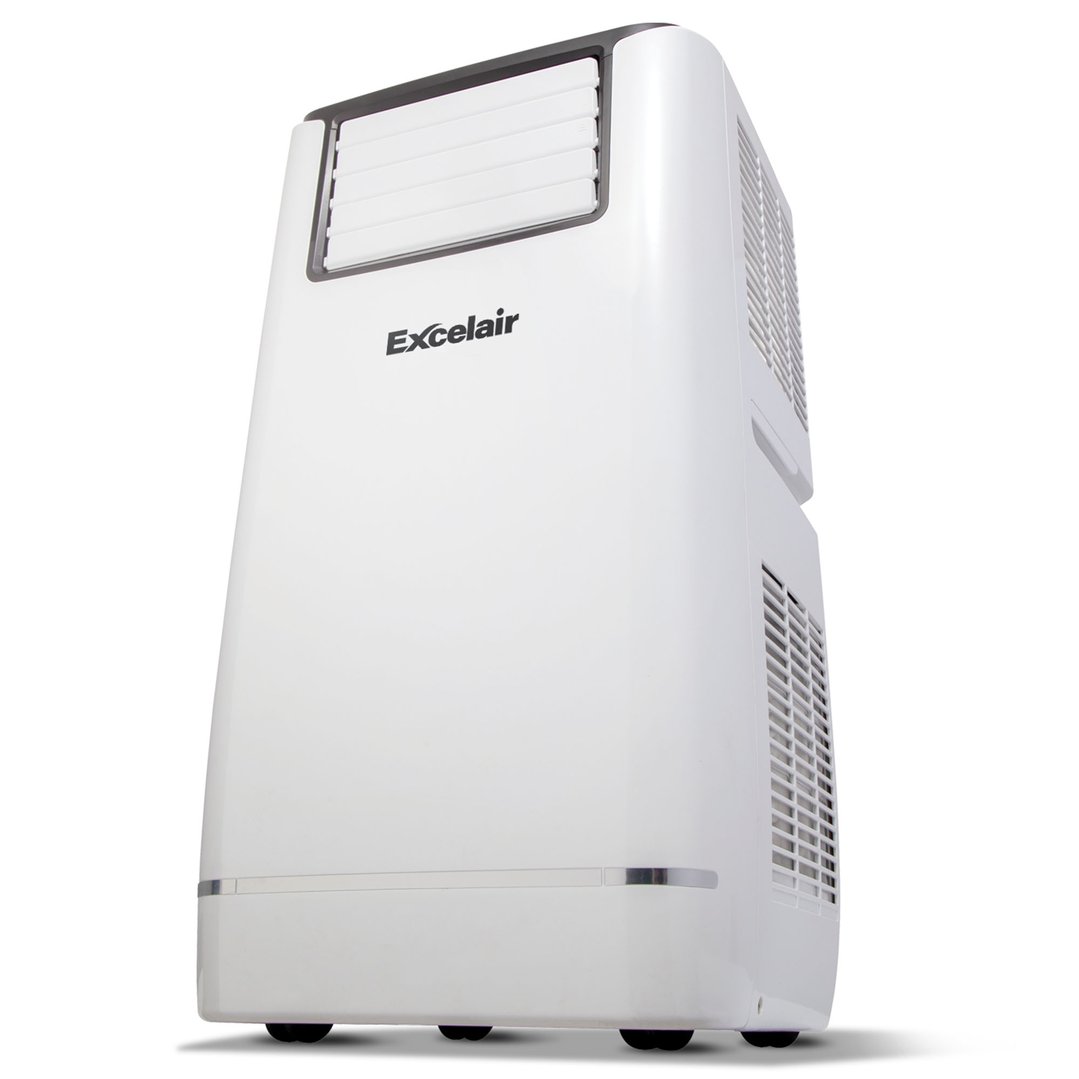
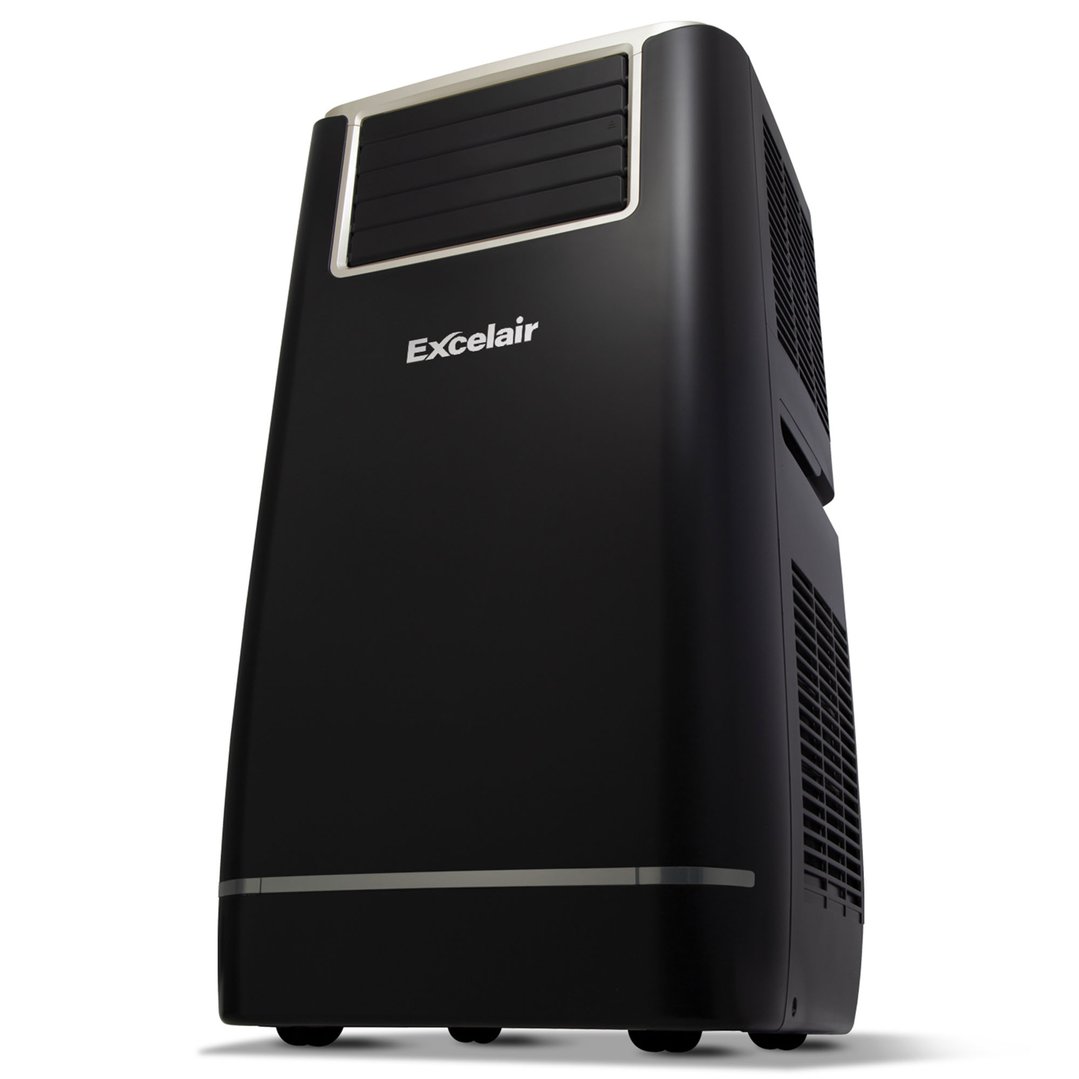
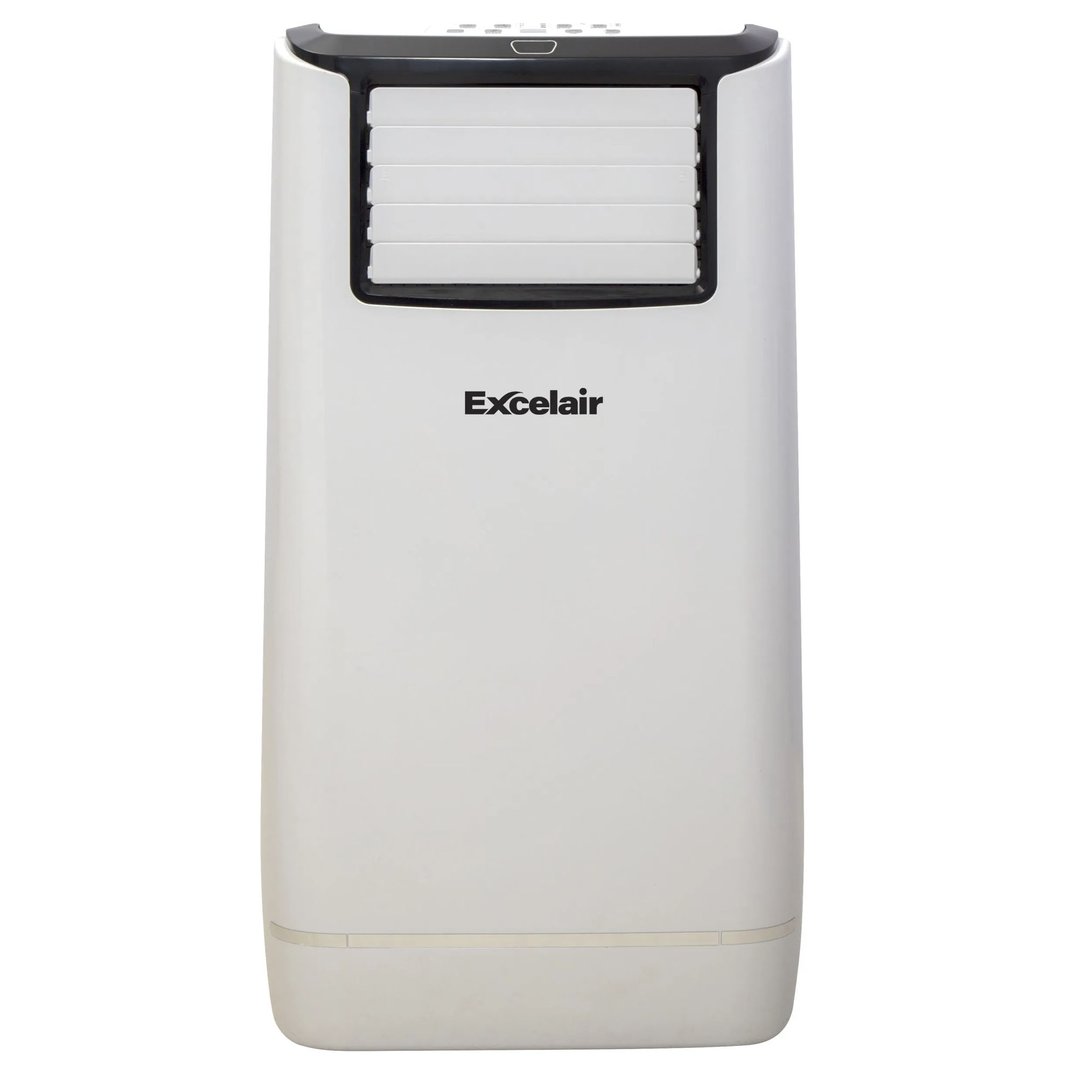
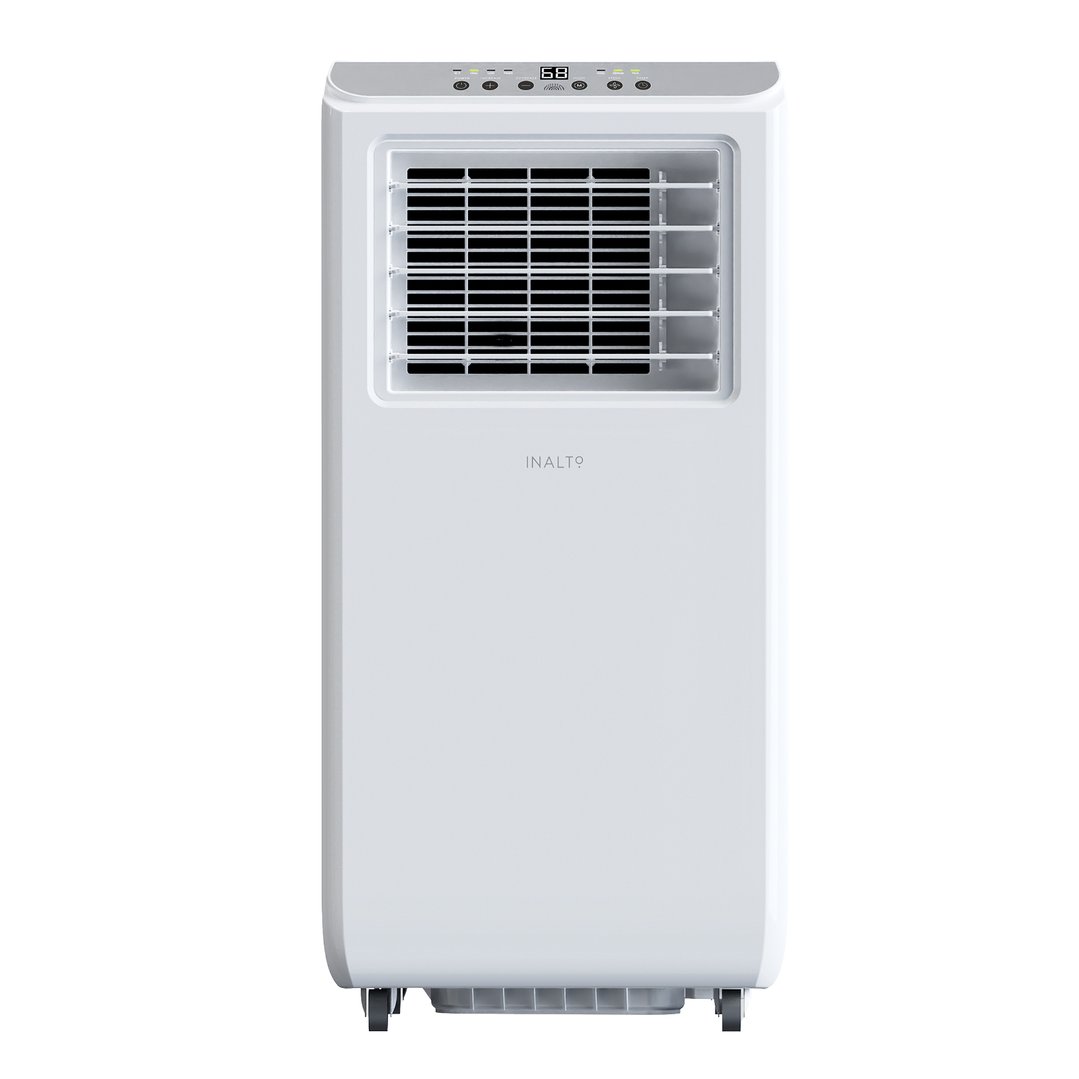
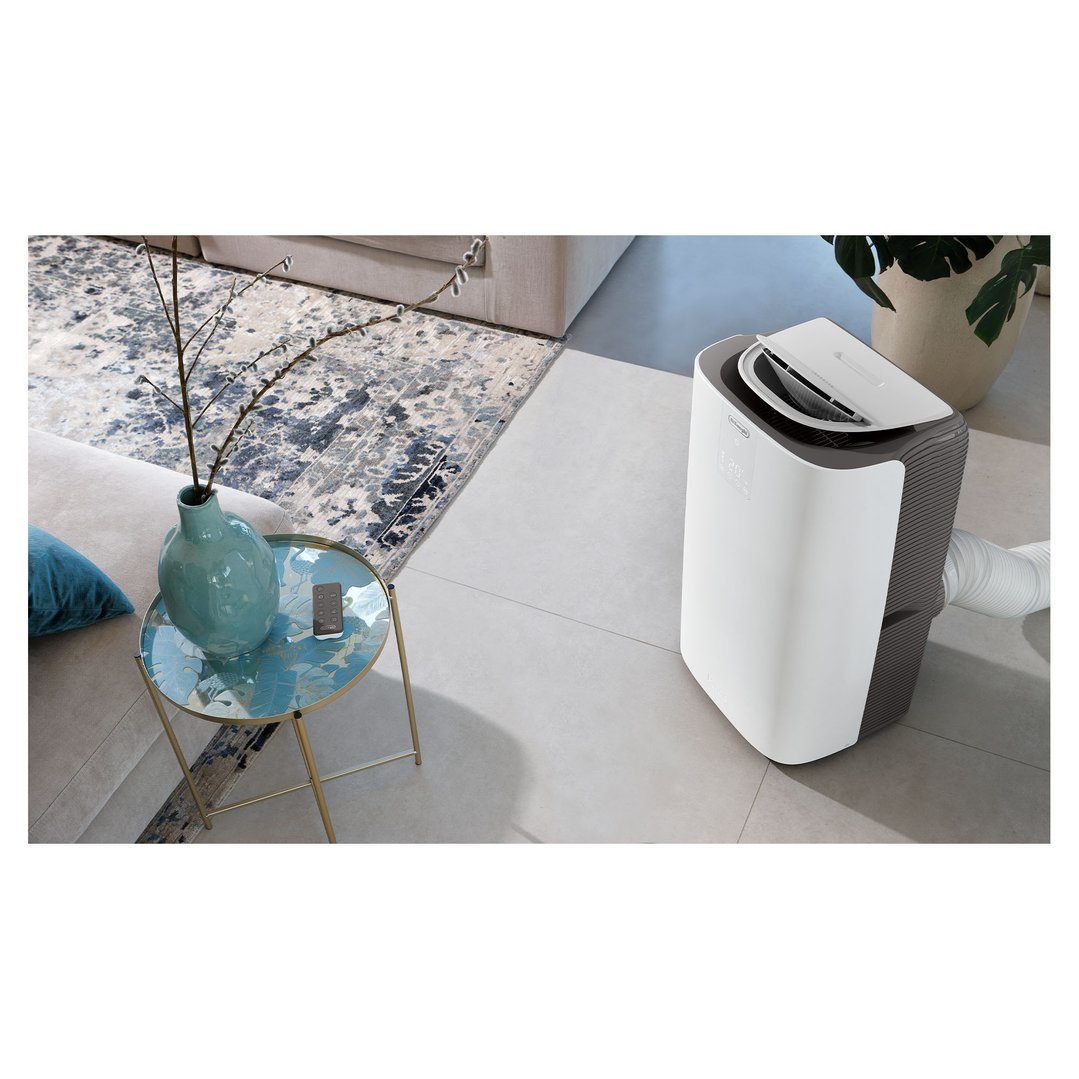
Easy to install and typically quite compact in size, portable air conditioners can often be used in any room where there’s a power socket and a window. Without the need for complex installation, portable air conditioners are ideal for use in rental homes, bedrooms and other small spaces.
Compared to split system air conditioners, portable air conditioners are typically less effective, but they can be a cheaper alternative.
Portable air conditioners often provide cooling only, but some reverse cycle models are available.
The weight of the unit is important if you plan to move your portable air conditioner throughout your home. Look for a model that you can easily maneuver from room to room.
Popular portable air conditioner brands: Honeywell , Excelair






WHAT SIZE AIR CONDITIONER DO YOU NEED?
SMALL ROOMS
A small room would measure between 10㎡ and 20㎡ in size and would require a cooling capacity of 2 kilowatts to 2.5 kilowatts. Portable air conditioners, split system air conditioners, and window and wall air conditioners are among the best small room air conditioners.
MEDIUM ROOMS
A medium room would measure between 20㎡ and 40㎡, with a cooling capacity of 2.5 kilowatts to 5 kilowatts required. Medium sized rooms would be best suited to window and wall air conditioners, as well as split system air conditioners.
LARGE ROOMS
Large rooms measure between 40㎡ and 60㎡ in size. For a room this large, a cooling capacity of 4 kilowatts to 6 kilowatts would be required. Split system air conditioners are best suited for larger rooms.
EXTRA LARGE ROOMS
Rooms and open plan areas measuring greater than 60㎡ would require a cooling capacity between 5 kilowatts and 9 kilowatts.
Calculating the right size air conditioning unit for your needs is important. If an air conditioner is too large for the space it’s installed in, you may find the room becoming too cold or hot, your power bills increasing, and more wear and tear occurring. On the other hand, if the air conditioning unit is too small, you may need to run it for longer periods of time, also increasing your power bills, the air may become too dry, and greater wear and tear may occur within the system. Although it may be tempting to choose a smaller unit to save money or splash out on a larger unit, it’s important to find one that best suits your needs.
If you're only looking to cool a small space, a fan could also be an effective and cheaper option for your home. Check out our fan buying guide here to find out all the most important features and information to look out for.
HOW MUCH WILL YOUR COOLING COST?
Just like any appliance, there are ongoing costs associated with cooling or heating your home with an air conditioner. These do vary based on the size of the unit, the size of the room it is cooling or heating, and the amount of time that you choose to run the air conditioner daily.
Using an average size reverse cycle air conditioner as an example, you can expect to pay the following:
| Room Size | Hourly Rate |
90 Day Running Cost (6 hrs daily) |
| Small | 25c to 35c | $153 to $189 |
| Medium | 36c to 70c | $194 to $378 |
| Large | 71c to 95c | $383 to $513 |
*Please note that these figures are only estimates, with the cost of electricity and other factors influencing the actual cost.
FEATURES TO LOOK OUT FOR
Noise: Although most modern air conditioners are relatively quiet, it’s important to check before you commit to purchasing an air conditioning unit to avoid disruptions to your sleep and day-to-day activities. You should also consider checking how loud your air conditioner’s outdoor unit, if it has one, will be. An outdoor unit that is too noisy may not only disturb you, but also your neighbours.
Remote control: A standard inclusion with most modern air conditioners, a remote control with an easy-to-read screen and labels can make adjusting settings and the temperature easier. Some units may also be controlled using a smartphone app, which is great if you’re prone to misplacing remote controls or want the freedom to switch on the unit before arriving home.
Modes: Choosing an air conditioning unit with a variety of modes gives you more freedom to adjust settings as you require. Some common modes include heat, cool, economy (helps to reduce power consumption), fan only (blows air without cooling or heating), dry (dehumidifies the air) and sleep modes (temperature is adjusted in increments to cool or heat without excess noise that may disrupt sleep).
Fan speeds: Choosing an air conditioner with variable fan speeds allows you to adjust how quickly air is circulated through the room. High fan speeds help to cool or heat a room quickly, while low speeds allow for heating or cooling without extra noise.
Adjust flow: Having the option to adjust the flow of air using adjustable louvres can make it easier to direct cool or warm air where you need it.
Reverse cycle operation: Reverse cycle air conditioners heat and cool, removing the need to purchase a separate heater once the weather starts to cool.
Air filters: Many modern air conditioner models now feature air filtration systems that help to remove dust, allergens and bacteria from the air.
Energy efficiency: Look for an energy efficient air conditioner with a higher star rating to not only help the environment, but to also save you money on running costs in the long run.
Human presence sensor: Although a human presence sensor isn’t a substitute for turning off your air conditioning unit when it’s not in use, it can be used to assist in energy efficiency, reducing your total power consumption. The sensor detects if anyone is present in the room and, if not, switches to an economy-style mode.