Buying Guides
Home Theatre & Speakers Buying Guide

Thinking of adding a surround sound setup to your living room or home cinema room? With so many different models to choose from, it can be hard to tell which is the best surround sound system for your home. To help make finding the perfect home theatre and speakers simpler, we’ve created a handy home theatre buying guide that details everything you need to know about their features, what to look for when comparing home theatre sound systems and more. Find out which type of home theatre setup is right for you and enjoy the magic of the movies at home.


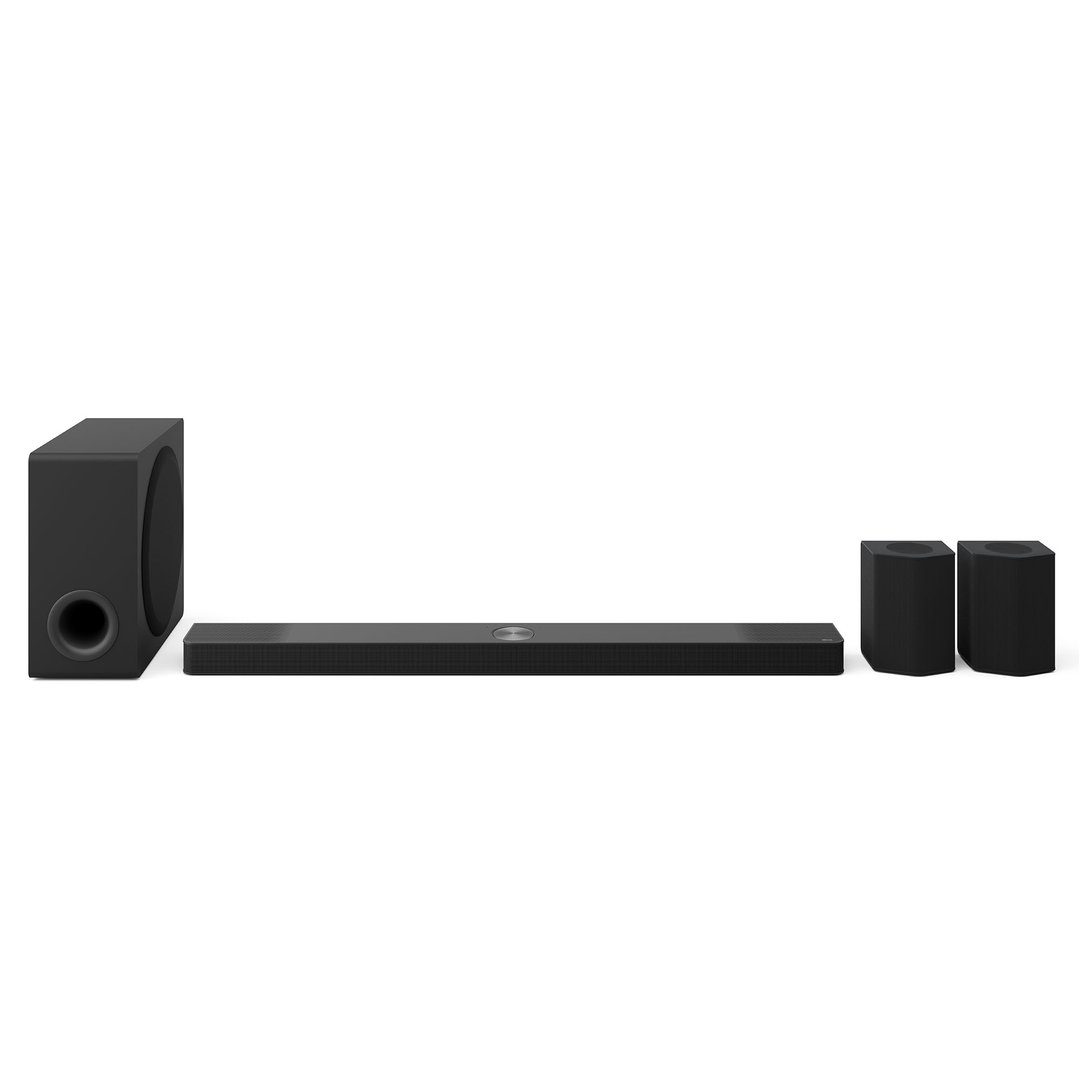

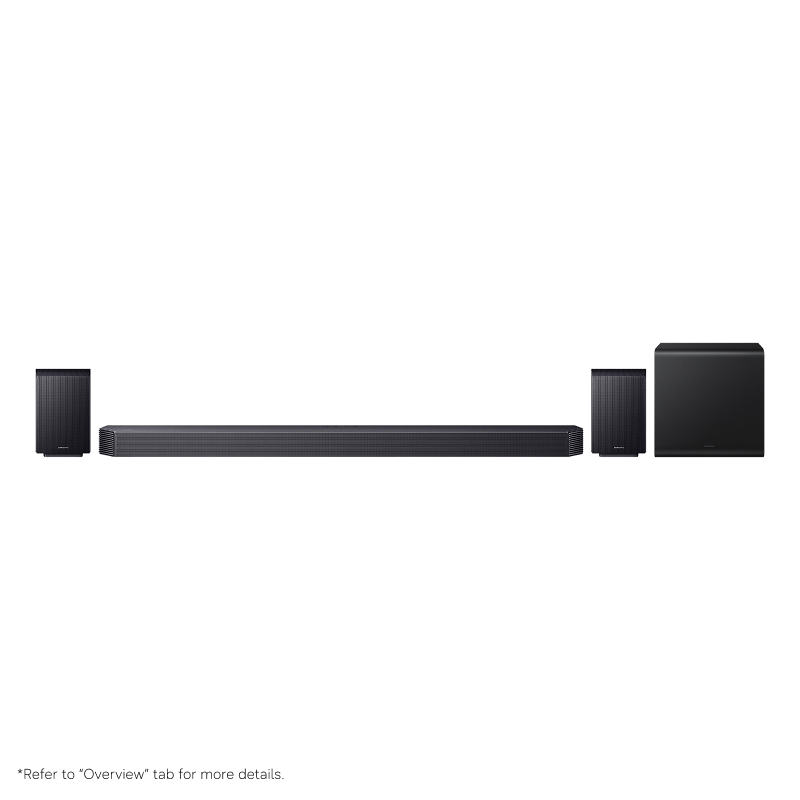
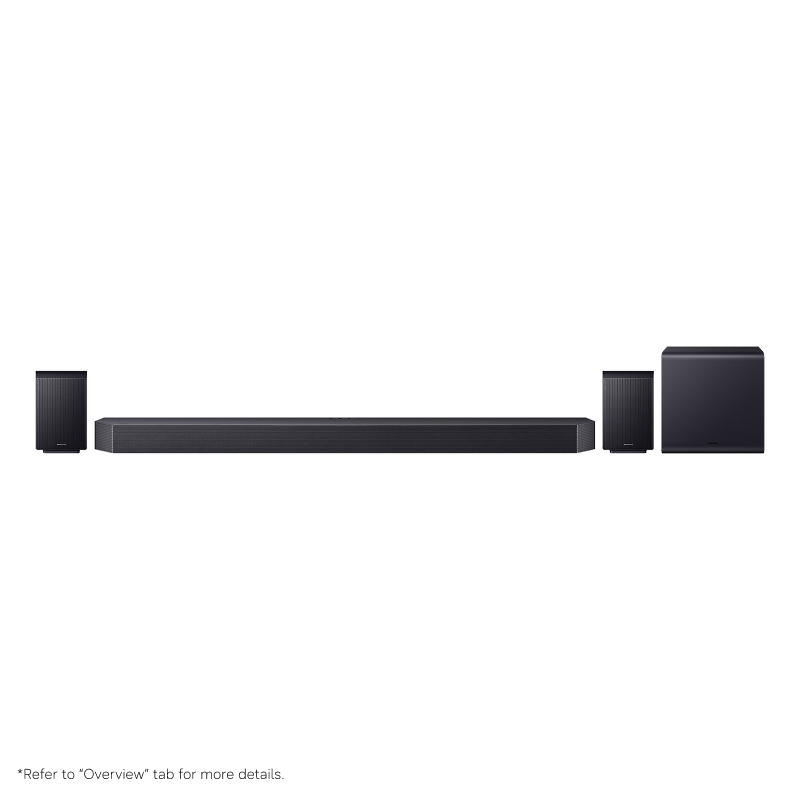
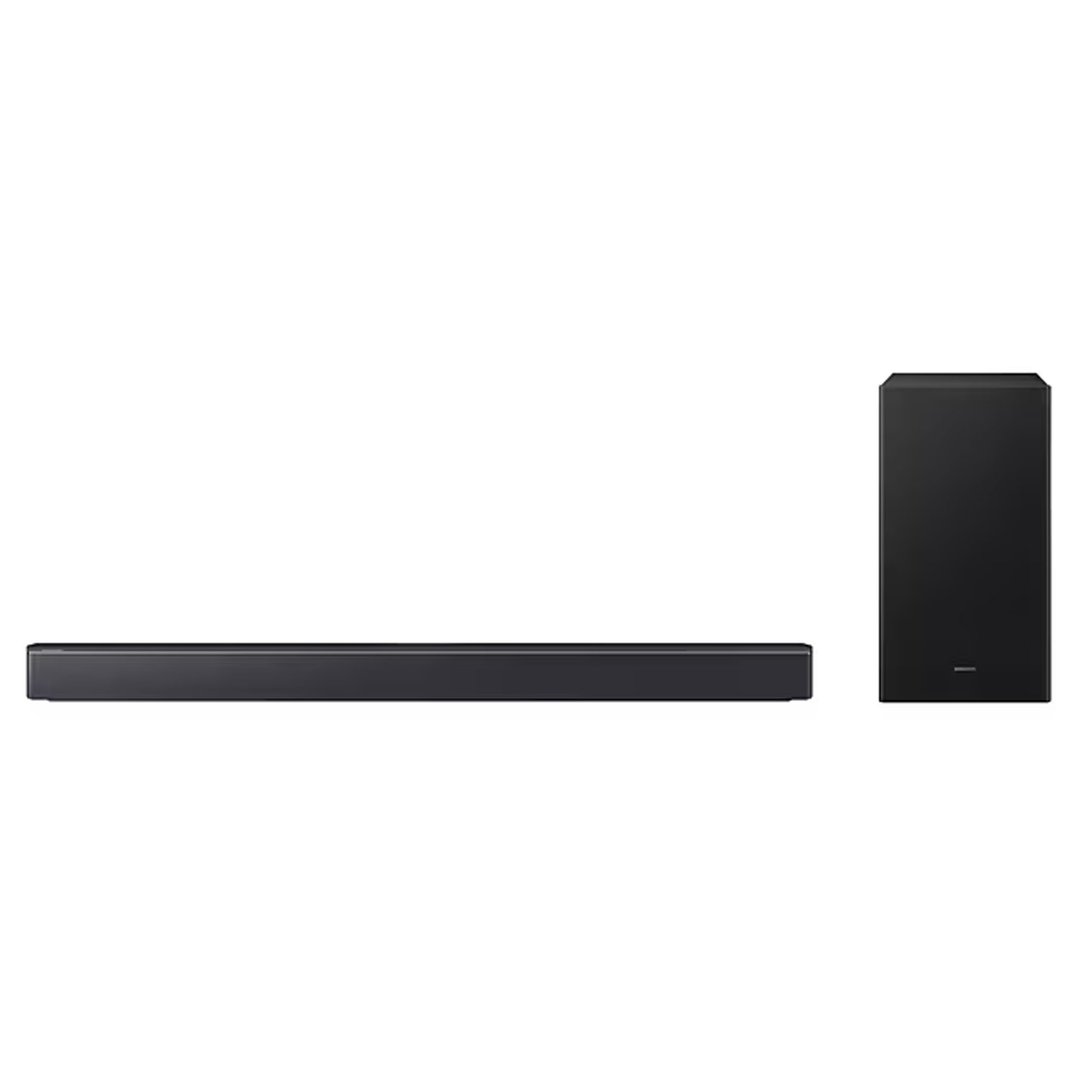




TYPES OF HOME THEATRES AND SPEAKERS
SURROUND SOUND SYSTEMS
Generally composed of an AV receiver, a set of speakers and a subwoofer, surround sound systems, also known as home theatre systems, help to create an immersive home theatre experience. Instead of simply directing sound towards users, this type of speaker system creates a bubble of sound that surrounds users on all sides.
Surrounds users, with high quality sound coming from all sides
Allows you to enjoy a cinema experience at home
The best type of sound system for large rooms, requiring enough space to fit all speakers
Can be expensive to purchase
Can be difficult to set up depending on the model
Quality does vary from model to model
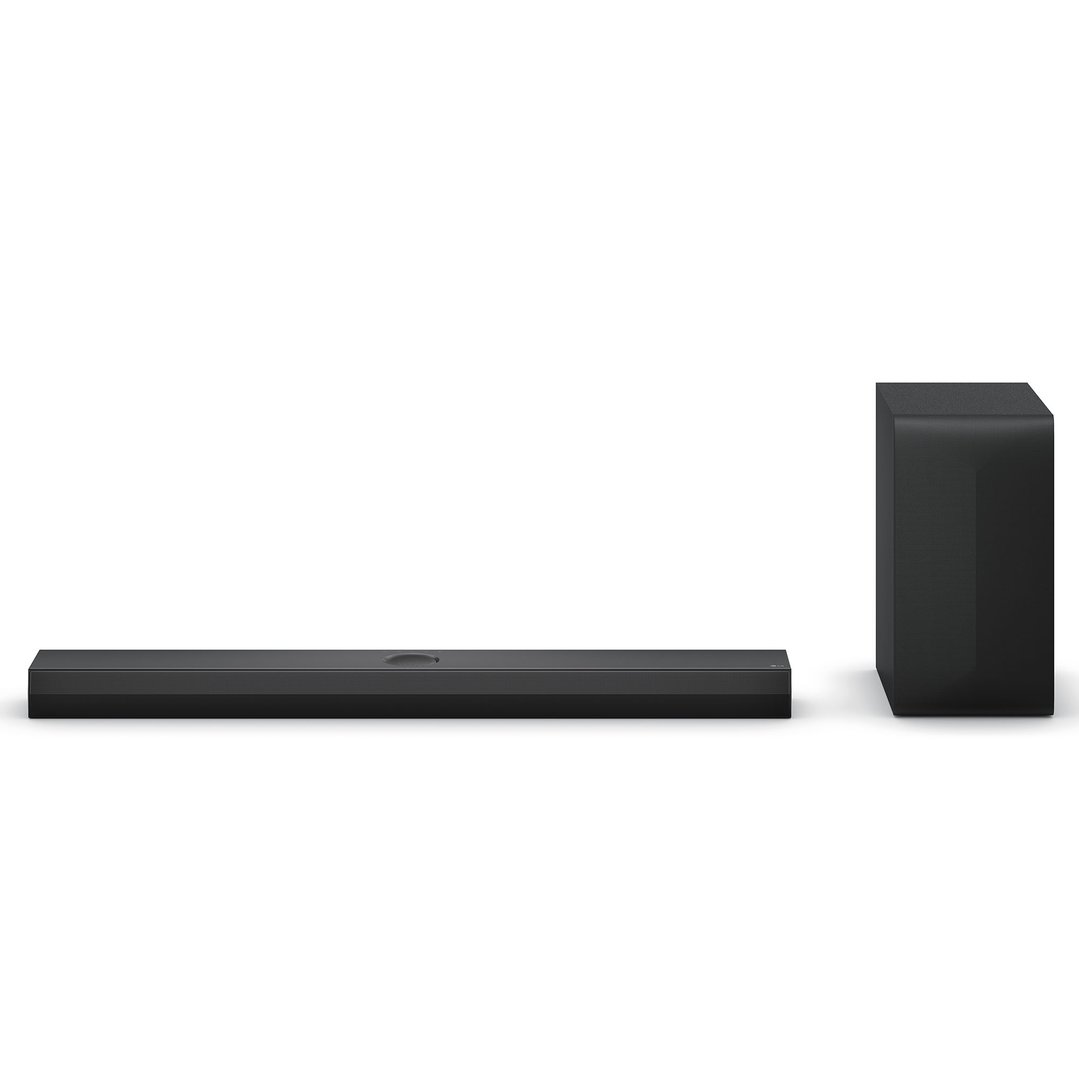
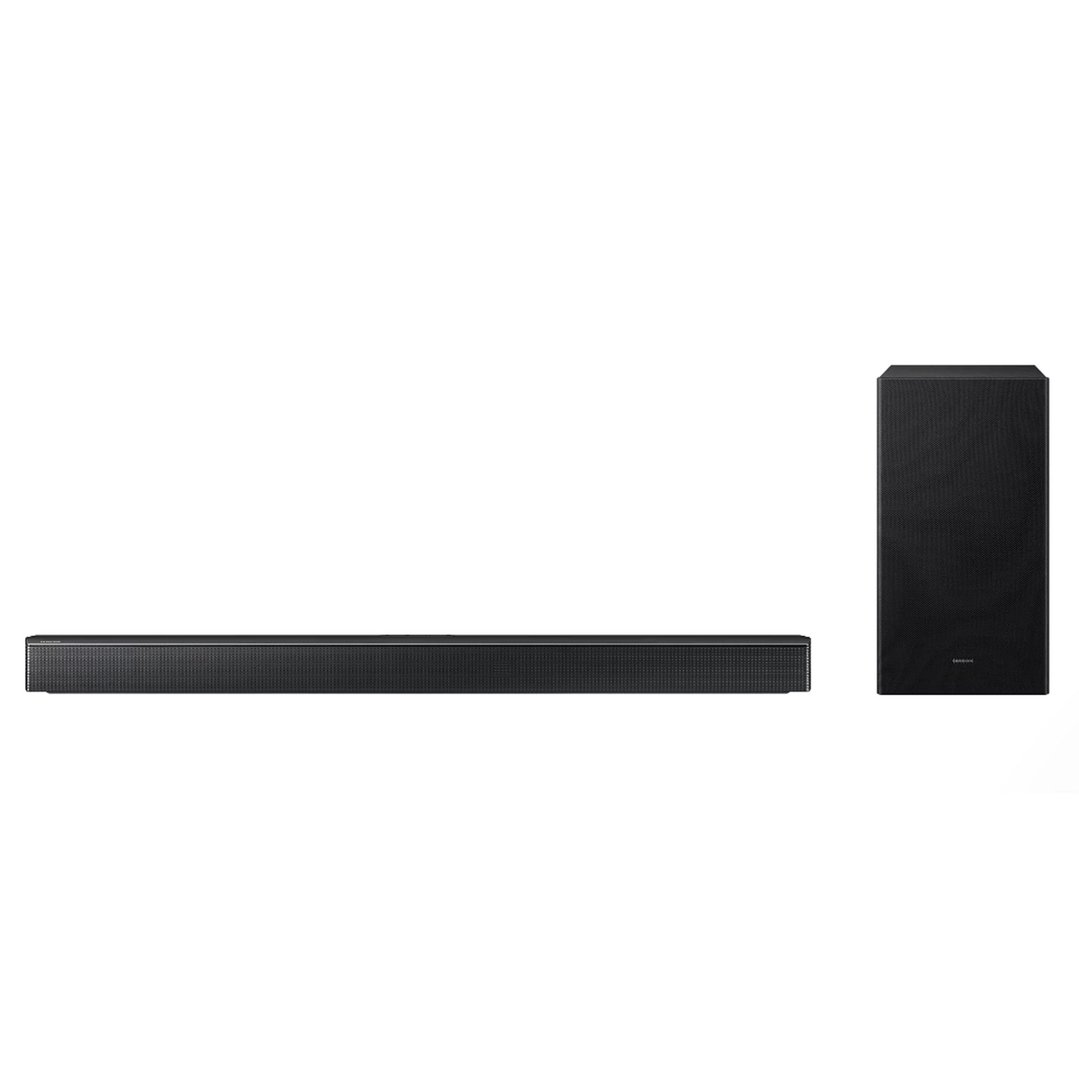
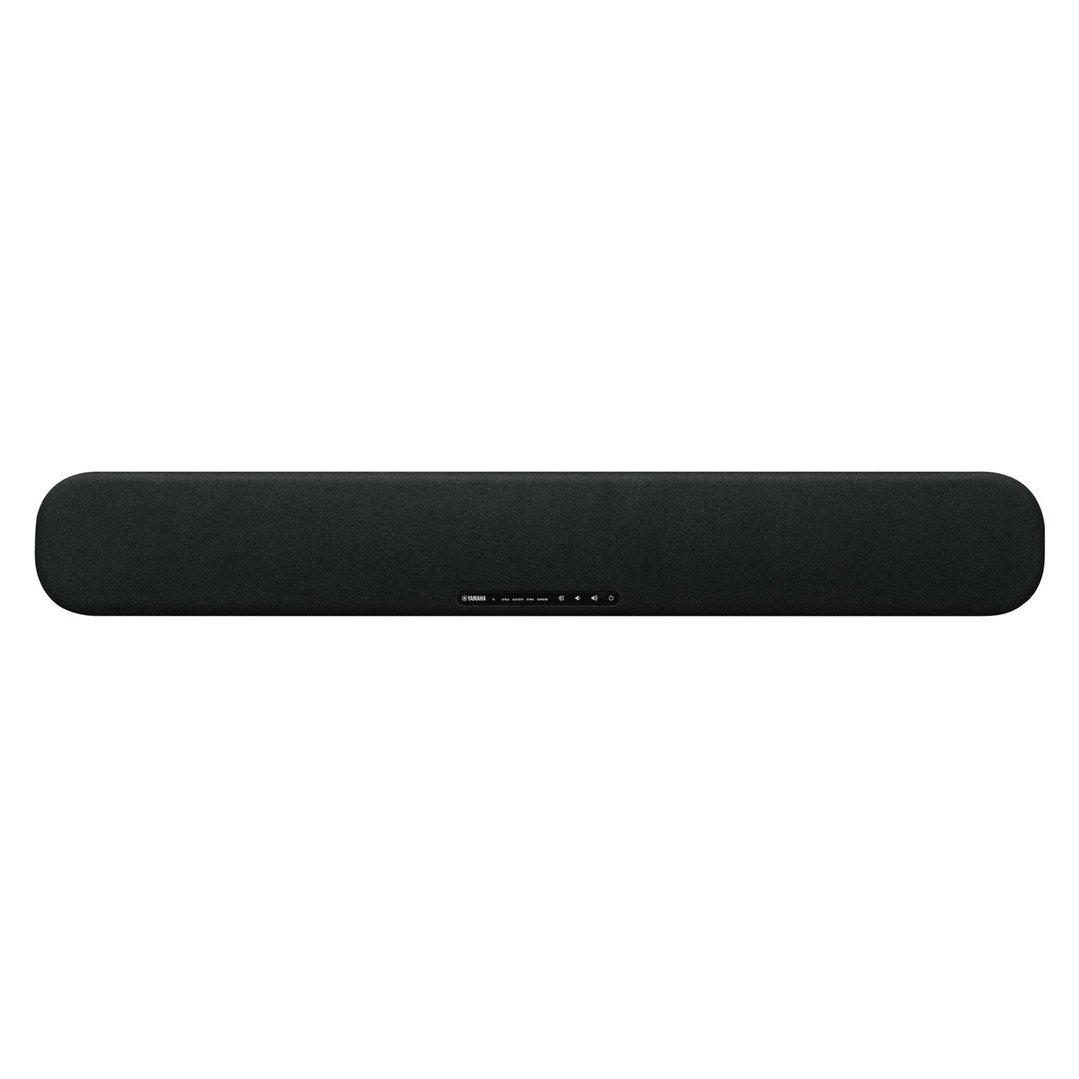
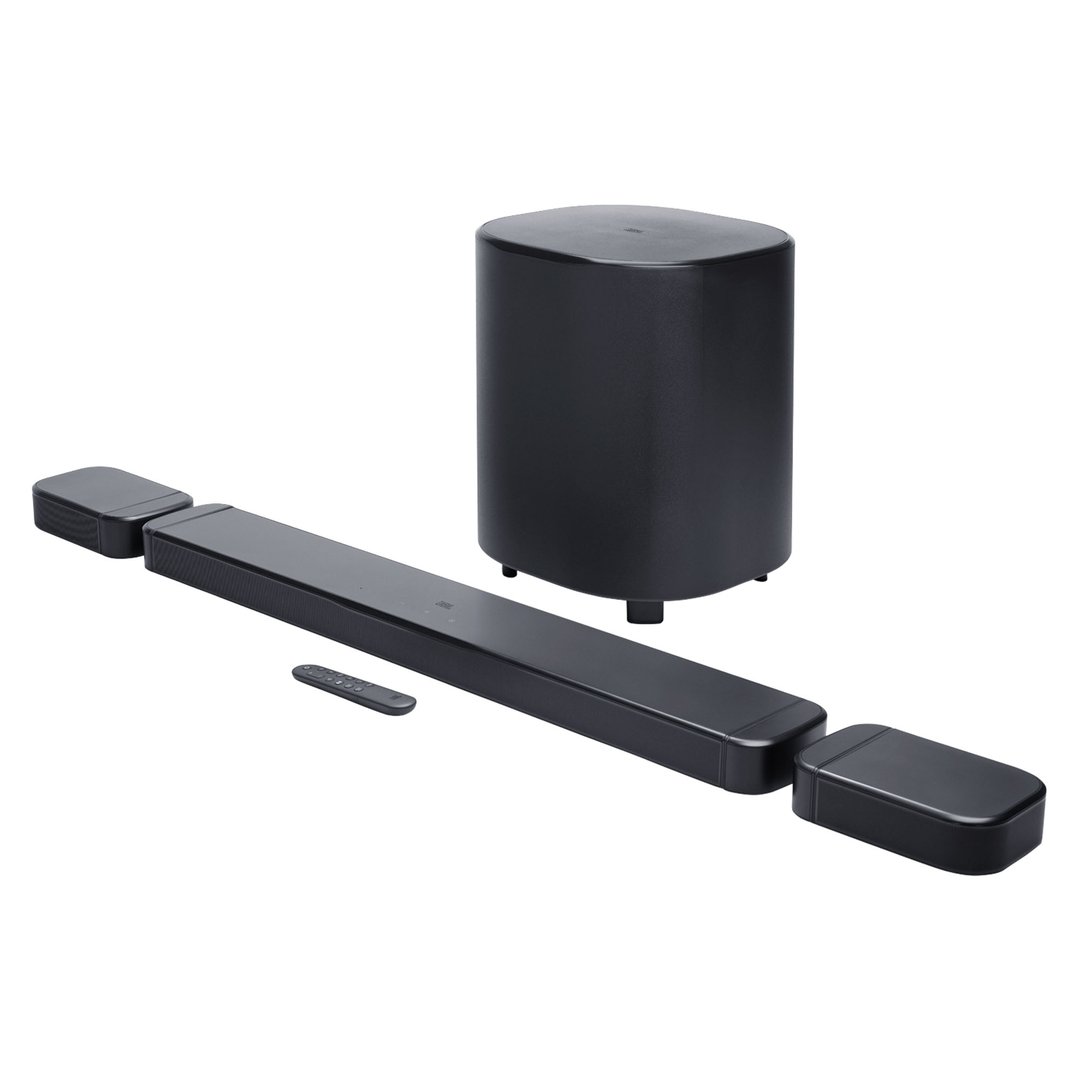
SOUNDBARS
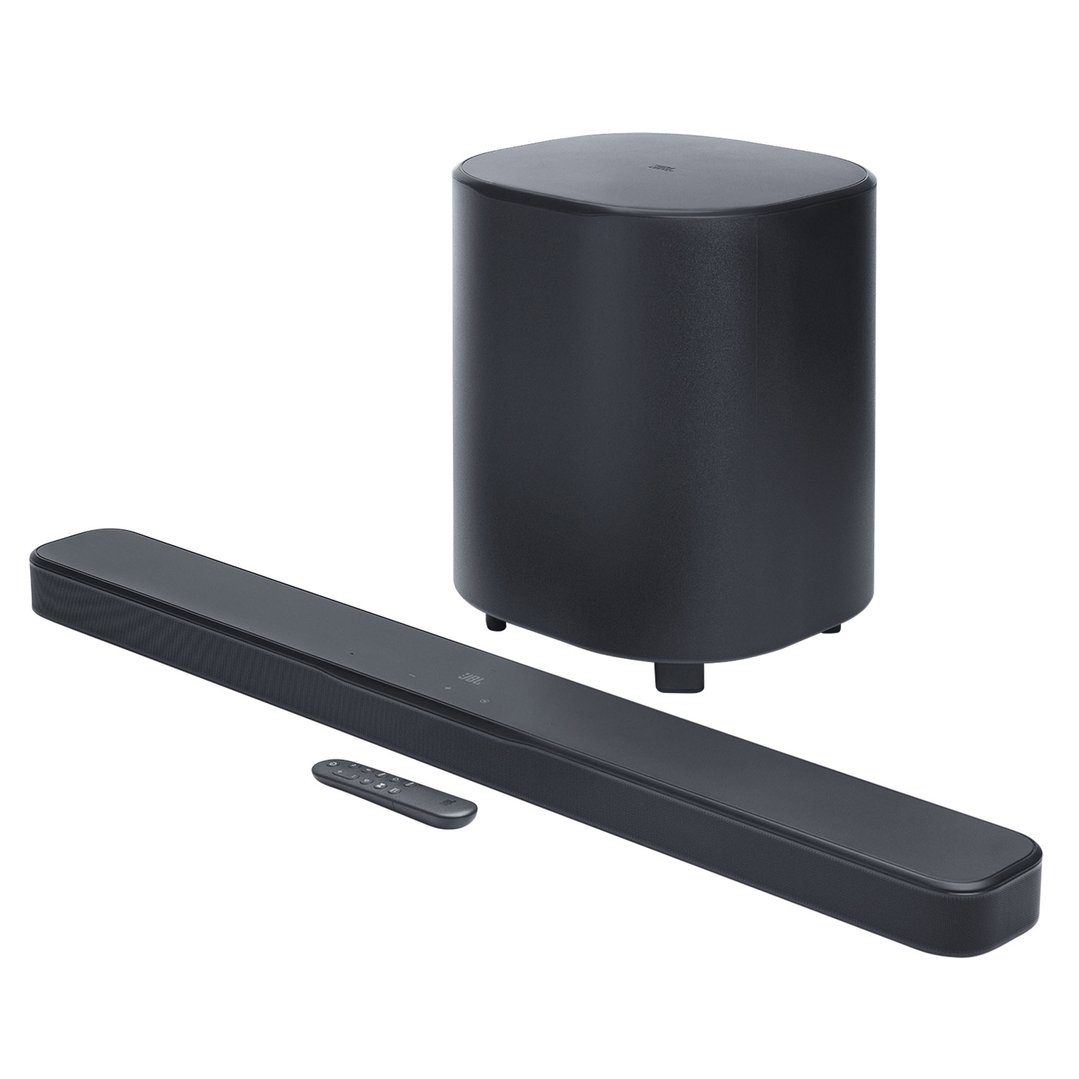
A type of compact speaker system, soundbars typically sit in front of your TV, enhancing the sound produced with additional volume, clarity and bass. They take up less room than a traditional home theatre system and often have fewer cables and wires, making them a good choice when space is at a premium.
Ideal for smaller, enclosed rooms
Provide good sound quality using multiple internal speakers to create a virtual surround sound experience
Take up far less space than a full surround sound system
Often cheaper to purchase than a surround sound system
Can often be paired with a subwoofer to boost bass levels if desired
Depending on the model, they may be also be paired with additional speakers
Typically don’t provide the same immersive experience given by standard surround sound systems
Quality does vary from model to model






WIRELESS MULTIROOM SYSTEMS
Comprised of a network of speakers that are connected via WiFi, wireless multiroom systems allow you to play audio in several areas of your home at one time. They are typically controlled by a smartphone, computer or tablet.
Allow you to play music and other types of audio in several rooms at once
Help to avoid the need for messy cabling throughout your home
Give you the freedom to place speakers where they best suit your needs
Often quite easy to install
Cost of additional speakers does add up quickly
Once you’ve purchased a system, all additional speakers generally need to be from the same brand to avoid connection issues
Quality does vary from model to model
WHAT ARE HOME THEATRES AND SPEAKERS
WHAT ARE AV RECEIVERS?
Often referred to as the brain of the system, AV receivers are the part of a home theatre setup that acts as a hub for all your devices, including your TV, speakers, gaming consoles and more. They make it easy to flick between different types of audio and video, and work to break down the sound created by your devices into sections that can be sent to different speakers, creating the classic surround sound experience. The power output of AV receivers does vary, with the wattage best for your needs depending on the size of the room you plan to set your surround sound system up in. 300 watts should be fine for a medium-sized room, while a larger room would be best suited to an AV receiver of 500 watts or more. If you’re unsure of which wattage is right for you, it can be better to go for a higher wattage than a lower option.
WHAT ARE AMPLIFIERS?
Converting the low voltage signals created by your devices into the full volume audio that you hear when playing music or watching a film with a surround sound system, amplifiers help you to enjoy louder and clearer sounds. Although receivers can interpret video signals as well as audio, amplifiers can only handle audio.
WHAT ARE SUBWOOFERS?
Subwoofers are an essential part of any home theatre. Helping to deliver rich bass sounds, they are the part of the system that adds depth to any music played and creates the rumbling sounds common in action films.
WHAT ARE SPEAKER CONFIGURATIONS?
The speaker configurations of surround sound units are indicated by a number code eg. 5.1 or 7.1. The first number tells you how many channels or speakers the model has, while the second relates to the number of subwoofers in the system. A third number may also be used to indicate any ceiling-mounted or upward-firing speakers incorporated into the system.
Most sound systems are either 5.1 or 7.1 systems, meaning that they have five or seven speakers and a single subwoofer. 7.1 systems may offer a more immersive surround sound effect than 5.1 home theatre systems, but this may not matter if the audio you’re listening to has been mastered with 5.1 systems in mind.
FEATURES TO LOOK OUT FOR
Two-zone functionality. Also known as Zone 2, two-zone functionality allows you to use a single receiver to send two different audio signals to different sets of speakers. With the help of this feature, you could listen to music with one set of speakers while a film plays through another.
Remotes. A handy feature, remote controls make it easy to adjust the settings of your surround sound system from the comfort of your seat. Look for a remote that is easy to read and navigate in low lighting.
Connectivity. If you already have devices at home, such as a TV, Blu Ray player or sound system, that you’d like to connect to your surround sound system, it’s a good idea to check what types of connections they have and whether they match up with the system you’re considering. Although connection converters are available, taking the time to check the connection compatibility can save you from extra stress when it comes time to set up your home theatre.
Design. When choosing a home theatre setup for your living room, it’s important to consider the design of the individual speakers and the system as a whole. More often than not, while sleeker systems may fit your home decor better, they may not offer the same performance as other models on the market. Think about how each system will look in your home, where you can safely store each component and whether looks or performance are most important to you.
WiFi and Bluetooth connectivity. If you like to stream music frequently, a home theatre system with WiFi or Bluetooth connectivity could allow you to quickly connect your device and enjoy high quality audio.
AV/lip sync. You’ve likely experienced it at one point or another, but sometimes when you connect a speaker system to a TV, you may find that the audio you hear and the video that you see don’t always line up. To help avoid this issue, AV/lip sync provides a buffer for the difference in time taken to process audio and video, ensuring that the two align.
Auto setup. For some sound system models, the setup process can be quite time consuming. If you’d rather just use the standard settings and aren’t too fussed about customising setup, look for a model with auto setup.
Additional battery-operated speakers. If you’re wanting to build a multiroom speaker system, look for models with speakers that have an optional or built-in battery. This will allow you to rearrange your system as you please, with the option to place speakers outside or in different rooms throughout your home.