Buying Guides
Freezer Buying Guide

Wanting to upgrade your freezer? Whether you happen to be wanting more freezer space for your growing family or a unit that’s perfect for storing your meal prep, you’ll find a fantastic range of freezers on the market. With a wide variety of freezers to choose from, we’ve created a freezer buying guide to help you find the right type of freezer for your needs, determine what capacity you’ll require and some of the top features to look for.
TYPES OF FREEZERS
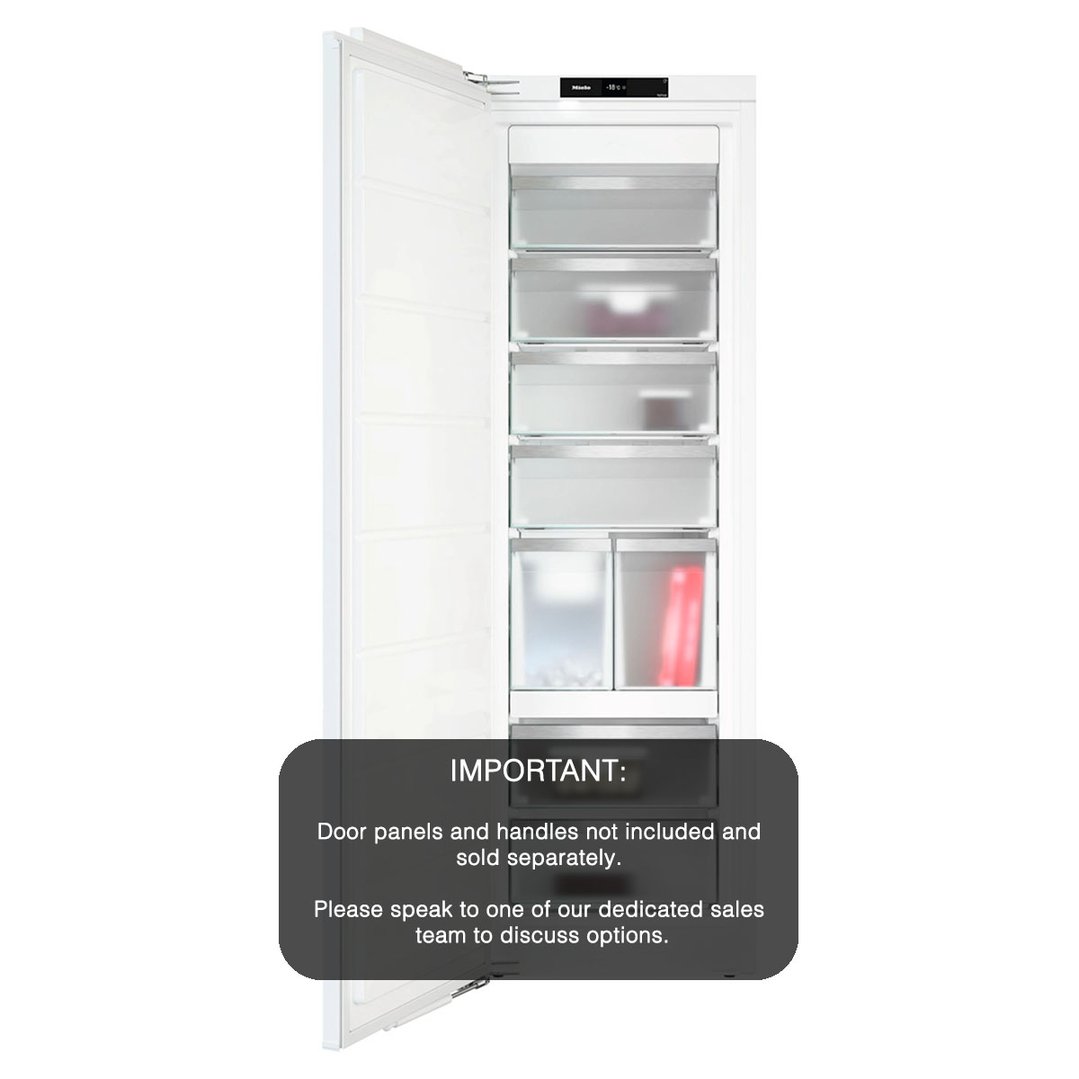
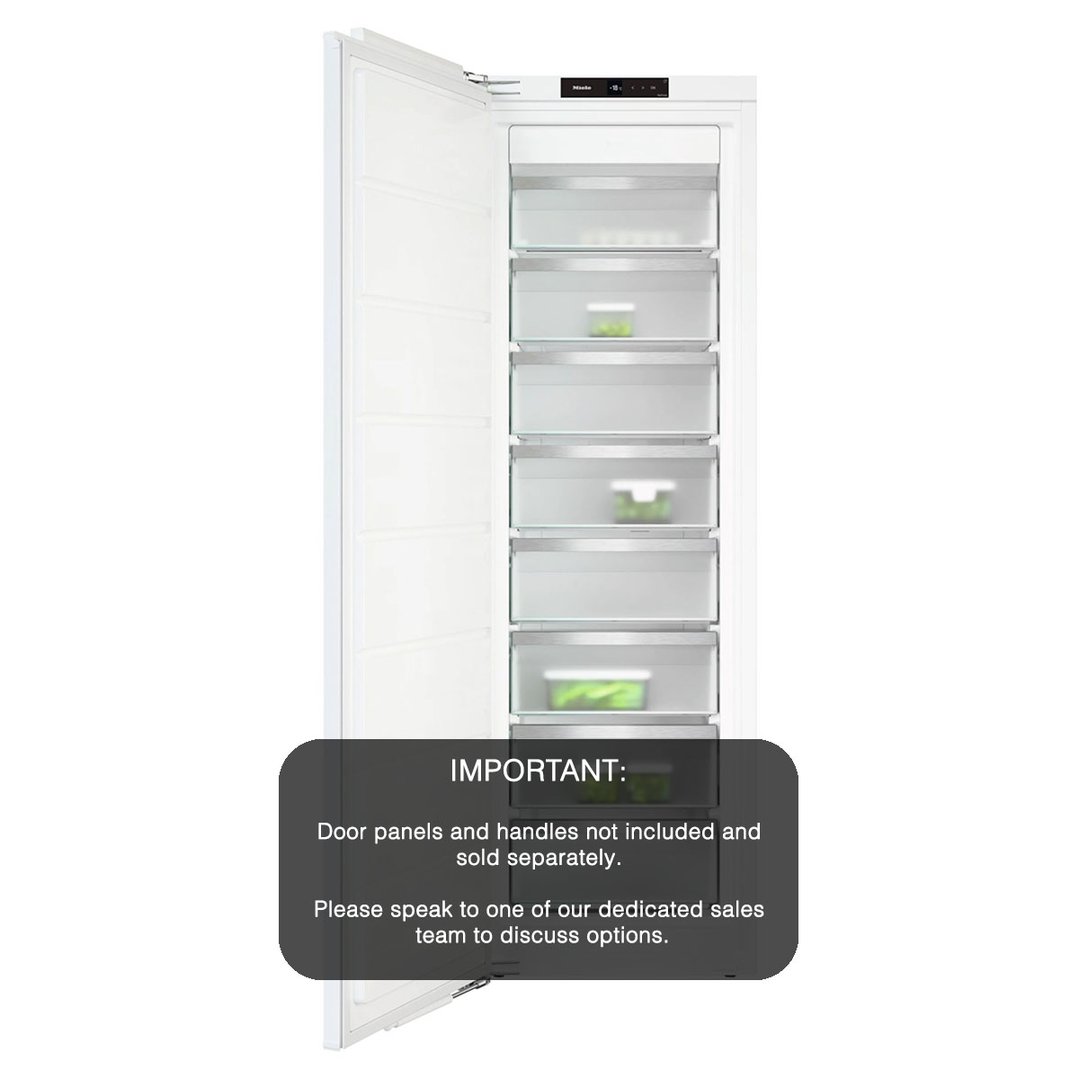
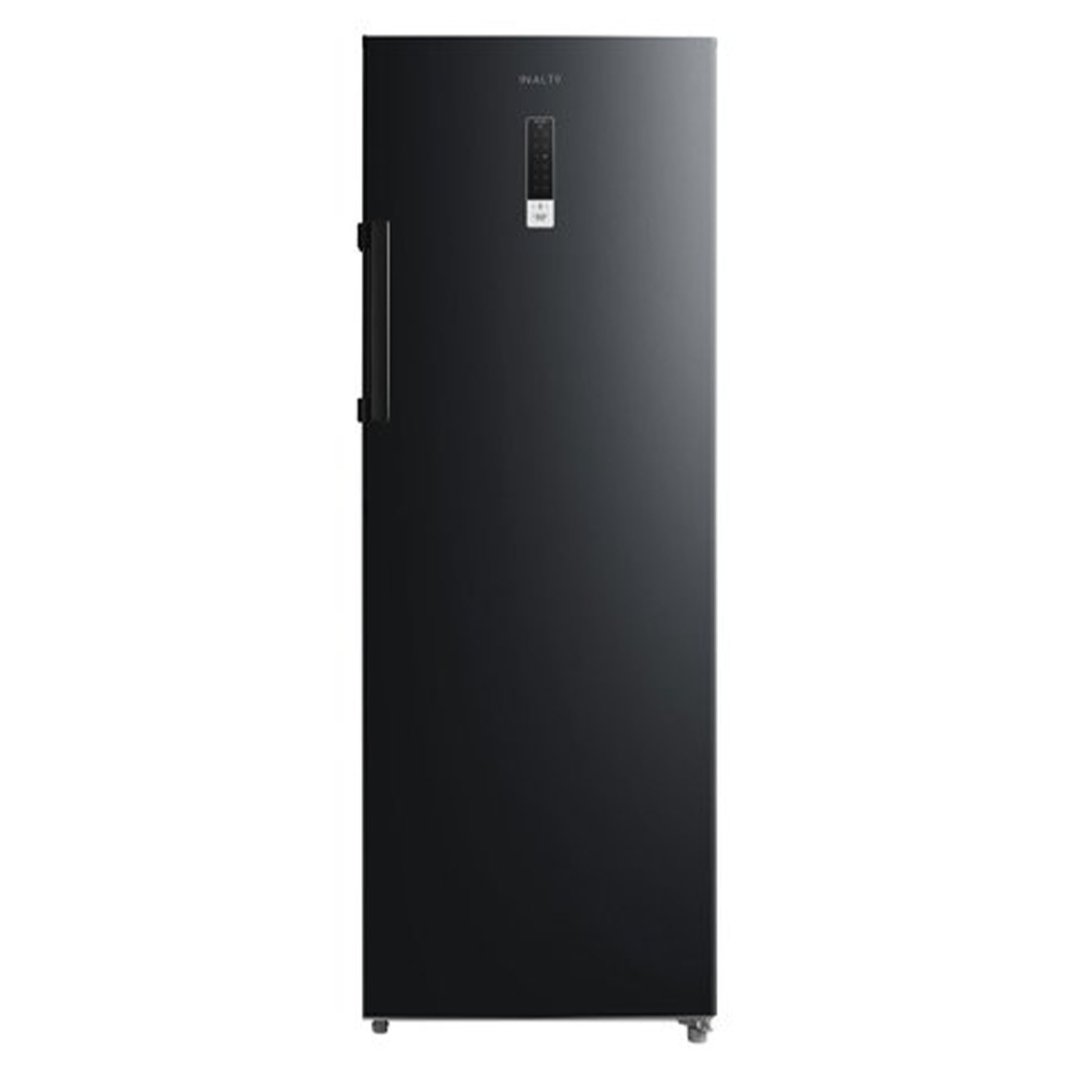
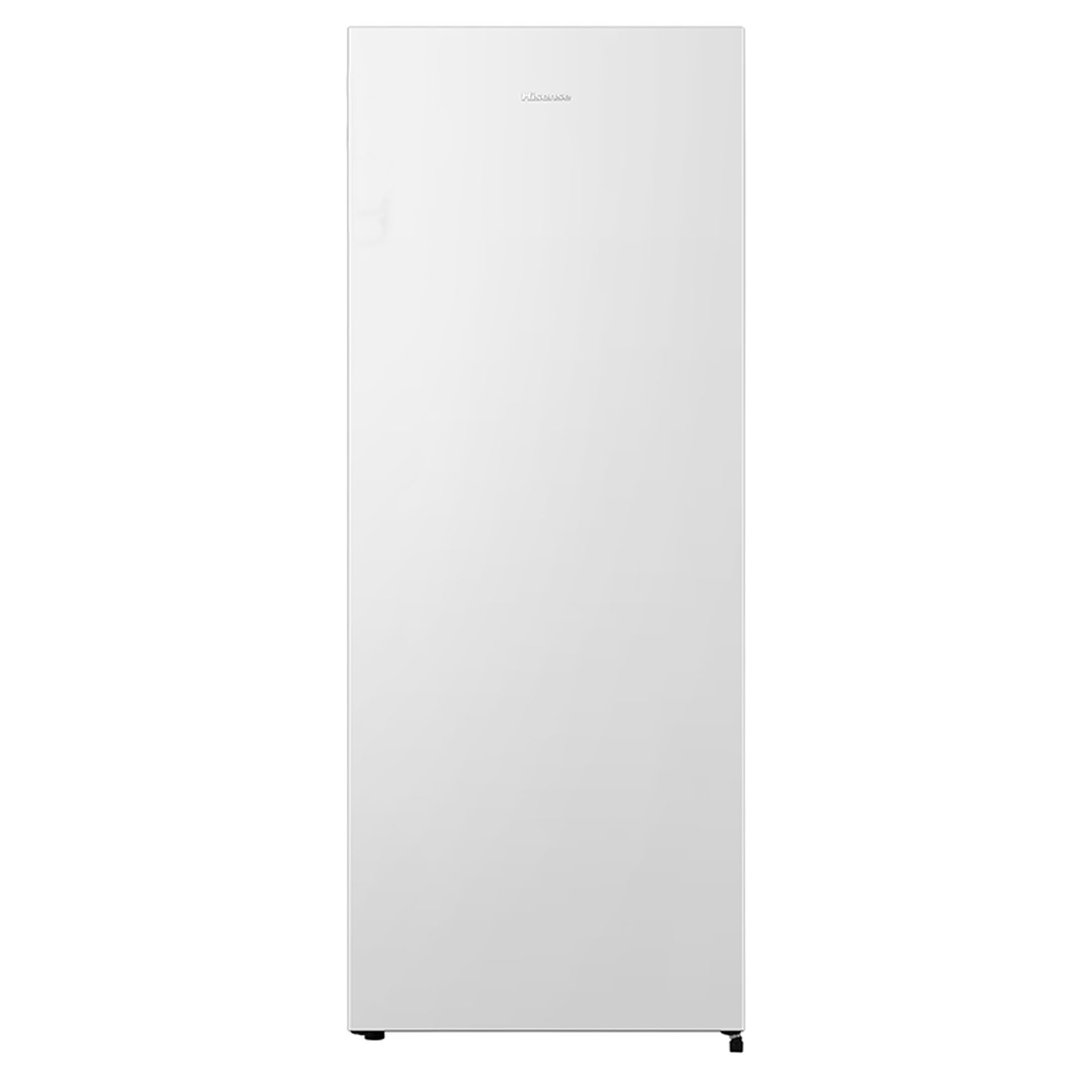
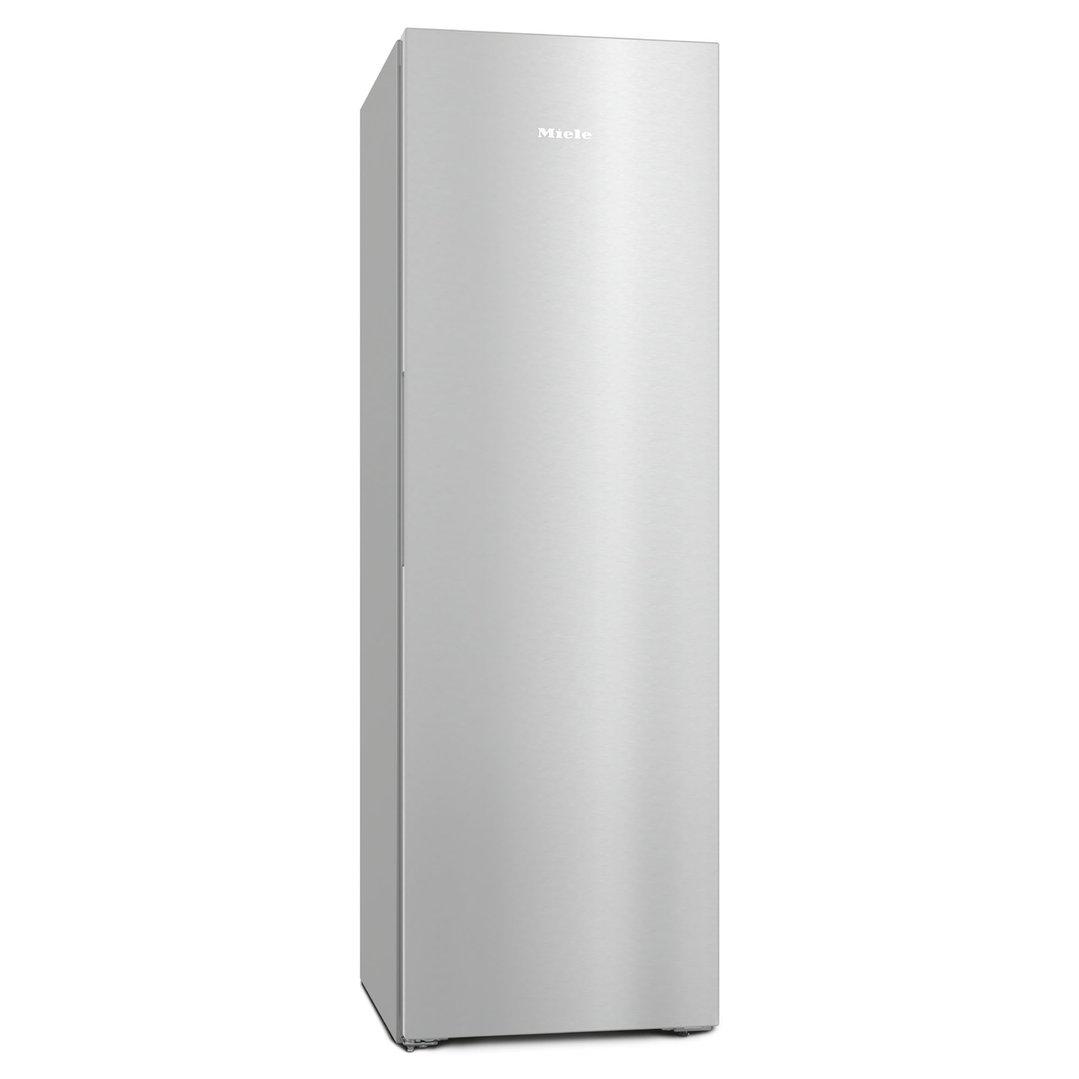
UPRIGHT FREEZERS
Also known as vertical freezers, upright freezers are a practical addition to the home. Similar to a standard fridge, upright freezers feature internal shelves and drawers, and have an outward opening door, making it easy to access your frozen goods. Their footprint is similar in size to that of a standard fridge. Instead of a single storage compartment, this type of freezer is generally organised with a set of internal shelves and drawers.
Upright freezers tend to have a smaller footprint than bulkier chest freezers.
They are generally more expensive to purchase and operate than traditional chest freezers.
It’s typically easier to organise your frozen goods within an upright freezer thanks to its internal shelves and drawers.
Most models of upright freezers come with an inbuilt frost-free function.
Internal shelving and drawers, although handy, may prevent you from storing bulky frozen goods.
Some models have inbuilt ice dispensers.
Some models are available in a pigeon pair, allowing you to purchase a matching fridge and freezer set.
Popular upright freezer brands: Miele, Westinghouse, Inalto, Hisense

$4,999$4,499.10Ends in
2 Days$3,499$3,149.10Ends in
2 Days








CHEST FREEZERS
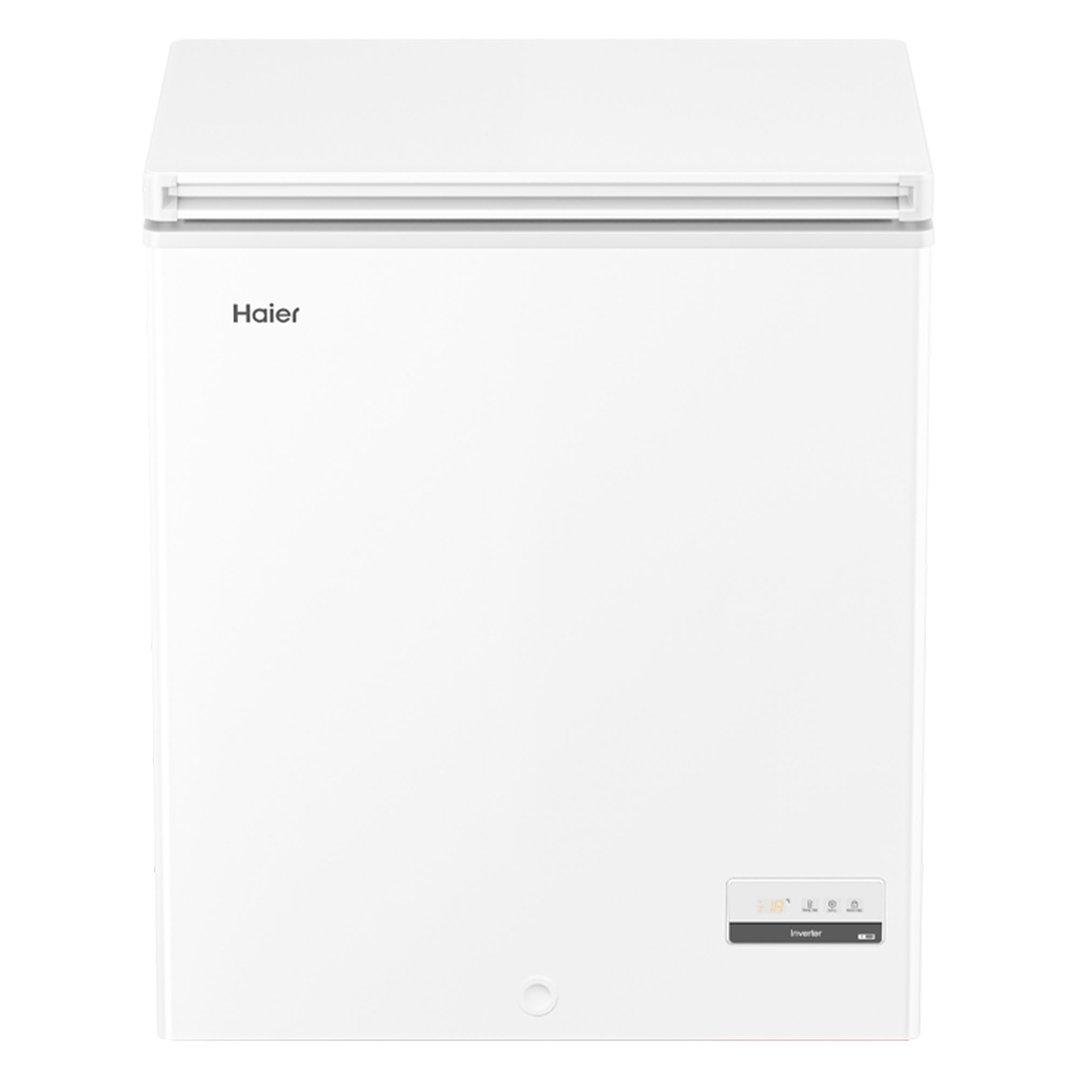
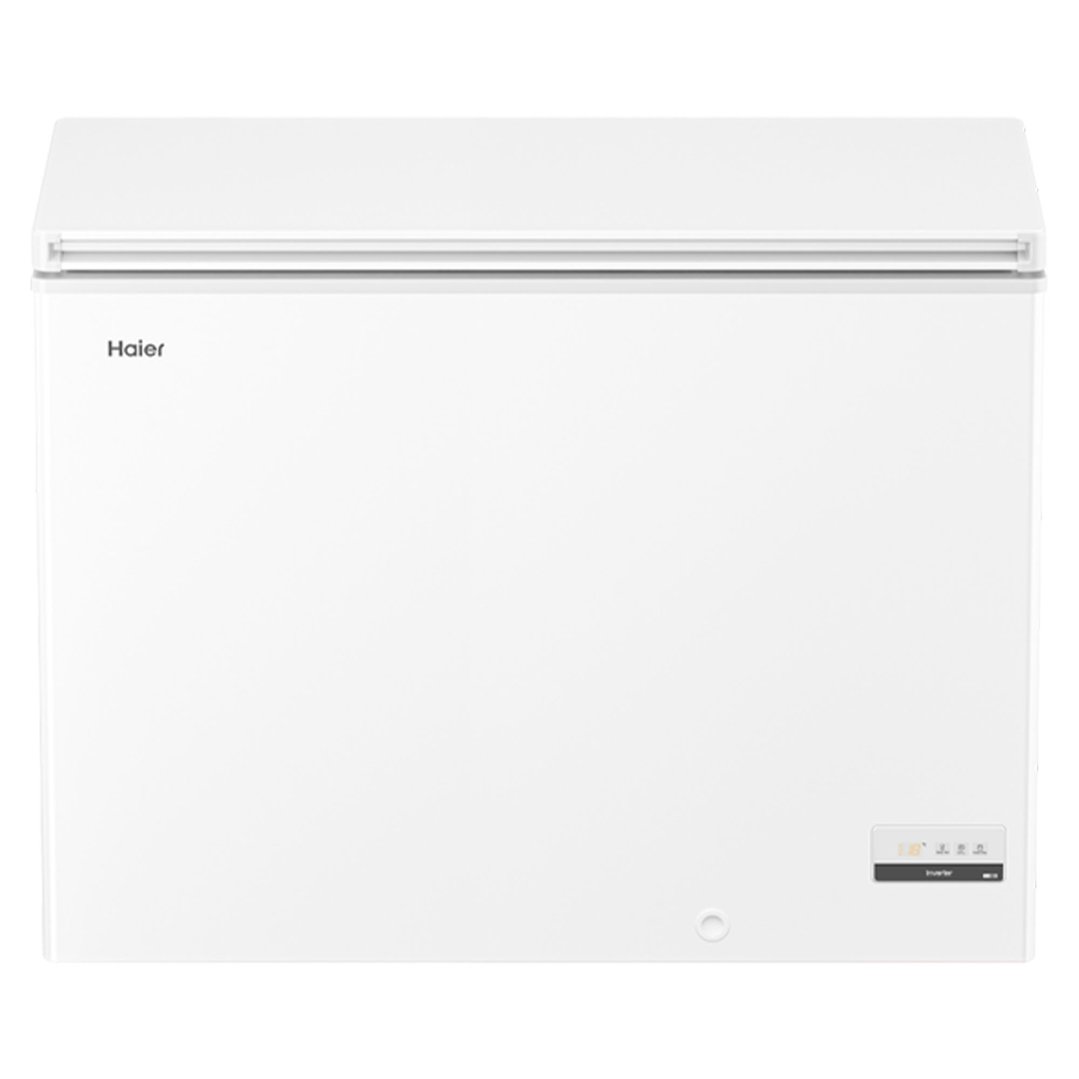
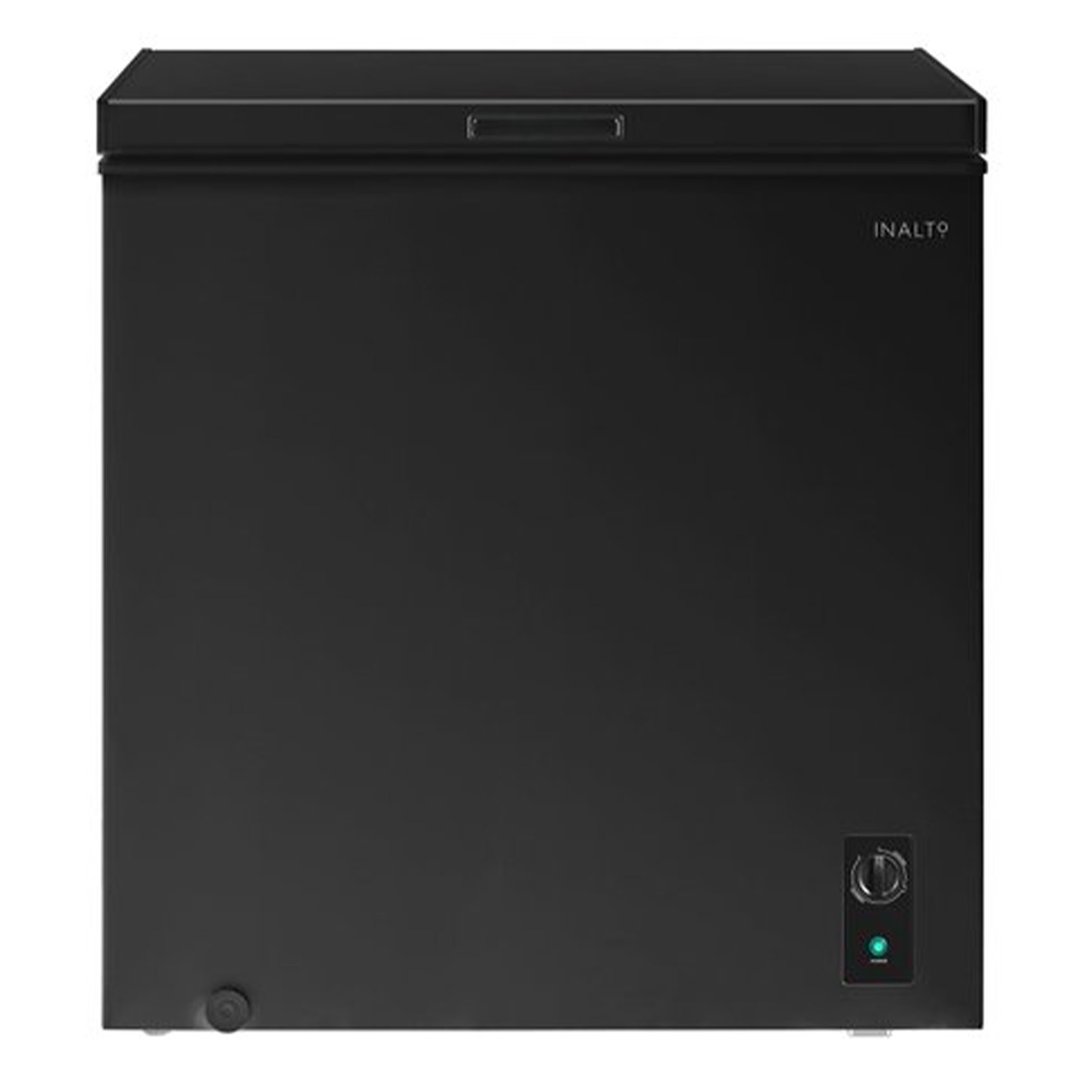
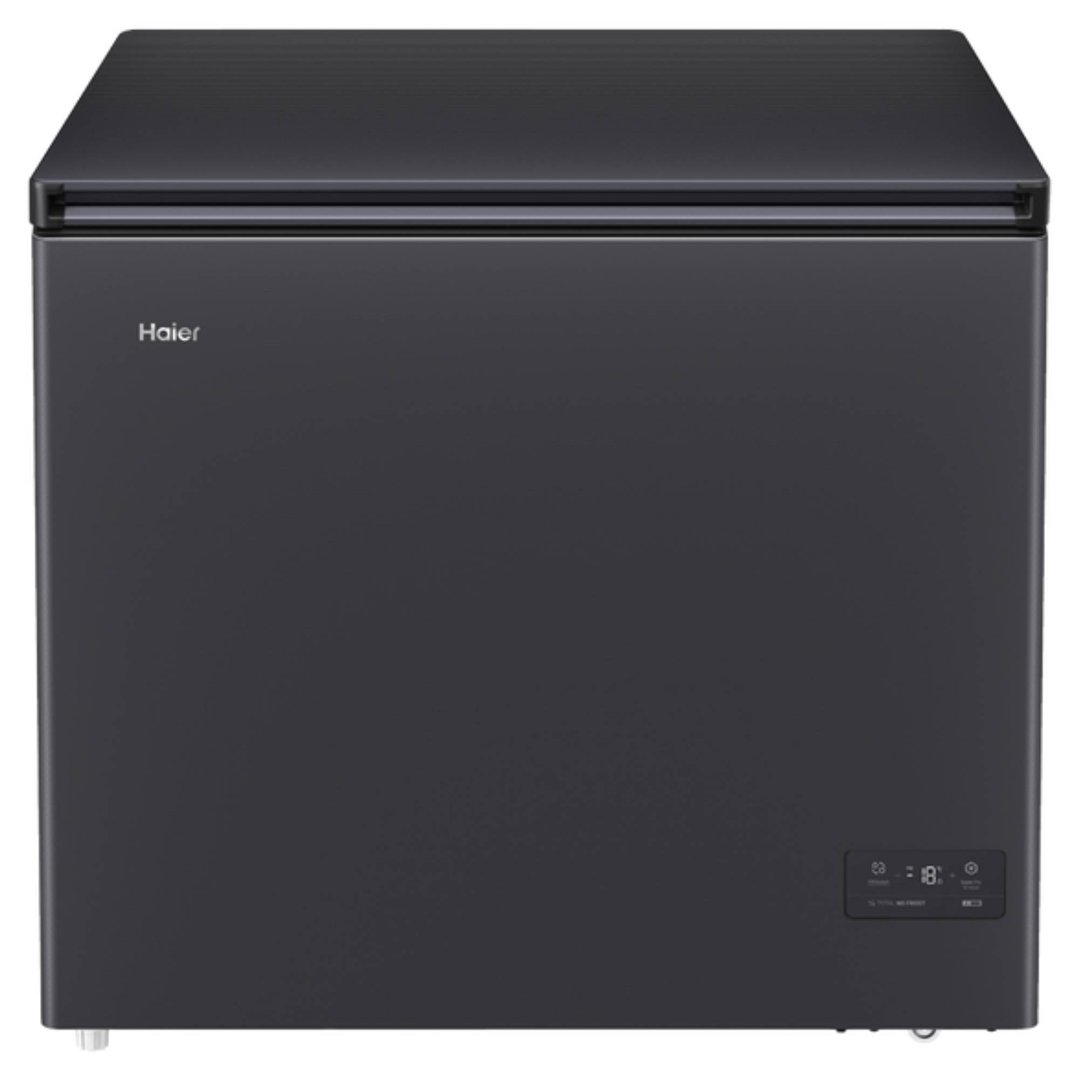
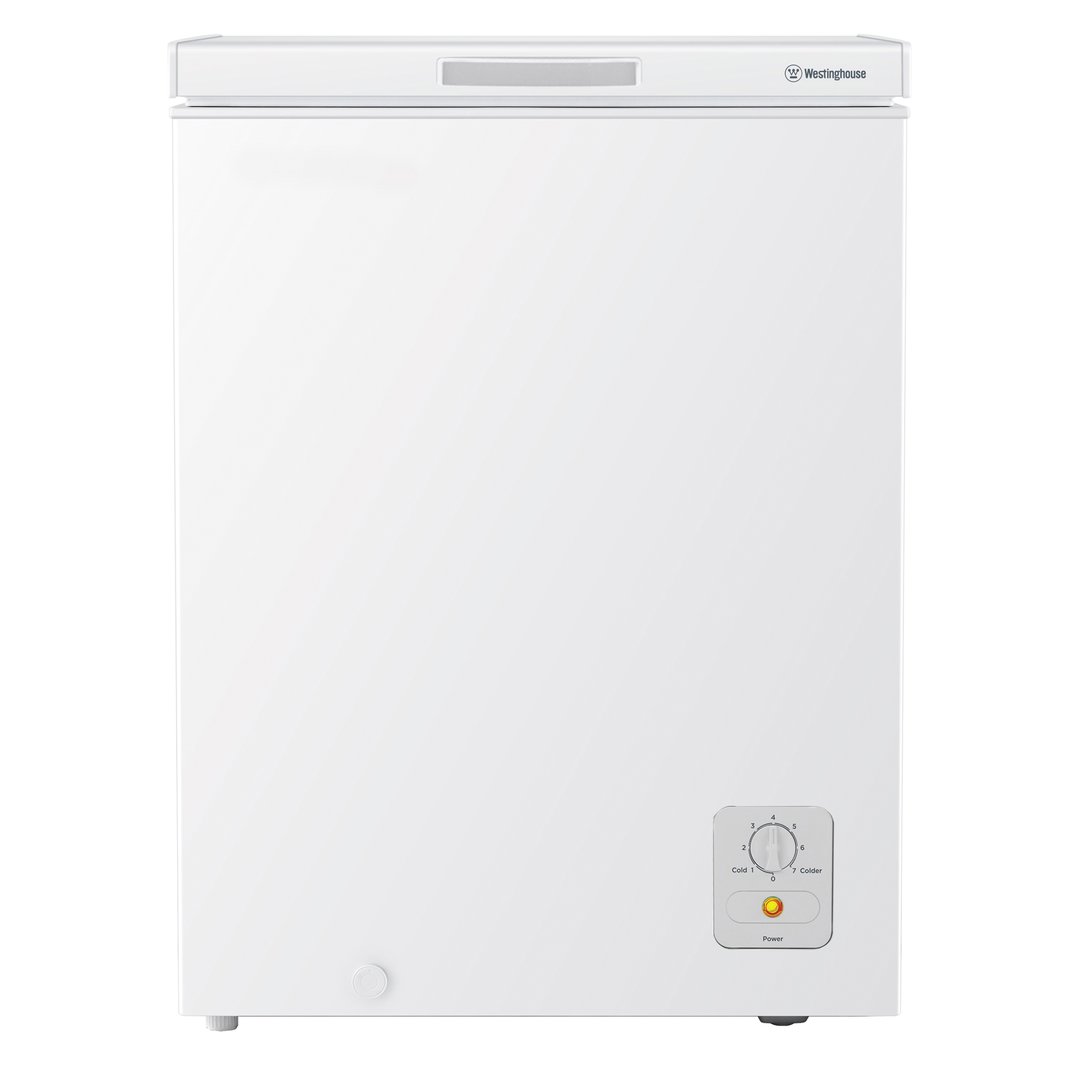
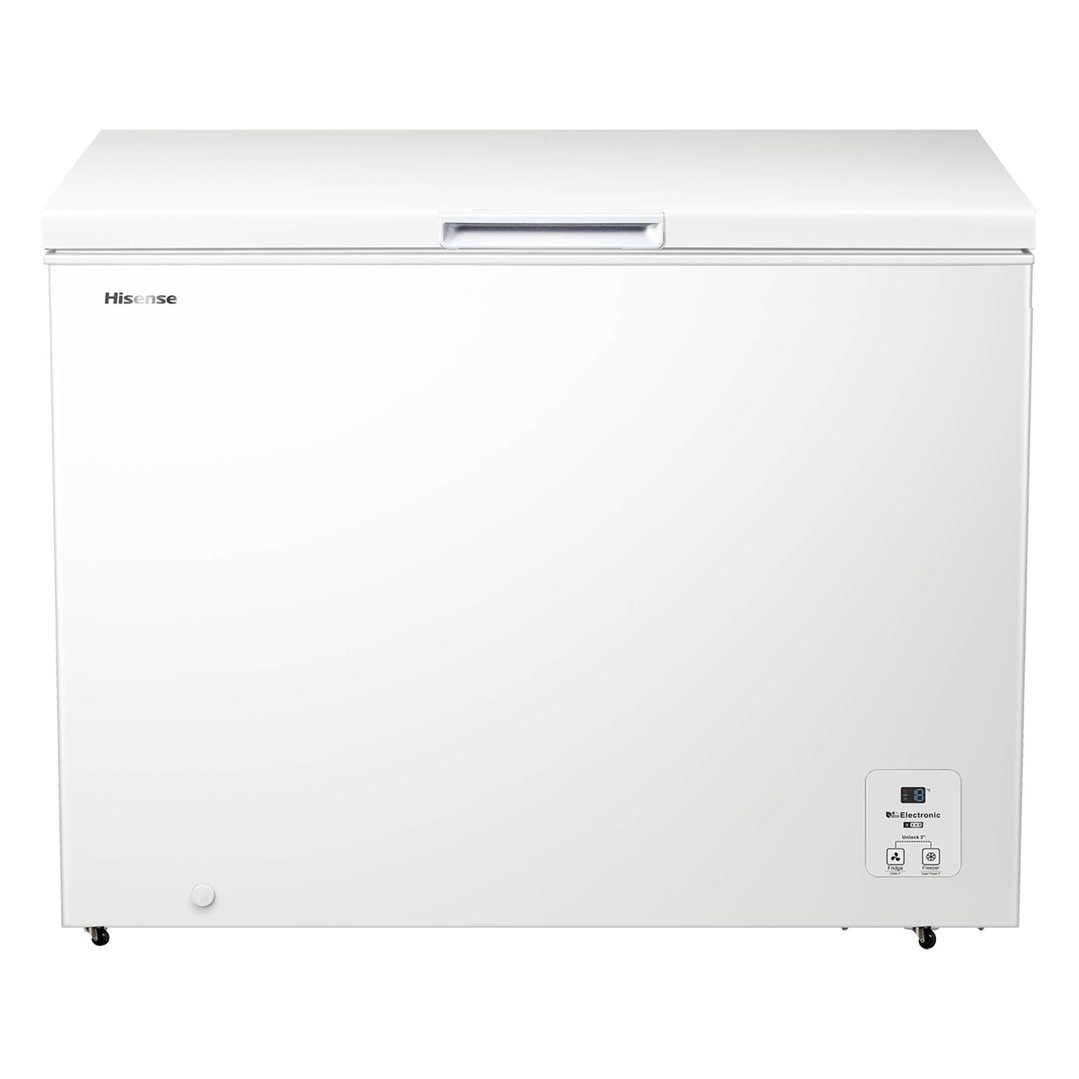
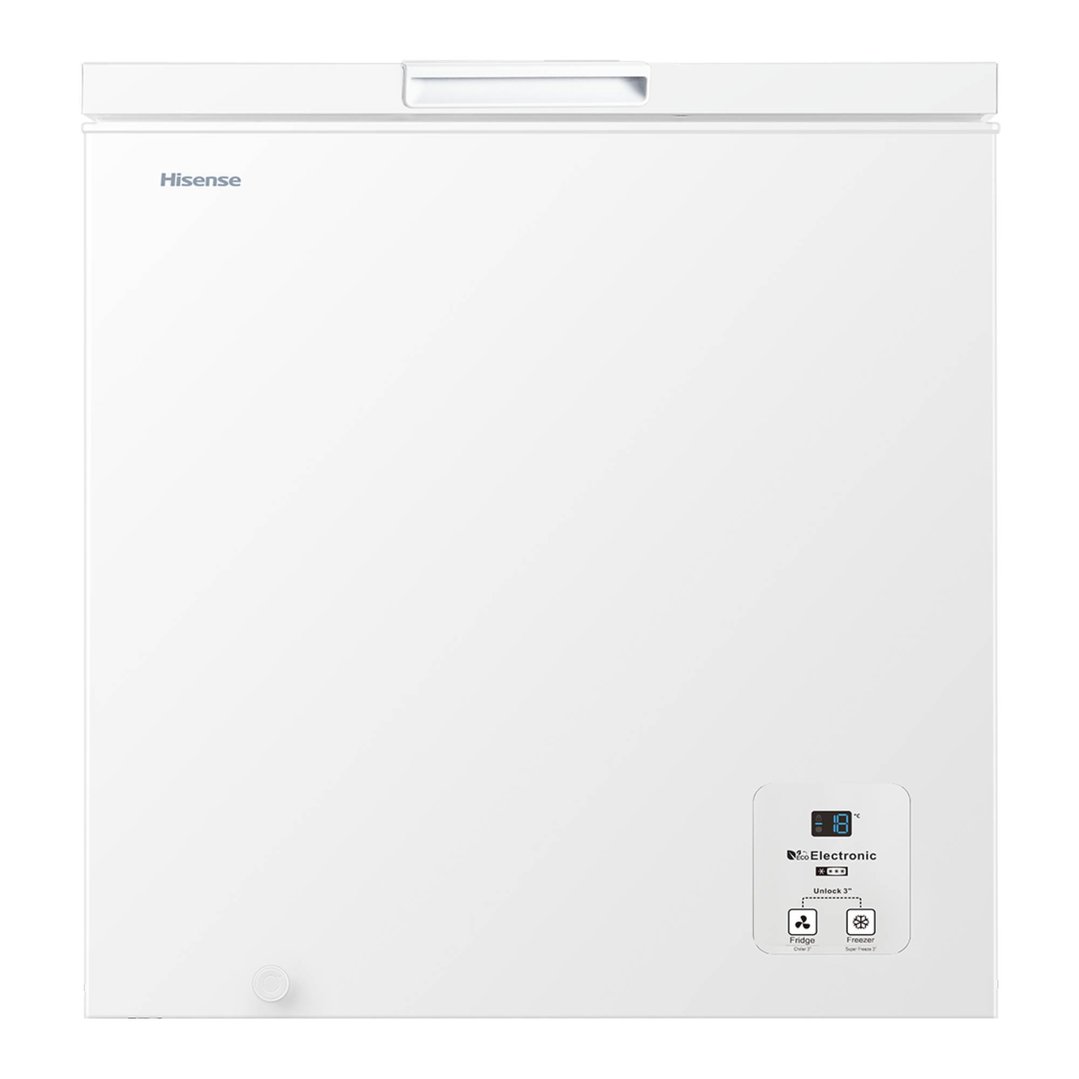
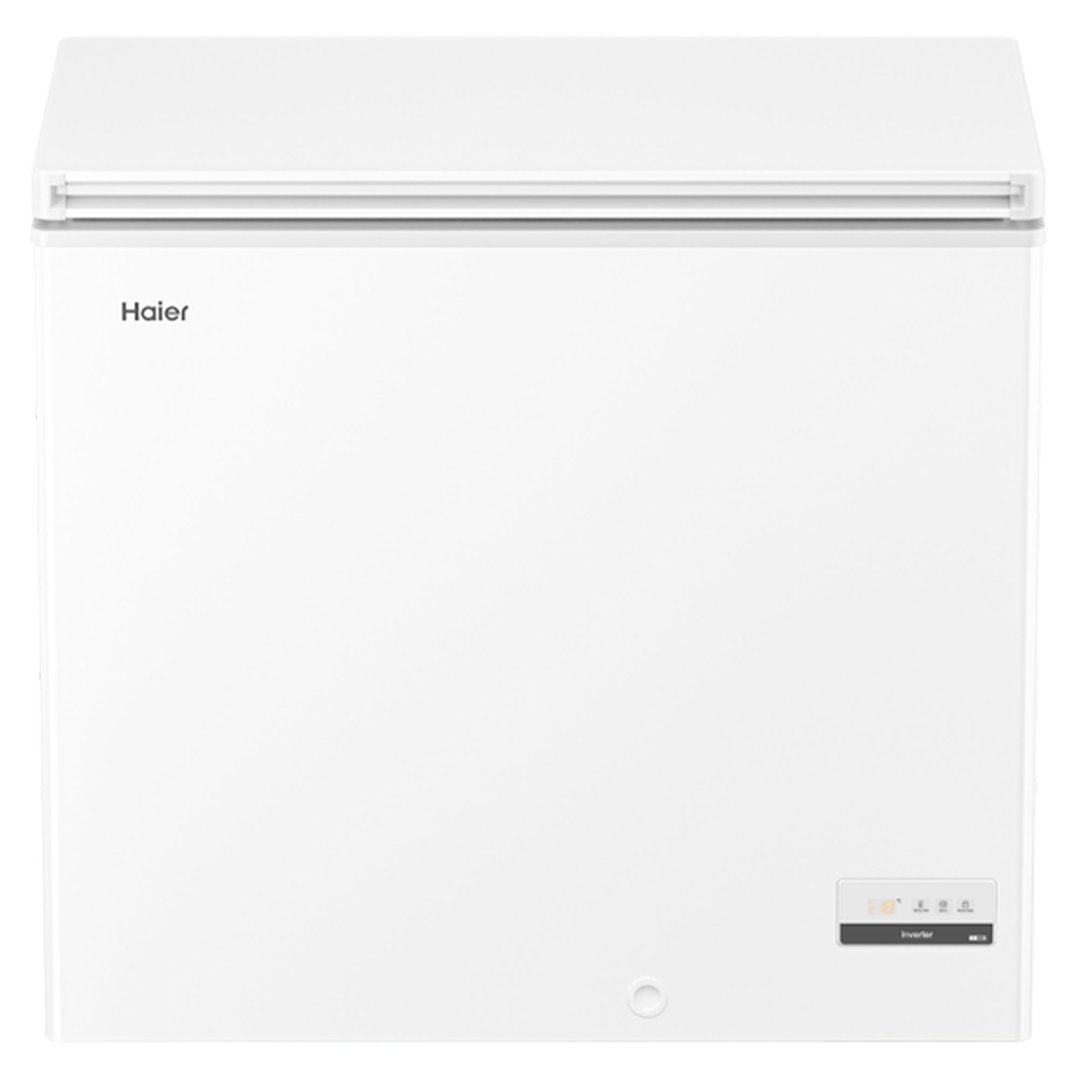
Typically consisting of one large compartment, chest freezers, also known as deep freezers, have a large, upwards opening lid. They are a popular choice for households wanting to store bulky food items, offering plenty of storage space. Chest freezers are generally cheaper to purchase than upright freezer models, but do have a larger footprint that needs to be accounted for when finding a unit to suit your home.
They are generally cheaper to purchase and run than upright freezers.
Chest freezers typically offer better performance than their vertical counterparts.
They are a good option for storing bulky items such as large cuts of meat.
As the lid on chest freezers open upwards, they tend to retain cool air more efficiently than vertical freezers.
They often have a greater storage capacity than other types of freezers.
Models with internal storage can make them a practical choice, but some may provide fewer organisational aids, such as baskets or partitions, which could make finding specific items more difficult.
Chest freezers require you to bend over their sides to reach your frozen goods. This may be an issue worth considering if you or a member of your household has back or mobility problems.
Popular chest freezer brands: Westinghouse, Haier, Inalto, Hisense



WHAT SIZE FREEZER DO YOU NEED?
When considering buying a new freezer, there are a few factors that will help you to decide which size is best suited to your home. They may include the amount of space available for the unit itself, the capacity that is best suited to your household and how you intend to use the freezer.
SIZE OF THE SPACE AVAILABLE
When shopping for a new freezer, you’ll need to take the time to measure just how much space is available in your home for the unit. Be sure to measure the height, width and depth of the area that will house your freezer. It’s important to factor in some clearance space (approximately 5cm on each side) into your calculations to ensure the unit can operate properly and to consider how much room will be available to allow you to open each door. While you have your measuring tape on hand, it’s a good idea to also measure the doors of your home to see if your chosen unit will actually be able to be brought indoors.
CAPACITY
| Household Size | Recommended Capacity |
| 1 to 2 people | 50 to 100 litres |
| 3 to 4 people | 100 to 300 litres |
| 5 or more people | 300 litres and up |
USE
Much like any other appliance, it’s important to think about how you’ll use your freezer. If you’re planning to store just a few meals for future use, you may want to consider a smaller unit. On the other hand, if you love to entertain or prefer to buy your food in bulk, a larger capacity freezer could be a better fit for your needs.
FEATURES TO LOOK OUT FOR
Temperature controls. Although the controls of your chosen freezer should be easy to access when you do need to adjust the temperature or settings, it’s important that they are located out of reach of small children to avoid any unwanted temperature changes.
Internal storage versatility. Without some form of internal storage organisation, it can be difficult to find what you need when you need it. If you’re thinking of buying an upright freezer, a combination of shelving and drawers can be very handy, or, if you’re considering a chest freezer, look for a mix of internal partitions and baskets.
Lighting. Although it may not be at the top of your freezer feature wishlist, good internal lighting is one feature that’ll help to make using your freezer unit simpler, taking the guesswork out of finding what you’re after. Although most kitchens generally have decent lighting, if you’re thinking about keeping your freezer outdoors or in your garage, the extra lighting can be a big help.
Energy rating. Your freezer will operate all day long, so it’s a good idea to find a model that is energy efficient. Choosing an energy efficient freezer, although potentially more expensive upfront than its less efficient counterparts, will help you to save money on electricity in the long run. The amount of energy used by each individual freezer will vary, but the star rating sticker on each model will help you to compare similar units. You’ll find that this rating will vary depending on the size of the unit and its general energy efficiency. If you are wanting to know just how much electricity your chosen model will use, most freezers also display an average annual energy consumption figure, which you can then multiply by the electricity rates in your area to find the annual running costs.
Frost-free freezer functions. Having to manually defrost your freezer can be a tedious task, but frost-free freezer functions help to make the upkeep of your unit easier by preventing an unwanted buildup of ice.
Drainage. When it comes time to defrost or clean your freezer, drainage holes can help to make the process a whole lot easier. They help to direct ice and water to the outside of the unit.
Rollers and wheels. Sometimes you need to be able to move your freezer to allow you to clean the unit or access important controls. However, when full of frozen goods, freezers can be particularly heavy. A freezer with rollers or wheels makes this easier to do as there’s no heavy lifting involved.
Liners. The quality of internal freezer liners can vary between makes and models, with some units sporting thin aluminium liners. If possible, look for a unit with a heavy-duty liner that’ll better withstand general wear and tear.
OUR MOST POPULAR FREEZERS
$4,999$4,499.10Ends in
2 Days