Buying Guides
What Do Air Purifiers Do? Function, Benefits & Buying Guide

Ever wondered what exactly an air purifier does for your home? Put simply, it's a smart appliance designed to clean the air inside a room. Think of it as a filter for your indoor environment – it draws in the surrounding air, traps airborne nasties like pollutants, allergens, and irritants within its filters, and then circulates cleaner, fresher air back out. The goal? To improve your indoor air quality, one cycle at a time. Read on to learn more about how air purifiers work, their benefits and to find the perfect fit for your home.
Jump to
So, how does this air-cleaning magic happen? Most air purifiers use a fairly straightforward process:
A fan inside the unit pulls room air inwards.
This air is forced through one or multiple internal filters.
These filters capture and trap various airborne particles and sometimes even gases and germs.
The fan then pushes the cleaner air back into the room.
This cycle repeats continuously while the unit is running, gradually reducing the level of airborne contaminants.
Different purifiers use various technologies to get the job done:
Filtration (HEPA): This is the most common and highly effective method, especially for particles. A HEPA filter acts like a super-fine net, physically trapping tiny particles as air passes through.
Activated Carbon: Great for tackling smells and gases. The porous carbon surface adsorbs odour molecules, chemicals (like VOCs), and smoke.
Ionisation: These units release charged ions that attach to airborne particles, causing them to stick to surfaces or internal collection plates. Keep in mind, some ionisers can produce small amounts of ozone.
UV Light: Some models incorporate UV-C light designed to neutralise airborne bacteria and viruses as they pass through the purifier.

A good air purifier, especially one combining different filter types, is designed to tackle a range of invisible indoor air culprits:
Airborne Particles: This is a big one! Think common household dust, annoying pollen that drifts in from outside, pet dander (those tiny skin flakes from furry friends), mould spores floating around, and smoke particles from cooking mishaps, cigarettes, or nearby bushfires. A High-Efficiency Particulate Air (HEPA) filter is your best friend here – True HEPA filters are designed to capture 99.97% of particles as small as 0.3 microns.¹
Odours and Gases: Lingering cooking smells? Pet odours? Stale air or the chemical smell from new furniture or cleaning products? Air purifiers equipped with an Activated Carbon filter work wonders by adsorbing these gases and Volatile Organic Compounds (VOCs).
Some Airborne Germs: While not a medical device for preventing illness, purifiers with HEPA filters can trap tiny airborne particles that might carry bacteria and viruses. UV filters add another layer by aiming to neutralise these microorganisms. This helps reduce the concentration of airborne germs, especially useful in shared spaces or rooms that aren't easily aired out.
Formaldehyde (Specific Models): A common household gas released from some furniture, paints, and building materials. Advanced purifiers might include specific filters (like catalytic filters) designed to continuously capture and break down formaldehyde molecules.²
¹ Filter efficiency standard.
² Refers to models with specific formaldehyde-destroying filters.
It's easy to get these two confused, but they do very different jobs!
Air Purifier: Cleans the air by removing particles and pollutants (like dust, pollen, smoke, odours). It doesn't significantly change the moisture level in the air.
Dehumidifier: Reduces humidity by removing excess moisture from the air. This is great for damp rooms, preventing mould growth, and making the air feel less sticky. It doesn't filter out particles like dust or pollen.
Think of it this way: an air purifier cleans what's in the air, while a dehumidifier controls how much water is in the air. You might even use both in different situations or rooms depending on your needs!
So, why bring an air purifier into your home? Here are some key advantages:
Easier Breathing for Allergy & Asthma Sufferers: Capturing airborne triggers like pollen, dust mites, and pet dander can mean fewer sneezes, sniffles, and breathing difficulties for sensitive individuals.
Fresher Smelling Home: Helps neutralise lingering odours from cooking, pets, smoke, or just general stuffiness.
Smoke Particle Reduction: A valuable tool during bushfire season or if someone smokes indoors, helping to clear the finer particles from the air you breathe.
Reduced Airborne Germs: Adds a layer of defence by trapping some airborne bacteria and virus-carrying particles.
Better Overall Indoor Air Quality: Tackles a range of invisible pollutants for a cleaner, healthier home environment.
Popular Air Purifiers:

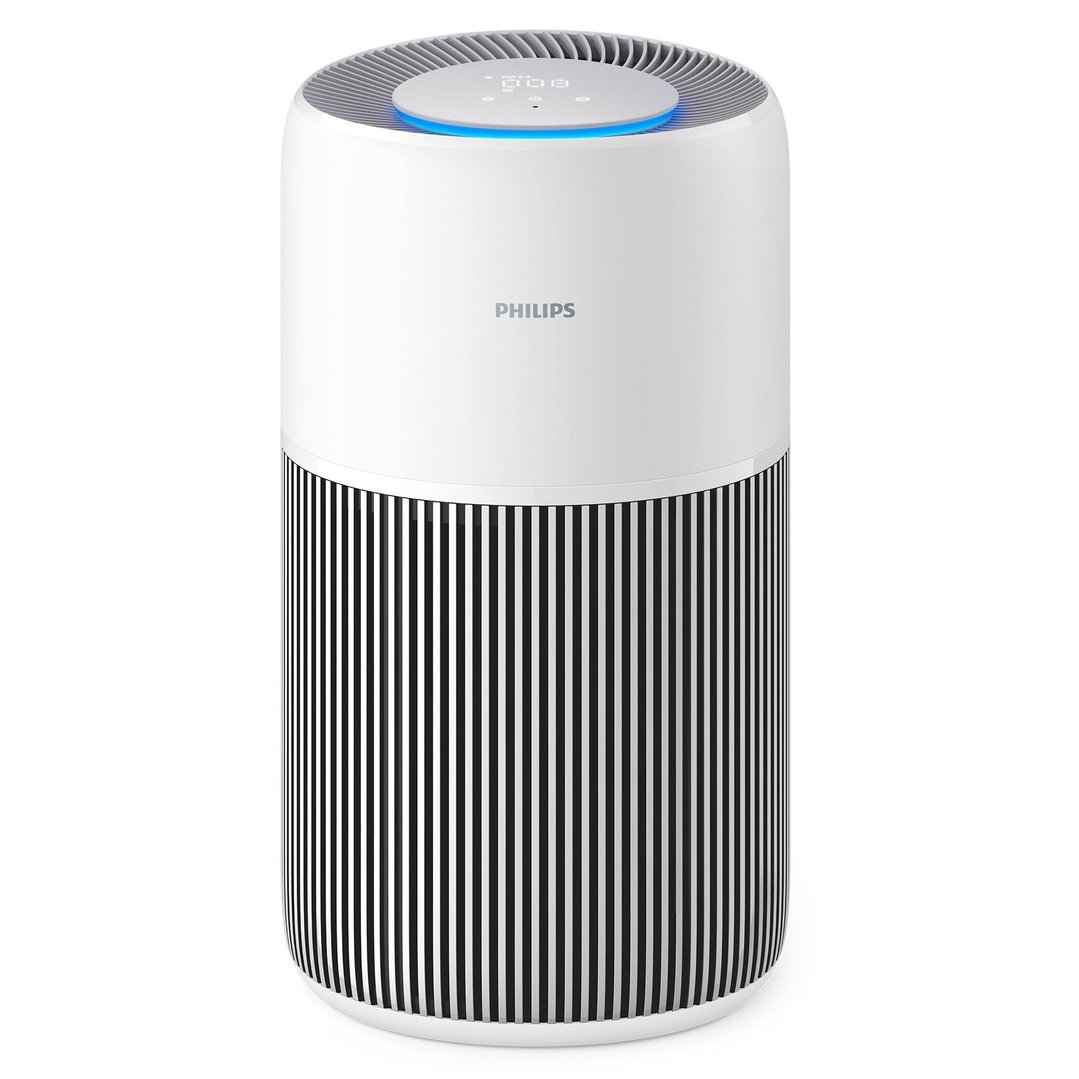
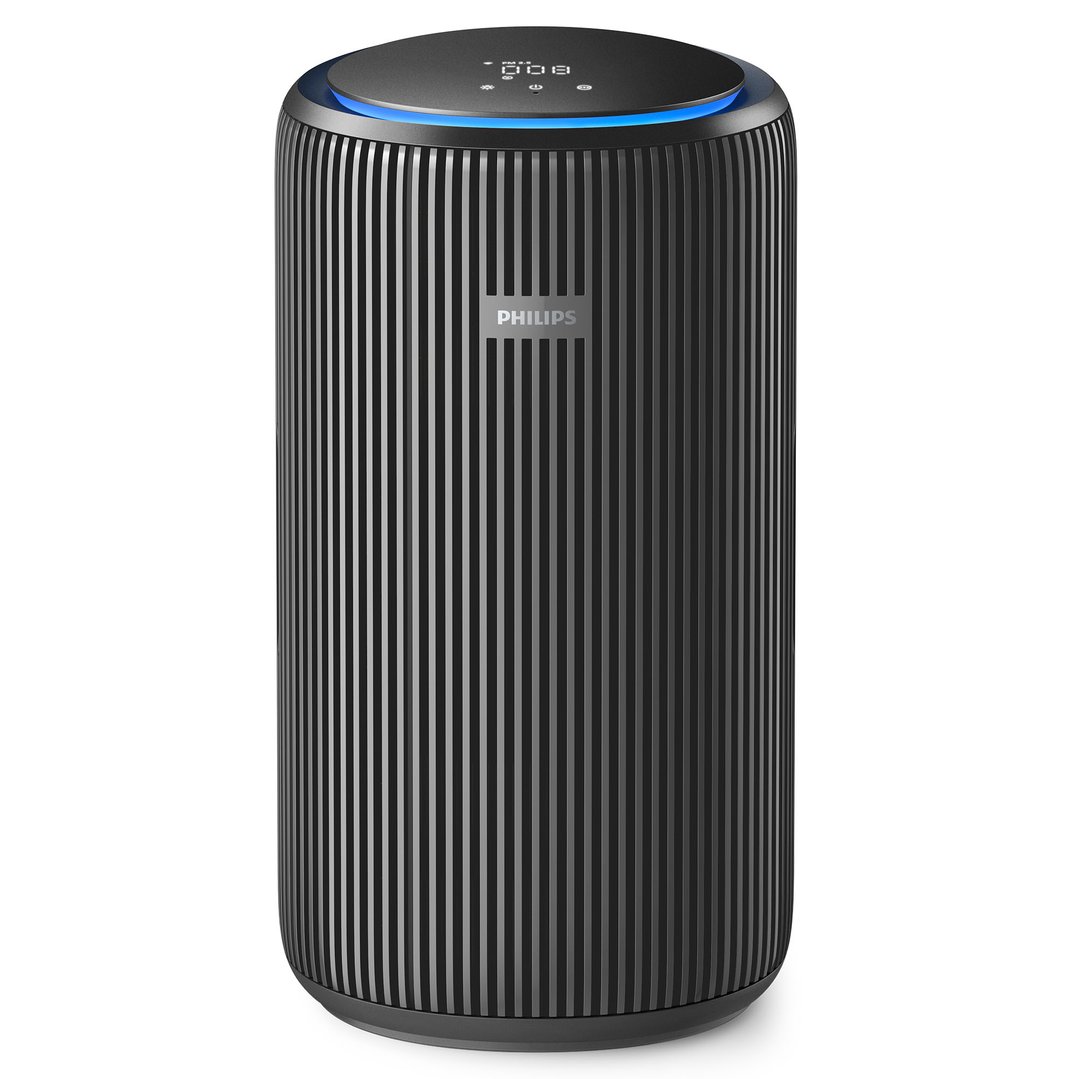
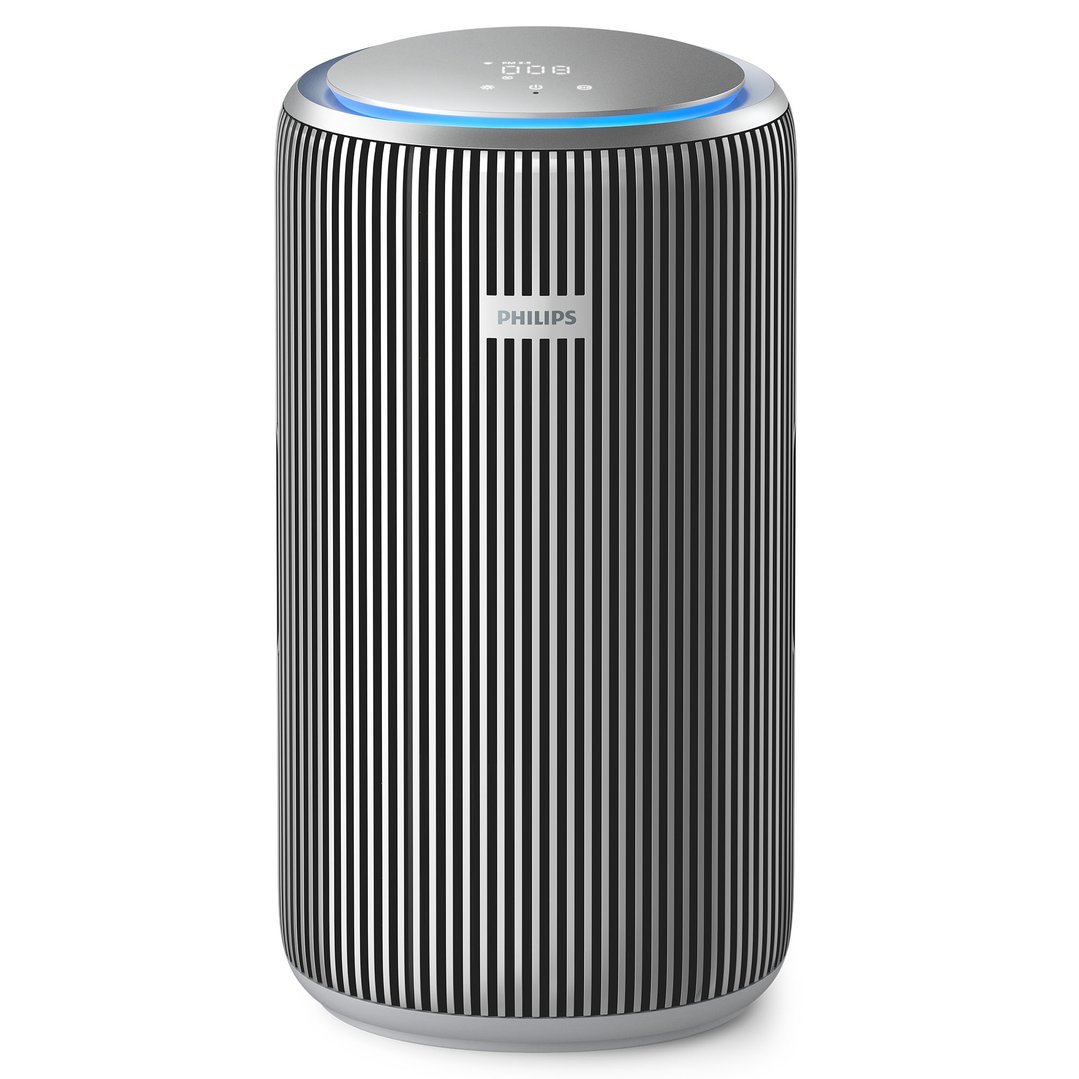
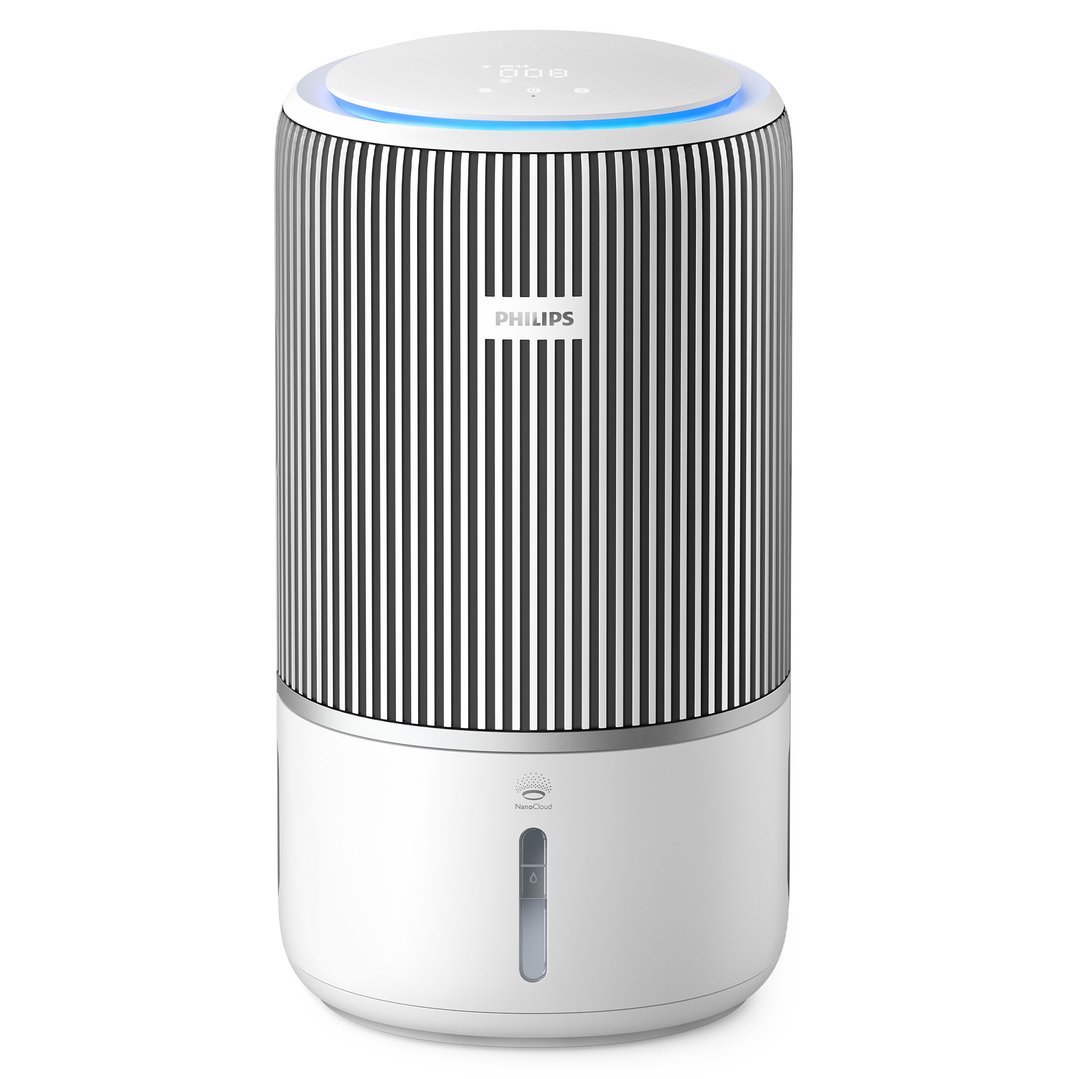

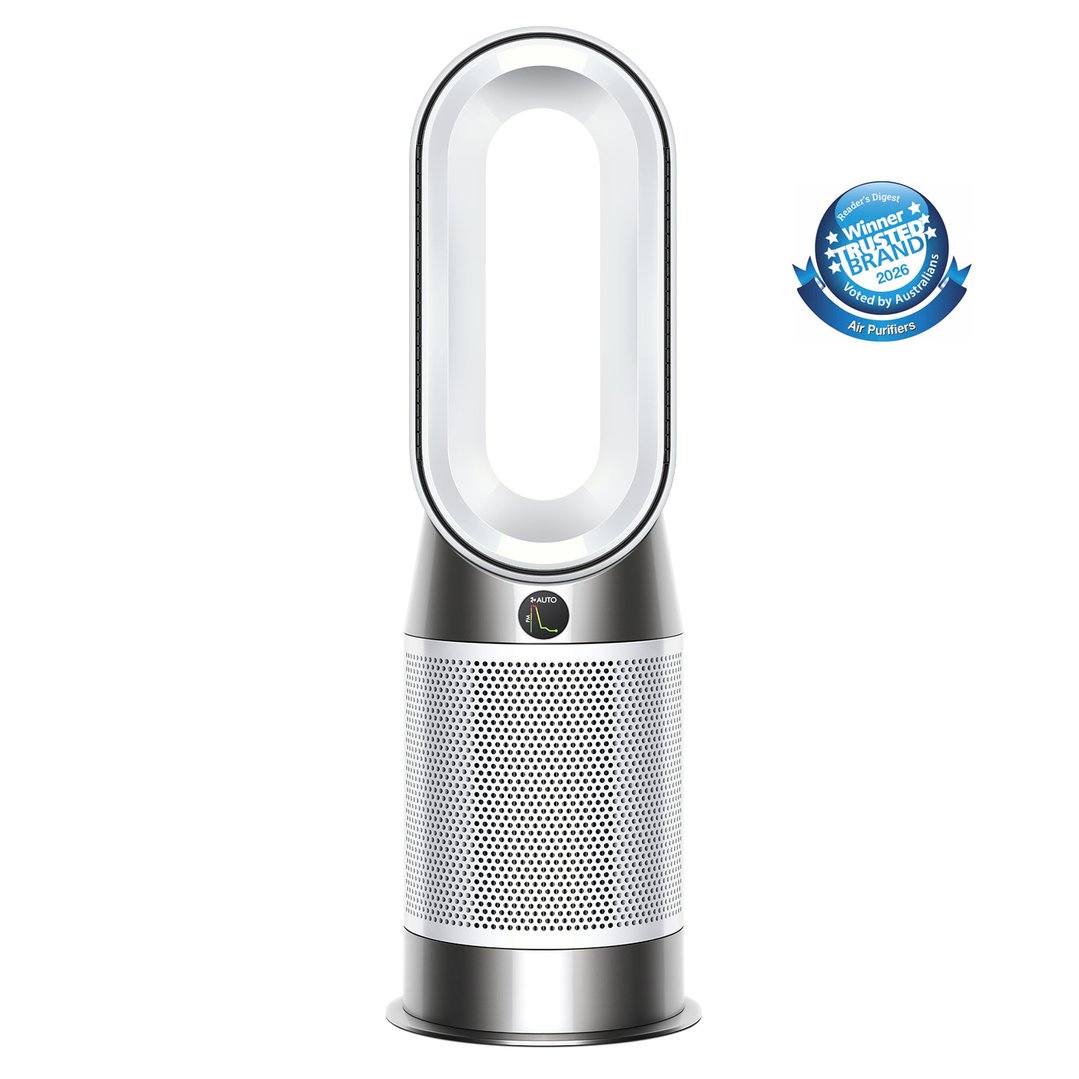
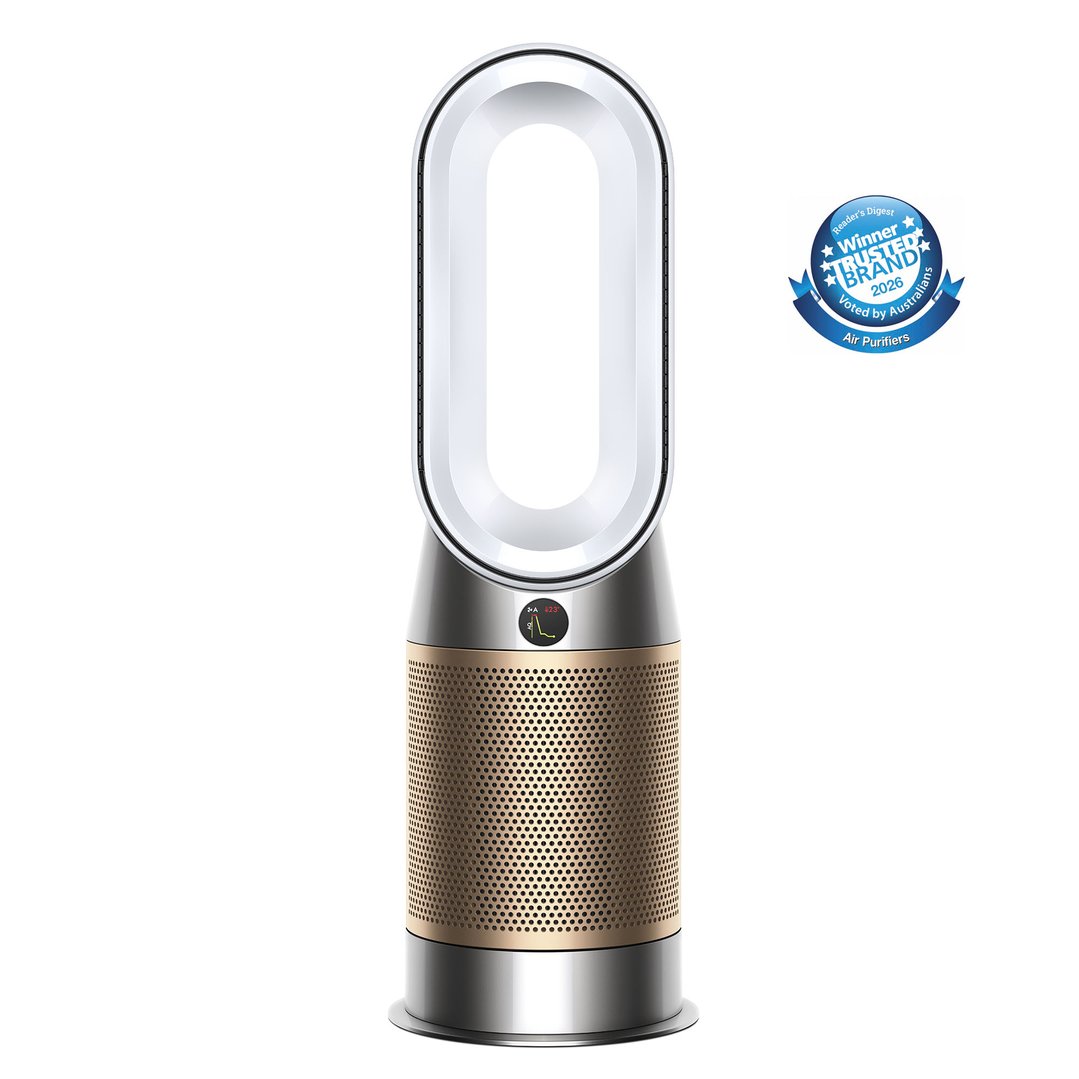
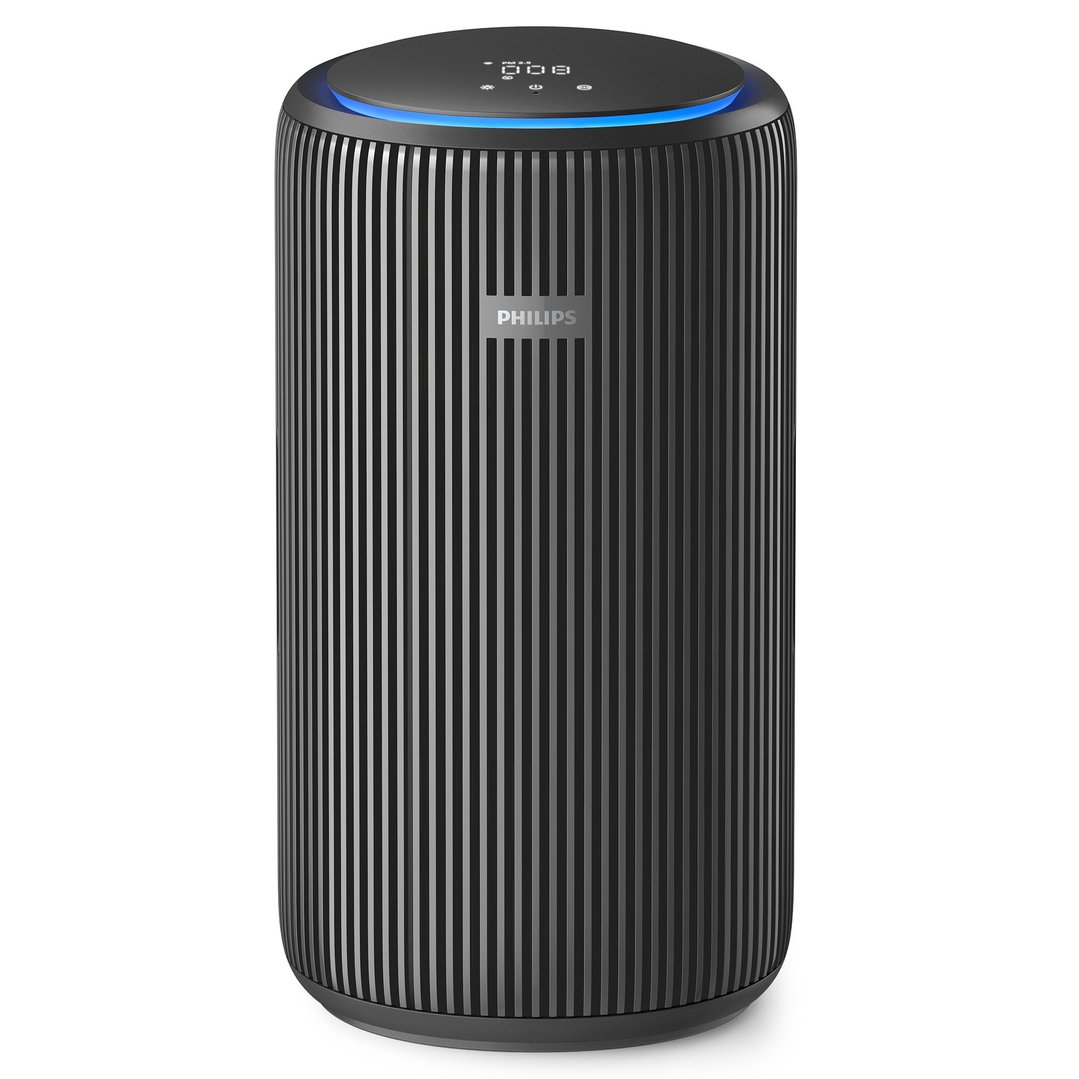
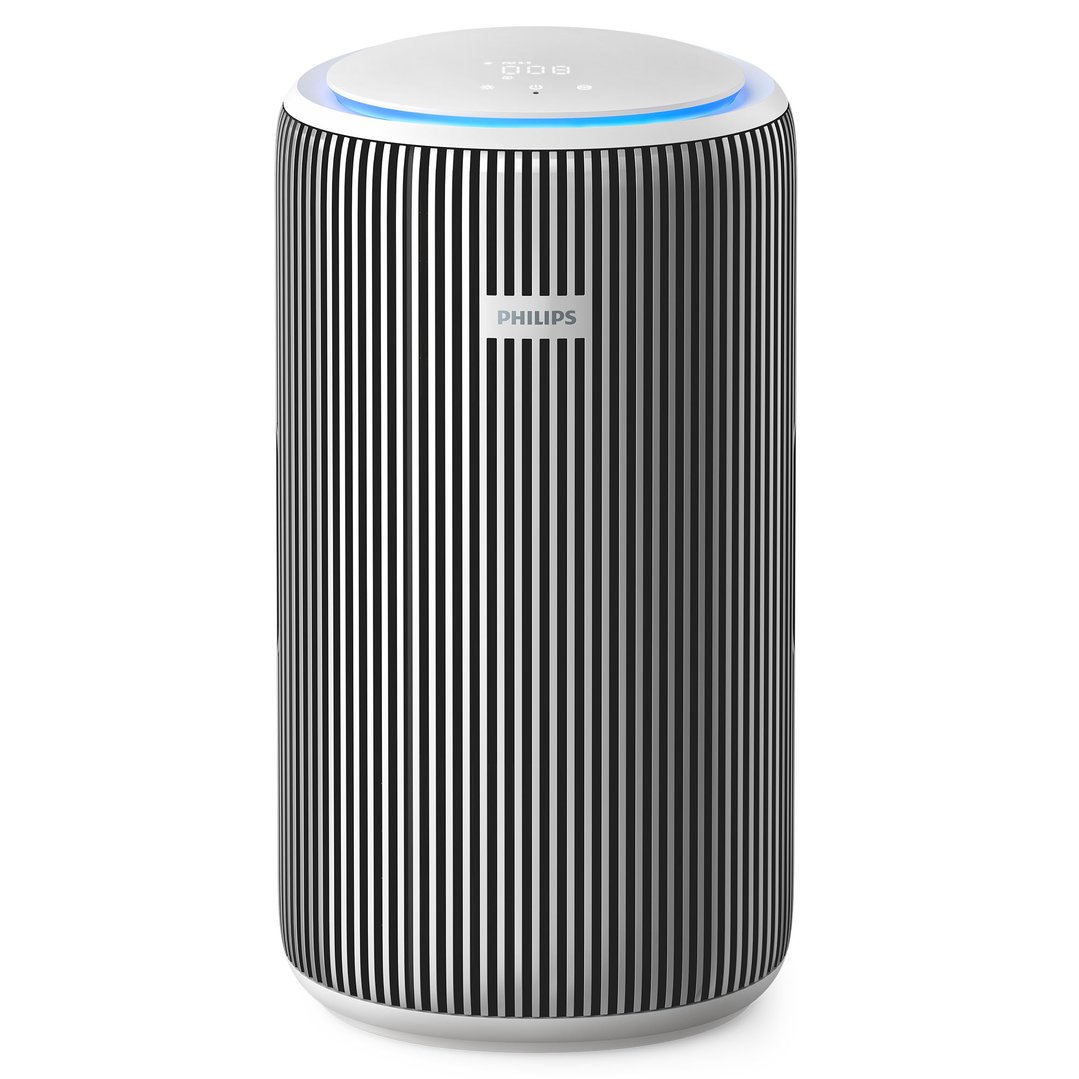
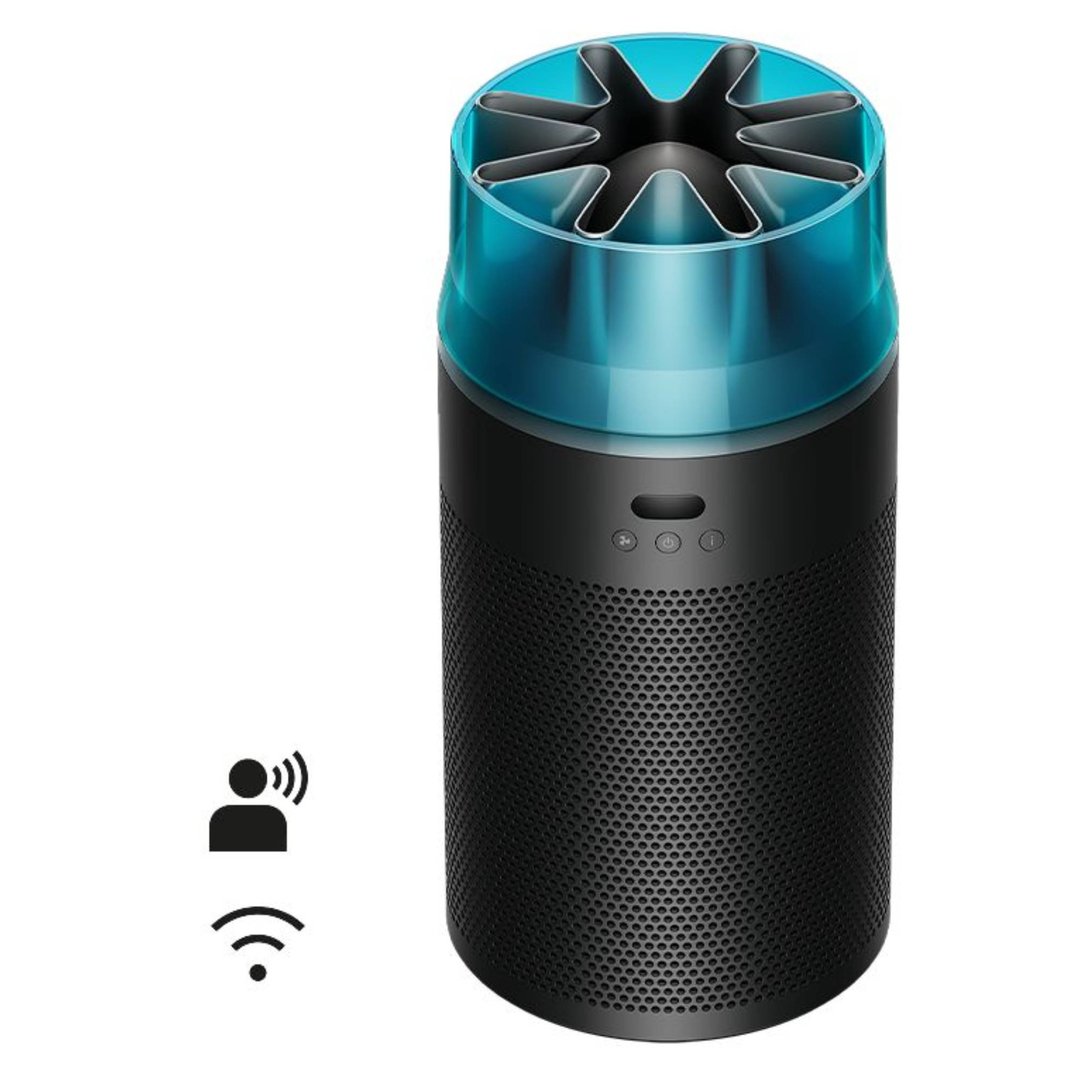
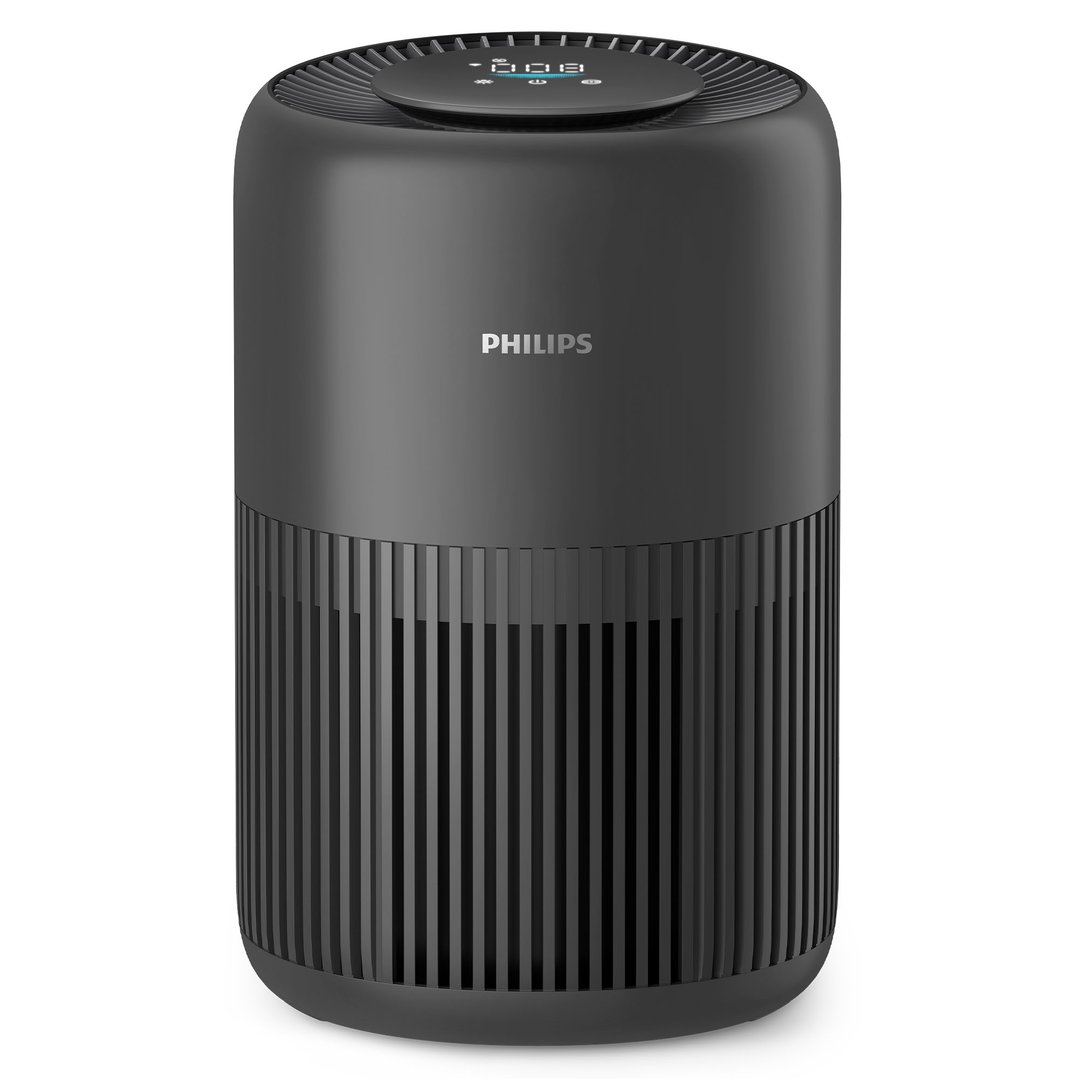
It's good to have realistic expectations. Air purifiers are great, but they can't do everything:
Dust Surfaces: They capture airborne dust, but won't magically clean settled dust off your furniture or floors – sorry, dusting is still on the chore list!
Eliminate All Gases/VOCs: While carbon filters help, their effectiveness varies based on the filter size, quality, and the specific chemical. Some complex VOCs might not be fully captured.
Provide Fresh Air: Purifiers clean the air already in the room; they don't bring in fresh oxygen or remove CO2 build-up. Opening windows or using your home's ventilation system remains important.
Destroy Mould Sources: They can trap airborne mould spores, but you'll still need to address the root cause of the mould (usually excess moisture) to stop it from growing.
Clean Your Entire House (Usually): Most portable models are room-specific. A unit designed for a bedroom won't be effective in a large, open-plan living area. Choose the right size for the space!
Choosing the right air purifier depends on your main concerns and the size of the space you want to treat.
Filters Matter: For allergies and dust, a HEPA filter is essential. For odours, smoke, or chemicals, look for a good Activated Carbon filter. Many top models combine both.
Room Size & CADR: Check the manufacturer's recommended room size. This is often related to the Clean Air Delivery Rate (CADR), which tells you how quickly it cleans the air of dust, pollen, and smoke. Matching the purifier to your room size ensures it works effectively. Sometimes, choosing a model rated for a slightly larger room means it can run quieter on lower settings while still keeping the air clean.
Ready to Breathe Easier? Explore Our Range at Bing Lee!
Understanding what an air purifier does is the first step to creating a healthier indoor environment. At Bing Lee, our family has been helping Australian families find the right appliances for generations. We offer a great selection of air purifiers from trusted brands including Philips, Breville and Dyson, which are designed to tackle everything from everyday dust to seasonal allergens and smoke. Our friendly team is always here to help you compare features and find the perfect fit for your home and budget.
Shop Air Purifiers:
Q. WHAT SIZE AIR PURIFIER DO I NEED?
First, figure out the square meterage of the room you want to purify (length x width). Then, check the recommended room size listed for the air purifier models you're considering. It’s often a good idea to choose one rated for a slightly larger space than you have, as this can mean it cleans the air effectively on lower, quieter fan speeds. Just don't go too large, as that can be inefficient.
Q. WHAT IS THE BEST TYPE FOR ALLERGIES OR HAY FEVER?
Definitely look for an air purifier featuring a True HEPA filter. These are specifically designed to capture the tiny airborne particles like pollen, dust mites, pet dander, and mould spores that trigger allergy and hay fever symptoms.
Q. WHICH AIR PURIFIER IS BEST FOR REMOVING ODOURS AND SMOKE?
For tackling smells, smoke, and chemical fumes (VOCs), you'll need a model with a substantial Activated Carbon filter. These filters excel at adsorbing these types of airborne contaminants. Often, the best purifiers for this combine both HEPA and Activated Carbon filtration.
Q. HOW OFTEN DO I NEED TO CHANGE THE FILTERS?
This varies by model and how often you use it, plus the air quality in your home. Most manufacturers recommend replacing HEPA filters every 6-12 months and carbon filters perhaps more frequently (e.g., every 3-6 months). Many purifiers have a filter life indicator to let you know when it's time for a change. Always check the specific model's manual for guidance.
Page last updated: 1st May 2025 | Information provided by the experts at Bing Lee.