Buying Guides
Smart Watch & Fitness Tracker Buying Guide

HOW TO CHOOSE THE RIGHT SMARTWATCH OR FITNESS TRACKER
Considering buying a smartwatch or fitness tracker? Whether you’re looking for a device that goes hand in hand with your smartphone or one that can help you achieve your fitness goals, you’ll find a variety of models to choose from. With so many different makes, models and features to choose from, we’ve put together a smartwatch and fitness tracker buying guide to make finding your new favourite smart accessory that little bit easier. Discover what sets the two devices apart, the features you should be looking for and more.
WHAT IS A SMARTWATCH?
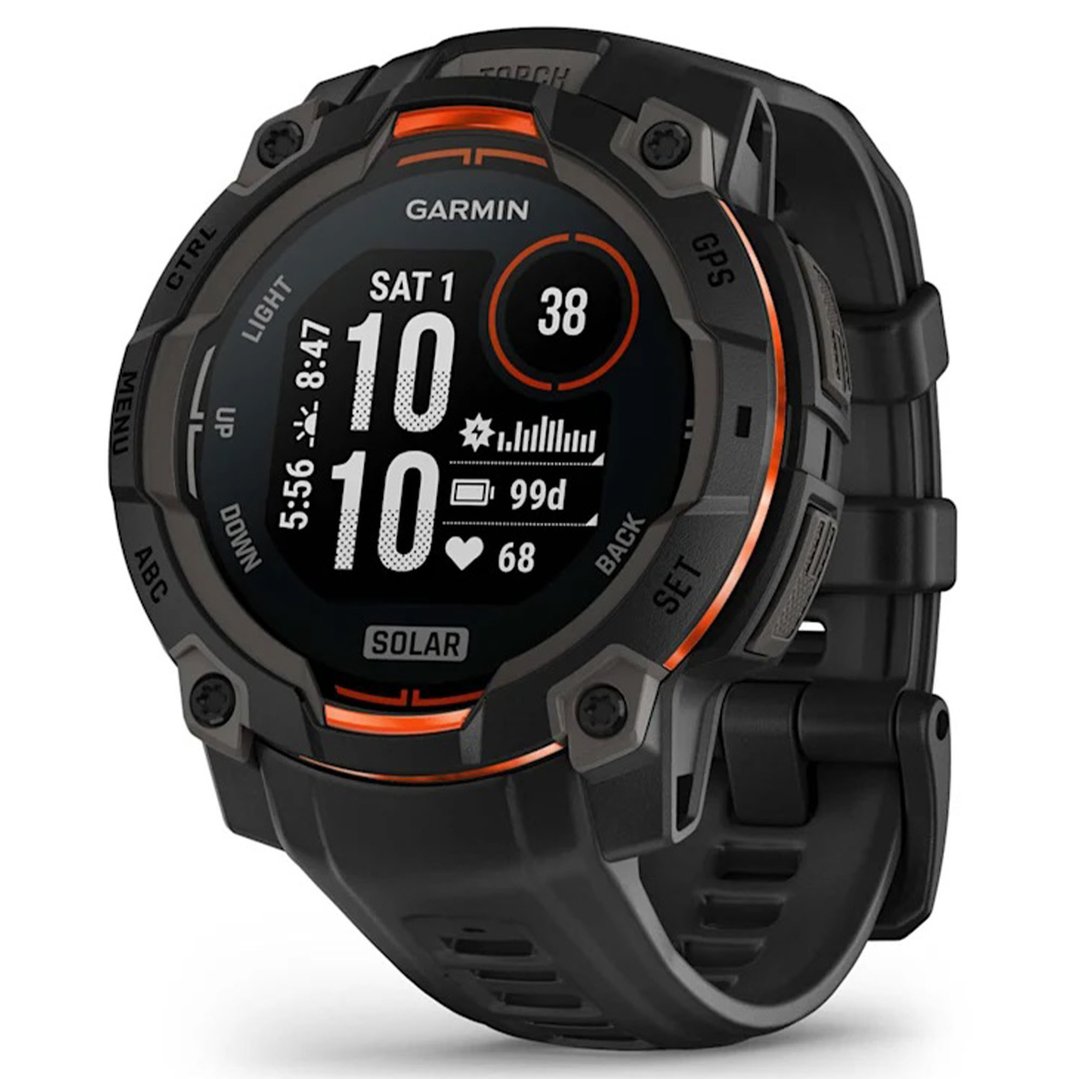
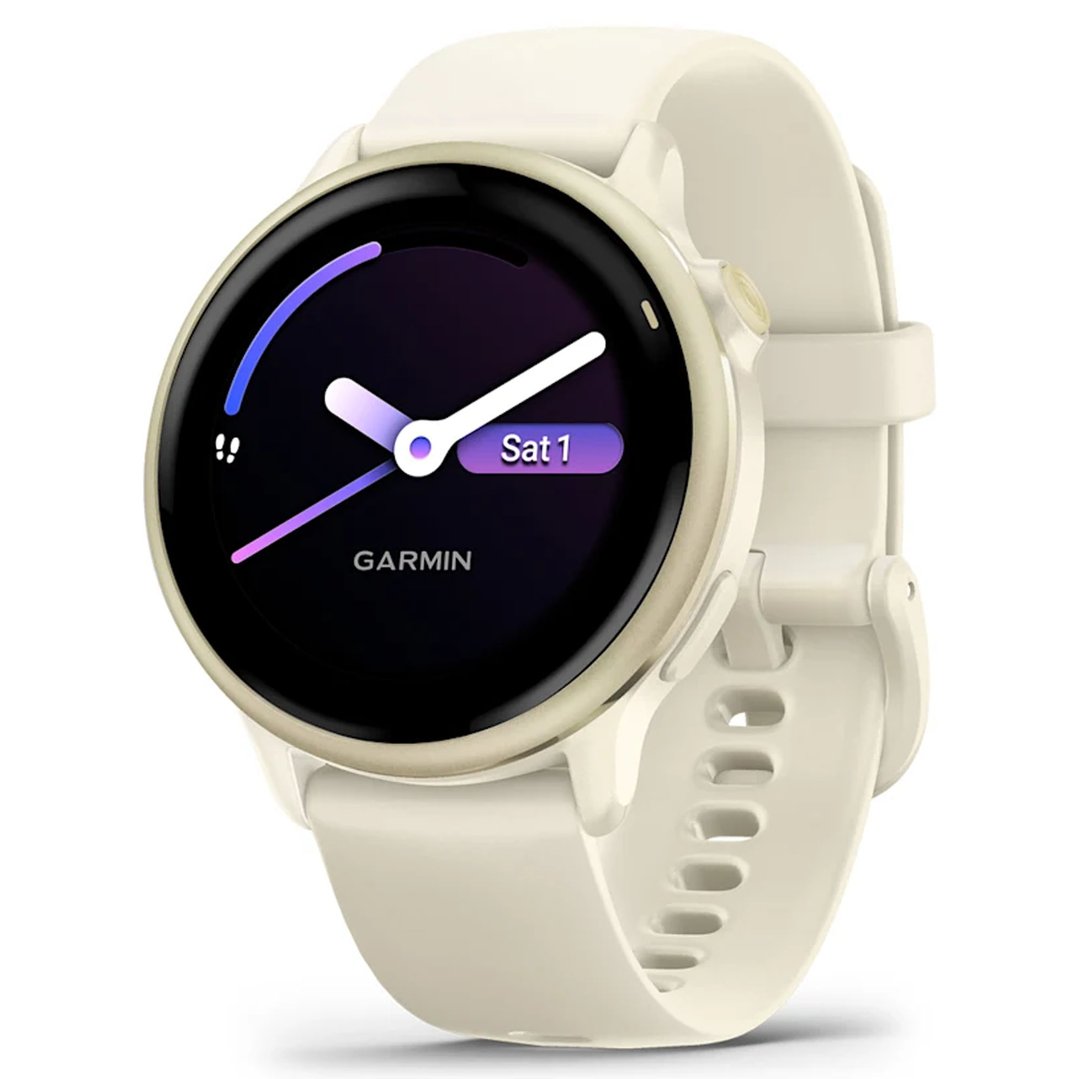
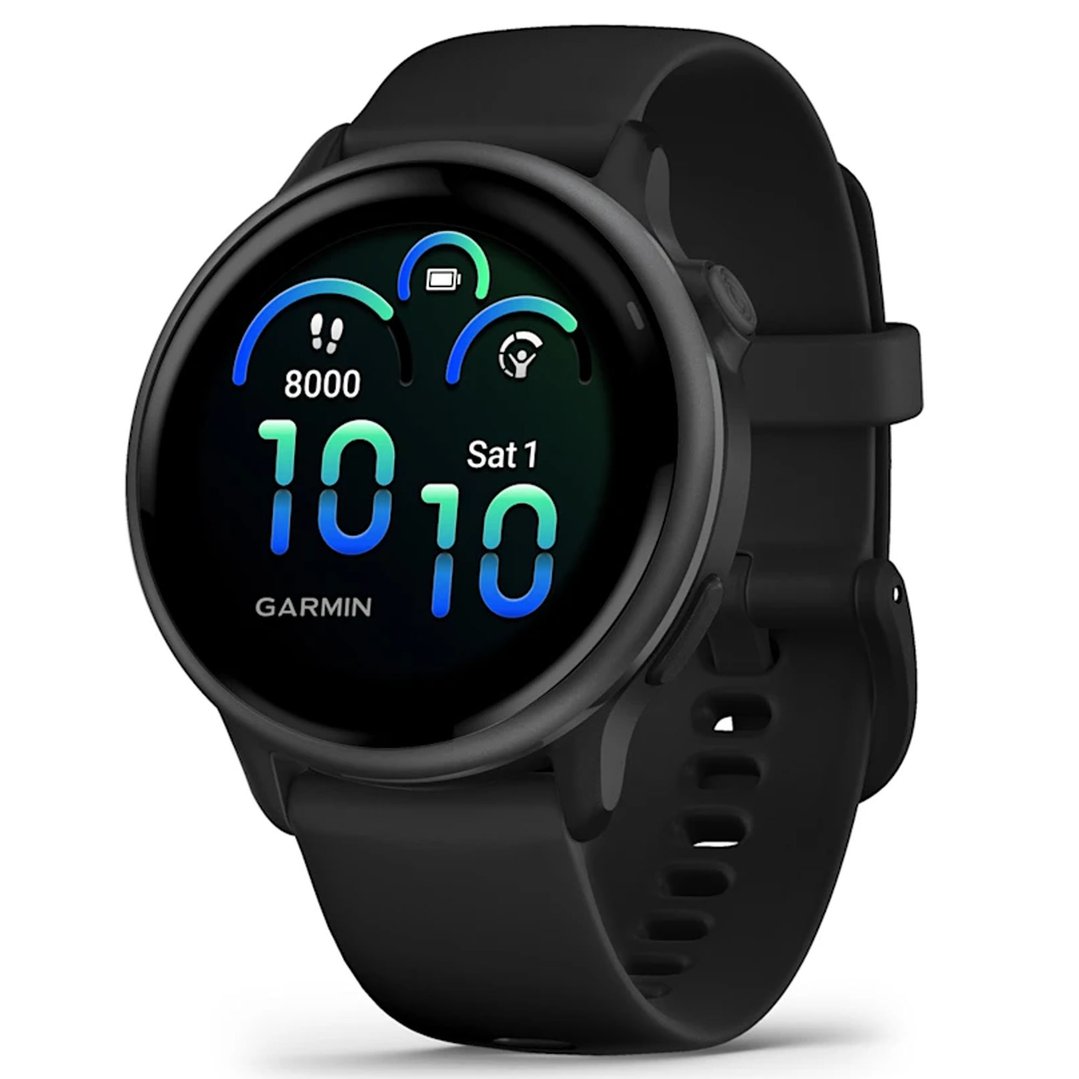
Smartwatches not only tell the time but also act as a companion device to your smartphone. Connecting to your smartphone via Bluetooth, or operating on a data network, smartwatches give you access to notifications, apps and more without needing to remove your phone from your bag or pocket, making them a great choice for when you’re on the go. Many models have some features that are similar to those found in fitness trackers, including step counters, activity trackers and sleep monitors, but these do vary depending on the make and model.







SMARTWATCH FEATURES TO LOOK OUT FOR
SMARTWATCH OPERATING SYSTEMS
Although they do have their differences, many smartwatch operating systems are quite easy to use and are often similar in terms of the features they offer. Android Wear and Watch OS are among the most common smartwatch operating systems, but there are others on the market, including Samsung’s Tizen operating system. Android Wear typically offers more customisation options than Watch OS, but the Apple-developed operating system holds a reputation for its clean design and ease of use.
SMARTPHONE COMPATIBILITY
As your smartwatch needs to be paired with your smartphone to allow you to receive notifications and access other features, it’s important that you choose a model that’s compatible with your smartphone’s operating system. Many smartwatches are compatible with either Android or iOS devices, while others may be compatible with both or a specific brand of smartphone only. If you are thinking of upgrading your smartphone in the near future, it’s a good idea to think about which brand and operating system you will likely purchase.
SMARTWATCH STYLES AND DISPLAYS
When purchasing a smartwatch that you’ll potentially wear daily, not only do you want it to be a functional piece of technology, but you also want it to look good. When deciding between models, consider the following features:
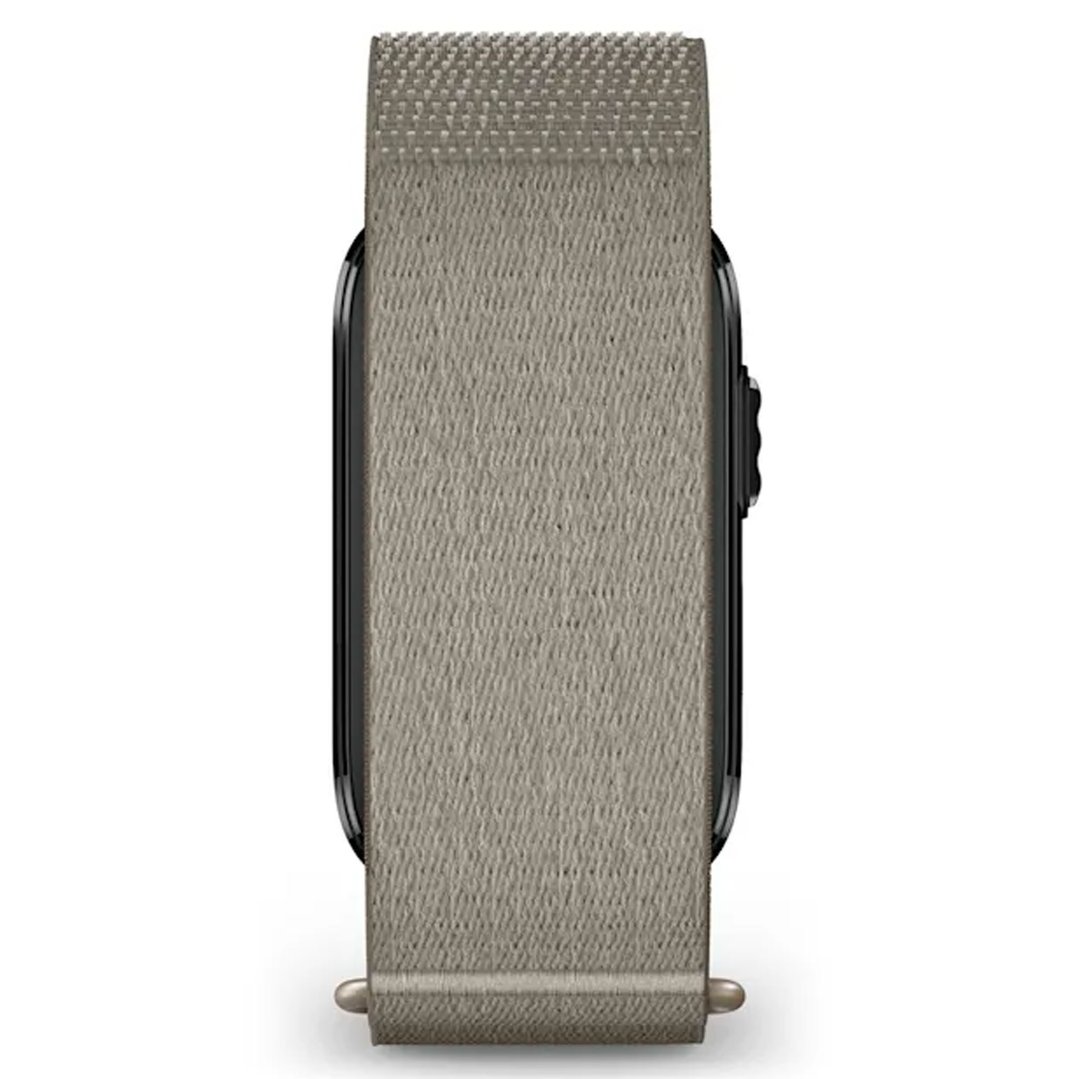
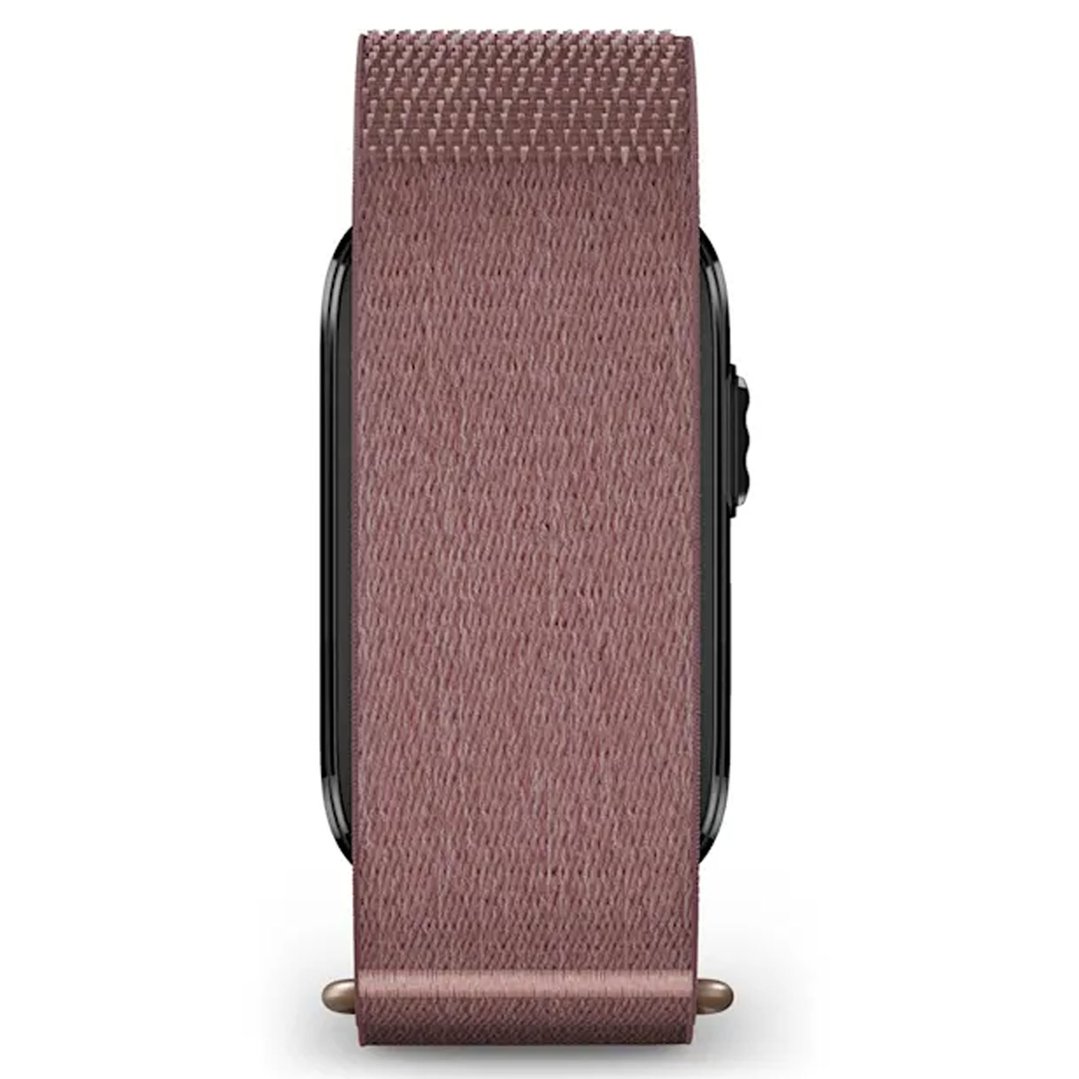
Watchbands. Smartwatch bands are typically available in a variety of materials, from flexible silicone and stainless steel to classic leather, making it easy to choose a model to suit your personal style. If you like to change up your look every so often or want to be able to tailor the style of your smartwatch to a variety of occasions, look for a smartwatch with a band that can be easily changed. This added feature is not only convenient, but can help to ensure that you get more wear out of your device.
Display. The technology used in smartphone displays does vary between makes and models. Some use OLED (organic light emitting diode) and AMOLED (active-matrix organic light emitting diode) technology, while others feature LCD screens or black-and-white displays. OLED and AMOLED options tend to be more expensive than their counterparts, but offer a great range of colours and good contrast.
NOTIFICATIONS
Although the capabilities of each model do vary, most smartwatches can display an assortment of notifications, from text messages and incoming calls to emails, alarms and more. If there is a specific set of notifications that you’d prefer your smartwatch display, be sure that the models you’re considering have the required functionality.
If you tend to receive a lot of non-essential notifications throughout the day and don’t want the added distraction when wearing your smartwatch, look for a model that allows you to choose what kind of notifications you’ll receive. Some models allow you to select which notifications will be sent in full to your smartwatch as well as those that you’ll simply be notified of their arrival.
OTHER SMARTWATCH FEATURES TO LOOK OUT FOR
Battery life: Battery life can vary greatly between models. If you prefer a longer period of time between charges or plan to use your smartwatch heavily, look for a model with a longer battery life.
Functionality: If you’re wanting to use your smartwatch for more than just receiving notifications, it’s important that your chosen model offers the functions that you require. These do vary between makes and models, but may include activity trackers, voice controls, GPS, heart rate monitors and more.
Water resistance: Smartwatches tend to be either waterproof, splashproof or not water resistant at all. Depending on your lifestyle, the level of water resistance you’ll need will vary. If you intend to wear your smartwatch while swimming or to the beach, ensure that you choose a model that’s waterproof. If, on the other hand, you plan on keeping your smartwatch dry during its use, it may not be a feature that you need to worry about.
Interface type: Smartwatches typically have a touch screen or a standard display with buttons or bezels. If you prefer simple touch-based navigation, a touch screen might be the right fit for you. If, however, you prefer a more traditional approach to using your devices, a model with buttons or a rotating bezel could be a good option.
WHAT IS A FITNESS TRACKER?
Also known as fitness watches, fitness trackers are watch-sized devices that are used to track your daily physical activity. Many fitness trackers feature step counters, distance counters and calorie counters as standard inclusions. If you are looking for fitness counters with additional functions, such as heart rate monitors and smartphone notifications, some premium models are also available.



FITNESS TRACKER FEATURES TO LOOK OUT FOR
FITNESS TRACKER STYLES AND DISPLAYS
Fitness trackers come in a wide variety of shapes, sizes and colours. They vary from small, discreet fitness bands to watch-sized devices. Your personal style and the practicality of the designs to your day-to-day activities are worth considering when comparing models.
Some fitness trackers have a minimalistic display, showing just the essential information you need to know as you workout. Although this may be fine for some, others might benefit from a display that shows more about their progress and encourages them to reach a specific goal.
SMARTPHONE COMPATIBILITY
If you’re planning to track your fitness progress using your smartphone in addition to your fitness tracker, it’s important to check that the two will be compatible. Although most models are compatible with both iOS and Android smartphones, some may not be supported by one or the other.
OTHER FEATURES
Sleep tracking. Many fitness trackers now feature sleep tracking as a standard inclusion. If it’s a function that you’re interested in and want your fitness tracker to have, it’s a good idea to check if your chosen model offers it.
GPS If you’re seeking more accurate data around your physical activity, including speed and distance, a fitness tracker with GPS is well worth considering. The data tends to be more accurate than models without GPS and can help you to monitor your fitness, speed and the distances you cover.
Battery life. The battery life of fitness trackers does vary greatly depending on the make and model you choose. While many have a battery life that lasts a few days between charges, others have batteries that can last anywhere from six months to a year. If convenience is important to you, a model with a longer battery life may be the best fitness tracker for your needs.
Heart rate monitor. In addition to the other measurements taken by fitness trackers, some models also come with a heart rate monitor function. If you happen to be interested in taking tracking your fitness and performance to the next level, a heart rate monitor can help you do so, allowing you to more accurately track your progress.
Water resistance. Most fitness trackers are either waterproof or splashproof. If you love to spend time in the pool or at the beach, it’s a good idea to check the level of water resistance offered by the fitness trackers you’re considering.
Compatible apps. Allowing you to visualise the data collected by your fitness tracker, it’s important that the apps compatible with your device display an adequate amount of information for your needs. Do some research into what each supported app displays and compare this to what you may be seeking from your fitness tracker.
Our Most Popular Smart Watches
FAQs
Q. WHAT’S THE KEY DIFFERENCE BETWEEN SMARTWATCHES AND FITNESS TRACKERS?
The main difference between smartwatches and fitness trackers is their primary purpose. Fitness trackers have been designed to help users monitor their physical activity and track their progress towards reaching their health goals, while smartwatches are typically used as a companion device to your smartphone. Although this may be the primary difference between the two, there is actually quite a lot of overlap in their functions, from counting your step count to receiving phone notifications.
Q. WHAT APPLICATIONS ARE EACH BEST SUITED TO?
The features of smartwatches and fitness trackers do vary between makes and models. There are some key differences in which features do come as standard and those that are only found in some models.