Buying Guides
Food Mixer Buying Guide

Thinking about buying a food mixer? Whether you’re looking to replace a mixer that you’ve had for years or are ready to take your cooking and baking to the next level, you’ll find a huge range of stand mixers, hand mixers and stick mixers on the market. Before you settle on a make or model, browse through our handy food mixer buying guide to learn more about what each type of mixer can do, features to look out for and more.
TYPES OF FOOD MIXERS
STAND MIXERS
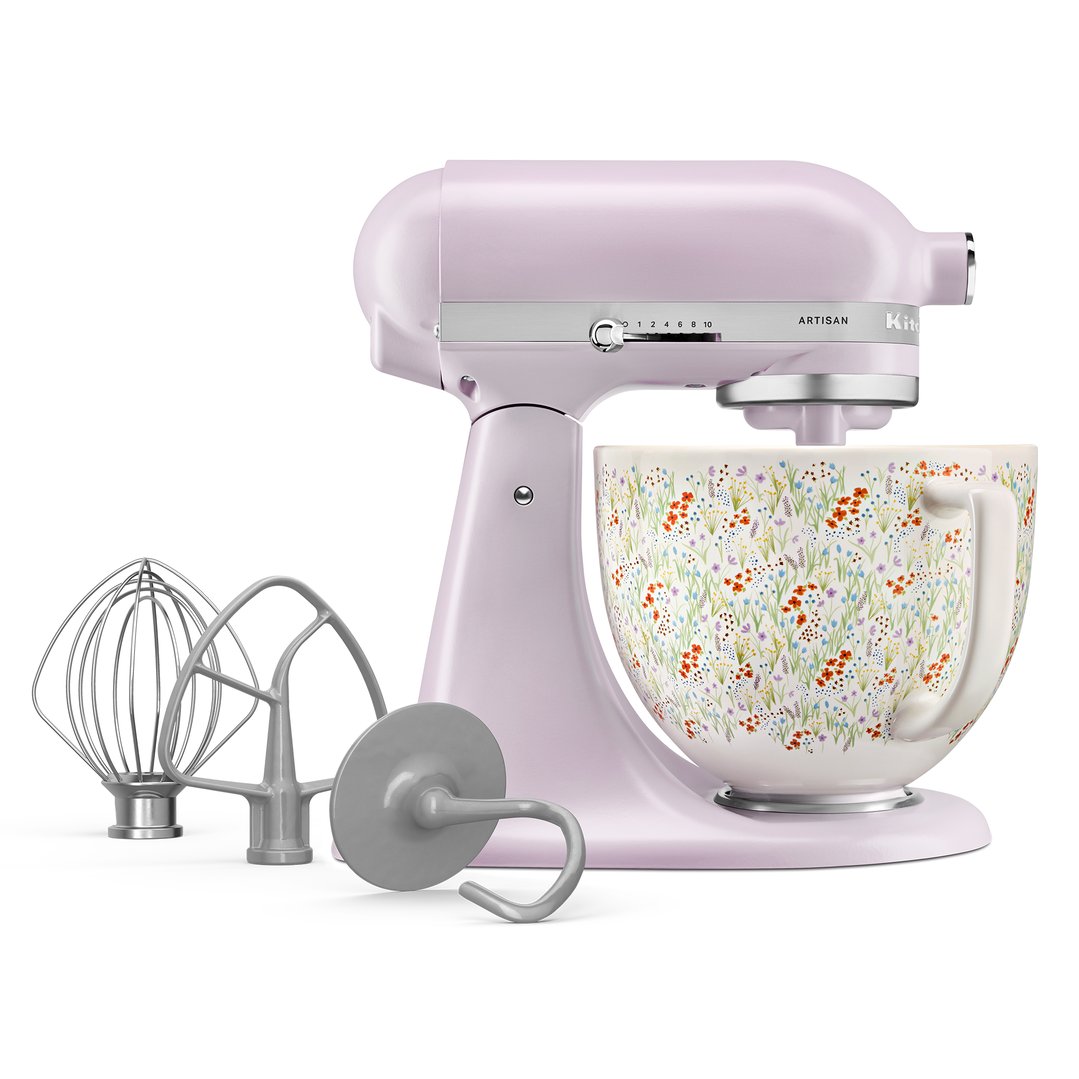
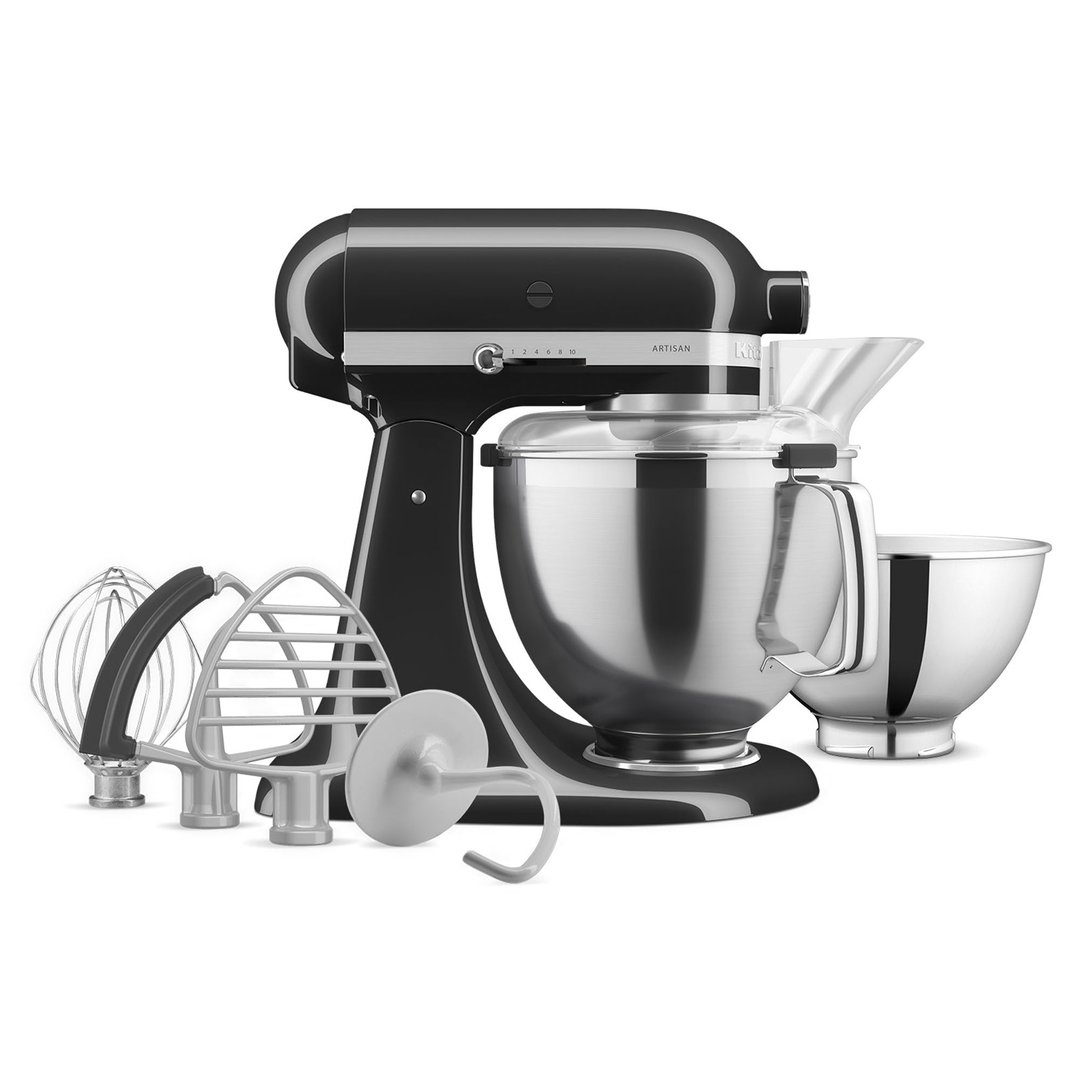
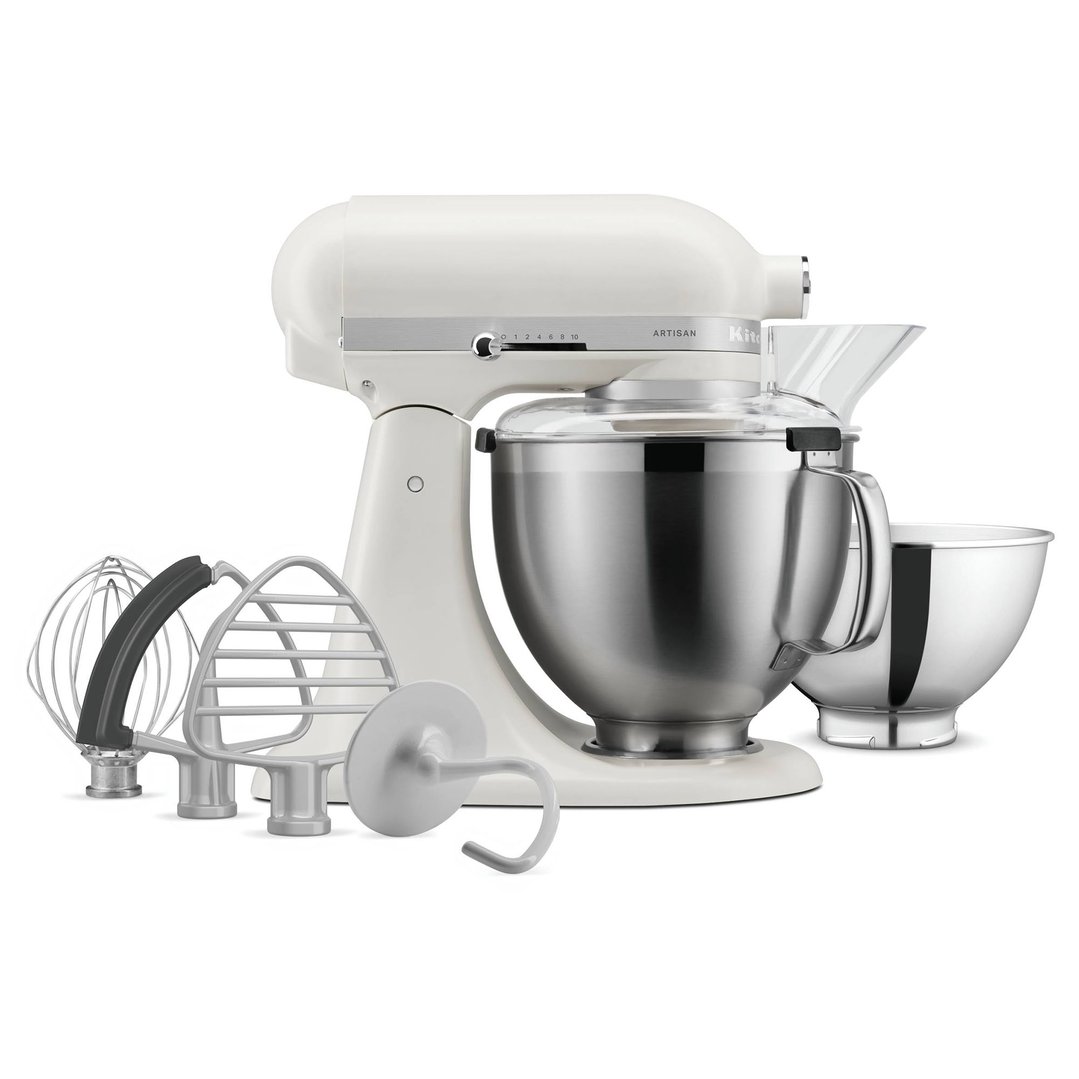
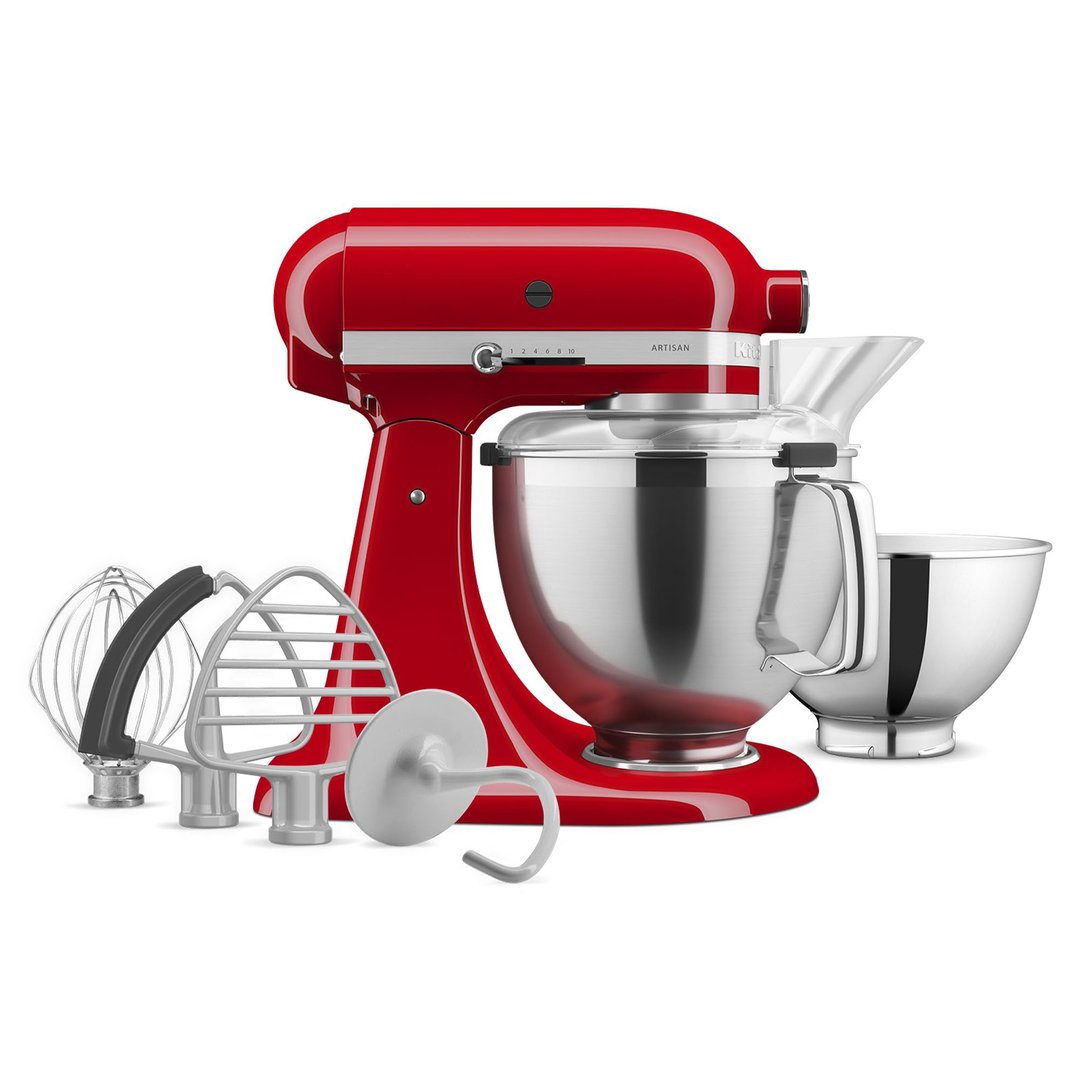
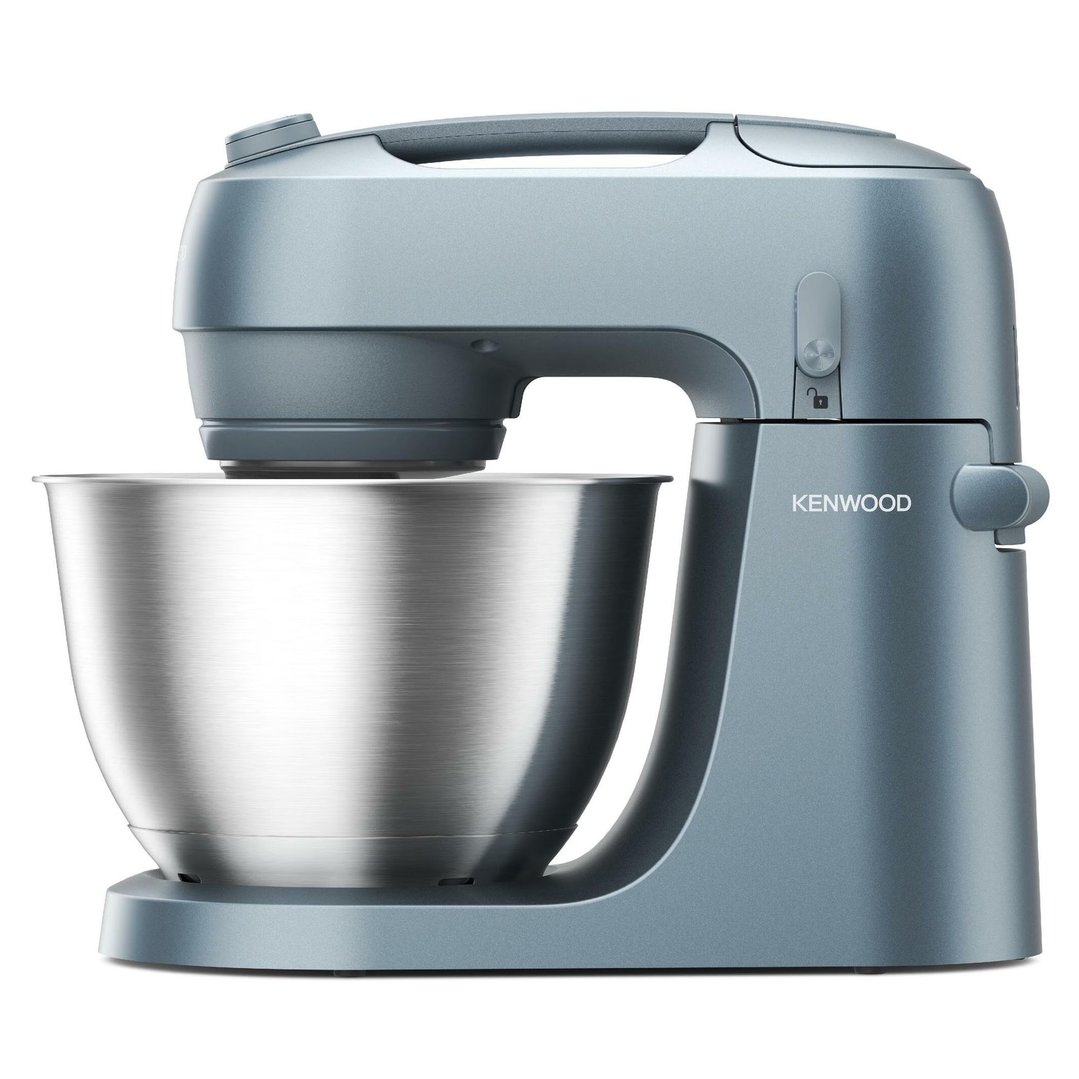
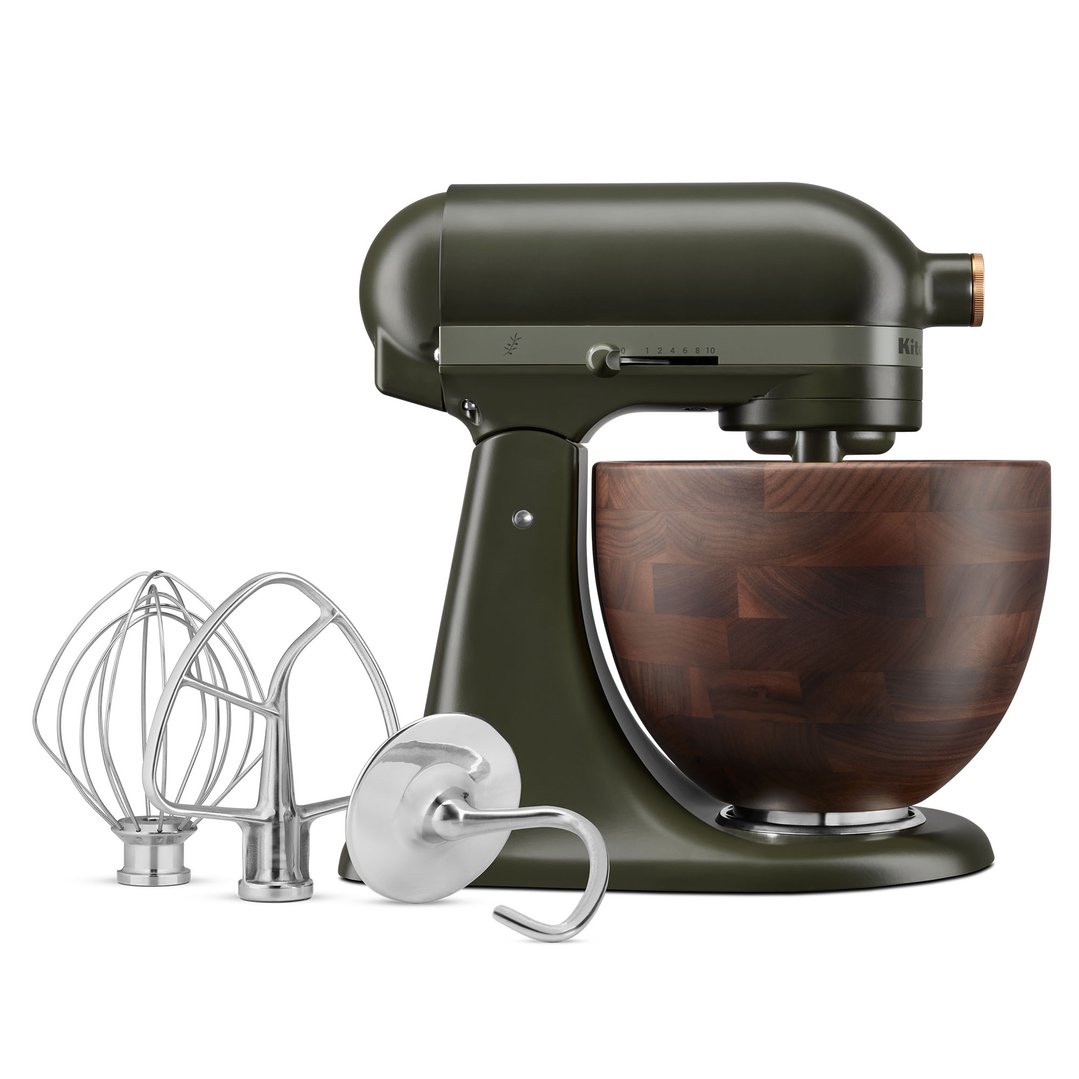
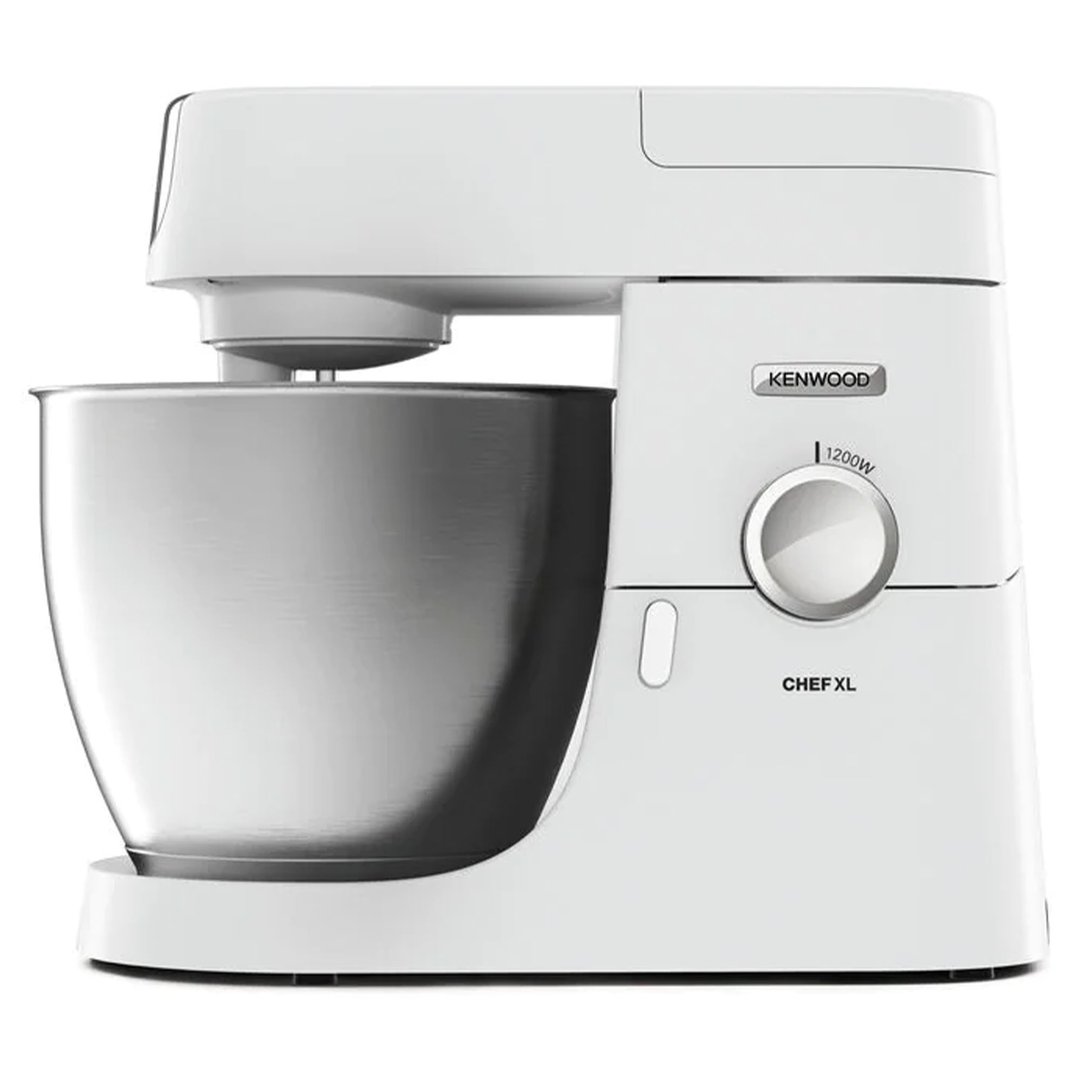
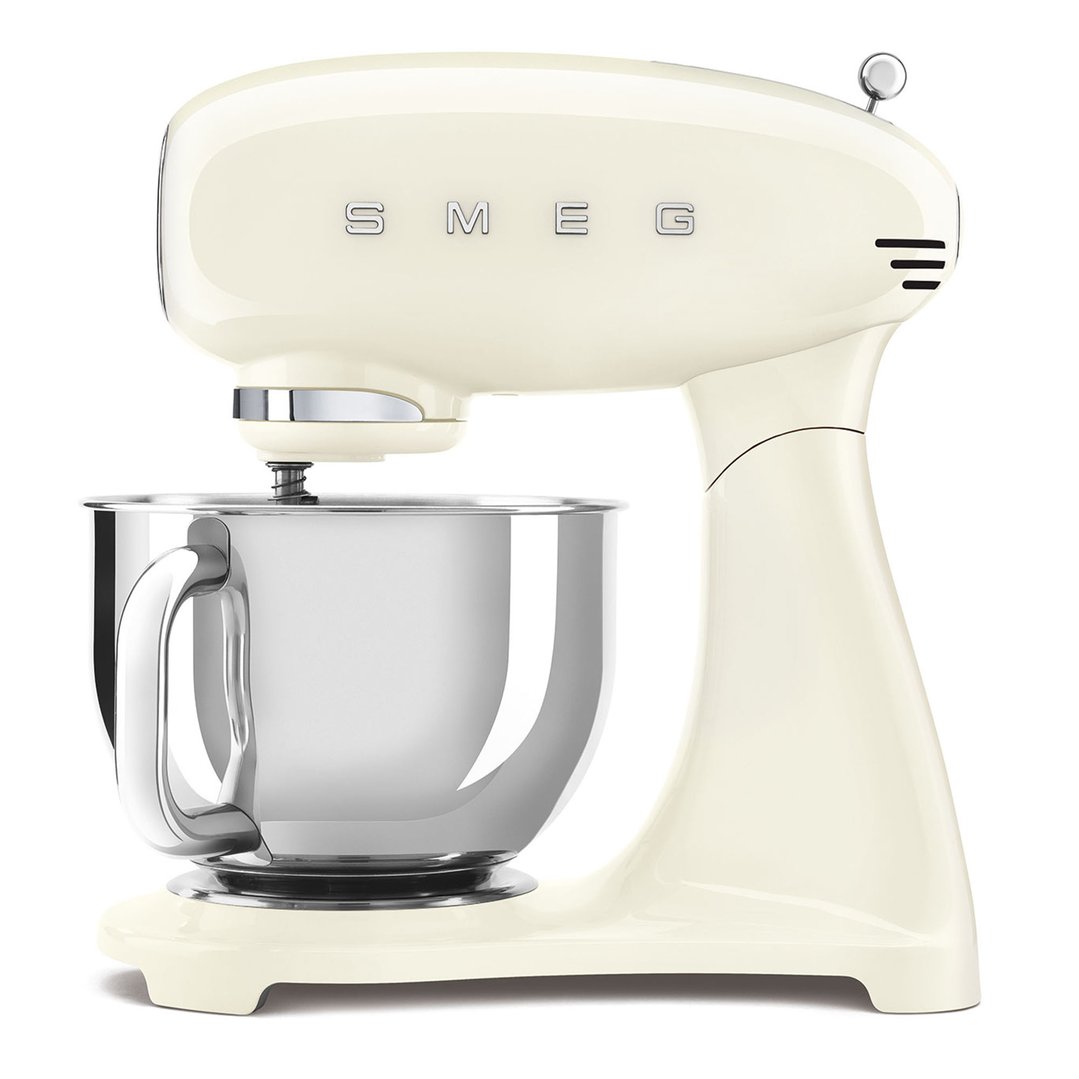
Also known as bench mixers, stand mixers are a benchtop appliance that features a large capacity bowl and a mixing head. They are great for creating a variety of sweet and savoury treats, with plenty of attachments and accessories available to match your cooking plans.
Great for mixing large quantities of ingredients
Provide great versatility thanks to the variety of attachments and accessories available
Allow for hands-free mixing
Less labour intensive than hand mixers and stick mixers
Tend to be quite expensive
Can be large and heavy
Popular brands of stand mixers include: KitchenAid, Smeg, Kenwood





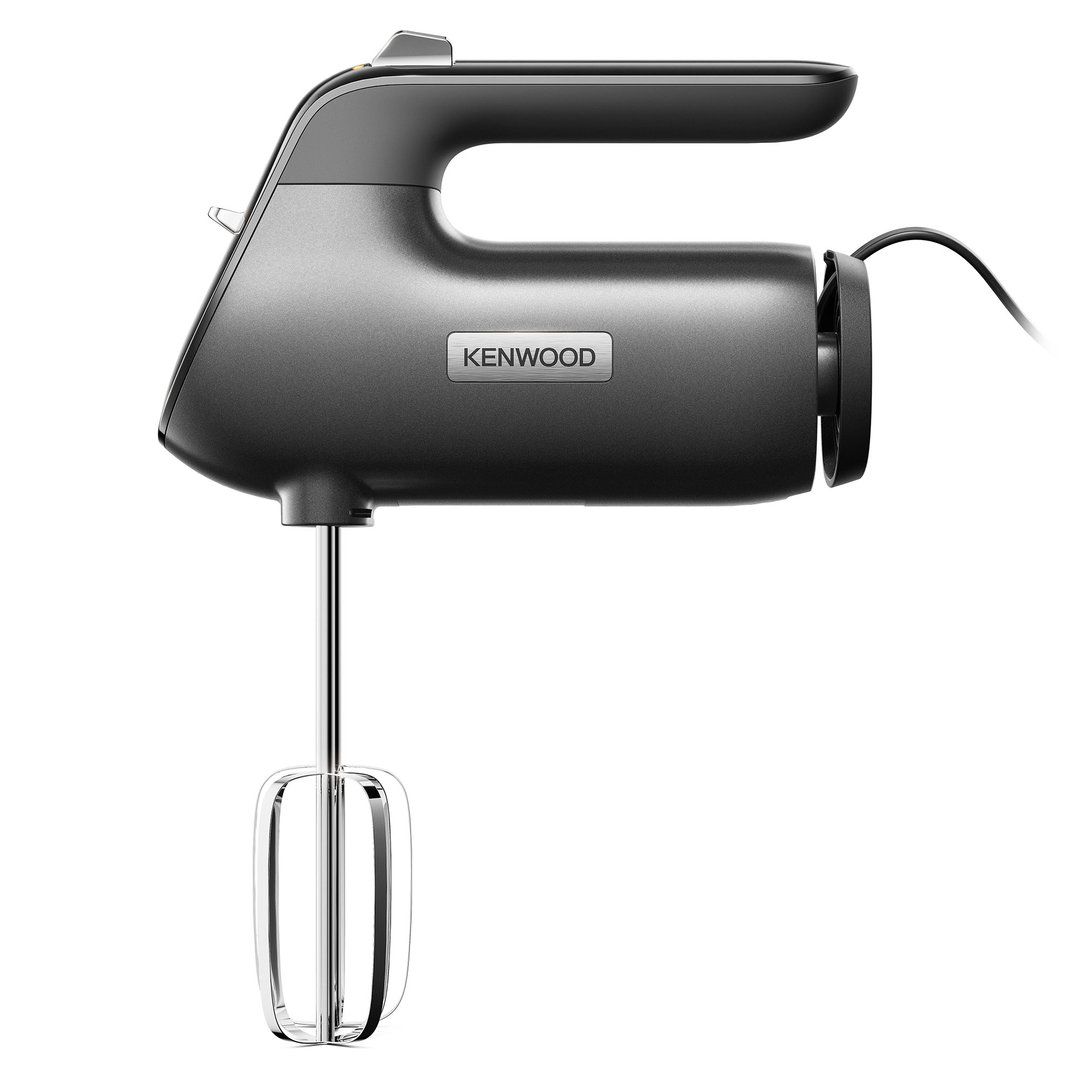
HAND MIXERS
A popular type of mixer among home cooks, hand mixers are a handheld appliance that is commonly used for combining cake mixes, whipping cream and other simple mixing tasks. Most models come with two beaters, with the range of additional attachments available typically quite limited.
Generally quite compact and lightweight
Easier to store than a stand mixer
Typically cheaper than stand mixers
Provide greater manual control over where the beaters move
Attachment options are often quite limited
Require more manual effort than stand mixers
May not be powerful enough to handle some thicker mixtures
Popular brands of hand mixers include: KitchenAid, Breville, Sunbeam, Kenwood
STICK MIXERS
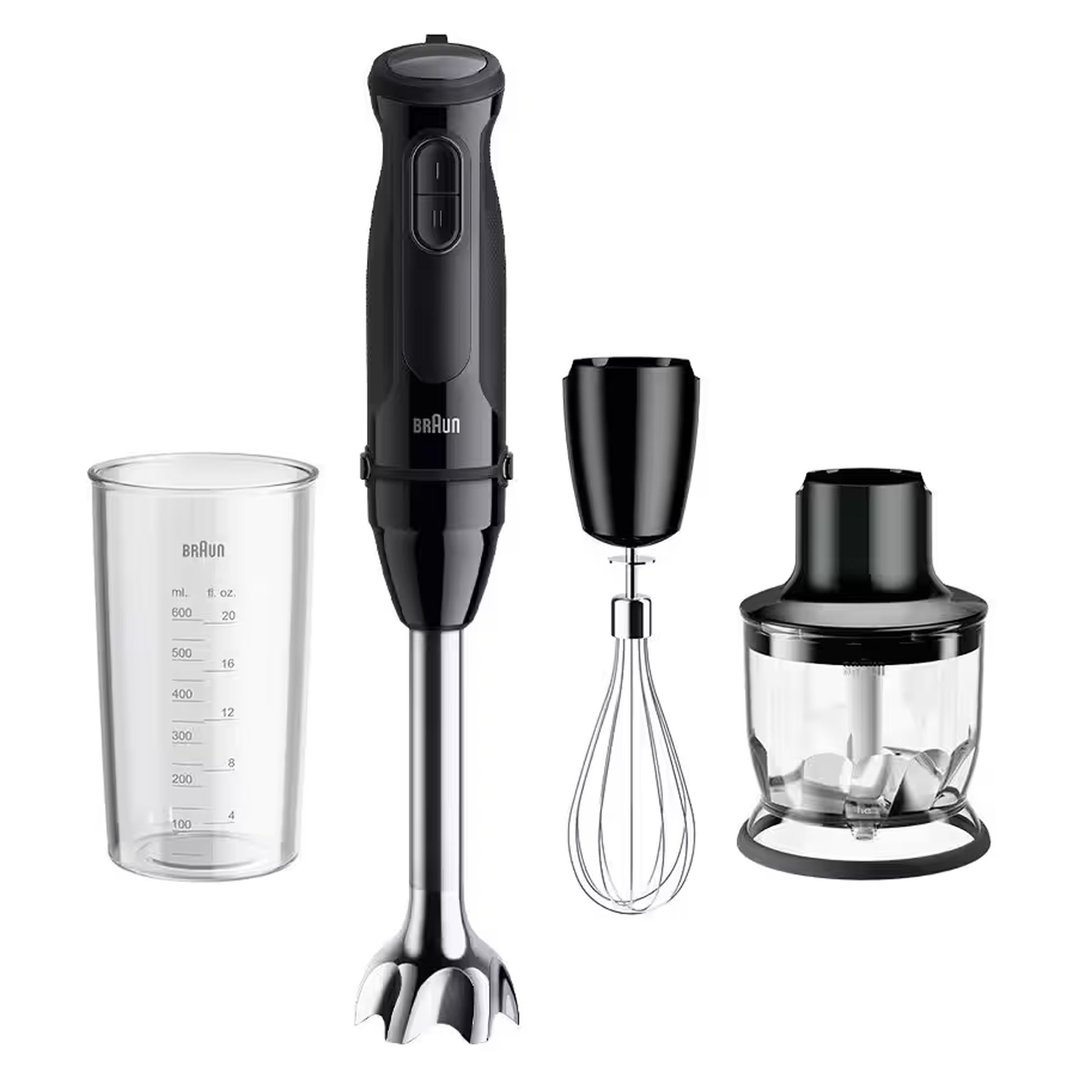
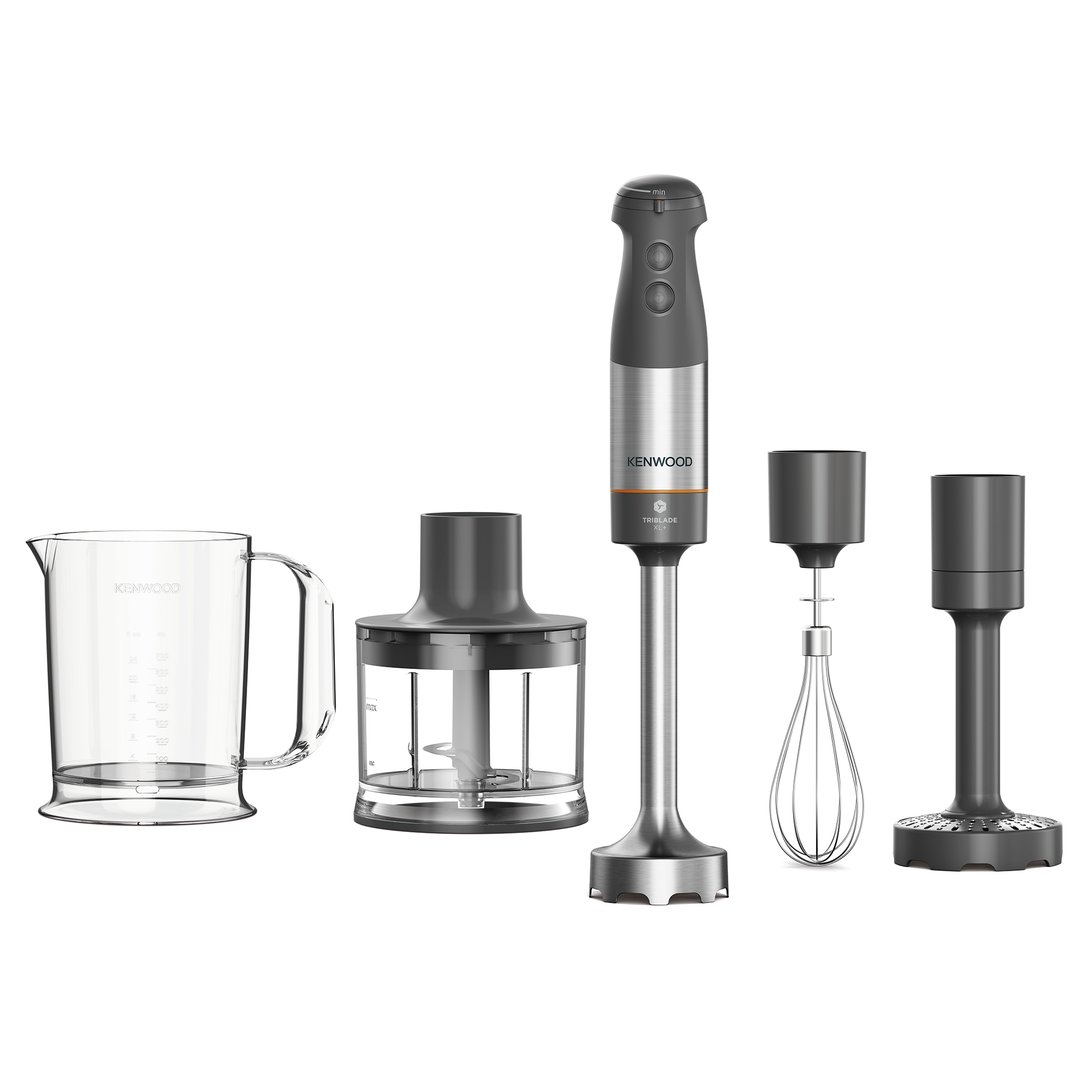
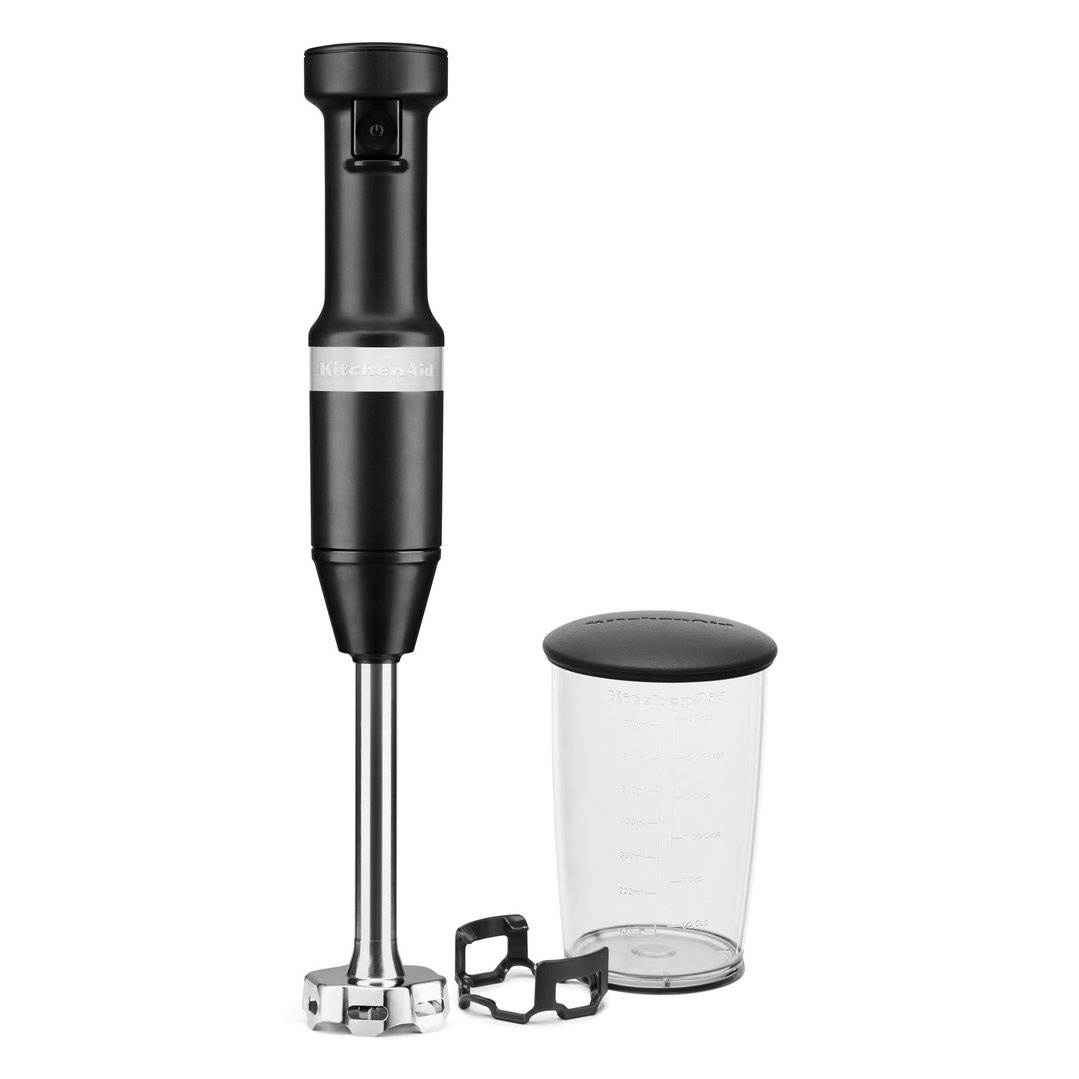
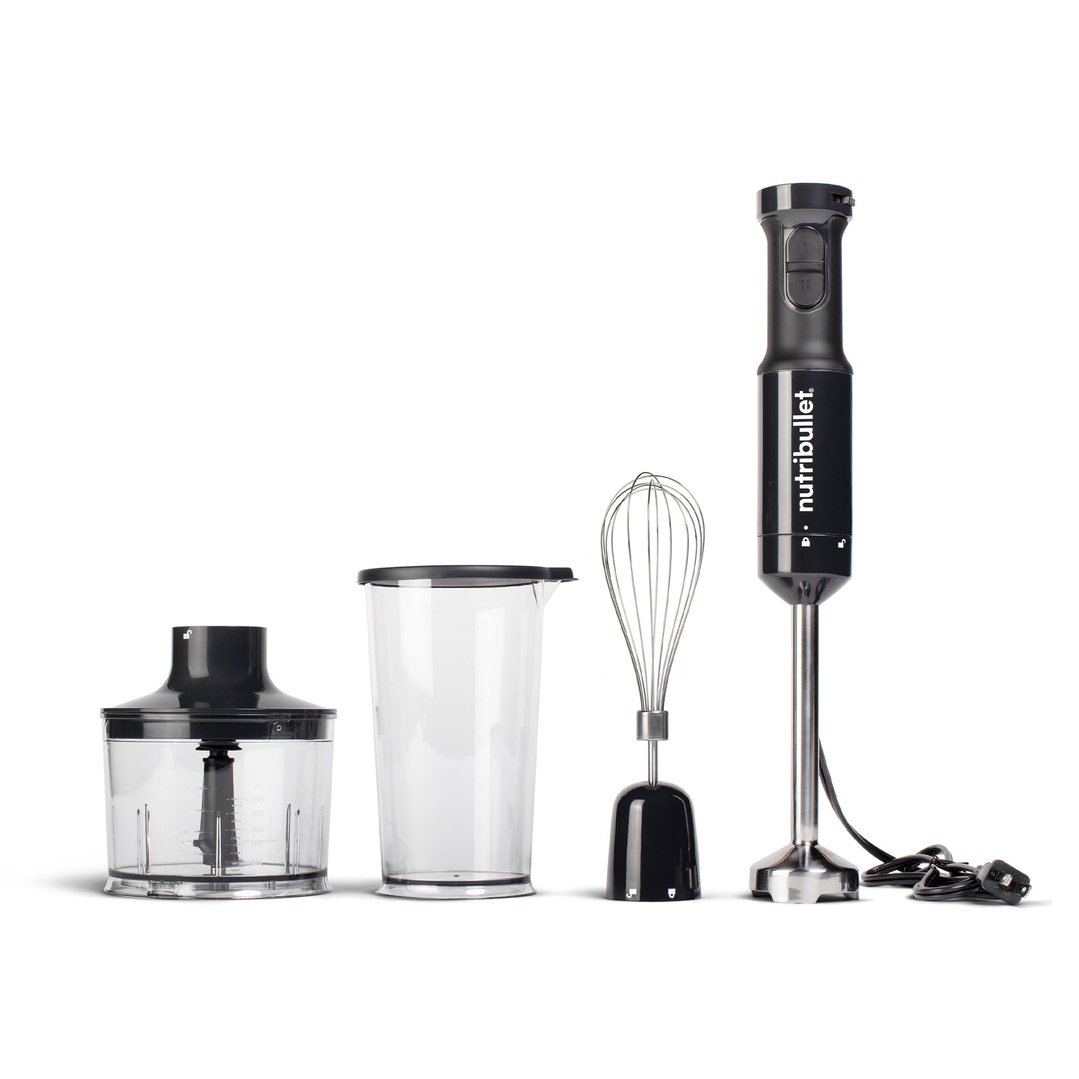
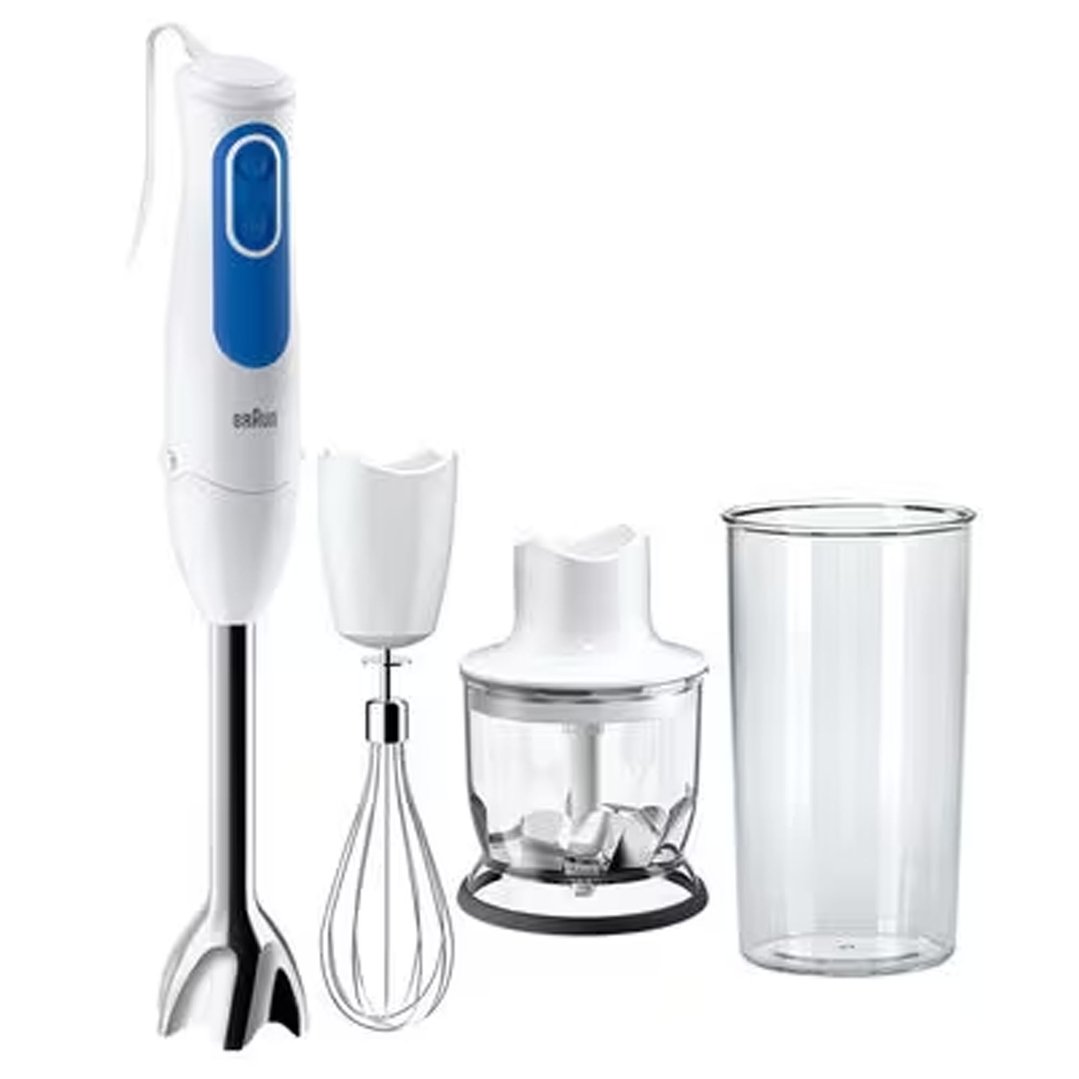
Sometimes referred to as hand blenders, stick mixers are a compact mixing appliance that can be used for a variety of different applications, from pureeing to whisking. Many models feature several different attachments, allowing you to choose the best option for your needs.
Generally quite compact and lightweight
Easier to store than a stand mixer
Typically cheaper than stand mixers
Attachment options are often quite limited but do generally provide greater versatility than standard hand mixers
Require more manual effort than stand mixers
May not be powerful enough to handle some thicker mixtures
Popular brands of stick mixers include: Braun, KitchenAid, Smeg, Kenwood





WHAT SHOULD YOU KNOW BEFORE BUYING A FOOD MIXER?
ATTACHMENTS
Depending on the make and model of food mixer that you choose, you may find that several different attachments are available. Some of the most common food mixer attachments include:
Beaters. Used for general mixing, beaters are one of the most common types of attachments that come with food mixers. They can be used across a variety of different applications, from mixing cake batter to making silky smooth icing.
Balloon whisks. Great for aerating ingredients such as cream and eggs, balloon whisks can perform many of the same tasks as a standard hand whisk but in just a fraction of the time.
Scraper beaters. Helping to stop your mixture from getting stuck on the sides of the bowl, scraper beaters have a silicone edge that removes any stuck ingredients each time it rotates around the bowl.
Folding tools. A good substitute for folding ingredients by hand, folding tools allow a mixture to be combined without any unwanted aeration.
Dough hooks. Replicating the action of hand kneading, dough hooks are great for making bread, pizza and pasta.
Additional accessories and attachments are available for some stand mixer models and may include:
Meat grinders
Pasta makers
Spiralisers
Food processors
Sifters
Sheet cutters
Juicers
Sausage stuffers
Ice cream bowls
BOWL CAPACITY
If you’re thinking of purchasing a stand mixer, an important consideration is the size of the bowl included. While hand mixers and stand mixers can be used with bowls of just about any size, stand mixers come with one that fits within the mixer itself.
The bowl capacity that’s best suited to your needs will vary depending on what you intend to use your stand mixer for and the quantity of mixture you’ll be making. For most home cooks, a 5 litre bowl should be ample, providing enough space for 8 eggs, a loaf-worth of bread dough or enough batter for a 20cm cake. Larger capacity bowls can house greater quantities of batter and dough, so if you like to bake large batches of bread, cookies and other treats, you may want to consider a larger model.
WATTAGE
When shopping for a food mixer, it’s important to consider the wattage of the appliance. As a general rule of thumb, the higher the mixer’s power is, the better it can perform when completing motor-intensive tasks. You should look to purchase the most powerful model in your price range, with models of 300W or more considered to be good options. If you plan to use your mixer regularly or for more intensive mixing, look for a model with a higher wattage.
FEATURES TO LOOK OUT FOR
Size. While hand and stick mixers are typically quite compact in size, stand mixers tend to be rather large. If you plan to keep your stand mixer on your kitchen bench, you’ll need to ensure that you’ll have enough room left for regular food preparation. Similarly, if you’re thinking of storing your stand mixer in a cupboard, you’ll need to check that it will fit in the space you have available. Take the height, width and depth of each model into consideration to ensure you have ample room for storage
Weight. Although hand and stick mixers are generally quite lightweight, stand mixers are often reasonably heavy, weighing several kilograms. They need to be heavy enough to ensure they remain stable when mixing thick batters and doughs, but you do need to be able to lift and carry your mixer if you plan to keep it stored in a cupboard.
Speed settings. To prepare different foods correctly, you need to be able to adjust the speed of your food mixer. Dough is often mixed at a slow speed, while whisking eggs or cream generally requires a faster setting. Look for a model that has several speed settings catering to a variety of different uses. Six speeds are often enough for most home cooks.
Release buttons. A great feature found across most types of food mixers, release buttons allow you to remove beaters and other attachments without needing to touch the attachment itself.
Bowl material. Mixer bowls come in a variety of different materials, including stainless steel, glass and plastic. While each offers its own benefits, stainless steel bowls are the most durable and should have quite a long product life. Glass and plastic bowls are more likely to break in time, and finding replacements may prove difficult.
Suction feet. Heavy batters and doughs may destabilise stand mixers as they work to combine ingredients, but suction feet help to keep the appliance stable.
Bowl lock. This feature helps to keep your mixing bowl stable when in use.
Splash guard. Also known as a splatter guard, splash guards are handy features that help to avoid unwanted food messes while mixing. Surrounding the upper edge of a stand mixer bowl, they stop liquids, powders and other ingredients from spilling out onto the bench surrounding the appliance. Look for models with a splash guard that attaches to the motorhead for easier access to your mixture.
Tilt-head or bowl-lift design. There are two main types of stand mixers: tilt-head and bowl-lift. The bowls of tilt-head mixers remain stationary, but the head can be moved down to allow the beaters to meet the bowl or upwards to lift them out of the bowl. Bowl-lift mixers, on the other hand, move the bowl up to meet the beaters. Bowl-lift mixers take up less space because of the way they are designed, but tilt-head mixers typically provide greater access to the bowl.
Cleaning. As with any kind of appliance, when shopping for a mixer you should look for a model that is easy to clean. While features may vary from brand to brand, keep an eye out for mixers with removable beaters and dishwasher safe components.