Buying Guides
Electric Blanket Buying Guide

Looking for a great way to stay warm during chilly winter nights? Electric blankets are a good option, helping to make your bed warm and inviting. Before you settle on a specific make or model of electric blanket, take some time to learn about the different types available, some of the main features to look out for and how to safely use them at home.
Jump to
FITTED ELECTRIC BLANKETS
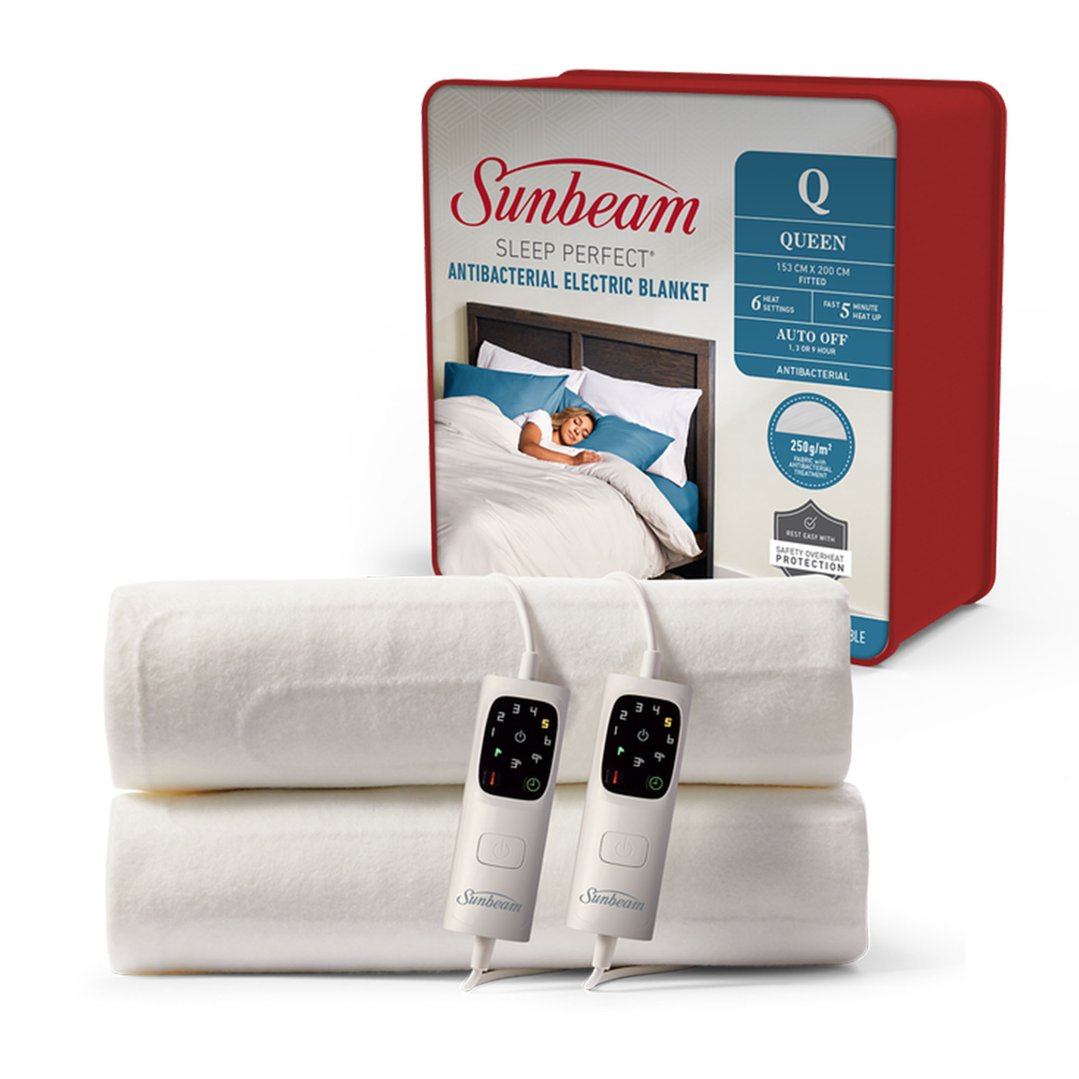
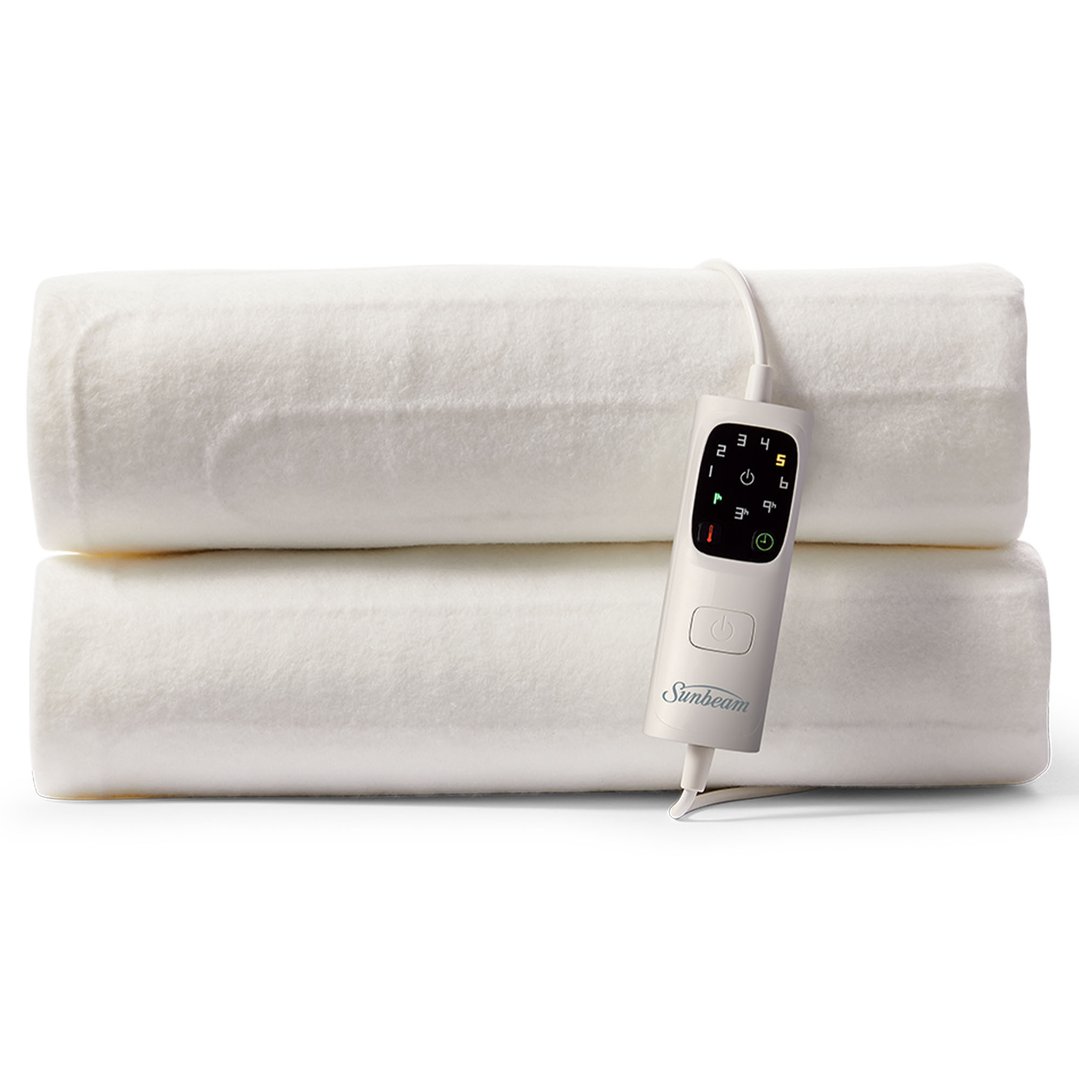
Easy to put on to your mattress, fitted electric blankets are quite similar in style to a traditional fitted sheet in that they are securely tethered using elastic and additional fabric. This style is great if bunching or movement is an issue for you, with their design helping to keep them in place.
Generally quite easy to fit on to your mattress, working in much the same way as a traditional fitted sheet
Doesn’t bunch or move throughout the night
Available in a variety of sizes and materials
Sits on top of your mattress and beneath your fitted sheet
Tend to be more expensive than non-fitted electric blankets
NON-FITTED ELECTRIC BLANKETS
Also known as tie-down electric blankets, non-fitted electric blankets sit flat on your mattress, tied down in place to prevent bunching and movement throughout the night. They are typically cheaper to purchase than fitted models and are available in most standard mattress sizes.
Sits on top of your mattress and beneath your fitted sheet
Secured with straps that help to keep the blanket in place
Available in a variety of sizes and materials
Tend to be cheaper than fitted electric blankets
May be more difficult to fit on to your mattress than fitted electric blankets
HEATED THROWS
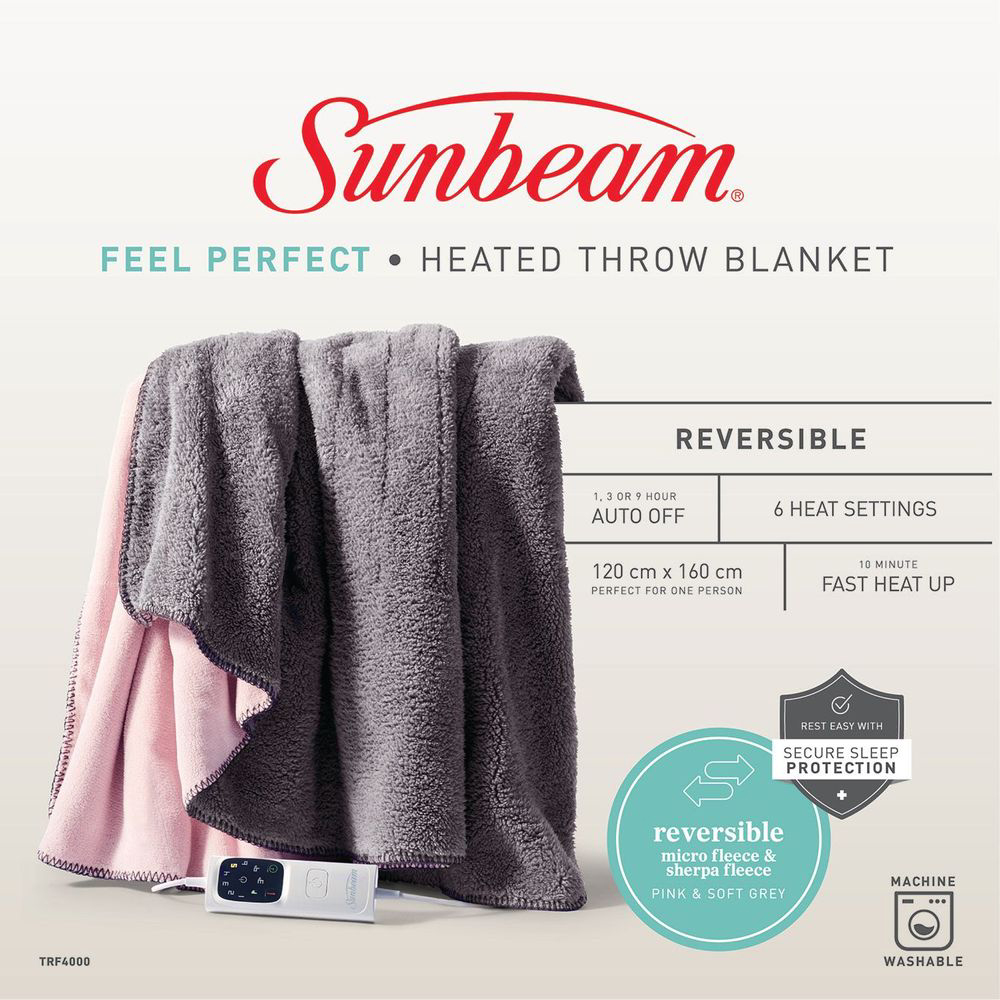
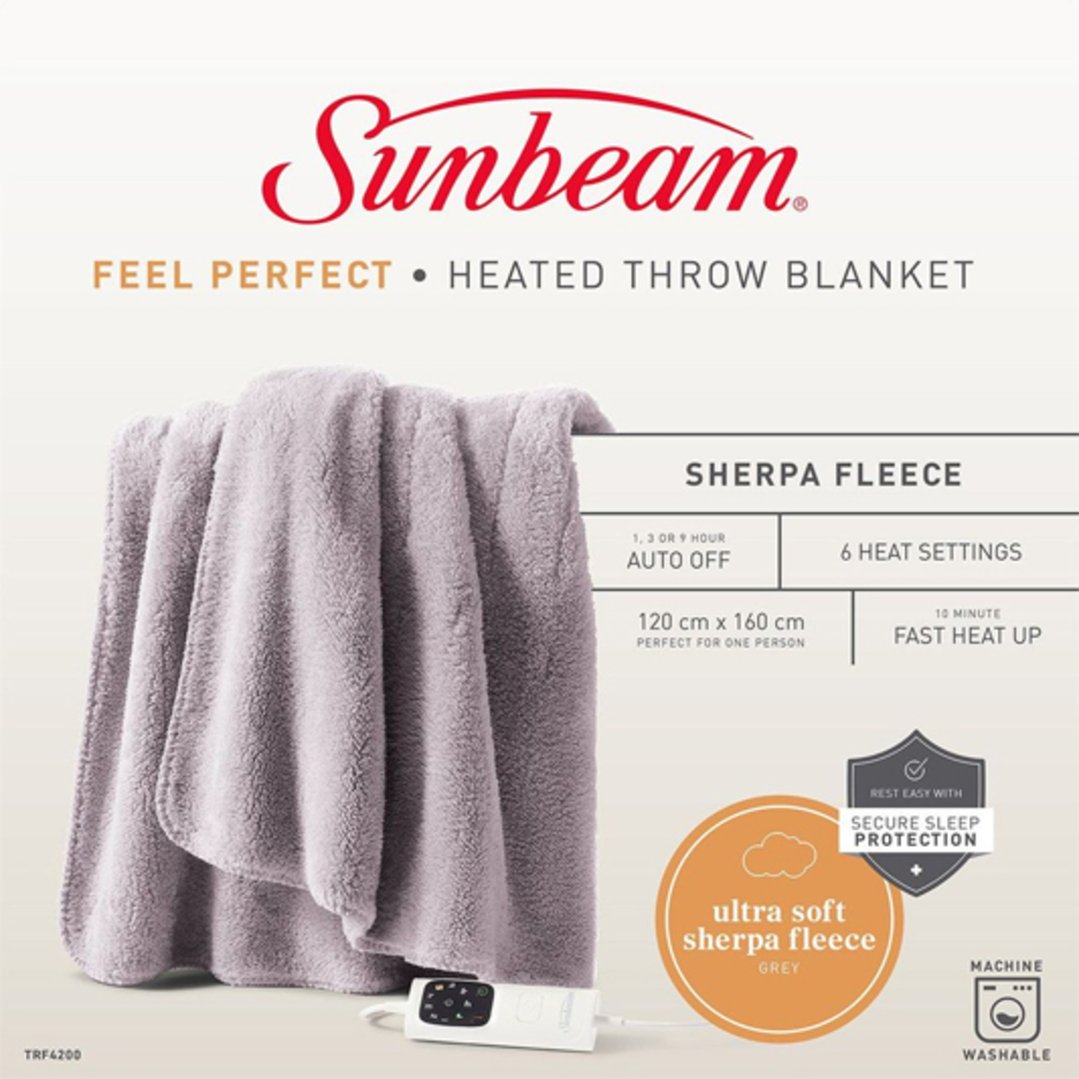
Used in much the same way as a traditional blanket, heated throws are great for snuggling up on the couch on cool nights. Use them as an alternative to room heating or in conjunction for extra warmth.
Designed to cover you like a traditional blanket, this type of electric blanket sits on top of your body rather than underneath
Can be used wherever you need some extra warmth, from the couch to the bedroom
Available in a variety of sizes and materials
May not be large enough to warm more than one person at a time
Before you do anything, always read and adhere to the manufacturer’s instructions for placement, timing, cleaning, and safe storage of your electric blanket . These guidelines are tailored to your specific model and ensure you use the blanket exactly as intended. In general setting up and using your electric blanket should be simple:
Spread the blanket flat over your mattress, with the cord and controllers aligned at the head of the bed - away from pillows and neck.
Connect electrical components: plug the cord into the blanket, then into a wall outlet. Avoid using extension cords or power strips.
Pre‑heat your bed: Set to your desired heat setting, and pre‑heat for 5–30 minutes before bedtime.
Once warmed, reduce the setting to low or turn off before you climb in.
Cover with bedding: Use a sheet or duvet over the blanket and do not sleep directly on it.
Keep your bedding flat and do not fold, bunch, or tuck around the blanket.
If your model has a timer/auto shut‑off, activate it (often 6–12 hours). Otherwise, turn it off and unplug before falling asleep.
After using your blanket you should unplug and detach the controls. If you’re storing it away for the summer, store it flat or loosely rolled.
ESSENTIAL SAFETY TIPS:
Although modern electric blankets are much safer than their predecessors, it’s still important to take precautions when using yours. To keep you and your family safe, keep the following tips in mind:
Follow the manufacturer’s use and care recommendations
Test your electric blanket prior to use
Do not use an electric blanket with a hot water bottle
Switch off your electric blanket when it’s not in use
Ensure that you choose the right size blanket for your mattress so there is no overhang
Keep sharp objects away from the blanket
Try not to keep the blanket on all night
Keep an eye on the state of the blanket and replace it if any signs of damage appear
Don’t let pets on your blanket as clawing and chewing could cause damage or injury
Be sure to lay the blanket flat across your mattress, avoiding any bunching
Don’t place items other than your regular bedding on top of the blanket
Proper care extends the life of your blanket and ensures safe, cosy use. Always consult your manufacturer’s care label first as it’s tailored to your specific model’s wiring and fabric.
1. Determine the Washing Method
Refer to the care instructions:
Machine-washable blankets (most modern designs) : proceed with a gentle, cool cycle.
Non-detachable or older blankets: opt for hand-washing to protect the internal wiring.
2. Detach Controls & Cord
Unplug the blanket and remove all wires, controllers, and remotes. Ensure no cables are frayed or damaged before washing.
3. Pre-treat Stains
Spot-treat stains with a mild detergent or stain remover. Dab the blanket gently and do not scrub to avoid damaging wires.
4. Machine Wash Process
Cycle & Water: Use a delicate or gentle cycle with cool or lukewarm water.
Detergent: Use a mild liquid detergent only - no bleach or fabric softener.
Load: Lay blanket flat or evenly distributed; add towels to balance if needed.
Spin: Use the shortest spin cycle at low speed to reduce stress on internal wiring.
5. Hand-Washing Process
Fill a large basin or tub with cool/lukewarm water and a mild detergent.
Submerge the blanket and gently agitate; soak for 10–15 minutes.
Rinse thoroughly with fresh water - repeat until suds are gone.
Gently press out excess water - never wring or twist.
6. Drying Your Electric Blanket
Air-dry flat: Lay the blanket on a drying rack or line, fully flat.
Optional dryer use: If allowed, tumble dry on low for a few minutes, then finish air drying. Avoid clips or pegs that may damage wiring.
Confirm dryness: Make sure the blanket is completely dry (inside and out) before reattaching cords.
7. How Often Should You Wash Your Electric Blanket?
If the blanket is used irregularly throughout the year, washing it at least once per season is a good idea. For blankets that are in regular use, washing them every few weeks or once a month is a good benchmark.
At Bing Lee, we love a cosy night, but safety comes first! Modern electric blankets sold in Australia must comply with strict safety standards ensuring they’re tested for overheating and electrical faults.
When Used Properly, They’re Very Safe:
Inspection is key – before use each winter, roll out the blanket, plug it in briefly, and check for frays, scorch marks, or buzzing controllers.
Pre-heat and power down – turn your blanket on about 30 mins before bed and switch it off before climbing in. Using a timer or auto shut-off adds peace of mind.
Replace them every 5–10 years – even if yours still looks great, its internal wiring may be ageing and less safe.
Watch out for vulnerable users – if you're pregnant, elderly, have diabetes, or a baby in the house, be especially cautious. Overheating or burns can happen even with modern blankets.
The good news is, electric blankets are surprisingly energy-efficient! This makes them perfect for cold Aussie homes where rising power bills are a concern.
Electric blankets are a cost-effective alternative to whole-room heating appliances. Most modern Australian households report that electric blankets draw about one-fifth of the energy used by typical portable space heaters. Most blankets operate at around 50–150 W, compared to space heaters using up to 1500 W.
Here’s how they compare:
Electric blanket: Heats just your bed, using minimal electricity - making them perfect for warming up at night.
Space heater: Warms an entire room - which is great when you're active during the day, but significantly more energy-intensive.
When you’re on the hunt for the ideal electric blanket, be it fitted, non‑fitted, or a cosy throw - use our simple checklist and keep an eye out for these must-have features:
Size & Fit
A perfect fit matters. Fitted blankets are designed to snugly cover your mattress (like a fitted sheet) and stay put, while non-fitted blankets and heated throws come in a variety of dimensions. Always check the product’s size guide to ensure full coverage and no overhang.
Blanket Material
Select a fabric that feels good against your skin: microfleece, faux fur, and Australian wool fleece are cosy and breathable. Allergy-prone sleepers will appreciate antibacterial or hypoallergenic materials, which help reduce irritants and dust mites.
Timers & Auto Shut‑Off
Choose a model with a timer or auto shut-off, a key safety feature that turns the blanket off after a set period. Most ranges offer 6 to 10-hour timers, letting you pre-heat before bed without worrying about it staying on all night.
Heating Speed & Levels
If you're like most Aussies who want instant warmth, opt for a fast heating version. Some blankets heat up to toasty levels in 5–10 minutes. Multiple heat settings (5 to 10+ levels) allow you to control exactly how warm you want it.
Overheat Protection
Look for overheat protection, which cuts power if temperatures get too high.
Dual Controls
Sharing a bed? Dual-control blankets let each side be set to different temperatures - ideal when your partner runs hotter or cooler.
Foot-Warming Zones
If your toes get chilly at night, blankets with extra foot-zone heating help keep your feet snug without overheating the rest of the blanket.
LED / Intuitive Controls
Controllers that are backlit or ergonomic make night time adjustments fuss-free - no bright lights needed to tweak settings in the dark.
Machine-Washable
For hygiene and convenience, go for machine-washable models with removable cords.
Thickness & Quilting
Thicker, quilted blankets are great for extra cushioning, enhancing comfort without compromise.
Waterproofing
Planning it for a kid’s bed? A waterproof electric blanket offers peace of mind against spills and accidents.
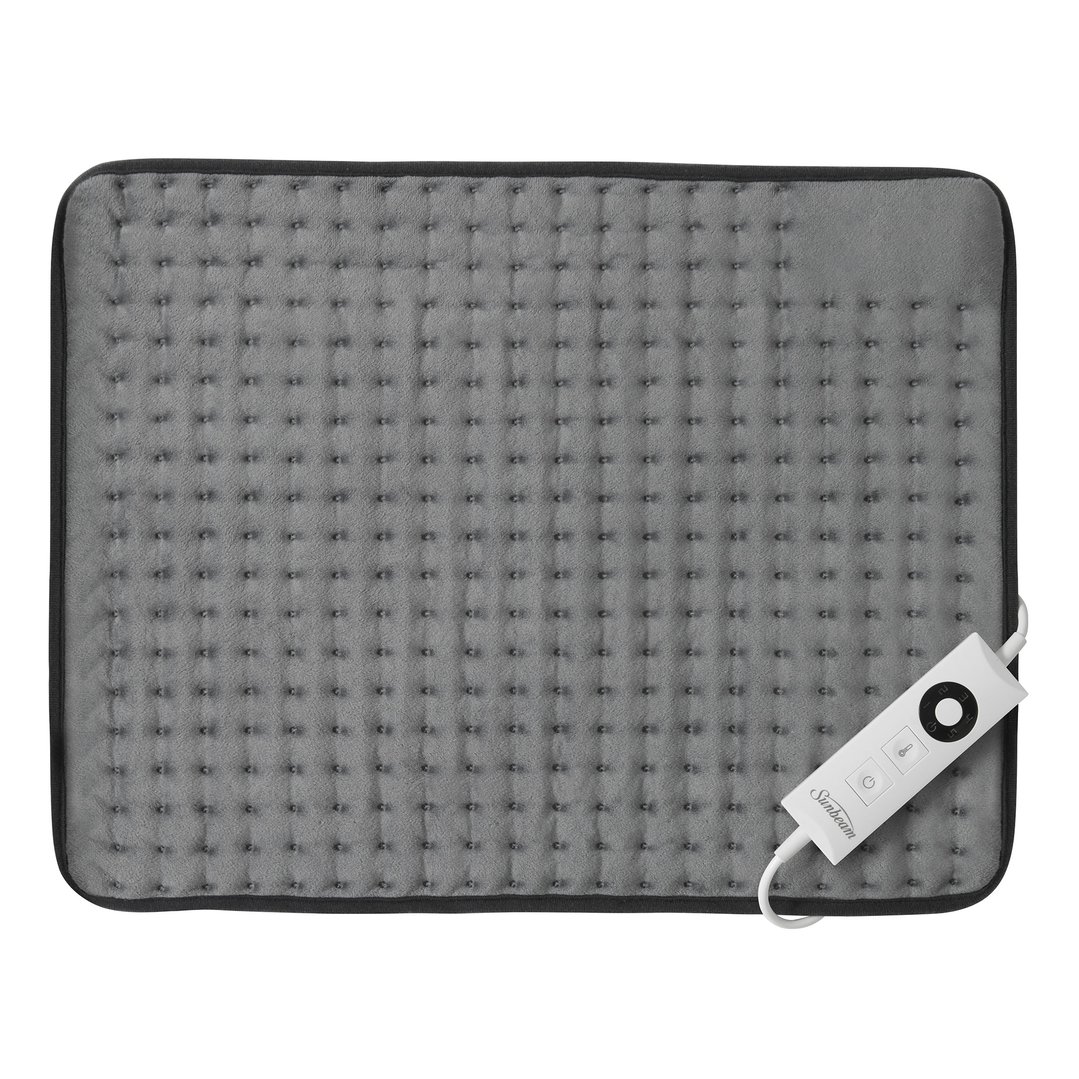
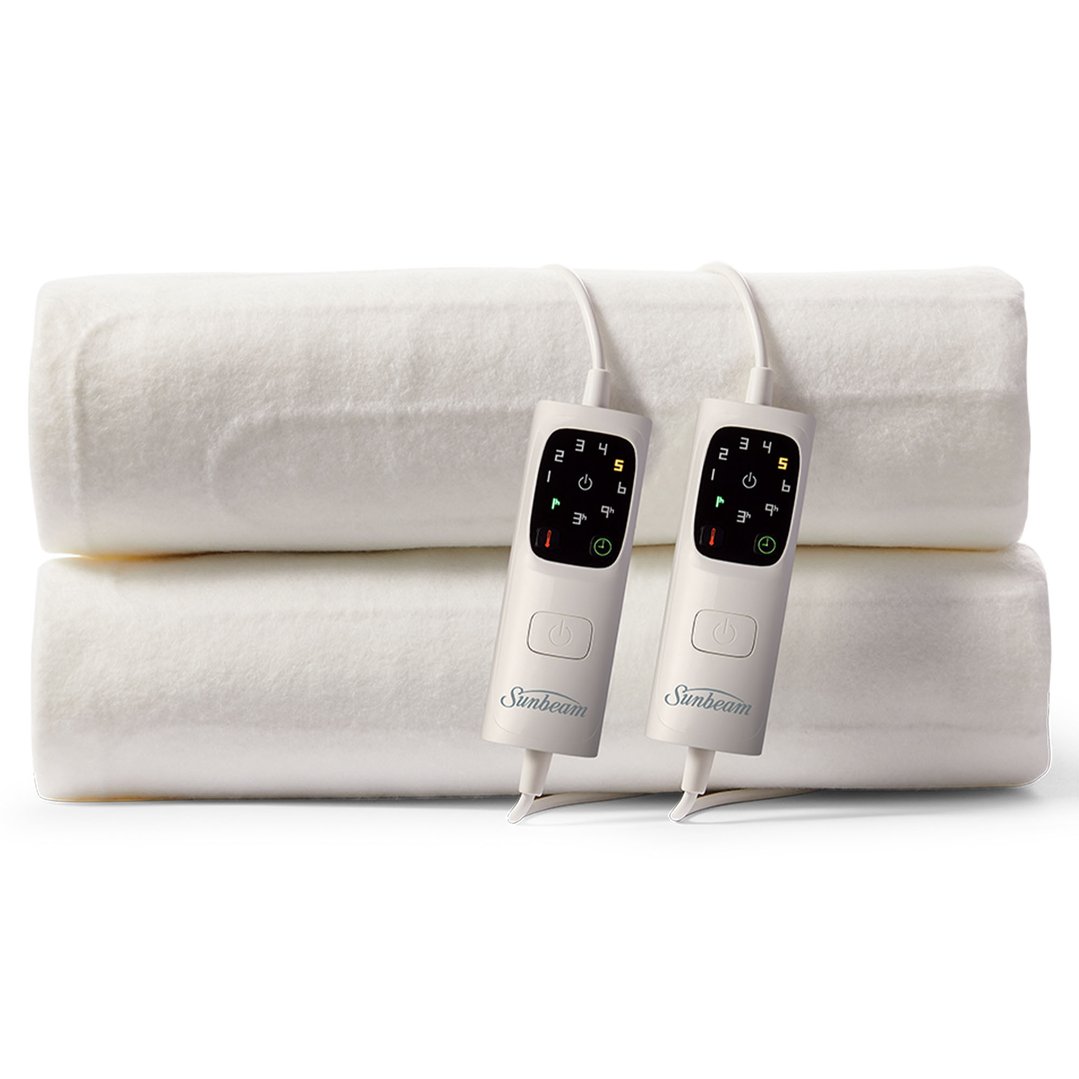
SHOP OUR FAVOURITE ELECTRIC BLANKETS HERE:




Q. Can you use an electric blanket with a mattress topper?
Yes, you can! For the best results, place the electric blanket on top of your mattress topper and under the bottom sheet. This setup ensures efficient heat transfer while still enjoying the comfort and support of your topper.
Q. Can you sleep with an electric blanket on?
You can, but only with models equipped with auto shut-off or timers. Most modern blankets are safe to use for pre-heating. Simply set the heat, let it warm your bed, and either switch it off manually or let the auto-off kick in before you fall asleep.
Q. Electric blanket vs electric throw - what’s the difference?
Electric blankets are designed for full-bed coverage and come in various sizes with wired controls. Electric throws are smaller, more portable wraps made for occasional use in the lounge. Both offer adjustable warmth, but throws are ideal for spot heating, while blankets provide sustained coverage through the night.
Page last updated: July 17 2025 | Information provided by the experts at Bing Lee.