Buying Guides
Design Your Laundry

1. FIND OUT HOW MUCH ROOM YOU HAVE TO PLAY WITH
Whether you’re planning your laundry layout from scratch or are thinking about updating your current laundry fit out, the best place to start is by measuring the space you have available. To begin, measure the length and width of the area. In addition to this, be sure to also measure the height of the room. This simple step can make it easier to visualise the room and figure out exactly what kinds of appliances and cabinetry will work in the space before you settle on a laundry design.
At this stage, you should be able to tell whether you’ll be designing a sleek European style laundry, undertaking a small laundry renovation or have ample room to create your ultimate laundry.
2. SELECT YOUR APPLIANCES
WASHING MACHINE
An essential addition to any laundry, when choosing the right washing machine for your home, you should consider the following factors:
How much space you have available, including the width, depth and height of the area
The size of your household
Your budget
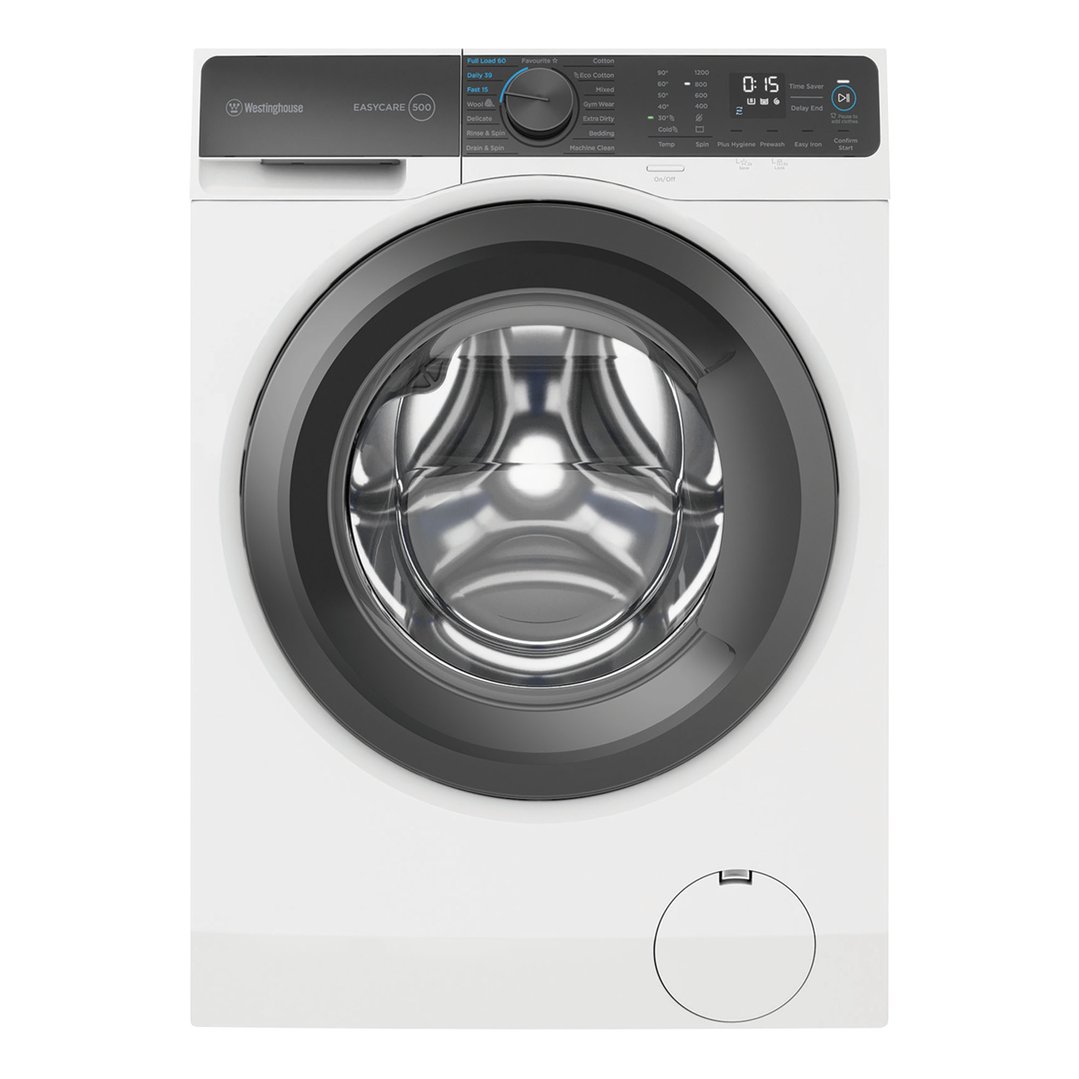
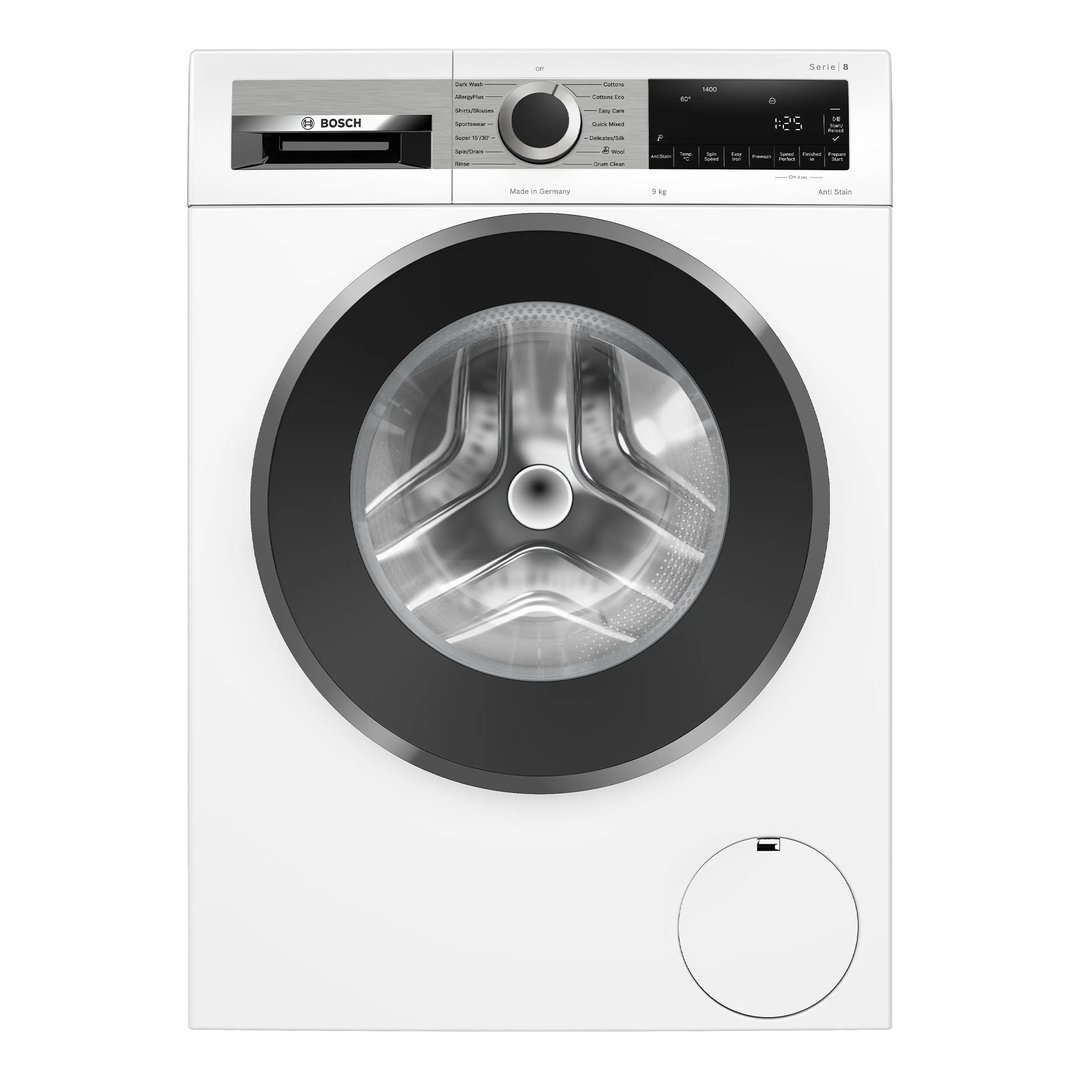
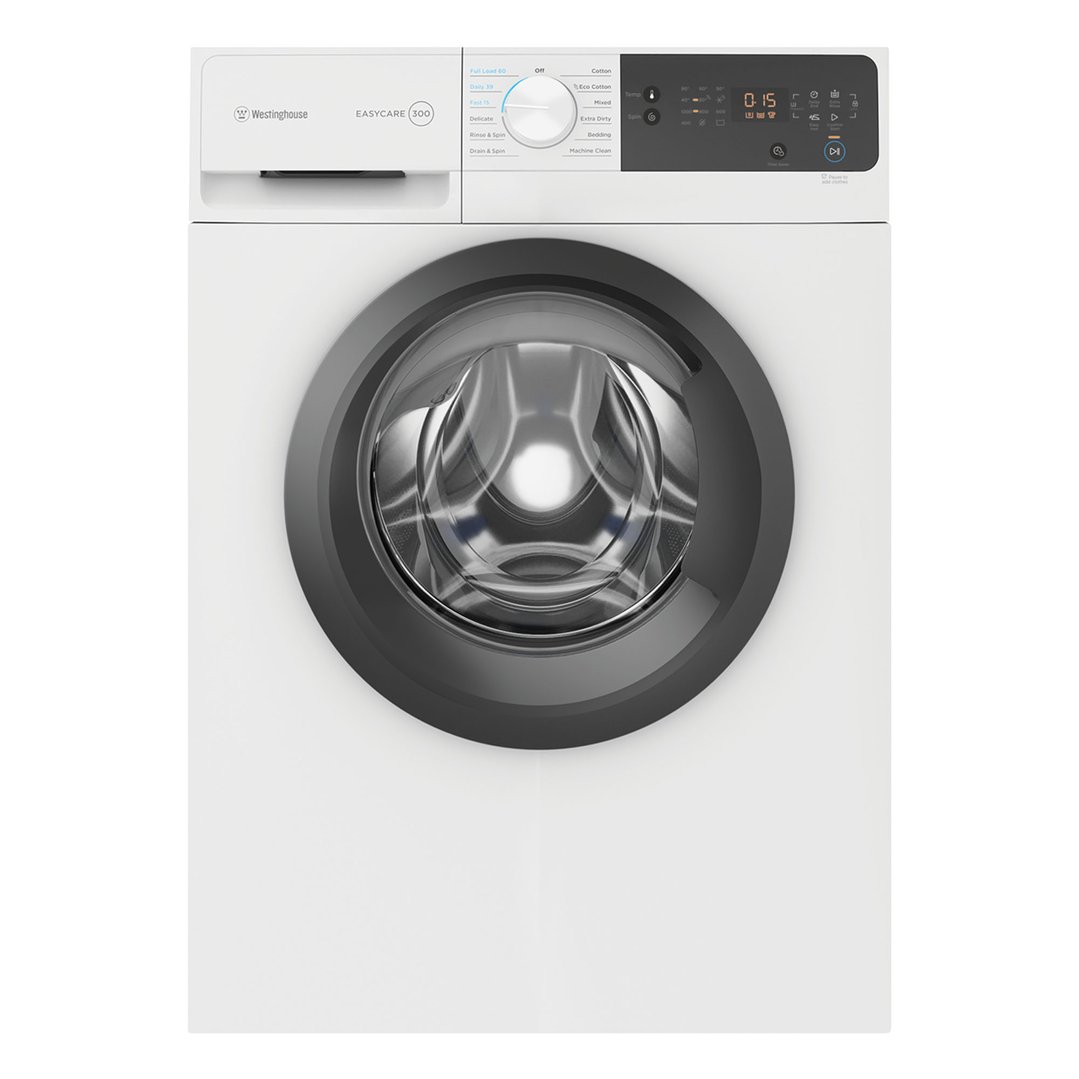
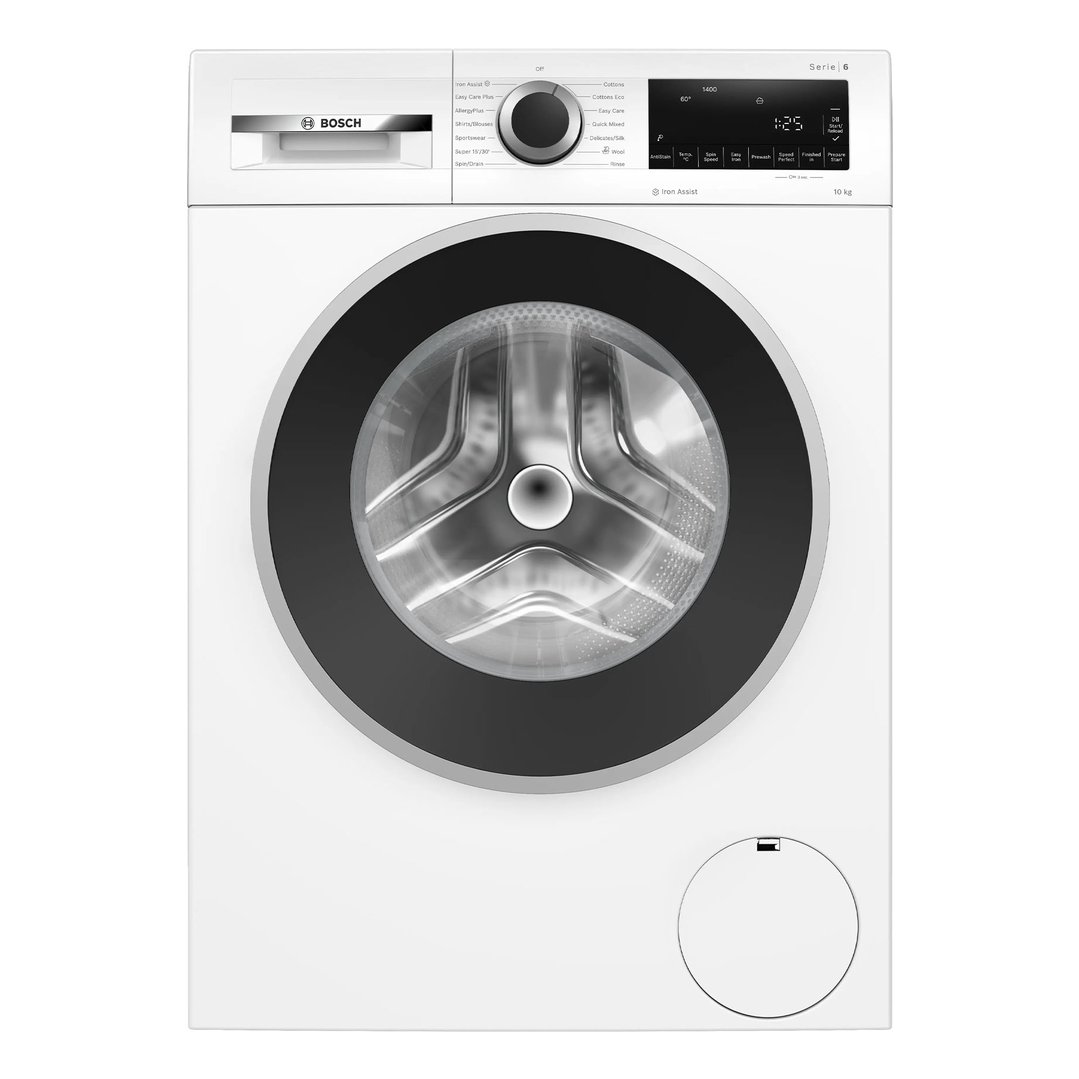
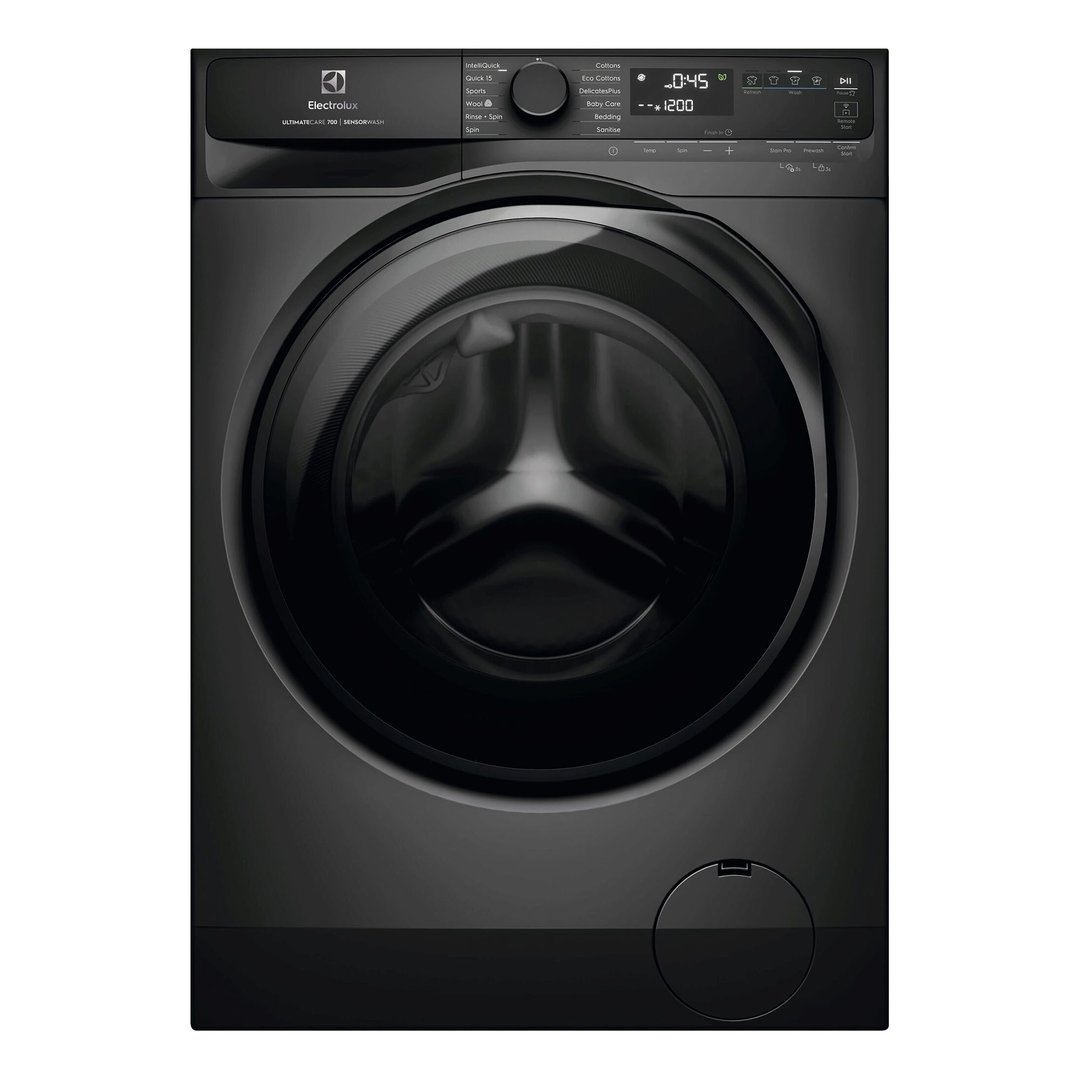
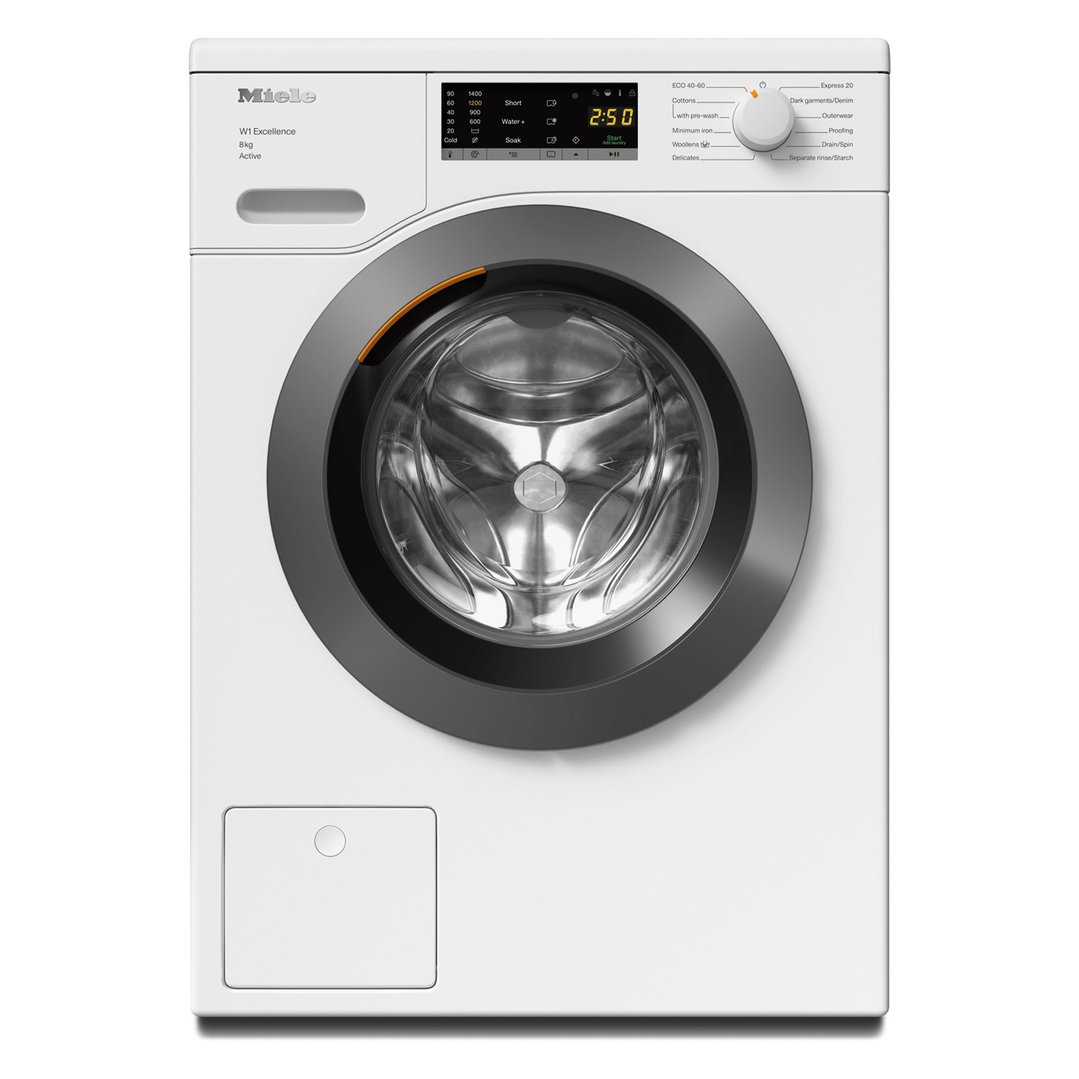
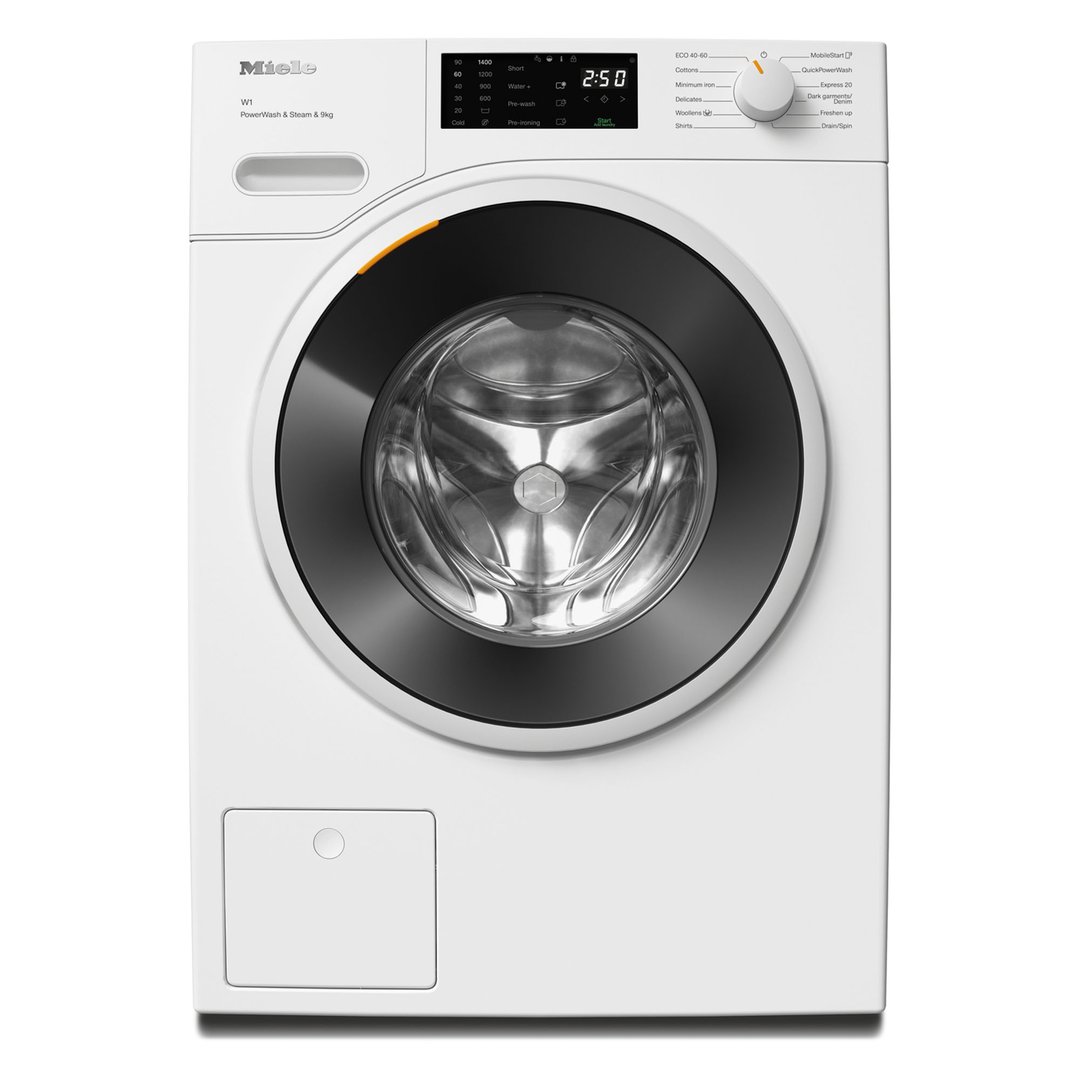
If space is an issue for you, a front loader washing machine may be a better option. Thanks to their outward opening door, this type of washing machine does not require the same amount of vertical space that top loaders do. Additionally, a clothes dryer can also be stacked on top of the machine or a pedestal positioned underneath for additional storage. Great space saving appliances, they do unfortunately tend to have smaller capacities than front loader washing machines, which may be an issue for larger households.
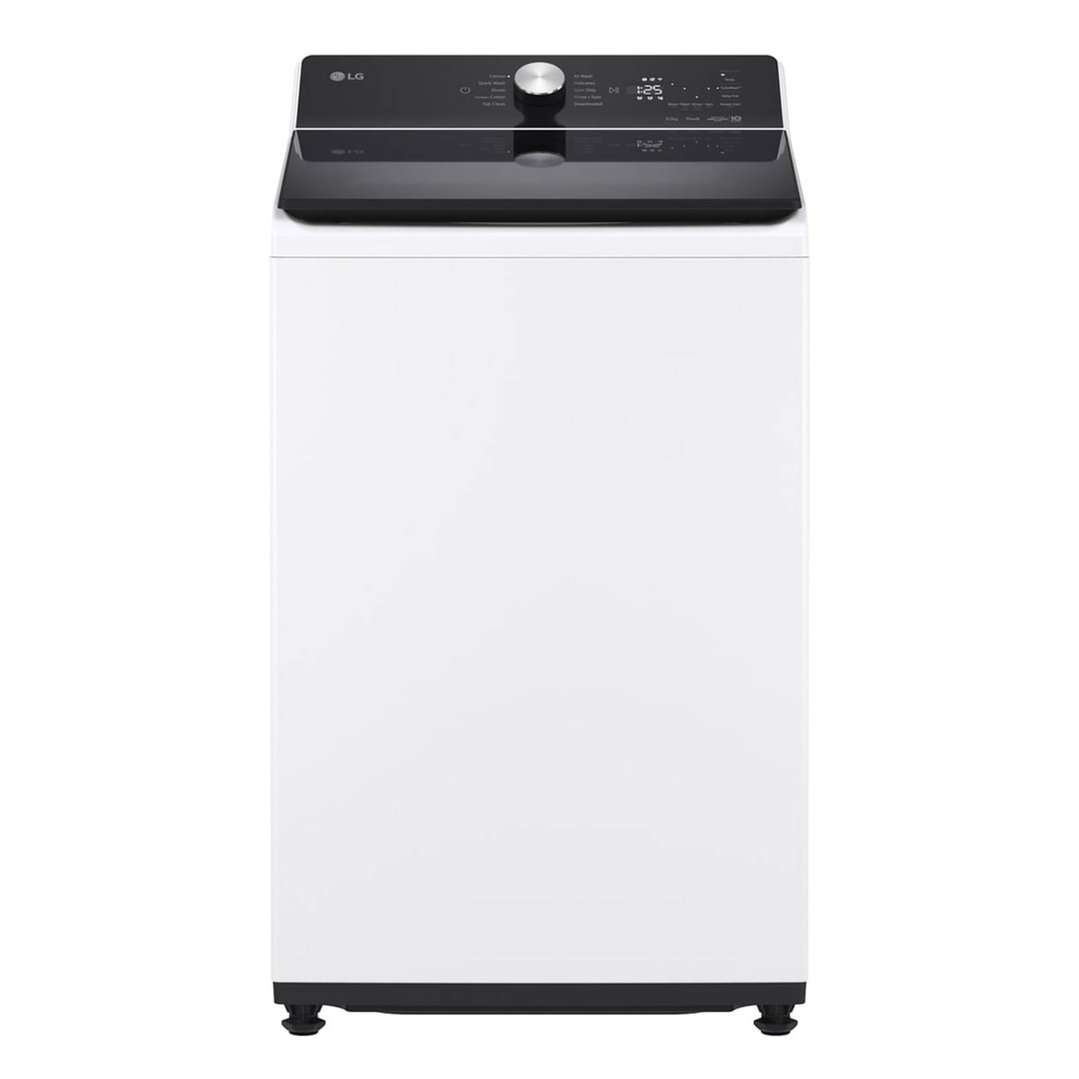
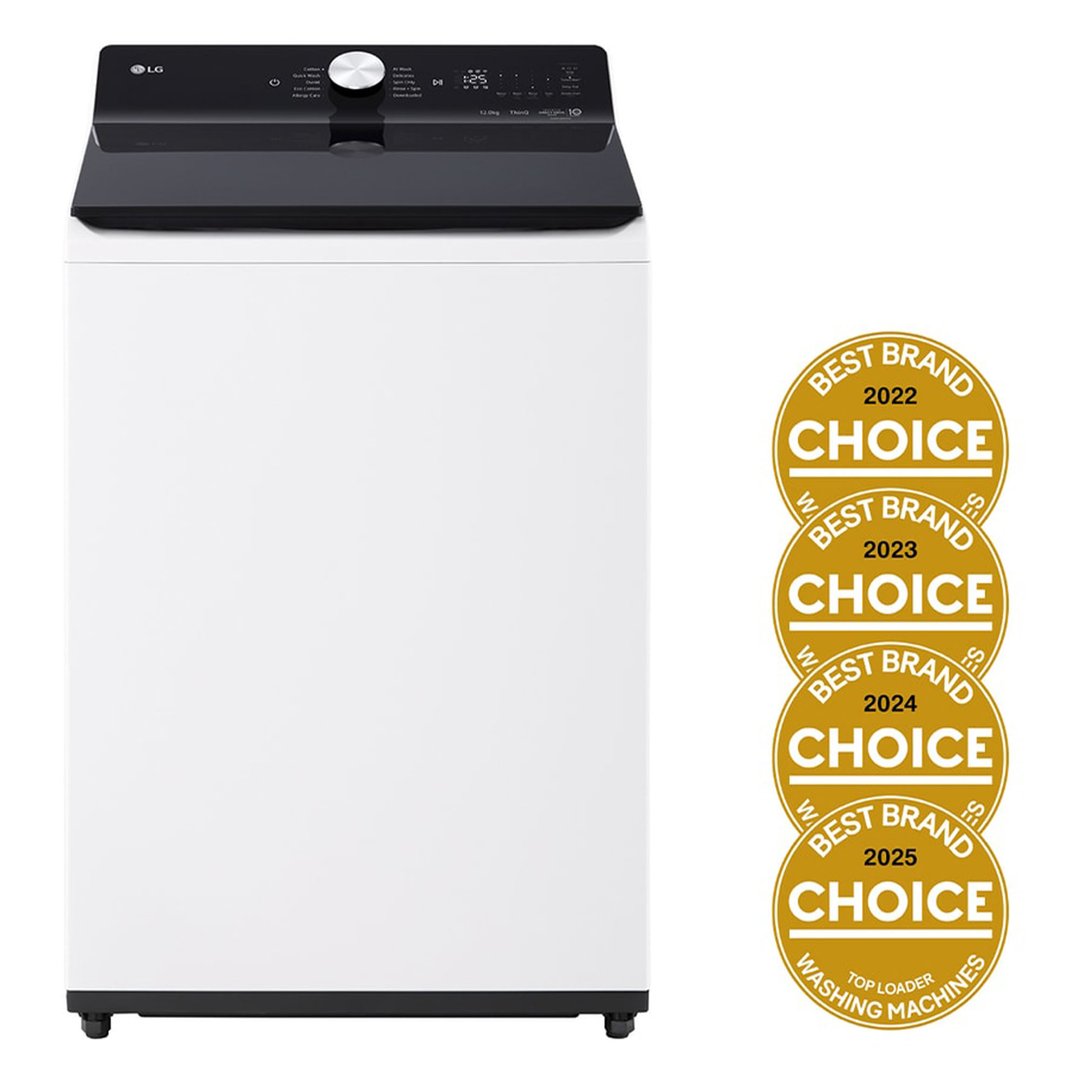
Often cheaper and larger than front loader washing machines, top loader washing machines can be a good option for larger laundries. Requiring extra room to accommodate the upward opening door, they are generally not a practical option for small laundry rooms and European laundries. Boasting shorter wash cycles and a variety of different capacities, they are a popular choice for family homes.
$2,499$2,249Ends in
2 Days$2,699$2,449Ends in
2 Days





CLOTHES DRYER
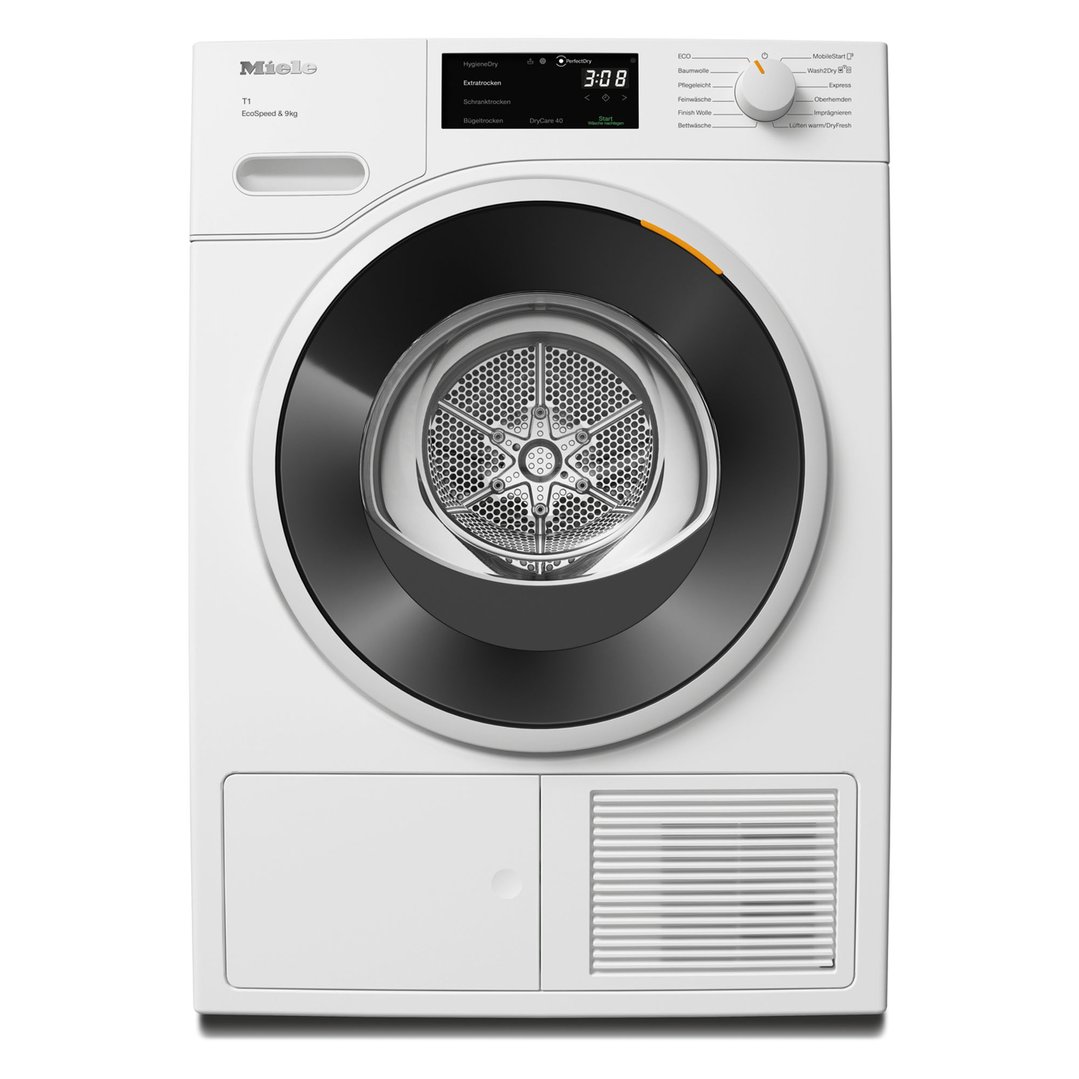
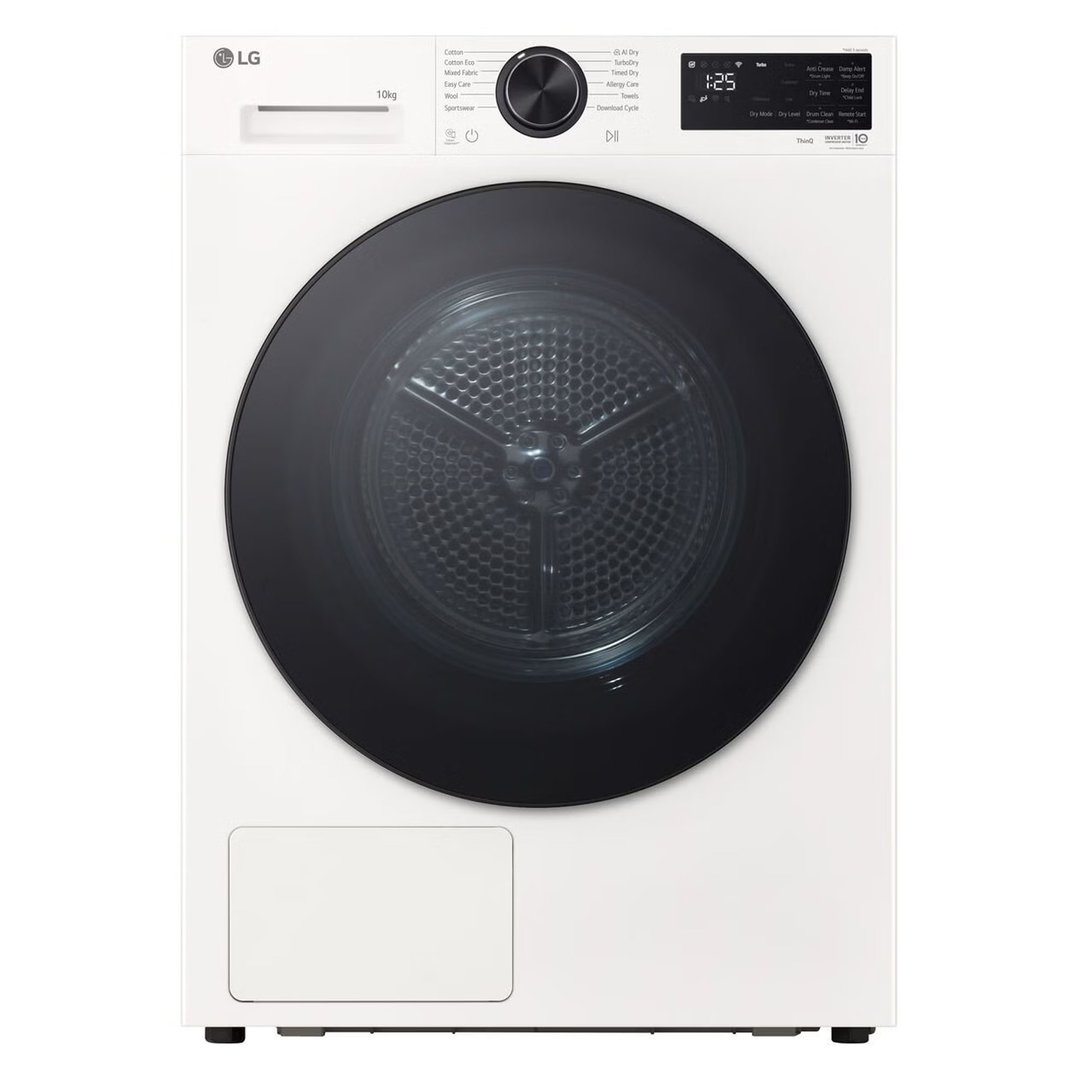
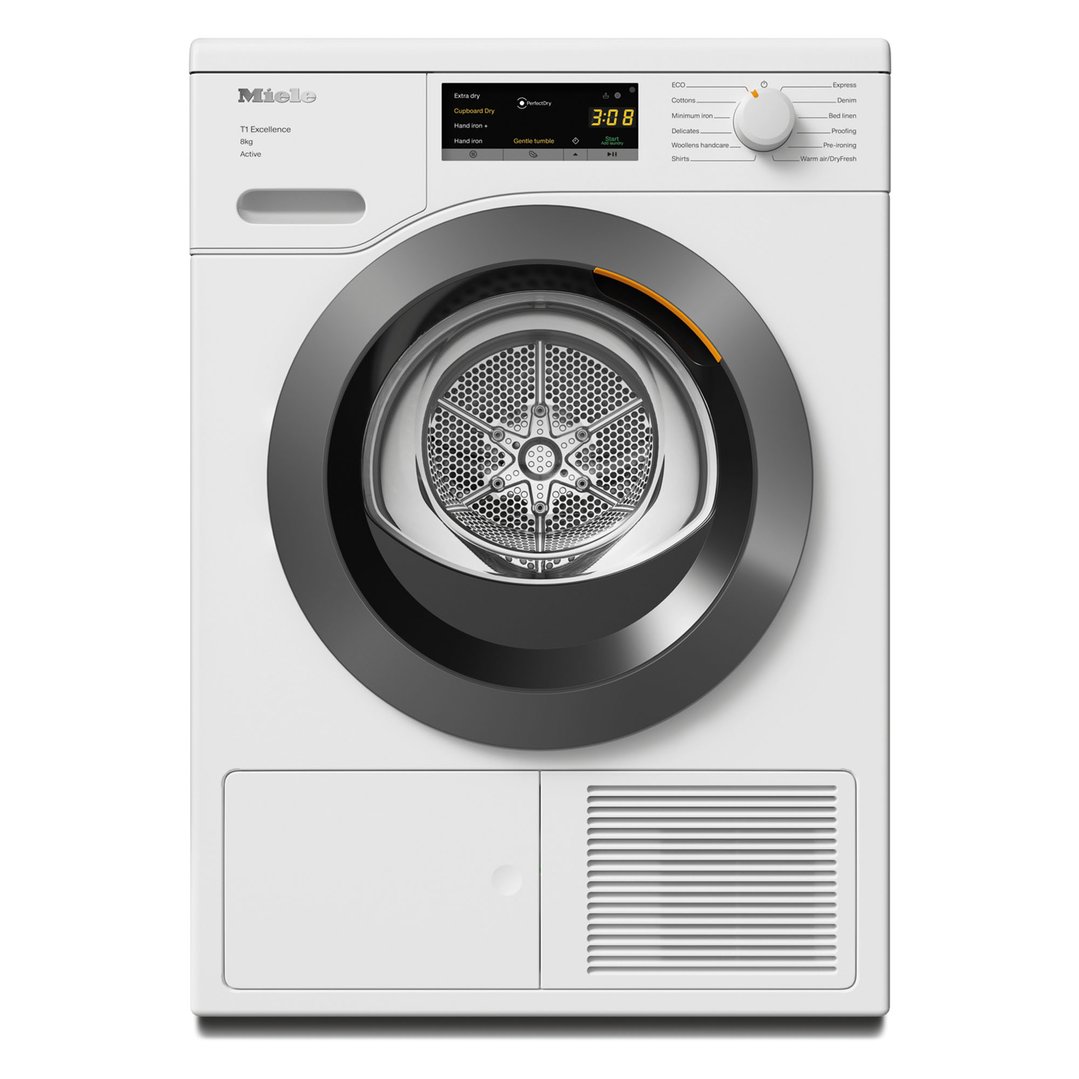
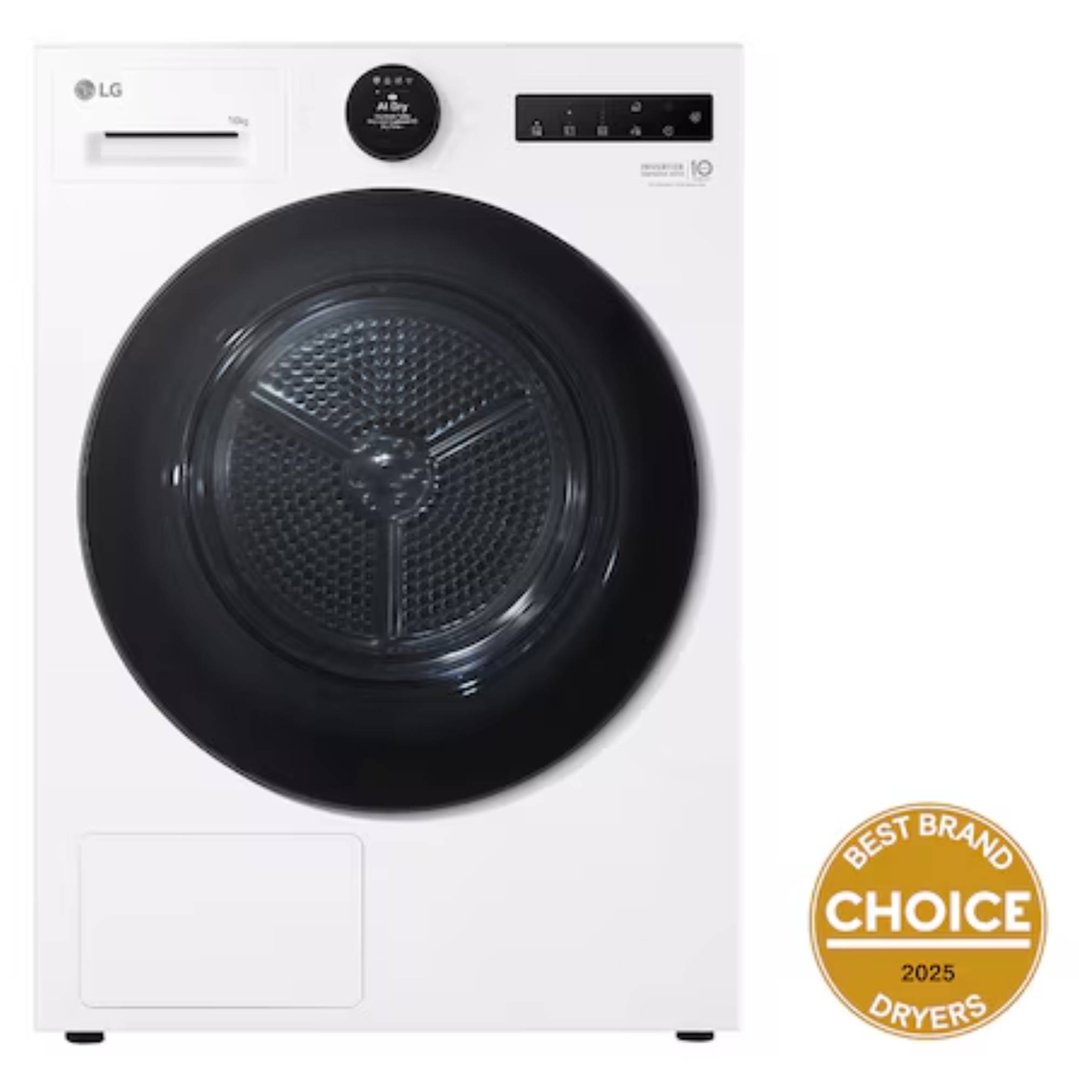
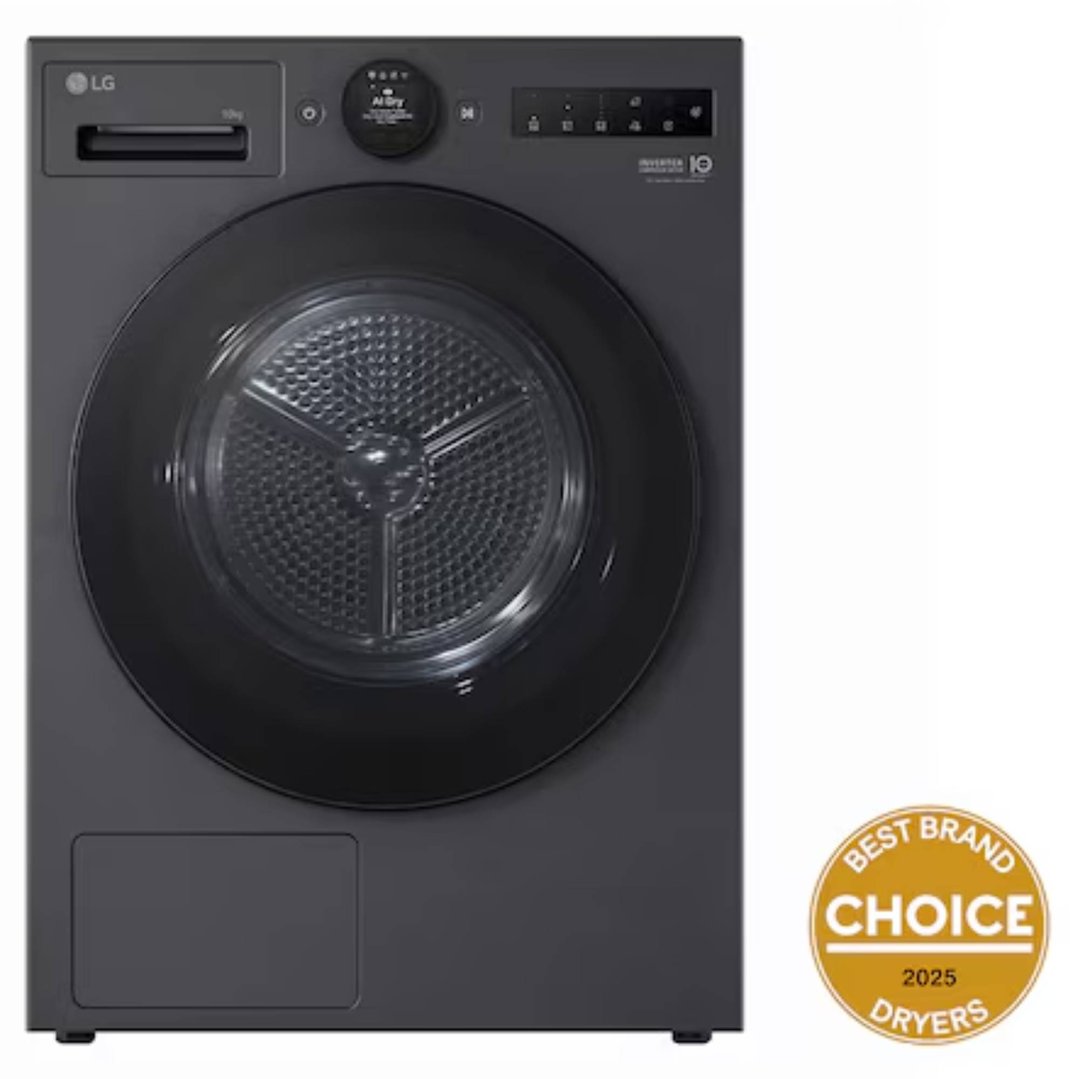
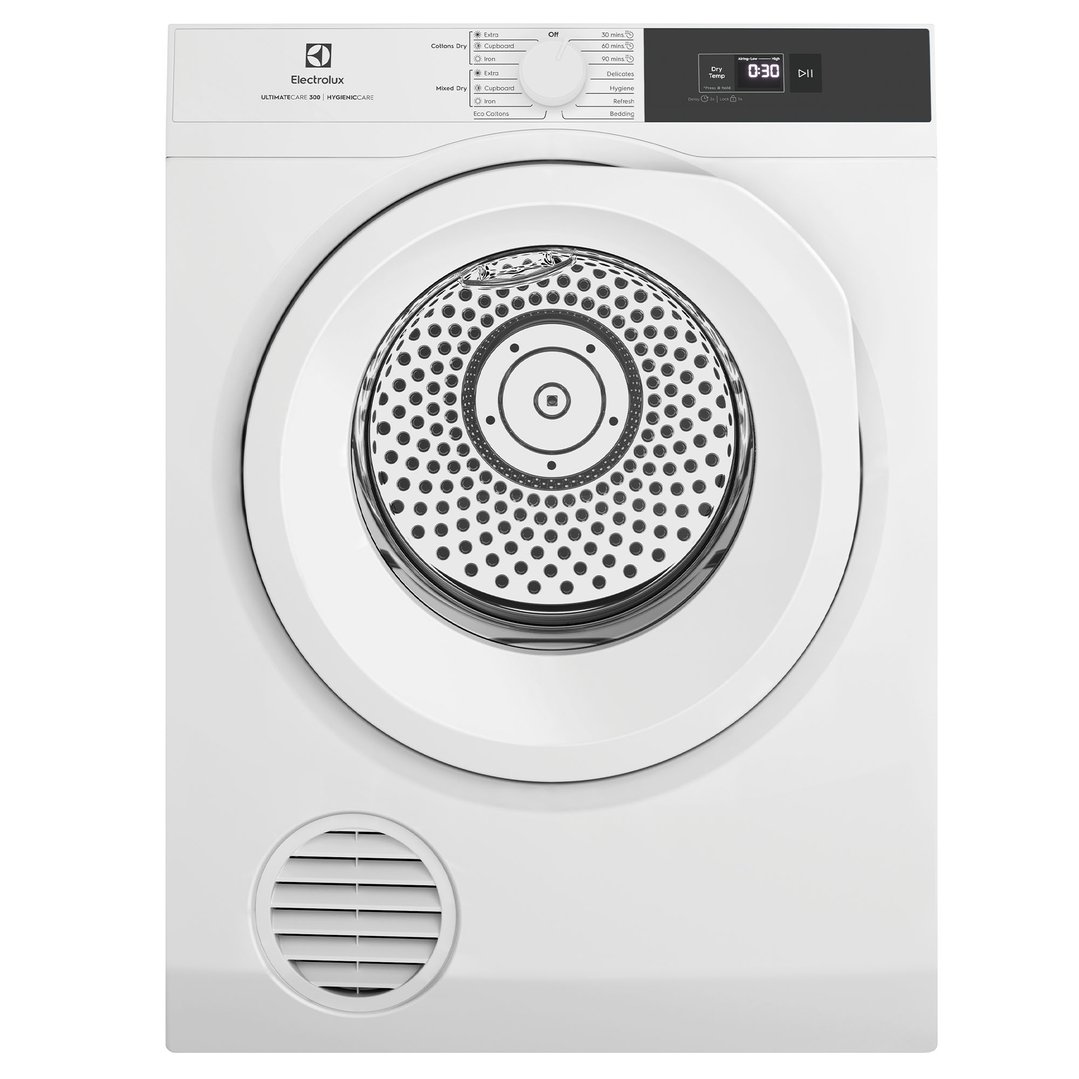
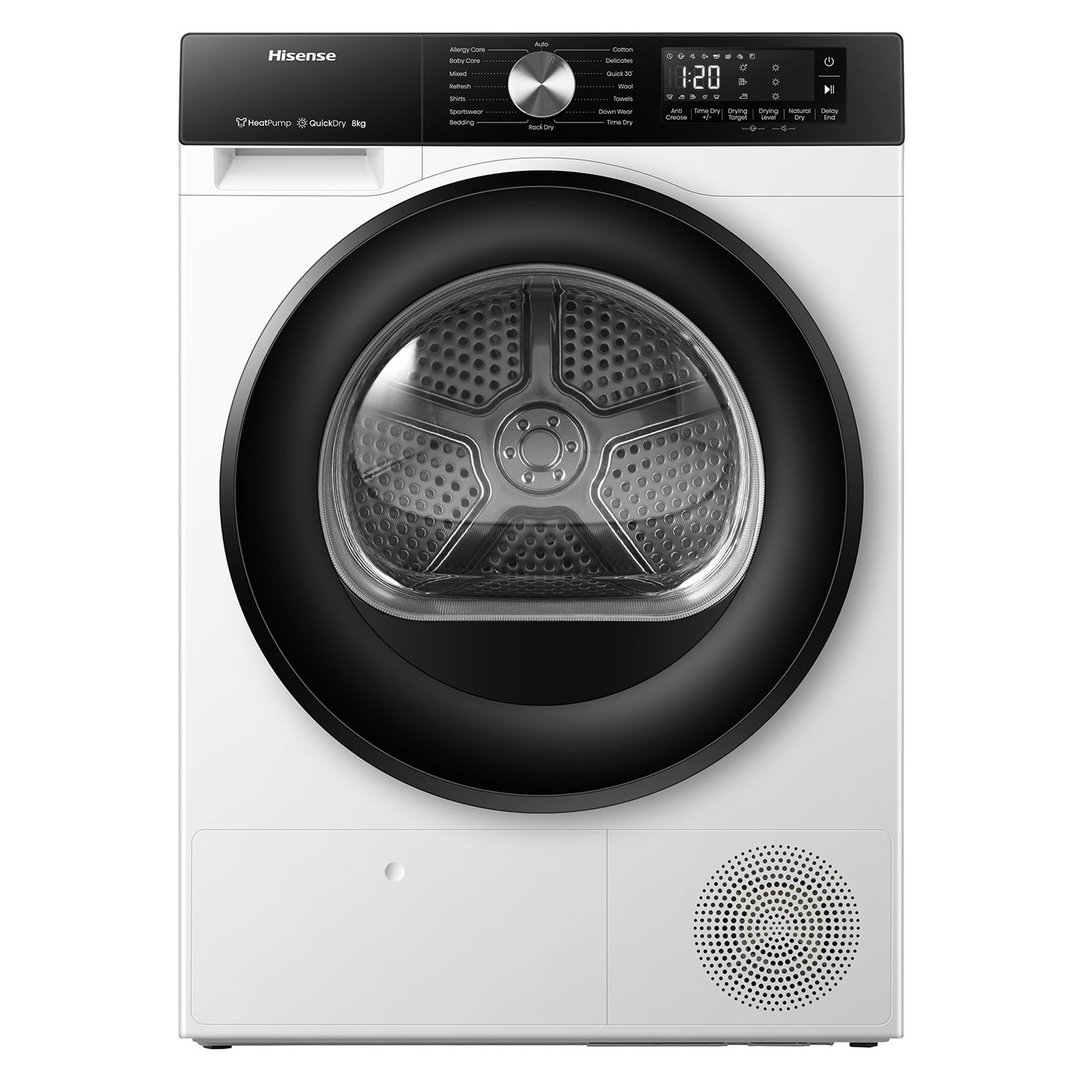
In much the same way as choosing a washing machine, finding the right clothes dryer for your laundry comes down to the amount of space on hand and the capacity that you require. If floor space is at a premium in your home, look for models that can be stacked on top of front loader washing machines, wall mounted or stowed away beneath laundry benchtops.
$2,699$2,449Ends in
2 Days



3. SETTLE ON A SINK AND TAP COMBINATION
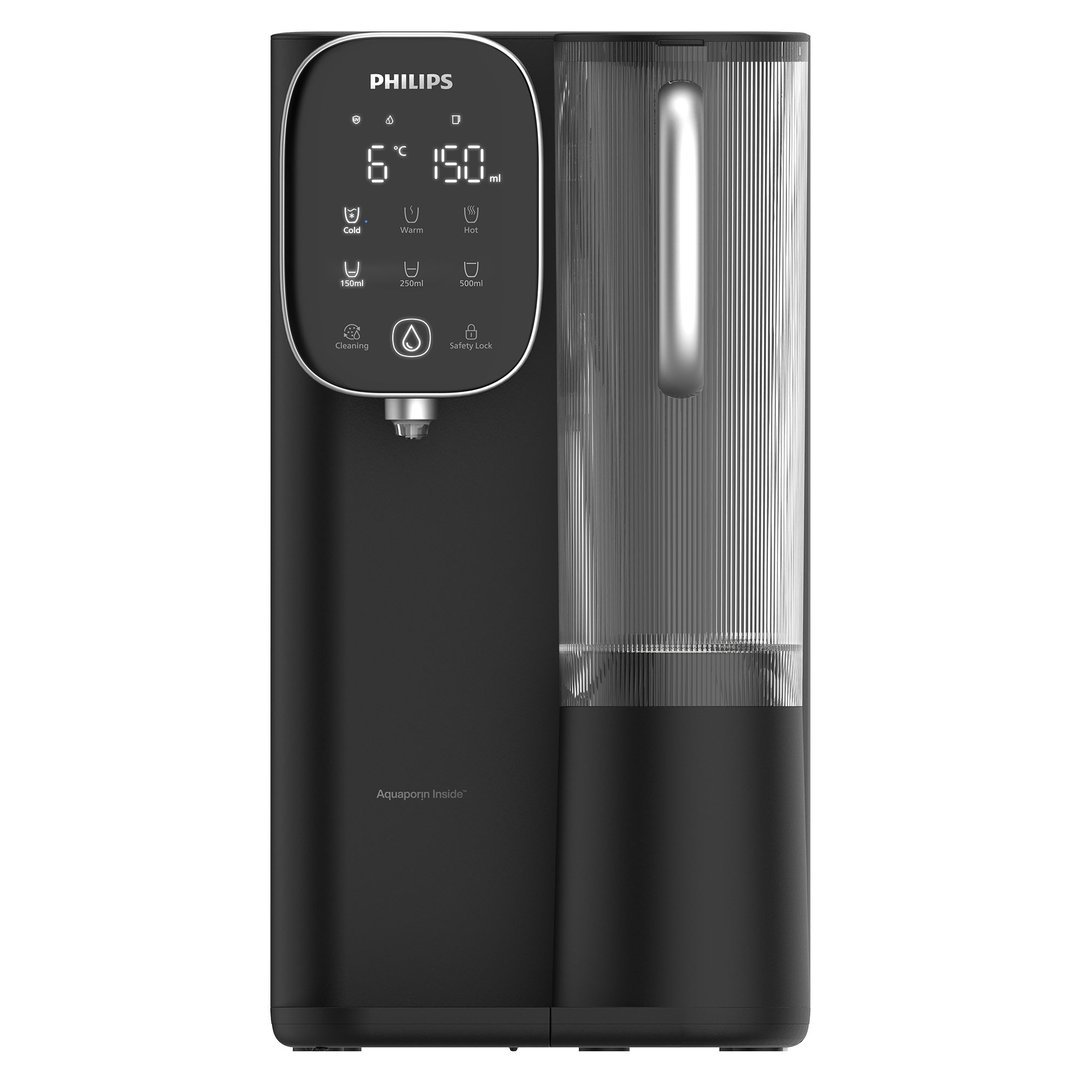
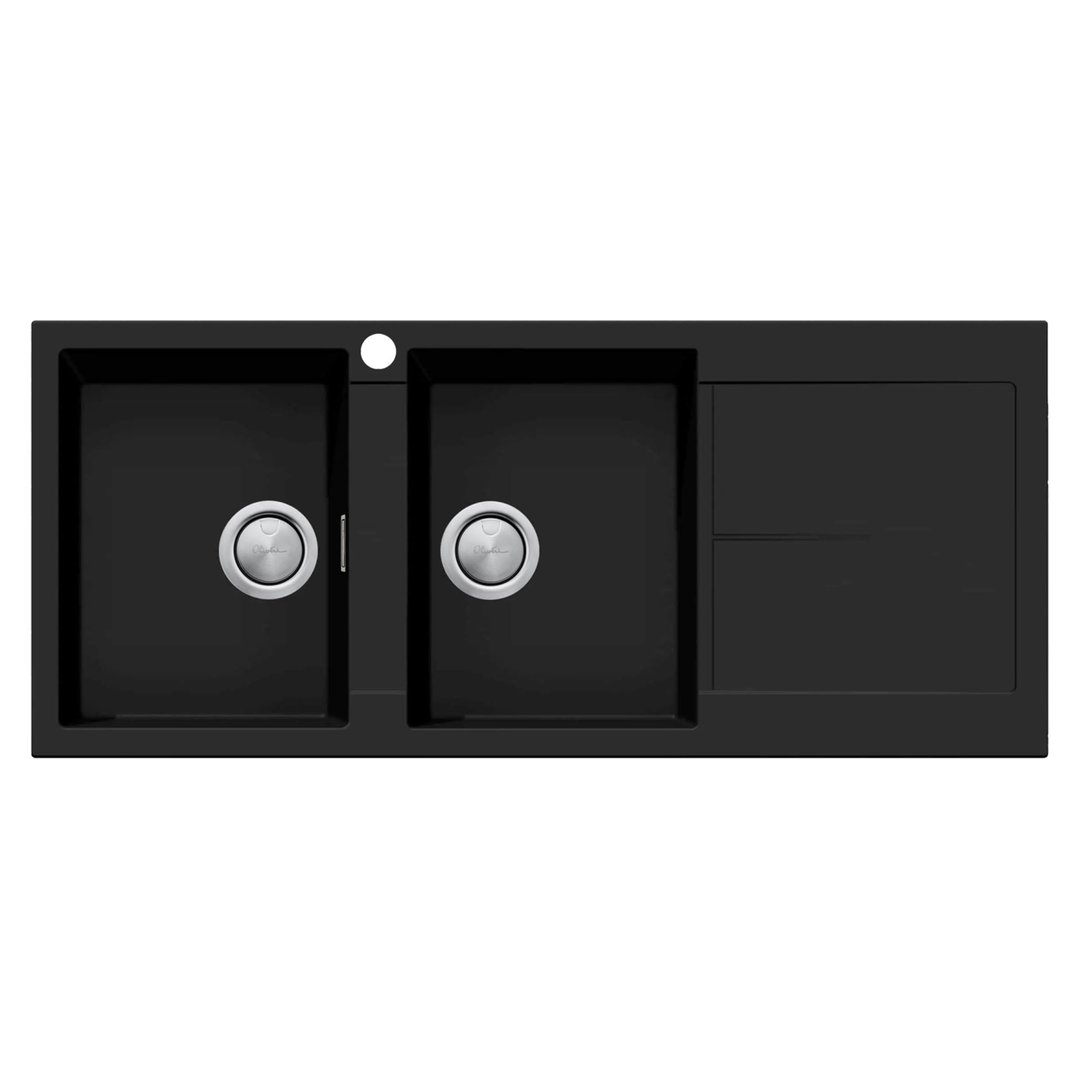
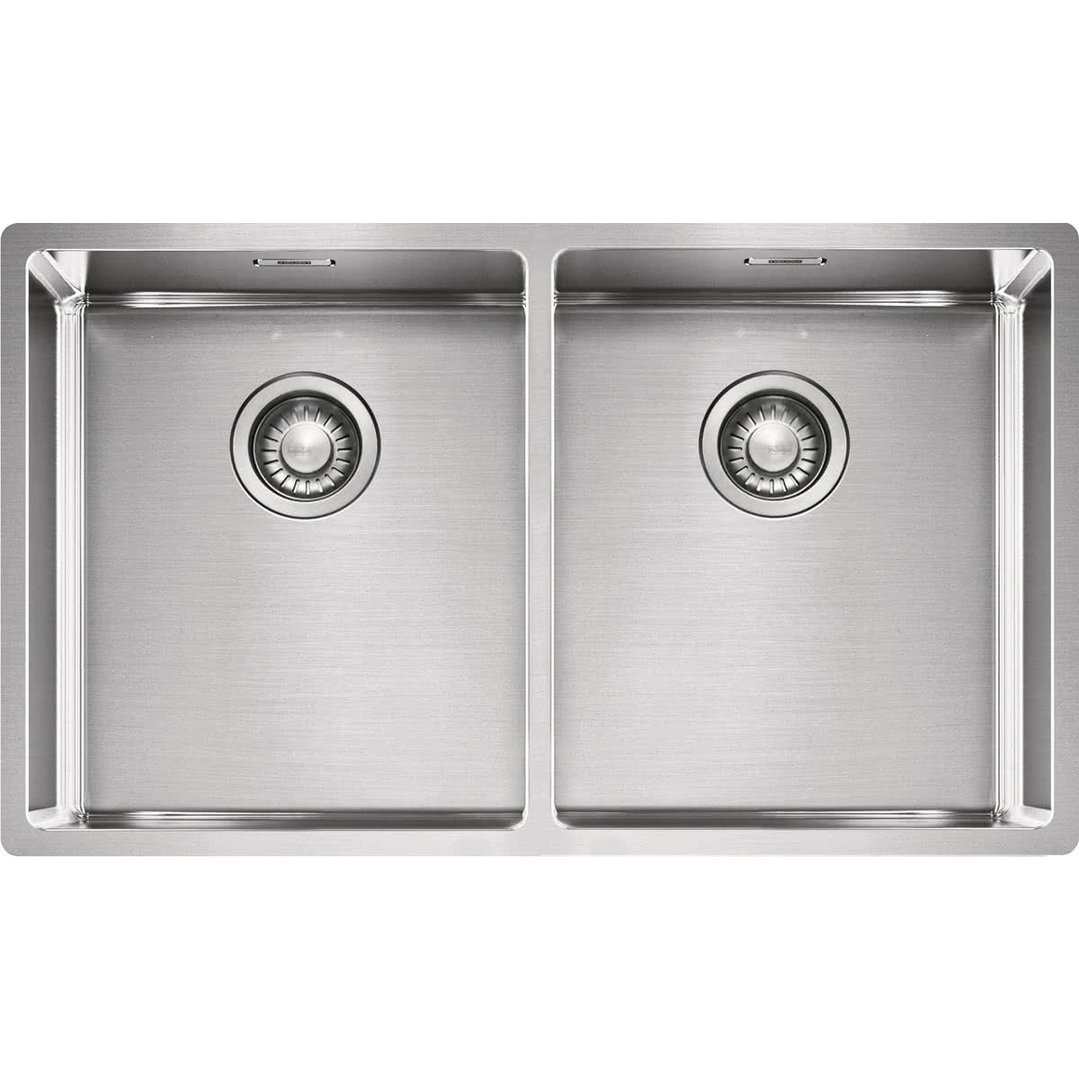
A key feature of many laundry designs, a sink is a handy addition to any laundry room if you have the space available. Great for soaking soiled clothing, filling buckets for general home cleaning and many other applications, they are a staple laundry fitting, with plenty of different sizes and styles available.
If you’re unsure of what kind of sink is best for you, think about how you use your current laundry sink. If you require enough depth to comfortably fill or empty a bucket, a deeper sink might be best, while a smaller sink could be an option if you rarely require its use. Different finishes, from stainless steel to stone and acrylic are available, making it easy to choose one that not only matches your budget, but also the wider laundry room design.
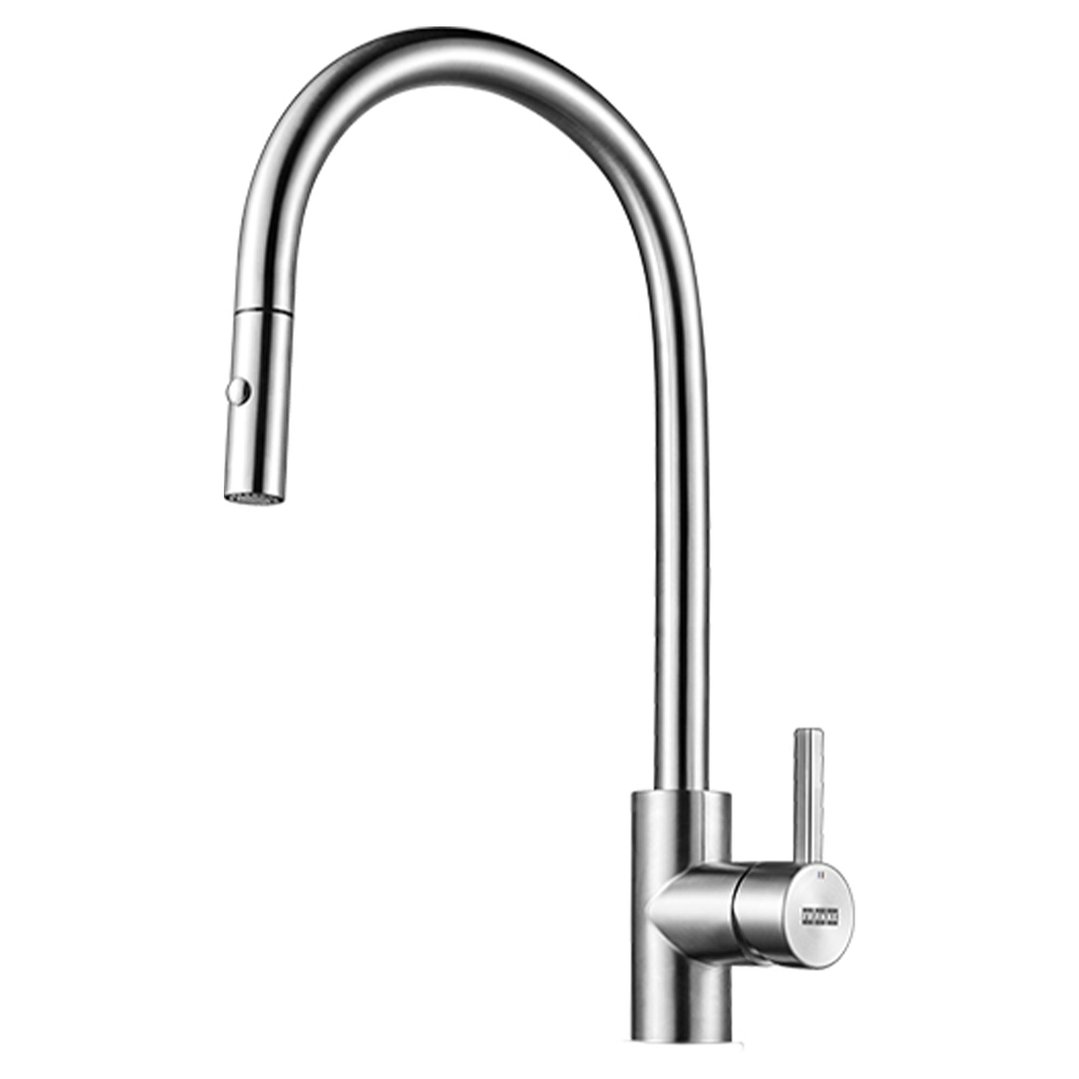
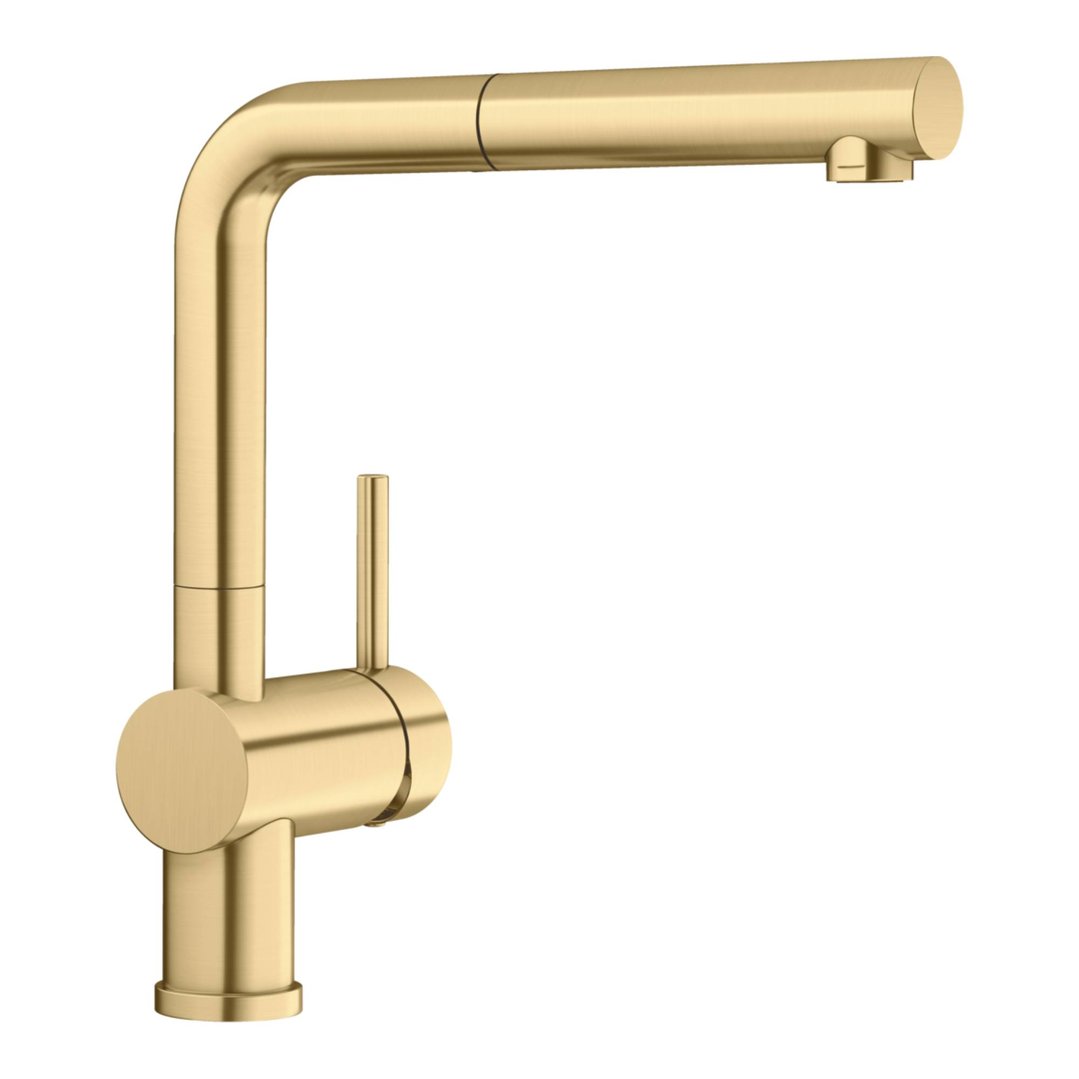
Once you’ve got your sink selection sorted, it’s time to turn your attention to sink fittings. Both the tap and the handles used to control the flow of water need to not only be quite practical, but also easy to use. If function is key to your laundry design, keep an eye out for mixer taps with a tall swan neck that can be easily moved from side to side.







4. CONSIDER PRACTICAL ADDITIONS
Although creating a space that is aesthetically pleasing is important to many of us, it’s key that all laundry room designs take into account the way that we actually use the space. After all, as unglamorous as it may be, laundry and general cleaning is something that we need to do on a regular basis.
When it comes time to put together your laundry room designs, consider introducing practical features such as:
HANGING SPACE
Drying racks, although practical, can take up a lot of floor space, making it difficult to manoeuvre through small laundries when in use. Consider adding an area of hanging space into your laundry design to help eliminate the need for these bulky pieces of equipment. Not only is it great for hanging delicates that are best dried in the shade, but it also doubles as a handy place to keep freshly ironed garments before they are stored away in your wardrobe.
BENCH SPACE
Whether you use it for folding laundry, storing washing baskets or another use altogether, adequate bench space is a must for any functional family laundry. Think about how much space you’ll realistically need and compare this to the amount of room you can spare. If possible, try to leave room for slightly more room than you think you’ll need. To help maximise your bench space, you could also consider purchasing a washing machine and dryer that will fit comfortably beneath the benchtop, allowing you to maximise what might otherwise be unused space.
5. GET CREATIVE WITH STORAGE
With cleaning products, ironing boards, brooms, and more, to stow away, storage is an important consideration to have when brainstorming laundry design ideas. Not only do you need ample storage for the items that you have now, but it can also be a good idea to future-proof your storage by adding a few extra cabinets to your layout.
Some common types of laundry storage include:
FREE-STANDING CABINETS
Ideal for storing larger items, such as ironing boards, brooms and vacuum cleaners, free-standing cabinets can be organised using internal shelves or baskets.
OVERHEAD CABINETS
Mounted on the wall or incorporated into a larger cabinetry system, overhead cabinets can be a great storage option when floor space is at a premium. They are great for storing items that you may not reach for on a daily basis.
BASE CABINETS
Often located beneath the laundry bench top, base cabinets typically offer more storage space than their overhead counterparts. Handy for keeping cleaning products and other essentials organised, they do, however, encroach on the total floor space. Base cabinets with doors that slide across rather than opening outwards can be a good option for narrow laundry designs.
BASKETS AND HAMPERS
Easy to slide beneath benchtops or into shelving, baskets and hampers are not only a practical storage option, but they can also be great design features too. Unlike standard cabinetry, they give you the option to easily update or replace them when needed.
6. FINALISE YOUR LAUNDRY DESIGN LAYOUT
Once you know what kind of appliances you need, have your storage sorted and have decided on the types of practical features you’d like, it’s time to finalise your laundry design layout. Check that everything you’ve chosen so far works together cohesively and that the placement of appliances, your sink and storage cabinets all make sense.
Some key elements to consider might be:
The location of the sink in reference to your washing machine. Having the two next to each other may make it easier to move clothing that has been soaking in the basin to the washing machine.
Where your dirty laundry is kept. If you plan to have a hamper or basket for your dirty laundry within the laundry room itself, it might make sense to have it closer to your washing machine for easier access.
How easy it will be to access the items that you reach for most often. Whether it’s laundry detergent, fabric softener or another cleaning product that you use regularly, you should aim to have them in an area that is easy to reach.
7. HAVE FUN EXPERIMENTING WITH DESIGN AND DECOR
With all the foundations finalised, all that’s left is the fun part: experimenting with laundry decor ideas. To get some inspiration, you might choose to browse through design blogs, create a mood board on Pinterest or simply take note of the features you love most in the laundries at your friends’ and family’s houses. Other parts of your home, such as your kitchen and living room, might offer some inspiration too.
Once you’ve done your research and have found the kind of laundry decor that interests you, whether it be a sleek modern laundry design or something a little more rustic, decide on a colour scheme, theme or a design style that you like and begin to customise elements of your laundry to help bring your vision to life.
You’ll find plenty of elements in your laundry design that you can customise, including:
Paint colours
Tile shapes, colours and laying patterns
Benchtop colours and finishes
Cabinetry colours and finishes
Cabinet handles
For more inspiration on designing your laundry, check out the Bing Lee Holiday Home Makeover article to see how Rachel and Ryan used Bing Lee products to create a stylish and functional space.