Buying Guides
Home Gym Equipment Buying Guide

Wanting to enjoy the convenience of working out at home? Whether you’re looking for an alternative to running outdoors after dark or equipment that’ll allow you to save on costly gym fees, you’ll find a great range of home gym equipment to choose from. With so many different types of equipment available, we’ve developed a home gym equipment buying guide to help make buying your next treadmill, exercise bike or elliptical trainer simpler. Learn what type of workout each machine offers and which features you should look out for when you go shopping




WHAT TYPES OF HOME GYM EQUIPMENT ARE AVAILABLE?
TREADMILLS
WHAT KIND OF WORKOUT DO TREADMILLS PROVIDE?
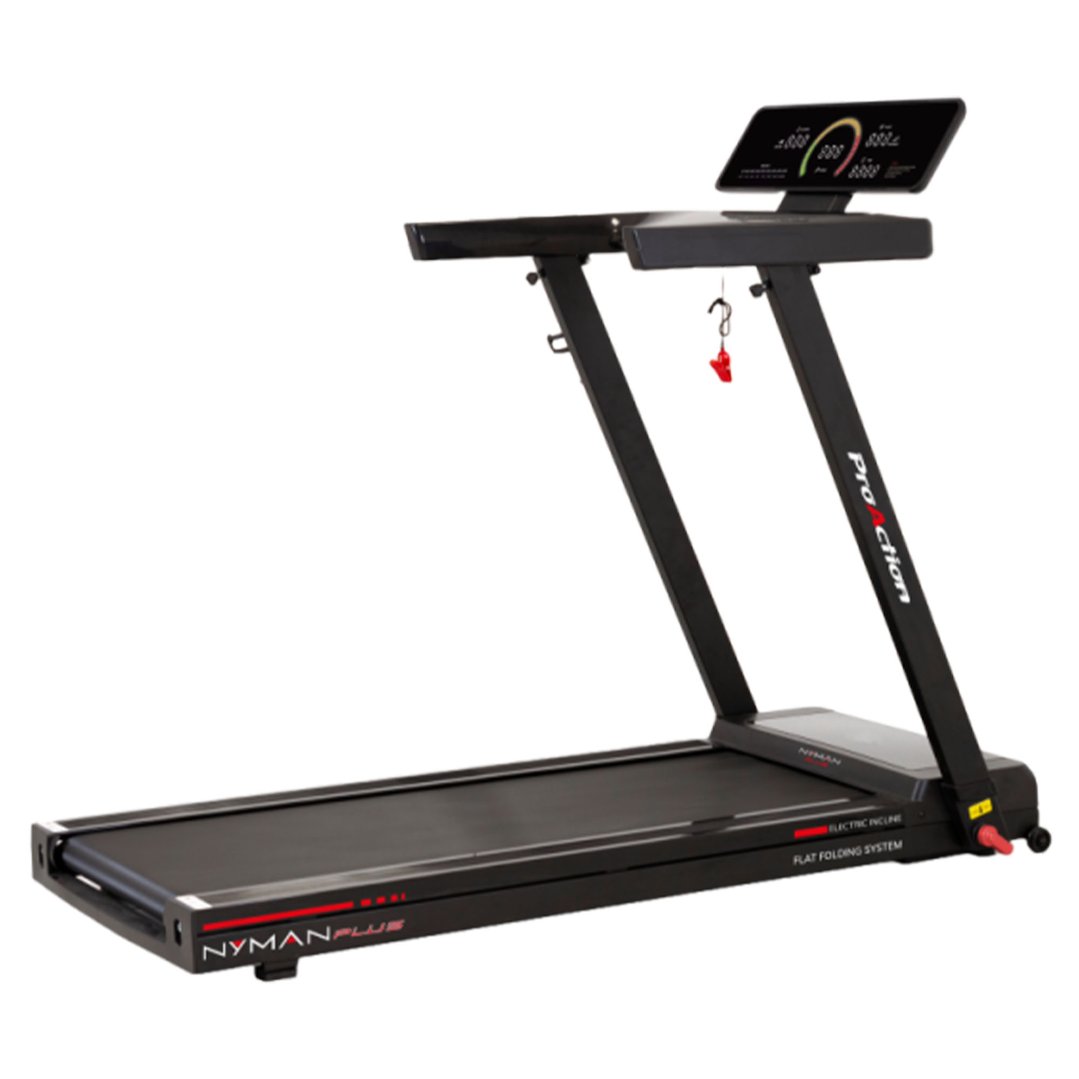
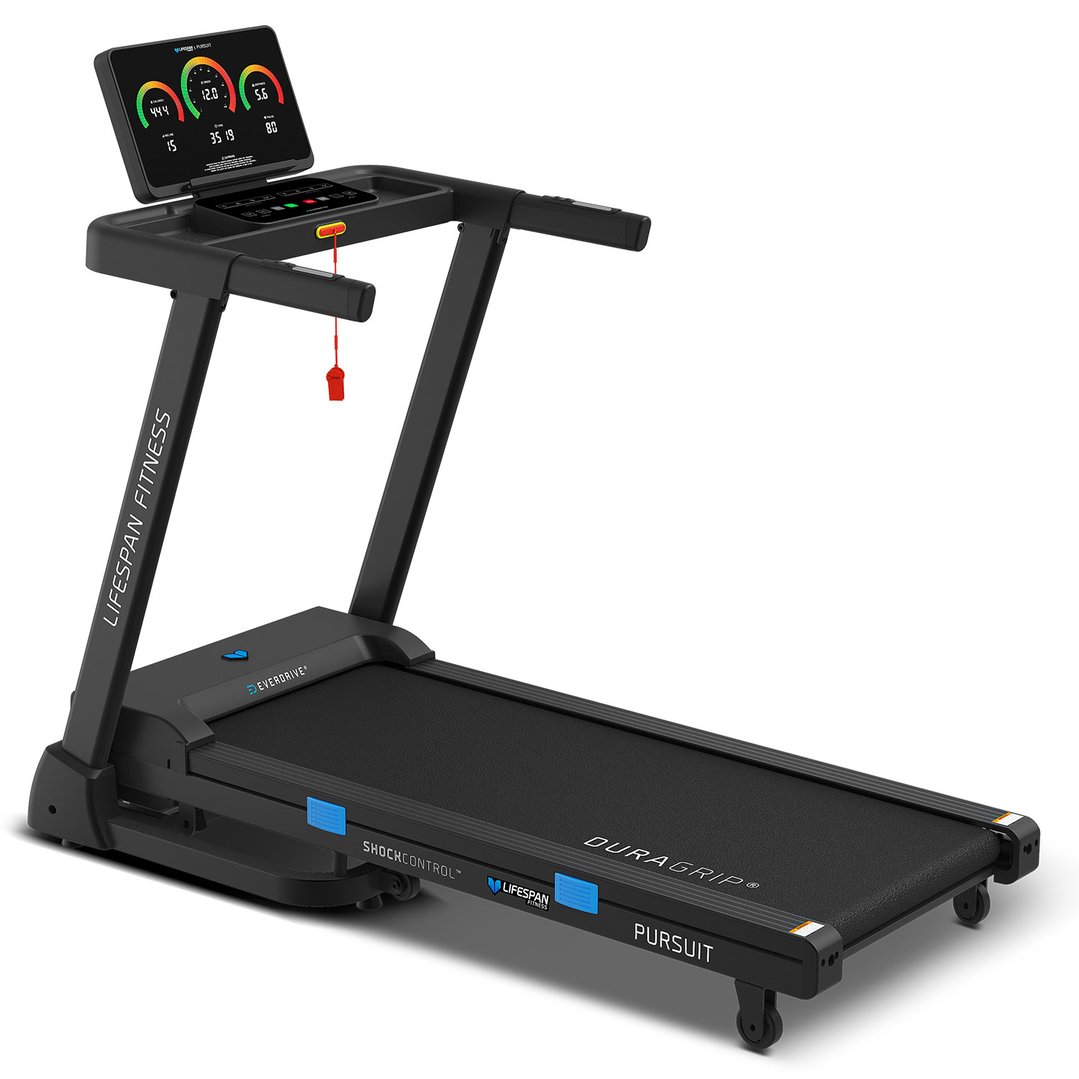
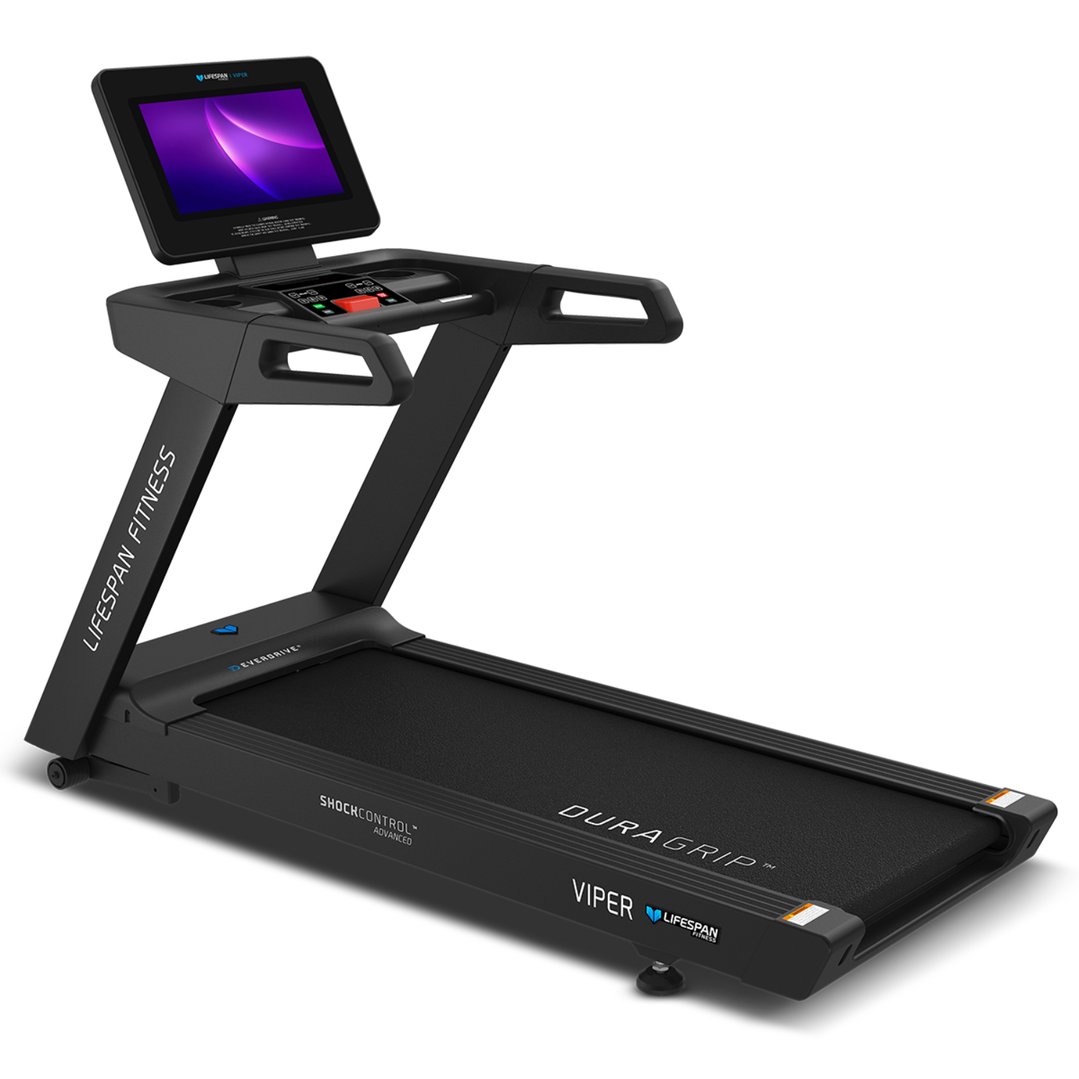
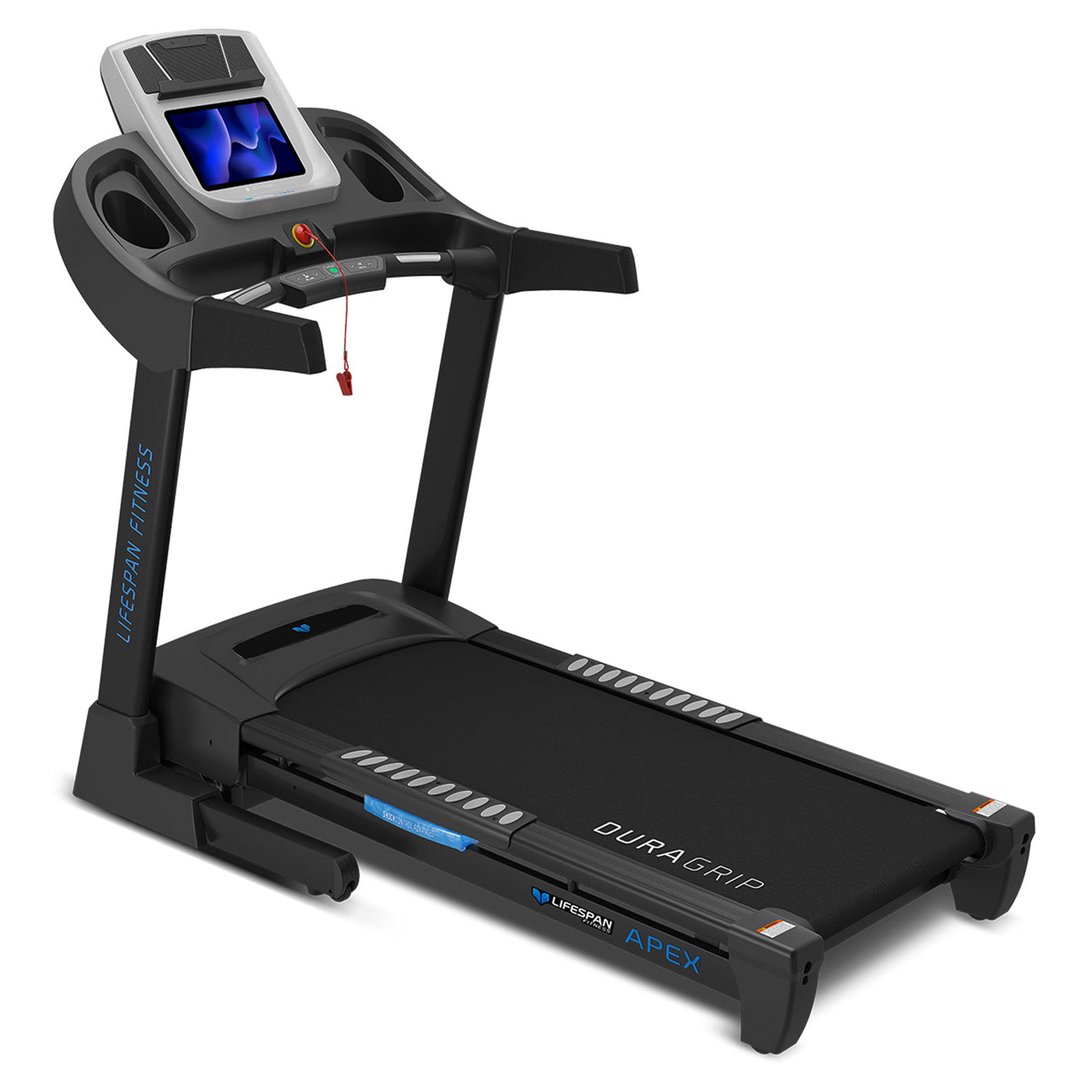
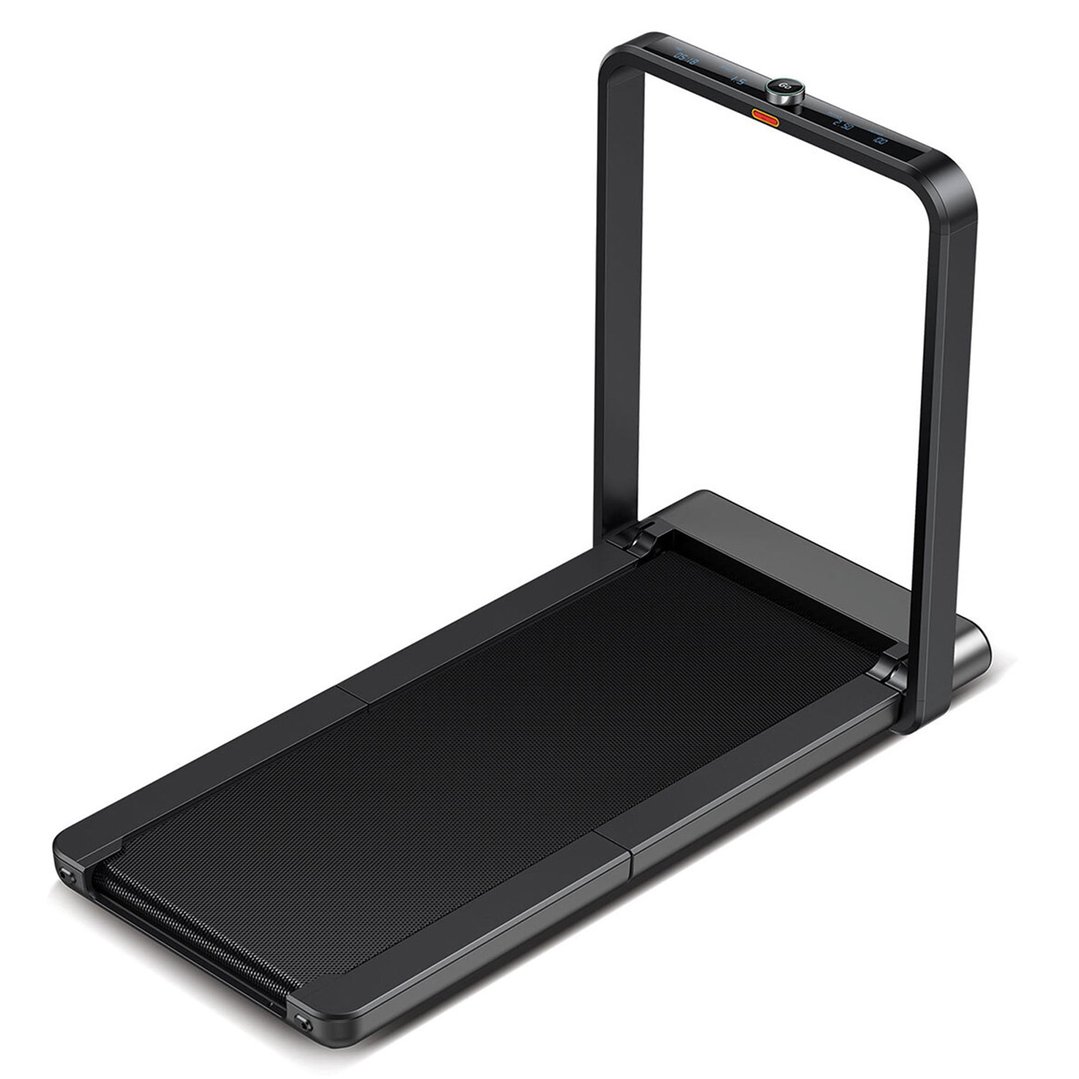
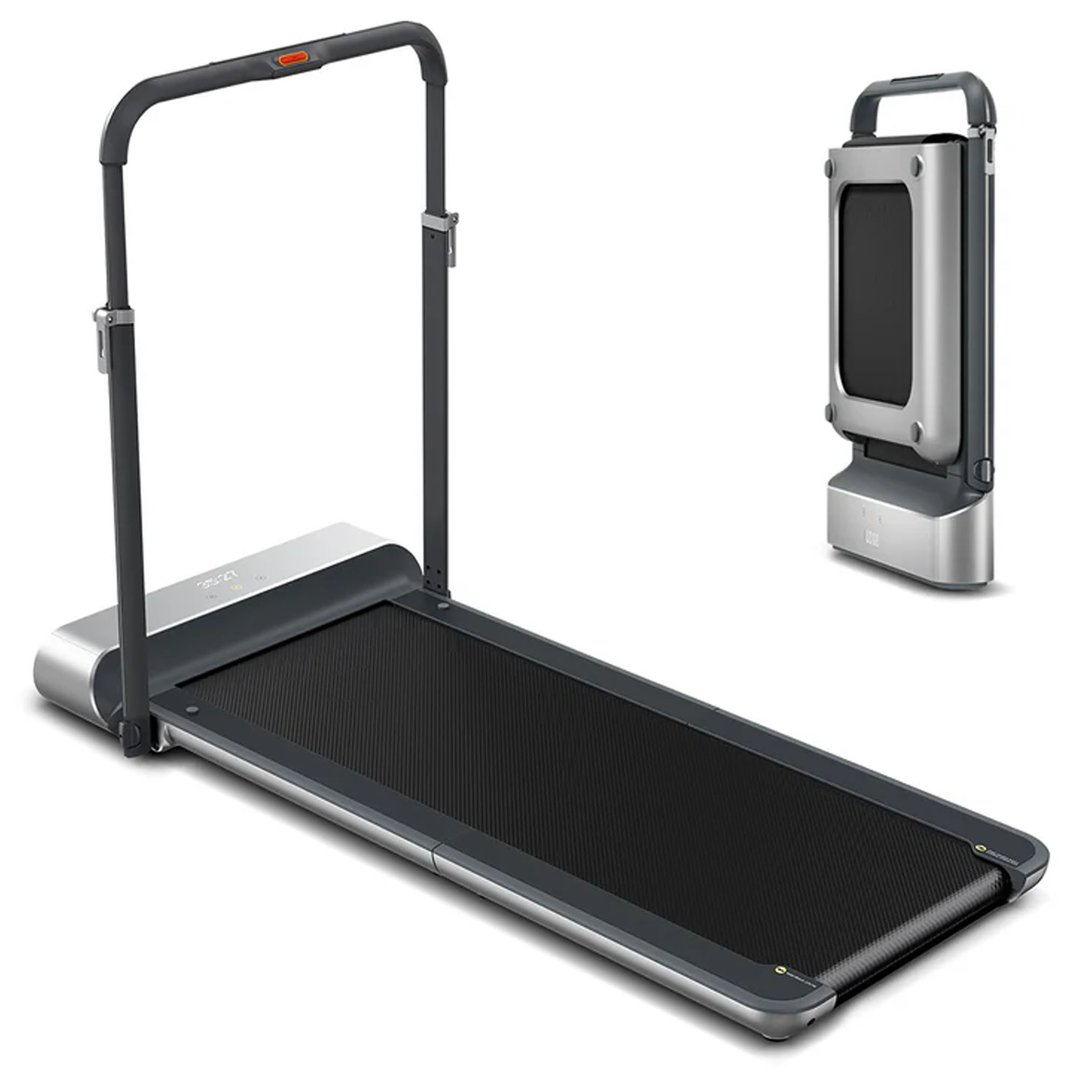
The workout provided by treadmills is cardio-focused, raising your heart rate as you walk or run. One of the most popular pieces of home fitness equipment, treadmills allow you to walk or run in the comfort of your own home regardless of the time of day or the weather outside. Many treadmills offer a choice of speed and incline, allowing you to tailor your workout to your current fitness level and future goals.
WHAT SHOULD YOU LOOK OUT FOR WHEN BUYING A TREADMILL?
When buying a treadmill, you should keep an eye out for the following features:
Speed adjustment controls. For ease of use, look for speed adjustment controls that are simple to use and allow you to switch between pre-set speeds when needed.
Safety keys. An important safety feature, safety keys attach to your clothing while you walk or run and automatically stop the treadmill when pulled. It’s a good idea to choose a model with a safety key to ensure your treadmill stops if you happen to slip or need to stop in a hurry.
Maximum speed. Depending on how you intend to use your treadmill, the maximum speed you’ll require does vary. If you plan to use your treadmill for walking or light jogging, a maximum speed of 10km/h should be adequate. If you’re wanting to spend time running and are looking to increase your speed overtime, look for a maximum speed of at least 16km/h.
Cushioning. If you plan on using your treadmill regularly, look for models with adequate cushioning. Good cushioning can help to protect your joints from unwanted stress and damage.
Incline settings. Adjustable incline settings allow you to tailor the intensity of your workout to your fitness goals. Across most models, a maximum incline of 10% is common, but an incline of 12% or 15% is worth considering if you’re after a serious workout. It’s good to check if the models you’re looking at have a motorised incline adjustment or whether it is manual. Motorised incline adjustments allow you to change the incline while you’re using the treadmill, while manually adjusted inclines require you to stop your workout to change the settings.
Belt width and length. For ease of use, you should look for a model with a belt that’s at least 45cm wide and long enough for you to run at your top speed. It’s also a good idea to check if your chosen model has foot panels on either side of the belt that allow you to stand off the belt, yet still on the treadmill itself.
Horsepower. To ensure your chosen treadmill offers adequate performance, look for a model with at least 2.0hp continuous-duty power.
Popular treadmill brands: BH Fitness


EXERCISE BIKES
WHAT KIND OF WORKOUT DO EXERCISE BIKES PROVIDE?
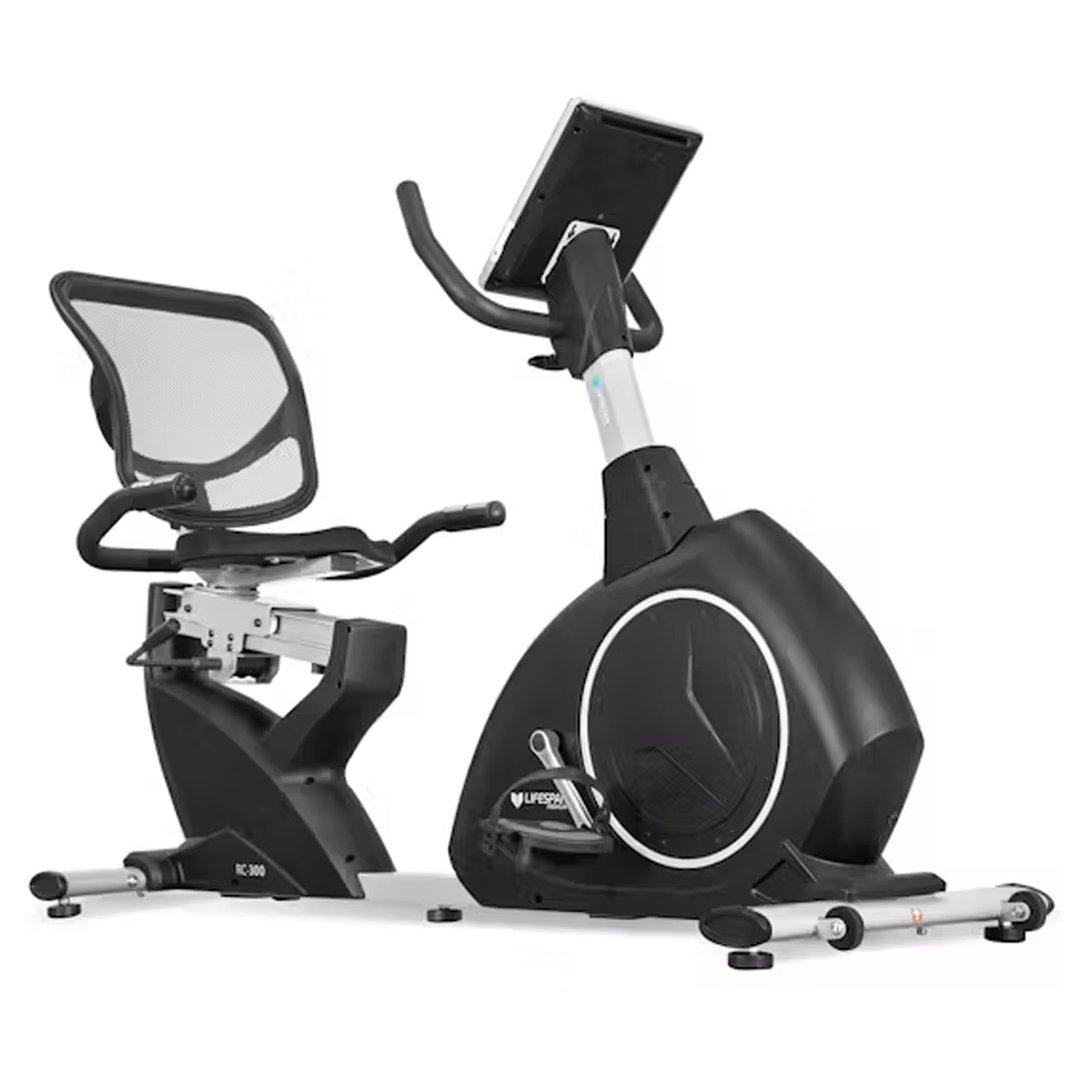
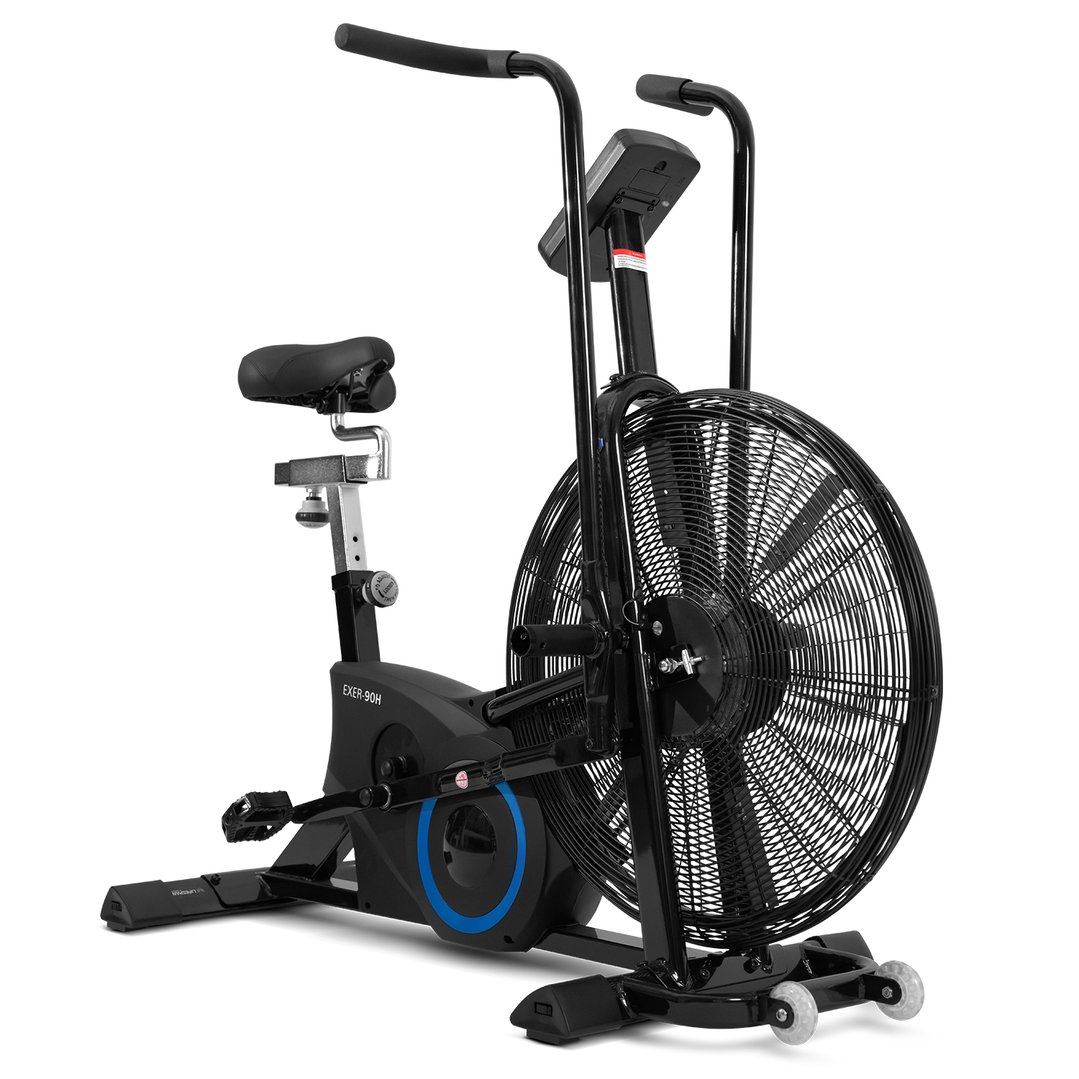
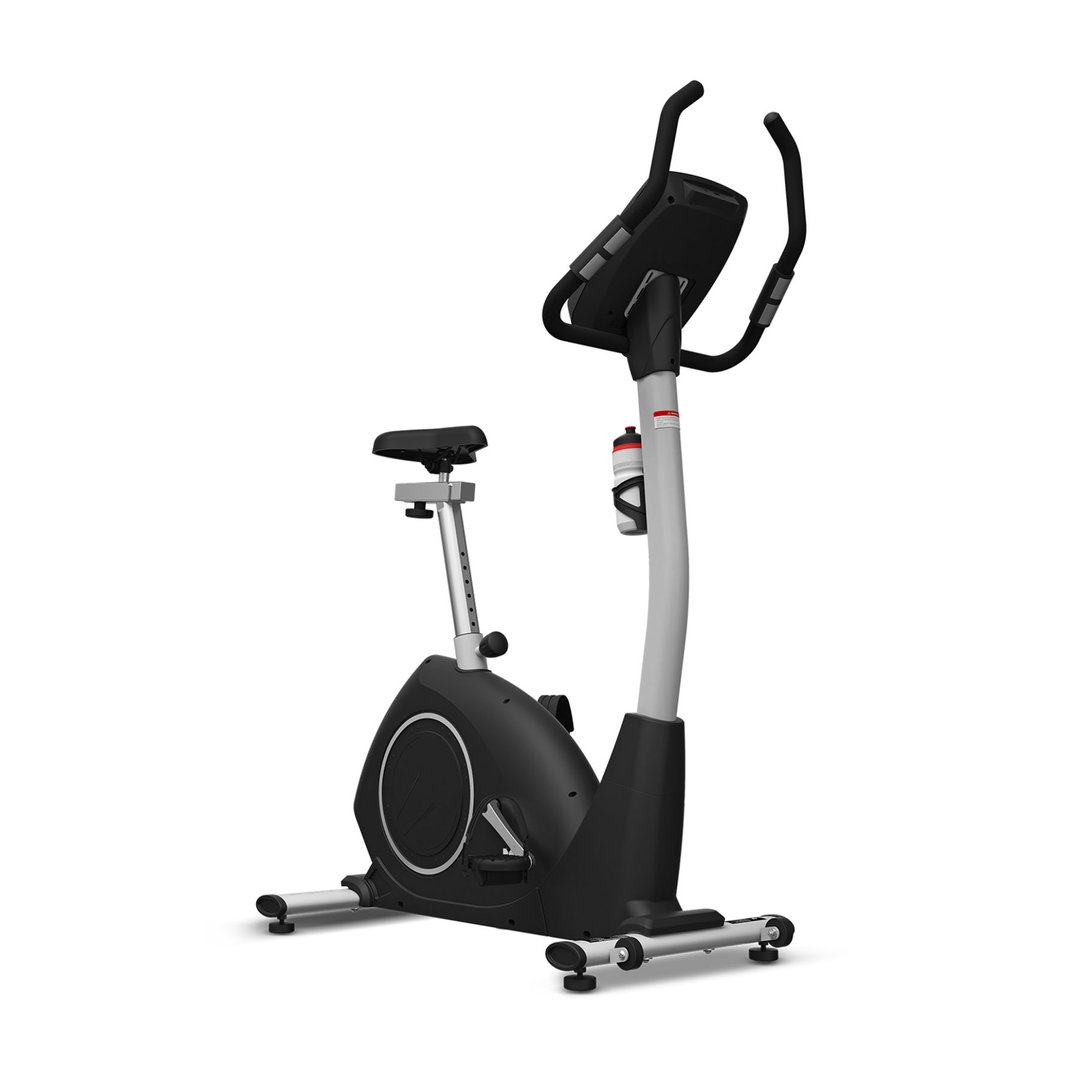
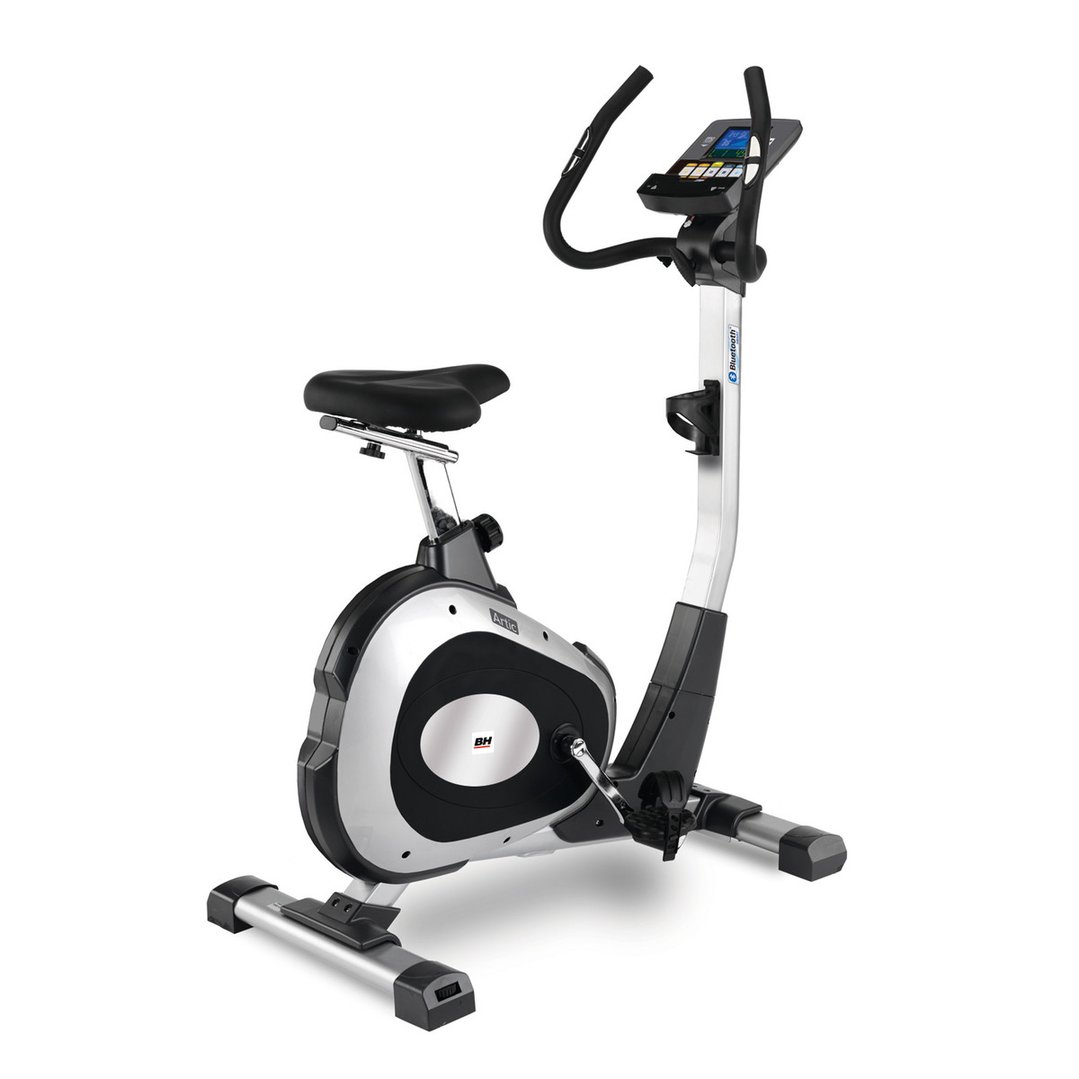
Exercise bikes, also known as spin bikes, offer a cardio-focused workout with some lower body strengthening and toning. With less strain placed on the lower body, exercise bikes are typically gentler on the back and knees. Most models have adjustable resistance settings, allowing you to improve your strength, endurance, or a combination of the two.
WHAT SHOULD YOU LOOK OUT FOR WHEN BUYING AN EXERCISE BIKE?
Comfortable seat. Seeing as you will likely use your exercise bike for a decent length of time per session, it’s important that the seat is comfortable. If possible, try out the exercise bike in person and see how the seat feels as you pedal.
Pedals. Look for models with adjustable pedal straps. Not only will they help to keep your feet in position as you pedal, but a secure strap may also assist you with the upwards pedalling motion.
Adjustable height. Having the option to adjust the height of your exercise bike is important if multiple people are set to use the same equipment. Without this option, others may be uncomfortable, positioned either too close or too far from the pedals and handlebars.
Adjustable settings. Being able to adjust the resistance level of your exercise bike gives you the freedom to tailor your workout to your fitness goals. If you’re wanting to build your strength, higher levels of resistance are key, while for increasing endurance, a lower resistance level is what you’ll be after.
Bike style. Exercise bikes are available in two main styles: upright bikes and recumbent cycles. Recumbent cycles, which allow you to lie back into the seat, place less strain on the back and knees and provide the body with additional support. Upright bikes are the most common and popular type of exercise bike.
Popular exercise bike brands: BH Fitness



ELLIPTICAL TRAINERS
WHAT KIND OF WORKOUT DO ELLIPTICAL TRAINERS PROVIDE?
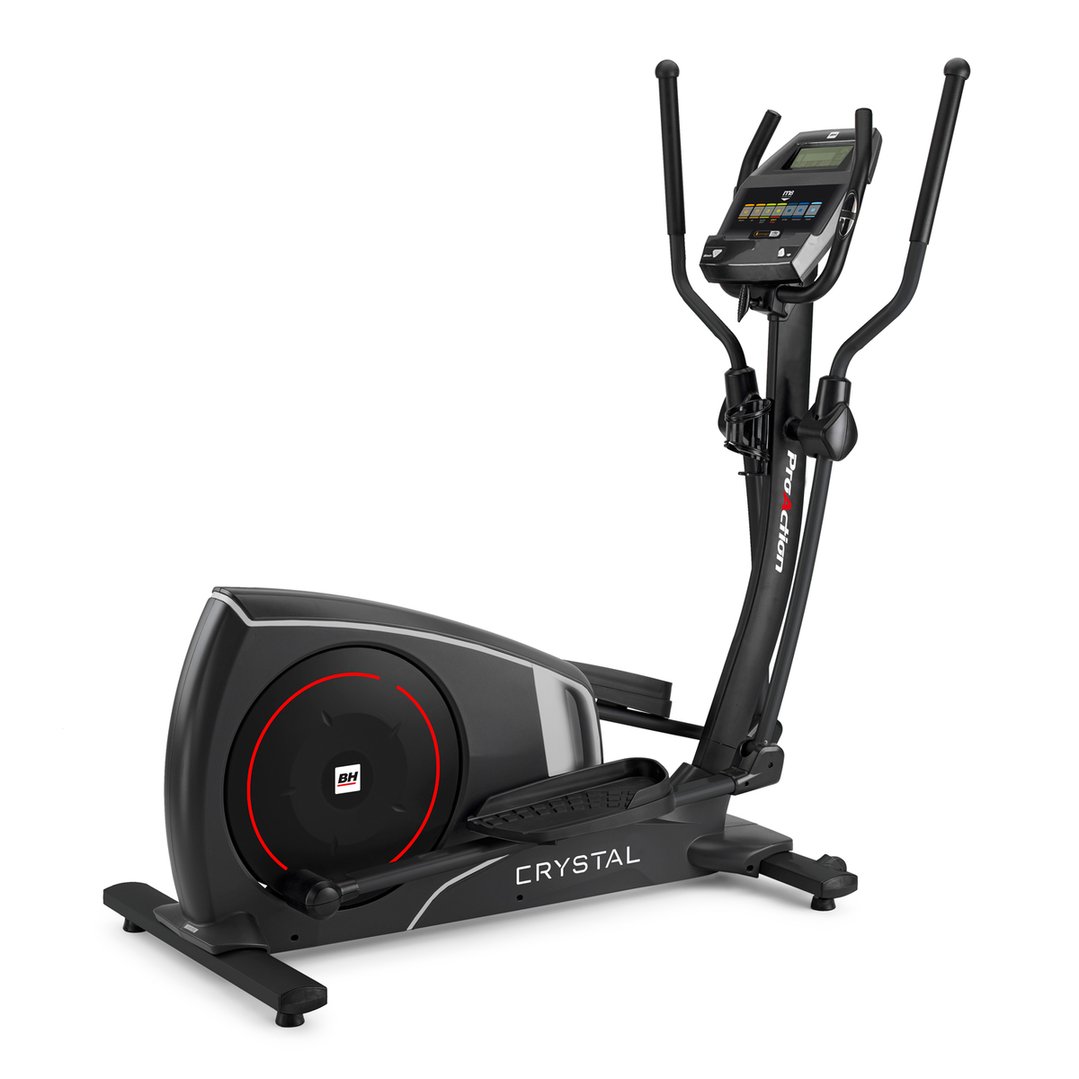
Also known as cross trainers, elliptical trainers offer a workout that combines cardio, strength training and endurance. In addition to a leg workout, the handlebars on elliptical trainers also allow users to get a solid upper body workout. The large pedals on elliptical trainers support your weight and reduce the strain on your joints, making it a good form of low-impact exercise.
WHAT SHOULD YOU LOOK OUT FOR WHEN BUYING AN ELLIPTICAL TRAINER?
Pedals. When comparing models, look for those with pedals that are wide enough to comfortably fit your feet and that have safety rims on both sides. Pedals with these features are generally considered to be a safer option.
Stride length. If you’re planning to share your elliptical trainer with others in your household, it’s important that the stride length of your chosen model is long enough for all users. Taller people may find that the stride length on some models is too short for comfortable use.
Resistance levels. Before buying an elliptical trainer, it’s a good idea to test the resistance levels in person. As a general rule of thumb, your chosen model should have resistance levels that are easy to manage in the present as well as higher levels that will continue to challenge you as your fitness level improves.
Controls. As with any type of home gym equipment, the controls on an elliptical trainer should be easy to understand. Look for models with controls that are easy to use and make accessing different settings simple.
Equipment height. When using an elliptical trainer, your body moves up and down with the movement of the machine. If you’re taller than average, it’s a good idea to measure the height of your ceilings to avoid hitting your head when exercising. Handles. Some models of elliptical trainers have both fixed and moving handles. It’s a good idea to check that when holding the fixed handles that the moving handles don’t hit your arms.
Popular elliptical trainer brands: BH Fitness

OTHER TYPES OF HOME GYM EQUIPMENT
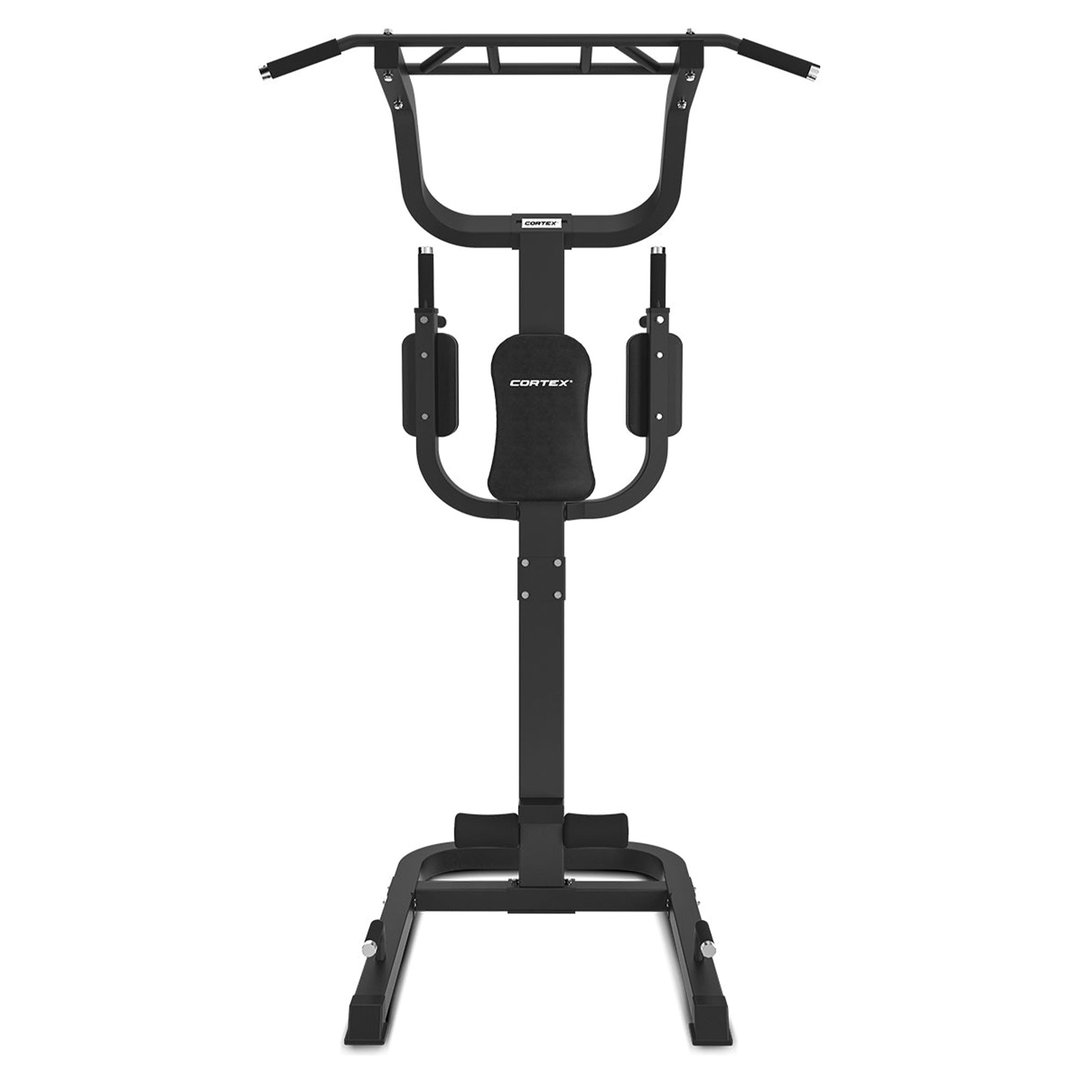
In addition to treadmills, exercise bikes and elliptical trainers, you’ll find a range of other home gym equipment on the market. Some of the most popular pieces of equipment include:
Dumbbells, barbells and medicine balls. Although they are different types of weights, dumbbells, barbells and medicine balls are all used to exercise muscle groups throughout the body, from the arms and shoulders to the thighs and calves. They are versatile and can be used in a variety of ways to achieve different results.
Rowing machines. Primarily used for cardio exercises, rowing machines also help to strengthen the arms, legs and core as you recreate the fluid movement commonly used by rowers in the comfort of your own home. Most models come with a variety of resistance levels, allowing you to customise your workout. Several different types are available, including magnetic rowing machines, water rowing machines and air rowing machines.
Bench presses. Allowing users to build upper body strength, bench press sets consist of a bench for laying flat or at an incline, a stand for dumbbells and a set of dumbbells and barbells. When laying flat on the bench or at an incline, users enjoy full motion of their arms and shoulders, allowing them to work on their triceps, shoulders and pectoral muscles.
Multi-gyms. Perfect for those seeking a full body workout, multi-gyms are designed in such a way that allows you to enjoy a variety of exercises using one machine. Although the equipment incorporated may vary from model to model, you may enjoy weights-based exercises such as leg curls, lat pulldowns and more.
FEATURES TO LOOK OUT FOR
Size. If, like many of us, you don’t have a room that’s dedicated solely to your home gym equipment, it’s important to investigate whether the models you’re interested in can be folded up and stored out of sight. Some pieces of equipment, such as treadmills, require a decent amount of floorspace when in use, so be sure to take this into consideration too. Some compact treadmill models are available, as are compact exercise bikes, and may be worth investigating if you’re tight on space.
Settings and programs. Having the choice of a variety of different settings and programs can help to keep your workouts interesting.
Progress monitors. Although they may not be crucial to the operation of your home gym equipment, progress monitors help to keep you motivated as you exercise, indicating how long you’ve been working out, your heart rate, the intensity of your workout and an estimate of the calories or kilojoules expended.
Futureproofing. To help ensure the longevity of your home gym equipment, choose a model that has settings that you can use now and others that will continue to challenge you into the future. If you don’t take this into consideration, you may need to purchase a different model sooner than you may have planned.
Warranties. If you plan to use your home gym equipment regularly, it’s a good idea to choose a model that has a decent warranty. As with any item, with regular use, you may find that parts may need replacing. A good warranty should cover any repairs that are required within the warranty period.
Stability and quality. The quality and stability offered by different makes and models of home gym equipment does vary. If possible, try out the models that you are considering in person to see whether they feel stable and are of high enough quality for your needs.
Noise. It’s a good idea to see how loud each machine is before you commit to making a purchase. Depending on where in your home you plan to use the equipment, the amount of noise generated could be a key consideration.
Load limits. Different models of home gym equipment have been designed to cater to different user weight limits. Choosing a model that isn’t suited to the actual user weight could cause injury to both the user and the equipment over time. Although models with a higher maximum user weight may be more expensive, it is well worth the investment in the long run.
Portability. Although it may not be essential for all home gym equipment owners, being able to easily move your equipment around your home can be important if you’re tight on space. As with any bulky purchase, it’s important to measure your doors and your chosen model before buying to ensure it’ll fit in your home.