Buying Guides
Fan Buying Guide

As the days and nights start to get warmer, you might be looking for the best cooling solution for your home. Whether you’re wanting something small to cool your desk at work or are seeking a way to make your living space a little more comfortable as the mercury rises, you’ll find a variety of different fans on the market. To make shopping for a new fan easier, we’ve explored the different types of fans available, detailing their main features and best applications.




TYPES OF FANS
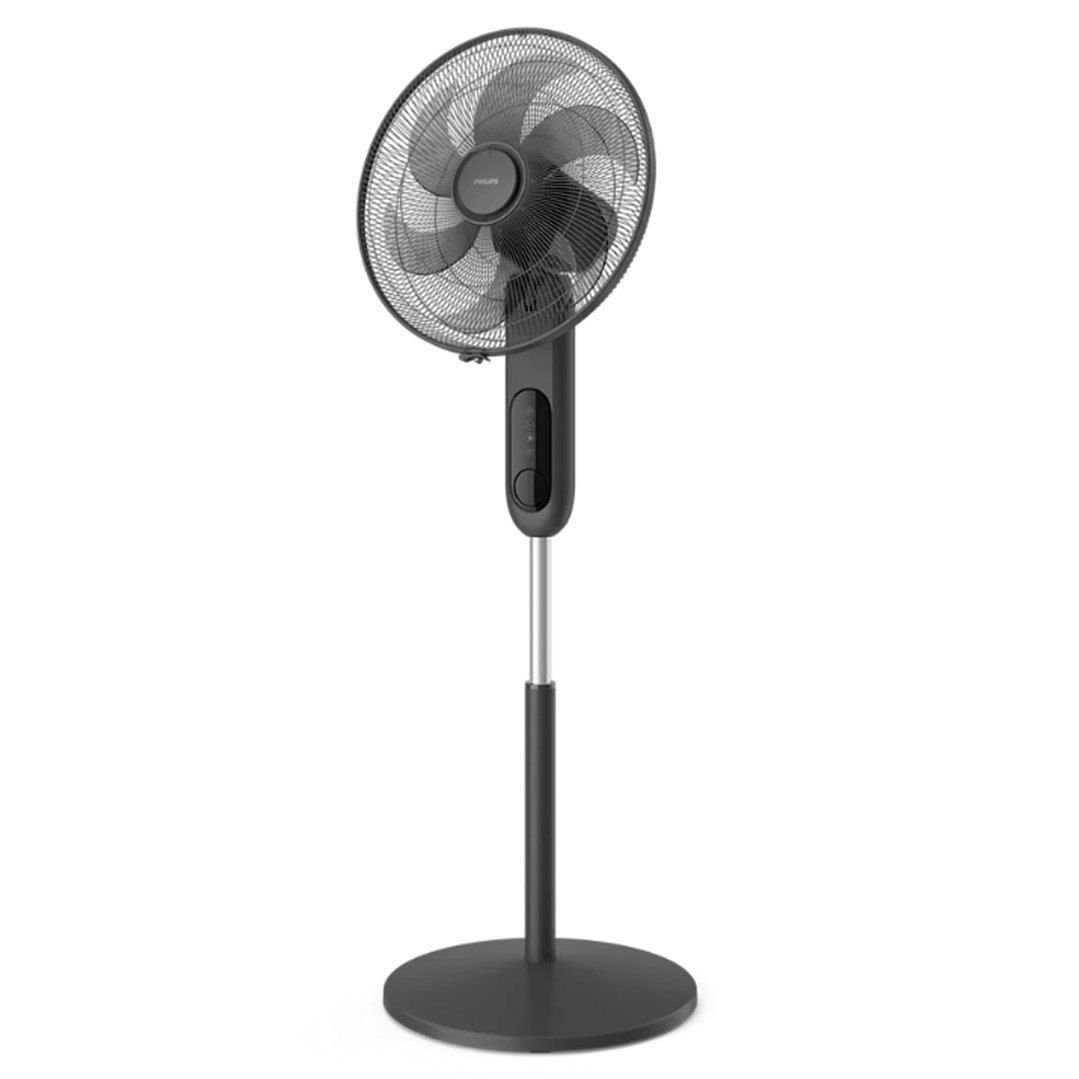
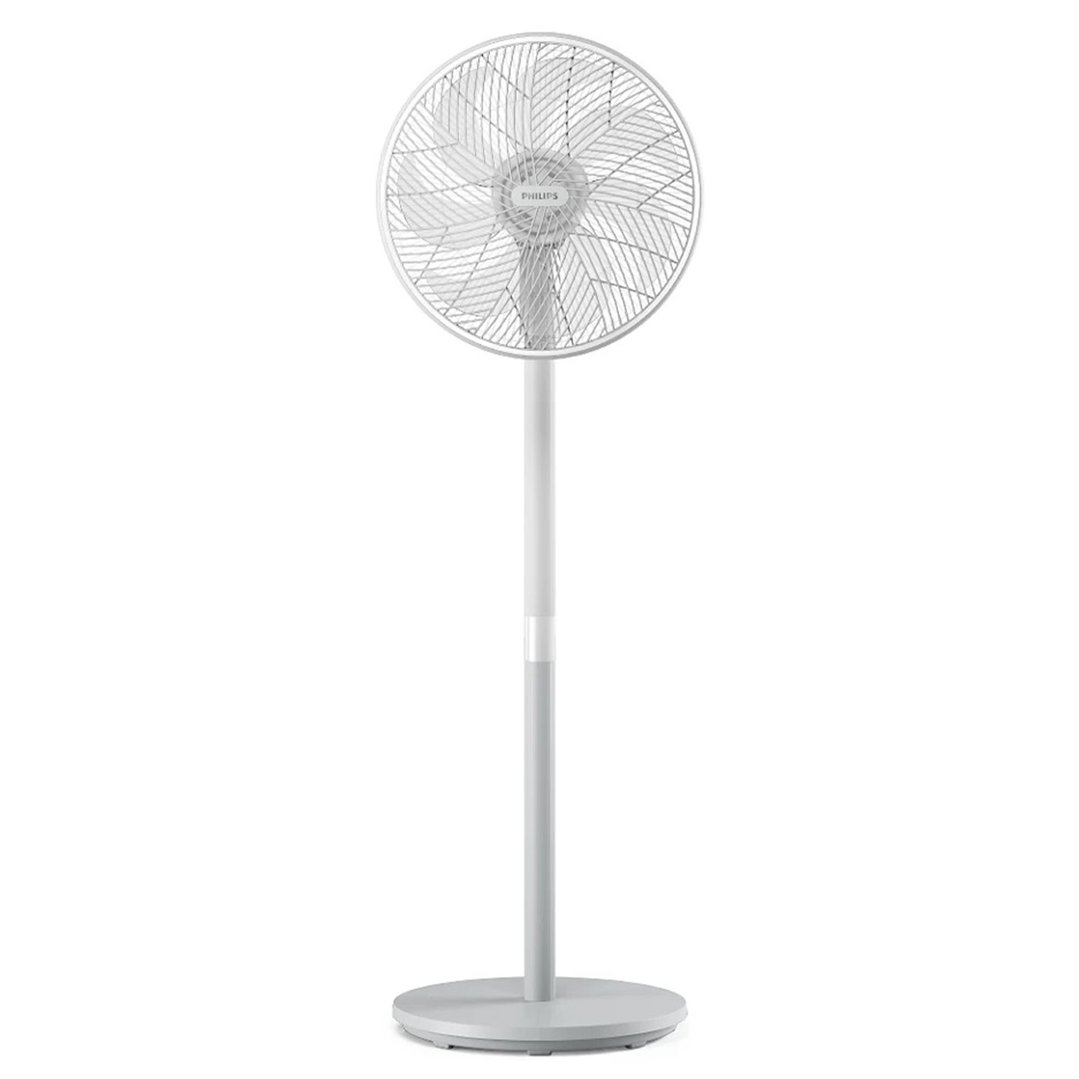
PEDESTAL FANS
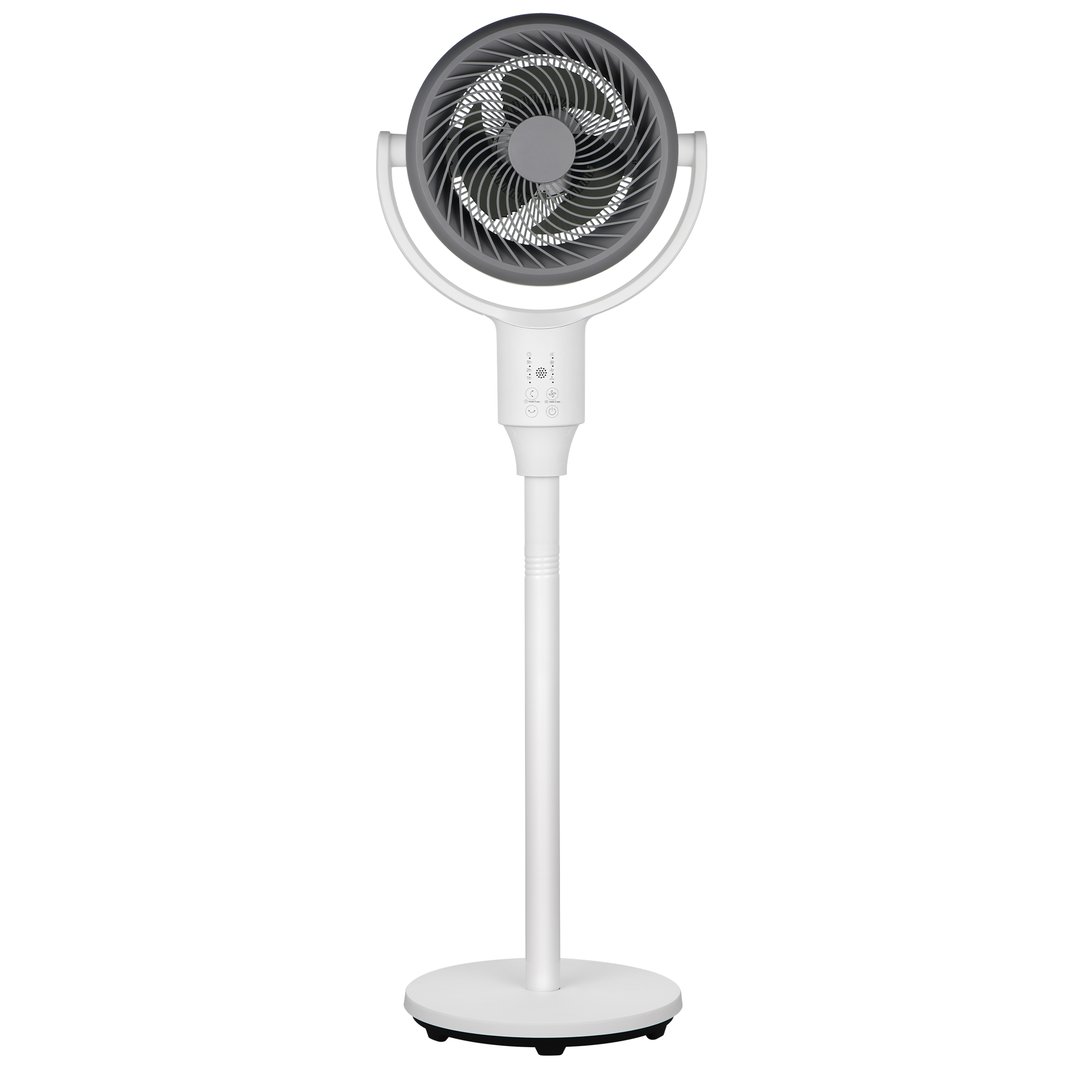
Best suited to small to medium size rooms, pedestal fans often have large blades that help to disperse cool air around the room. Quite similar in style to floor fans, the blades on this type of fan are encased in a housing that is positioned on a tall stand.
Most pedestal fans are height-adjustable, making them a good choice for many different applications around the home.
Look for pedestal fan models with an oscillating function to allow for a wider field of cooling and variable speed settings to make it easier to adjust airflow.
Standing at just above bed height, pedestal fans are one of the best fans for the bedroom.
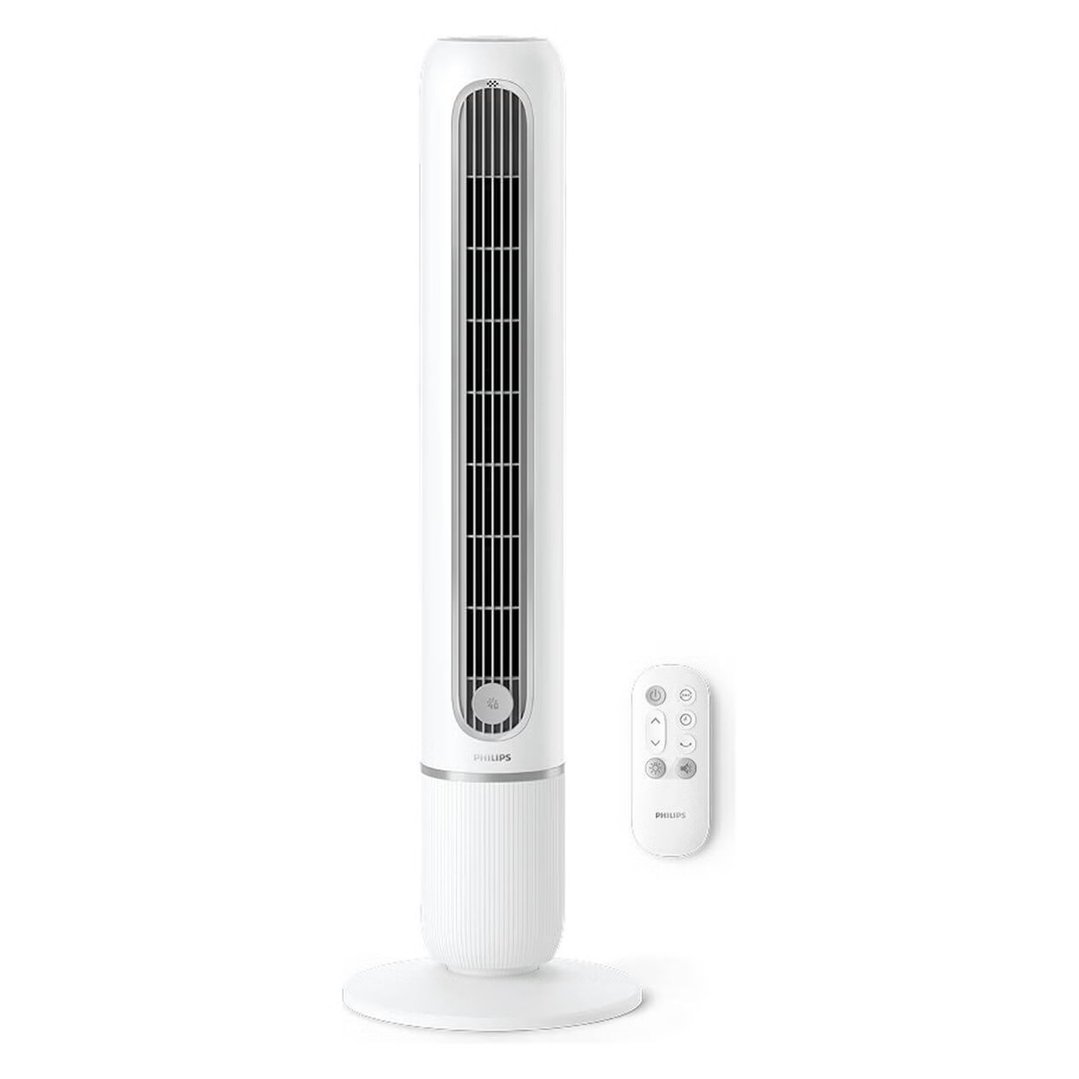
TOWER FANS
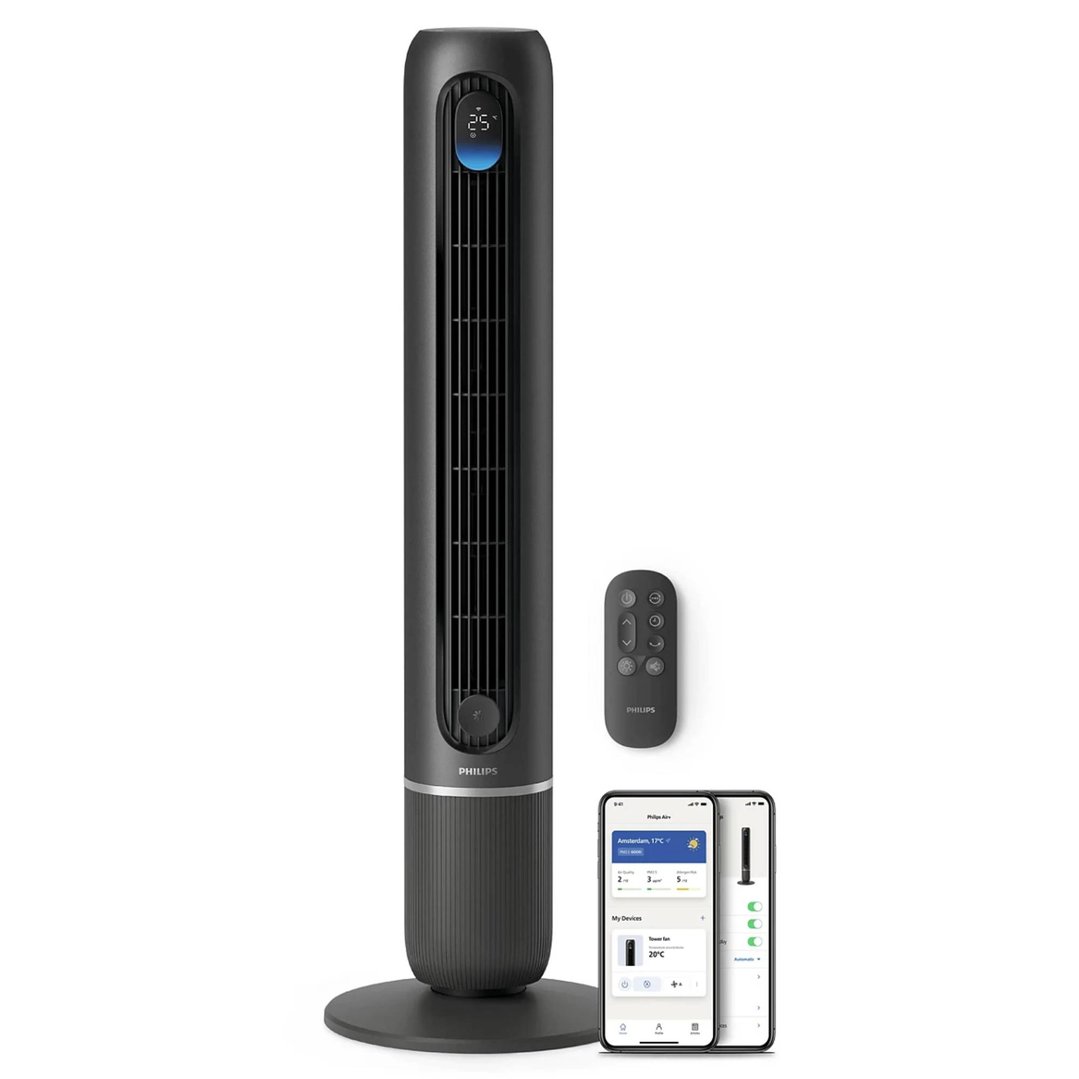
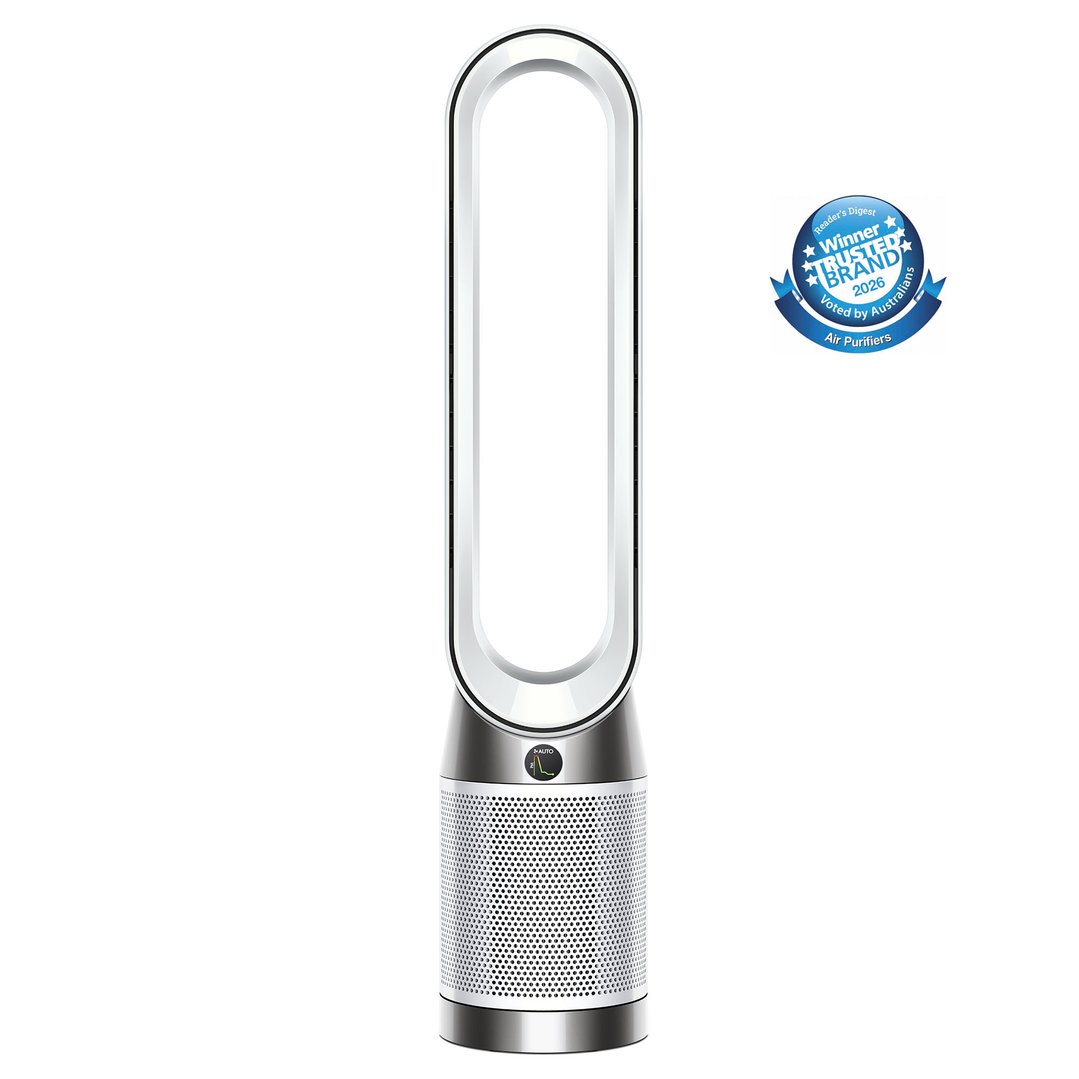
A good choice if you’re wanting to cool a medium to large size room, tower fans are a compact cooling solution. Despite their small footprint, tower fans tend to offer quite powerful airflow and are often equipped with oscillation settings that help to spread cooled air across a wider area.
Fan blades are often better concealed than some other types of fans, making them a better choice for homes with pets and small children.
Their tall, thin shape makes them a good choice for smaller rooms, saving precious floorspace.
If you are purchasing a tower fan to use in various areas of your home, look for a model with a carry handle to make transportation easier.
Popular tower fan brands: Dyson, Excel Air
BOX AND FLOOR FANS
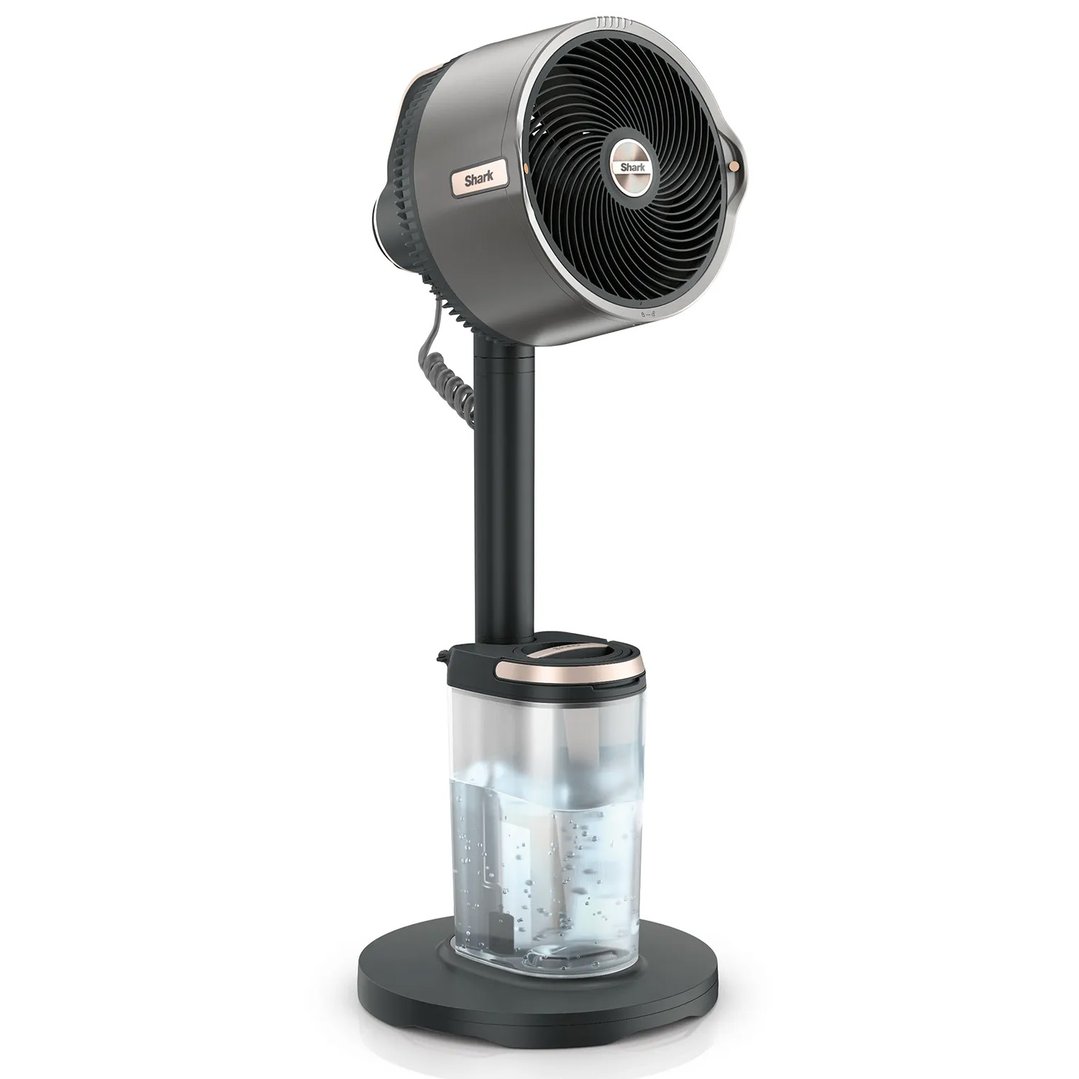
Typically larger than a standard desk fan, box and floor fans are able to cool a variety of different sized rooms. Free of a pedestal-type stand, box and floor fans are positioned on the ground when in use and are often smaller in size than a standard pedestal fan. Box fans are usually square in shape, while floor fans tend to be similar in shape to a pedestal fan but missing the taller stand.
Floor fans can often be titled and adjusted to allow you to find the right angle.
The blades of box and floor fans may be in easier reach of children and pets, especially when positioned on the floor. They may not be the best fan for use in a home with small children and inquisitive pets.
Good for use in seating and dining areas, providing airflow above floor level.
Look for a model with a high velocity motor and an oscillating head to enjoy more efficient cooling.
Popular box and floor fan brands: Excel Air
DESK FANS
Ideal for personal use, desk fans are a good choice for targeted cooling, particularly in the office. They are small and compact and, as such, are not effective in cooling a space larger than a small room.
Considering that desk fans are primarily used on a table top, it’s important to find a model that does not take up too much space in your work area.
Look for models that run quietly as you do not want the added distraction, particularly in the office. If noise is an issue for you, a bladeless desk fan may prove to be a good option.
BLADELESS FANS
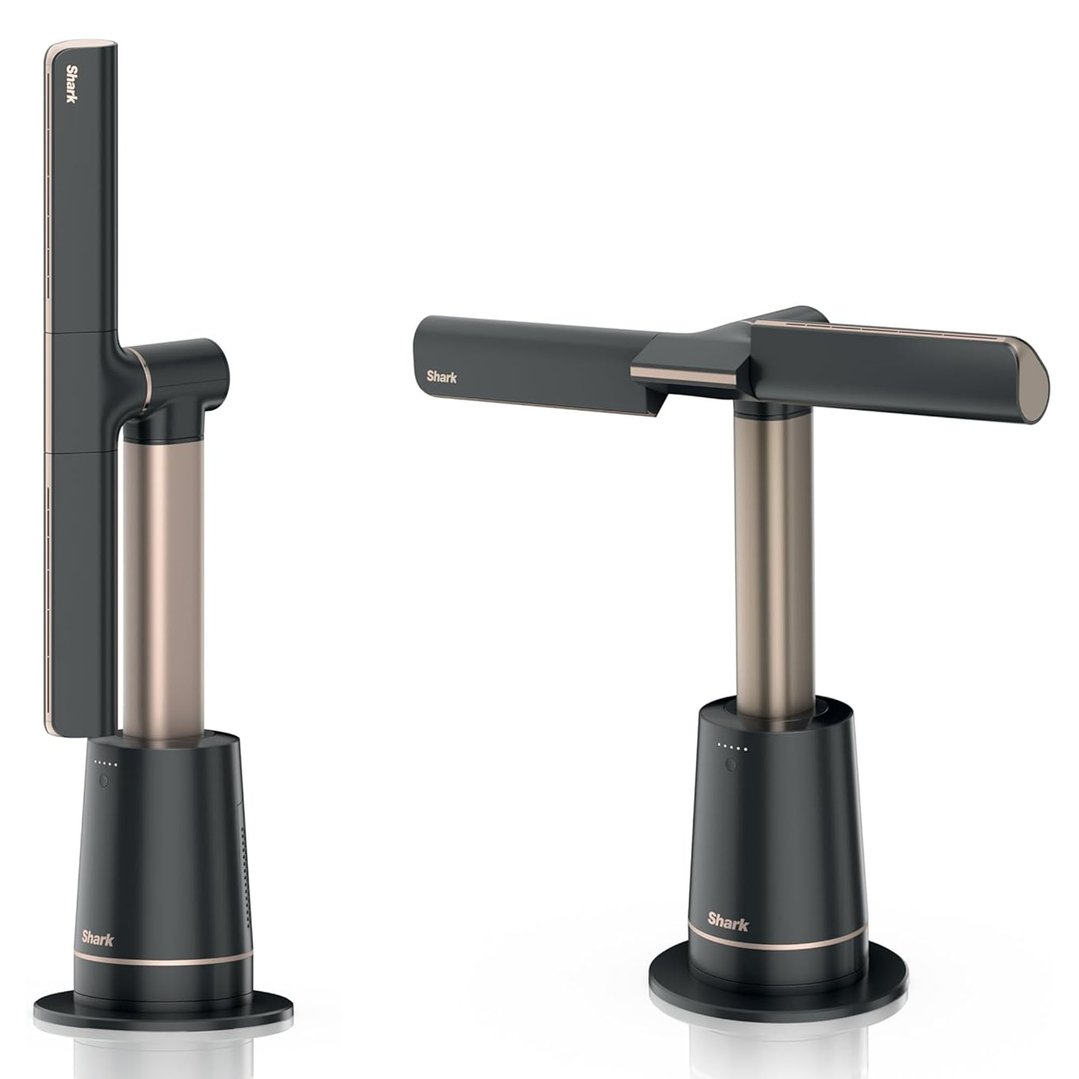
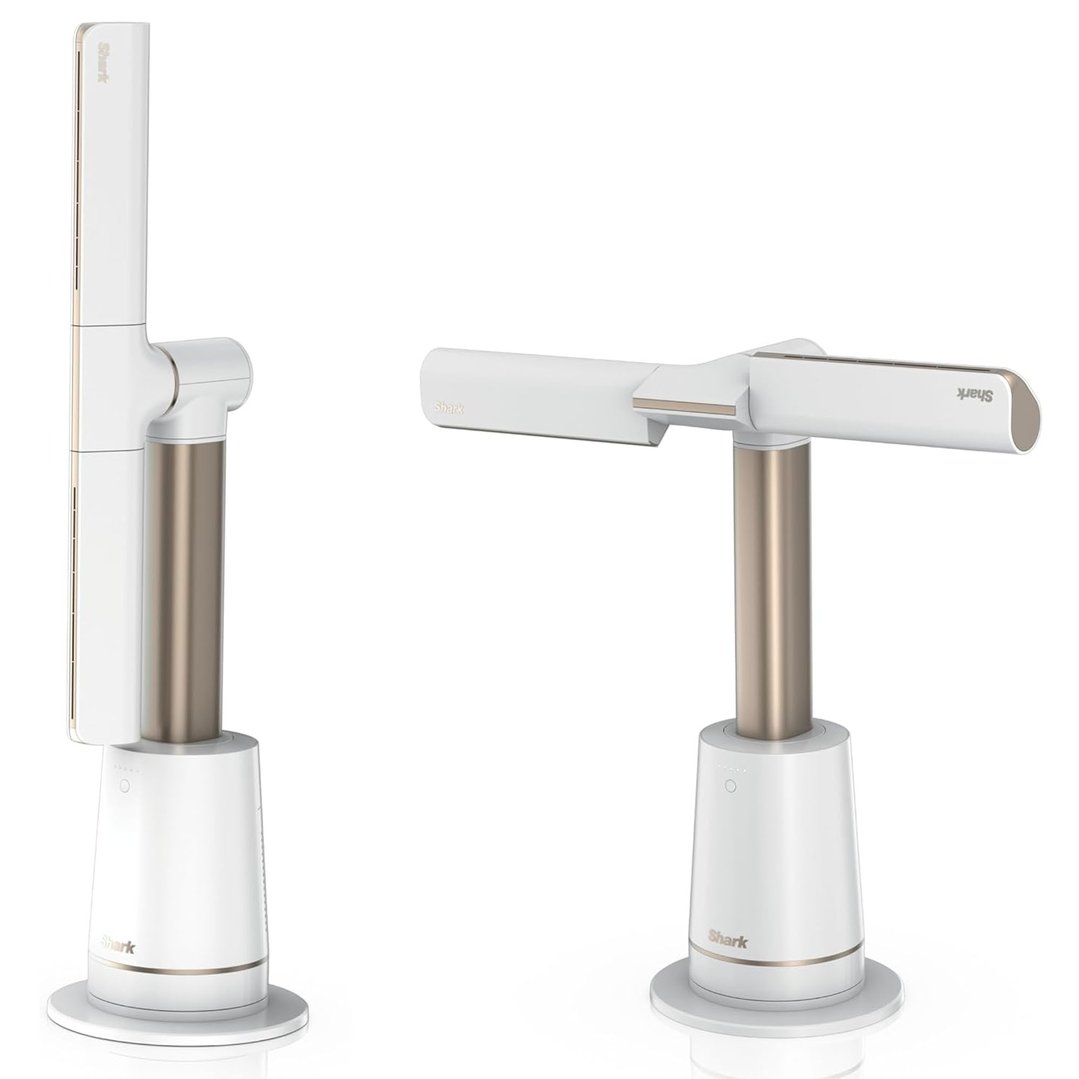
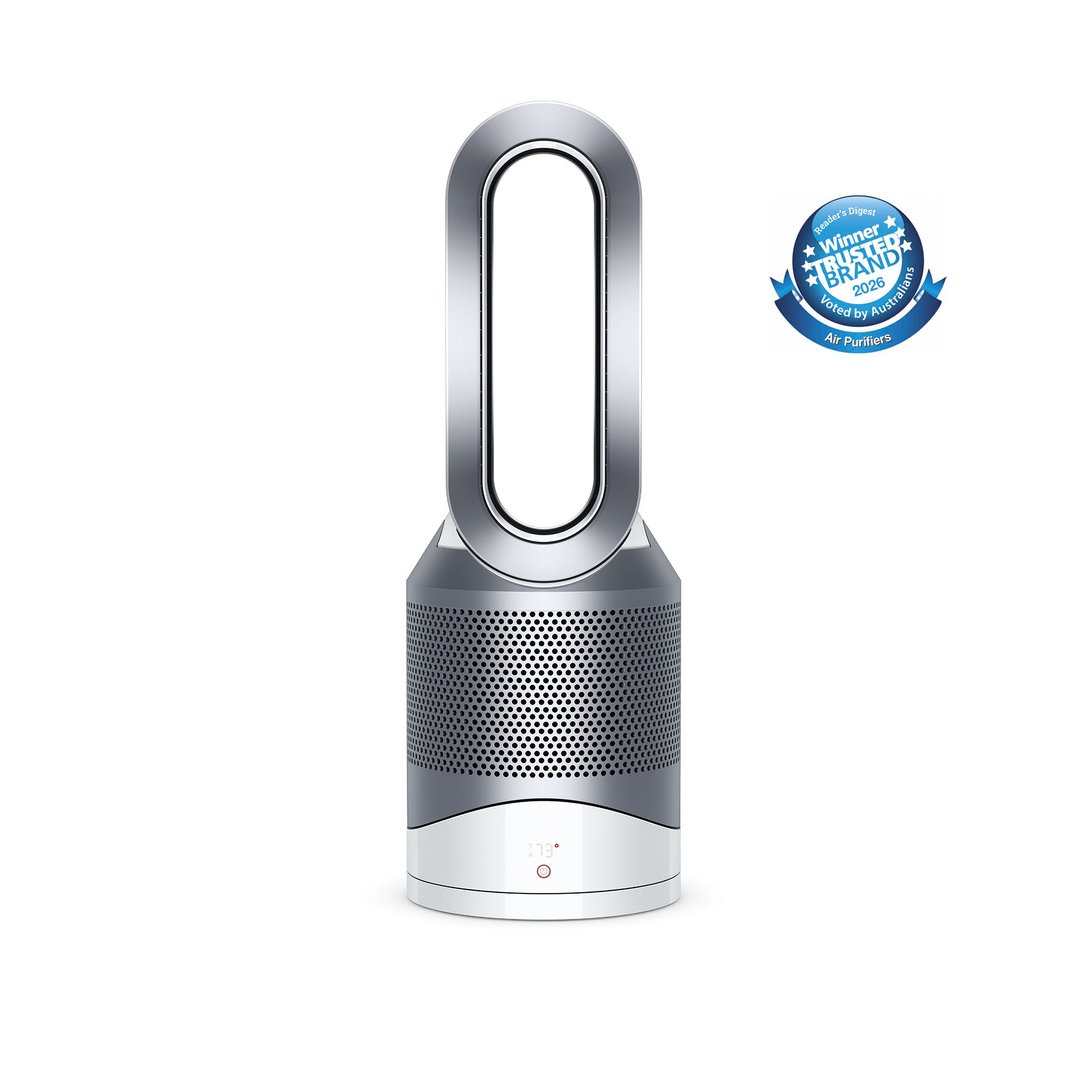
While bladeless fans do technically have blades, they are hidden out of sight in the fan’s base. Offering a safer and sleeker design than many other types of fans, bladeless fans have become a popular addition to the modern family home.
They can be a safer option for use around children and pets as there are no external blades that may cause injury.
Bladeless fans tend to be sleeker in design than other types of fans, meaning that they may better complement contemporary home decor.
Without accessible blades, bladeless fans are often faster and easier to clean.
Compared to tower and pedestal fans, bladeless fans do tend to be more expensive.
Popular bladeless fan brands: Dyson
WHAT'S THE BEST FAN FOR YOUR NEEDS?
SMALL ROOM FANS
If you are looking to cool a smaller room or a select space within a room, you may look to purchase a desk fan or a tower fan. Both take up minimal space, but provide different levels of cooling. Desk fans target just a small area, while tower fans generally offer a greater amount of cooling power despite their discreet footprint. For a small room, such as a bedroom, a pedestal fan, may also be a good choice as its height can be adjusted, allowing for a customisable cooling solution. Smaller bladeless fans are also well suited to compact spaces.
MEDIUM TO LARGE ROOM FANS
When it comes to cooling a medium to large room, there are plenty of great options available. Tower fans and pedestal fans are both popular choices, offering powerful cooling, while box fans and floor fans are a good option when you’re wanting to cool seating or dining areas. If you have pets or children in your household, or are looking for a fan with a sleeker design, a bladeless fan could be a choice for you.
HOW MUCH WILL YOUR COOLING COST?
Portable and convenient, fans are often far cheaper to run when compared to a standard air conditioner. The running costs of a fan depend on the type of fan, the setting in use, the appliance’s wattage and how long the fan is in use for daily. We’ve calculated the following running costs based on a standard electricity usage rate of 30c per kWh. We have also assumed that each fan type is in use for 6 hours a day over a 90 day period (540 hours in total). Please note that these figures are estimates only, with the actual running costs of your fan depending on factors such as the cost of electricity in your area and how energy efficient your fan may be.
| Setting | Watts (W) | Hourly Cost | 90 Day Running Cost |
| High | 70W | $0.02 | $11.34 |
| Medium | 55W | $0.01 | $8.91 |
| Low | 35W | $0.01 | $5.67 |
| Setting | Watts (W) | Hourly Cost | 90 Day Running Cost |
| High | 100W | $0.03 | $16.20 |
| Medium | 82W | $0.02 | $13.28 |
| Low | 54W | $0.01 | $8.75 |
| Setting | Watts (W) | Hourly Cost | 90 Day Running Cost |
| High | 30W | $0.009 | $4.86 |
| Medium | 18W | $0.005 | $2.92 |
| Low | 9W | $0.003 | $1.46 |
| Type | Watts (W) | Hourly Cost | 90 Day Running Cost |
| Tower | 40W | $0.01 | $6.48 |
| Desk | 31W | $0.009 | $5.02 |
FEATURES TO LOOK OUT FOR
Noise. Whether you plan to use your fan in the living room, on your work desk or in your bedroom, it’s important to consider the amount of noise that your chosen fan will make. If noise is a concern for you, look for models with dedicated night modes or that specifically mention lower noise levels.
Modes and fan settings. Choosing a fan with adjustable settings and a variety of modes gives you more control over your cooling, allowing you to select the right option for the setting.
Oscillation. Oscillation functions help to increase the size of the area cooled by a fan. This feature may help to cool spaces faster than static airflow.
Height and angle adjustability. Having the option to adjust your fan’s height and the angle of airflow gives you the power to customise your fan to your needs and the room it will be used in.
Remote control. Rather than needing to get up to adjust your fan’s settings, a remote control allows you to do so from the comfort of your bed, couch or chair.
Height and angle adjustability. Having the option to adjust your fan’s height and the angle of airflow gives you the power to customise your fan to your needs and the room it will be used in.
Timer. Timers allow you to run your fan for a specified period of time. This can be handy if you prefer your fan doesn’t run all night, but would still like to be cooled as you fall asleep.
Display. Although not essential, electronic indicators can be useful, allowing you to easily see which setting your fan is currently on.
Weight. If you plan to move your fan to different locations throughout your home, you may want to consider looking for a lightweight model that’s easier to carry.
Carry handles. If you’re wanting to use your fan in various locations around your home, look for a model with an inbuilt carry handle to make moving the appliance easier.
Protective cage. If you have small children or pets in your home, a protective cage around the fan’s blades helps to prevent any unwanted accidents.