Buying Guides
Blender and Juicer Buying Guide

Thinking about adding a blender or juicer to your kitchen setup? Whether you’re wanting to save money on fresh juices, smoothies and shakes, or are wanting to take your home cooking to the next level, you’ll find a wide range of blenders and juicers to choose from. With each appliance offering very different functions and uses, we’ve created a buying guide to make shopping for your new kitchen appliance easier. Discover more about the different types available, features to look out for and more.
WHAT DOES A BLENDER DO?
Blenders are a type of kitchen appliance that uses fast moving blades to combine or puree ingredients. They can be used to prepare a wide variety of foods, from smoothies and milkshakes to sauces, soups and more. Although blenders are typically used with a combination of wet and dry ingredients, both may also be blended on their own.
Popular blender brands: Sunbeam, Breville, Ninja, NutriBullet
TYPES OF BLENDERS
STANDARD BLENDERS
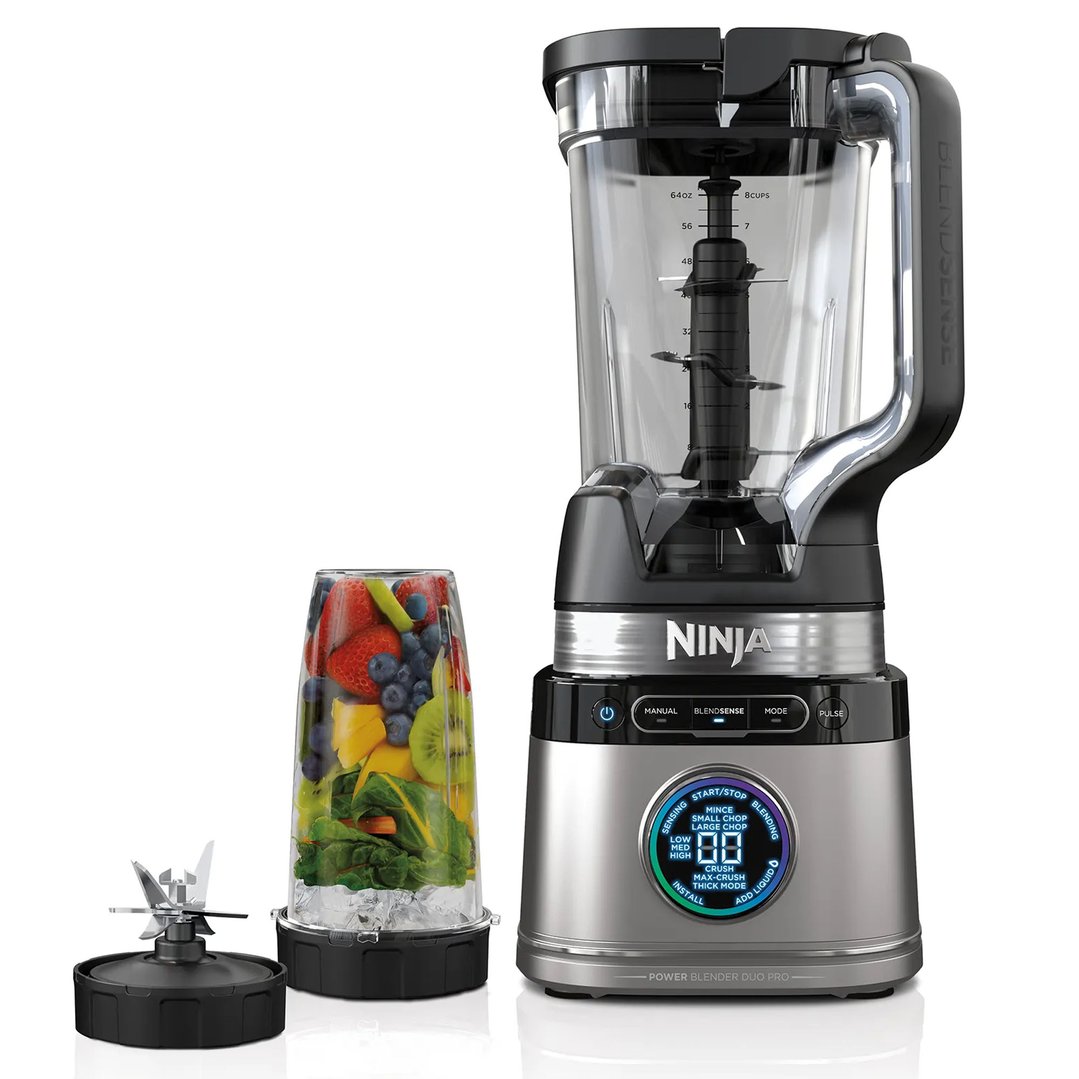
The most common type of blender, standard blenders are a common fixture of most family homes. They are versatile, holding enough power to perform a wide range of functions, from blending and combining solids with liquids to crushing harder food items.
Many standard blenders often have a jug capacity of up to 2 litres, providing adequate room to prepare a large amount of food or beverages.
Generally quite budget-friendly, although often more expensive than stick or single-serve blenders.
Can be used for a variety of applications, from making smoothies to blending soups.
Some models feature an assortment of speeds and settings, allowing you to customise the blending action to your needs.
Typically more powerful than stick or single-serve blenders.





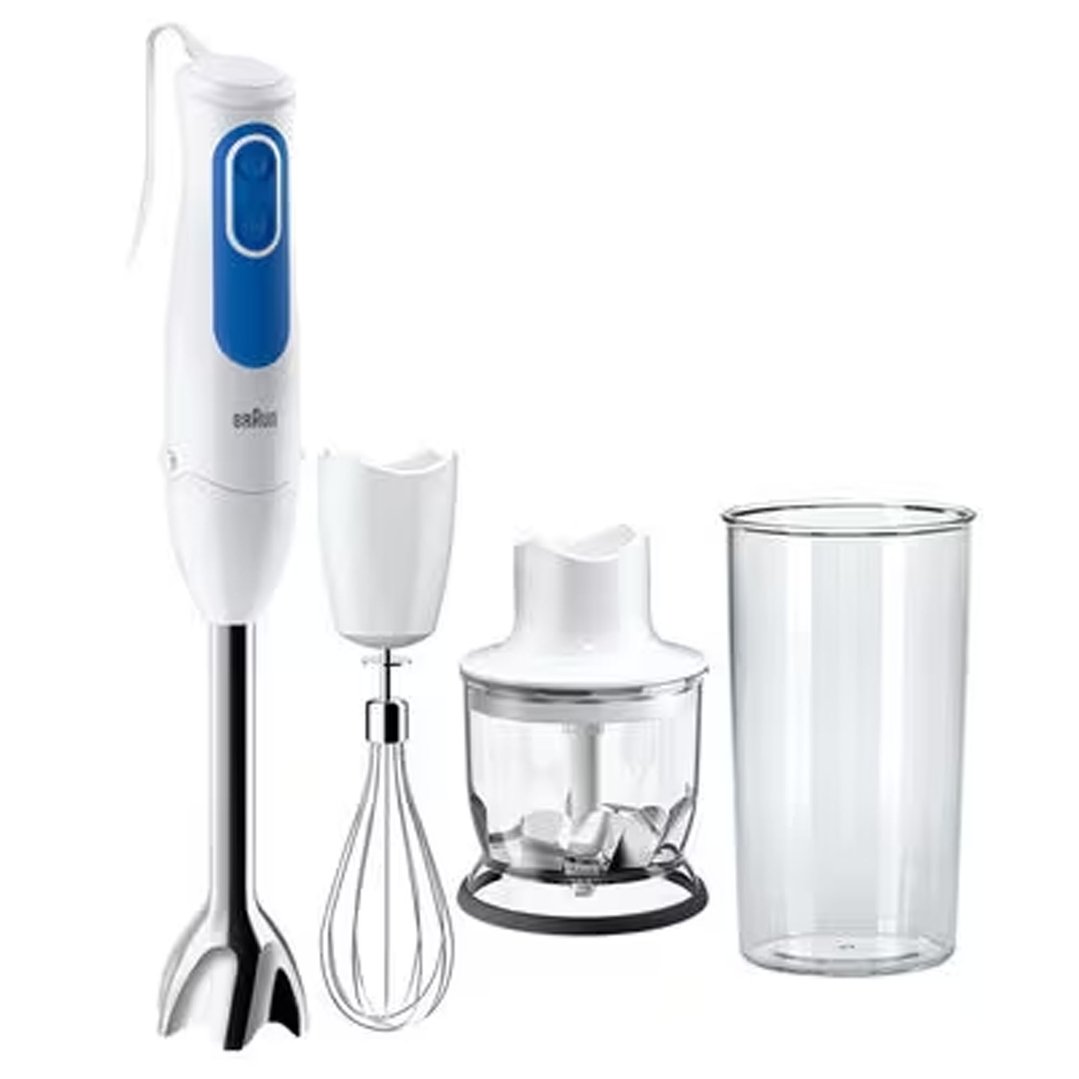
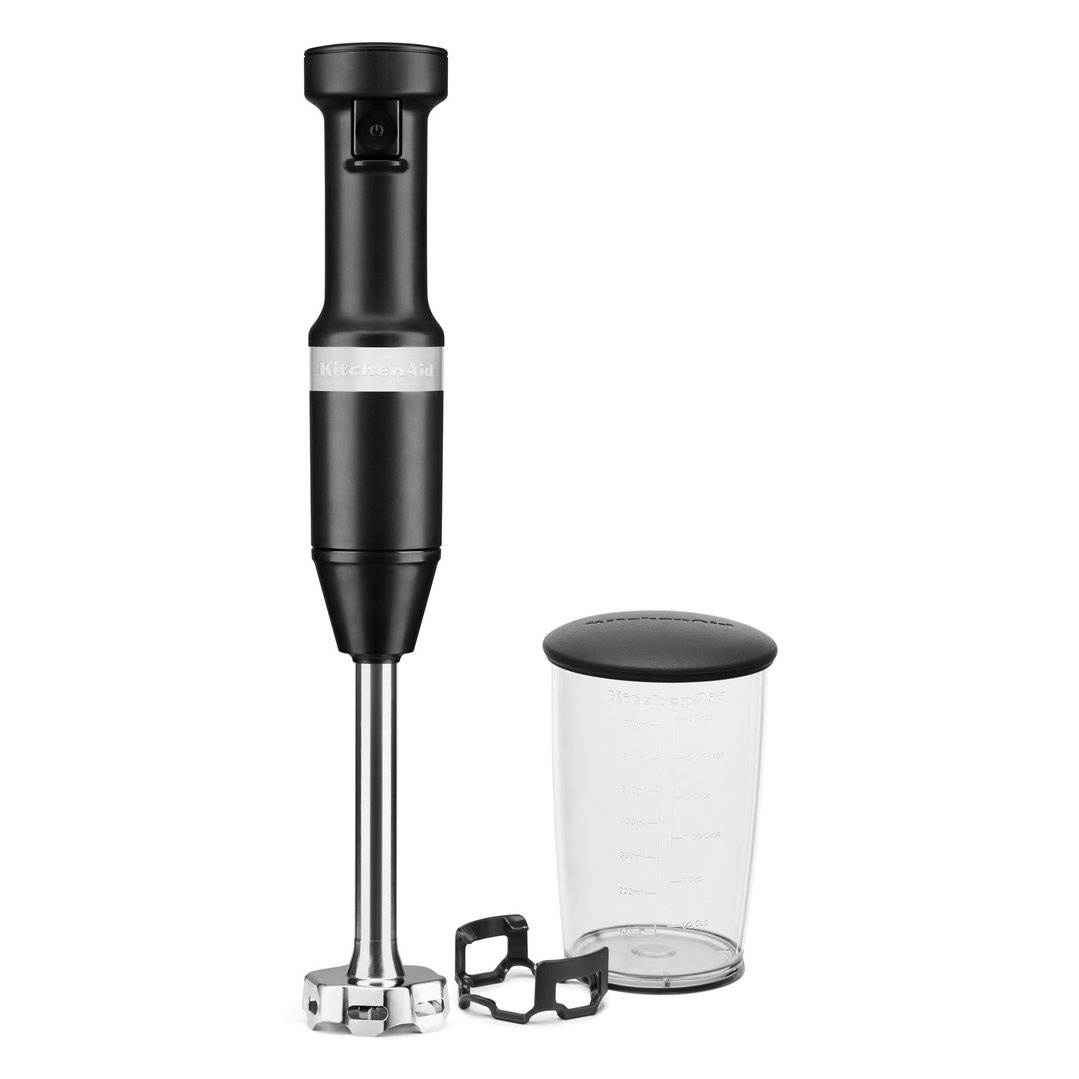
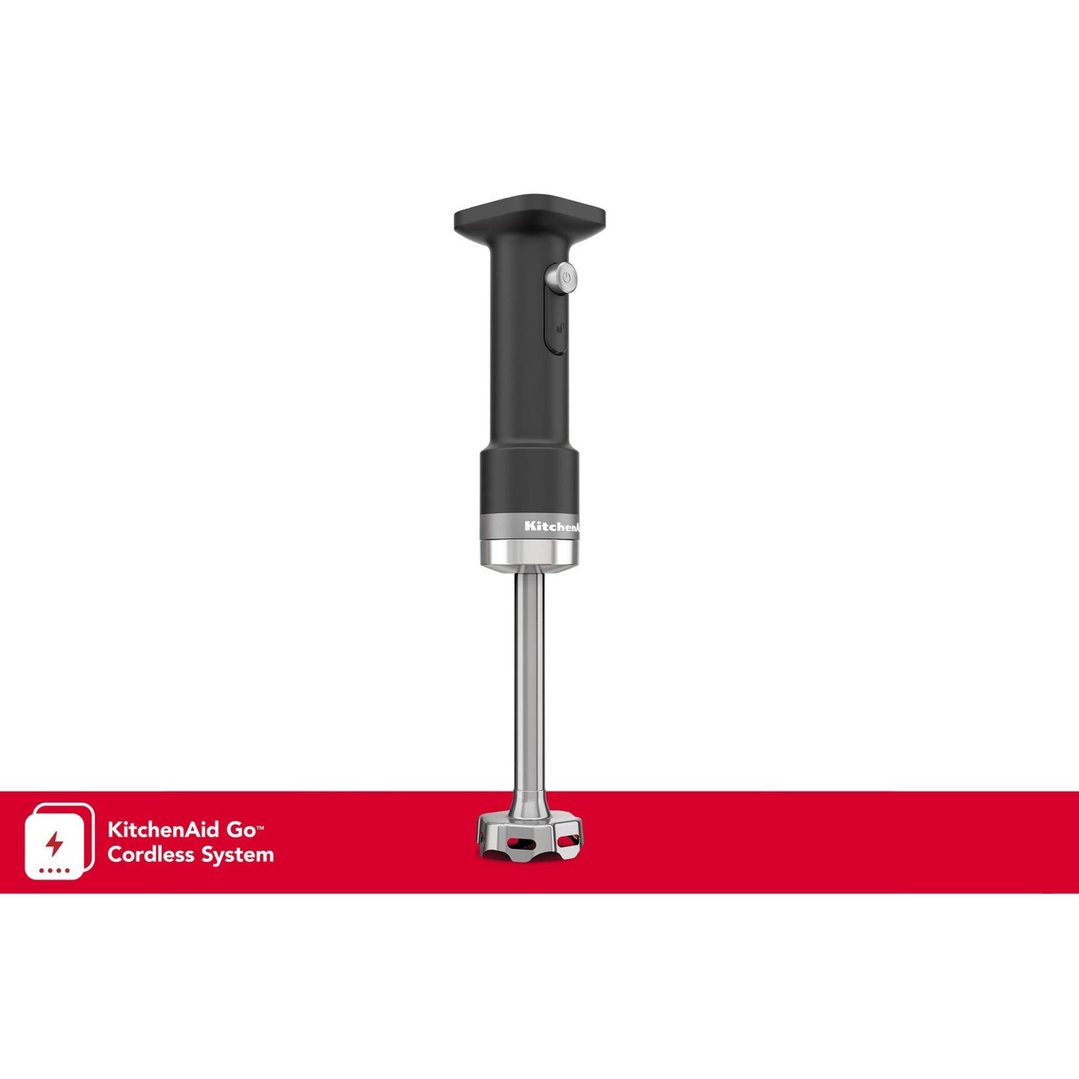
STICK BLENDERS
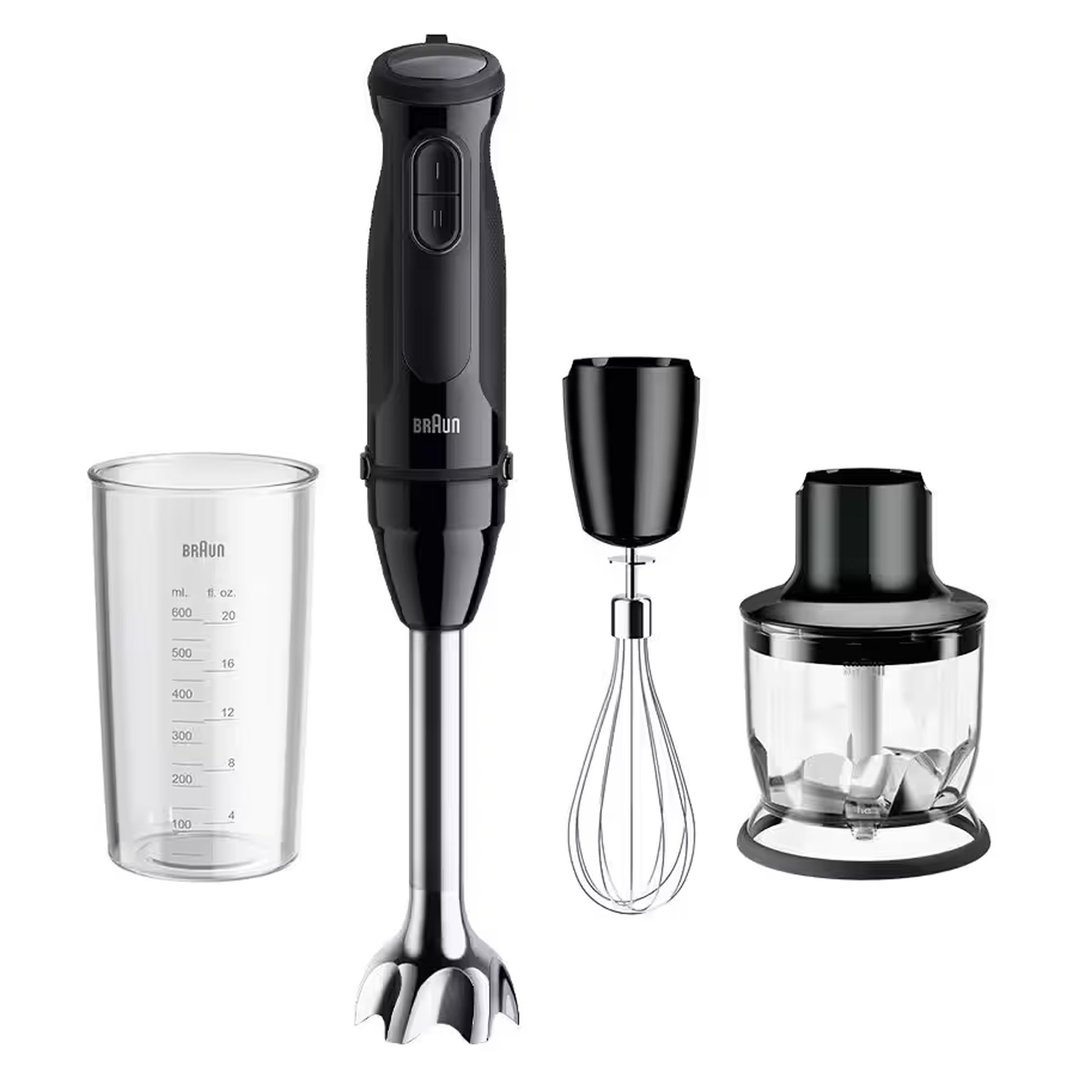
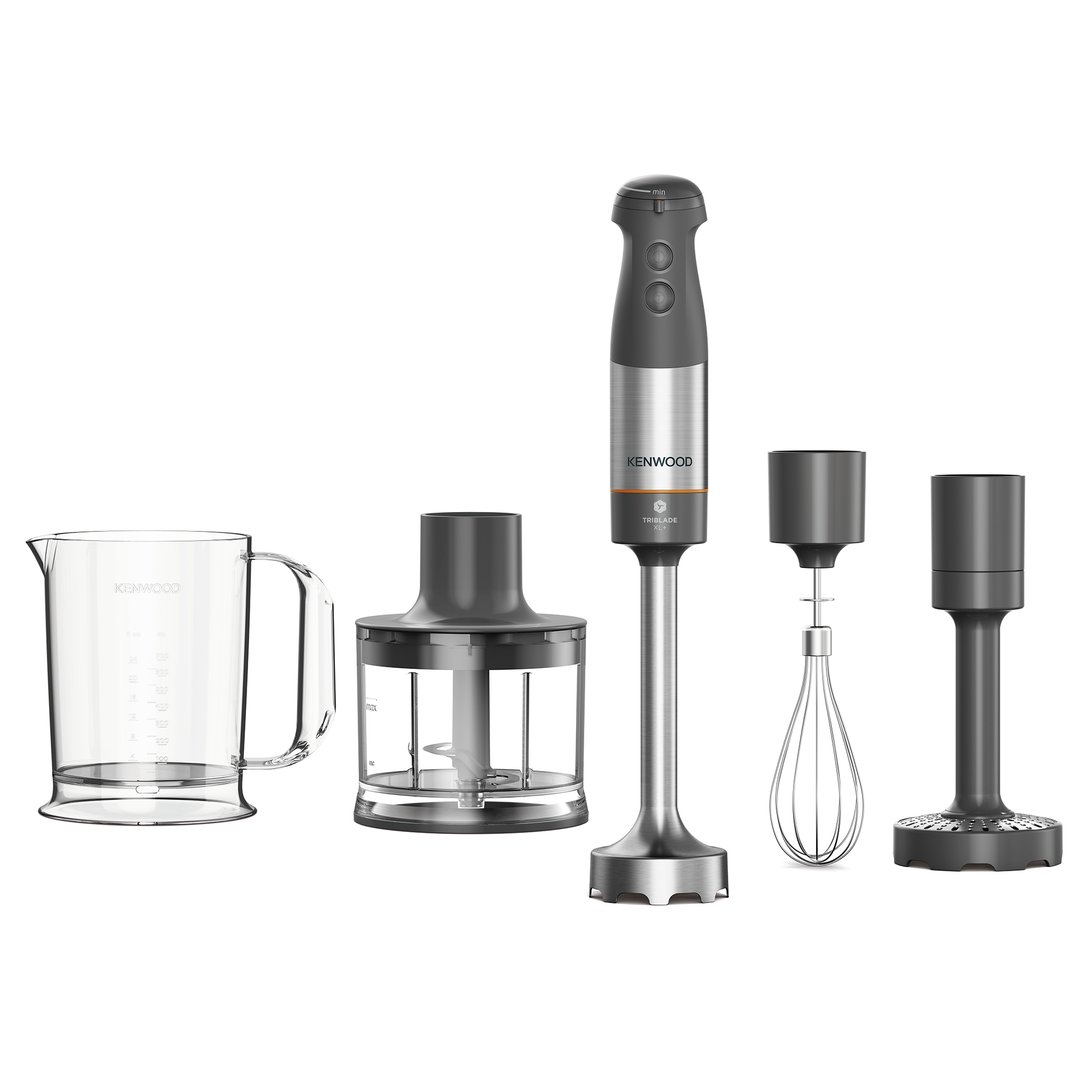
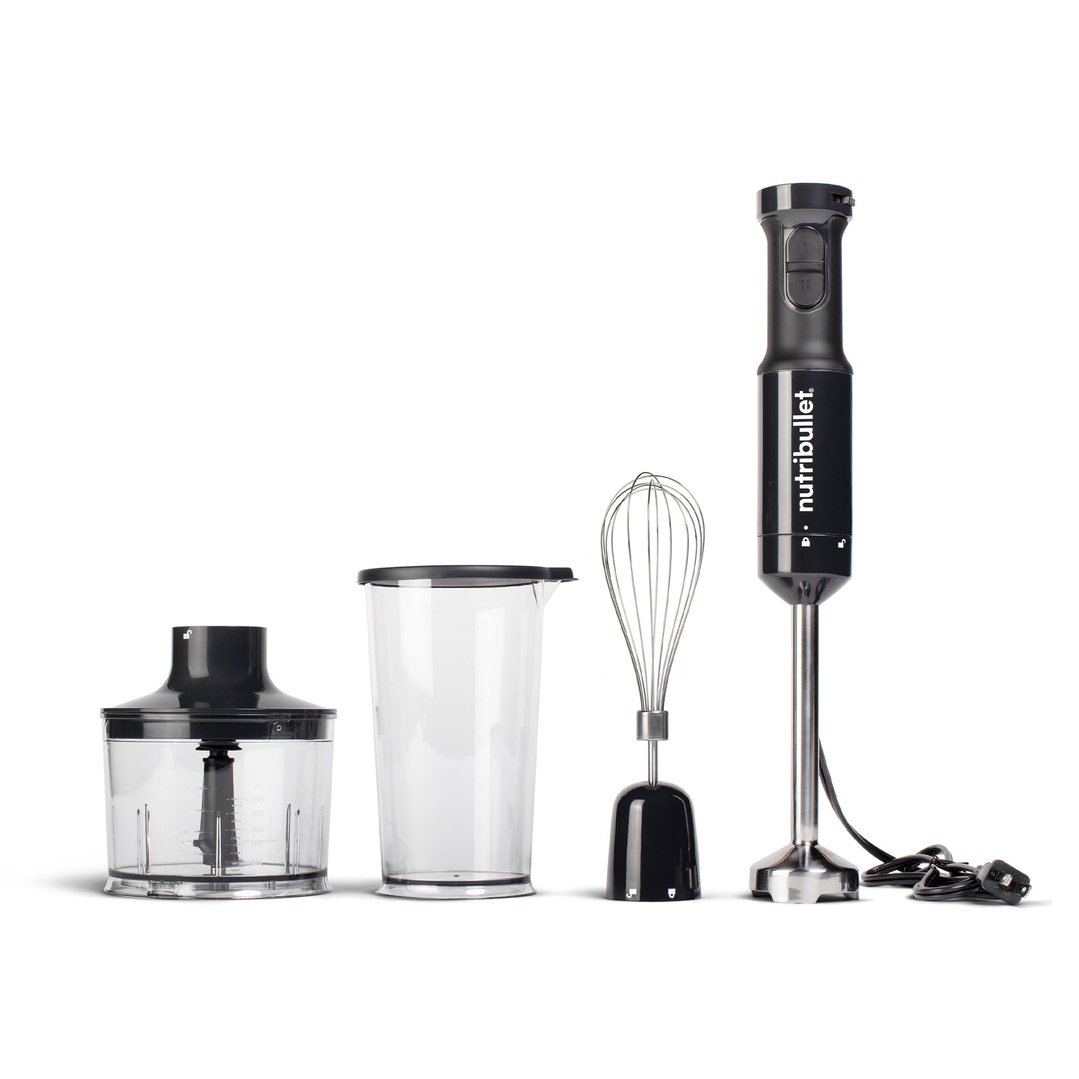
Also known as hand blenders or immersion blenders, stick blenders allow you to blend foods that are already contained in a pot or pan. They are typically very easy to use and can be a good option when you need to blend ingredients quickly.
Generally lightweight and very portable.
Good for use when pureeing and combining softer foods, such as vegetables for baby food, but may not be the best option when needing to blend harder ingredients.
Can be purchased with a variety of accessories and attachments, making it a versatile addition to your kitchen setup.
If you just plan to blend smoothies or milkshakes occasionally, a stick blender could be an option worth considering.







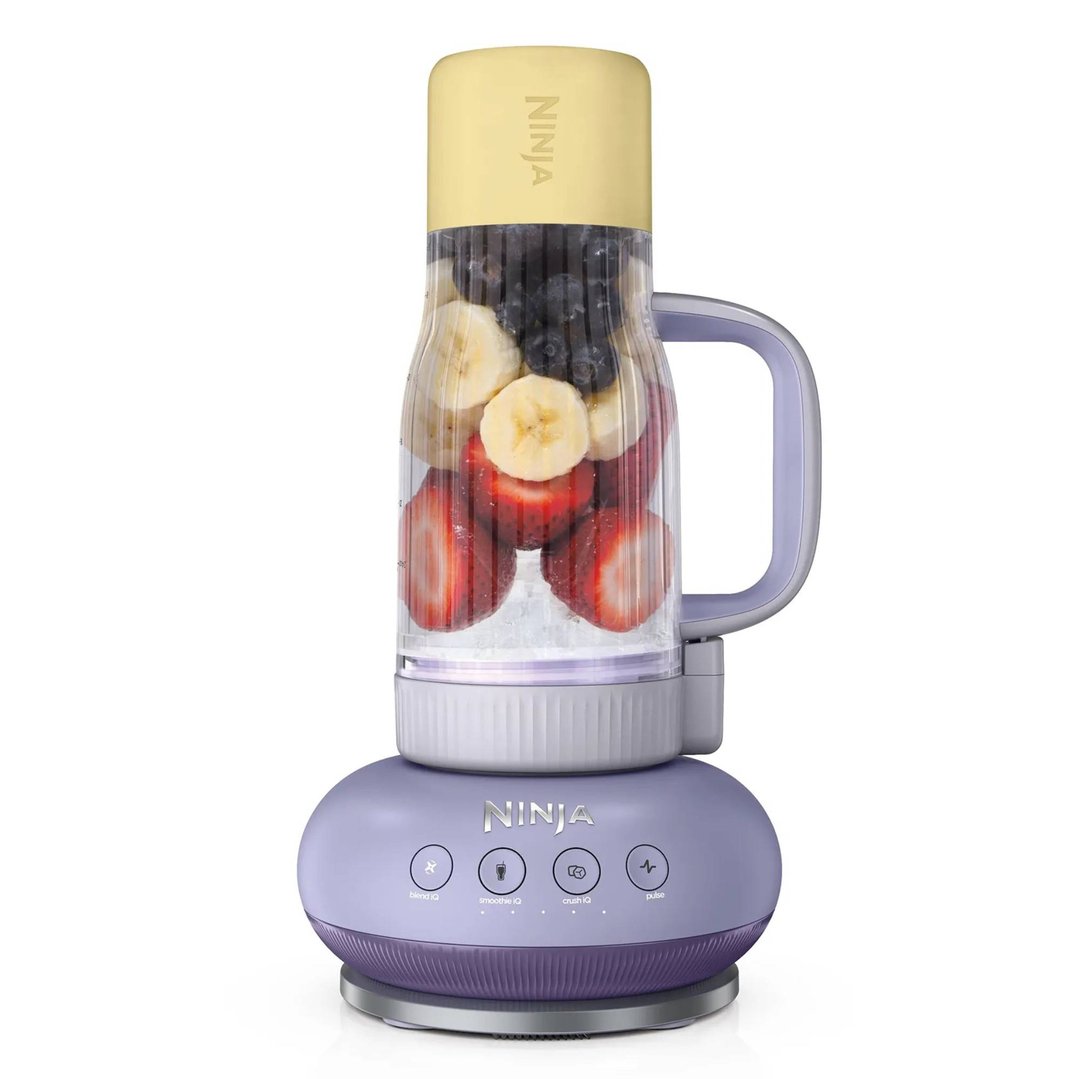
SINGLE-SERVE BLENDERS
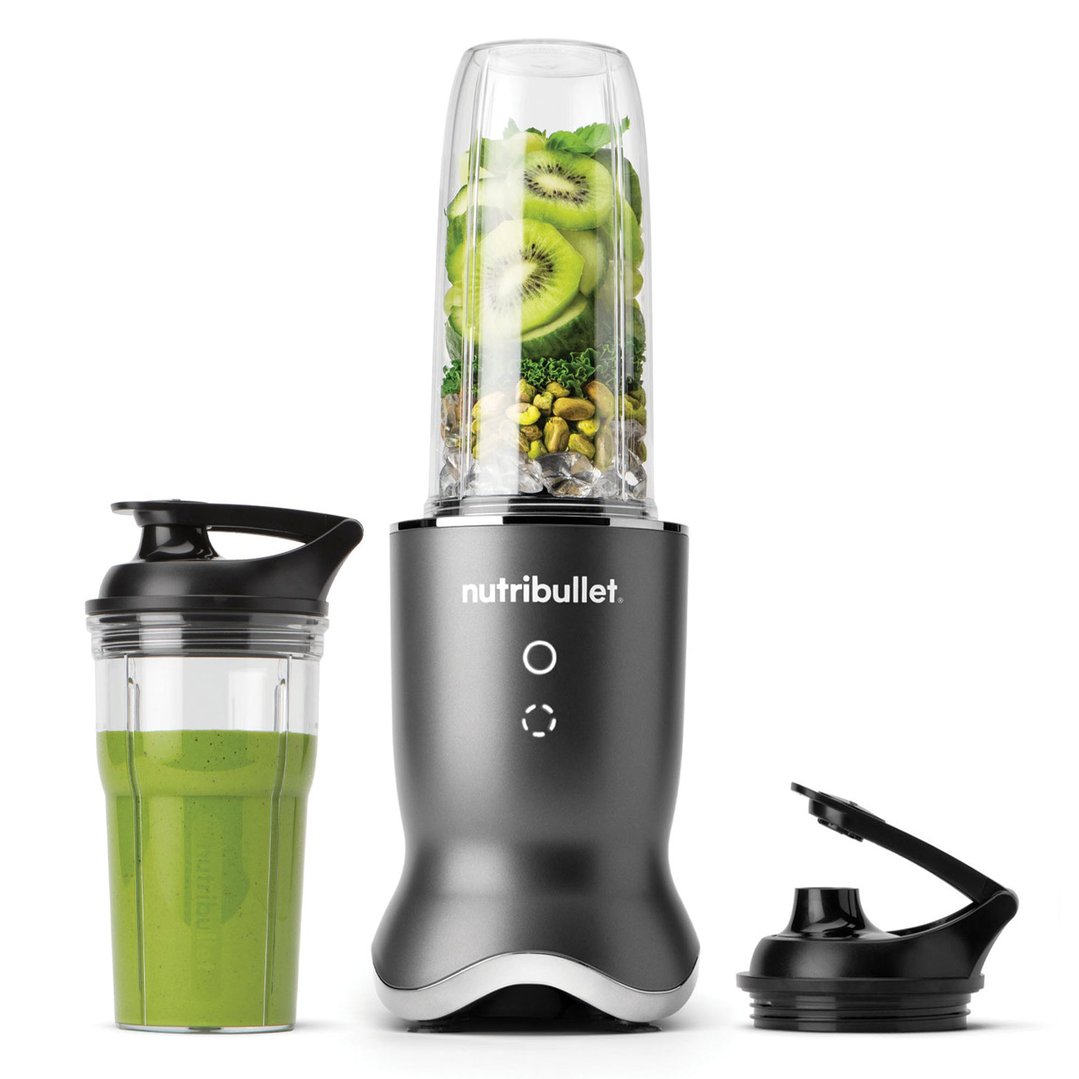
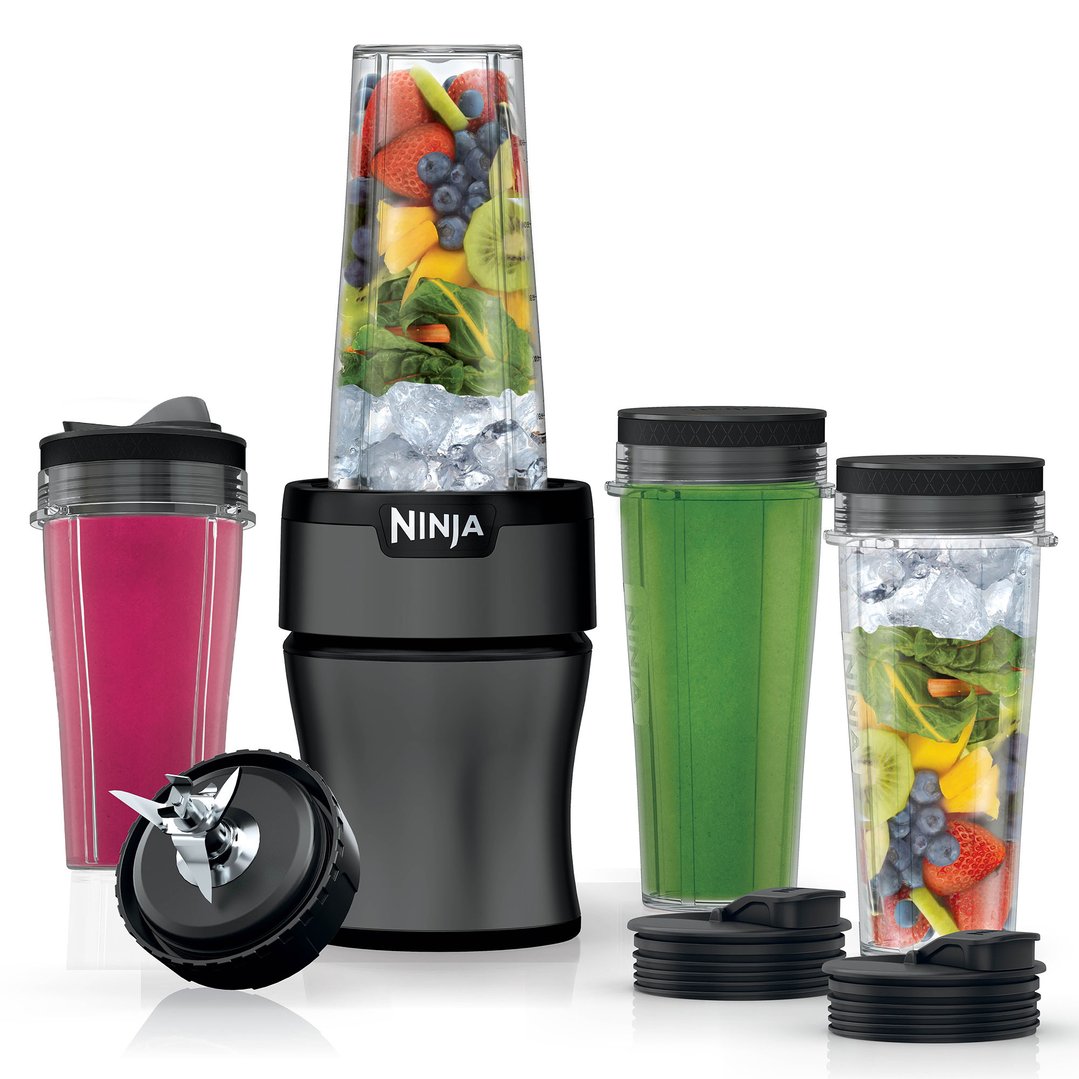
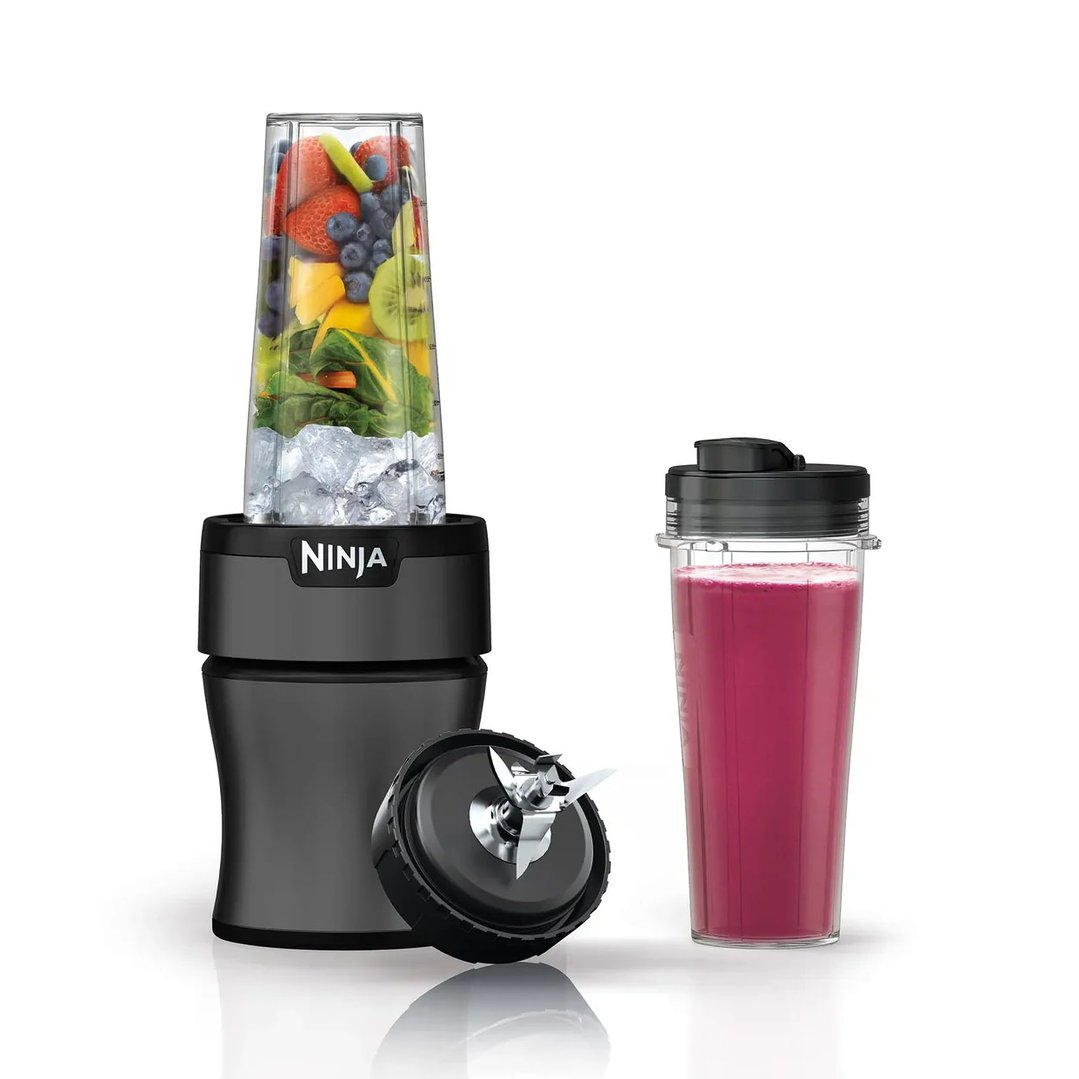
Also known as personal blenders, single-serve blenders are a compact type of blender with a jug capacity that typically measures at less than a litre. Handy for those on the go, single-serve blender jugs double as drink bottles and are good for smoothies and shakes.
Compact design doesn’t take up too much bench space.
Offers convenience to users wanting to enjoy smoothies and shakes on the go.
Some models come with multiple jugs, allowing for the preparation of several smoothies or drinks.
Typically cheaper than other types of bench-top blenders.
Smaller jug capacity can limit the quantity of food you can prepare at one time.

PROFESSIONAL BLENDERS
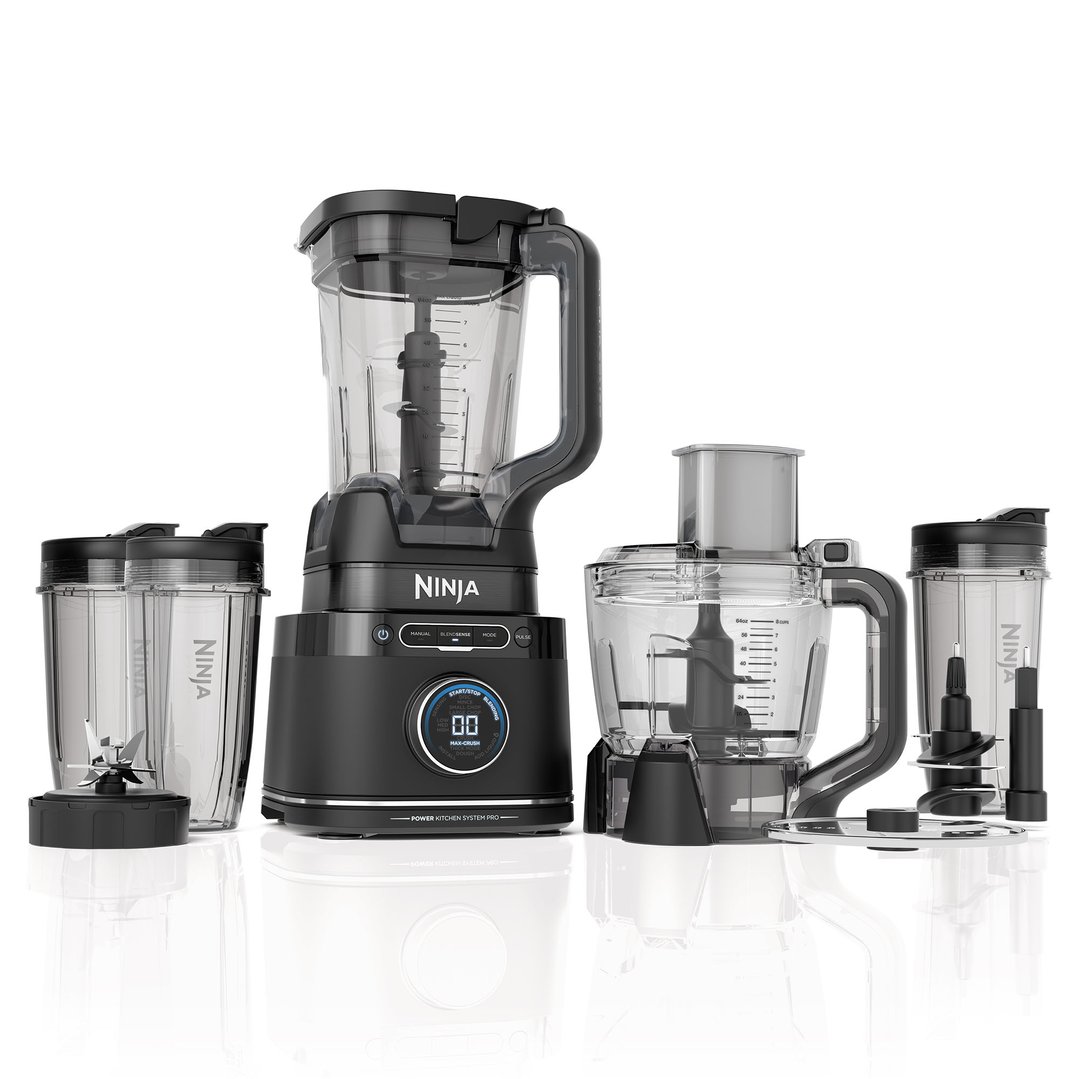
Featuring high-powered engines and designed with a variety of applications in mind, professional blenders take home food preparation to the next level. These multi-purpose blenders can handle most blending tasks with ease and can also be used for some small food processing tasks.
Premium results provided by high-powered engines.
Can be used for a variety of applications, making smoothies, blending sauces and crushing ice with ease.
Generally more expensive than standard blender models.
FEATURES TO LOOK OUT FOR WHEN BUYING A BLENDER
Easy to clean equipment: To make cleaning your blender easier, look for models with removable blades and fewer crevices that could trap food. Some models feature built-in cleaning programs which can be used to clean the jug and blades using detergent and water, requiring minimal effort on your part. Some jugs are also dishwasher safe, which can make cleaning easier. If you are thinking of purchasing a blender with a dishwasher-safe jug, be sure to check if it will fit in your dishwasher.
Jug capacity: Blender jugs are available in a variety of sizes, from compact single-serve vessels to those with large family-friendly capacities. Consider what you’ll be using your blender for and how large of a jug capacity you’ll realistically need. If you have issues holding and carrying heavy items, be aware that larger jugs can be quite heavy when full.
Jug material: Most blender jugs are made from either plastic or glass. Plastic jugs tend to be more durable than their glass counterparts, but are more prone to staining. You’ll find that plastic jugs are generally more common than glass jugs and tend to be lighter too.
Size and weight: A consideration that is generally overlooked is the size and weight of the blender. Measure the height and width of models you’re considering and check to see if they will fit in your kitchen cupboards. If you don’t have enough cupboard space available, they may take up a decent amount of bench space. It’s also good to check if you can comfortably carry your chosen blender. This can make moving it from storage to the kitchen bench easier.
Settings and functions: At the very least, you should look for a blender with slow, medium, fast and pulse settings. A pulse setting (a short burst of power) can be handy when you’re wanting to blend small amounts of food or ensure consistency. If you are wanting a blender that provides you with greater control over how your foods are blended, look for models with timers or pre-programmed functions for smoothies, soups and other food items.
Easy to use controls: The layout of controls can vary between makes and models, and can vary from touchpads and push buttons to adjustable dials. Look for a layout that is easy for you to read and navigate. If you are considering a model with a touchpad or push buttons, ensure that all parts are well sealed.
Chute size: A decently sized chute can make adding liquids or other ingredients simpler, allowing you to add items to the blender while it’s in use. Chutes also provide an additional use, allowing steam to exit when blending hot foods.
WHAT DOES A JUICER DO?
Juicers are a kitchen appliance that uses fast moving blades or other mechanisms to extract juice from fruits and vegetables. They are typically only used for one function - making juice - but some models may offer limited food processing functions too.
Popular juicer brands: Breville, NutriBullet, Kambrook
TYPES OF JUICERS
CITRUS PRESSES
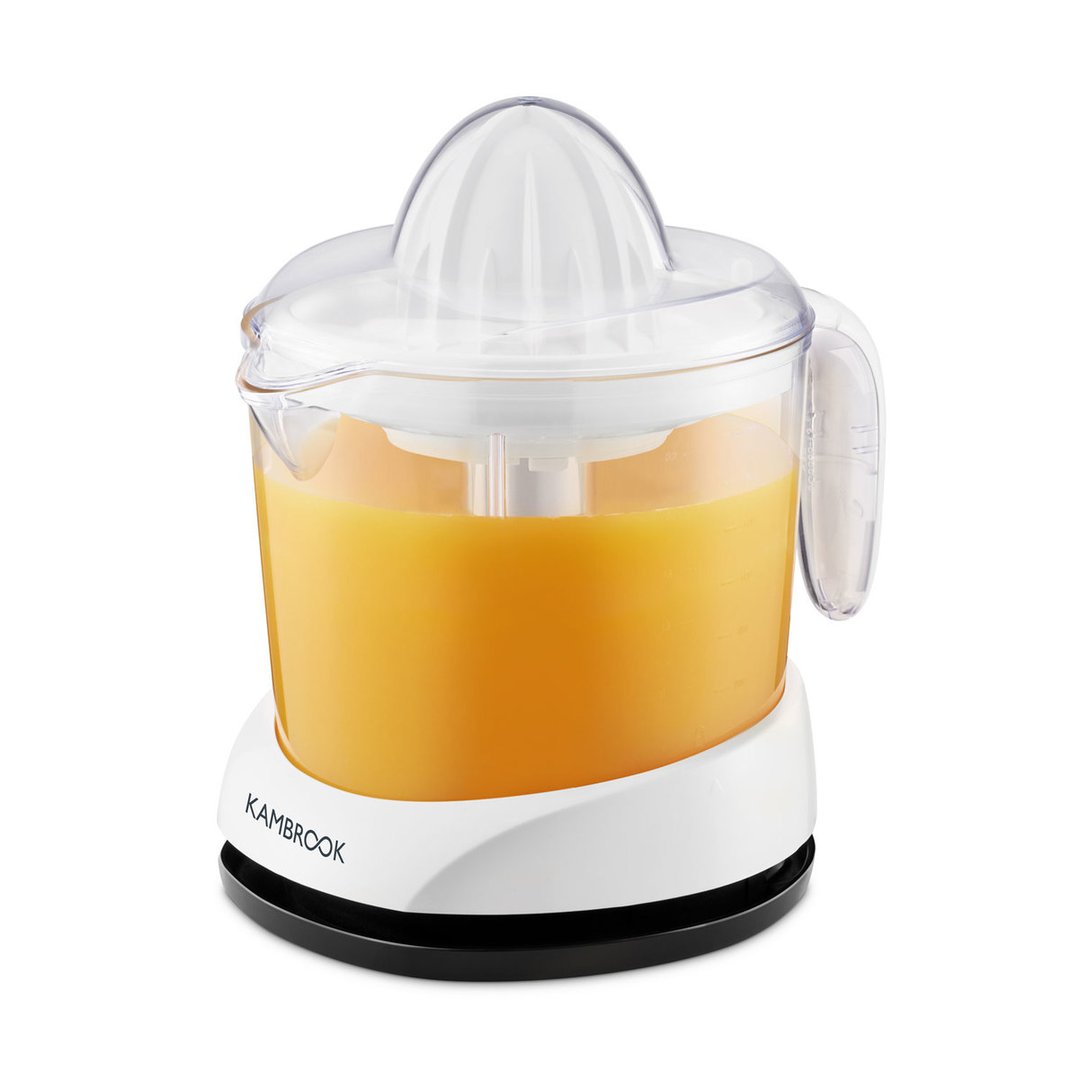
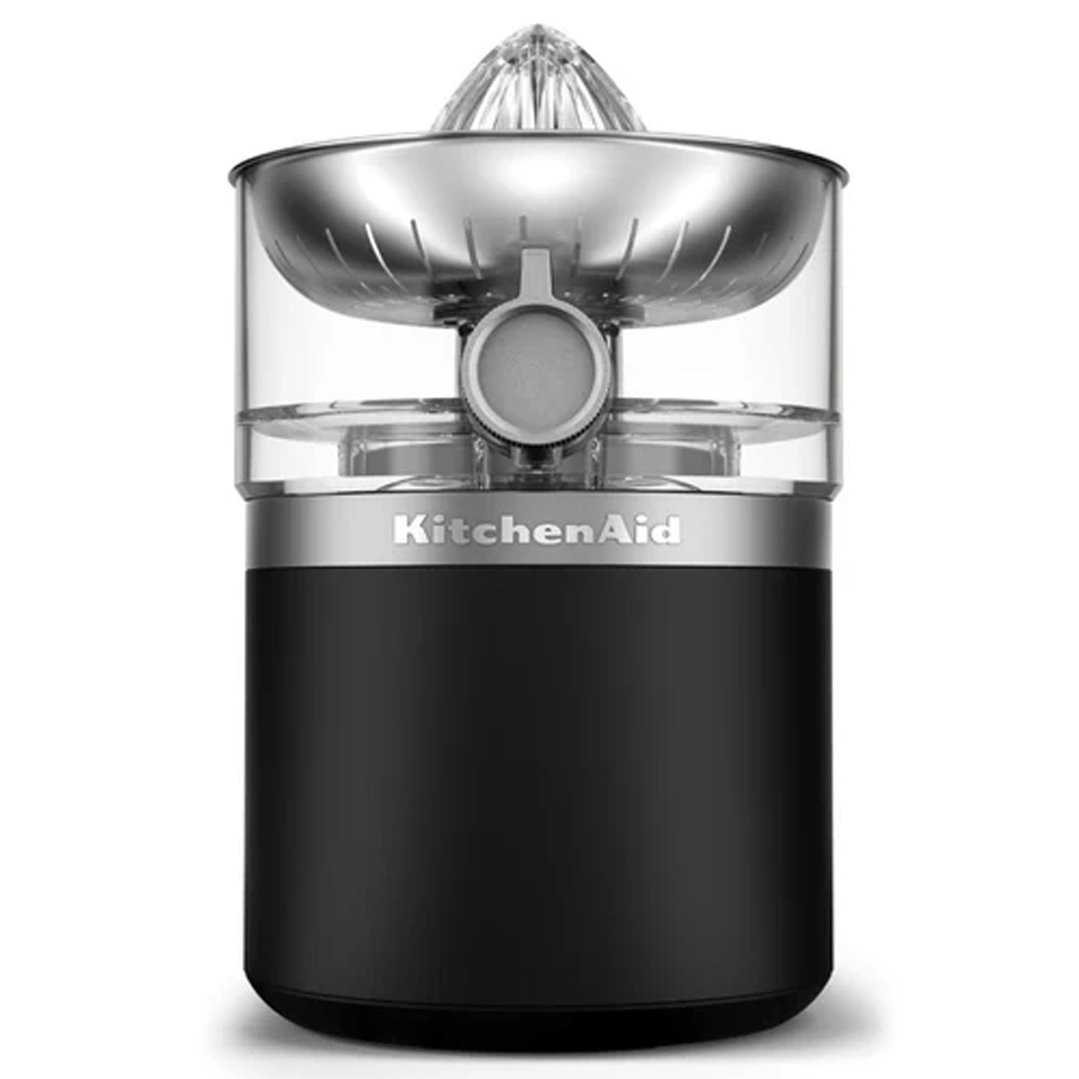
A semi-automatic take on a classic kitchen utensil, citrus presses use a spinning reamer to help you juice your favourite citrus fruits. They operate in a similar way to traditional citrus presses, but take care of most of the hard work involved.
Tend to be quite compact in size.
Usually very easy to operate.
Often have fewer individual parts than other types of juicers.
Can only be used with citrus fruits, making them less versatile than other juicers.
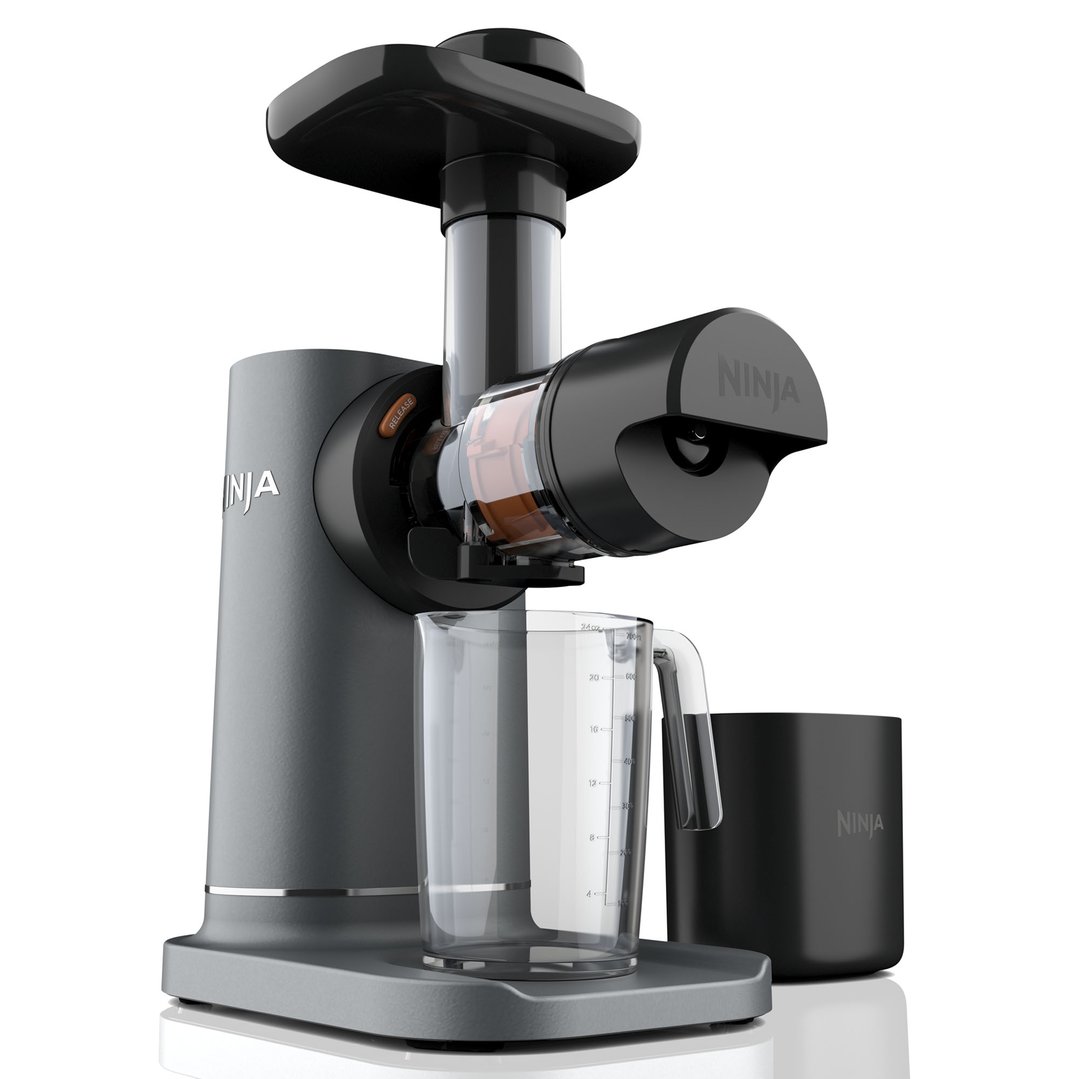
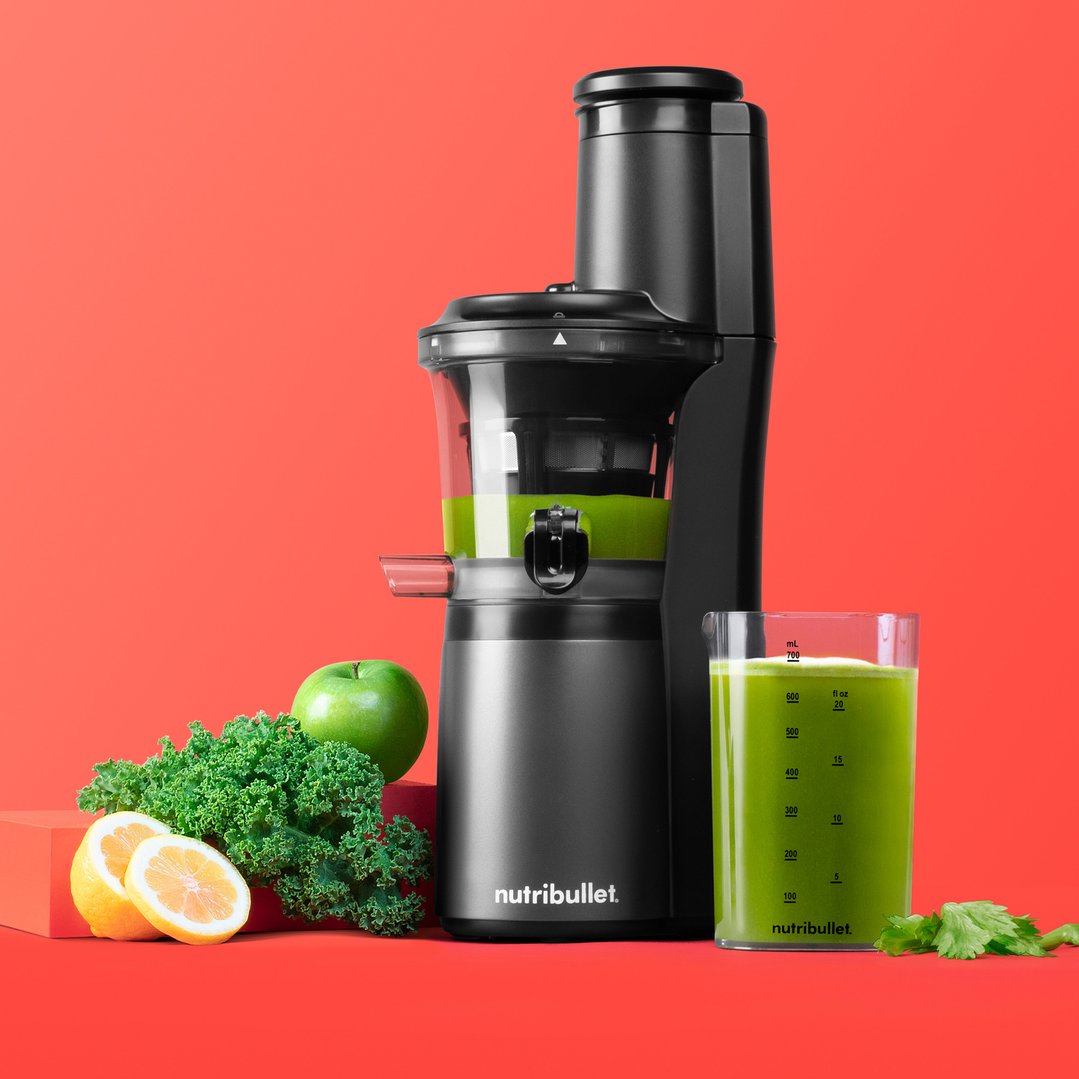
COLD PRESS JUICERS (SLOW JUICERS)
Also known as slow juicers or masticating juicers, cold press juicers extract juice by slowly crushing fruit and vegetables against a mesh shield. They do take longer to extract juice than standard juice extractors, but many believe that the juice produced does taste better and has less froth.
Typically quieter than juice extractors.
Take longer to prepare juice than juice extractors, but the final product is often of better quality.
Some models have a smaller footprint than juice extractors, making them a compact juicer option.
Can be used with a wide variety of fruits and vegetables. This type of juicer is good for leafy greens and herbs.
Tend to be more expensive than juice extractors.
Chutes are often small, meaning that more preparation is needed prior to juicing.
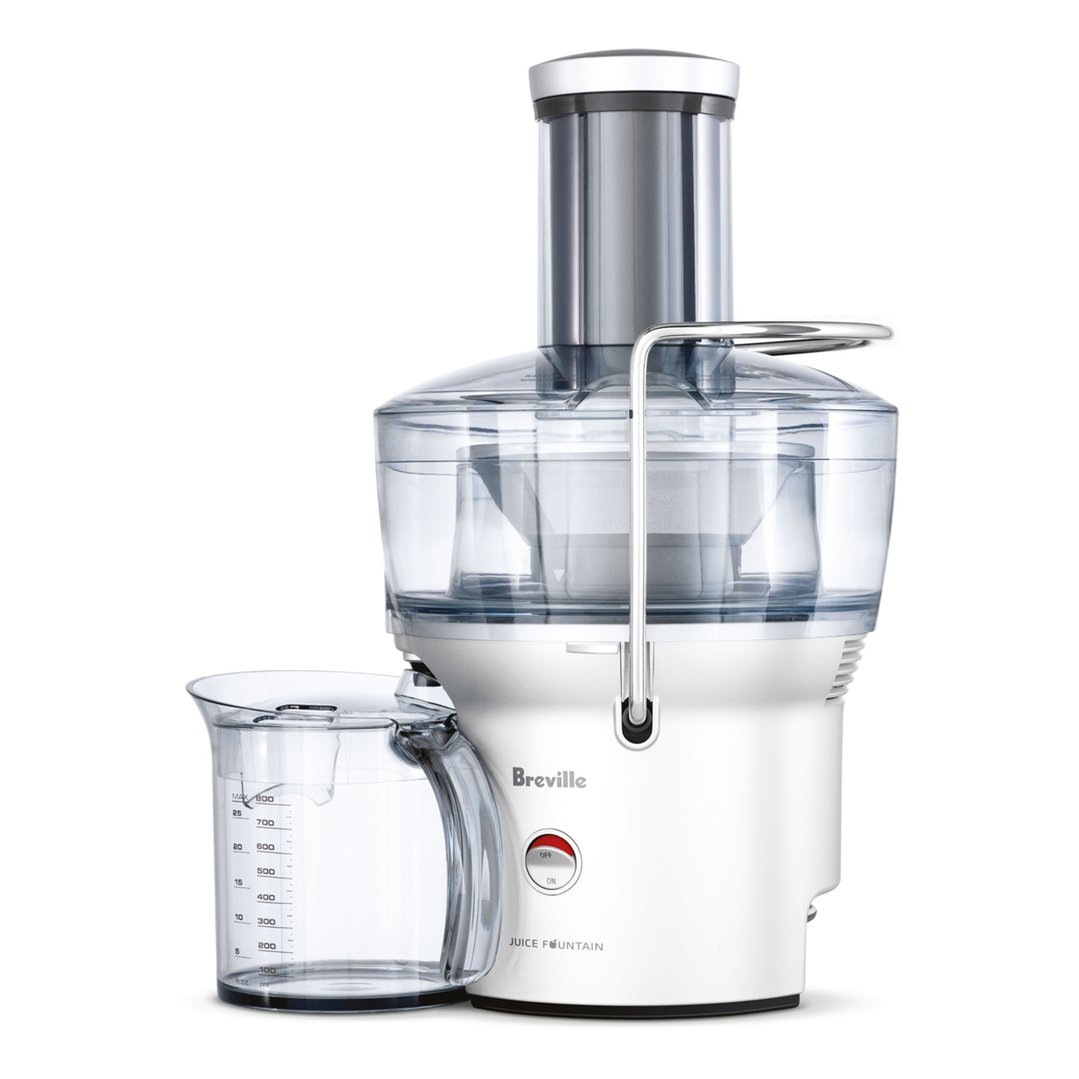
JUICE EXTRACTORS (FAST JUICERS)
Also known as fast juicers, juice extractors use high speed blades and centrifugal force to help separate fruit and vegetable juice from the pulp. Juice extractors are one of the most common types of juicers on the market and are popular for their fast juicing speeds.
Quick juicing time and easy operation
Often cheaper than cold press juicers.
Typically come with large pulp containers and juice jugs.
Although it depends on the model, juice extractors tend to be quite bulky.
Most models have dishwasher-safe parts, but filters can be difficult to clean.
Louder than cold press juicers.
Chutes are decently sized, reducing the amount of preparation required before juicing fruit and vegetables.




FEATURES TO LOOK OUT FOR WHEN BUYING A JUICER
Easy to clean juicer components: As with all kitchen equipment, it’s best to find a juicer with limited corners and crevices that may trap food when in use. Keep an eye out for included accessories, such as cleaning brushes that can help to make maintenance easier, as well as models with dishwasher-safe parts.
Size and weight: Juicers tend to be quite large and heavy. Measure the height and width of the models you’re considering and see if they will fit in your kitchen cupboard or, if not, how much room they’ll take up on your benchtop. It can be a good idea to try lifting your chosen juicer in-store to see if it is a manageable weight. Some models can weigh as much as 10kg.
Chute size: A juicer with a decently sized chute can help to make preparing juice a less time consuming task. The larger the chute, the larger the pieces of fruit and vegetables that you can feed into the juicer, reducing the amount of time required to cut your fresh produce to size.
Jug size: A large jug gives you the freedom to make a large amount of juice in one session. Models with smaller jugs may be a good choice if you live alone or don't intend to make large batches of juice.
Controls: It’s important that the controls on your chosen juicer are clear to read and easy to use. They should also be in an easy reach position.
Speeds and settings: Having the choice of a variety of speeds and settings gives you greater freedom to tailor the juice extraction process to the ingredients you’re using. Cold press juicers generally only have a power and reverse setting, but juice extractors tend to have more elaborate options.
Number of parts: If possible, look for a juicer that has the fewest parts possible. This will make it easier for you to assemble and dismantle your juicer.
OUR MOST POPULAR JUICERS & BLENDERS
FAQs
Q. WHAT'S THE KEY DIFFERENCE BETWEEN BLENDERS AND JUICERS?
The main difference between blenders and juicers are their primary functions. Both process food, but juicers can typically only be used to make fresh juice. Blenders, on the other hand, can be used to create a number of different food items, from smoothies and sauces to homemade soups.
Q. WHAT APPLICATIONS ARE EACH BEST SUITED TO?
Juicers and blenders are suited to very different applications. See the table below to get an idea of these differences:
Q. WHICH TYPE OF APPLIANCE SHOULD YOU PURCHASE?
The decision of whether to buy a blender or a juicer comes down to your needs in the end. Think about whether you want an appliance that can combine ingredients and process foods or one that can turn your favourite fruits and vegetables into delicious fresh juice.