Buying Guides
Headphones Buying Guide

Planning to buy a new pair of headphones? Whether you’re looking for a cheap pair with basic features or good headphones that showcase the nuances of your favourite music, you’ll find a wide range of headphones to choose from. With so many different options available, we’ve put together a headphones buying guide to make choosing the best headphones for your needs easier. Find out more about the different types of headphones available, which features to look out for and more.




TYPES OF HEADPHONES
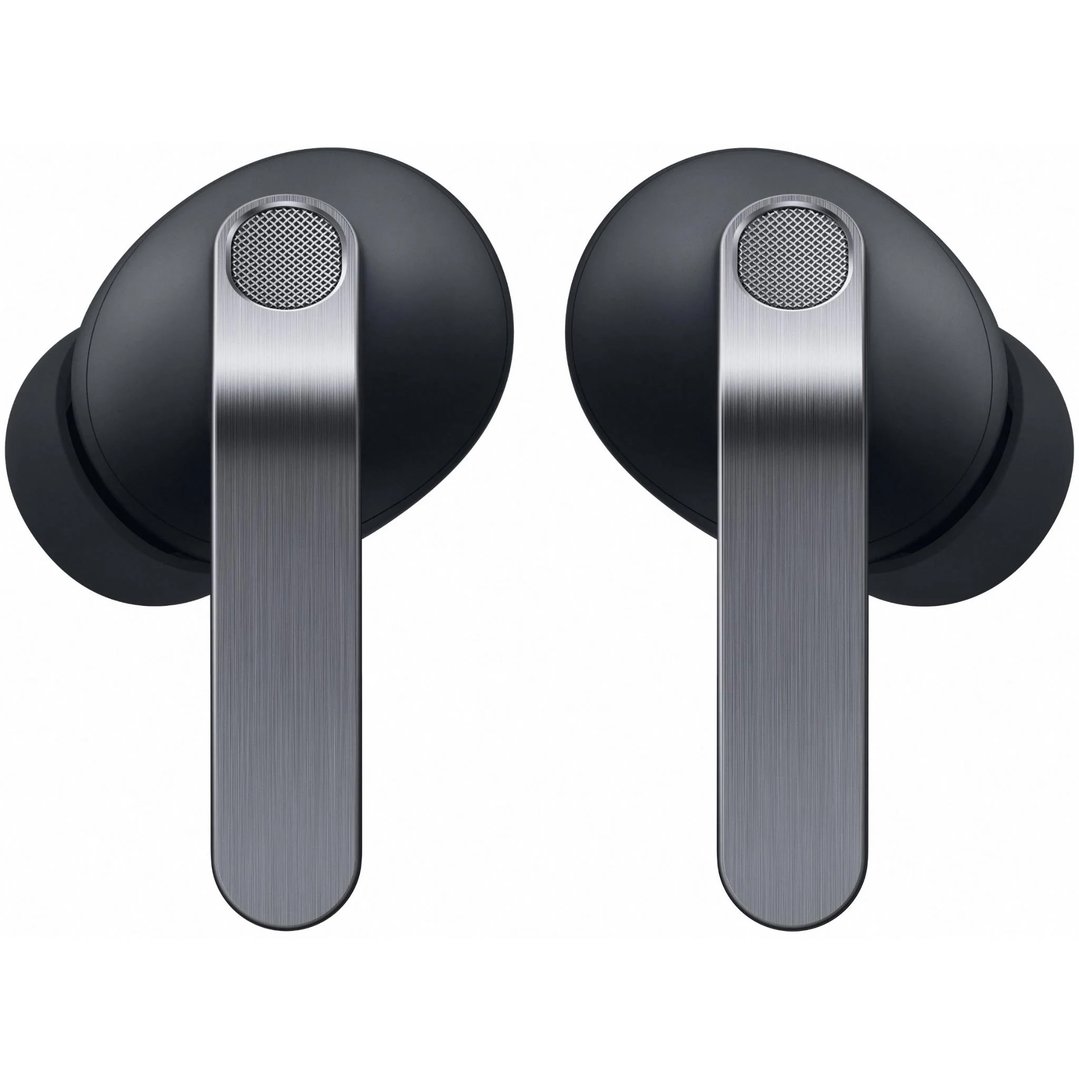
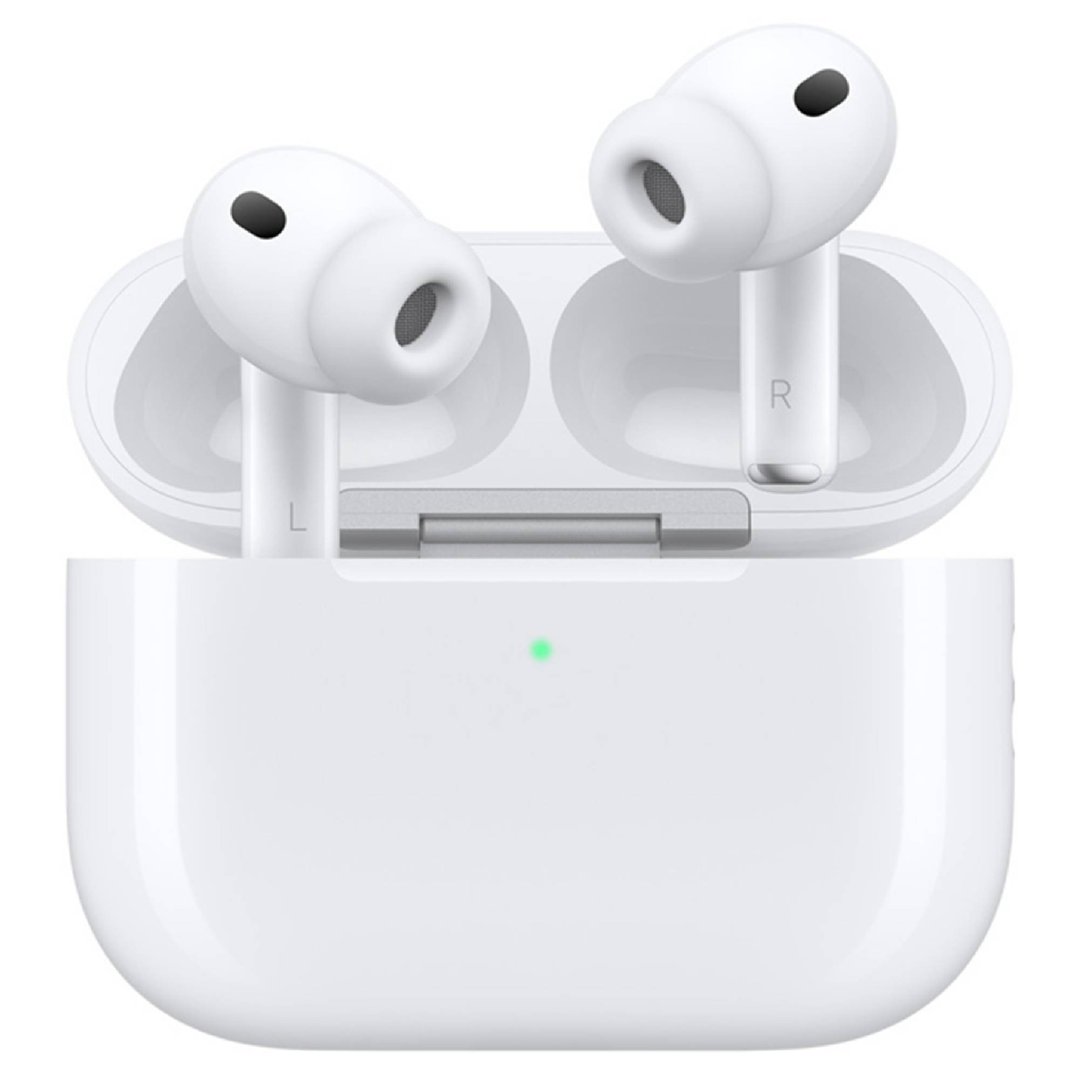
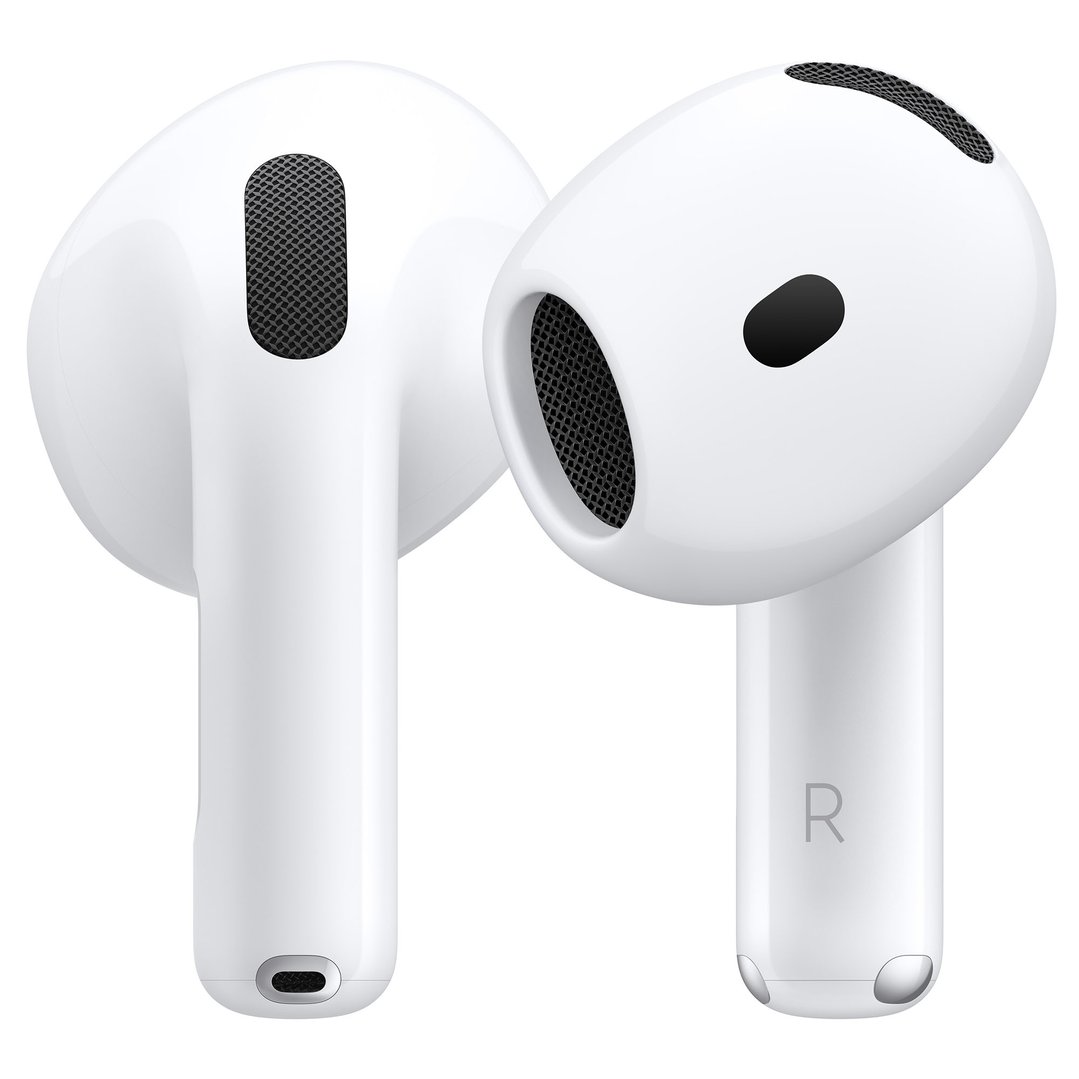
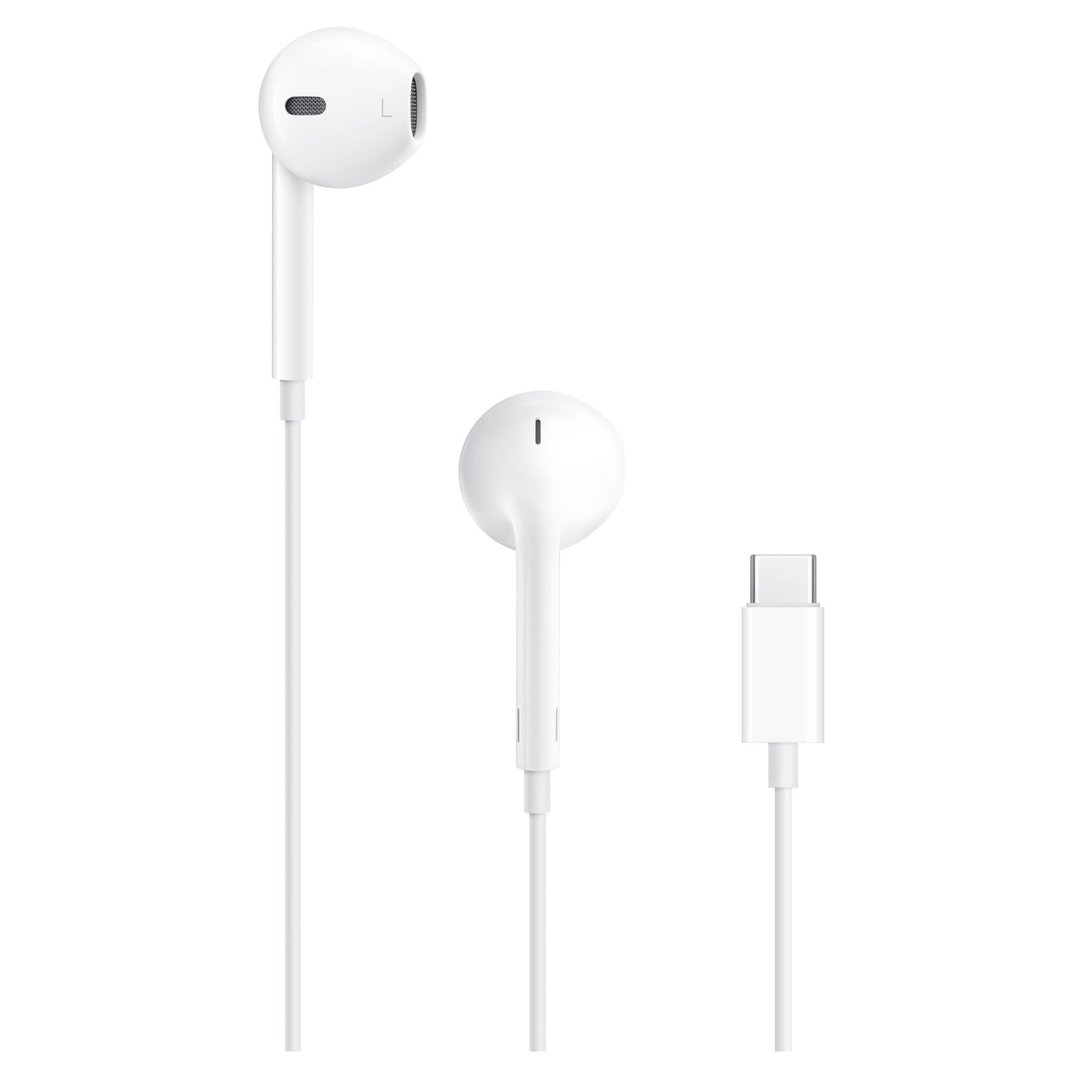
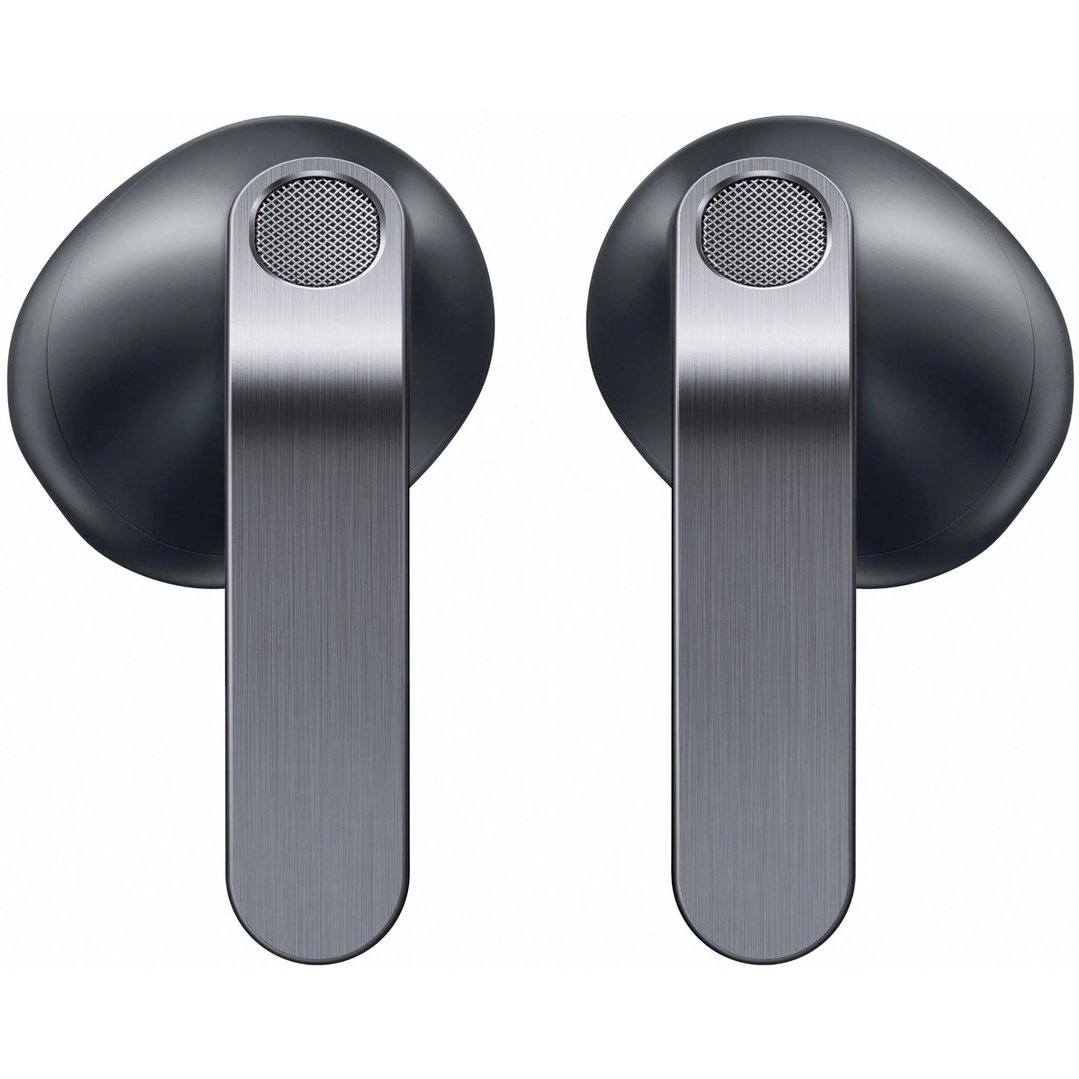
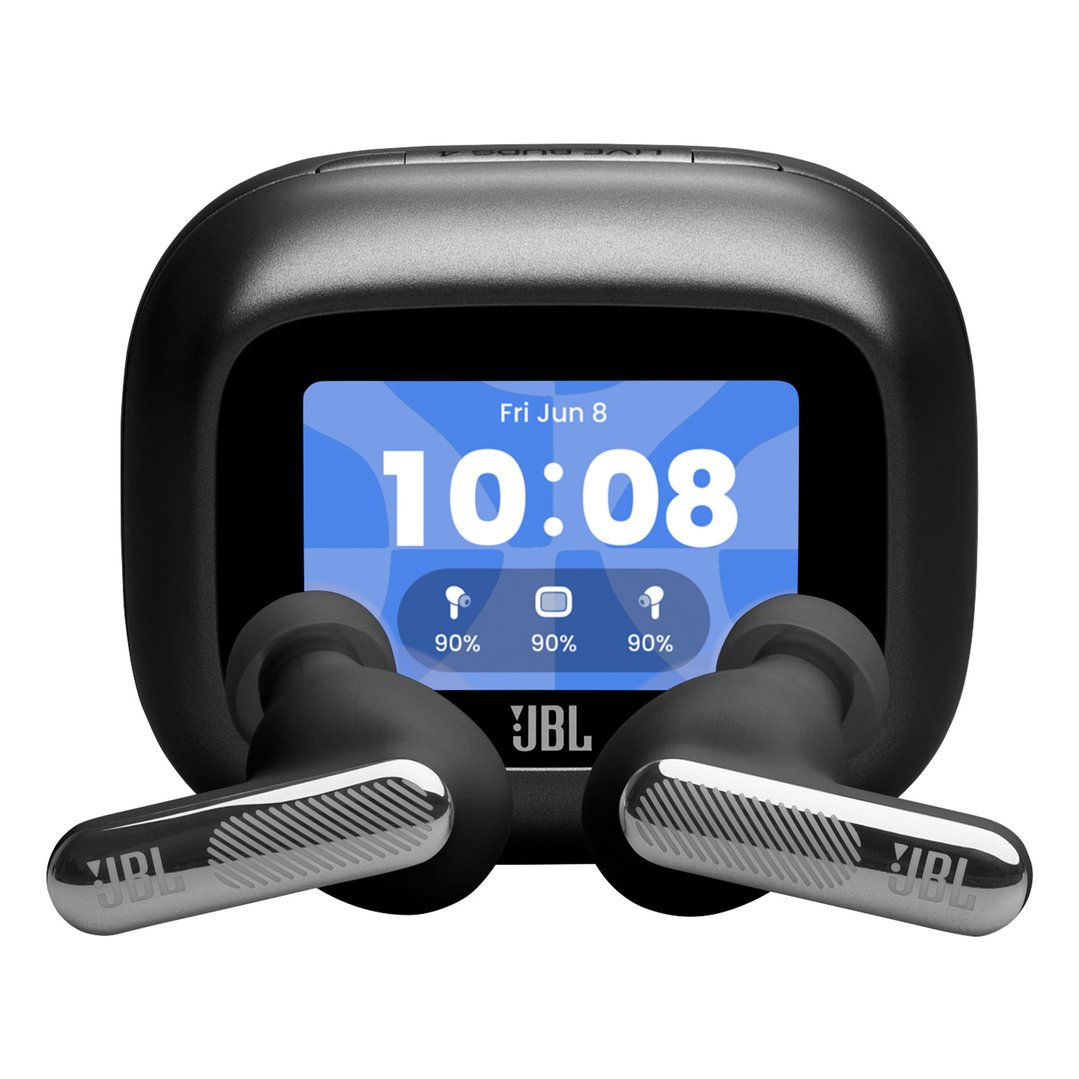
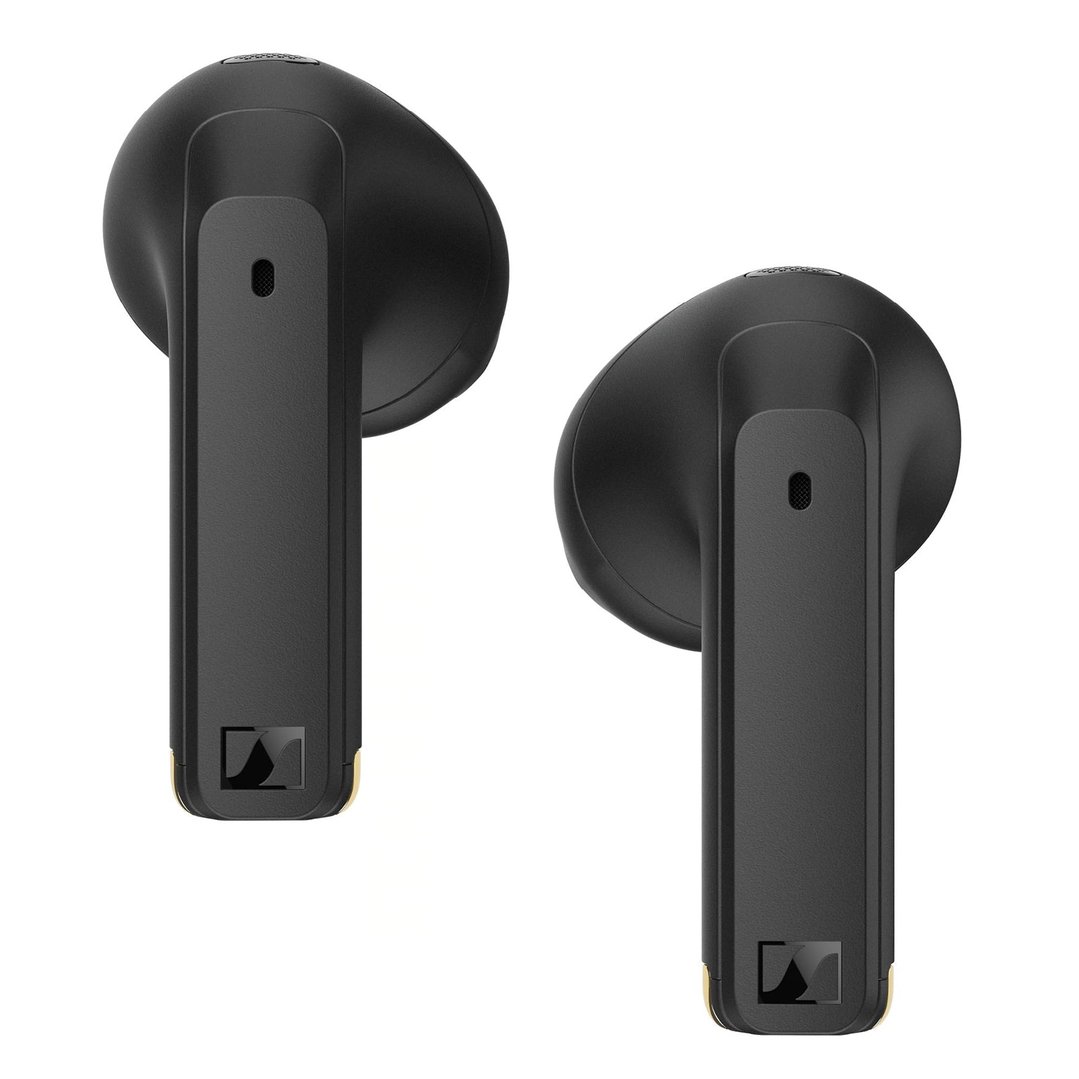
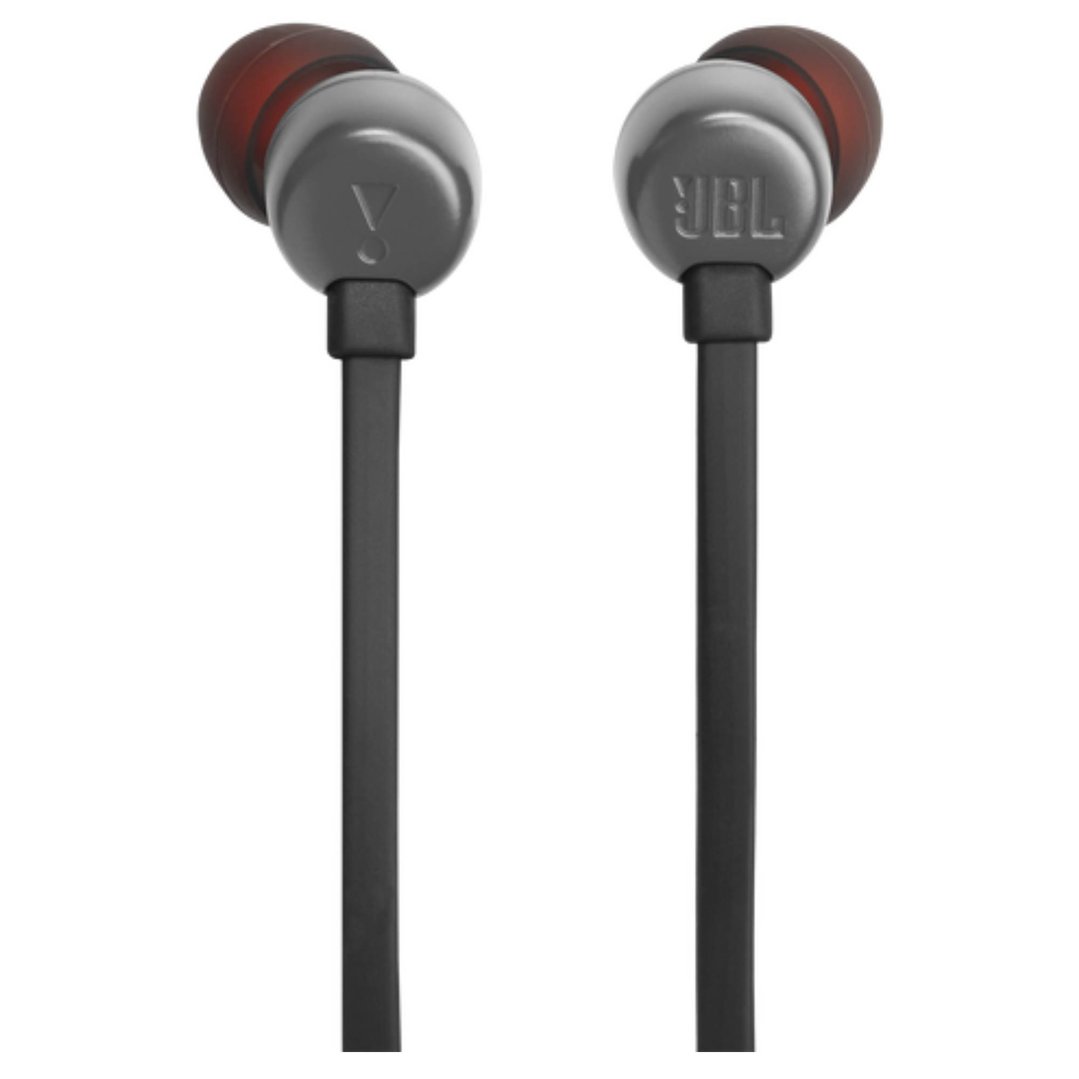
IN-EAR HEADPHONES
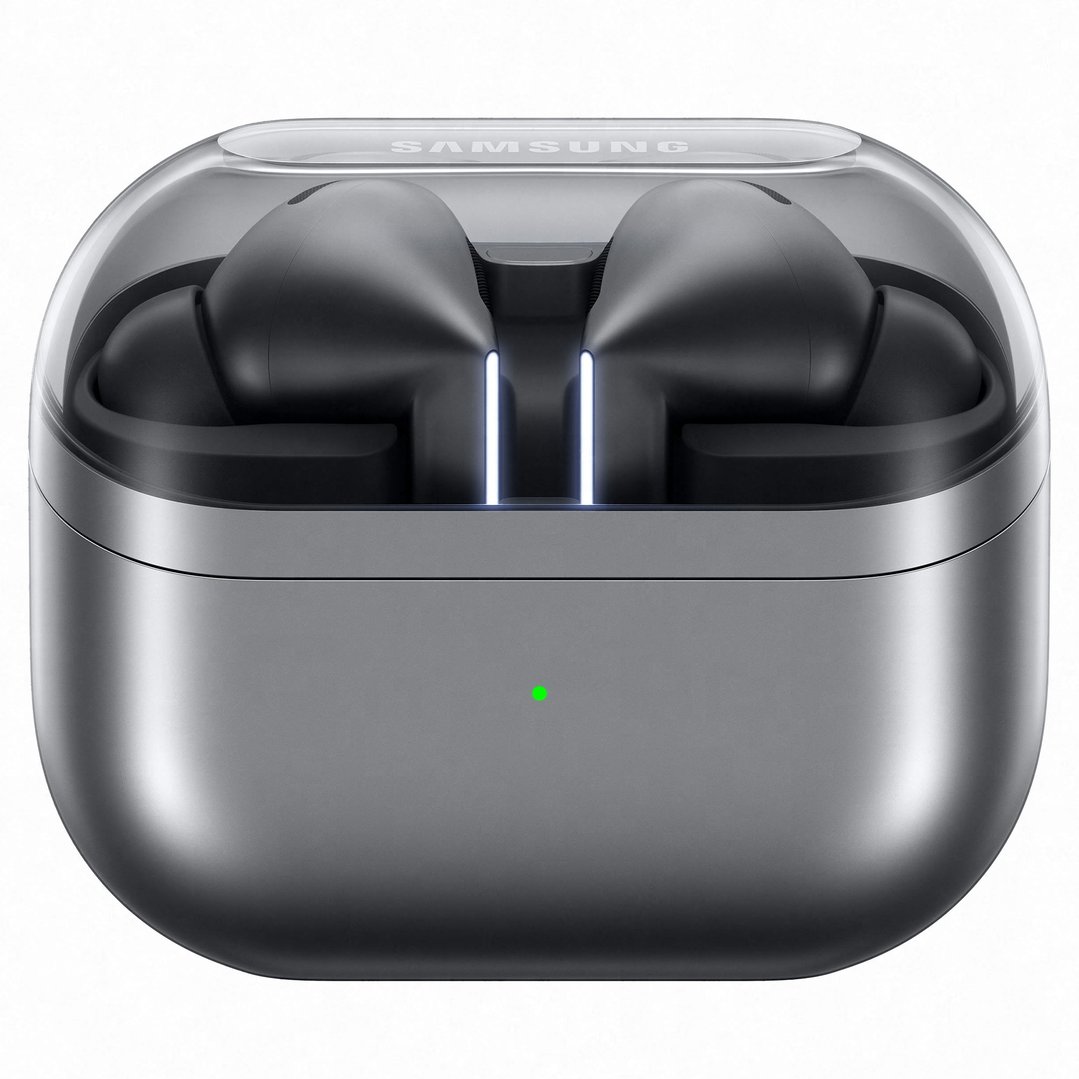
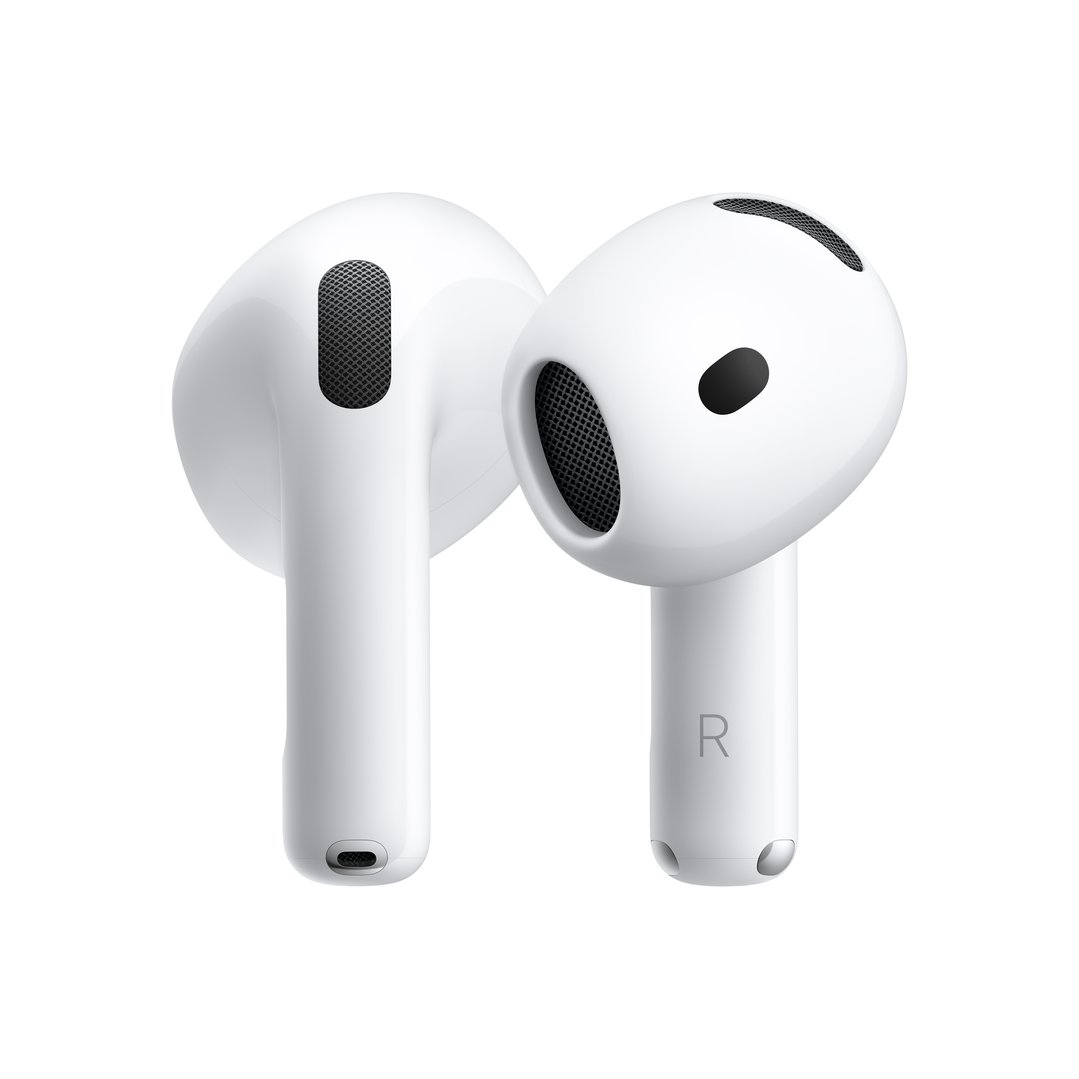
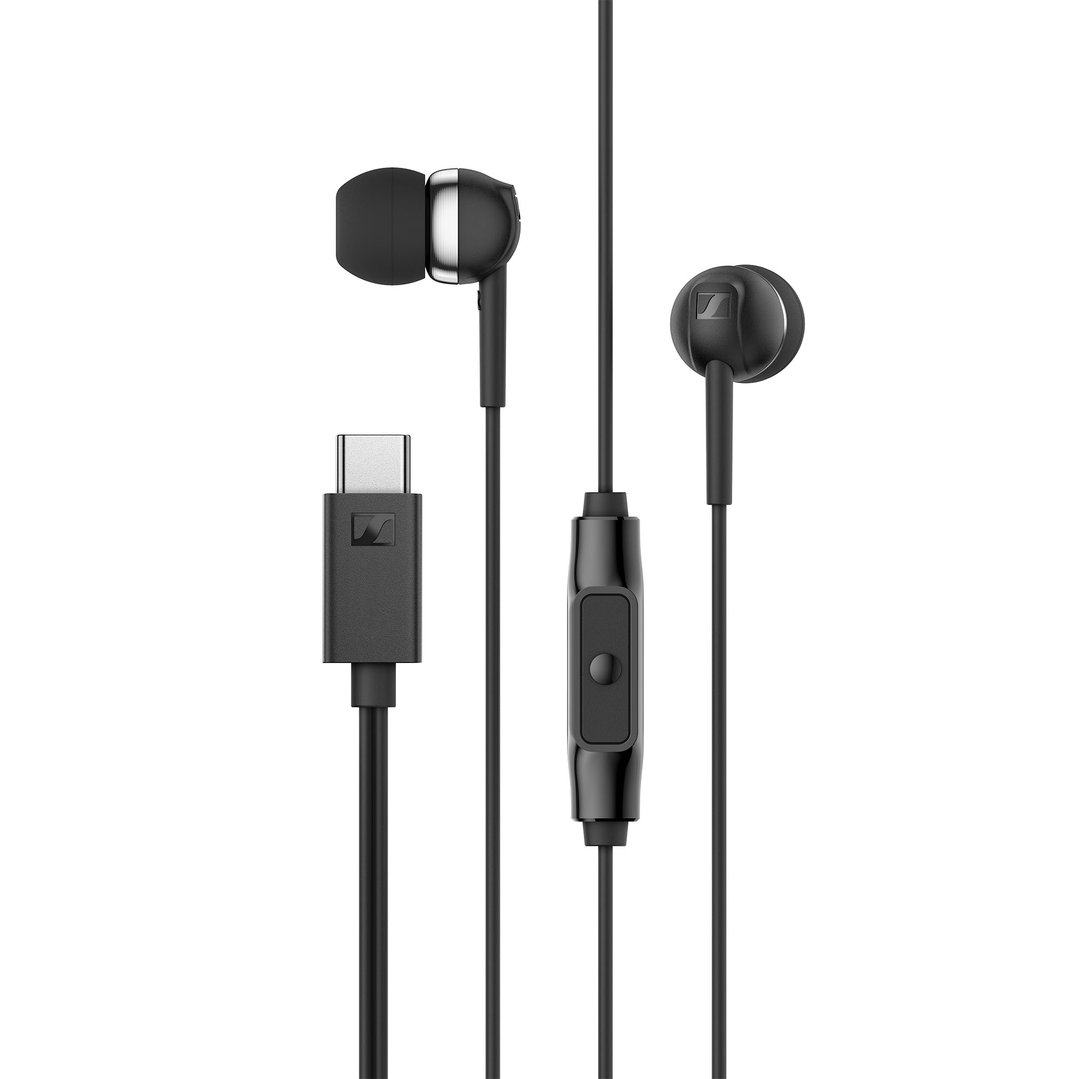
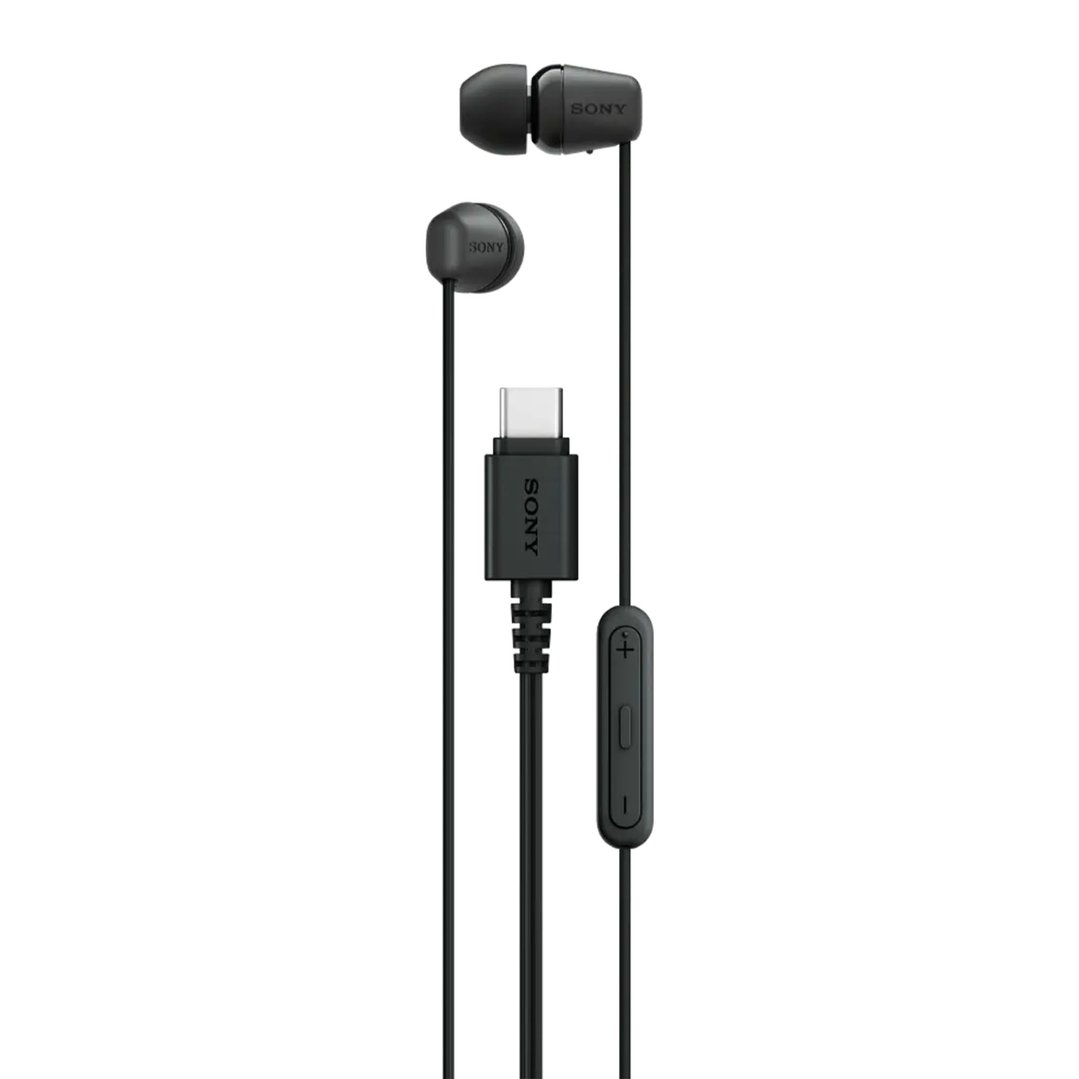
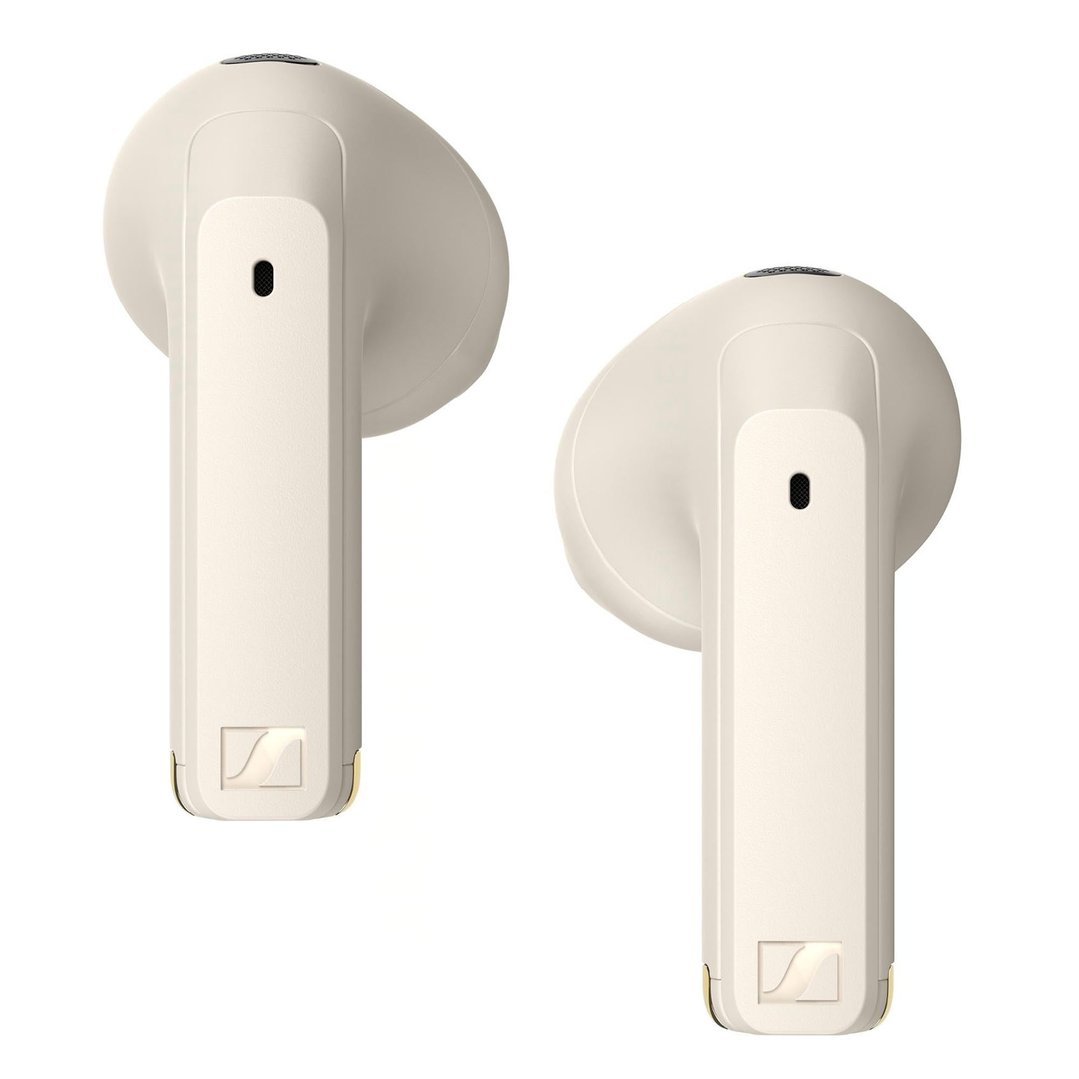
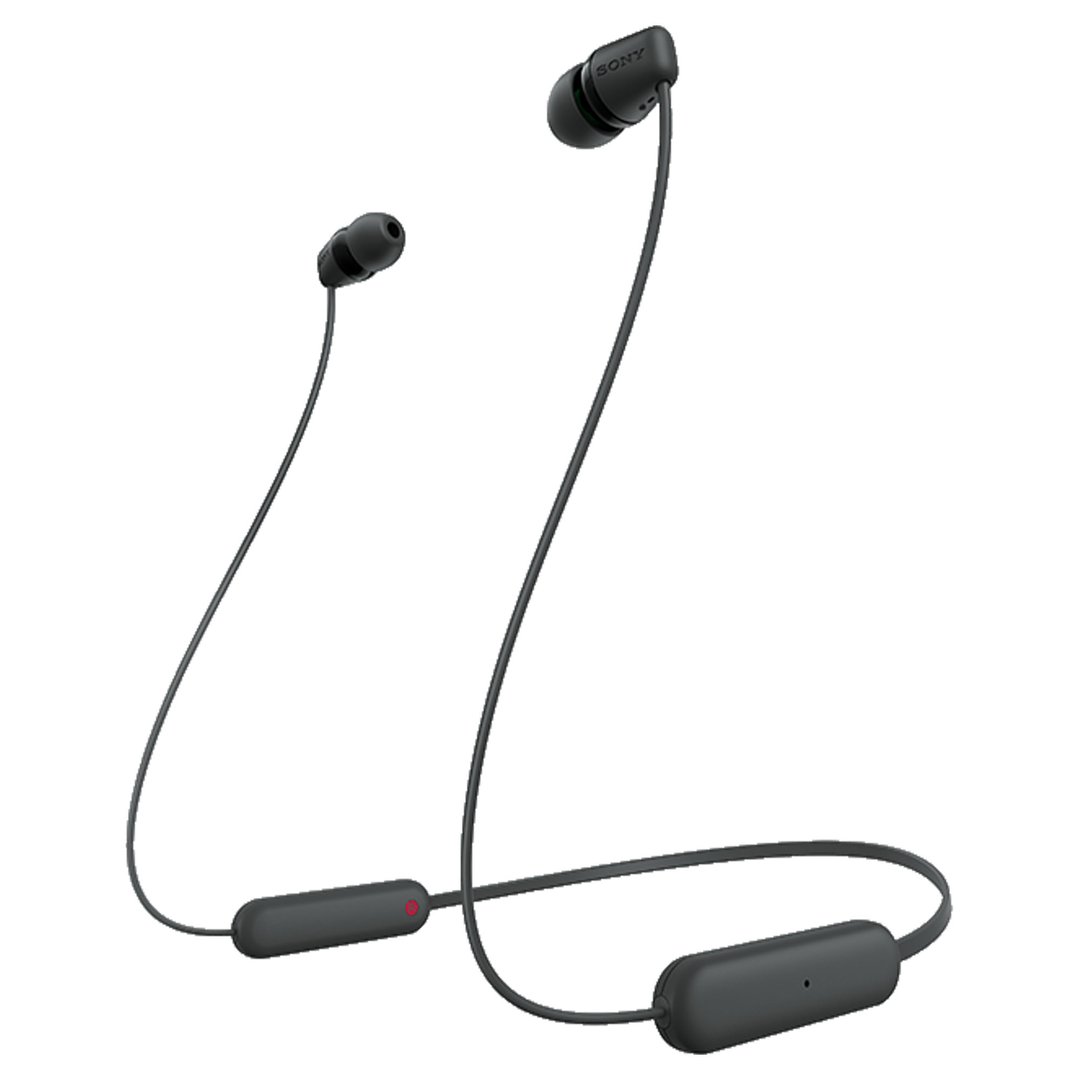
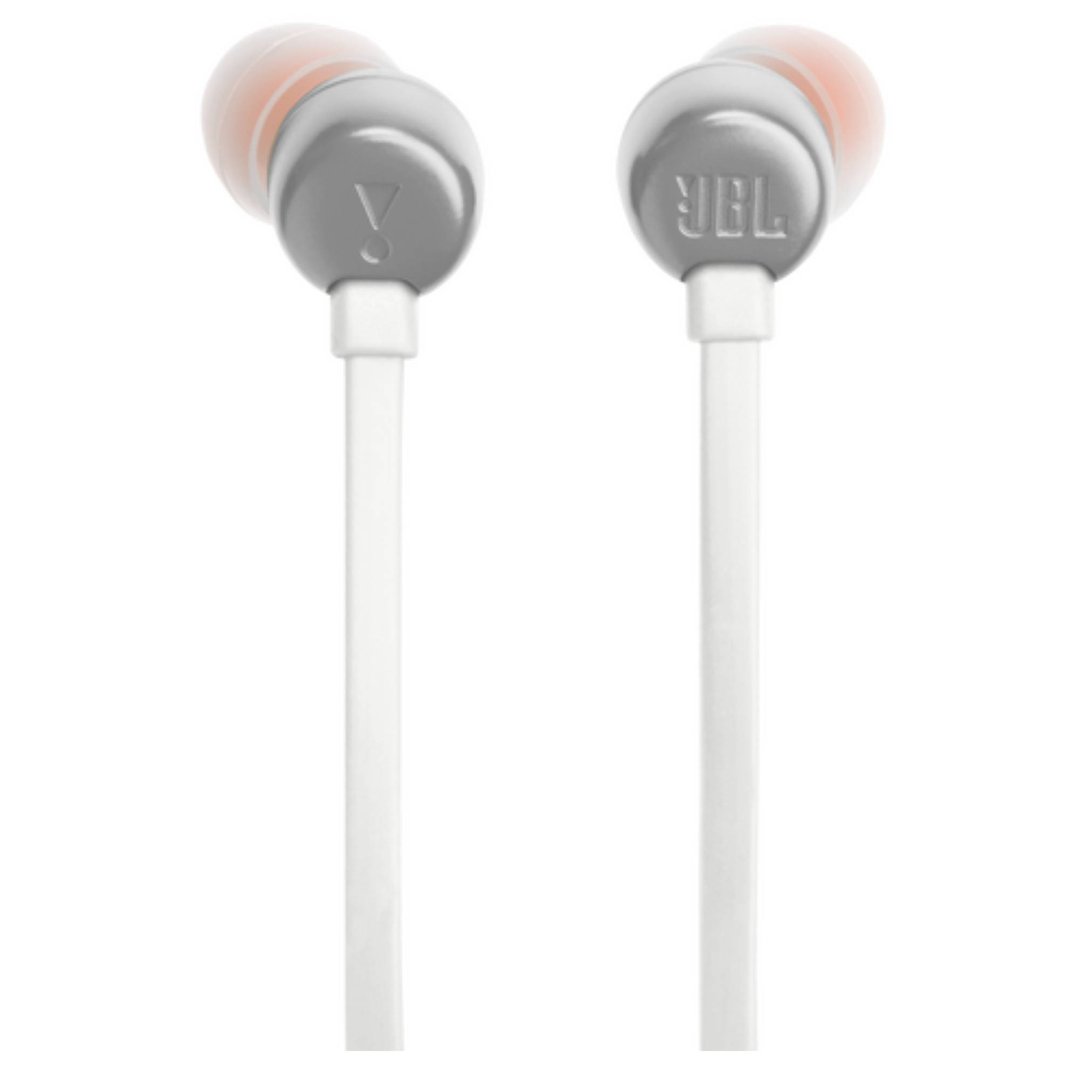
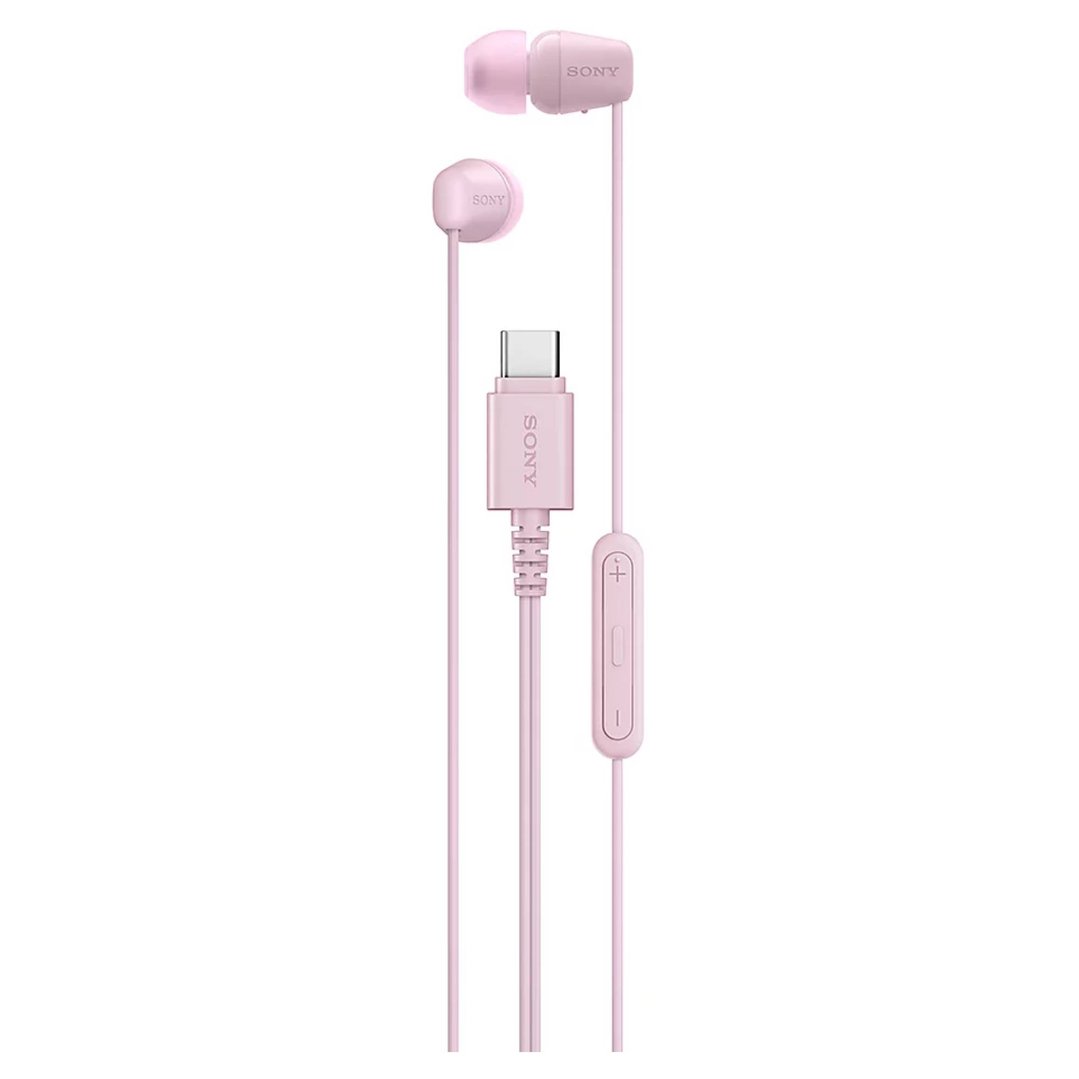
Also known as earbuds, in-ear headphones are extremely portable, making them a great choice for when you’re on the go. As their name suggests, they sit within the ear, and don’t interfere with glasses, hairstyles, hats or earrings.
Very lightweight and portable, and can be easily stored in a pocket or bag.
Often provide decent noise isolation, especially with models that sit within the ear canal.
Thanks to their lightweight design, they can be a good choice for when you’re exercising.
Some models have in-built controls and microphones.
Sound quality is generally not as good as that offered by on-ear and over-ear models, but high-end in-ear headphones can produce a decent sound.
May become uncomfortable when in use for extended periods of time.
Headphone cables are prone to becoming tangled.
Available at a variety of price points.
Available in wired and wireless models.
Popular brands of in-ear headphones: Apple, Sennheiser


ON-EAR HEADPHONES
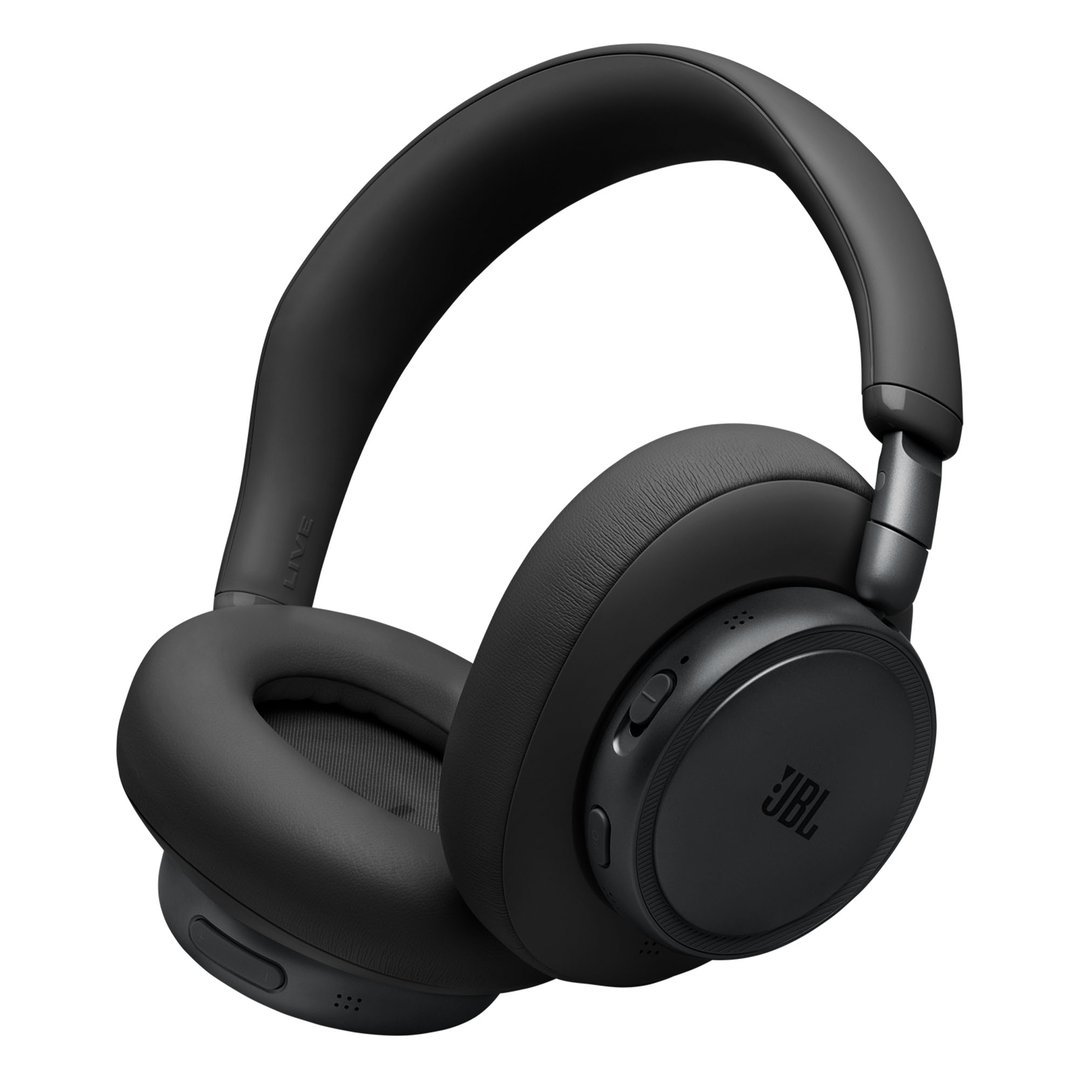
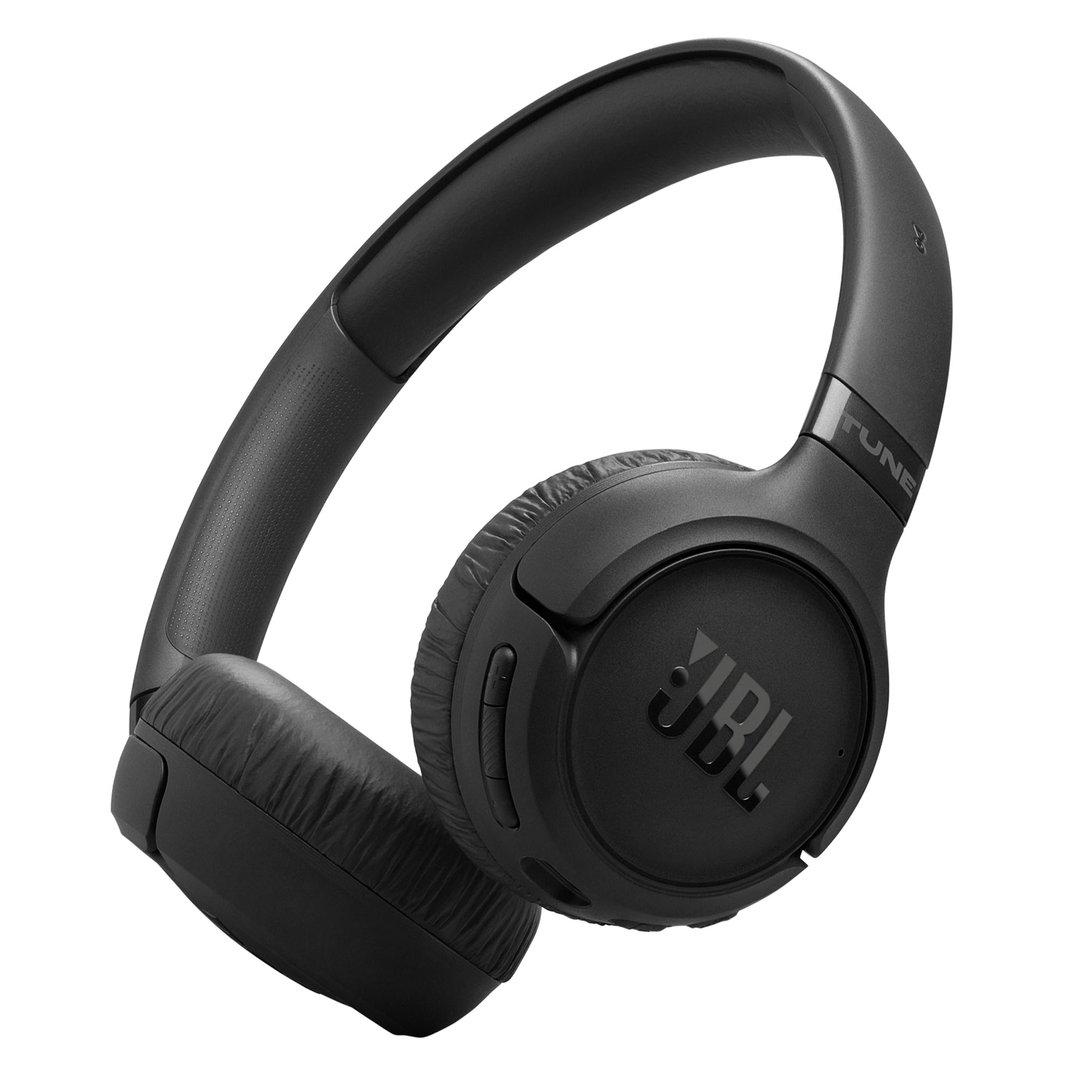
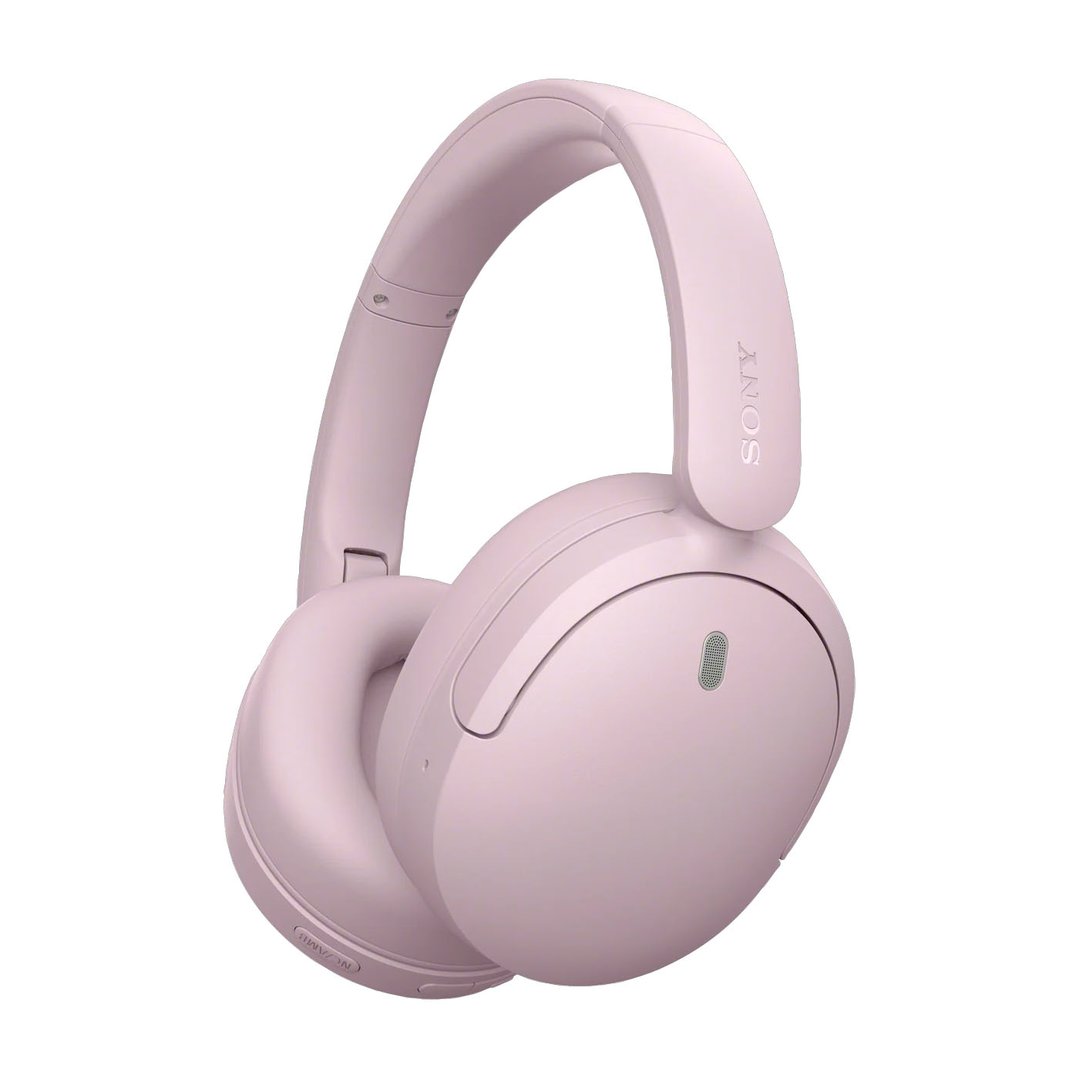
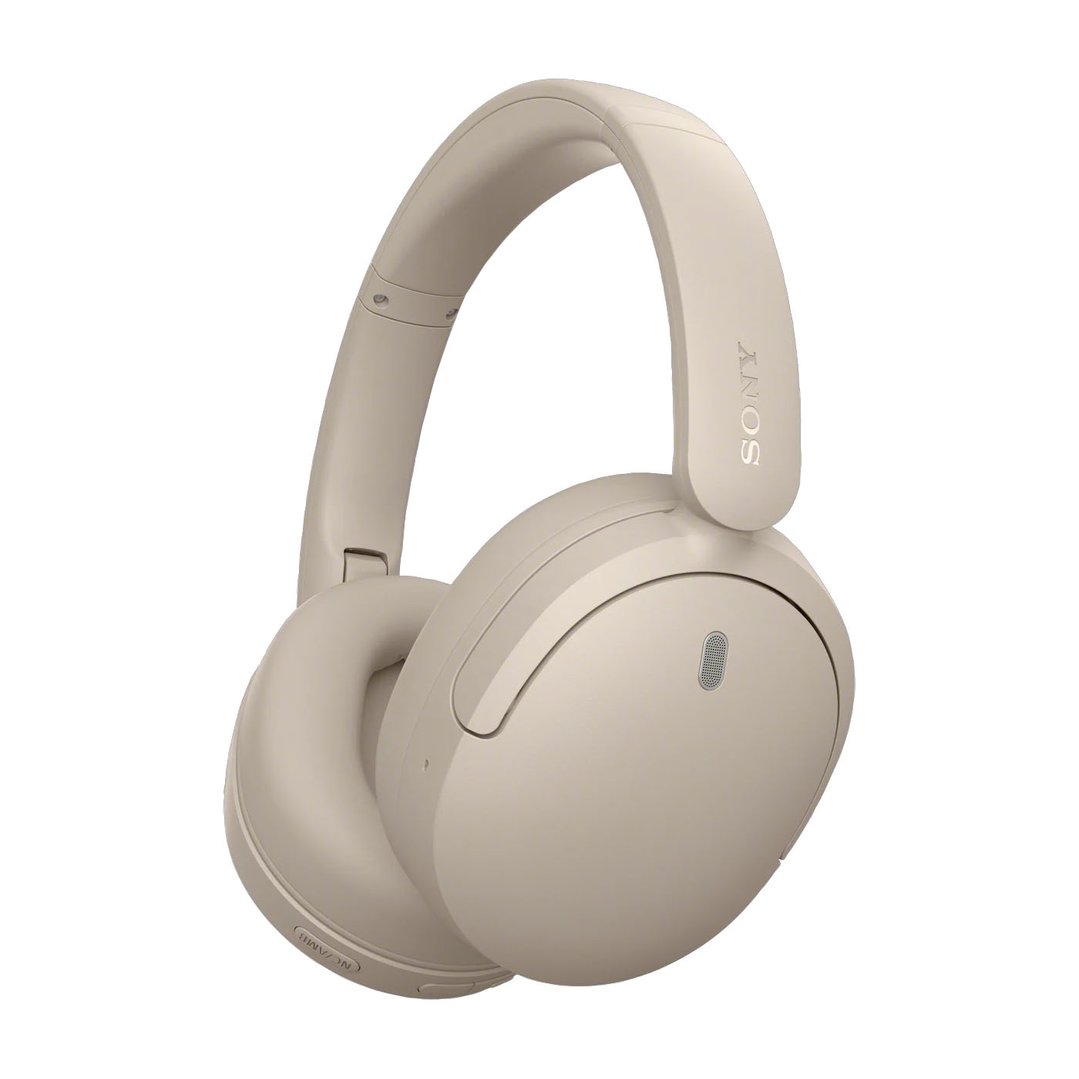
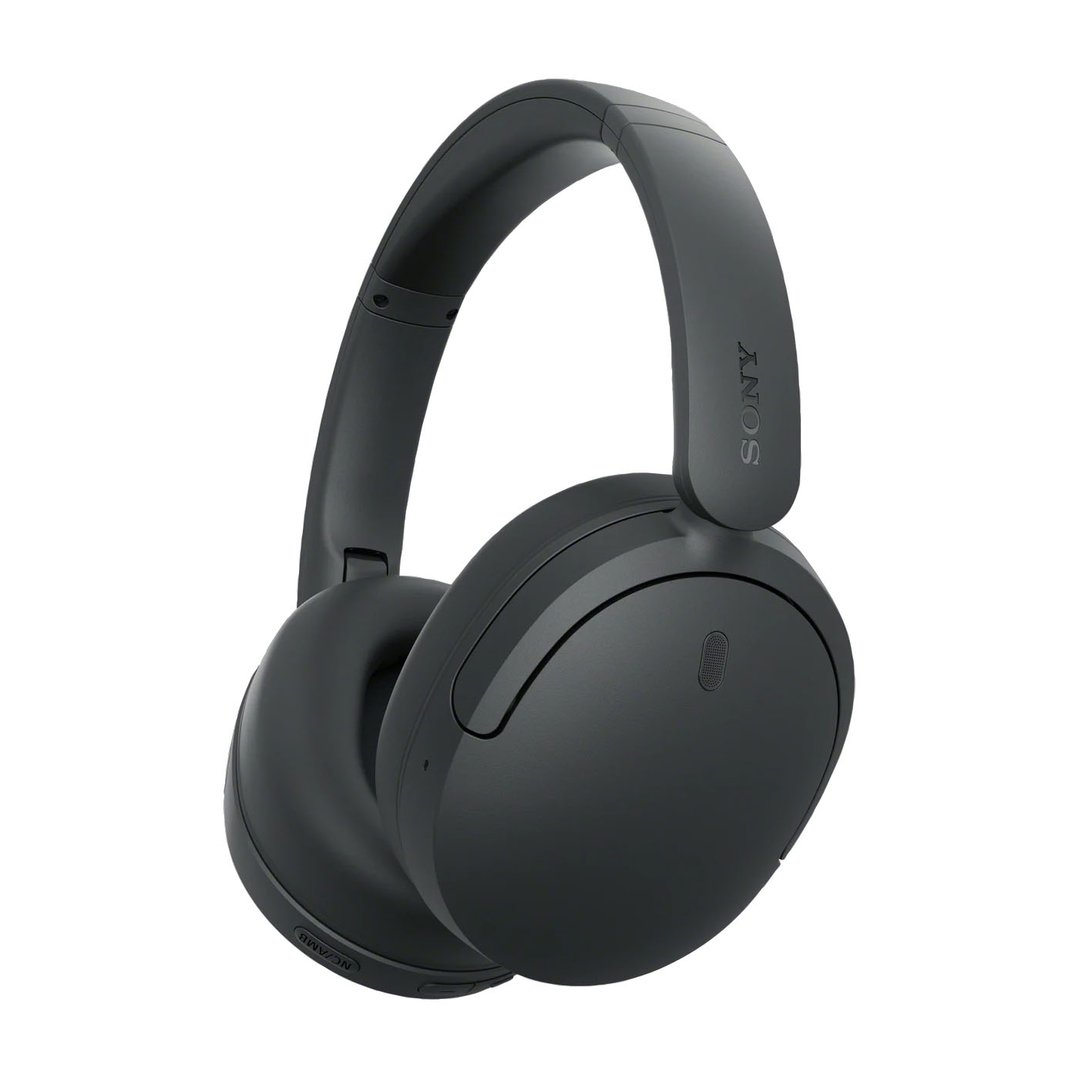
Resting on top of your ears, on-ear headphones often provide a better audio experience than most in-ear headphones. They are padded to provide comfort during use and are generally good all-rounders.
Smaller and less bulky than over-ear headphones.
On-ear headphones allow for airflow around the ears, preventing them from becoming too hot during use.
As the whole ear isn’t surrounded by the headphone unit, sound leakage may occur.
May become uncomfortable with extended use as they press directly on the ears.
May be uncomfortable to use when wearing glasses, earrings or hats.
Some models fold down, making transporting them easier.
Some models have in-built controls and microphones.
Available at a variety of price points.
Available in wired and wireless models.
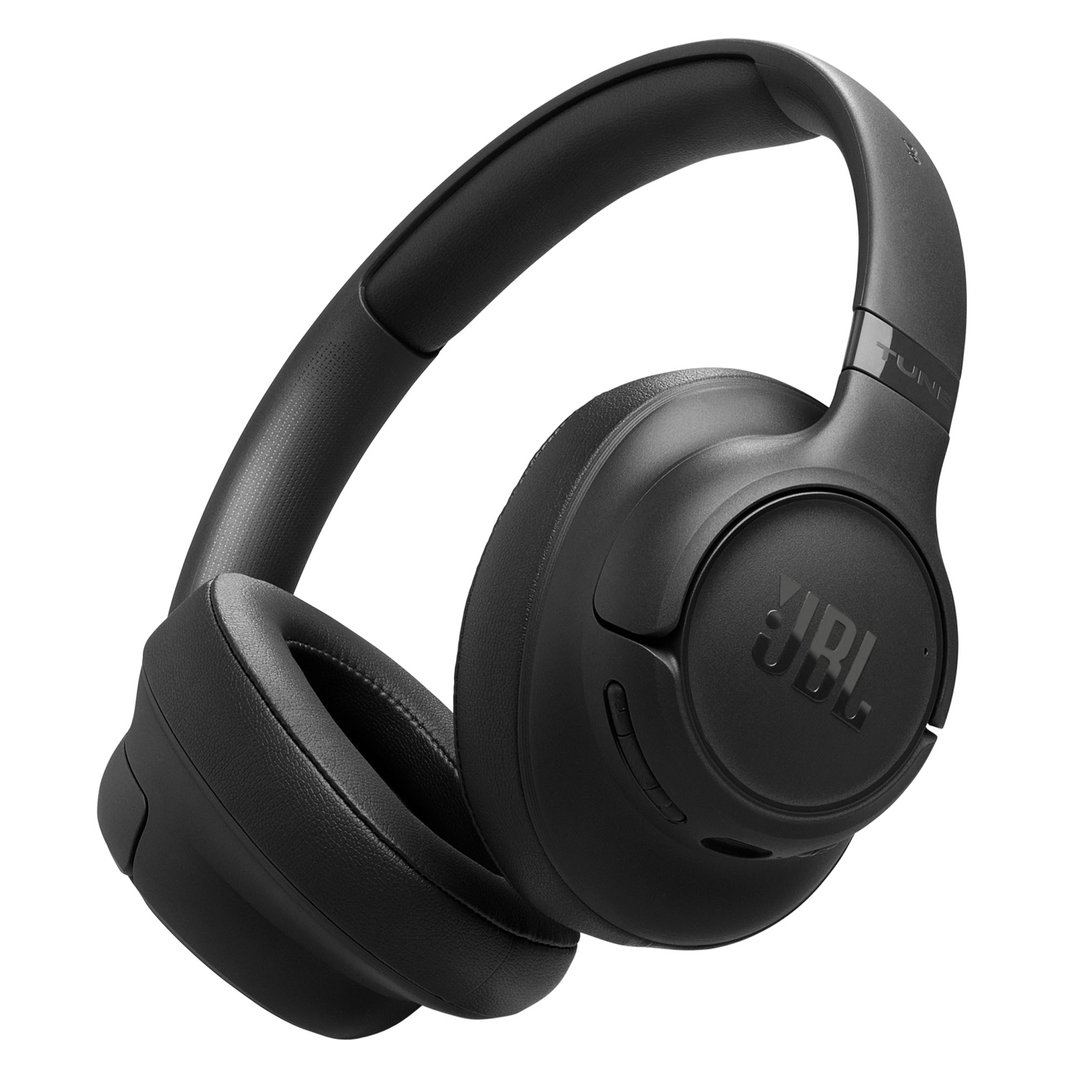
Popular brands of on-ear headphones: JBL, Sony, Sennheiser


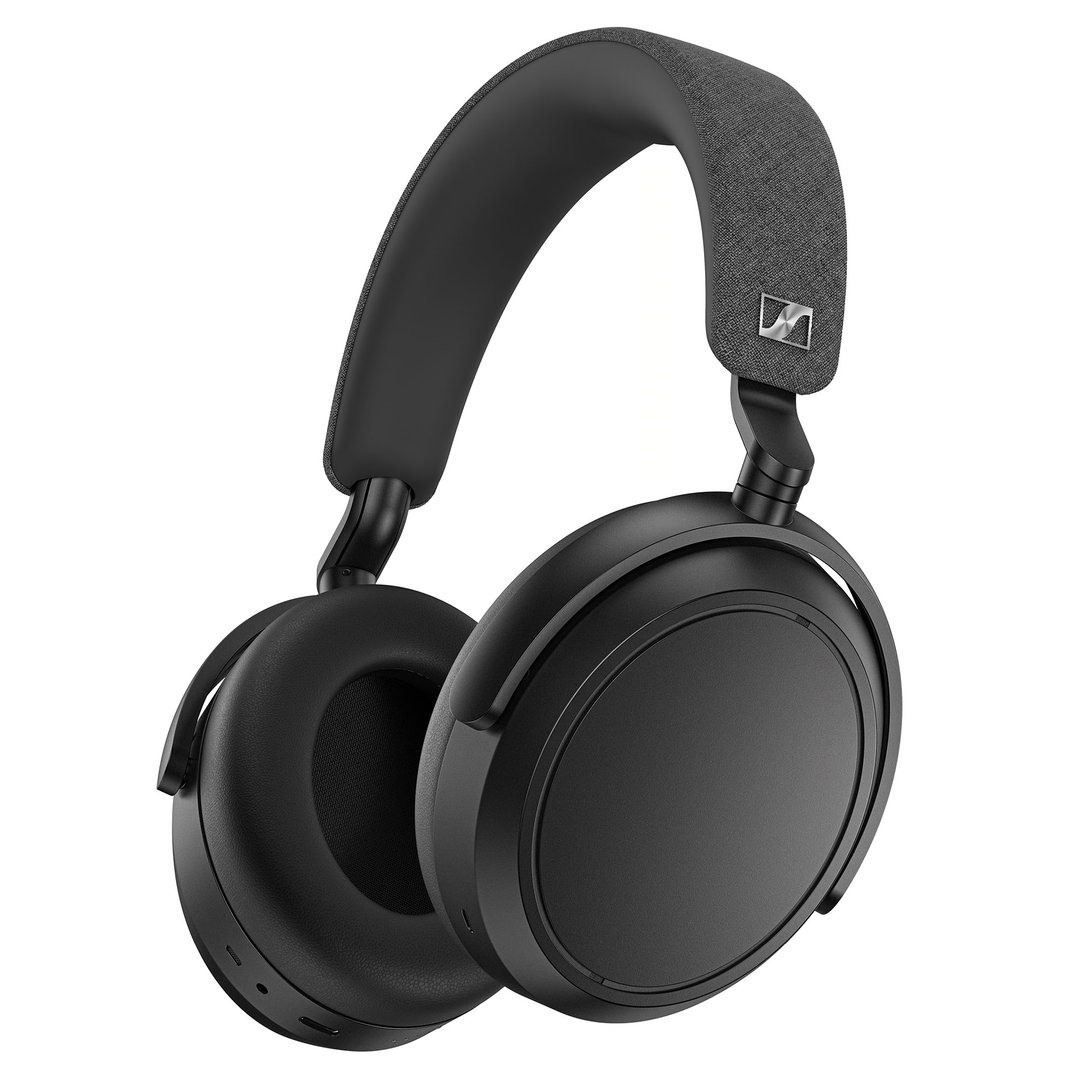
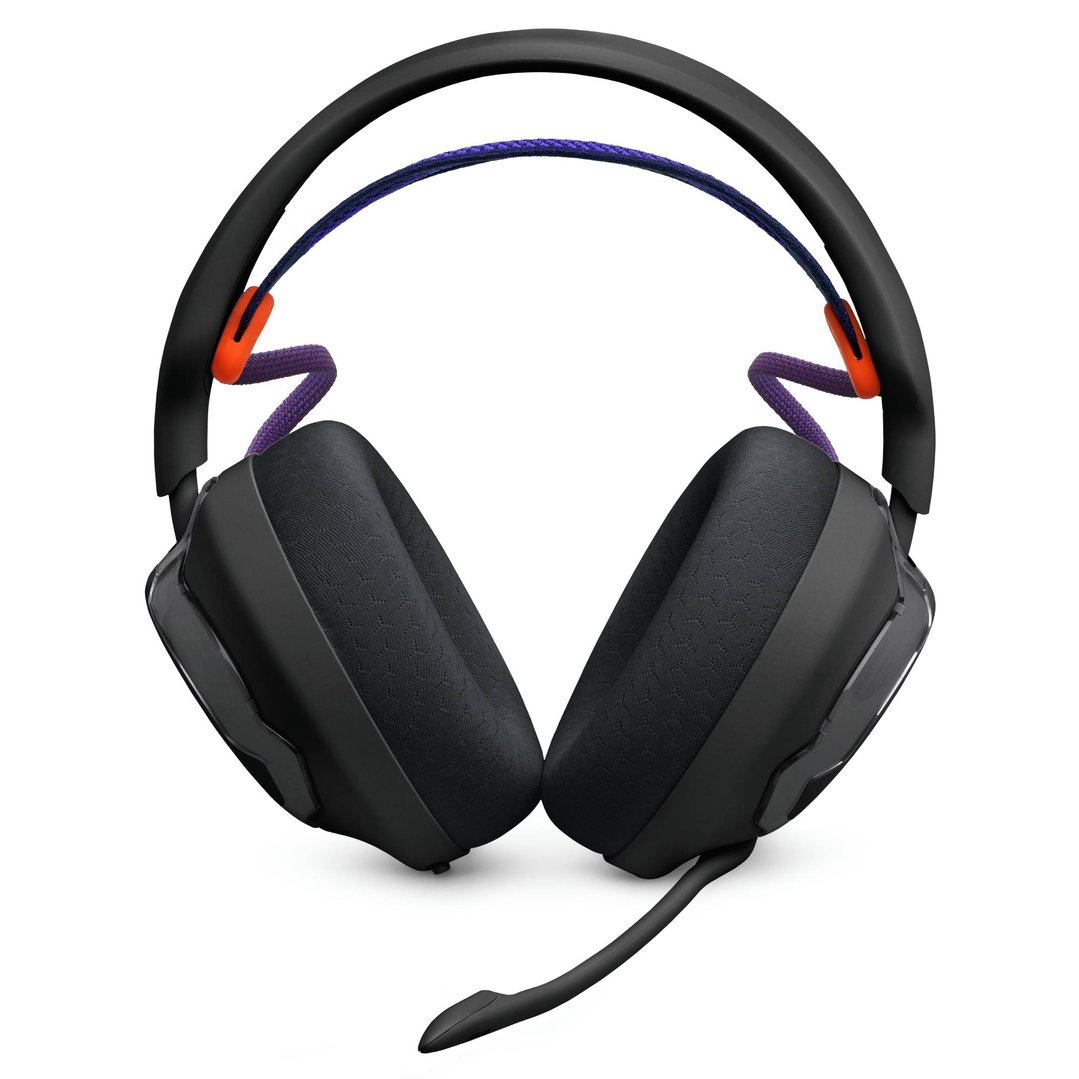
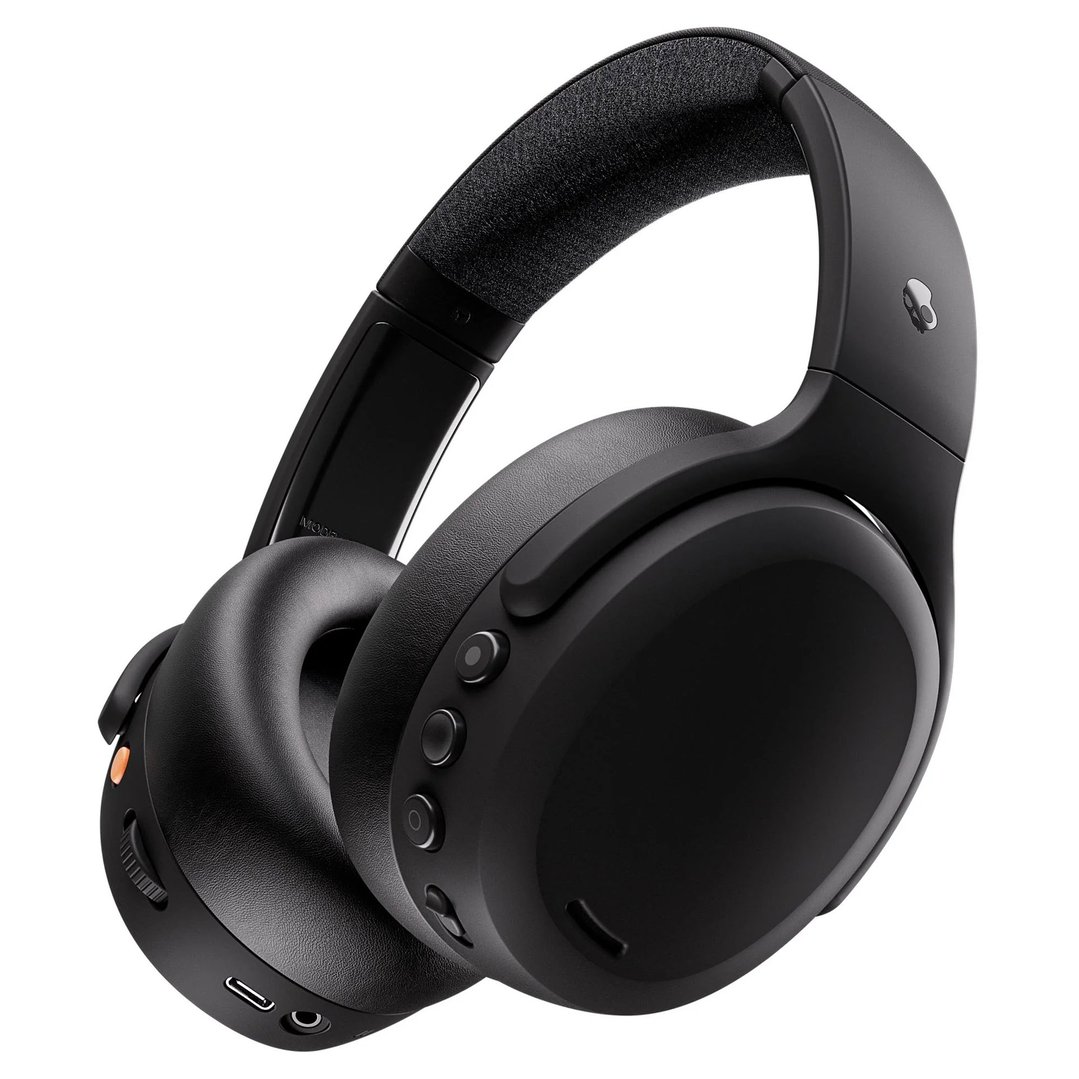
OVER-EAR HEADPHONES
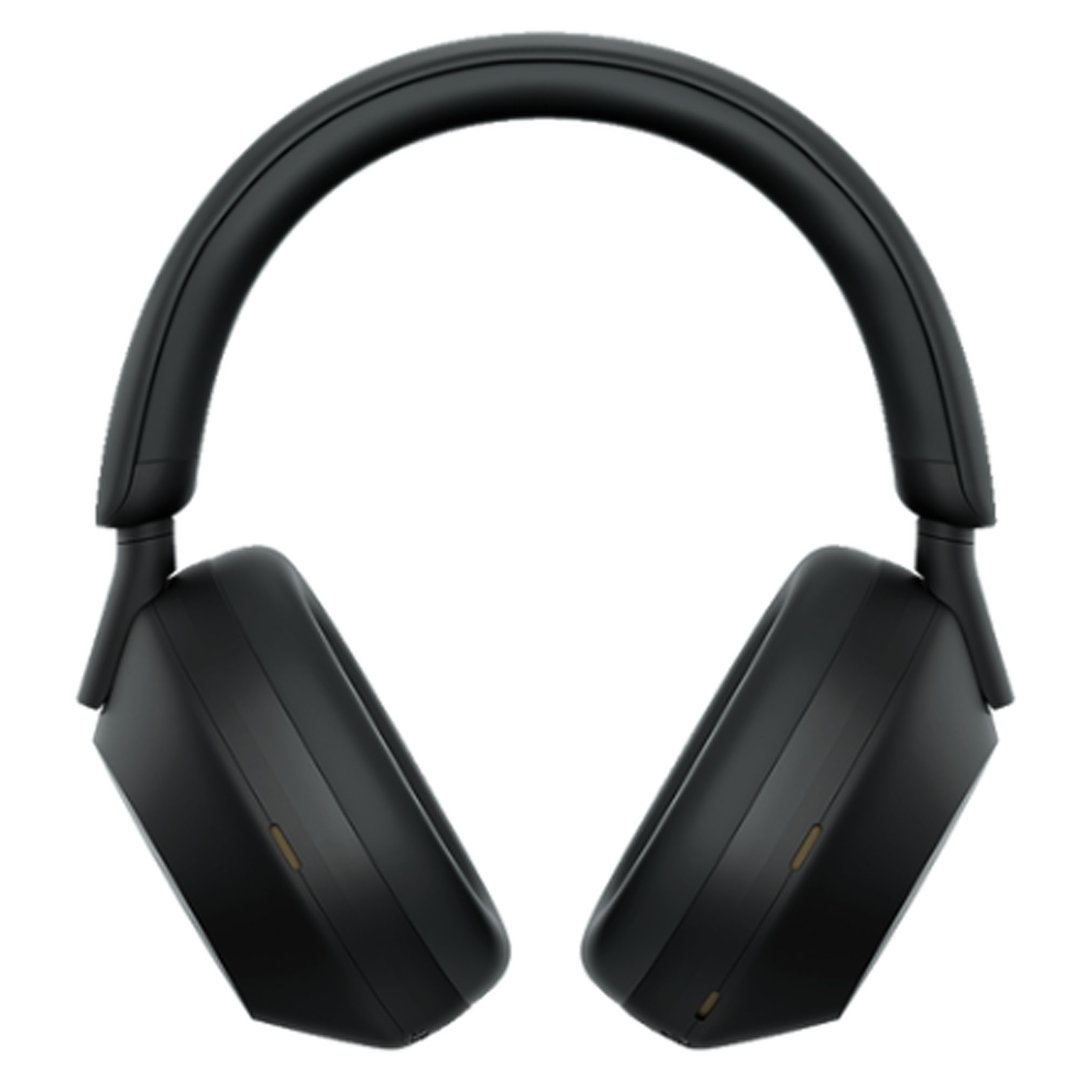
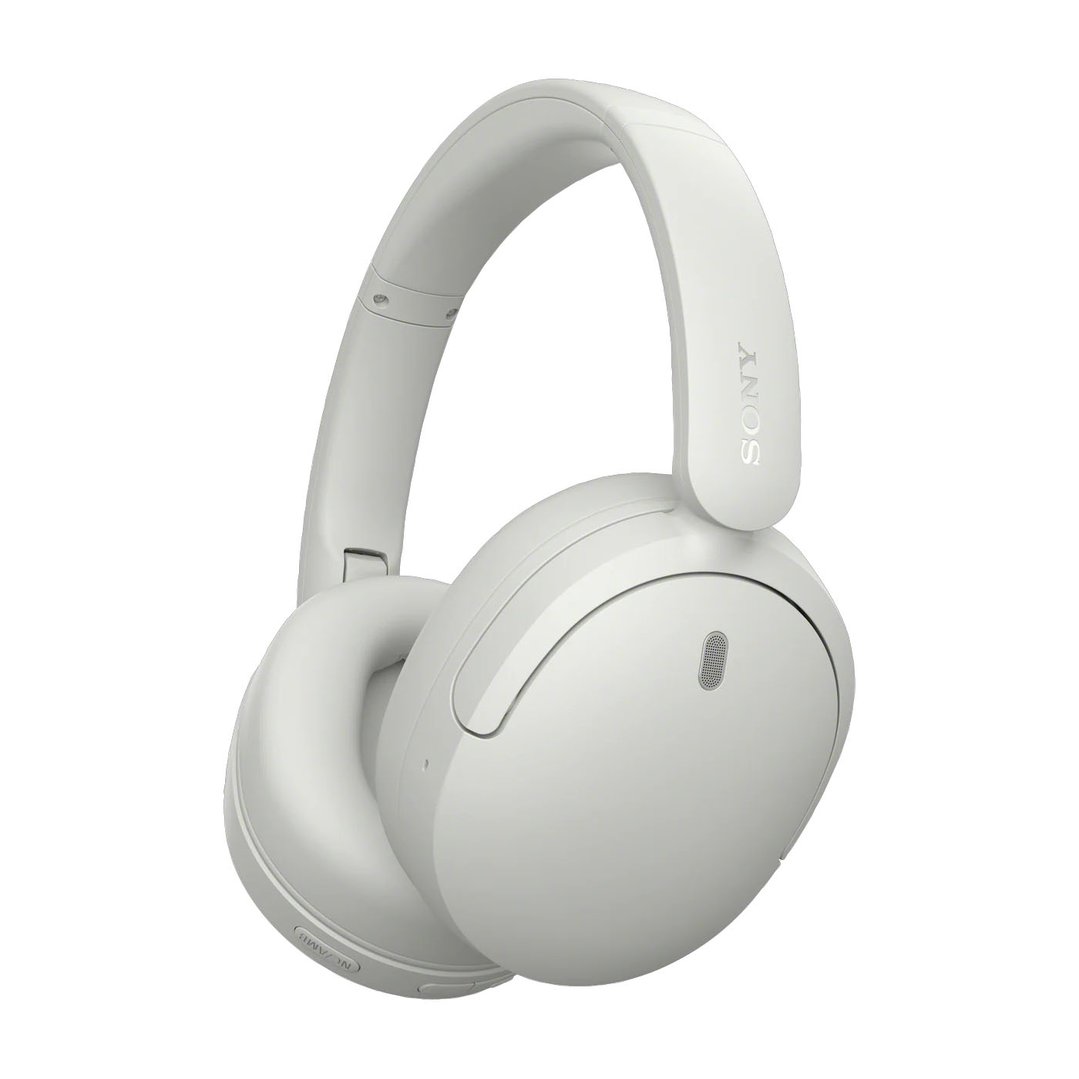
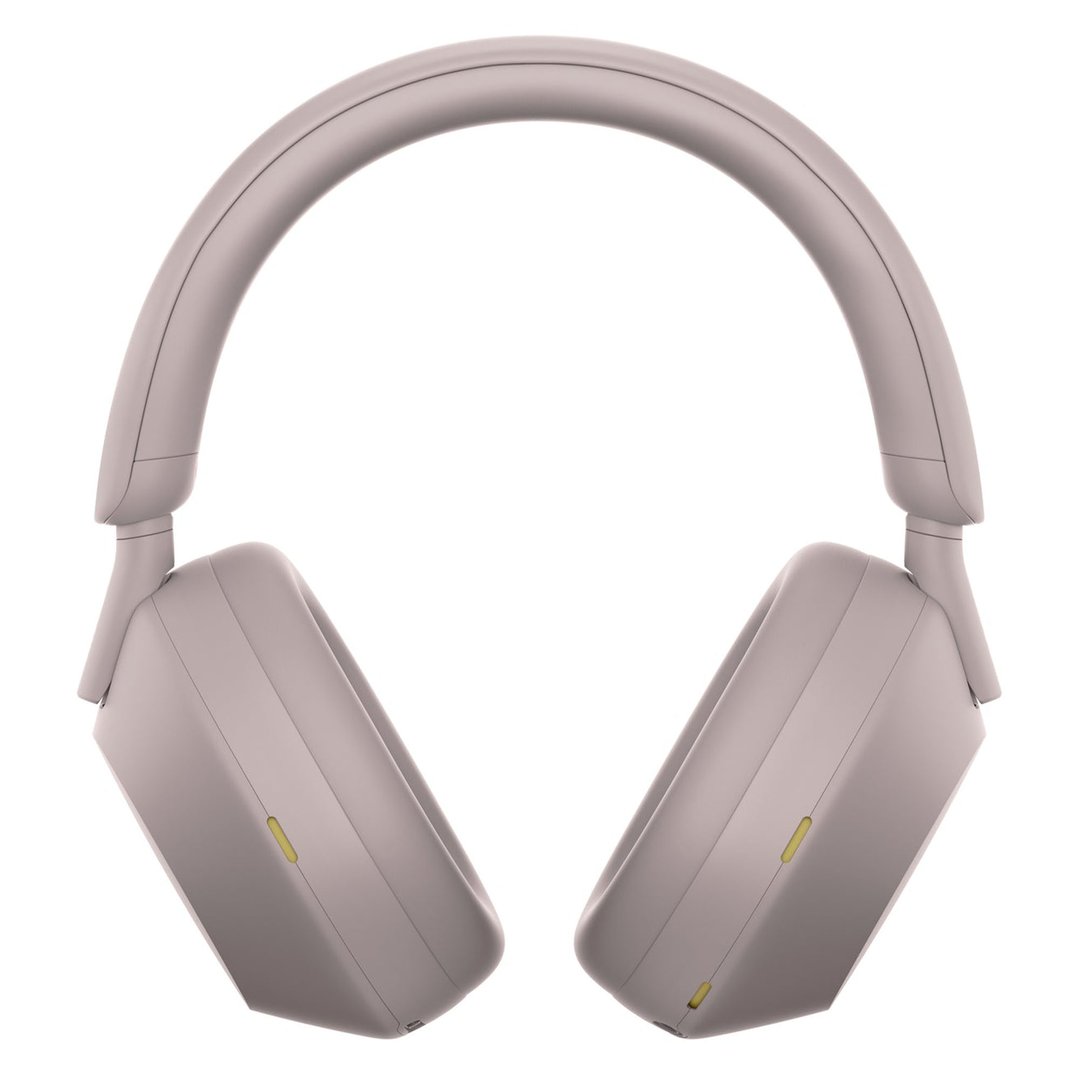
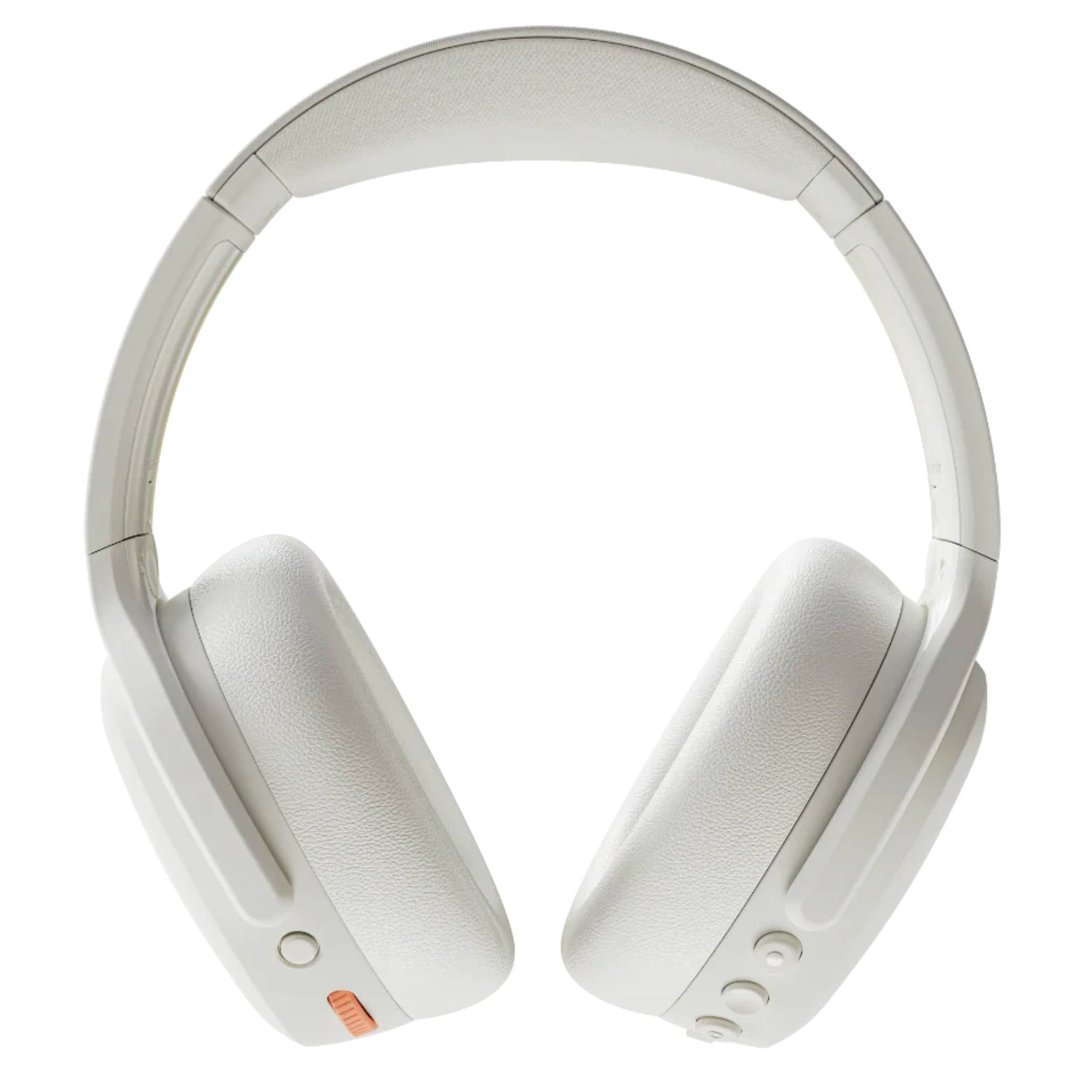
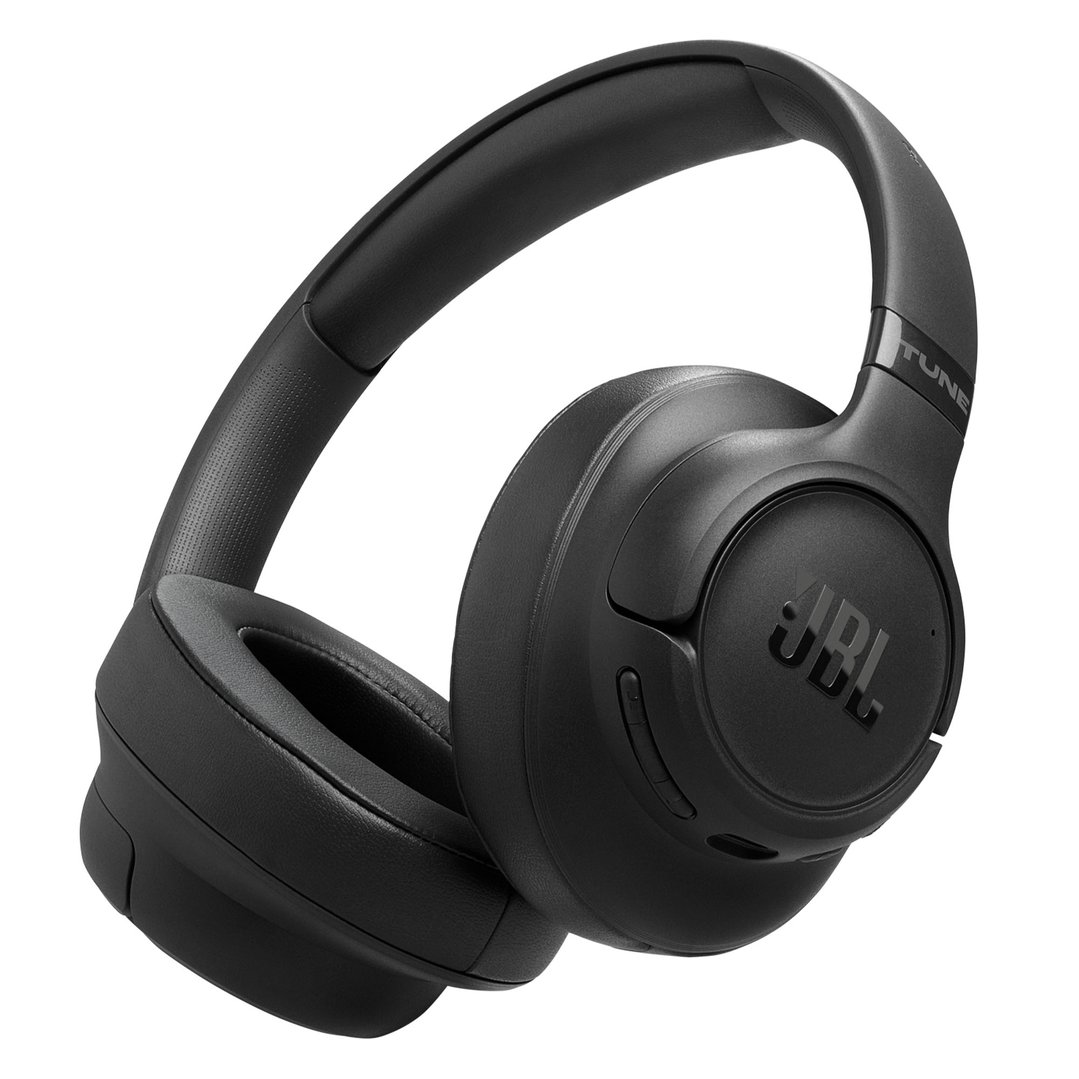
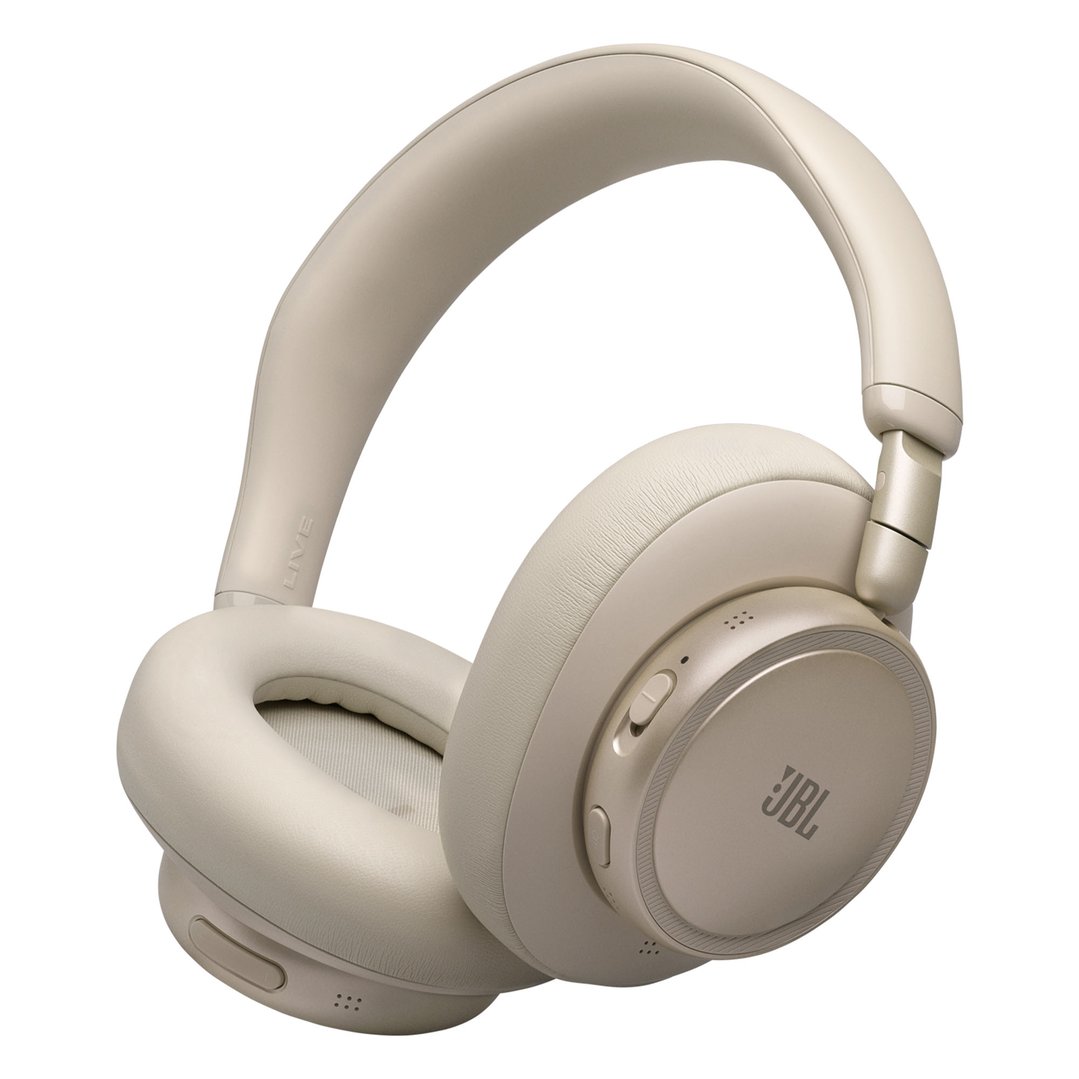
For those serious about sound, over-ear headphones are a great choice. Completely surrounding the ears, they do tend to be bulkier than other types of headphones, but provide good noise isolation and excellent sound reproduction.
Tend to offer better sound quality than other types of headphones.
Cushioned padding makes over-ear headphones comfortable to use for extended periods of time.
Music is effectively sealed within the unit thanks to the padding that surrounds the ear, preventing sound leakage and ensuring better noise isolation.
Some models have in-built controls and microphones.
Some models fold down, making transporting them easier.
Ears may become warm with extended use.
May be uncomfortable to use when wearing glasses, earrings or hats.
Available at a variety of price points.
Available in wired and wireless models.




WIRED HEADPHONES VS WIRELESS HEADPHONES
WIRED HEADPHONES
Connected directly to your devices via a cable and headphone jack, wired headphones are a good choice if you’re wanting clear audio and a no-fuss connection method. With a direct connection to your device, there’s no need to worry about audio dropping out, signal interference or your headphones running out of battery.
Often provide a clearer connection and better sound quality than wireless headphones.
Do not have batteries that need to be charged.
Best suited to activities that require less movement, such as travelling or office work, as the cord may become tangled or restrict movement.
Require you to be in easy reach of your devices.
WIRELESS HEADPHONES
Connecting to your devices using Bluetooth or WiFi, wireless headphones give you the freedom to enjoy your music without disruptive cables that may become tangled. Most wireless headphones can be used up to 10 metres from your devices, meaning that there’s no need to keep your device in hand when listening to your favourite music.
Great for those on the go who don’t want to be limited by cables.
Good wireless headphones can be a good choice for jogging or working out at the gym as your range of movement won’t be disrupted.
Headphones need to be charged before use, with battery life varying from just a few hours to several days.
Sound quality may not be as good as that provided by wired headphones as audio signals are compressed when sent wirelessly from your devices.
Devices need to be close by to avoid interference.


OPEN AND CLOSED BACK HEADPHONES
Most headphones on the market are classified as being either open or closed back. Although this may not be a feature that you’ve heard much about, it can make a difference to the sound quality you enjoy.
OPEN BACK HEADPHONES
Helping to provide a clearer sound, open back headphones are designed in such a way that allows air to pass through to the headphone speakers. This prevents air pressure from building up and affecting the quality of the sound you enjoy. While air is allowed to pass through the headphones, this does also mean that sound can leak out and you may hear more environmental sounds too.
CLOSED BACK HEADPHONES
Closed back headphones are designed to prevent air entering and sound escaping from where it shouldn’t, making them a good choice if you are wanting noise cancellation and decent sound quality. Surrounding your ears fully, closed back headphones are good at blocking out environmental sounds, meaning that they’re great for when you’re commuting, working in a noisy office or seeking clear audio. It’s good to note that as a result of the lack of ventilation, your ears may become warm when using closed back headphones.
FEATURES TO LOOK OUT FOR
Controls. Many headphone models come with in-built controls that allow you to adjust volume, pause music, skip tracks and answer phone calls without having to reach for your smartphone, tablet or laptop. It can be a handy feature when exercising or simply going about your day. The placement of the controls can vary between models, but they can generally be found on the headphone cable for wired headphones or on the ear-cups for wireless models.
Connection type. If you’re thinking about buying a pair of wired headphones, it’s a good idea to check that the connection type is compatible with the devices you own. Some modern smartphones no longer have standard headphone jacks, so you may need to purchase a convertor to allow you to use your headphones.
Built-in microphone. When using your headphones with your smartphone, a built-in microphone can be a handy feature to look out for. Instead of needing to disconnect your headphones each time you receive a phone call, you can enjoy the convenience of being able to answer your calls while using your headphones.
Battery life. If you’re thinking about purchasing a pair of wireless headphones, it’s a good idea to consider the battery life that each model offers. Battery life does vary from model to model, with some using traditional batteries and others having in-built rechargeable batteries. Fast charging is available on some models, allowing you to enjoy many hours of use with just a fraction of the charging time.
Noise cancelling capability. Great for allowing you to become fully immersed in your music as you commute, work or relax, noise cancelling can be a good feature to look out for when buying a new set of headphones. There are two different types of noise cancelling: passive noise cancelling and active noise cancelling. Passive noise cancelling is where the design of the headphones helps to reduce the amount of environmental noise, while active noise cancelling takes place when specific frequencies are used to counteract external sounds detected by a small microphone. They may be used independently, or, in some models, together.
Water resistance. If you’re searching for a pair of headphones to use when working out or getting active, it’s a good idea to look for a model with some degree of water resistance. Although it may not be a feature that all headphone users will need, water resistance can be important in keeping your headphones in good condition. Various levels of water resistance are available, including:
IPX0 - headphones are not water resistant at all.
IPX1 - headphones are protected from some water drops that fall vertically.
IPX2 - headphones are protected from dripping water falling at an angle of 15 degrees or less.
IPX3 - headphones are protected from water drops falling at an angle of 60 degrees or less.
IPX4 - headphones are protected from water splashes from any direction.
IPX5 - headphones can withstand heavy streams of water.
IPX6 - headphones can withstand high-pressure streams of water.
IPX7 - headphones may be submerged in water up to a metre deep.
IPX8 - headphones may be submerged in water deeper than a metre.
Weight and comfort. If you plan to use your headphones for any length of time, it’s important that they are comfortable to wear. As a general rule of thumb, you should look for a pair of good quality headphones that’s lightweight and sized correctly for your ears. If you choose a pair of on-ear or over-ear headphones, they should be adequately padded. If possible, try out the headphones in-store to see how they feel.
Device compatibility. Some types of headphones, such as Apple’s AirPods, are designed to work with one brand of device. Be sure to check if your smartphone or computer are compatible with the models you’re considering to avoid any compatibility issues.