Buying Guides
Washing Machine Buying Guide

In the market for a new washing machine? Whether you’re after a model that’s perfect for one or need something a little larger to take charge of your family’s laundry, you’ll find a wide variety of washing machines to choose from. To help make buying the best washing machine for your needs simpler, we’ve put together a washing machine buying guide that outlines the differences between different types of washing machines, features to look out for and more.
$999$799Ends in
7 Days$1,099$908Ends in
7 Days




Jump to
TYPES OF WASHING MACHINES
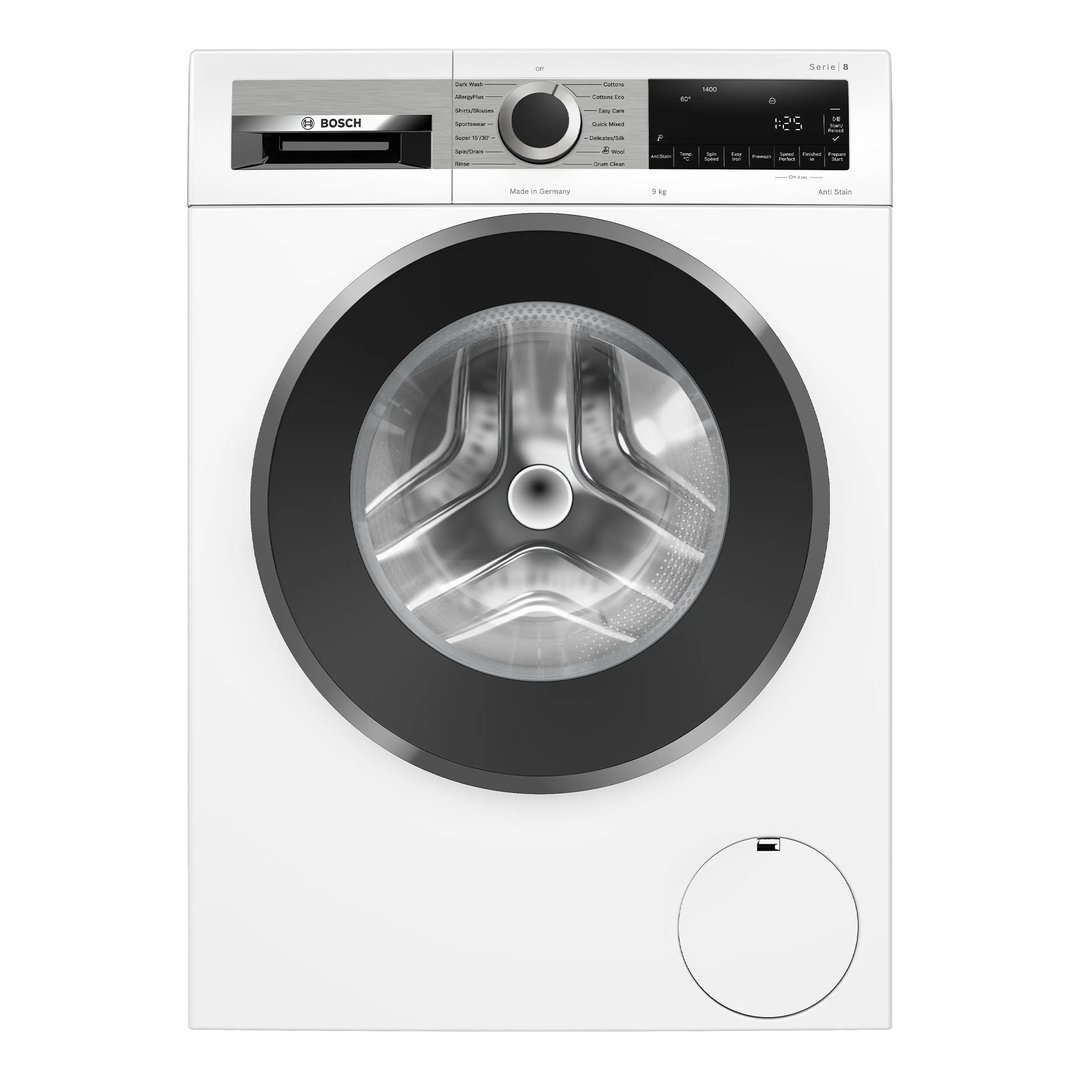
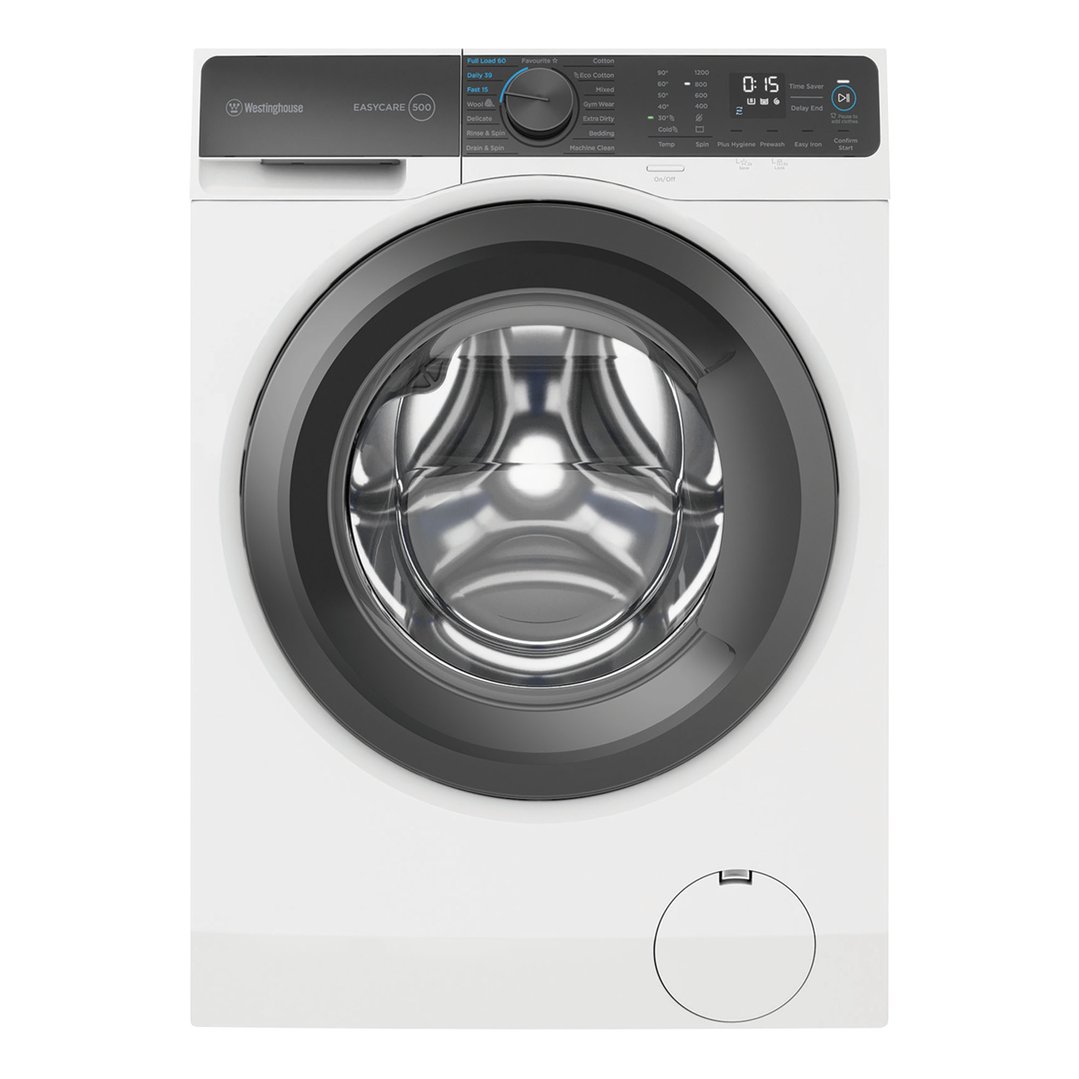
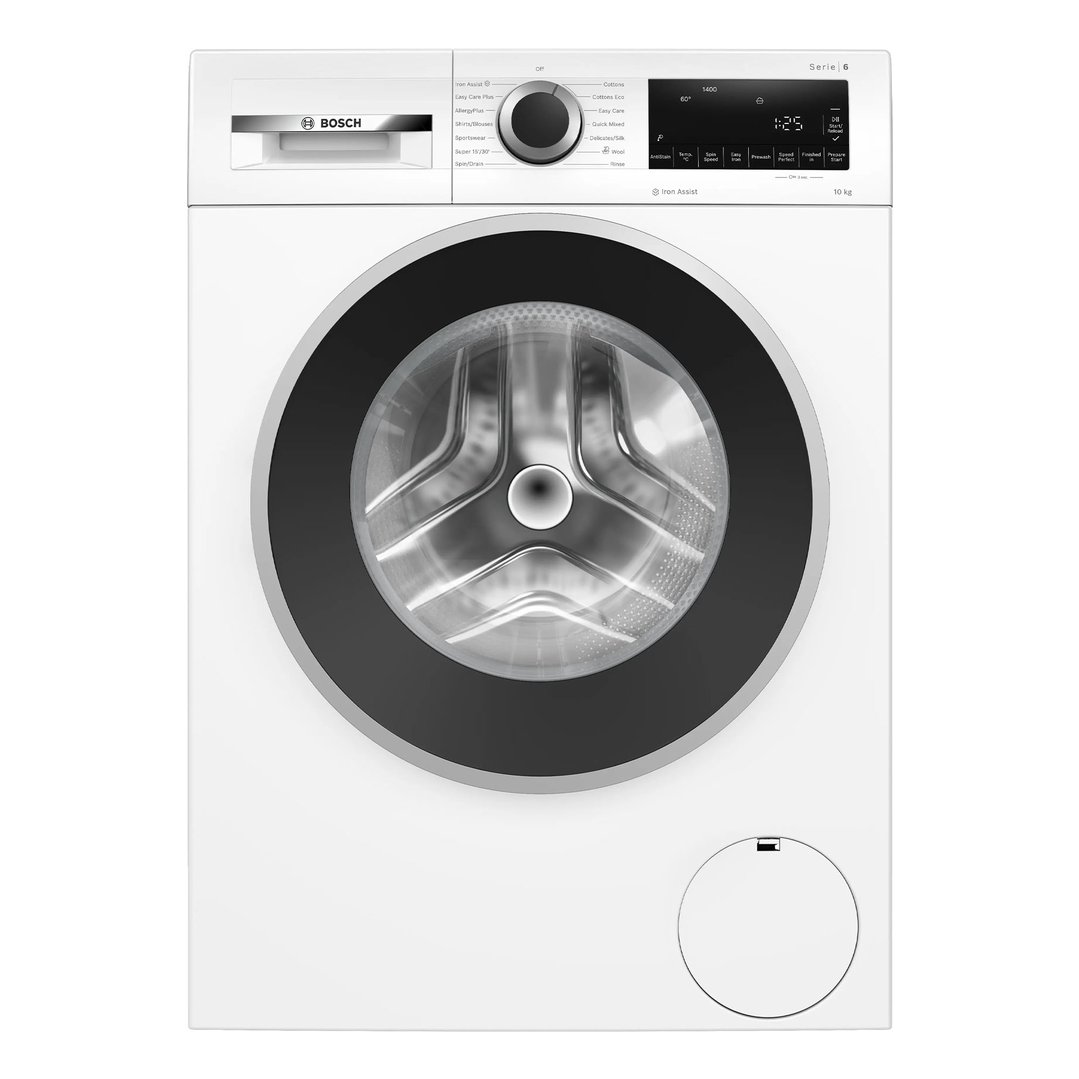
FRONT LOADER
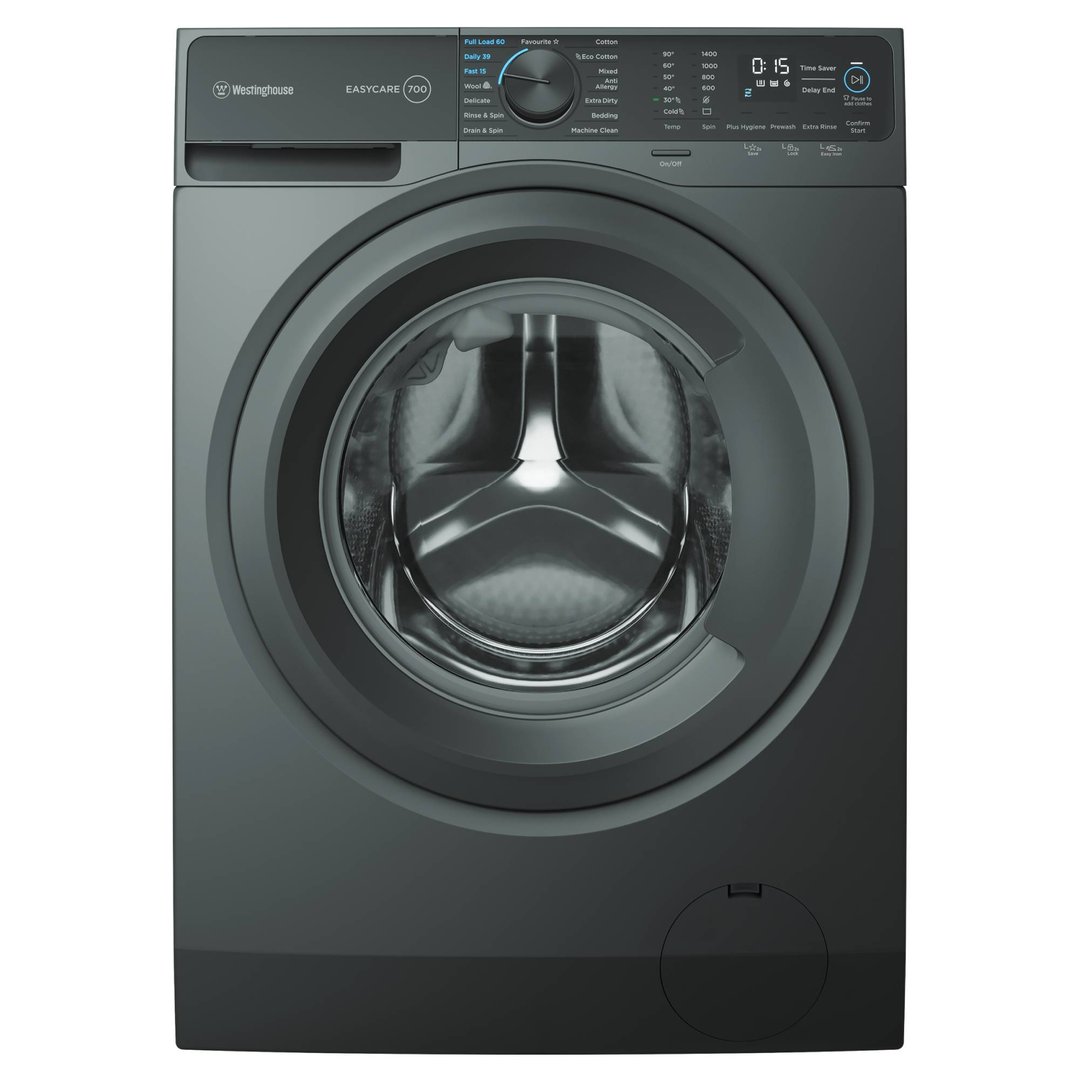
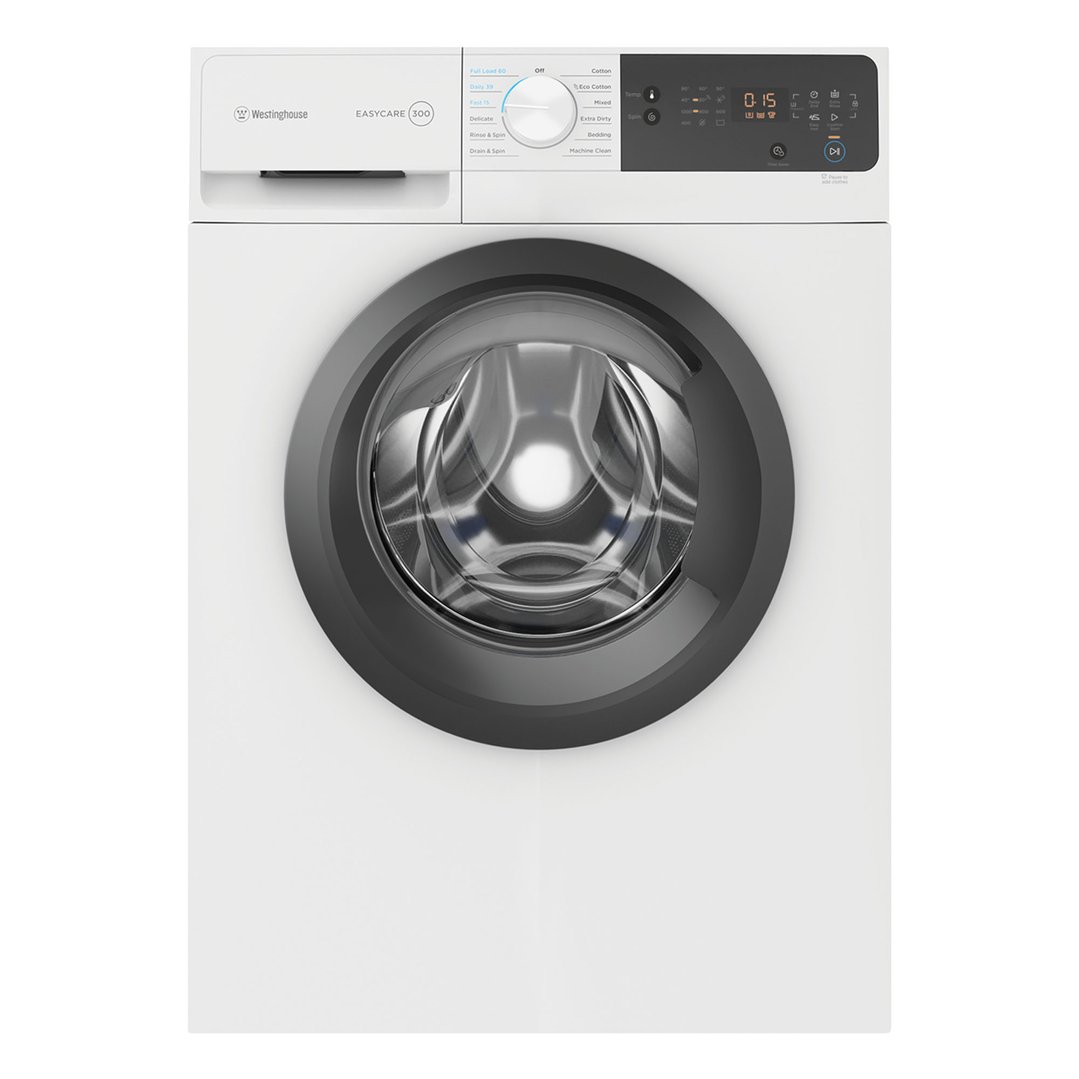
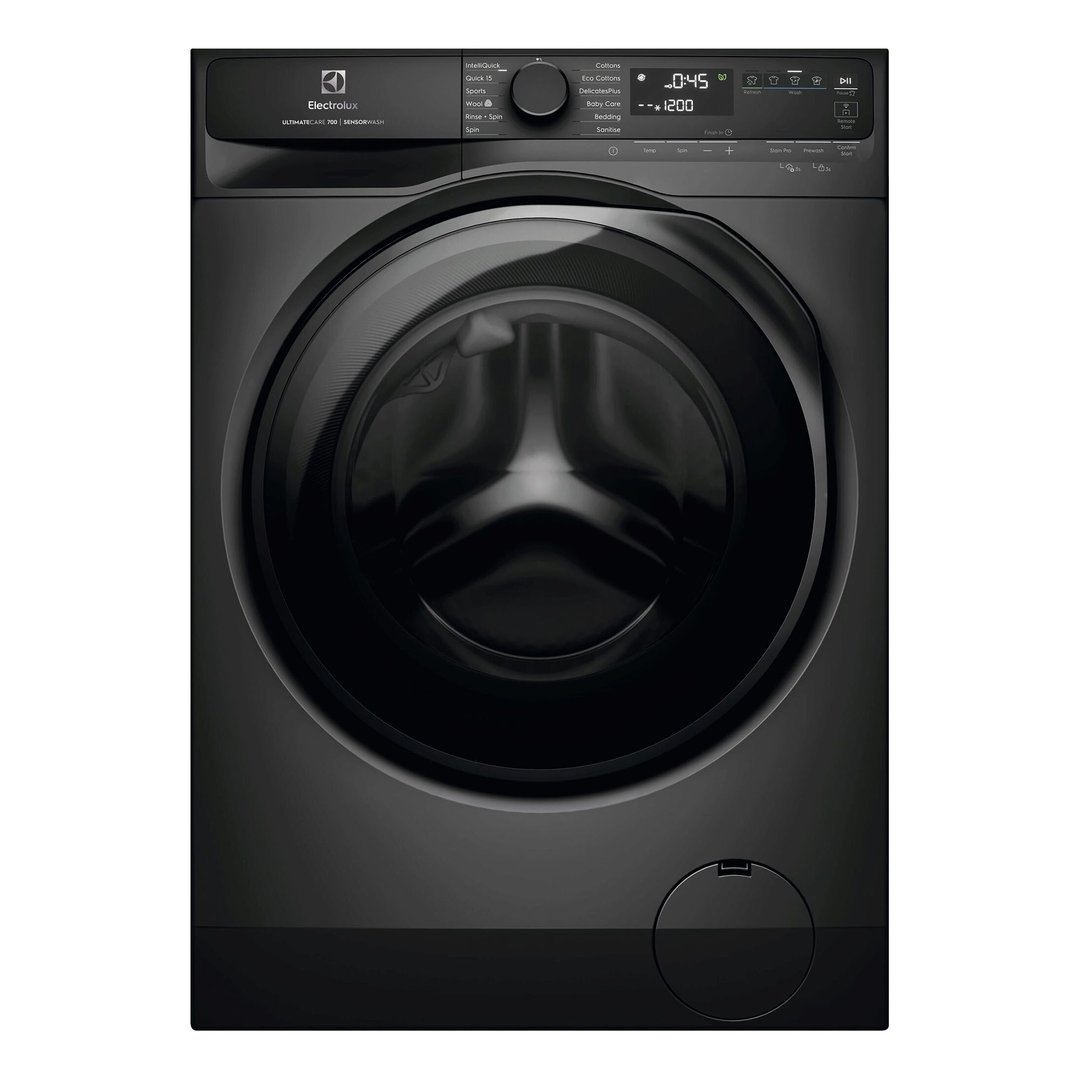
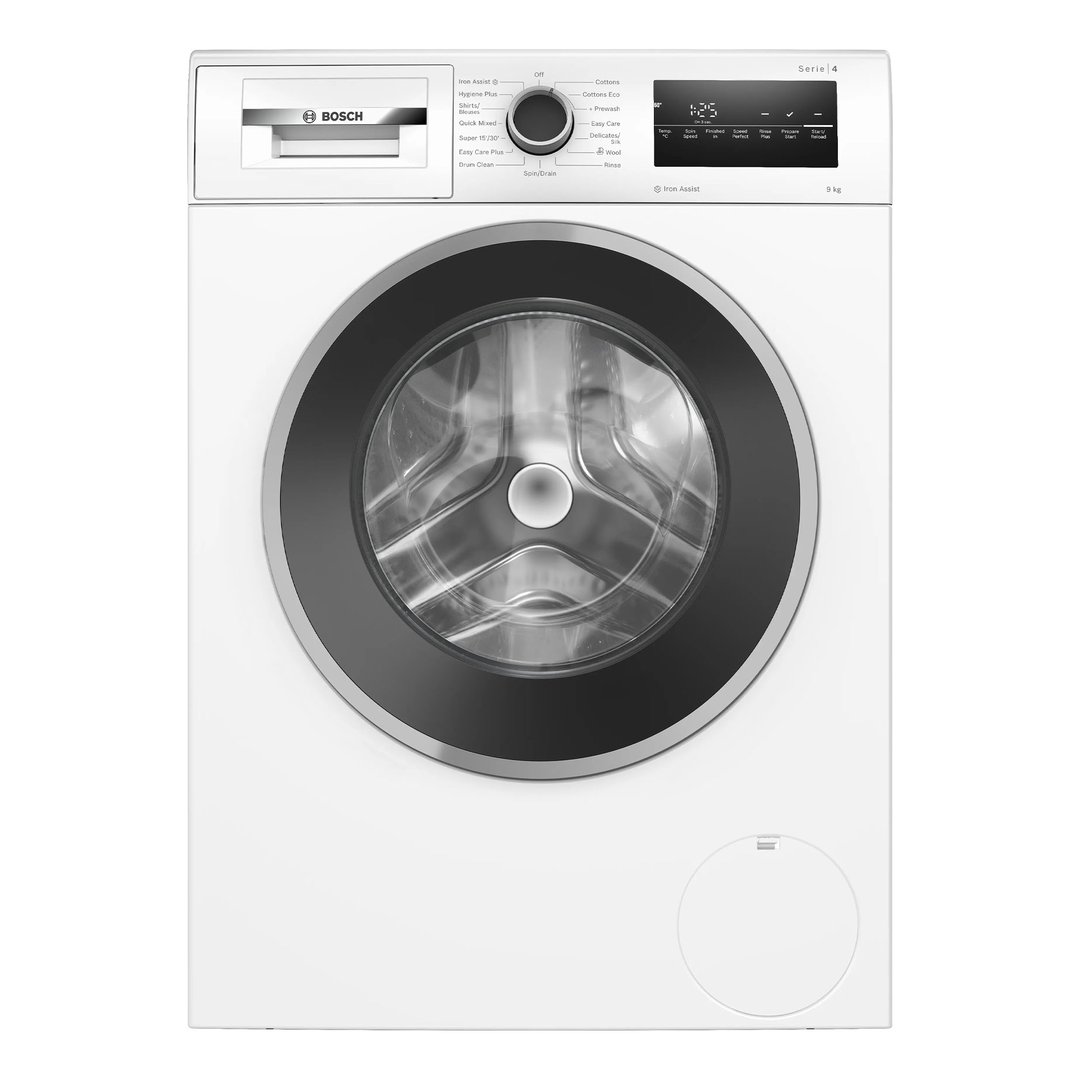
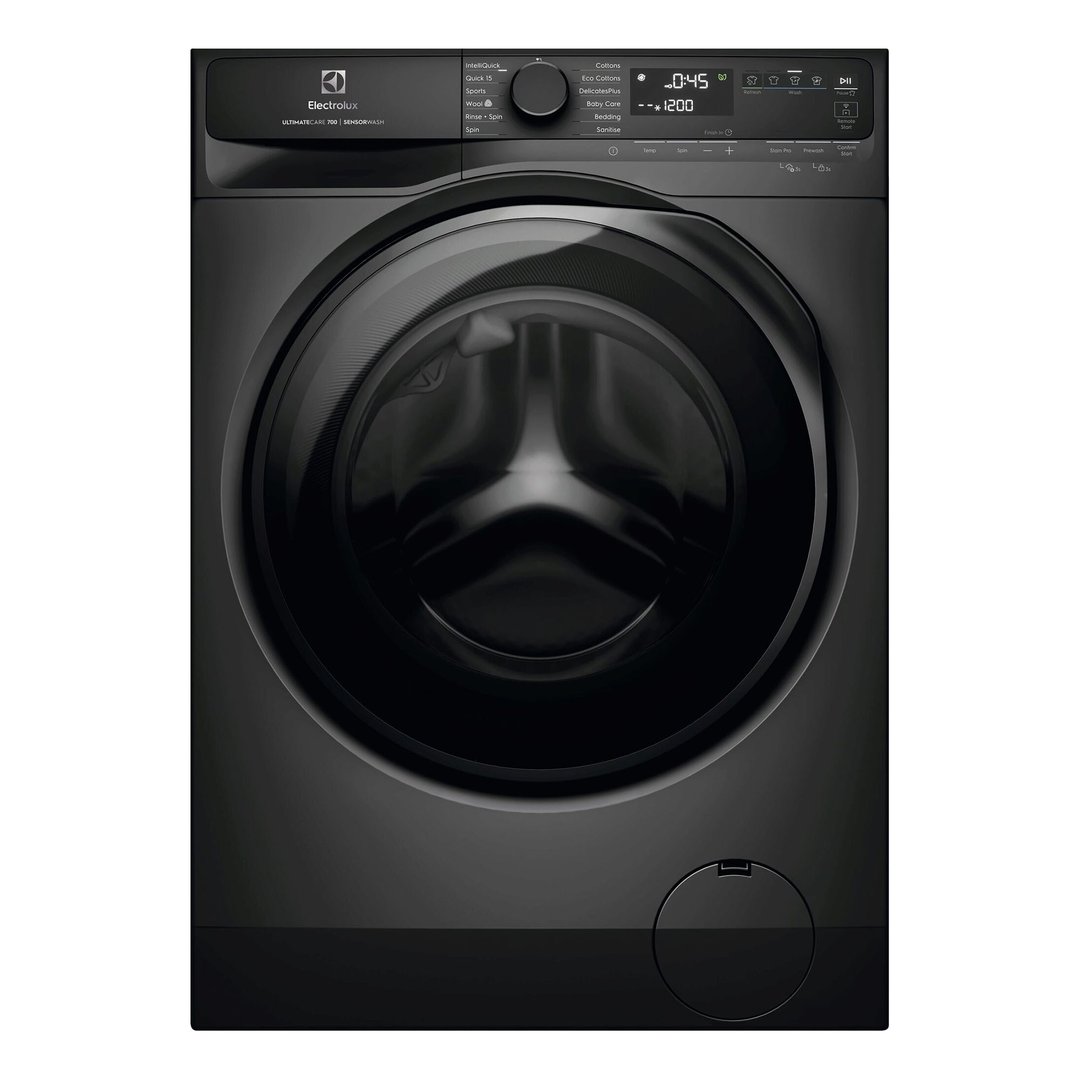
Small and compact, front loader washing machines are often more energy and water-efficient than other types of washing machines. Although their purchase price may be higher, users typically enjoy greater savings in the long run through reduced water, electricity and detergent use. The way the drum moves, using gravity to perform a tumbling action, is not only gentler on your clothing, but also makes this type of machine better equipped to handle unbalanced loads.
More compact than top loader models, making them ideal for smaller laundries
More water-efficient
More energy efficient
Cheaper to run than top loader washing machines
Give you the option to stack your washer and clothes dryer
Operate with higher spin speeds, allowing for faster drying times
Use less detergent than top loaders
Are typically gentler on clothes, helping to extend their lifespan
More expensive than top loader models
Harder to move due to their weight
Often have longer wash cycles
Don’t allow you to add additional clothing mid-wash
Popular brands of front loader washing machines: Electrolux, LG, Bosch, Beko
$999$799Ends in
7 Days$1,099$908Ends in
7 Days


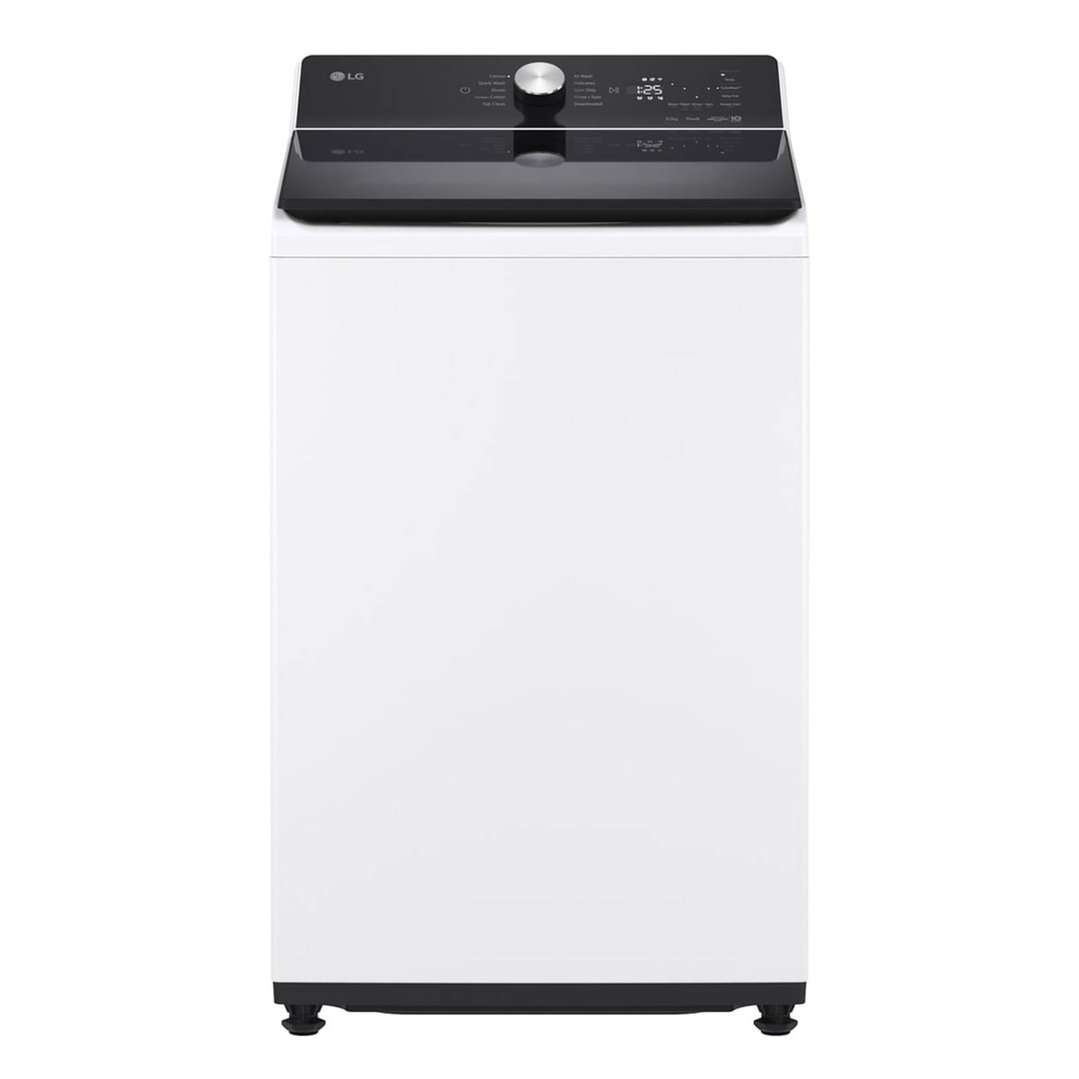
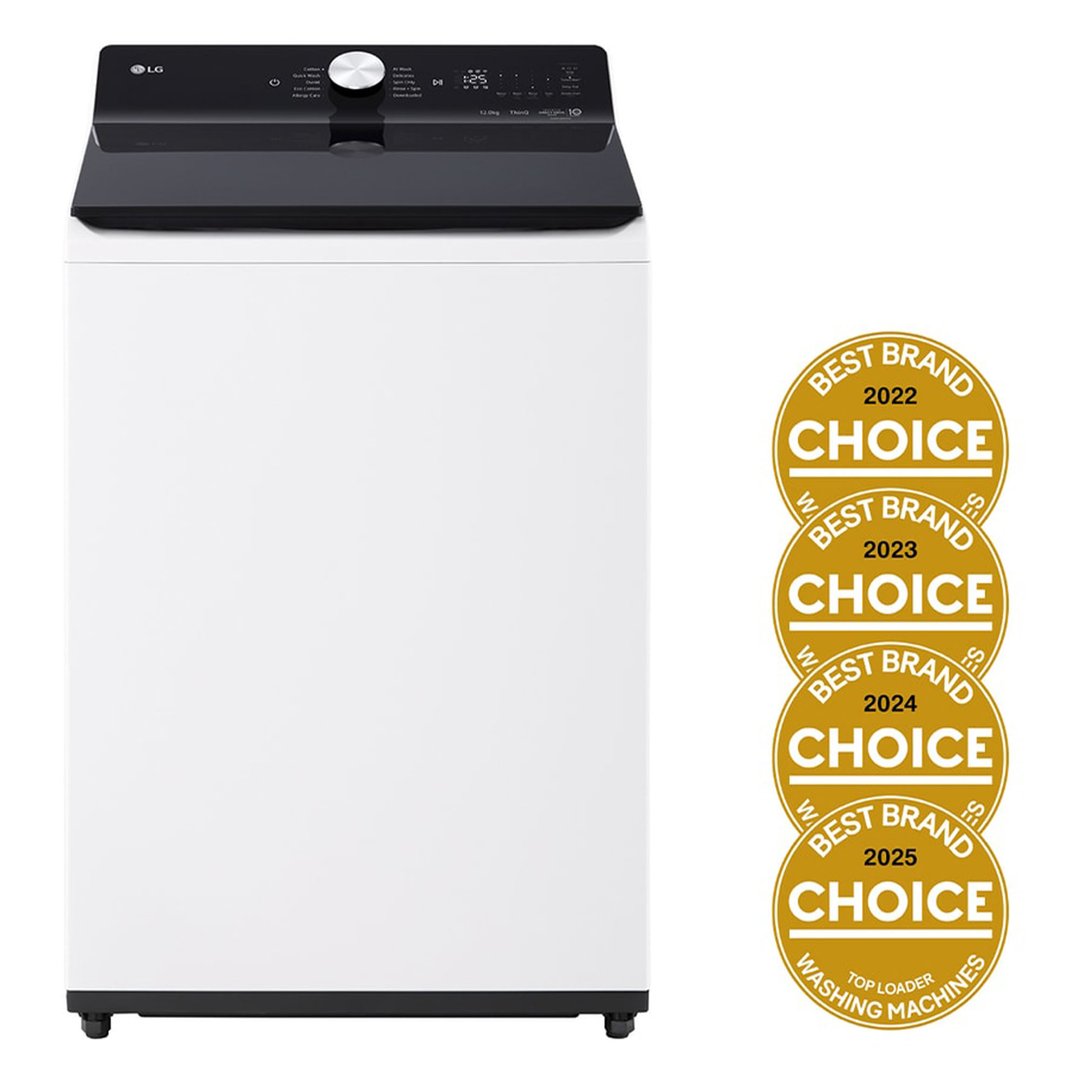
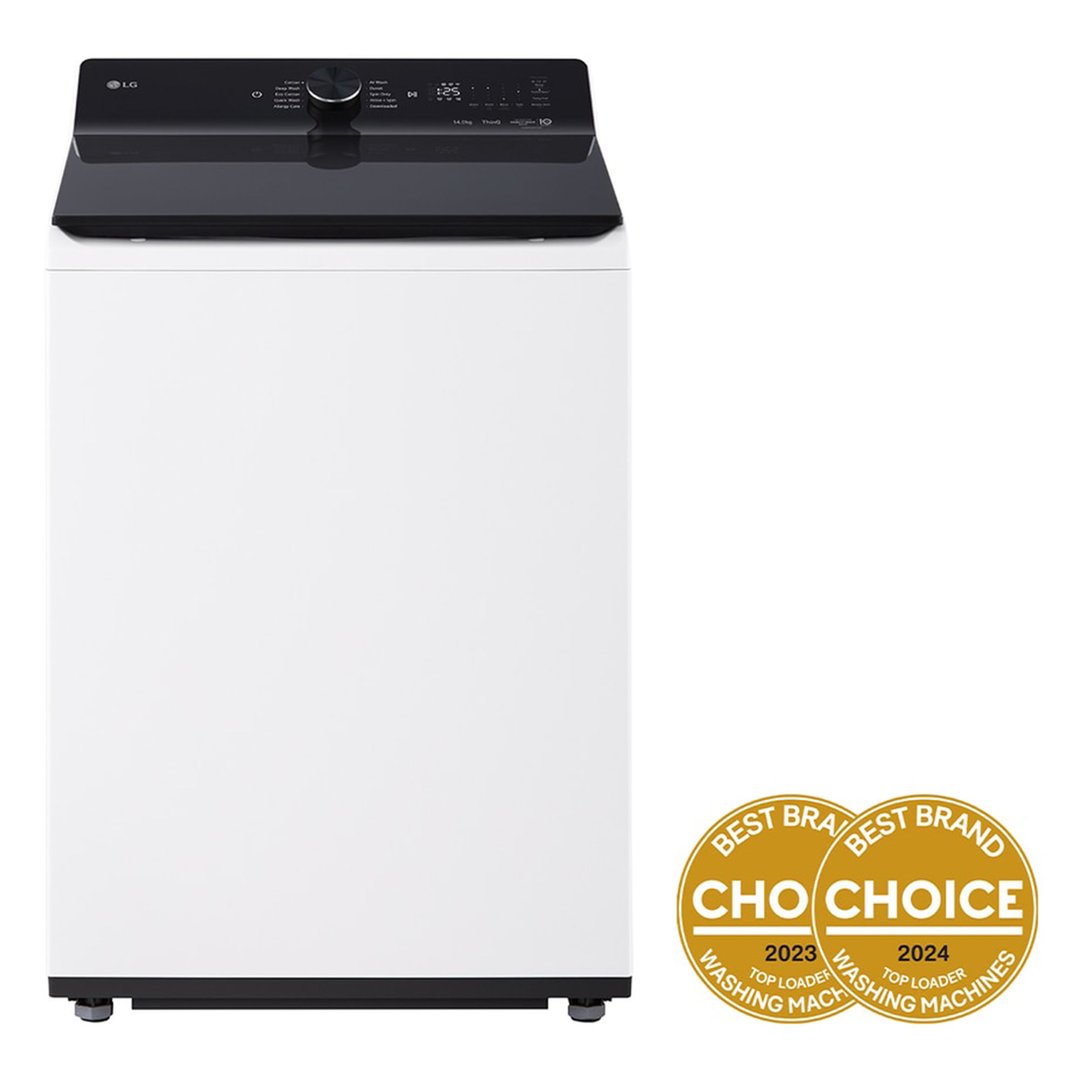
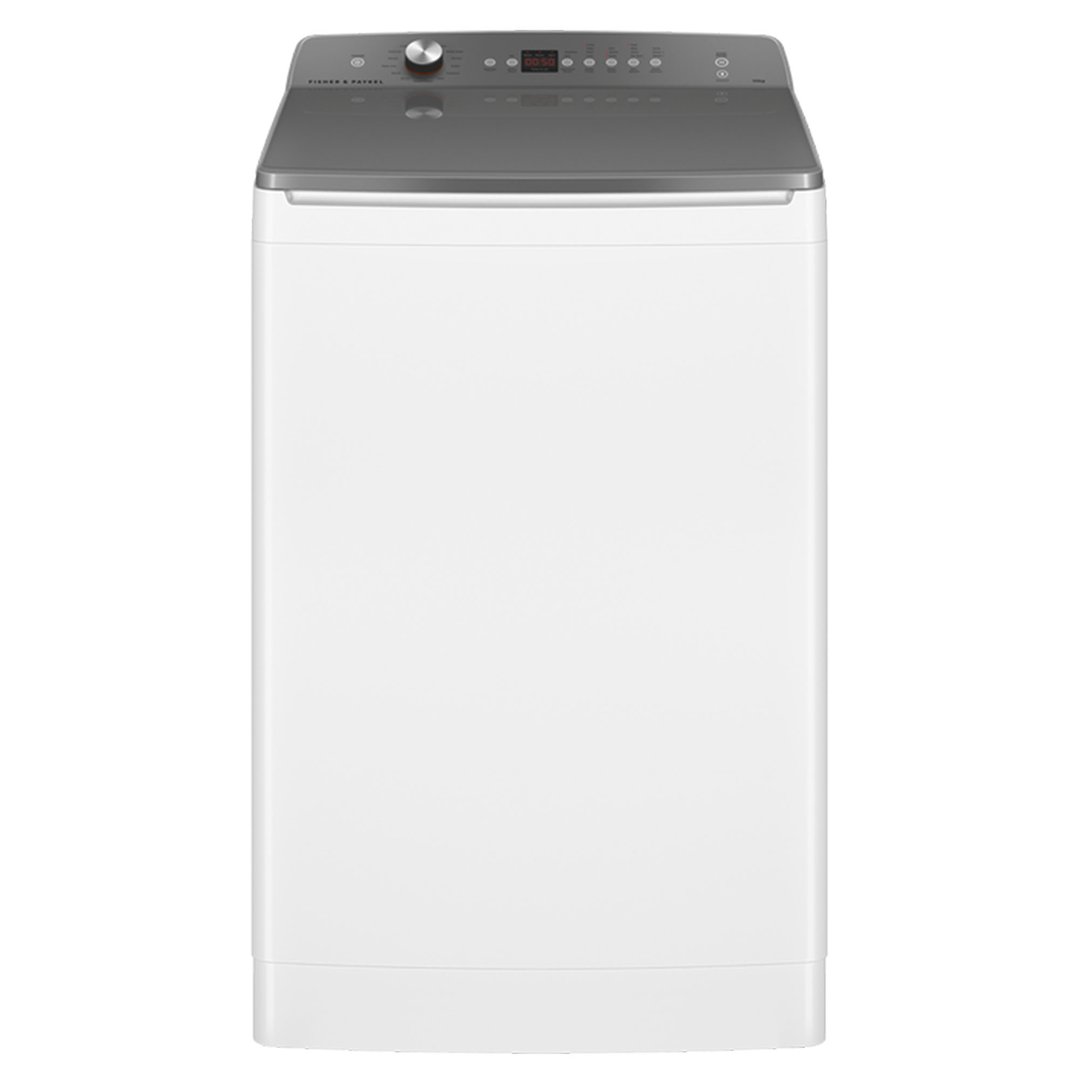
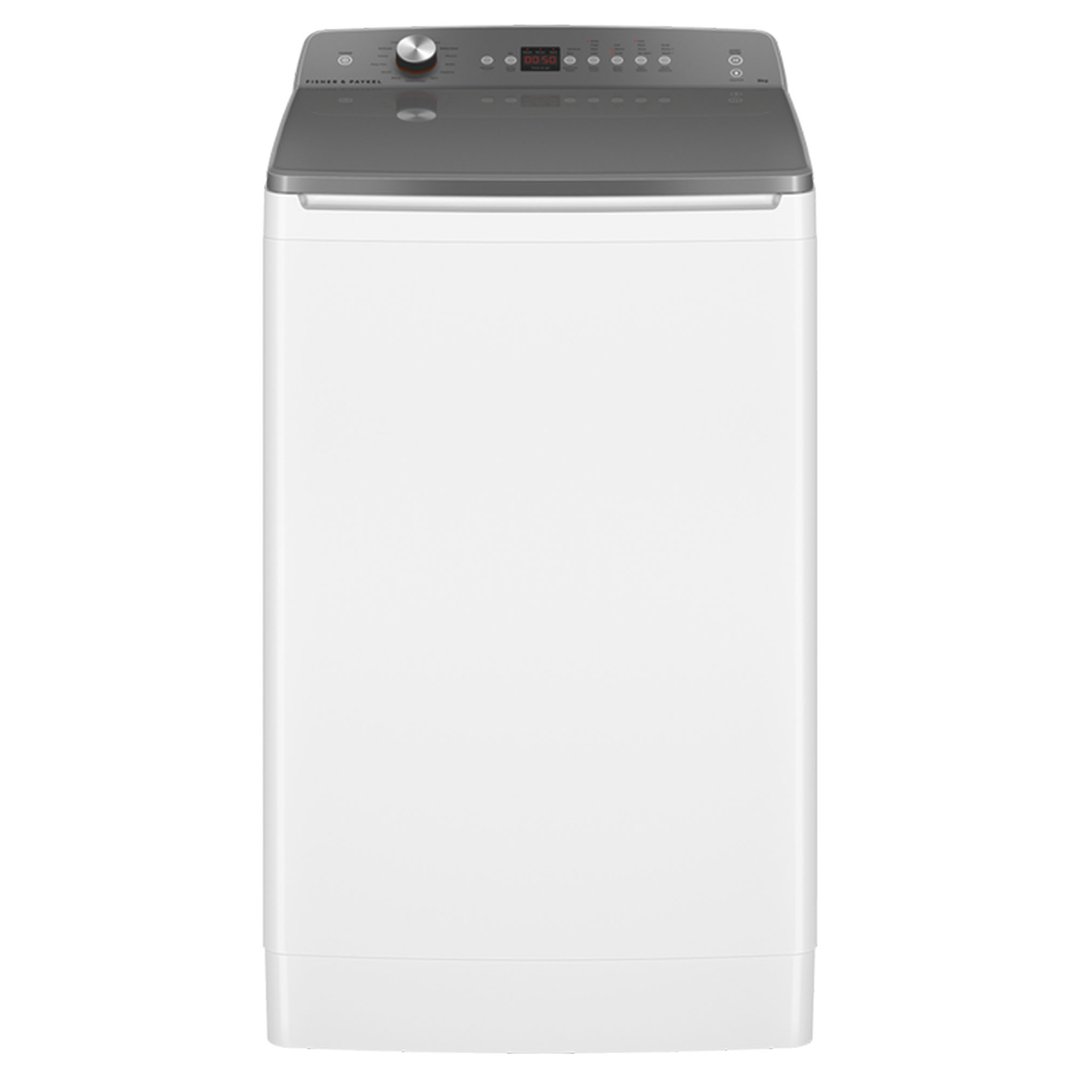
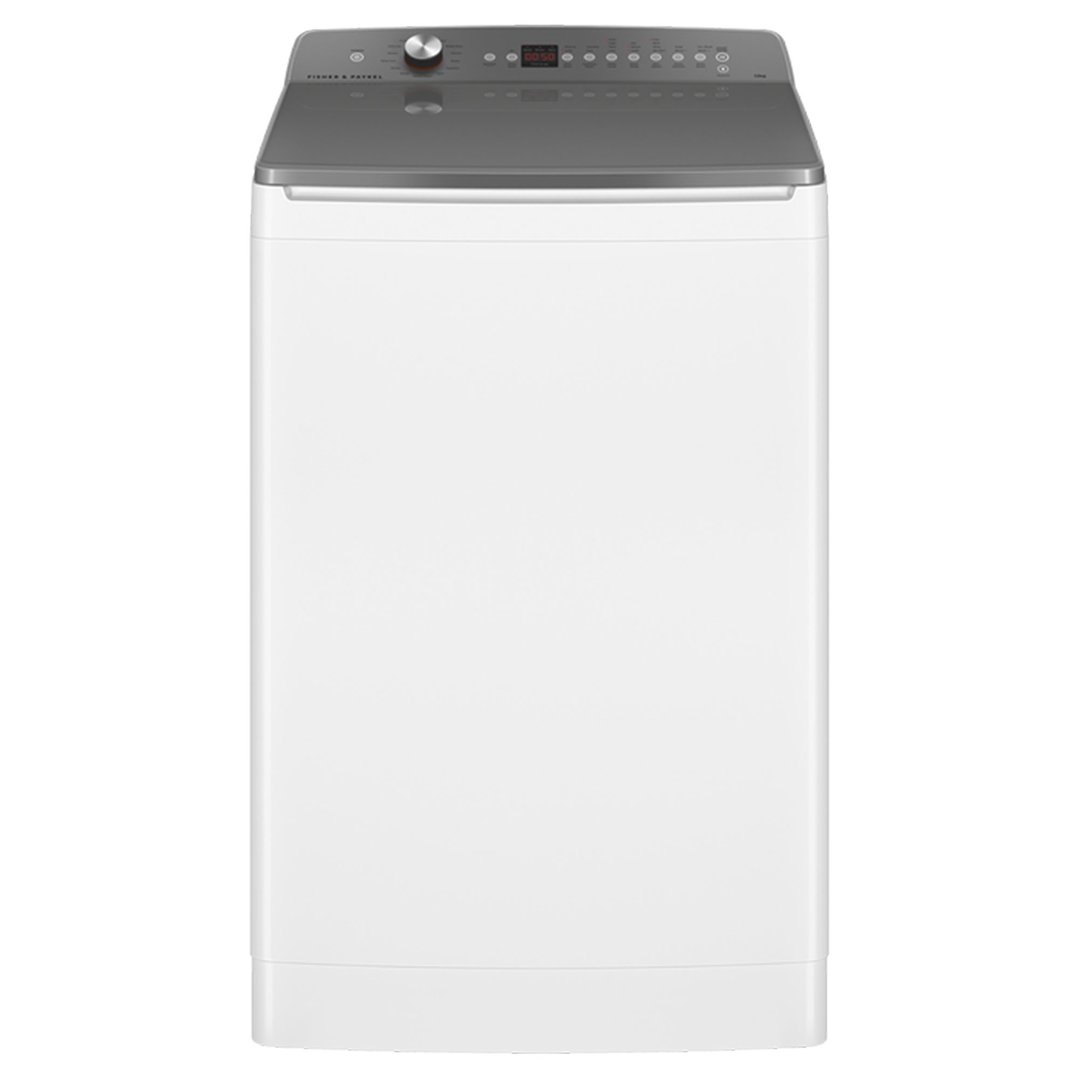
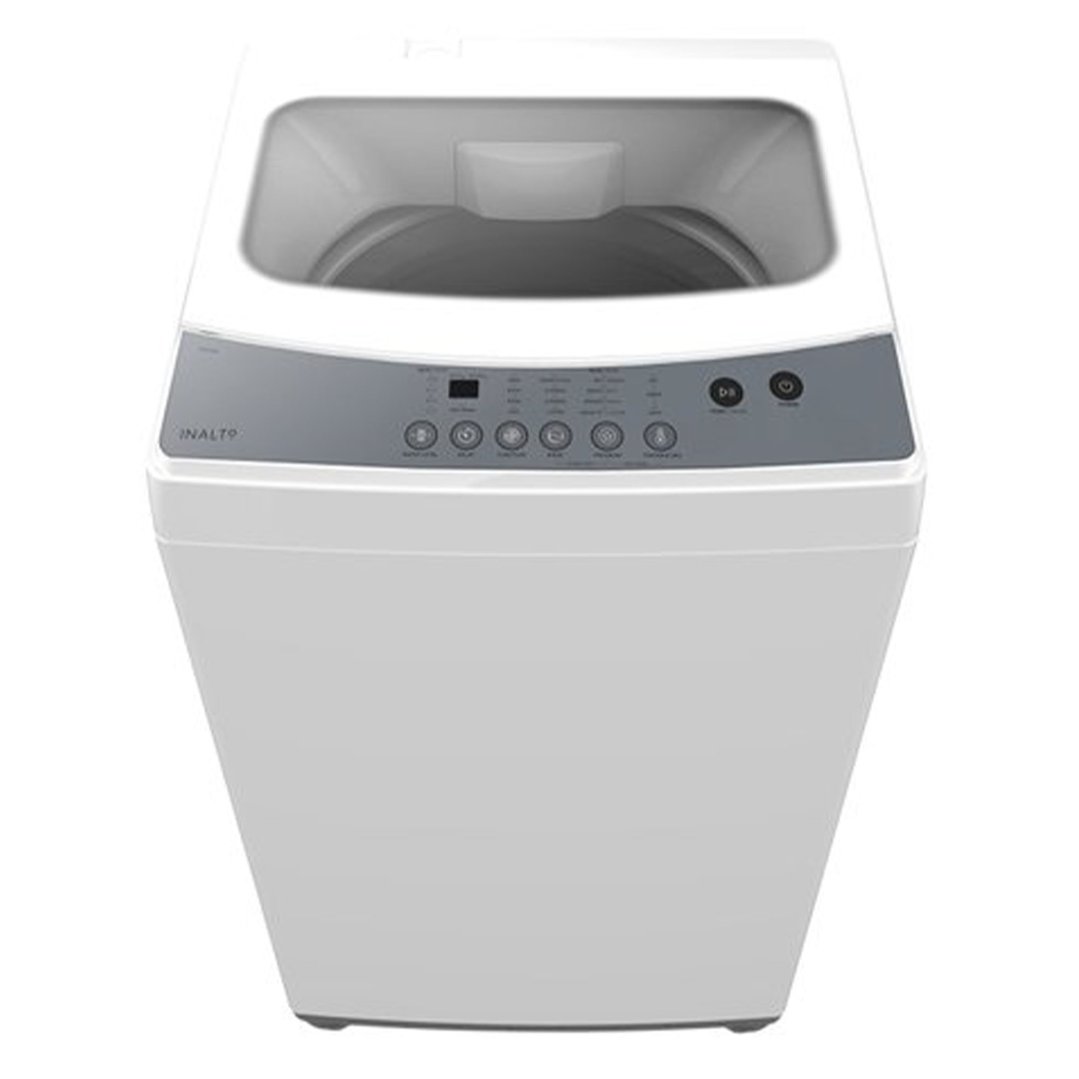
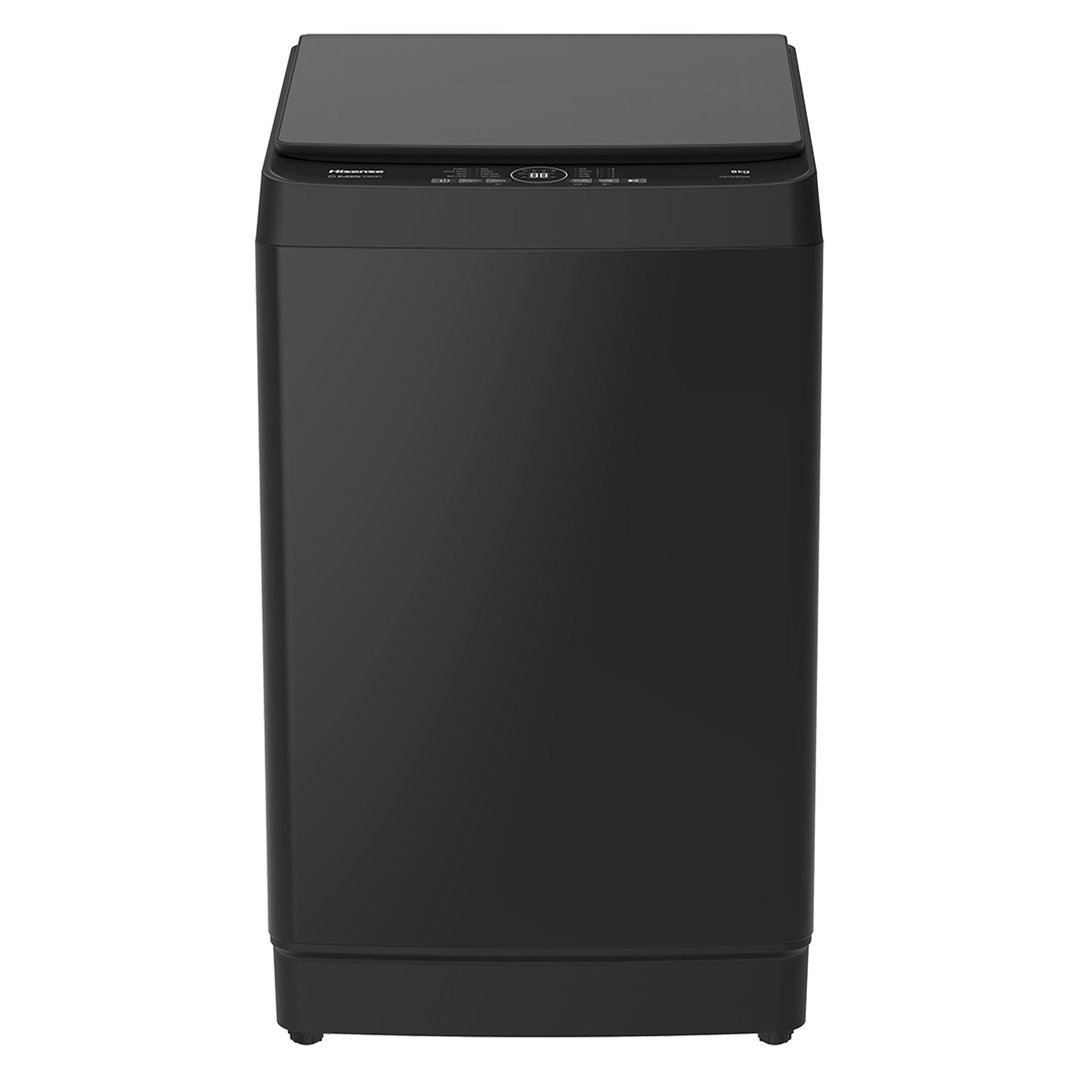
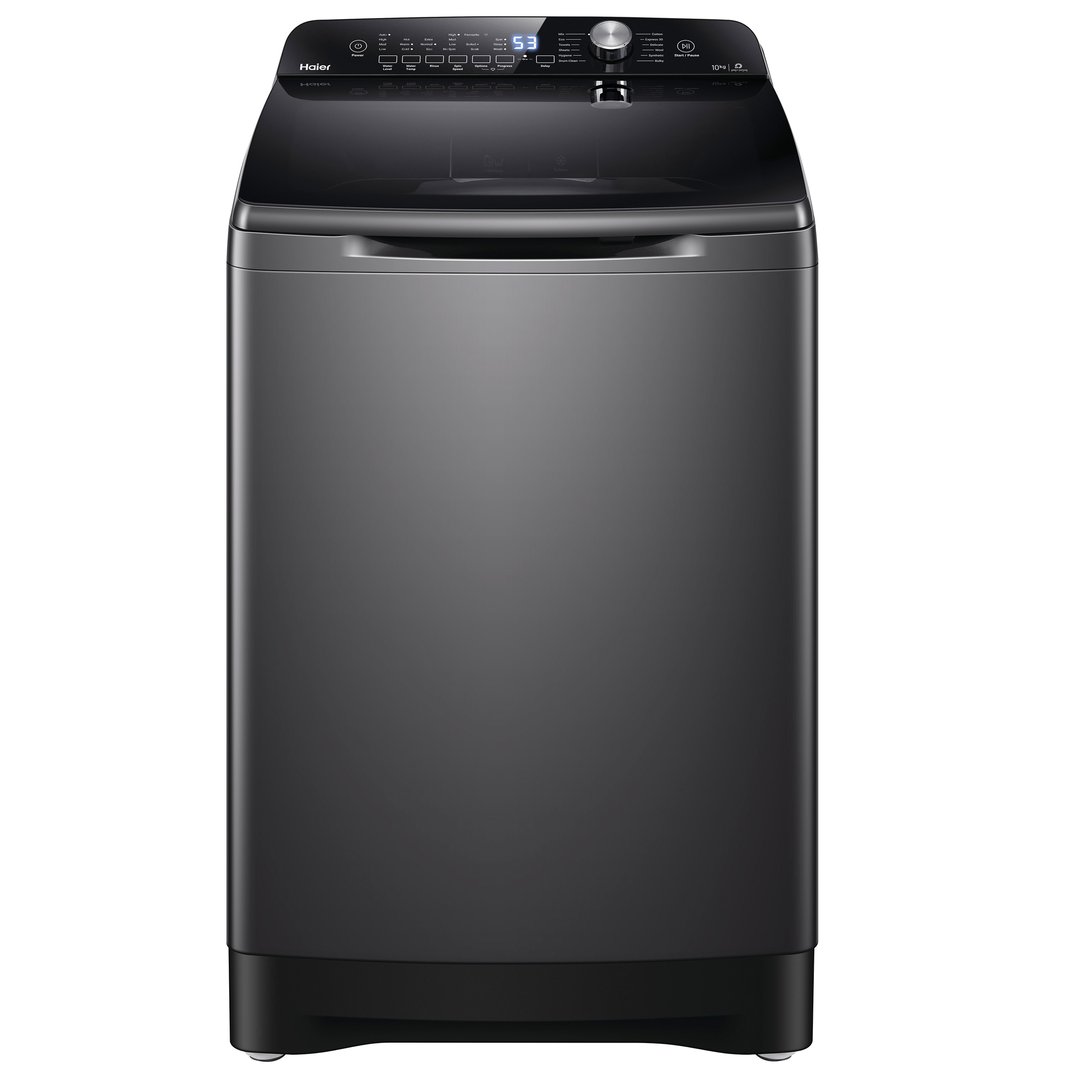
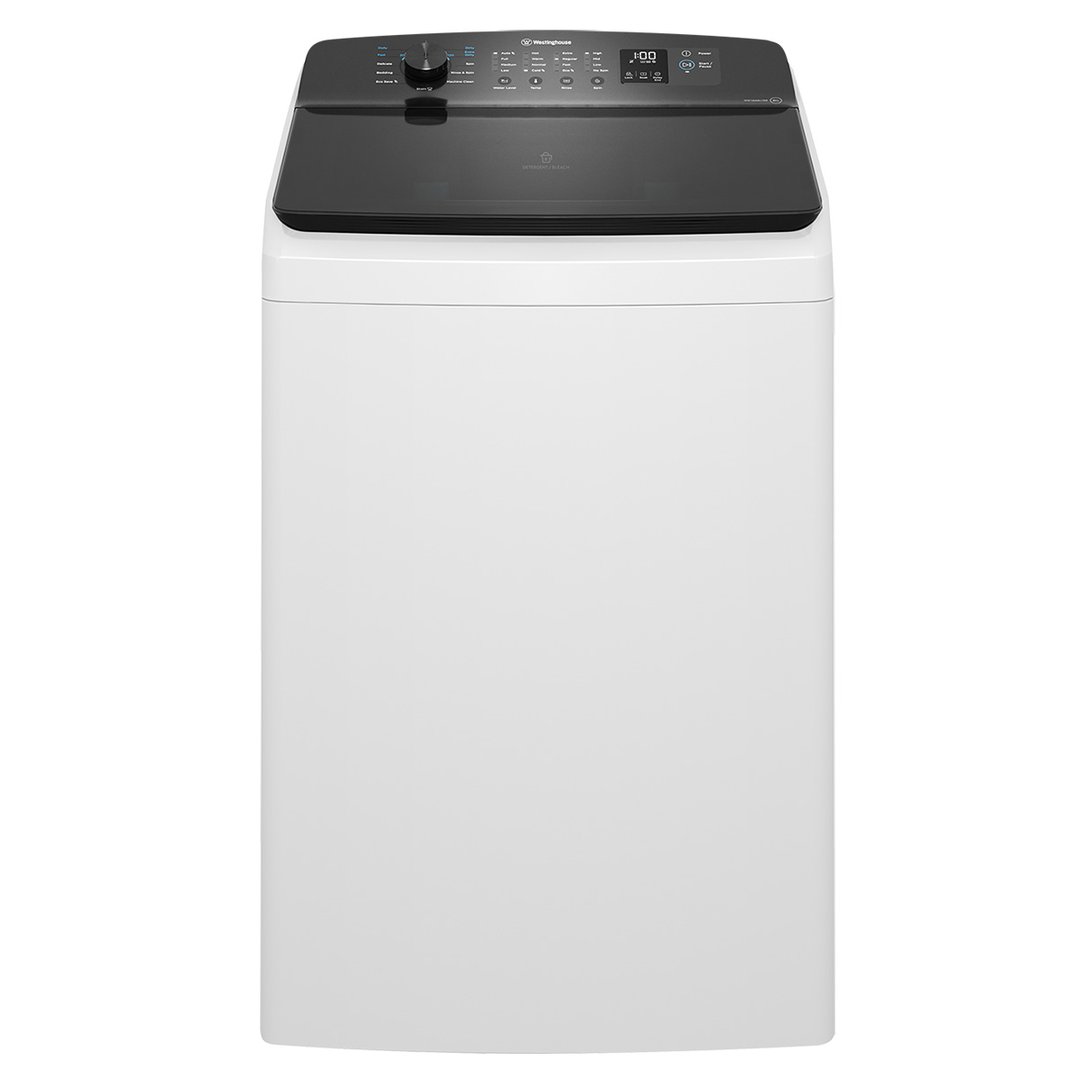
Cheaper to purchase than their front-loading counterparts, top loader washing machines not only offer faster wash cycles but also provide the added convenience of being able to add clothing mid-wash. Their larger drum capacities allow users to wash more clothes at one time, potentially reducing the amount of time spent doing laundry each week. It’s good to note, however, that without the assistance of gravity, top loader washing machines do require more water to help clean clothing.
Cheaper to buy than front loader models
Have shorter wash cycles, making them a better choice for the time conscious
Lighter than front loaders, making moving and repositioning easier
Use more water than front loaders
Generally have quite large load capacities
Can often be paused mid-cycle, allowing you to add clothing once the wash has begun
Easier to load than front loader washing machines
Are generally less energy efficient
Often harsher on clothing
More expensive to run
Use more washing detergent
Popular brands of top loader washing machines: Fisher & Paykel, LG, Samsung




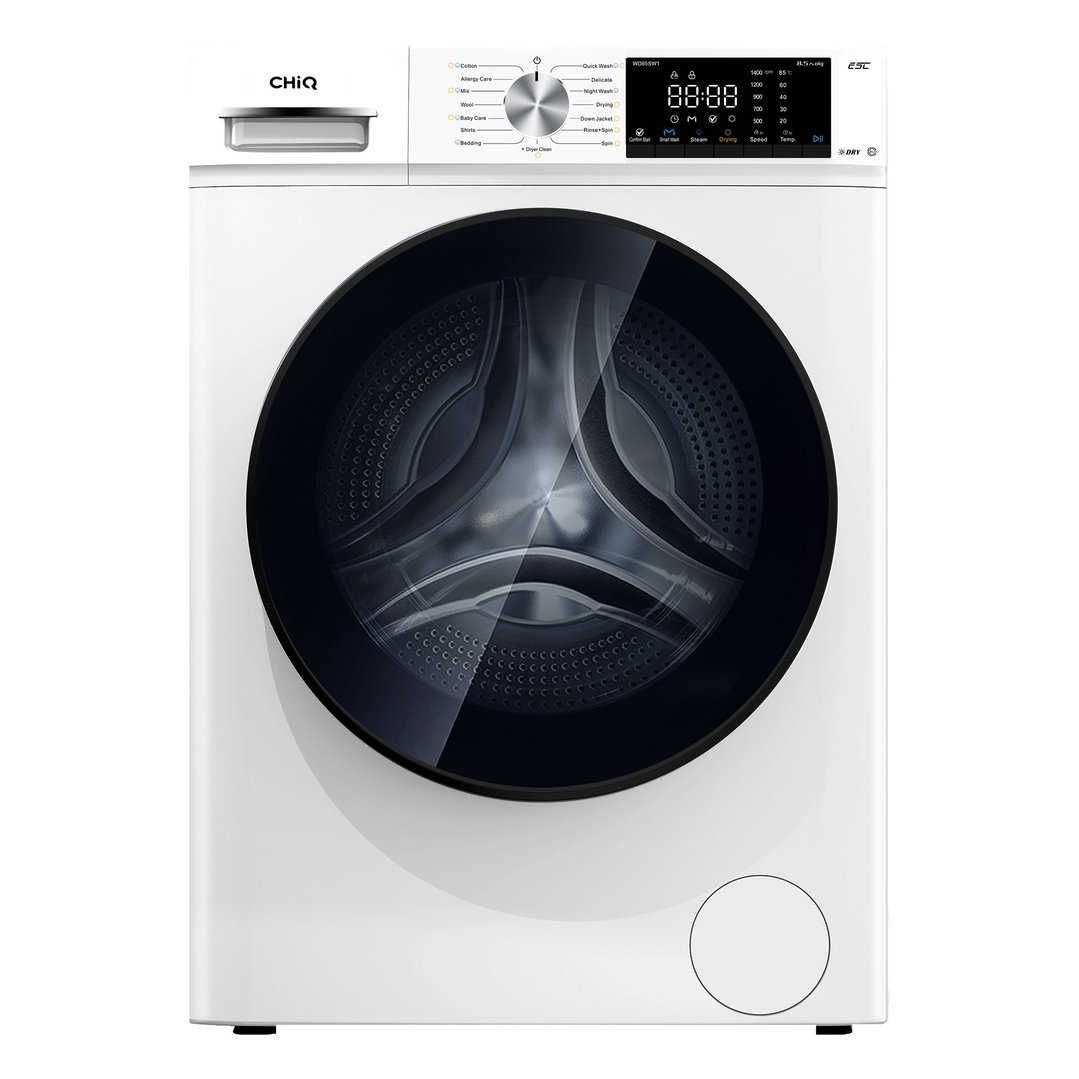
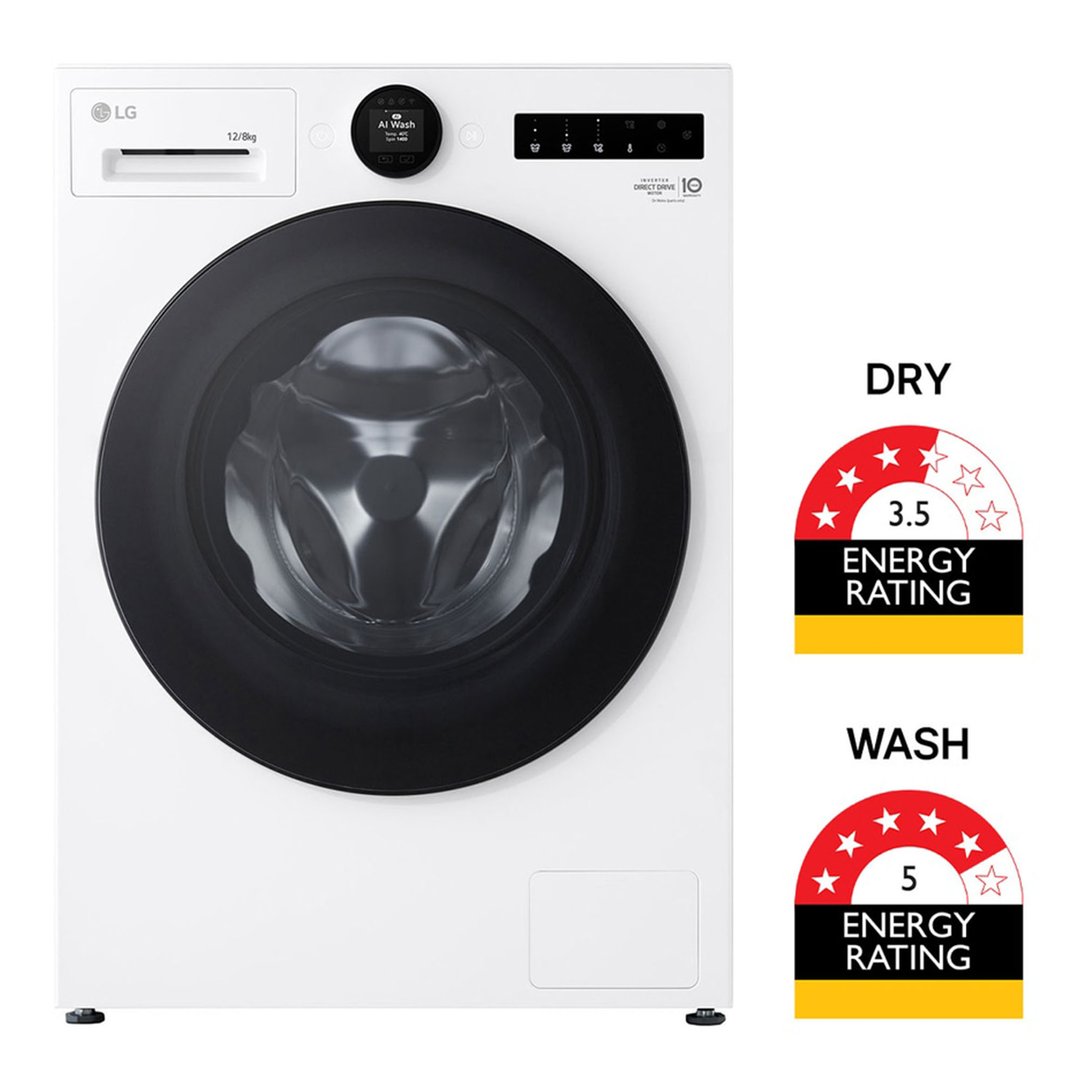
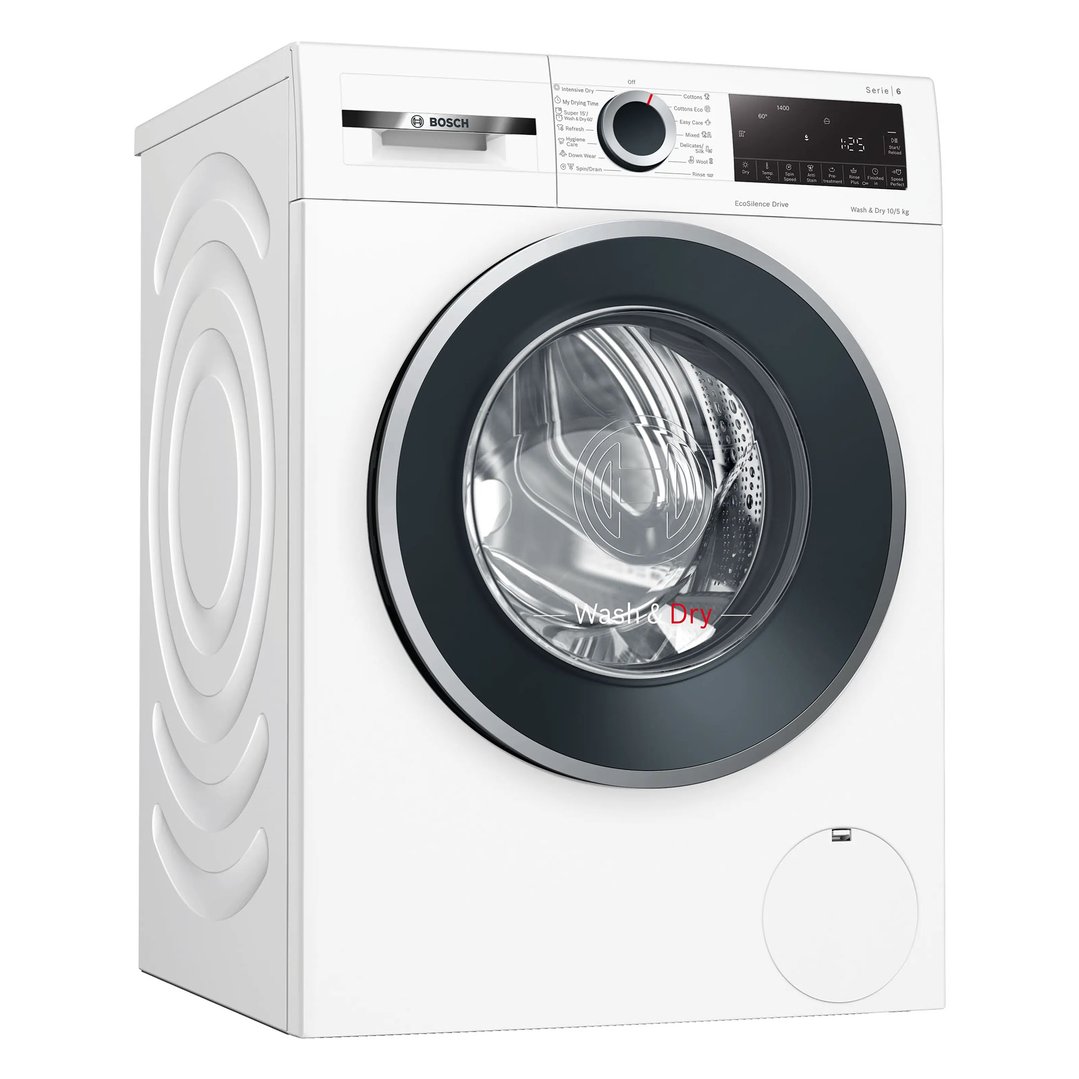
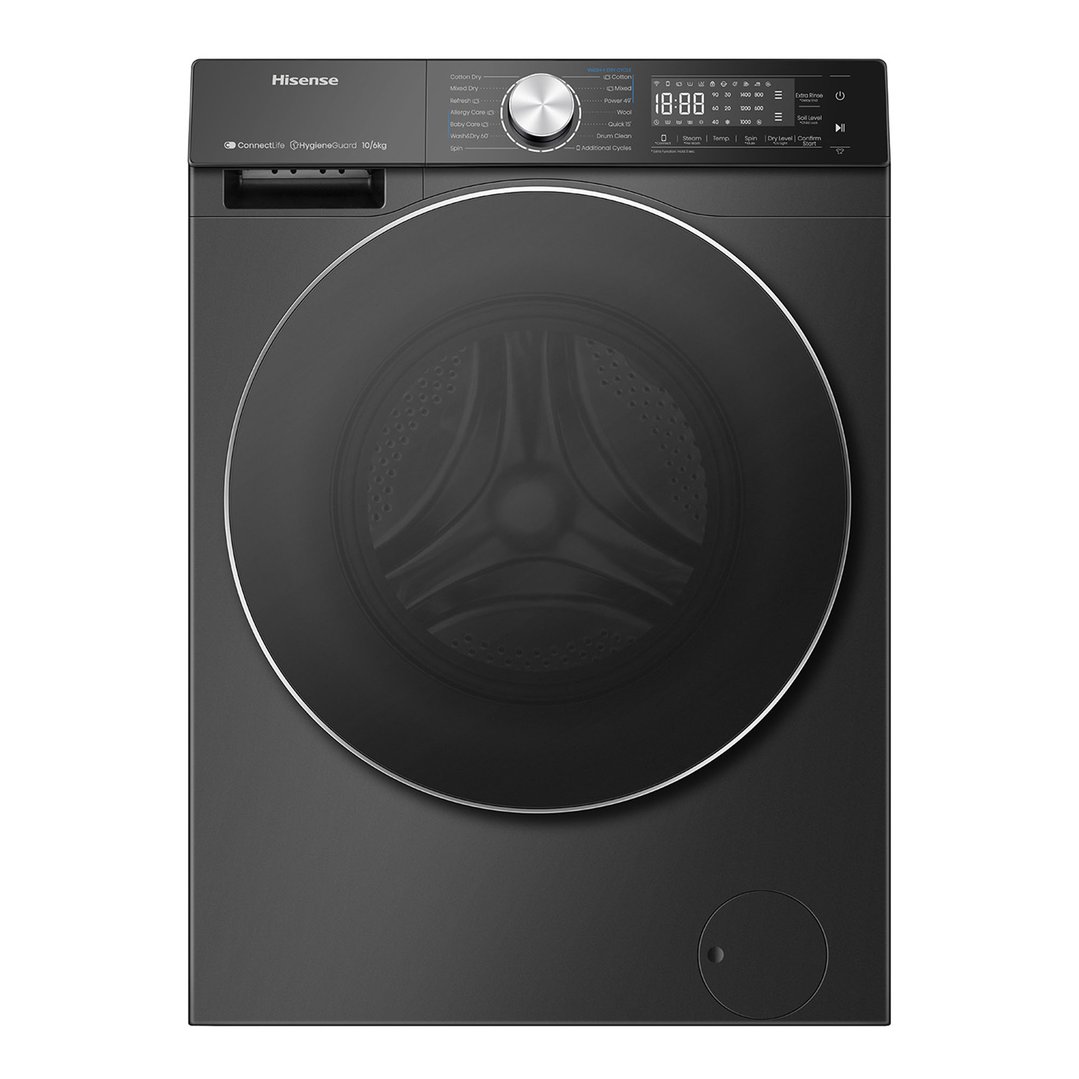
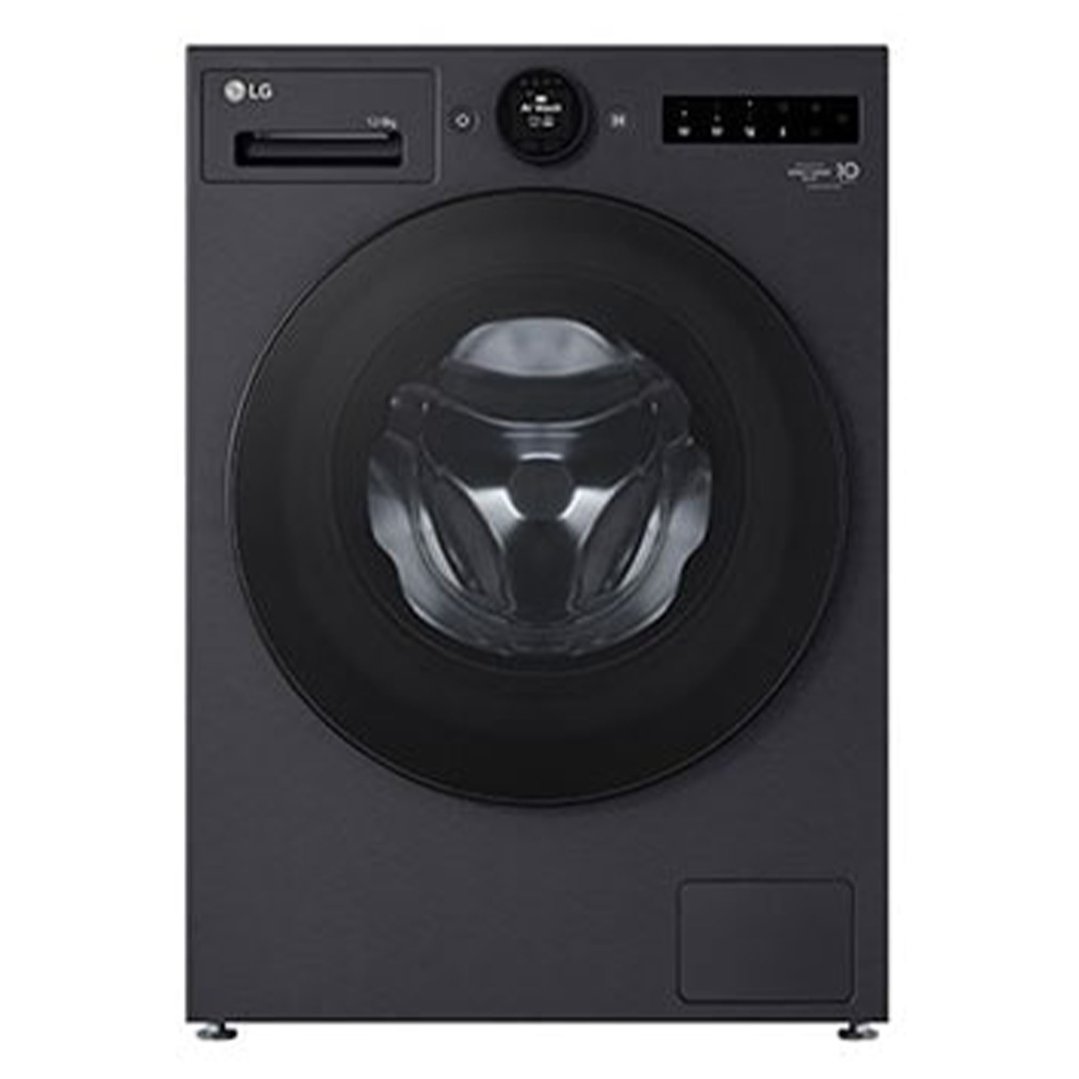
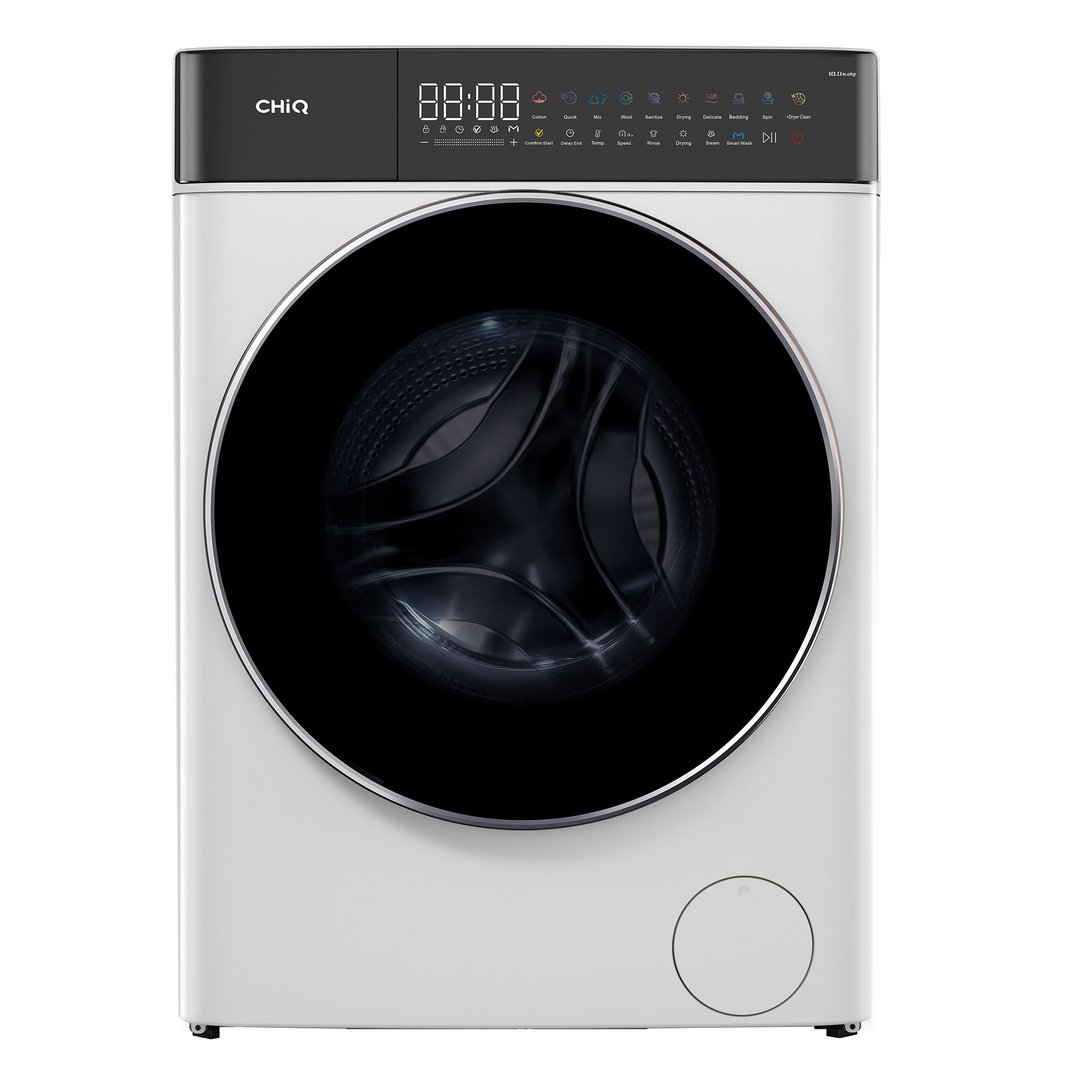
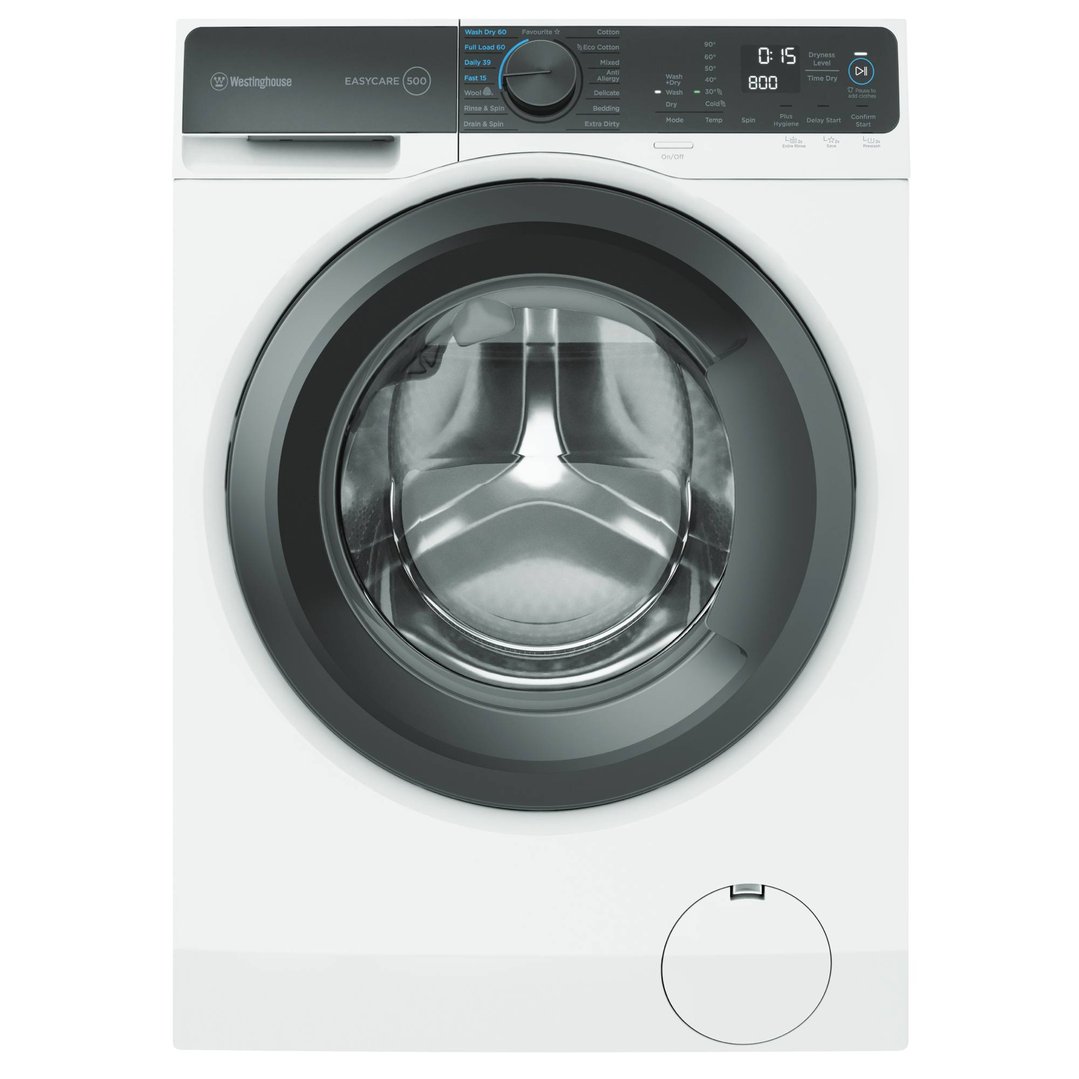
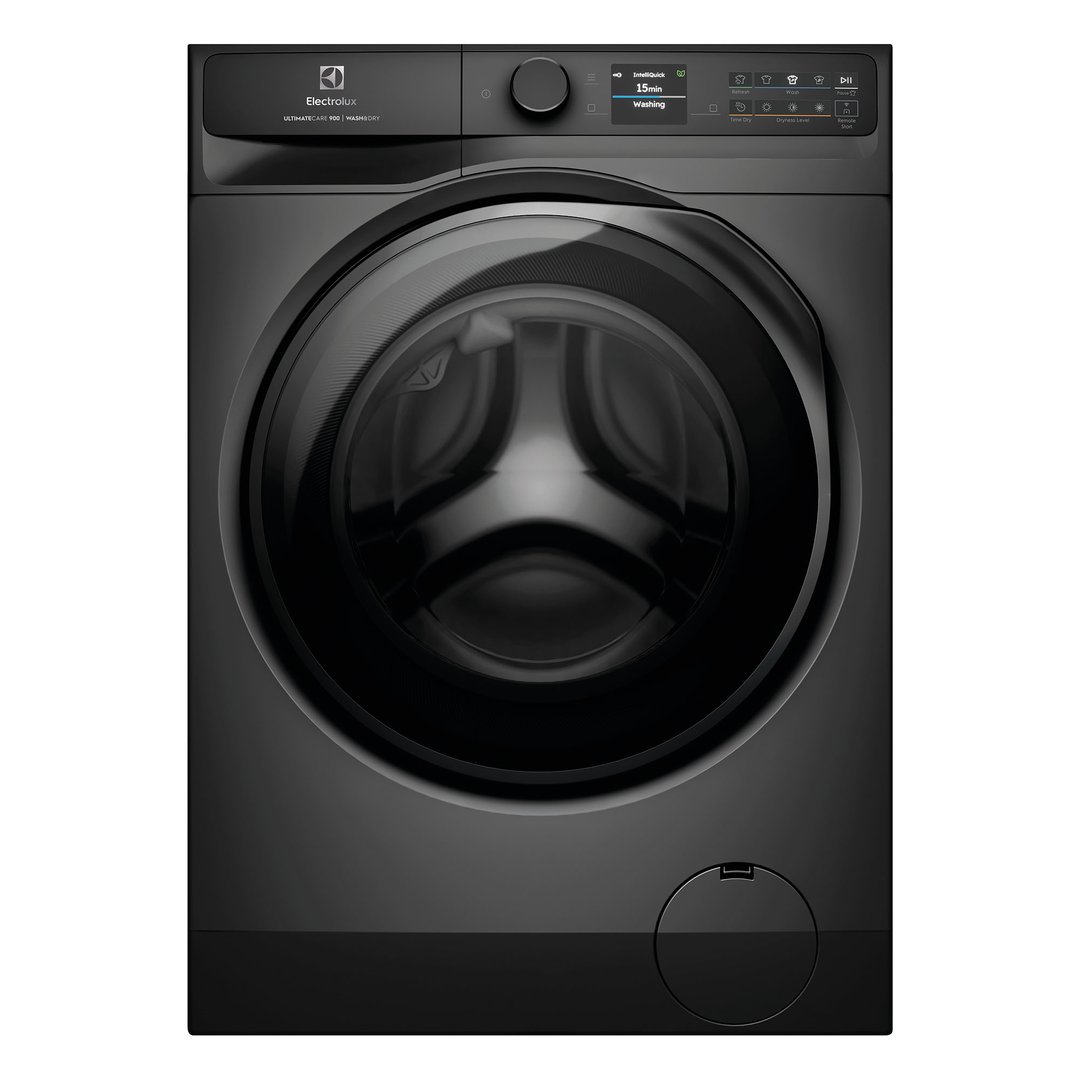
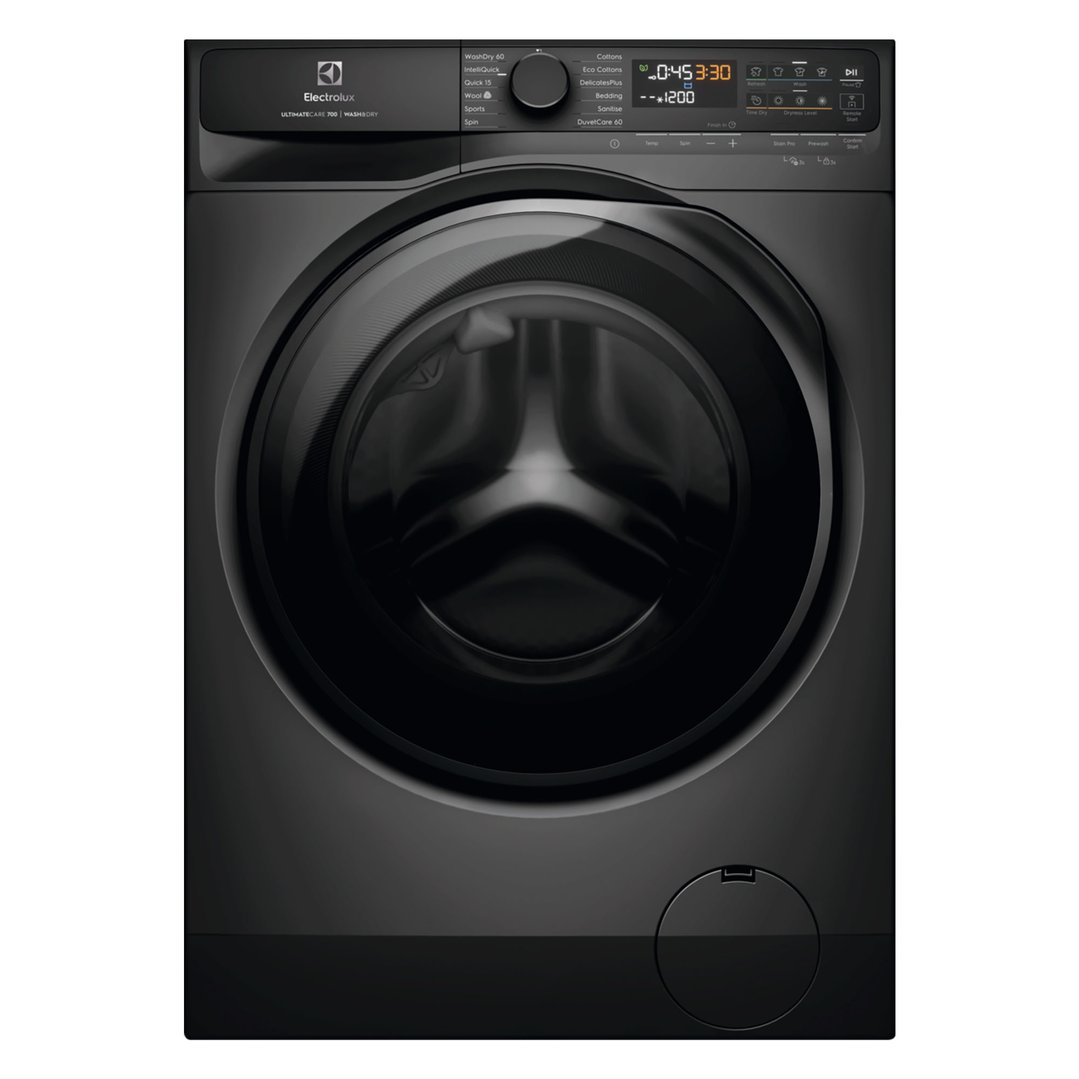
A good option for when space is limited in your laundry, washer dryer combos combine the convenience of a washing machine and a clothes dryer into a single appliance. They are often more expensive than standard washing machines and may take longer to dry a load of laundry than a standalone dryer.
$1,999$1,499Ends in
14 Days$1,199$1,099Ends in
7 Days

To determine which type of washing machine is right for your household, you’ll need to weigh up a few different factors:
HOW MUCH SPACE DO YOU NEED TO FIT A WASHING MACHINE?
Before committing to either a front or top loader washing machine, it’s important to measure the space you have available. Measure the height, width and depth of the space and compare it to the measurements of the models you’re considering. It’s important to remember that you’ll need extra vertical space to allow you lift the lid of a top loader washing machine, while you’ll also need to account for the space needed to open the door of front loaders too. Front loader washing machines are typically smaller than top loader washing machines, but their size will vary based on their capacity.
IS CYCLE LENGTH AN IMPORTANT CONSIDERATION?
The wash cycles of top loader washing machines are typically faster than those of front loader washing machines. If you’re often short on time, a top loader washing machine might be a better option for you. However, although front loader washing machines do generally take longer to complete a wash cycle, many do come with short wash programs that are ideal for freshening up clothing on a time crunch.
WHAT’S YOUR BUDGET?
If you’re looking to purchase a new washing machine, another important factor to consider is your budget. On average, top loader washing machines are cheaper to purchase than front loader washing machines, while front loaders are less expensive than washer dryer combos. Front loader washing machines do often work out to be cheaper to run than top loaders, especially when it comes to water, energy and detergent use. It’s a good idea to factor this in when comparing the different types available, as a cheaper top-loader could work out to be more expensive in the long run.
WHAT SIZE WASHING MACHINE DO I NEED?
Measured in kilograms, washing machine capacities can vary greatly from model to model, with a variety of small washing machines, medium washing machines and large washing machines available. The washing machine size that’s best suited to your needs will vary based on the size of your household, how often you do your laundry and the amount of space available in your home. If you find that you wash multiple loads of clothing each day, a larger capacity may be better suited to your needs than it would be for someone who washes a small load every other day.
Use the table below to discover which capacity is best for your needs:
| Size | Kilograms | Recommended Household | Capacity |
| Small Washing Machine | 4kg to 6.5kg | 1 to 2 poeple | 4 to 6 towels |
| Medium Washing Machine | 7kg to 8.5kg | 3 to 4 poeple | 7 to 8 towels |
| Large Washing Machine | 9kg+ | 5 or more poeple | 9 or more towels |
Automatic door locks. Locking the washing machine door mid-cycle, this feature helps to prevent the door being opened when it shouldn’t. This can be useful if you have children or choose a front loader washing machine.
Auto spin balancing. Helping to prevent washing machines from going off balance when in use, this is a good feature to look out for if you’re planning to stack your dryer and washing machine. Machines with this feature redistribute weight within the drum by either spinning slowly or filling with more water.
Adjustable legs. If the area you plan to use your washing machine in isn’t completely level, adjustable legs can help to ensure that your machine is kept steady.
Programs. The number of programs and settings available on washing machines does vary from model to model. Most machines will have several standard washing modes, while others will have modes for specific types of fabric or different lifestyle requirements. If you’d like to get a load or two washed quickly, machines with fast wash functions could be worth investigating, with cycles taking as little as 15 minutes. If your wardrobe contains a decent amount of delicate items, a machine with a hand wash or delicate fabric setting might match your needs, while families with your children may benefit from pre-wash cycles.
Automatic water level sensors. Helping to save water and energy, automatic water level sensors adjust the amount of water used to fill the drum based on how much clothing is actually being washed.
Favourite programs.If you find yourself selecting the same washing programs day after day, having the option to favourite the programs you use most can help to save you time.
WiFi connectivity. While it might not be a necessity for most, a washing machine with WiFi connectivity gives you the option to start your machine when you’re on the go and monitor the progress of the wash from your smartphone.
Start time delays. Handy if you like to be prepared ahead of time or want to take advantage of off-peak electricity rates, start time delays allow you to set up your washing machine and select a specific time for the wash to start.
Temperature controls.Different types of fabric need to be cared for in different ways, with the optimum water temperature varying between fibre types. Having the option to tailor the temperature to the type of fabric you’re washing can help to extend the longevity of your clothing. For most general applications, cold water performs as well as warm or hot water, meaning that being able to control the temperature used could also save you money in the long run.
Washing drum material.Although it might not be one of the first things that you consider when buying a new washing machine, the type of material used to make the washing drum can impact its durability over time. Porcelain drums are prone to chipping, while plastic drums are typically more hard-wearing. If possible, look for a model with a stainless steel drum as they are not only durable, but gentler on clothing.
Drive type. Most modern washing machines operate using either a direct drive system or a belt driven system. Units with belt driven systems do tend to be cheaper than those with direct drive systems, but direct drive systems are typically quieter and less prone to mechanical damage.
Adjustable spin speeds.Although high spin speeds do help to reduce the overall drying time, lower spin speeds can help to reduce wrinkles and extend the life of your clothing. Being able to adjust the spin speed of your washing machine allows you to tailor the settings to your own laundry needs.
Controls and displays.Look for controls and displays that are not only easy to read, but also easy to use. Look for models with logical displays that are simple to navigate.
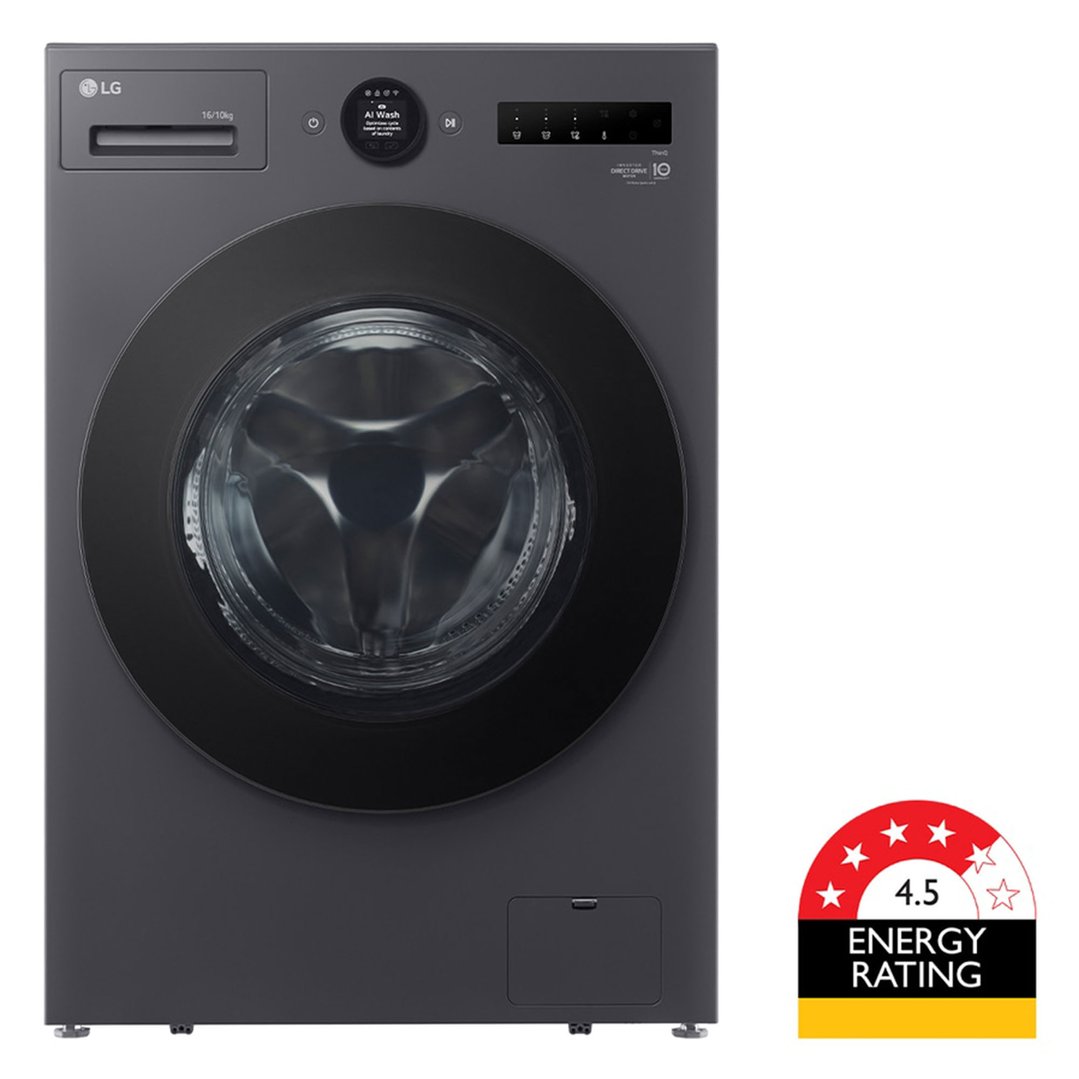
Energy efficiency.As a washing machine is an appliance that you use frequently, it makes sense to choose an energy efficient model. Not only will it help to save you money on your electricity bills in the long run, but also help to reduce your impact on the environment. The energy efficiency of each model is indicated using a star rating, with the higher the rating, the better the efficiency.
Water efficiency.Water is a precious resource in Australia, making choosing a water efficient washing machine an important decision. Helping to reduce your water bills and play your part in conserving water, it’s well worth considering a water efficient model when buying a new washing machine. Much like energy efficiency, water efficiency is also typically displayed using a star rating.
$999$799Ends in
7 Days$1,099$908Ends in
7 Days
Q. What is the best washing machine in Australia?
If you are on the hunt to discover which washing machine is best, look no further than Bing Lee’s premium range. Depending on your washing machine needs, brands like Samsung, LG, Bosch, Fisher & Paykel and Miele offer top of the range models with premium features such as energy efficiency and multiple wash programs. Consider factors like load capacity & washing cycles to help find the perfect fit for your laundry.
Q. What to know before buying a washing machine?
Before buying a washing machine, the first thing you need to decide is whether you want a front load or top load washing machine. Top loaders are better for those with mobility issues as they are easier to use, on the other hand front loaders save more energy and are more water efficient. Then, you need to consider load capacity, depending on how big your household is or the amount of washes you are able to do. Energy & water efficiency are also top considerations, followed by noise and the wash cycles & settings available. Determine your budget and laundry needs to make an informed decision.
Q. How to choose a washing machine?
When choosing a washing machine, assess your household's laundry requirements, including load size, frequency of use, and desired features. Compare different brands and models based on factors like capacity, energy efficiency, washing performance and stacking capabilities to find the best fit for your lifestyle and budget.
Q. Where to buy a washing machine?
Bing Lee is the top destination for all of your washing machine needs. We offer a wide selection of top brands and premium models, you are guaranteed to find a machine you will love. If you are still unsure about your decision, chat with our friendly team, or join us in store.
Q. How long should a washing machine last?
On average, a washing machine can last anywhere from 8 to 12 years with proper maintenance and care. Factors such as usage frequency, load size, and brand quality can impact the lifespan of your washing machine. Regular cleaning and servicing can help prolong its longevity.
Q. How to clean a washing machine?
To clean your washing machine, run a cycle with hot water and the best washing machine cleaner: Magikleen White Goods Cleaner & Polish. This will aid in removing any detergent build-up and lingering odours. Wipe down the exterior and door seal regularly, and leave the door open between uses to allow airflow and prevent mould growth.
Sign Up to our Mailing List
Be the first to know about deals on our premium range of washing machines, sign up now!
Page last updated: April 13 2026 | Information provided by the experts at Bing Lee.