Induction Cooktops
160 products
$5,699$5,129.10Ends in
9 Days$3,499$3,149.10Ends in
9 Days$6,999$6,299.10Ends in
9 Days$2,699$2,429.10Ends in
9 Days$2,299$2,069.10Ends in
9 Days$3,299$2,969.10Ends in
9 Days$5,299$4,769.10Ends in
9 Days$1,999$1,799.10Ends in
9 Days

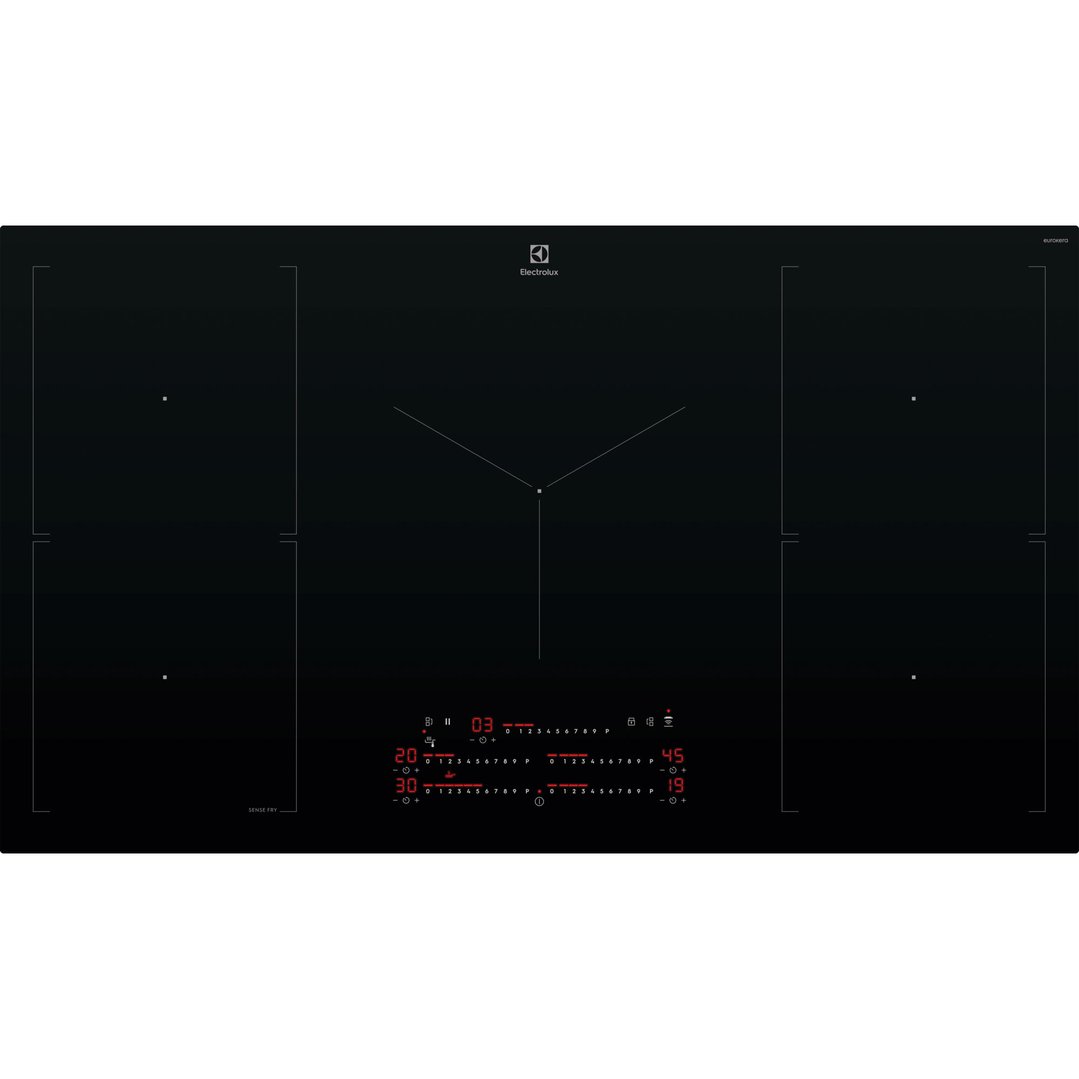

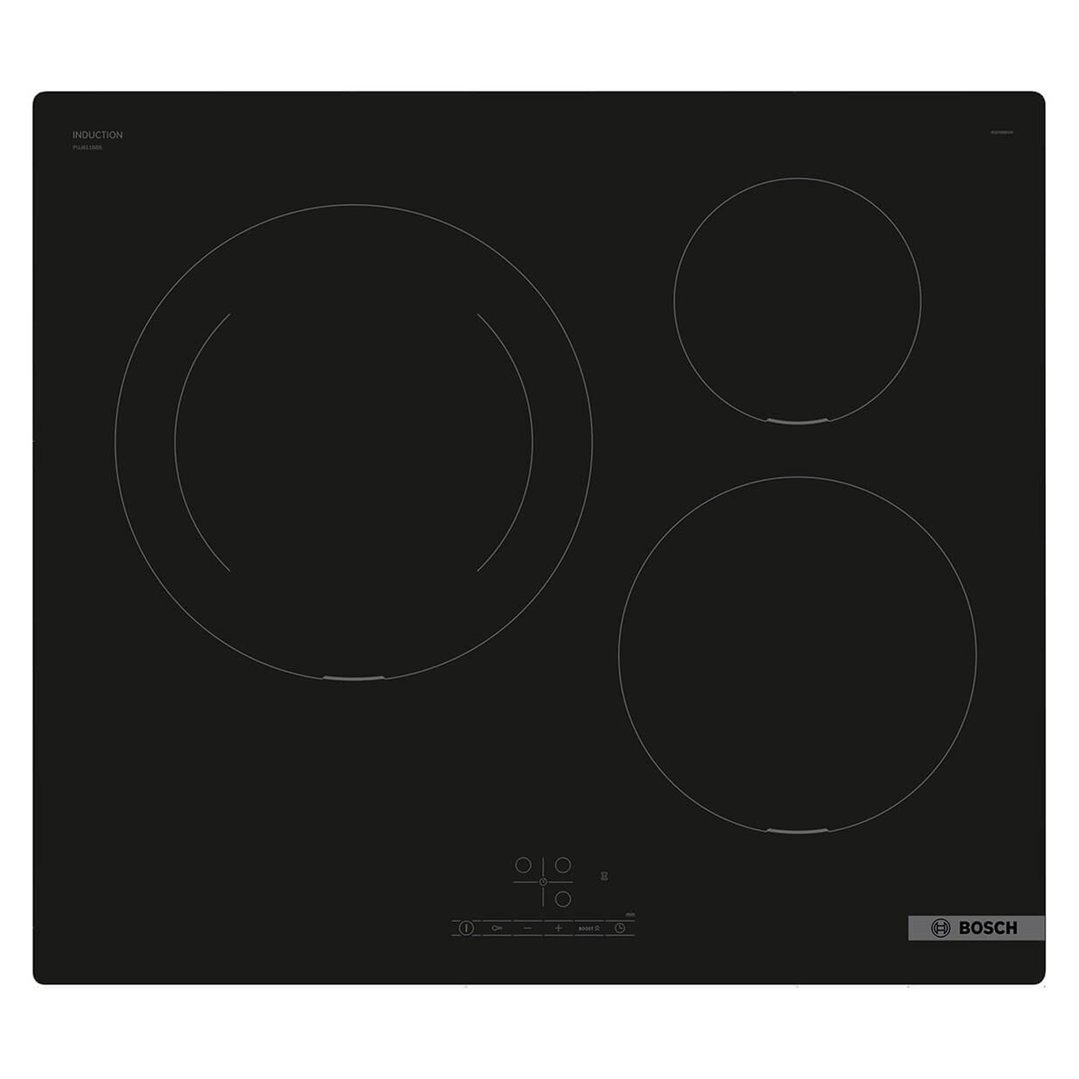
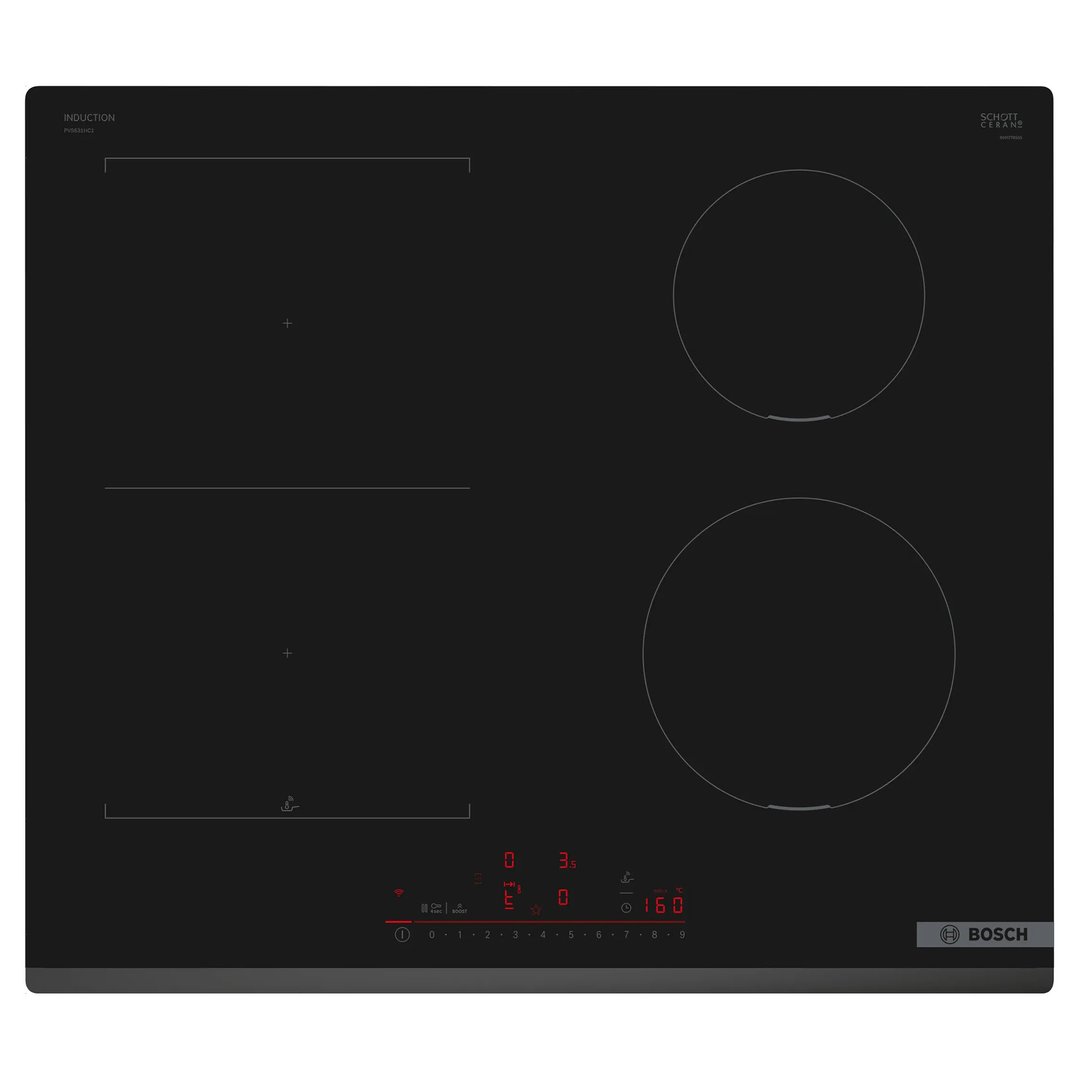

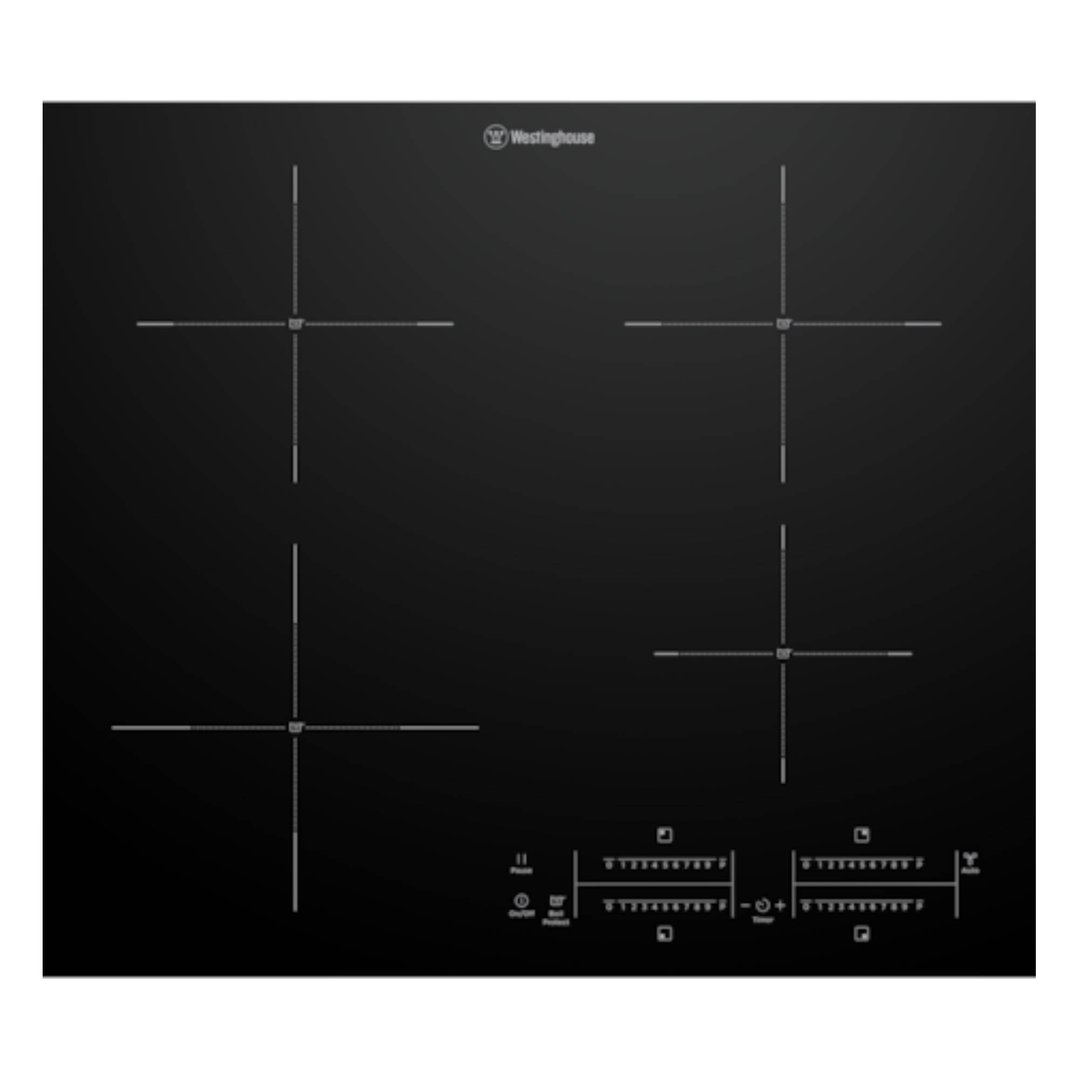
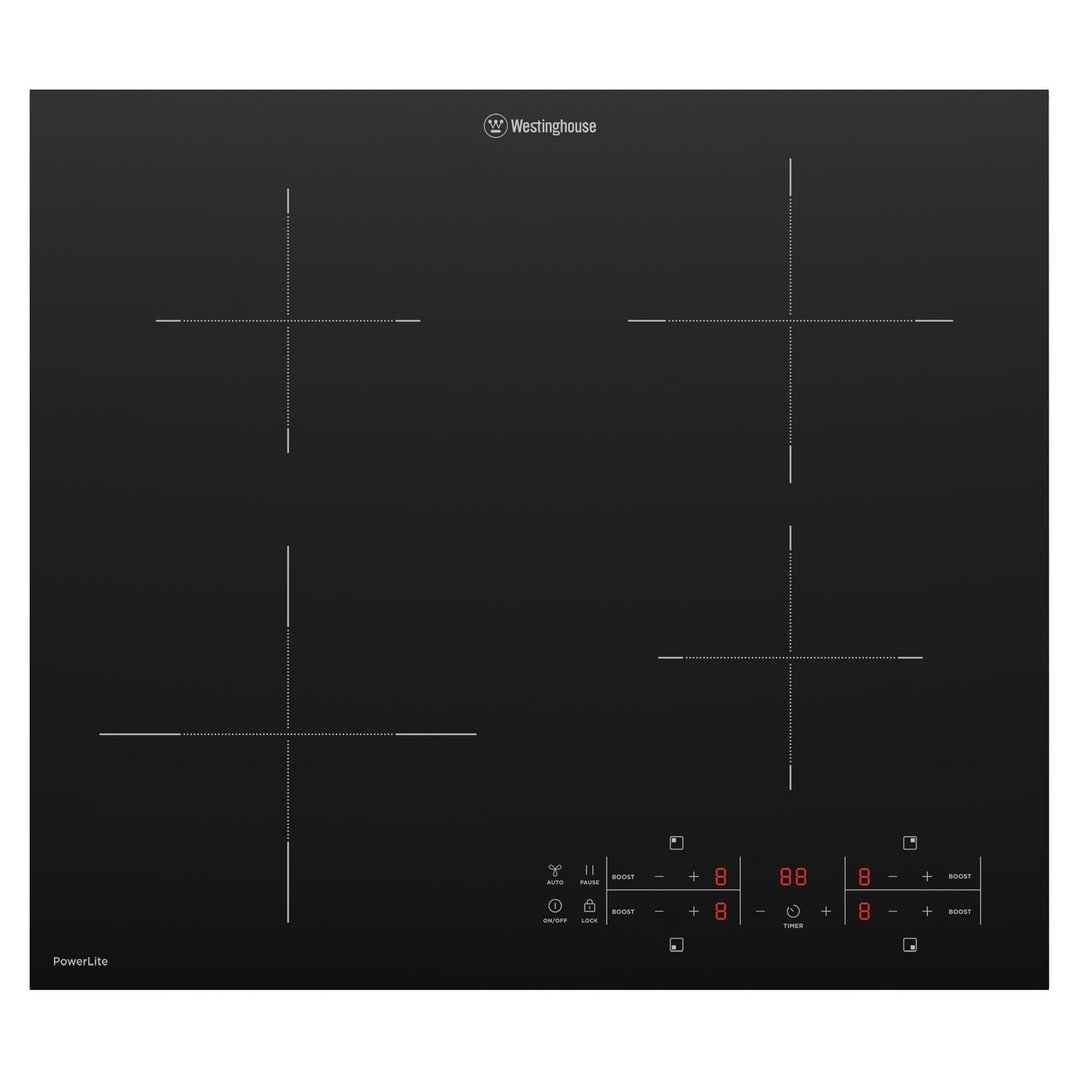
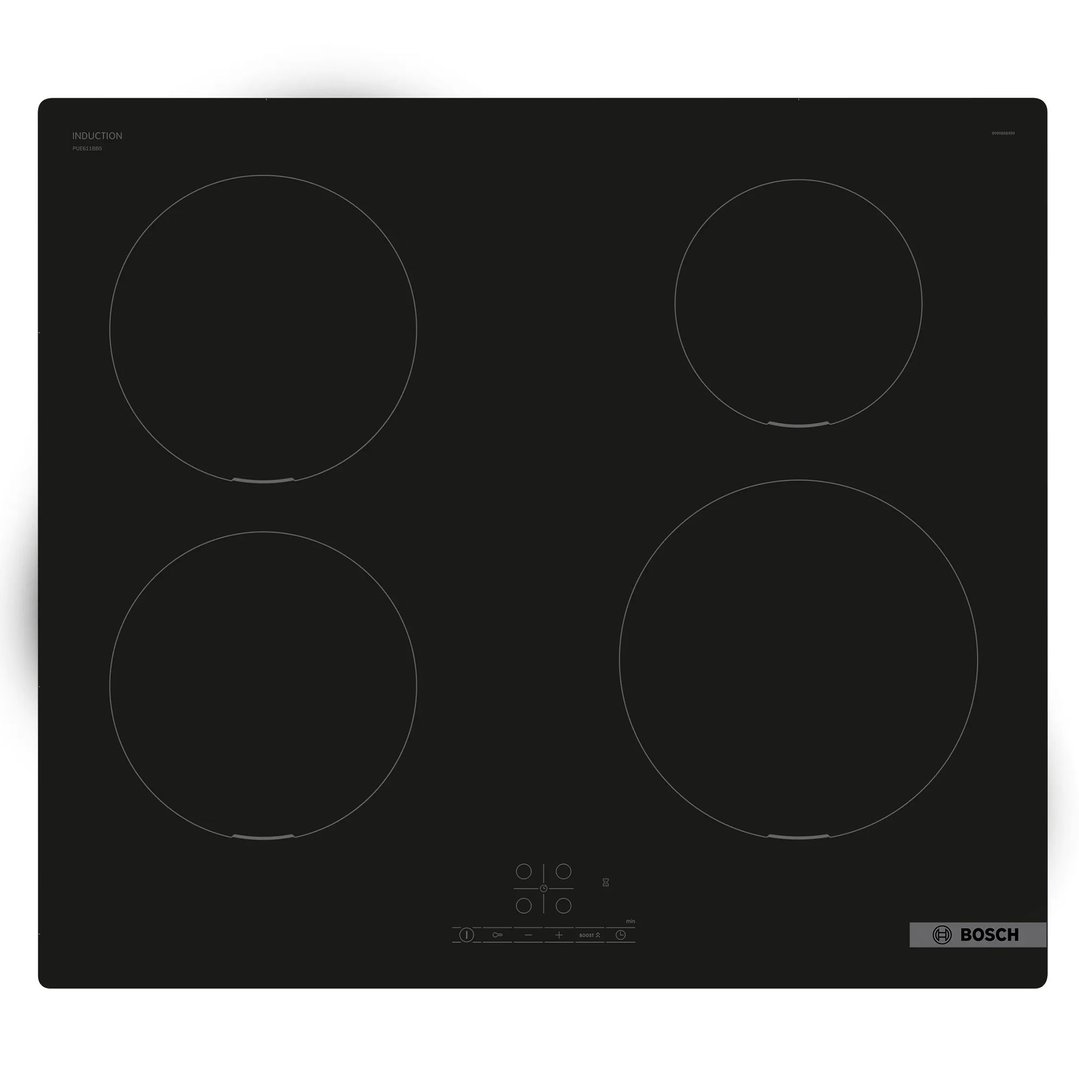
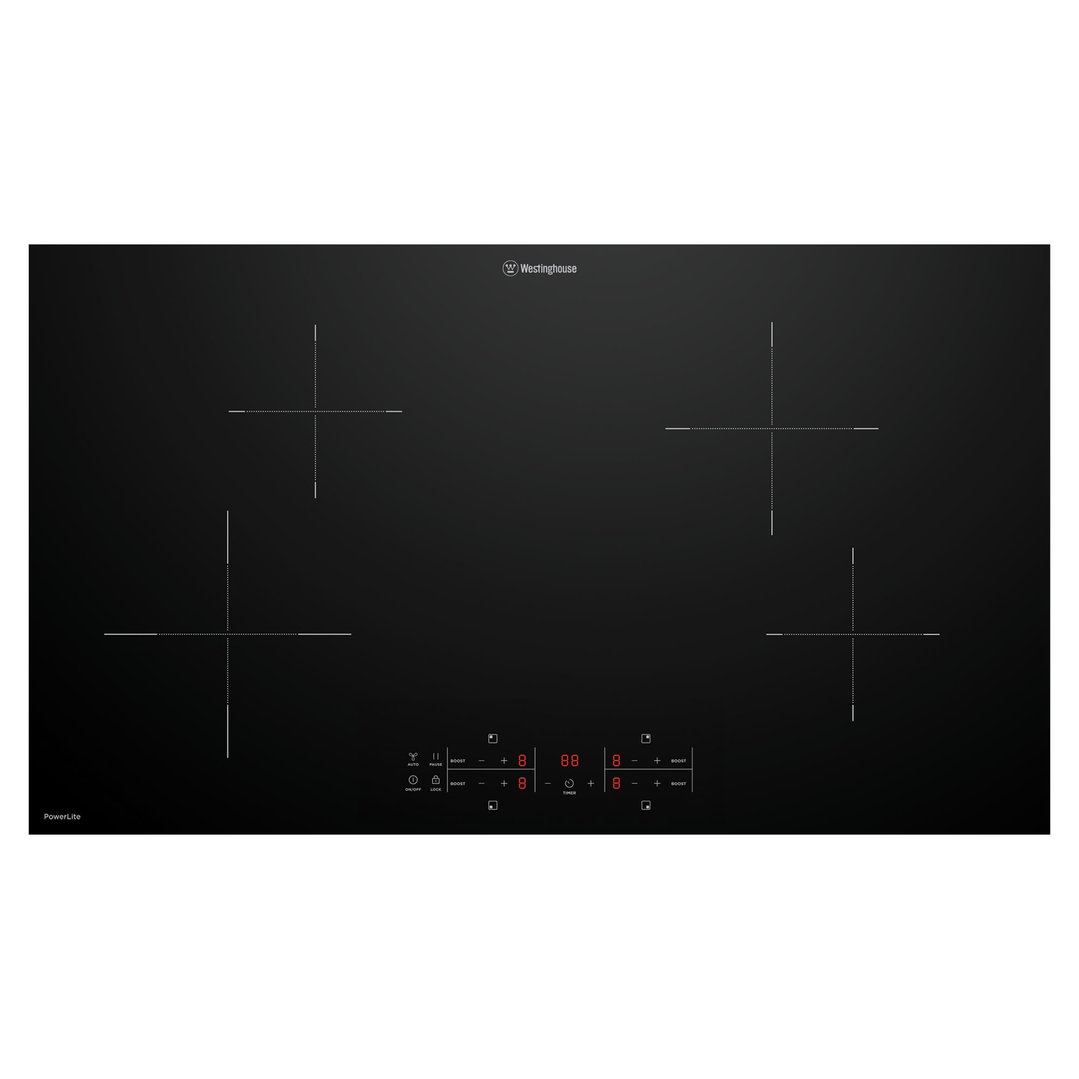

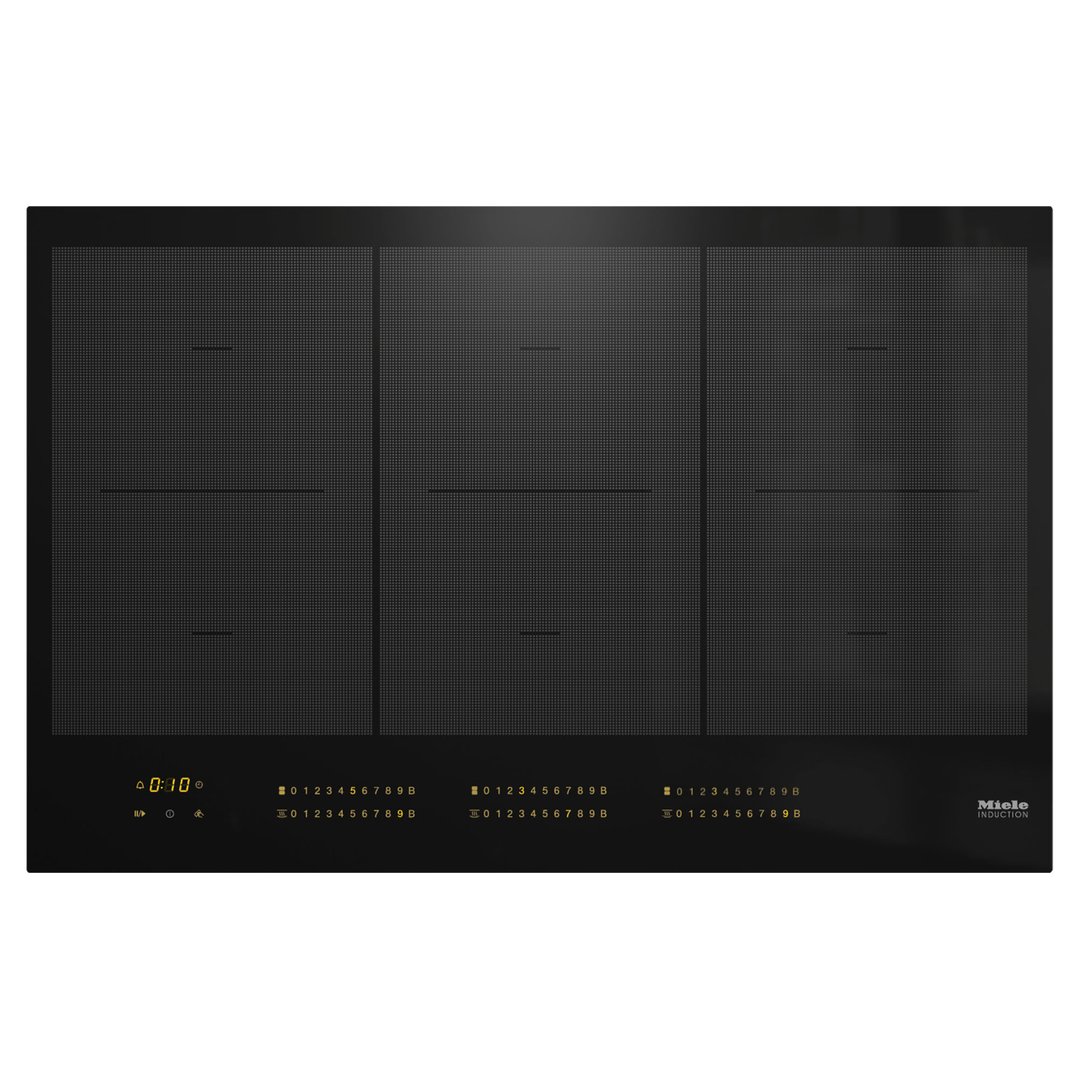
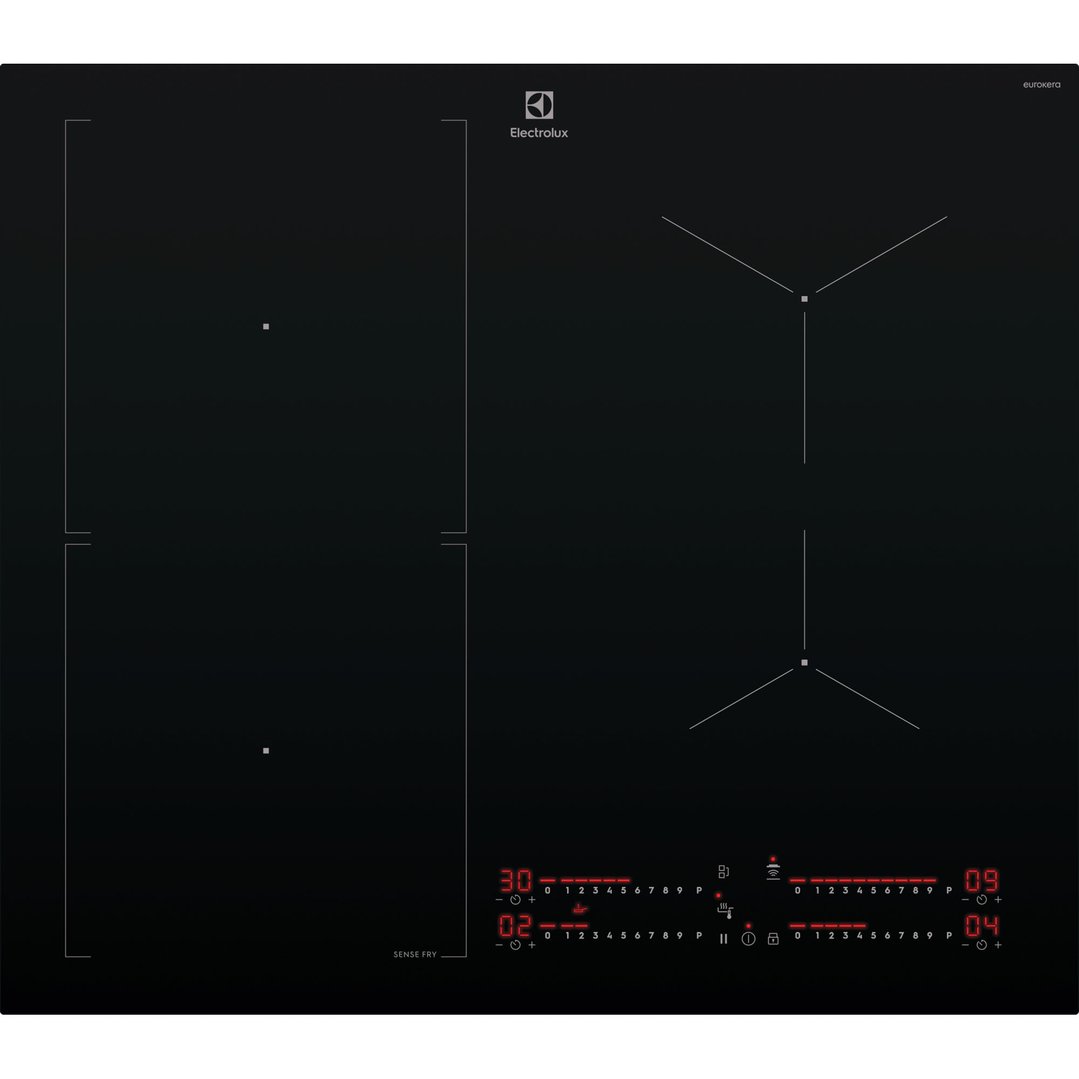
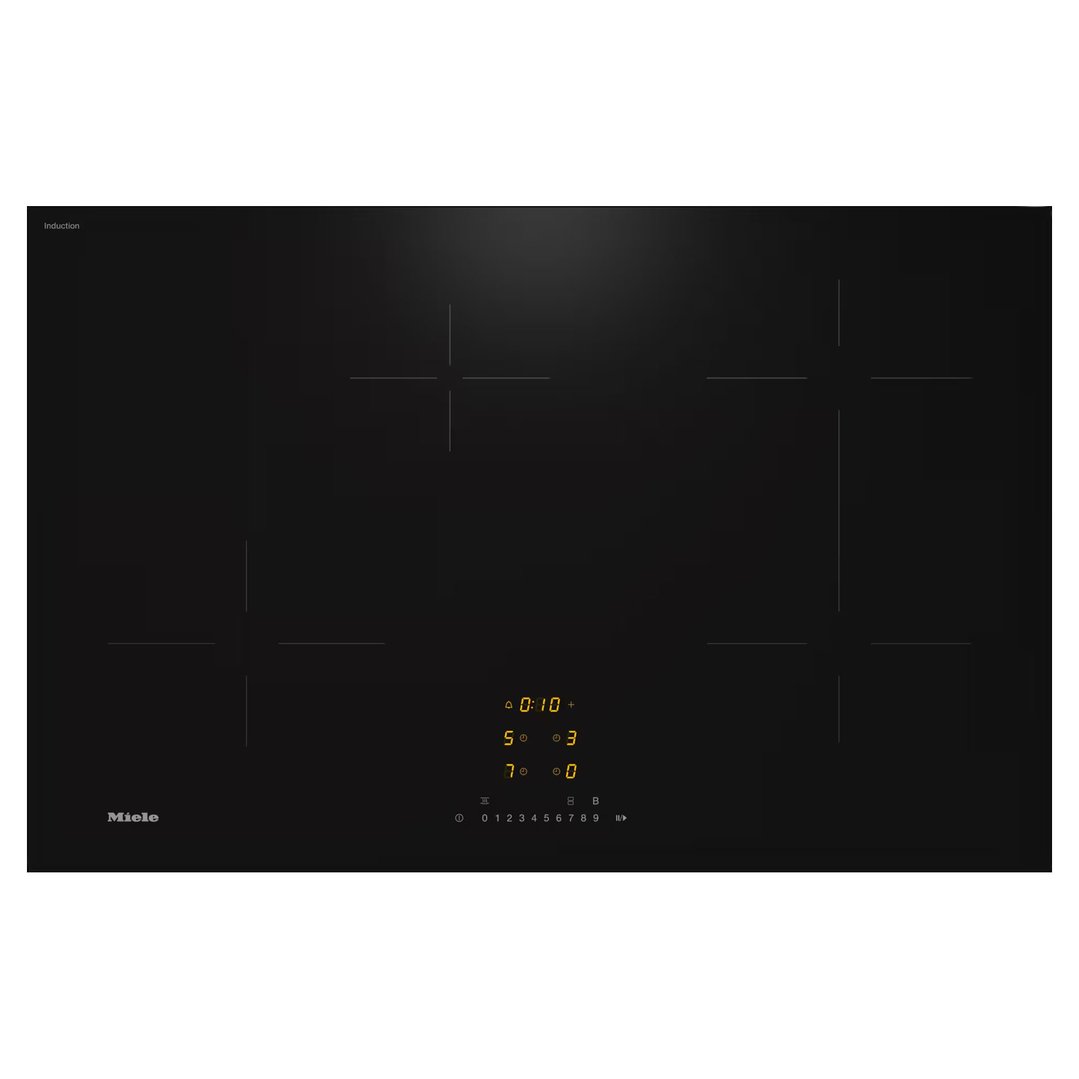
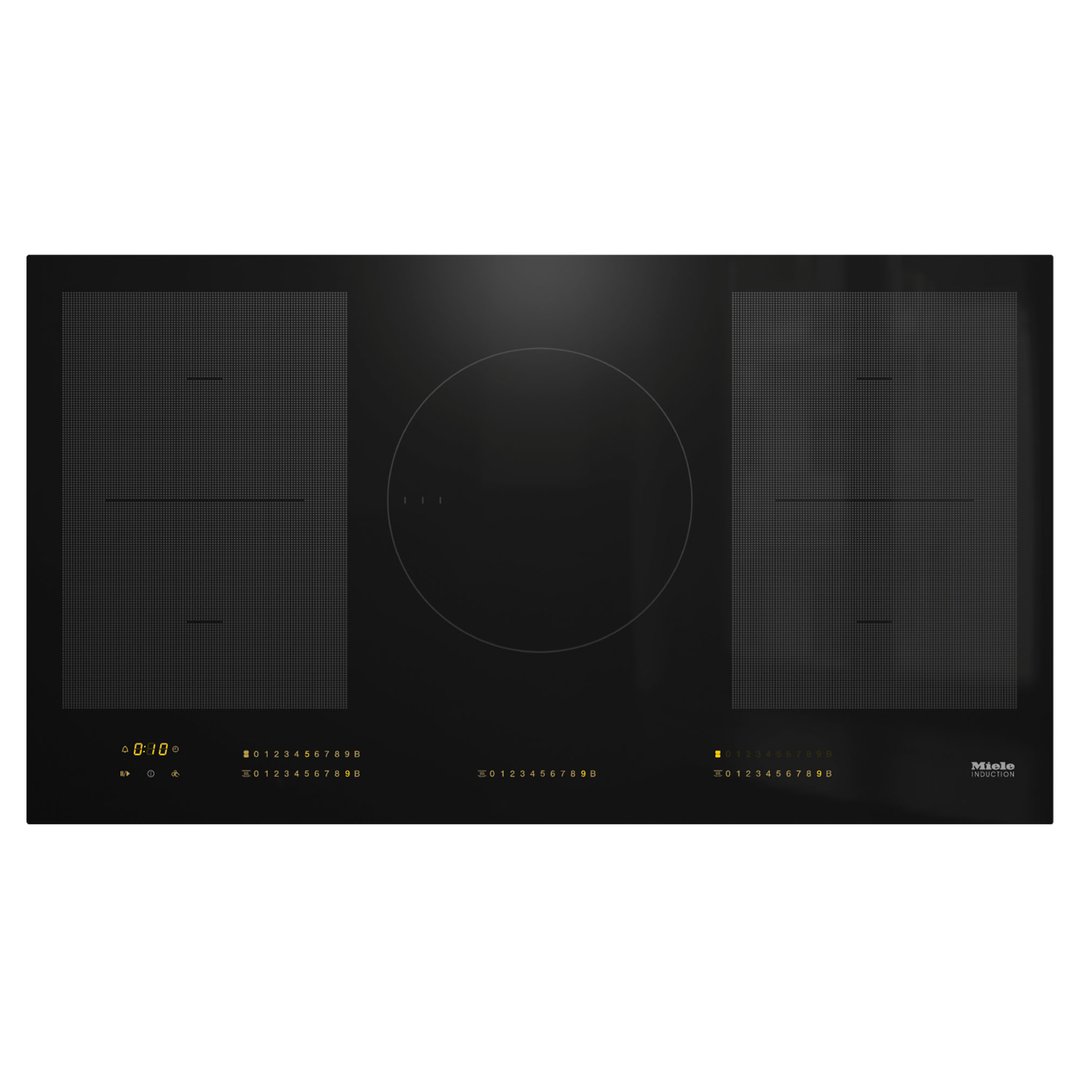

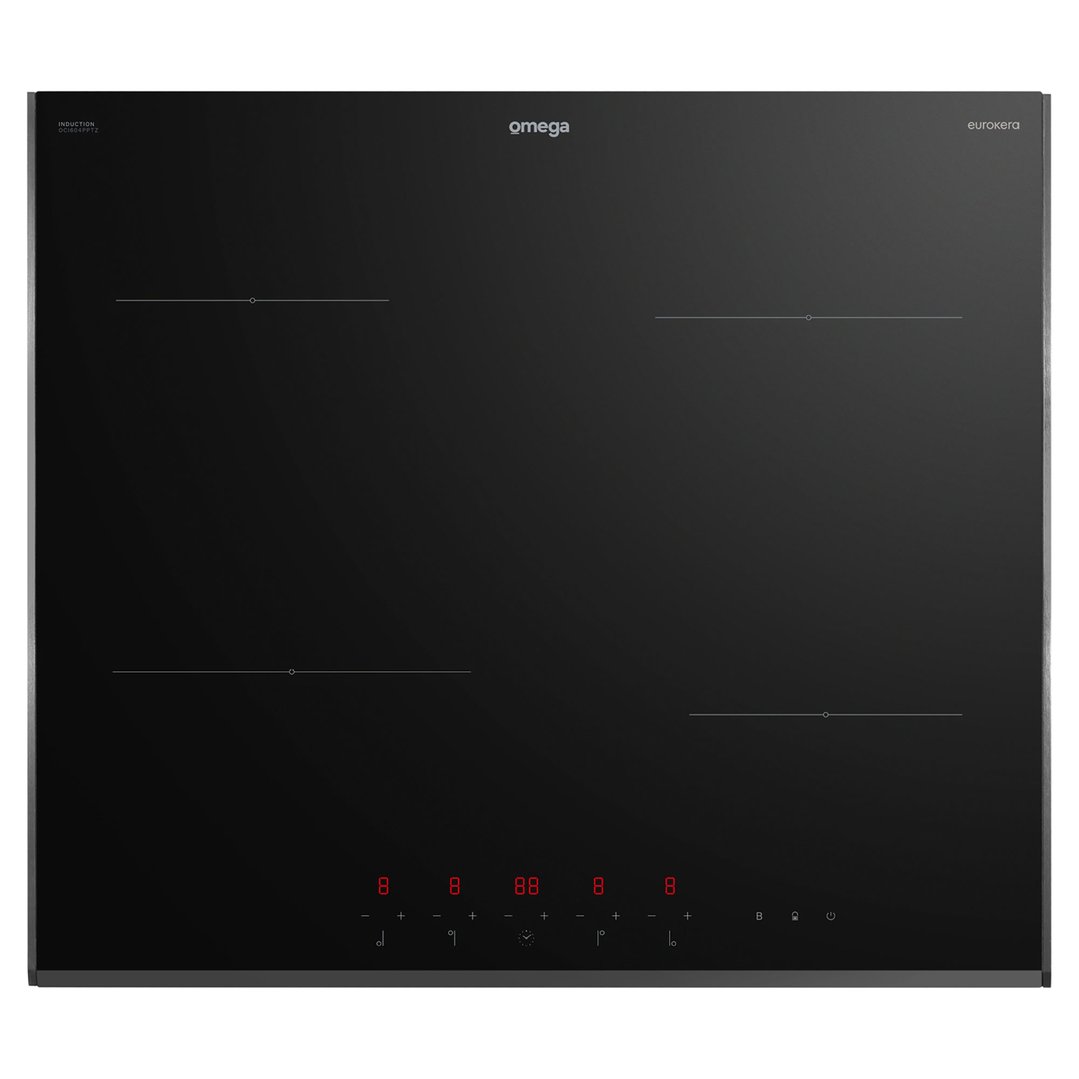
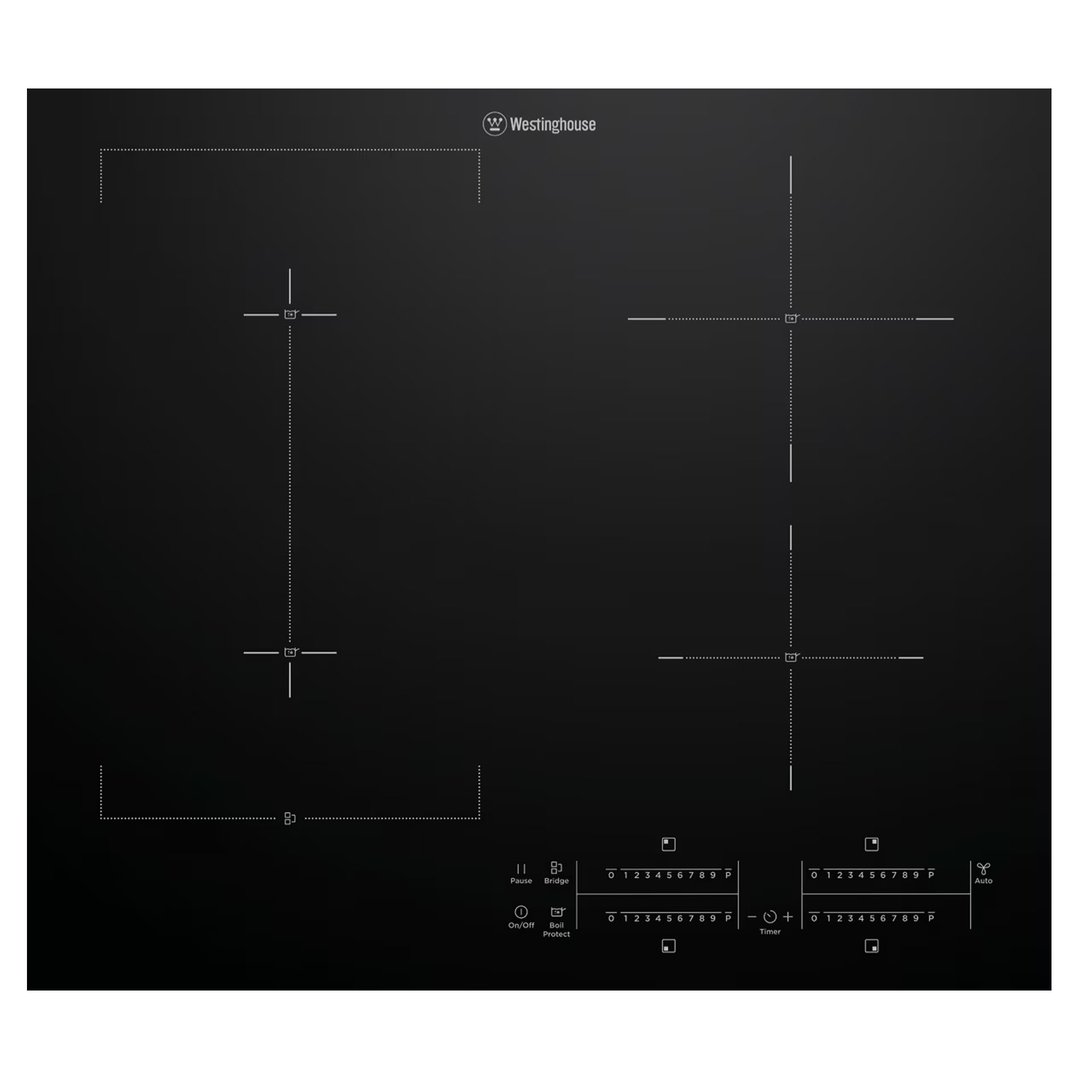
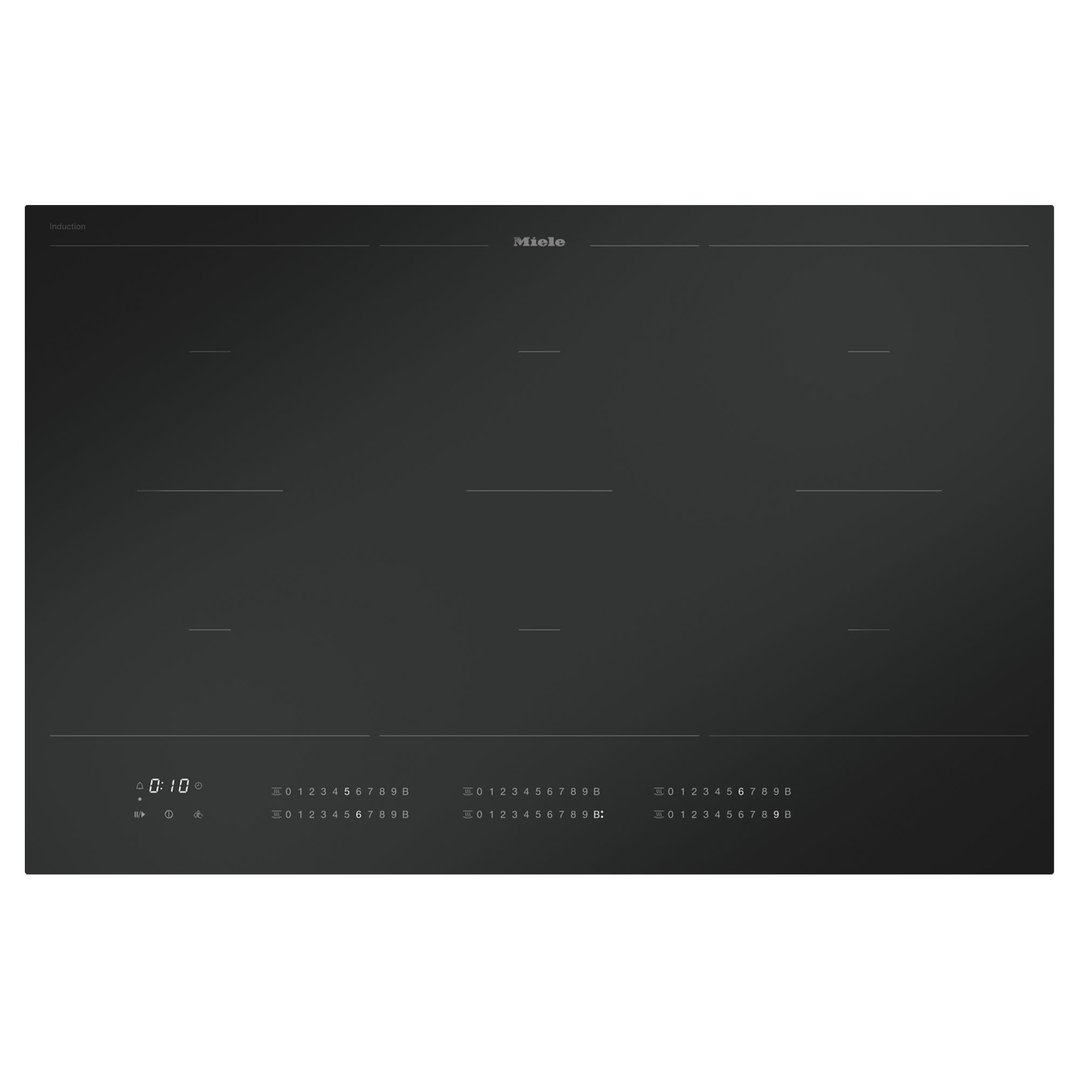
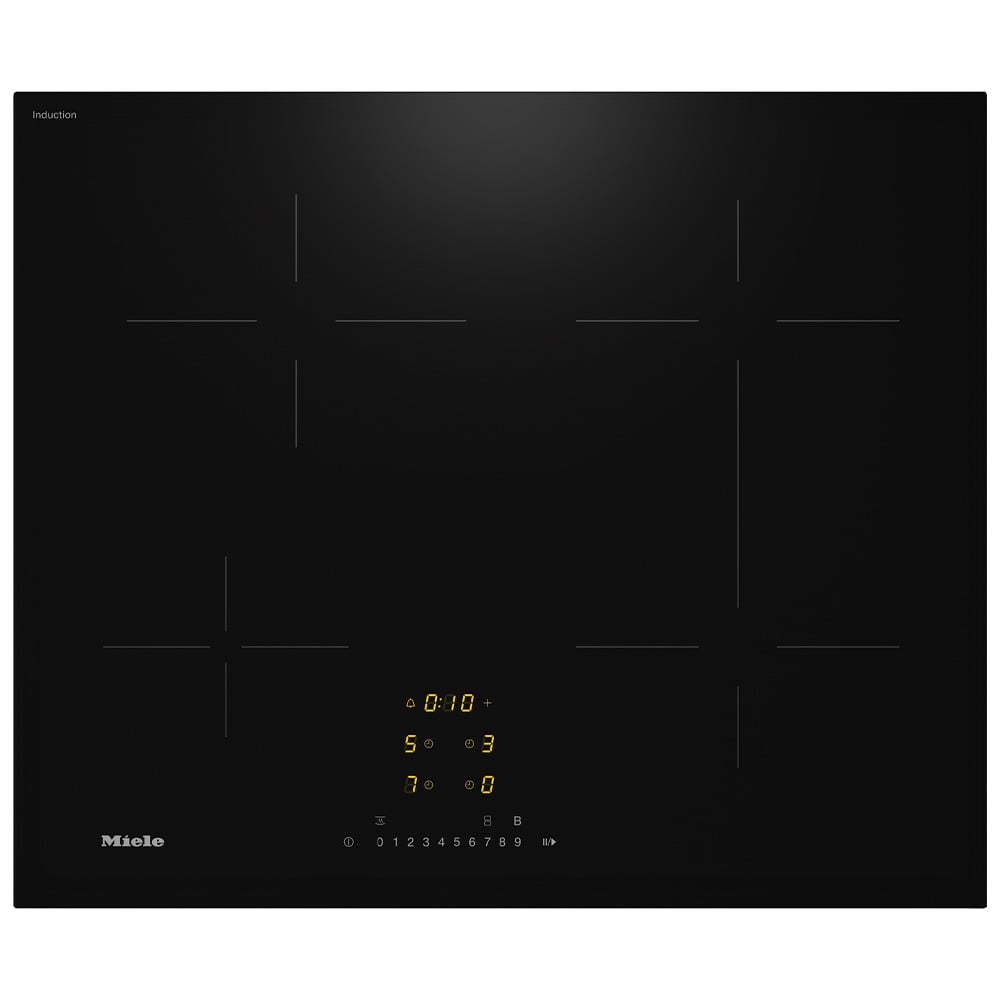
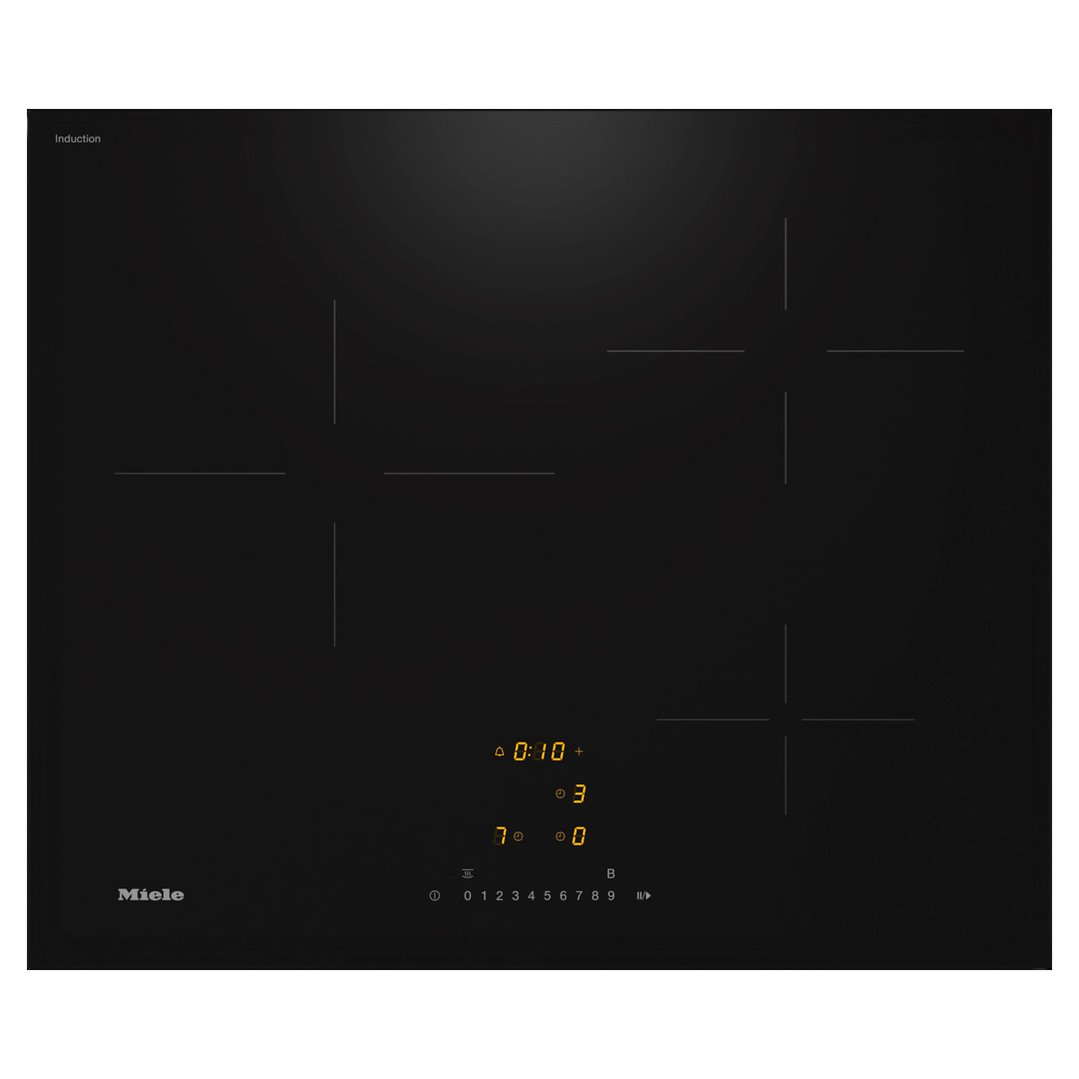
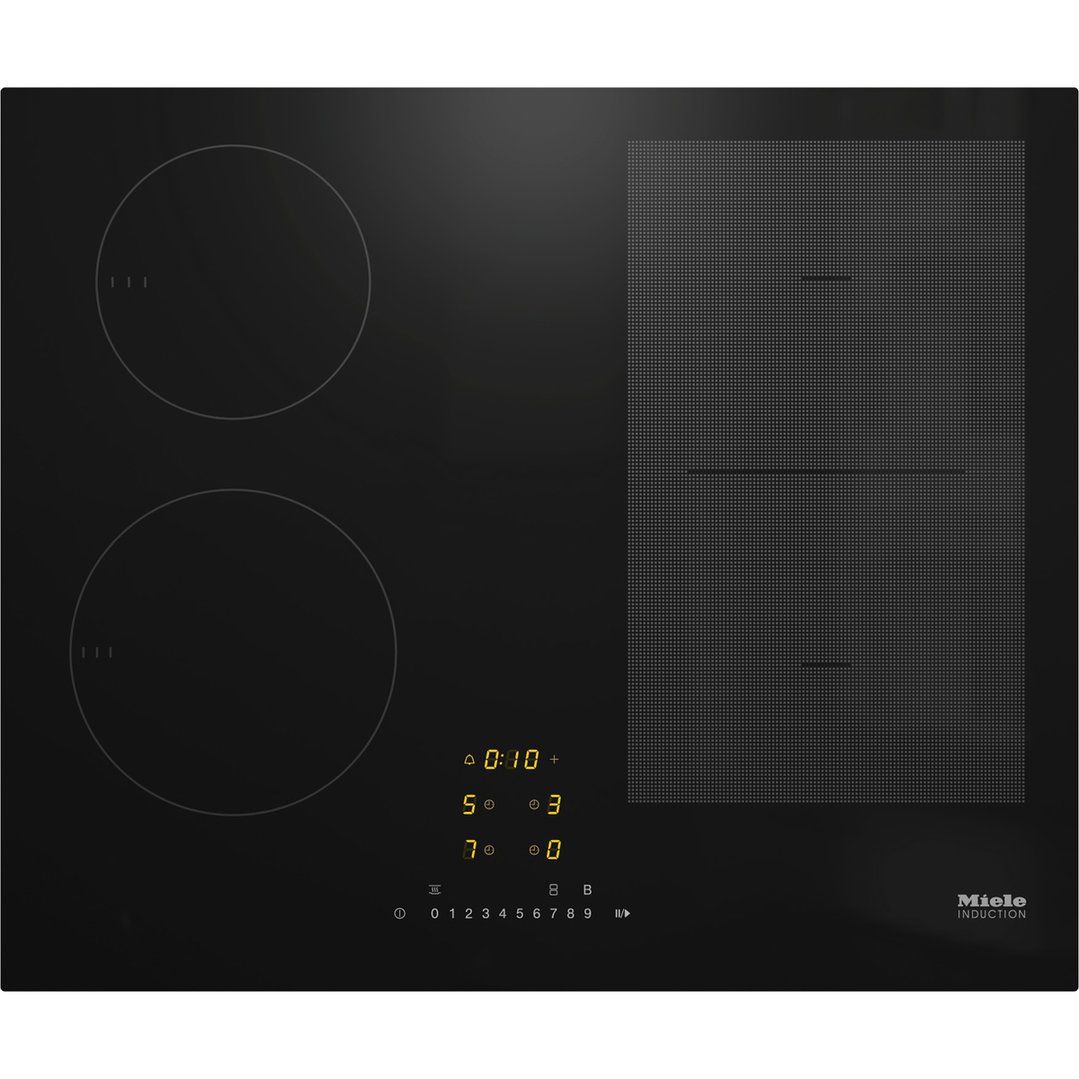

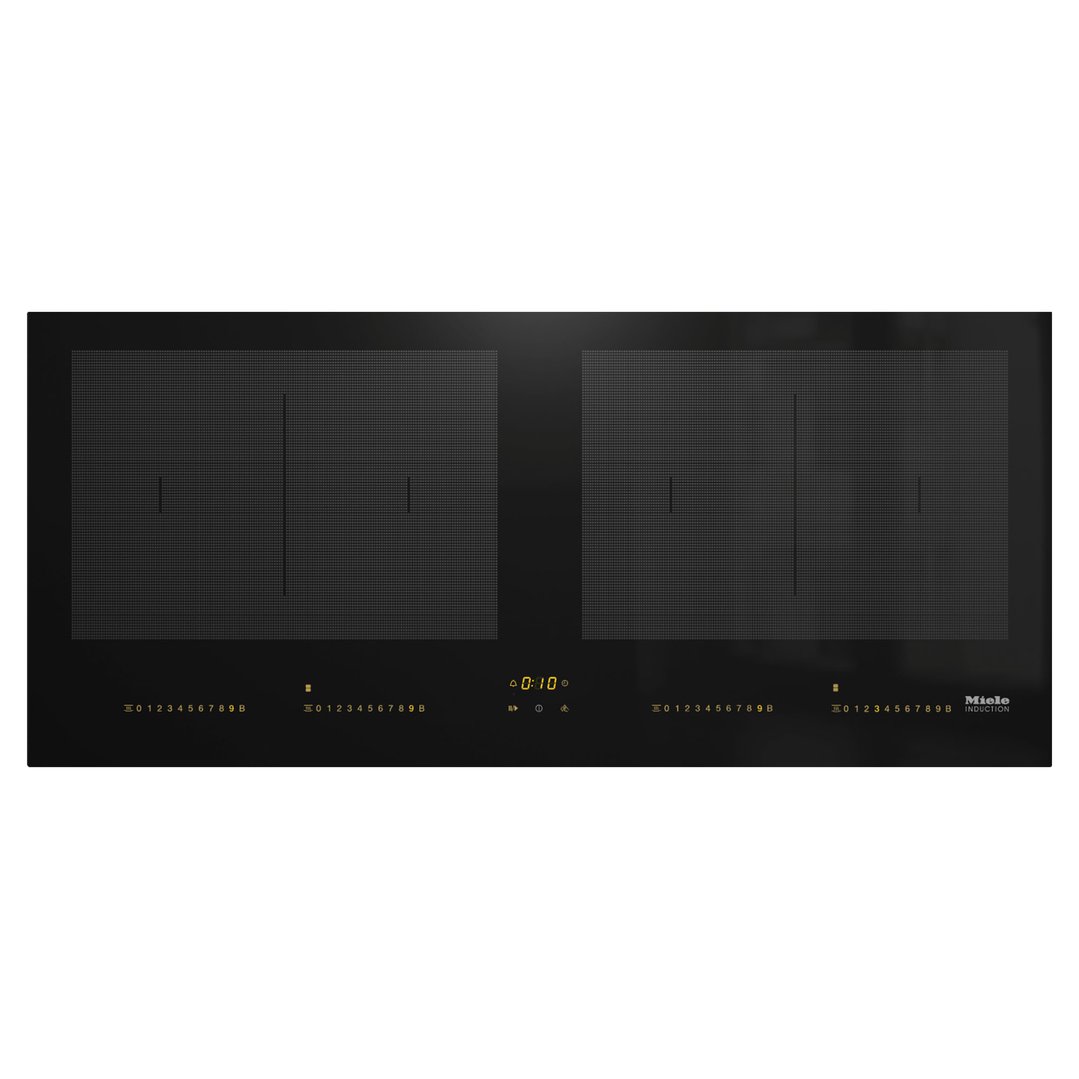
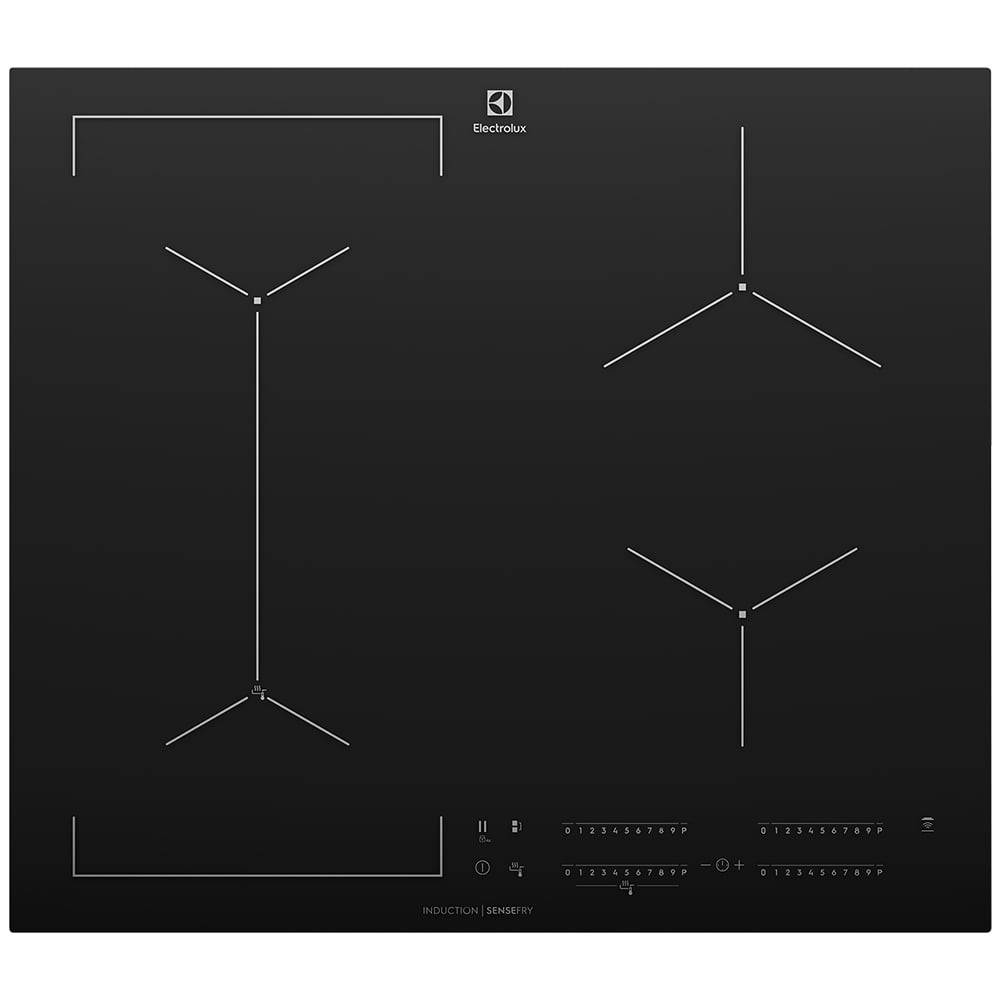
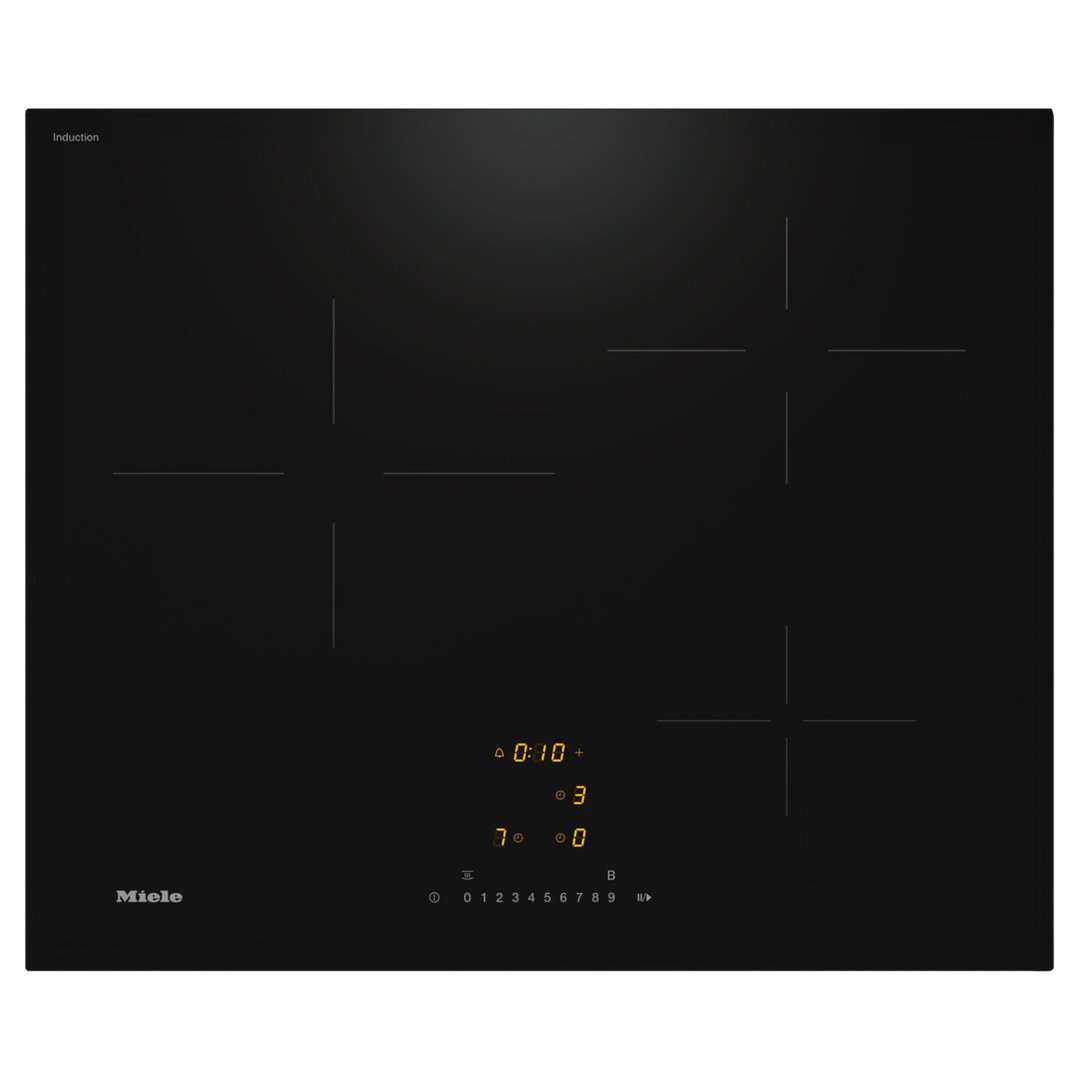
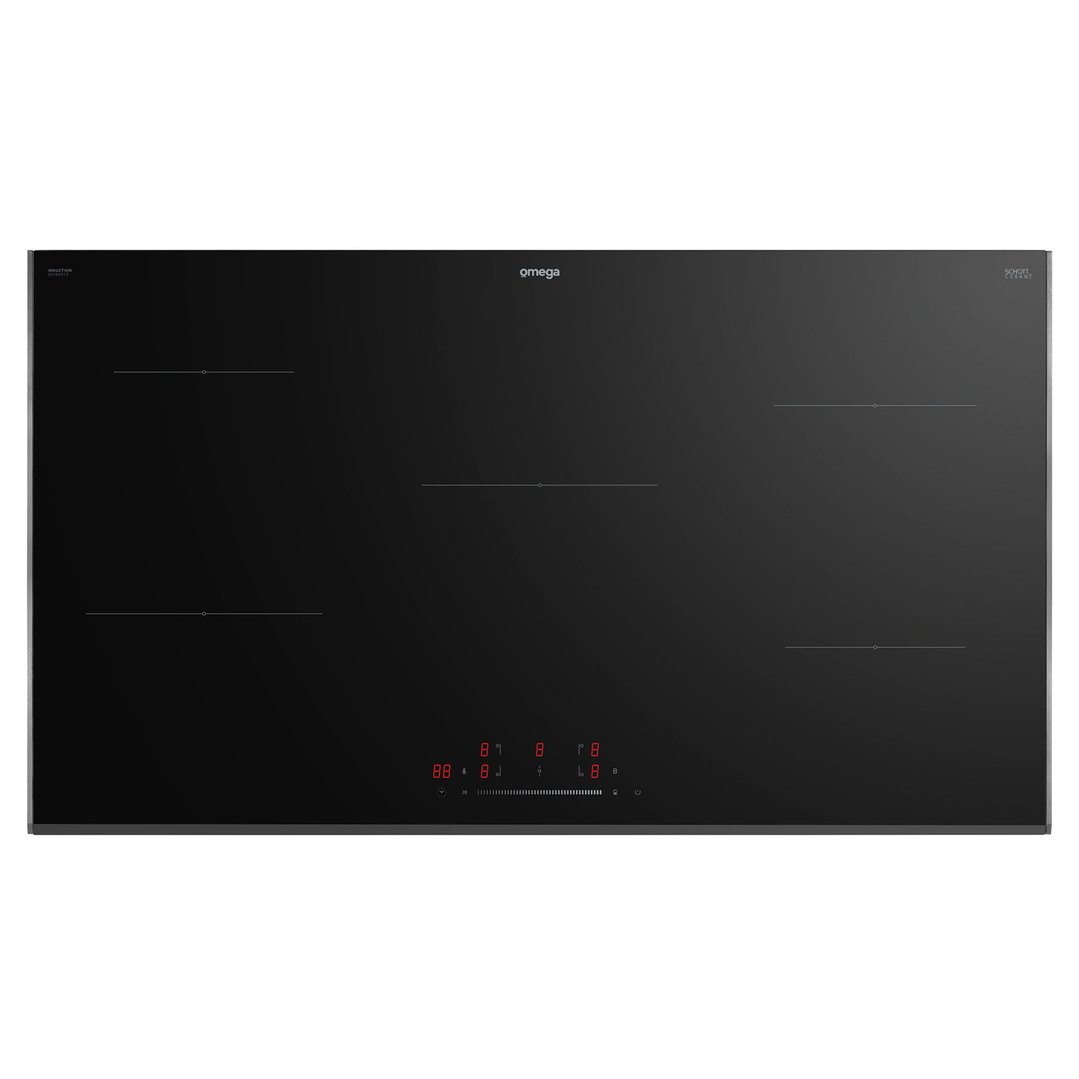
Induction cooktops are fast, energy-efficient and easy to clean, which is why they have become one of the most popular cooktop choices in Australian kitchens. At Bing Lee we stock a wide range of induction stoves from brands including Bosch, Westinghouse, Miele, Fisher & Paykel and more. Our FAQs below will walk you through everything from how induction works to what size you need.
FAQs
1. How does an induction cooktop work?
An induction cooktop uses electromagnetic energy to heat the base of your cookware directly, rather than heating the cooking surface itself. When you place a compatible pot or pan on the zone, a magnetic field is created between the cooktop and the cookware, generating heat in the pan. This means the glass surface around the pan stays relatively cool, which makes induction much safer and easier to clean than gas or ceramic cooktops.
2. What cookware do I need for an induction cooktop?
Induction cooktops only work with magnetic cookware. The easiest way to check if your existing pots and pans are compatible is to hold a magnet to the base. If it sticks firmly, the cookware will work. Cast iron and most stainless steel cookware are induction-compatible. Copper, aluminium and most glass or ceramic cookware will not work unless they have a bonded magnetic base. If you need to update your cookware, look for products labelled as induction-compatible.
3. How do I choose the best induction cooktop for my kitchen?
Think about how many cooking zones you need and how big your bench cut-out is. A 60cm four-zone cooktop suits most households, while a 75cm or 90cm model adds more room if you cook large meals or use multiple large pots at once. Some models include a bridge zone or flex zone that merges two cooking areas into one to accommodate a wok or fish kettle. Also consider touch controls versus physical knobs. Touch controls are easier to clean, while some people find knobs more intuitive. For more guidance on choosing the right induction cooktop, check out our buying guide with expert tips to help you compare styles.
4. Are induction cooktops energy efficient?
Yes, induction is the most energy-efficient cooktop type available. Because the pan is heated directly, very little energy is lost to the surrounding surface or air - induction transfers around 85-90% of its energy into the food, compared to about 40-55% for gas. This translates into faster cooking and lower power bills over time, especially for households that cook frequently.
5. Is induction cooking safer than gas or electric?
Induction is considered one of the safest cooktop options available. Since the surface itself does not get hot (only the cookware does), accidental contact with the ceramic glass is far less likely to cause a burn than touching a gas burner or electric coil. Most induction cooktops also have automatic shut-off when no pan is detected and child lock functions. The one thing to be mindful of is that the area under a pan can get warm from residual heat transferred back from the cookware, so always use caution when removing pots.