Ceramic Cooktops
23 products

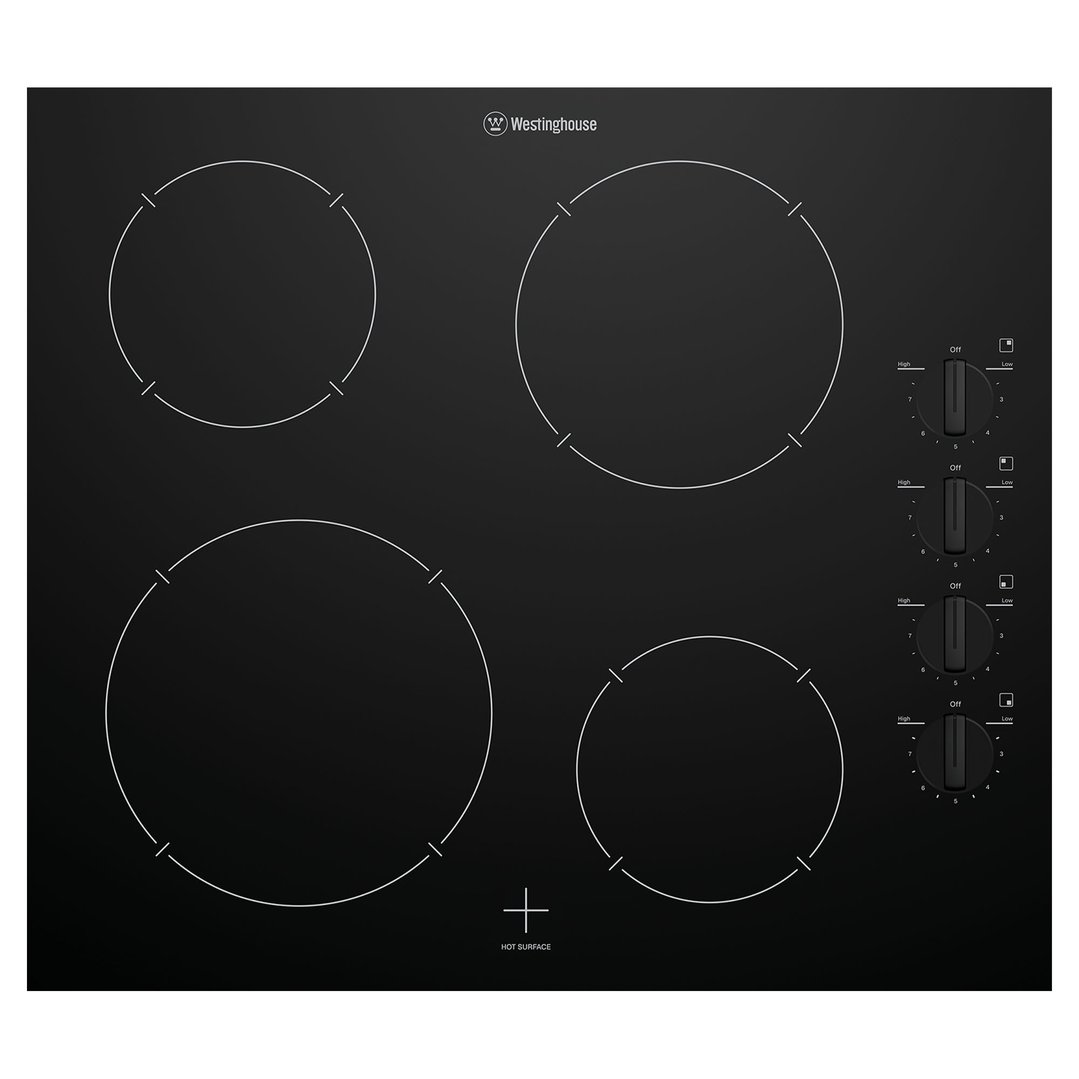
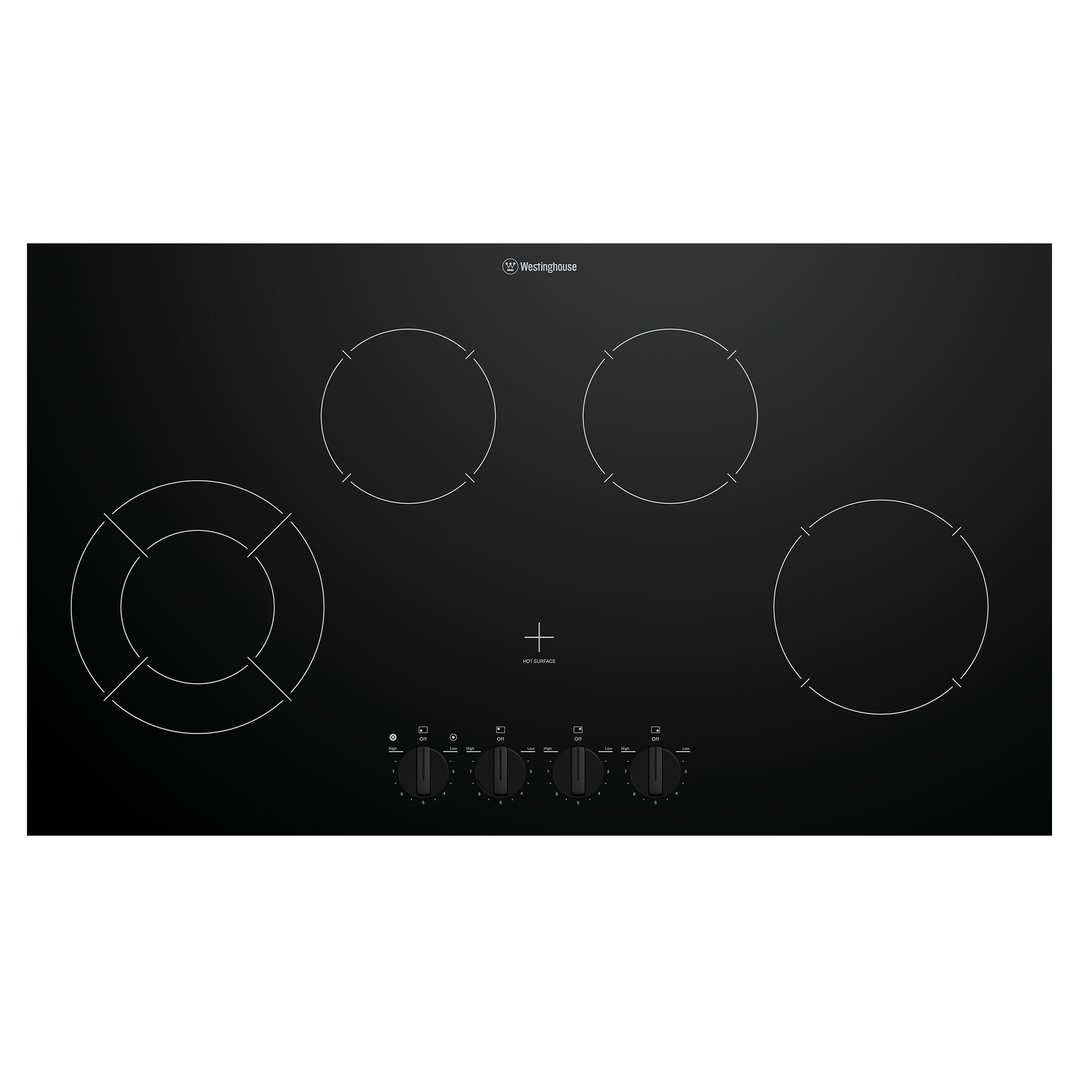
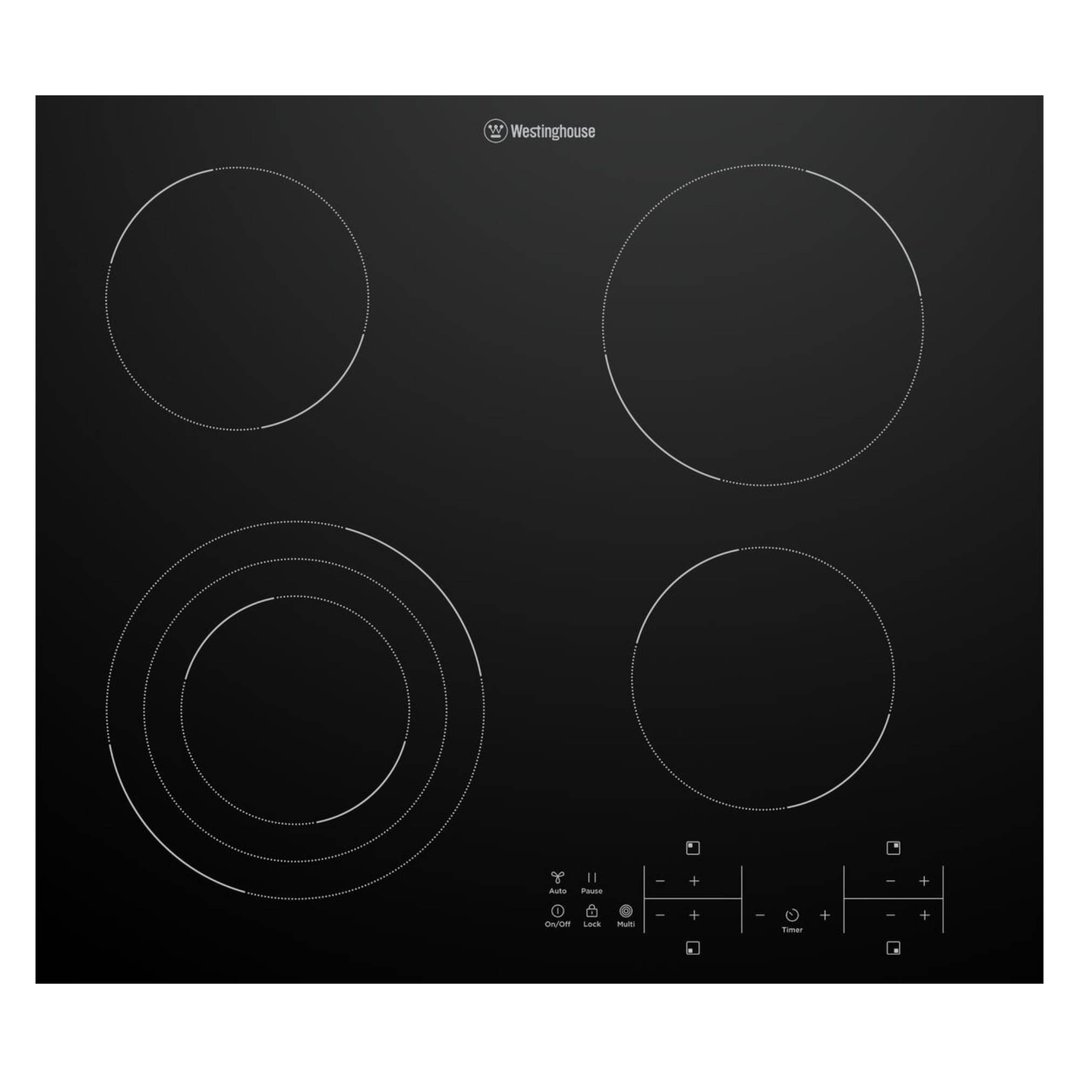

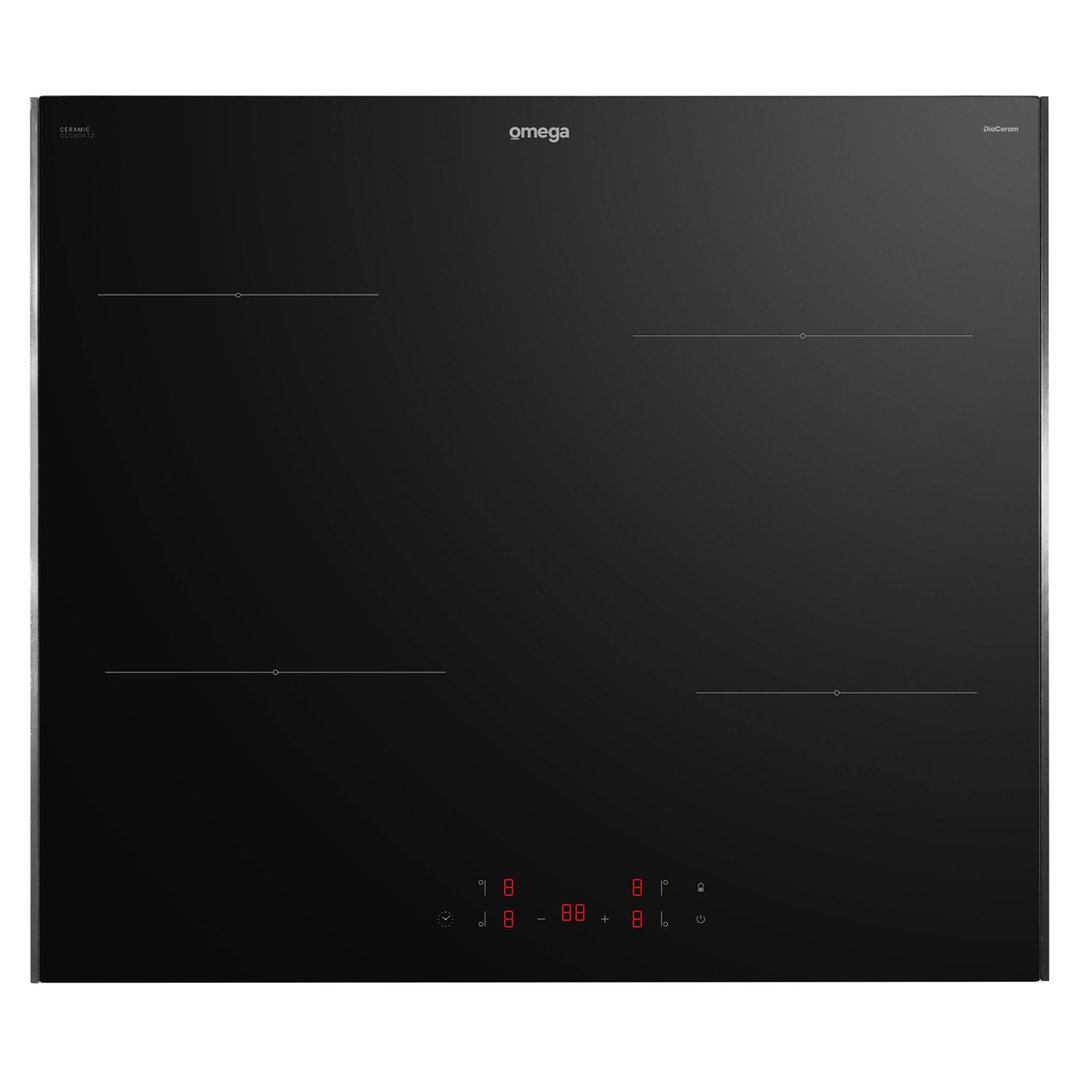

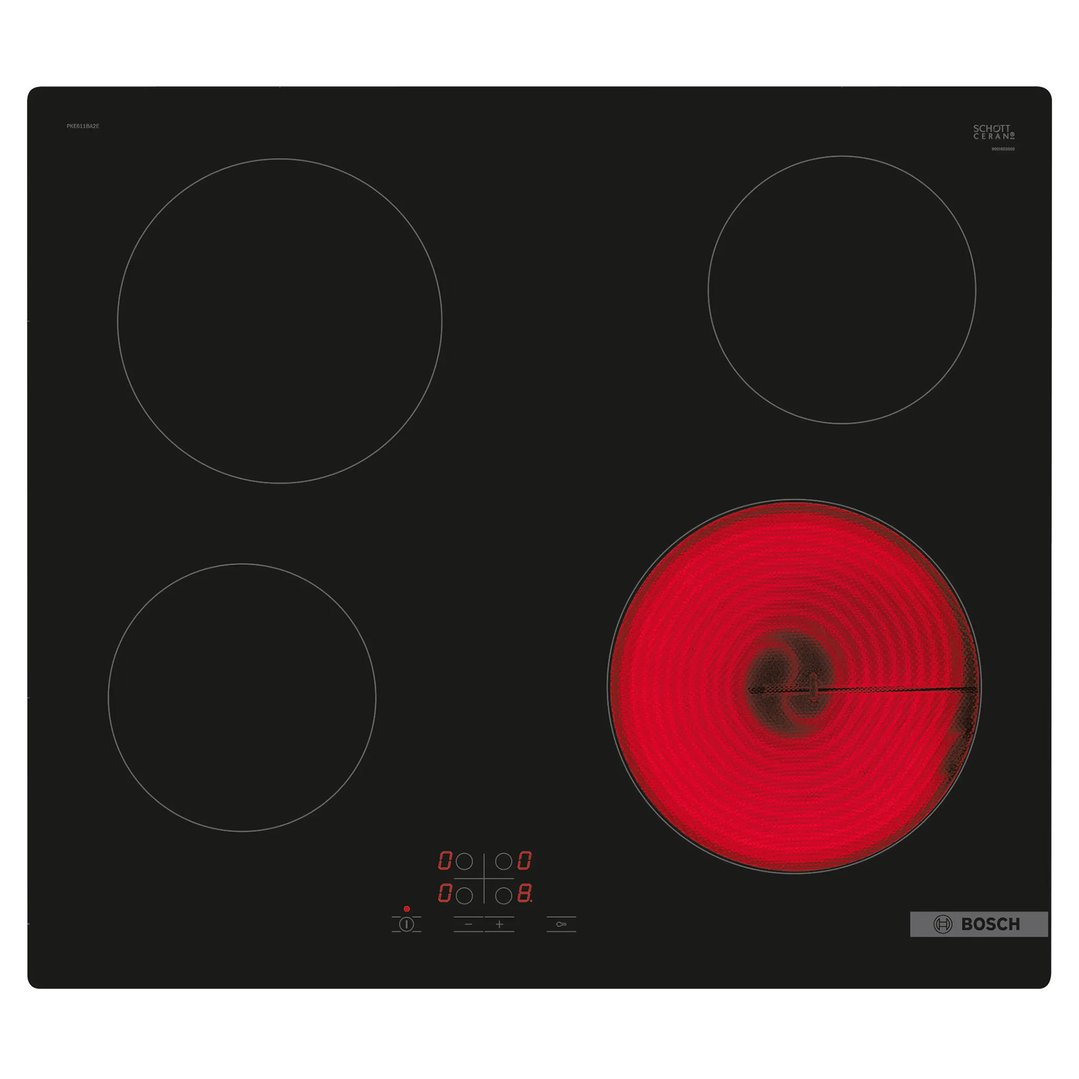
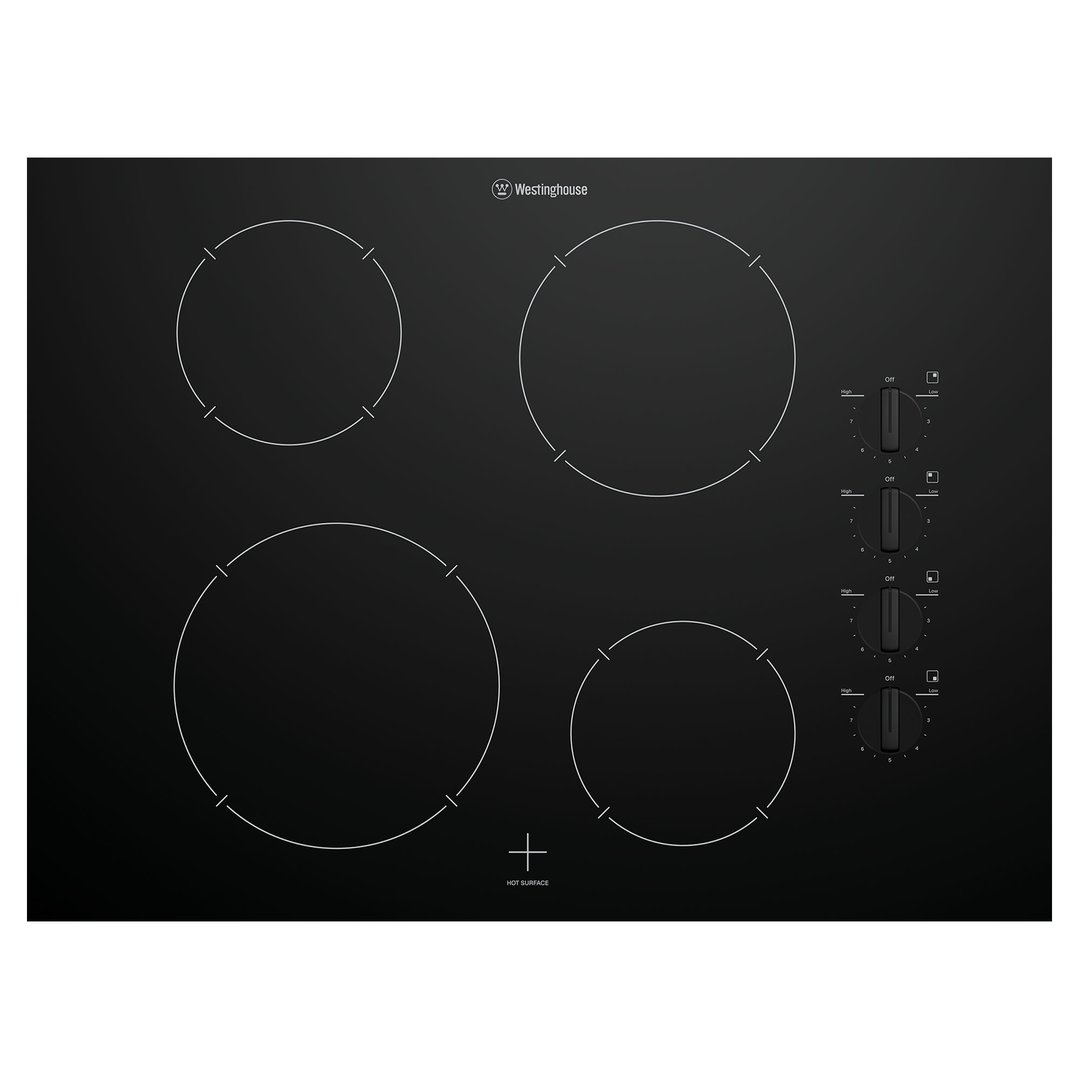
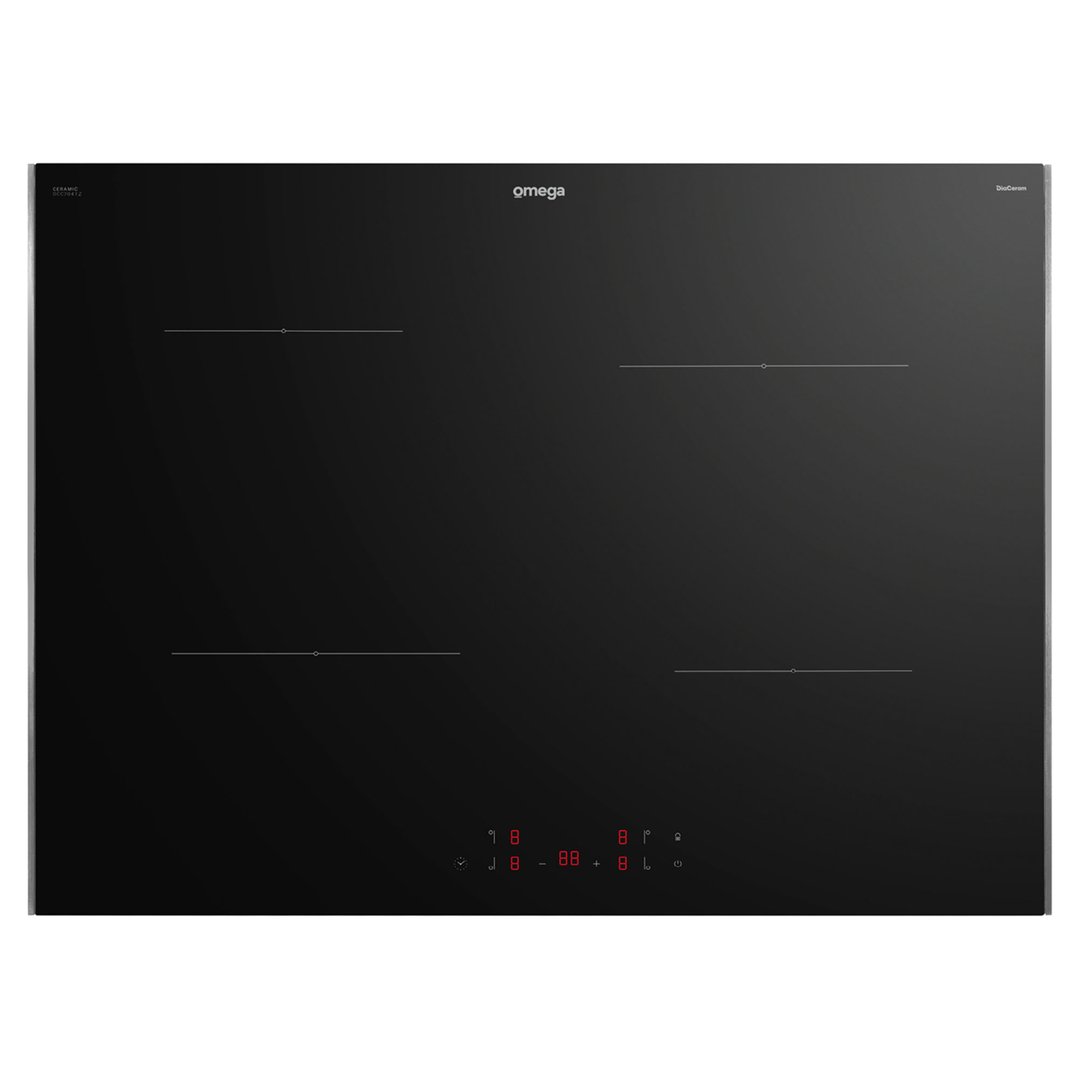


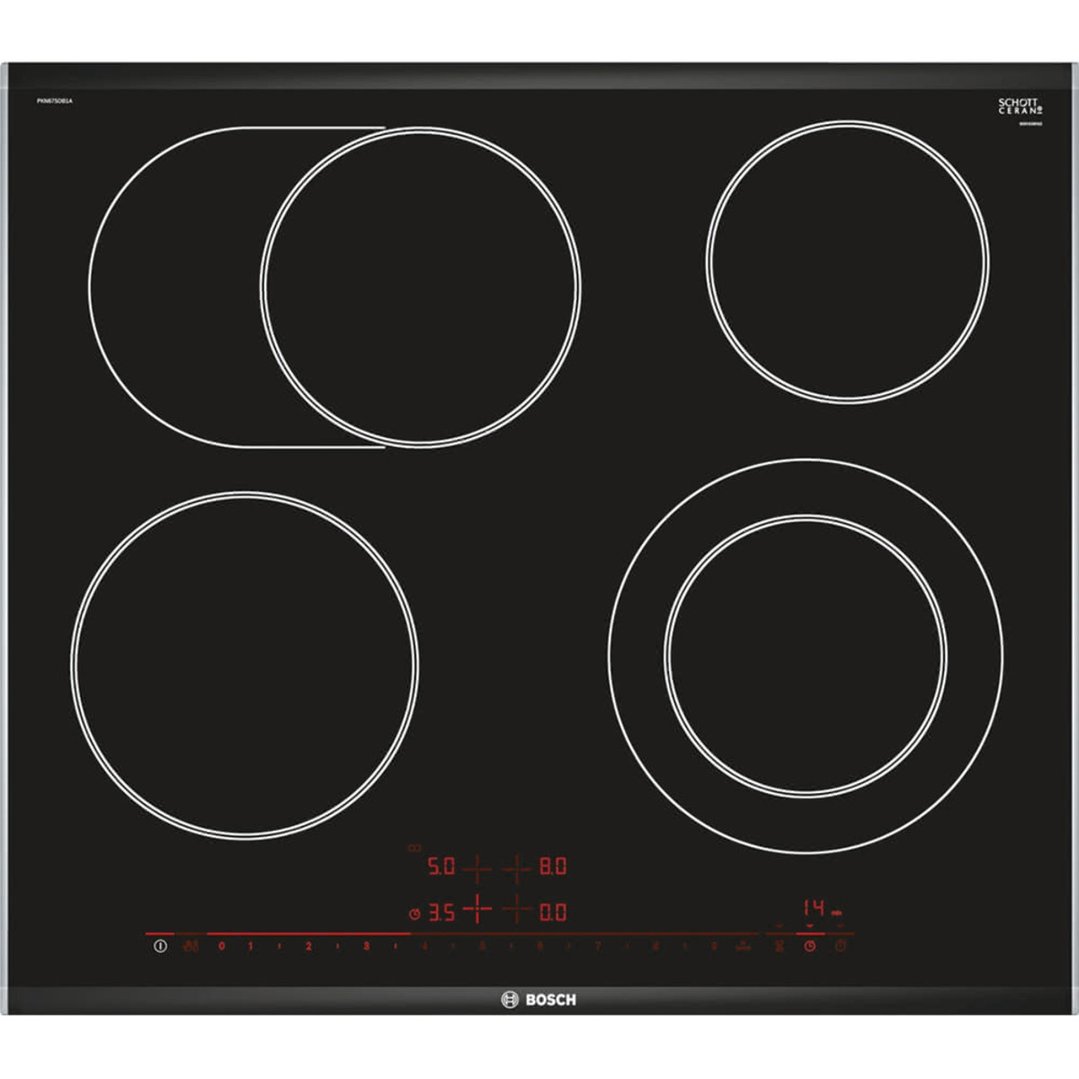


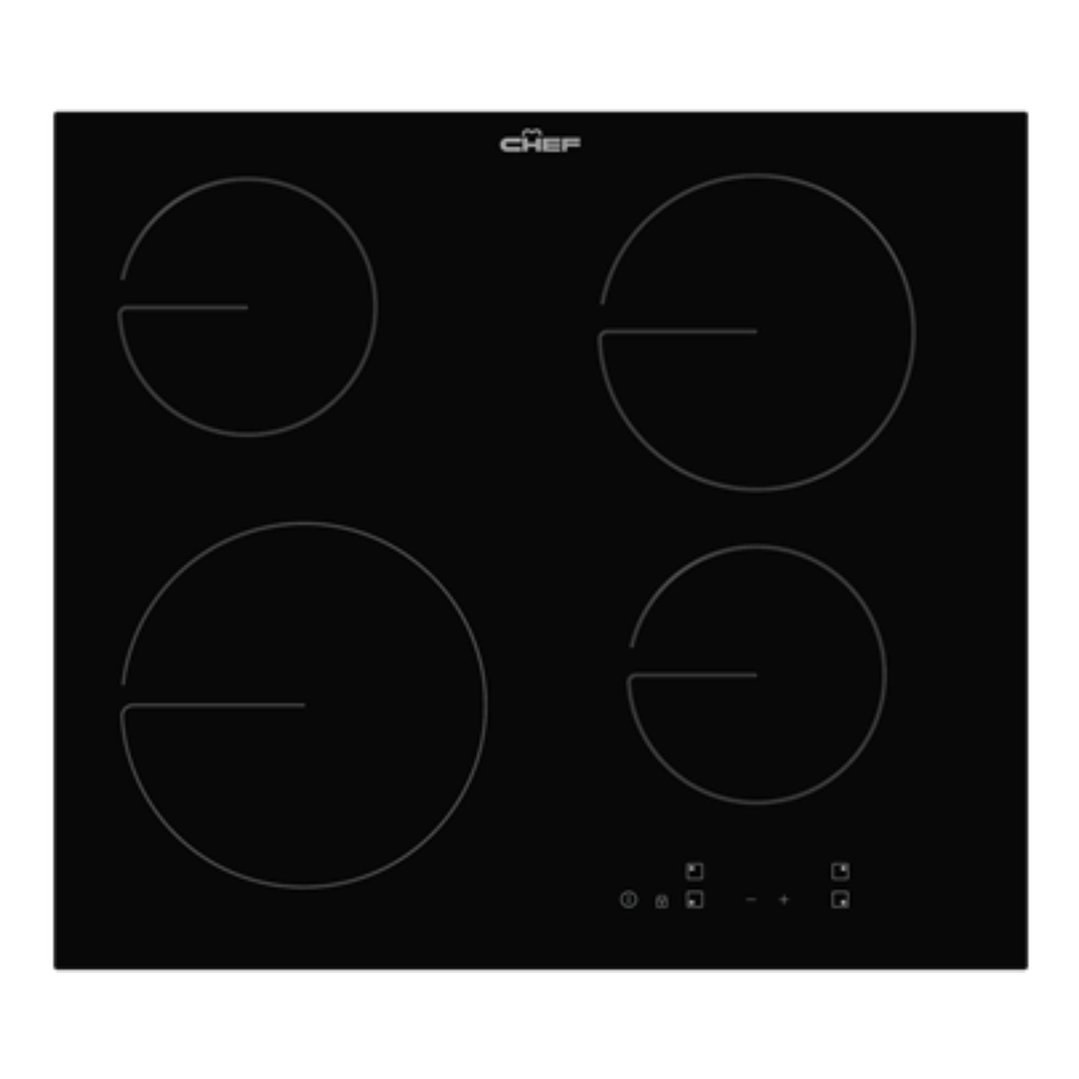

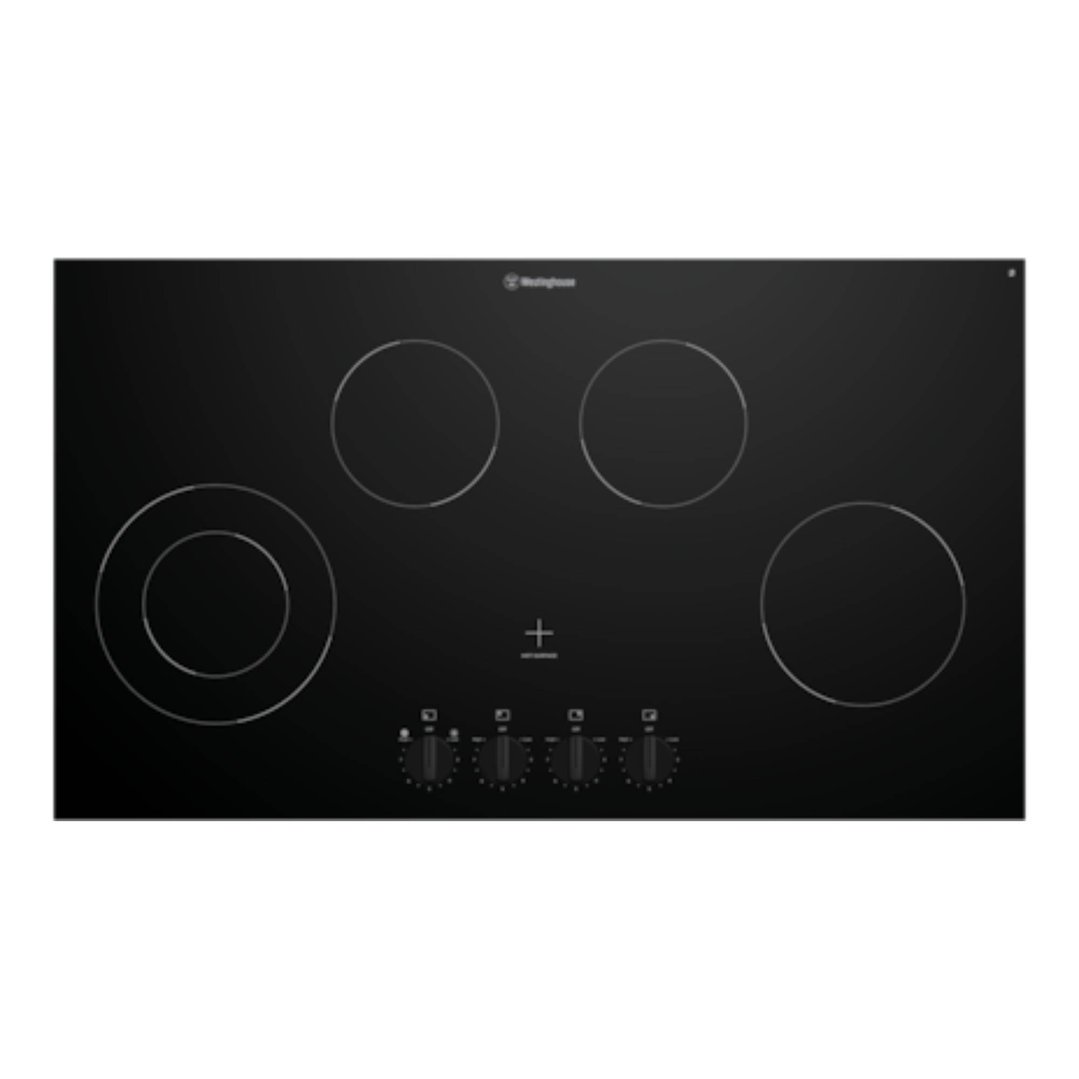


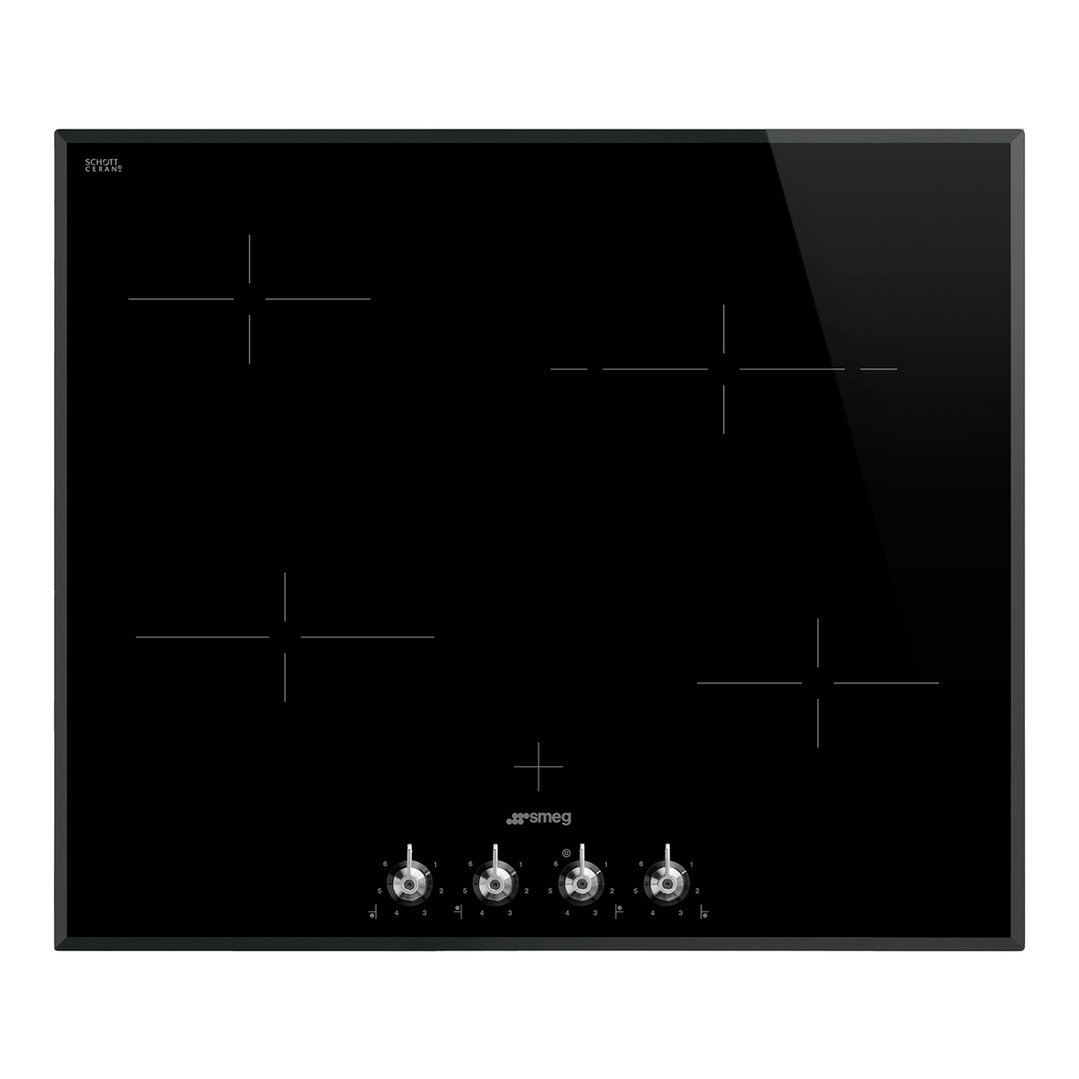
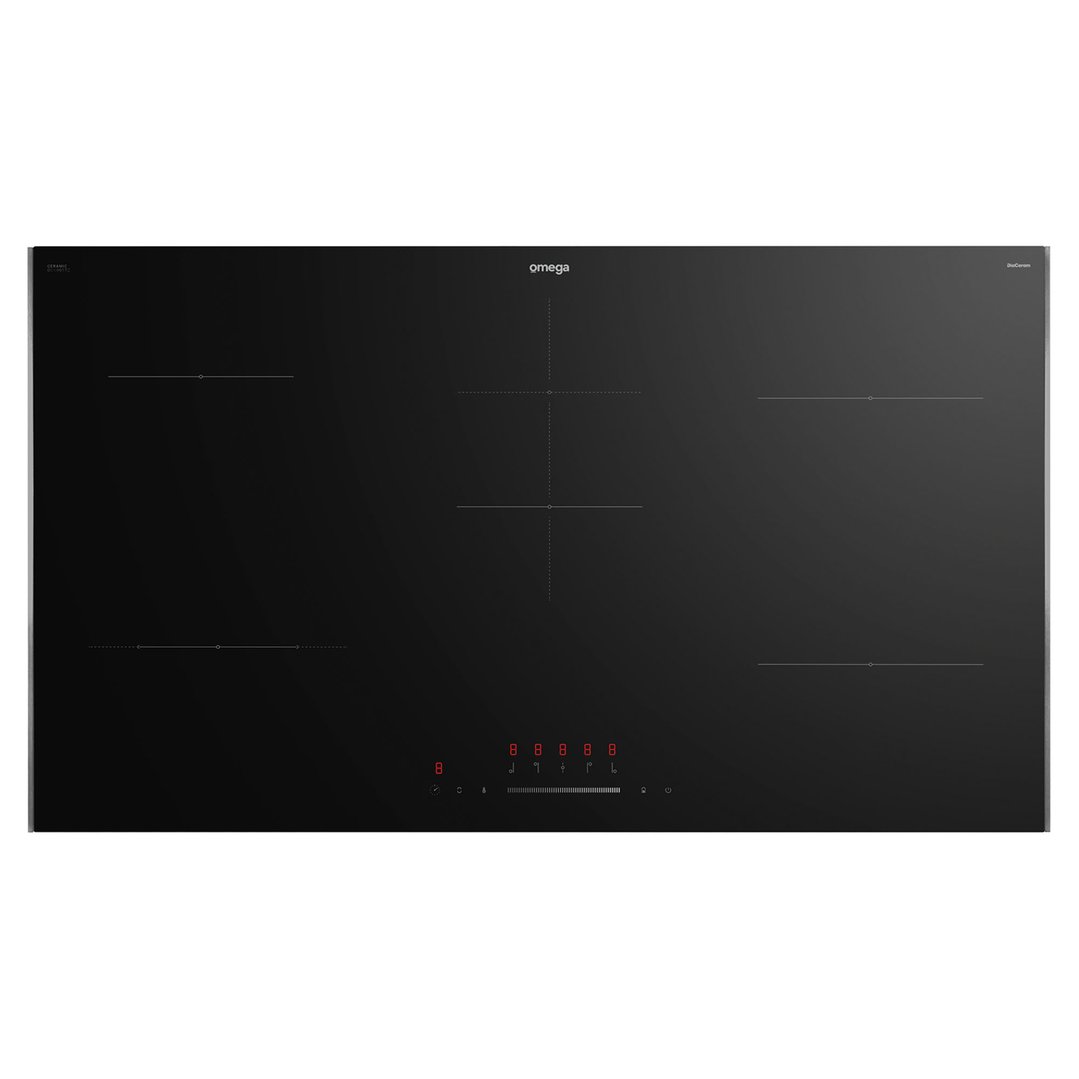
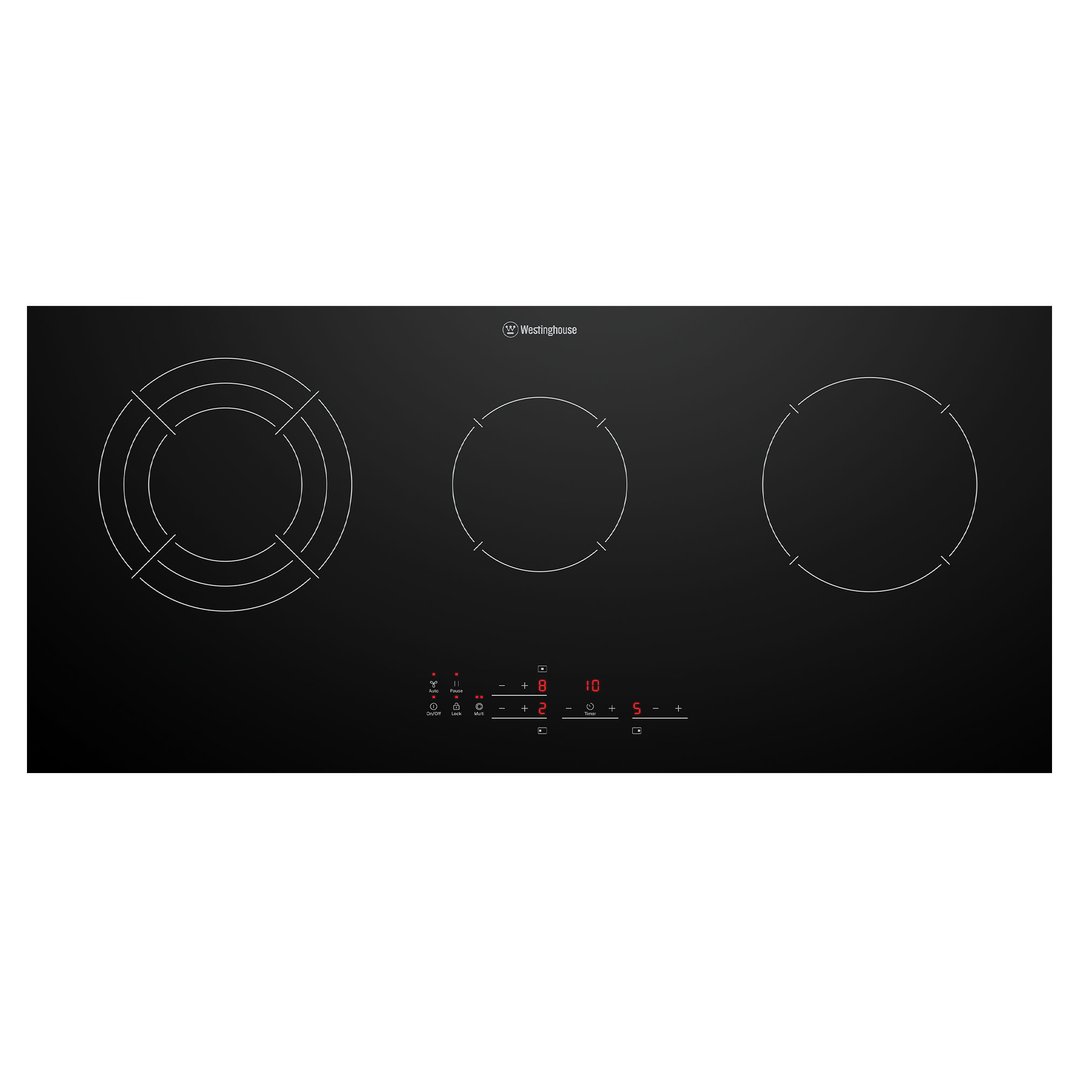
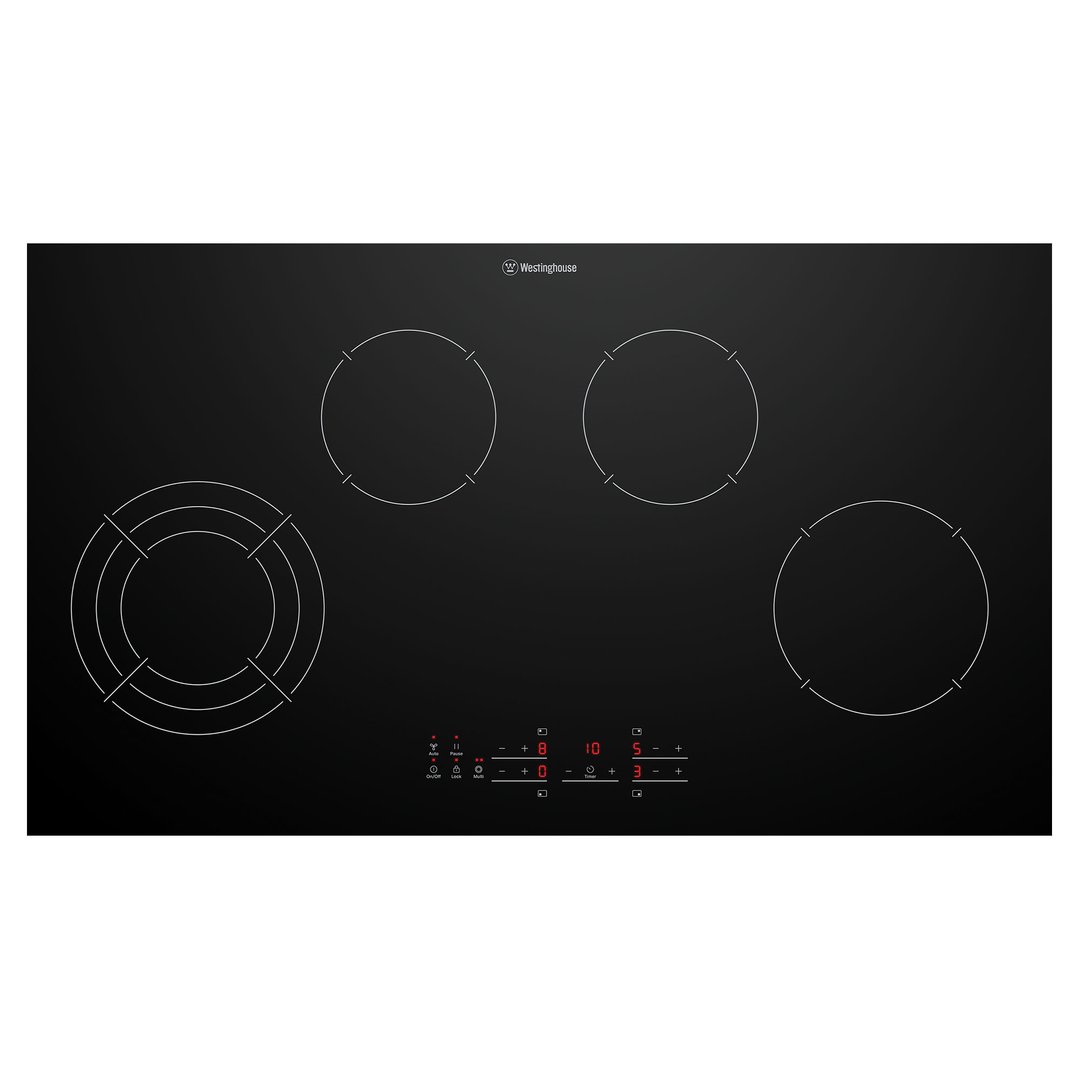
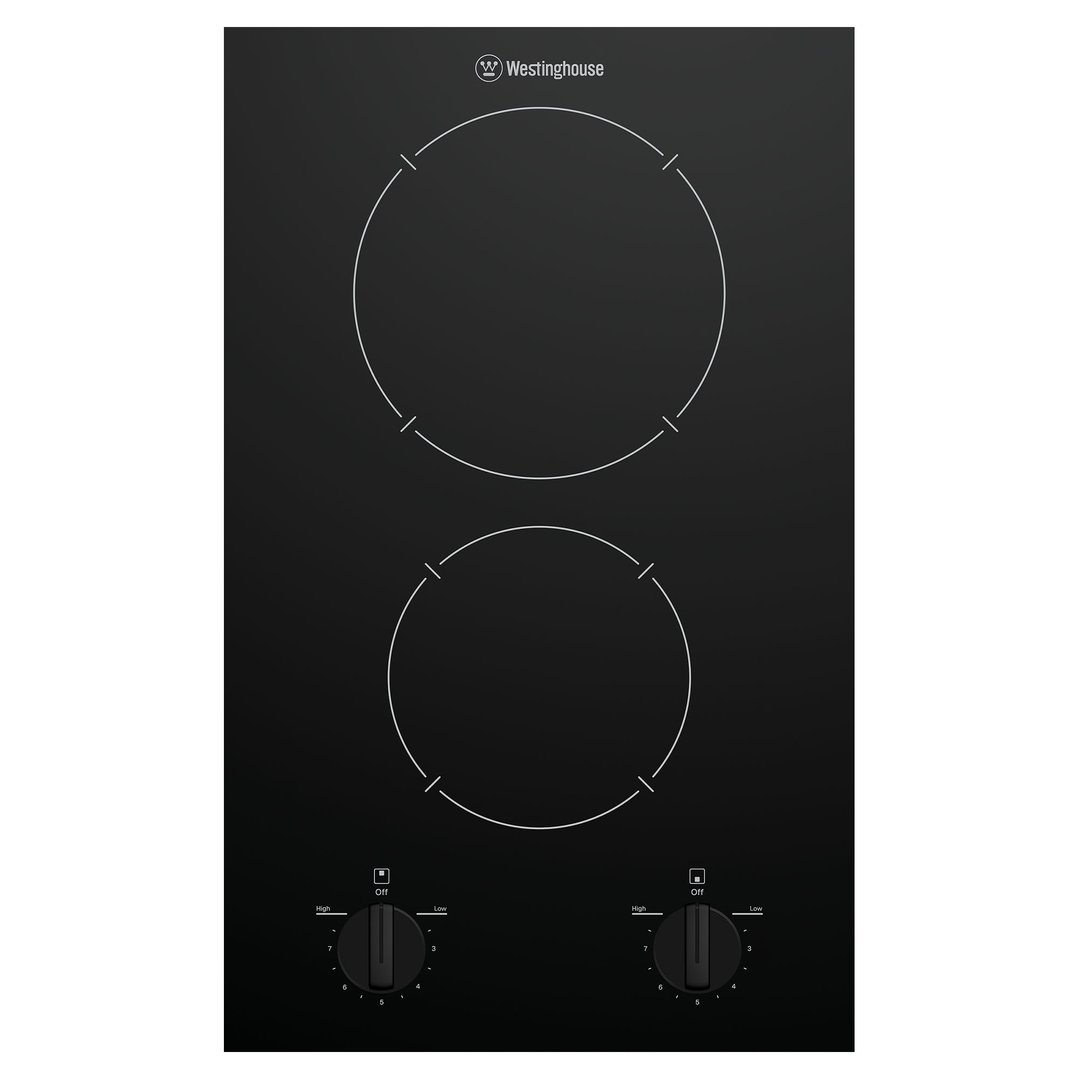

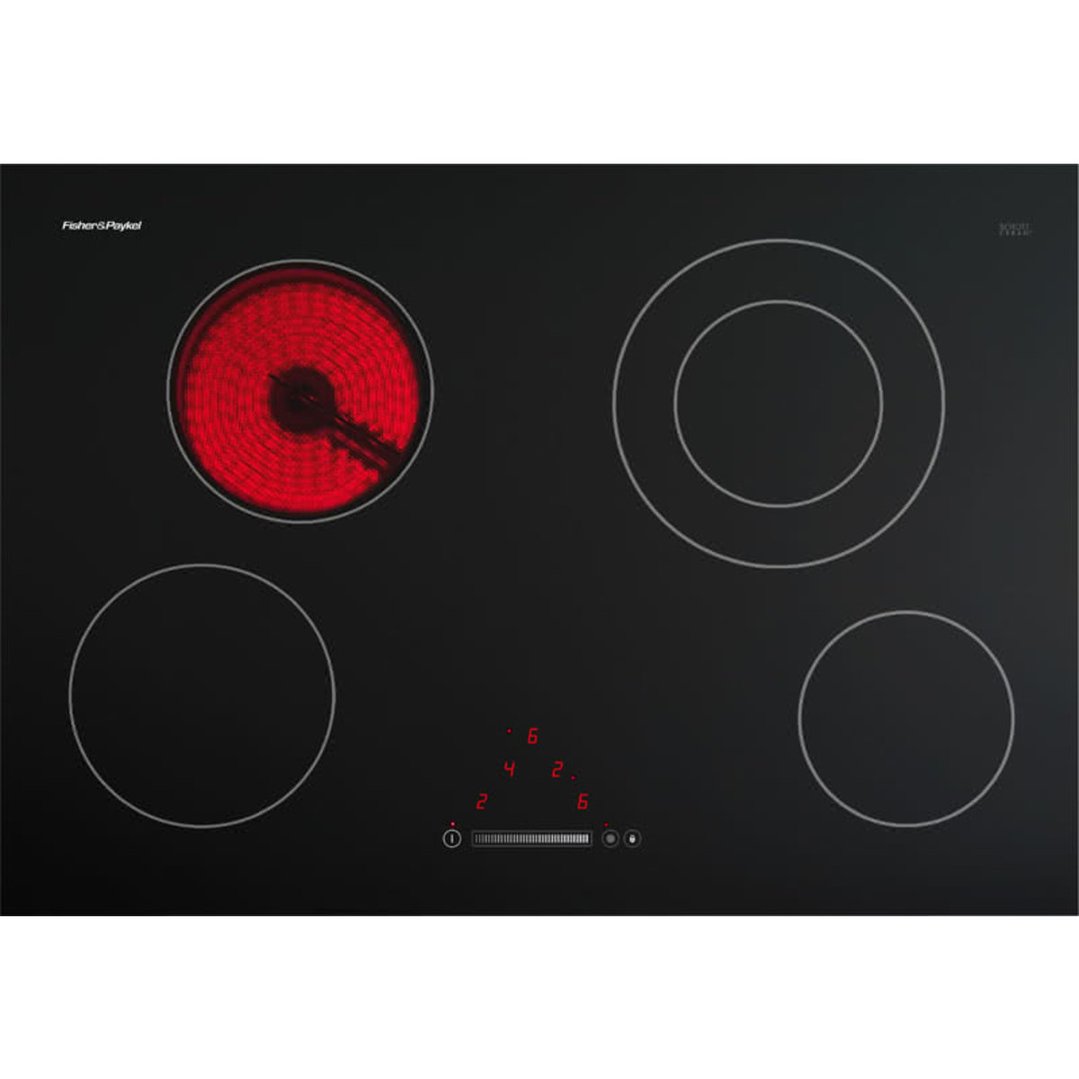

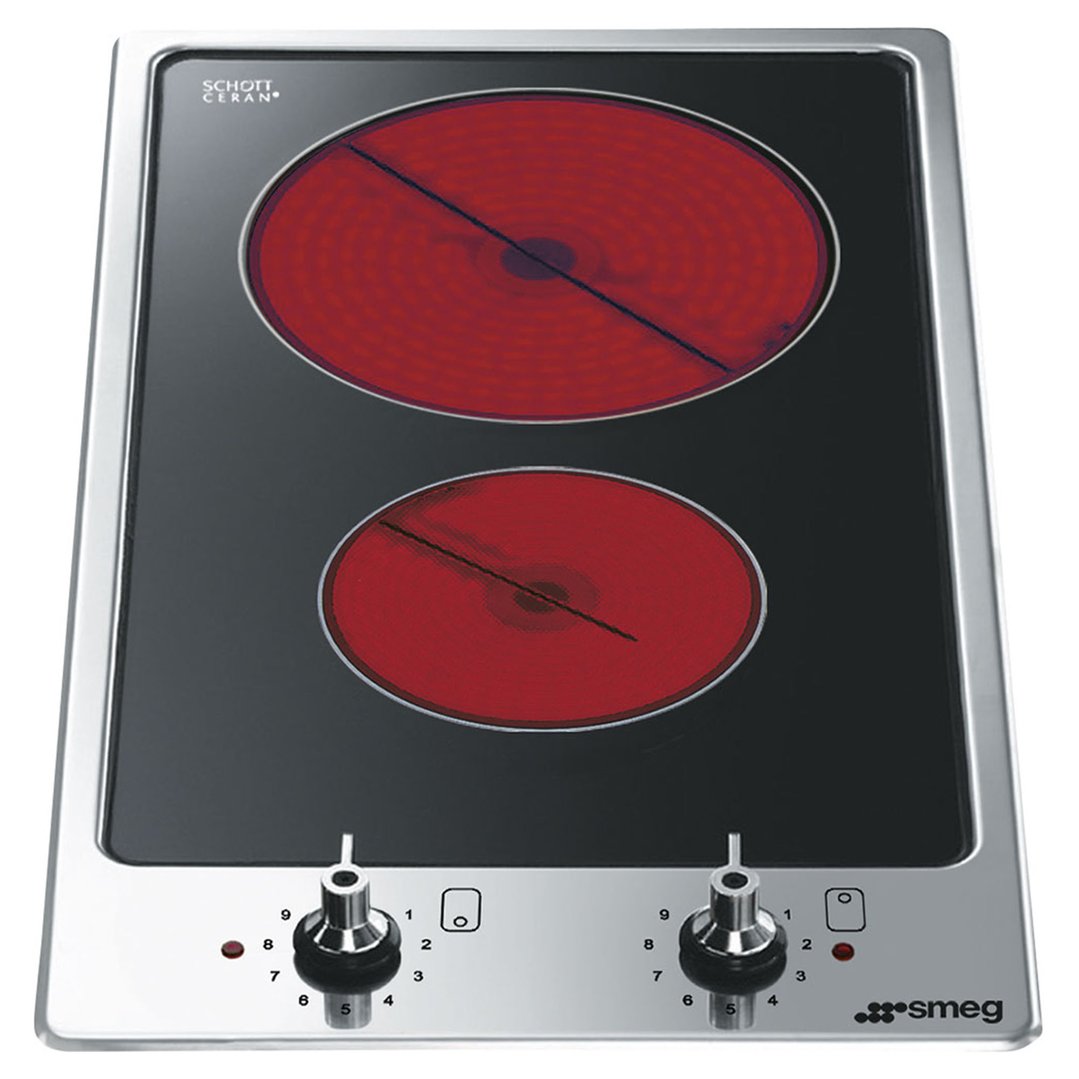
A ceramic cooktop gives you a flat, sleek cooking surface that is easy to wipe clean and works with any type of cookware. Unlike induction, ceramic cooktops use radiant heat beneath the glass, so you are not limited to magnetic pots and pans. At Bing Lee we stock ceramic cooktops from brands including Westinghouse, Omega, Bosch and more. Our FAQs below cover what you need to know before buying.
FAQs
1. How does a ceramic cooktop work?
A ceramic cooktop has a flat, smooth glass surface with radiant heating elements beneath it. When you turn on a zone, the element beneath the glass heats up and glows red, transferring heat to the base of your cookware through the glass. The cooking zones are usually marked as circles on the surface. Ceramic cooktops look cleaner than coil-element models and are much easier to wipe down since there are no raised parts or gaps for food to fall into.
2. What is the difference between a ceramic and an induction cooktop?
The main difference is in how they heat. A ceramic cooktop heats a radiant element beneath the glass, which then heats your pan. The glass surface gets hot and stays warm for a while after you turn the zone off, so you need to be careful of burns even when it appears off. An induction cooktop uses a magnetic field to heat the pan itself. The glass surface around the pan stays much cooler. Induction is faster and more energy-efficient, but requires magnetic cookware. Ceramic works with any cookware and tends to be less expensive.
3. How do I choose the best ceramic cooktop for my kitchen?
Check that the cooktop width matches your bench cut-out. Most ceramic cooktops come in 60cm (four zones) or 90cm (five zones), with some 75cm models available. Consider the zone sizes and layouts - if you frequently use large pots or a wok, look for a model with at least one large or extended zone. Some ceramic cooktops include a bridge function that joins two zones into one elongated zone to suit a rectangular griddle pan or fish poacher. For more guidance on choosing the right cooktop, check out our buying guide with expert tips to help you choose the right cooktop.
4. Can I use any cookware on a ceramic cooktop?
Yes, ceramic cooktops work with virtually all cookware types, including stainless steel, cast iron, aluminium, copper and enamel. The main thing to watch is the base of your cookware. Flat-bottomed pots and pans make full contact with the glass surface and heat more efficiently. Pots with warped or uneven bases are less efficient because they do not sit flush, which leaves air gaps that reduce heat transfer.
5. How do I clean a ceramic cooktop?
Wipe the surface down with a damp cloth after each use while the cooktop has cooled. For everyday spills, a mild detergent works well. For burnt-on residue, a dedicated ceramic cooktop scraper is the most effective tool. It safely lifts hardened residue off the glass surface without scratching it. Avoid abrasive cloths or powders as these can leave fine scratches that accumulate over time. Clean up sugary spills as quickly as possible, as burnt sugar can permanently damage the glass surface.