Buying Guides
Electric Toothbrush Buying Guide

Wanting to take your daily dental care routine to the next level? With the right dental care appliances, caring for your teeth and gums is simple. Before you settle on an electric toothbrush, a water flosser or an air flosser, take the time to learn what each appliance can do, top features to look out for and more. Use our handy dental buying guide to discover which appliance is right for you and your smile.
TYPES OF DENTAL CARE APPLIANCES
ELECTRIC TOOTHBRUSHES
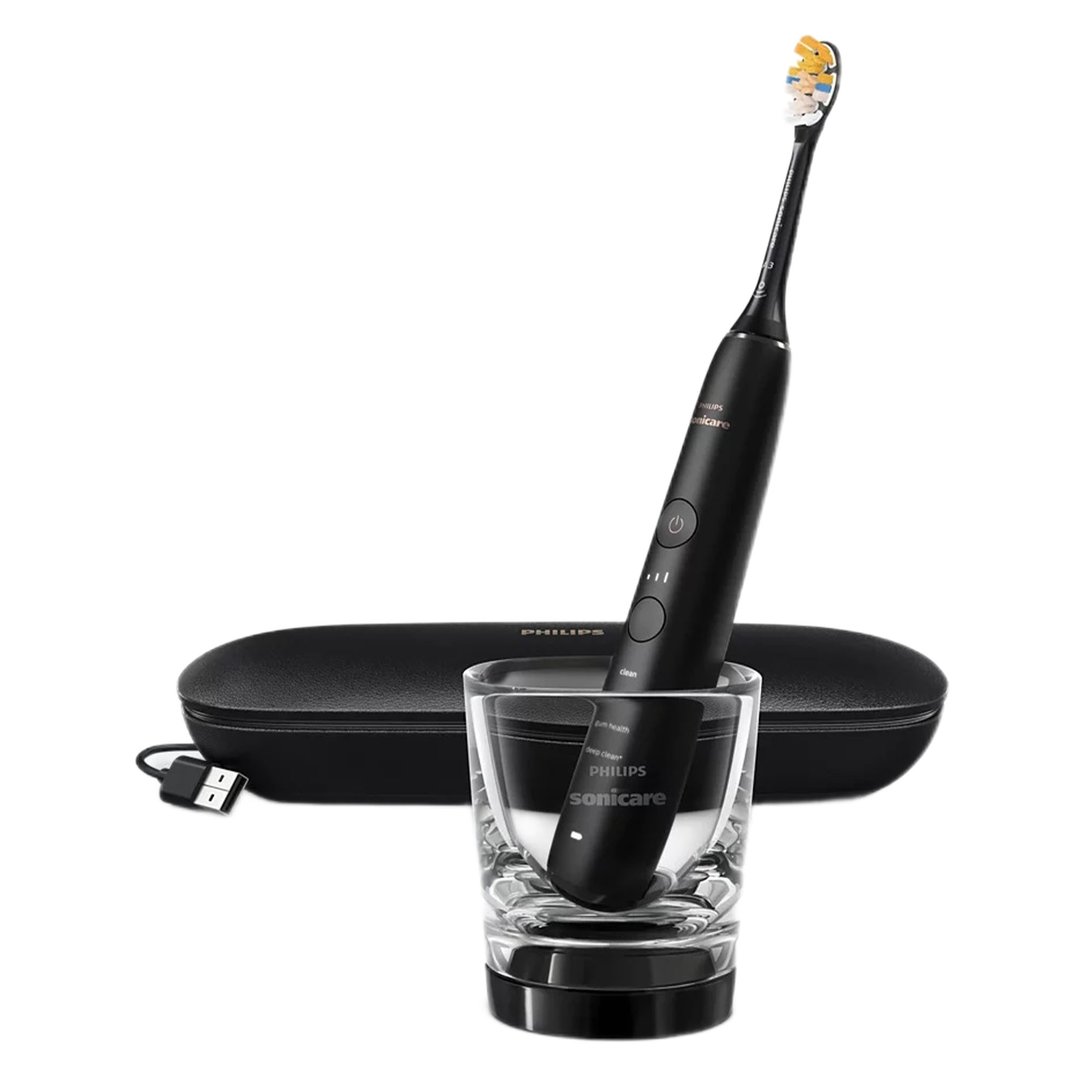
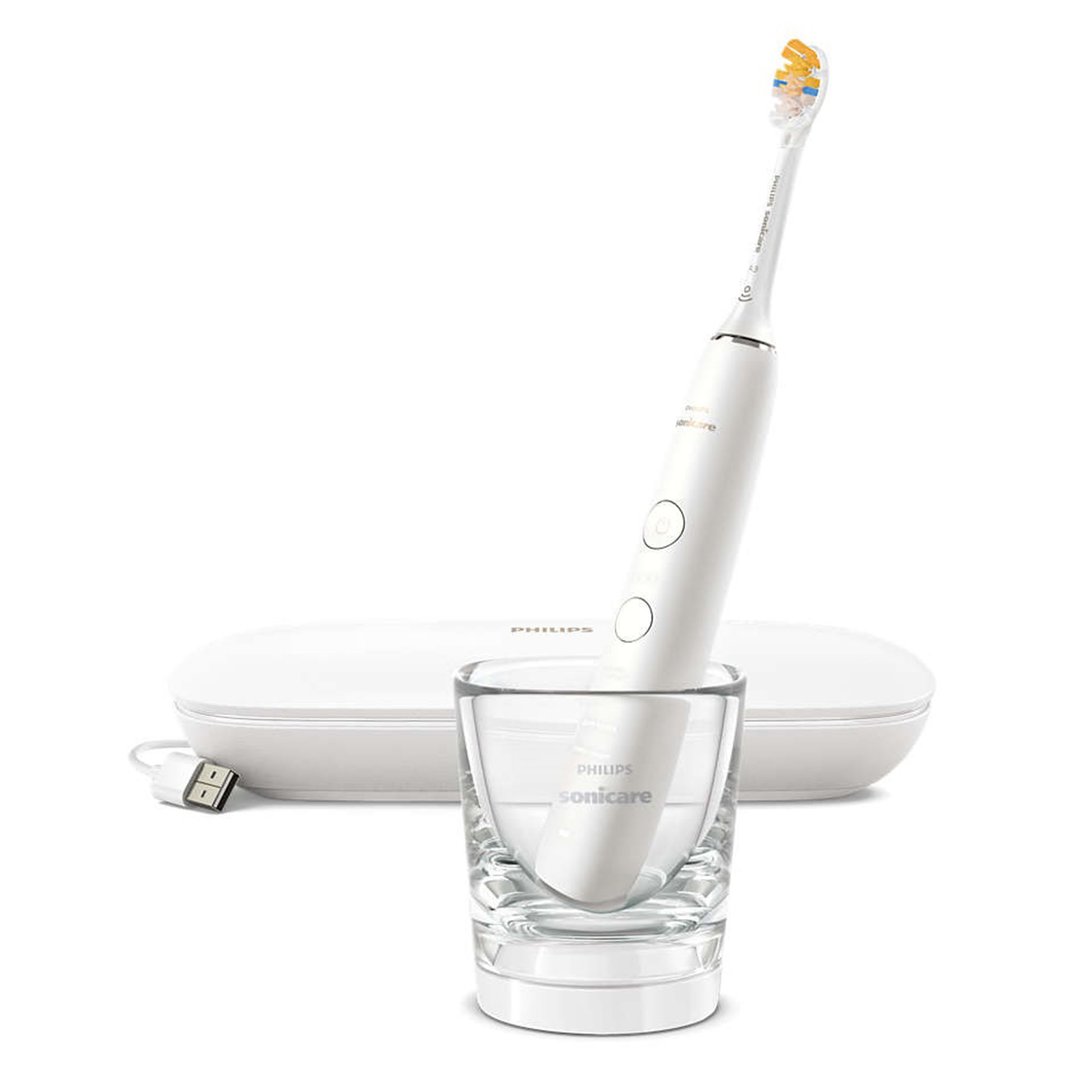
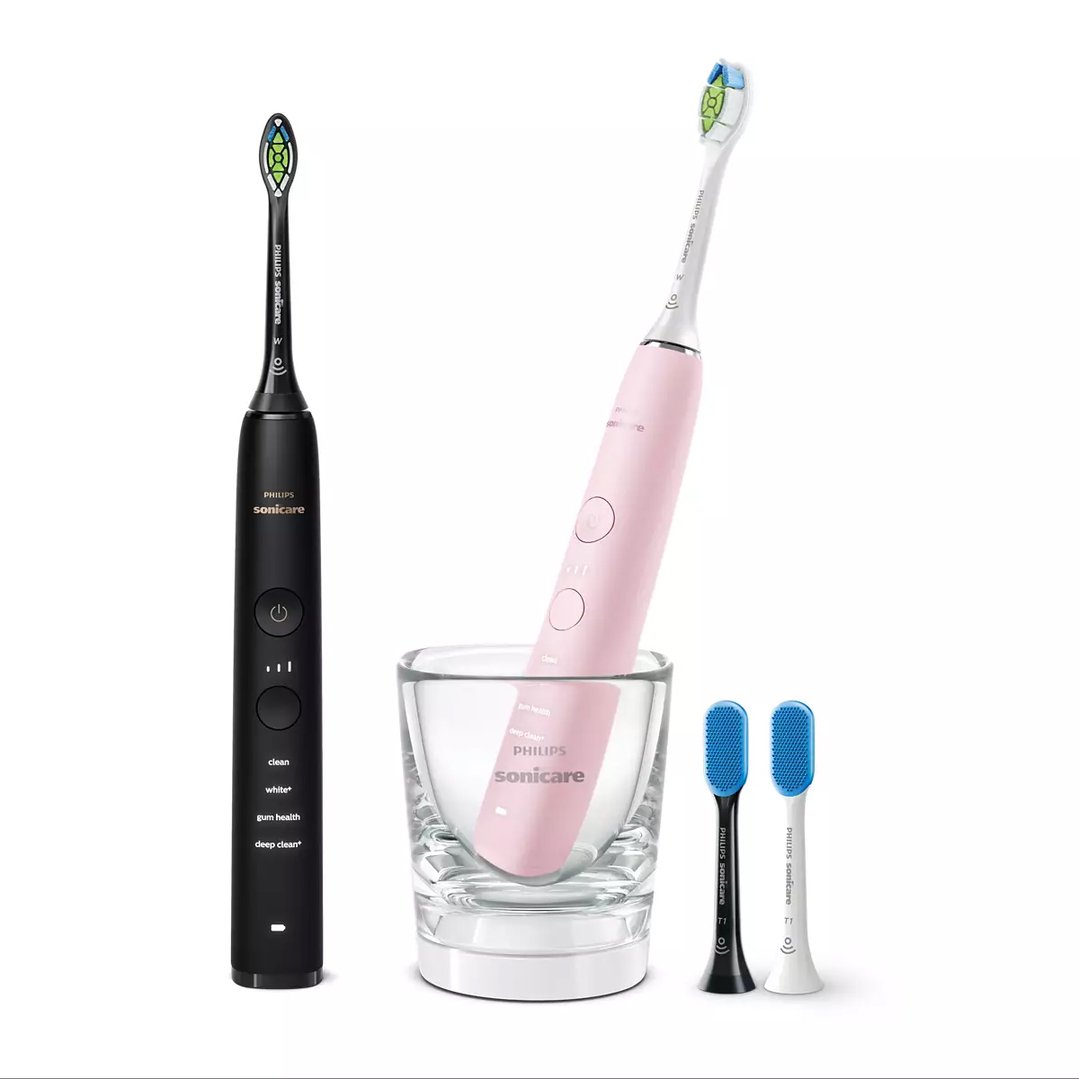
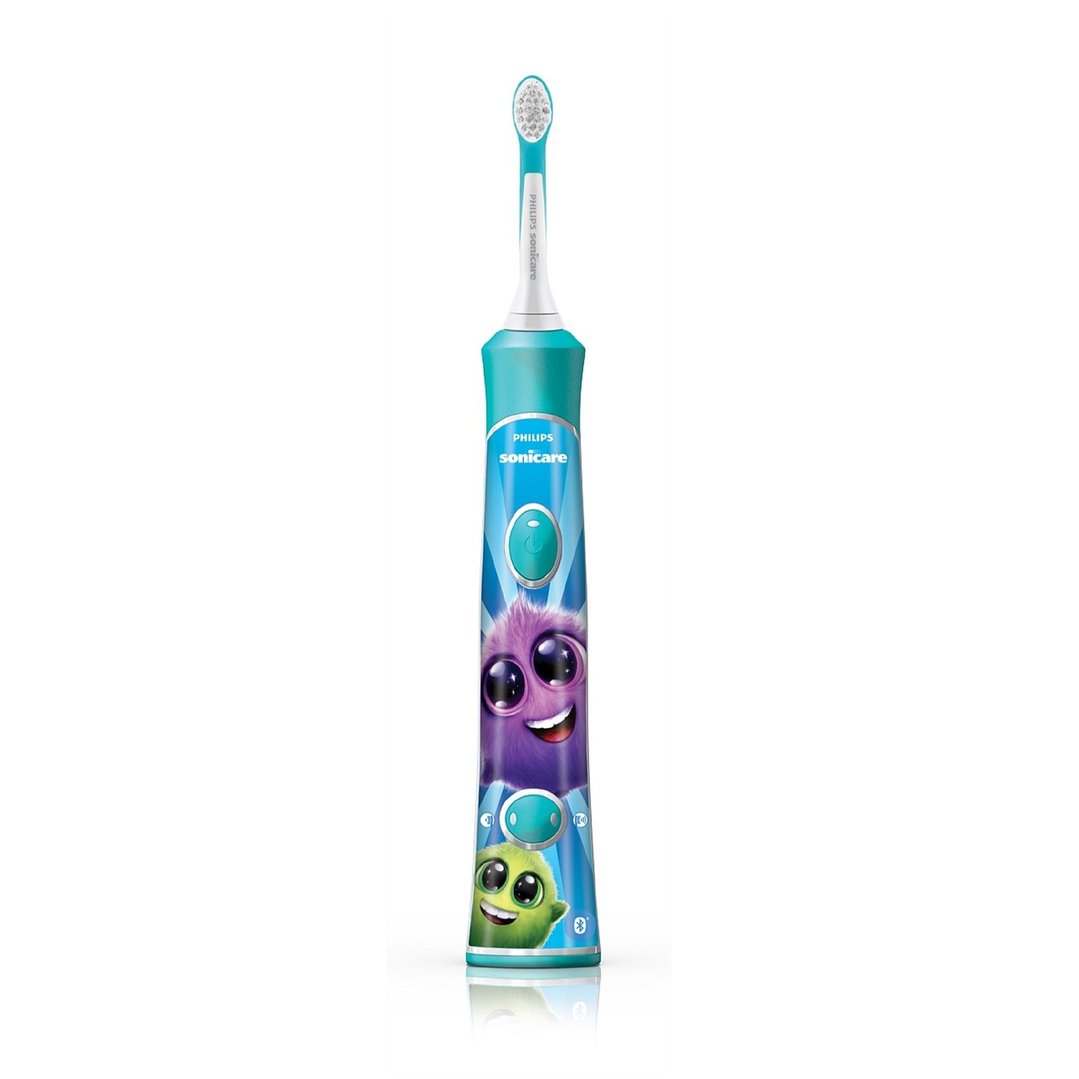
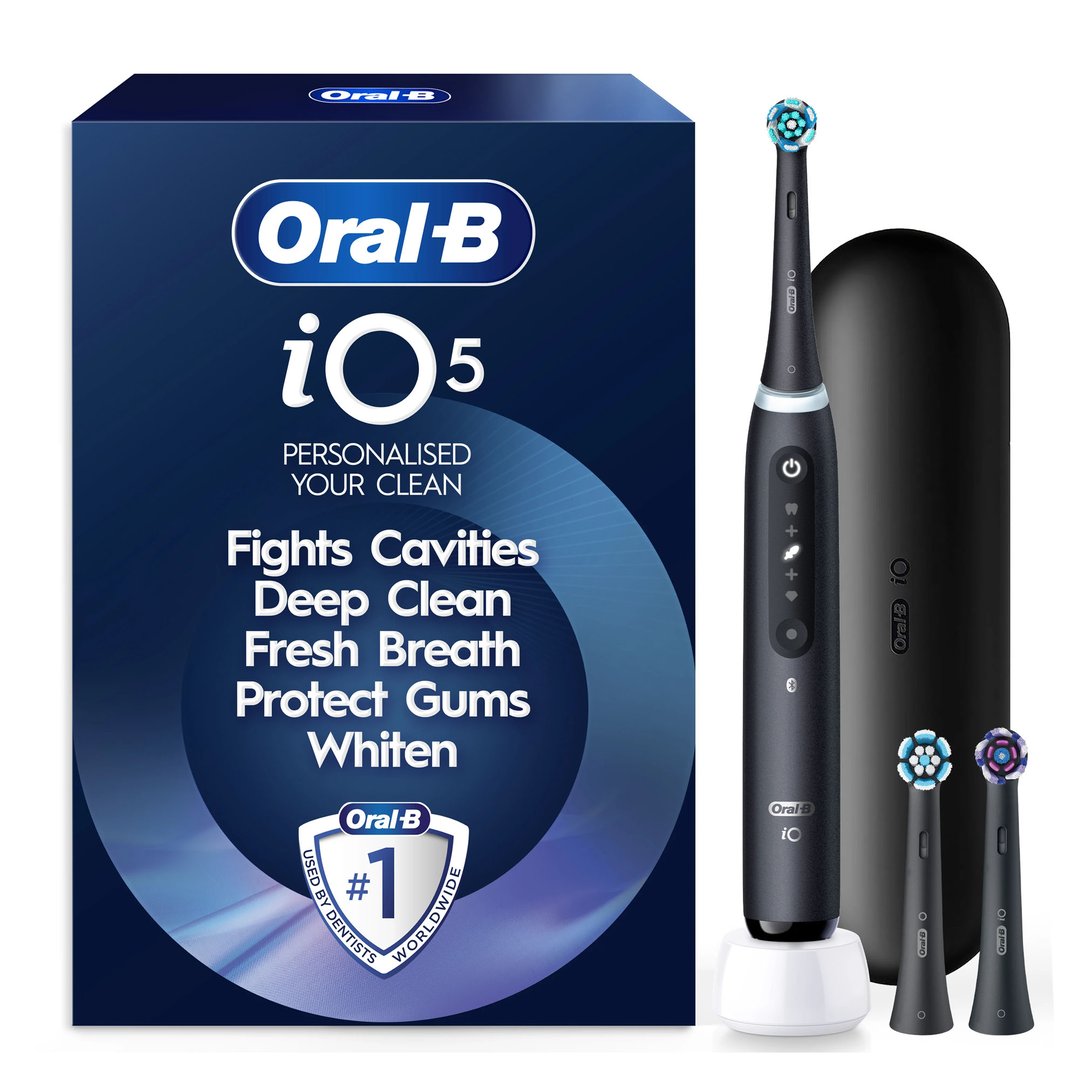
Designed to help make cleaning your teeth and gums easier, electric toothbrushes have become a popular bathroom appliance in recent years, with many different models available at various price points. Said to clean teeth more efficiently than their manual counterparts, they may help to reduce the prevalence of plaque and gingivitis.
Clean teeth and gums more efficiently than manual toothbrushes
Generally quite easy to use
Range of models available at various price points
Can help to reduce plaque and gingivitis
Popular brands of electric toothbrushes include: Philips, Oral B
AIR AND WATER FLOSSERS
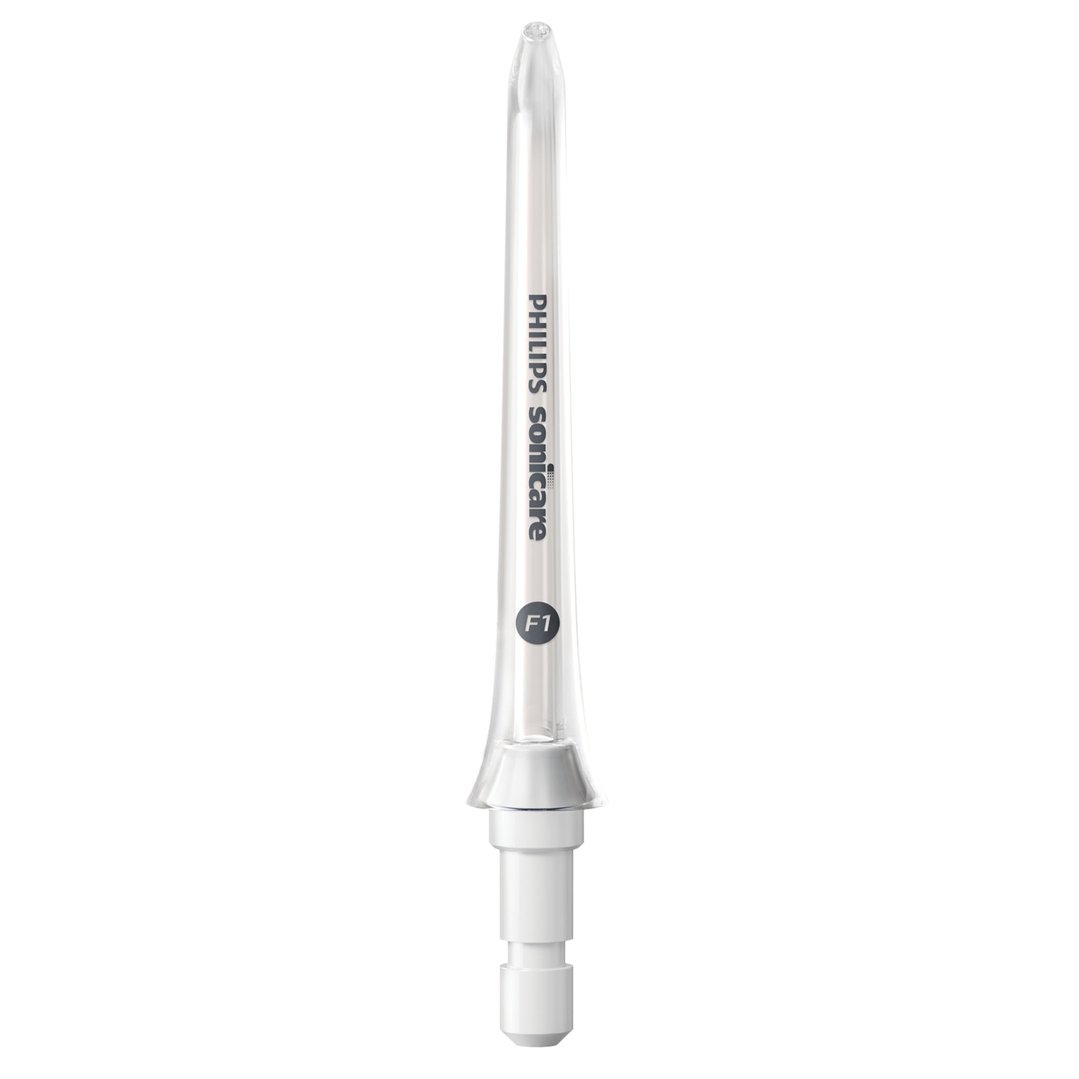
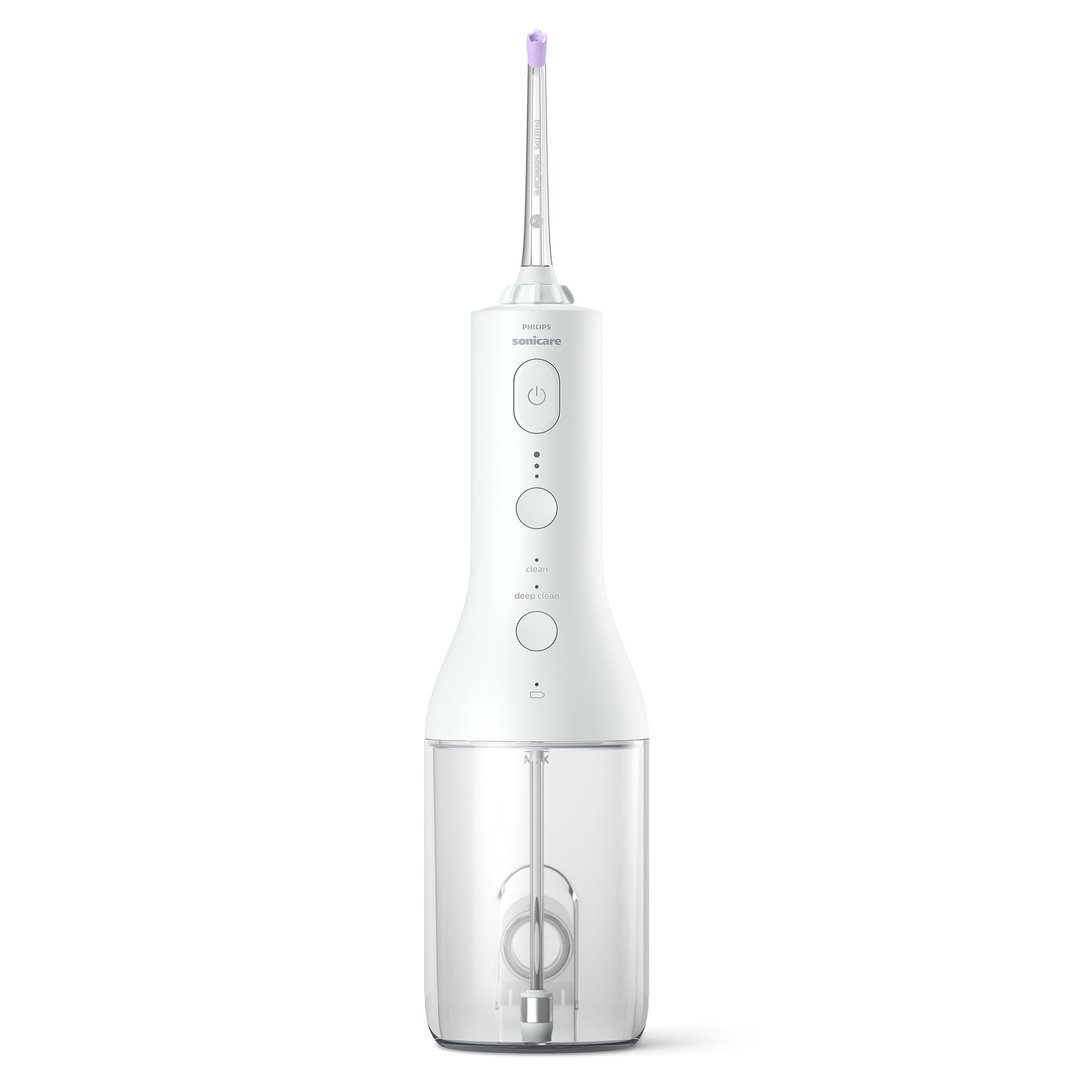
Helping to remove plaque without the irritation caused by standard dental floss, air and water flossers are the next generation of dental hygiene appliances. Using streams of water or air to dislodge debris located between the teeth or around the gums, they are often easier to use and manoeuvre than traditional dental floss.
Help to remove hidden plaque
Less abrasive than standard dental floss
Cleans the mouth faster than standard flossing
Easier to use than standard dental floss, making it a good choice for people who have issues moving their fingers or wrists
Can be used with braces, dentures and dental bridges
More expensive than standard dental floss
Popular brands of air and water flossers include: Philips





WHAT SHOULD YOU KNOW BEFORE BUYING A DENTAL CARE APPLIANCE?
CLEANING ACTIONS
One key way to differentiate between electric toothbrush models is through their various cleaning actions. Some of the most common cleaning actions include:
Oscillating - the head of the toothbrush rotates during use.
Vibrating and pulsating - the head of the toothbrush vibrates during use.
Sonic - the head of the toothbrush emits intense vibrations during use.
Multidirectional - the head of the toothbrush moves up and down and from side to side.
BRISTLE TYPES
While there are many different types of toothbrush heads on the market, you should ideally be looking for models with soft bristles. Using bristles that are too firm could cause damage to your gums and the delicate enamel that coats your teeth, so it’s often best to look for softer options. Firmer bristles have their uses too, including cleaning dentures, so be sure to consider your needs when shopping for toothbrush heads. If you’re not sure what bristle firmness is right for you, consult your dentist.
POWER OPTIONS
There are two main power options available for electric toothbrushes: battery-powered and rechargeable. Rechargeable toothbrushes typically come with a charging cradle which allows you to charge your appliance using mains power when it’s not in use. Battery-powered toothbrushes are generally quite similar in design to rechargeable toothbrushes, but have enough room within the handle to store a standard battery. Although battery-powered toothbrushes are often cheaper than rechargeable models, it’s important to remember that the batteries that power the appliance will need to be replaced throughout the year, adding to the total running costs.
FEATURES TO LOOK OUT FOR
Timers. Cleaning your teeth for too little time or for too long can be detrimental to your oral health. For optimal teeth and gum health, you should aim to clean each part of your mouth thoroughly, focusing on each section as you go. Timers can be great tools for ensuring you’re cleaning your teeth and gums for the right amount of time. In many models, when the timer ends, the toothbrush will automatically switch off, while others will alert you when you need to switch to another section of your mouth.
Adjustable intensities. Some models give you the freedom to adjust the intensity of your electric toothbrush, making it easier to customise your brushing routine. This can be handy for people with sensitive teeth who experience pain when brushing too vigorously.
Brush head options. People have different needs when it comes to toothbrush heads, with varied sizes and firmness required for optimal cleaning. When you’re searching for a new electric toothbrush, look for a model with replaceable heads that allows you to customise your setup. You should always choose a model with replaceable heads that help to extend the life of your appliance.
Sensors. These features can help to make your teeth cleaning routine safer and more efficient. Some sensors will let you know if you’re applying too much pressure, while others will help to track where you have and haven’t cleaned.
Indicator bristles. Toothbrush heads with indicator bristles are handy if you find it difficult to remember when to change yours. With use, the colour of the bristles starts to fade, letting you know when you should consider switching out your current toothbrush head for a new one.
Brush head storage. Electric toothbrushes aren’t always cheap, especially if you choose to purchase one with lots of features. If you’re planning to save money by sharing your electric toothbrush with your partner or children, look for a model with brush head storage. This feature allows you to safely store toothbrush heads when they’re not in use.
Battery indicator lights. Running out of battery while cleaning your teeth can be incredibly inconvenient. Battery indicator lights can let you know when the battery is running low and charging is required ahead of time.