Buying Guides
Sink Buying Guide

HOW TO CHOOSE THE RIGHT SINK
Thinking about updating your kitchen sink? Whether you’re remodeling your whole kitchen or simply want to modernise parts of your existing setup, choosing the right sink can affect both the aesthetics of your kitchen and its functionality. Before you commit to a particular model of sink, take the time to read through our sink buying guide. Detailing everything you need to know about the types of sinks available, how to choose the right sink size and the properties of different sink materials, there’s plenty to learn before choosing the best kitchen sink for your home.
TYPES OF SINKS
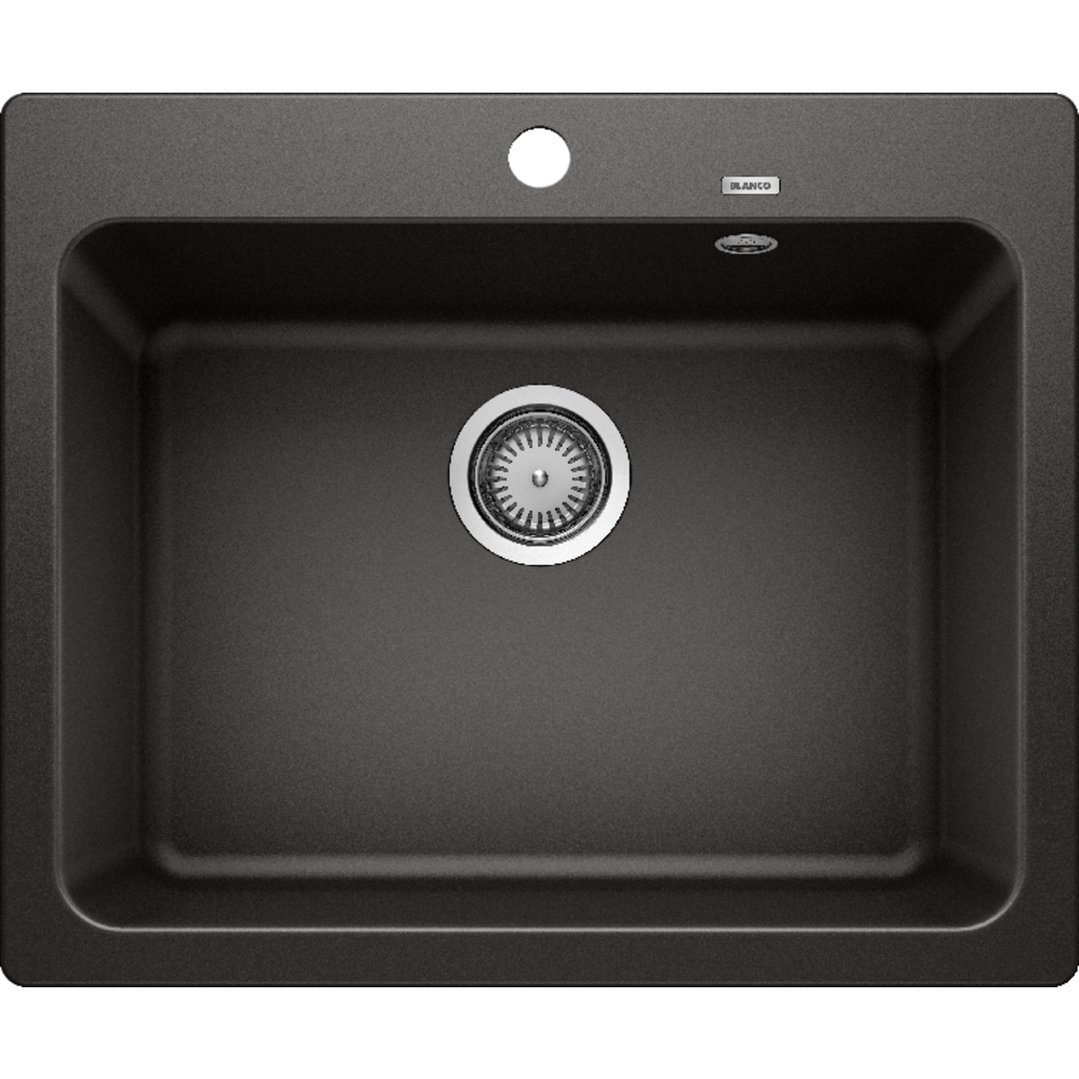
Also known as overmount sinks, inset sinks are designed to be installed from above, with its edges overlapping the surrounding benchtop.
Generally quite cost effective
Typically quite easy to install
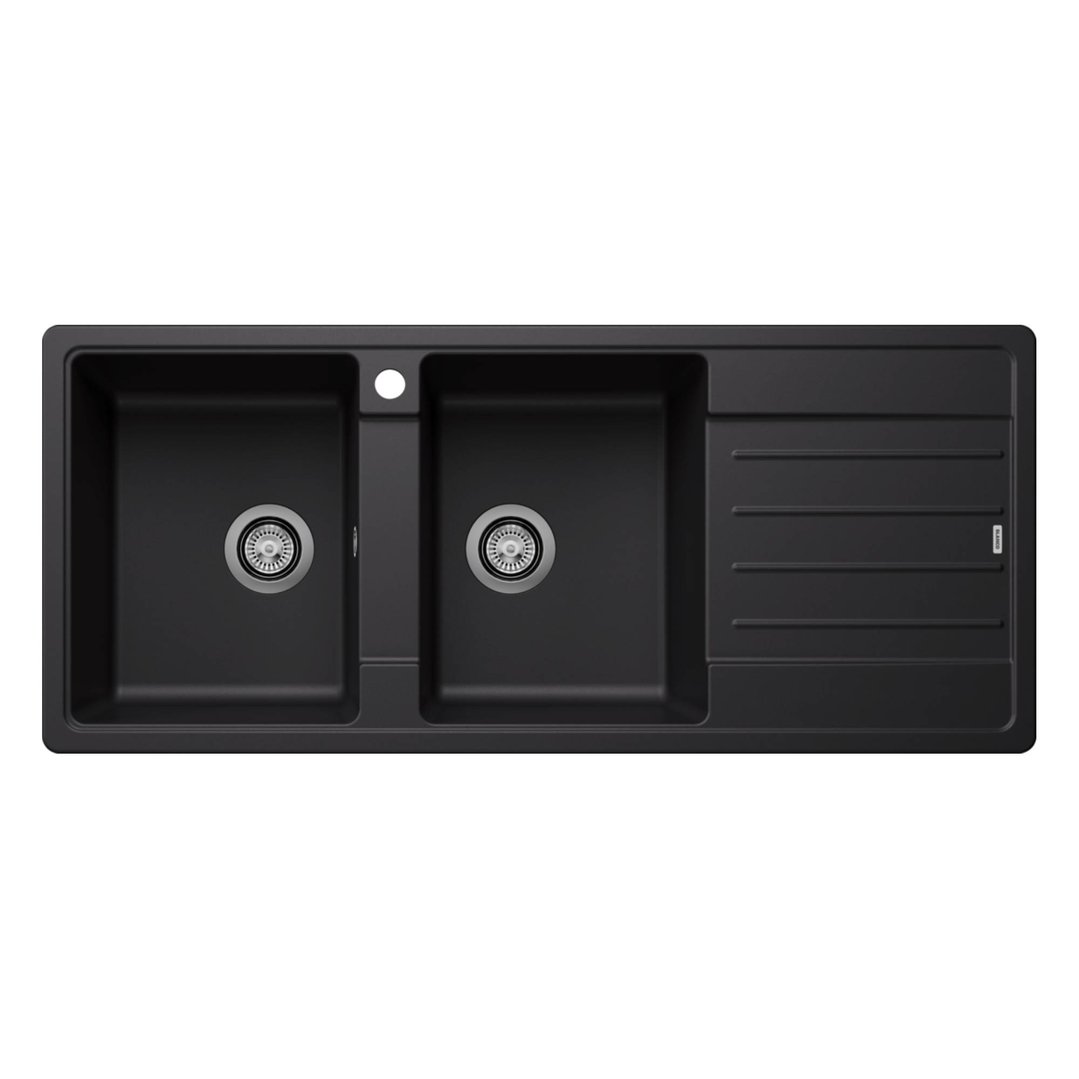
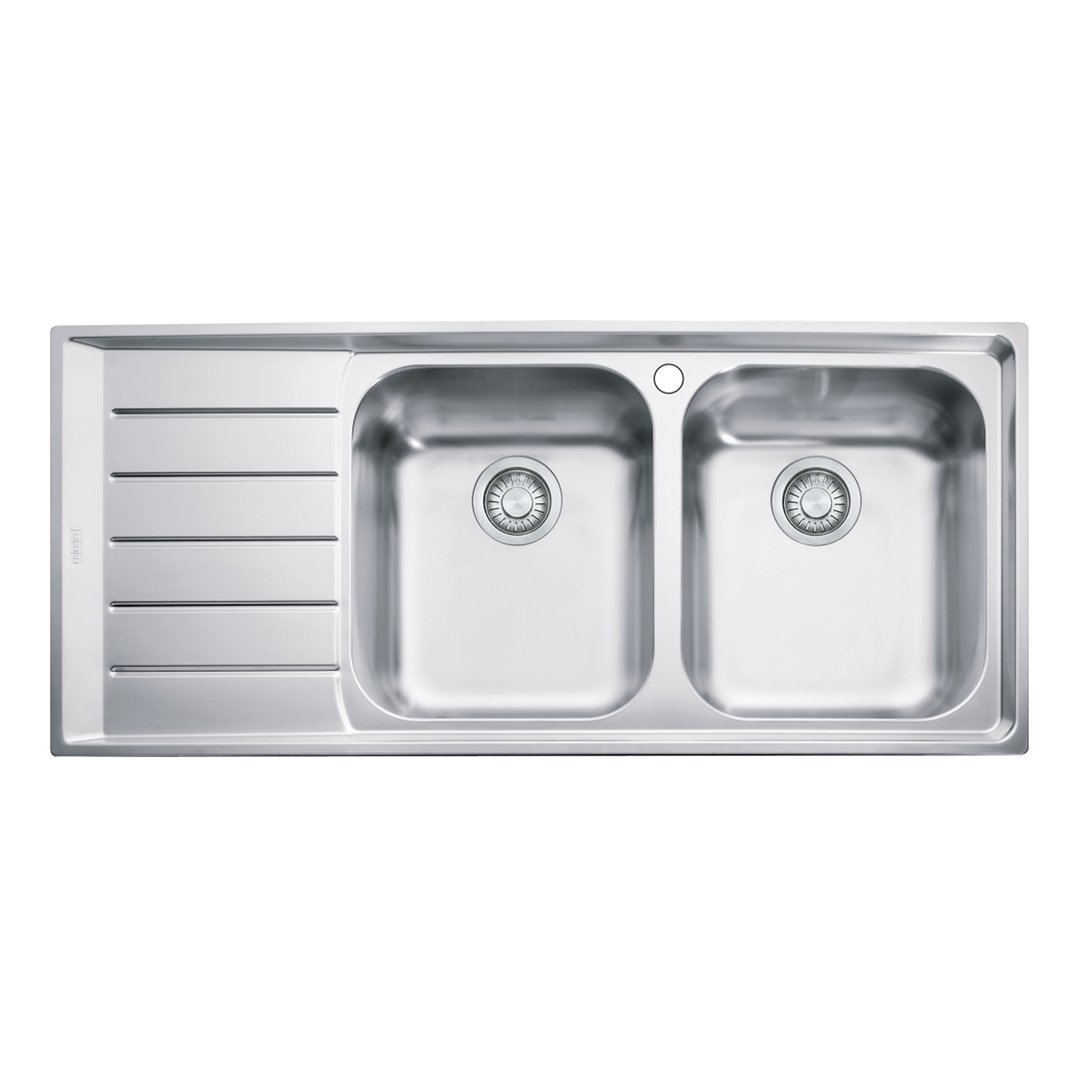
Often have inbuilt drainer
UNDERMOUNT SINKS
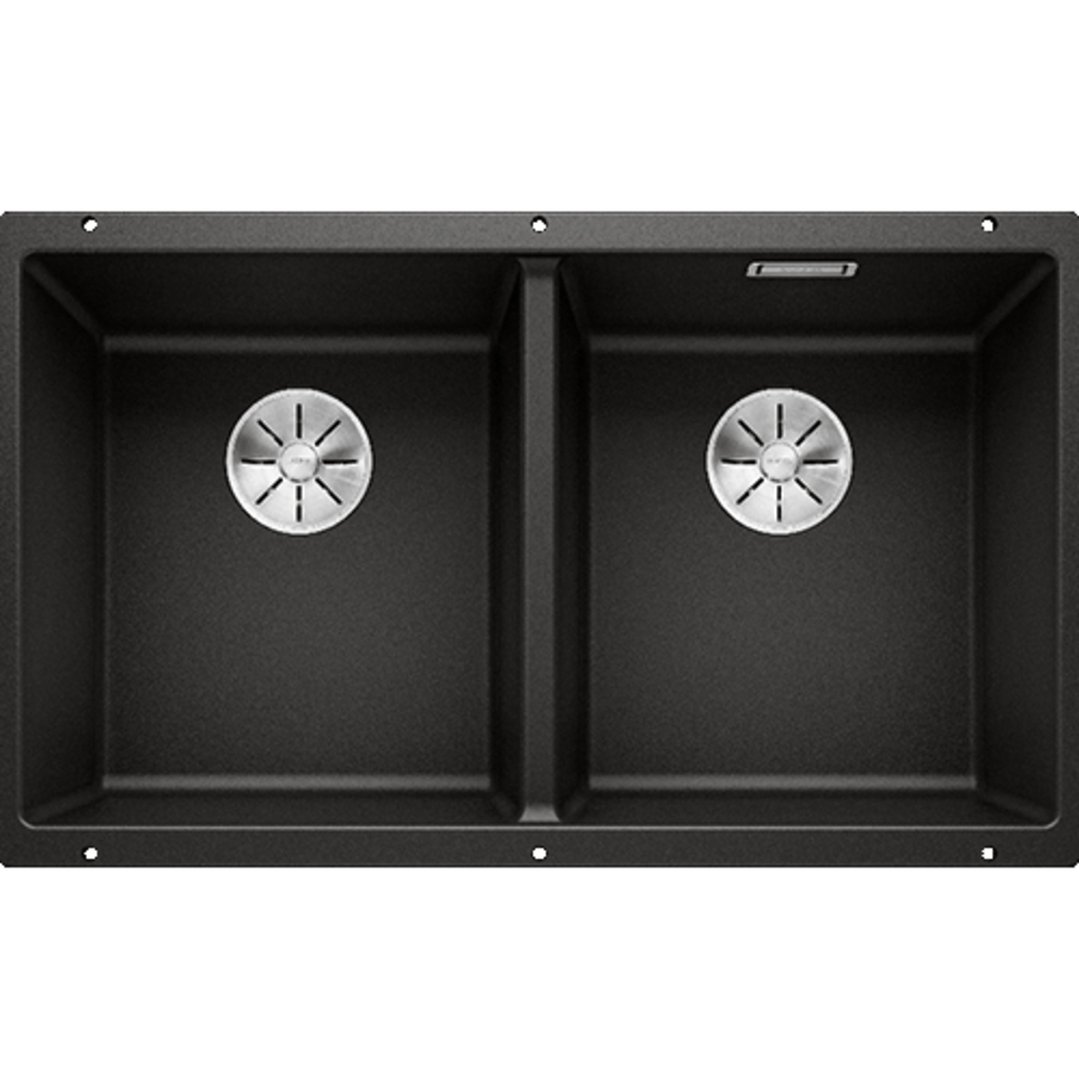
For a sleek look, undermount sinks are a good option. Affixed beneath the kitchen benchtop, they not only take up less space, but are also often easier to clean.
Take up less bench space than inset sinks
Create a sleek look
Best suited to weight bearing benchtops (marble, granite etc) as they are affixed from below
Typically do not have inbuilt drainer
Flushmount Sinks
While inset sinks sit above the benchtop and undermount sinks are affixed beneath, flushmount sinks are designed to be installed so that the edges of the sink end up sitting flush against the benchtop. This type of sink is well suited to modern kitchen designs.
Edges of the sink are recessed, creating a flush fit against the benchtop
Create a sleek look
May have an inbuilt drainer
APRON FRONT SINKS
Sometimes referred to as farmhouse sinks, the front edge of an apron front sink protrudes out from the benchtop instead of being concealed like a standard sink. If you’re looking for a deep kitchen sink, an apron front sink may be a good choice.
Generally deeper than other types of sinks
Often wider than most other sinks
Can be used as a statement design feature
Fit a large number of plates and dishes
Do not have inbuilt drainer
SINK MATERIALS
Modern kitchen sinks are available in a wide variety of materials, allowing you to find one that best suits the design of your kitchen and your needs. Some of the most popular materials include:
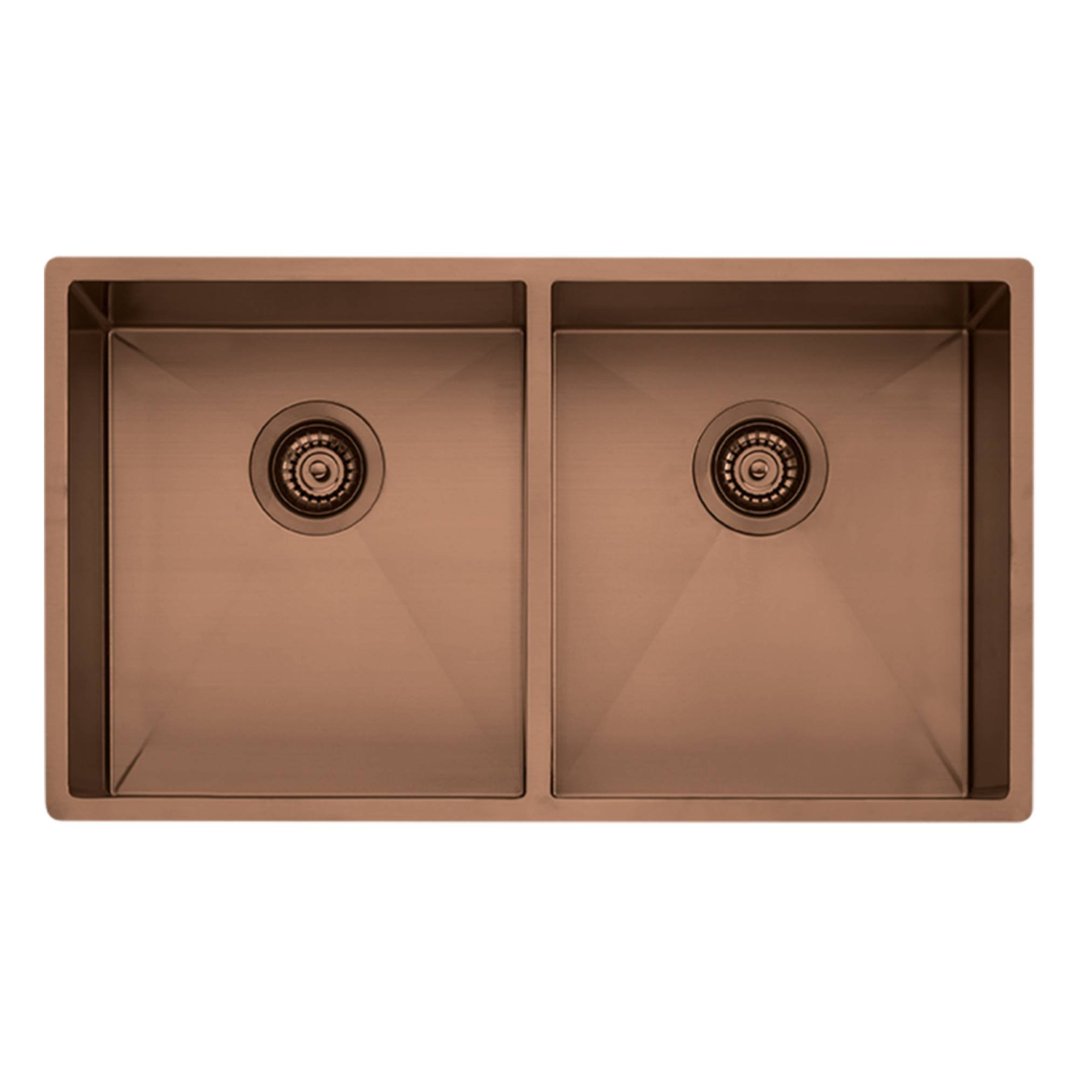
STAINLESS STEEL SINKS
One of the most popular materials available
Quality does vary
Typically very durable
Easy to clean
Can get scratched during use
Can be noisier than other materials
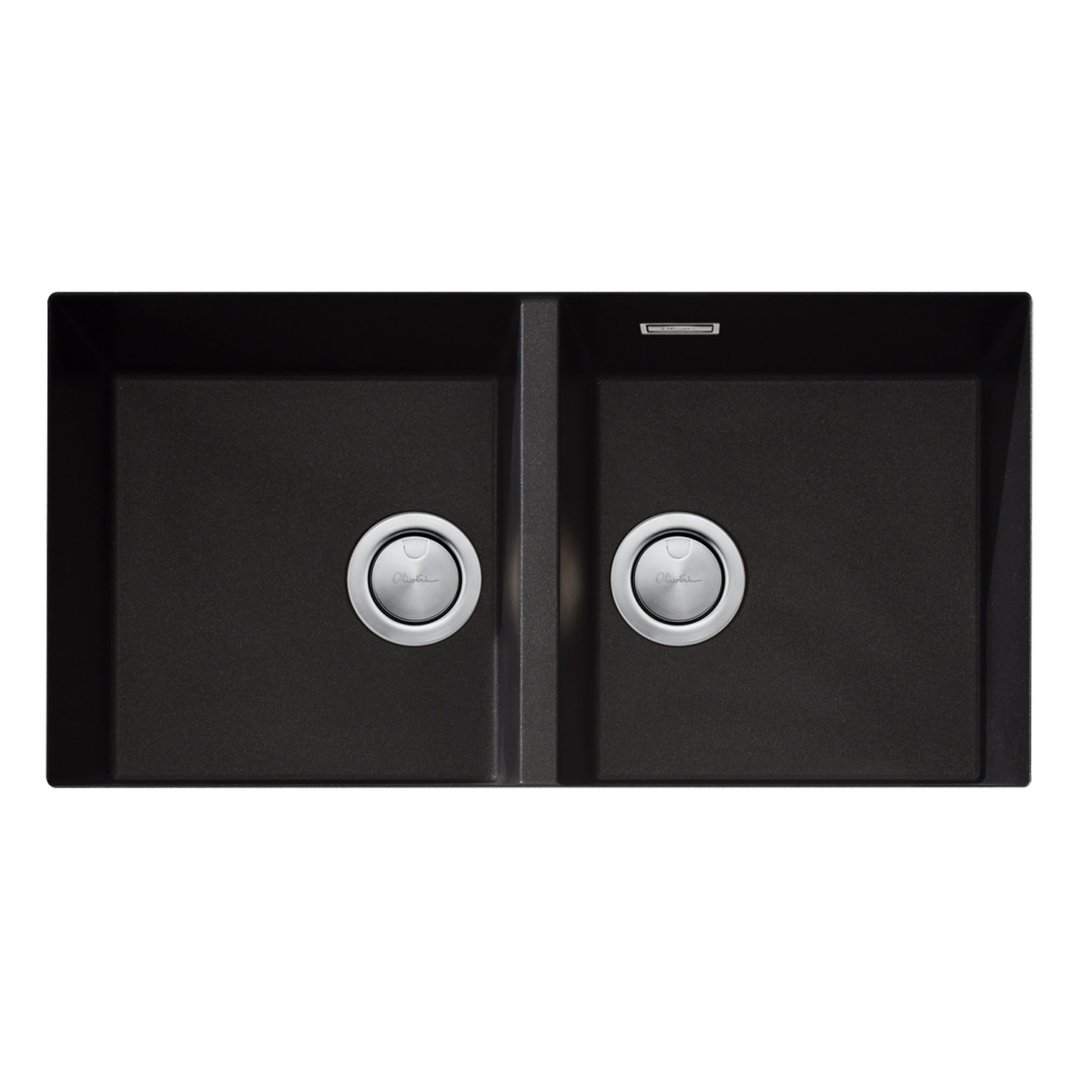
COMPOSITE SINKS
Comprised of quartz or granite particles combined with polyester or acrylic resins
Stain-resistant
Scratch-resistant
Chip-resistant
More affordable than solid stone
PORCELAIN SINKS
Created by coating a lightweight steel base in porcelain enamel
Stain-resistant
Scratch-resistant
Heat-resistant
ACRYLIC SINKS
Made from an acrylic material that is moulded into shape
Stain-resistant
Impact-resistant
CHOOSING THE RIGHT SINK SIZE
If you’re in the process of designing a brand new kitchen, you have plenty of freedom to pick a good kitchen sink for your needs. It’s important to think about how large your pots, pans and plates are, as well as the scale of your kitchen. While you may want a large double bowl sink with an inbuilt drainer, if your kitchen is too small, you’ll lose precious bench space. Measure the width and depth of the space you have available, being sure to leave some extra room on each side, and then compare the measurements to the models you’re considering.
If you’re looking to replace an existing sink without buying a new benchtop, you’ll need to choose a model that is either the same width and depth as your current sink or slightly larger. Unfortunately, you generally aren’t able to install a small kitchen sink into an existing benchtop if you currently have a large kitchen sink.
When it comes to the depth of your sink, this is, in part, dictated by how much under bench storage you have available. If there’s limited space, you’ll need to opt for a shallower model, while a greater amount of room could allow you to enjoy a sink with a deeper bowl.
SINK CONFIGURATIONS
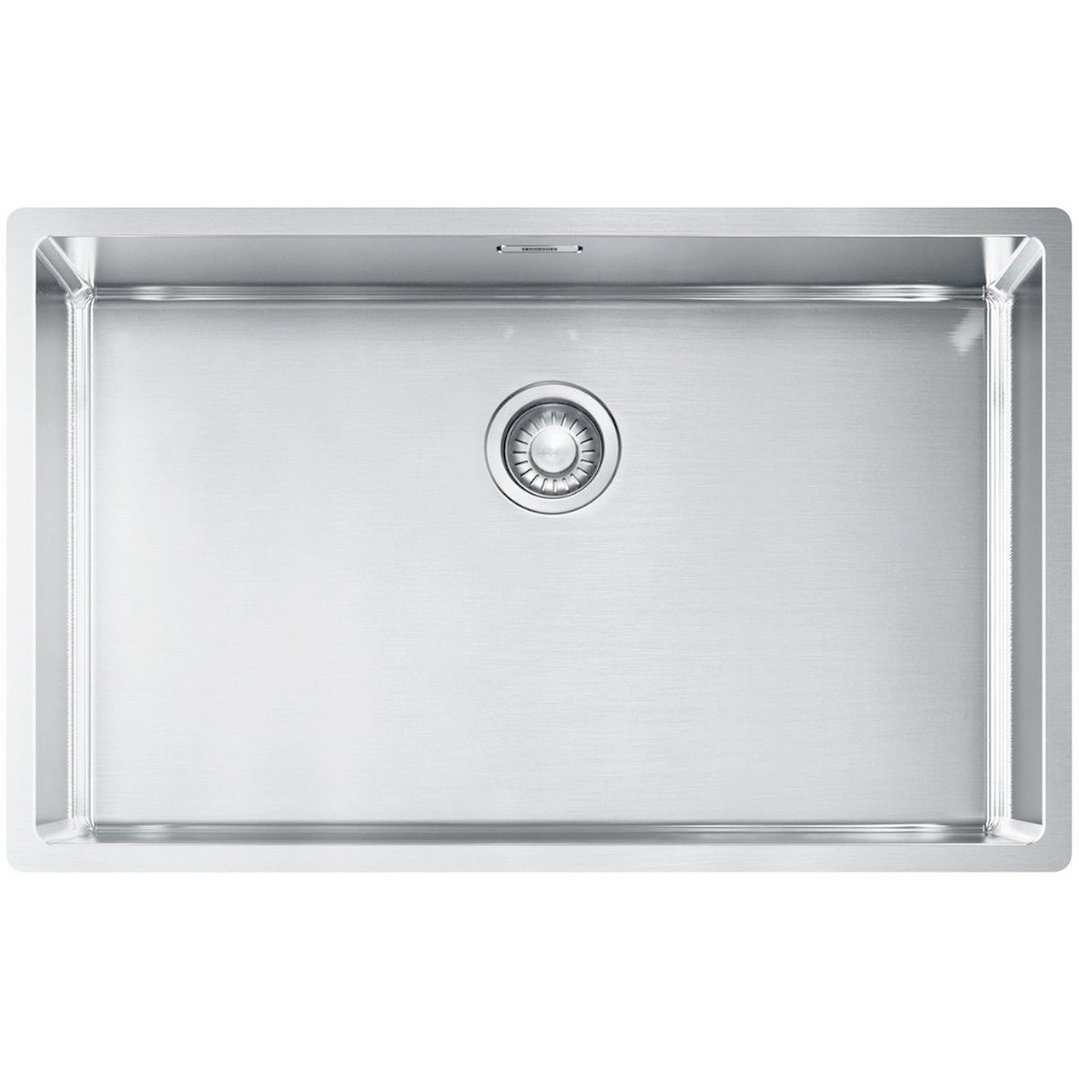
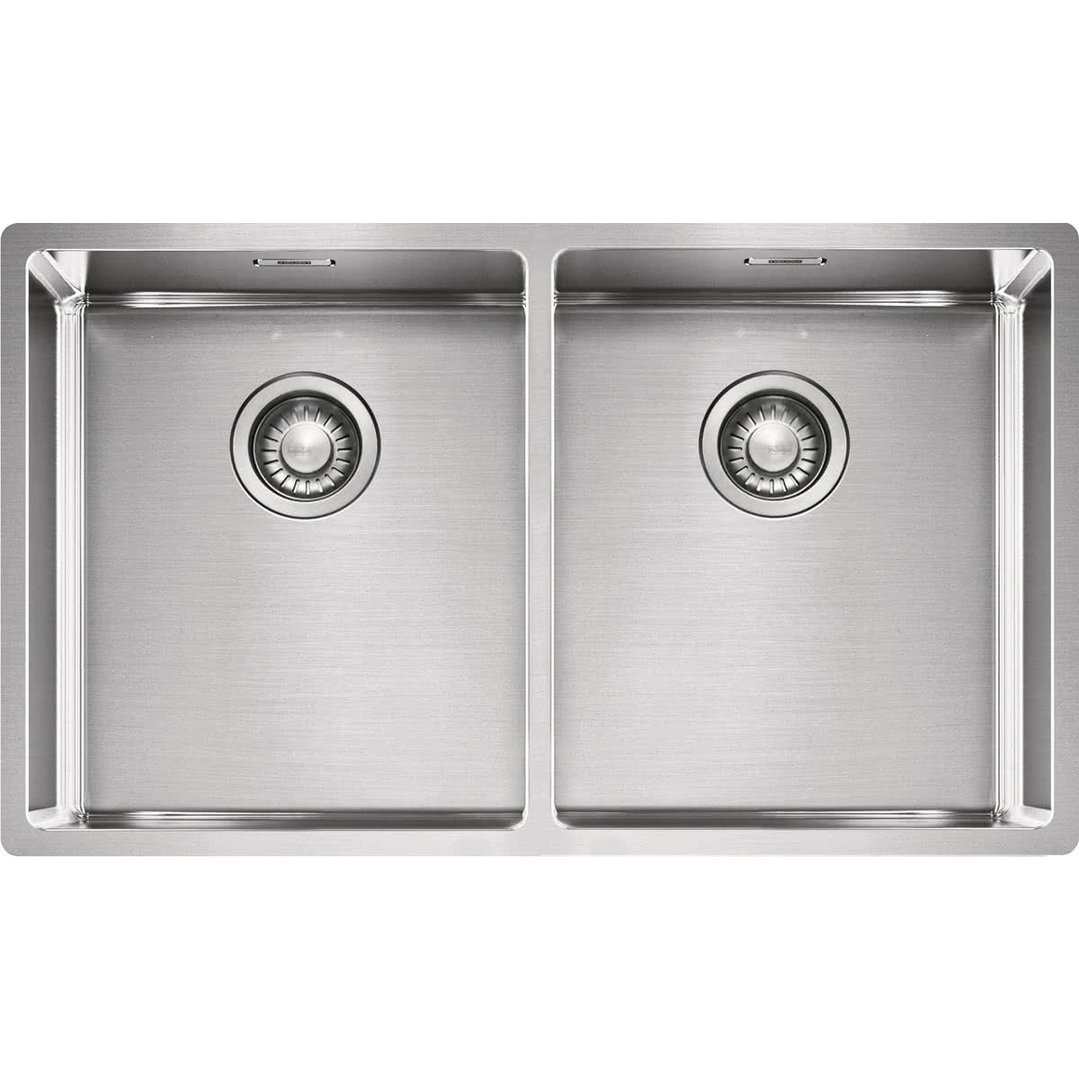
There are many different sink configurations available, allowing you to find the best kitchen sink for your specific needs. You may opt for a single bowl sink if your kitchen is tight on space or, if you prefer to have more room to wash your dishes, you may choose a larger single bowl sink over a double bowl model. Double bowl sinks are quite a versatile option, providing two bowls divided by a midsection. They can share the space 50/50 or be in a 60/40 or 70/30 ratio, giving you two different spaces to wash, soak or rinse.
If you choose a sink with an inbuilt drainer, you’ll need to decide whether to have it to the left or right of the tap. To decide this, think about how much bench space you have available on either side of the tap, as well as which side would be the most practical for your kitchen.
FEATURES TO LOOK OUT FOR
Accessories. Some sinks come with cutting boards, crockery baskets and draining trays that have been designed with the shape and size of the sink in mind. They allow you to use your sink as an additional food preparation space or to make washing the dishes easier. Not all sinks have matching accessories, while others are available to purchase separately.
Basket wastes. Helping to prevent food scraps from being washed down the sink, basket wastes are a handy accessory. Not only do they act as a standard sink plug, but they may help prevent an unwanted clogged drain.
Tap hole locations and options. Check to see that the tap hole locations on the sinks you’re considering are practical for your needs. Some sink models may have spaces for water filters, soap dispensers, and more, while others can only accommodate a single tap.