Rangehoods


$4,499 you
pay $4,099Ends in
15 Days$3,999 you
pay $3,699Ends in
15 Days$4,199 you
pay $3,899Ends in
15 Days













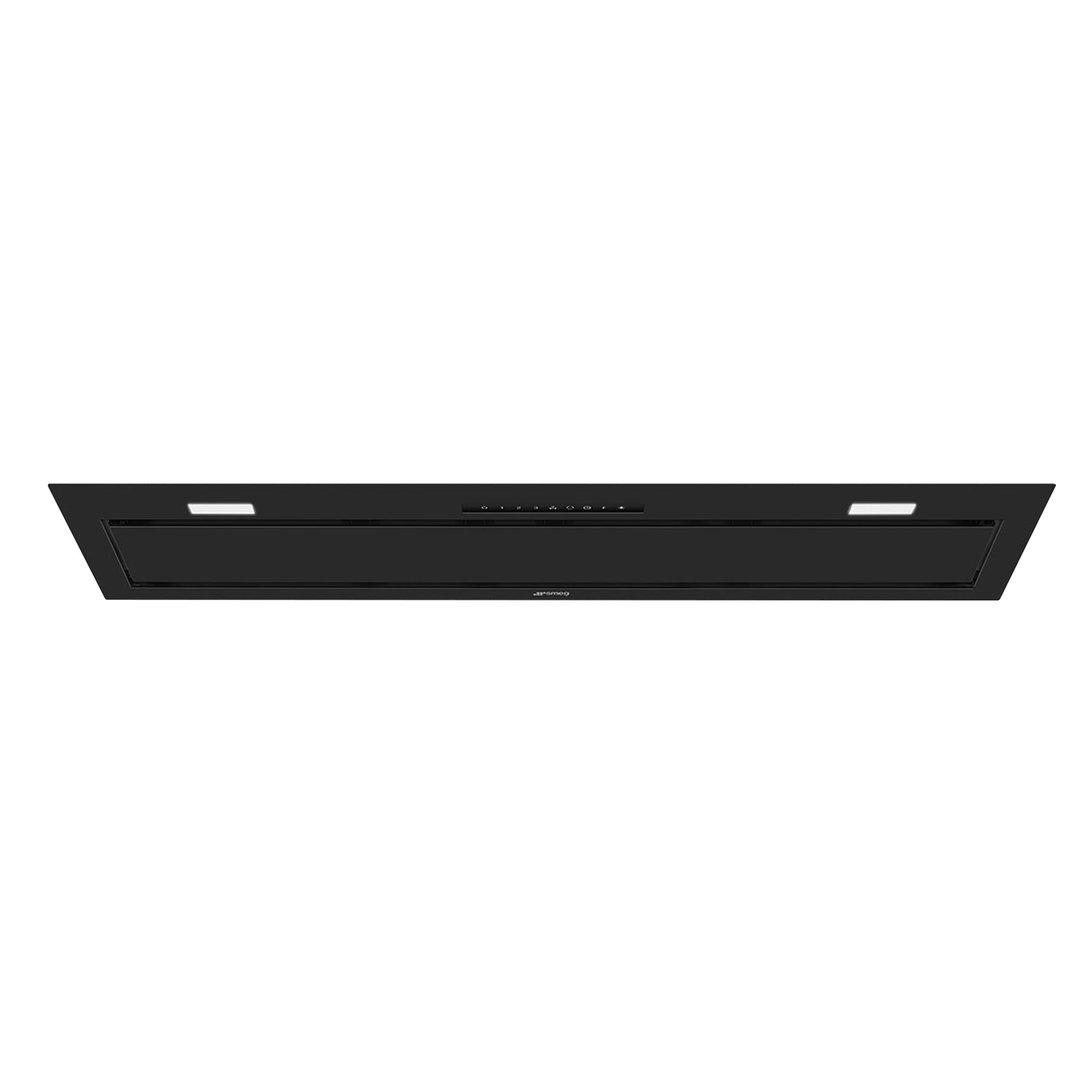
Rangehoods - Shop Online at Bing Lee
A good rangehood is the unsung hero of any kitchen. It clears steam, smoke, and cooking odours before they can settle into your walls and furniture, and the right one can look seriously impressive while doing it. Whether you're cooking up a weeknight stir-fry or a big weekend roast, a quality rangehood keeps the air in your kitchen clean and your home smelling fresh.
At Bing Lee, we stock rangehoods from trusted brands including Smeg, Miele, Bosch, Westinghouse, and Omega - in a range of styles to suit every kitchen layout and budget. Not sure which one's right for you? Read on.
What Types of Rangehoods Are There?
Rangehoods come in quite a few different styles, and the best choice depends on your kitchen layout, your cooktop setup, and how much visual impact you want the rangehood to make. Here's a breakdown of the main types.
Canopy Rangehoods
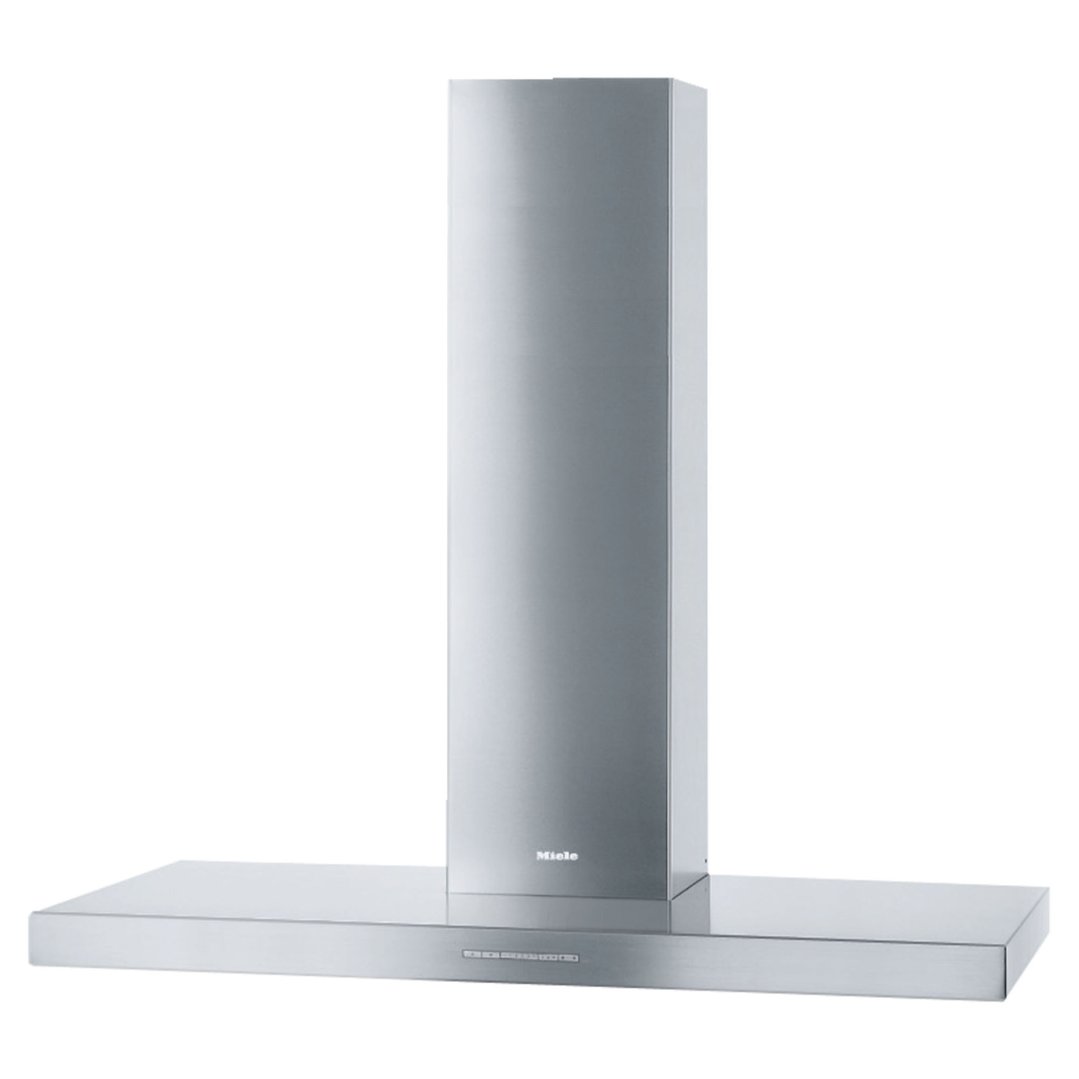
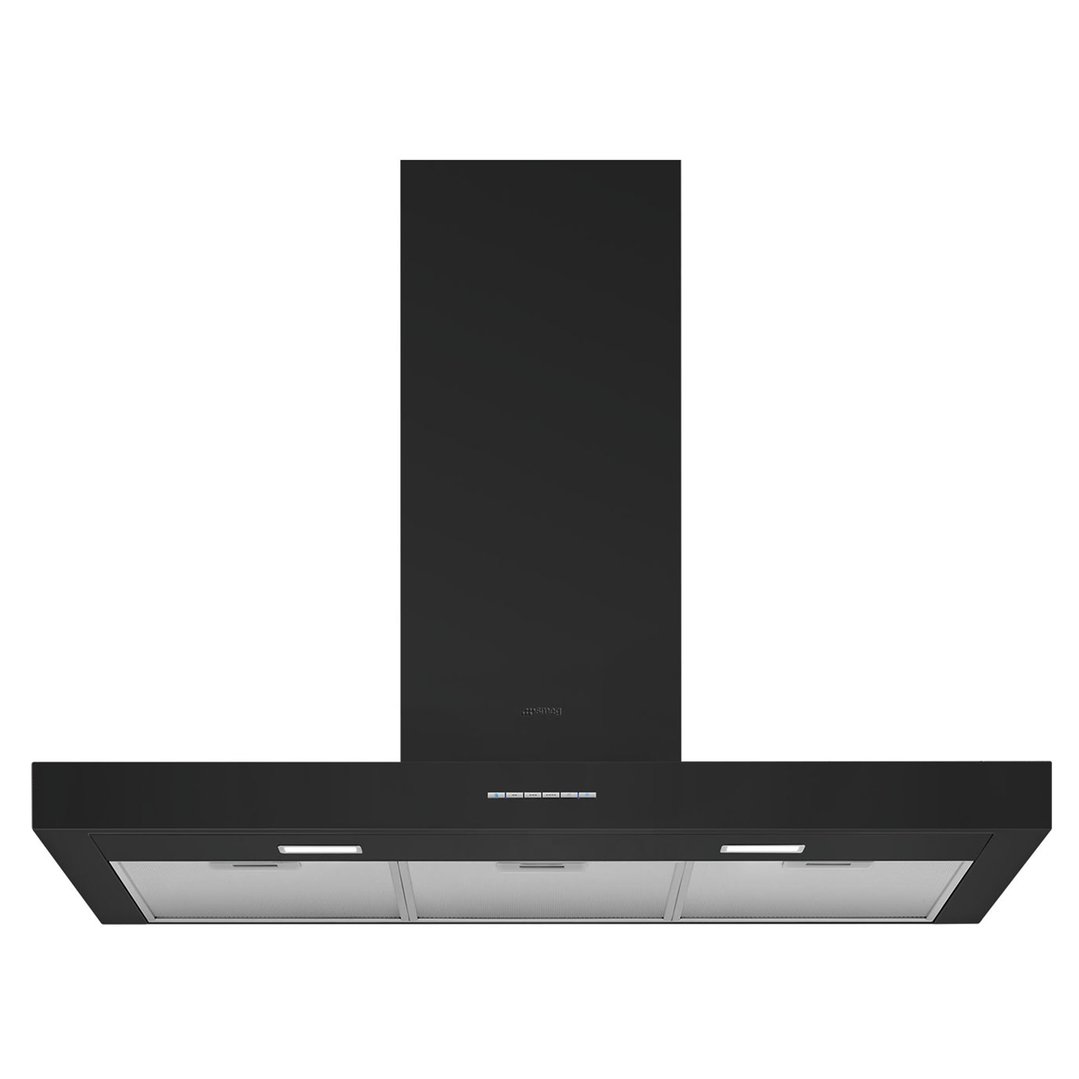
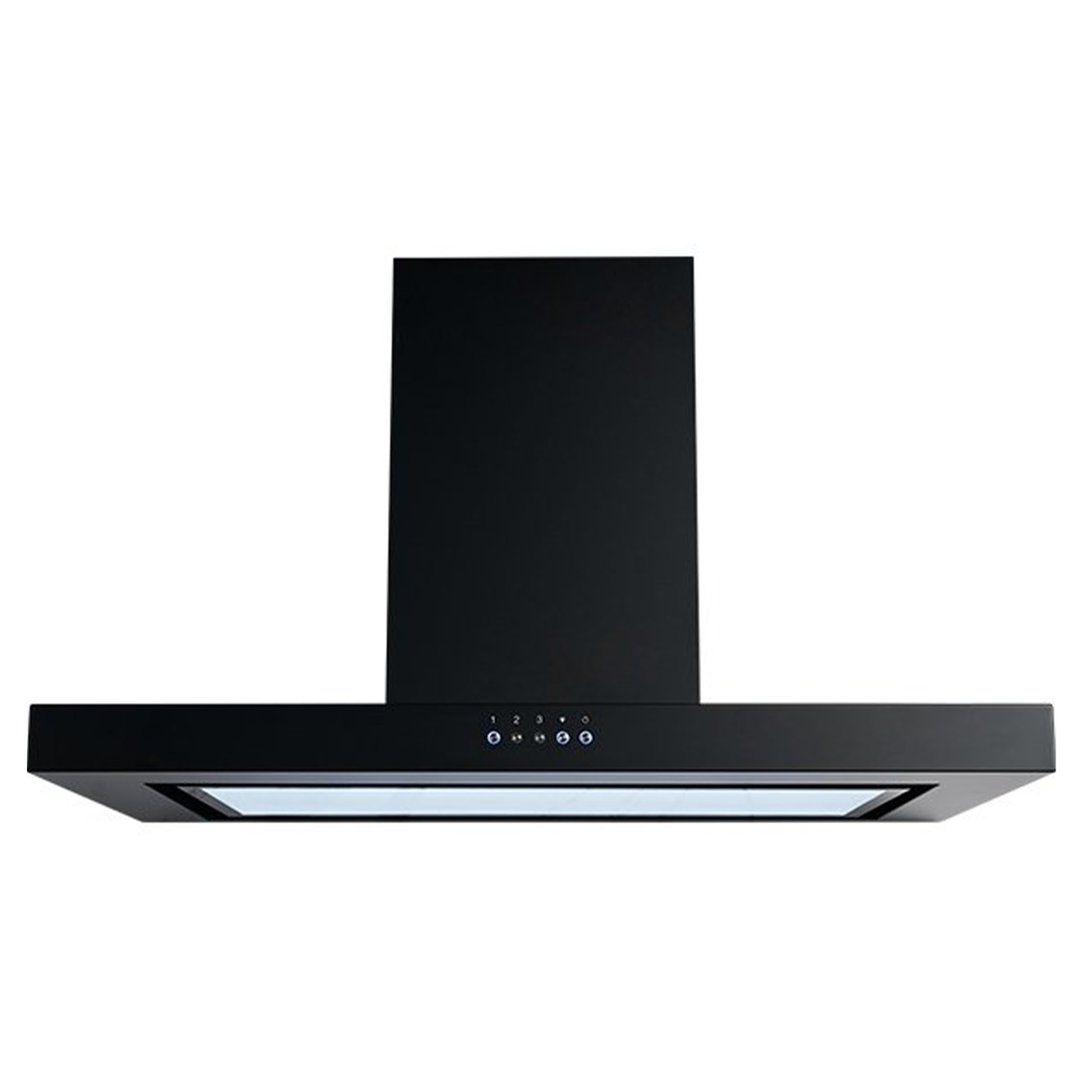
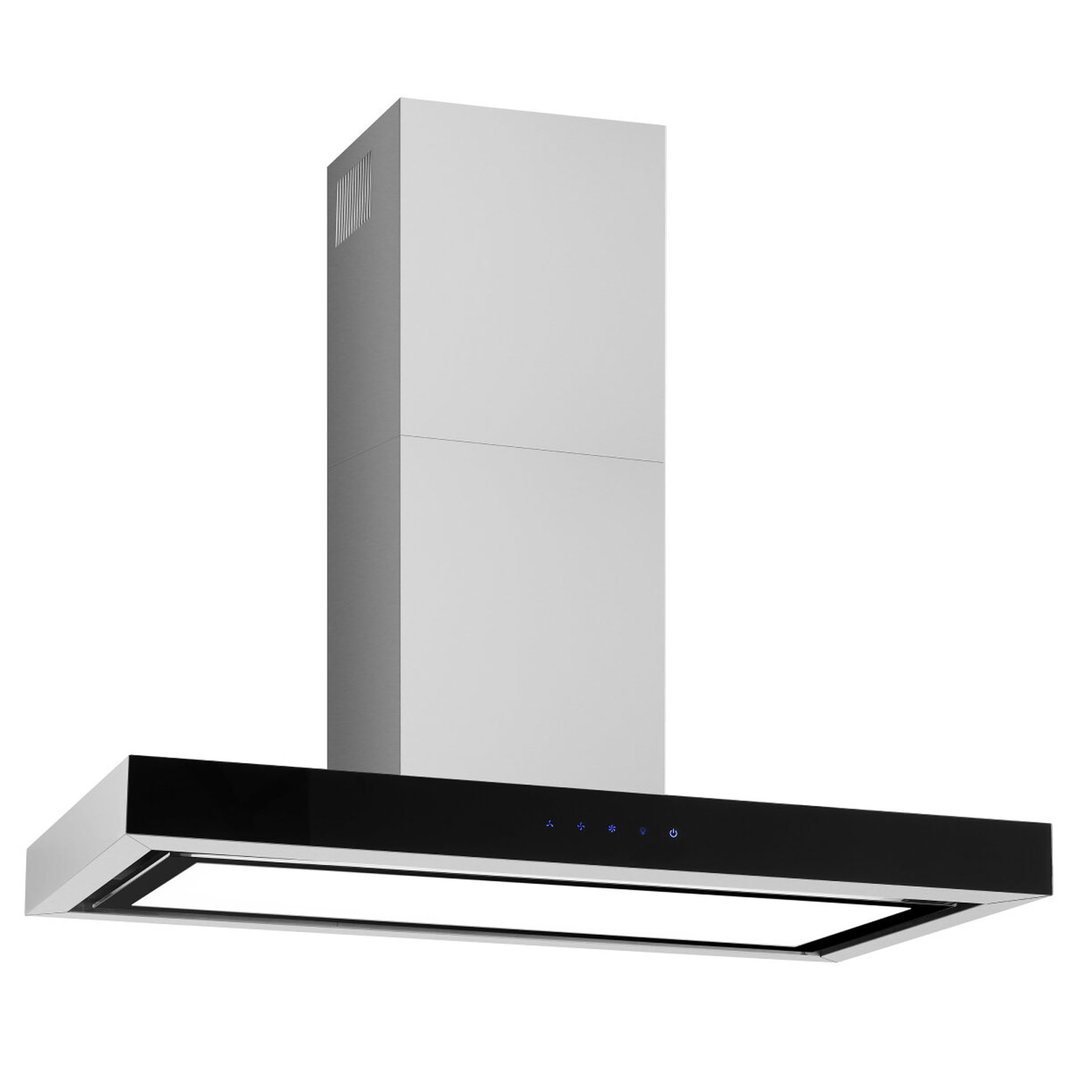
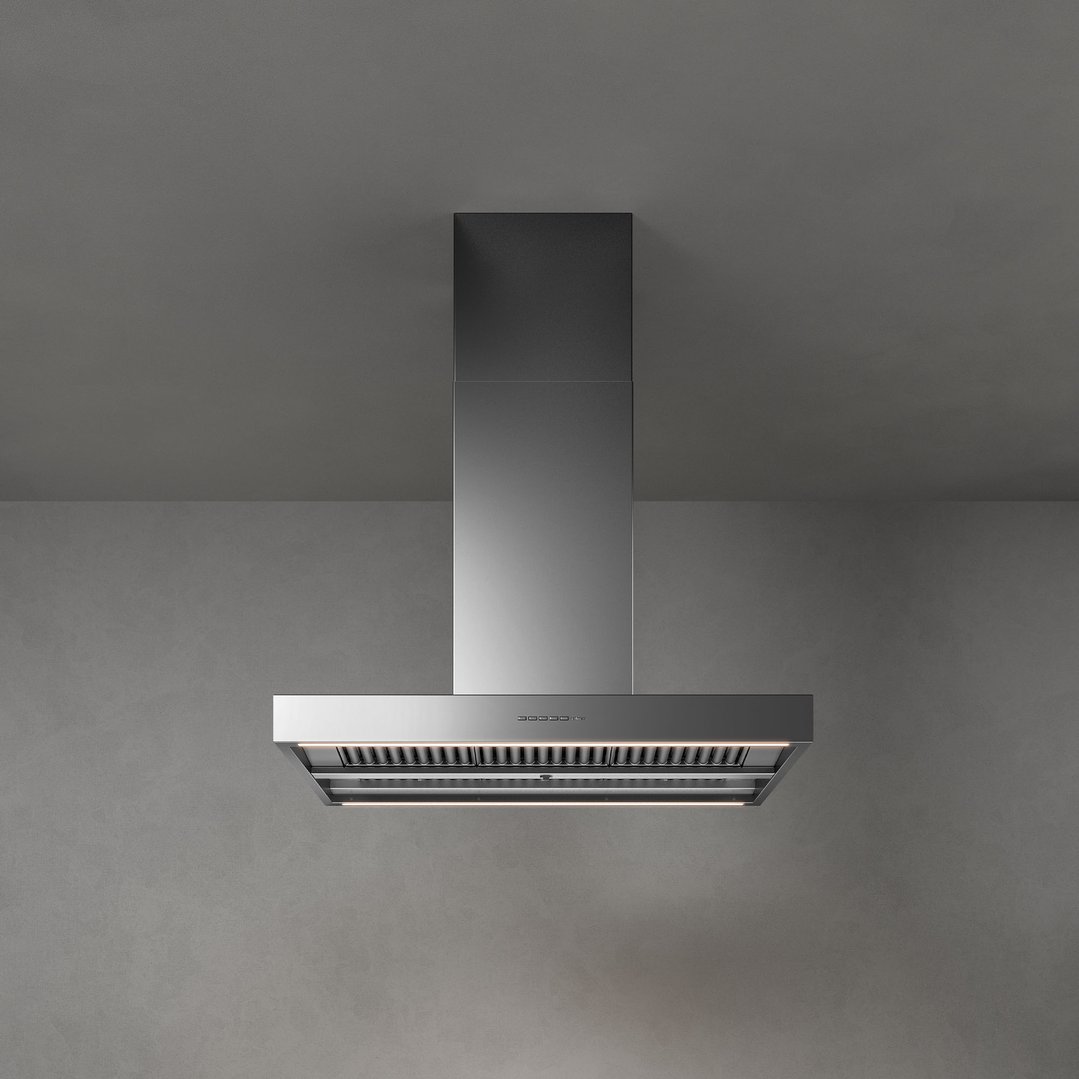
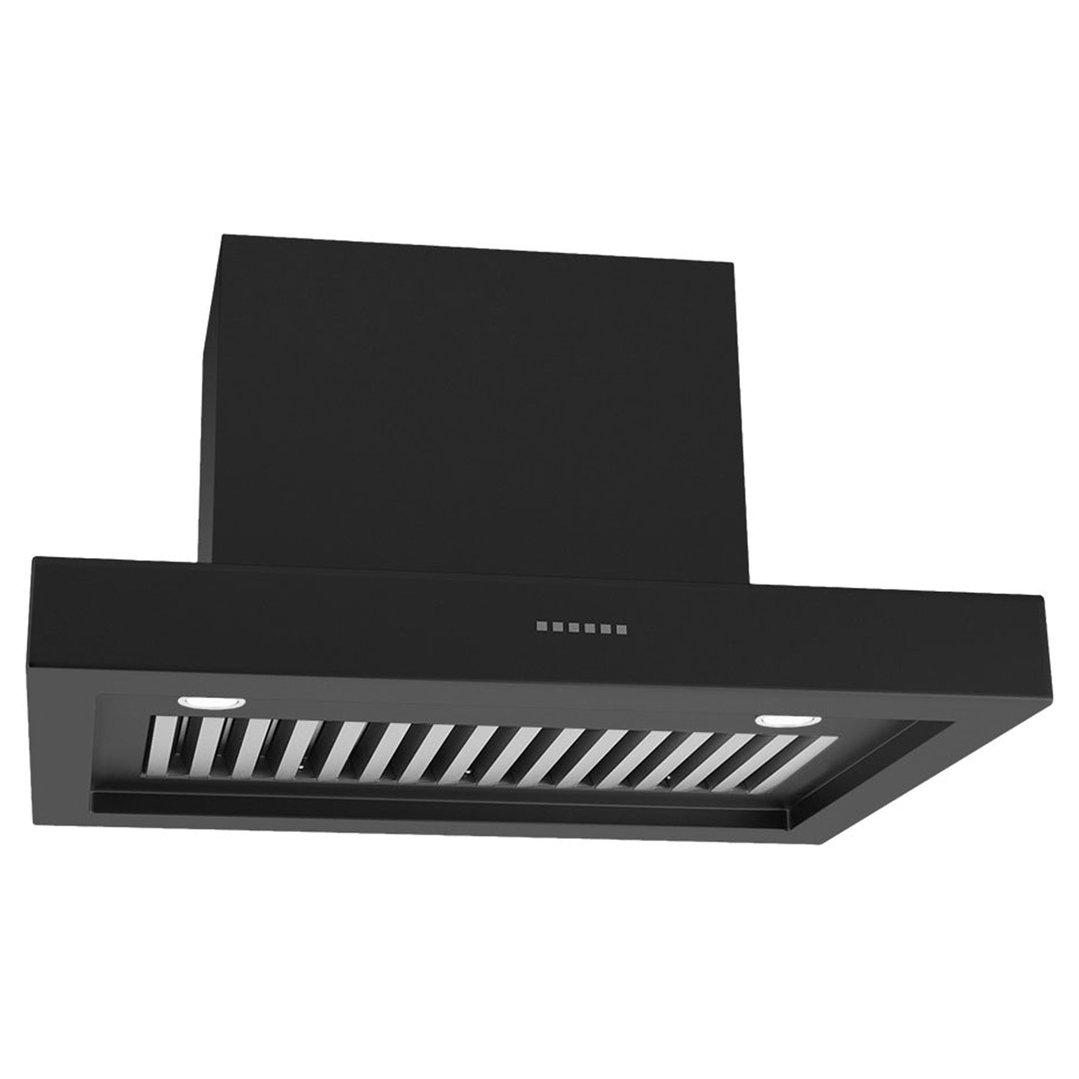
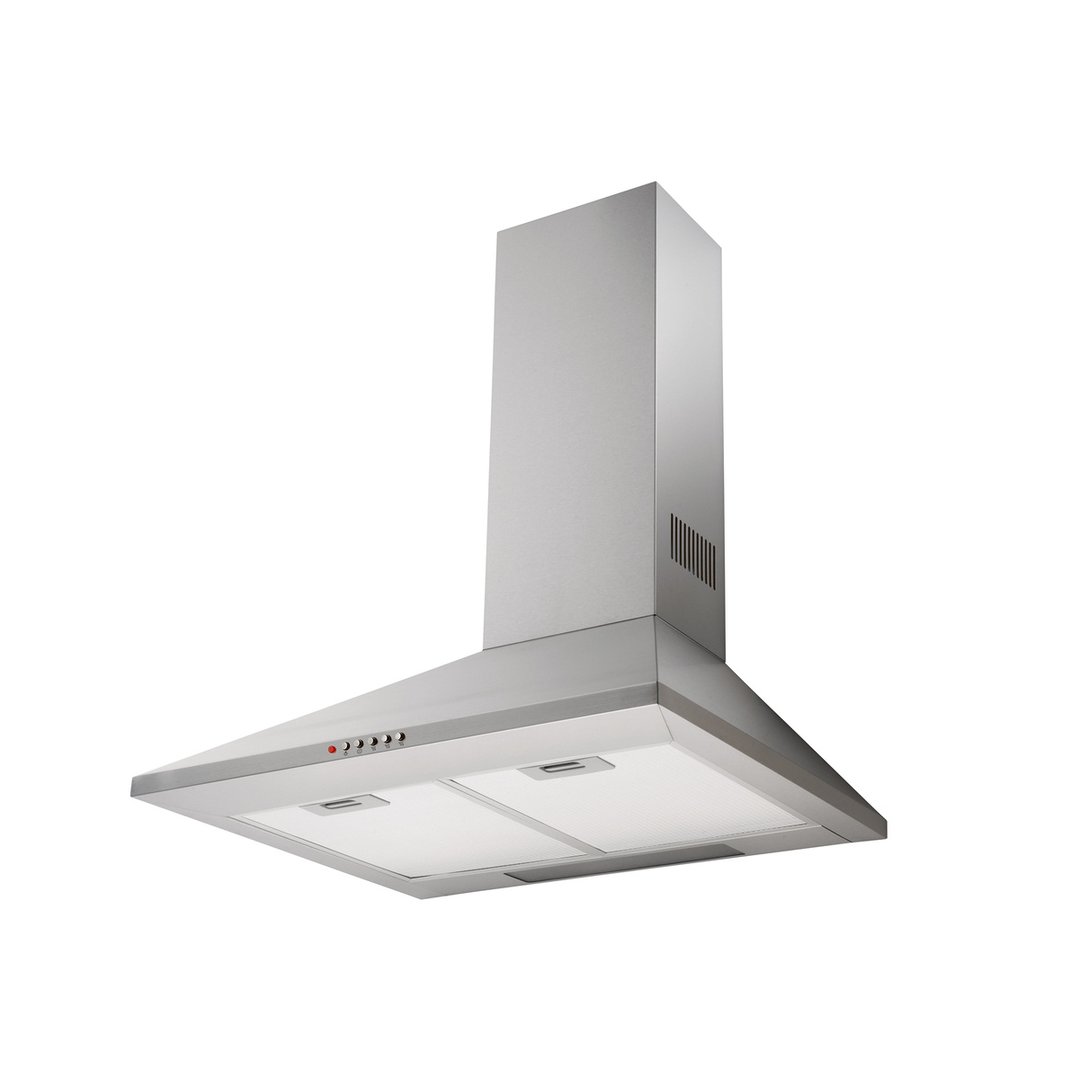
Canopy rangehoods are one of the most popular styles in Australian kitchens. They sit above your cooktop and vent upward - either through the wall or ceiling via external ducting, or back into the kitchen via a recirculating filter. Their upright, chimney-style design gives kitchens a classic, substantial look, and they're available in a wide range of sizes to suit most cooktop widths.
Slideout Rangehoods
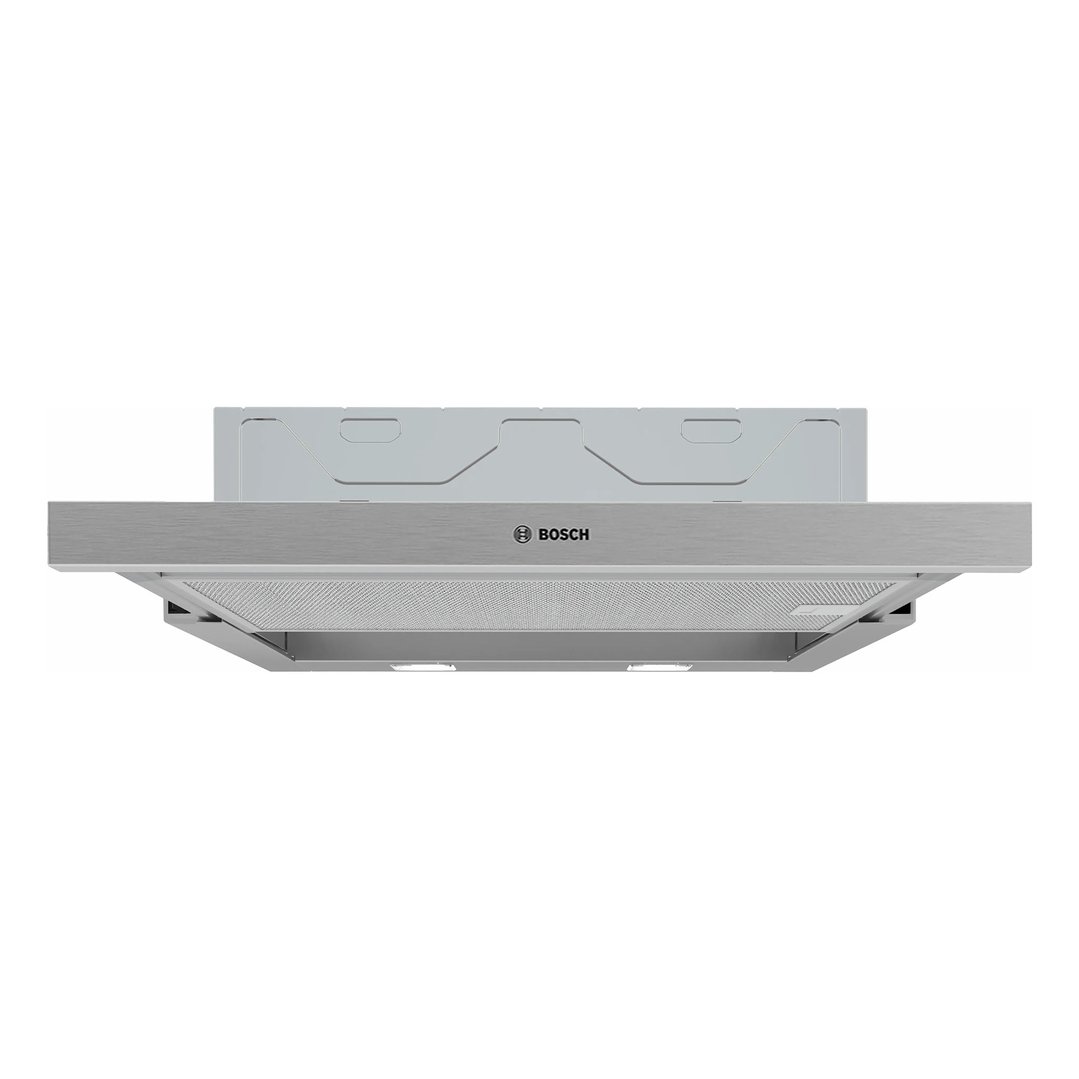
If you'd prefer your rangehood to stay out of sight when you're not cooking, a slideout (or retractable) model is a great option. The extractor panel tucks neatly away under your overhead cabinetry when not in use, then slides out when you need it. Slideouts tend to be more budget-friendly and work well in kitchens where bench space and visual clutter are a concern.
Fixed Rangehoods
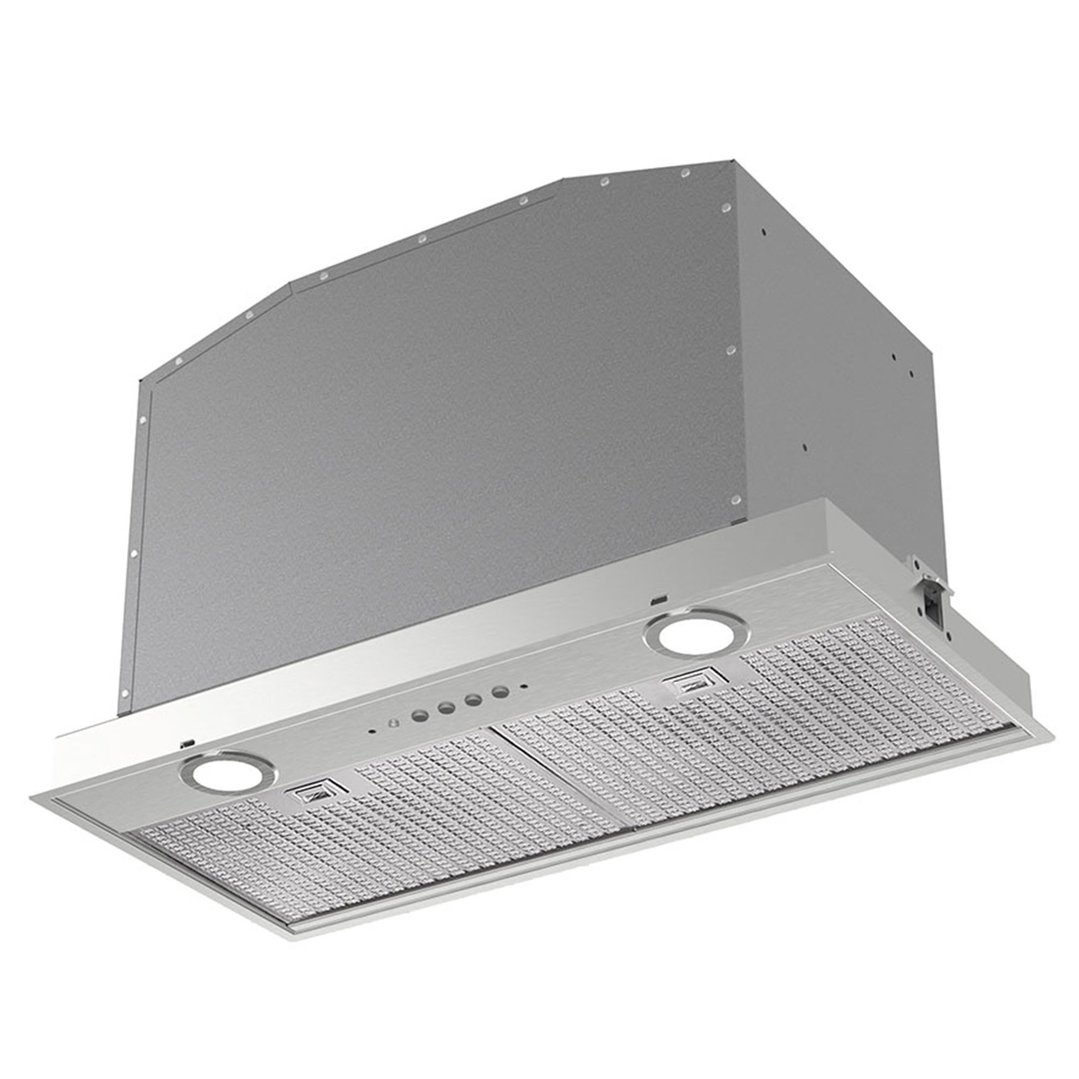
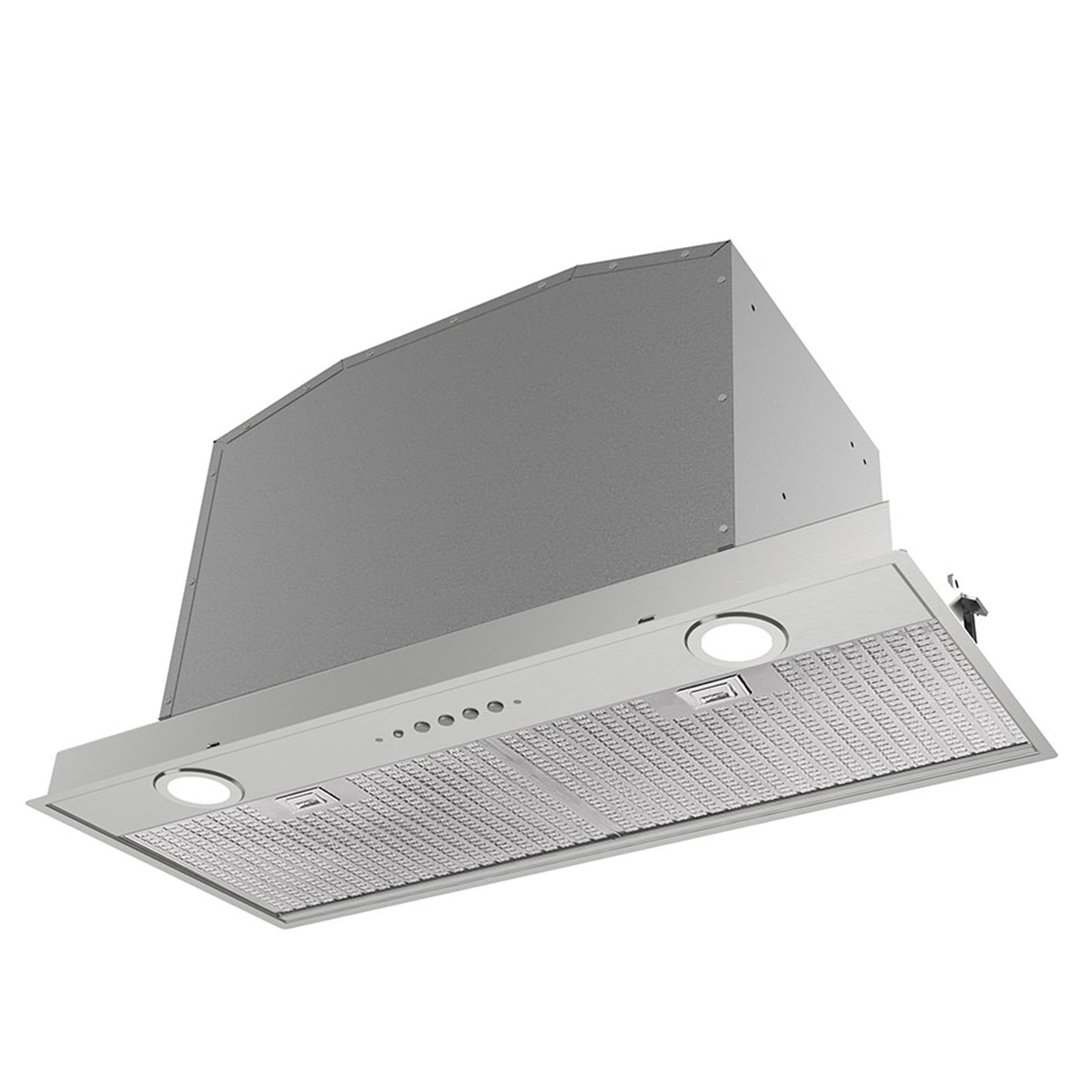
Fixed rangehoods are mounted permanently under overhead cabinetry, providing a low-profile solution that blends in with your kitchen. They're a practical, no-fuss choice for households after reliable extraction without a large footprint. Fixed models are often among the most affordable rangehoods available.
Island Rangehoods
For open-plan kitchens with a freestanding island cooktop, an island rangehood is the purpose-built solution. Suspended from the ceiling above your island bench, these rangehoods make a bold design statement while providing powerful extraction from all four sides. They're a standout feature in modern kitchens and pair beautifully with freestanding or island-style cooking setups.
Undermount Rangehoods
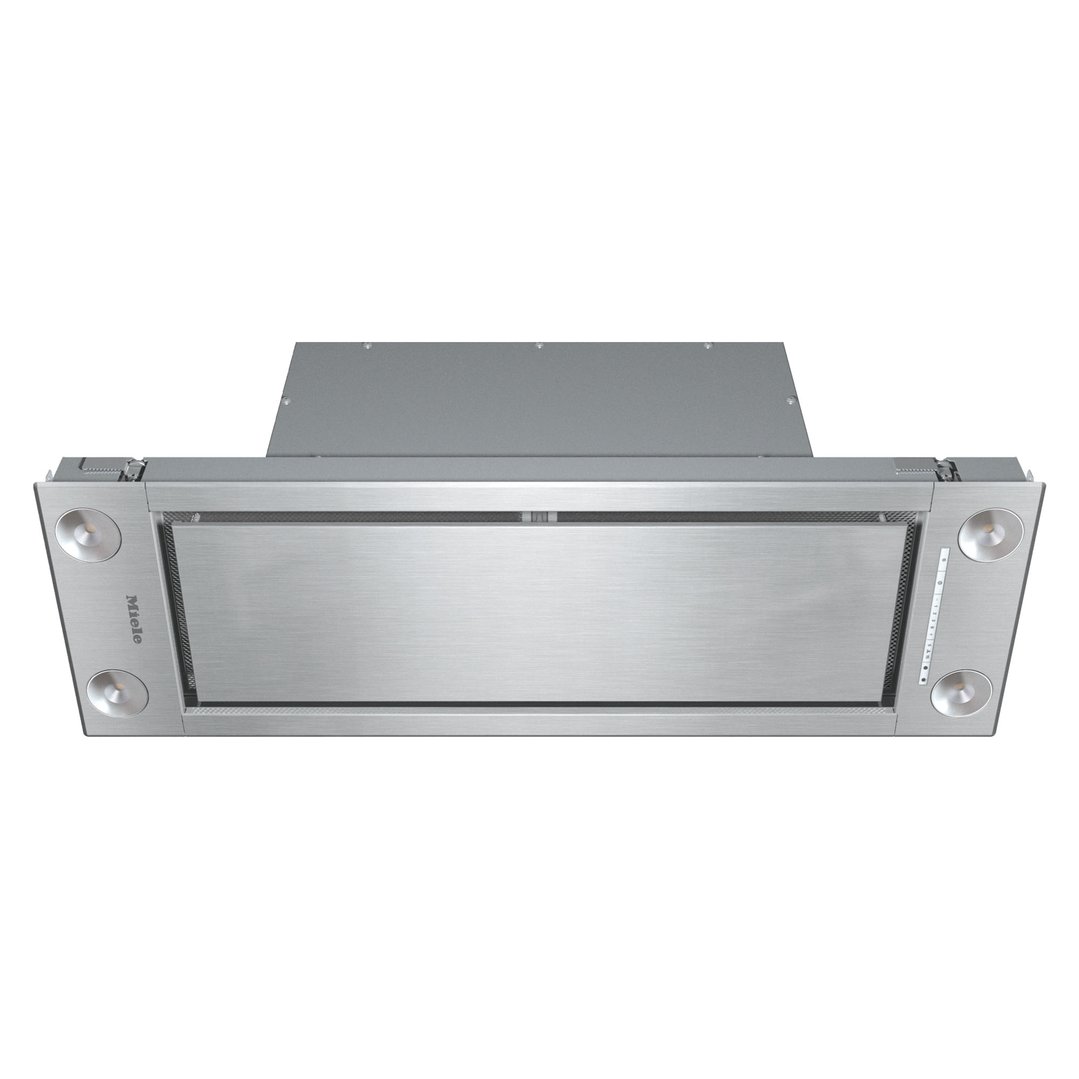
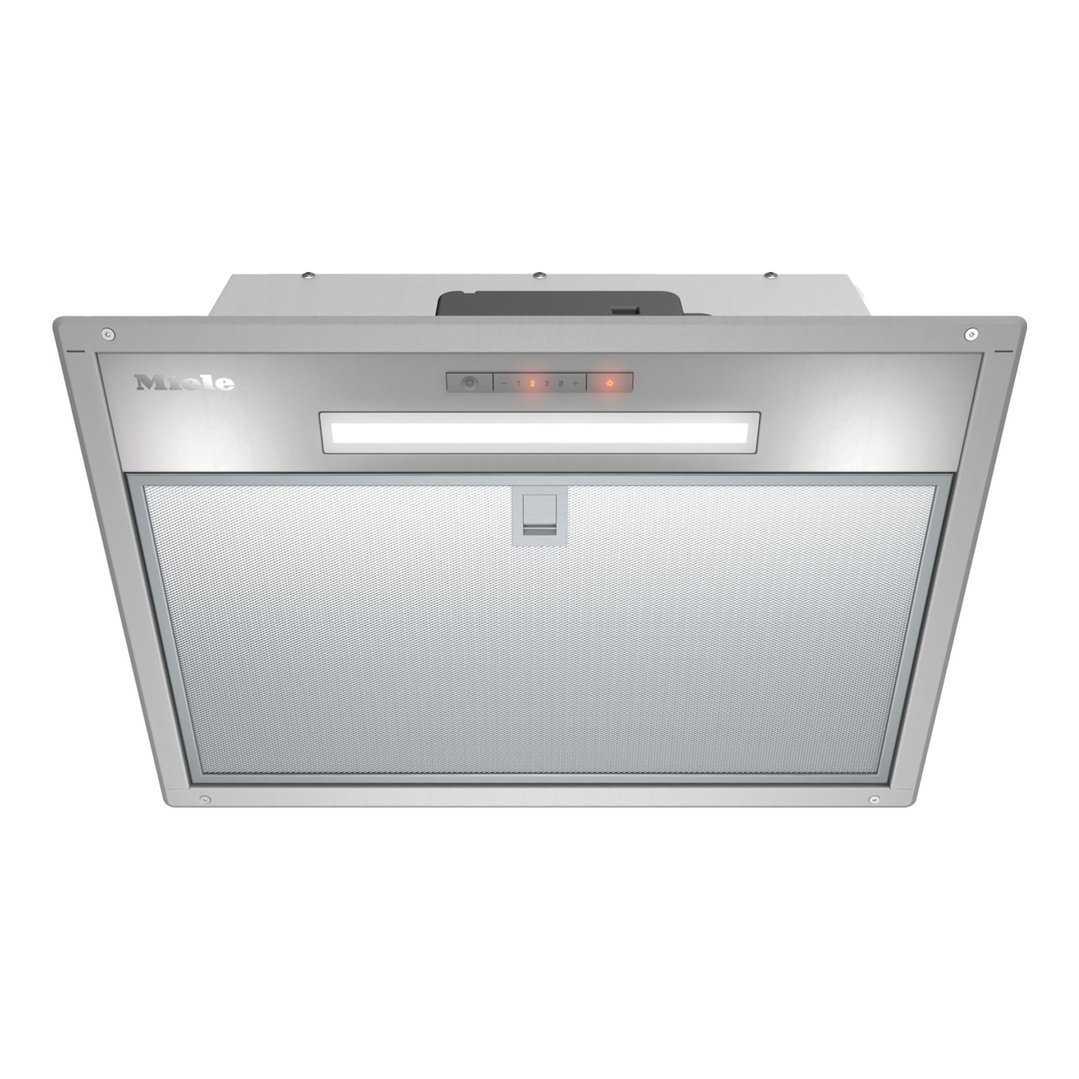
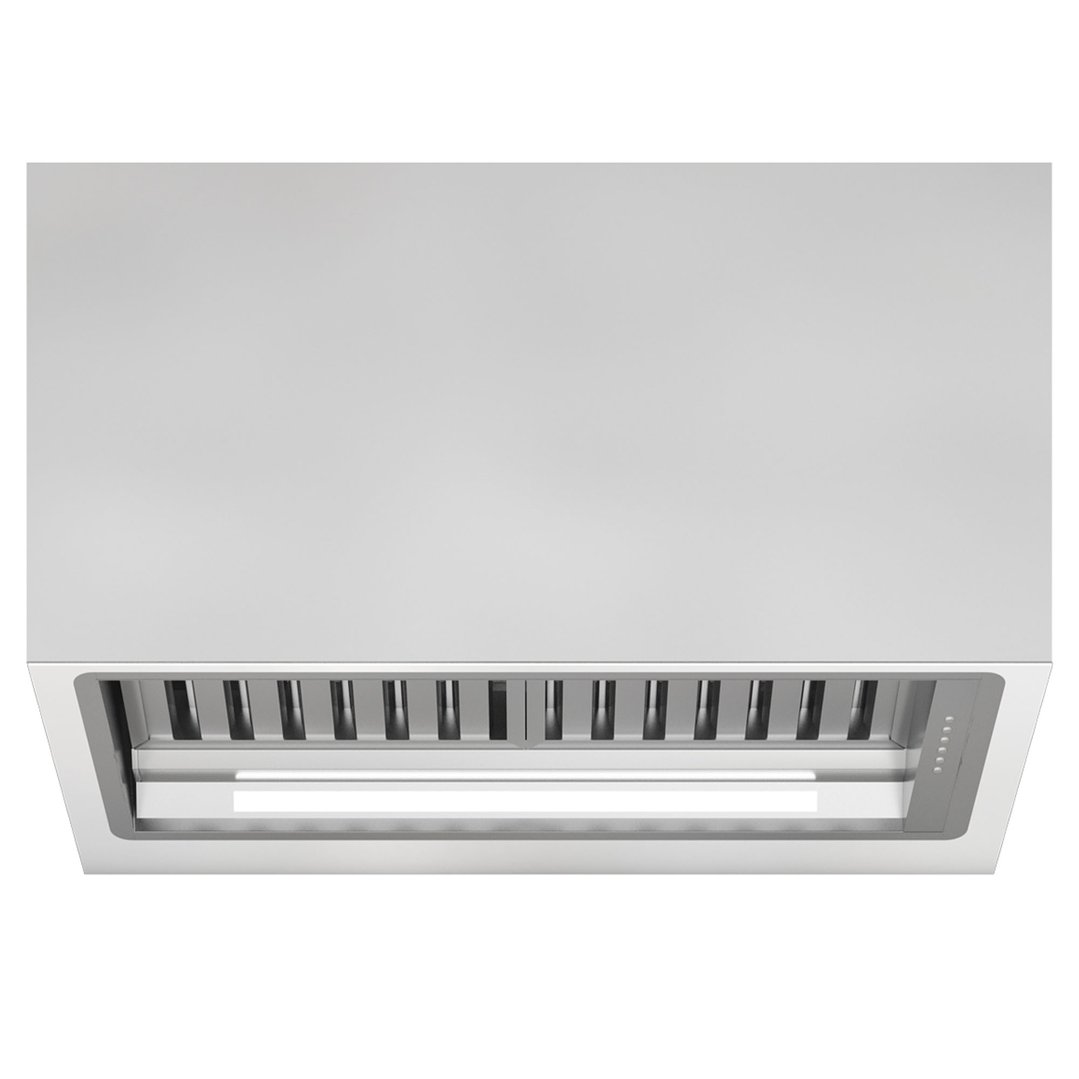
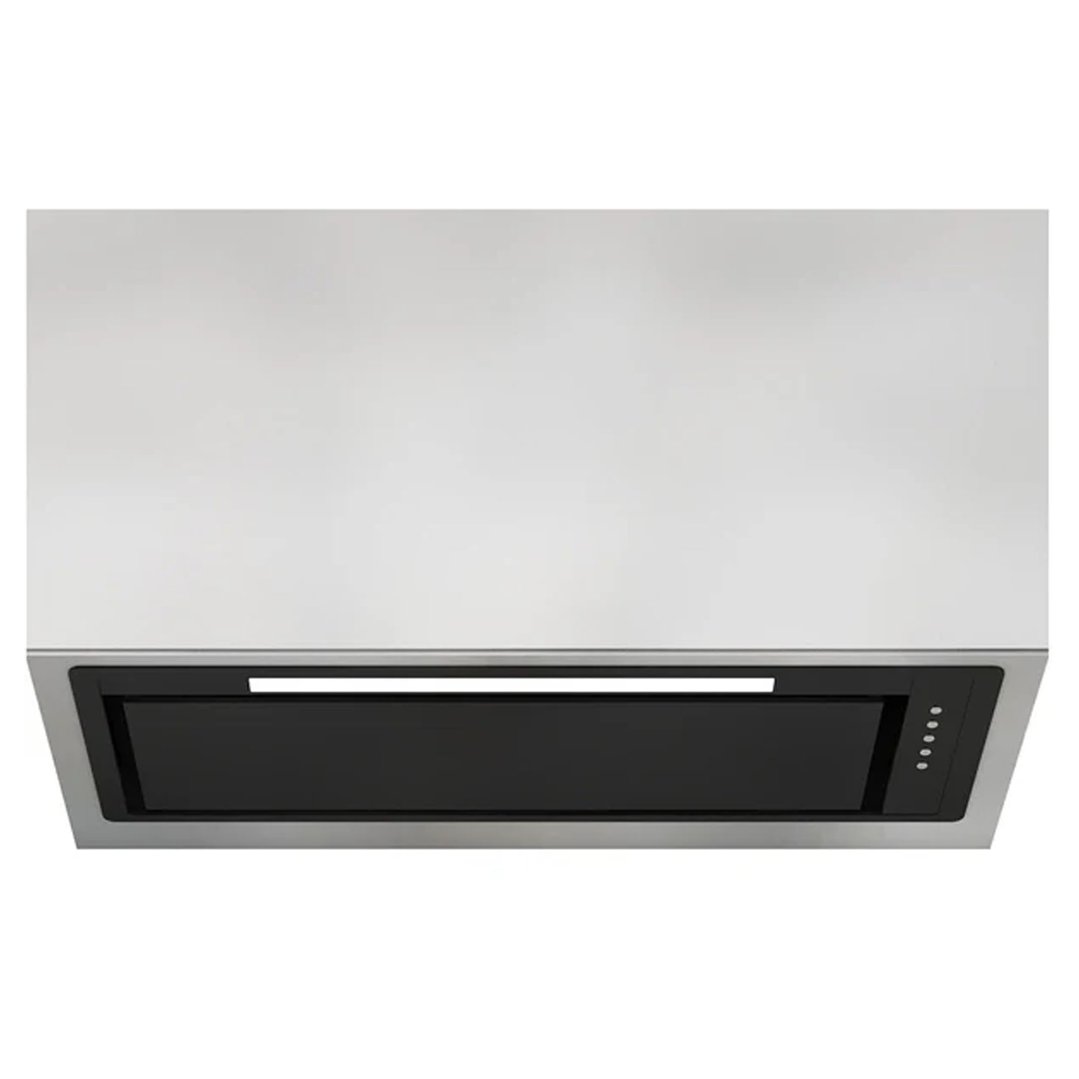
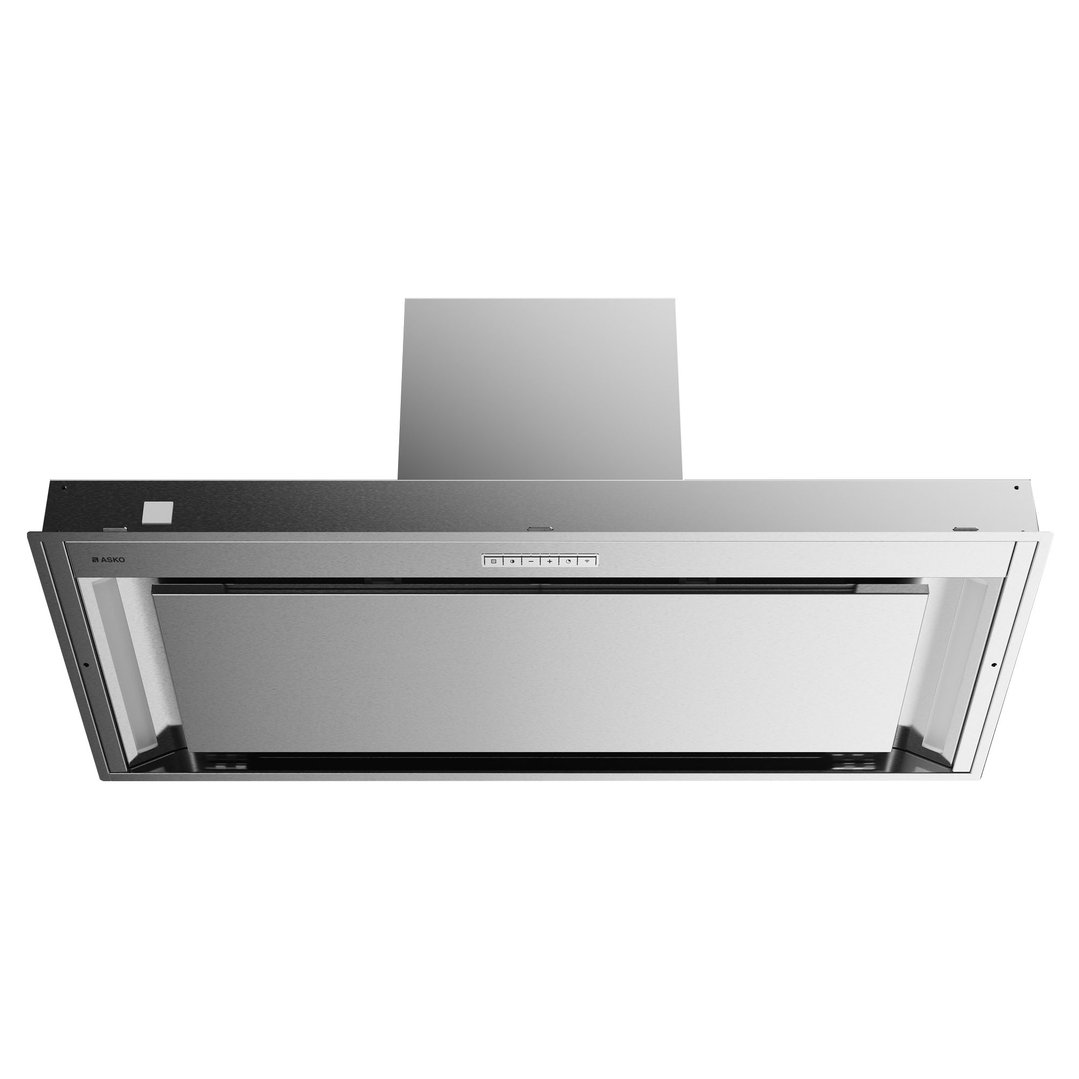
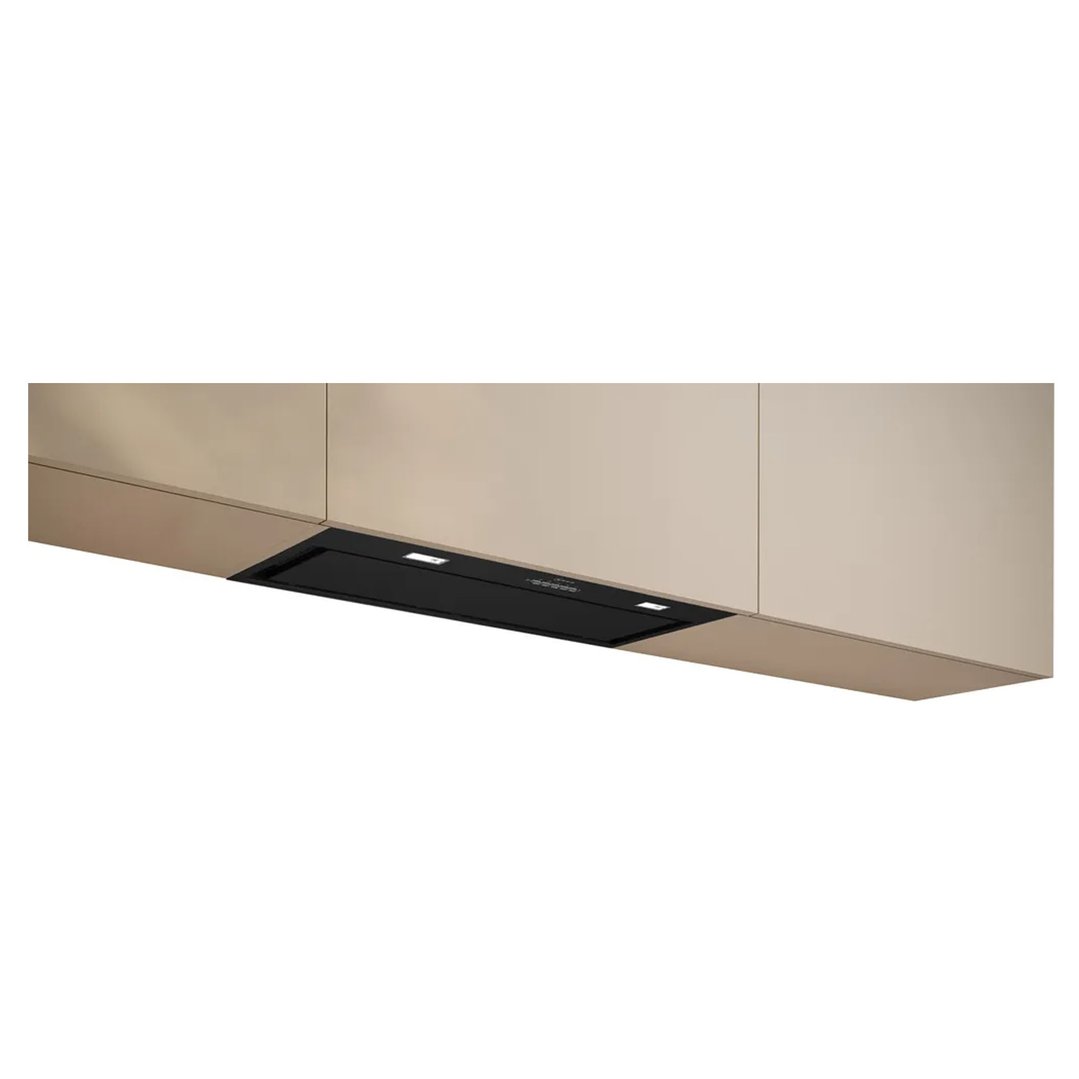
Undermount rangehoods are installed beneath your overhead cabinetry and are designed to be largely invisible - they tuck up under the cupboard so you see very little of the unit itself. They're an excellent choice for compact kitchens or for those who want a clean, minimal look without any overhead chimney structure.
BBQ Rangehoods
If you've got an outdoor kitchen or an alfresco BBQ setup, a dedicated BBQ rangehood keeps your entertaining area clear of smoke and fumes. Designed to handle higher heat and weather exposure, these are a smart addition to any serious outdoor cooking space.
Ducted or Recirculating - What's the Difference?
Beyond the style of rangehood, you'll also need to decide how it handles the air it extracts. There are two main options: ducted (vented) and recirculating.
Ducted Rangehoods
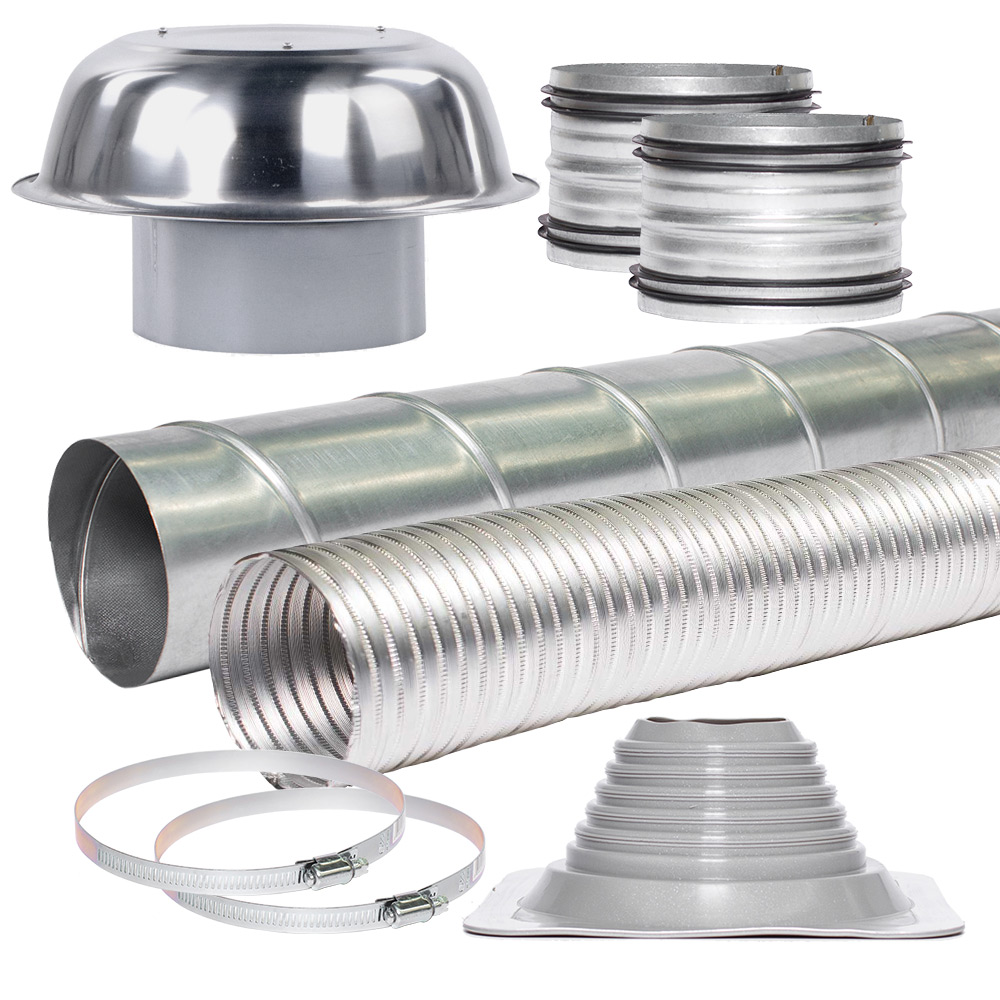
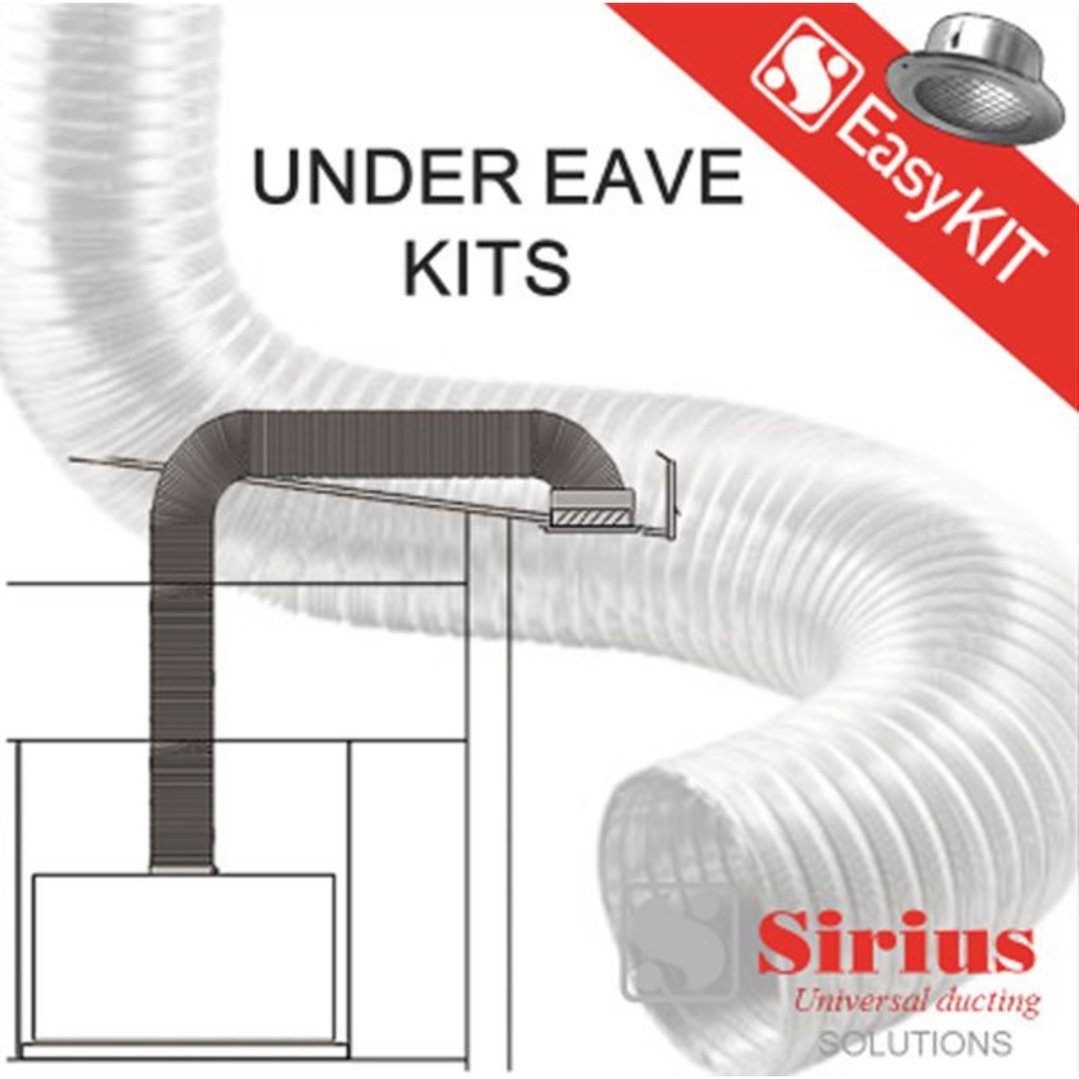
A ducted rangehood draws air out of the kitchen and expels it outside through a duct running through the wall or ceiling. This is the most effective method of extraction, as it completely removes cooking odours, steam, and grease particles from your home rather than filtering and recirculating them. If you have the ability to run ducting in your kitchen, this is the recommended option for performance.
Recirculating Rangehoods
Recirculating rangehoods filter the air through charcoal and grease filters, then return the cleaned air back into the kitchen. They don't require any external ducting, which makes them significantly easier and cheaper to install - ideal for apartments, rental properties, or kitchens where running ductwork simply isn't practical. The filters do need to be cleaned or replaced periodically to maintain performance.
Materials, Finishes, and Kitchen Style
A rangehood sits front and centre in your kitchen, so it's worth thinking about how it looks, not just how it performs.
Stainless Steel
Stainless steel is the most popular finish for rangehoods in Australian kitchens - and for good reason. It's durable, easy to wipe down, and pairs well with both modern and classic kitchen designs. Most major brands offer their rangehood ranges in stainless steel as standard.
Glass
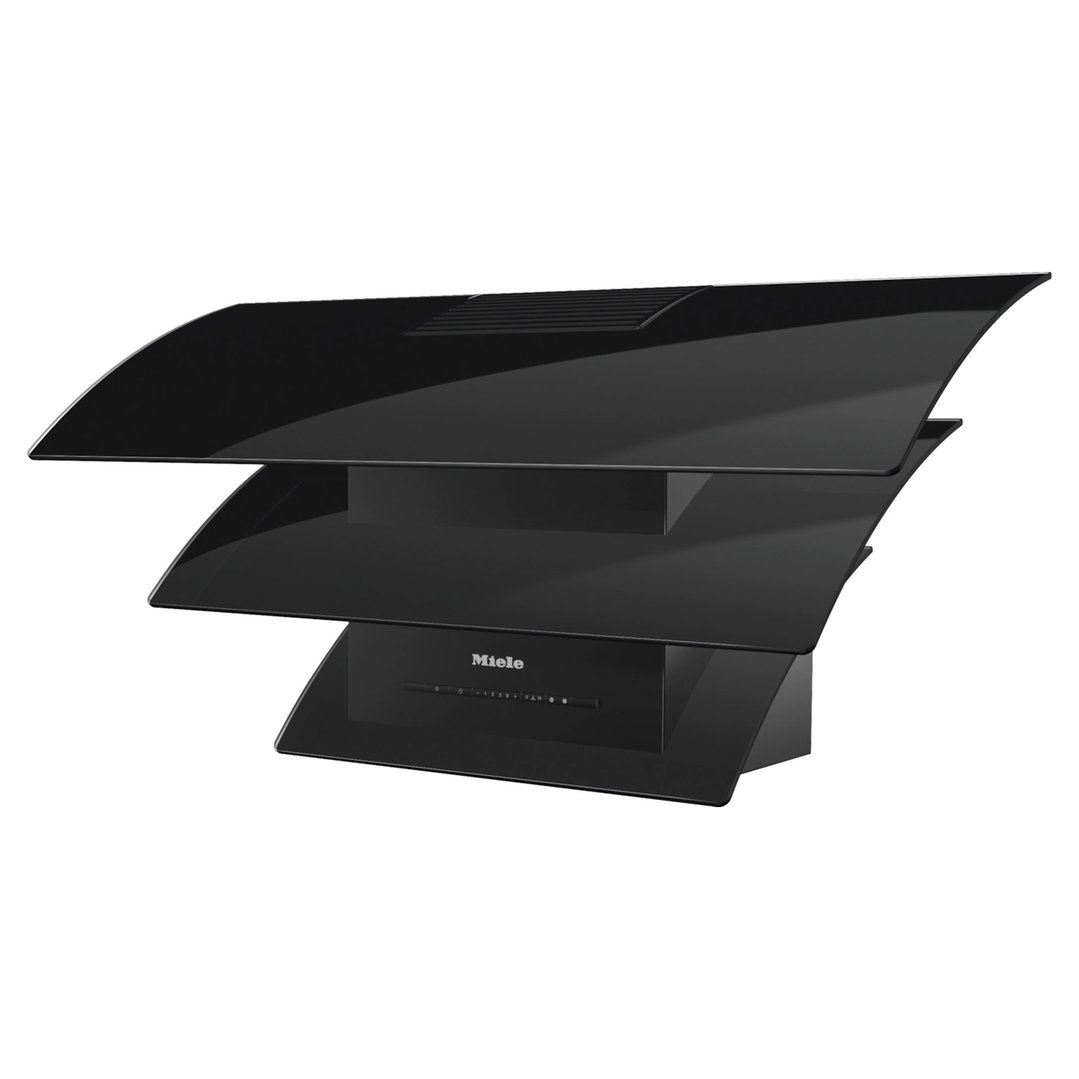
Glass rangehoods - typically featuring a tempered glass canopy or visor - bring a sleek, contemporary feel to a kitchen. The transparent panel keeps the space feeling open and airy, which makes them a great choice for smaller kitchens where a large stainless canopy might feel visually heavy.
Integrated and Custom-Panel
For a truly seamless kitchen finish, integrated rangehoods are designed to sit flush with your cabinetry and can be fitted with a custom panel to match your cupboard doors exactly. These are a popular choice in high-end kitchen renovations where a completely uniform look is the goal.
Matching Your Kitchen Style
As a general guide:
- Modern or contemporary kitchens - opt for sleek stainless steel, black, or glass finishes with clean lines
- Traditional or classic kitchens - a canopy rangehood with decorative detailing tends to complement the style well
- Industrial-style kitchens - look for models with exposed or brushed metallic finishes
- Compact kitchens - slideout, fixed, or undermount rangehoods keep things uncluttered
- Whatever style you choose, make sure your rangehood coordinates with your cooktop, oven, and other appliances for a cohesive, polished finish.
Extraction Power and Noise Levels
Two of the most important specs to check when shopping for a rangehood are extraction rate and noise level - they'll have a direct impact on how well the rangehood works and how much you notice it while cooking.
Extraction Rate
Extraction rate is measured in cubic metres per hour (m³/hr) and tells you how much air the rangehood can move in a given time. For most Australian home kitchens, a rate of 300-600 m³/hr is sufficient for everyday cooking. If you cook frequently, use high heat, or have a large kitchen, look for a model at the higher end of that range or beyond. As a rule of thumb, your rangehood's extraction rate should be at least 10 times the volume of your kitchen per hour.
Noise Level
Noise level is measured in decibels (dB). Most rangehoods operate somewhere between 50 and 70 dB depending on the fan speed - quieter models sit around 50-60 dB, which is comparable to normal conversation. If a quiet kitchen matters to you (and it often does in open-plan living spaces), look for rangehoods with low dB ratings at normal operating speeds, or consider a Schweigen silent rangehood, which is specifically engineered for near-silent operation by locating the motor externally.
Multiple Fan Speeds
Look for a rangehood with at least two or three fan speed settings. Lower speeds are quieter and sufficient for light cooking, while higher speeds give you the extraction power needed when things get steamy or smoky. Variable speed control gives you the flexibility to match the rangehood's output to whatever you're cooking.
The Latest Features Worth Looking For
Rangehood technology has come a long way. Here are some of the newer features you'll find on higher-end models - some genuinely useful, others more of a nice-to-have:
- Smart connectivity - Wi-Fi-enabled rangehoods can be controlled via smartphone apps, and some even link to your cooktop so the rangehood automatically adjusts its speed based on what burners are in use
- Auto-sensing extraction - sensors detect heat, steam, and cooking intensity, adjusting fan speed automatically without you having to touch a button
- LED lighting - modern rangehoods use energy-efficient LED downlights to illuminate your cooktop. Some premium models offer adjustable colour temperature for different moods and times of day
- EC motors - energy-efficient electronically commutated motors reduce power consumption compared to older AC motor designs, keeping running costs down
- Perimeter extraction - some models extract air from the outer edges of the rangehood rather than a central filter, which can improve performance and make filter cleaning easier
- Gesture or touch controls - hands-free or touch-sensitive controls are a hygienic and convenient alternative to physical buttons, especially when you've got food on your hands
What's Available on a Budget?
You don't need to spend a fortune to get solid rangehood performance. Here's how to get good value without overspending:
- Slideout and fixed rangehoods are generally the most affordable styles - they deliver reliable extraction without the price premium of canopy or island designs
- Recirculating models are cheaper to purchase and install because they don't require ducting - a worthwhile trade-off if external venting isn't practical in your space
- Stick to models with the features you'll actually use. If you don't need smart connectivity or auto-sensing, there's no reason to pay for them
- A well-chosen entry-level rangehood from a quality brand will still do an excellent job of keeping your kitchen fresh - the basics matter more than the extras
Installation - What's Involved?
Rangehood installation ranges from relatively straightforward to more complex depending on the type of model and your kitchen setup. Here's what to expect:
Recirculating Models
Recirculating rangehoods are the easiest to install. Because they don't require external ducting, installation typically involves mounting the unit under the cabinetry and connecting it to a power source. Some confident DIYers tackle this themselves, though it's always worth checking the manufacturer's instructions first.
Ducted Models
Ducted rangehoods require a duct run from the rangehood to an external vent - through the wall or ceiling. This usually involves a licensed tradesperson, particularly if the duct path is long or complex. If you're renovating, it's best to plan the ducting route early so it can be incorporated into the broader build.
Island Rangehoods
Island rangehoods require ceiling-mounting and typically involve both electrical and ducting work. These are best left to a professional installer to ensure they're secured correctly and the duct run is properly sealed.
Bing Lee offers installation services to take the hassle out of the whole process - ask in-store or at checkout online for more details.
What to Check Before You Buy
Here's a quick checklist to keep in mind when you're shopping for a rangehood:
- Kitchen layout - identify whether you need a wall-mounted, ceiling-suspended, or under-cabinet solution
- Cooktop width - your rangehood should be at least as wide as your cooktop, ideally slightly wider, for best coverage
- Ducted or recirculating - check whether external ducting is feasible in your kitchen
- Extraction rate - match the m³/hr rating to your kitchen size and cooking style
- Noise level - particularly important in open-plan living and dining spaces
- Finish and style - choose a finish that works with your cooktop, oven, and cabinetry
- Lighting - good cooktop illumination is more useful than it sounds
- Ease of cleaning - removable, dishwasher-safe grease filters make regular maintenance much easier
- Budget - factor in installation costs alongside the purchase price, especially for ducted models
Shop Rangehoods at Bing Lee
At Bing Lee, we carry rangehoods from some of Australia's most trusted appliance brands - including Smeg, Miele, Schweigen, Westinghouse, Viali, and more - across all styles and price points. Whether you're after a sleek slideout for a modest budget or a statement island rangehood for a full kitchen renovation, our team can help you find the right fit.
Browse our full rangehood range online, or visit your nearest Bing Lee store to see the options in person. Our friendly team is always happy to answer questions and help match you with the right appliance for your kitchen.