Cooking & Kitchen
How to Make the Perfect Cup of Coffee at Home

Calling all coffee fiends! Whether you’ve finally treated yourself to the espresso maker of your dreams or you’ve purchased a pod-coffee machine for a quick caffeine hit in the morning, knowing how to craft your favourite brew is an absolute essential for those of us who can’t go without a cup (or three…).
Making your own cappuccino, latte, or flat white is a great way to save money when you’re working from home – but there is definitely an art to producing the drink you love. So just how do you make good coffee at home? Which method of coffee making is best for you? And just how the heck do you get the tamping right?! Let’s explore.
How to make coffee at home
The technique you choose to use in the comfort of your own kitchen truly comes down to personal preference. Whether you like to play the barista and use a manual espresso machine with all the bells and whistles, prefer the ease and speed of a capsule machine or keep it lo-fi with traditional filter or drip coffee, let’s break down the differences.
Espresso machines
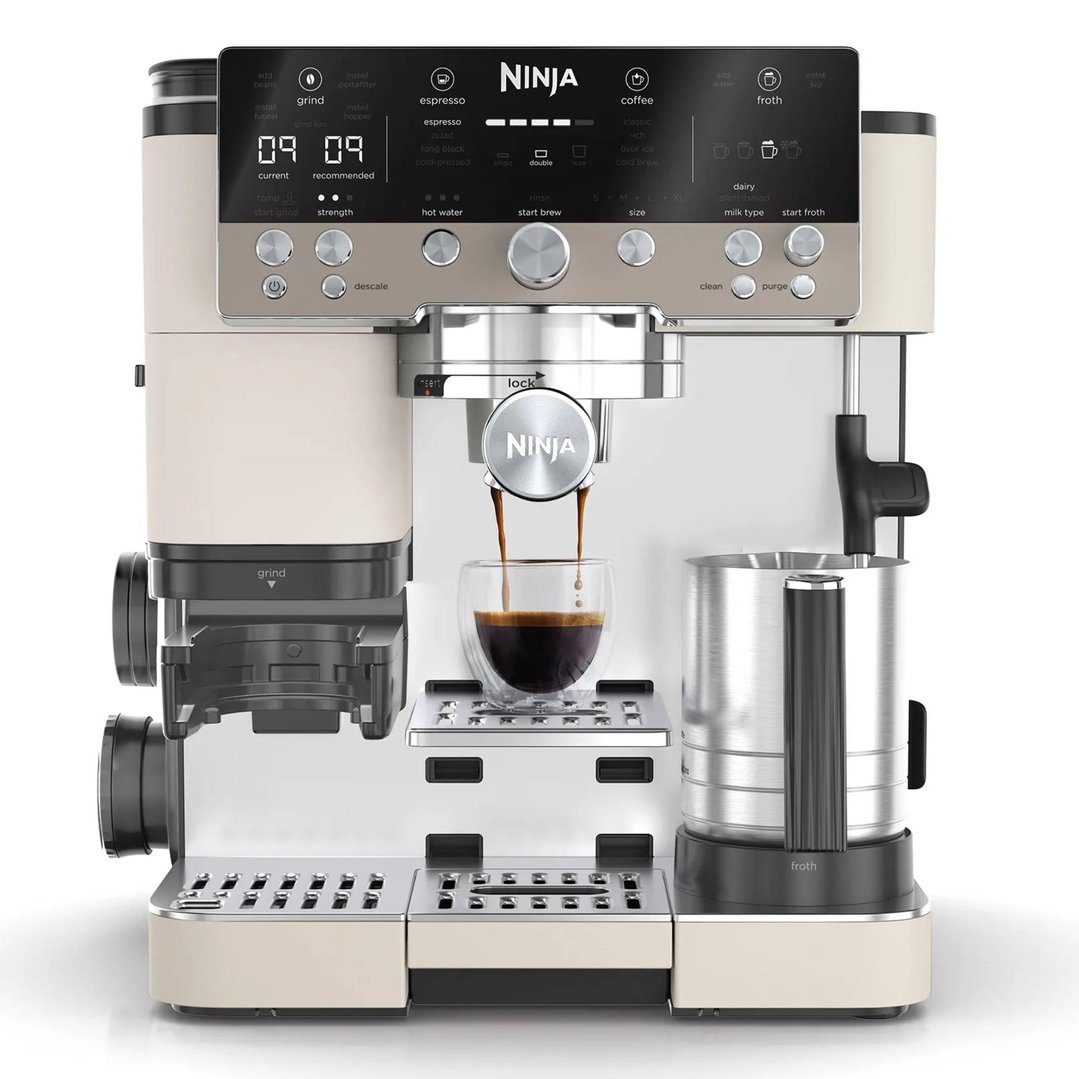
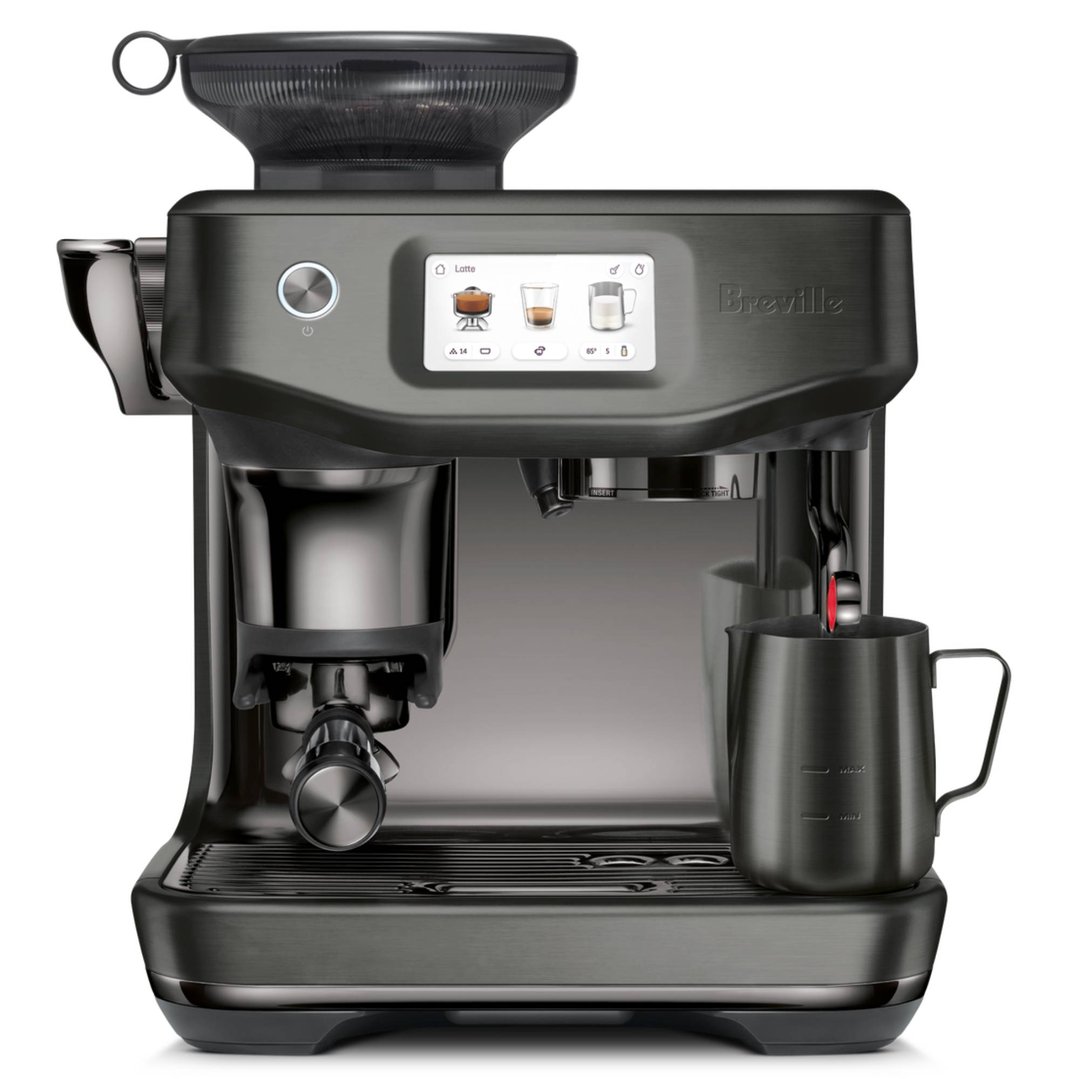
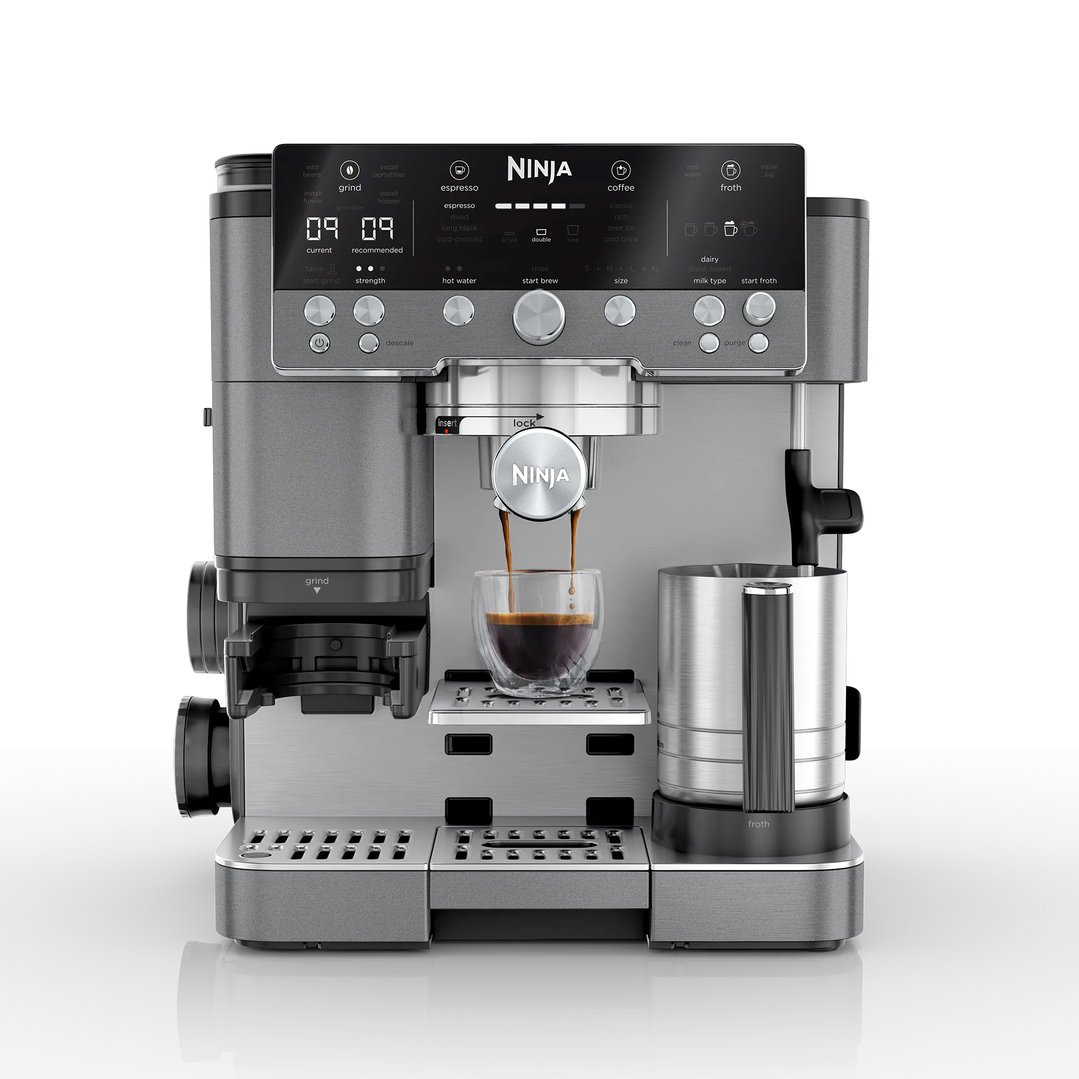
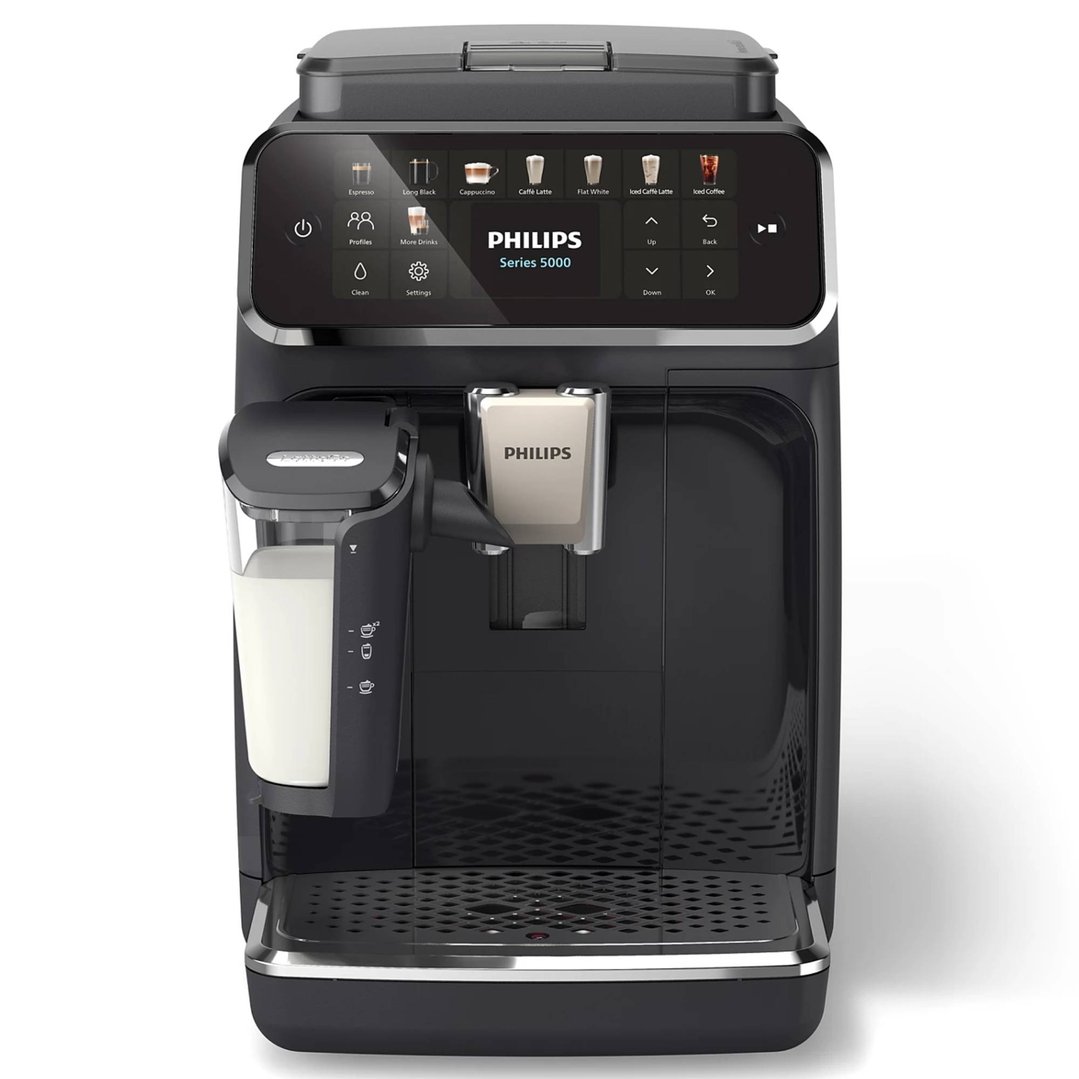
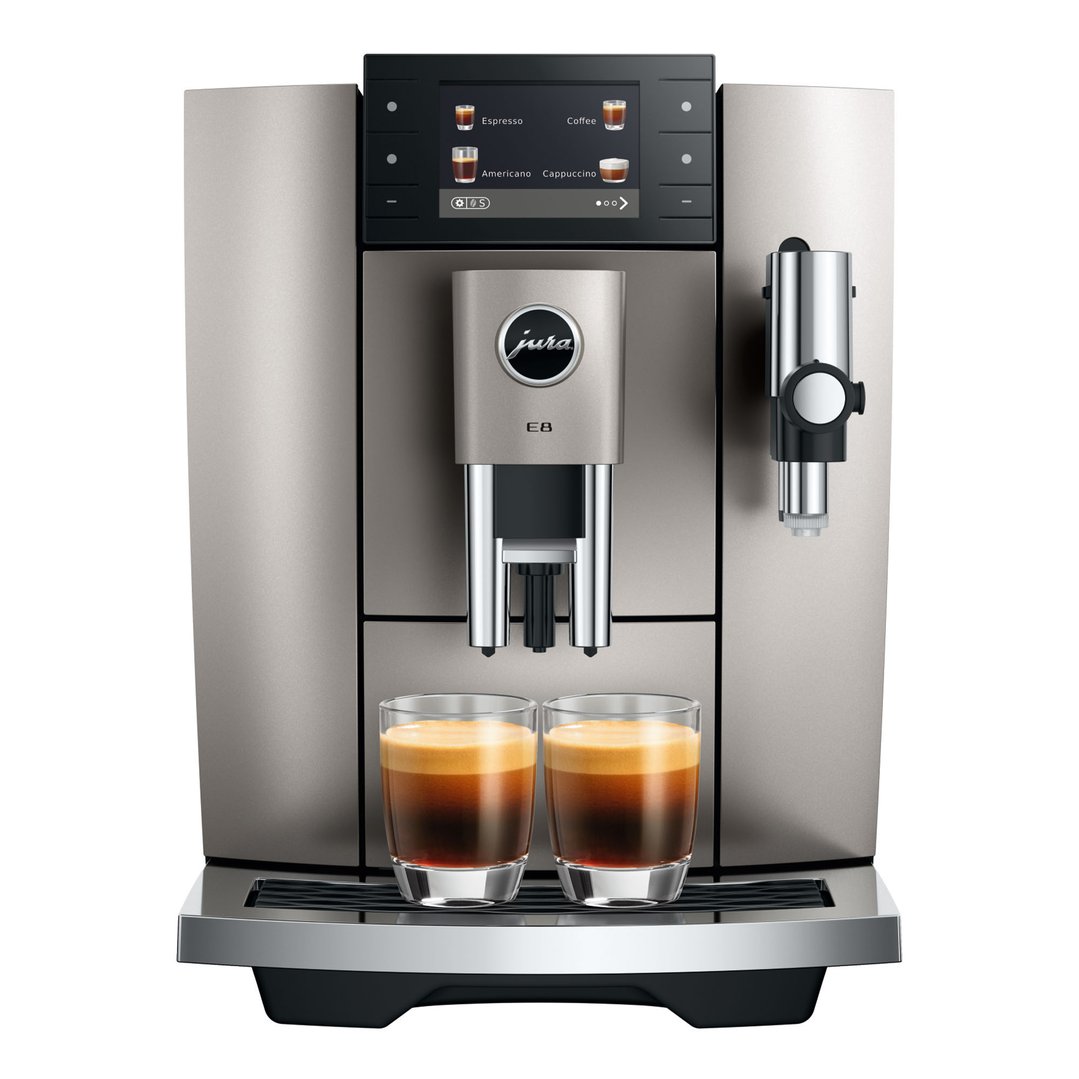
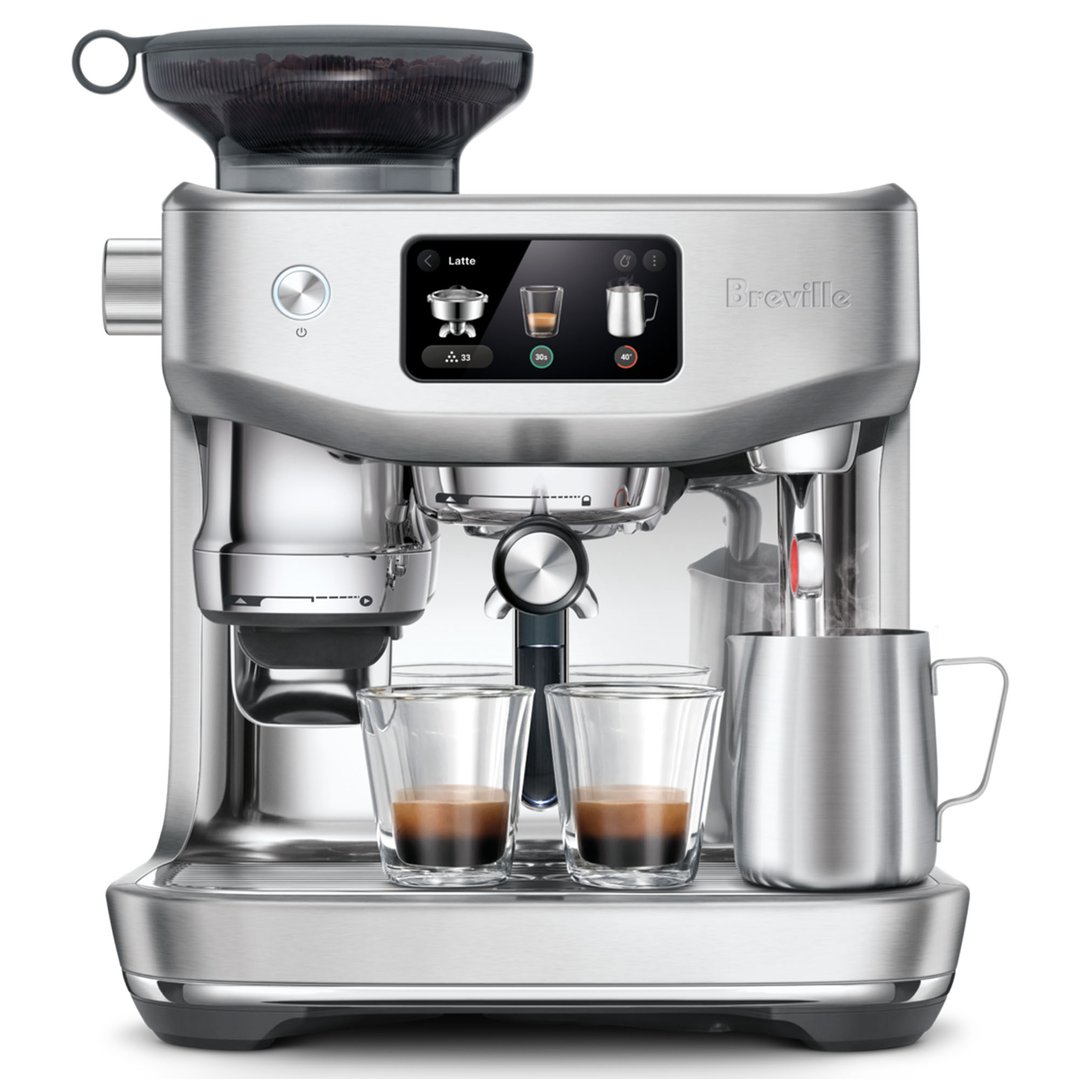
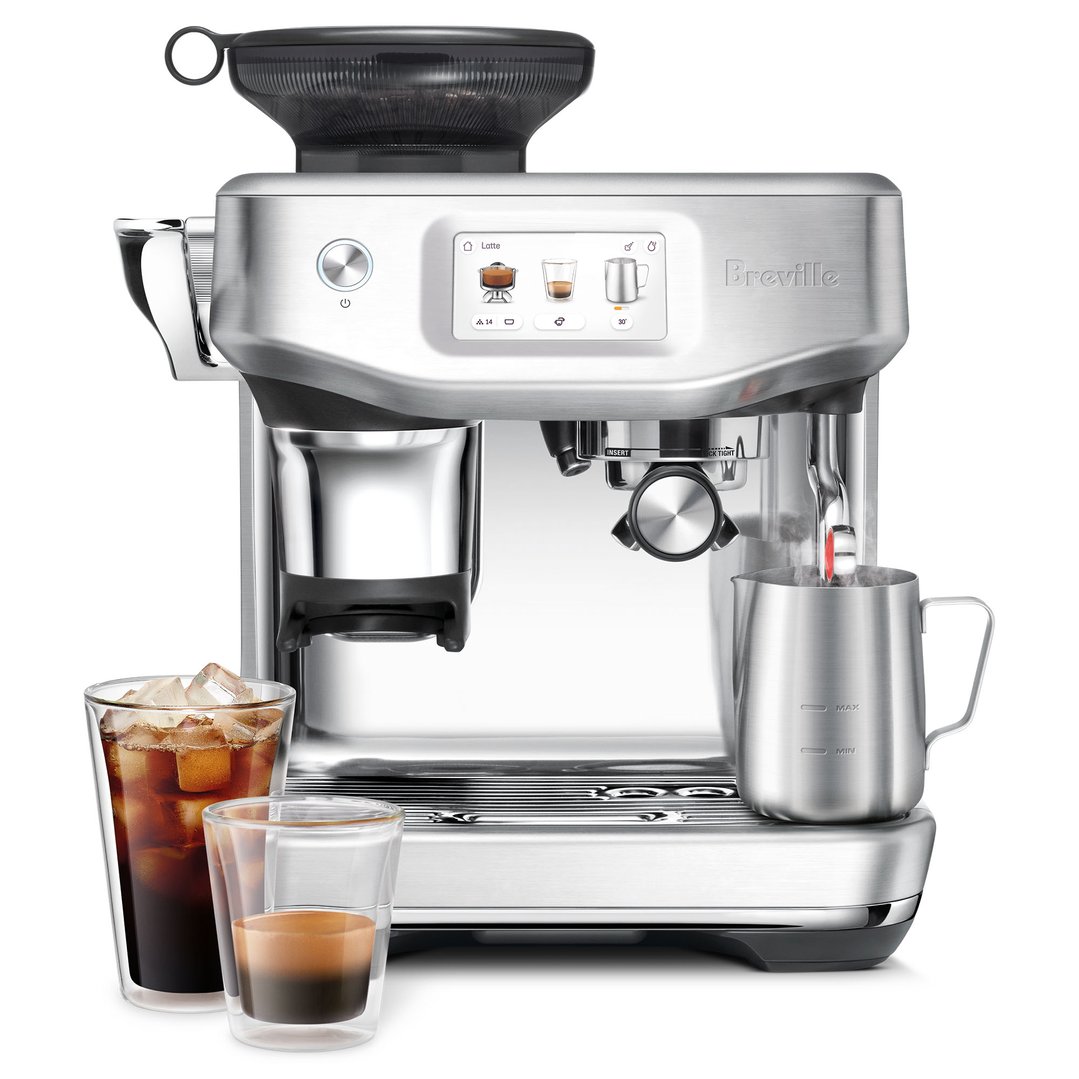
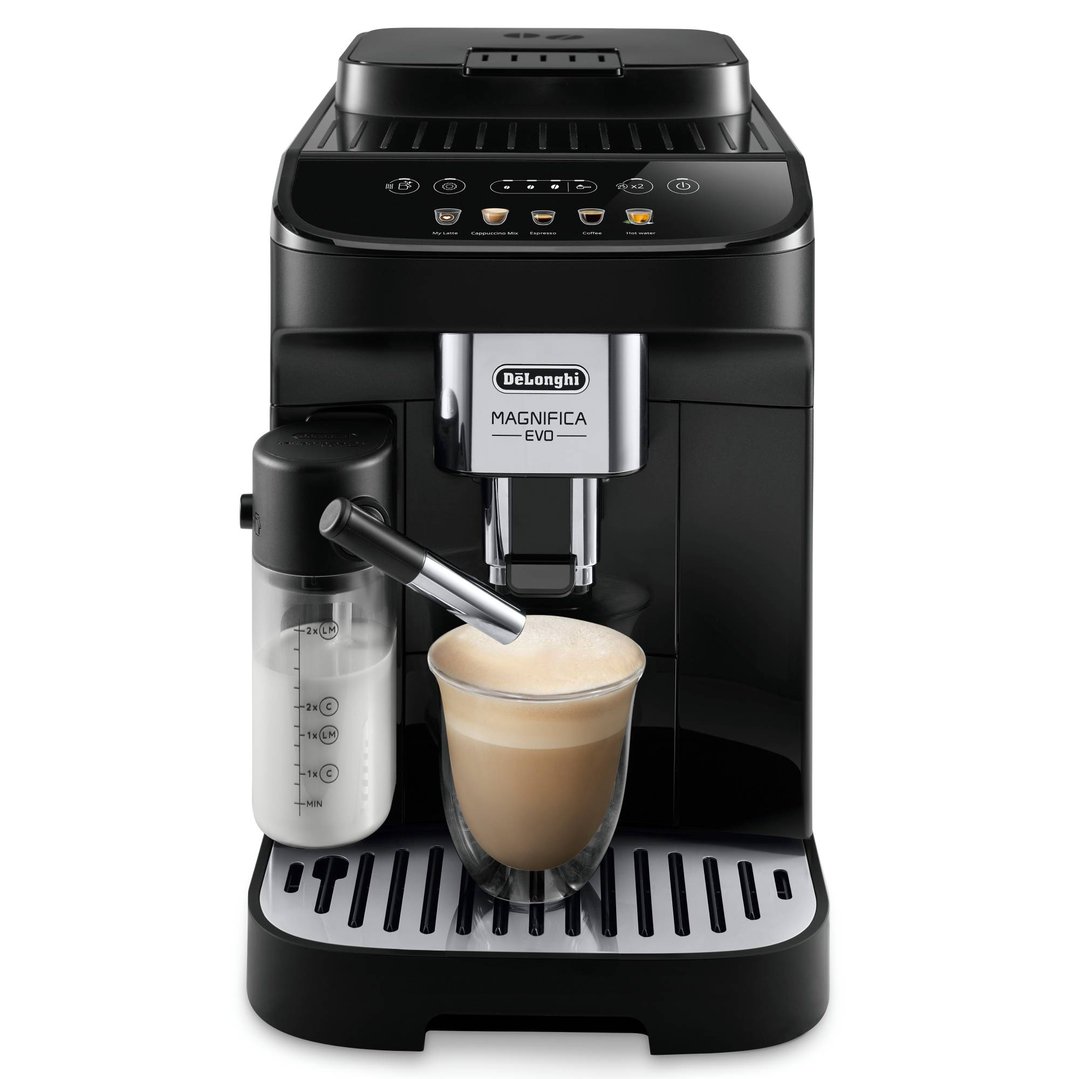
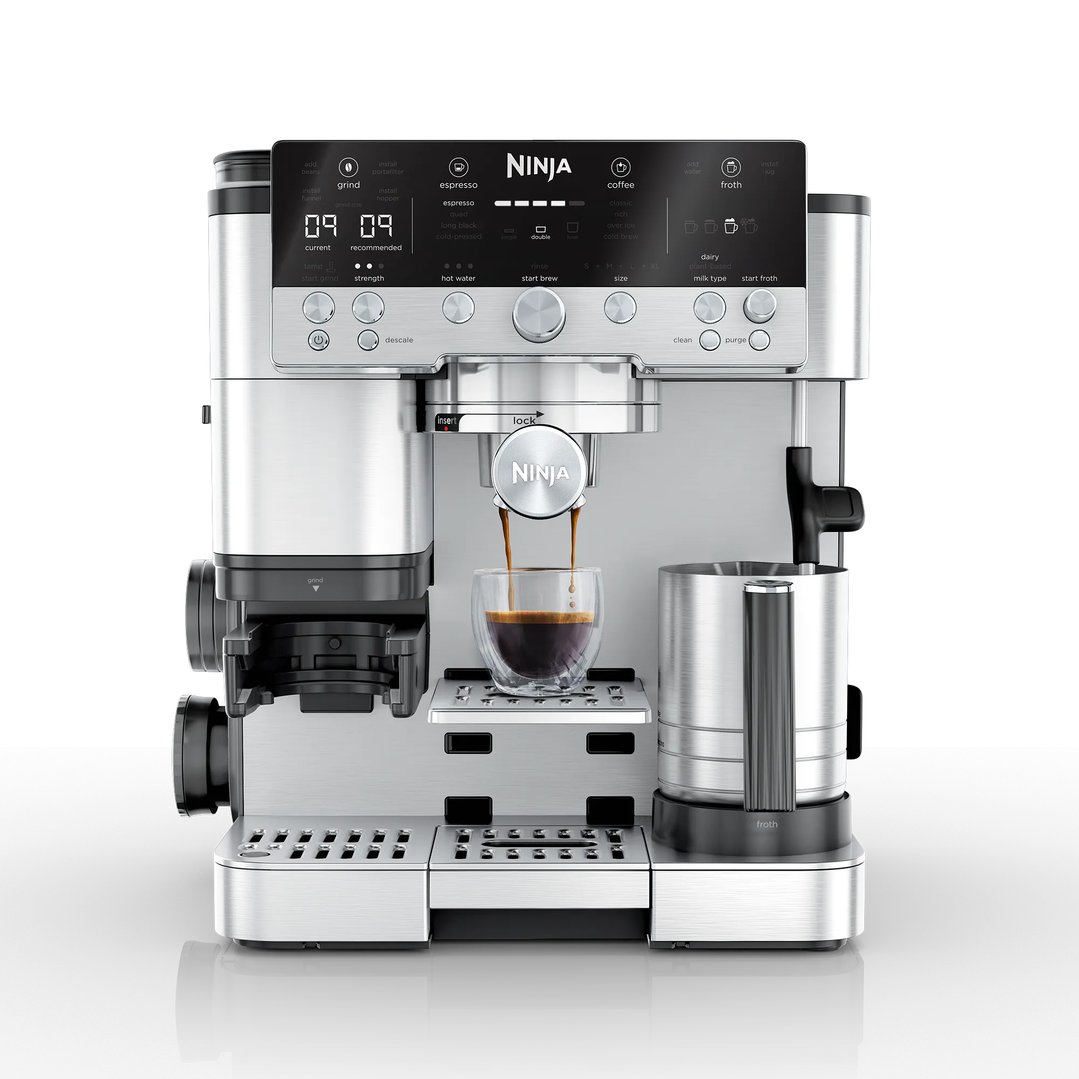
A great pick for coffee aficionados out there, both manual and automatic machines are designed to give you a café-quality cuppa at home. But when it comes to how to make a coffee with a coffee machine, it can take a little practice to nail the perfect coffee. Espresso machines extract the coffee from the beans quickly, giving an intense depth of flavour, and work best with a darker roasted bean.
Pod machines
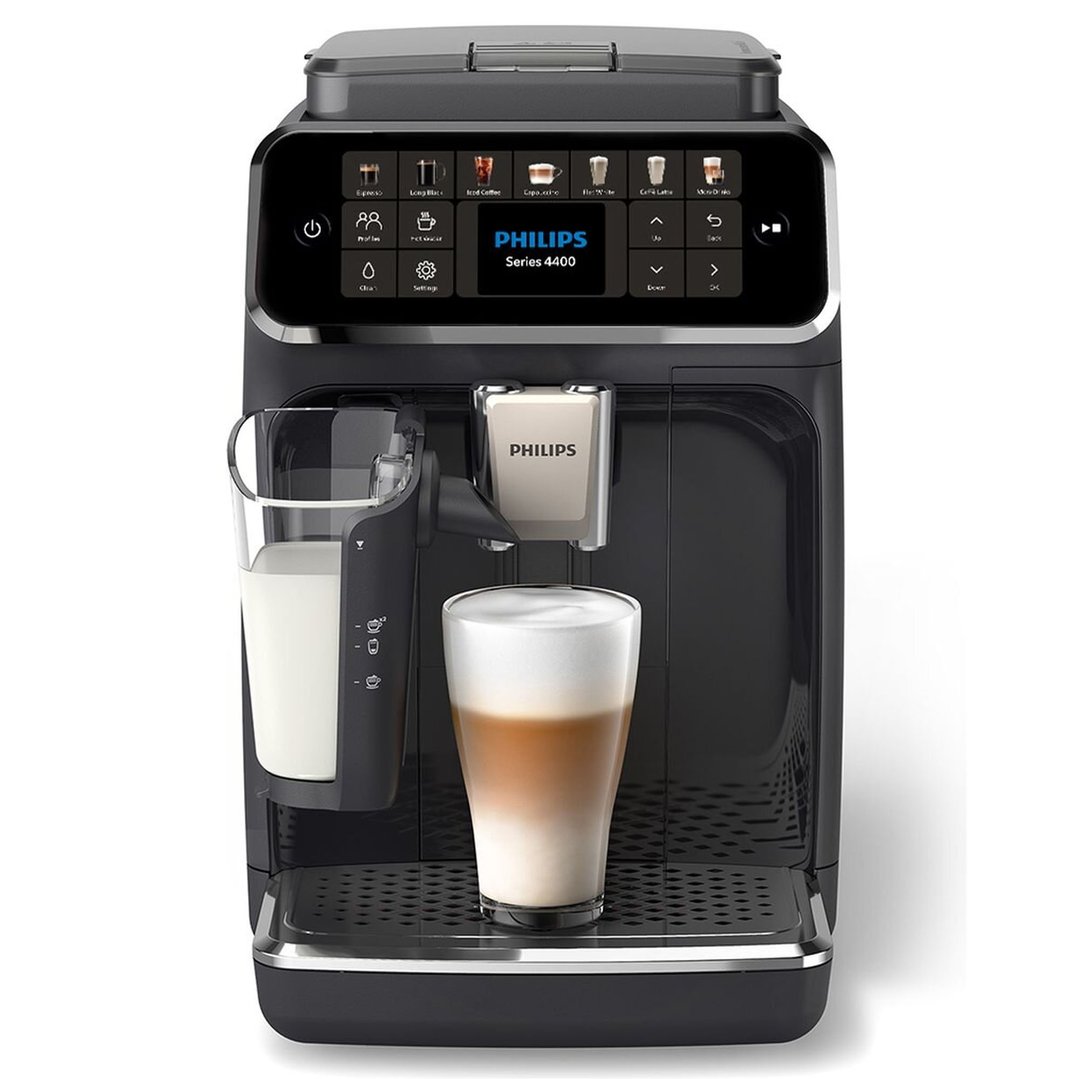
Capsule coffee machines are great for those who like a good cup in a hurry. Just drop in a pod, froth some milk (many of these machines have milk frothing attachments), and you’re ready to face the day. While there are many different roasts available, there are also companies that create eco-friendly reusable pods, so you can test a few beans to find the one that’s right for you. For the best capsule coffee experience, choose your machine’s 30mL setting – more than this, and you can over-extract the coffee.
Stovetop
Like espresso machines, stovetop coffee makers extract coffee quickly, resulting in a robust, intense flavour that works well with milk (although if you love a hard-hitting espresso, go for gold!). And like espresso, dark beans are the top pick for stovetop coffee.
Tip: Fill the water reservoir with hot water instead of cold to speed up the extraction if you’re in a hurry for your caffeine fix.
Filter coffee
Filter coffee is extracted much more slowly than espresso, spending longer in contact with the water, so a more lightly roasted bean is the way to go. Filter coffee results in milder flavours than espresso and is often sipped black (or, in the case of cold drip, with some ice cubes – a great option if you’re looking for how to make iced coffee at home minus the milk).
Whether you use a pour-over device, plunger (aka a French press), or a drip machine, there are a few tips to keep in mind for fab filter coffee. Grind your beans to the consistency of coarse paper or sand (too fine will clog up the filter) and use 60g of coffee per litre of water (that’s 20g coffee and 333mL water for a single cup).
For a drip machine, pour the water into the water reservoir (not over the grounds) and turn it on. For pour-over, add the hot water slowly, one third at a time, and in 45-second increments, stirring gently in between. Once all the water’s dripped through, you’re good to go! If you use a French press, give it four to eight minutes’ brewing time, then press the plunger down slowly.
How to make good coffee at home
We’ve already covered some tricks and tips to nailing your filter, stovetop and capsule coffees. But how can you get the most out of your espresso machine? Let’s take a look at how to make coffee step by step, barista-style.
Choosing the right roast & beans
Start with the best quality beans your wallet will allow, and be sure to buy them fresh (from a local roaster is your best bet). While a darker roast is usually preferred for espresso, it comes down to what tantalises your tastebuds. Keep your beans fresh by storing them at room temperature in an airtight container – glass and ceramic are the top choices – and never refrigerate or freeze your beans. Grind just before brewing for ultimate freshness.
Tips for tamping
Ah, tamping – the pressing of the coffee grounds into the filter basket. Too firm or too loose, and you’ll get a coffee that is, frankly, too bad to face first thing in the morning. Even tamping is essential for proper extraction, so to get this step right, place your coffee grounds into the filter on a flat, stable surface. Level off the coffee with your hand, then place the tamper gently on top of the coffee and press down with light pressure. Let it rest for a moment, then tamp the ground coffee a second time with a little more pressure.
The importance of water
Always use fresh water to brew your coffee, either straight from the tap or – if you’re super serious about your cup – using bottled water (just make sure it doesn’t have a chlorine flavour to it, or your coffee will, too). You also want to get the temperature right – too hot, and you’ll get an unpleasant bitter shot; too cold, and you end up with a watery, weak espresso. The ideal water temperature is somewhere between 91-92°C (about 45 seconds off boiling, if you’re using a filter method), though most machines should take care of this for you.
Frothing milk to perfection
There’s no point in extracting the perfect shot only to ruin it with sub-par milk. For fab froth, use cold milk straight from the fridge in a small stainless-steel jug. You want the milk to get to around 65°C (and never more than 72°C), but if you don’t have a thermometer handy, a good rule of thumb is to stop frothing when you can no longer hold your hand at the bottom of the metal jug. Tap the jug on the benchtop lightly and give it a swirl to break up air bubbles, then pour.
How to make your coffee order on your home machine
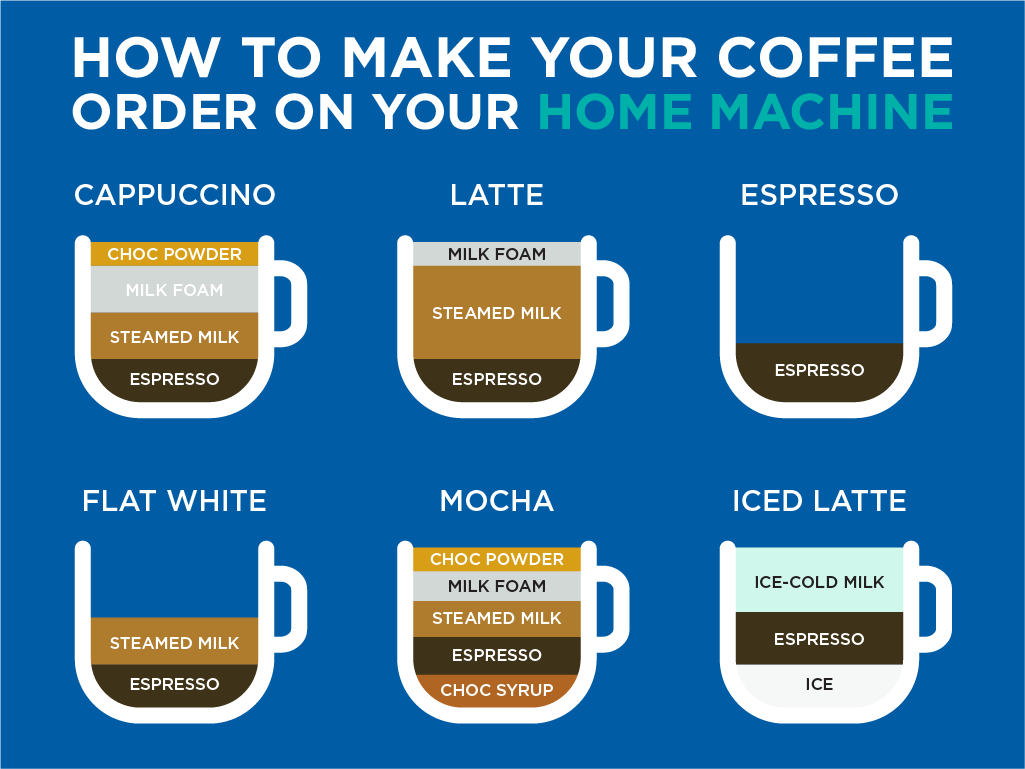
There’s nothing quite like strolling into your local coffee shop where the barista knows just how you like it. But how can you craft your perfect flat white, latte, mocha or double cap at home? We break down the ratios to mix your perfect brew – just like the pros.
Cappuccino
Love a quality cap? A cappuccino contains equal thirds espresso, steamed milk and frothed milk/foam. Easy! Don’t forget to sprinkle a little chocolate powder on top for that authentic finish.
Latte
A latte is very similar to a cappuccino, though with more milk and less froth. Add to your cup one-third coffee (i.e. a shot or two of espresso), and two-thirds steamed milk with a 1cm layer of milk foam/froth on top.
Espresso
Espresso is about as straightforward as you can get. Simply extract one shot (or two!) into a small cup and sip away. Remember, the standard single shot of espresso is 7g of coffee to 30mL of water (this is true whether you’re adding milk or not). Want it a little stronger? Bump up the coffee to 9g or reduce the water to 20-25mL.
Flat White
Did you know the flat white is an Aussie invention? Team one-third espresso (i.e. one shot) with two-thirds of steamed milk, and spoon a little foam on top.
Mocha
Think flat white plus chocolate! Add one to four pumps of chocolate syrup to your cup, then your single (or double) espresso shot and top with steamed milk. Spoon some foam on top, and why not finish with a chocolate powder sprinkle?
Iced latte
Ah, summer’s favourite pick-me-up – everyone should know how to make iced coffee at home. Fill a tumbler with ice, add a double shot of espresso and fill to the top with the ice-cold milk of choice.