Cooking & Kitchen
The Coolest Guide to Picking Your Next Energy-Efficient Fridge

Did you know your fridge is one of the biggest energy users in your home? It’s true – on average, it makes up around 13% of your energy bill[1]. However, not every fridge is the same; some models are more efficient than others. If you’re on the hunt for an energy-efficient fridge, today’s article is for you.
Jump to
Energy star ratings help you understand how much energy a particular household appliance – say, a fridge – will use over a year. Put simply, the more stars an Energy Rating Label has, the less energy that appliance will use (and the cheaper it will be to run).
A fridge energy rating typically ranges from 1 to 6 stars, although you can find models with up to 8 stars (we have a few in our fridge collection, but more on that soon!).
You’ll find the rating on a label that looks like this:
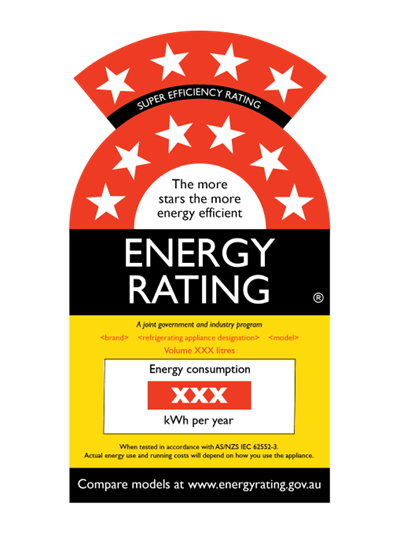
Notice that the label also includes an energy consumption figure, which tells you how much electricity the fridge is expected to use in a year (based on the assumption that it will be on all day, every day).
One important thing to keep in mind when comparing energy ratings is to only do so between fridges of similar capacity and features. Larger models will typically use more energy than smaller ones – this is to be expected – so keep size in mind when shopping for your next fridge.
The more stars, the better. Having said that, more stars can mean higher appliance prices, so if your budget is tight, a 5-star energy-rating fridge (which consumes 199 kWh a year) is a great choice. Even a 4-star energy-rating fridge (which uses 249 kWh a year) can be a good option. Just remember that higher-rating appliances cost less to run, so by opting for 6, 7 or 8 stars, you’re likely saving money in the long term. It’s worth doing the maths before you go for what is seemingly the cheaper option.
$1,999$1,799Ends in
9 Days

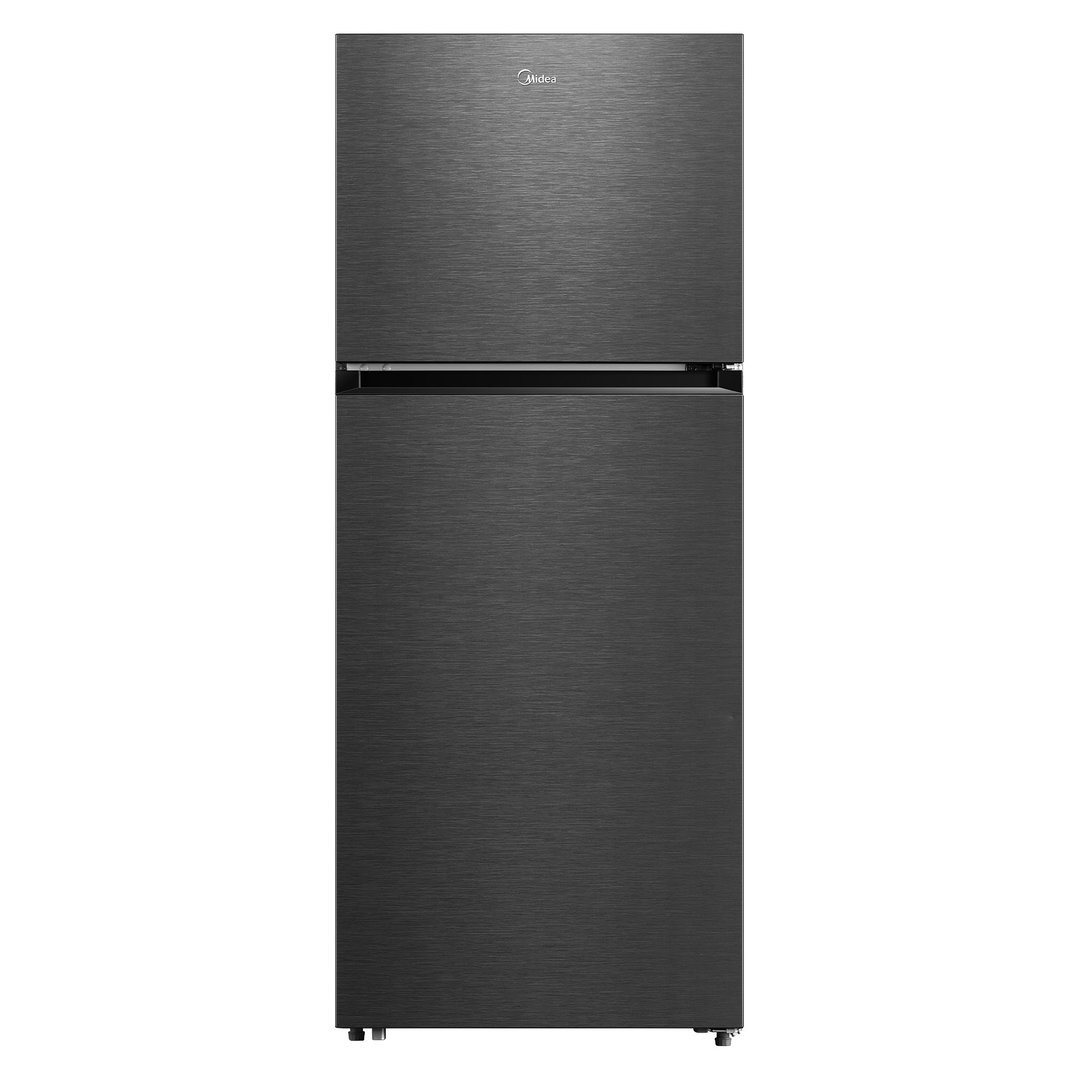

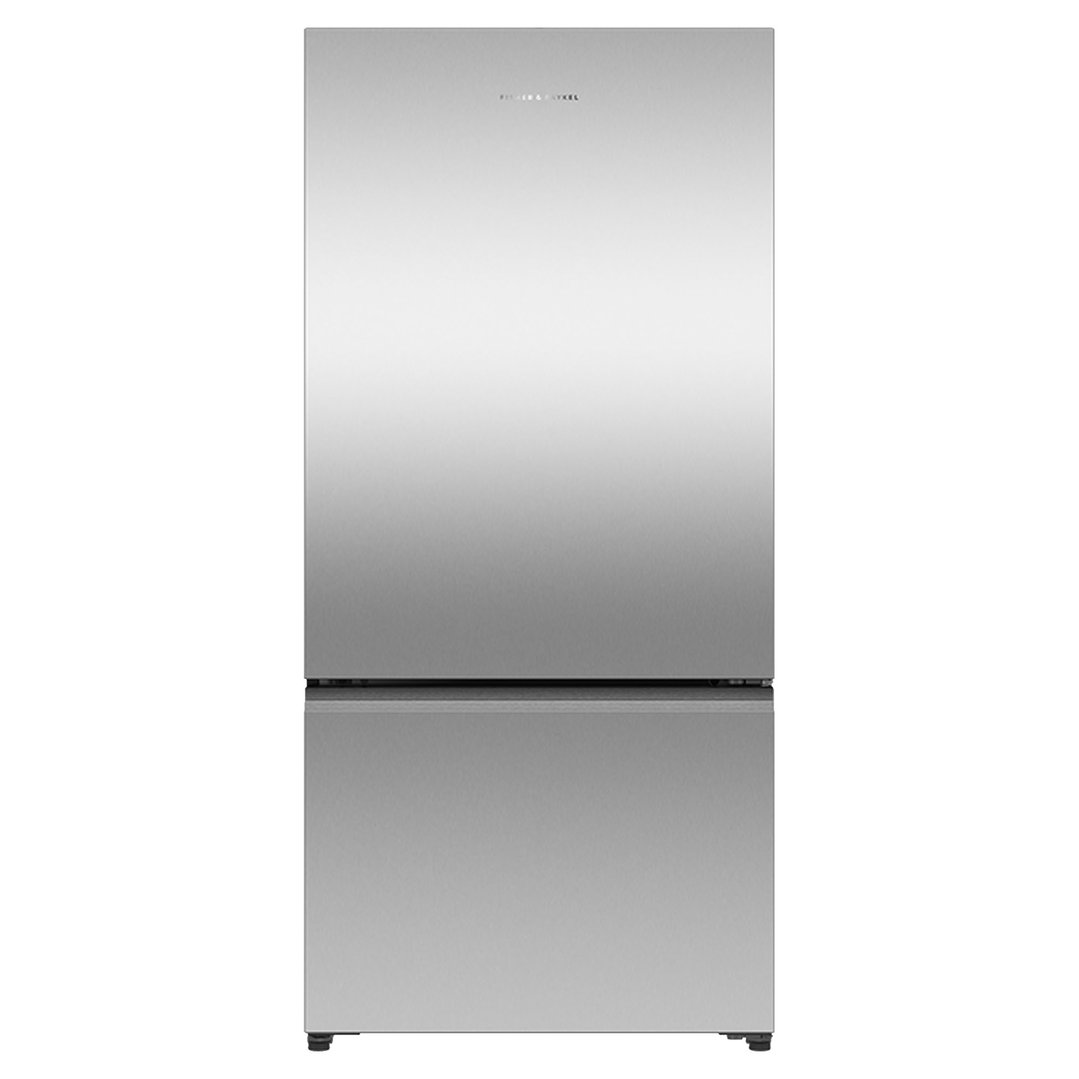

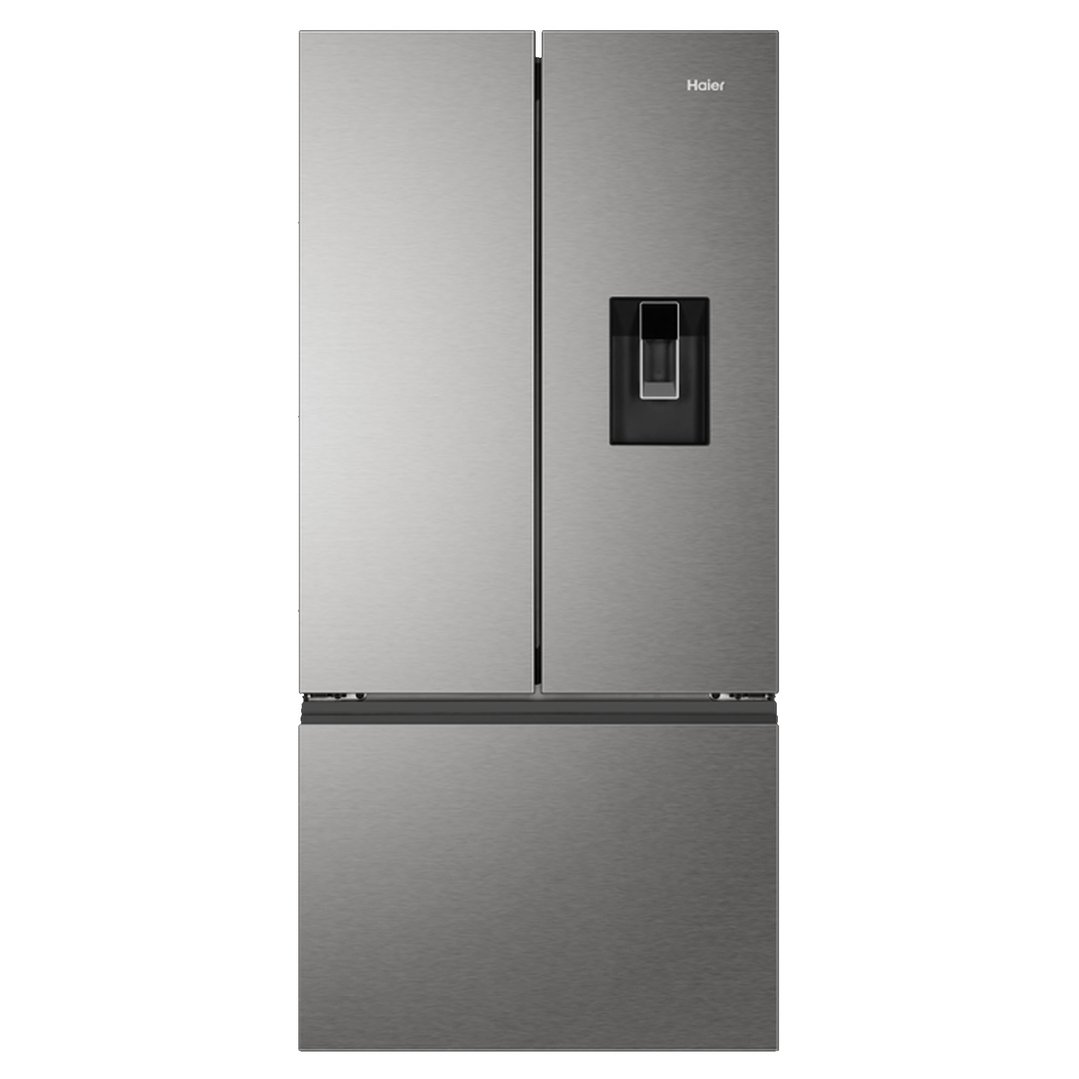

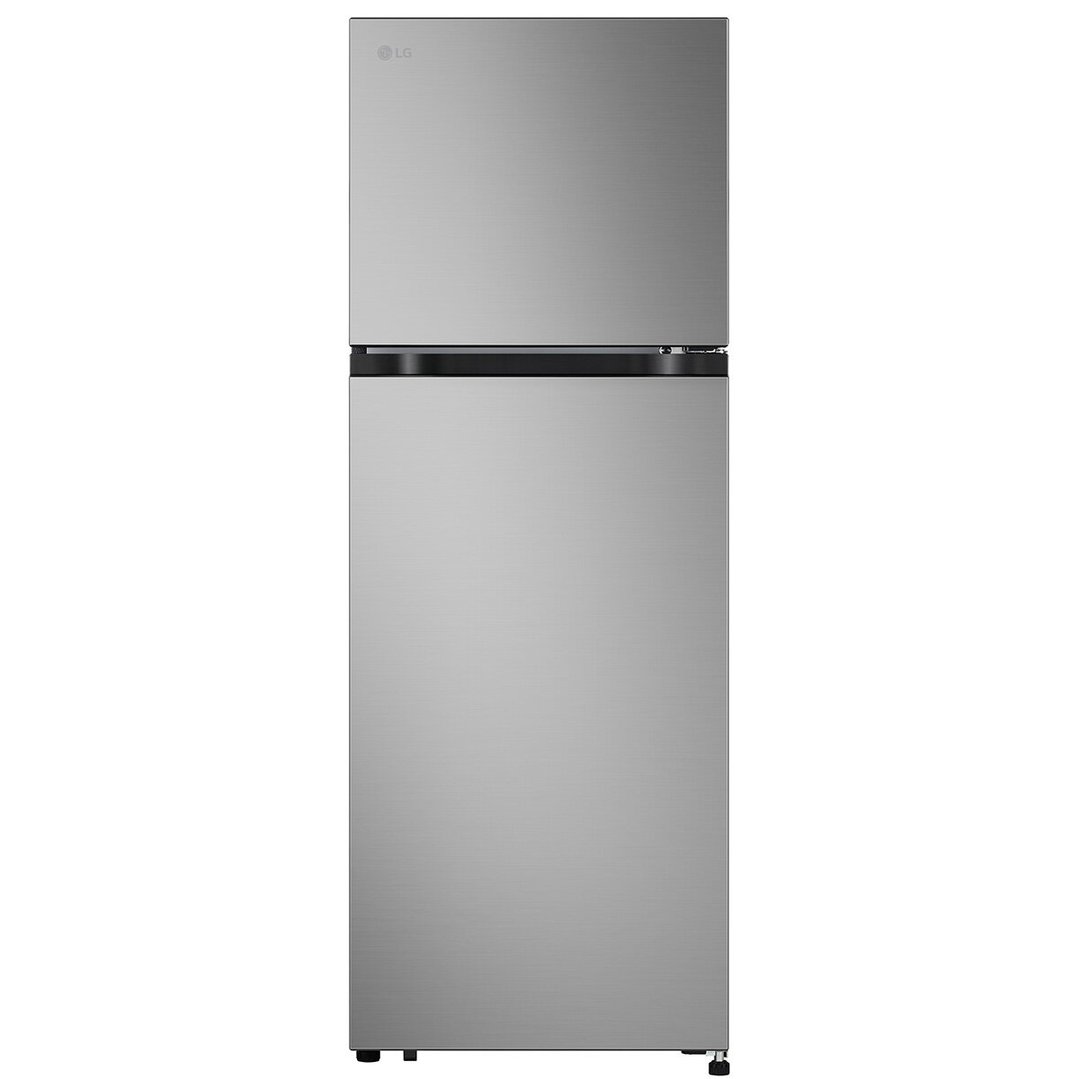

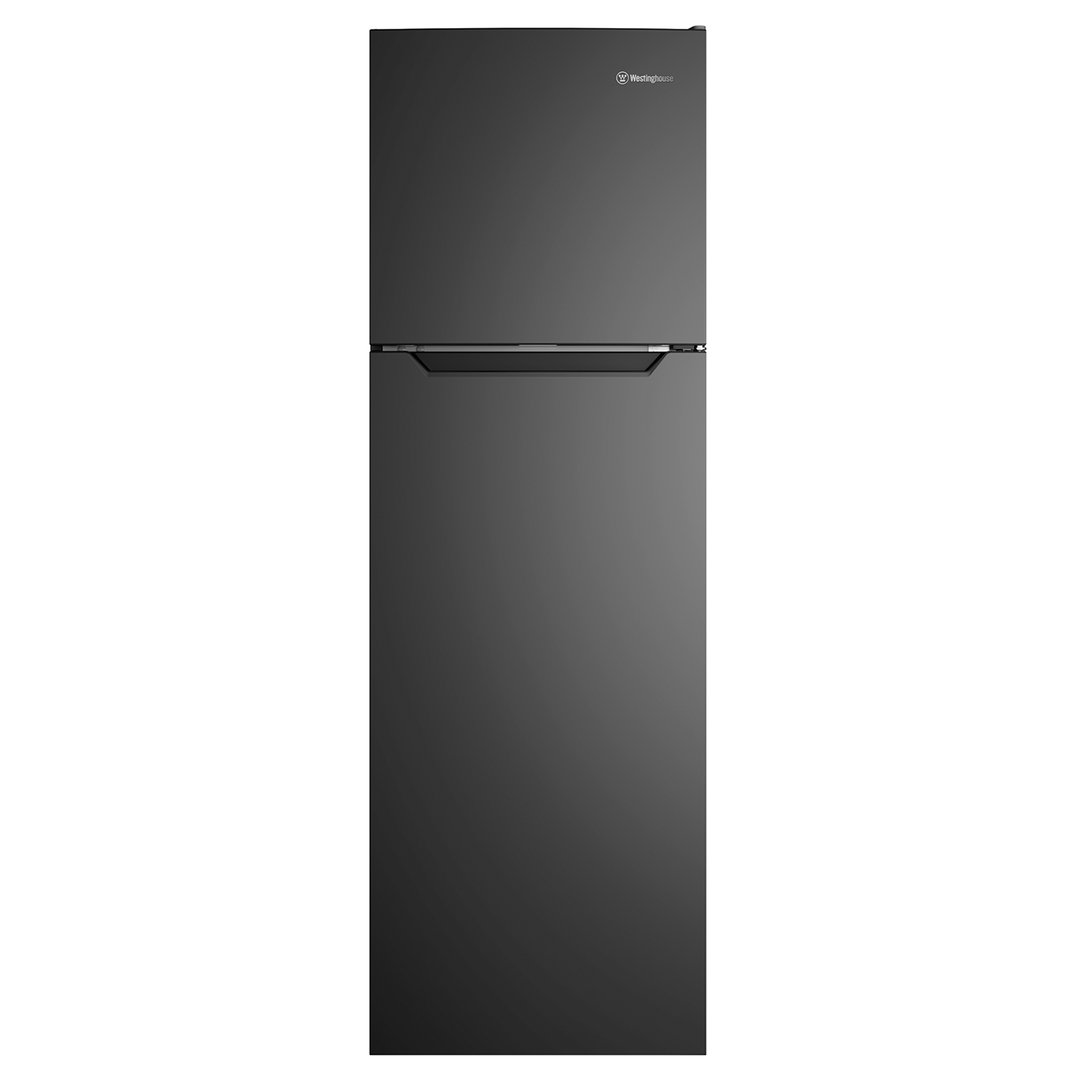

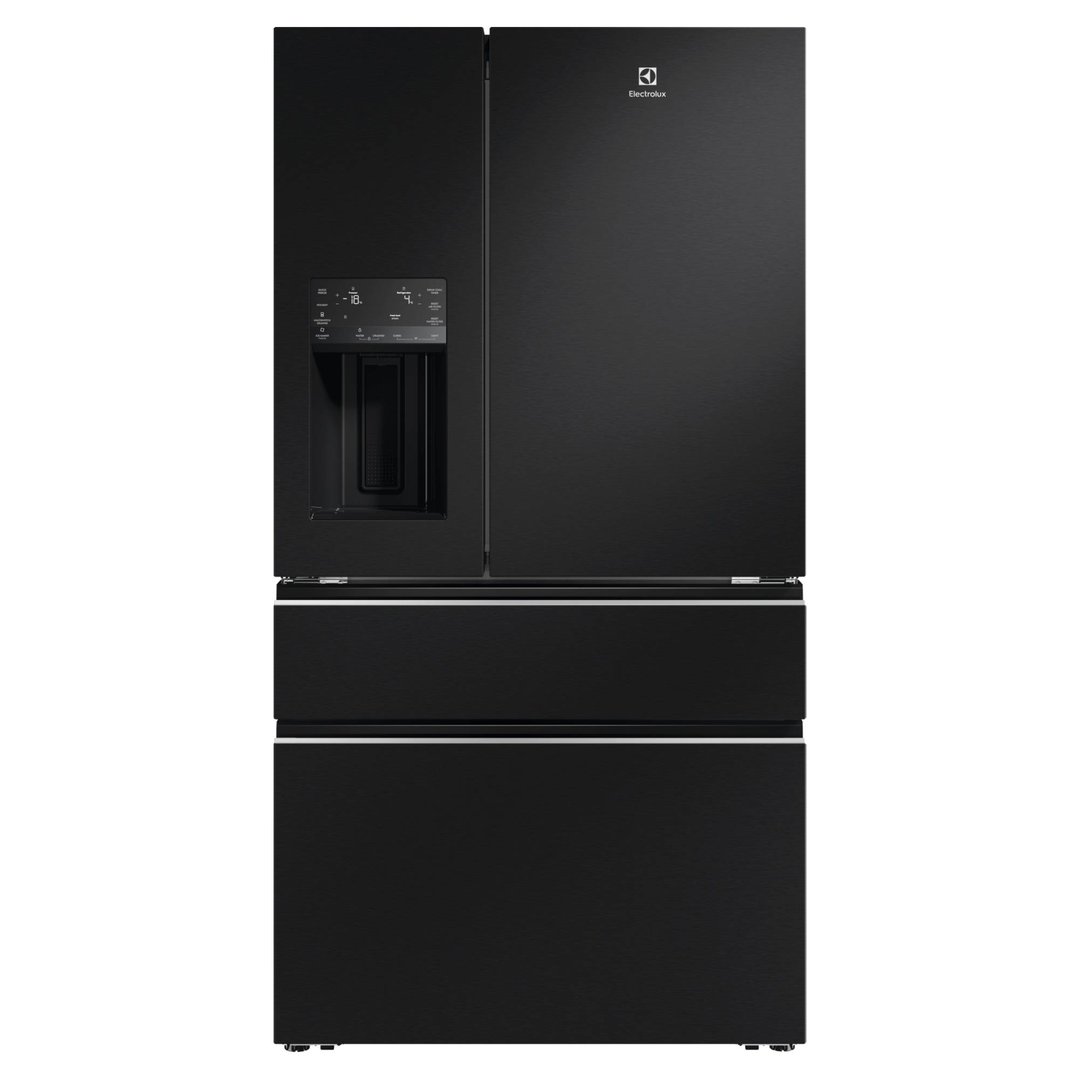

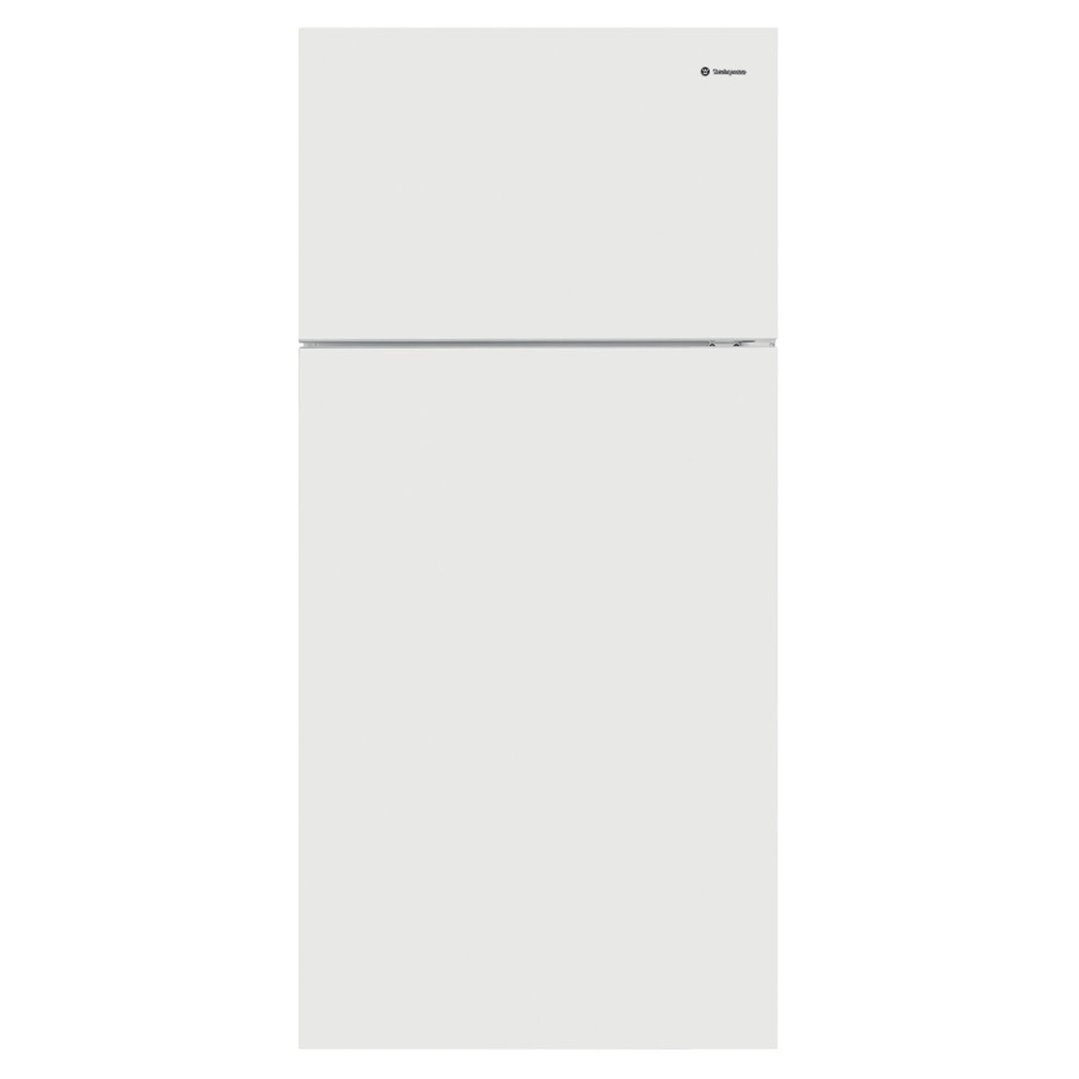
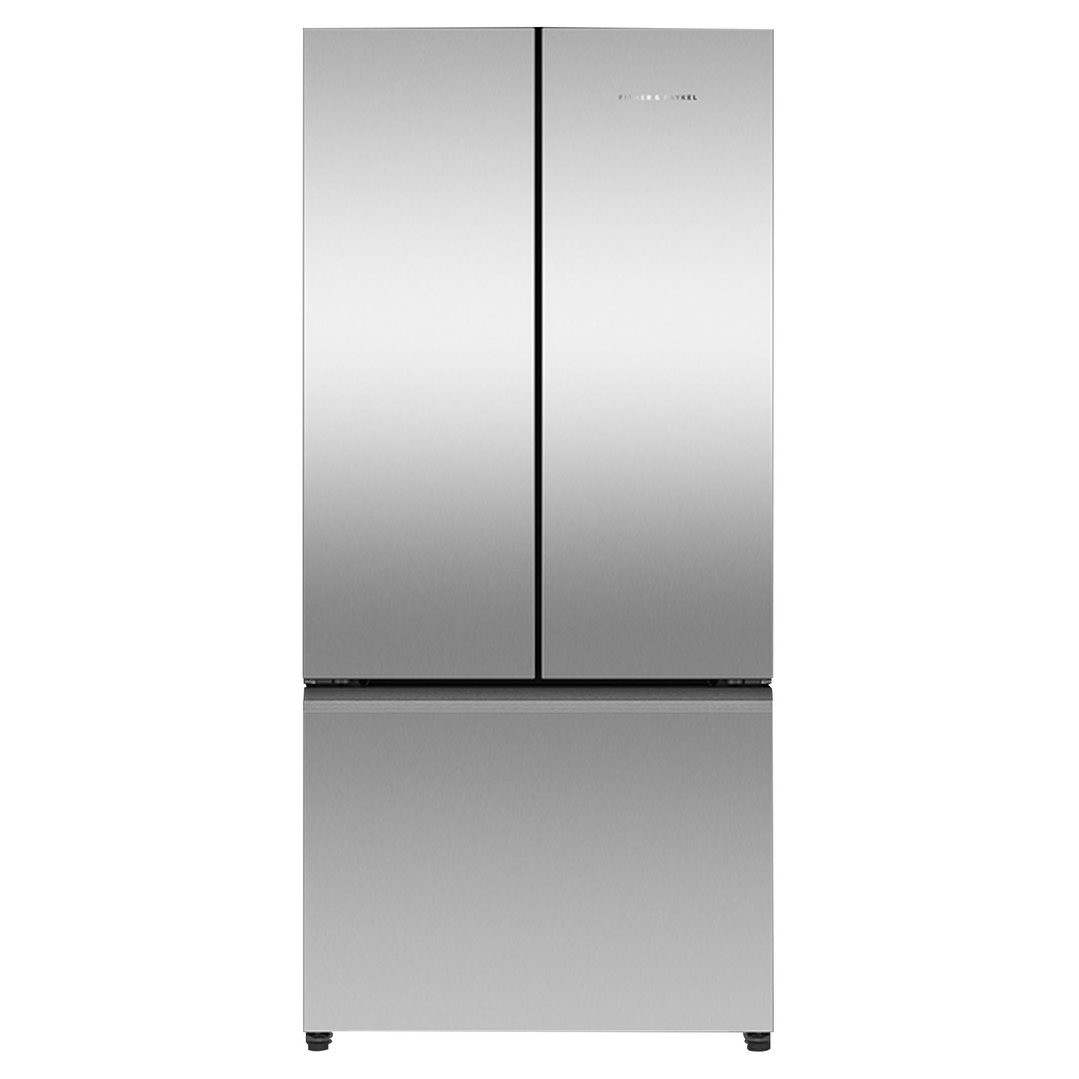
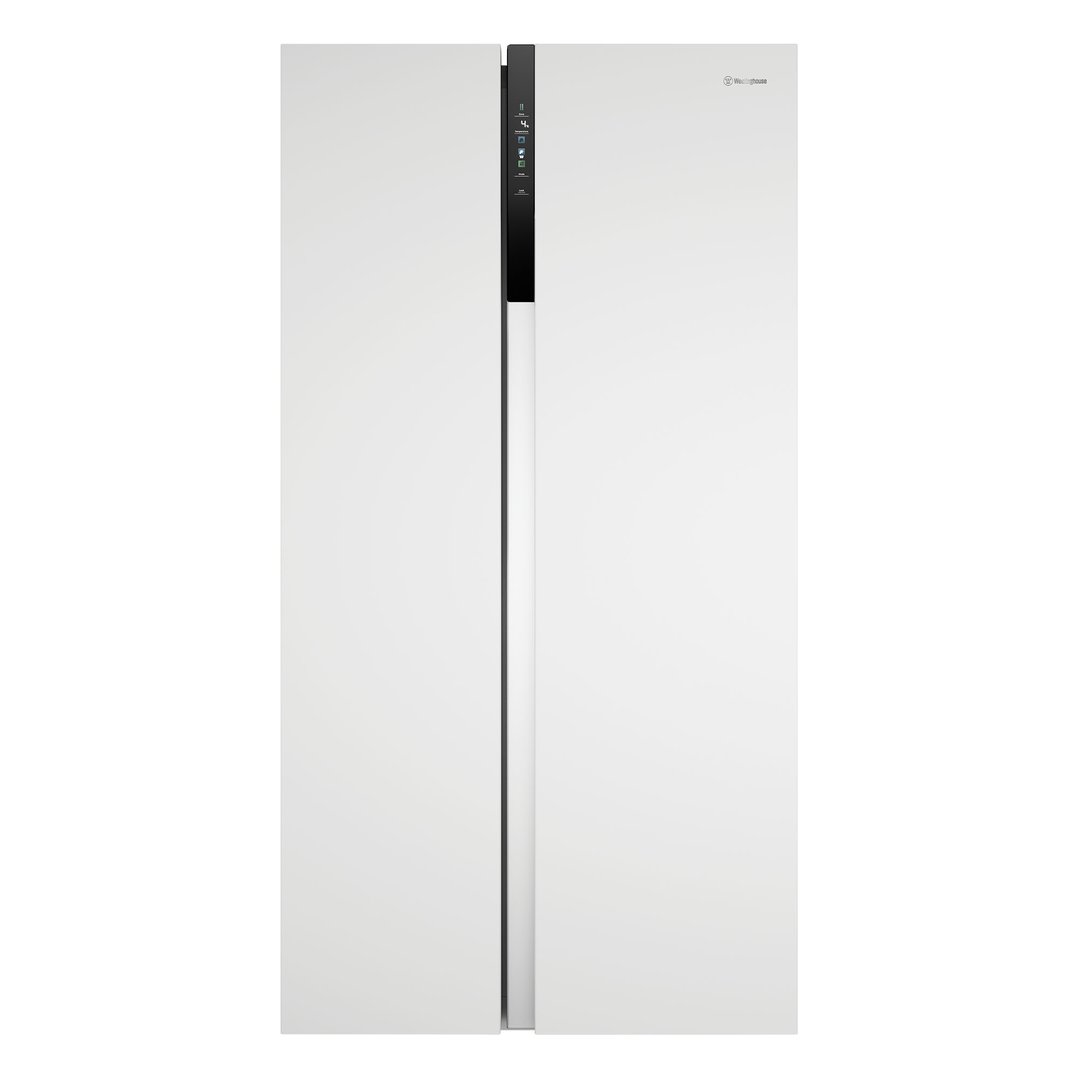
Often, they are. Many newer fridges feature more recent technology that prioritises energy efficiency.
While browsing energy-efficient fridges, you’ll find that many share similar features, such as:
Open door alarms
Easy temperature controls
Tightly sealed doors
‘Energy saver’ switches
Fridge/freezer stacked configurations
No ice makers (they pump up running costs more than you’d think!).
Looking for the best energy-efficient fridge? Here are two you should consider:
8-star Hisense fridge
Australia’s highest energy star-rated fridge, the award-winning Hisense Eco Vision Bottom Mount 503L Fridge has an industry-leading 8-star rating. It’s made with durable inverter technology for a lasting appliance that saves energy (and money), consuming only 174 kWh per year. Plus, it features antibacterial crispers for freshness that lasts and double metal glide drawers for easy freezer access – all for under $1,500.
8-star Haier fridge
Another 8-star fridge, the Haier 433L Refrigerator Freezer, runs on 59.9% less energy compared with a 3.5-star refrigerator[2] without compromising on food care or freshness. The Multi-Zone Air feature means cool air can circulate to every corner of the fridge, while the Humidity Zone™ drawer keeps your fruit and vegetables fresh and flavourful.
Keep the door closed. When you open the door, your fridge uses extra energy to reduce the internal temperature. Also, be sure to check that the door seals aren’t damaged or worn.
Set the correct temperature. Aim for 3-5°C for the fridge and around -18°C for the freezer.
Avoid putting hot food straight in the fridge. It takes more energy to cool down warm food, so leave it on the kitchen bench to cool down before you store it in the fridge.
Keep it stocked (but not too stocked). It’s a fine balance – you want it full enough that it’s not easy for warm air to come in when you open the door, but not so full that the cold air can’t circulate freely. We recommend keeping your fridge 70 to 80% stocked.
Put your fridge in the right spot. Choose a cool place when the fridge has enough space around it for proper ventilation (at least 4 cm between the fridge and the wall should do it!).
Ready to shop? Find the most energy-efficient fridges at Bing Lee and say goodbye to your low-energy fridge today.
https://www.agl.com.au/discover/energy/real-cost-running-appliances
Based on a 3.5-star energy rated refrigerator with 387kWh annual consumption, as per energy label tests.