Mini LED TVs
39 products

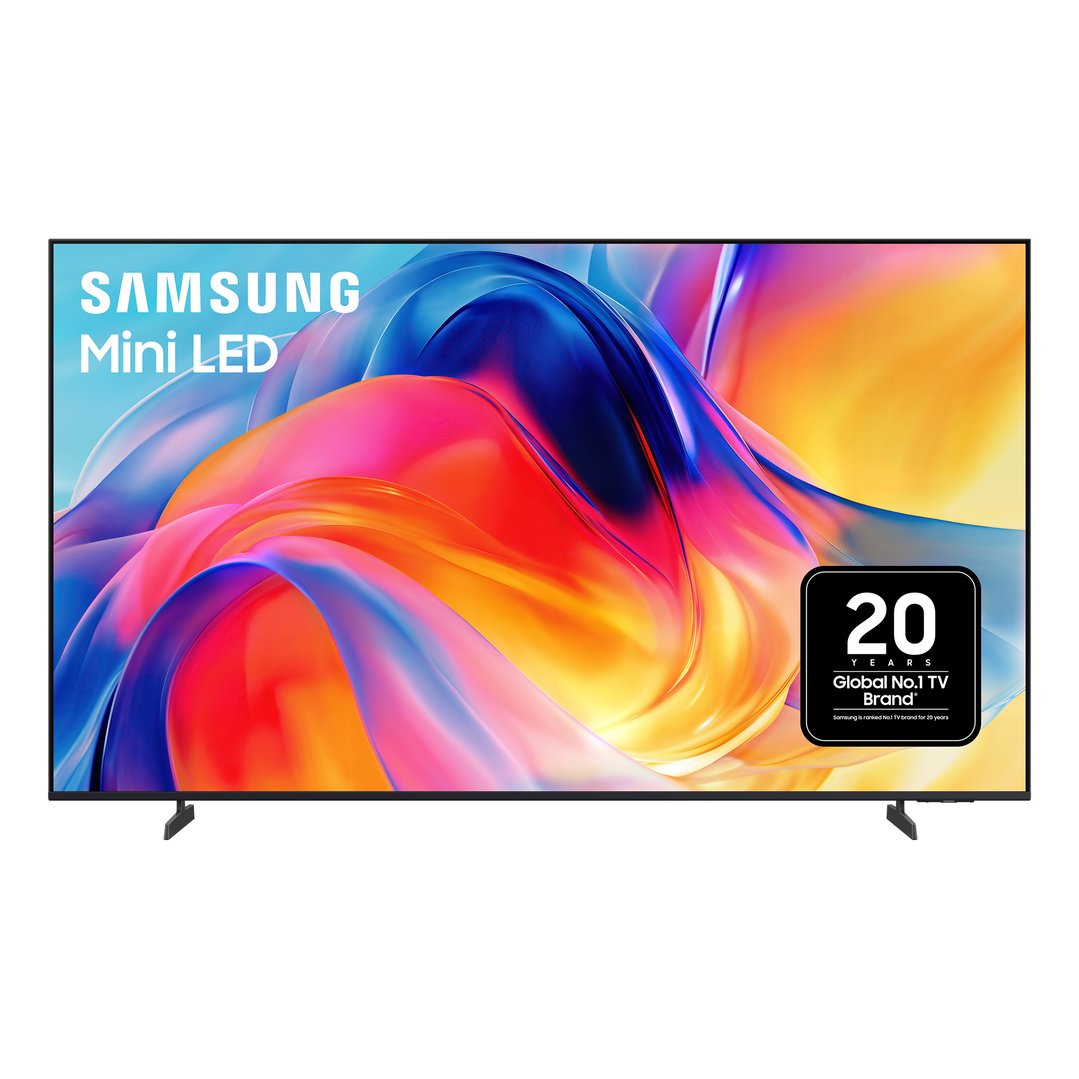

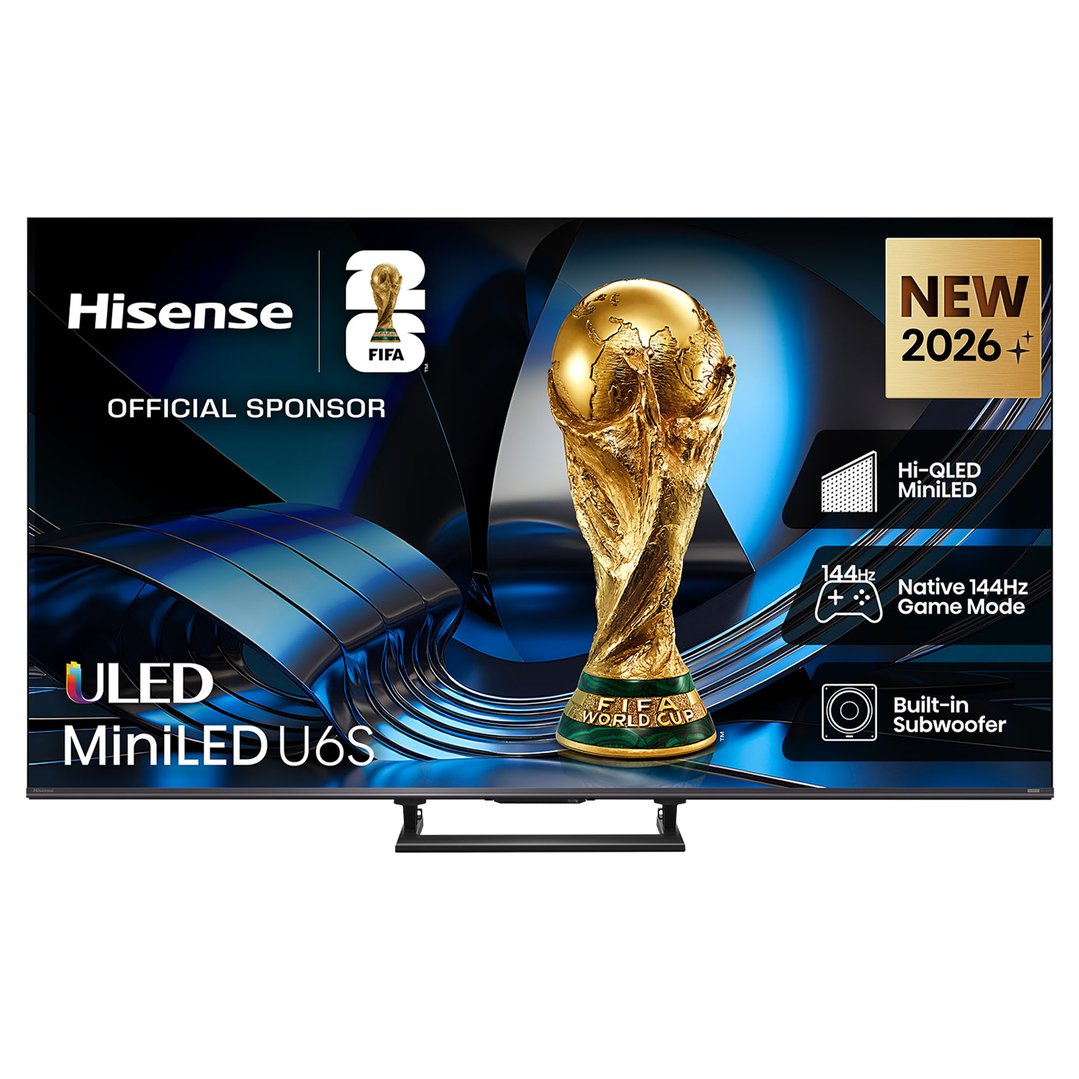


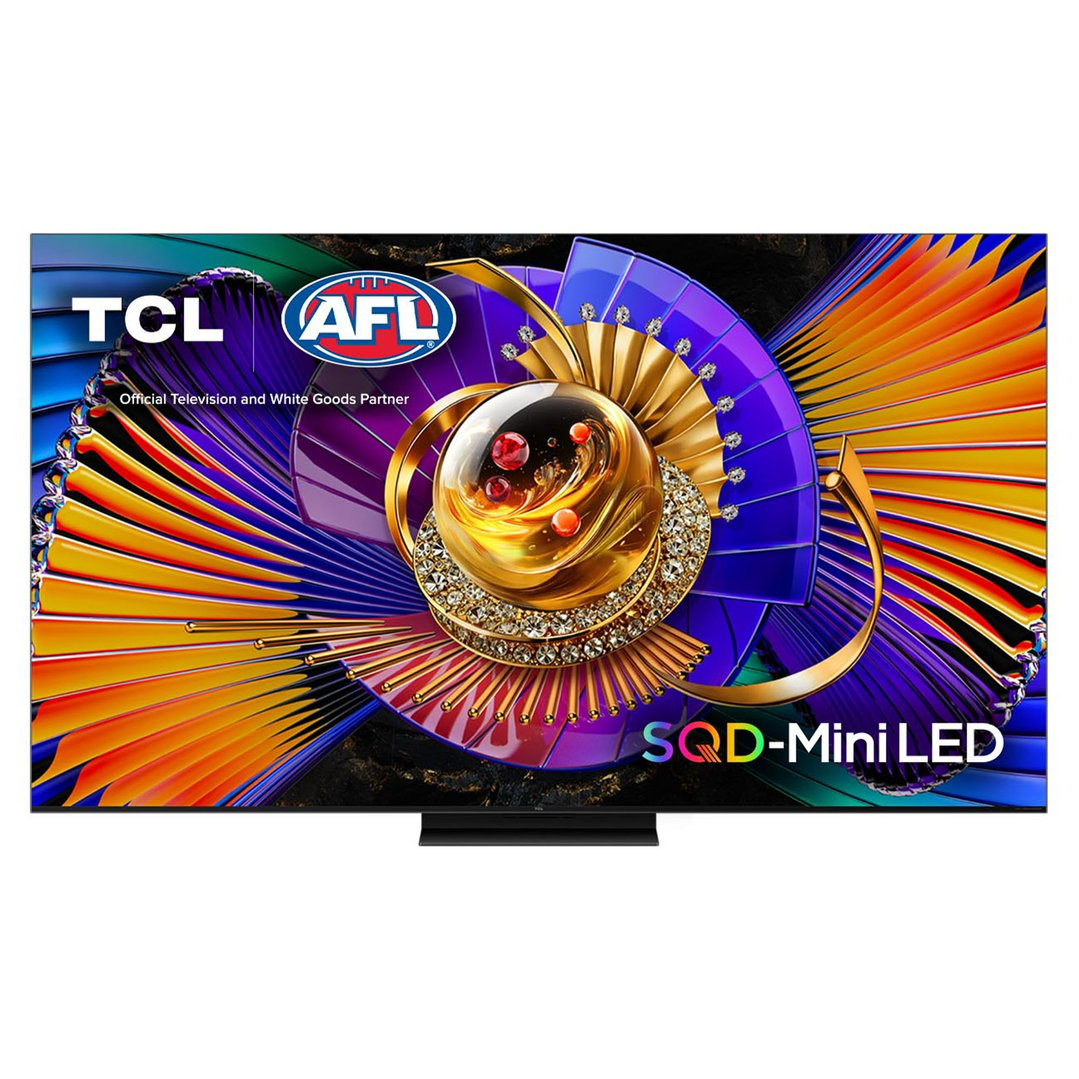
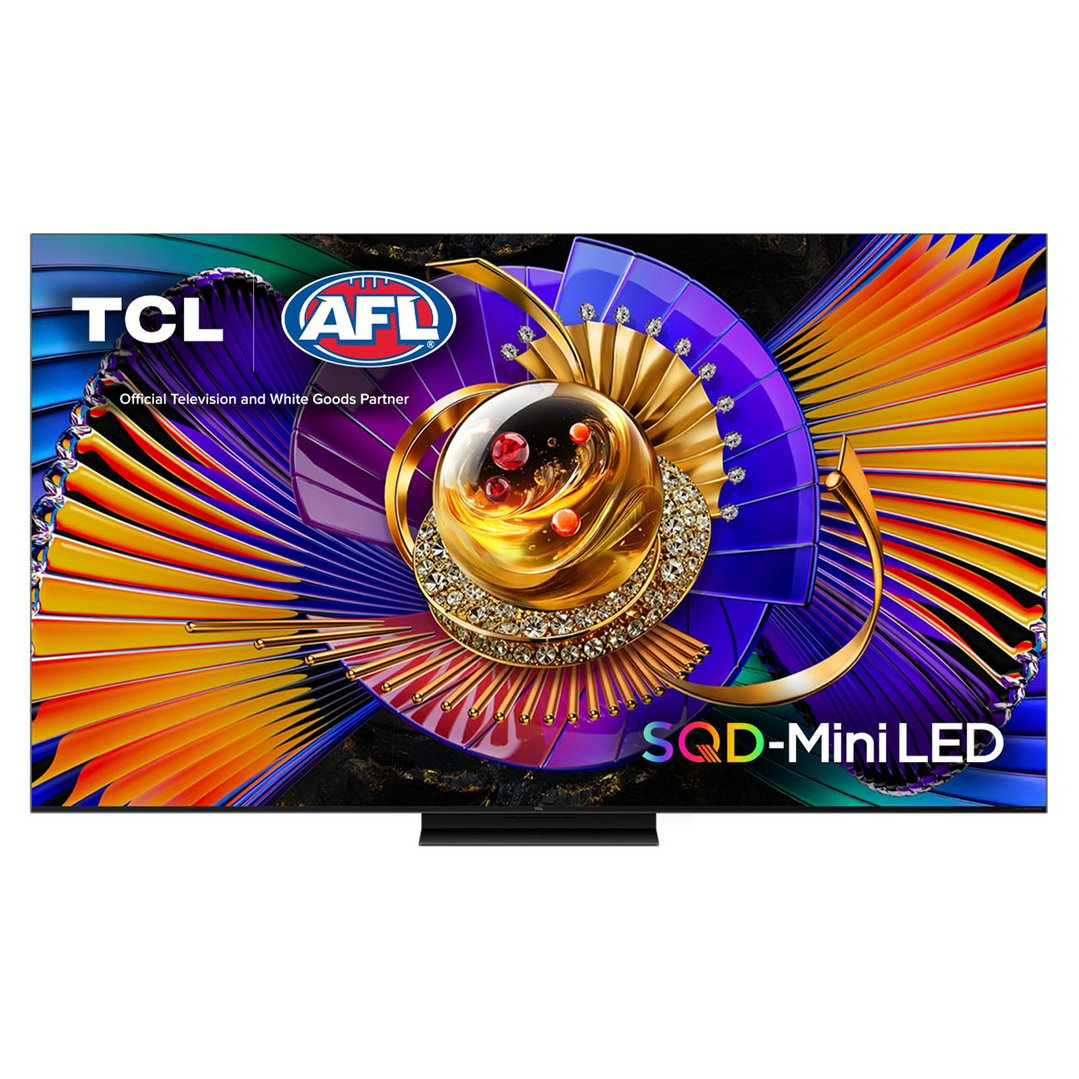
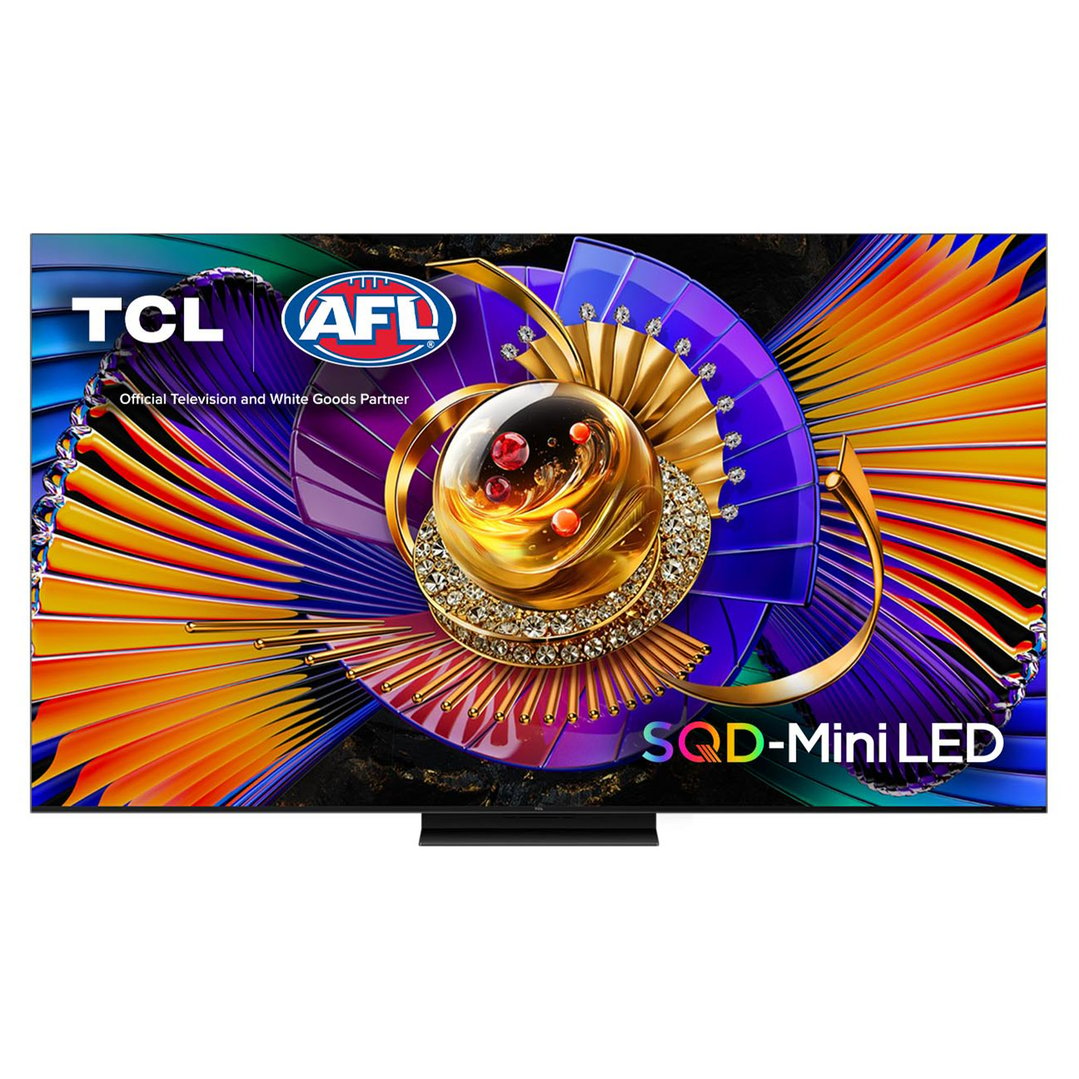

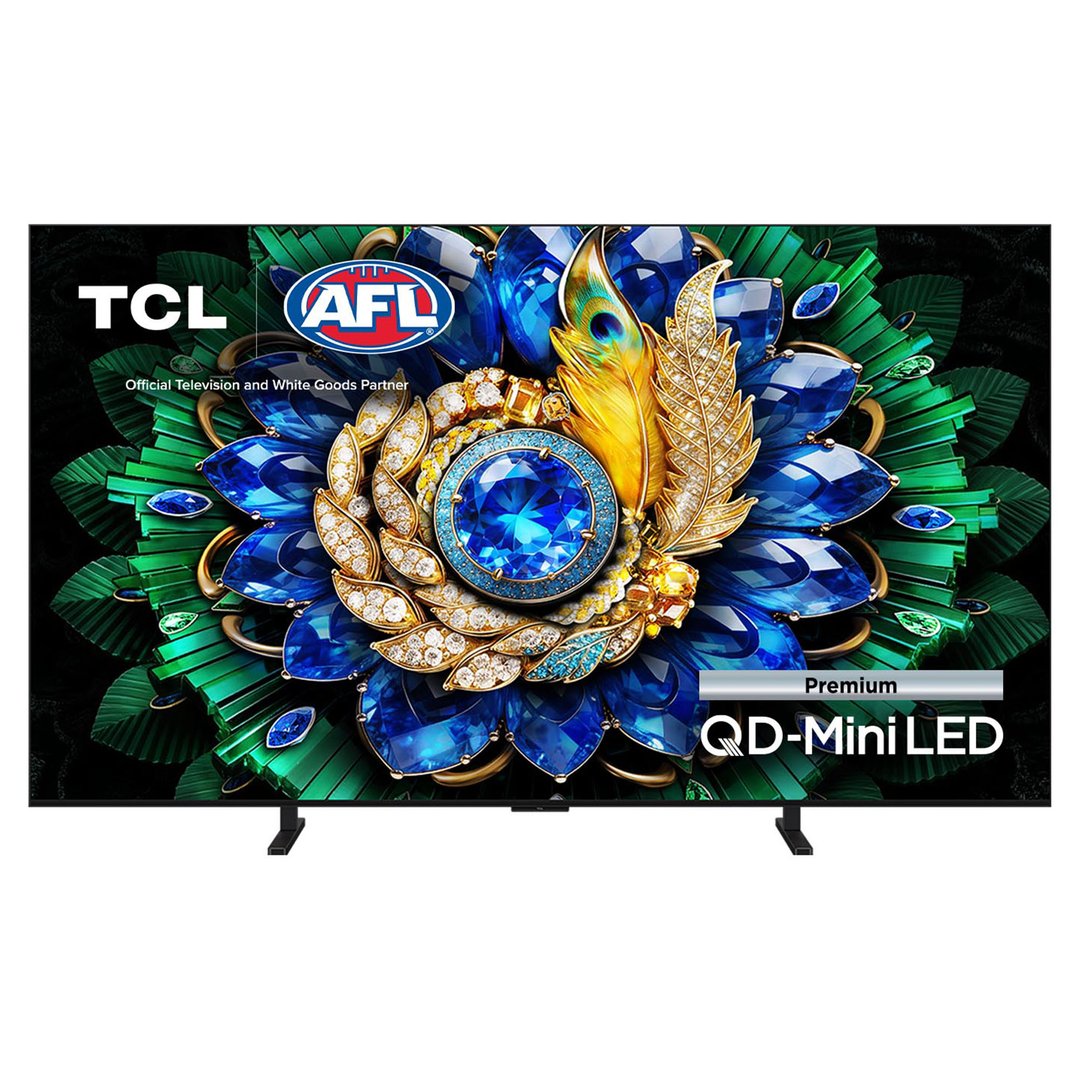
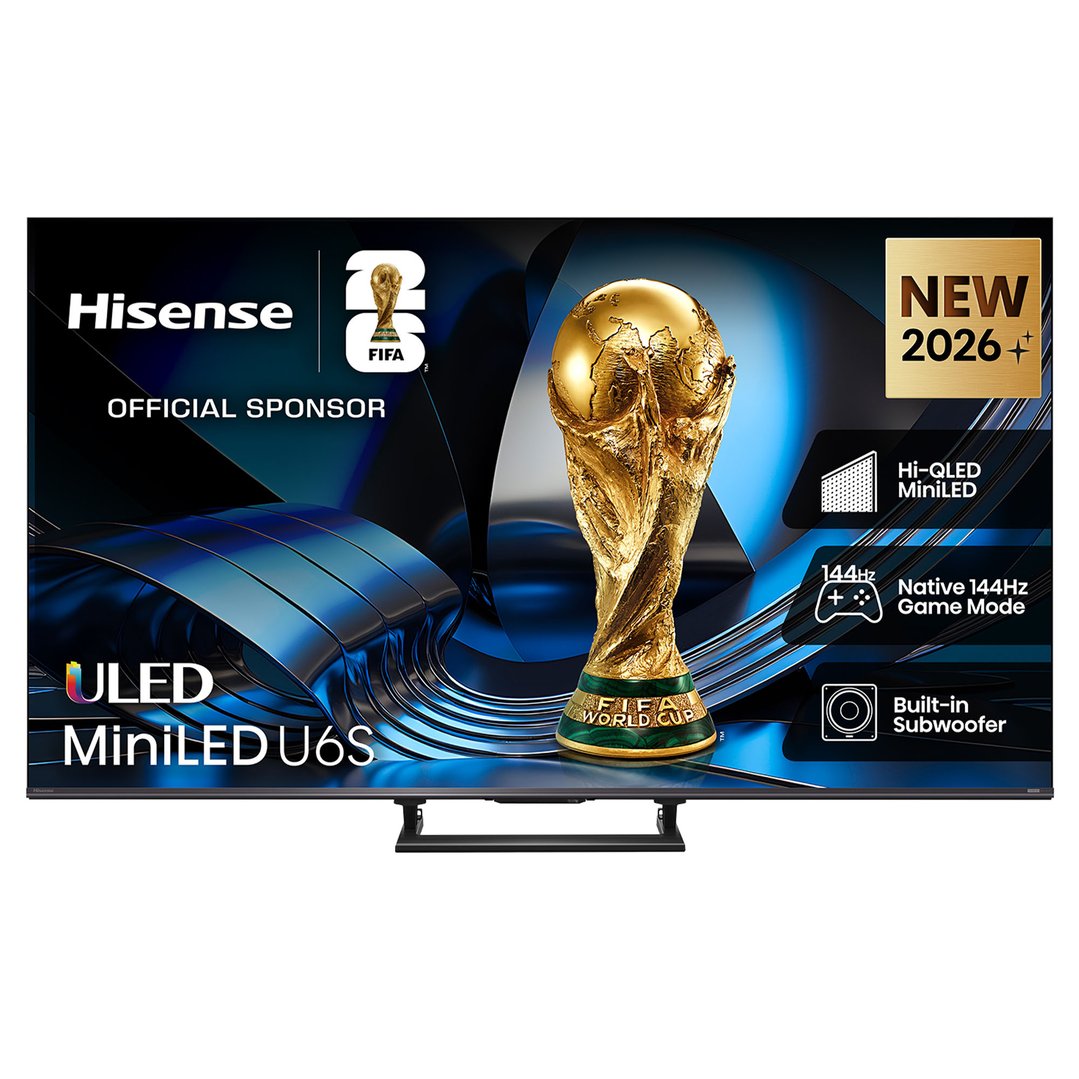
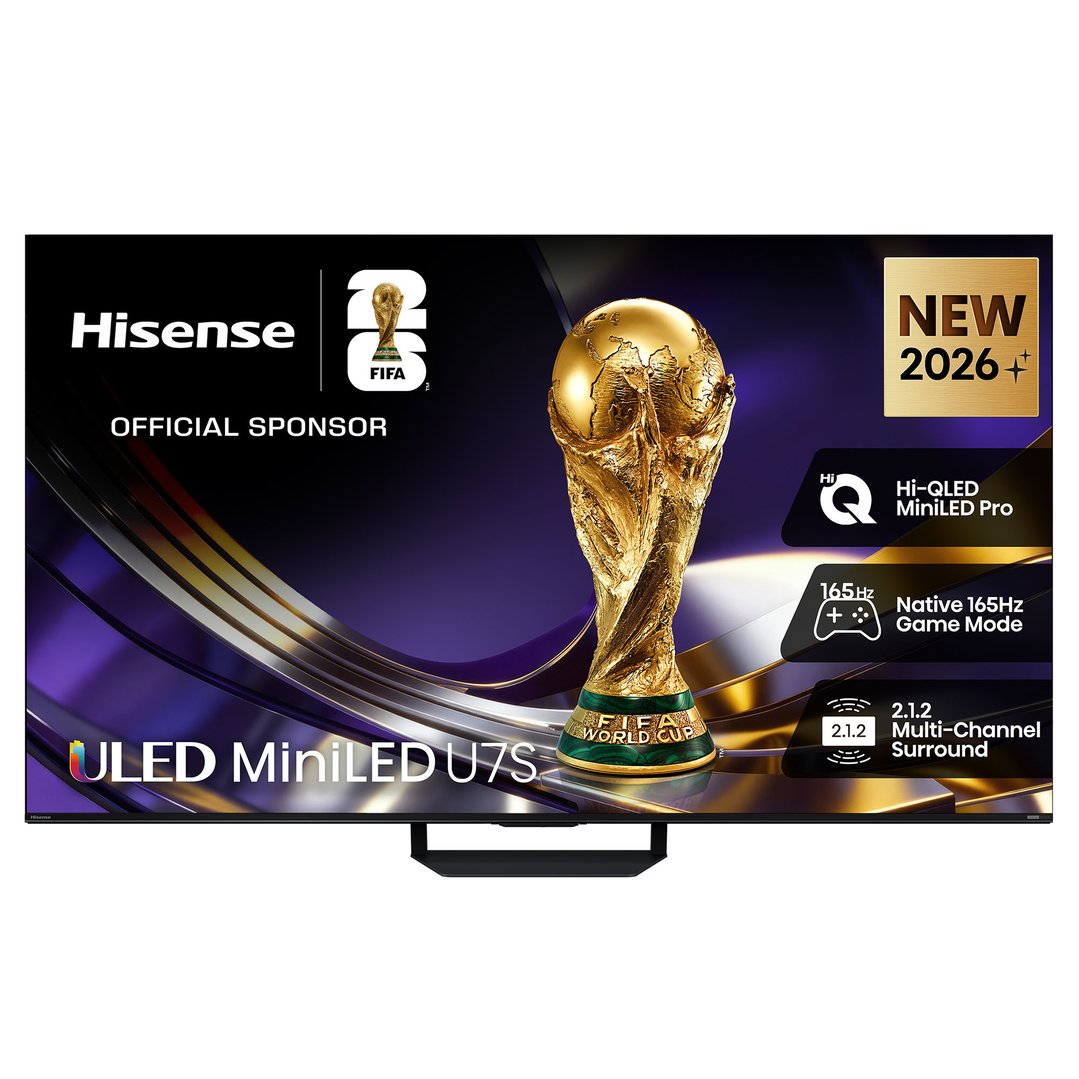
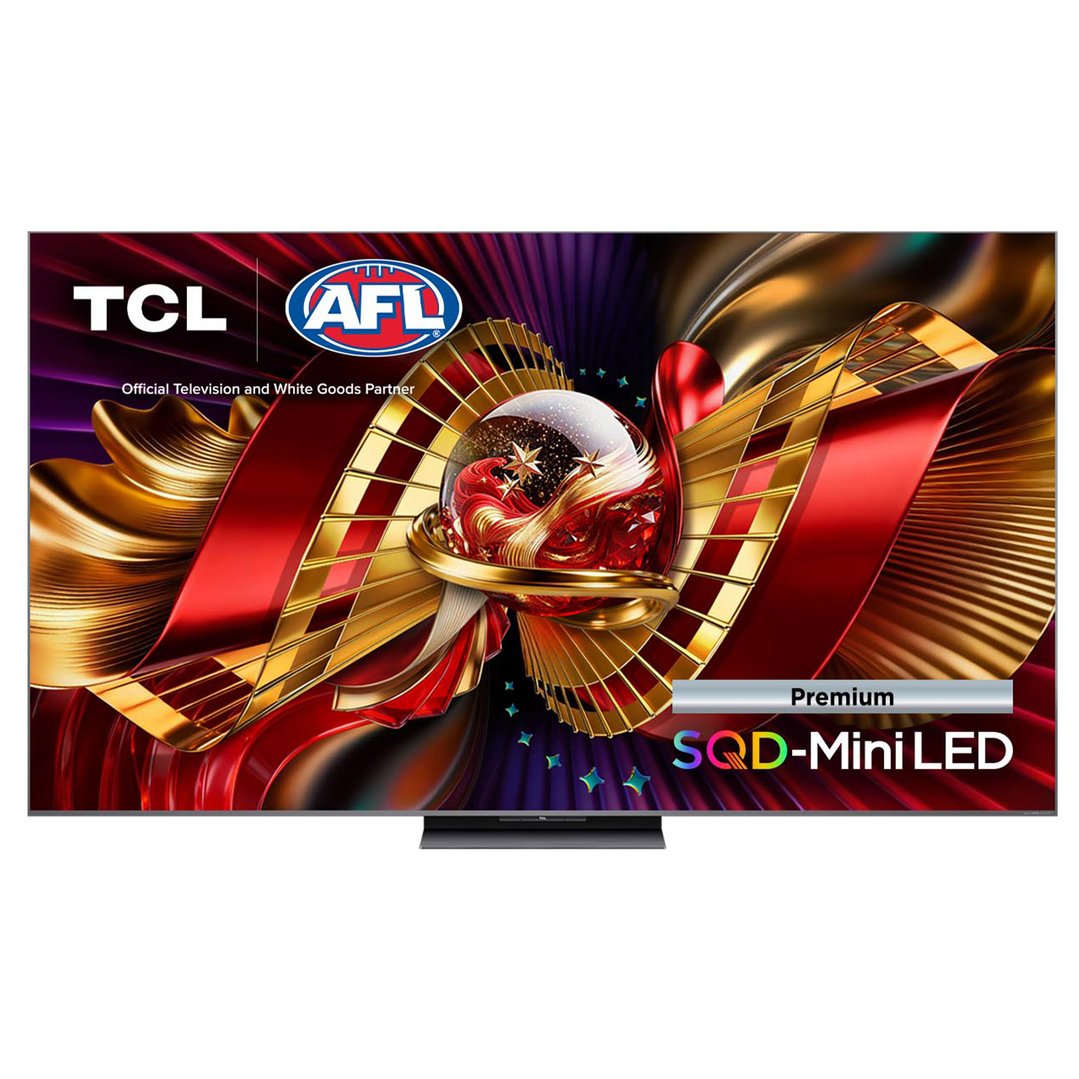
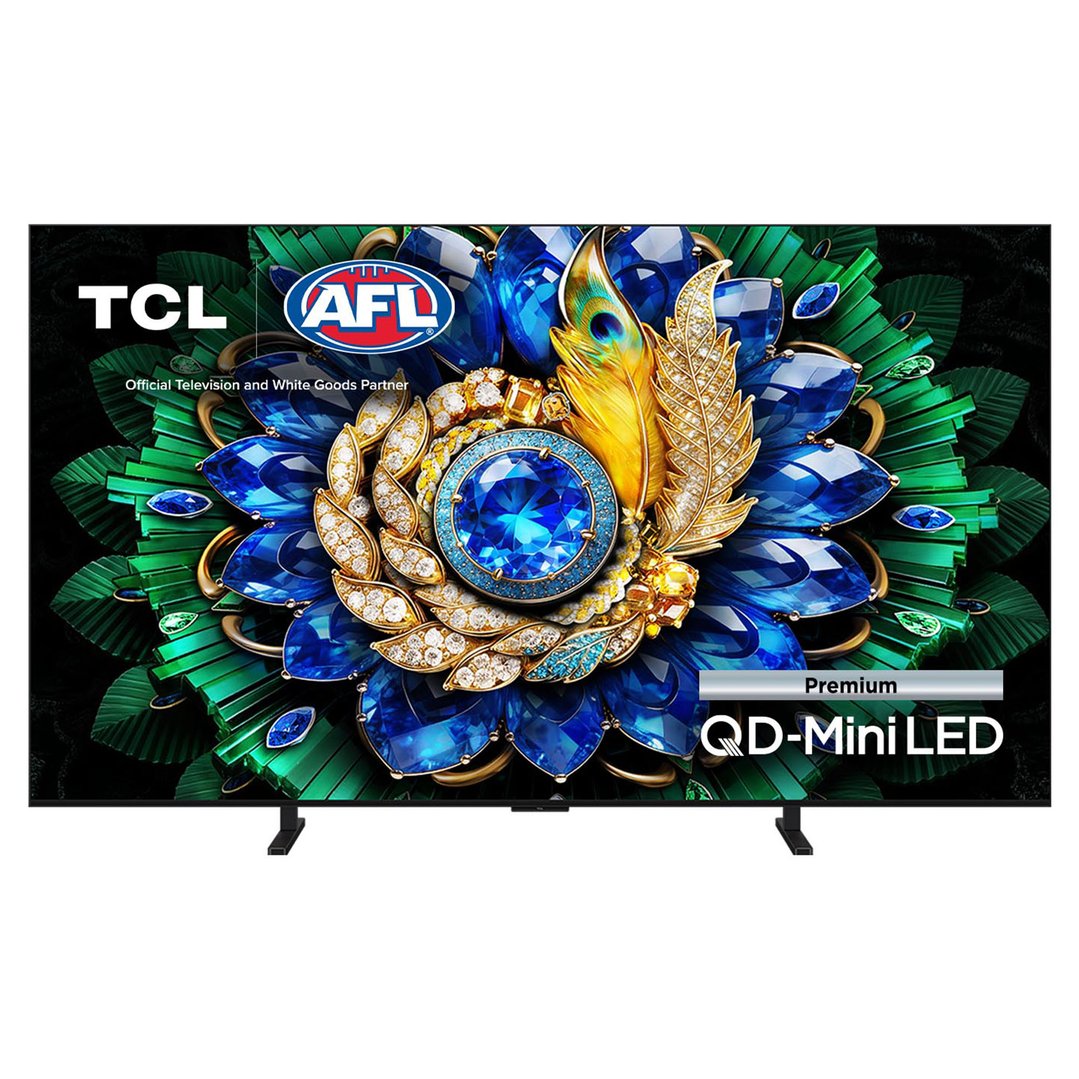
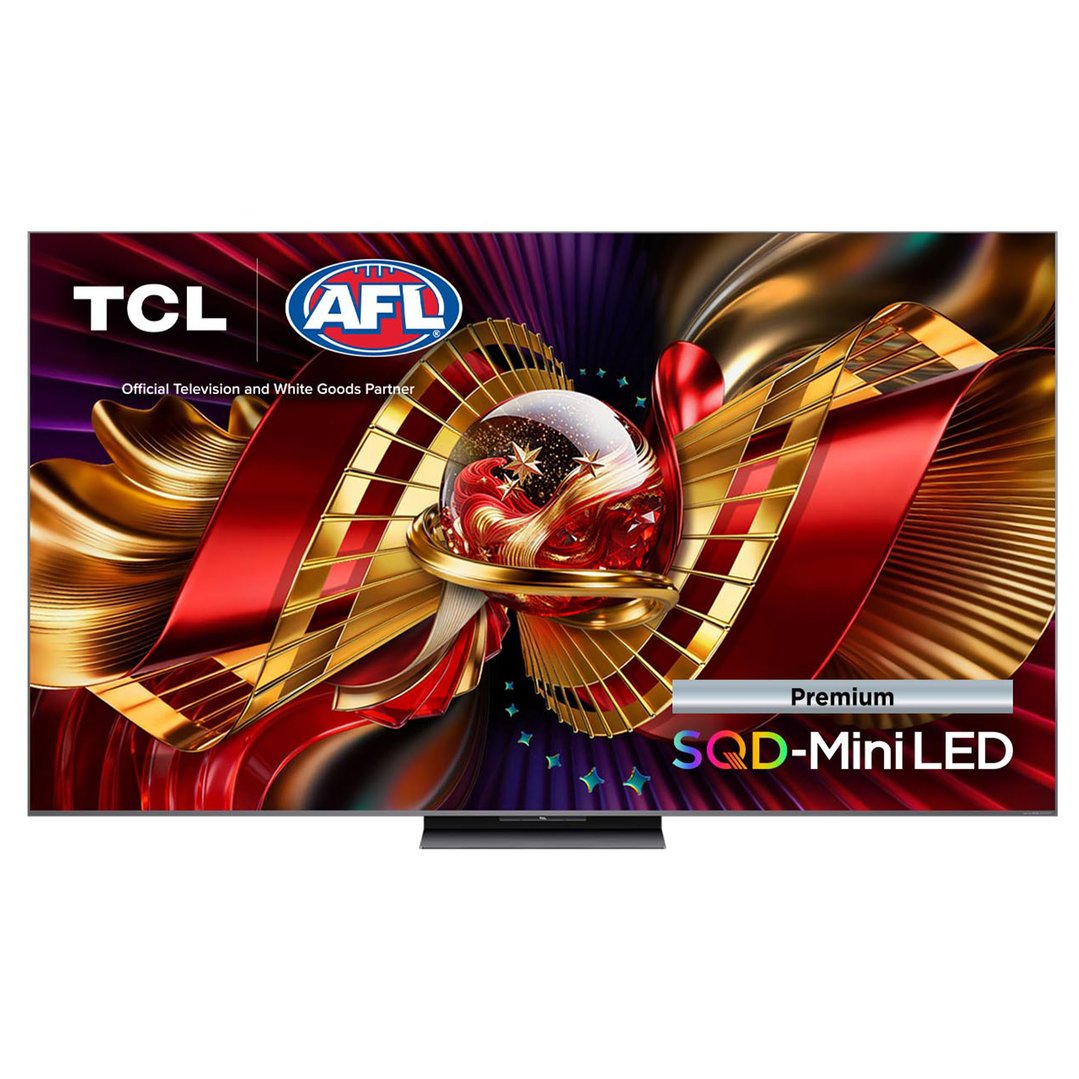
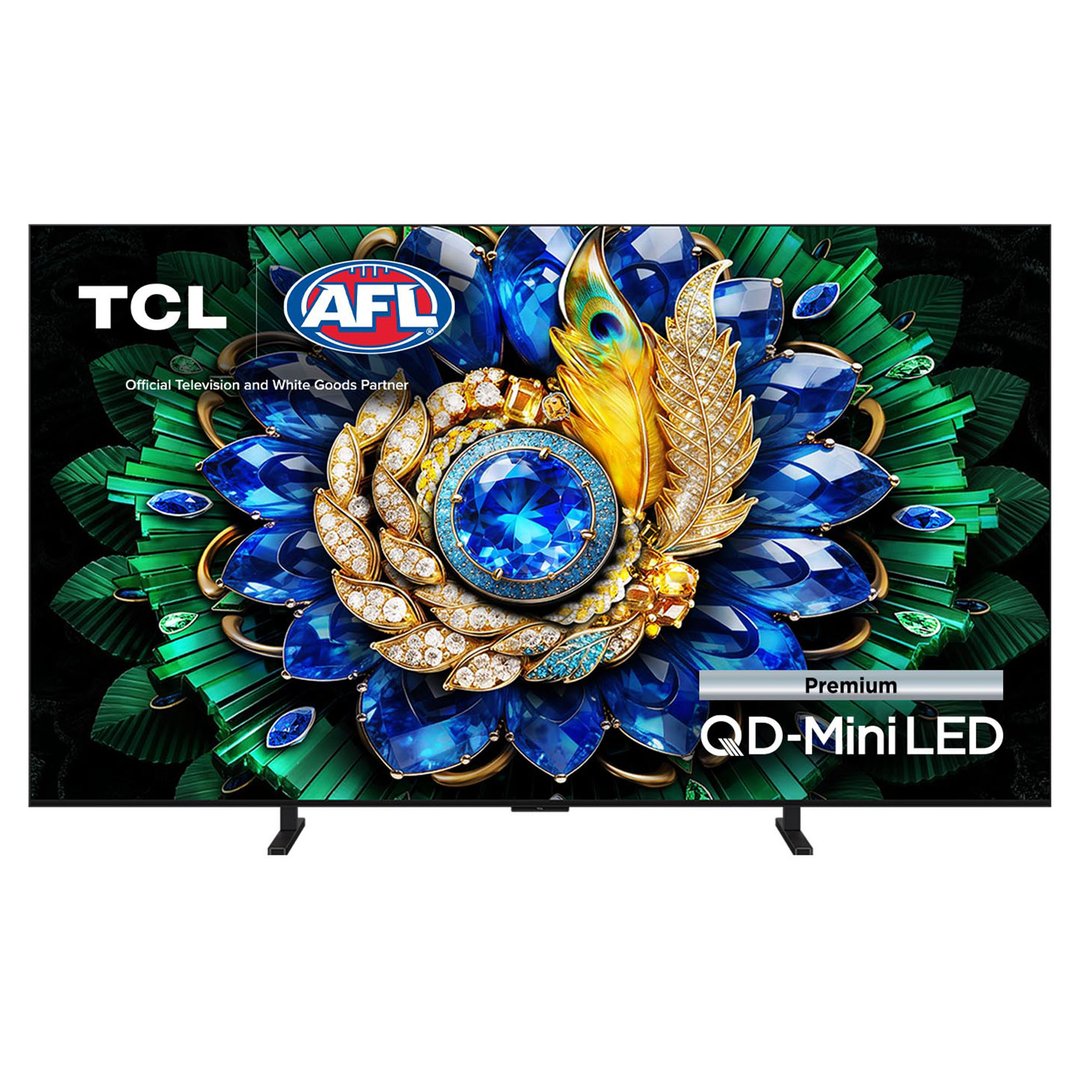
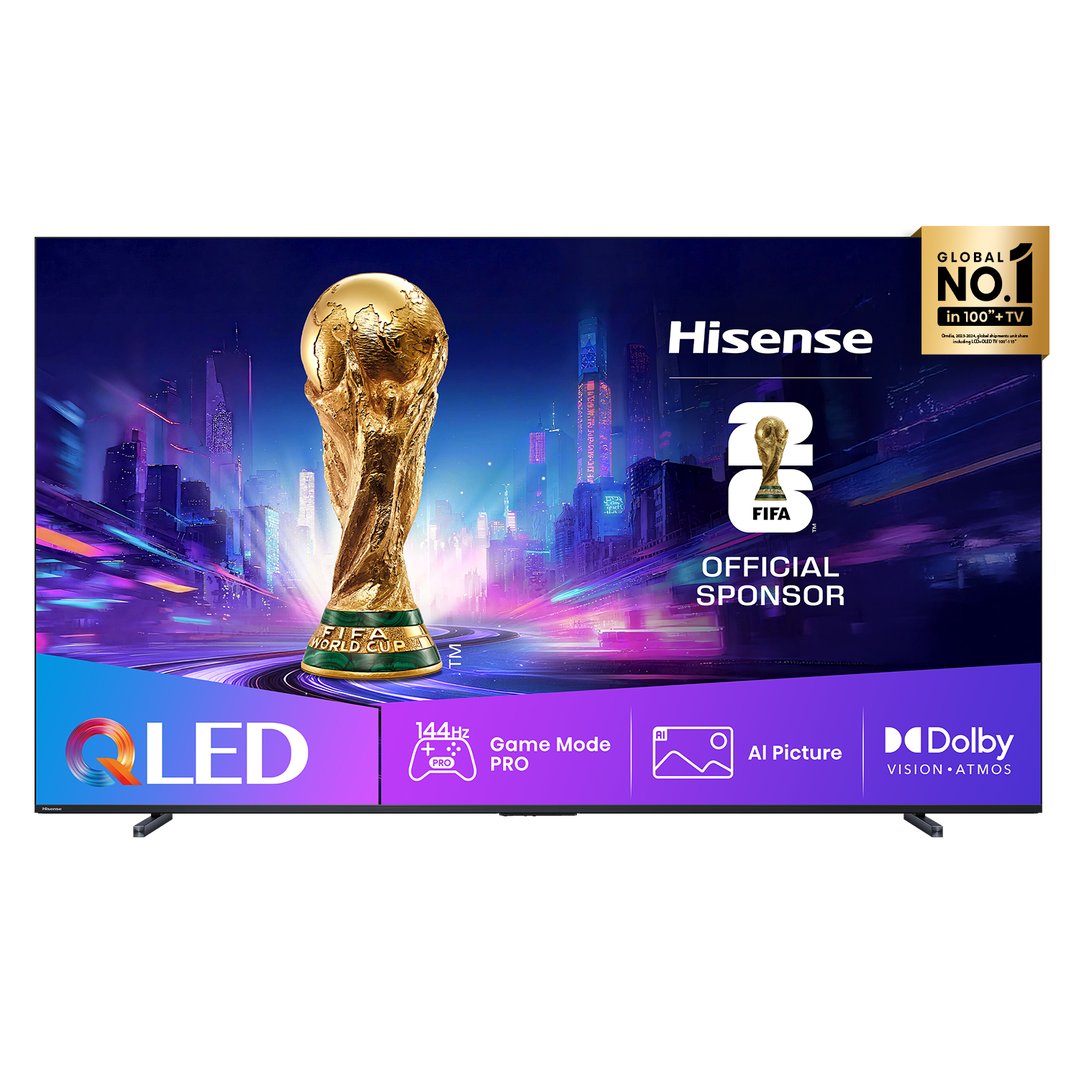
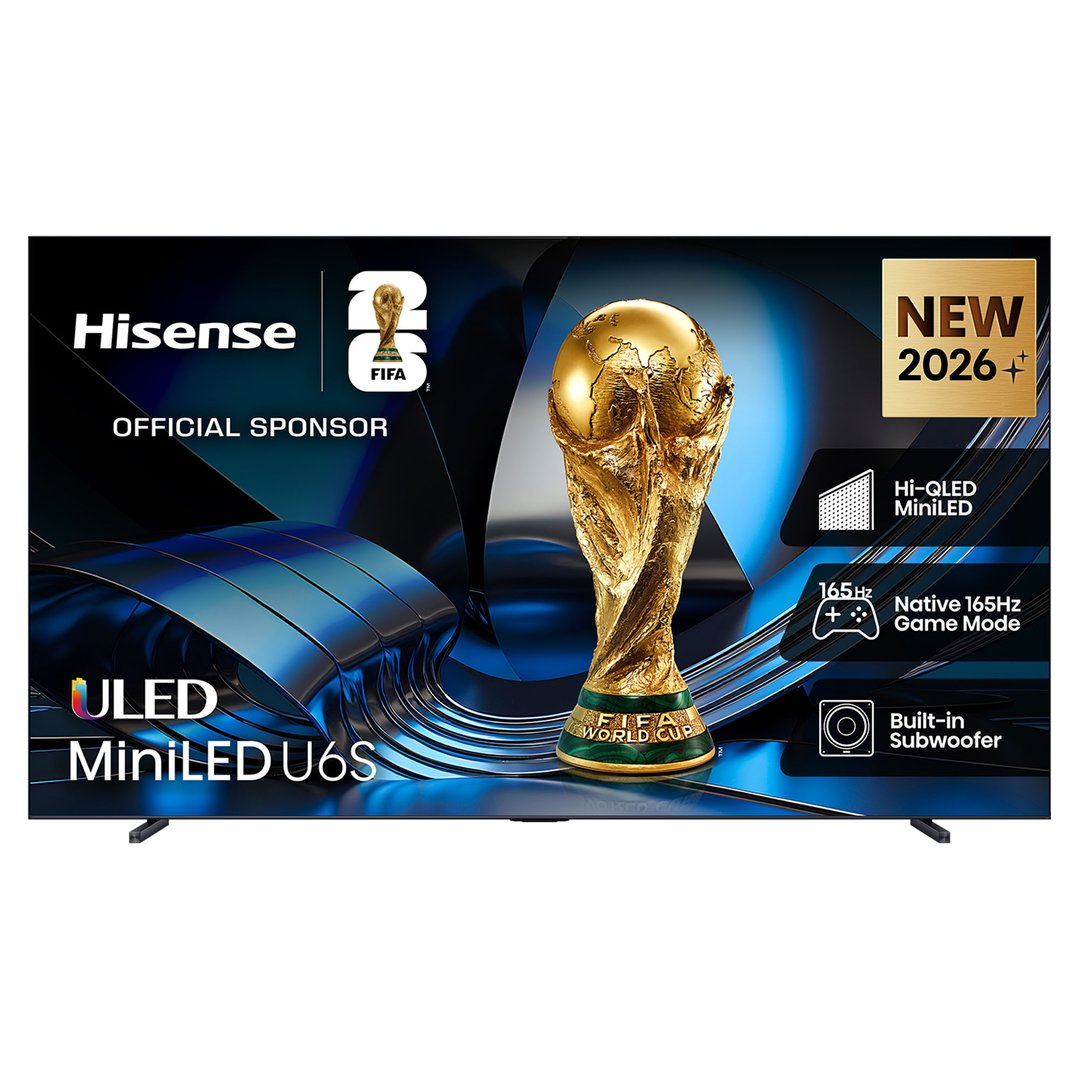
If you are looking for a television that delivers a significant step up in picture quality without committing to the price of OLED, a mini LED TV is the perfect middle ground. At Bing Lee, our range of Mini LED TVs brings together the best models from industry-leading brands including Samsung, LG, TCL, and Hisense, offering exceptional brightness, richer colours, and deeper contrast for an immersive viewing experience. Whether you are setting up a dedicated media room or upgrading your lounge, a mini LED TV is a compelling choice for any Australian household.
FAQs
1. What is a Mini LED TV and how does it work?
A mini LED TV uses thousands of tiny LED backlighting zones that are significantly smaller than those found in traditional LED screens. This allows the TV to control brightness and darkness on a much more localised level, a process known as local dimming. The result is a picture with deeper blacks, brighter highlights, and more precise contrast compared to standard LED panels. While it does not quite reach the pixel-level perfection of OLED, a mini LED TV offers outstanding performance, particularly in bright rooms where OLED screens can sometimes struggle to maintain peak visibility.
2. What are the benefits of choosing a Mini LED TV over a standard LED TV?
The key advantage of a mini LED TV over a conventional LED model is the dramatic improvement in contrast and brightness control. With a far greater number of dimming zones working independently, these TVs can display a bright, sunny scene and a dark shadow in the same frame without the unwanted blooming or greyish blacks that can affect standard LED panels. For sports fans, gamers, and movie lovers alike, this translates to a noticeably more lifelike and engaging picture. Many mini LED models also support advanced HDR formats, allowing them to reach peak brightness levels that make highlights truly pop on screen.
3. How long do Mini LED TVs typically last?
Mini LED TVs are built for long-term reliability. Because the backlighting is spread across thousands of smaller LEDs rather than concentrated in a smaller number of larger units, the overall strain on any individual light source is reduced, which can contribute to a longer lifespan. Most quality mini LED models from brands like Samsung, LG, TCL, and Hisense are rated for tens of thousands of hours of use, meaning decades of everyday viewing under normal conditions. Unlike OLED panels, mini LED TVs are not susceptible to burn-in, making them a low-maintenance long-term investment, particularly for households that watch a lot of live TV, news, or sport where static on-screen graphics are common.
4. How does a Mini LED TV perform in a bright room?
Mini LED TVs are particularly well suited to bright, open-plan living spaces, which are common in Australian homes. Because these screens can achieve very high peak brightness levels, they are able to overcome the glare and ambient light that can cause other panel types to appear dull or washed out. Models from Hisense and Samsung are especially well regarded for their brightness output, with some reaching over 1,000 nits of peak luminance. If your lounge room receives a lot of natural sunlight throughout the day, a mini LED TV will maintain a punchy, colourful picture far more consistently than a standard LED or entry-level OLED alternative.
5. What screen size should I choose for a Mini LED TV?
Choosing the right screen size for a mini LED TV comes down to your room dimensions and typical viewing distance. As a general guide, aim to sit roughly 1.5 to 2.5 times the diagonal screen measurement away from the display for a comfortable and immersive experience. For a mid-sized living room, a 55 to 65 inch model is usually the sweet spot, while larger open-plan spaces benefit from 75 inch options and above. Because mini LED technology maintains sharpness and contrast across larger panels, you can confidently size up without worrying about a drop in picture quality. Brands like TCL and Hisense offer mini LED models in generous sizes at very competitive price points, making it easier to go bigger without overspending.