Home & Lifestyle
Everything You Need to Know About Dehumidifiers

Most of us have heard of using a dehumidifier for mould and mildew problems, and you may know these handy appliances are good for allergy and asthma sufferers. But do dehumidifiers work? Can they really make a difference? And are dehumidifiers expensive to run? Let’s take a look at the ins and outs of these damp-busting machines.
What does a dehumidifier do?
Put simply, a dehumidifier pulls excess moisture out of the air, reducing the humidity (which is just a measure of how much water vapour is in the air). By bringing down the moisture, a dehumidifier decreases the level of humidity. They can be particularly handy for drying out homes with ongoing mould or dampness issues, or following a flood or major leak.
Dehumidifier vs humidifier – what’s the difference?
A humidifier is the opposite of a dehumidifier, adding moisture back into the air when it is extremely dry and humidity is very low. Definitely not the appliance you want if you have a damp problem!
Dehumidifier vs air purifier – which do you need?
If you're trying to create a healthier home environment, you might be wondering whether a dehumidifier or an air purifier is the better choice. While they can both improve indoor air quality, they serve very different purposes, so choosing the right one depends on your specific needs.
What’s the Difference?
Dehumidifier: A dehumidifier’s job is to remove excess moisture from the air. It’s ideal for damp or humid spaces, like bathrooms, laundry rooms, or basements. By reducing humidity levels, it helps prevent mould, mildew, and dust mite growth, making your home feel fresher.
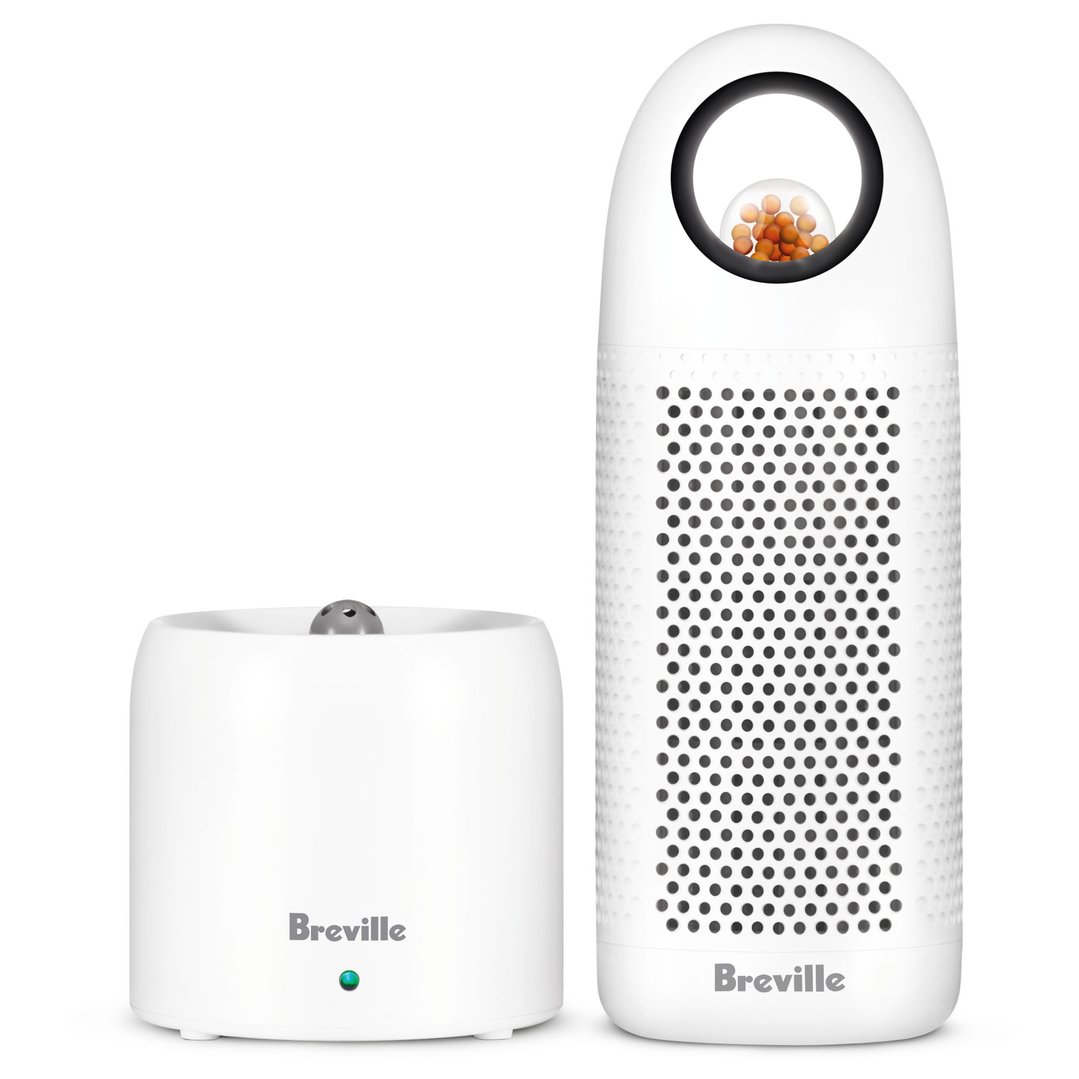
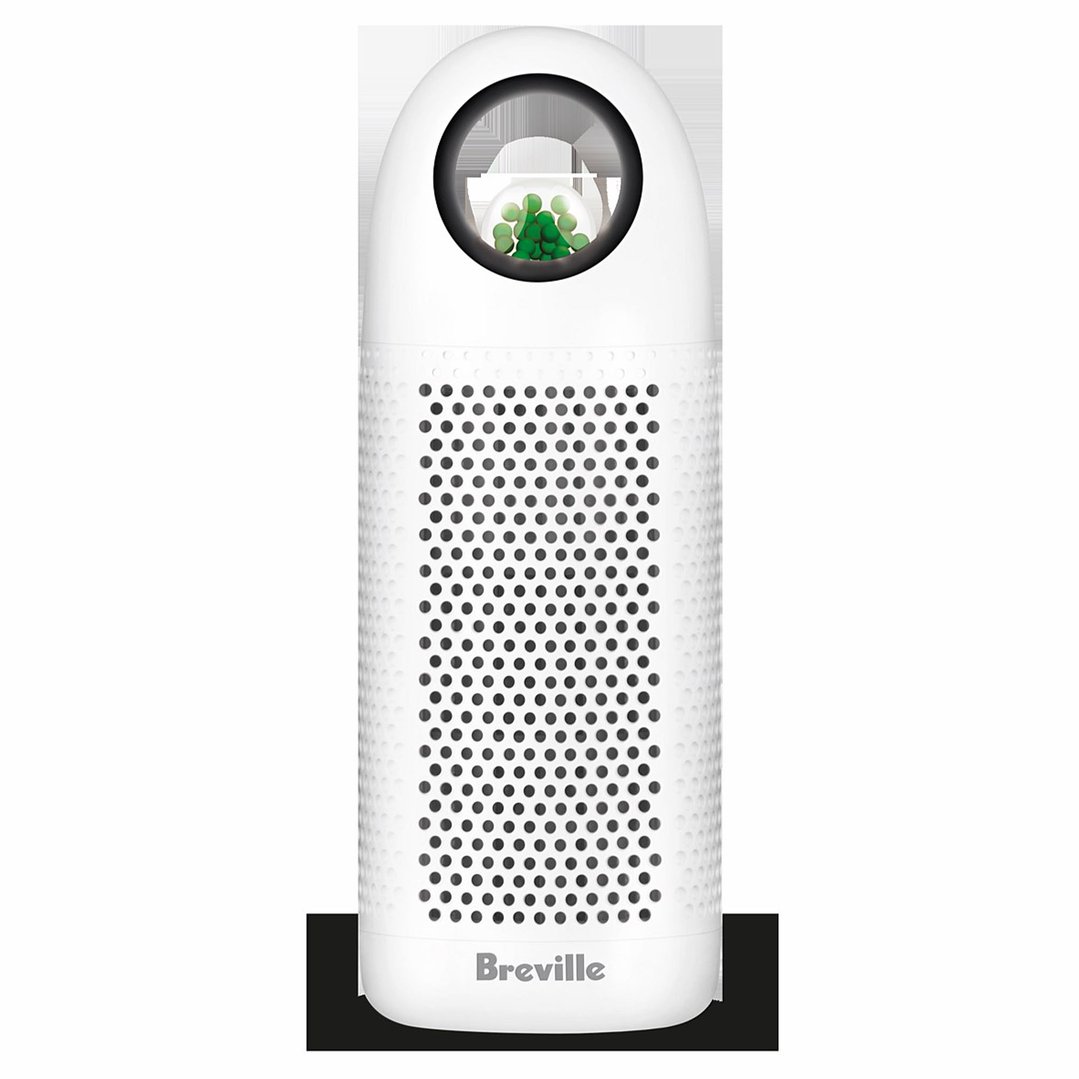
Air Purifier: An air purifier works by filtering airborne particles like dust, pollen, pet dander, smoke, and other allergens. It’s particularly helpful for households with allergy sufferers, pets, or exposure to pollution and bushfire smoke.
When to Choose One Over the Other?
| Situation | Best Appliance |
|---|---|
| You have mould or damp issues | Dehumidifier |
| You suffer from seasonal allergies | Air Purifier |
| You want to reduce musty smells | Dehumidifier |
| You live near high-pollen or dusty areas | Air Purifier |
| You want to improve general air quality | Air Purifier |
Can I use both?
Absolutely. In fact, using both a dehumidifier and an air purifier can be a powerful combo - the dehumidifier controls moisture levels, while the air purifier tackles pollutants. Together, they create a more comfortable and healthier space, especially in bedrooms or shared living areas.
Benefits of dehumidifiers
There are plenty of dehumidifier benefits and many relate to improving your household’s health and wellbeing – and what could be more important than that?
1. Dehumidifiers can prevent mould and mildew
Nothing loves a humid environment like mould – a problem many of us know all too well – and using a dehumidifier for mould prevention is a proven strategy. The lower the humidity, the less accommodating the environment is for mould spores to grow.
2. They can help manage allergies
Along with mould, dust mites also thrive in a moist environment – and both are known allergy triggers. Lowering humidity can help prevent dust mites’ procreation, easing allergy symptoms like itchy eyes, runny nose, sore throat, sneezing and chest pain.
3. They may help control asthma symptoms
Moist, humid air is more difficult to breathe, and high-humidity settings are known to be tough on asthma sufferers. By reducing the humidity with a dehumidifier (to 30-50%, reports Healthline) asthma sufferers may be able to breathe easier.
4. They can discourage pests
Did you know spiders, cockroaches, silverfish, moths and other creepy crawlies are attracted to the moisture in your home? Bring it down a few notches and bugs won’t be as inclined to make their way indoors.
When do I need a dehumidifier?
Some common signs it might be time to add a dehumidifier to your home are:
Patches of mould begin cropping up – this could be on the walls, ceiling, clothes and shoes or furniture
Members of your household have chronic allergy symptoms or persistent respiratory symptoms, such as coughing and a runny nose
You or someone in your household has a dust mite allergy
Your home, furniture and/or clothes smell damp and mildewy (even after washing)
There’s an increase in unwanted pests in your home
Your home has experienced flood or leakage after heavy rainfall.
Different types of dehumidifiers
There are two main types of dehumidifier available in Australia – refrigerant and desiccant – and each uses different technology. But which humidifier is best in Australia’s climate? Well, that depends… Refrigerant dehumidifiers tend to do a better job in hot, humid climates and seasons, while desiccant dehumidifiers perform better in cold, damp environments.
While a refrigerant model is almost always the winner in hotter temperatures, a desiccant model is usually the better all-rounder if you’re looking for one model to cover all seasons.
How does a dehumidifier work?
Refrigerant and desiccant humidifiers both get the job done, but they do it in different ways – which is why they perform differently depending on the climate you’re in.
Refrigerant dehumidifiers
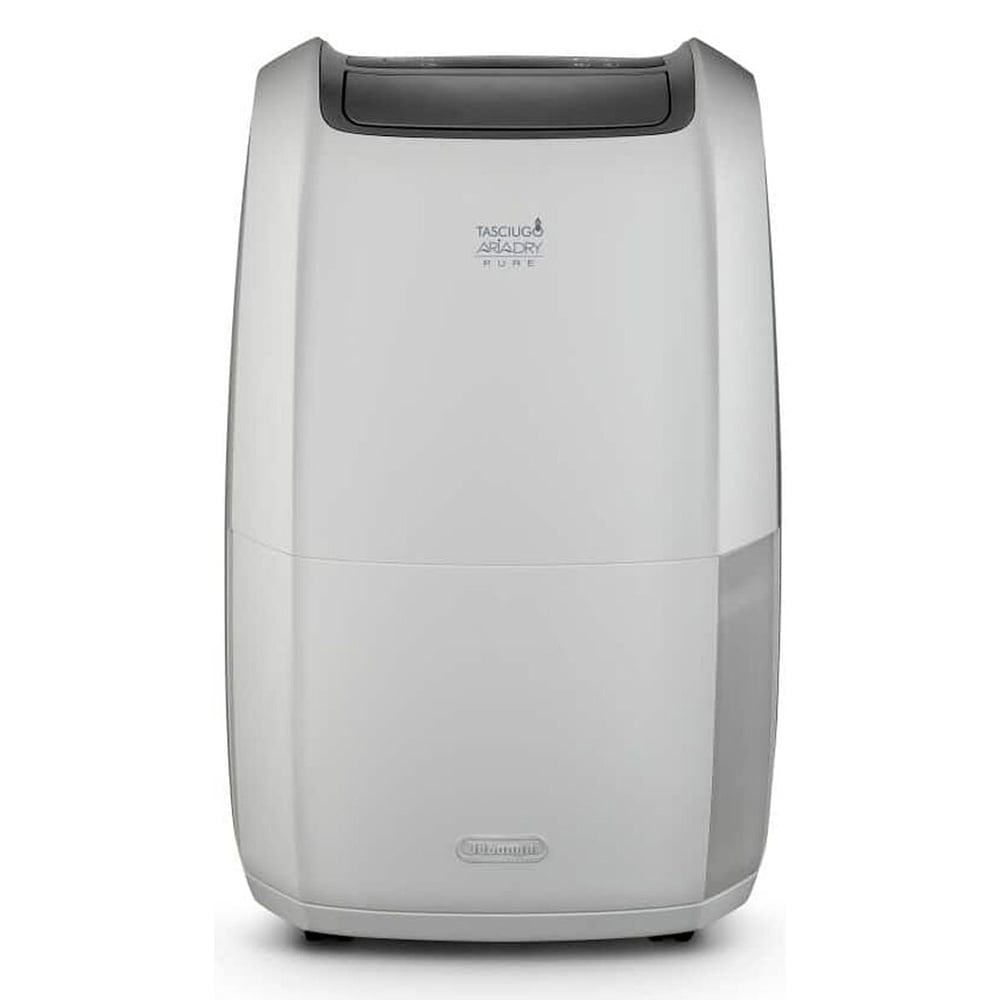
These dehumidifiers use refrigeration – yes, the same process as the fridge in your kitchen! They draw the hot, humid air in and cool it down to condense the moisture, which collects in a tank built into the appliance. The dehumidifier then reheats the air and pumps it back into the room, warmer and drier than it went in.
The hotter the air in the room is, the easier it is for the refrigerant dehumidifiers to cool it down, which is why these types work best in hot and humid conditions.
Desiccant dehumidifiers
Desiccant dehumidifiers don’t rely on the air-cooling method. Instead, they feature a slowly rotating material disc or belt that absorbs the water and then uses heat to evaporate it (again, the water collects in a tank attached to the appliance). Desiccant dehumidifiers do their best work in colder damp conditions as they don’t rely on cooling anything down.
Dehumidifier vs air conditioner: which is better?
Wondering if your air conditioner will do as good a job as a dehumidifier? Well, AC does draw moisture from the air as it cools or heats the room, as a dehumidifier does. In fact, refrigerant dehumidifiers and air conditioners work on the same principles, but while AC blows the warmed-up air outside your home, dehumidifiers blow it back into the room.
For this reason, air conditioning might be a better option in hot humid climates as you get the added benefit of a cooled-down room, while if you live in a moderate to cool climate, a dehumidifier could be the way to go.
What should I look for when buying a dehumidifier?
First, consider the climate you’re in. In cooler to moderate areas, choose a desiccant dehumidifier; if you live in a hotter humid climate, opt for a refrigerant model.
Choose a tank that holds at least 4L so you’re not constantly emptying it and look for a high energy efficiency score to reduce running costs. You might also want to take noise into account (some are louder than others).
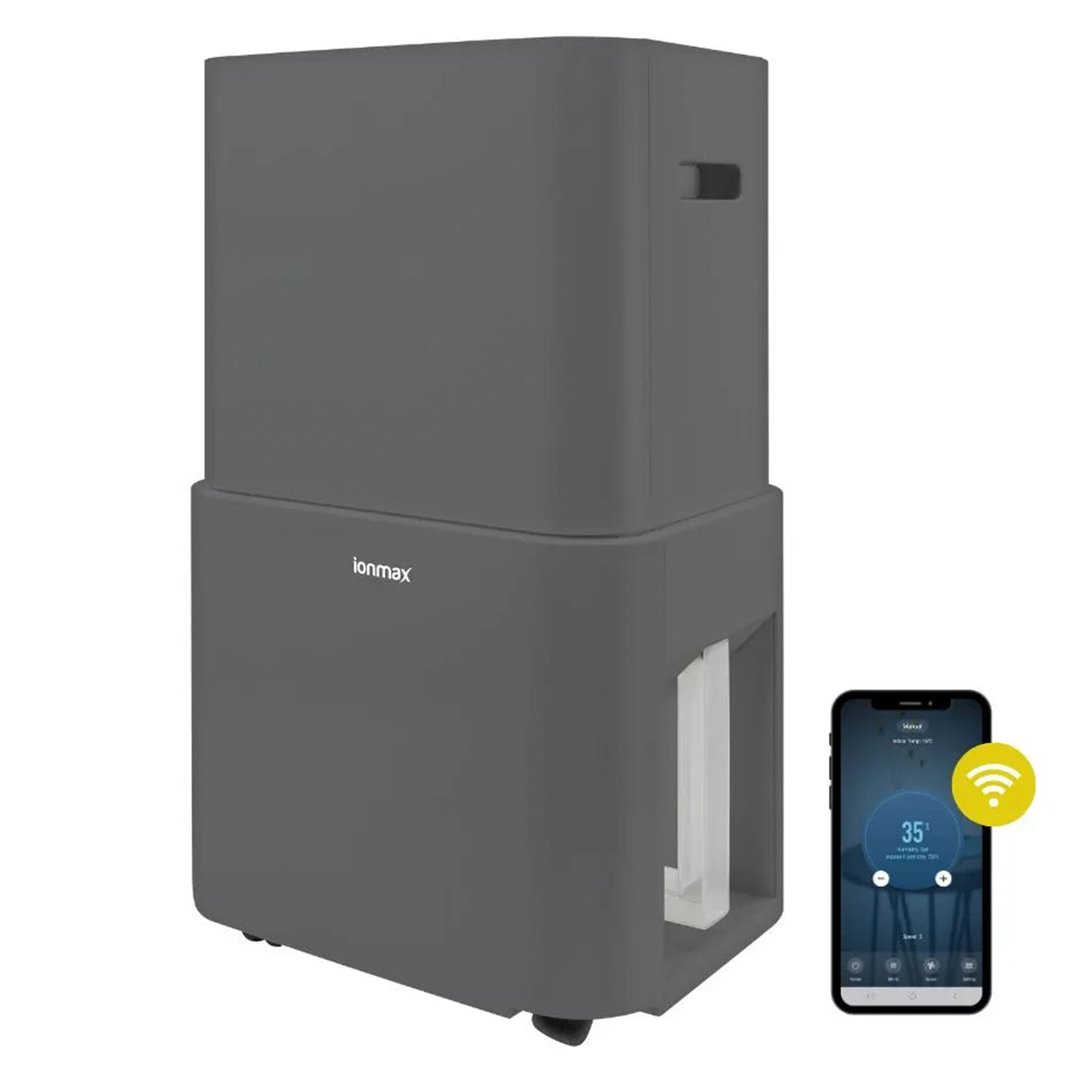
For larger, heavier models, wheels or castors can be a helpful addition to make moving the appliance easier, and if you want control over exactly how humid the room is, pick a model with a humidistat, which lets you set your target – 40-60% range is considered the ideal for human comfort.
What size dehumidifier do I need?
So, are dehumidifiers good for nixing damp - and moisture-related issues in the home? They certainly can be – but only if you choose the right size for the job! Many dehumidifiers have a recommended room size, so be sure to measure the dimensions of the space you’ll be using it in before you start shopping. If the room in question is particularly damp, you may want to upsize.
Portable Dehumidifiers: Easy to Move, Easy to Use
If you’re after flexibility, a portable dehumidifier is a great choice - especially for renters, multi-room use, or smaller spaces. These models are designed for convenience, often featuring:
Built-in castor wheels for easy mobility
Integrated handles for lifting or carrying
Compact designs that fit neatly in corners or under shelves
Whether you need to dry out a bathroom in the morning and move it to a bedroom at night, portable models make it effortless.
Dehumidifiers for Bedrooms: Quiet Operation Matters
When using a dehumidifier in your bedroom, noise levels can make or break your sleep quality. That’s where dB (decibel) ratings come in - lower dB means quieter operation.
Look for models under 40 dB for ultra-quiet performance, ideal for light sleepers or anyone needing a peaceful sleep environment. Many units offer a “sleep” or “night” mode that reduces fan speed and noise.
Dehumidifier for Small Room vs Large Room: What Size Do You Need?
Picking the right capacity is essential for efficient moisture removal. Dehumidifier capacity is usually measured in litres per day - how much moisture the unit can extract in 24 hours.
Best For Small Rooms (up to 20 m²):
Recommended: 5–10L/day capacity
Best for: Bathrooms, laundry rooms, small bedrooms or home offices
Best For Medium Rooms (20–40 m²):
Recommended: 10–20L/day capacity
Best for: Standard bedrooms, kitchens, living areas
Best For Large Rooms (40+ m²):
Recommended: 20–35L/day capacity
Best for: Open-plan living spaces, large bedrooms, or basements
Are dehumidifiers expensive to run?
This depends on how often you’re running your dehumidifier and how long you leave it on, but generally speaking, costs can compare with computers, TVs and fridges (depending on the model).
Ready for your new dehumidifier? The best Australia has to offer can be found at Bing Lee.
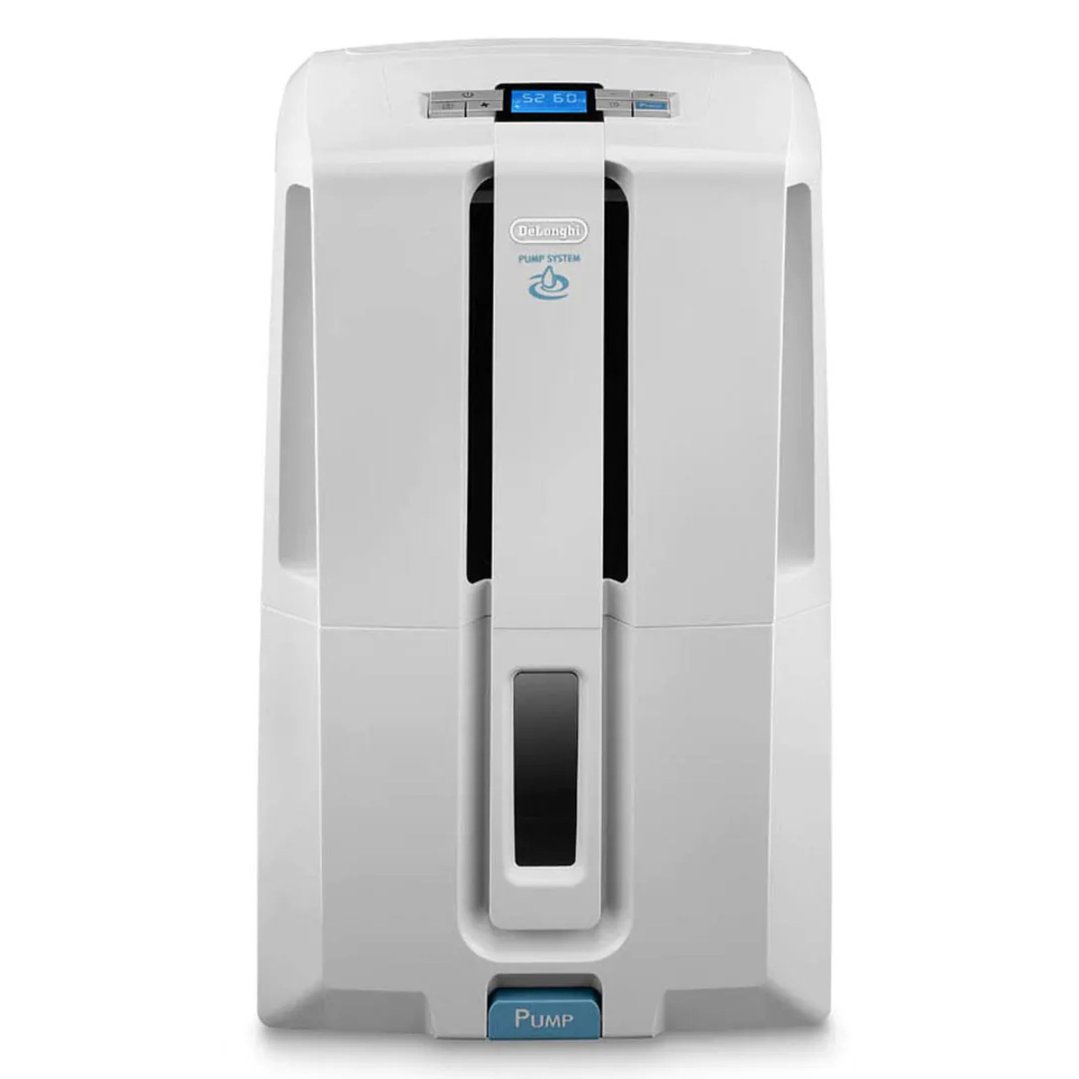
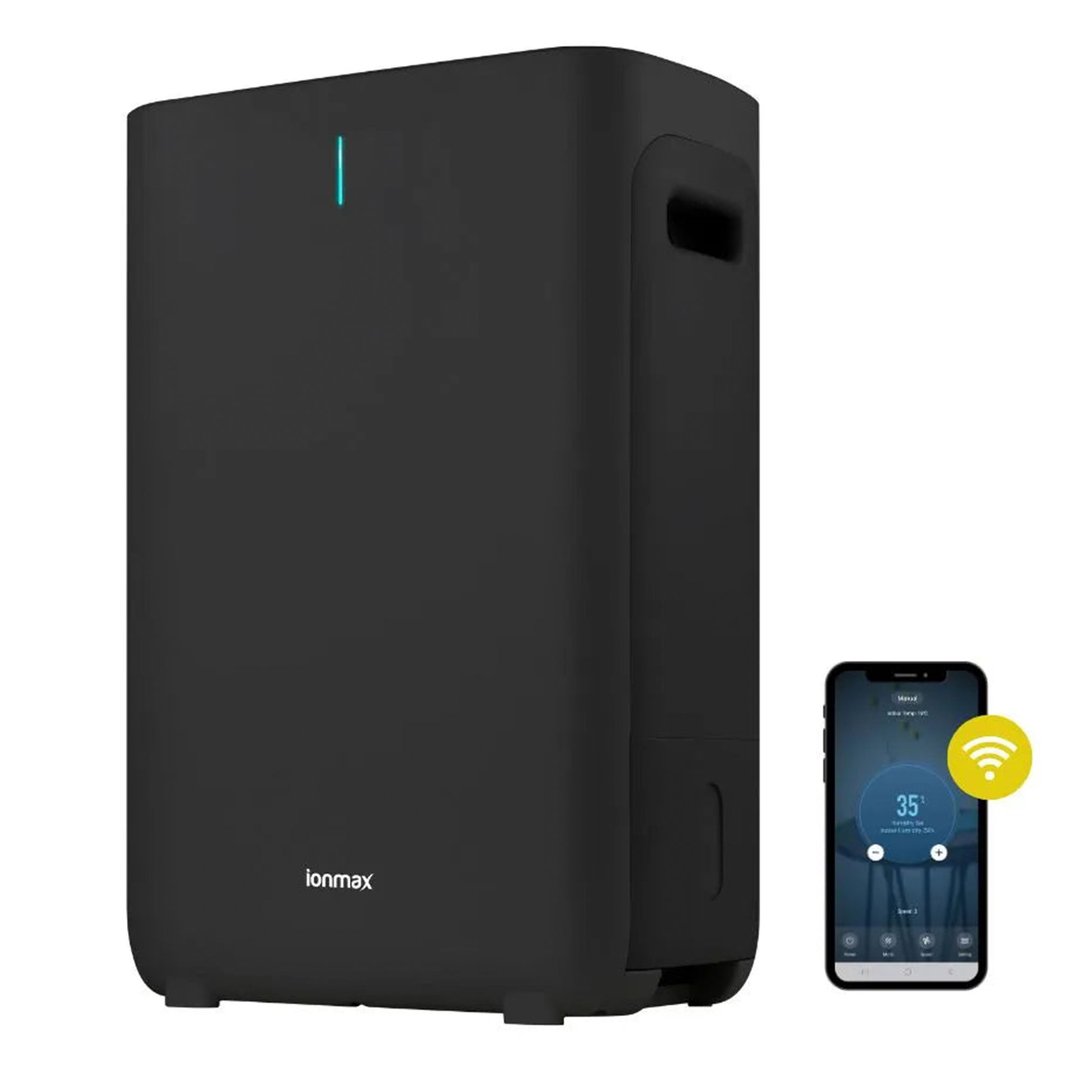
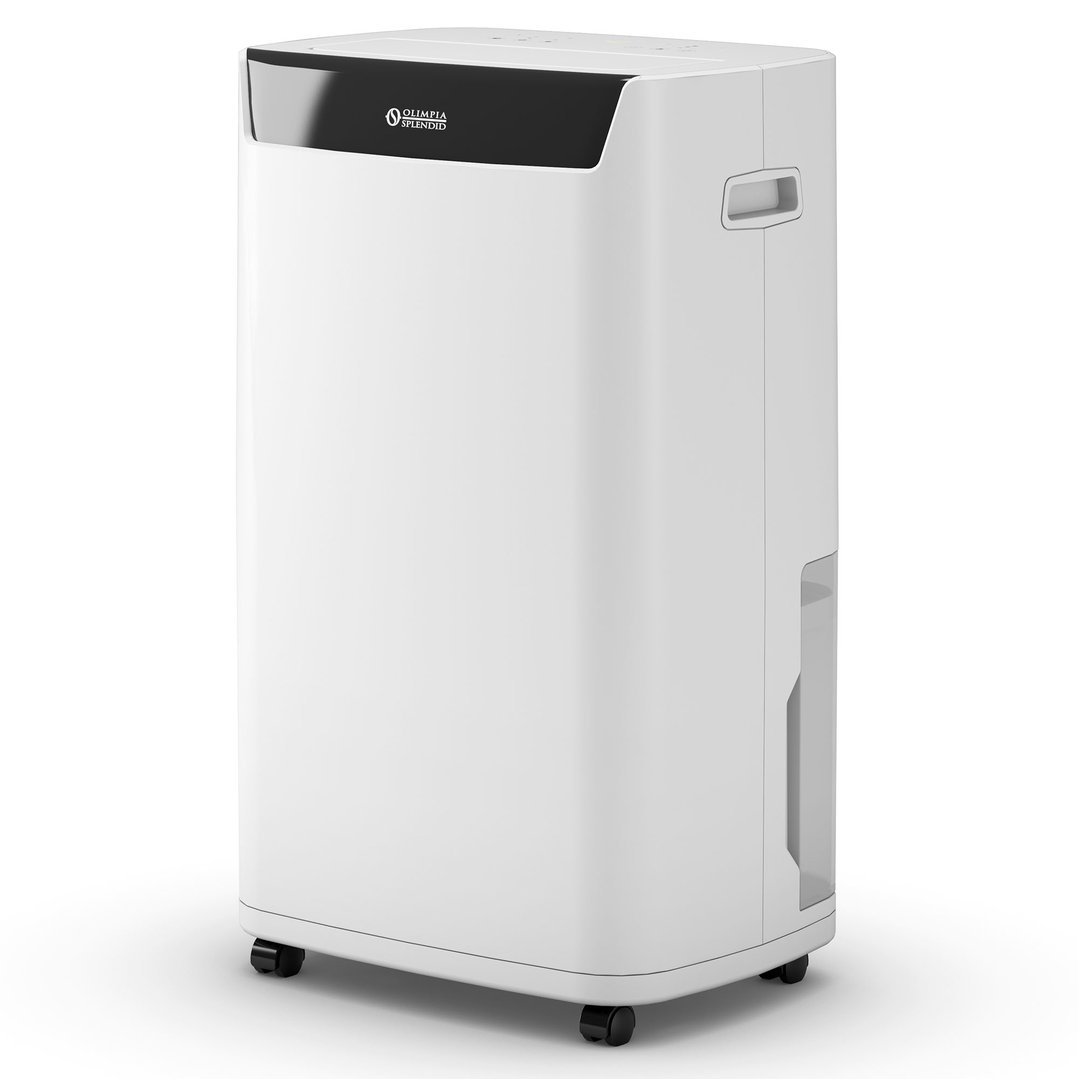
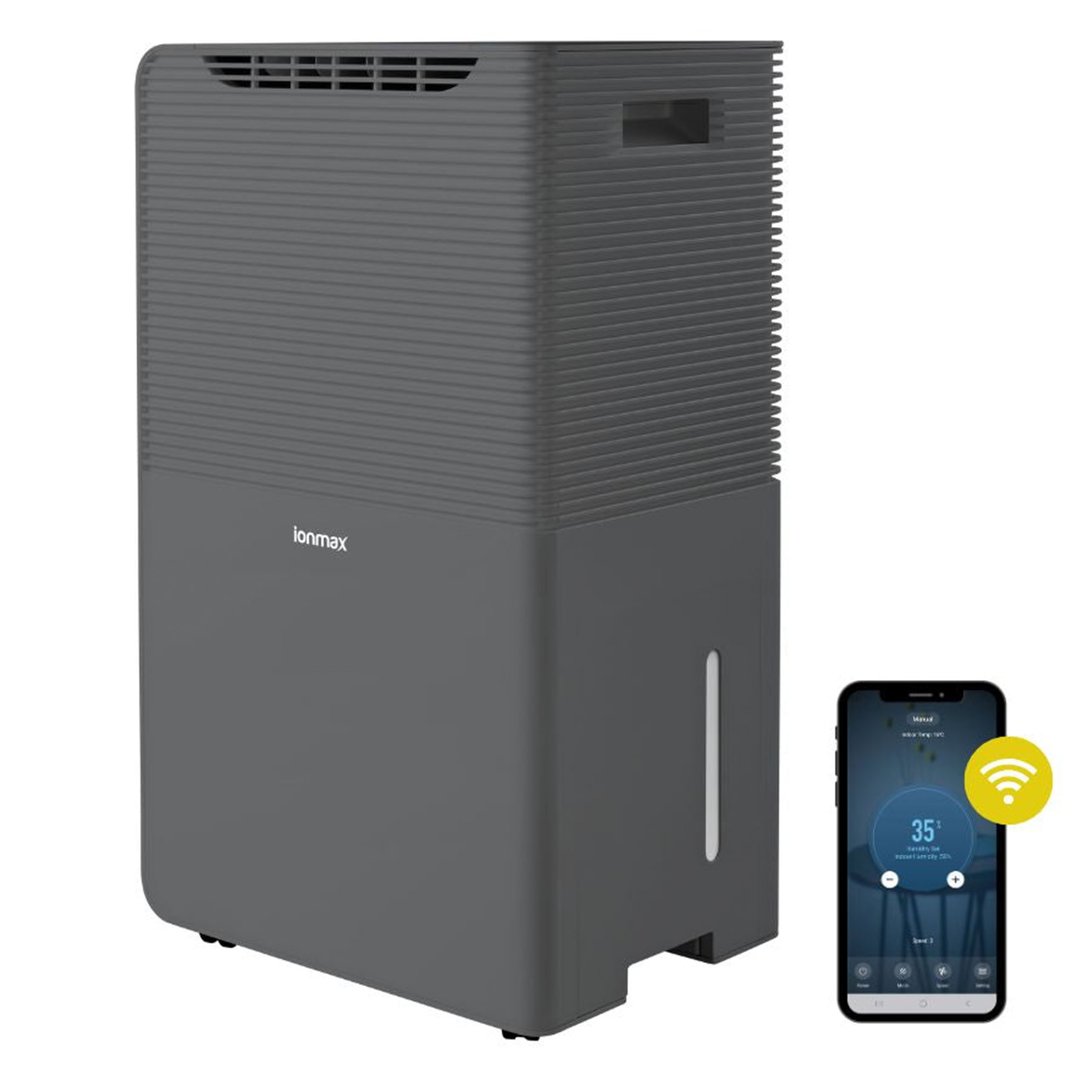
Our Most Popular Dehumidifiers






Page last updated: 10 June 2026 | Information provided by the experts at Bing Lee.