Steam Ovens
112 products

$9,999$8,999.10Ends in
2 Days$6,999$6,299.10Ends in
2 Days$6,999$6,299.10Ends in
2 Days$5,999$5,399.10Ends in
2 Days$9,999$8,999.10Ends in
2 Days$3,999$3,599.10Ends in
2 Days$4,999$4,499.10Ends in
2 Days$6,999$6,299.10Ends in
2 Days$3,999$3,399Ends in
2 Days$6,999$6,299.10Ends in
2 Days$13,999$12,599.10Ends in
2 Days$13,999$12,599.10Ends in
2 Days$12,999$11,699.10Ends in
2 Days$12,999$11,699.10Ends in
2 Days$9,999$8,999.10Ends in
2 Days$9,999$8,999.10Ends in
2 Days
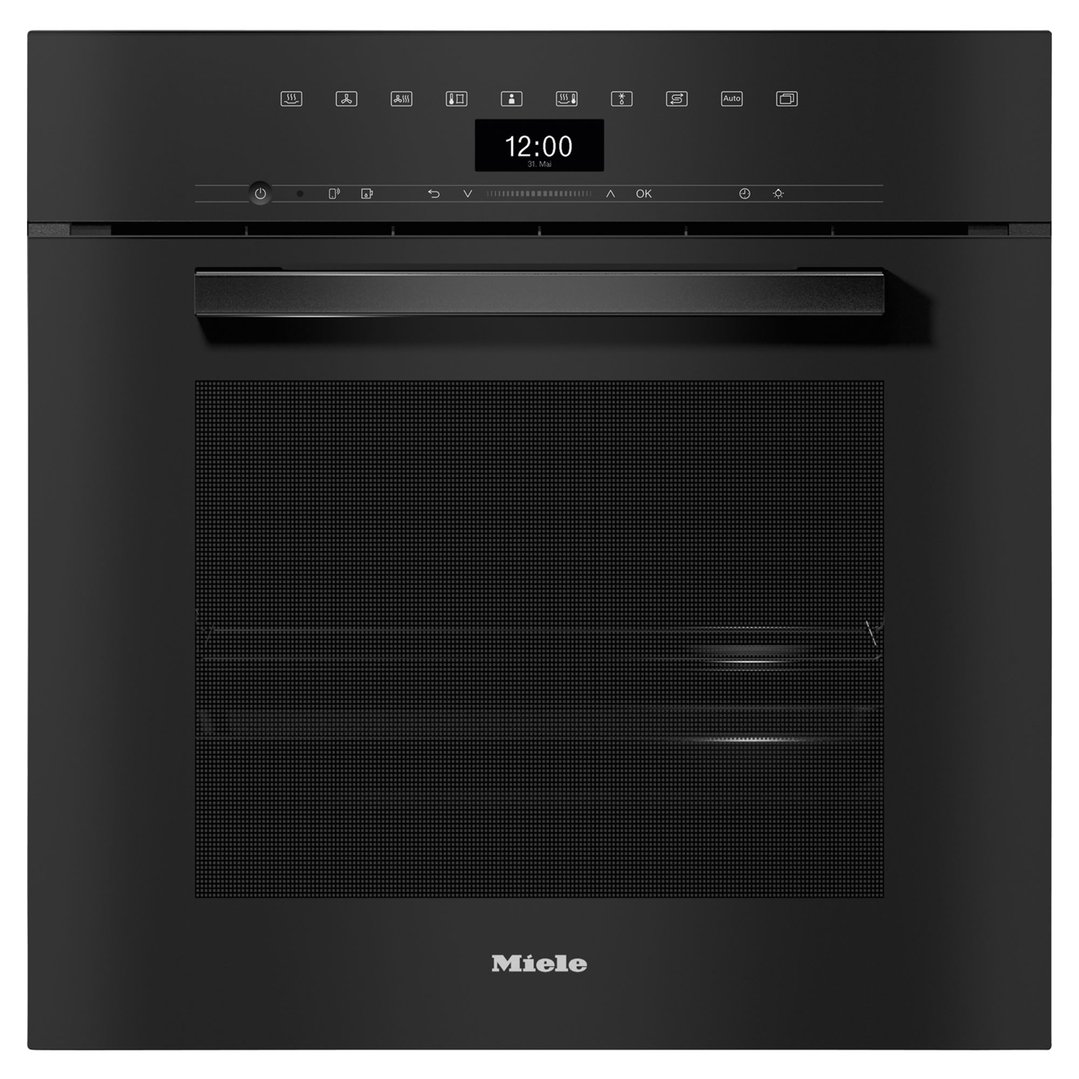
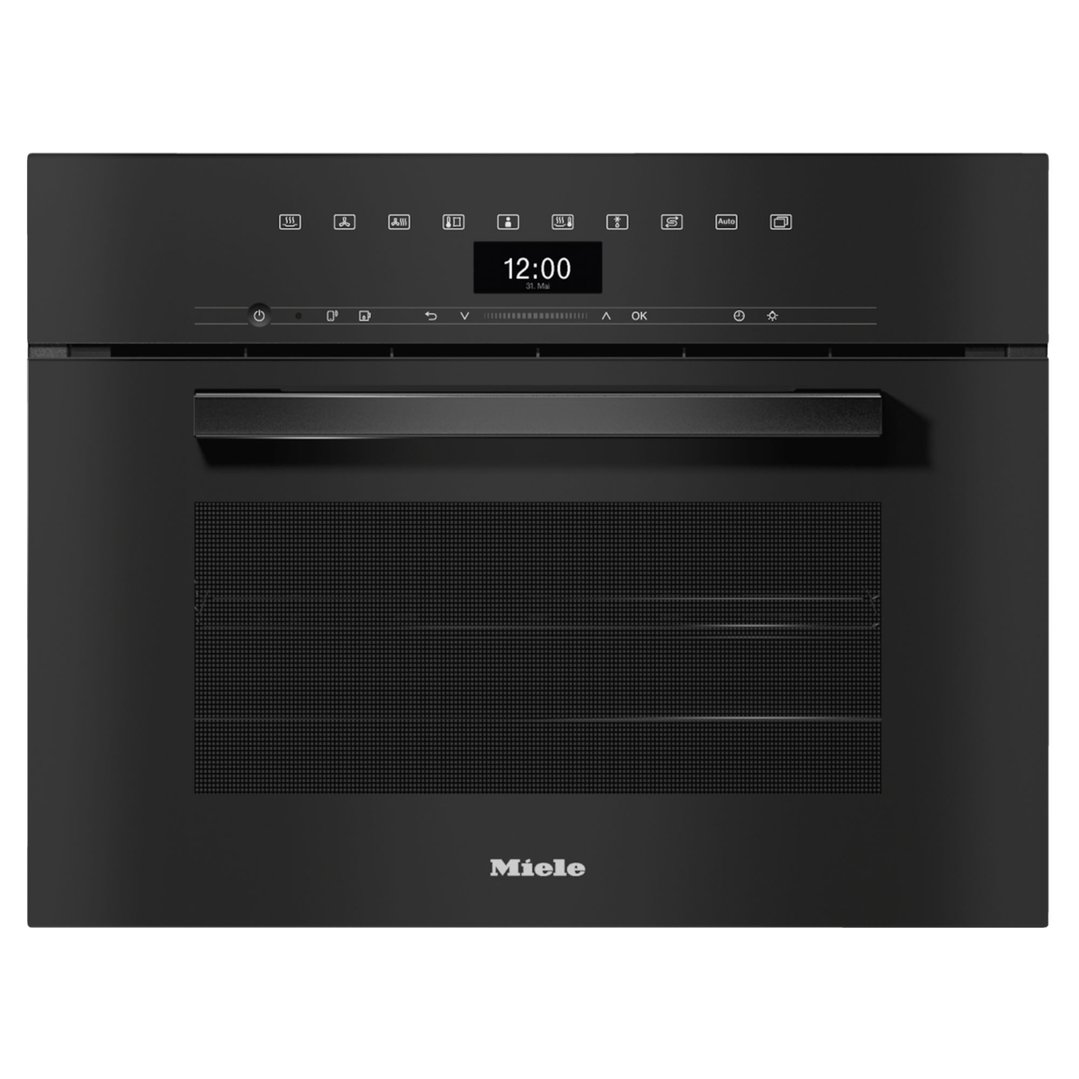
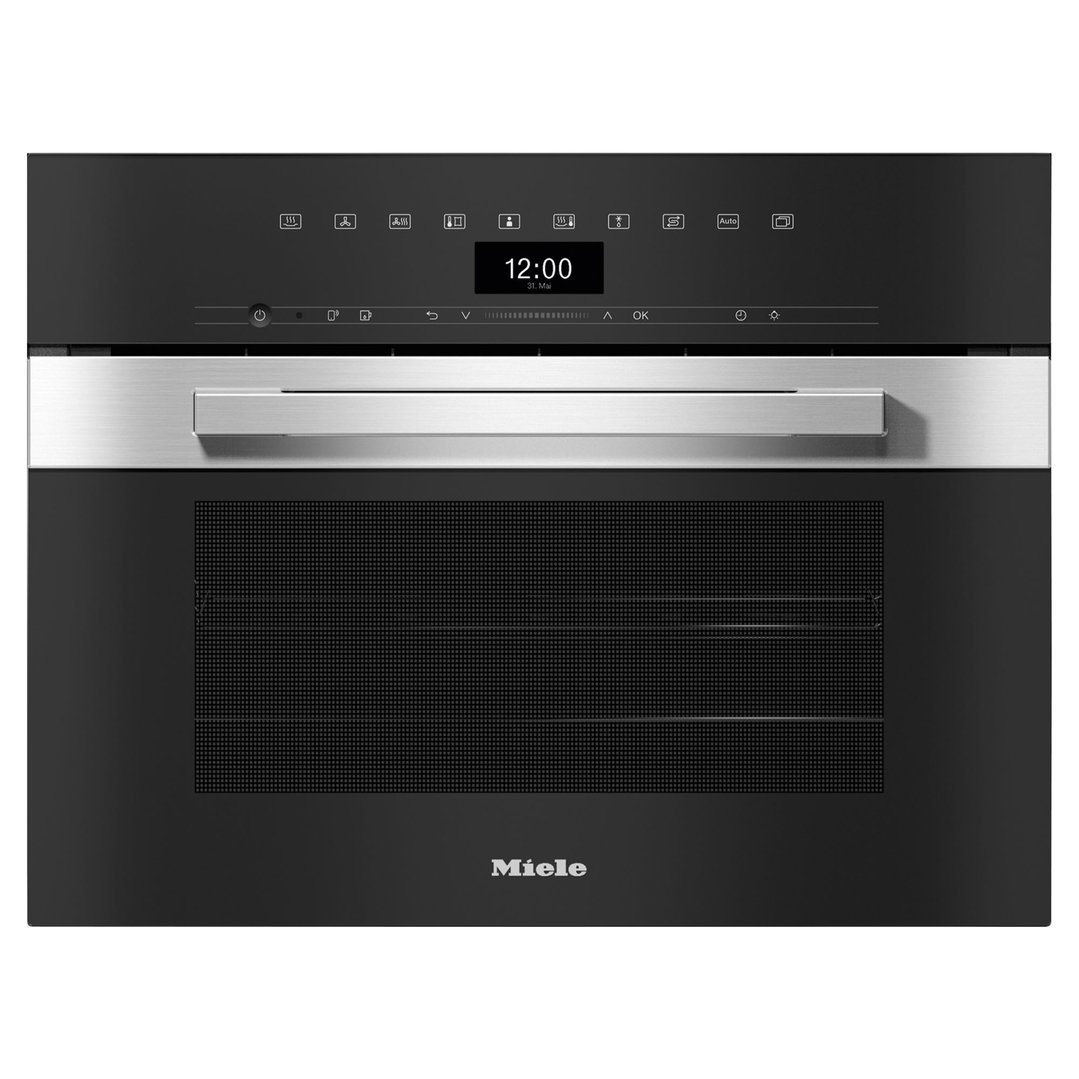
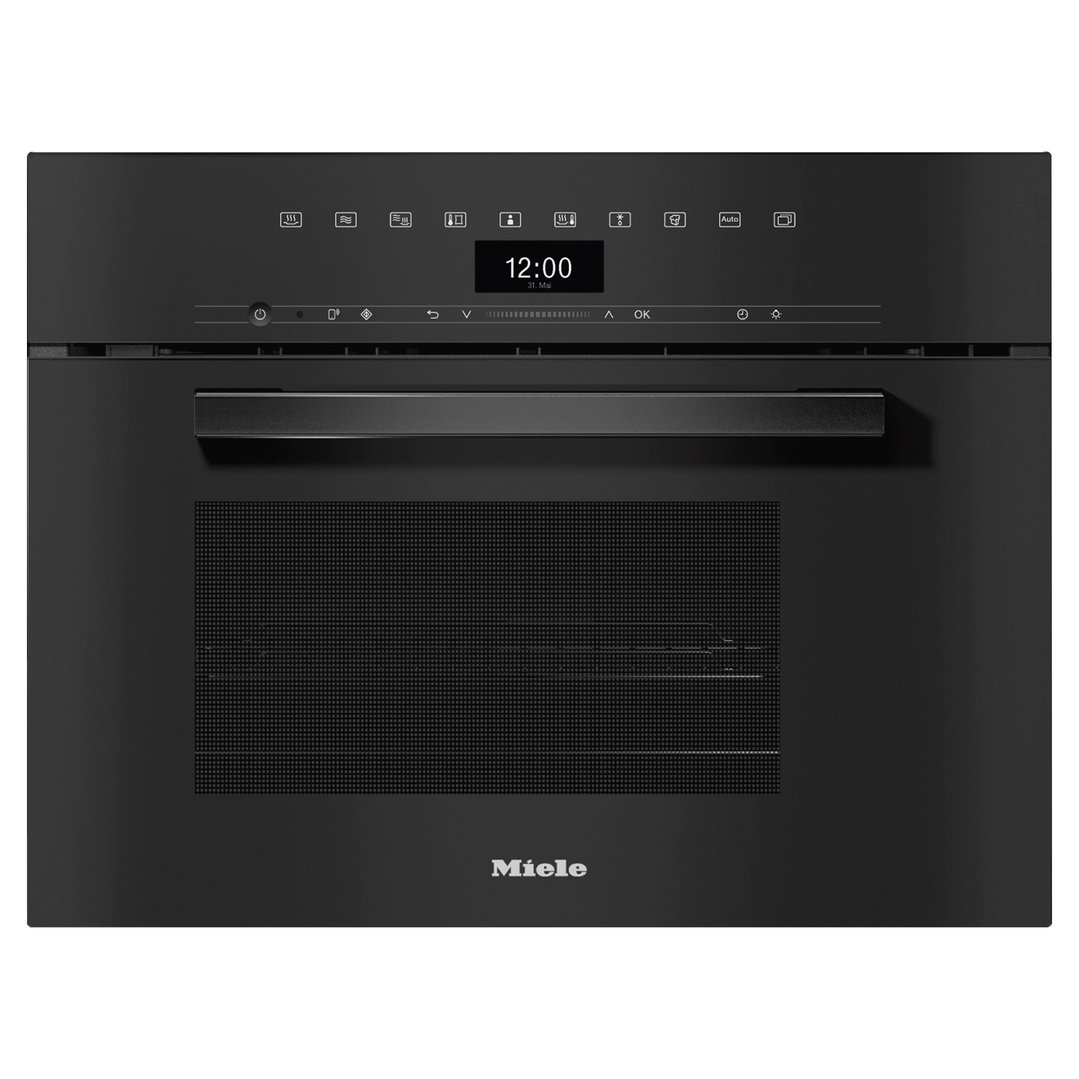
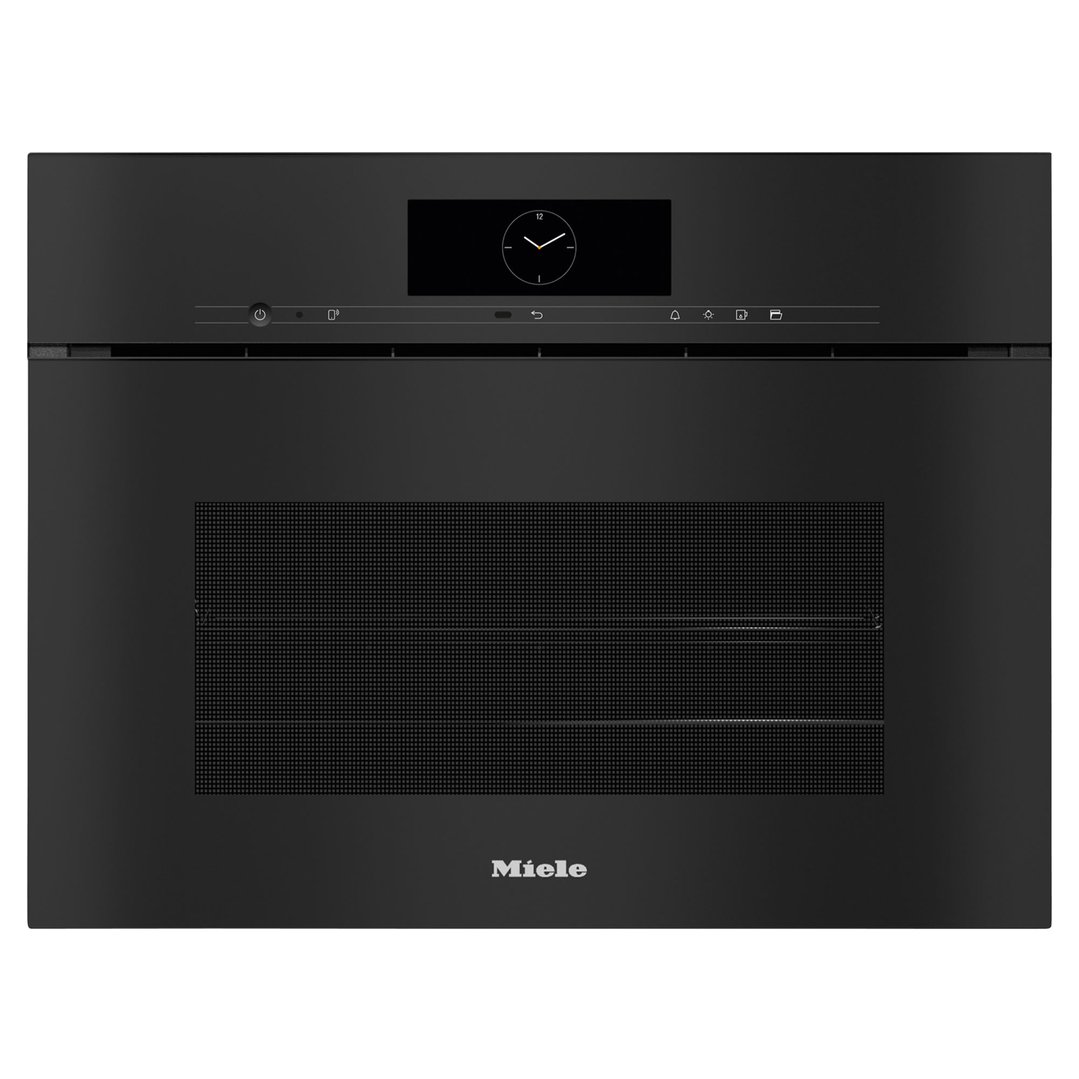
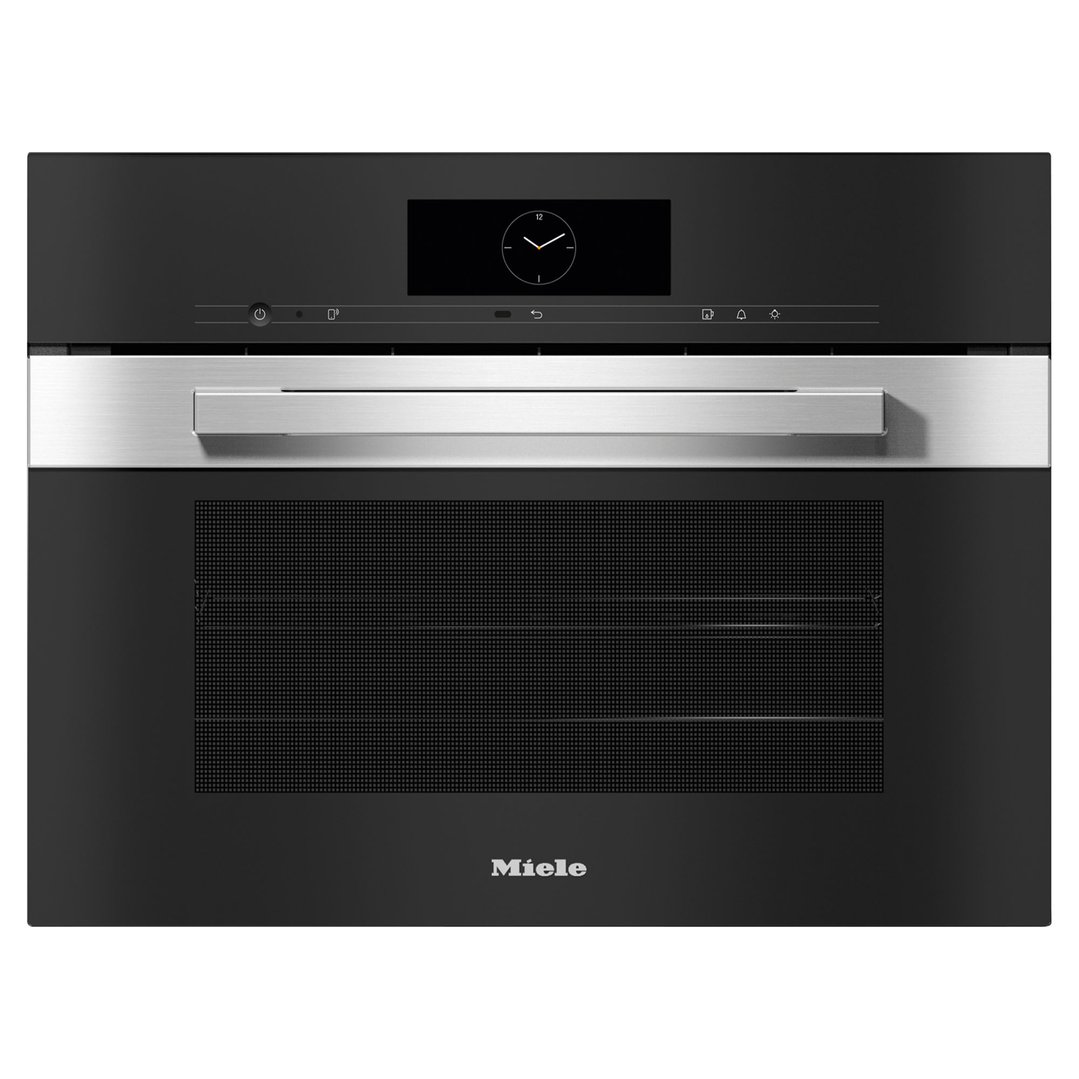
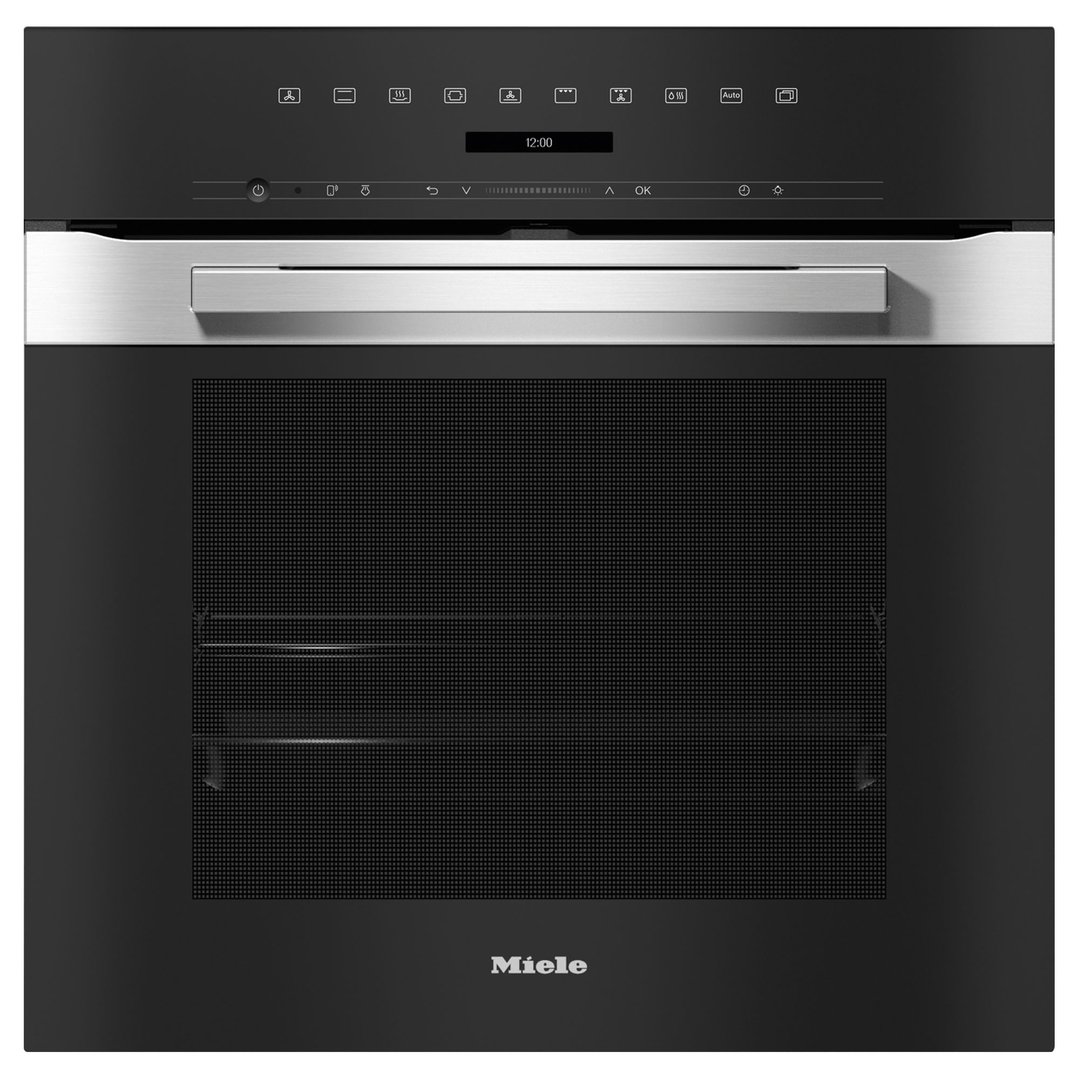
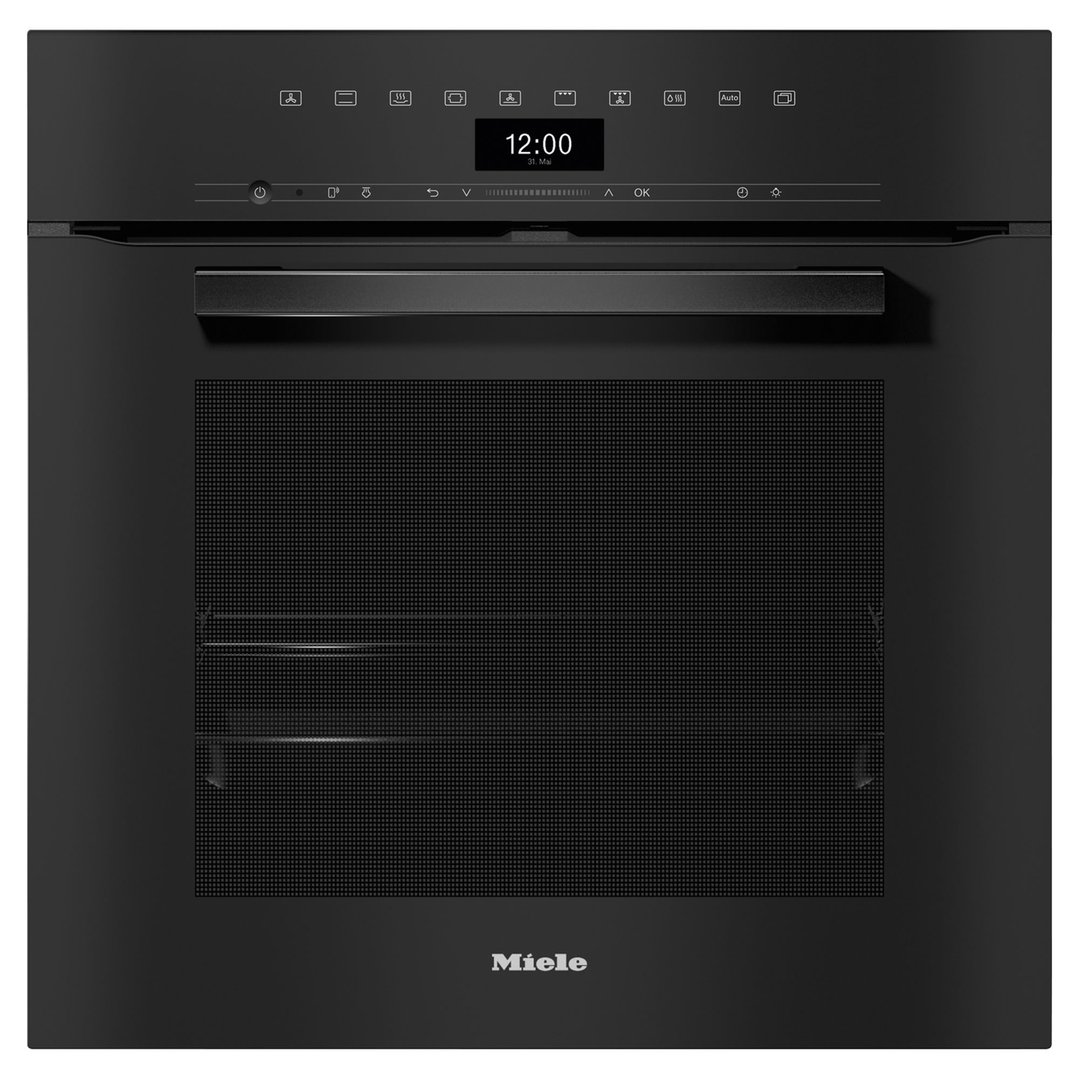
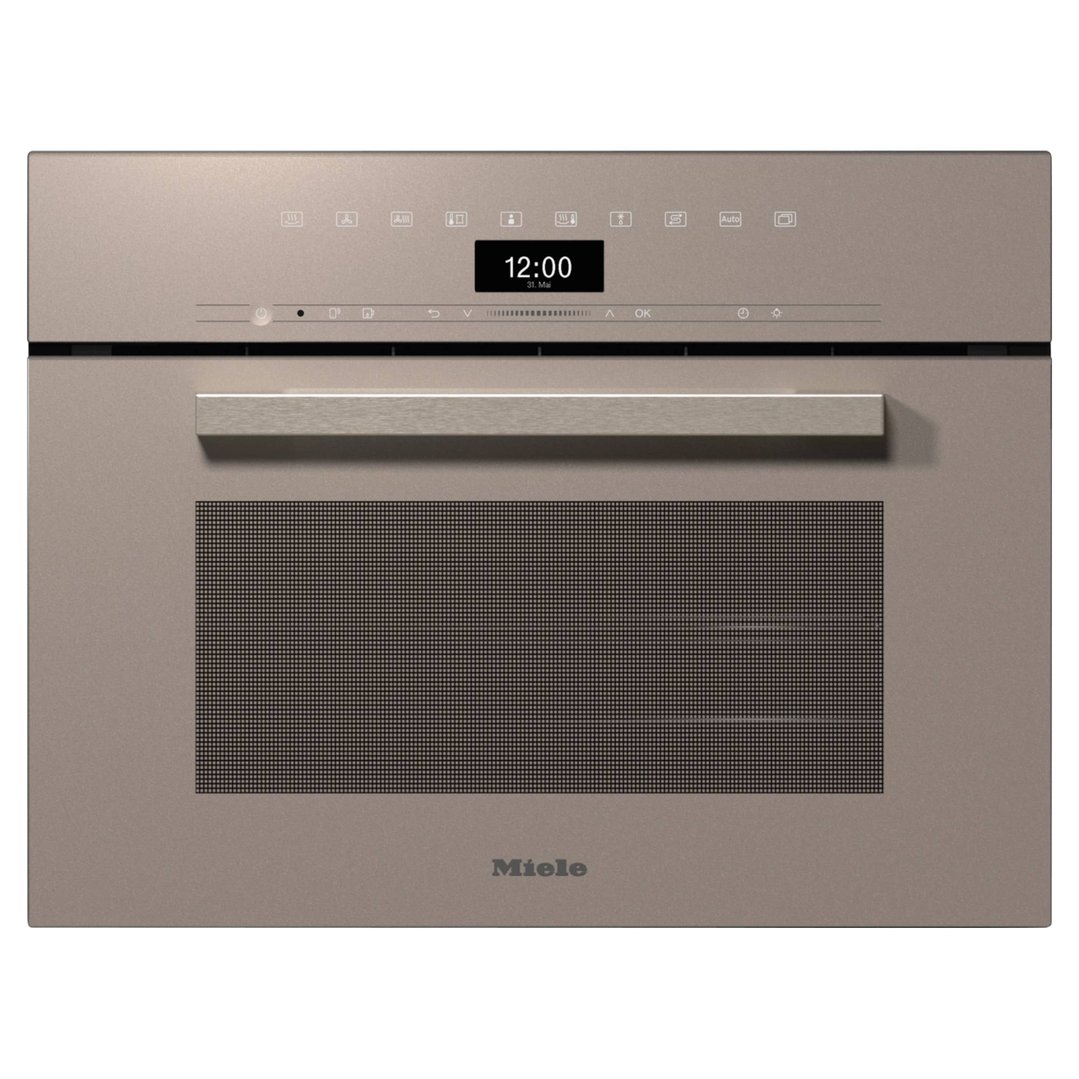

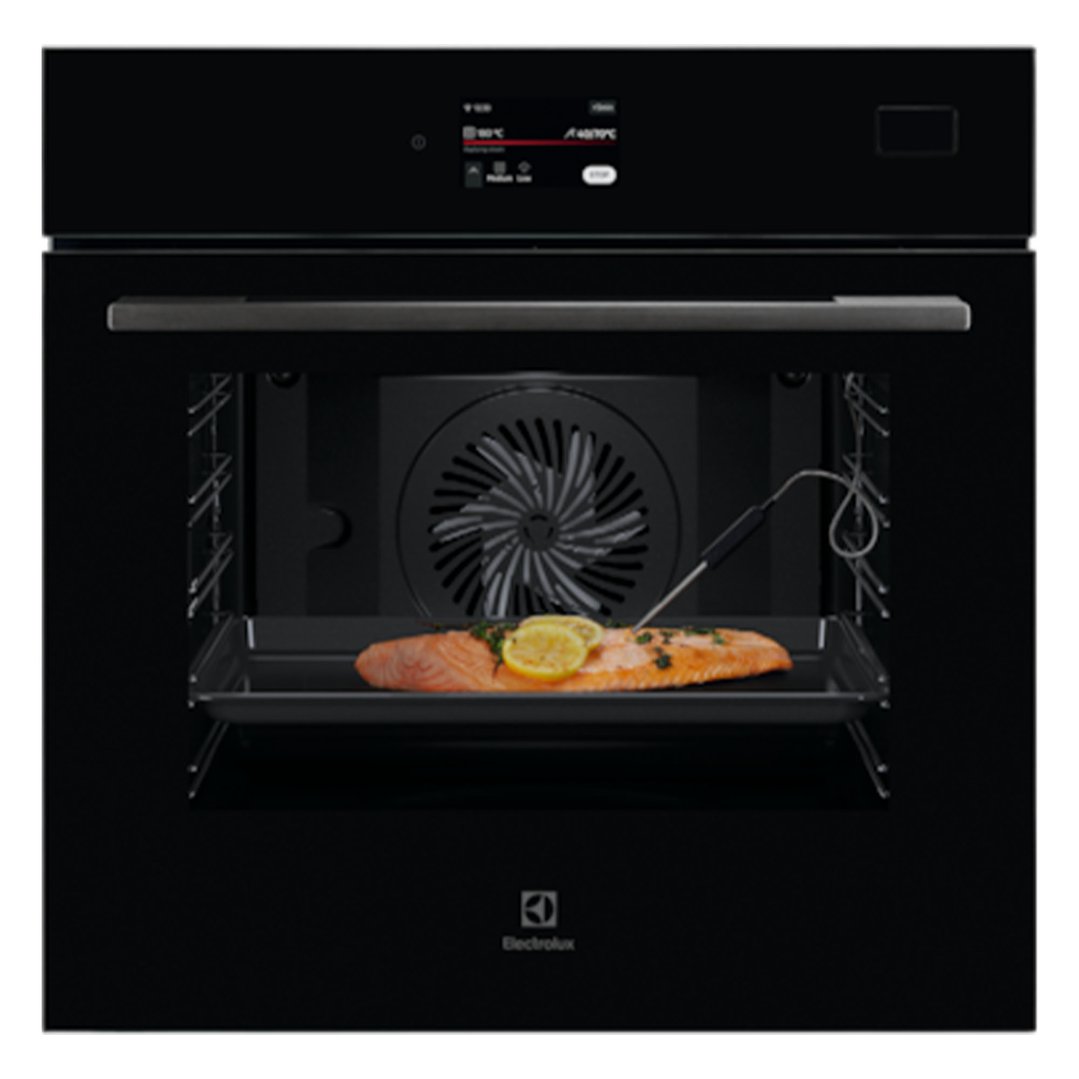
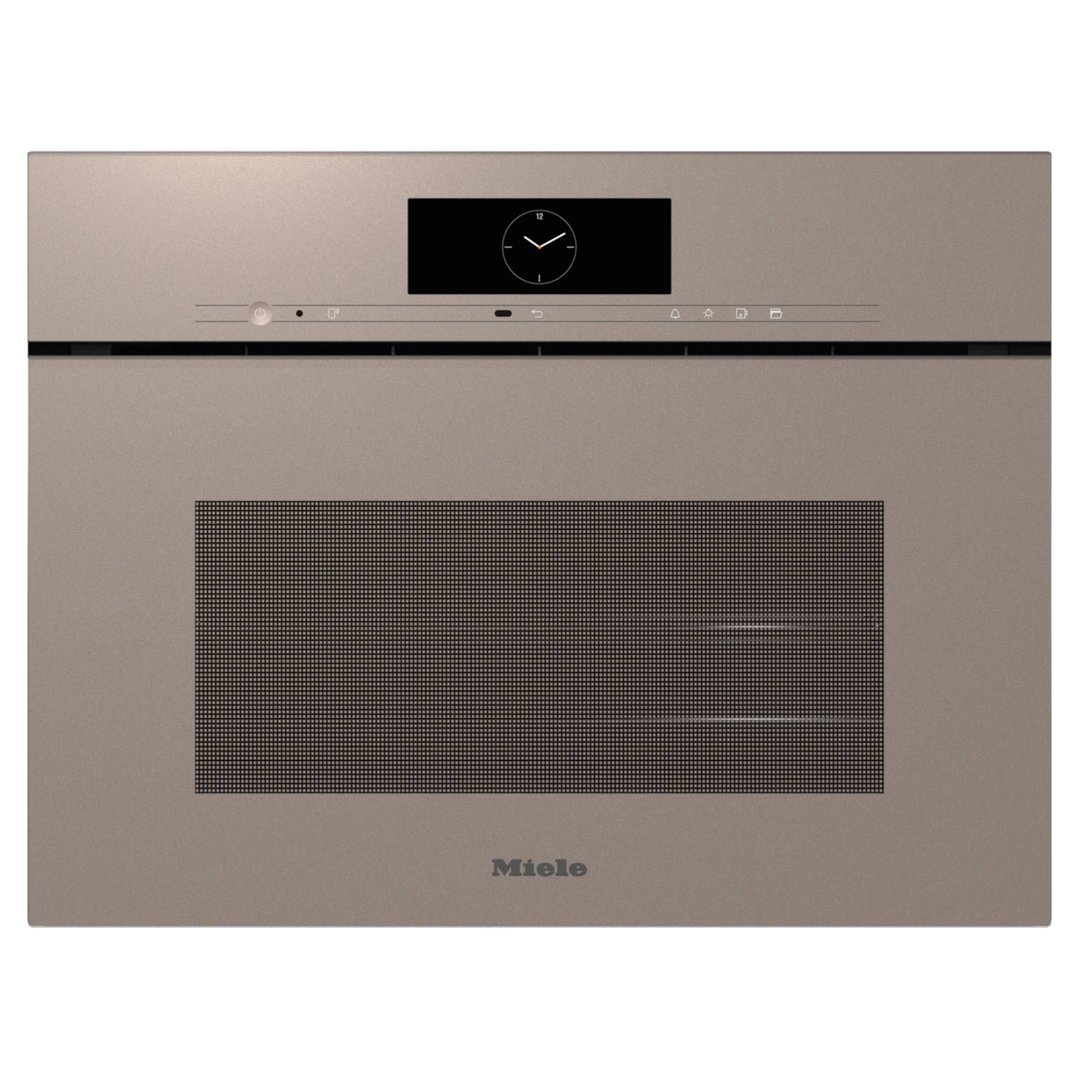
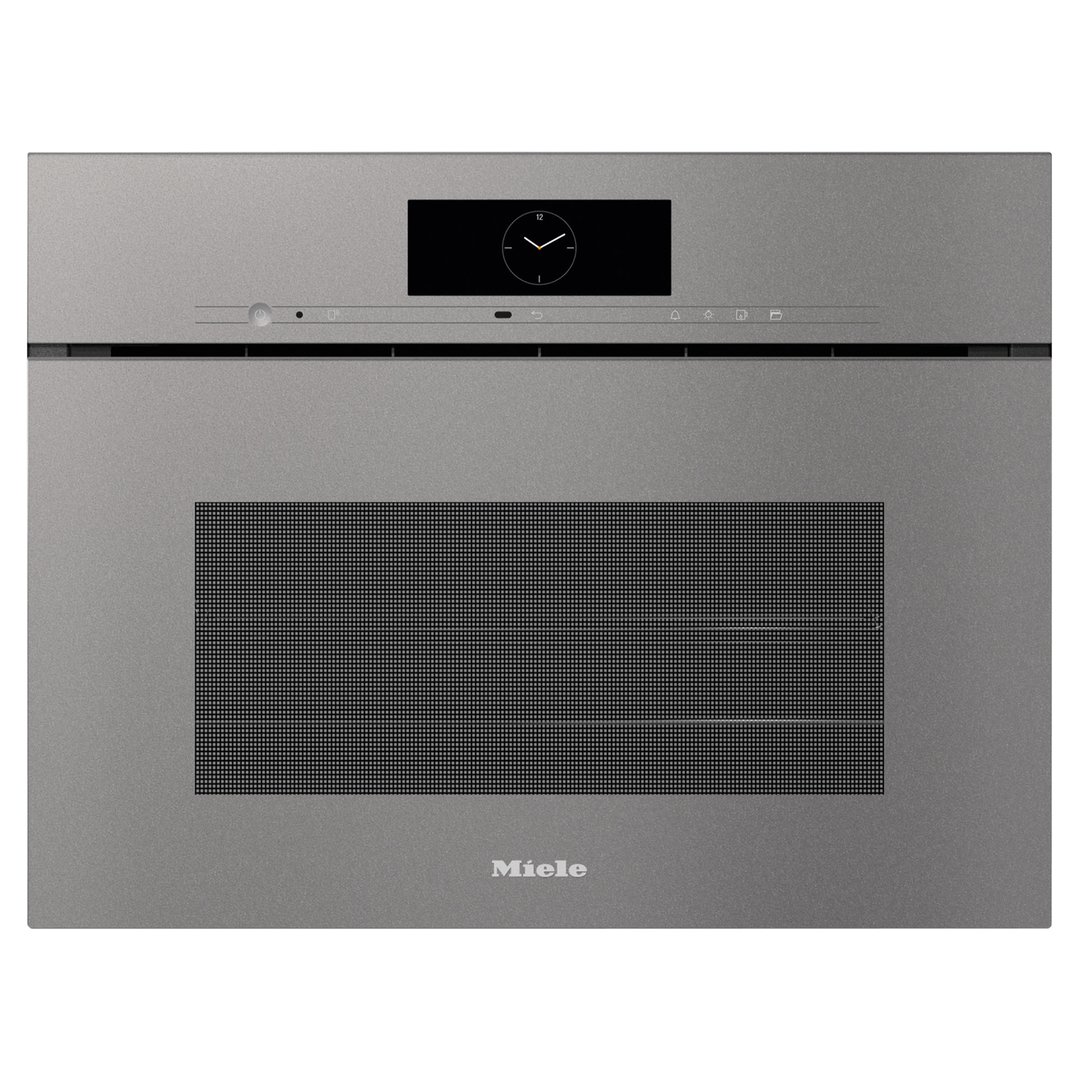
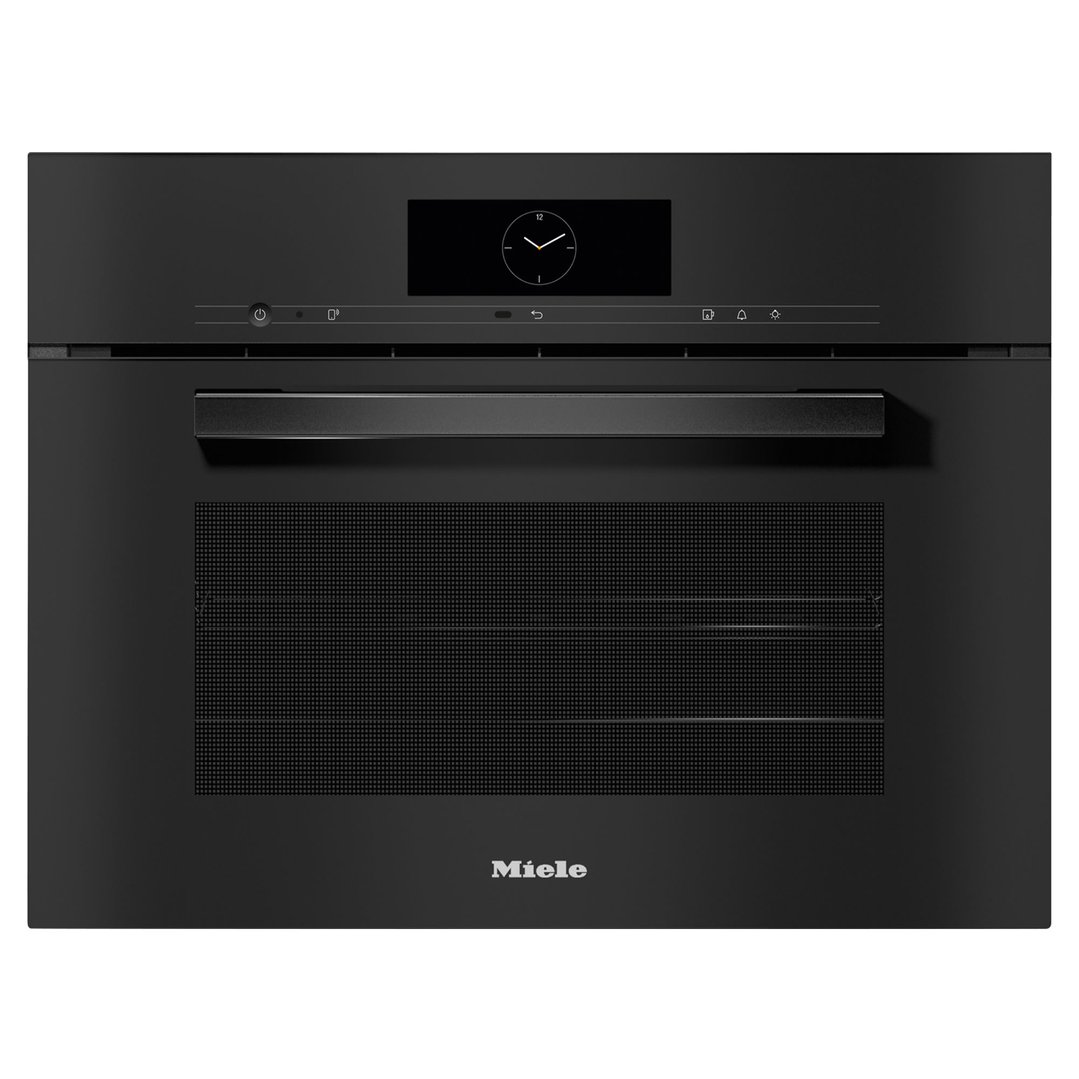
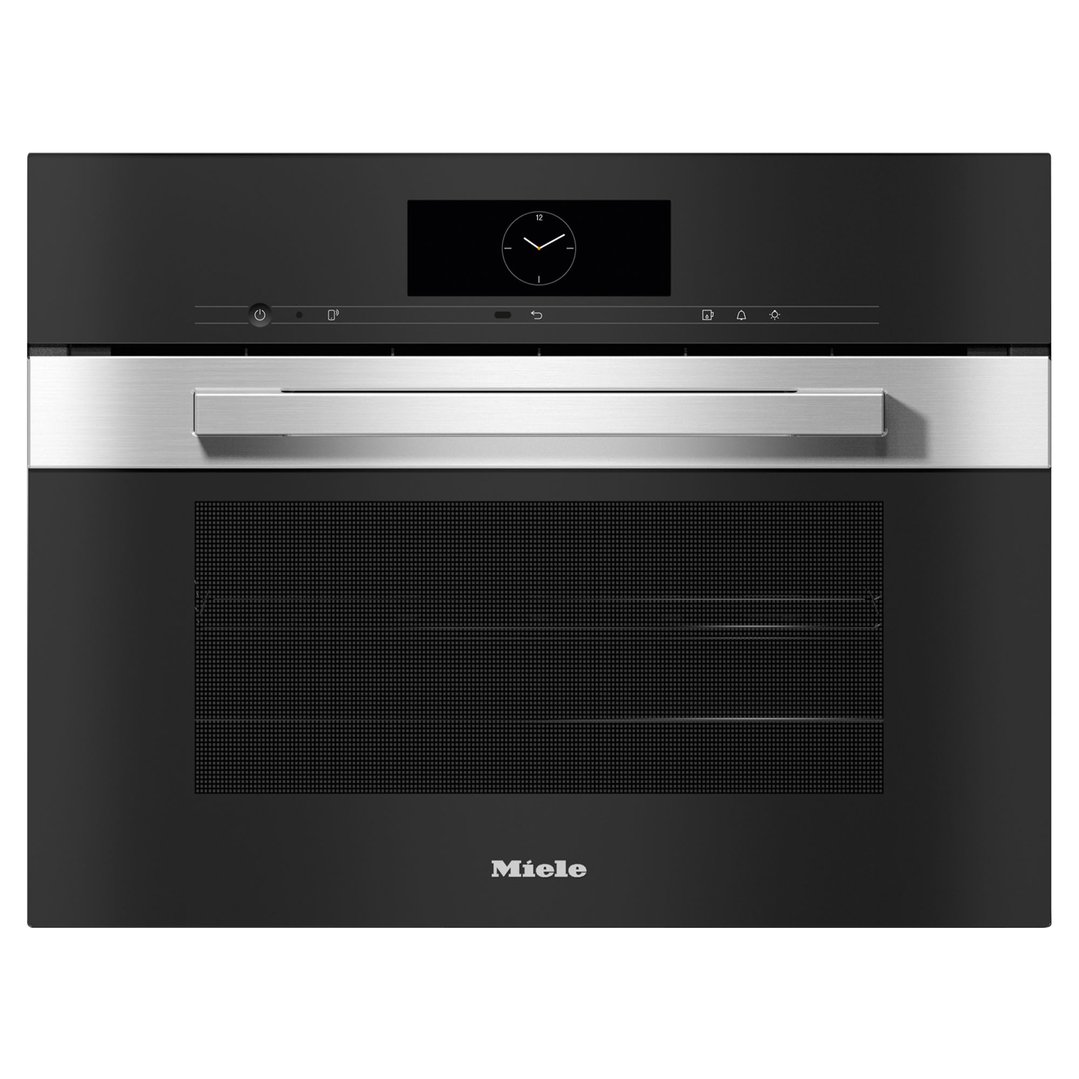

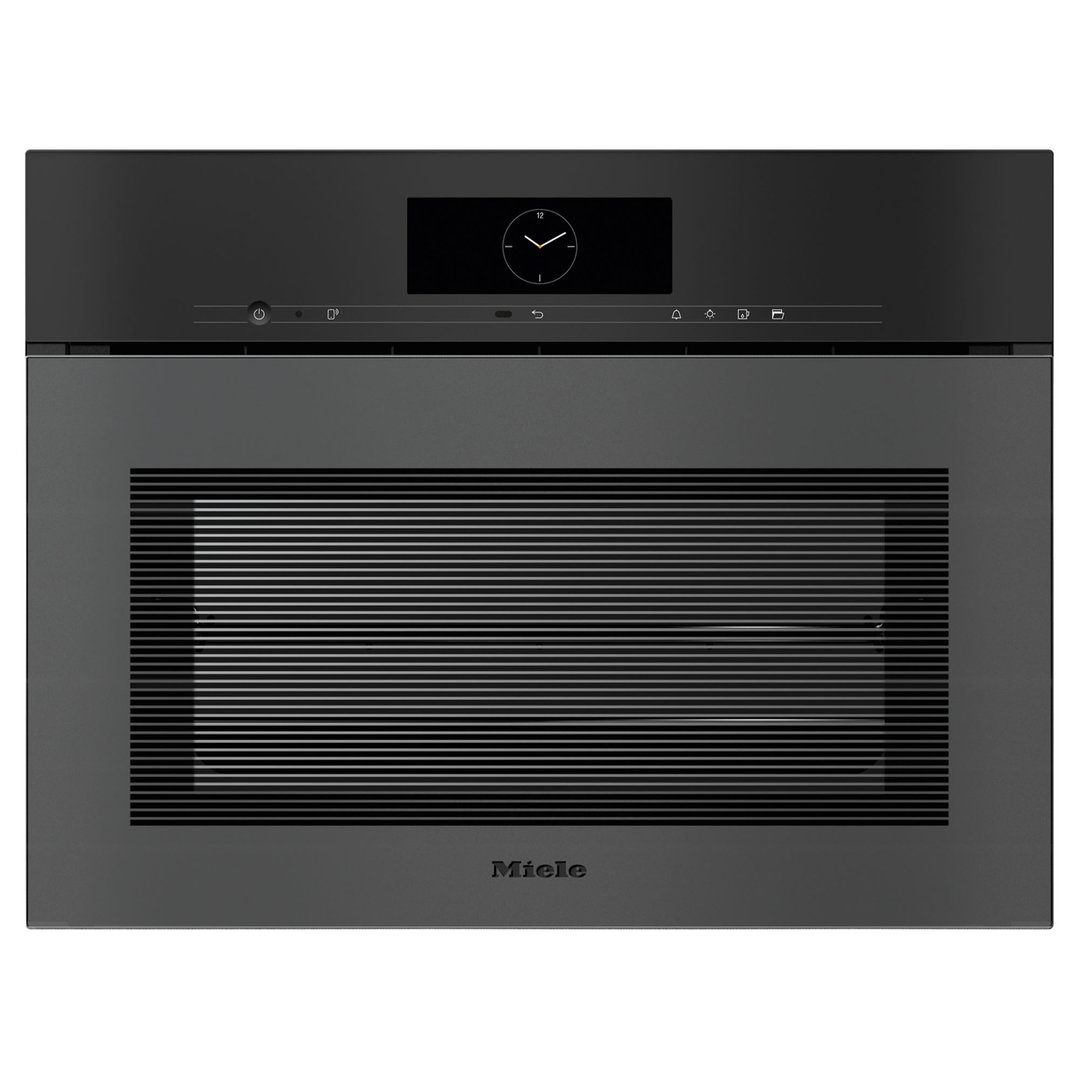
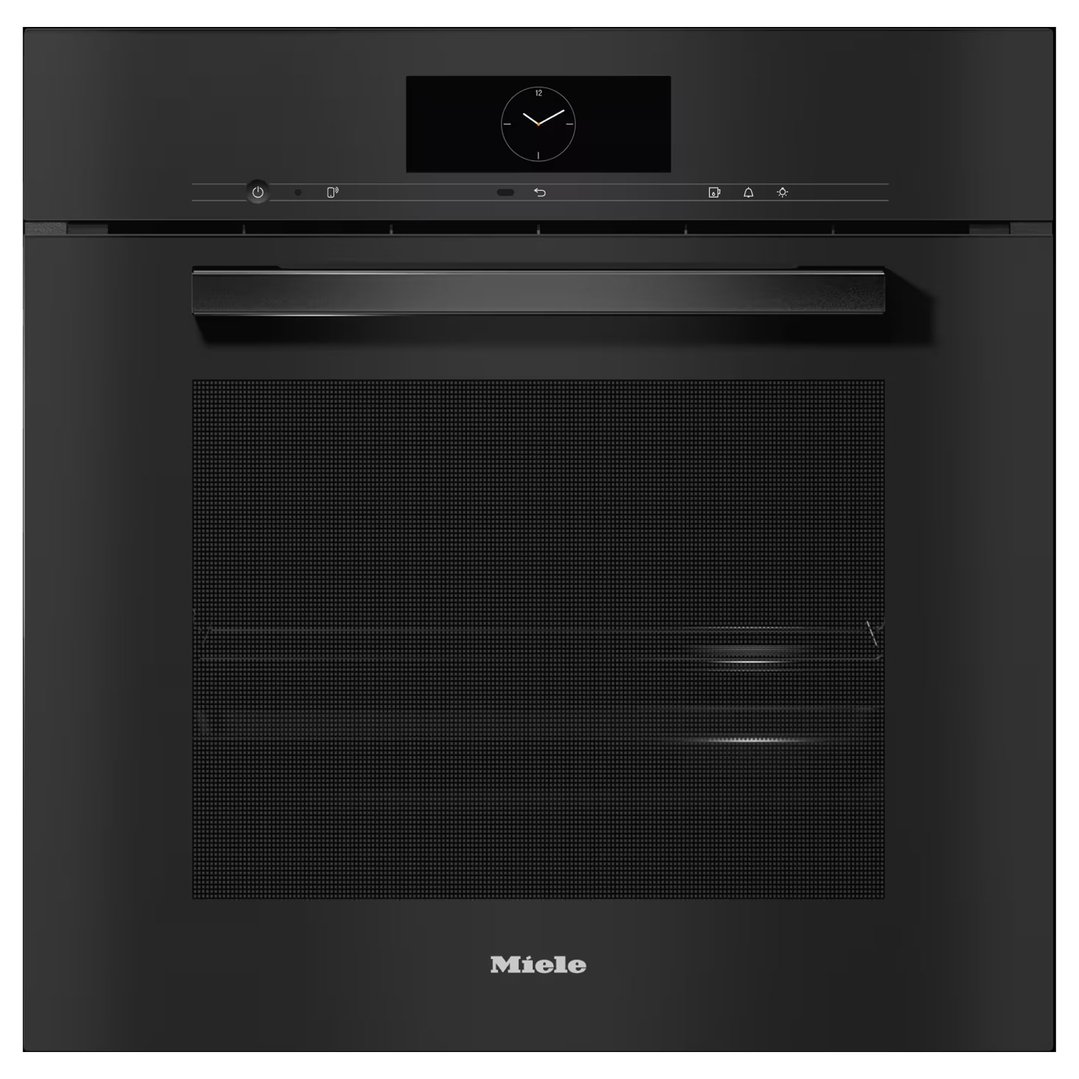
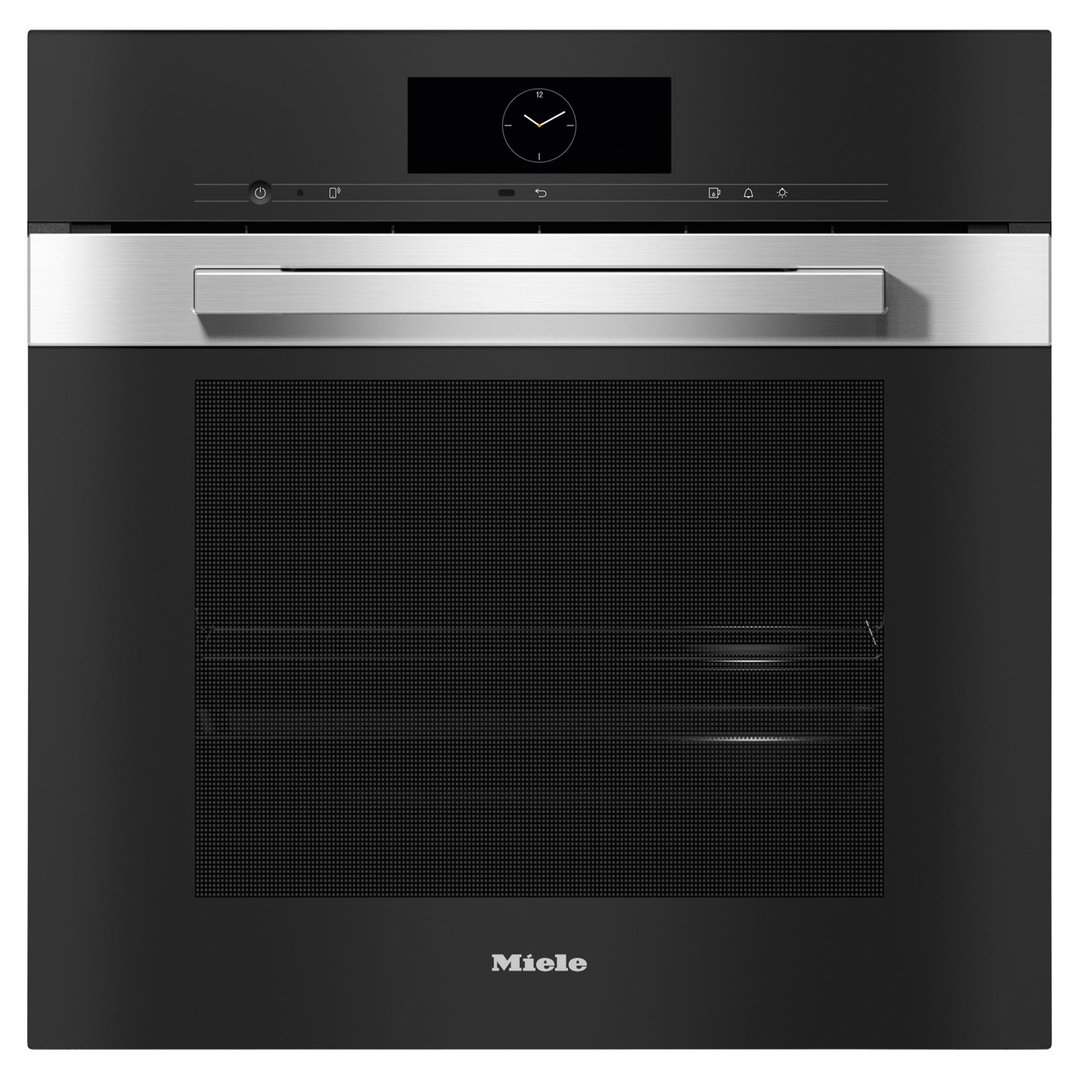
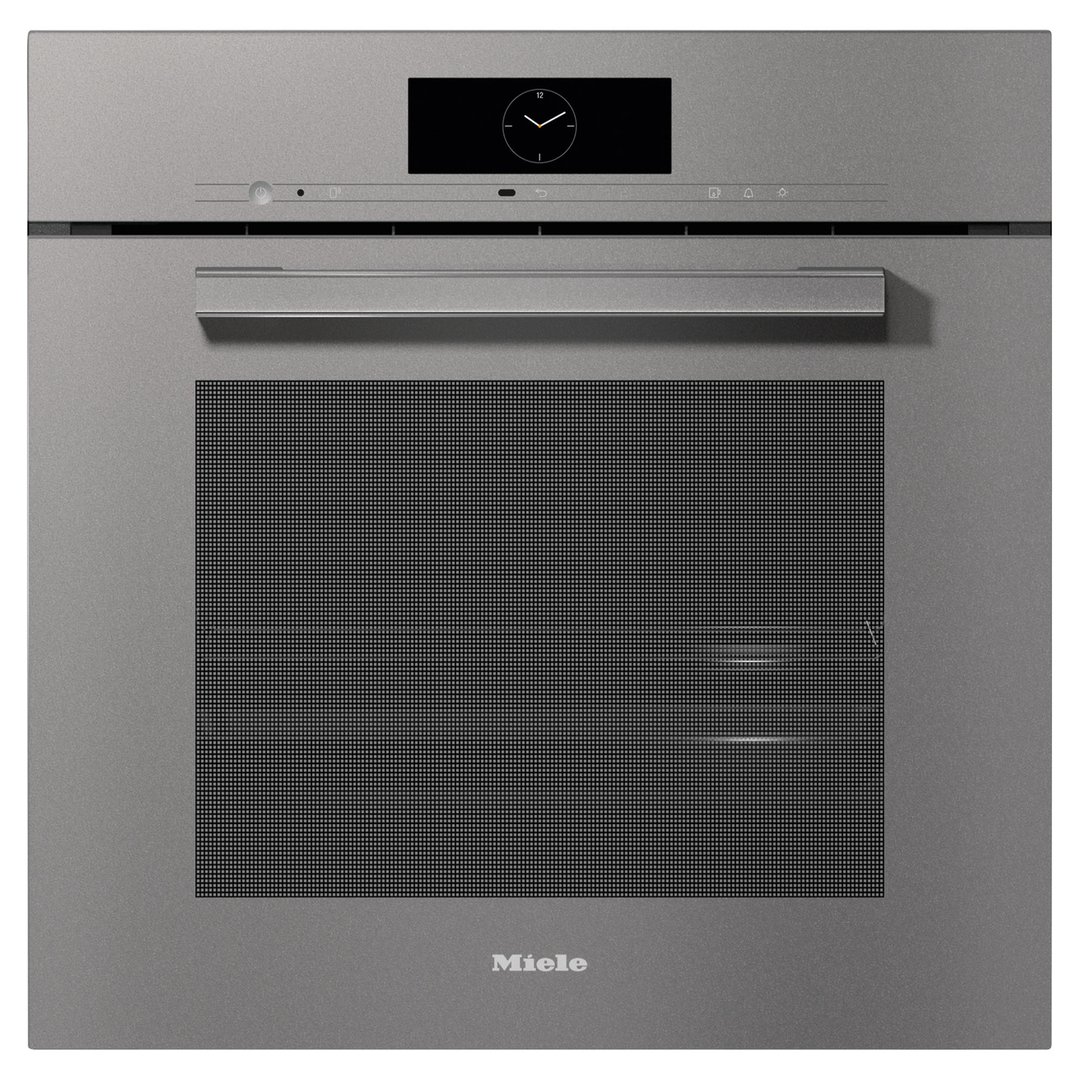
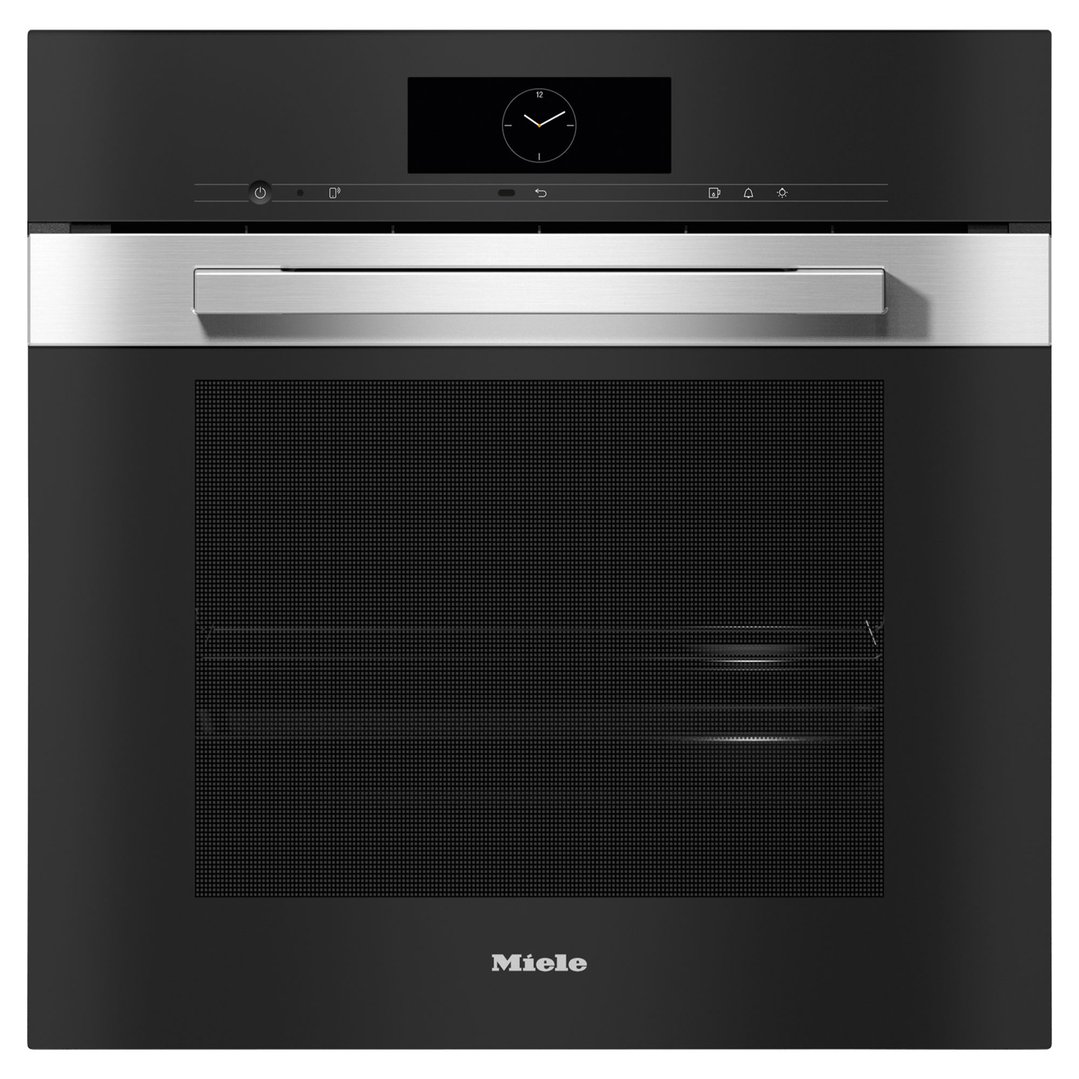
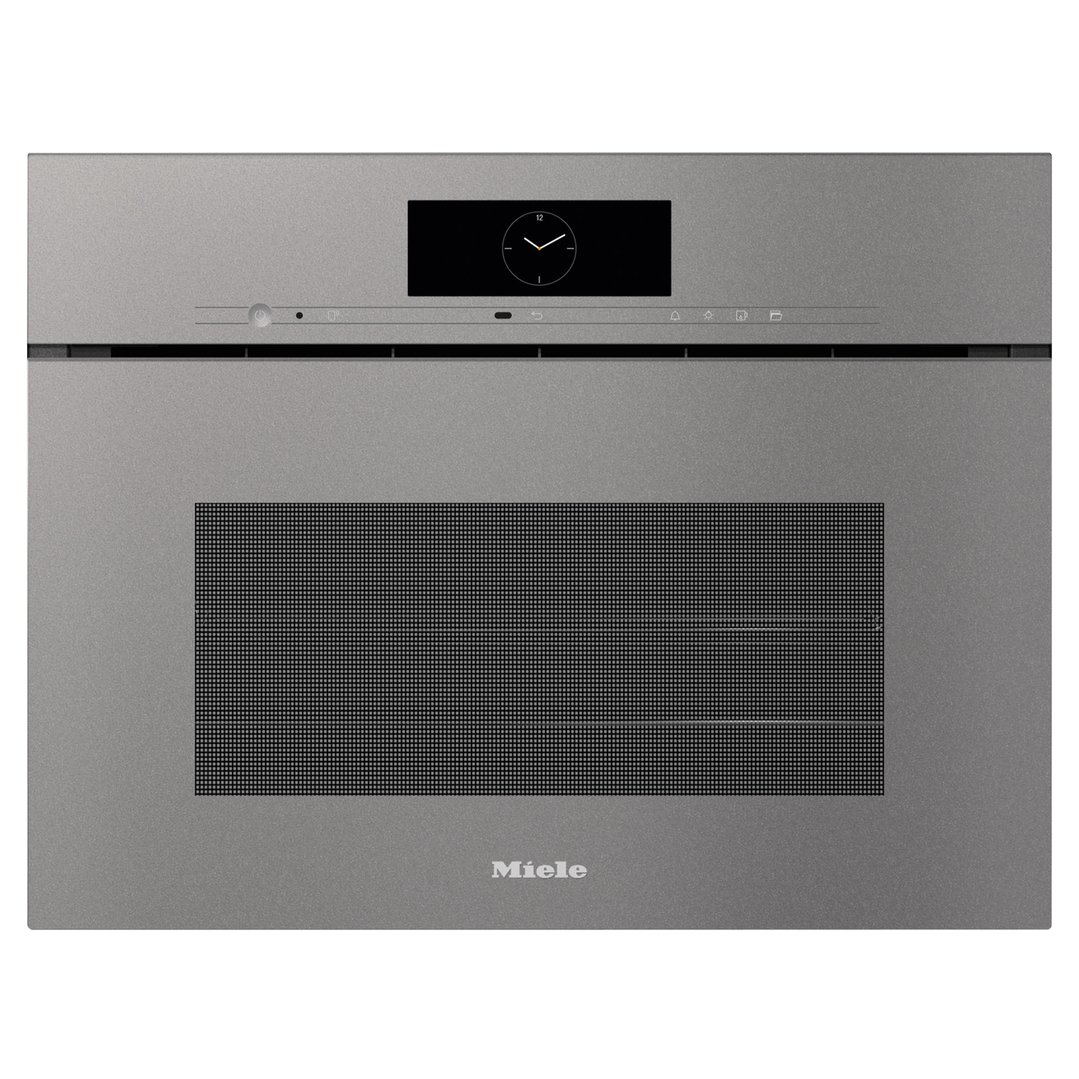
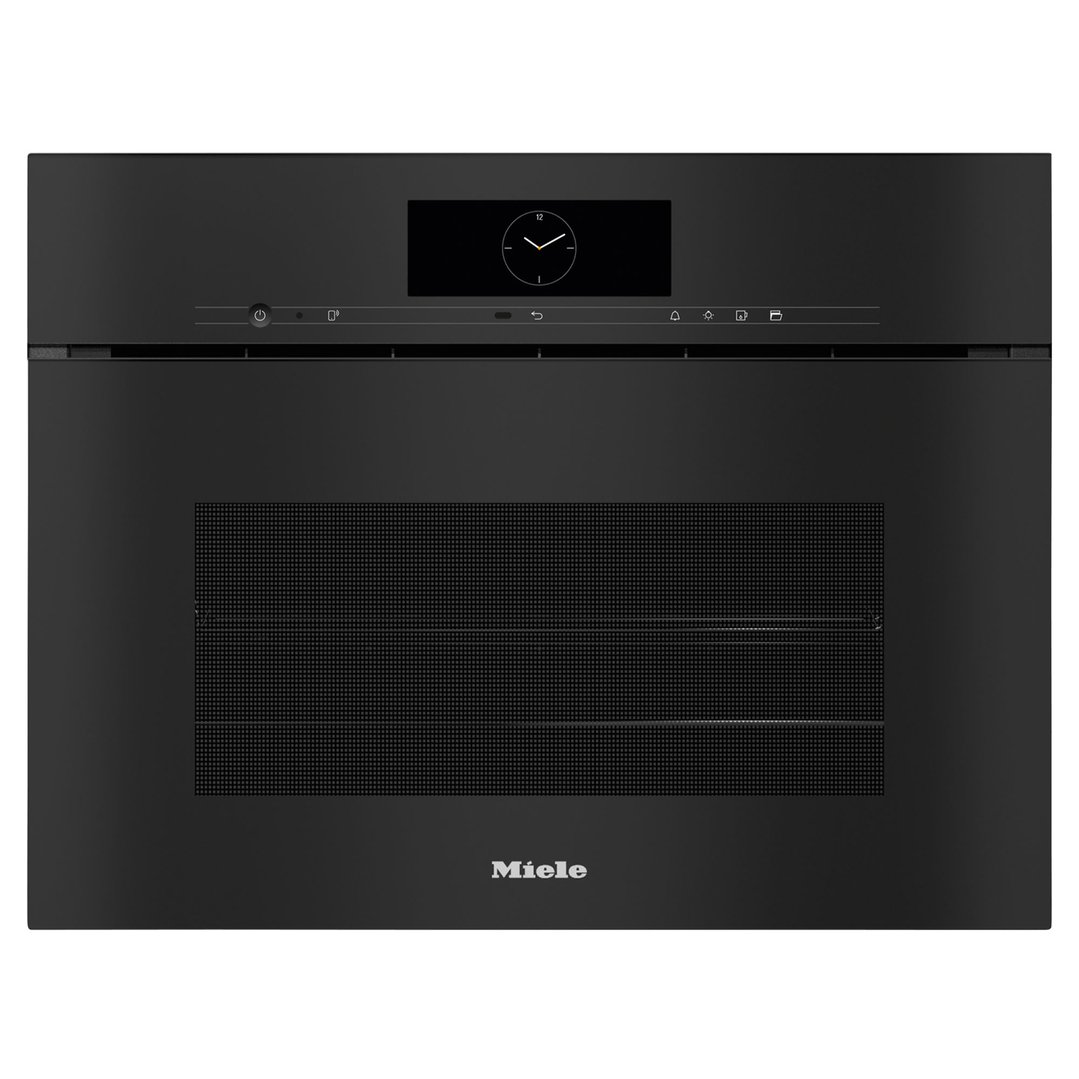
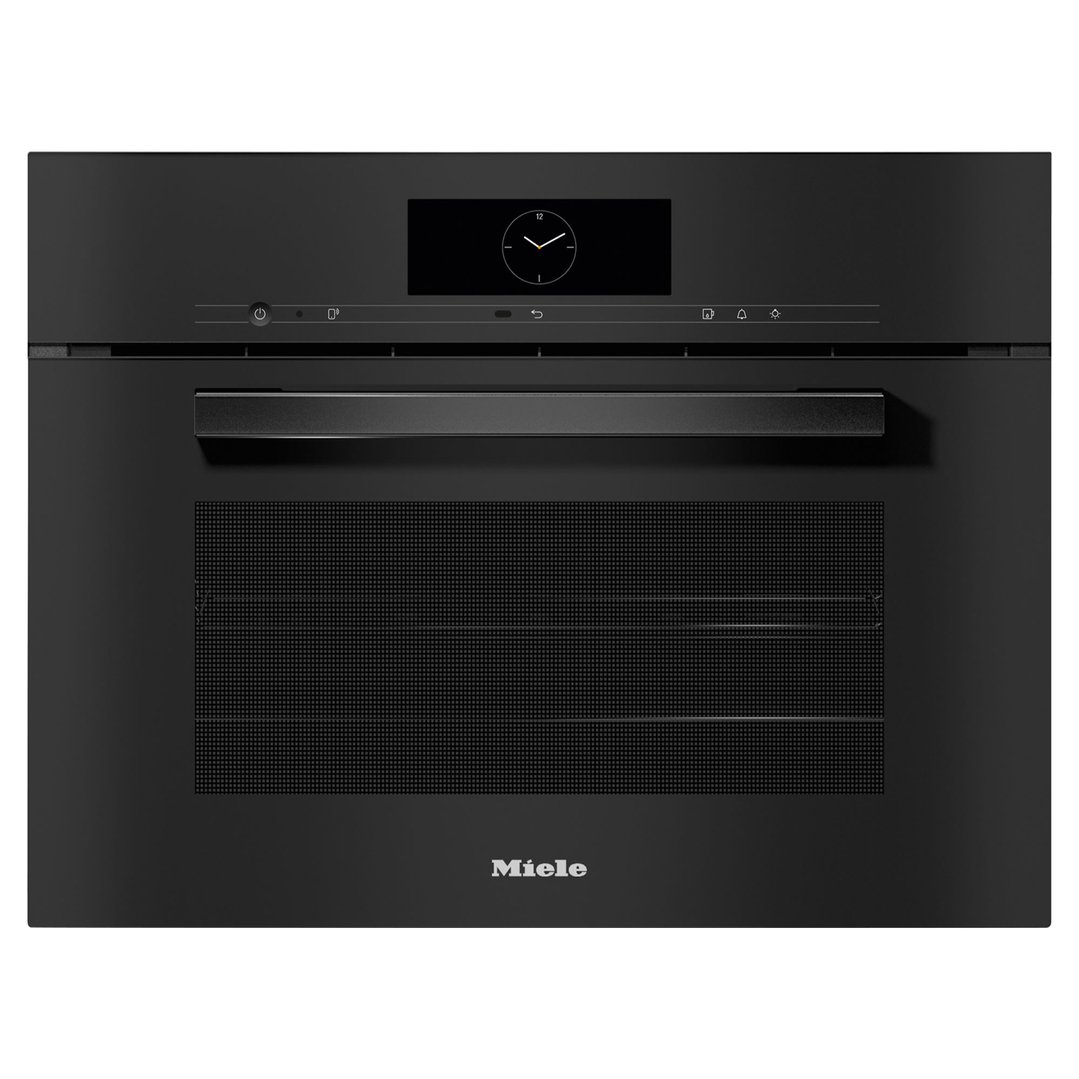
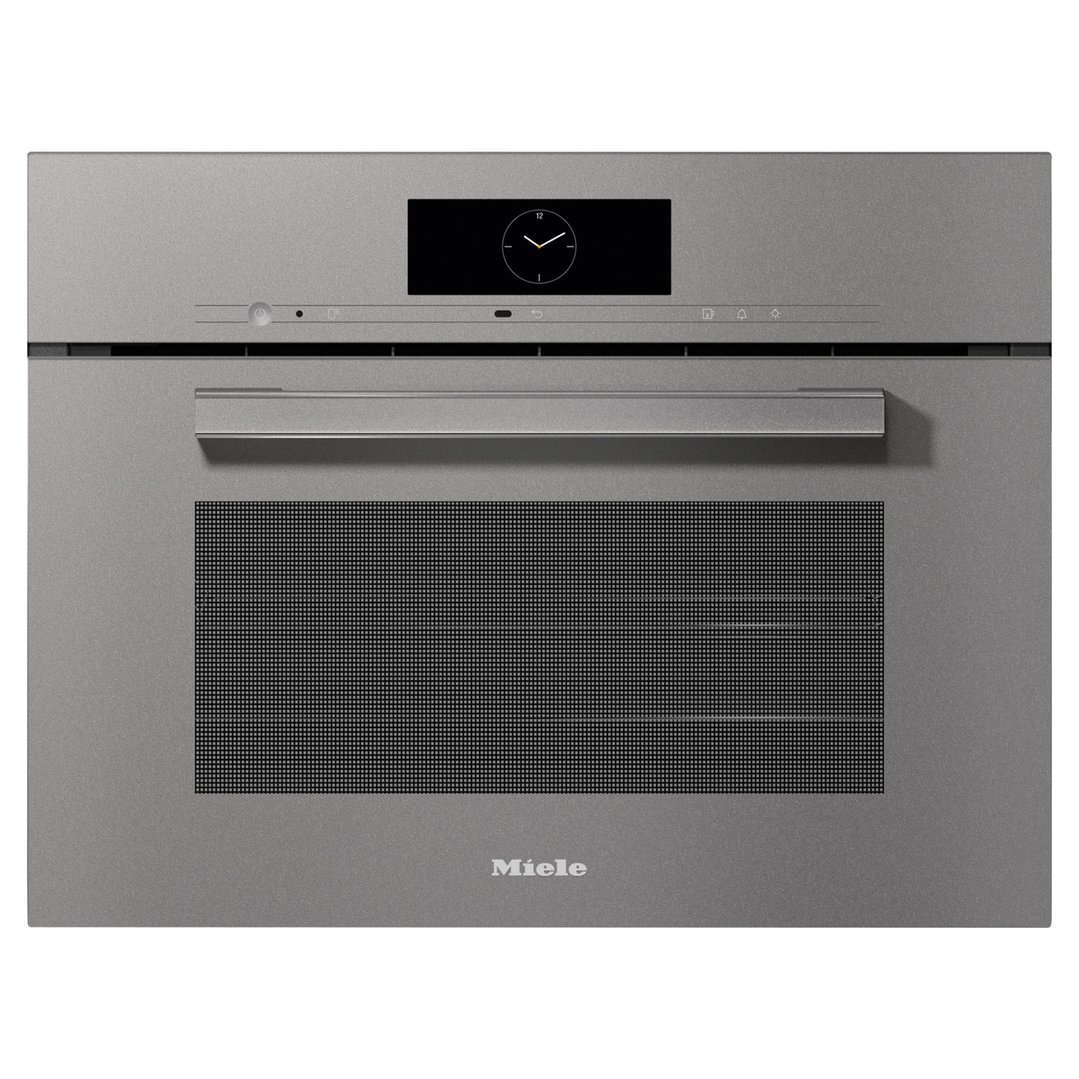
Steam ovens cook food using hot steam rather than dry heat, which results in food that retains more moisture, nutrients and natural colour than conventional oven cooking. At Bing Lee we stock steam ovens and combination steam ovens from brands including Miele, Bosch and Smeg. Our FAQs below explain how steam ovens work and whether one is right for your kitchen.
FAQs
1. What is a steam oven and how does it work?
A steam oven generates hot steam, typically at 100 degrees Celsius for pure steam cooking, which surrounds the food in the oven cavity. The steam cooks the food thoroughly while keeping it moist. Because steam cooking does not dry out food the way a conventional oven does, vegetables stay vibrant in colour and retain more vitamins, fish stays moist and tender, and bread develops a better crust. Many steam ovens also offer a combination mode that uses both steam and convection heat simultaneously.
2. How do I choose the best steam oven for my kitchen?
Decide whether you want a pure steam oven or a combination model. For most home cooks, the combination is more useful since it handles a much wider range of cooking tasks. Check the oven's capacity in litres to make sure it will fit what you typically cook. Consider the water tank system, most steam ovens require you to fill a removable water tank manually, though some models connect directly to a plumbed water supply. For more guidance on choosing the right oven, check out our buying guide with expert tips to help you compare oven types.
3. What types of food work best in a steam oven?
Steam ovens excel at fish, shellfish, vegetables, rice, dumplings and any food where you want to preserve moisture and nutrients. They are also excellent for reheating leftovers without drying them out. Bread bakers particularly love combi-steam ovens because the steam injection at the start of baking creates a better crust. Meat and poultry benefit from combination steam-convection cooking, which gives you browning and crispiness on the outside while keeping the inside moist.
4. Does a steam oven replace a conventional oven?
A combination steam oven can handle most of what a conventional oven does, so for kitchens with limited space it can serve as the primary cooking appliance. However, pure steam ovens have a fixed temperature ceiling of around 100 degrees, which limits them to steaming tasks only. If you plan to bake cakes, roast meats or cook anything that needs high dry heat above 100 degrees, you need a combi-steam model or a separate conventional oven. Most households who invest in a steam oven add it as a second oven alongside their main wall oven.
5. How do I fill the water tank in a steam oven?
Most steam ovens use a removable water reservoir that you fill with fresh, cold water and slot back into the oven. The capacity varies by model but is typically enough for one to three hours of steaming before a refill is needed. Some premium models offer a plumbed connection that draws from your household water supply directly, which is more convenient if you steam-cook frequently. Always use clean water and follow the manufacturer's recommendations for descaling to keep the steam generator in good condition.