
Omega Altise Lancer LPGas Heater Black Marble OALAFLPBM
OALAFLPBM
SPECIAL ORDER
Pay in 4 interest-free payments of $299.75
or up to 6 months interest free. Fees apply.
Include a Back Up Plan?
Shipping Options
Enter your suburb and/or postcode below for delivery information:
Product Highlights
- Room Size (Sq Ft): 53
- Safety Thermostat: No
- Safety Tilt Switch/Tip Over Switch: No
- Swivelling Function: No
- Tempearture Setting: No
- Timer: No
- Warranty (Years): 3
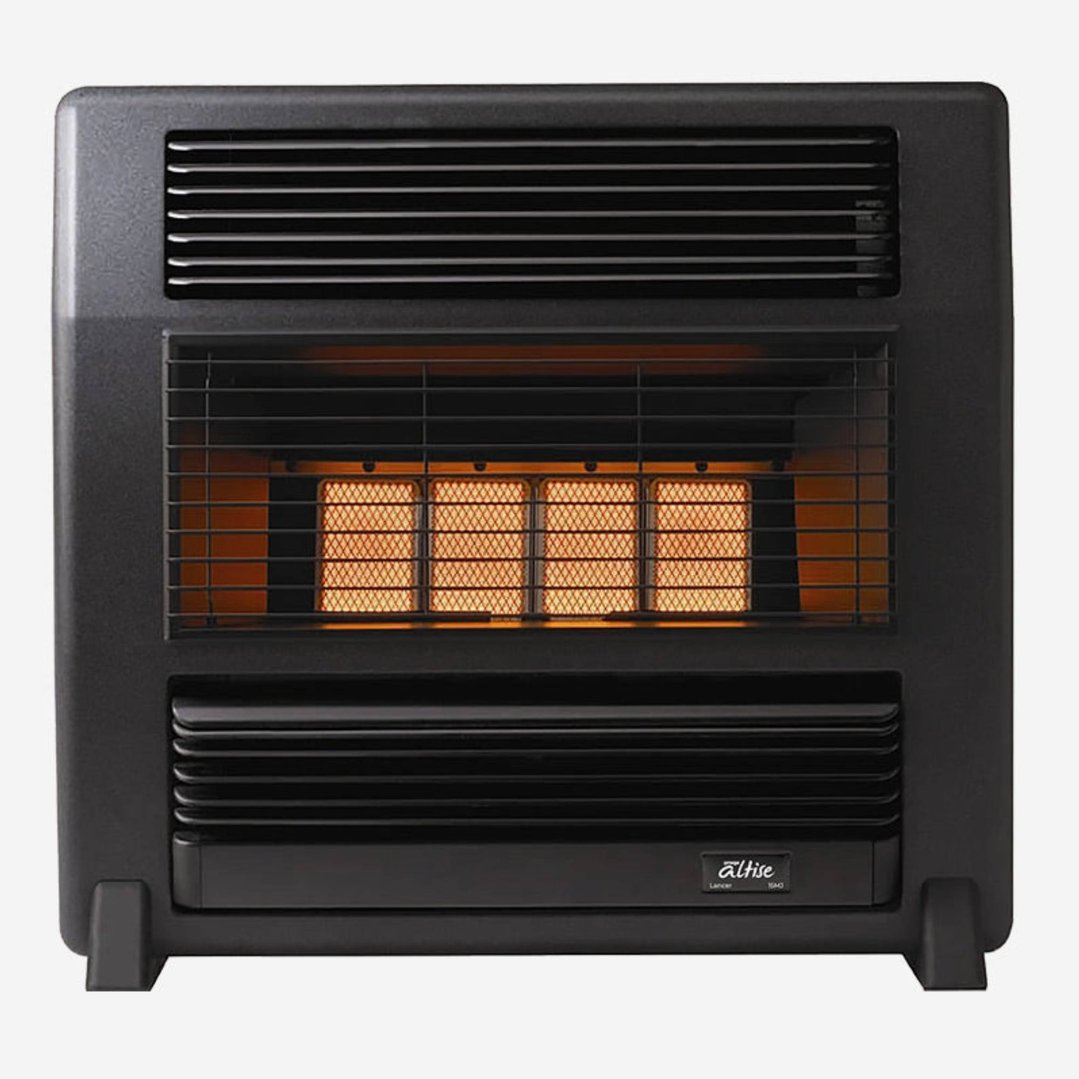
Omega Altise Lancer Fineline 15 MJ Portable Heater, Marble Black OALAFLPBM
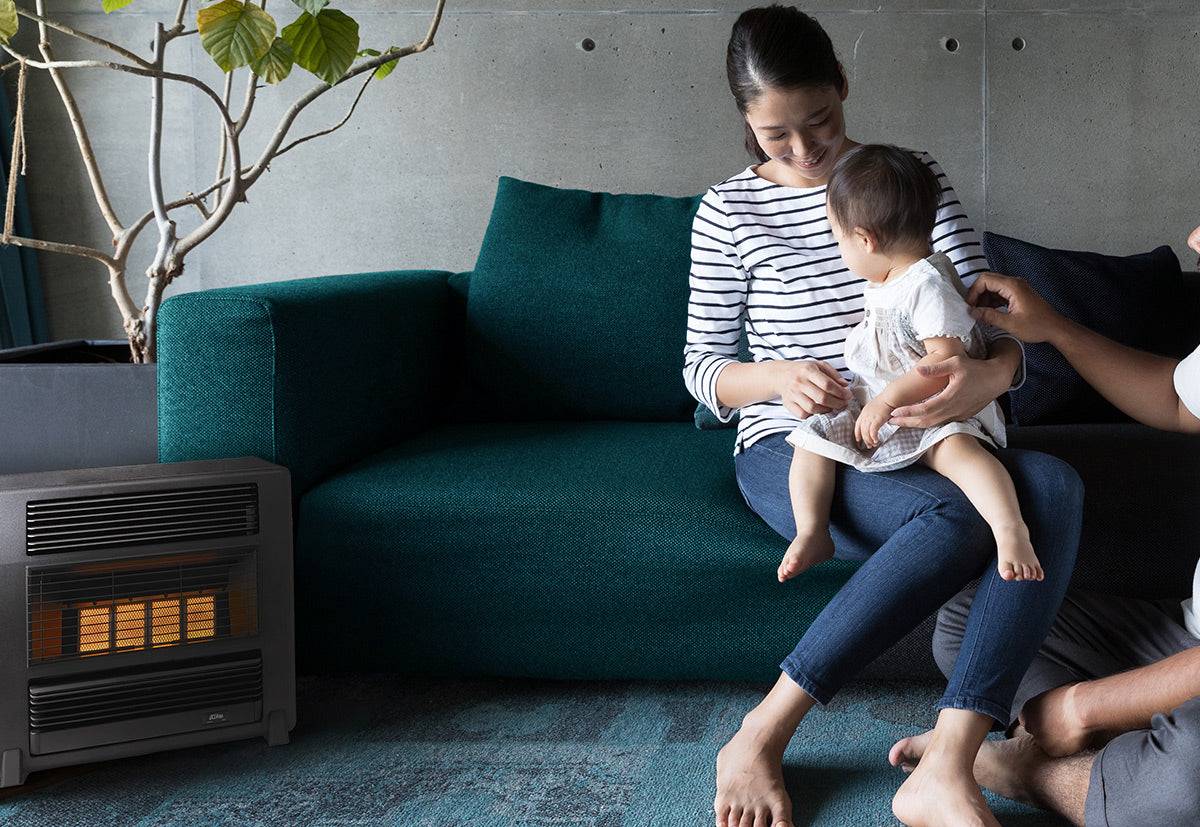
The Omega Altise Lancer Fineline 15 MJ Heater is a powerful radiant and convection gas heater designed to warm medium to large living spaces up to 53 m². It features push-button controls, 2-speed fan heating, and safety features including tip-over protection, oxygen depletion sensor, and flame failure shut-off for reliable everyday comfort.
Key Features:

Radiant / Convection Heating
The radiant panel heats the room and the convection fan blows warm air to every corner.

Safety Tip Over Switch
The heater will automatically shut off if it tips over for any reason, giving you peace of mind.
Oxygen Depletion Sensor
The heater monitors the level of oxygen in the room and if the level becomes low, the heater will automatically shut off so the oxygen level can restore itself.

Flame Failure Shut Off
Automatically switches off the gas supply if the flame extinguishes.
Specifications
Description
- Search Snippet: The Omega Altise Lancer OALAFLPBM heats spaces up to 53 square metres with radiant and convection technology.
Global
- EAN: 9312646030572
- HEATER TYPE: Radiant Heaters
- Model Number: OALAFLPBM
General
- Colour: Black
- Fuel Type: LPG
- Made In: CHINA
- Number Of Heat Settings: 2
Features
- Adjustable Room Thermostat: No
- Castors: Yes
- Ceramic Technology: No
- Cord Storage: No
- Easy Tilt: No
- Eco-Energy System: No
- Eco Mode: No
- Fan System: Yes
- Oscillation Control: Yes
- Portable: Yes
- Remote Control: No
- Swivelling Function: No
- Tempearture Setting: No
- Timer: No
- Voice Control: No
- Wall Mountable: No
- Water Resistant: No
Size
- Room Size (Sq Ft): 53
Design
- Control Panel: Push button
Safety Features
- Air Volume And Combustion Control: No
- Anti-Frost Function: No
- Child Lock: No
- Flame Failure Shutoff: Yes
- Overheating Safety Thermal Cut-Off: Yes
- Oxygen Depletion Sensor: Yes
- Safety Thermostat: No
- Safety Tilt Switch/Tip Over Switch: No
Energy Specification/Power
- Energy Rating: 5.9 Star
- Gas Input Mj/H High (Mj/H): 15
- Gas Input Mj/H Low (Mj/H): 7.5
Electrical Requirements
- Cord Length: 1.5
Dimensions
- Depth: 285mm
- Height: 568mm
- Width: 604mm
Weight
- Weight (Kg): 19
In The Box & Warranty
- Included: 15 MJ/h LANCER Portable Gas Heater
- Warranty (Years): 3
Manuals
Why Buy?
Instant warmth for medium to large living spaces
This 15 MJ gas heater delivers immediate radiant heat combined with fan-assisted air circulation to warm rooms up to 53 square metres quickly and evenly, giving you faster heating than electric alternatives.
The dual heating system works like having both a radiant panel and a fan heater in one unit - direct warmth where you sit plus circulated air to heat every corner. You get instant comfort from the radiant panel while the 2-speed fan pushes warm air throughout the entire room. Push-button controls make it simple to adjust heat levels for your comfort.
The marble black finish complements modern living rooms while the portable design lets you move heating wherever you need it most. LPG operation means lower running costs than electric heating and reliable warmth even during power outages. Built-in safety systems automatically shut off gas flow if the flame extinguishes, oxygen levels drop, or the unit tips over, giving you worry-free operation.
Buy this if...
- You need to heat medium to large rooms up to 53 square metres
- You want faster heating than electric heaters provide
- You prefer portable heating you can move between rooms
- Your home has LPG connections or you use gas bottles
- You value comprehensive safety features for family peace of mind