Ovens


$7,690 you
pay $6,540Ends in
11 Days$2,499 you
pay $2,299Ends in
15 Days











Ovens - Shop Online at Bing Lee
Whether you're roasting a Sunday lamb, proving sourdough, or trying out a new recipe with the family, the right oven makes all the difference. At Bing Lee, we carry a wide range of ovens from leading brands - so whether you're after a sleek built-in, a versatile freestanding, or a feature-packed steam oven, you'll find the perfect match right here.
Not sure where to start? Our handy buying guide below will walk you through everything you need to know.
What Types of Ovens Are There?
Today's ovens come in more shapes and styles than ever before. Here's a quick rundown of the main categories to help you narrow things down.
Wall Ovens
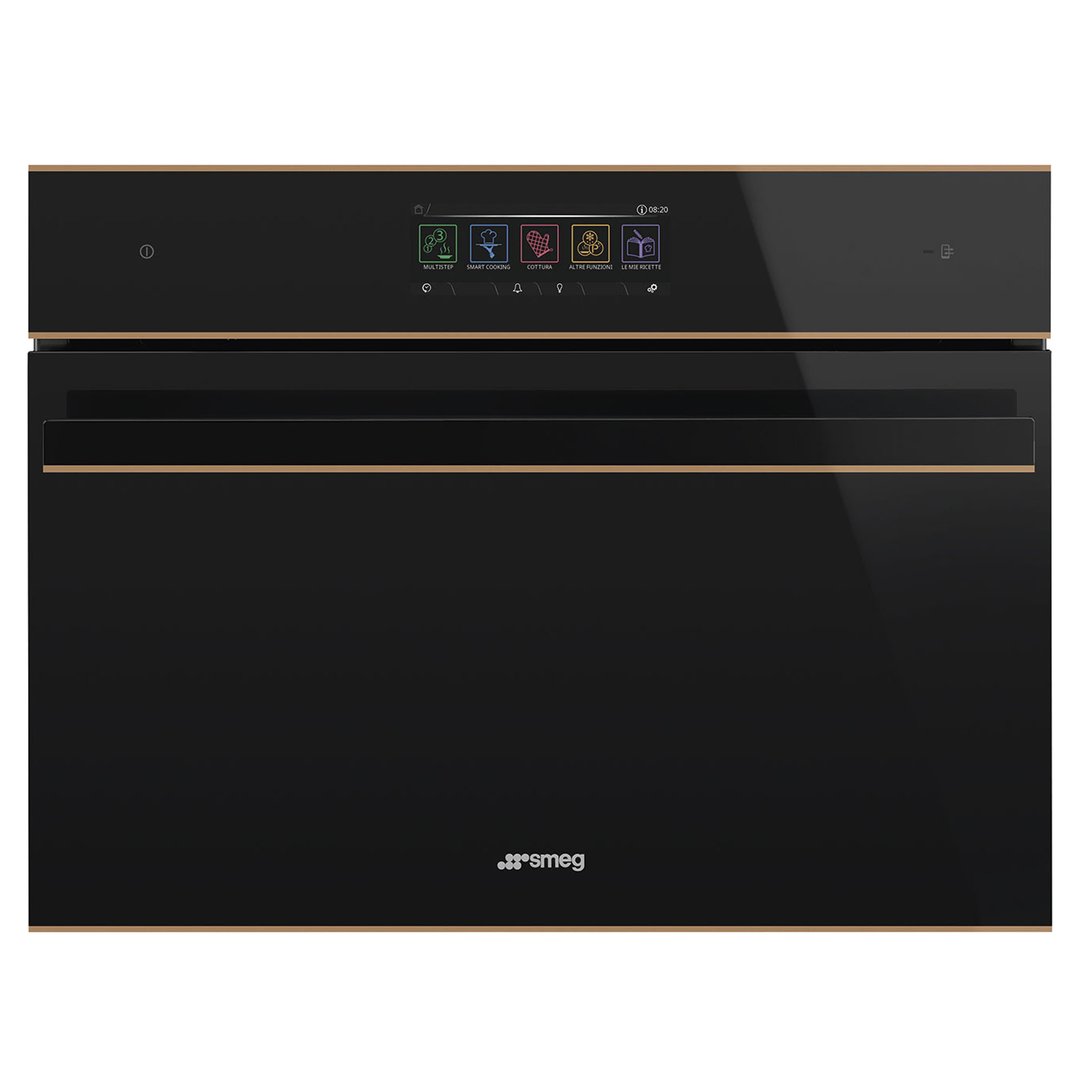
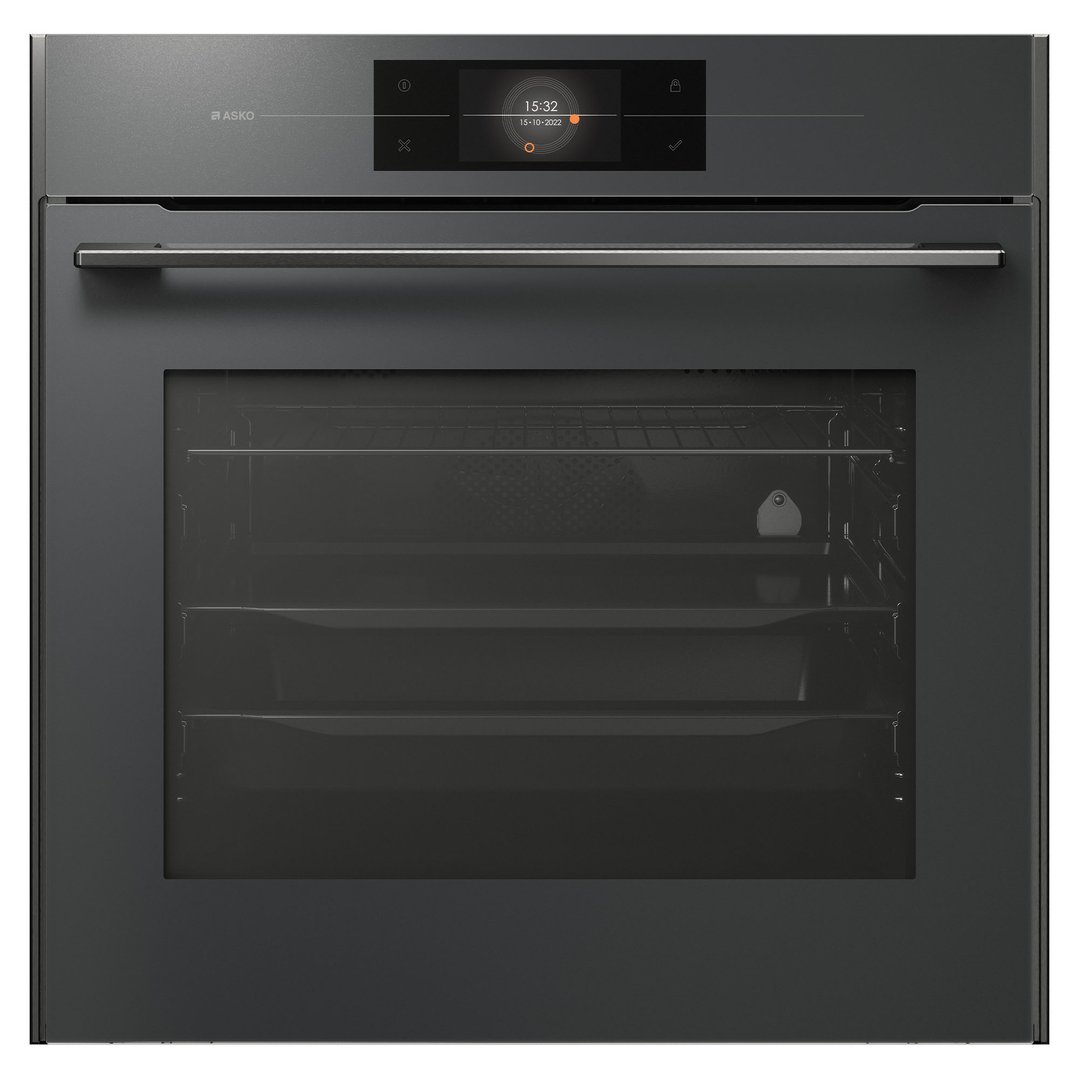
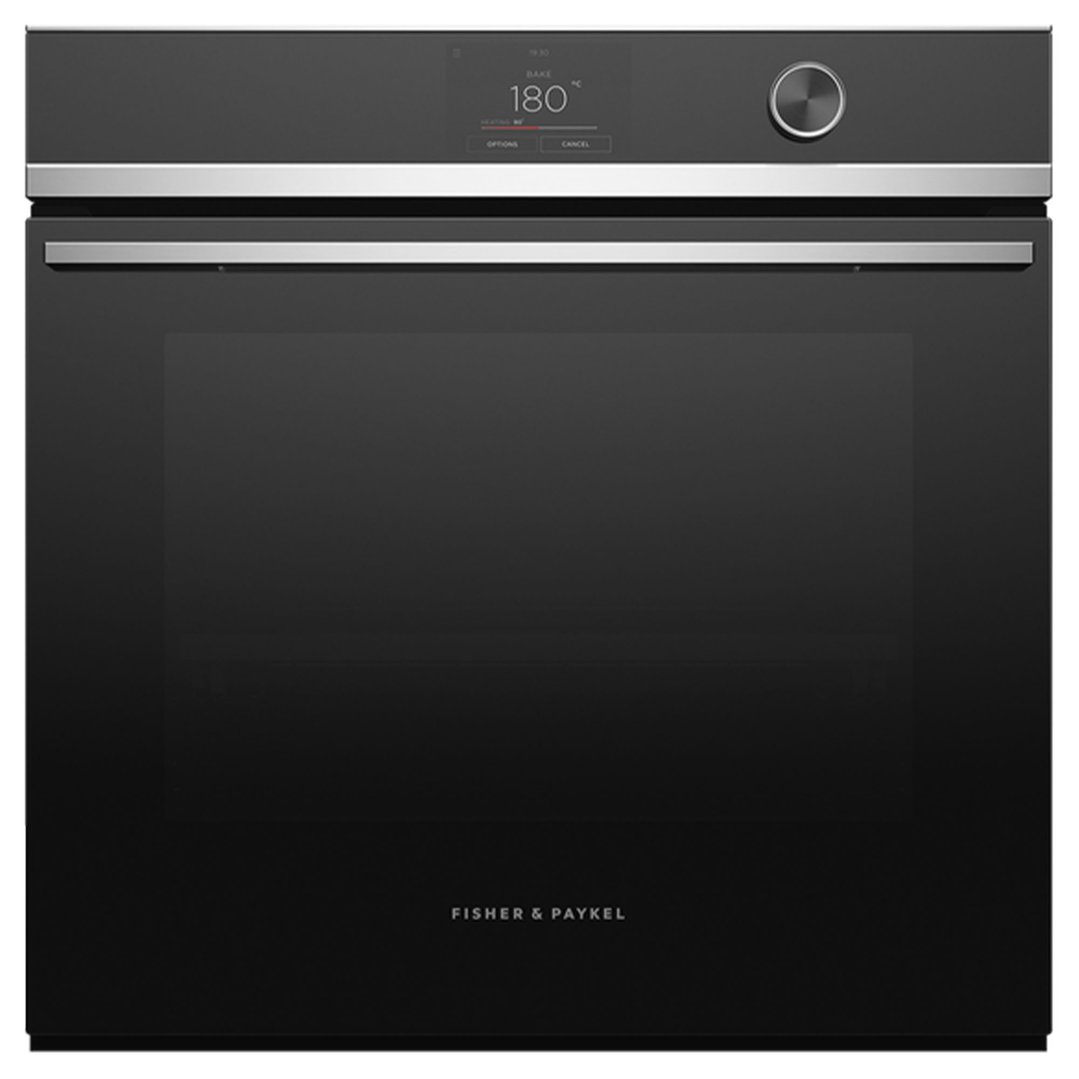
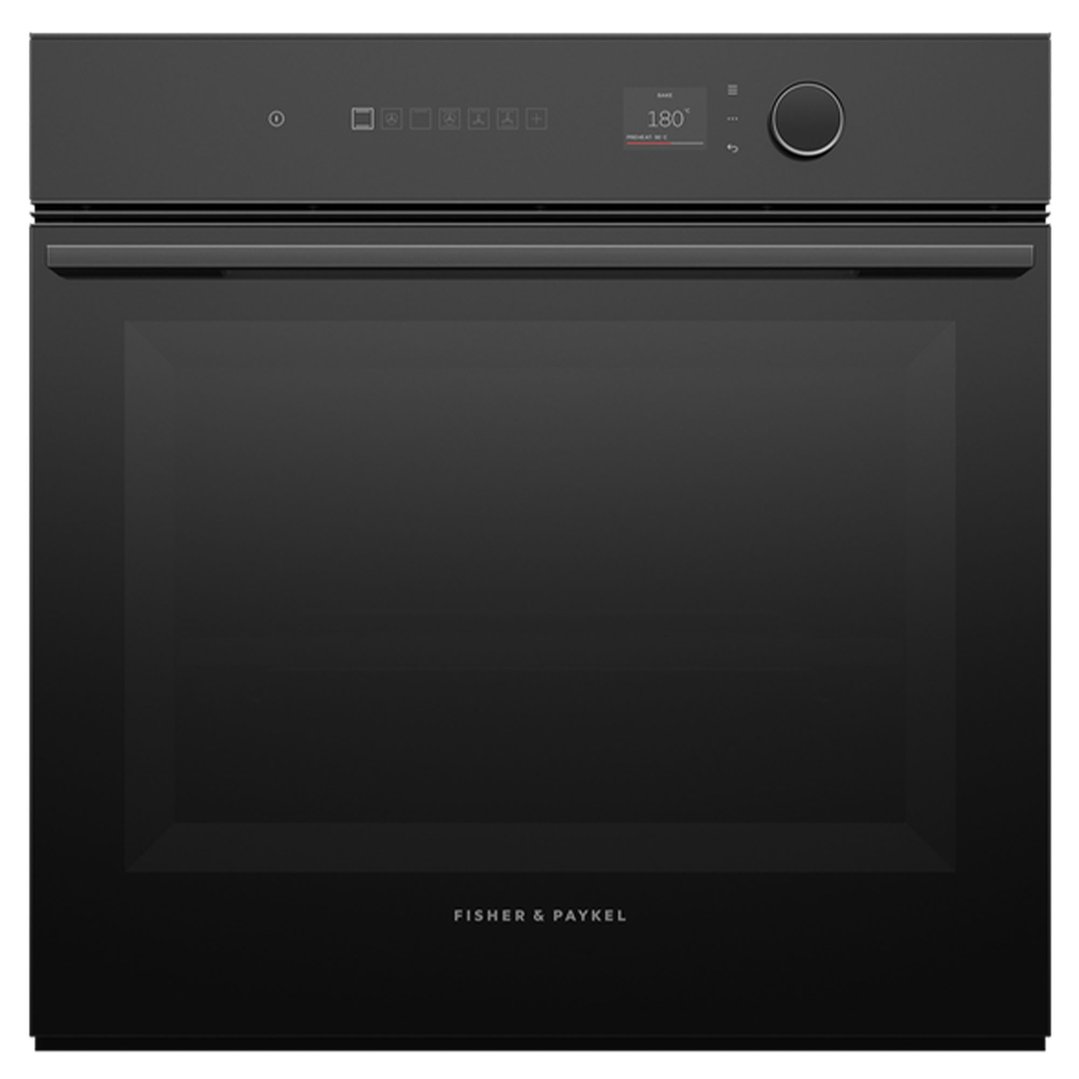
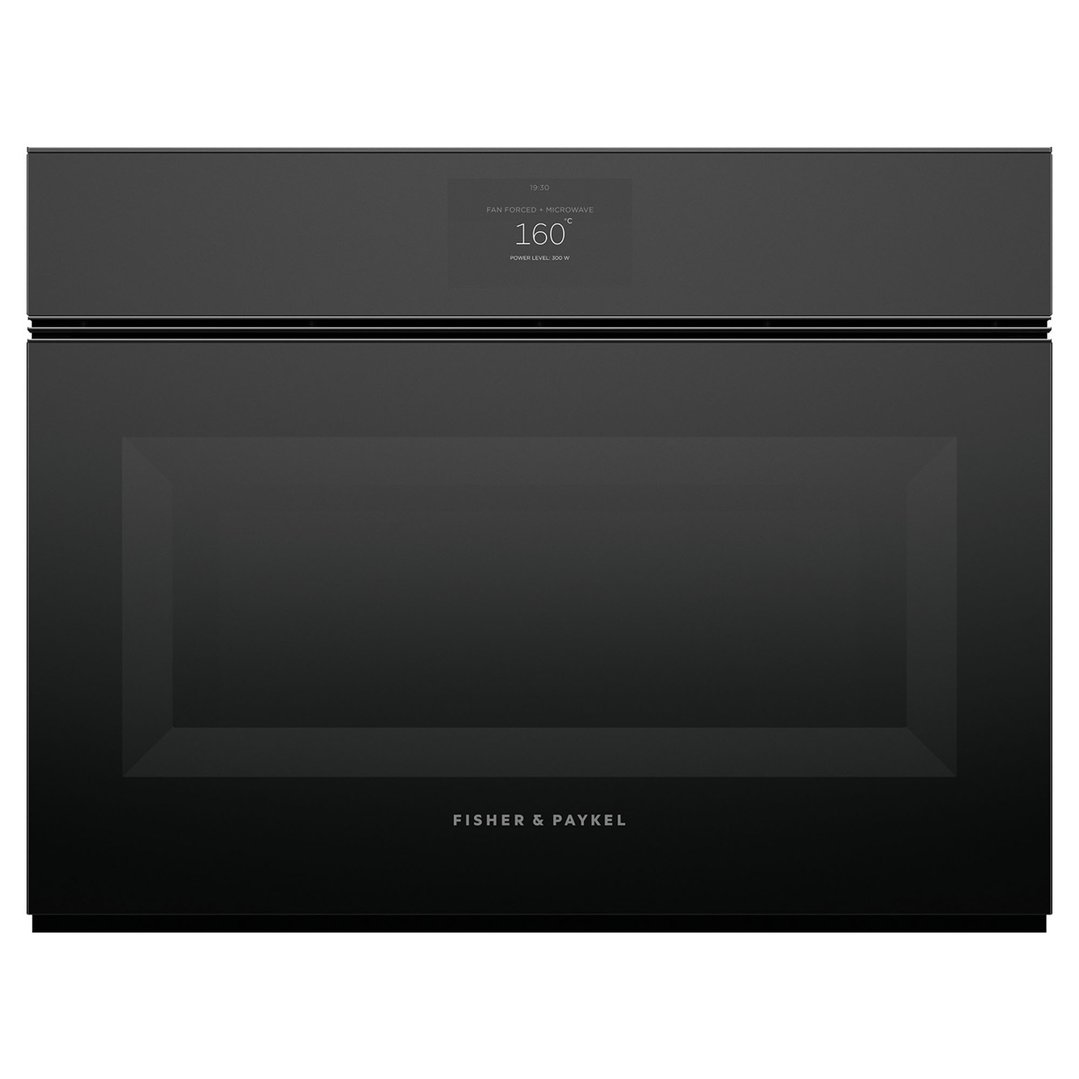
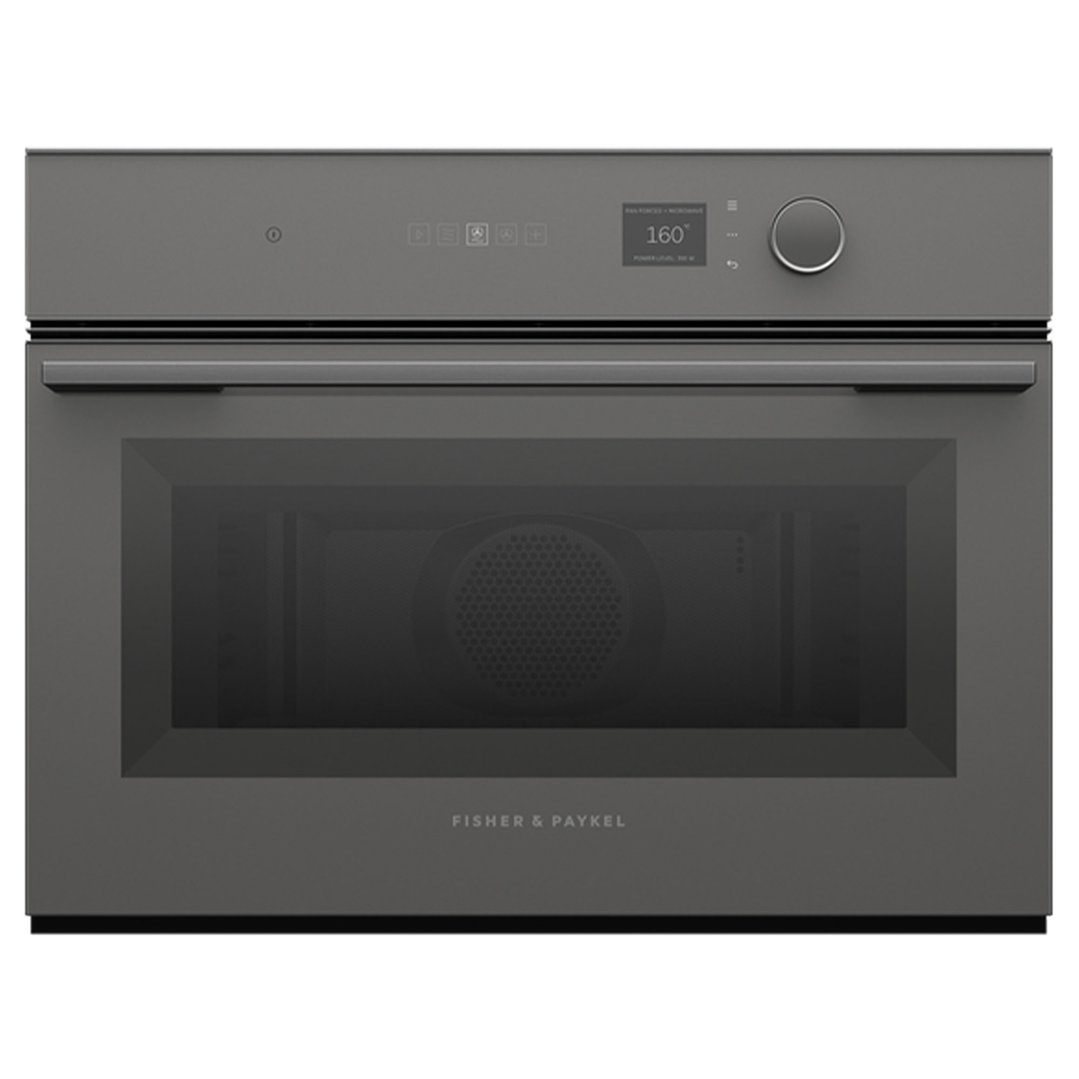
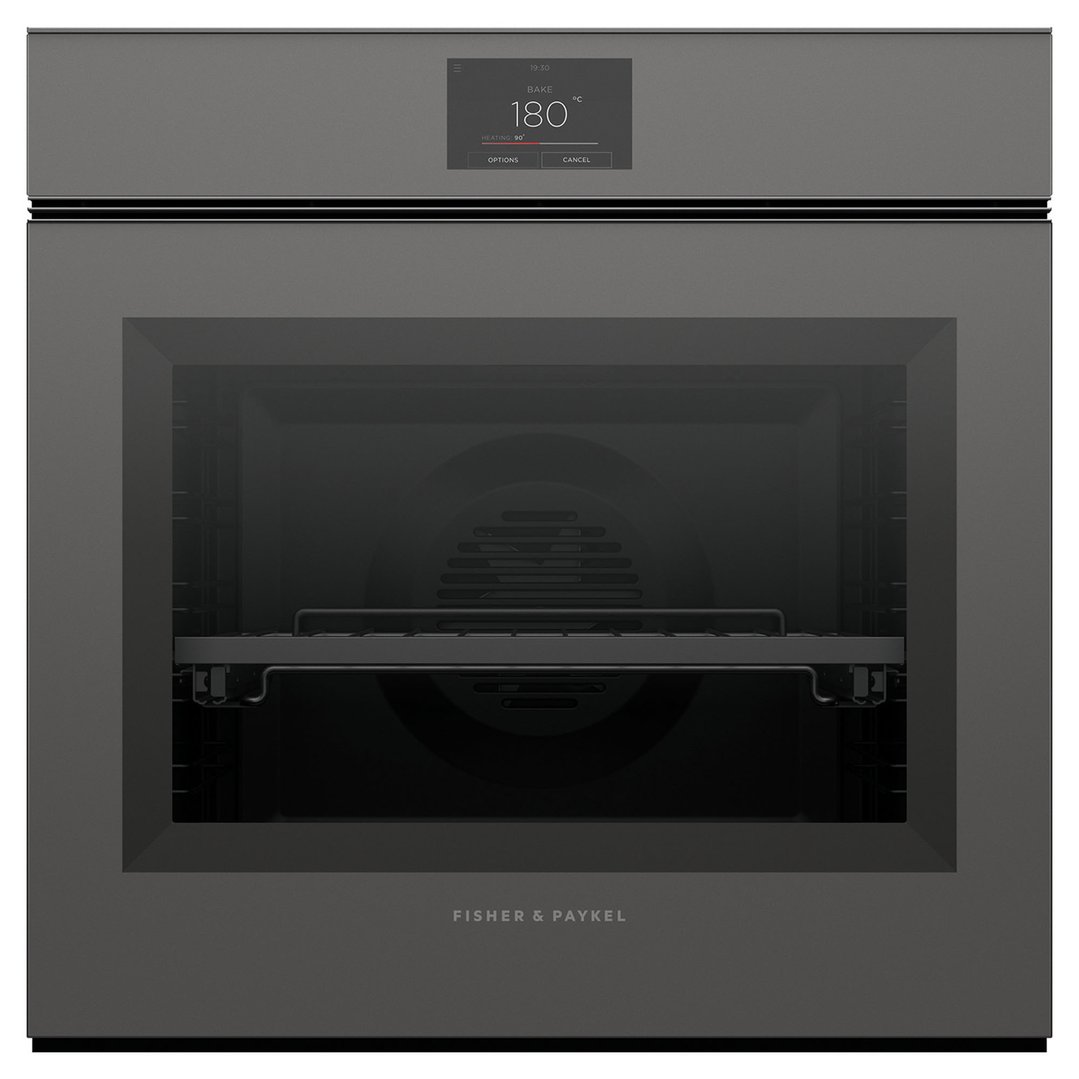
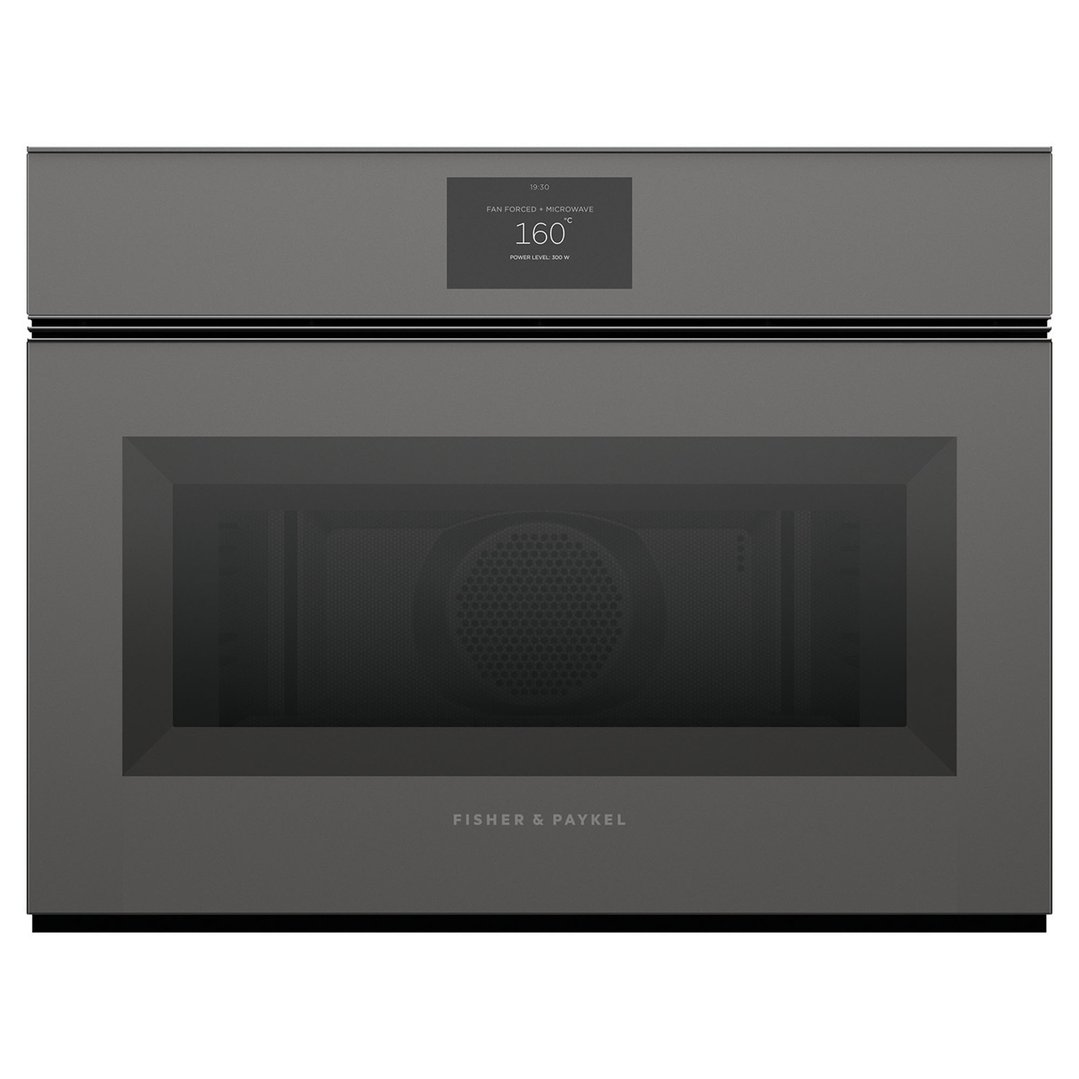
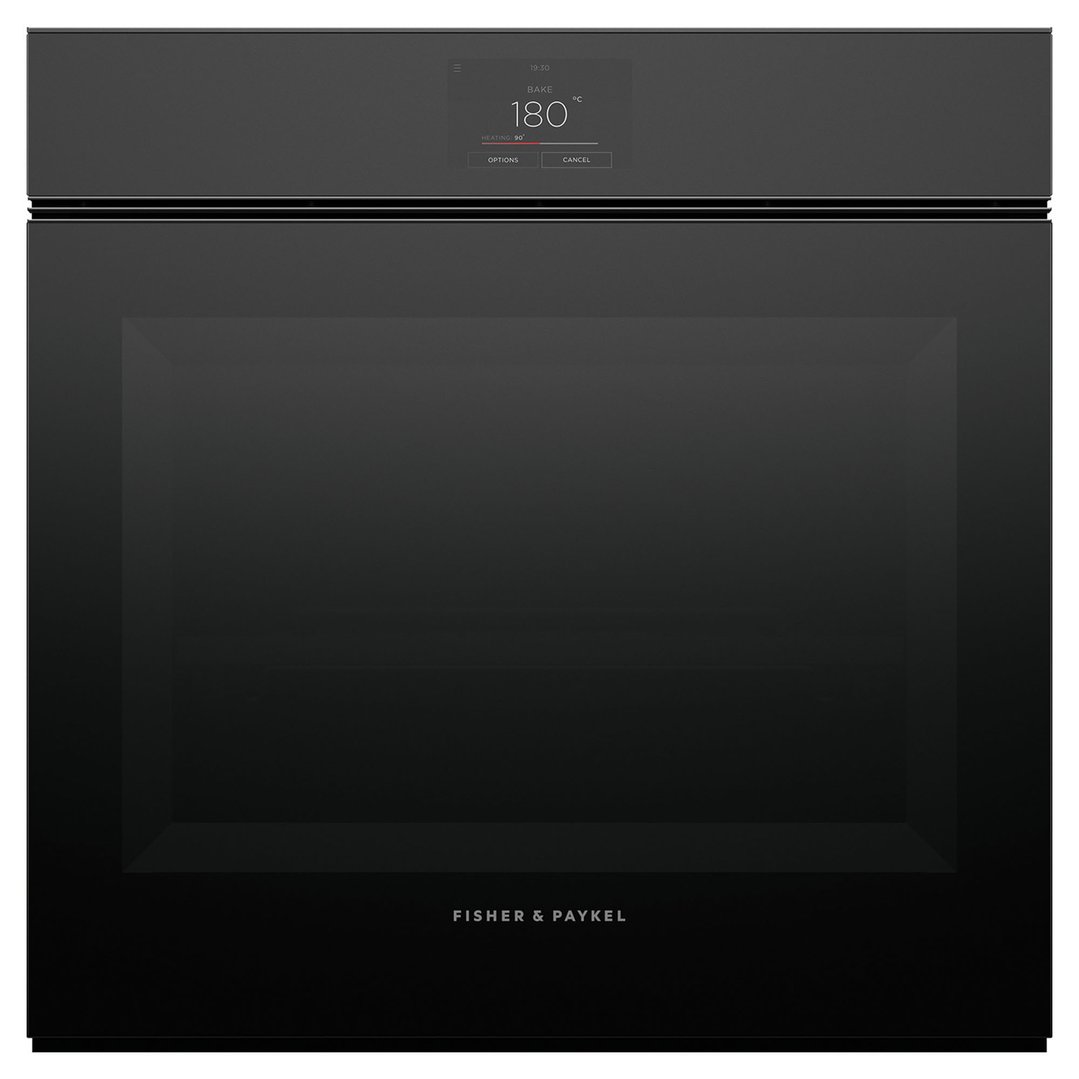
Wall ovens are designed to integrate flush with your kitchen cabinetry for a clean, seamless look. They're a great choice if you're renovating or building a new kitchen and want everything looking neat and coordinated. Pair one with a matching built-in microwave oven for a truly polished finish.
Freestanding Ovens
Freestanding ovens combine your cooktop and oven in a single all-in-one unit - no separate installation required. They're ideal if you're replacing an existing appliance without major kitchen changes. Brands like Smeg bring real style flair to this format, delivering standout looks alongside dependable performance.
Double Ovens
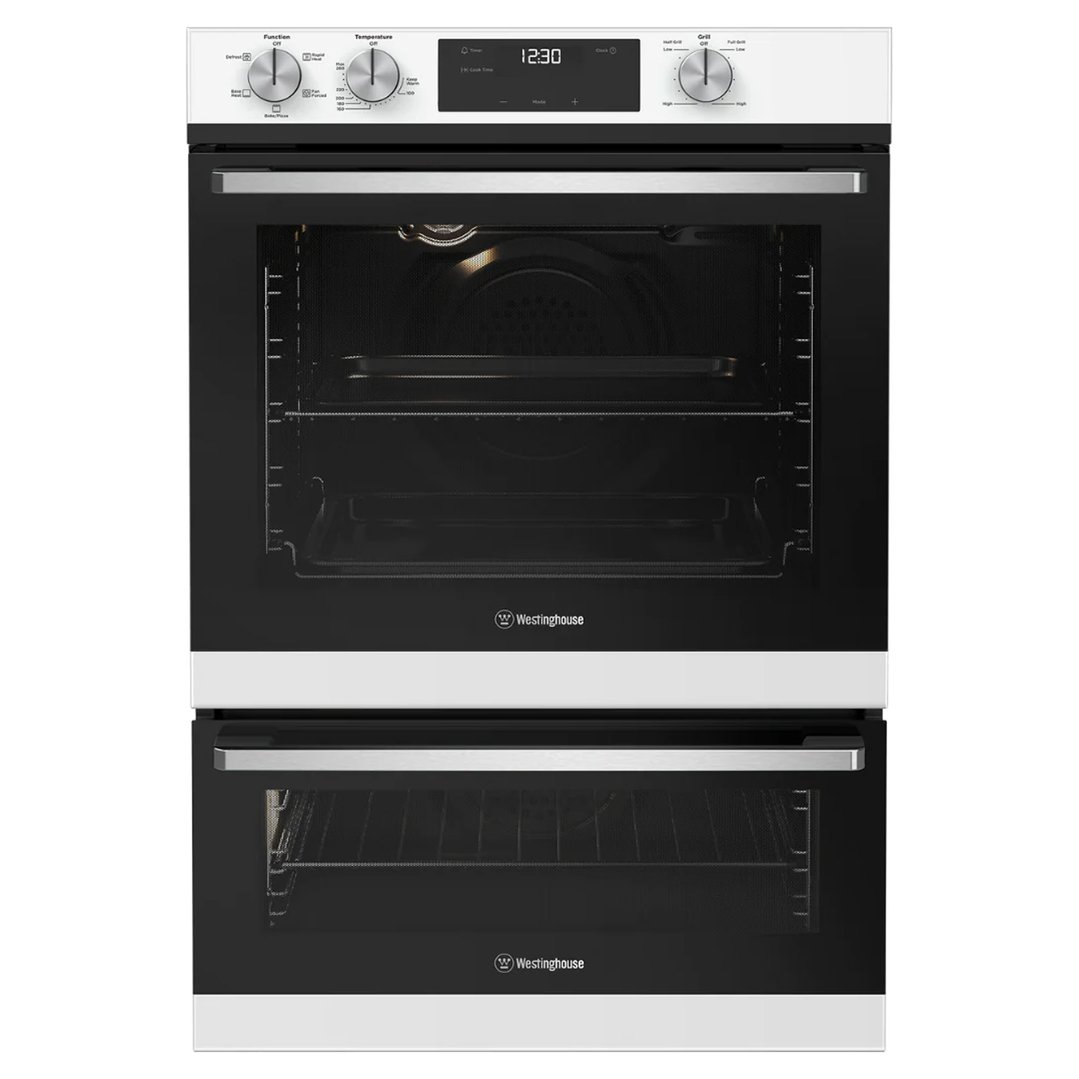
If you regularly cook for a crowd or love to have multiple dishes on the go at once, a double oven could be a game-changer. With two separately heated cavities, you can roast at one temperature and bake at another - no juggling required.
Steam Ovens
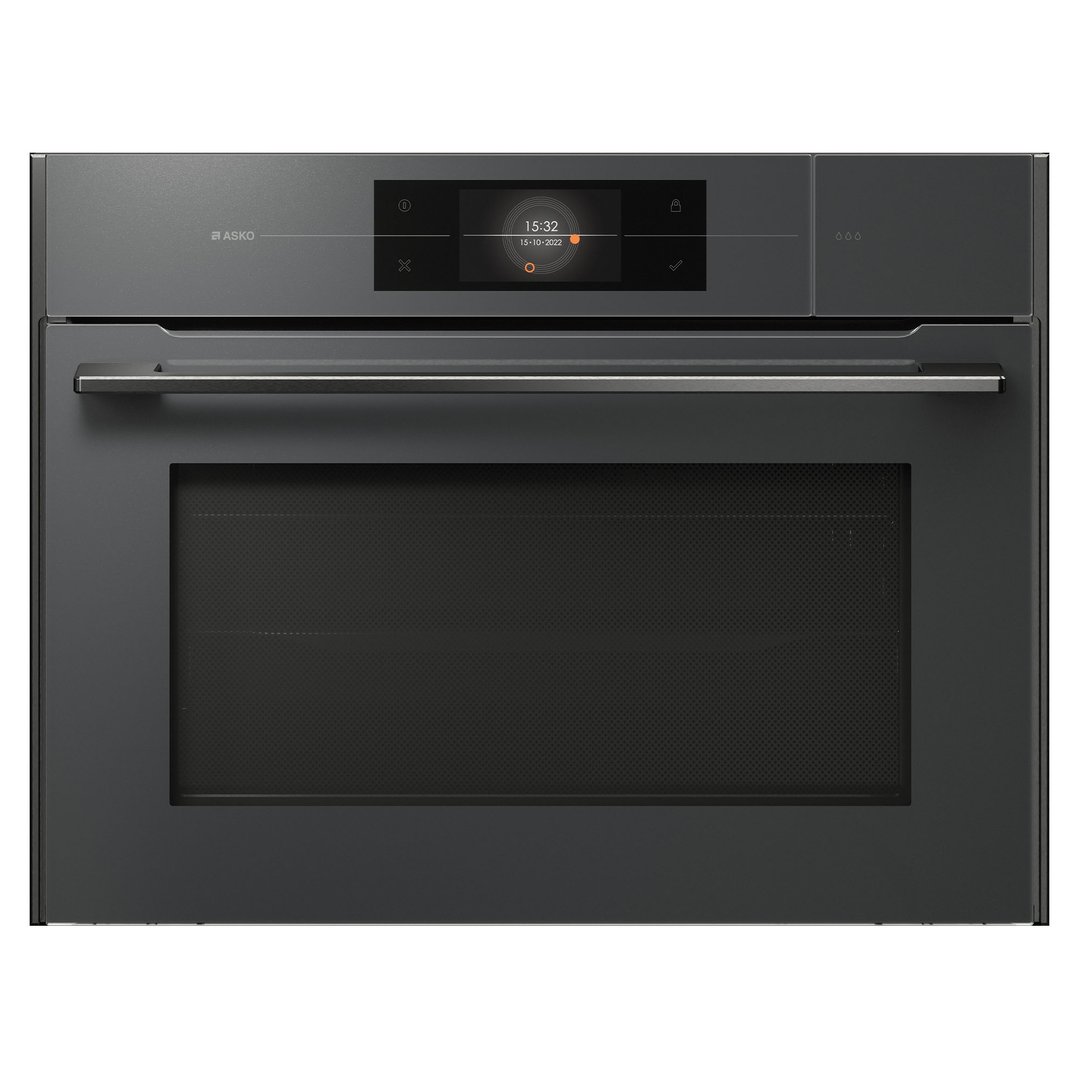
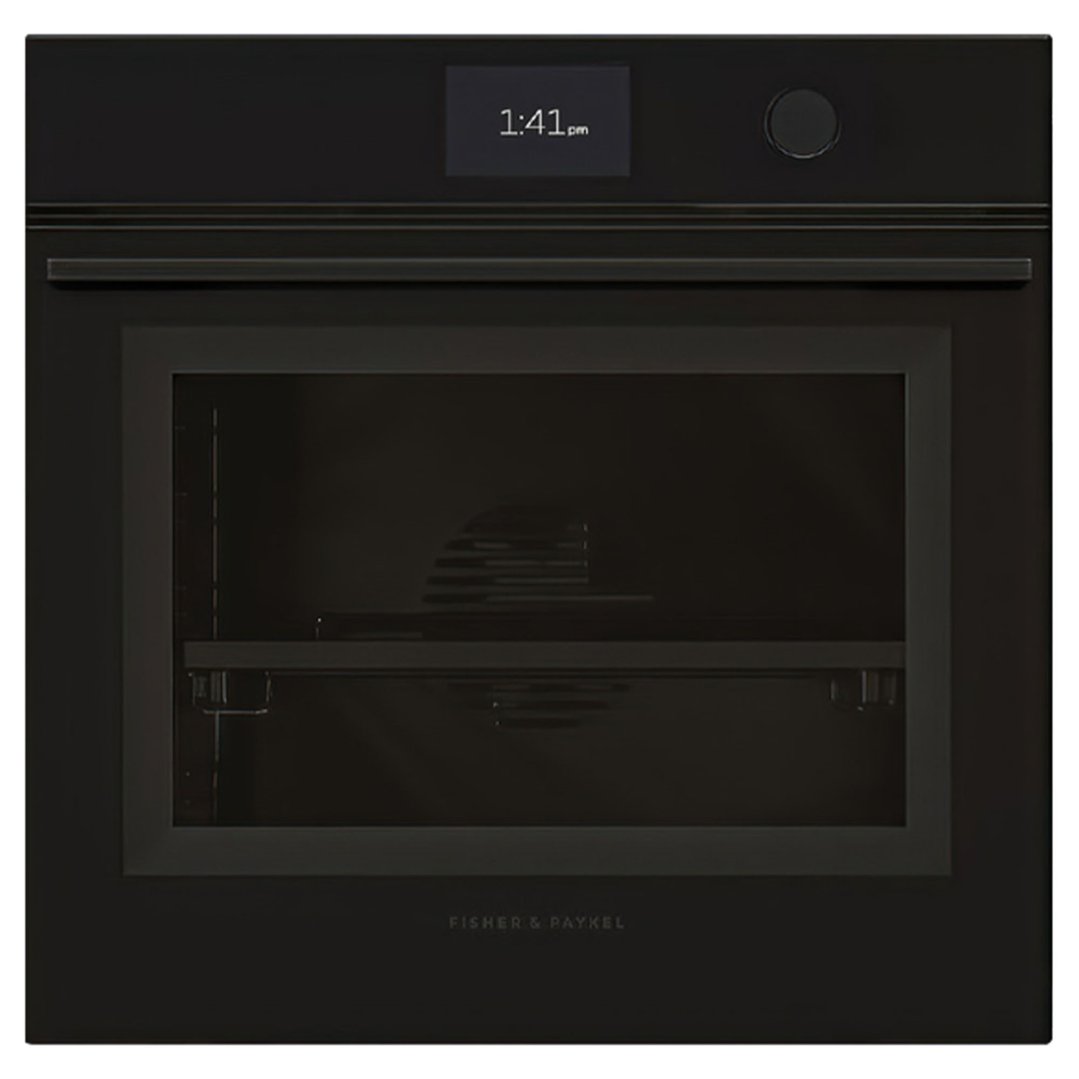
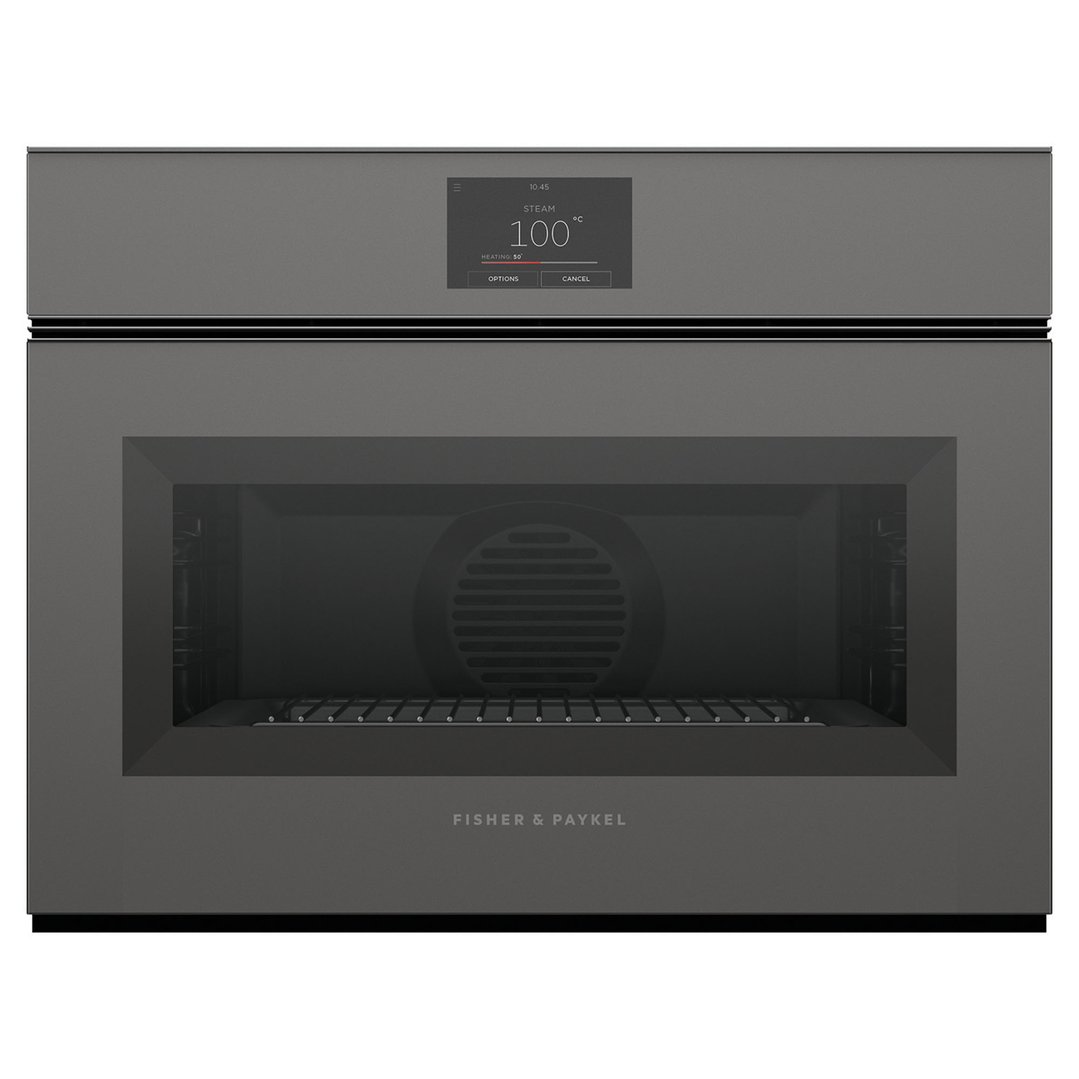
Steam ovens use moisture injection to cook food gently and evenly, locking in nutrients and natural flavour. They're a fantastic option for health-conscious households and are increasingly popular in modern kitchens.
Pyrolytic Ovens
Hate cleaning the oven? A pyrolytic model does it for you. By heating the cavity to around 500°C, the self-cleaning cycle burns off grease and food residue, leaving only a small amount of ash to wipe away. Low effort, high reward.
Gas or Electric - Which Is Right for You?
Both gas and electric ovens have genuine strengths, and the best choice really comes down to how you cook and what connections you have at home.
Gas Ovens
Gas ovens heat up quickly, which means less waiting around before you can start cooking. When gas burns it releases a small amount of moisture, creating a naturally humid environment inside the oven - this is ideal for roasting meats, baking cakes, and any dish where you want to retain moisture and avoid drying out. Gas is also generally cheaper to run than electricity in Australia, so you'll save over the long term.
The trade-off is that gas ovens typically offer a more limited range of cooking functions - usually bake, grill, and fan-forced - and require an existing gas or LPG connection in your home.
Electric Ovens
Electric ovens produce a steady, dry heat that makes them particularly well-suited to baking breads, pizzas, and pastries. They also tend to come with a much wider range of cooking functions and programmable settings compared to gas models, giving you more control and versatility. Most ovens sold in Australia today are electric, and they're generally more affordable upfront.
Running costs are typically higher than gas, but the gap has been narrowing. An electric oven at 180°C uses roughly 2-3 kWh per hour, which works out to approximately 60-90 cents per hour depending on your electricity rate. Check your local tariffs to get an accurate picture of ongoing costs.
If you have both connections available at home, it's worth thinking about your cooking style before deciding. There's genuinely no wrong answer - it's all about what works best for your household.
Conventional vs Fan-Forced - What's the Difference?
Most ovens give you the choice between conventional and fan-forced modes, and understanding the difference can genuinely improve your cooking results.
Conventional Cooking
Conventional ovens use heating elements at the top and bottom of the cavity without any air movement. This creates natural temperature zones - hotter at the top, cooler at the bottom - which suits certain recipes beautifully, particularly when baking on a single tray or when you want a crisper base with a softer top.
Fan-Forced Cooking
Fan-forced mode circulates hot air continuously around the oven, delivering a more even temperature throughout the entire cavity. This means no hot spots, more consistent browning, and the ability to cook on multiple shelves at the same time. Fan-forced cooking also reduces cooking times by around 10-20%, which is handy on busy weeknights.
Many electric ovens go further still, offering additional modes such as defrost, rapid preheat, and dedicated settings for bread, pizza, or slow roasting.
What Size Oven Do You Need?
Oven size is measured by external width and internal cavity capacity (in litres). Here's a general guide:
- Compact (45cm) - ideal for tight spaces or apartments, suitable for individuals or couples
- Standard 60cm - the most popular size for Australian households, with a typical capacity of 55-75 litres
- 90cm - less common in built-in format but a popular choice for freestanding ranges in larger kitchens
- 120-150cm professional-style ranges - designed for serious home cooks and entertainers who need maximum capacity
As a rule of thumb, a 60cm oven is sufficient for most families. If you regularly cook large roasts or batch bake, consider upgrading to a 90cm model - or adding a second oven - rather than simply opting for the largest capacity available.
Smart Features and Controls
Modern ovens are smarter than ever. Here are some of the features worth looking out for:
- Wi-Fi connectivity - brands like Miele offer app-controlled ovens that let you preheat, adjust temperature, and monitor cooking remotely from your smartphone
- Digital touchscreens - offer precise temperature control (often in 5°C increments) versus the rougher steps of traditional analogue dials
- Temperature probes - monitor the internal temperature of your roast and alert you when it's done
- Programmable cooking sequences - save your custom settings for favourite dishes so you don't have to start from scratch each time
- Automatic shut-off and child lock - great for peace of mind in busy family households
- Delay start - schedule cooking to begin during off-peak electricity hours
- Sabbath mode - maintains a continuous low-temperature setting for extended periods
How Easy Are Ovens to Clean?
Nobody loves scrubbing the oven - so it's worth thinking about cleaning before you buy. Here's what your options look like:
Manual Cleaning
Regular cleaning is the most straightforward approach. Wiping down the oven while it's still warm (not hot) after cooking makes the job much easier, as fats and food particles haven't had time to bake on. Using a dedicated oven cleaning product and protective gloves will make short work of tougher grime.
Catalytic Liners
Some ovens feature special catalytic side panels that absorb and break down grease during normal cooking at temperatures above 200°C. They reduce build-up over time, though they don't clean the whole oven cavity.
Pyrolytic Self-Cleaning
Pyrolytic ovens offer the easiest cleaning experience by far. The self-clean cycle heats the cavity to around 500°C, incinerating all grease and residue into a fine ash that you simply wipe away. If low-maintenance cleaning is a priority for your household, a pyrolytic model is well worth the investment.
Energy Efficiency and Running Costs
Running costs vary depending on fuel type, cooking habits, and your local energy rates. Here's a quick guide for Australian households:
- Gas ovens generally cost around 30-45 cents per hour to run at typical gas prices, and preheat around 30-40% faster than electric models
- Electric ovens at 180°C use roughly 2-3 kWh per hour, which translates to approximately 60-90 cents per hour
- Energy star ratings offer a standardised comparison point when shopping - higher stars mean lower running costs over time
- For a personalised estimate, visit the Australian Government's Energy Rating website (energyrating.gov.au) to compare running costs based on your local tariffs
What to Look for When Buying an Oven
Here's a checklist to keep in mind when you're ready to shop:
- Fuel type - check whether you have an existing gas connection, or if you'll be running electric
- Installation type - built-in for a seamless kitchen fit, or freestanding for flexibility
- Cavity size - match capacity to your household size and how often you cook large meals
- Cooking functions - consider whether basic bake/grill/fan-forced is enough, or whether you'd use more advanced modes
- Cleaning method - manual, catalytic, or pyrolytic depending on how much effort you want to put in
- Smart features - Wi-Fi, app control, and digital displays can add genuine convenience
- Finish - stainless steel, dark stainless, black, or white to suit your kitchen aesthetic
- Budget - balance upfront cost against long-term running expenses when comparing models
Useful Oven Accessories
Once you've found your ideal oven, a few well-chosen accessories will help you get the most out of it:
- Multi-level racks - great for batch baking or cooking multiple dishes simultaneously
- Deep roasting pans with handles - essential for large cuts of meat and roast vegetables
- Silicone baking mats - a reusable, non-stick alternative to baking paper
- Oven-safe thermometer - for accurate temperature monitoring, particularly in older models
- Splatter guards - help keep the oven cavity cleaner between deep cleans
Shop Ovens at Bing Lee
At Bing Lee, we stock ovens from trusted brands including Westinghouse, Smeg, Miele, Bosch, Fisher & Paykel, and more, across all styles, sizes, and price ranges.
Browse our full range online or visit your nearest Bing Lee store, where our friendly team is always happy to help you find the right appliance for your kitchen and your budget.