Cookware

12 products

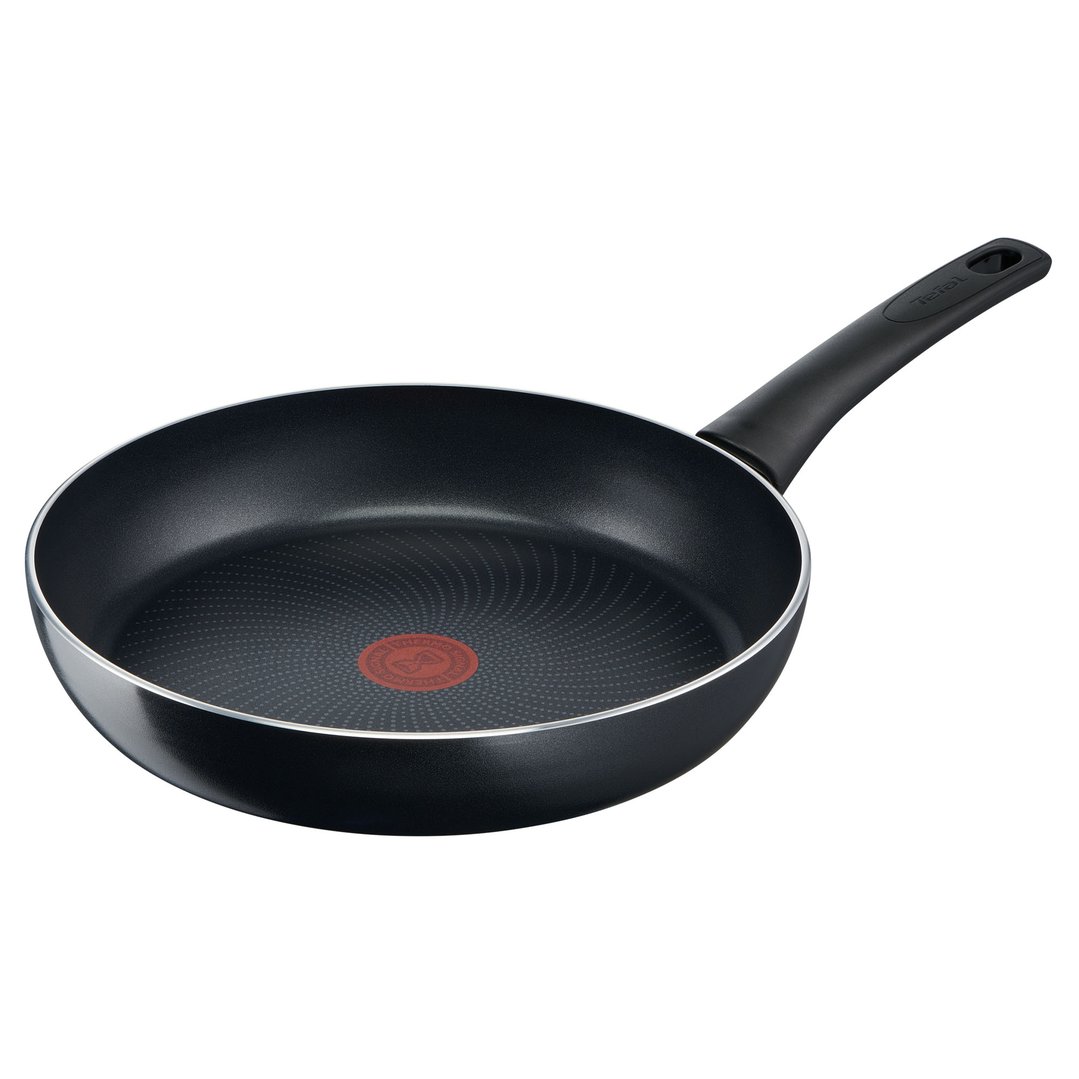


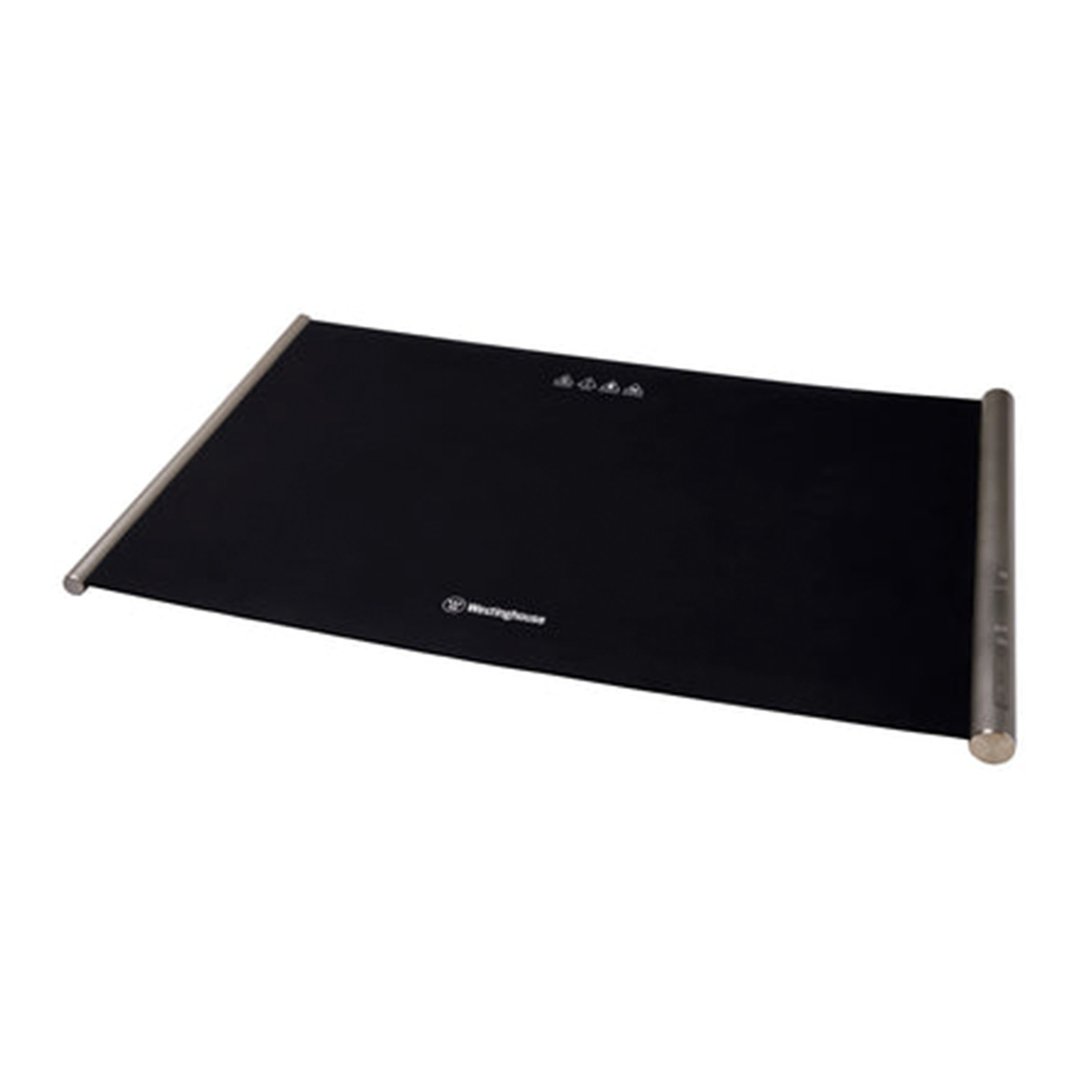


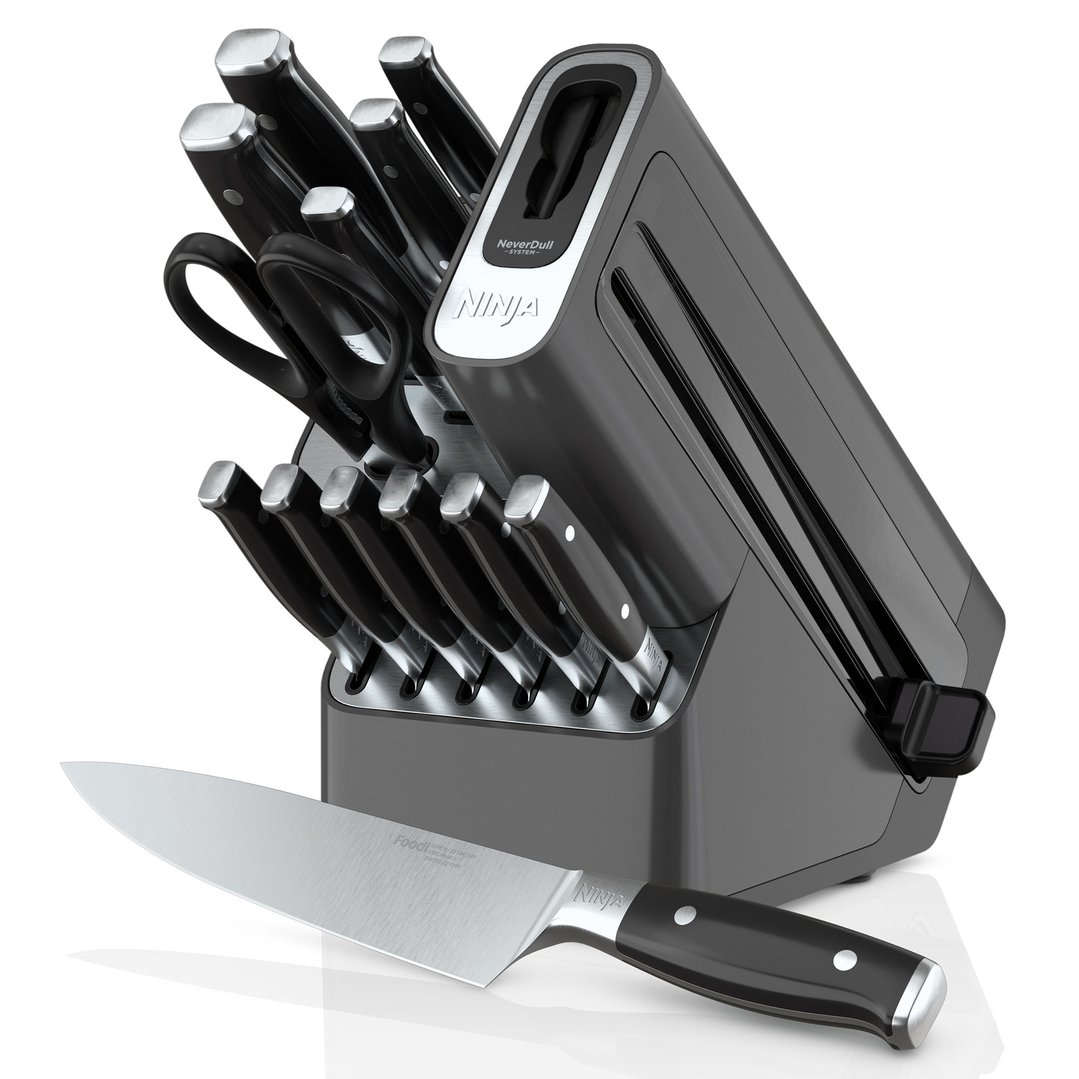


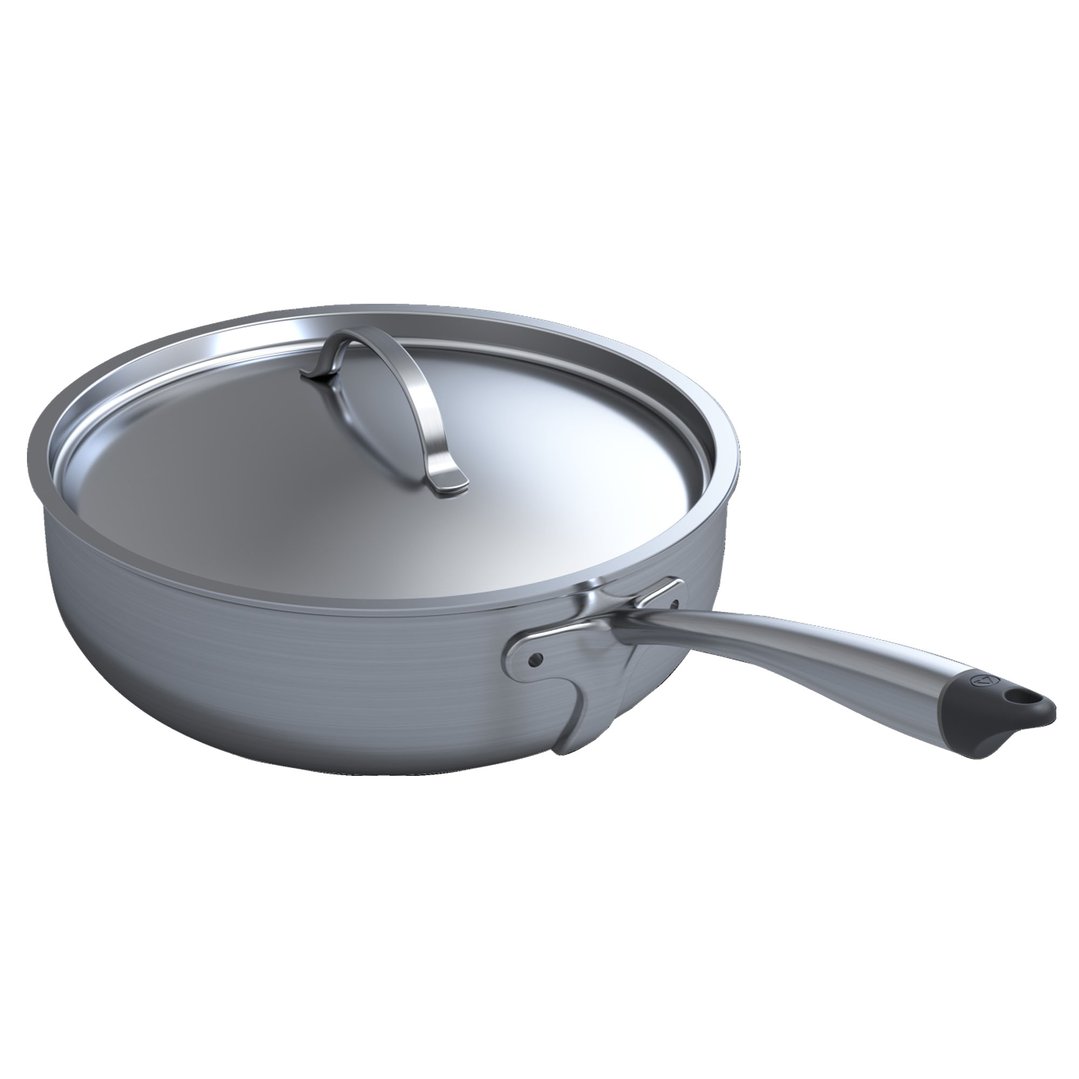

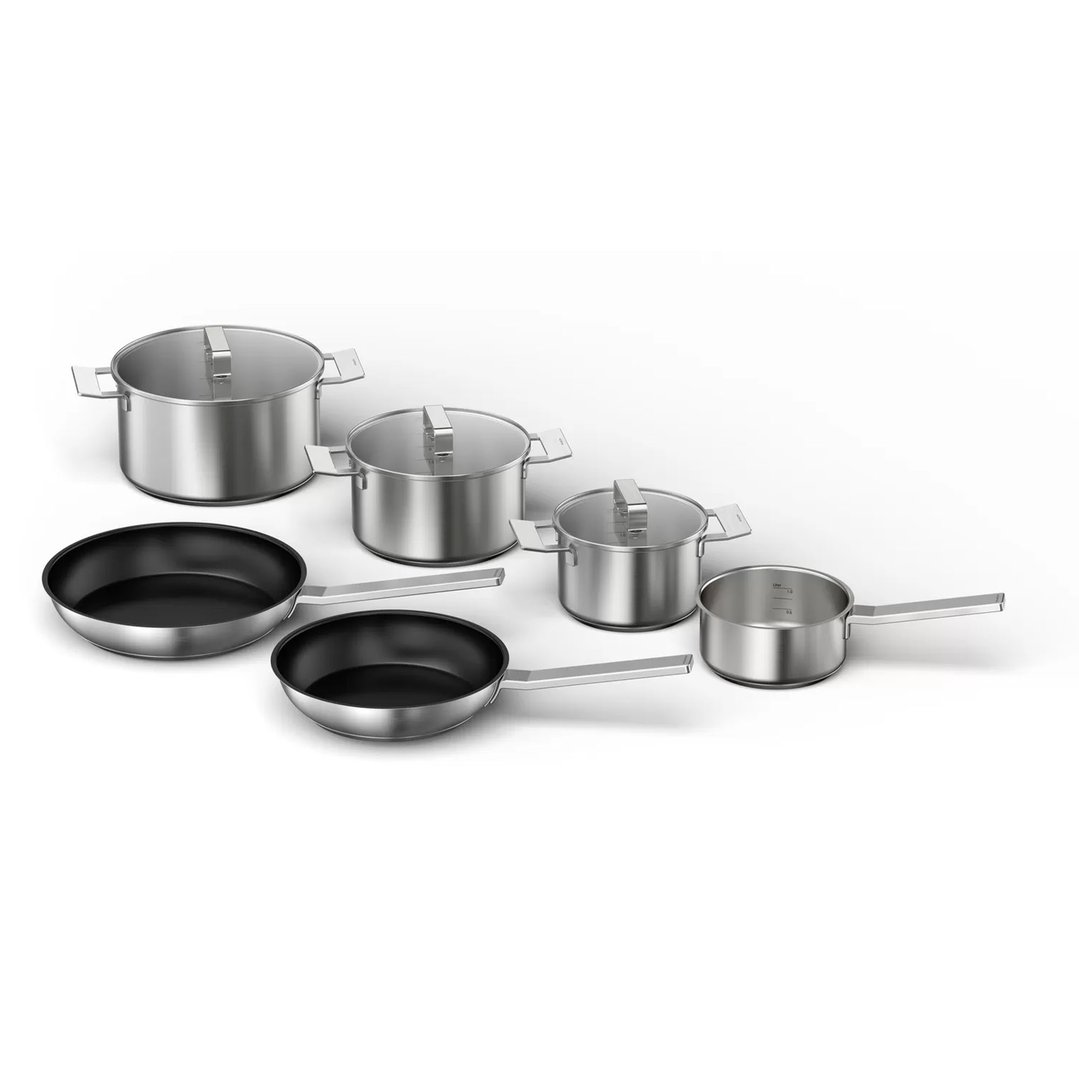
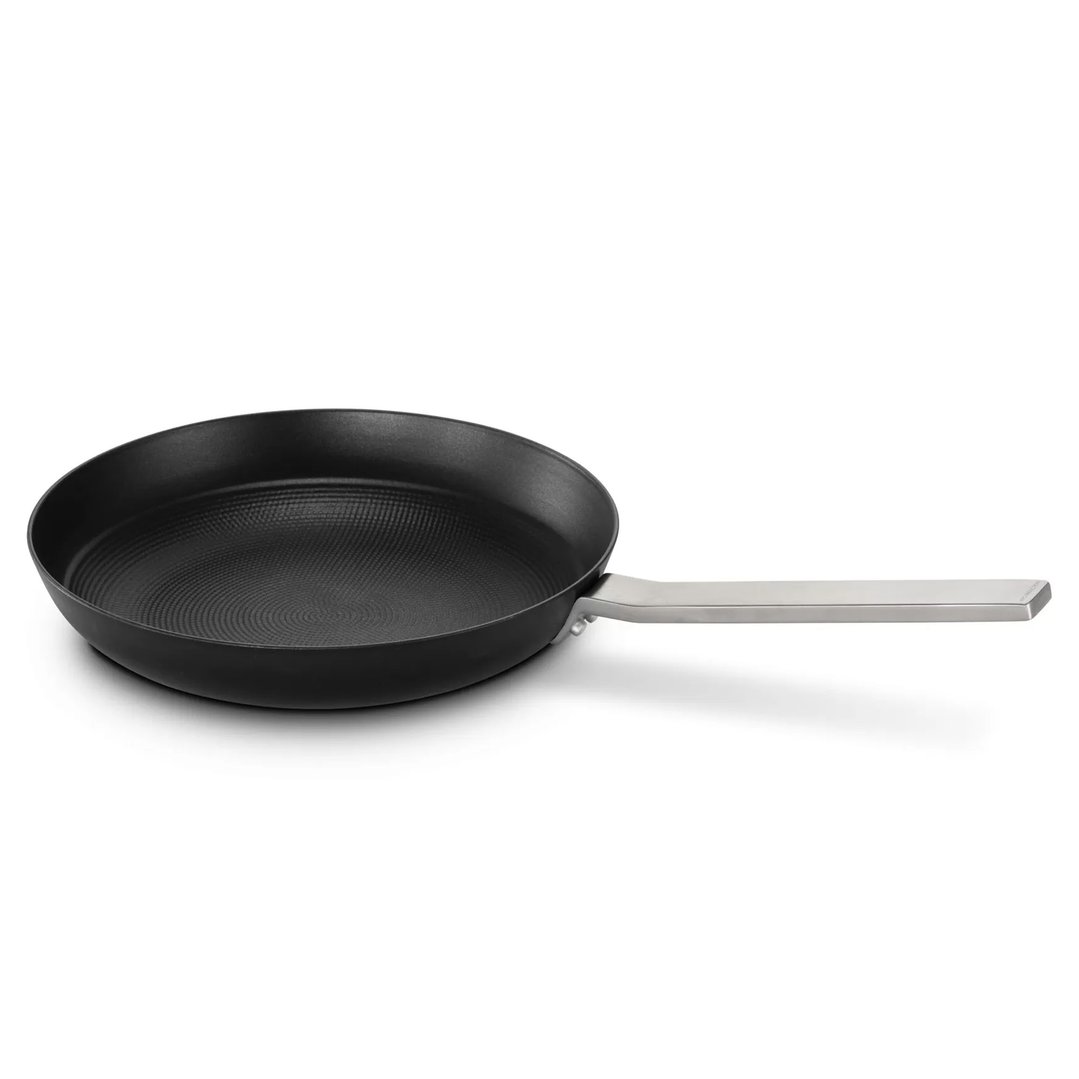


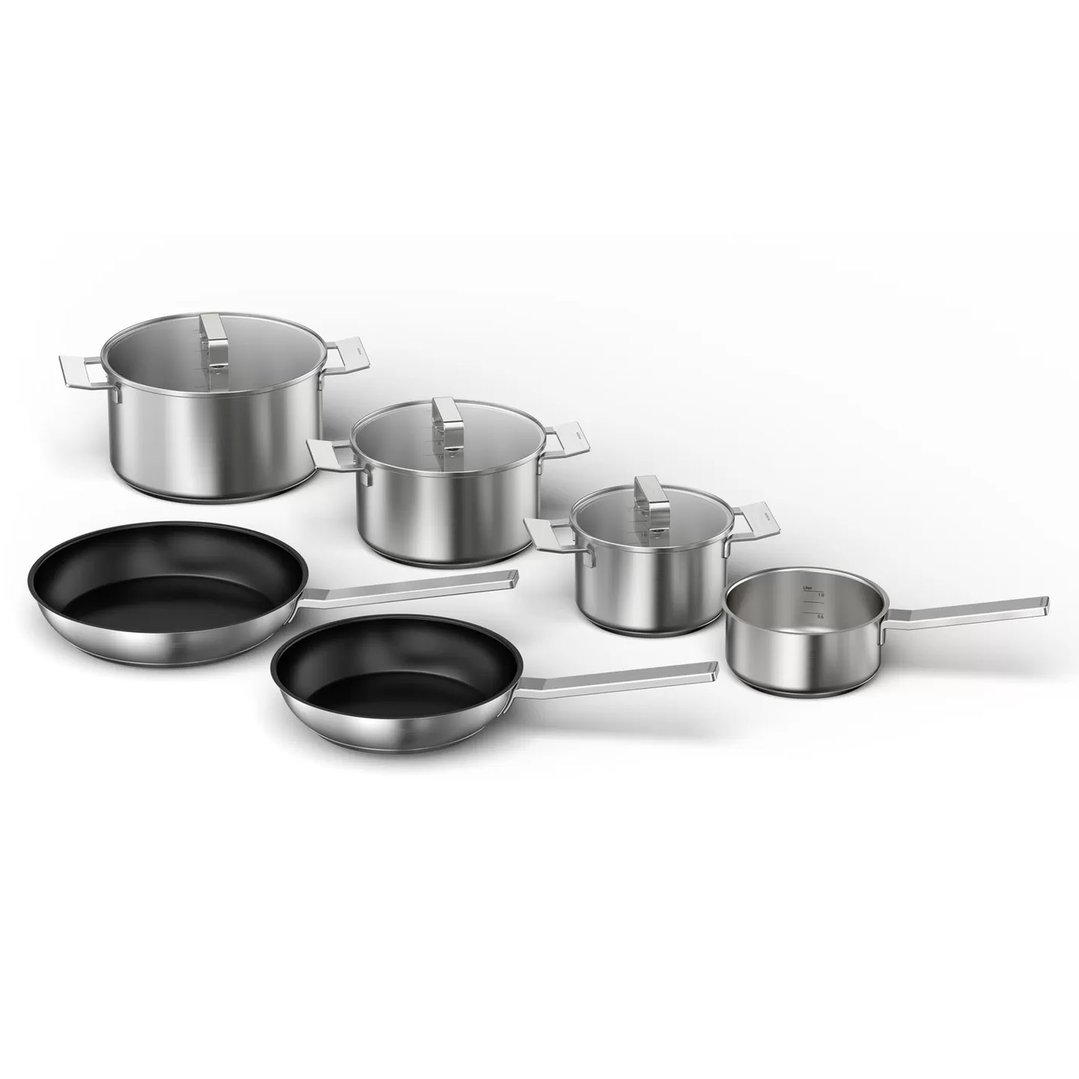
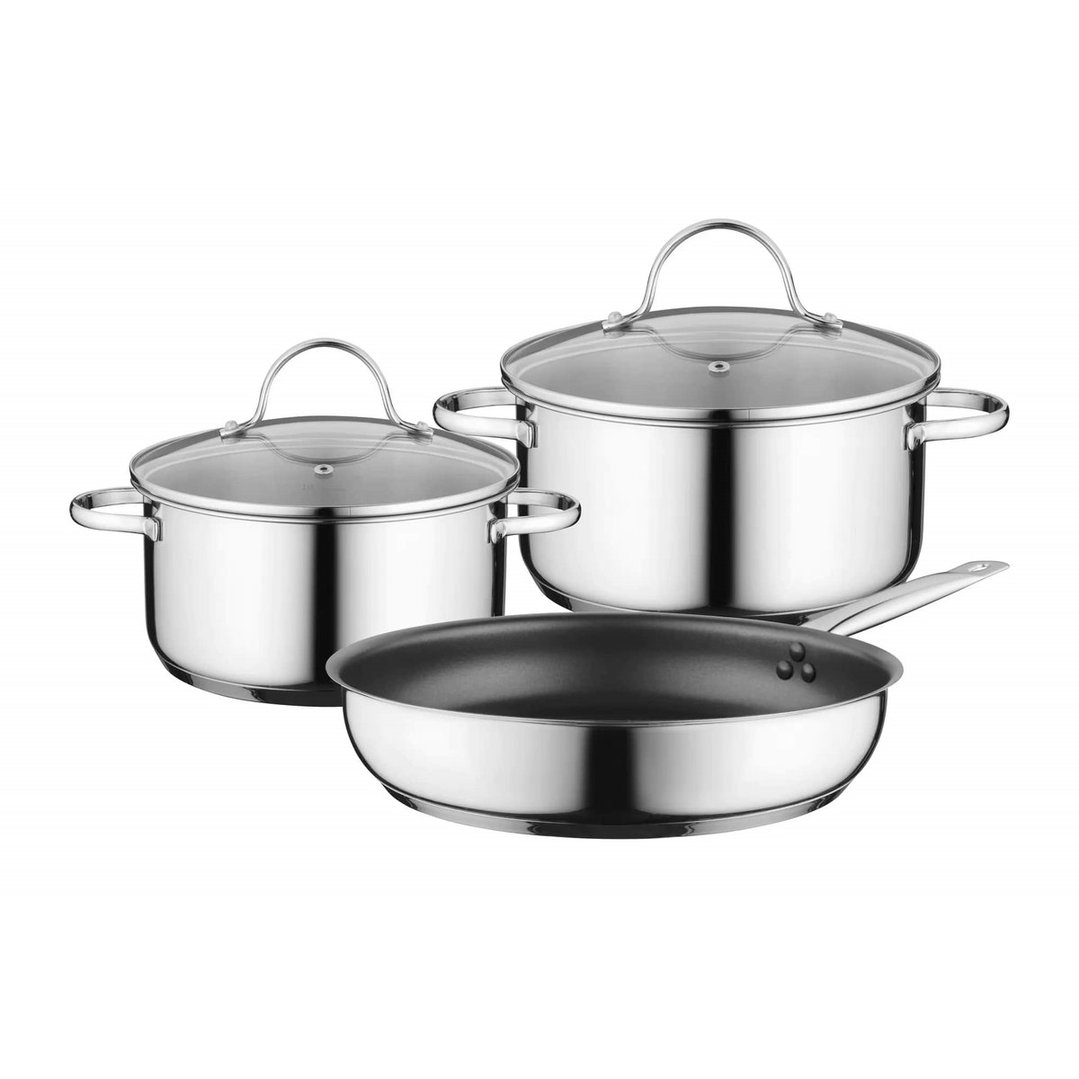
Having the right pots and pans makes a real difference to how you cook every day. At Bing Lee we stock a wide range of cookware including non-stick frying pans, stainless steel saucepans, cast iron cookware, cookware sets and more. Whether you are setting up a kitchen from scratch or replacing worn-out pieces, our FAQs below will help you find what you need.
FAQs
1. What are the different types of cookware available?
The main categories are stainless steel, non-stick, cast iron and enamel-coated cookware. Stainless steel is durable, handles high heat well and does not react with acidic foods. Non-stick pans are great for eggs, fish and delicate foods that you do not want to stick. Cast iron holds and distributes heat exceptionally well, making it ideal for searing and slow-cooking, though it is heavier and needs a little more care. Enamel-coated cast iron combines cast iron's heat retention with an easy-to-clean surface.
2. How do I choose the best cookware for my kitchen?
The most important factor is compatibility with your cooktop. If you have an induction cooktop, you need magnetic cookware. Cast iron and most stainless steel will work. Non-magnetic materials like copper and aluminium will not work on induction unless they have a bonded magnetic base. For gas or ceramic cooktops, most cookware materials are fine. Think also about what you cook most often. A household that does a lot of stir-frying needs a good wok, while a family that makes soups and stews regularly will benefit from a large stockpot.
3. How long does non-stick coating last and how do I protect it?
A good quality non-stick pan, when properly cared for, can last five to ten years or more. To extend the life of the coating, avoid using metal utensils that can scratch the surface. Opt for silicone, nylon or wooden tools instead. Do not use very high heat on non-stick pans as it can degrade the coating over time. Wash by hand with a soft sponge rather than in the dishwasher if possible, and never leave the pan empty on a hot burner.
4. What cookware works best on induction cooktops?
Cast iron and most stainless steel cookware are induction-compatible. The easy check is to hold a magnet to the base of the pot. If it sticks firmly, it will work on induction. Pots and pans labelled specifically as induction-compatible will have a symbol on the base. Copper, aluminium and glass are generally not induction-compatible unless they have a bonded magnetic layer built into the base. Many cookware sets and individual pieces in our range are clearly labelled for induction suitability.
5. Is cast iron cookware difficult to maintain?
Cast iron needs a bit more care than stainless steel, but it is not difficult. The key things are to keep it dry, to season it with oil periodically to maintain its natural non-stick surface, and to avoid soaking it in water or running it through the dishwasher. Enamel-coated cast iron is much easier to maintain and can go in the dishwasher, it just does not need the same oiling and seasoning routine as bare cast iron.