Portable Air Conditioners

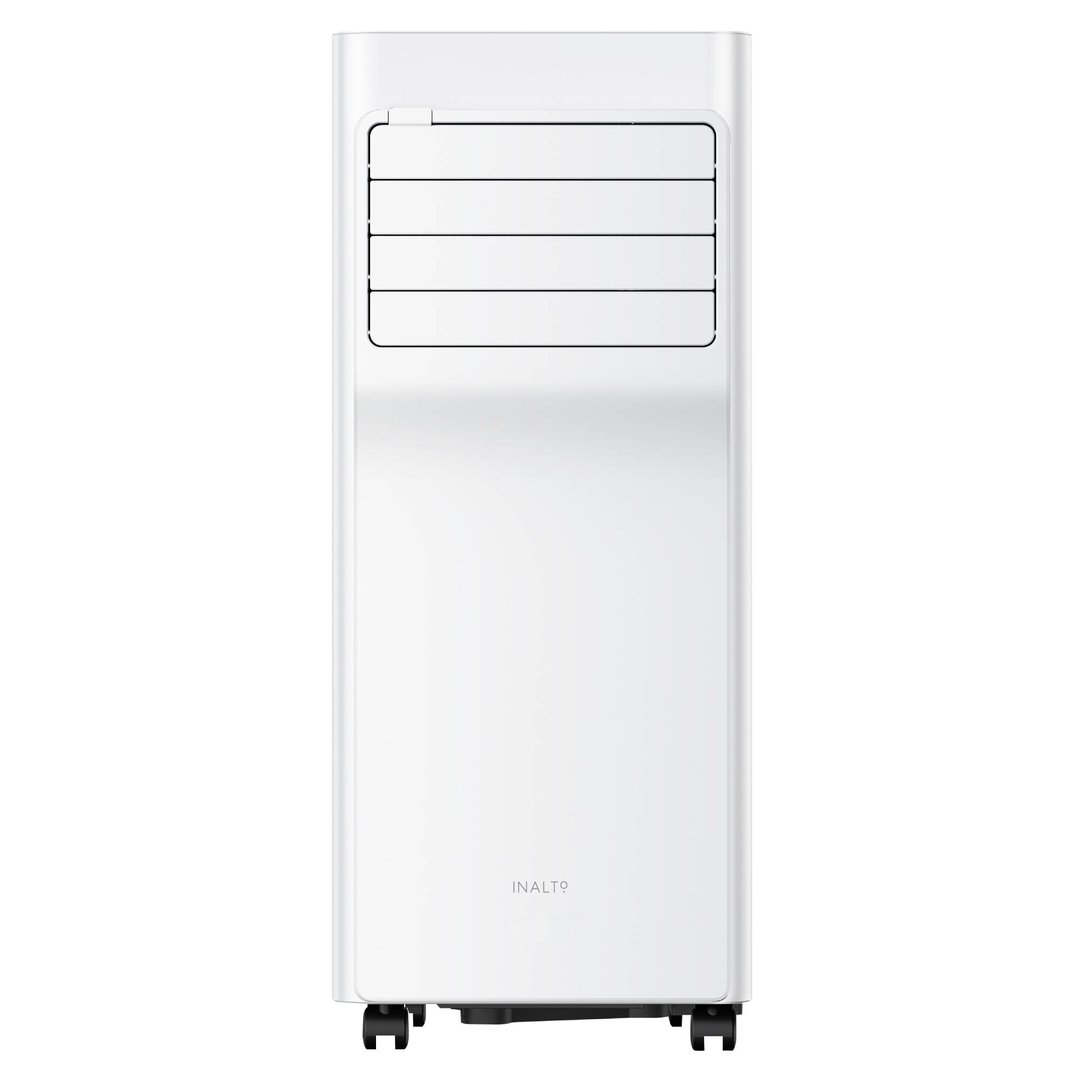

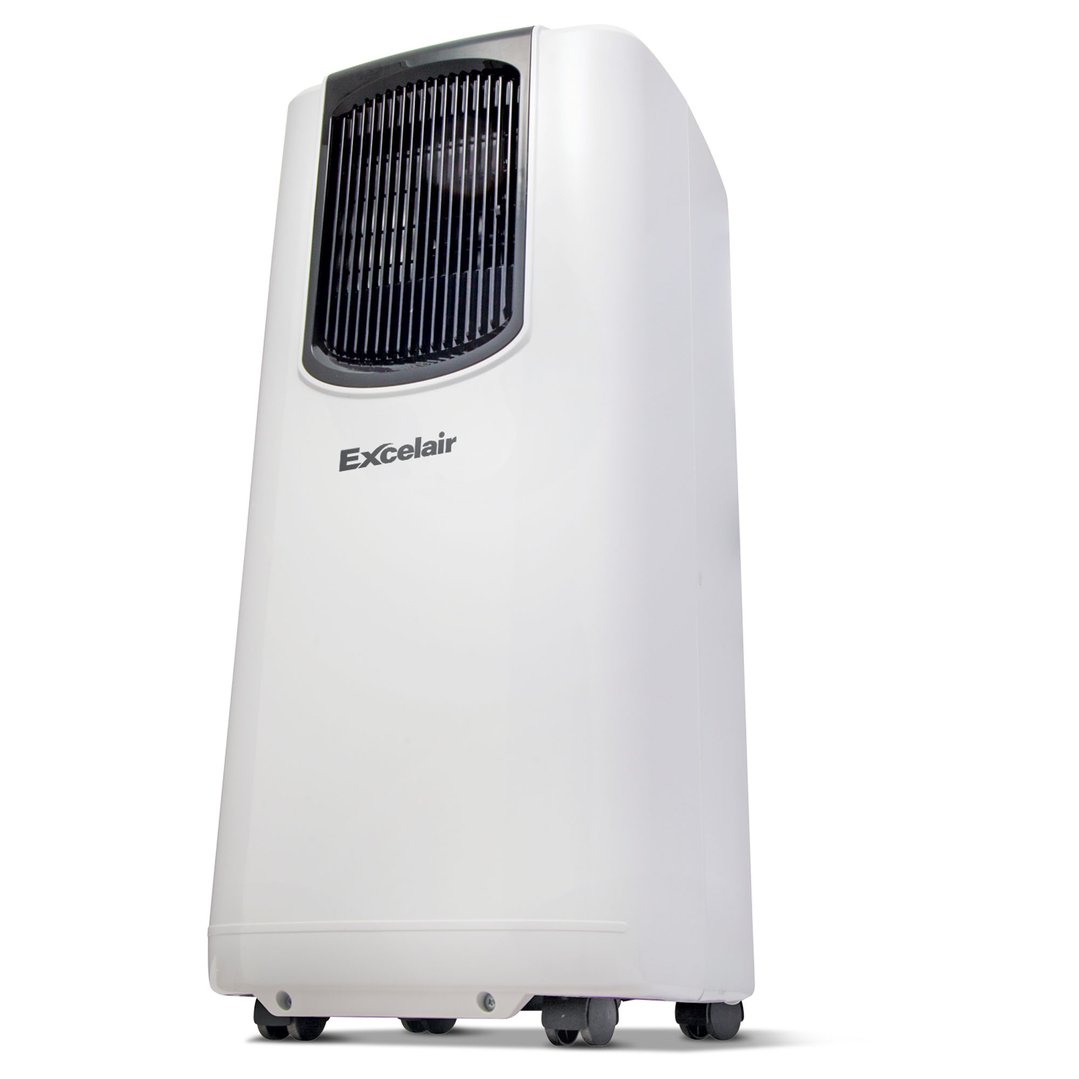
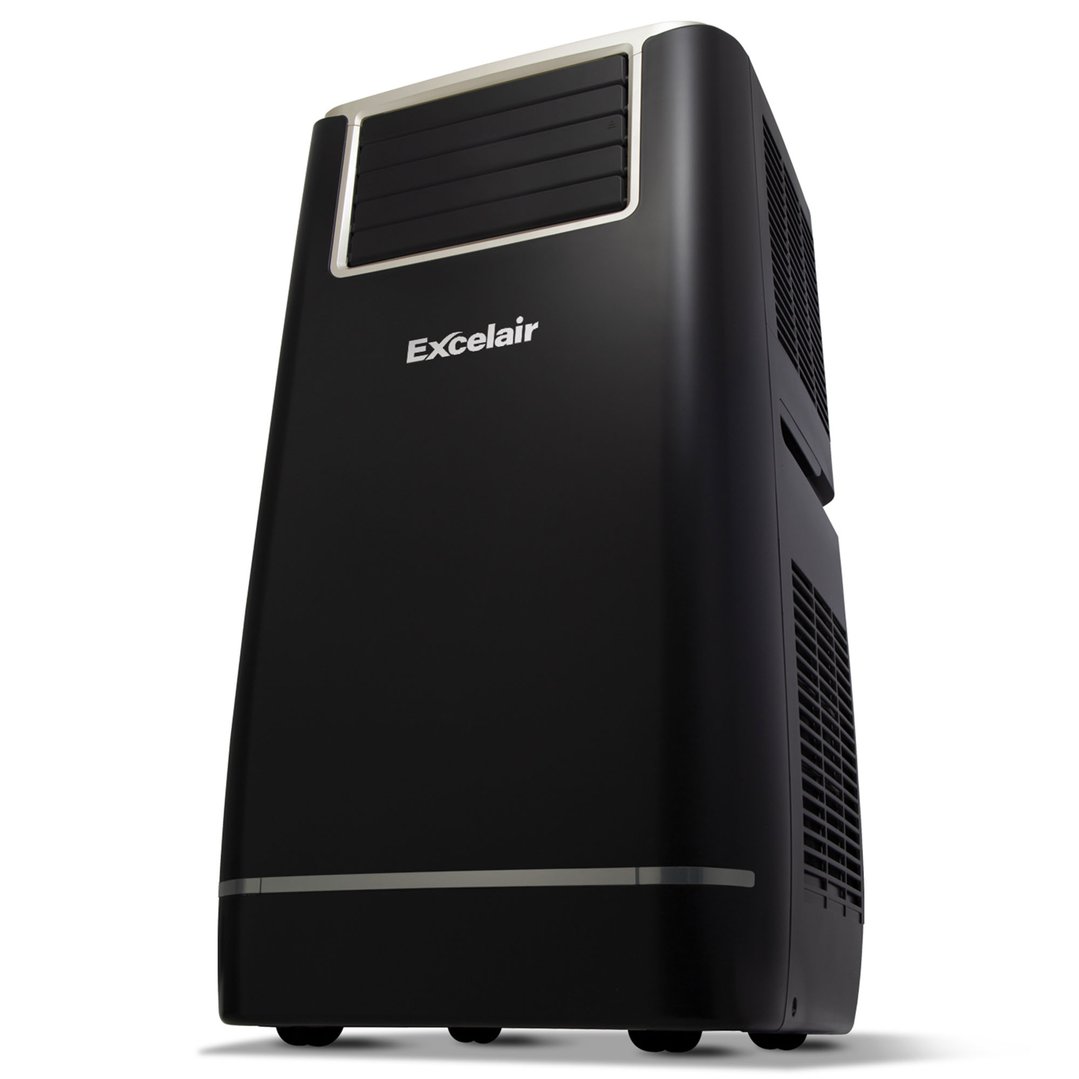
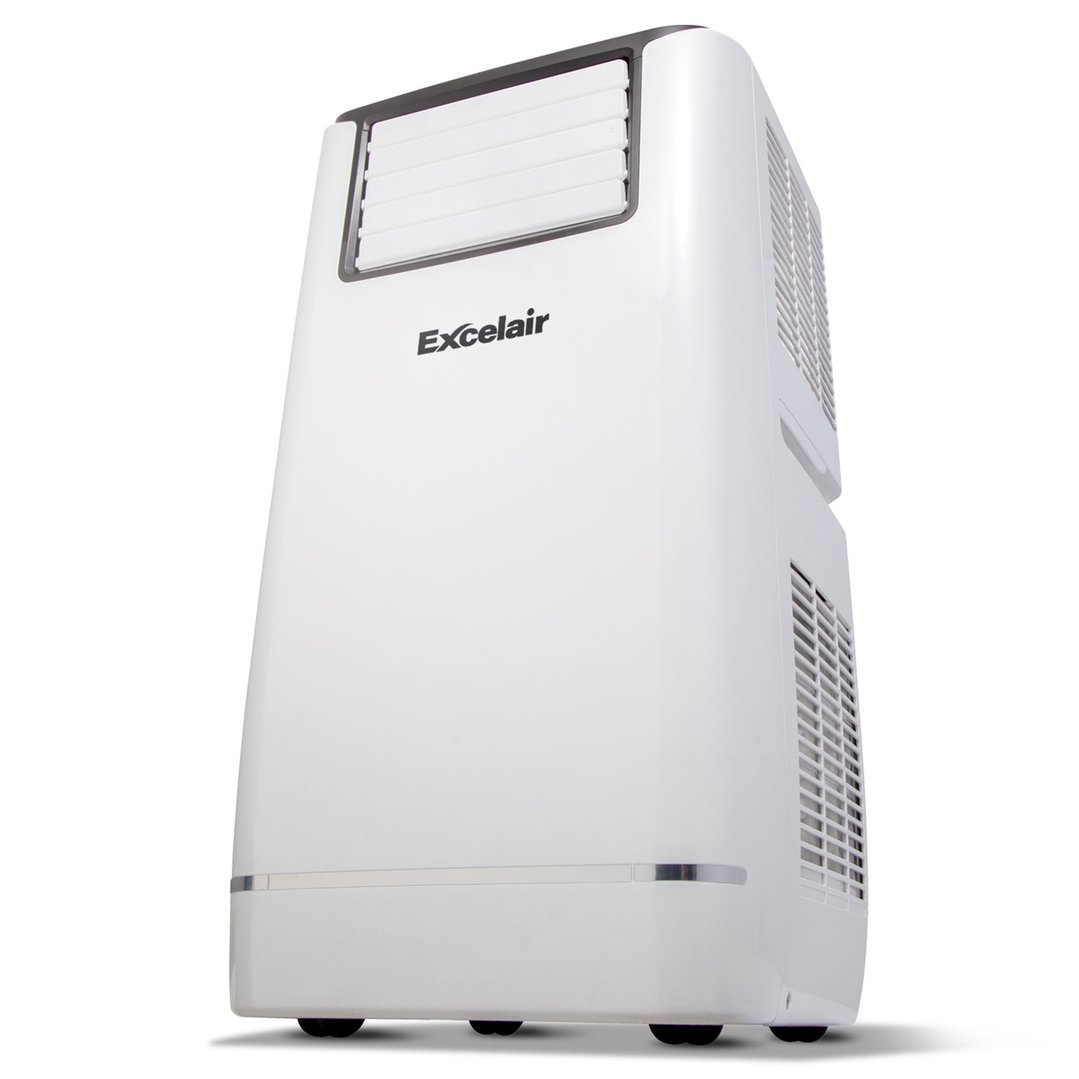
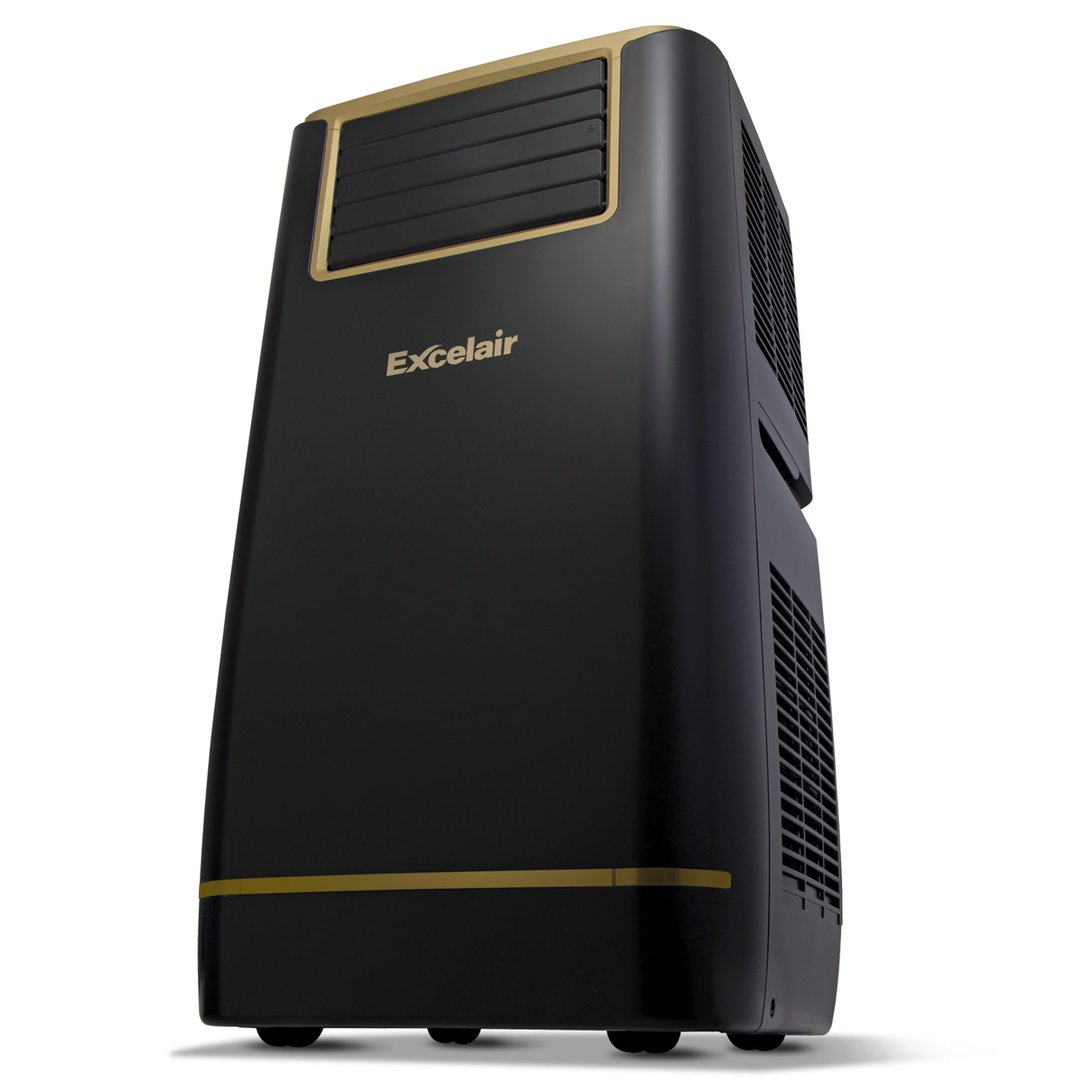
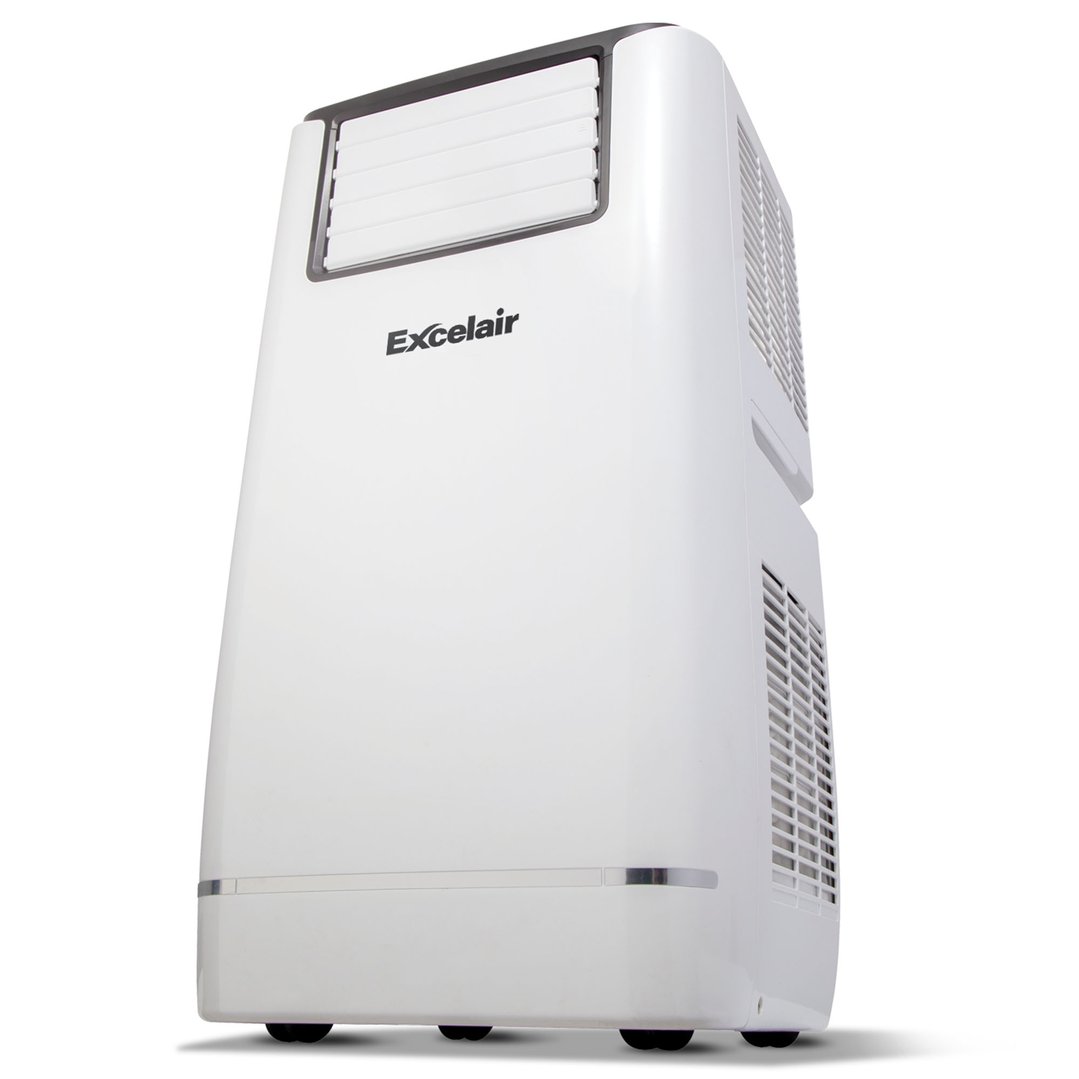
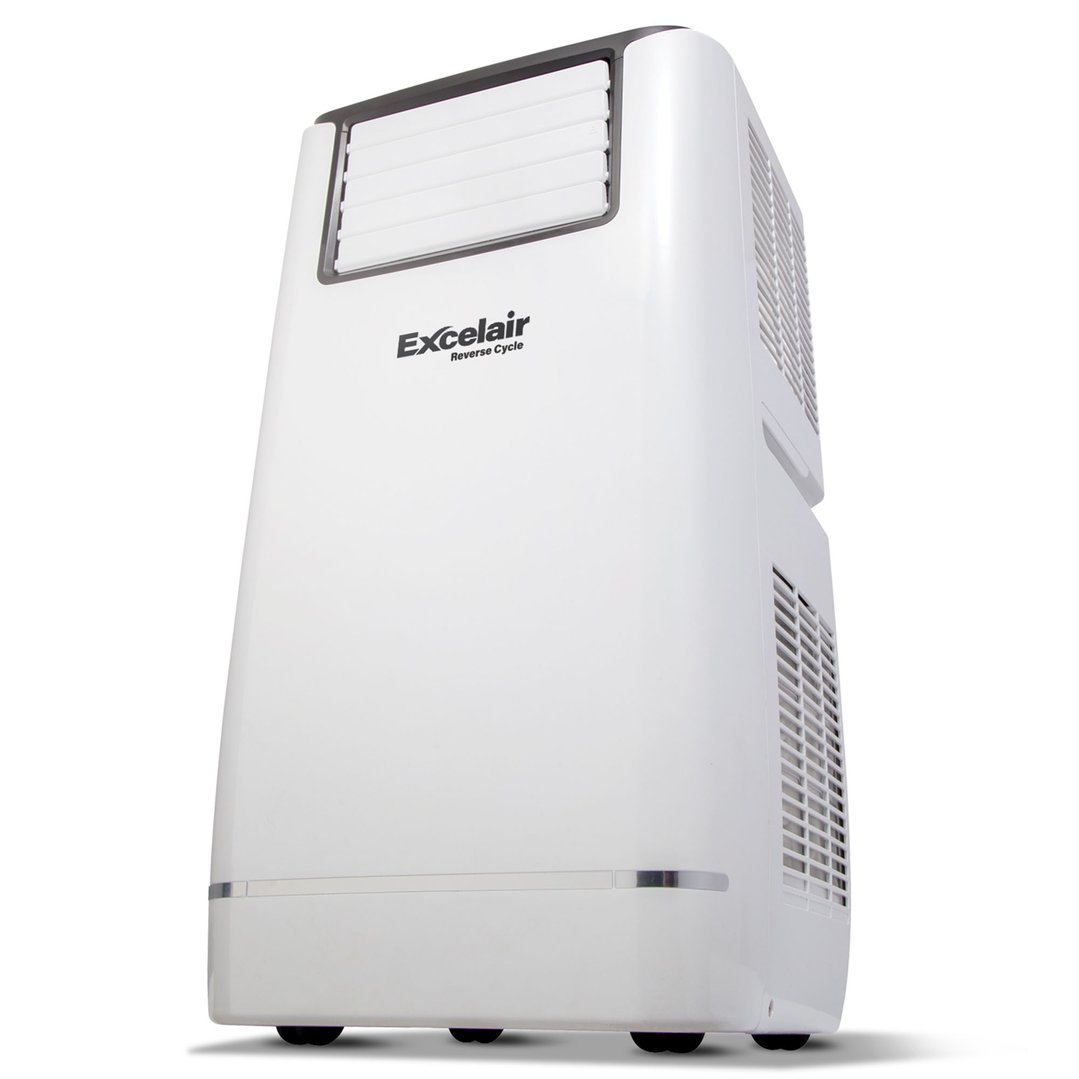
Looking for the perfect portable air conditioner? At Bing Lee, we offer a wide range of top-quality portable air conditioners to keep you cool and comfortable. Whether you need a unit for a small room or a larger space, we have options to suit your needs. Our expert team is always here to help you choose the right model for your home. Explore our range today and enjoy efficient cooling wherever you need it. If you want a bit more information, check out our Air Conditioner Buying Guide to find the perfect model for you.
FAQs
1. What are the key features to look for in a portable air conditioner?
When selecting a portable air conditioner, it is crucial to consider several key features to ensure optimal performance and convenience. Firstly, assess the cooling capacity, measured in British Thermal Units (BTUs), which determines the unit's ability to cool a specific area effectively. Energy efficiency is another important factor; look for units with high Energy Efficiency Ratio (EER) ratings to minimise electricity consumption. Noise levels should also be considered, especially if the unit will be used in bedrooms or quiet spaces. Additional features such as programmable timers, remote controls, and multiple fan speeds can enhance user convenience and comfort. Some models also offer dehumidification functions and air purifying filters, adding extra value by improving indoor air quality.
2. How does a portable air conditioner work?
A portable air conditioner operates by utilising a refrigeration cycle to cool indoor air. The process begins with the unit drawing warm air from the room into its system. This warm air passes over evaporator coils filled with refrigerant, which absorbs the heat and cools the air in return. The cooled air is then expelled back into the room through an output vent, effectively lowering the room's temperature. Simultaneously, the absorbed heat is transferred to condenser coils and expelled outside through an exhaust hose connected to a window or venting kit. This dual-action mechanism ensures that while cool air circulates indoors, warm air is efficiently removed from the space.
3. What size portable air conditioner do I need for my space?
Determining the appropriate size of a portable air conditioner for your space involves calculating the square footage of the area you intend to cool and matching it with an adequate BTU rating. For instance, a 12,000 BTU unit is generally suitable for rooms ranging from 400 to 500 square feet. To calculate your specific needs, measure your room's length and width in feet and multiply these dimensions to obtain its total square footage. It’s essential not only to consider room size but also factors such as ceiling height, sunlight exposure, and insulation quality when selecting your unit’s capacity.
4. Are there any maintenance tips for keeping my portable air conditioner running efficiently?
Maintaining your portable air conditioner properly ensures its longevity and efficient operation. Regularly clean or replace filters according to manufacturer guidelines; clogged filters can impede airflow and reduce cooling efficiency. Ensure proper ventilation by keeping exhaust hoses straight without kinks or obstructions that could restrict airflow out of your space. Periodically check for any collected moisture if your model lacks an auto-evaporation system; draining this water prevents mould growth and maintains performance levels. Additionally, clean condenser coils periodically using appropriate cleaning solutions recommended by manufacturers.
5. What are some benefits of using a mini or compact portable air conditioner?
Mini or compact portable air conditioners are perfect for small spaces like bedrooms or home offices due to their size and efficiency. Their compact design allows easy placement in tight areas without sacrificing cooling performance. These units are also easier to store when not in use, unlike larger models, making them ideal for off-seasons like winter. Commonly used in dorms and apartments where space is limited, mini air conditioners often consume less energy, making them cost-effective while still providing sufficient comfort and climate control.