Small Fridges

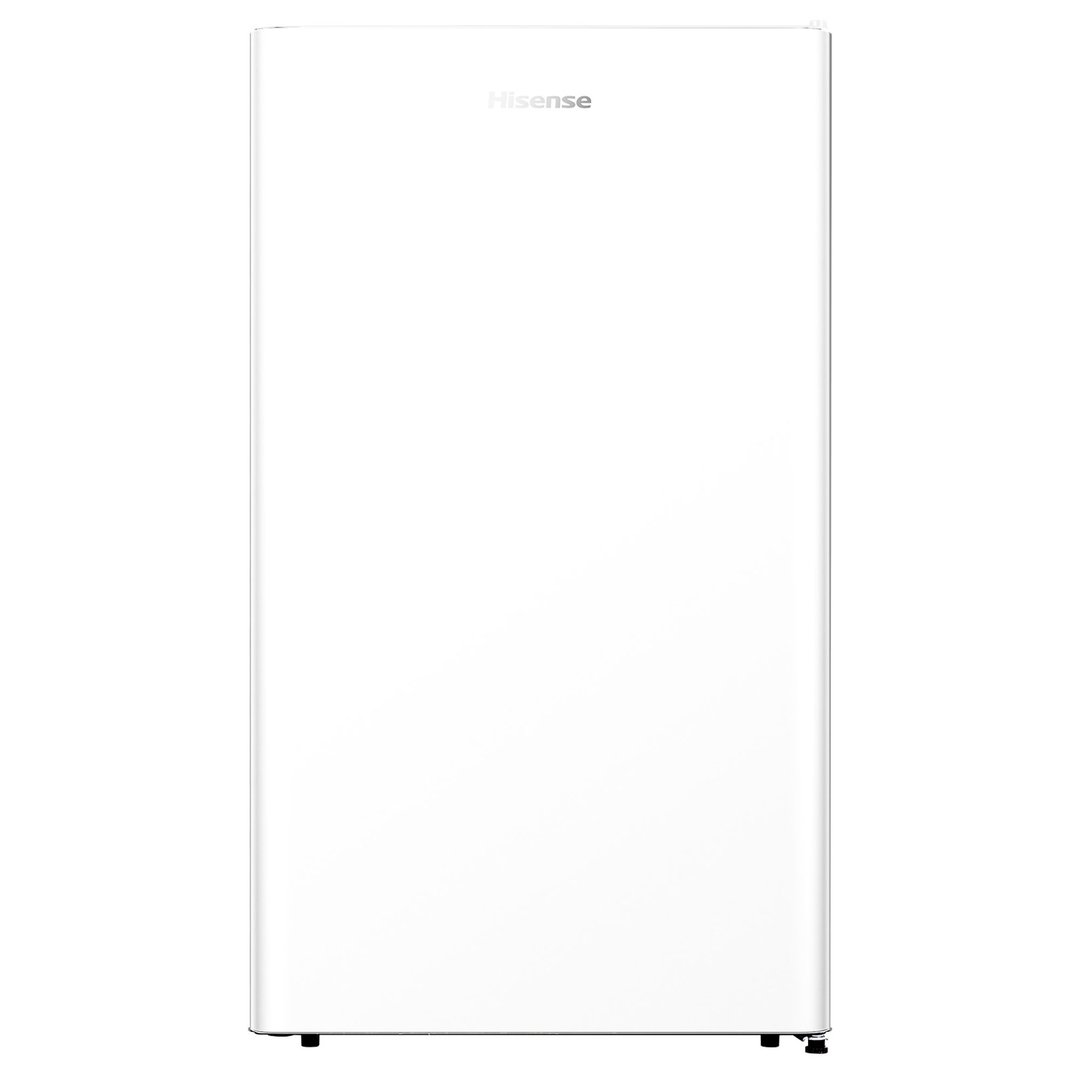
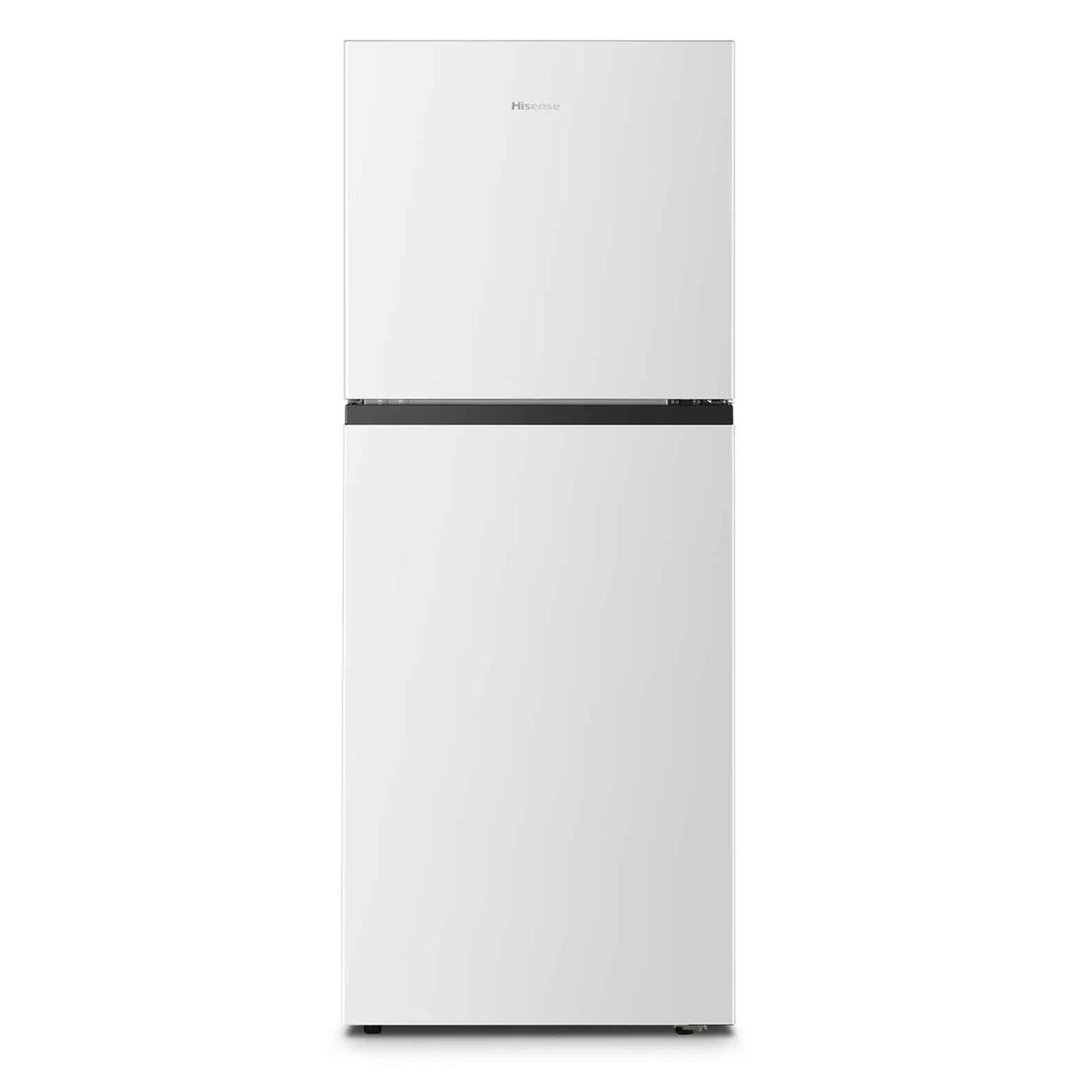

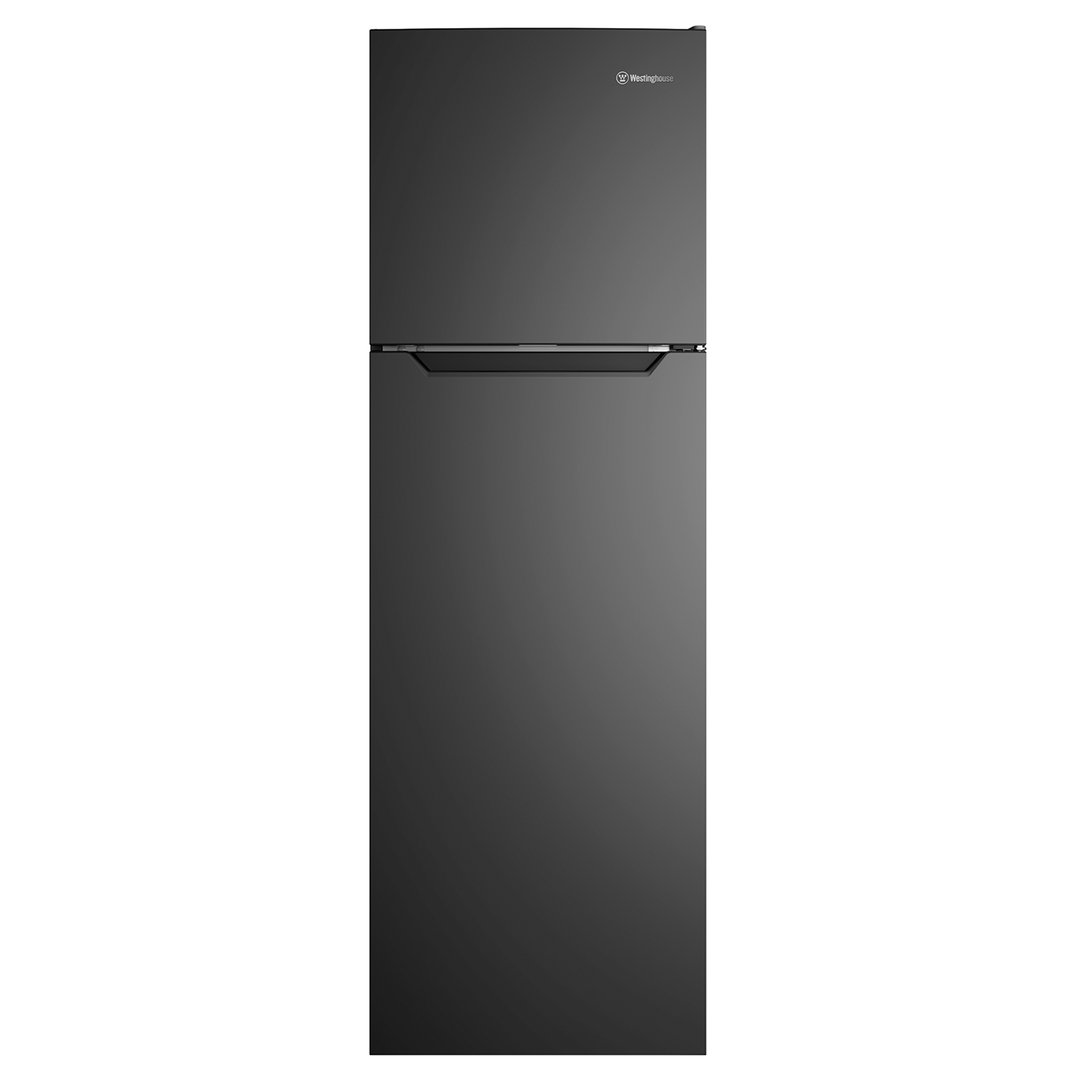

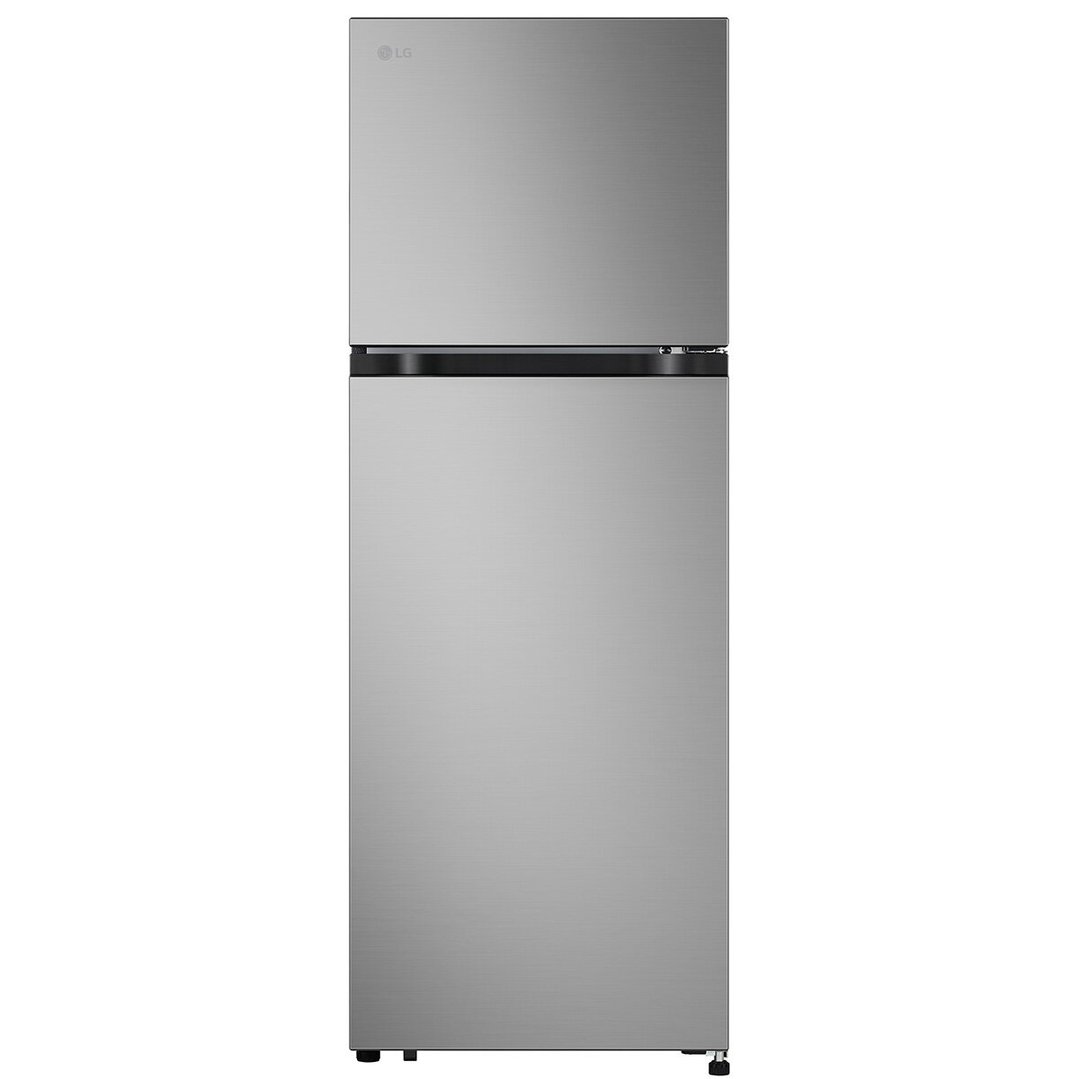
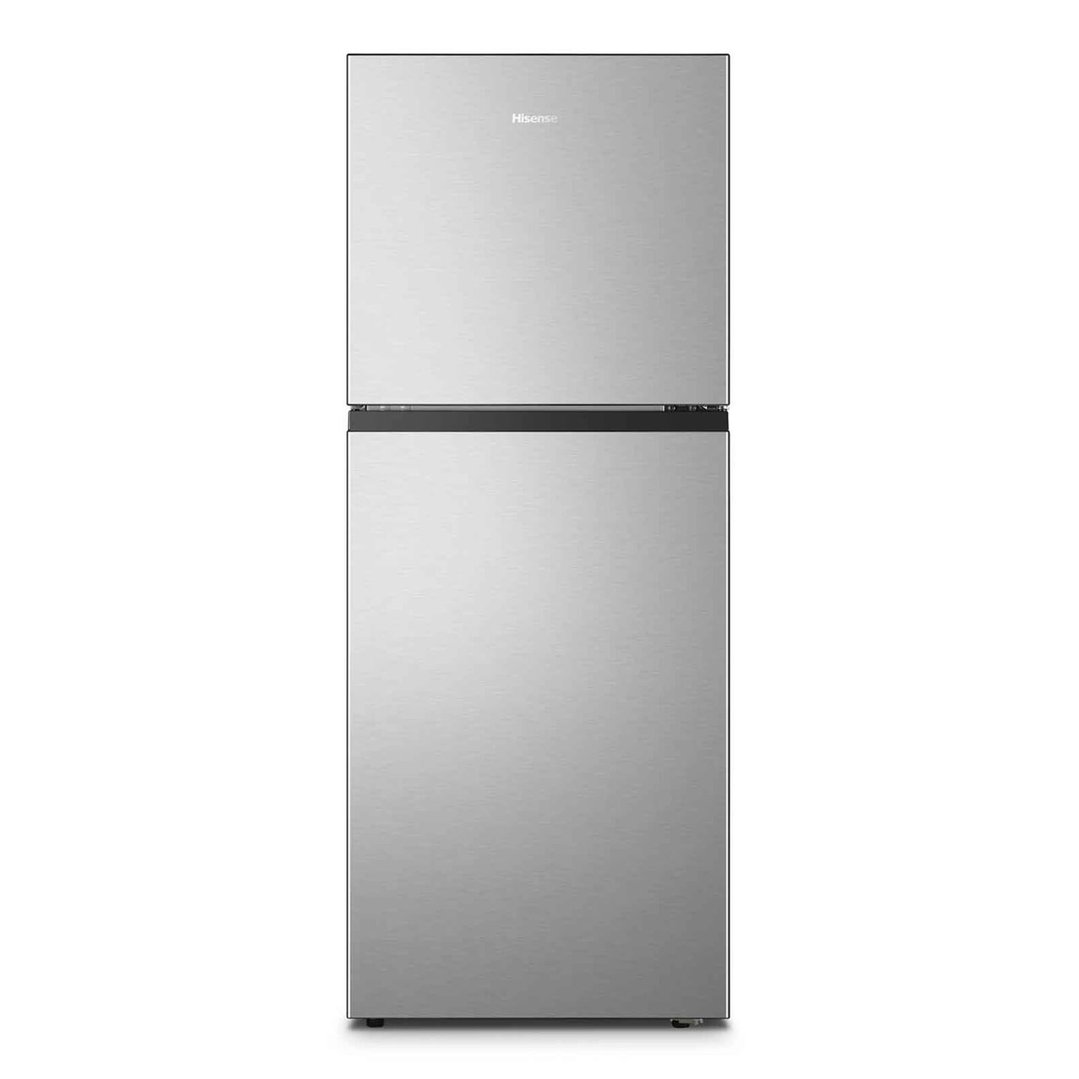

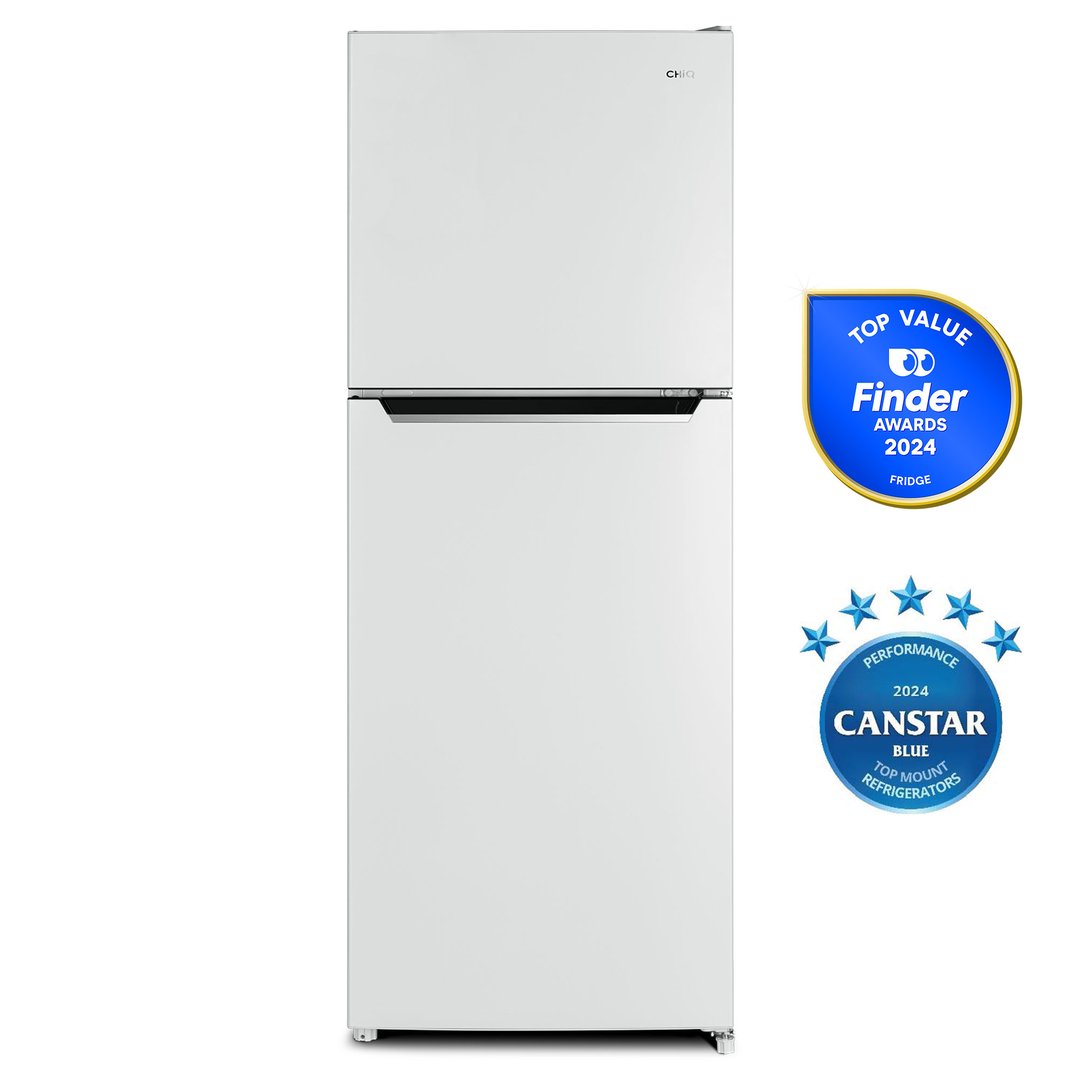
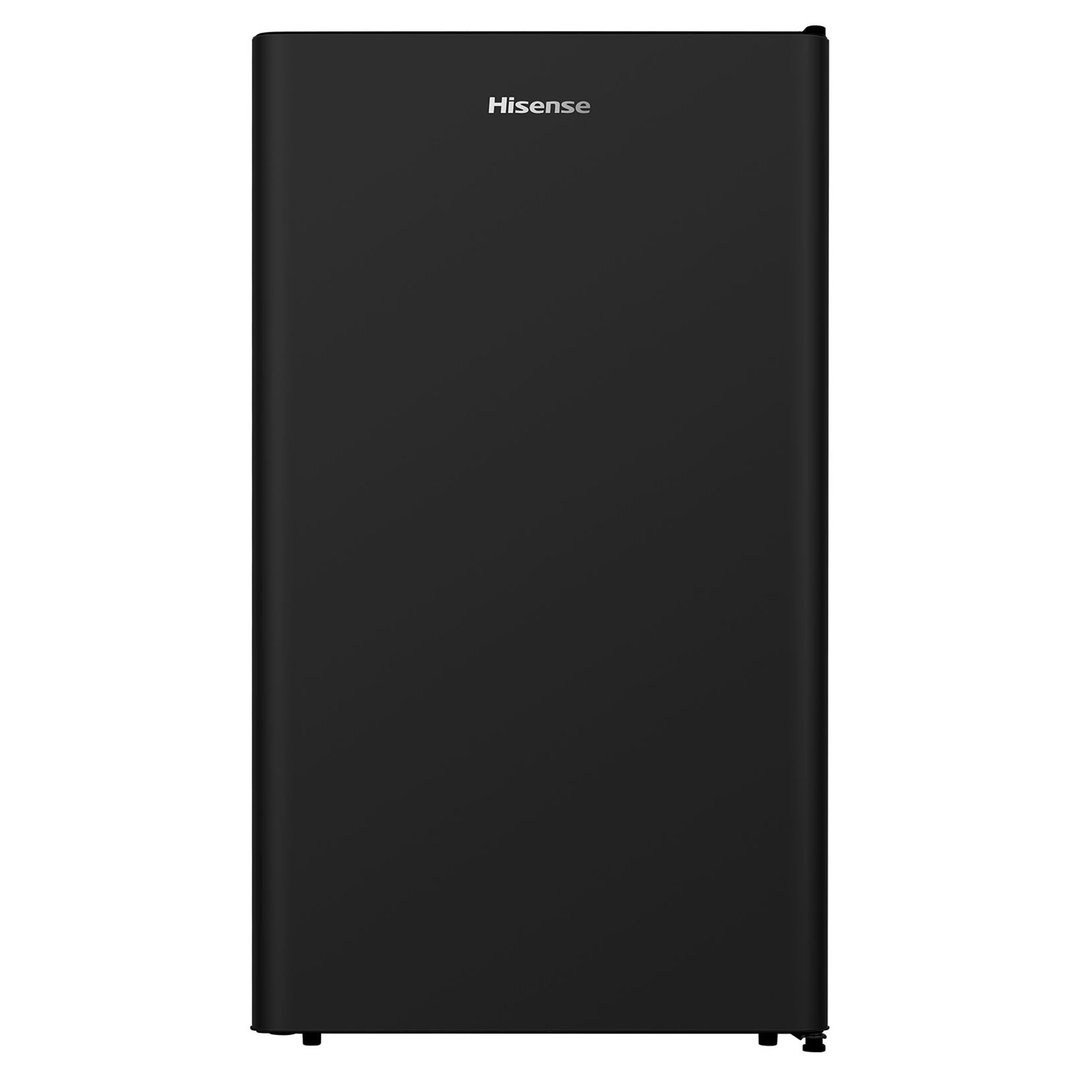


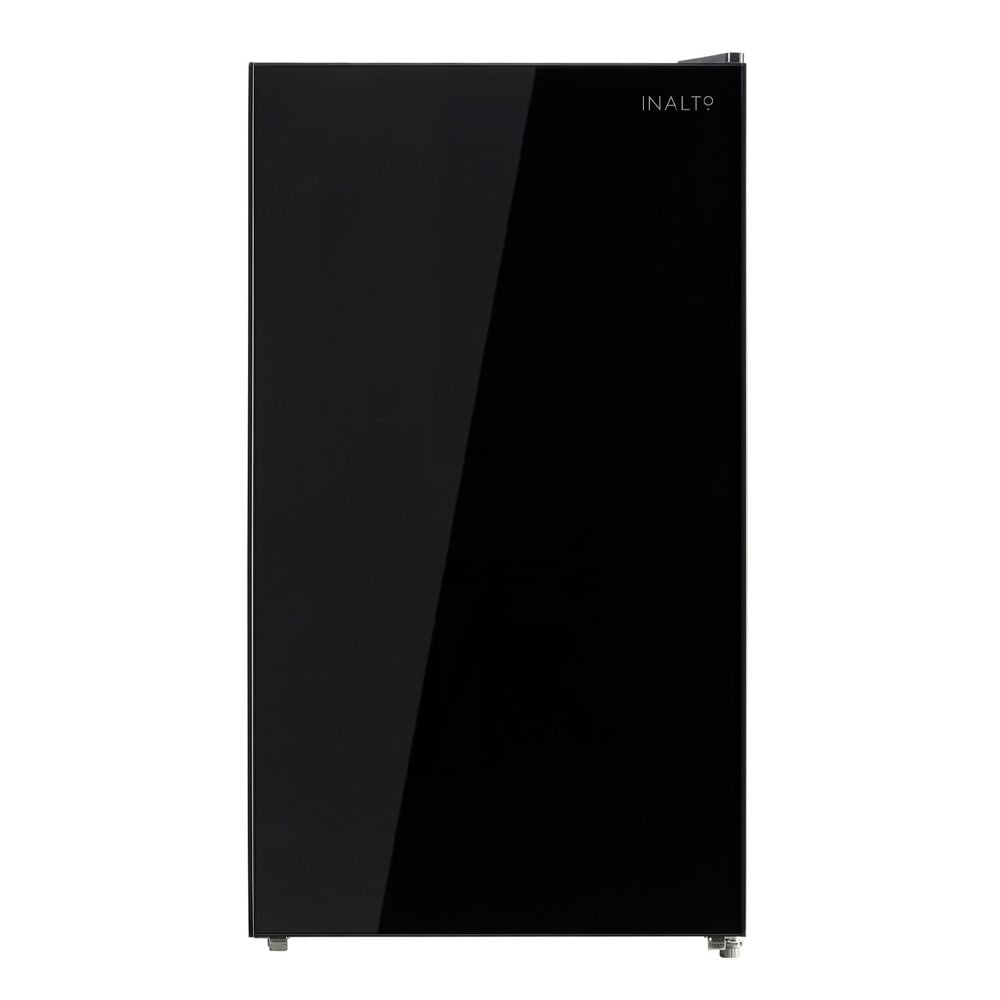


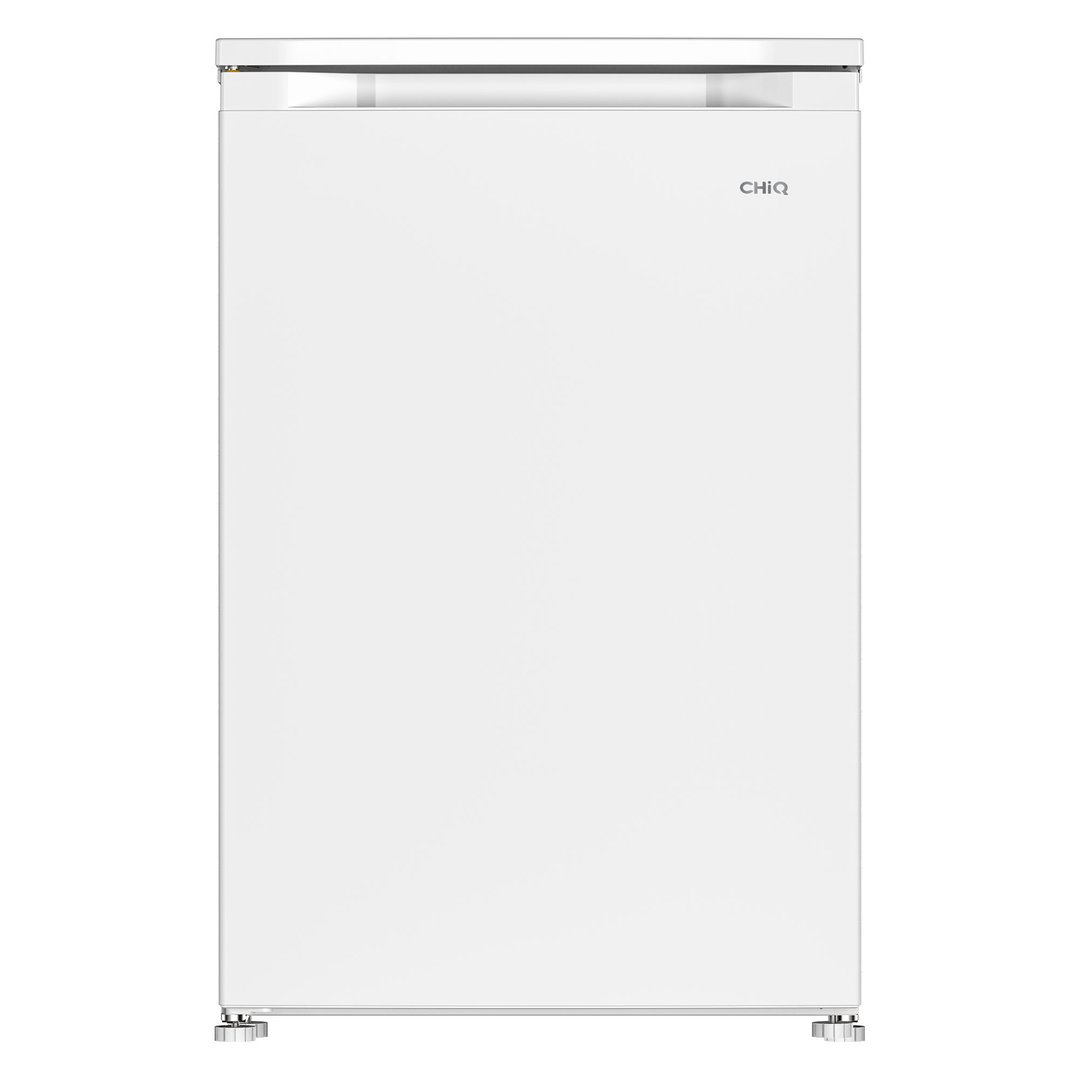
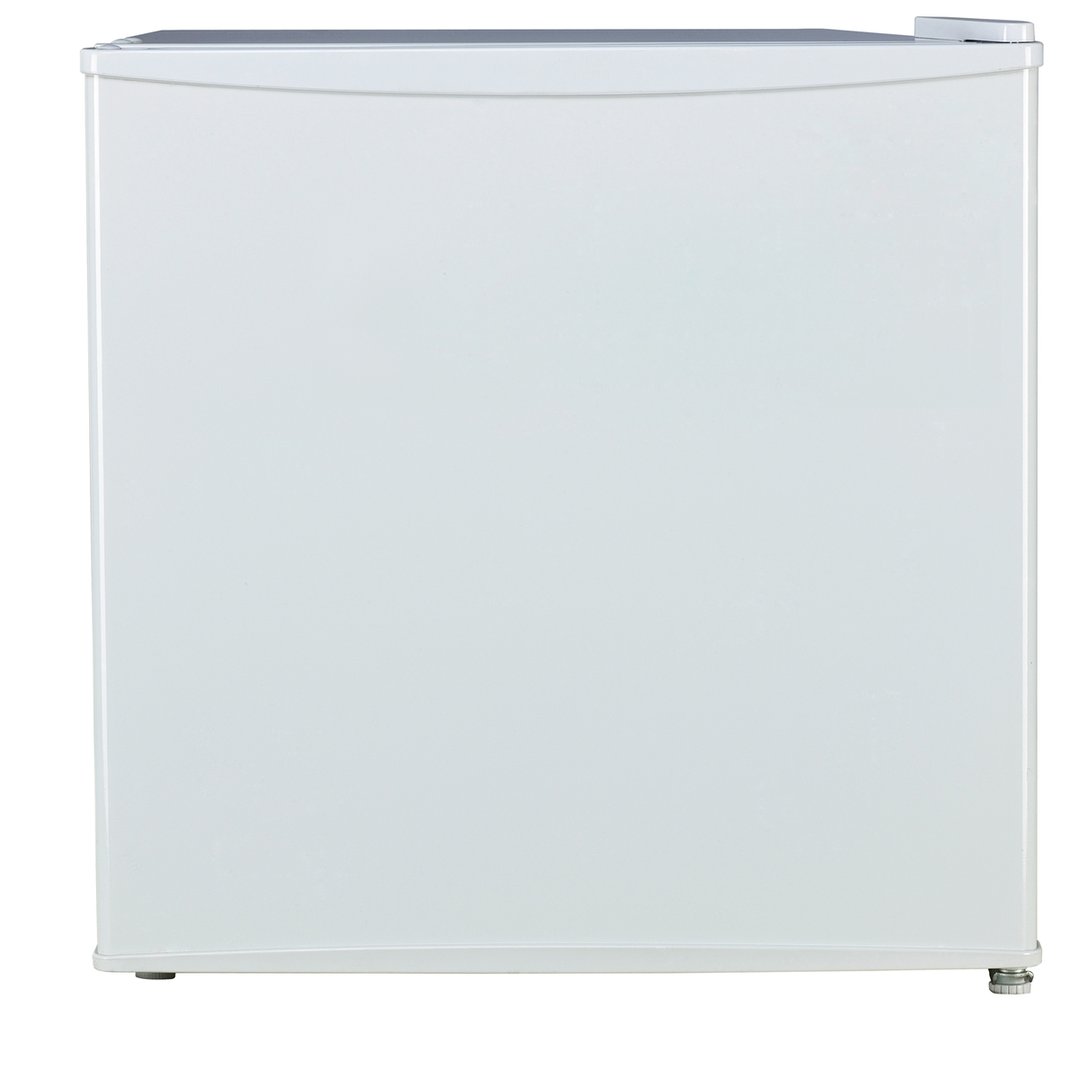
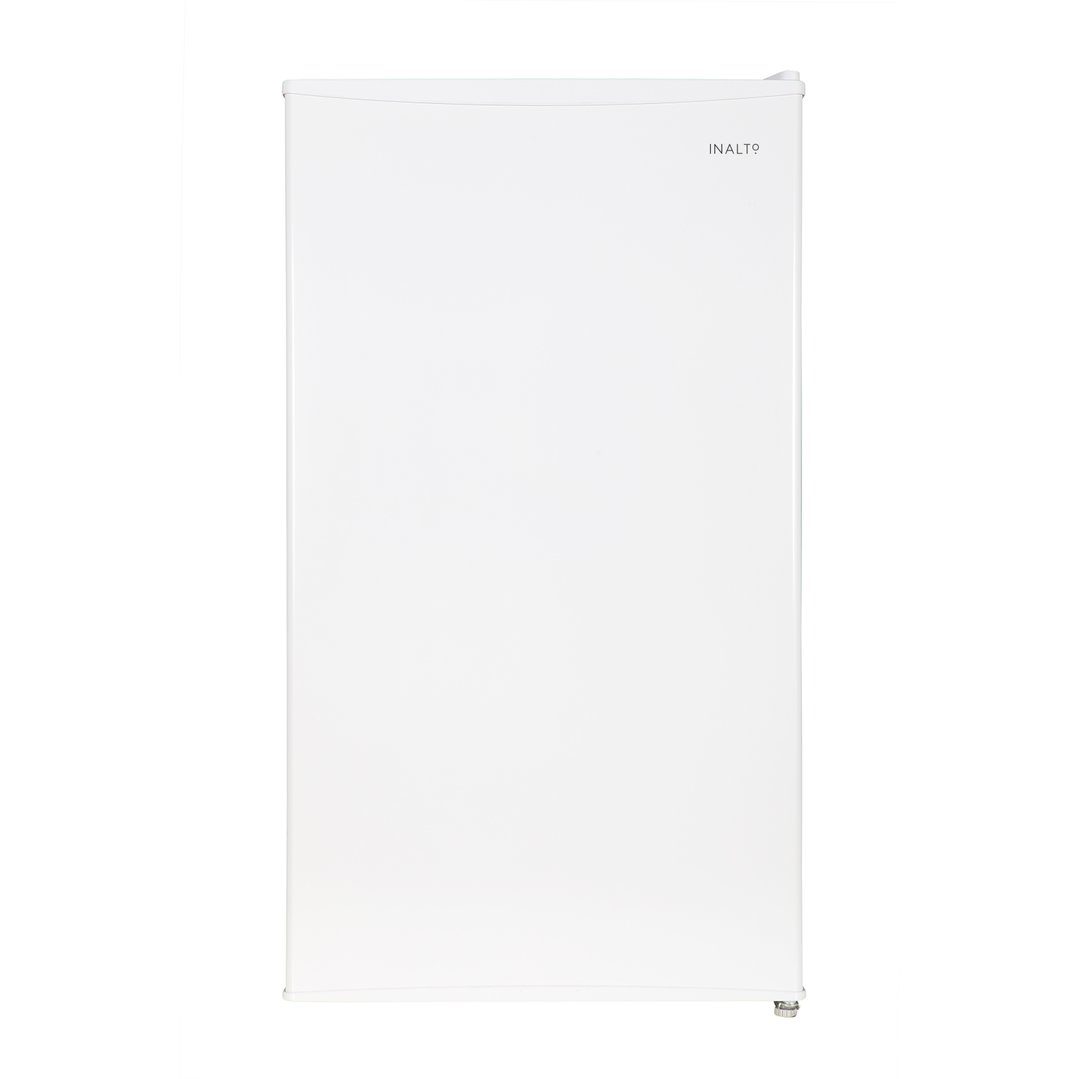

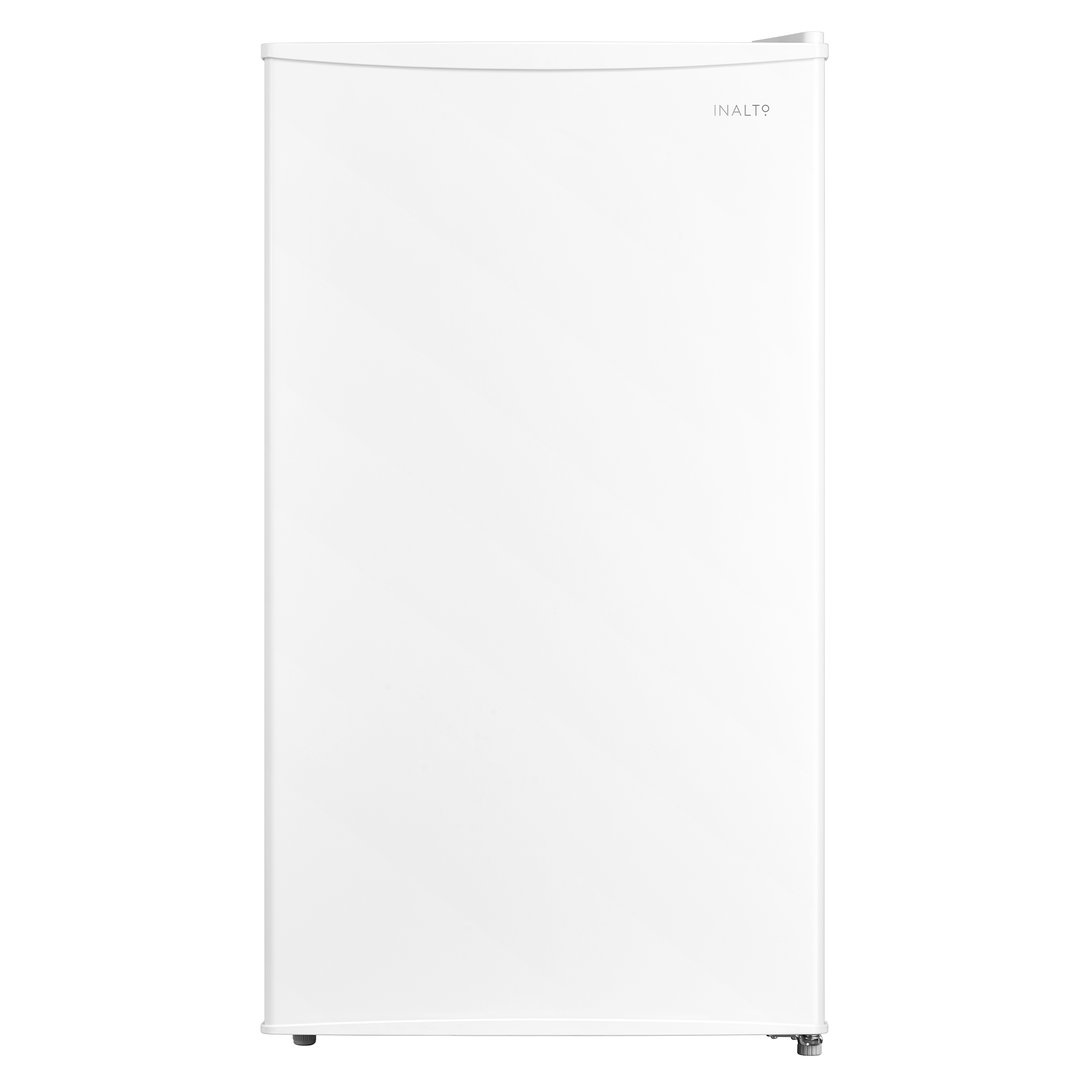



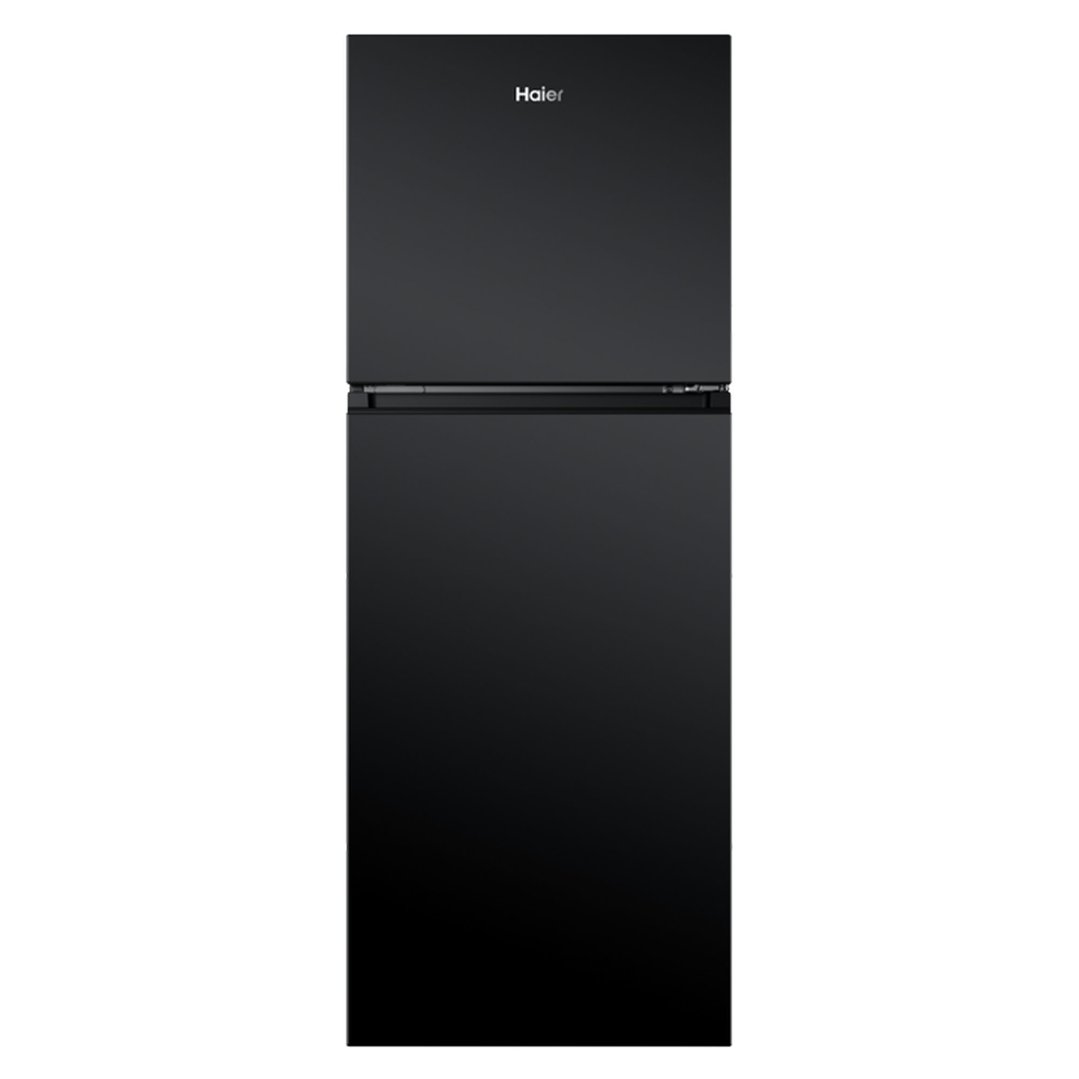
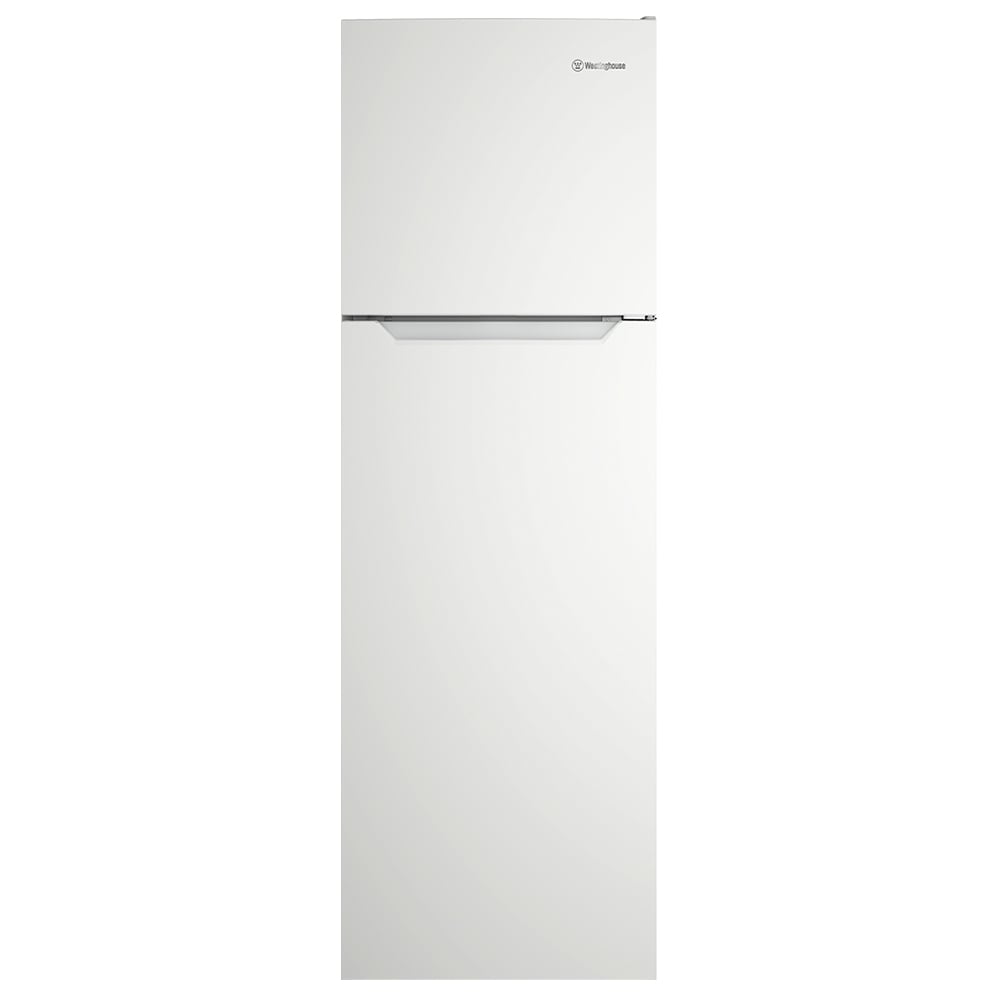

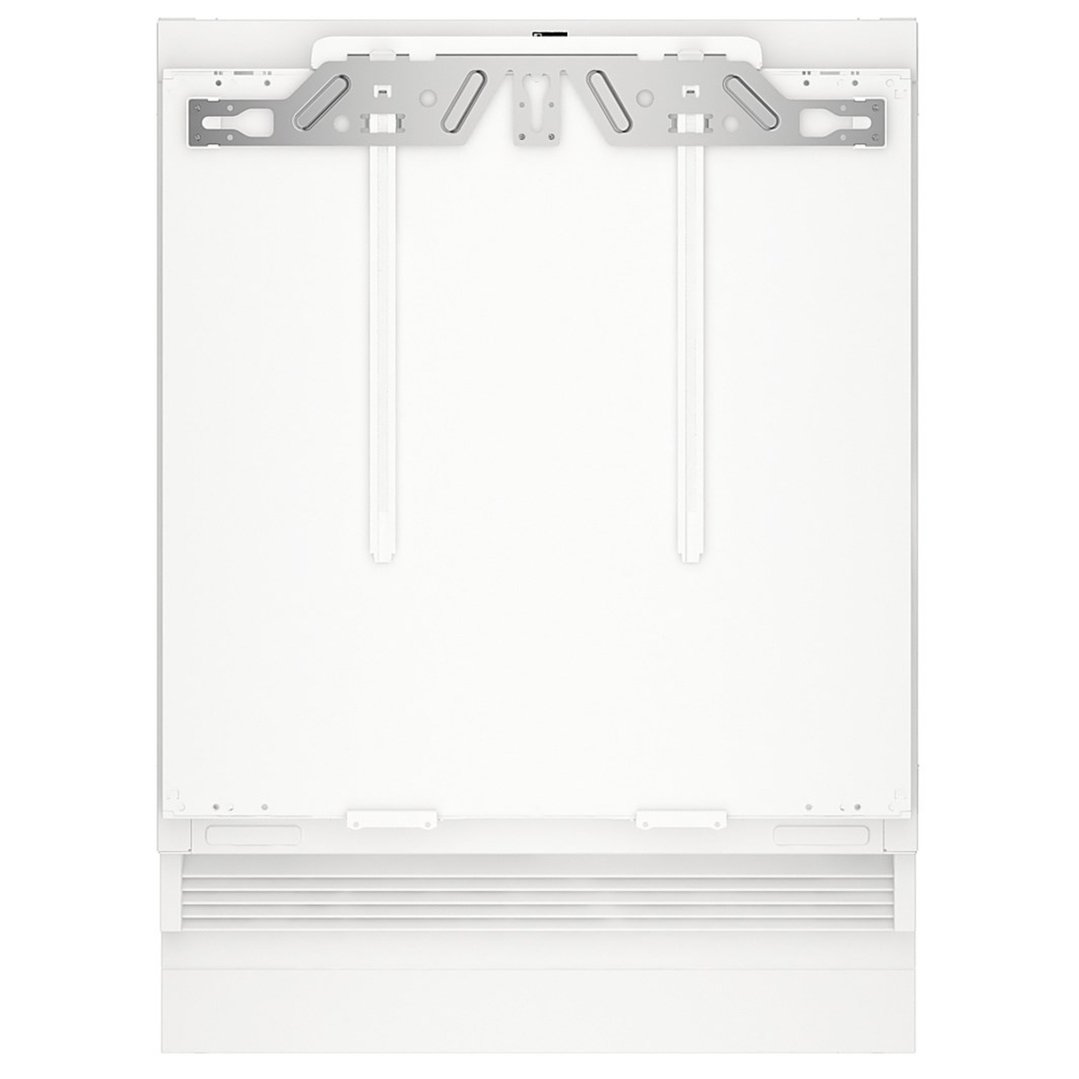

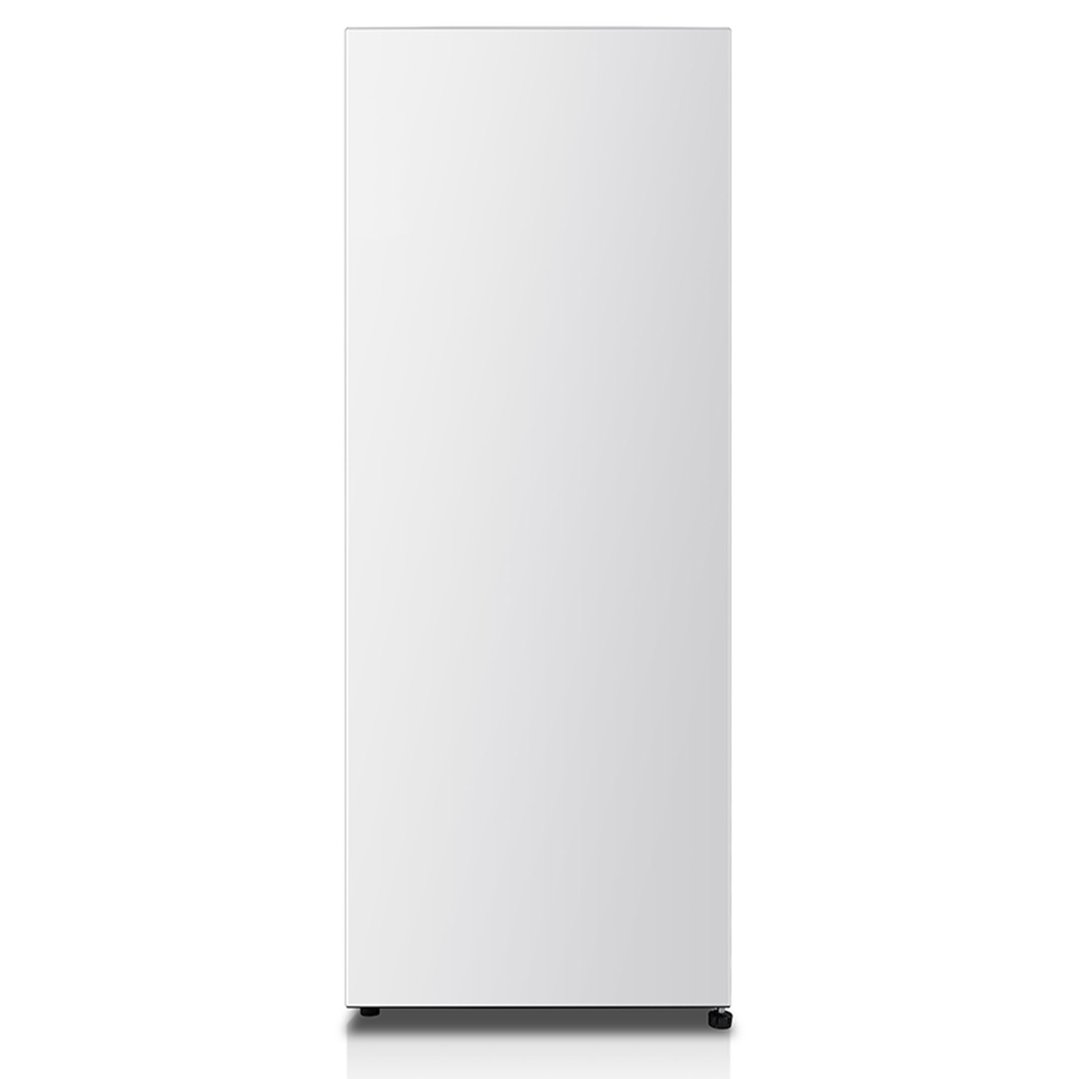

Welcome to Bing Lee's dedicated page for space-saving refrigeration solutions! If you're furnishing a small apartment, setting up a home office, or just need extra cooling capacity, our selection of small fridges offers the perfect blend of efficiency and compact design. Dive into our frequently asked questions below to find the ideal fridge that fits your space.
FAQs
1. How much clearance space is needed around a small fridge for proper ventilation and efficiency?
Proper ventilation is essential for any small fridge to operate correctly and remain energy efficient. If the condenser coils cannot breathe, the unit will work harder, consume more energy, and its lifespan may be shortened. We generally recommend leaving at least 2.5cm of space on the sides and back, and slightly more on the top if possible. Always refer to the manufacturer's installation guidelines, especially for integrated or built-in models. Placing a refrigerator too close to a wall or cabinet is one of the most common mistakes that leads to higher running costs.
2. Are small fridges energy efficient compared to full-sized models?
Generally, yes, small fridge models consume less energy overall than their full-sized counterparts simply because they have a smaller internal volume to cool. However, efficiency is relative and measured by the appliance's star rating. When choosing a small fridge, look for the highest energy star rating possible. This ensures that the cooling technology is optimised for the unit's size, providing the best long-term cost savings. While a bar fridge might use very little power, a high-efficiency bottom or top mount fridge may offer superior cooling per litre. If you are also looking for long-term frozen storage, consider a separate energy-efficient appliance like a chest freezer to complement a smaller fridge.
3. How do I choose the best small fridge for my kitchen?
Choosing the best small fridge depends entirely on how you plan to use it and the amount of space you have available. First, assess the capacity you need. If you only require storage for beverages and snacks, a bar fridge might suffice. If you need dedicated frozen storage for one or two people, look for a small fridge freezer combination. Next, consider the configuration. A slim fridge design is often best for narrow spaces, while a small capacity chest freezer might be a great pairing if you already have a small fridge. If aesthetic integration is key, explore the range of integrated fridges which hide behind your kitchen panels. Finally, check the energy rating, as a unit that runs efficiently will save you money in the long term. For more guidance on choosing the right fridge, check out our fridge buying guide with expert tips to help you compare models.
4. Can a small fridge with a freezer compartment be used as a primary fridge for a single person?
Absolutely, a small fridge freezer can be an excellent primary appliance, particularly for a single person or those living in small studio apartments. These compact units are designed to maximise usable space while keeping the overall footprint minimal. They provide adequate fresh food storage and a dedicated freezer section for essential frozen goods. While a small fridge may require more frequent grocery shopping than a larger unit, it encourages less food waste and is perfectly sufficient for minimalist living. If your freezing needs expand over time, you always have the option to add a separate small capacity chest freezer later on for additional frozen storage.
5. Can a compact fridge be used reliably for long-term frozen food storage?
The ability of a small fridge to handle long-term frozen food storage depends entirely on the design of its freezer section. If you choose a compact top mount fridge or bottom mount fridge, the freezer compartment has a separate door and is designed for reliable, long-term freezing. However, in many basic bar fridges and mini fridges, the 'freezer' is a small internal chiller box. This compartment is usually only cold enough for making ice or temporarily holding small frozen items, and is not suitable for preserving sensitive foods long-term. If dedicated, reliable freezing is a priority, choose a model explicitly labelled as a fridge freezer or look at our separate range of freezers.