Reversible Door Fridges

$11,999 you
pay $10,800Ends in
39 Days

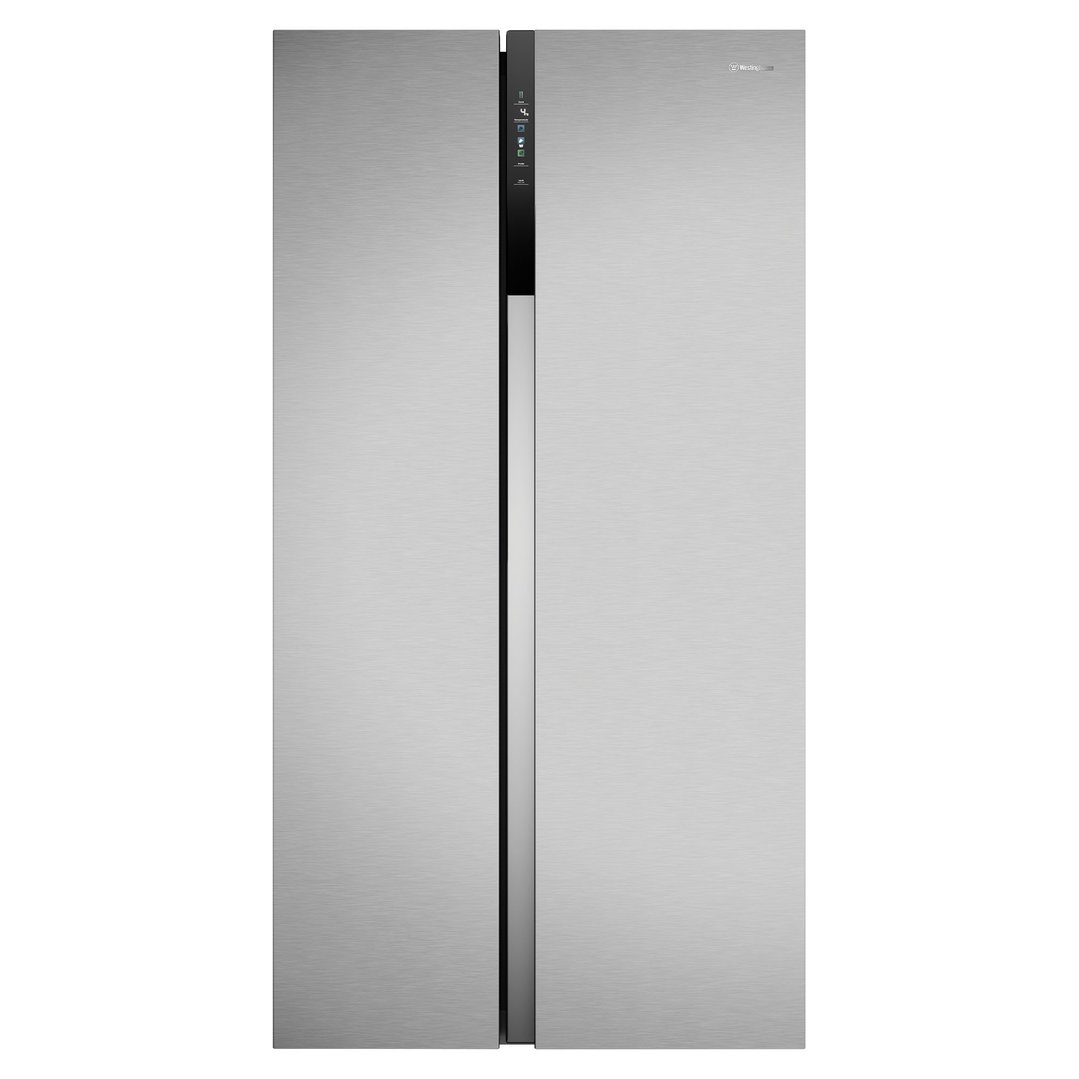
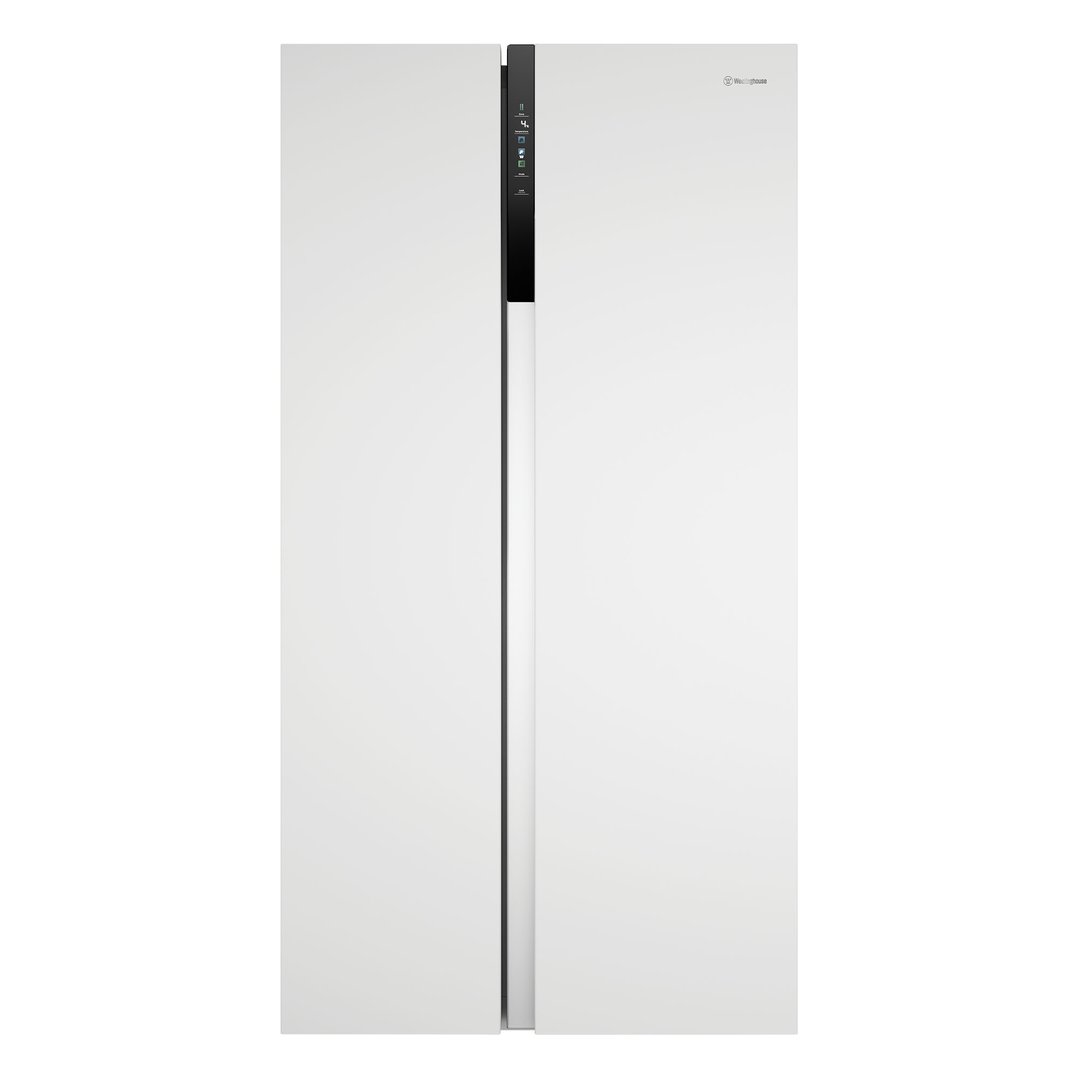
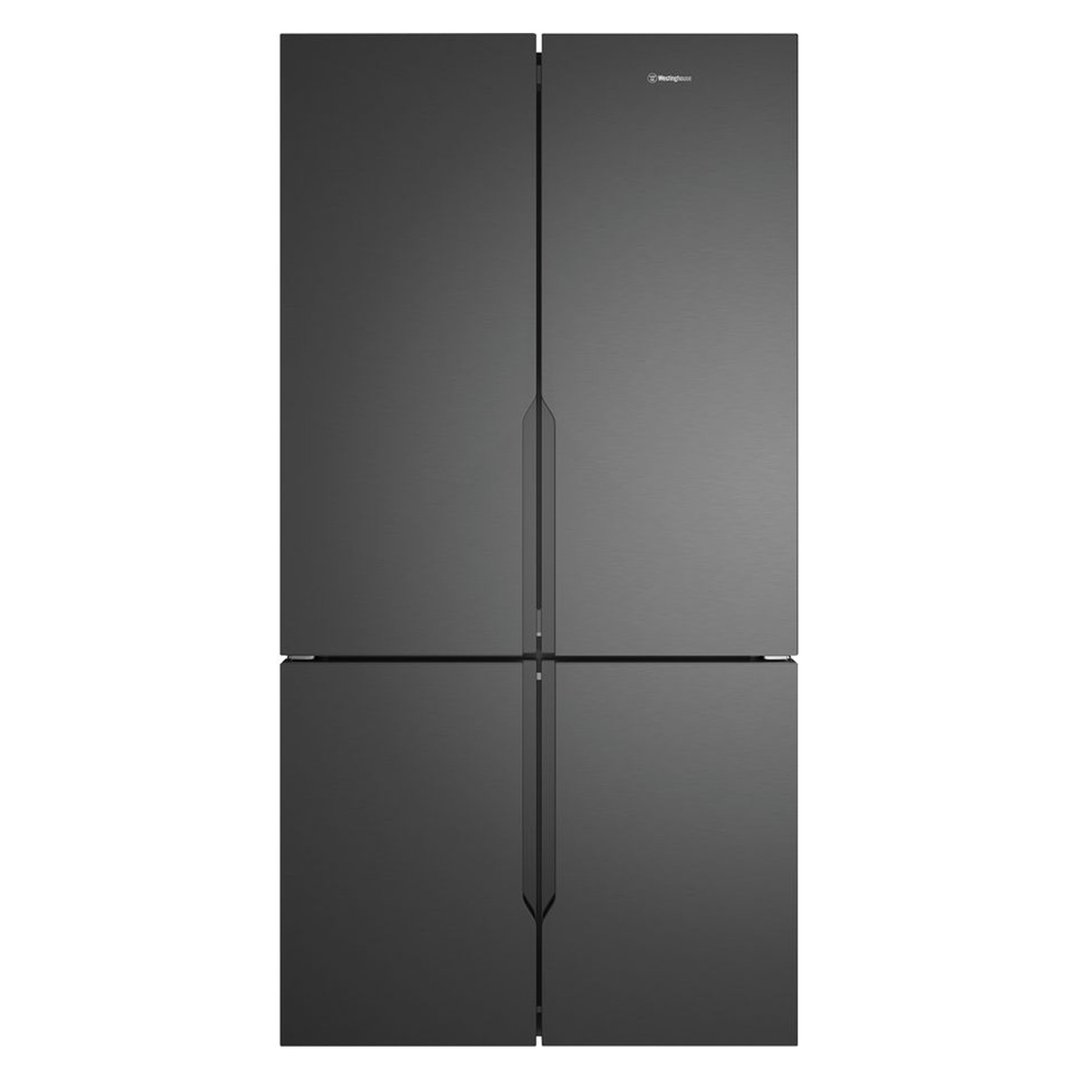

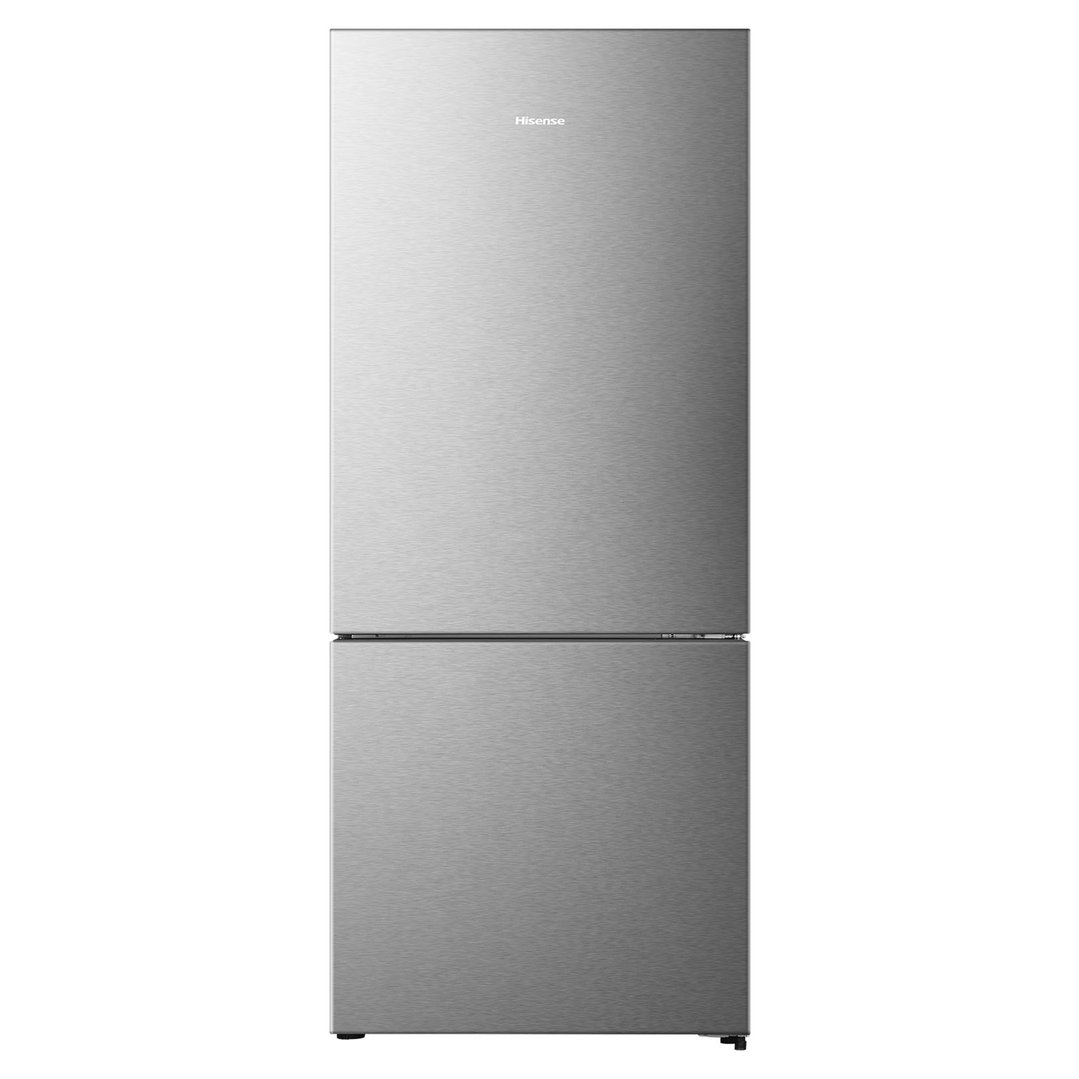

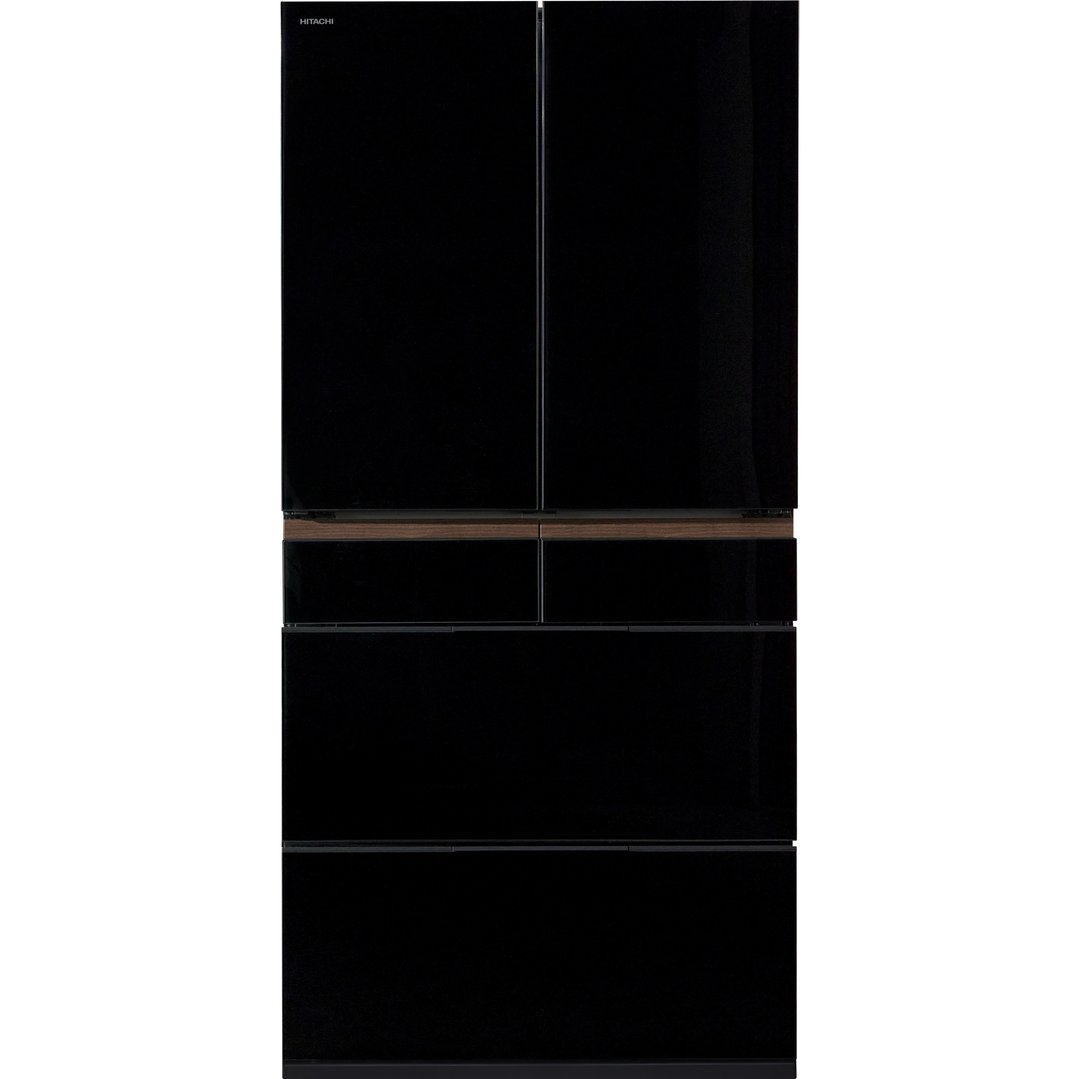
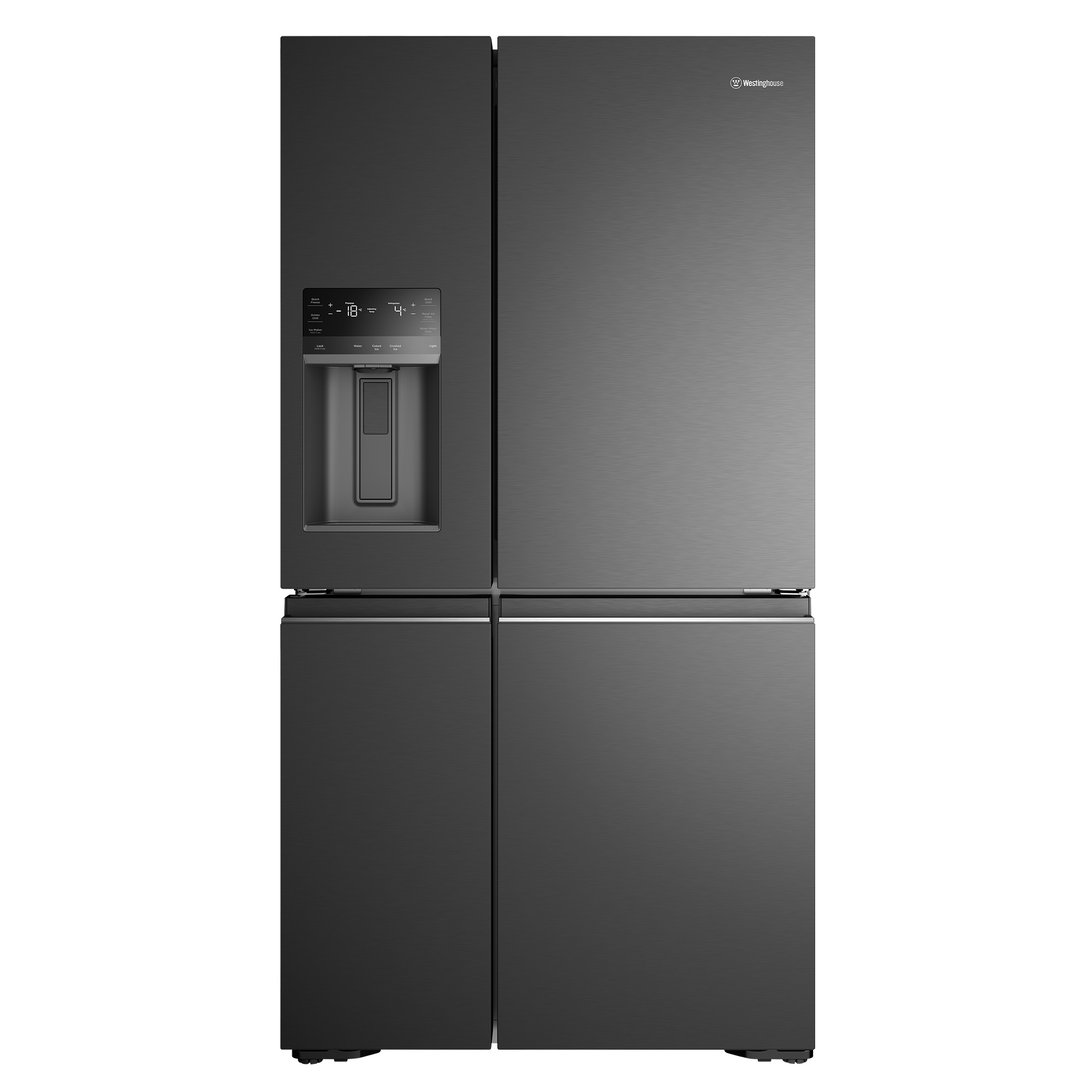

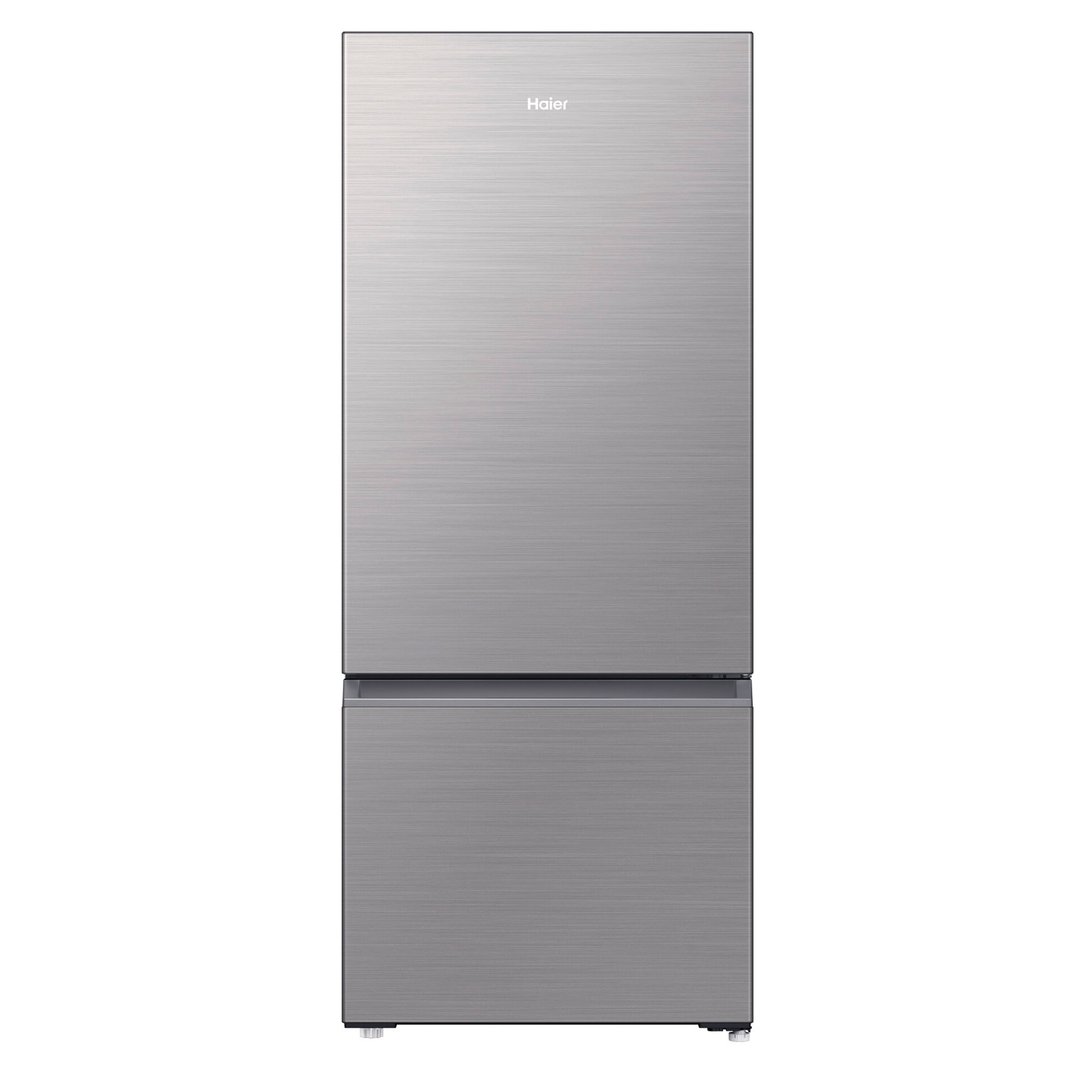
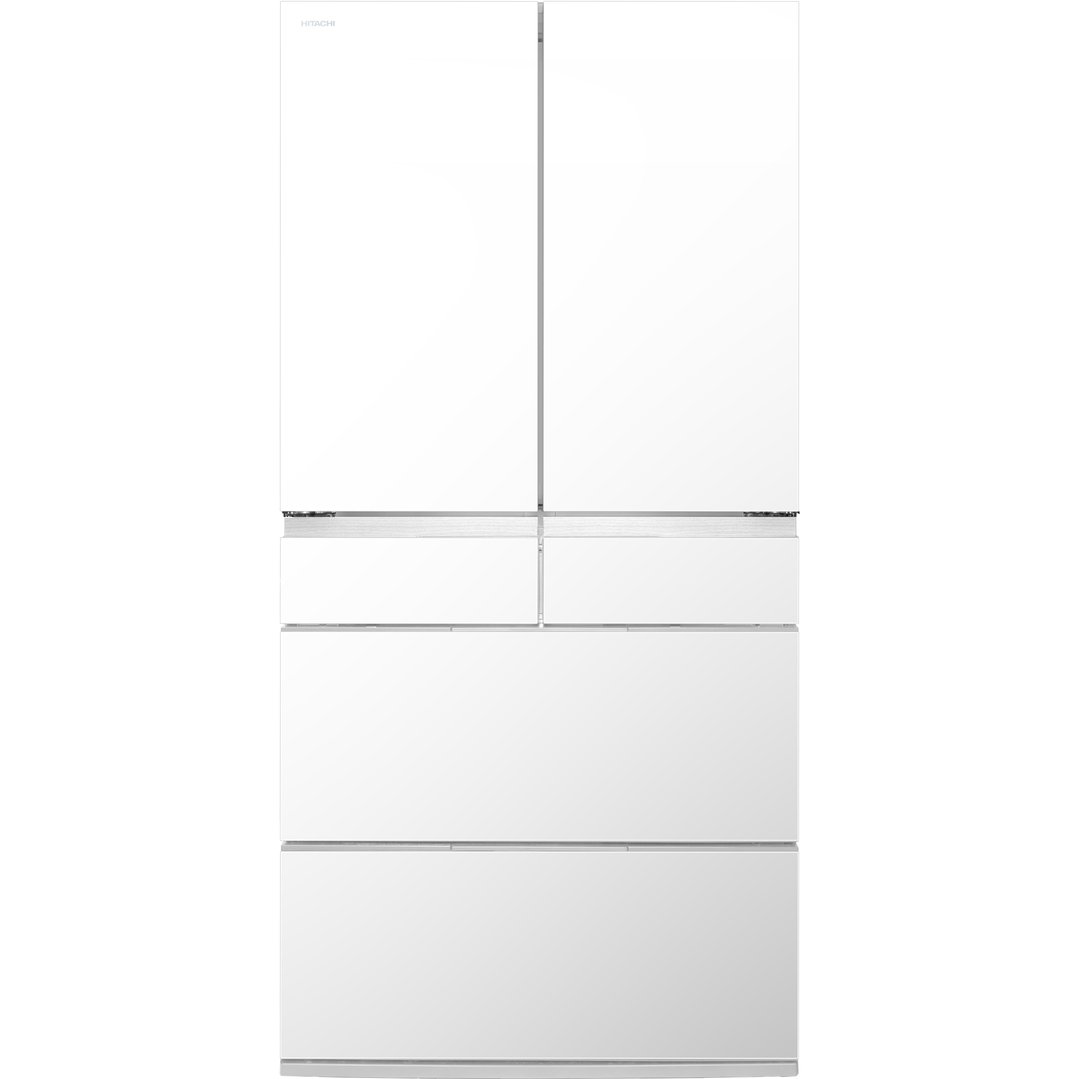
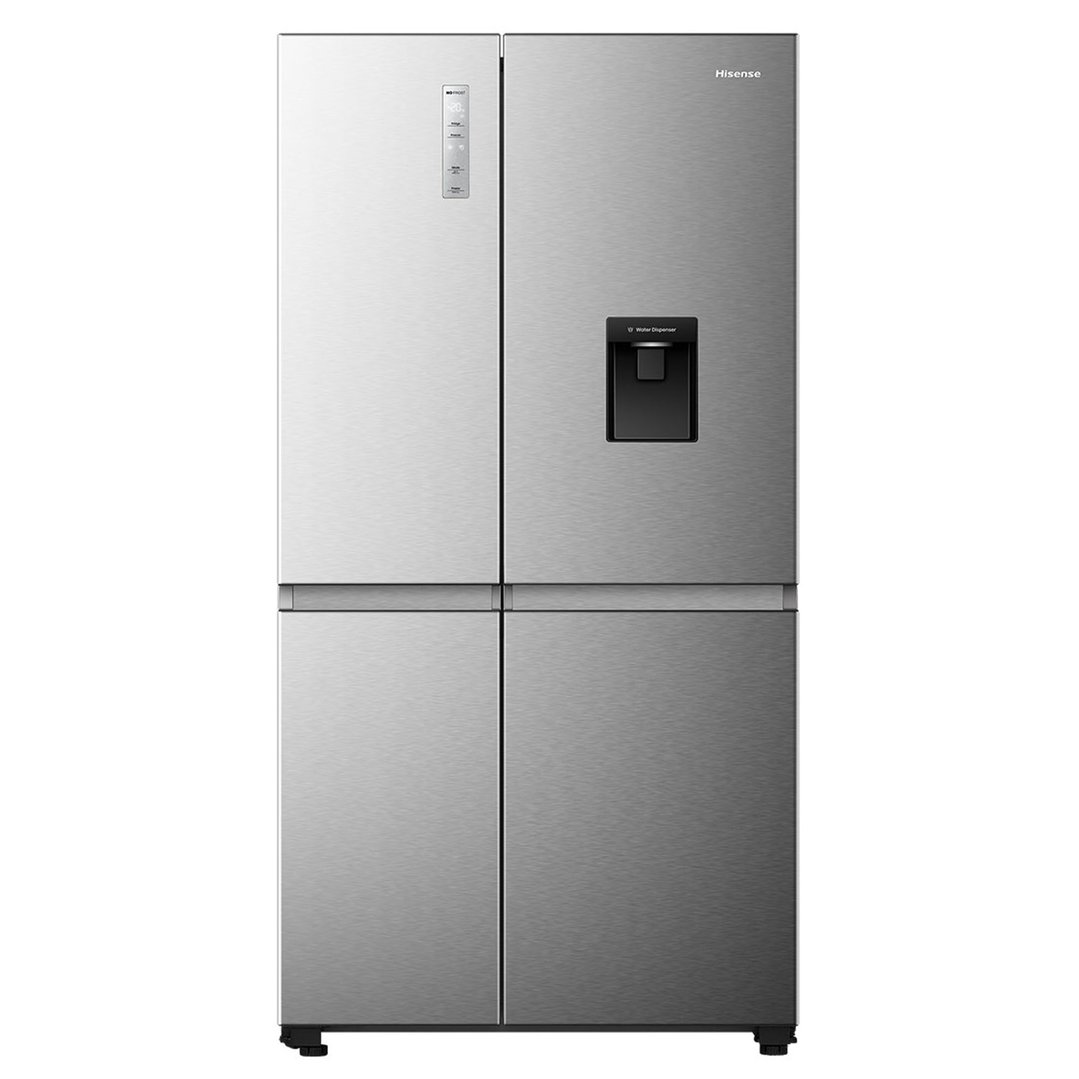


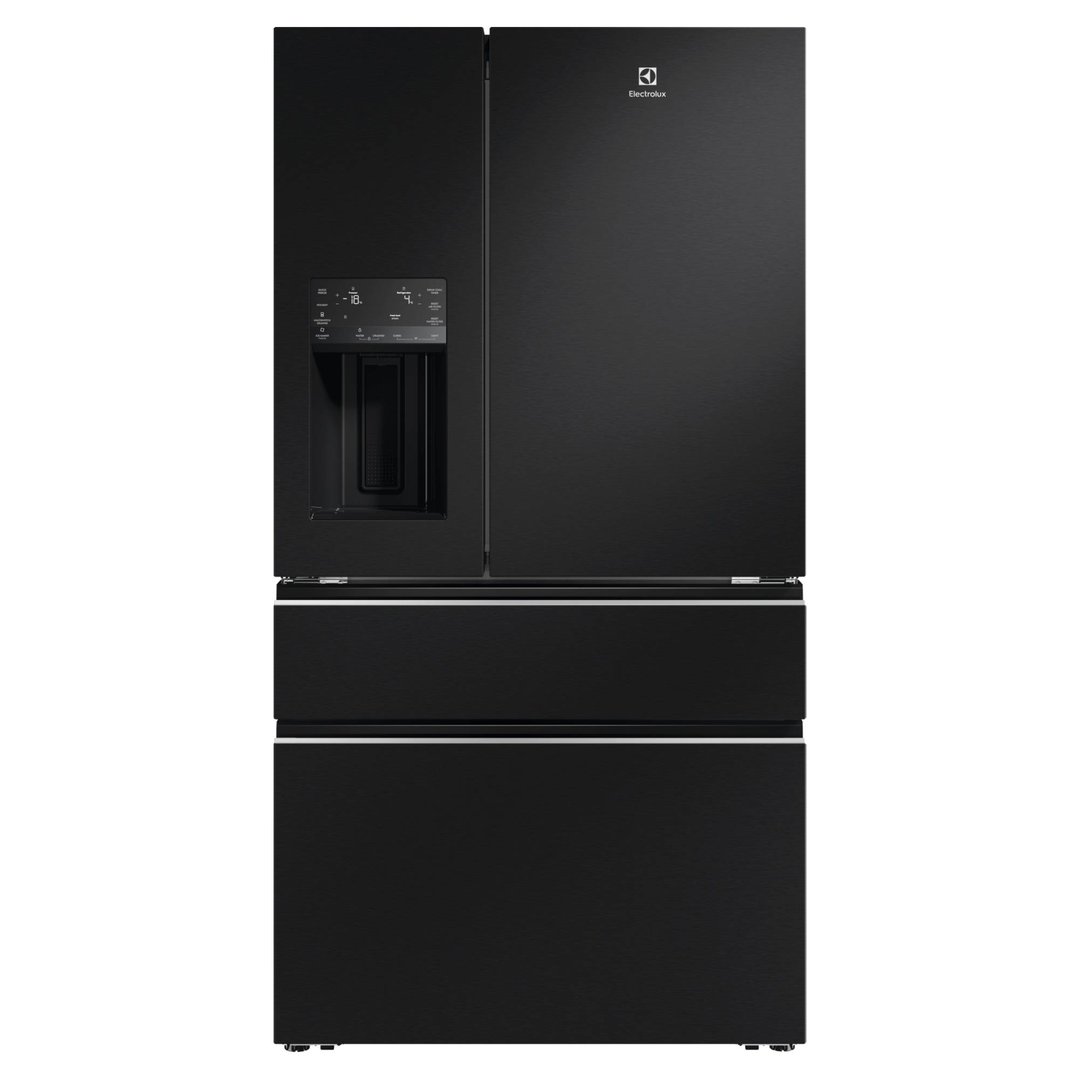

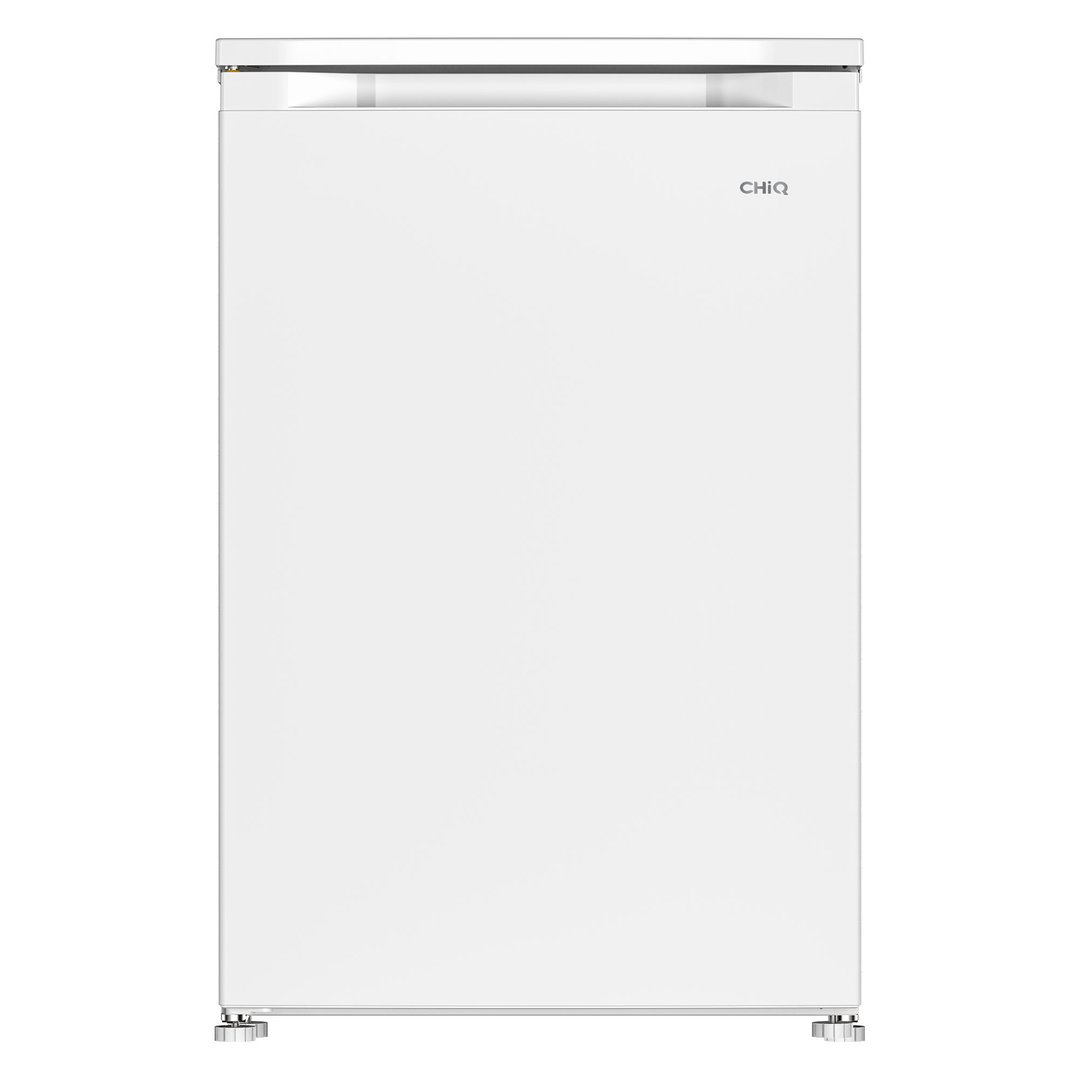

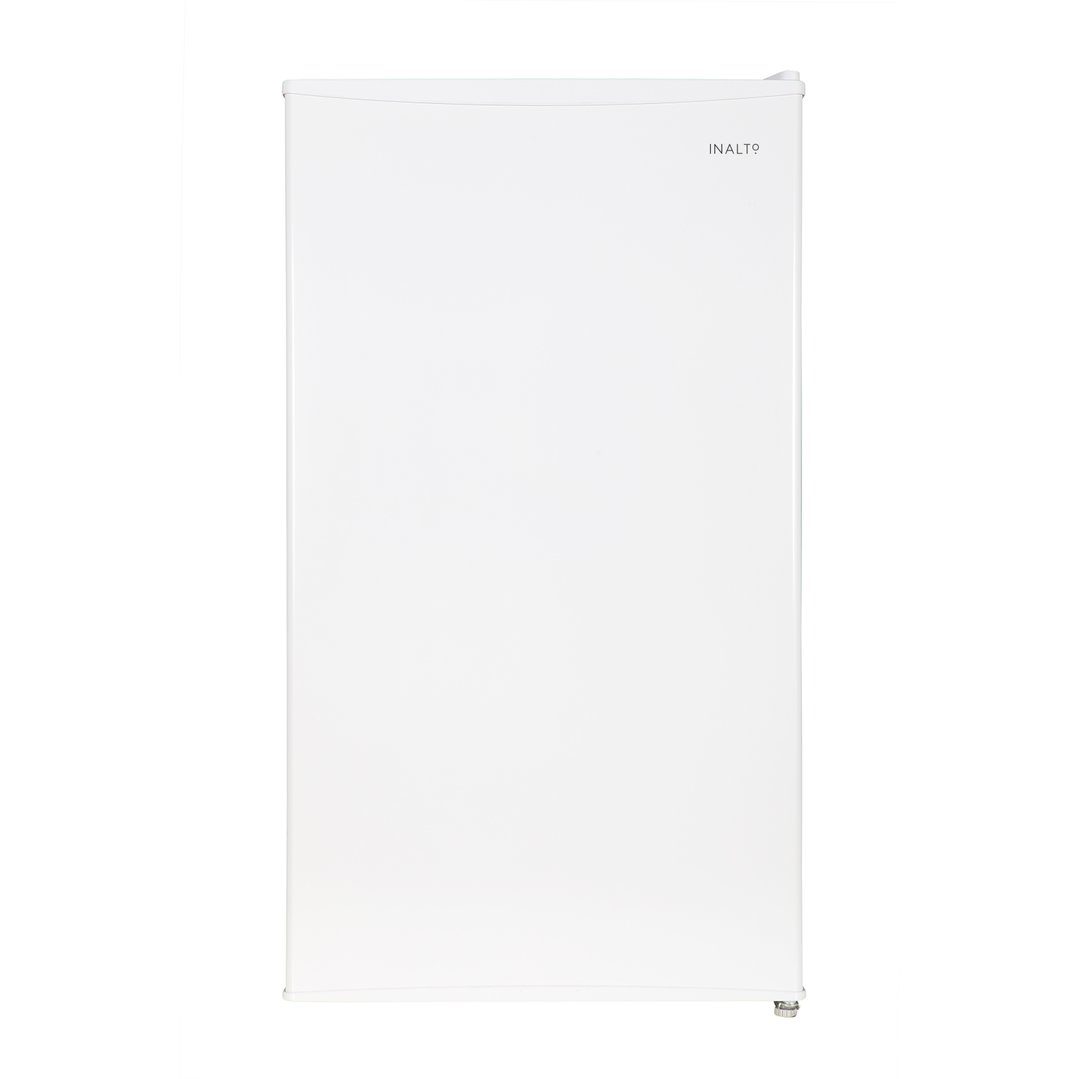

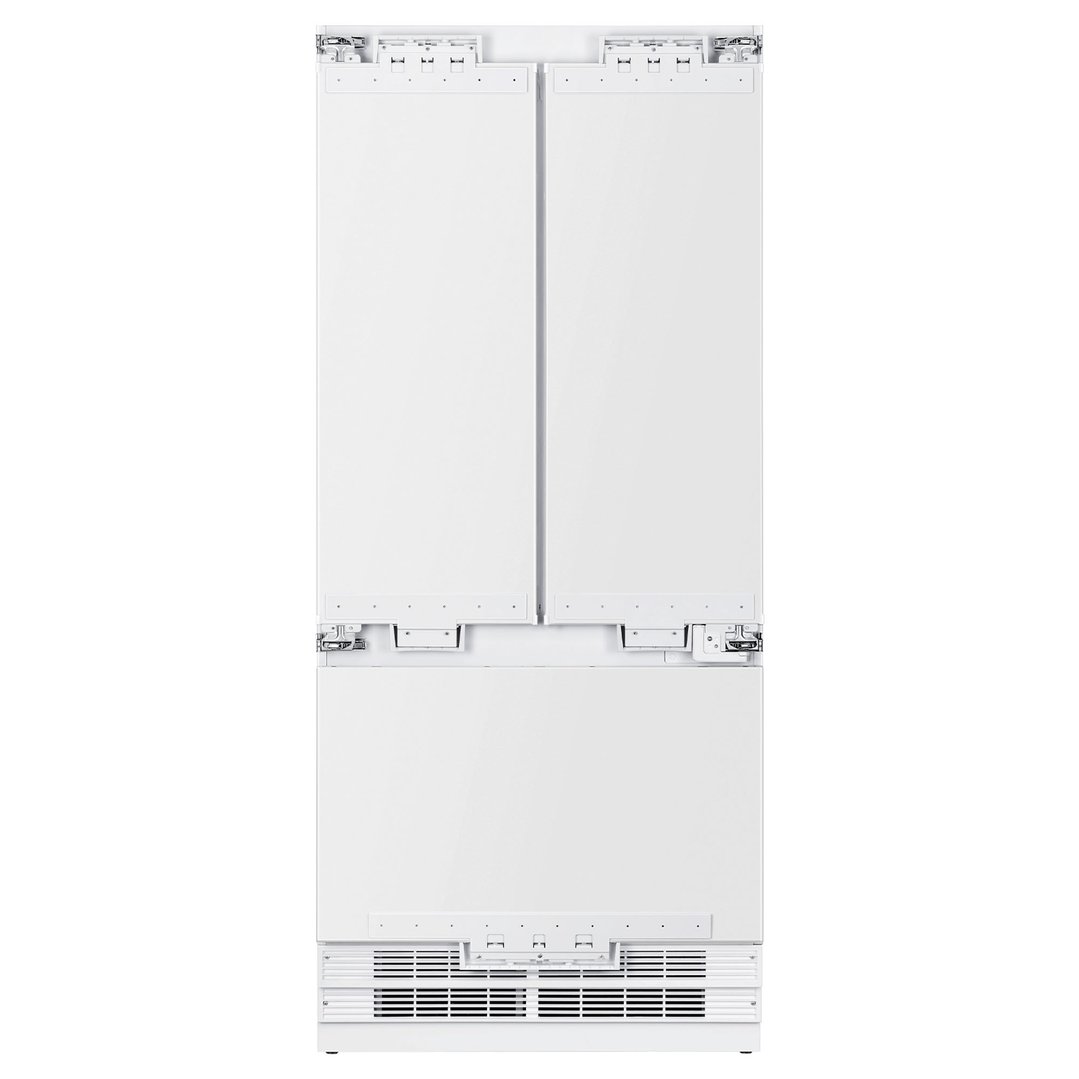


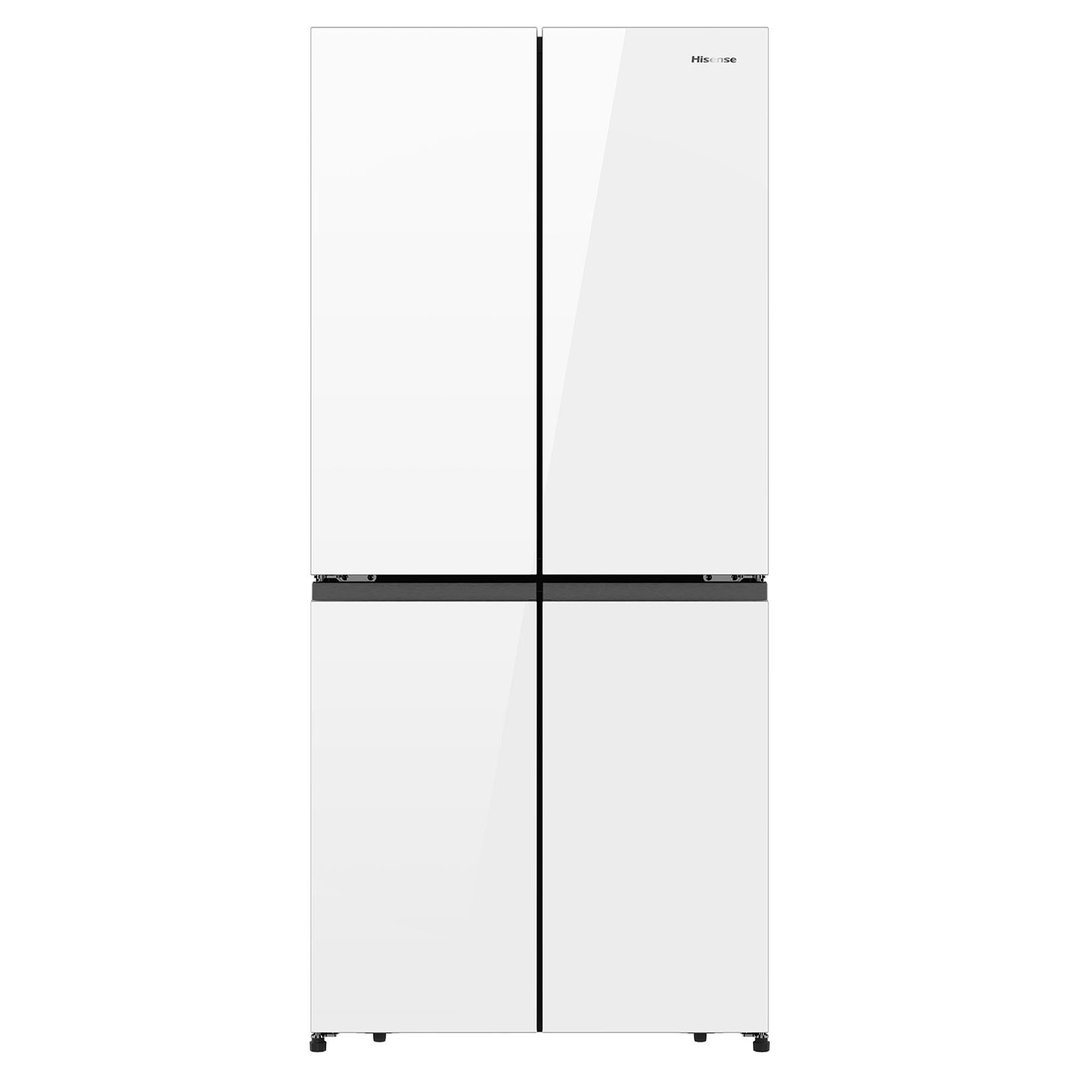

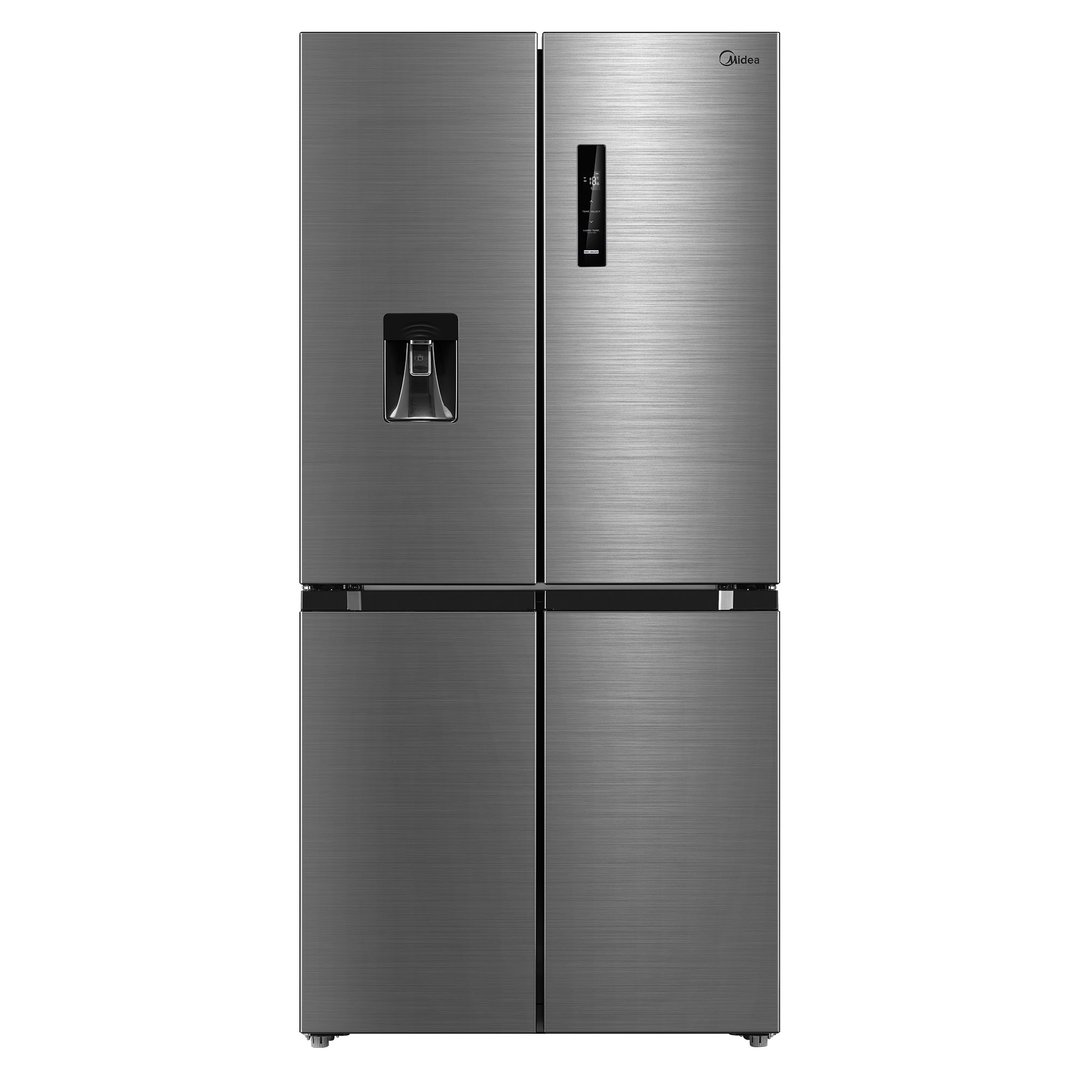


Finding a refrigerator that perfectly integrates into your kitchen layout can be tricky, especially in smaller or uniquely configured spaces. Appliances with a reversible door feature offer the ultimate flexibility, allowing you to choose whether the door opens to the left or the right. This ensures maximum accessibility and a better workflow in your kitchen. Our FAQs address how this clever feature can benefit you when choosing your new appliance.
FAQs
1. Why would I need a fridge with a reversible door?
The main benefit of a refrigerator with this feature is flexibility in tight or restrictive kitchen spaces. If your fridge is positioned near a wall, a kitchen island, or existing cabinetry, a door that opens the wrong way can obstruct movement or prevent the door from opening wide enough to pull out crisper bins and shelves. Being able to change the door swing direction ensures that you can always access the entire interior of your refrigerator comfortably, improving both the functionality and traffic flow of your kitchen.
2. Does the ability to reverse the door affect the appliance's energy efficiency?
No, the option to switch the door's hinge side does not negatively impact the refrigerator's energy efficiency. The cooling system and insulation are built the same way as any other model. However, proper installation is key: after reversing the door, it is vital to ensure the door seal is sitting perfectly flush against the frame. A perfect seal is what prevents cold air from escaping, which is essential for maintaining the appliance's optimal energy efficiency. Always follow the manual's instructions carefully when making the change.
3. How hard is it to reverse the door?
Reversing the door on a refrigerator is a straightforward process that most users can complete themselves, though it does require some time and basic tools. The difficulty largely depends on the model, but manufacturers usually provide clear, step-by-step instructions in the user manual. Generally, the process involves removing hinge covers and brackets, carefully lifting the door off, transferring the handle and hinge pins to the opposite side, and then reattaching the door. It is highly recommended to have a second person assist you, as refrigerator doors can be heavy and you need to ensure the door is aligned perfectly afterwards.
4. Which types of refrigerators commonly feature reversible doors?
The reversible door feature is most commonly found on standard, single door configurations. This includes popular styles such as top mount fridges and bottom mount fridges. These models are designed with pre-drilled holes and mounting points on both sides of the cabinet to make the reversal process straightforward. You will typically find this feature on mid-sized refrigerators, offering a great combination of practical capacity and placement flexibility for many Australian kitchens.
5. Does a reversible door impact fridge capacity?
No, having a reversible door mechanism does not impact the internal capacity or storage volume of your refrigerator. The internal space, including the shelving, door bins, and crisper bins, remains exactly the same regardless of which side the door is hinged on. The reversible feature is entirely external, involving only the hinge hardware and mounting points on the appliance's cabinet. You can be assured that the usable storage volume of your refrigerator is maintained, allowing you to fully utilise the capacity for your groceries and fresh produce.