Large Fridges
$1,599 you
pay $1,399Ends in
8 Days

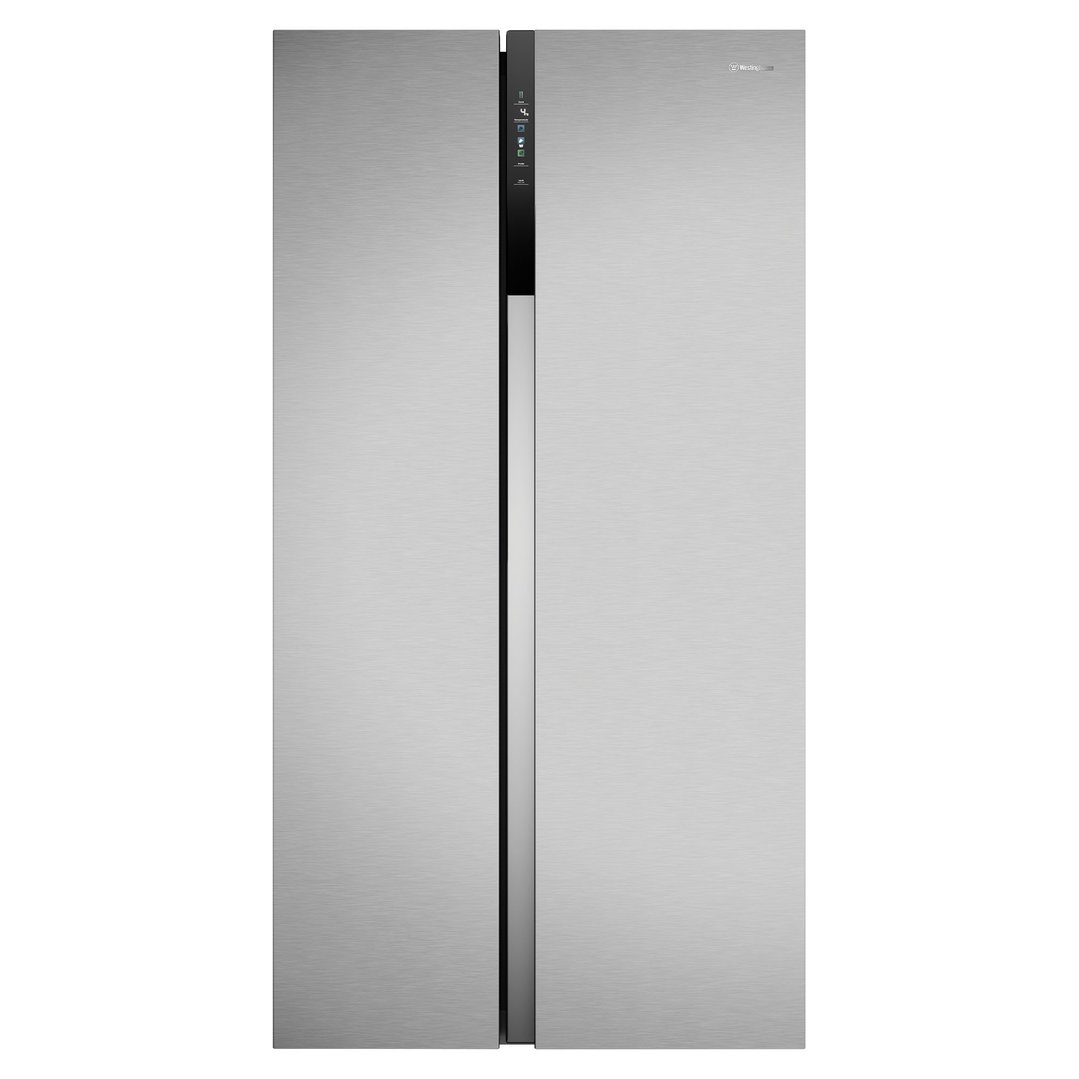

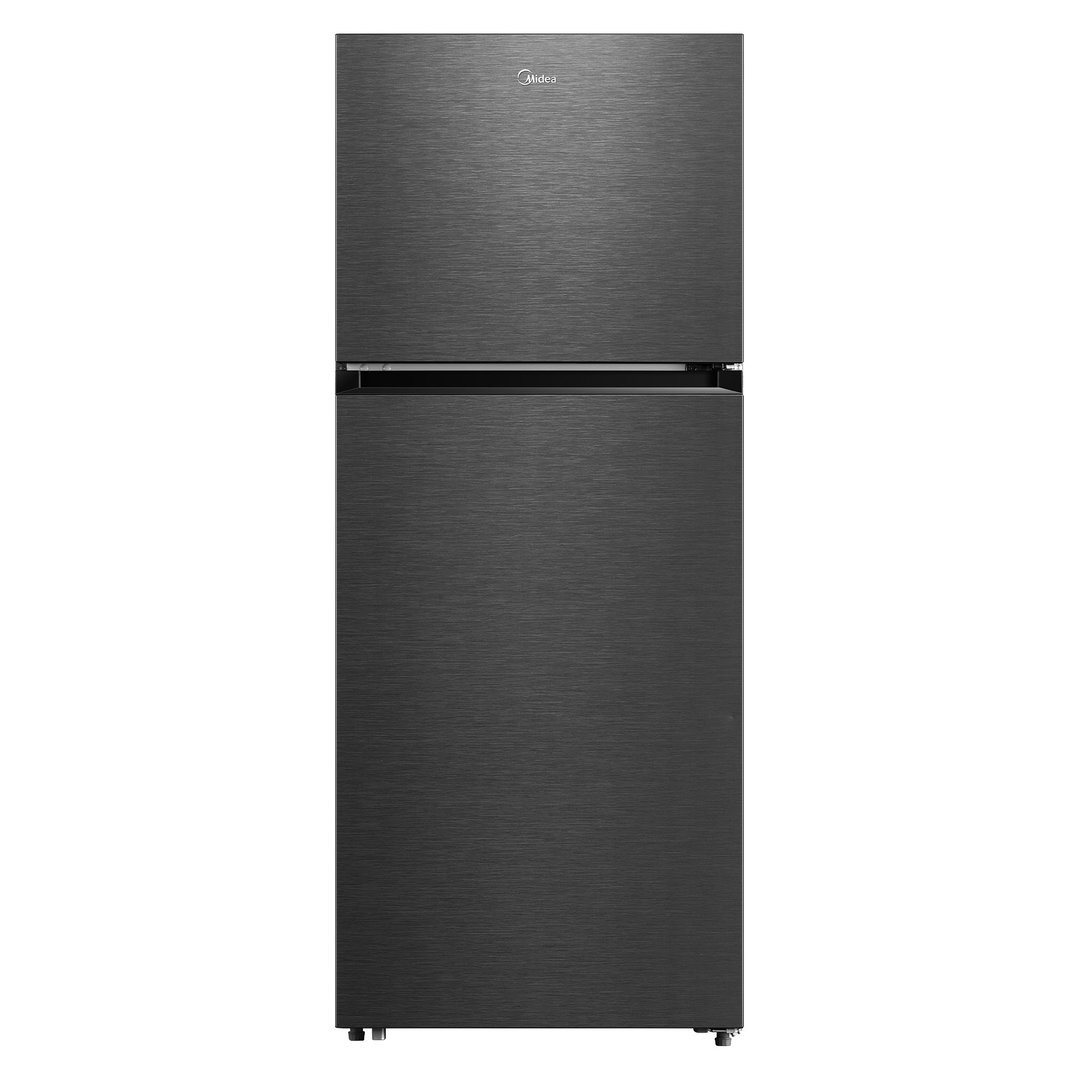
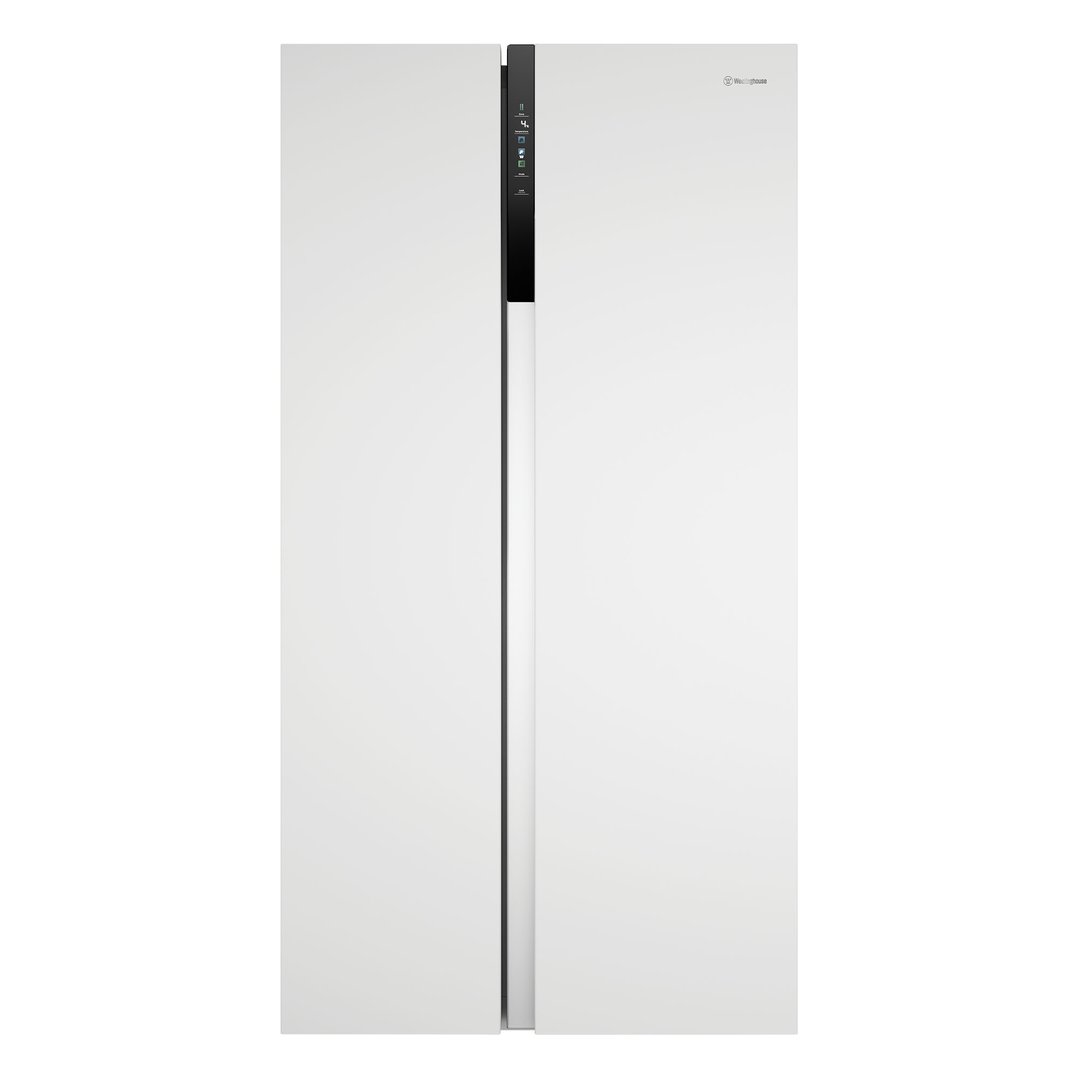
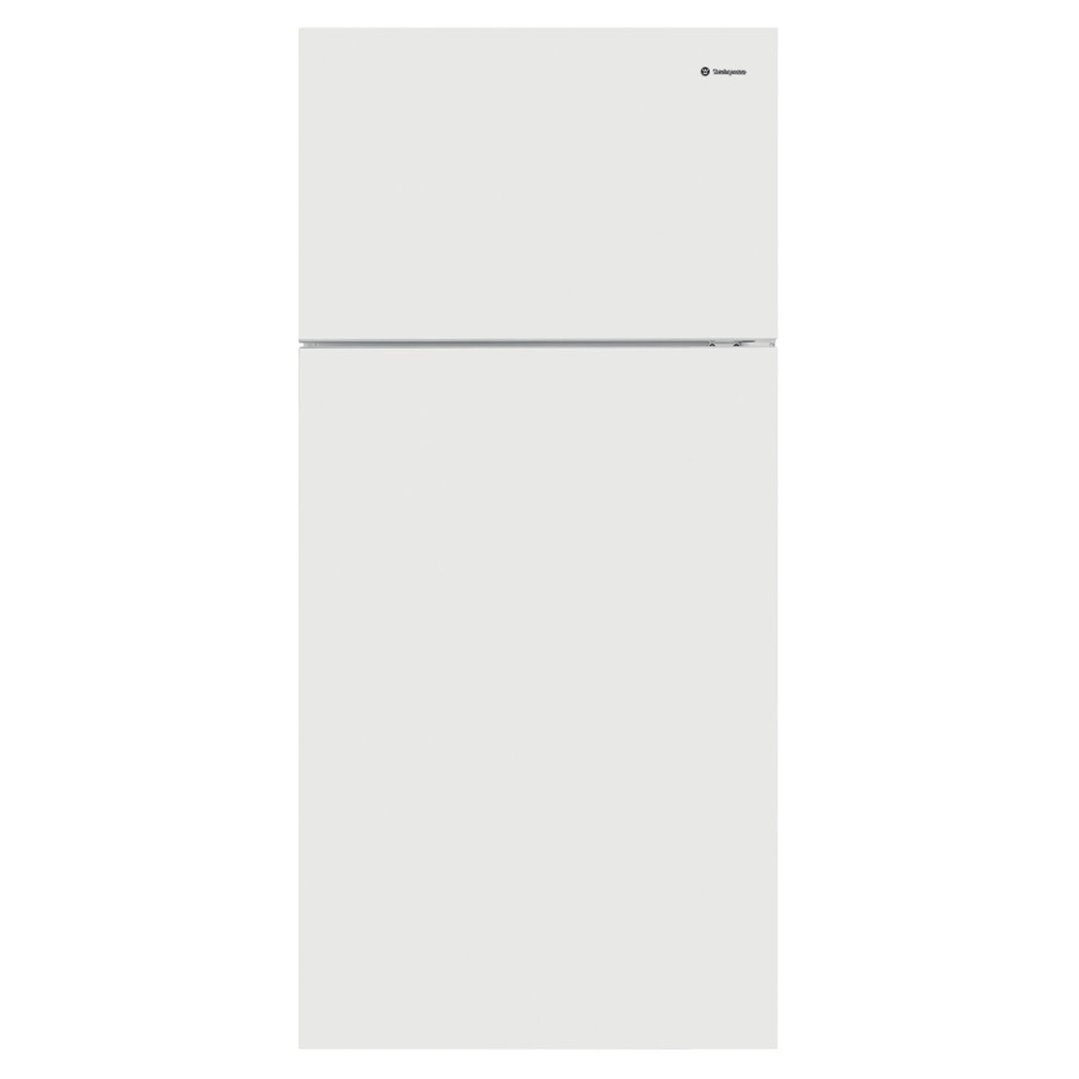

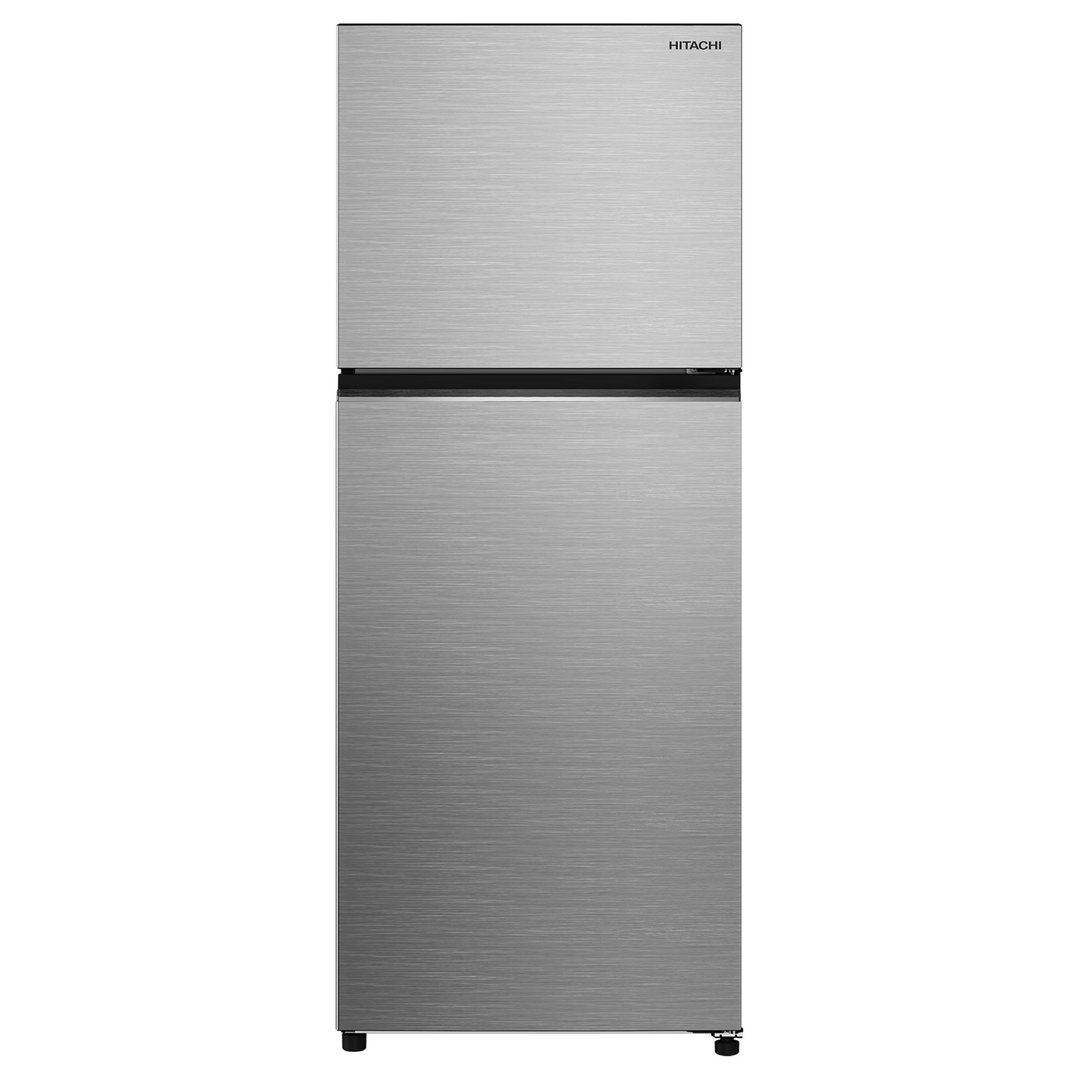
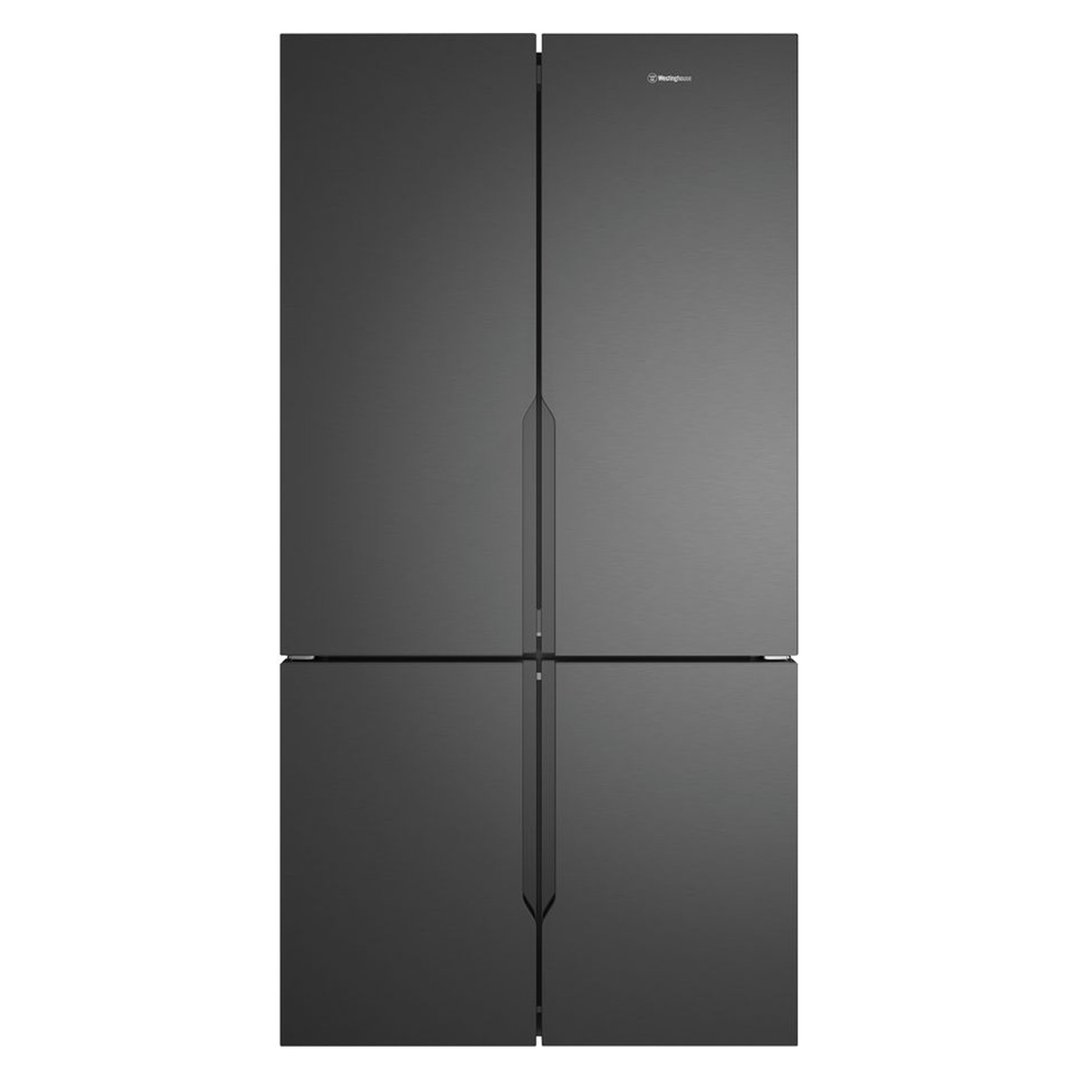

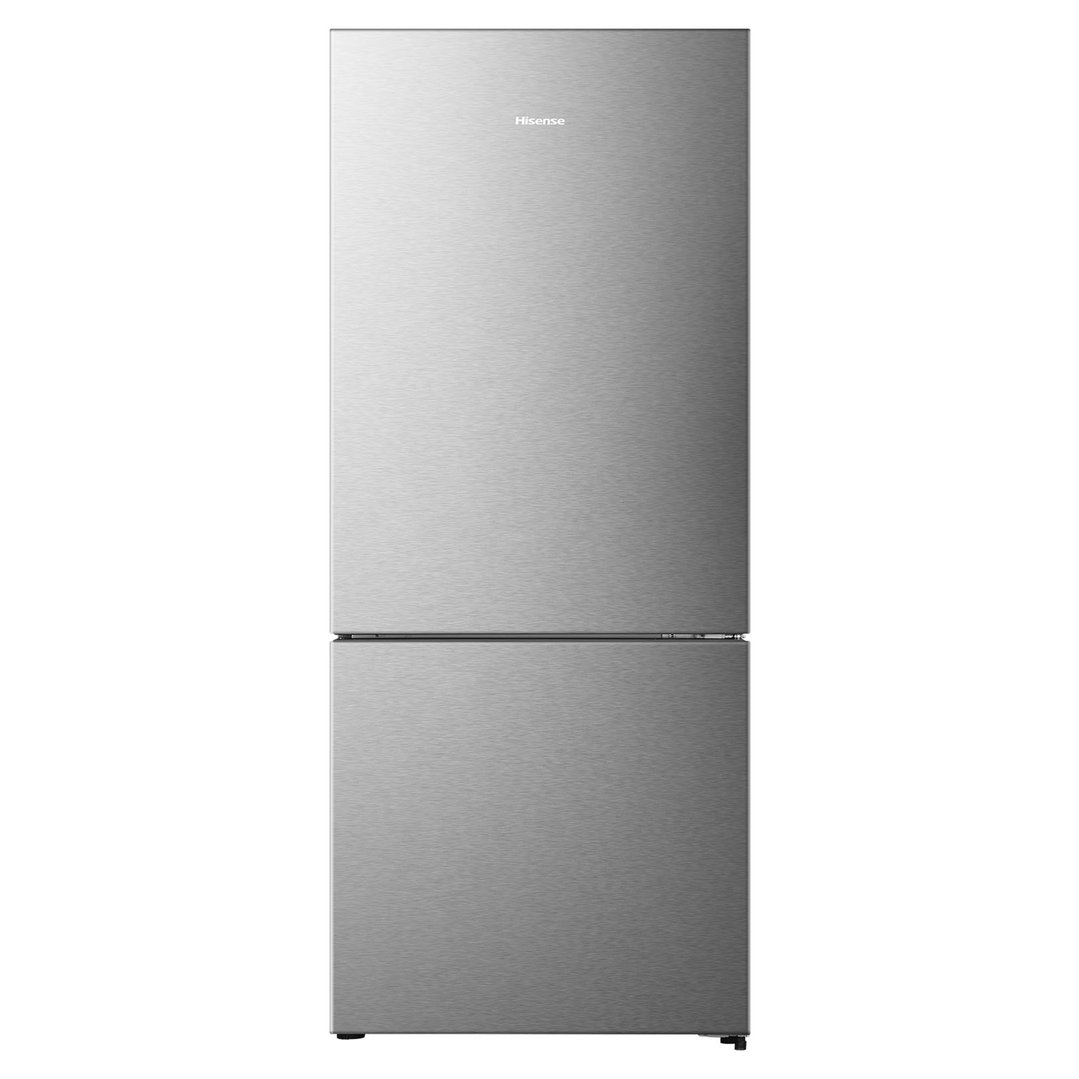
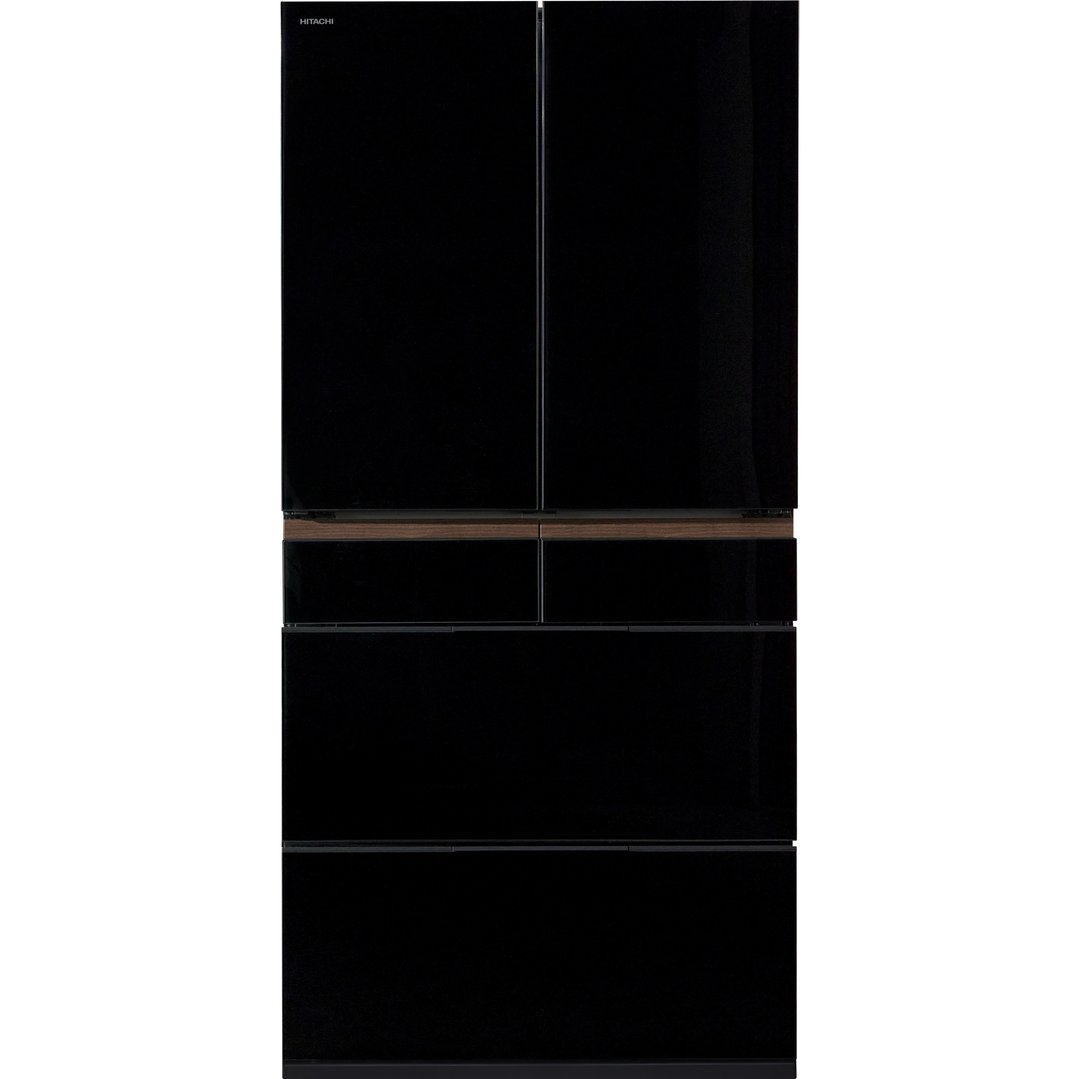
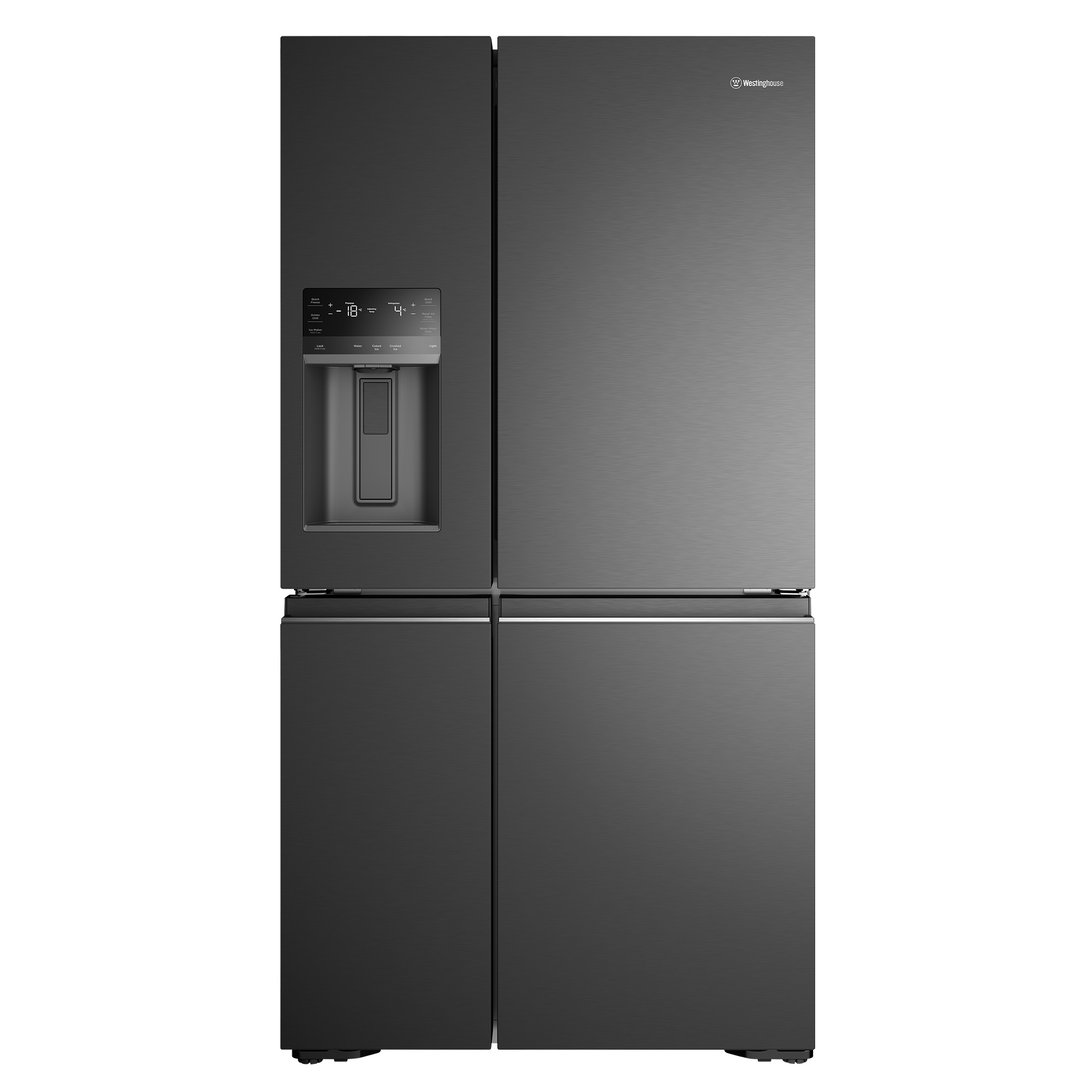
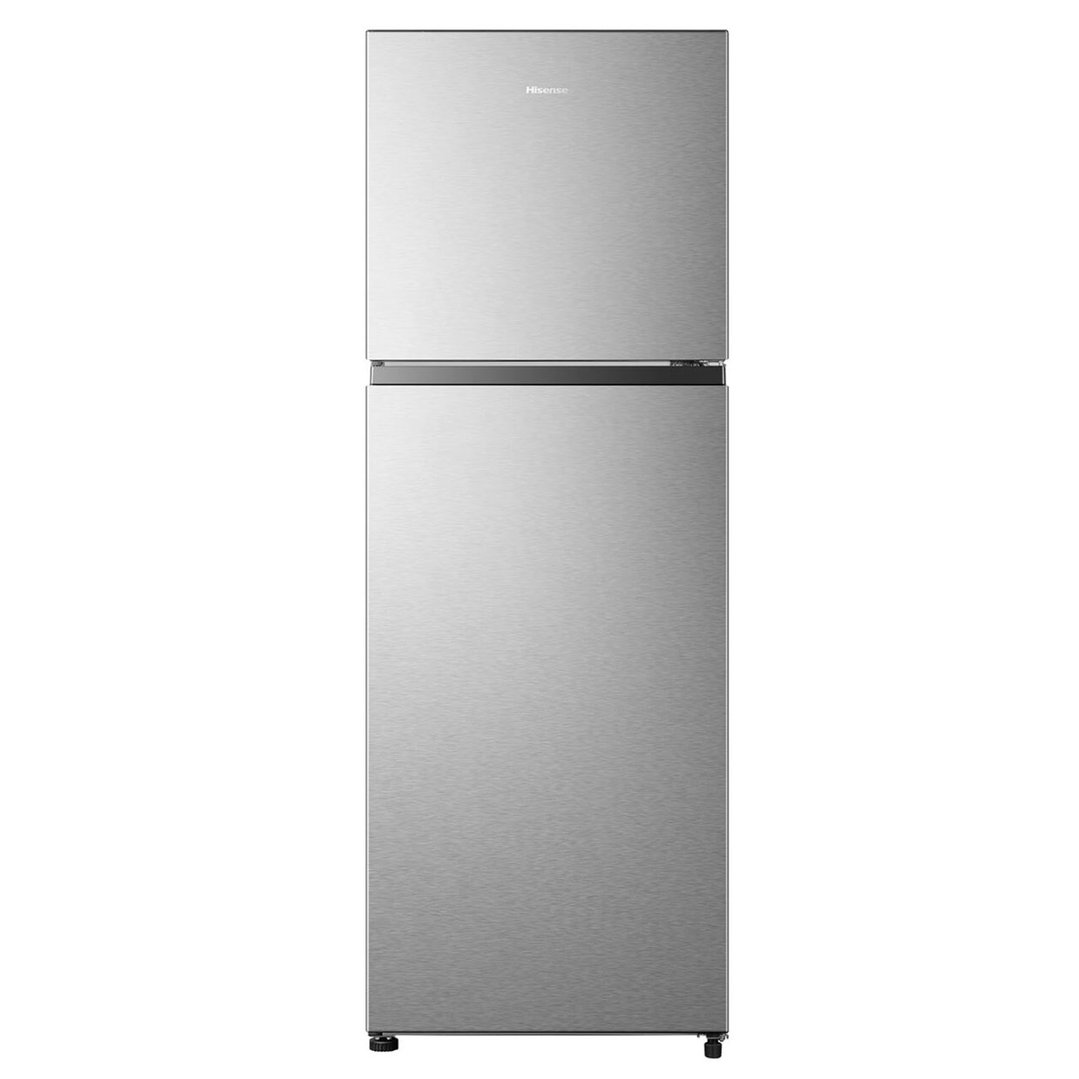
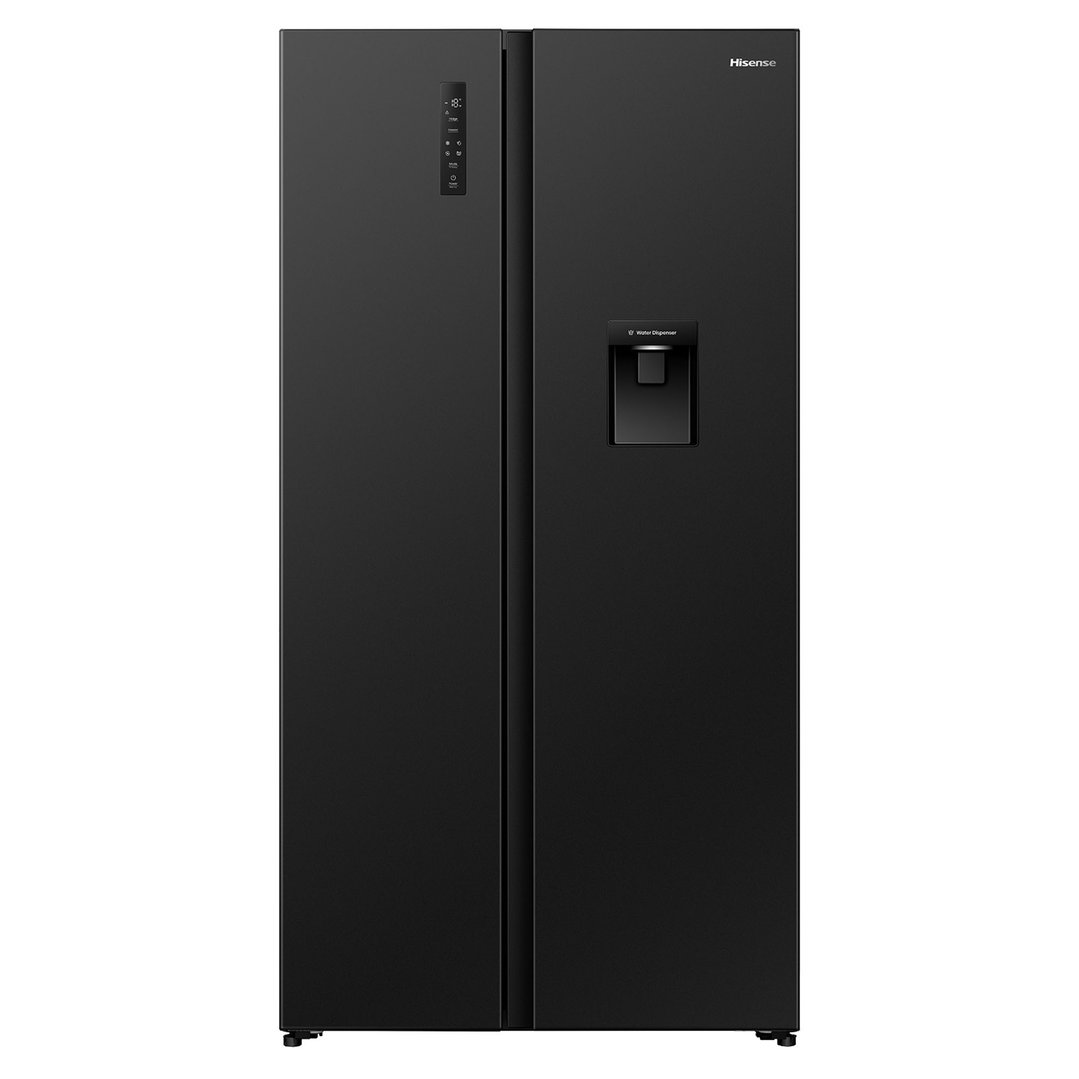

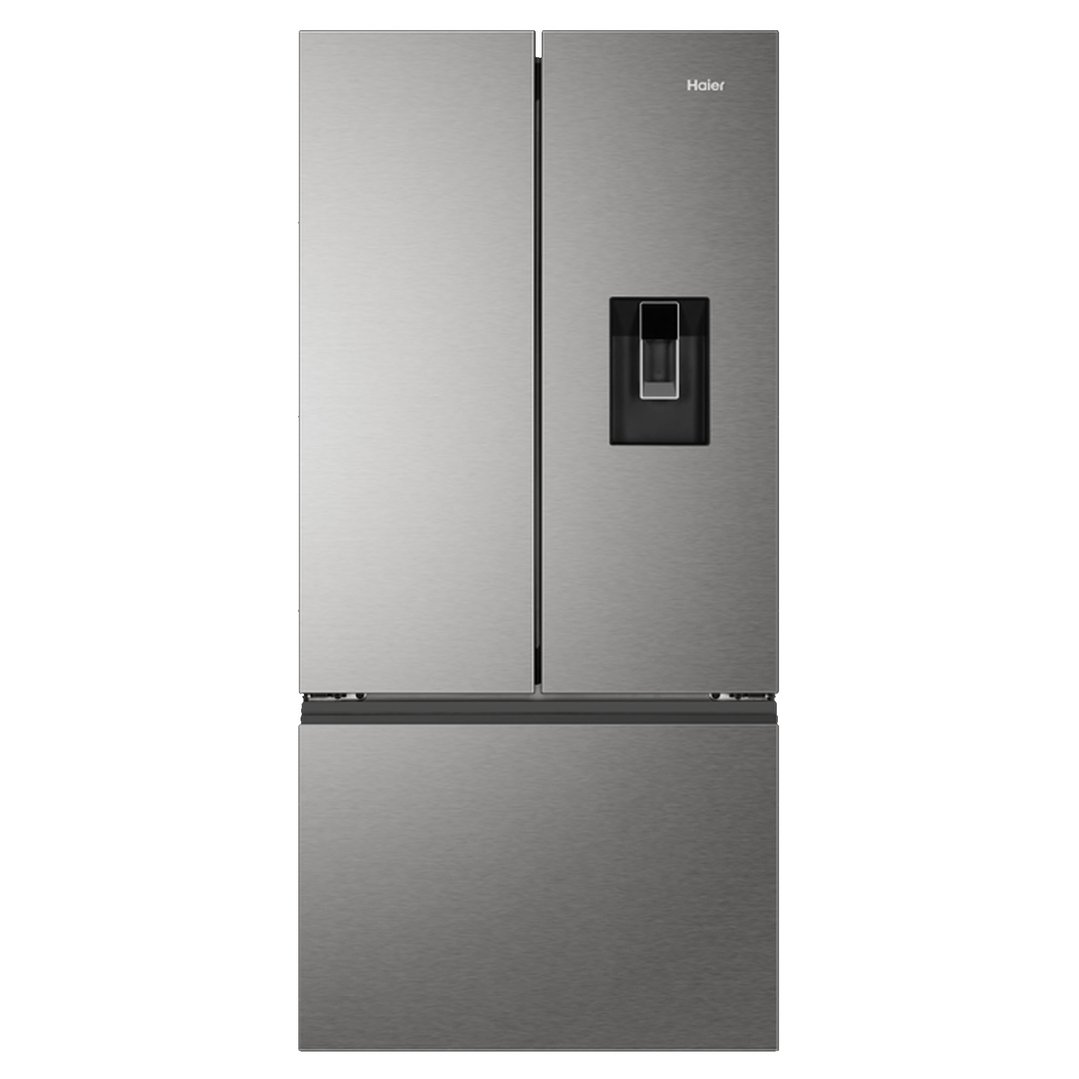

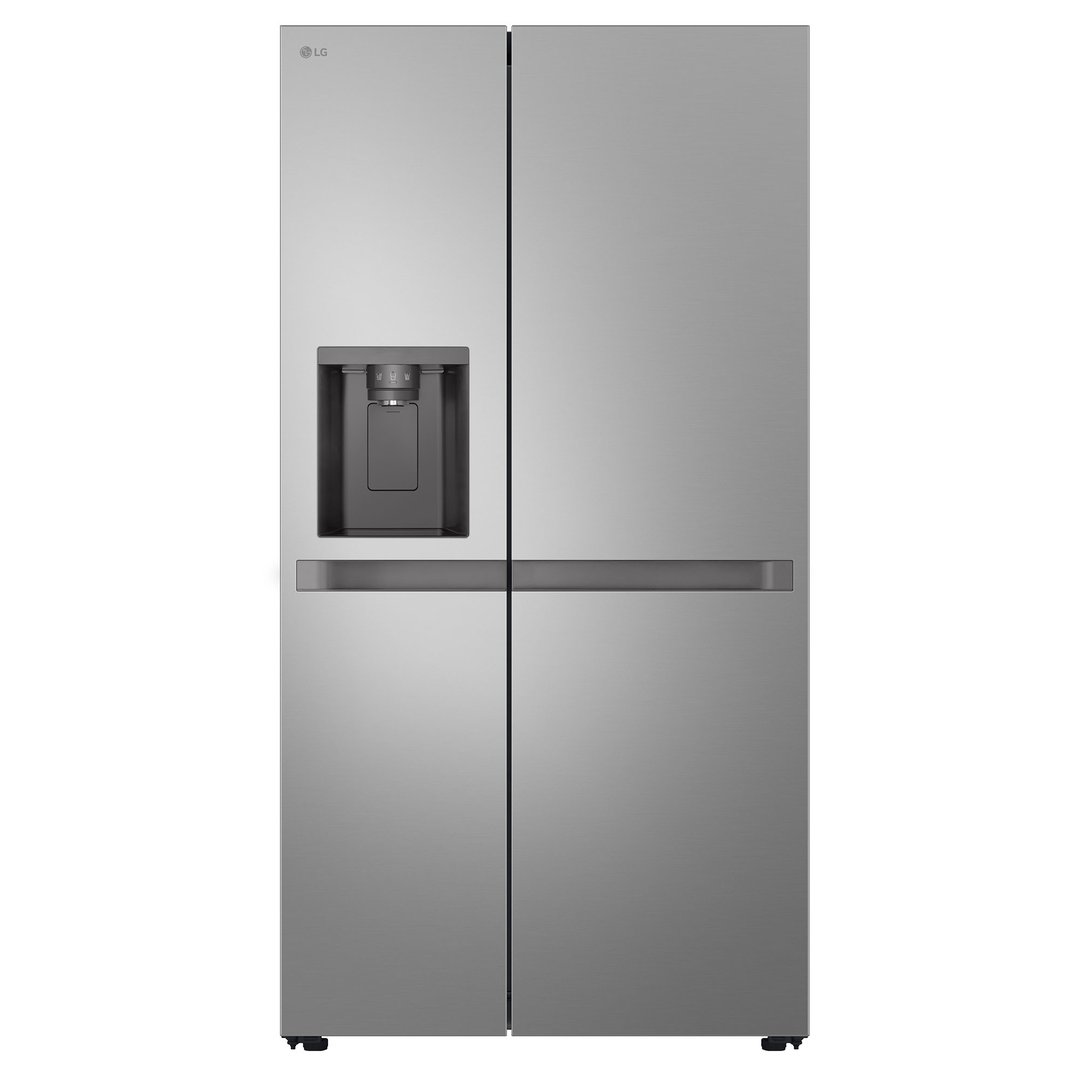
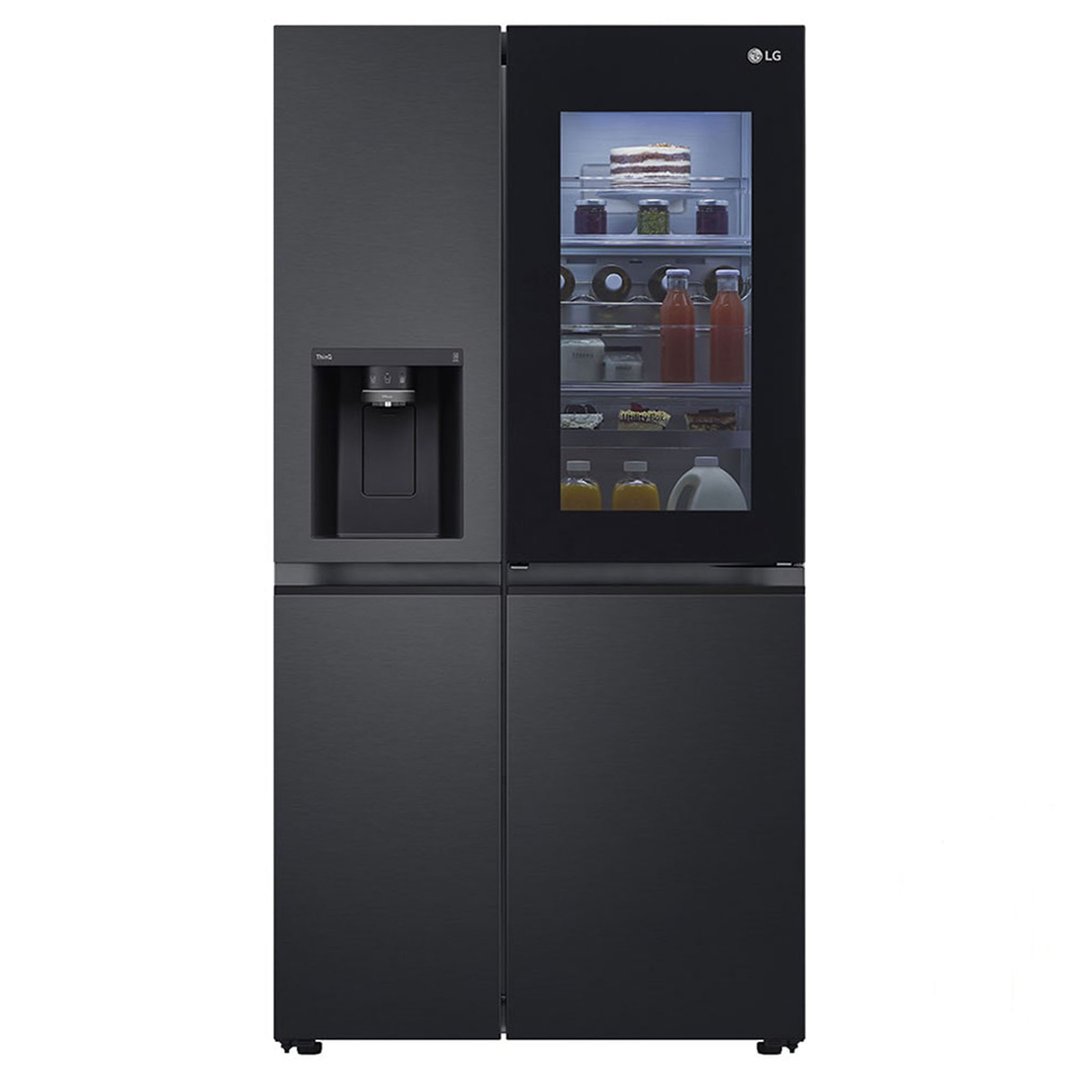
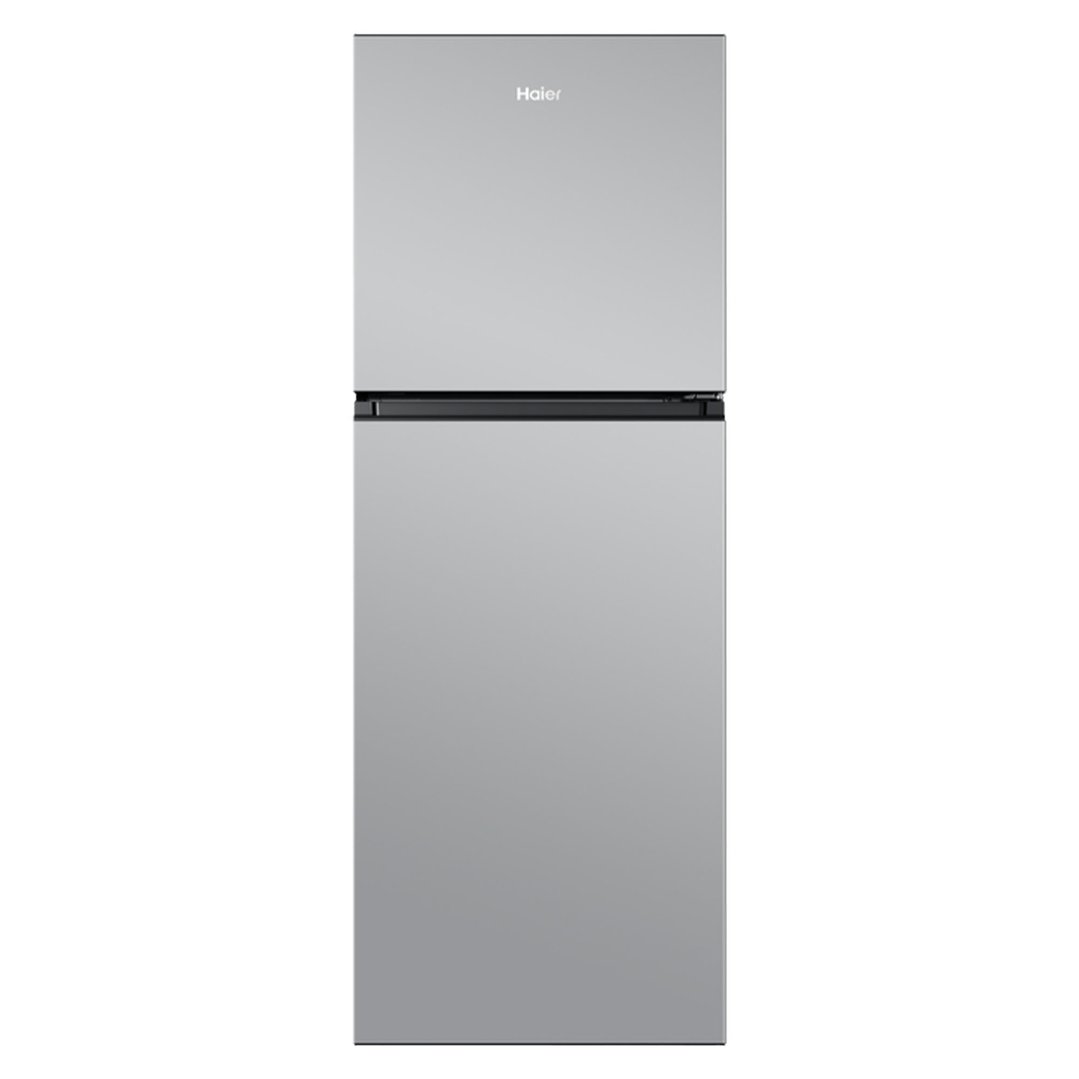
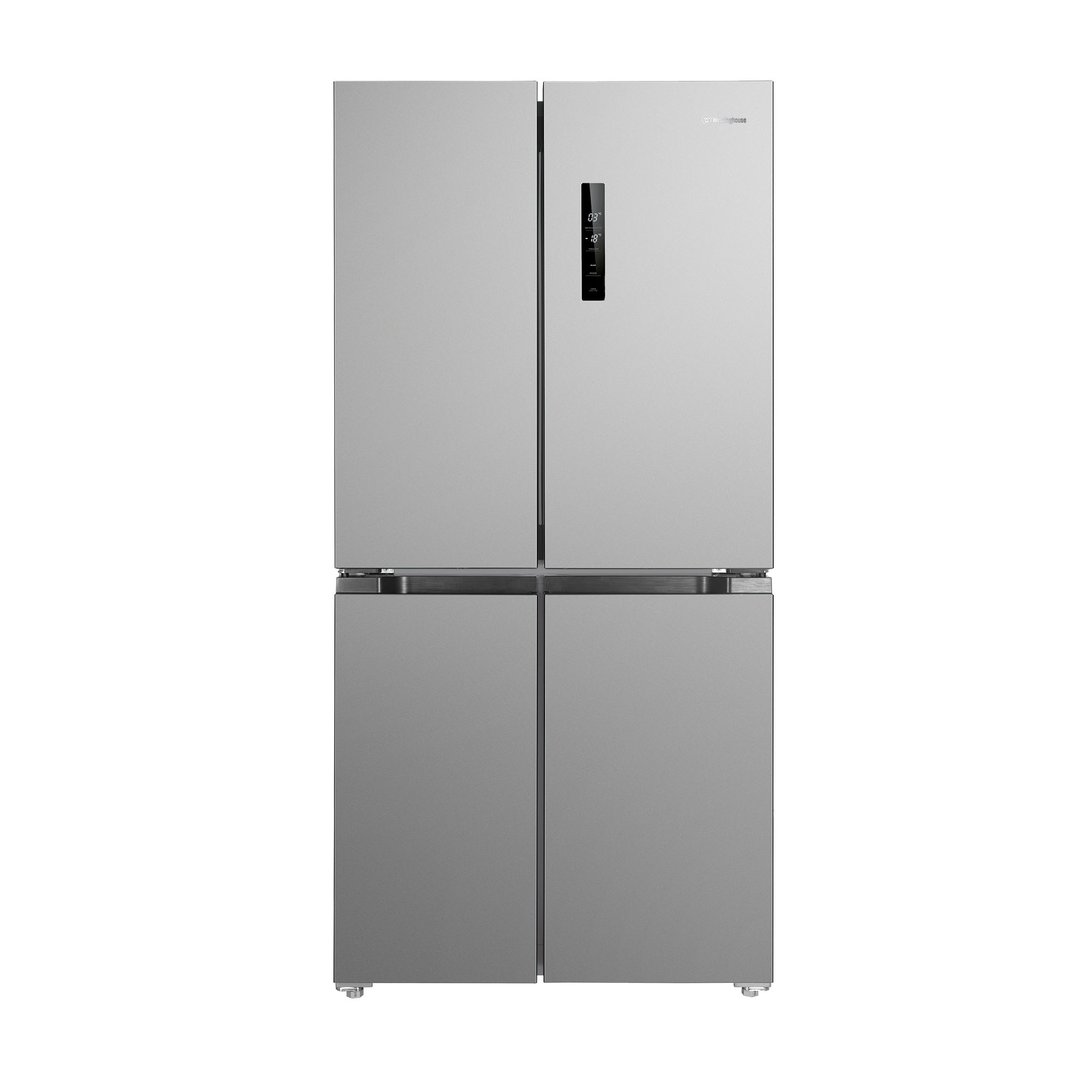

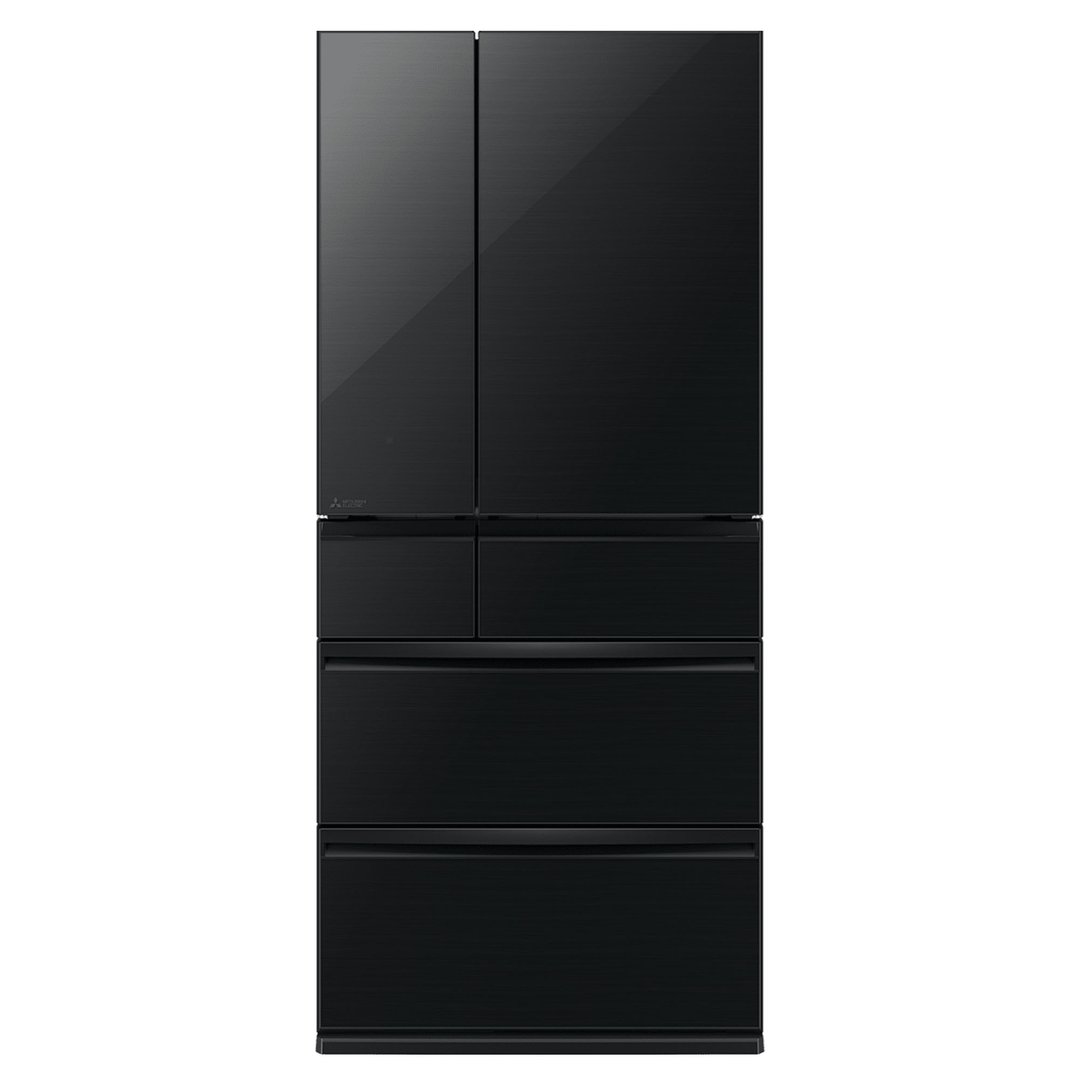

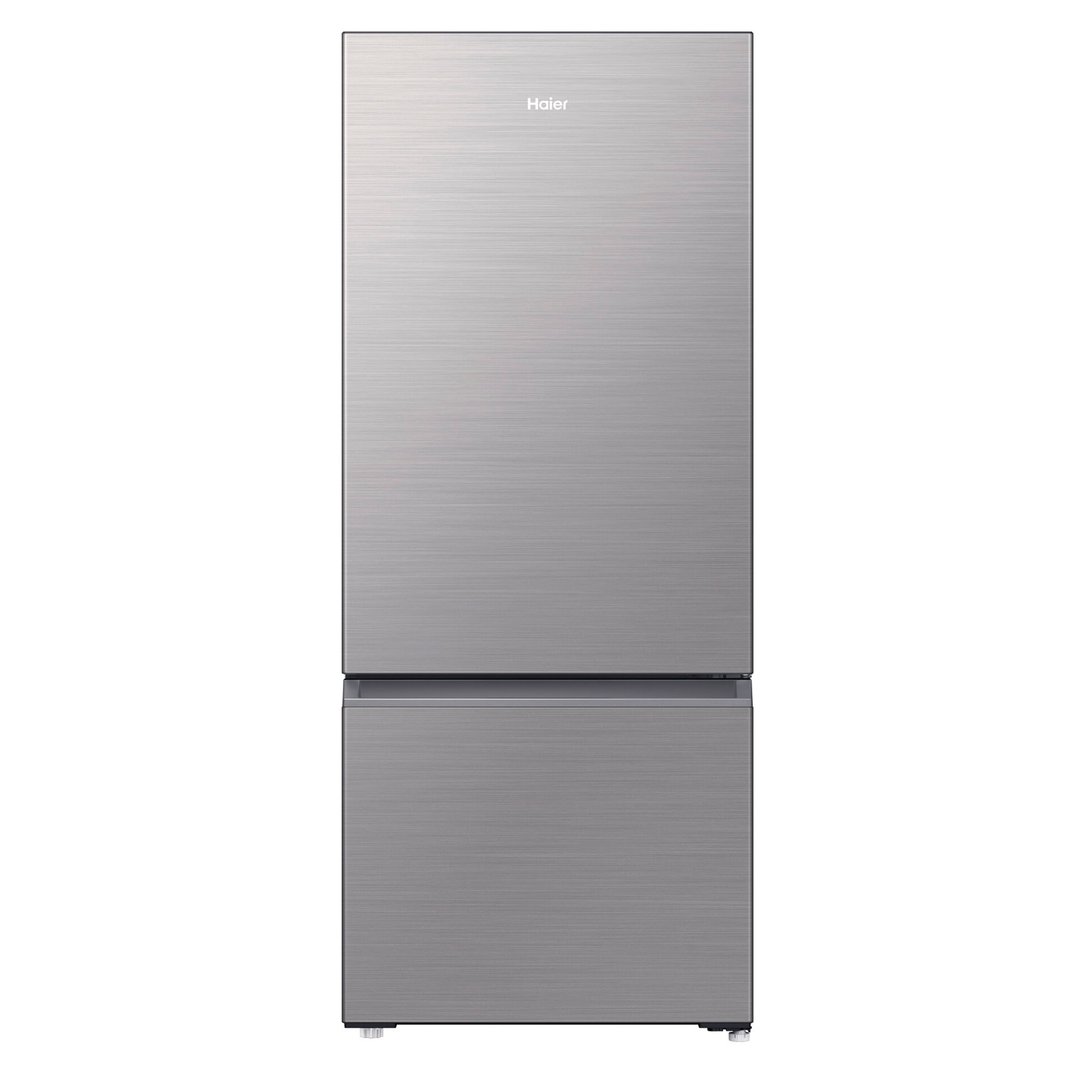

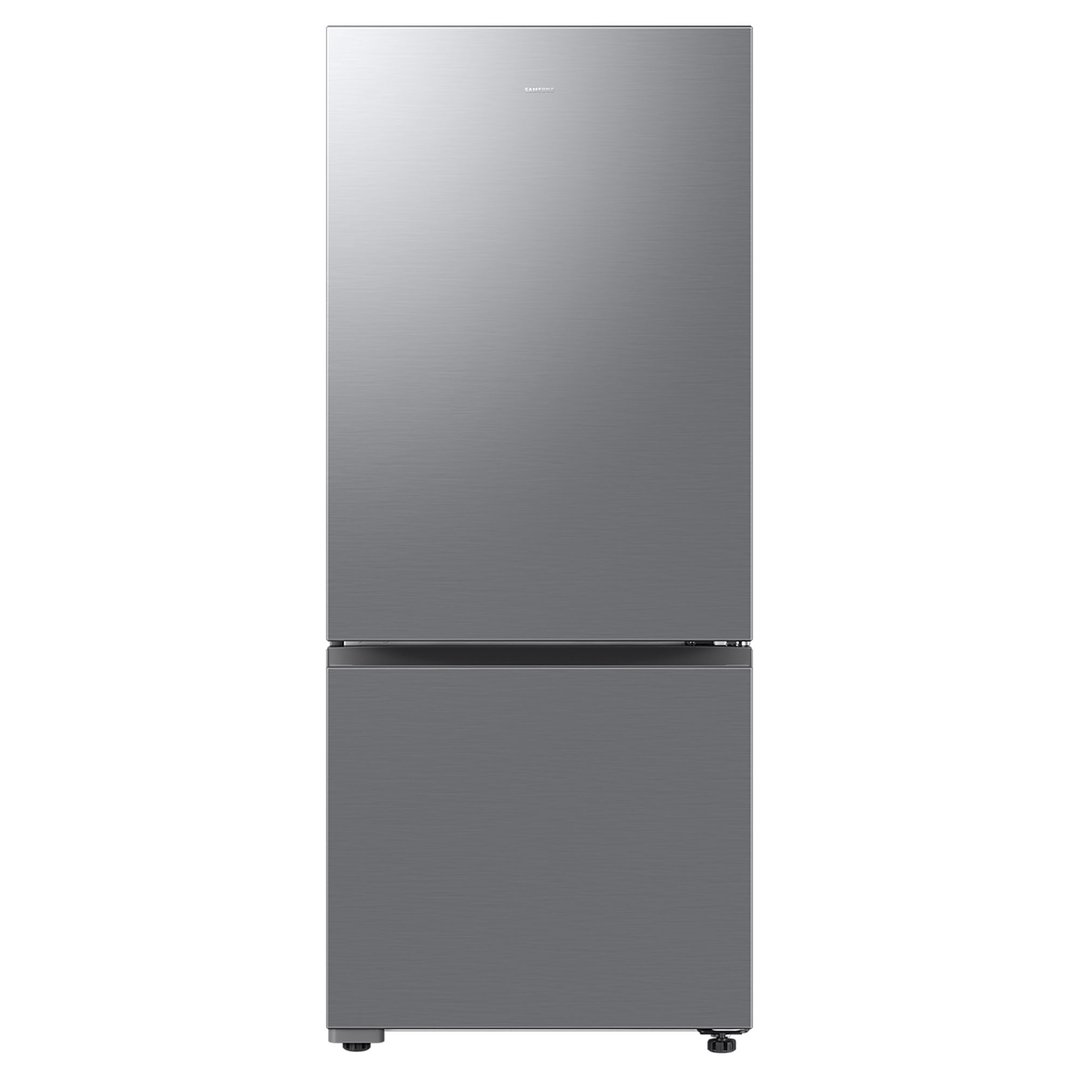

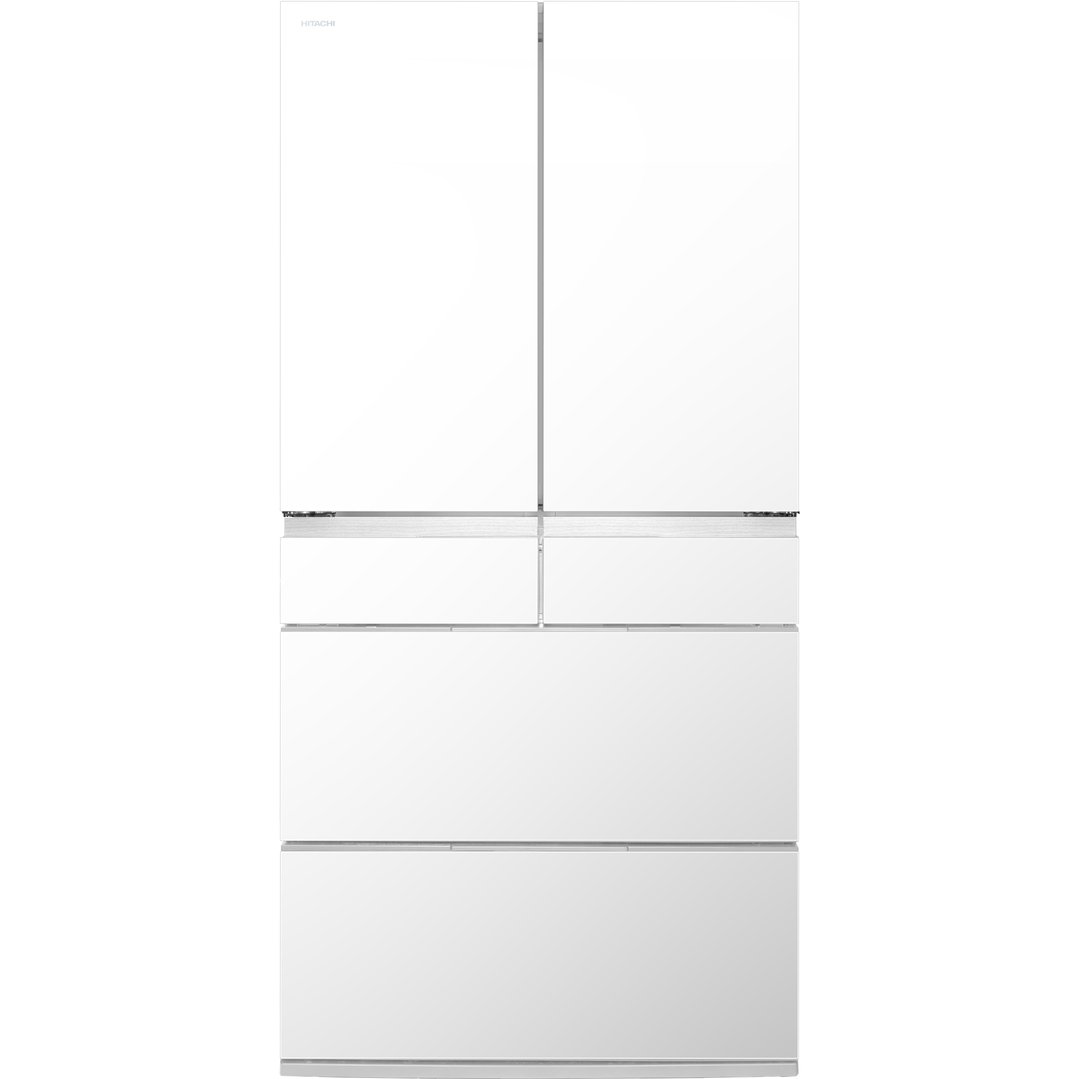
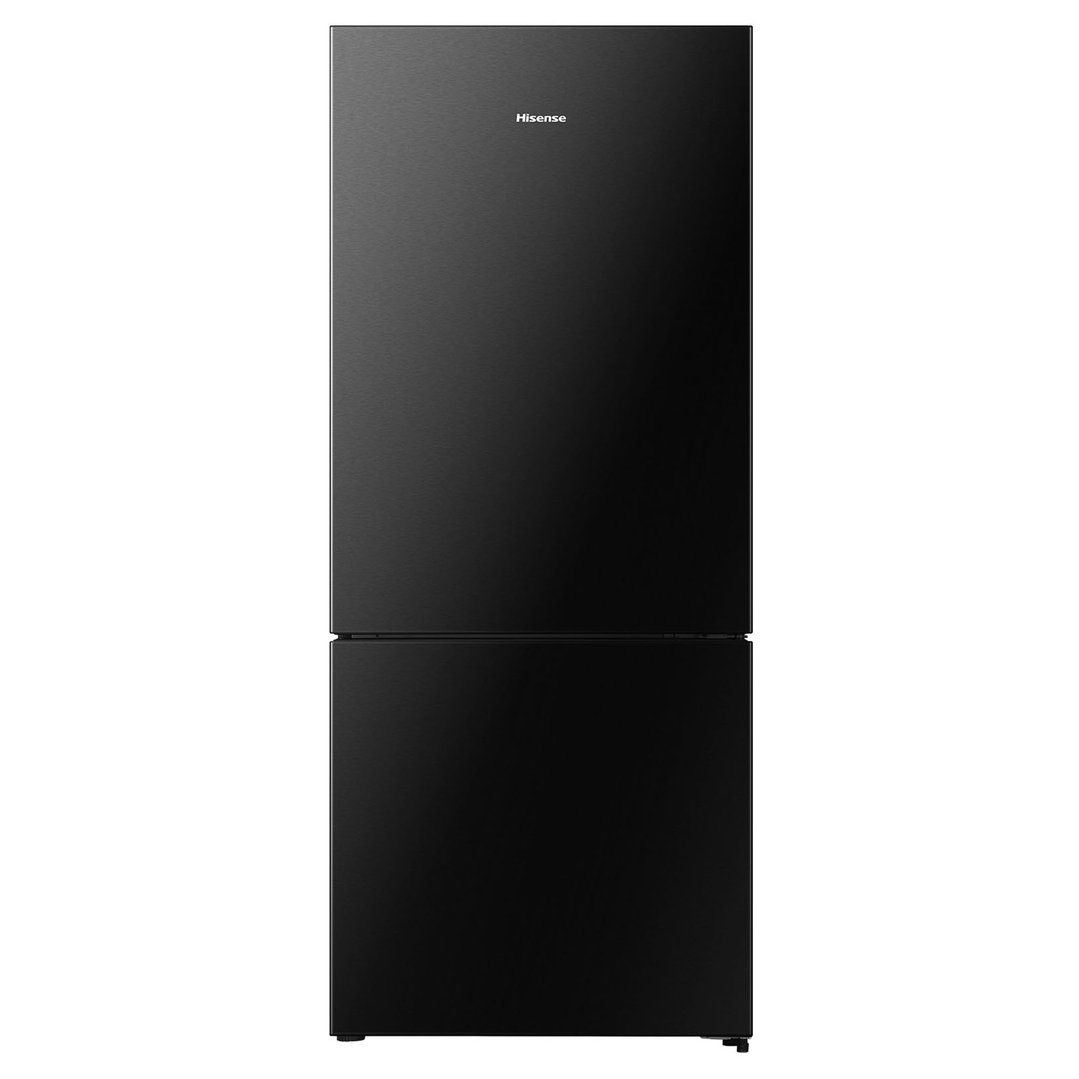
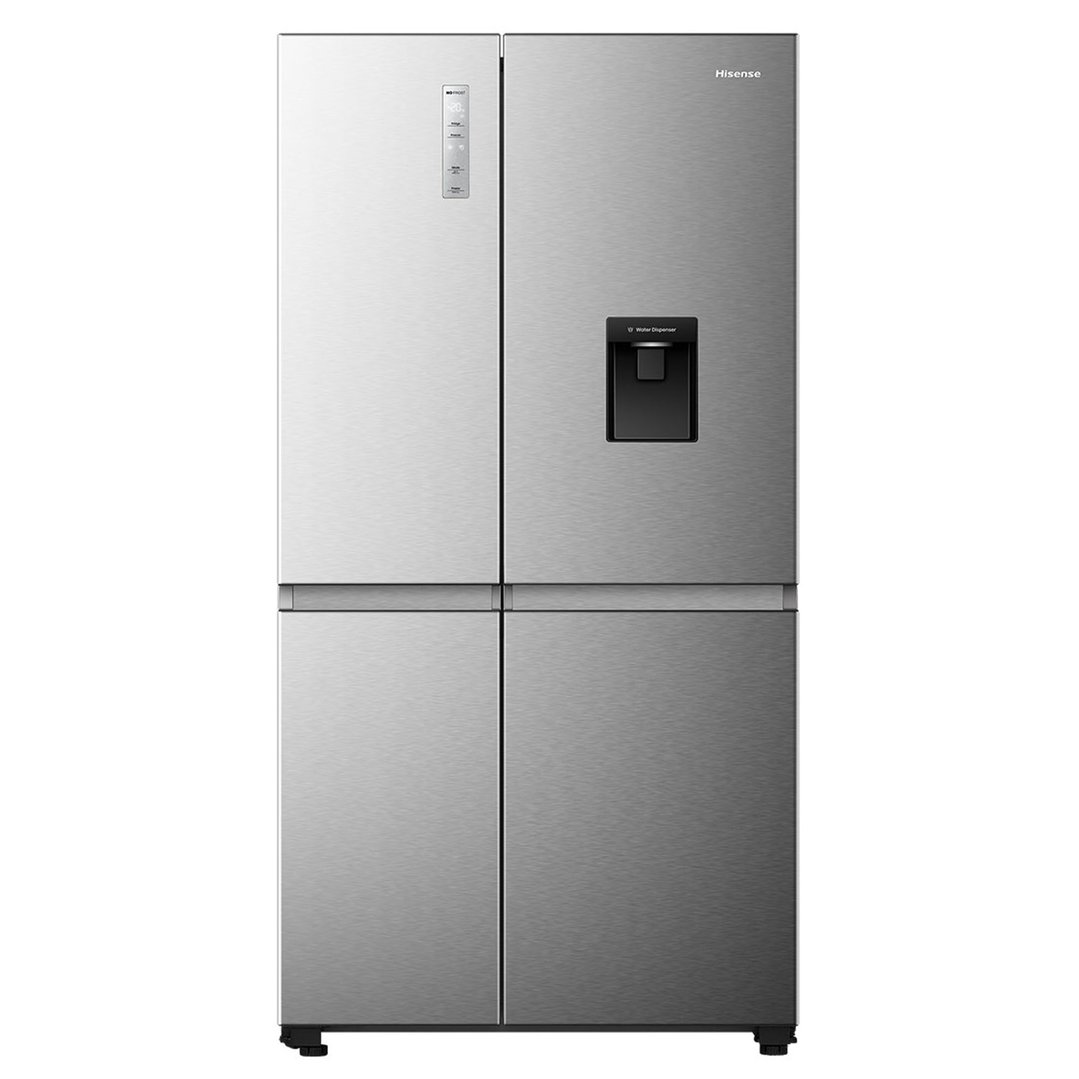
Selecting a large fridge is a significant investment for any busy Australian household. Our largest refrigerators include spacious French door fridges, versatile side by side fridges, and high-capacity bottom mount fridges, offering the capacity and features needed to manage a large family's weekly shop. These FAQs addresses the most common questions about capacity, energy, and key features to help you choose a refrigerator that perfectly meets your needs.
FAQs
1. How do I determine the right size and capacity for a large fridge for my family?
The right capacity for a large fridge depends on the size of your household and your shopping habits. As a general rule, aim for a minimum of 100L per person, plus an extra 50-100L for entertaining or bulk purchases. For example, a family of four should look for a refrigerator capacity of around 450-600L. If you frequently entertain or buy in bulk, consider even larger models like a spacious side by side fridge or French door fridge in the 650-800L range to ensure you have ample space for both fresh food and frozen goods.
2. Are large fridges more expensive to run?
Large fridges can be more expensive to run than smaller models, but it really depends on how energy-efficient the fridge is and how it’s used. Bigger fridges have more internal space to cool, which can mean higher electricity consumption. However, many modern large fridges are designed with energy-saving technologies such as inverter compressors, improved insulation and smart cooling systems that help keep running costs down. To compare running costs, it’s best to check the energy rating label rather than just the size. A large fridge with a high energy rating can be cheaper to run over time than a smaller, less efficient model. Factors like how often the door is opened, how full the fridge is, and where it’s placed in your kitchen can also affect energy use.
3. How do I choose the best large capacity fridge for my kitchen?
Choosing the best large fridge involves balancing capacity, features, and design to suit your specific kitchen layout and family workflow. Start with precise measurements of your space, remembering to factor in necessary door clearance and ventilation gaps. Next, consider the configuration that best suits your needs. A side by side fridge can work well in narrower spaces, while a French door fridge offers wide, accessible shelving. If a seamless aesthetic is your priority, an integrated fridge is the premium choice, fitting perfectly behind custom cabinetry panels. Finally, check the energy rating, as a large fridge can use more power. For more guidance on choosing the right fridge, check out our buying guide with expert tips to help you compare models.
4. What are the disadvantages of a big fridge?
While big fridges offer plenty of storage space, there are a few potential disadvantages to consider. A large fridge size means they take up more room in the kitchen, which may not suit smaller homes or compact layouts. They can also be heavier and more difficult to move or install, especially models with features like French doors or built-in ice and water dispensers. Big fridges may use more electricity than smaller models, particularly if they’re not energy efficient or if the extra space isn’t regularly filled. They also tend to have a higher upfront purchase price. For households that don’t need the additional capacity, a large fridge can be more than necessary, leading to unused space and higher overall costs.
5. What is the typical lifespan of a large fridge, and what helps maintain it?
A good quality large refrigerator typically has a lifespan of 10 to 15 years. Regular, simple maintenance can help ensure it runs for the maximum time and remains energy efficient. Key maintenance steps include regularly cleaning the door seals to ensure a tight seal, vacuuming the condenser coils at the back to improve cooling efficiency, and ensuring the unit has sufficient ventilation clearance. Following the manufacturer’s instructions, especially for any frost free or specialised cleaning cycles, will help prolong the life of your appliance.