Energy Efficient Dishwashers

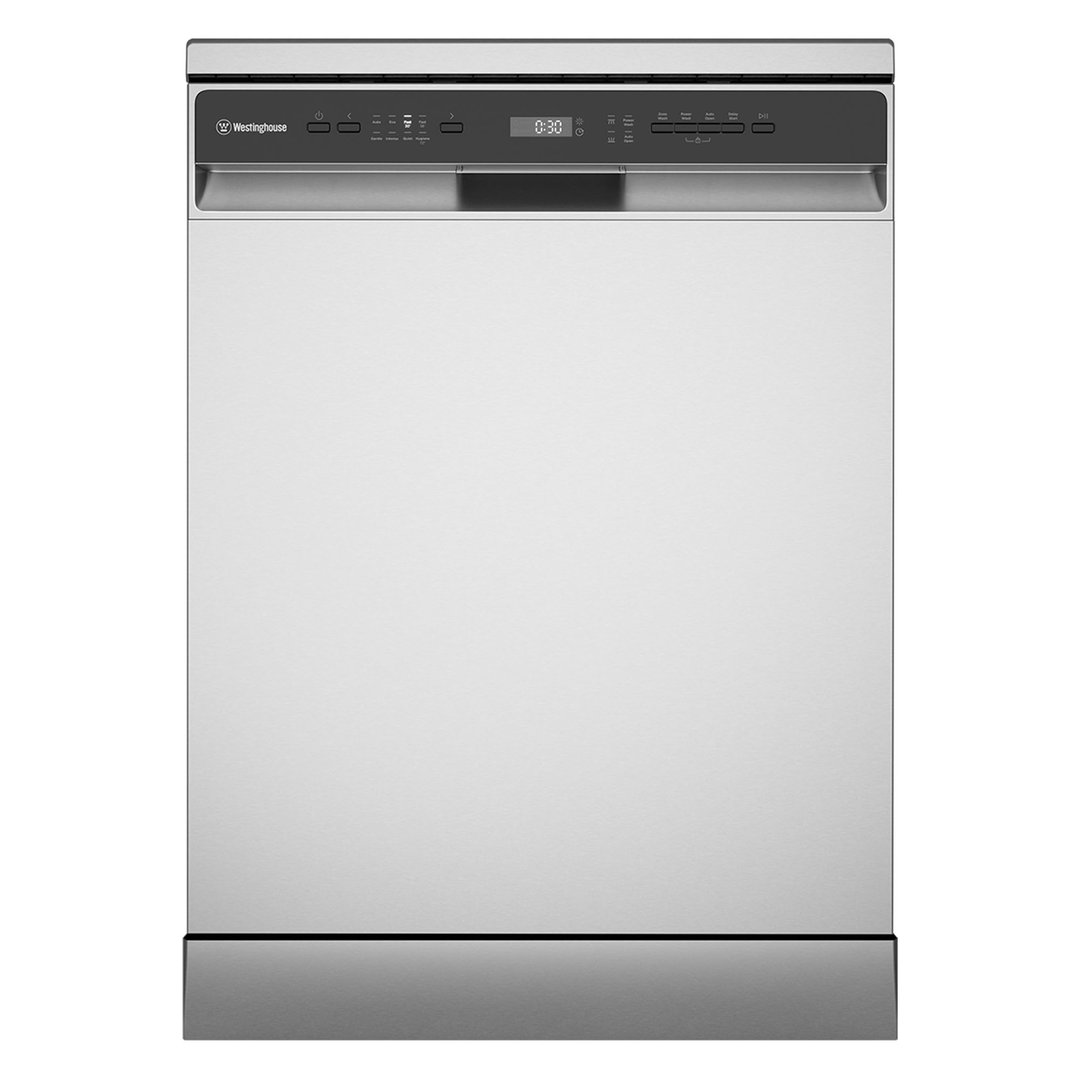
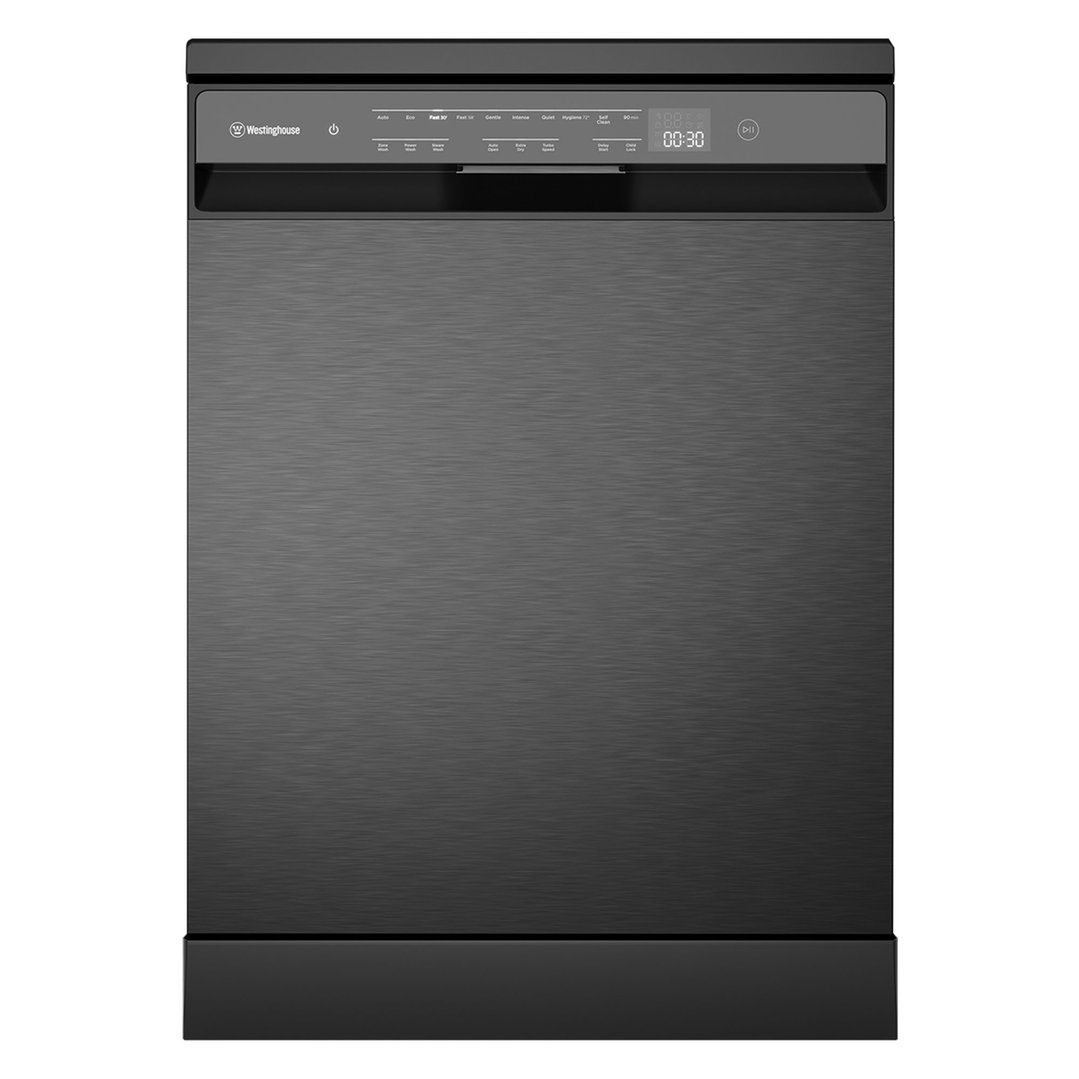



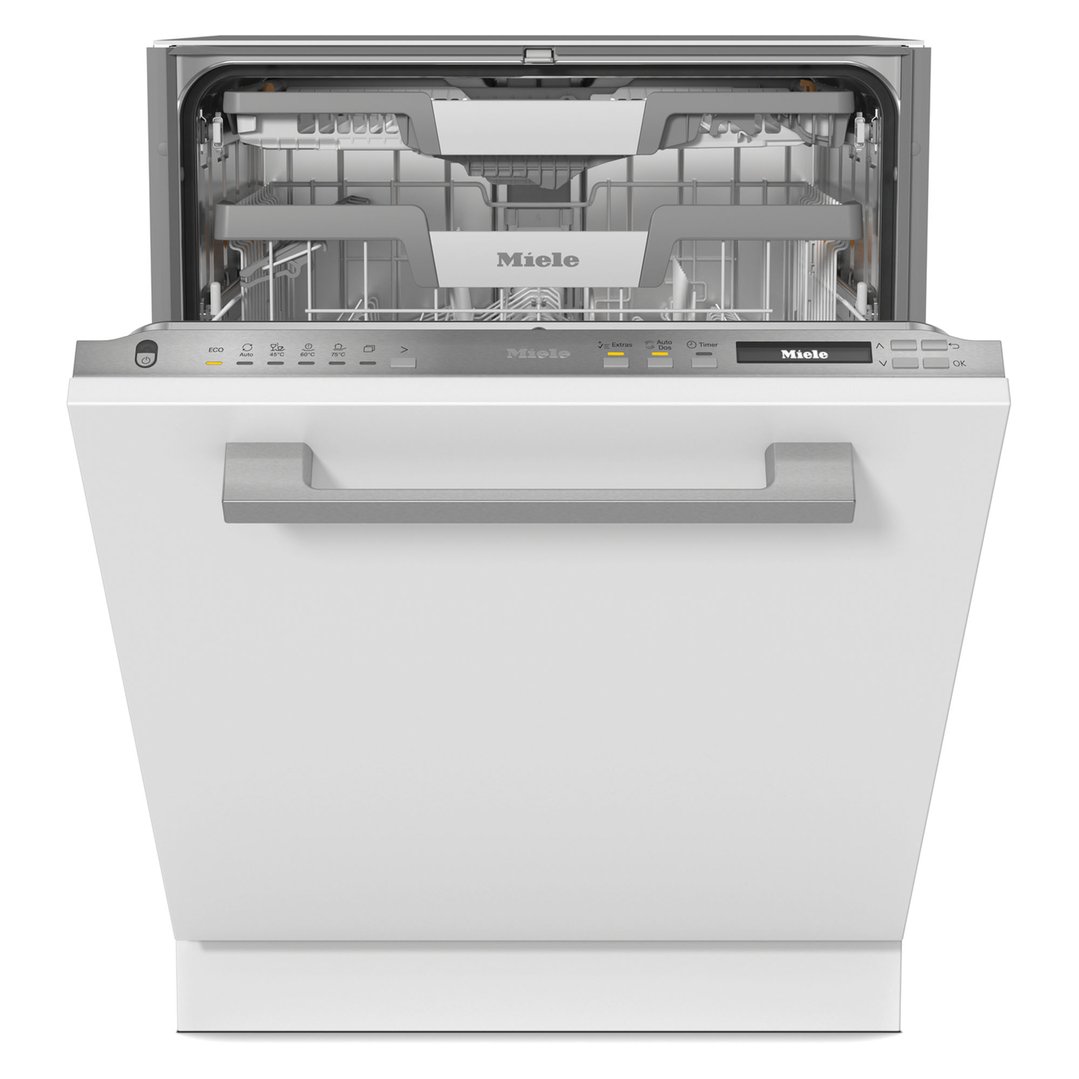
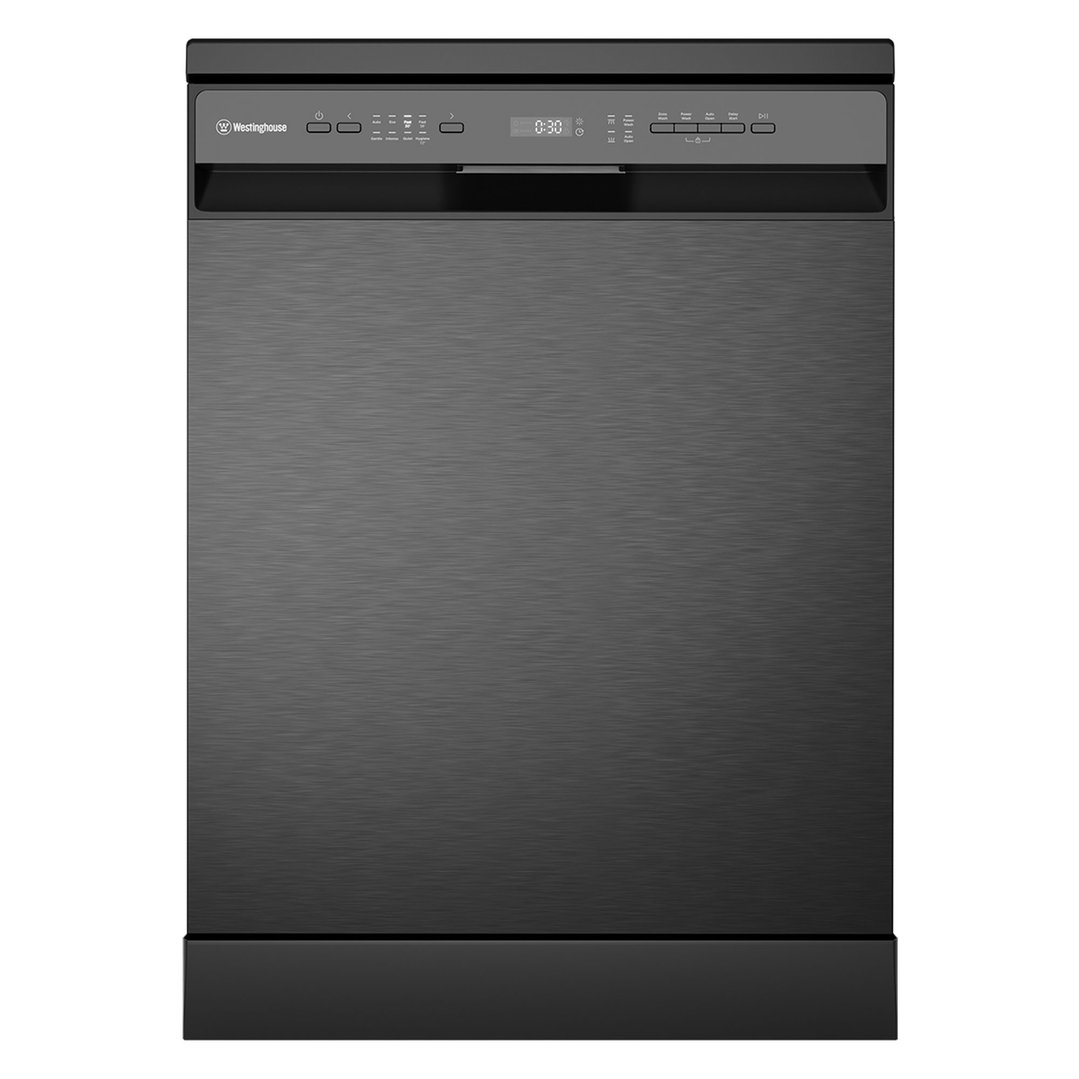

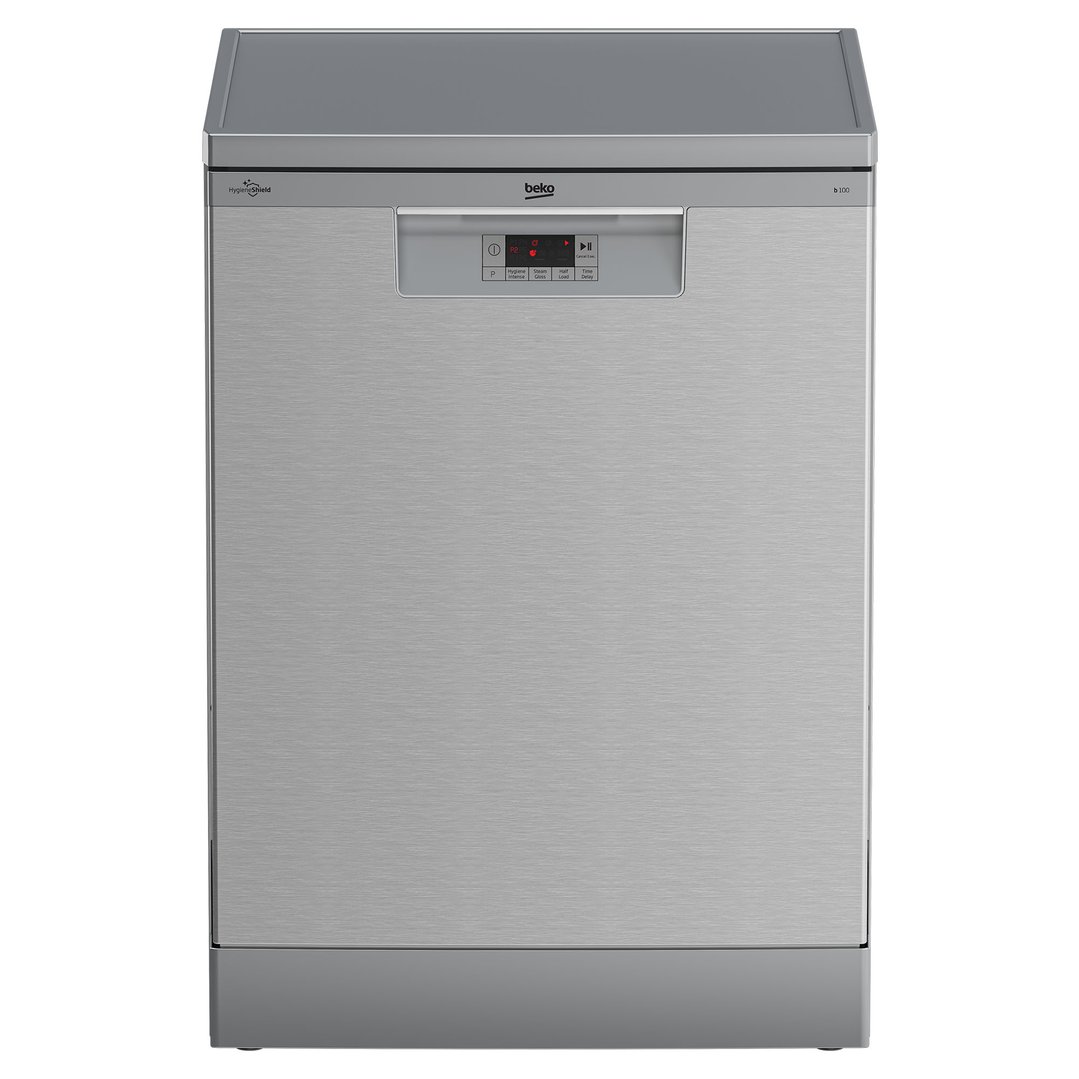

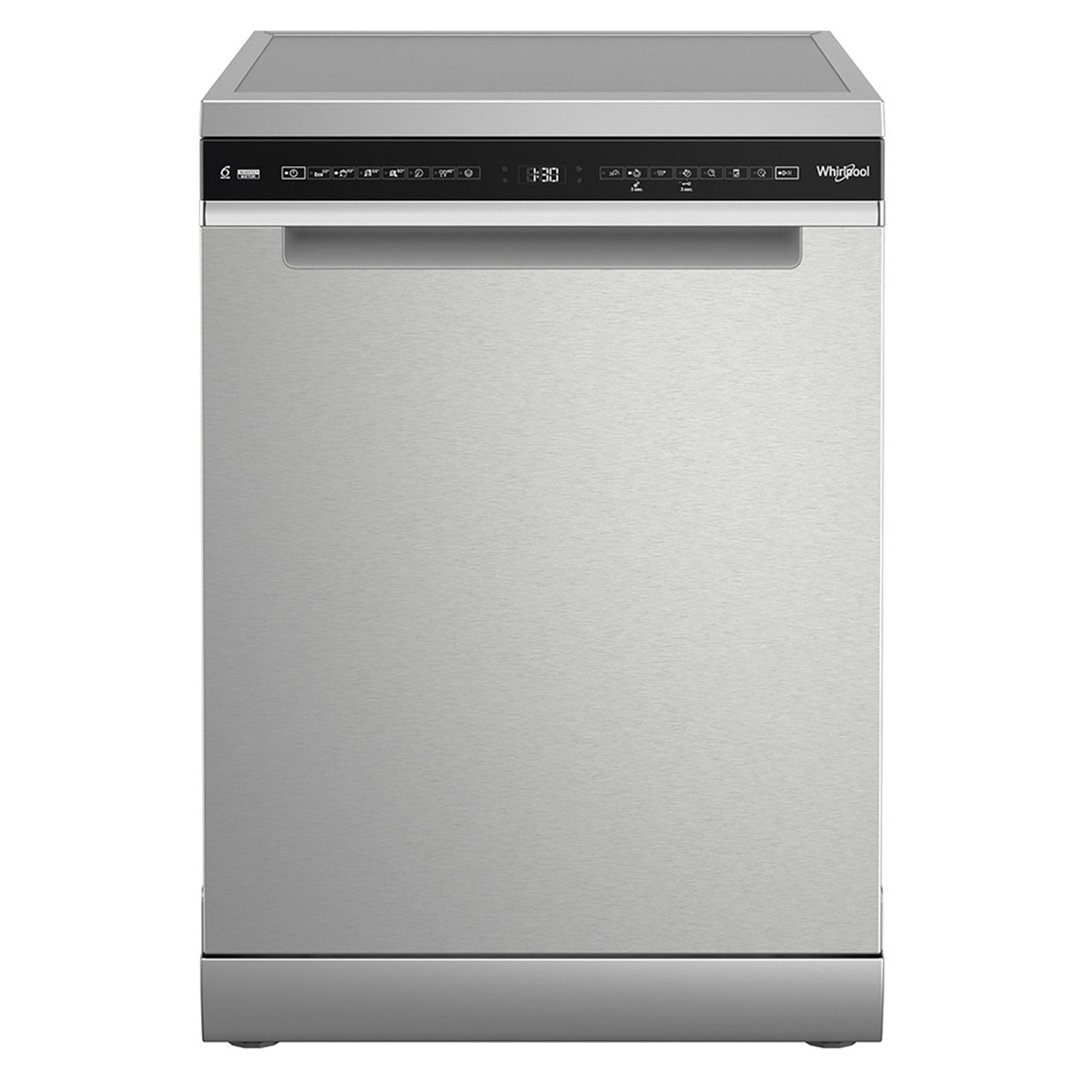

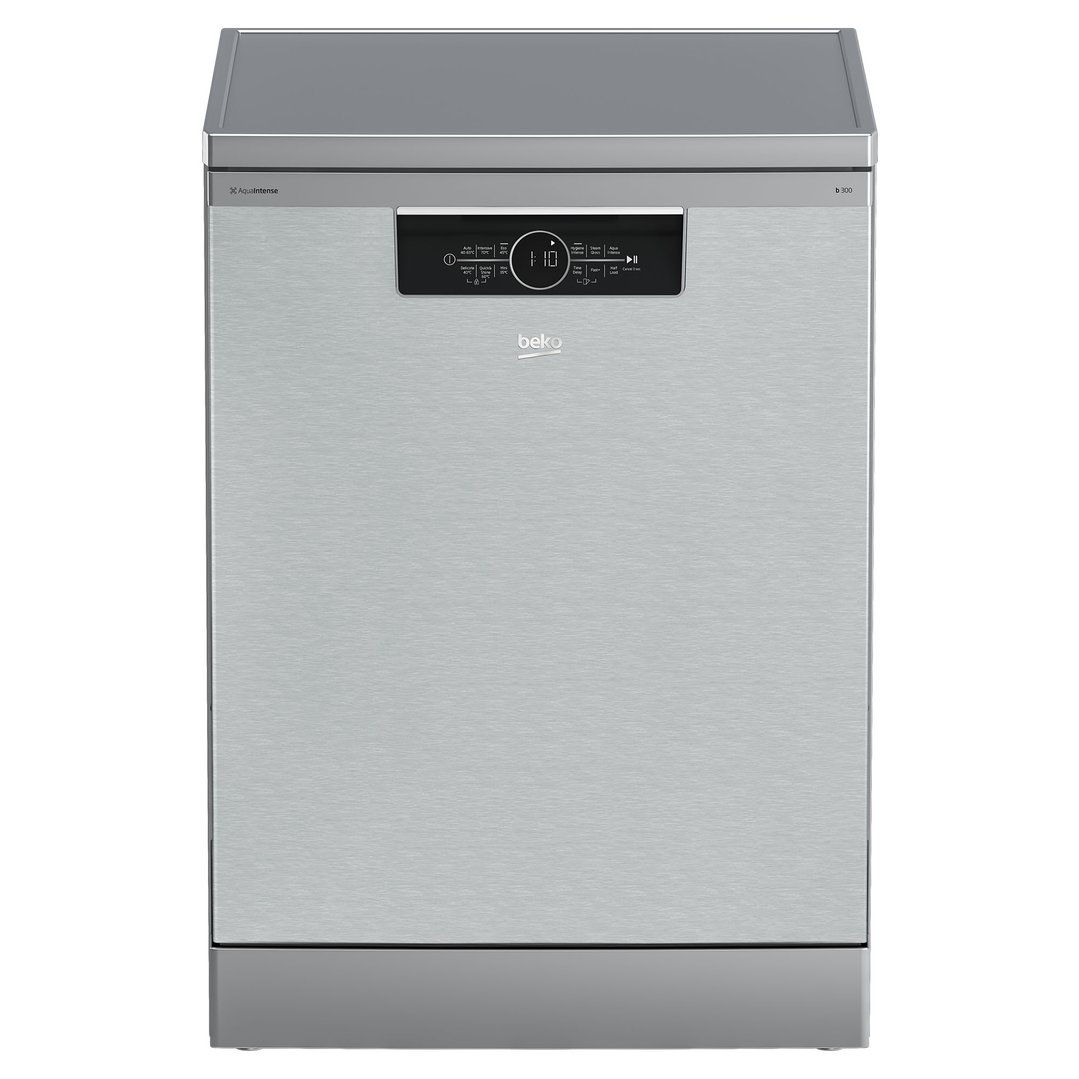


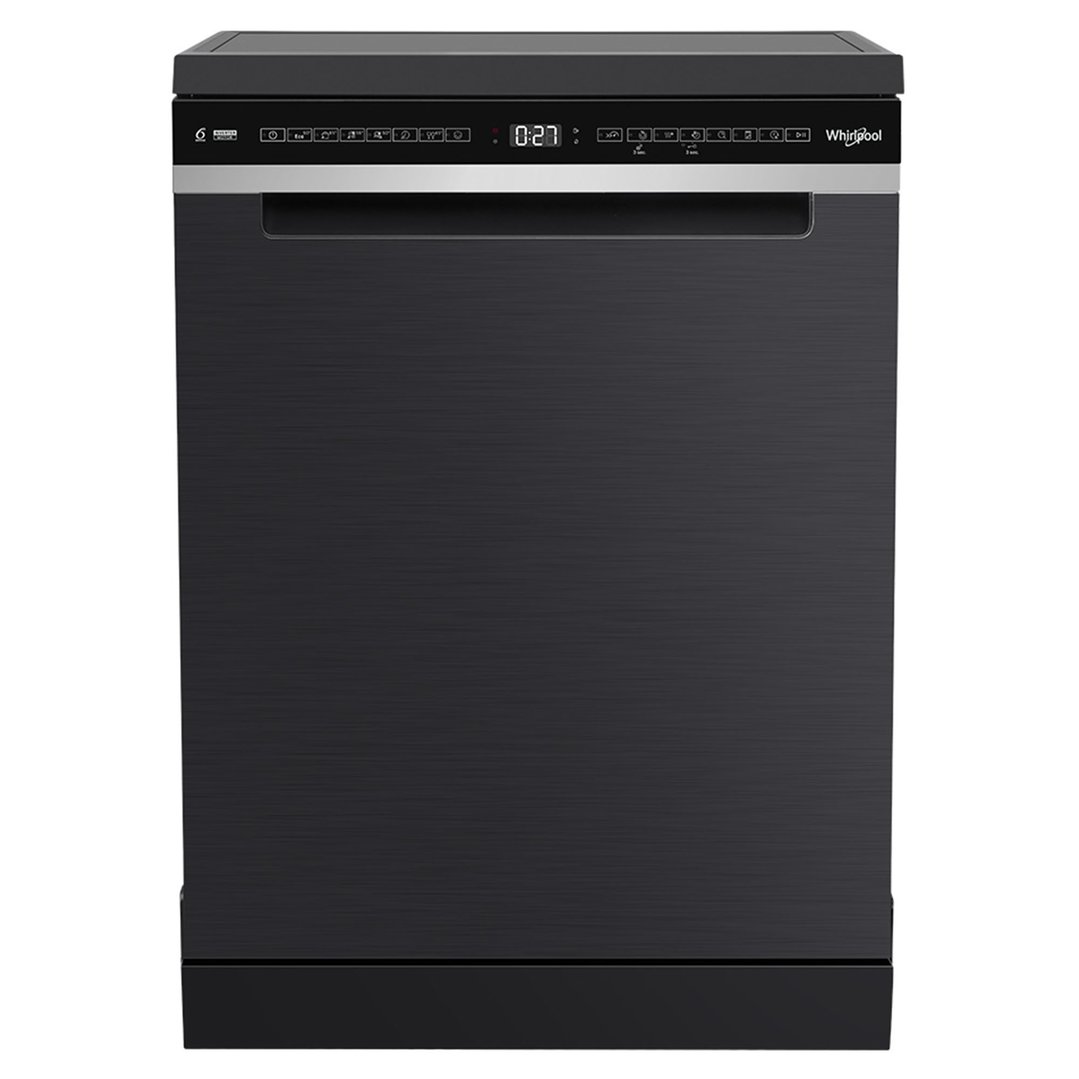
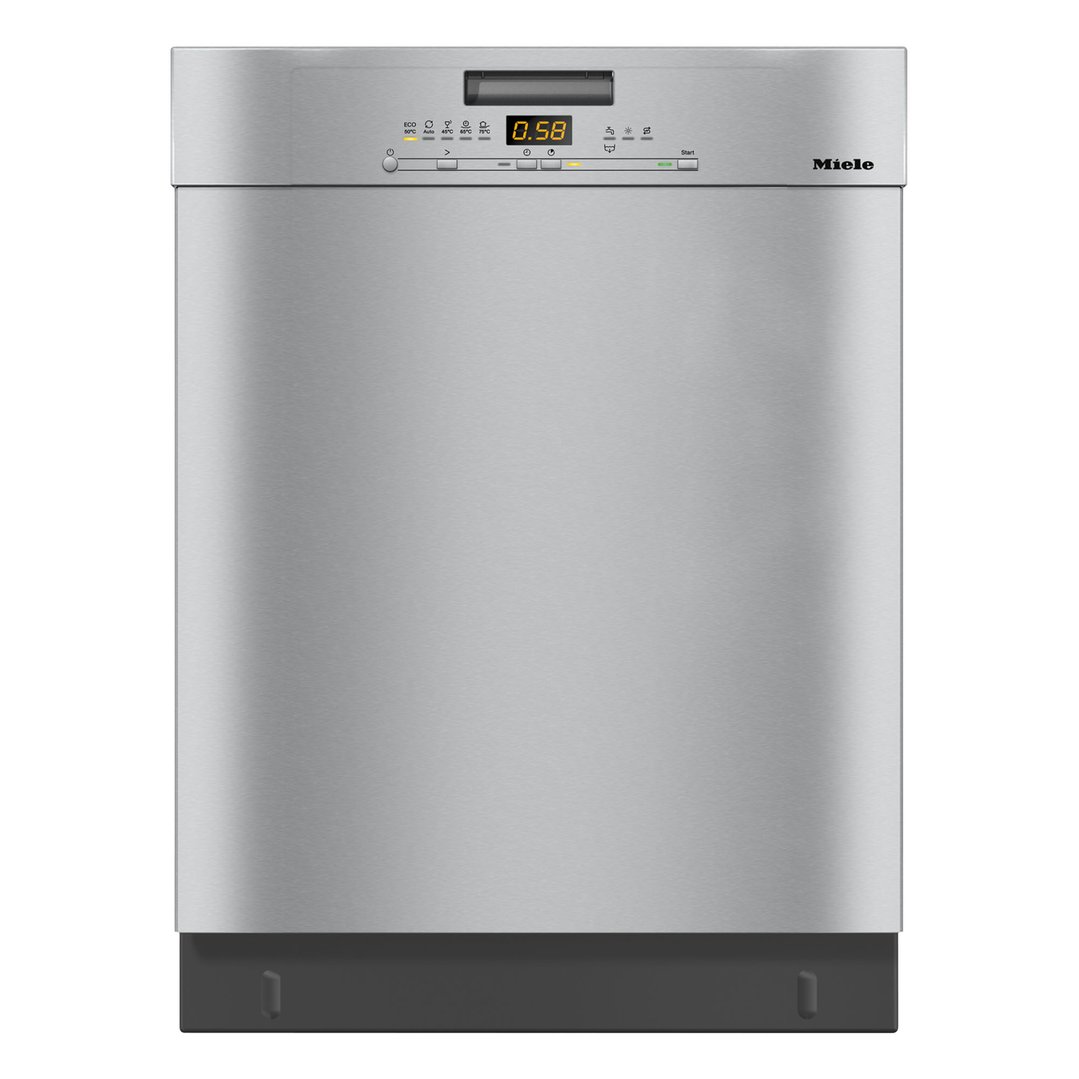

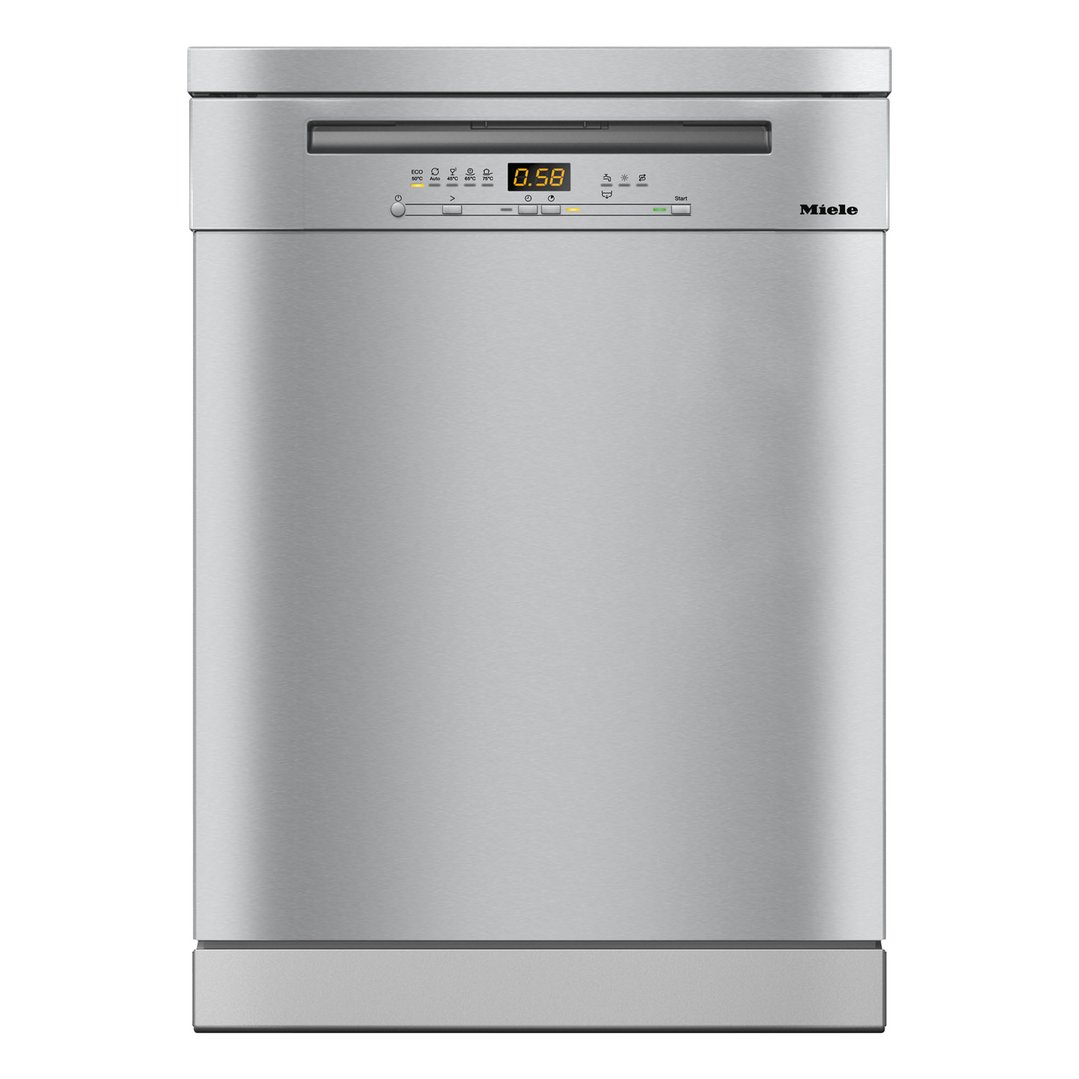
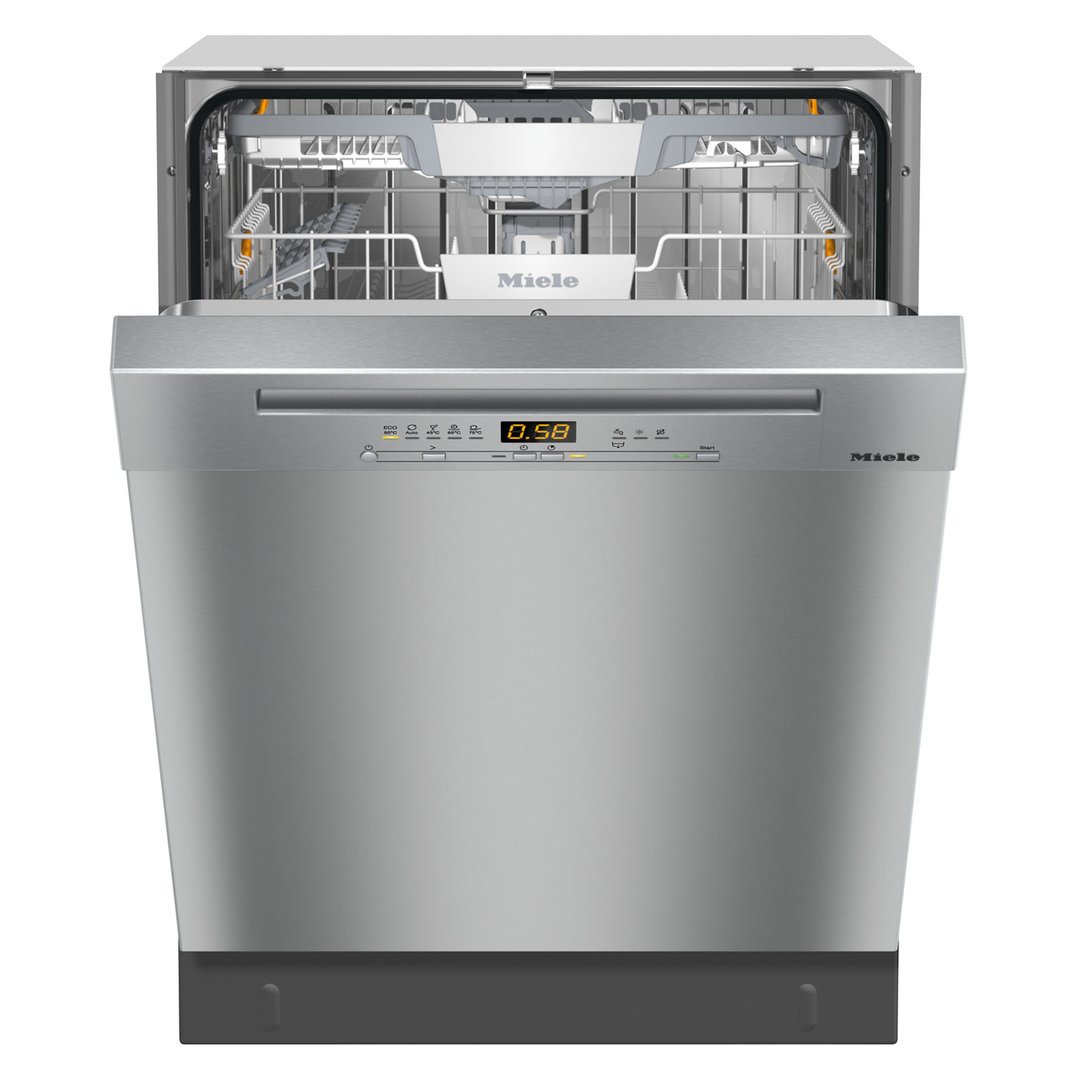
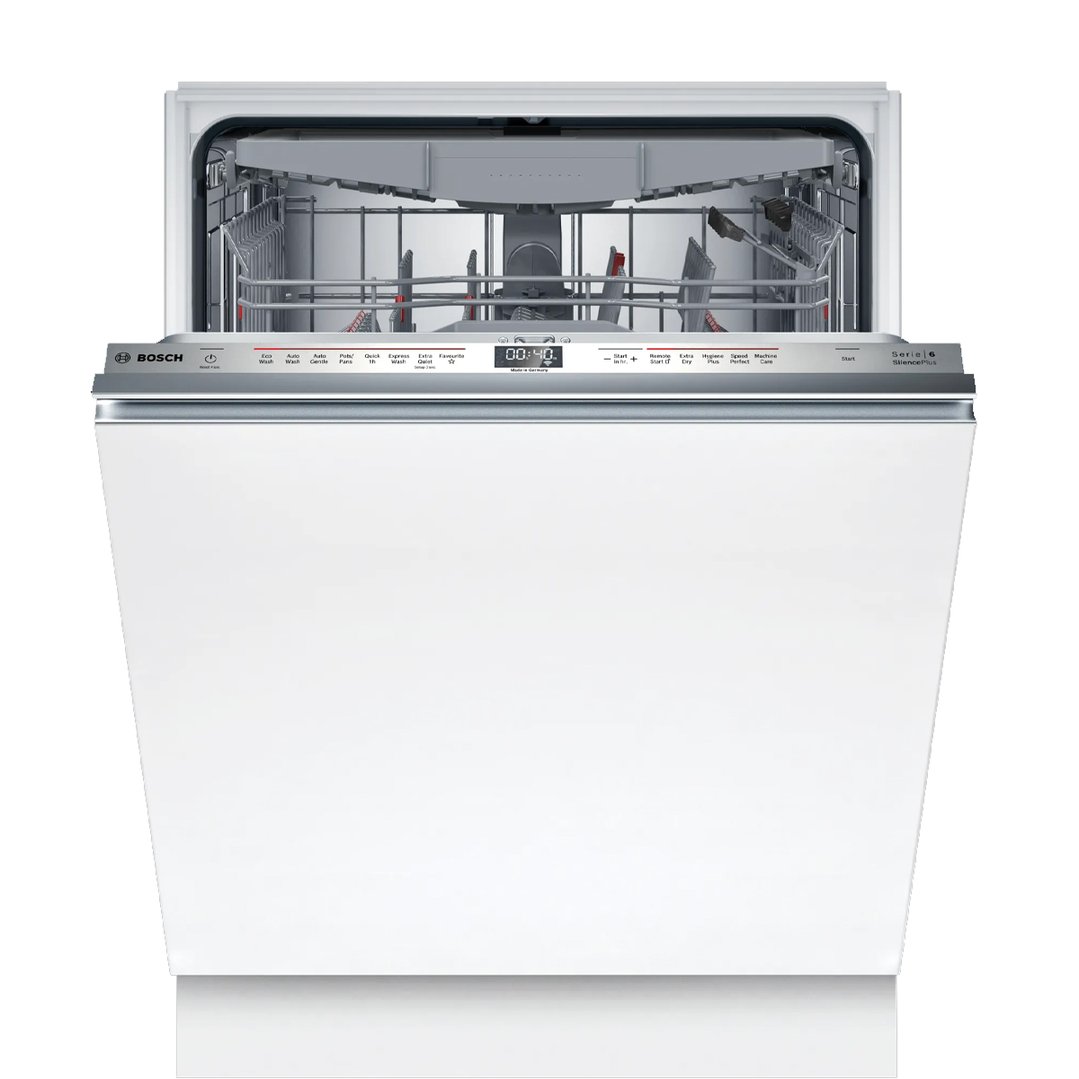


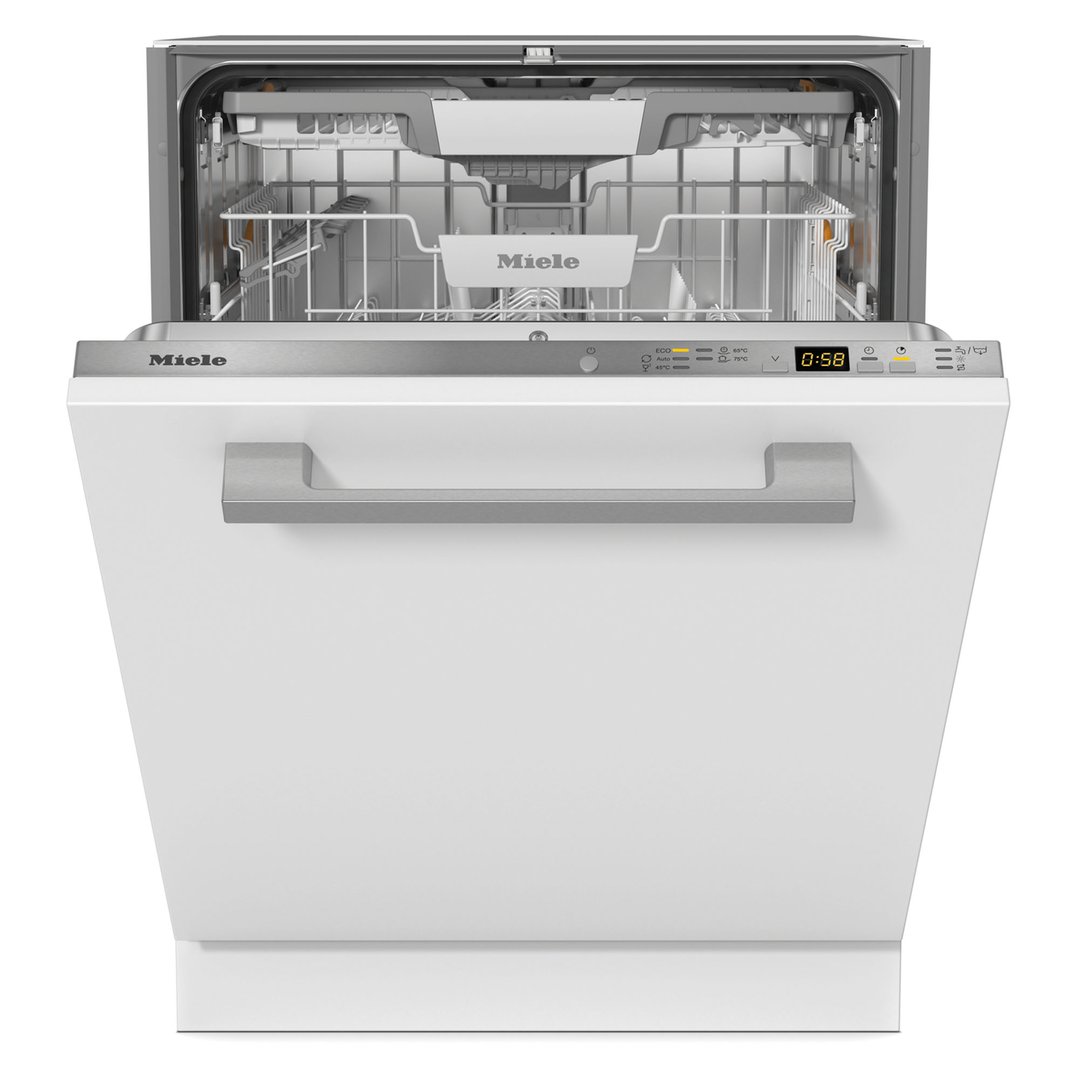


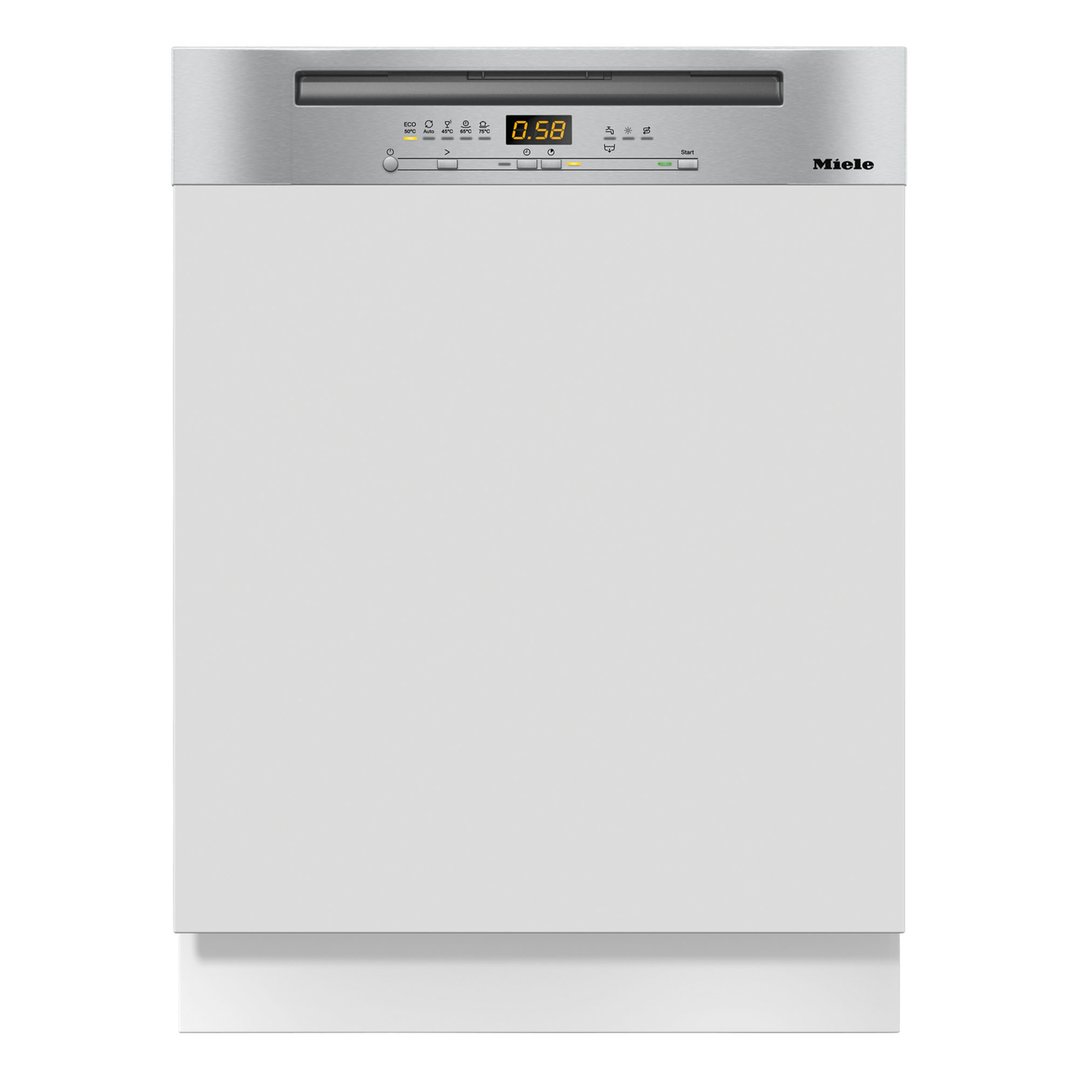
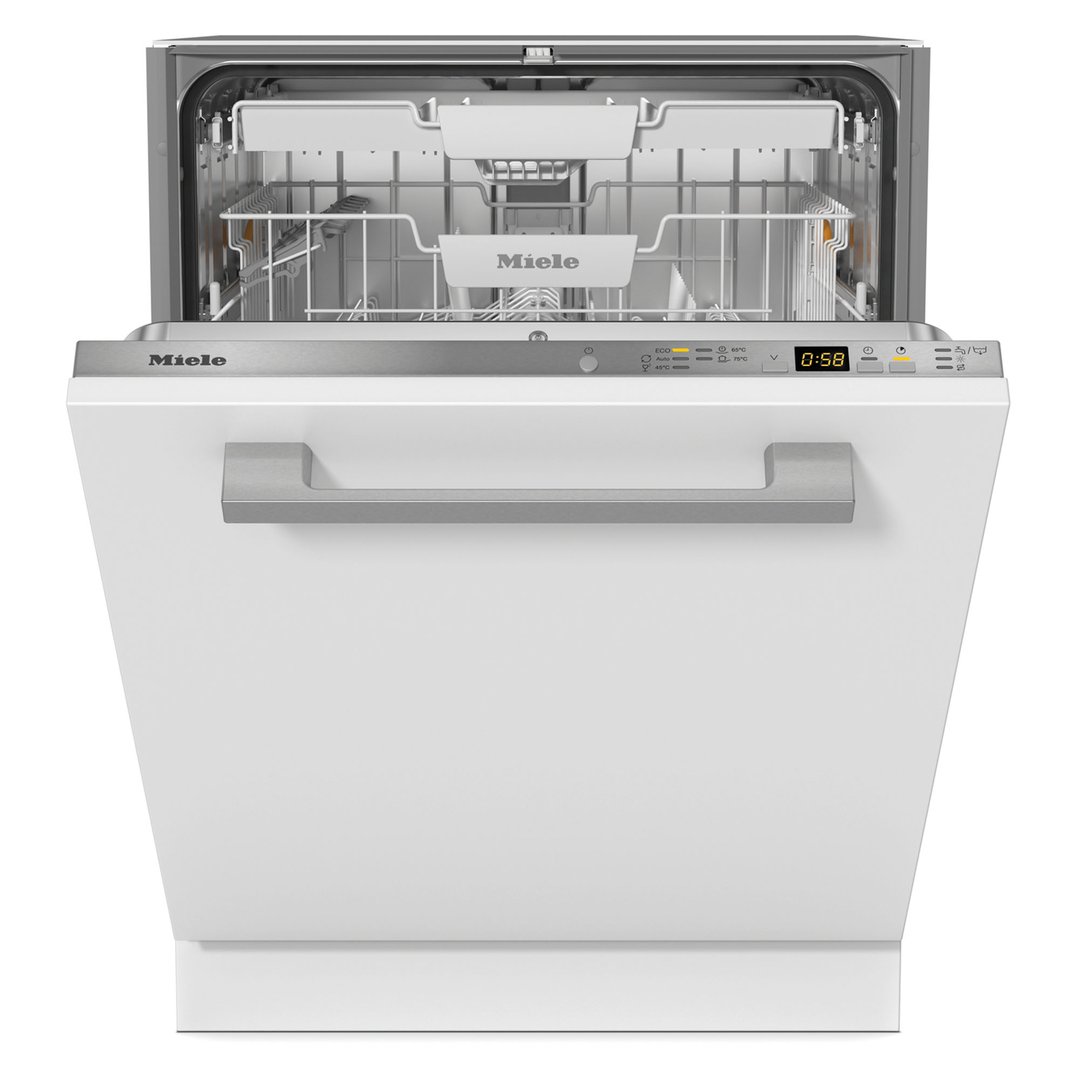
Save Water, Save Energy, Still Get Clean Dishes
Running a dishwasher is already more efficient than you might think - a modern, full-load dishwasher cycle uses significantly less water than washing the same dishes by hand. But not all dishwashers are equal on this front, and choosing a model with a higher energy and water efficiency rating can make a real difference to your bills over time.
We've also put together a detailed article on energy efficient dishwashers that goes into more detail on the numbers.
Understanding the Energy Rating Label
All dishwashers sold in Australia must carry an Energy Rating label under the Australian Government's mandatory scheme. The label shows:
- A star rating (more stars = more efficient) - typically ranging from 1 to 6 stars, with some highly efficient models eligible for a Super Efficient rating above 6 stars
- The estimated annual energy consumption in kilowatt-hours (kWh), based on standard usage assumptions
- The estimated annual water consumption in litres
When comparing models, look at both the star rating and the actual consumption figures. A model with 5 stars but higher kWh usage than another 5-star model may not actually be the more efficient choice in your usage pattern.
Energy Efficiency vs Water Efficiency
These two metrics don't always move together, and both matter. Energy consumption relates primarily to how much electricity the heating element uses (heating water is the biggest energy draw in a dishwasher cycle). Water consumption measures how many litres per cycle the machine uses.
For most Australian households, water efficiency is often the more pressing concern - particularly in drier states where water costs are higher and restrictions apply periodically. A dishwasher using 9 litres per cycle versus one using 15 litres is a meaningful difference over 365 cycles a year.
Features That Drive Efficiency:
Sensor / Auto Programs
Many modern dishwashers include an auto or sensor wash program that detects how dirty the load is - via optical sensors or turbidity sensors in the water - and adjusts the water temperature and volume accordingly. Running this program instead of a fixed 'normal' cycle can reduce both energy and water use significantly on lighter loads.
Eco Cycle
The eco cycle is designed to minimise energy and water consumption by running at a lower temperature for a longer time. It's slower (often two or more hours) but the most efficient program on most machines. Ideal for overnight runs where time isn't the priority.
Half-Load / Load Sensing
Running a dishwasher that's only half full wastes water and energy. A half-load setting reduces water consumption when you only have the top or bottom rack to wash. Some models do this automatically; others need you to select it manually.
Delay Start
Not a direct efficiency feature, but a useful one. Running your dishwasher during off-peak electricity hours (usually overnight) can reduce your energy costs if you're on a time-of-use electricity tariff.
How Much Can You Actually Save?
Actual savings depend on your electricity and water rates, how often you run the machine and which programs you use. As a rough illustration: upgrading from a 2-star to a 4-star dishwasher could reduce annual energy consumption by 30-40%, and annual water consumption by a similar margin. Over five to ten years of use, that adds up to a meaningful saving on your bills.
For more context on running costs, the Australian Government Energy Rating website lets you compare estimated annual running costs across appliances.
FAQs
Are dishwashers more energy efficient than washing by hand?
Yes - for full loads. A modern efficient dishwasher uses around 7-12 litres per cycle and heats only that water. Hand washing the equivalent load typically uses 40-100 litres. The dishwasher wins on water efficiency for full loads. For very small amounts (a cup and a plate), hand washing with minimal water is more efficient.
What is a good energy star rating for a dishwasher in Australia?
Four stars and above is a strong result. Some of the best models on the market achieve 5-6 stars. The star rating is a useful comparative tool, but also look at the actual kWh and litre figures on the label, as usage patterns vary.
Which dishwasher cycle uses the least energy?
The eco cycle. It runs at lower temperatures for longer, using less energy overall compared to a standard hot cycle. The trade-off is time - eco cycles typically run for 2-3 hours. For overnight use, this is usually not a problem.
Does a more efficient dishwasher cost more to buy?
Generally, yes - but not always dramatically so. Many mid-range models from brands like Bosch and Electrolux offer strong efficiency ratings at a reasonable price. The premium is usually larger at the very top end (Miele, ASKO), where you're paying for build quality and longevity as much as pure efficiency.
How can I reduce my dishwasher running costs?
Always run full loads - half-empty loads waste water and energy
Use the eco or sensor program for everyday loads
Use delay start to run the machine during off-peak electricity hours if you're on a time-of-use tariff
Keep the filter clean - a clogged filter makes the machine work harder
Use rinse aid - it aids drying efficiency and reduces the need for a heated dry cycle
How does the eco cycle compare to the normal cycle for energy use?
An eco cycle typically uses 20-40% less energy than a standard normal cycle, and often less water too. The lower temperature requires less electricity to heat the water, and the extended cycle time compensates for this with longer soak and wash periods.