Electric Cooktops


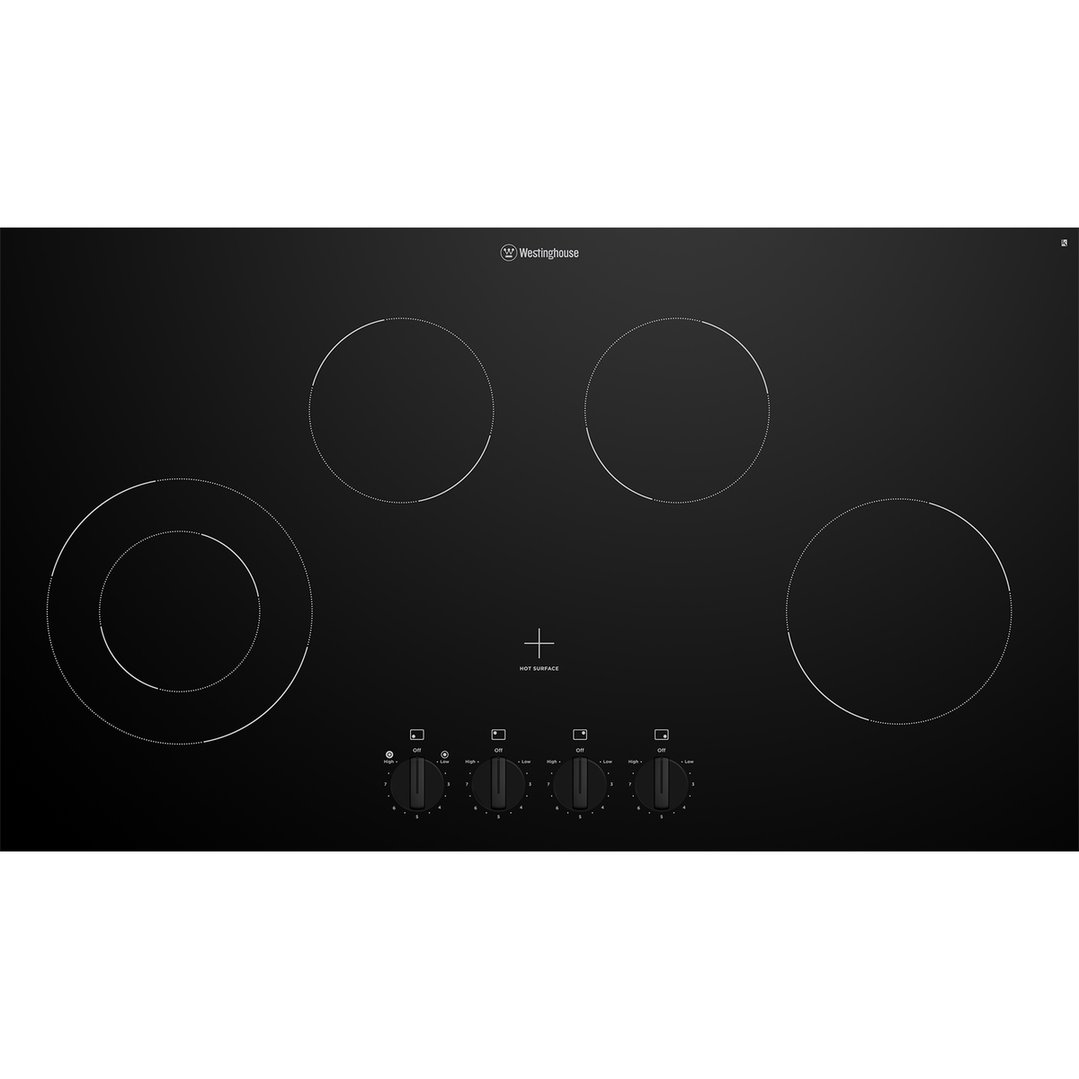
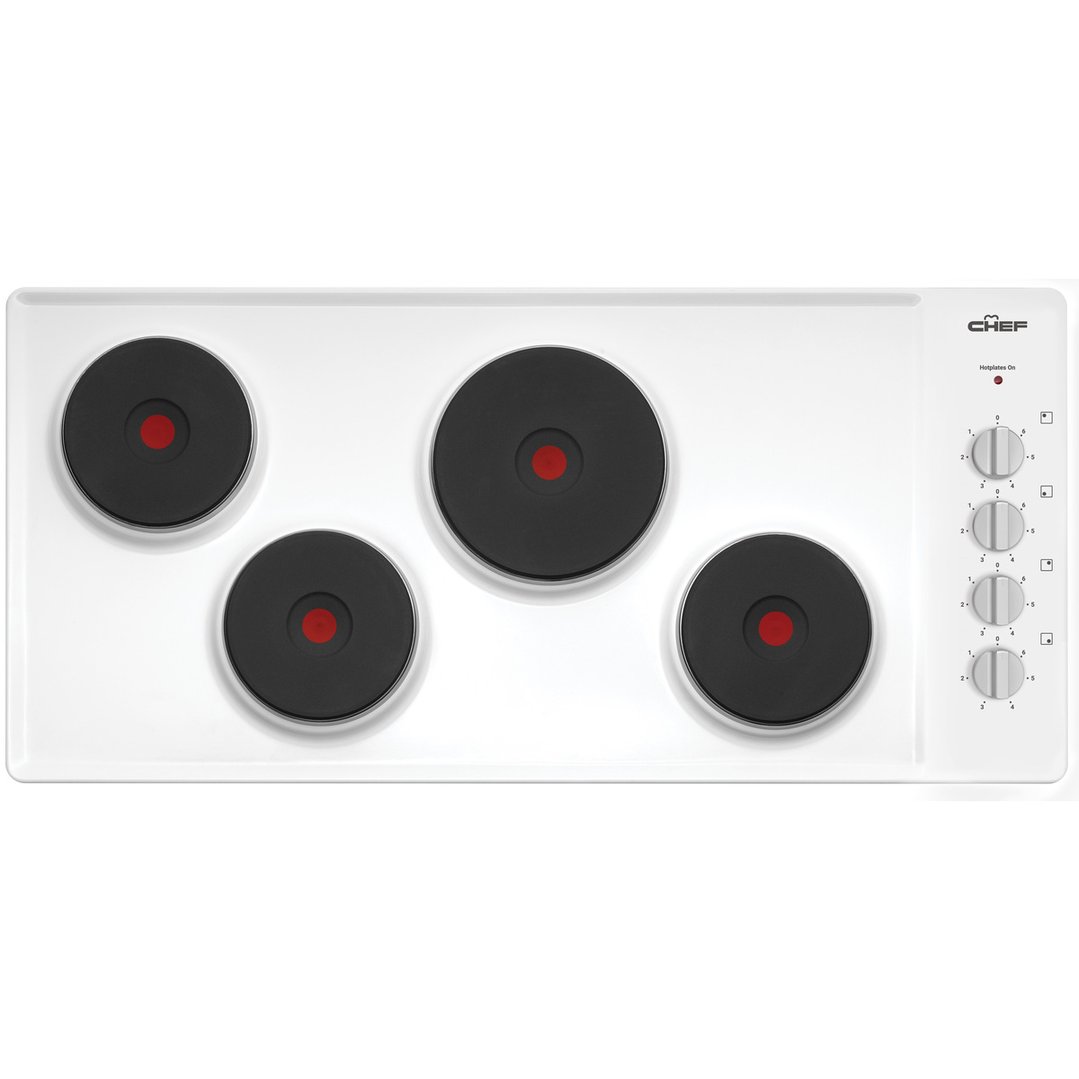


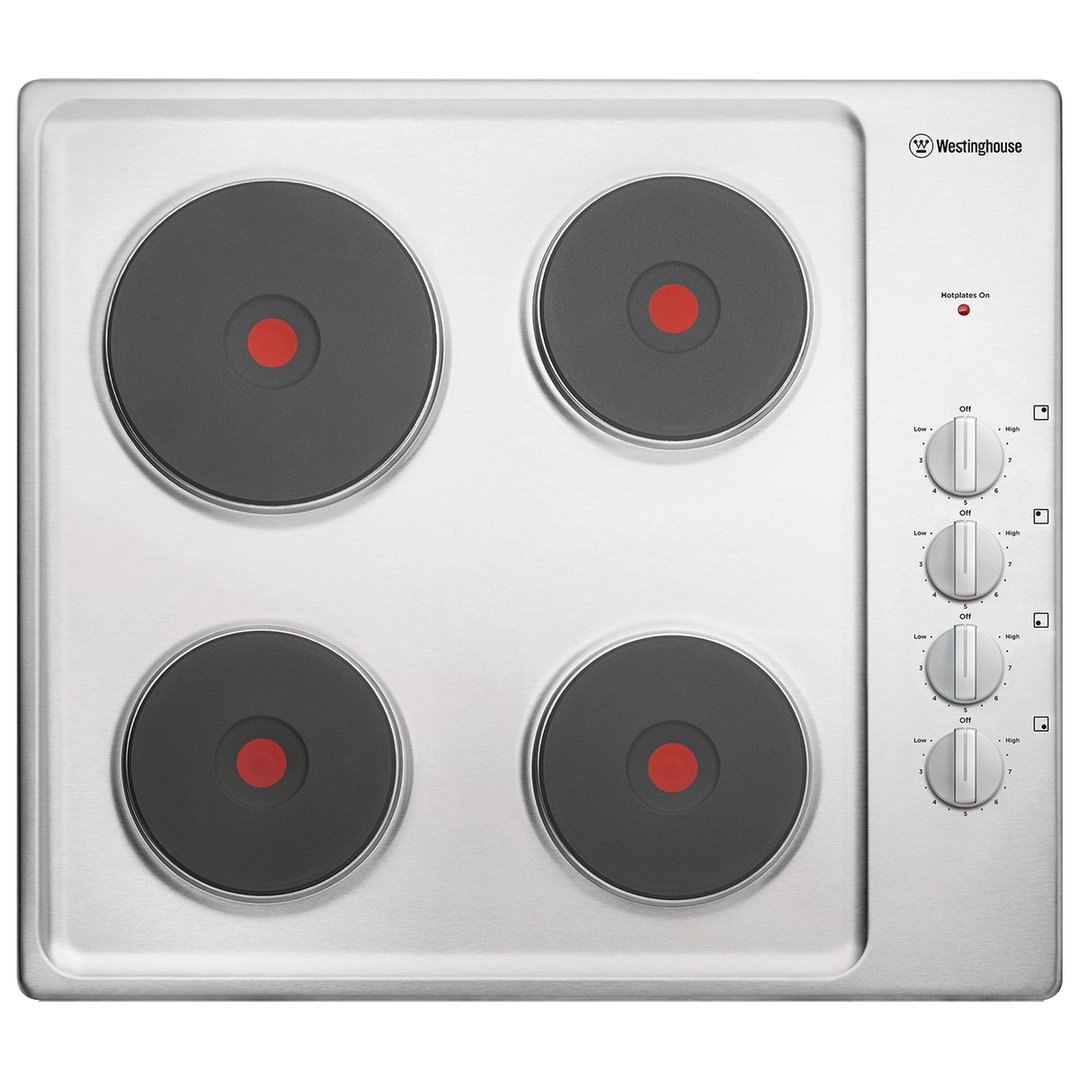

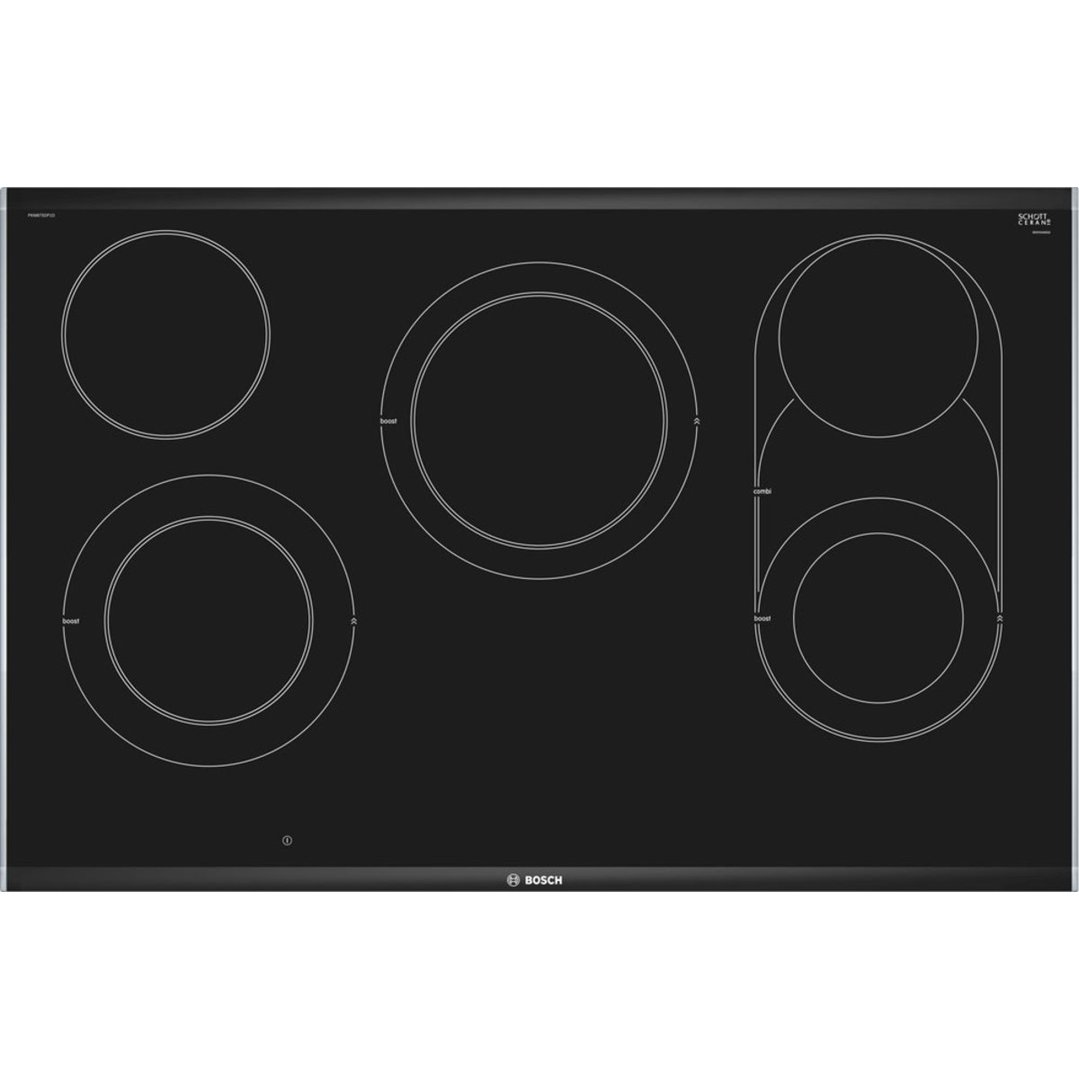


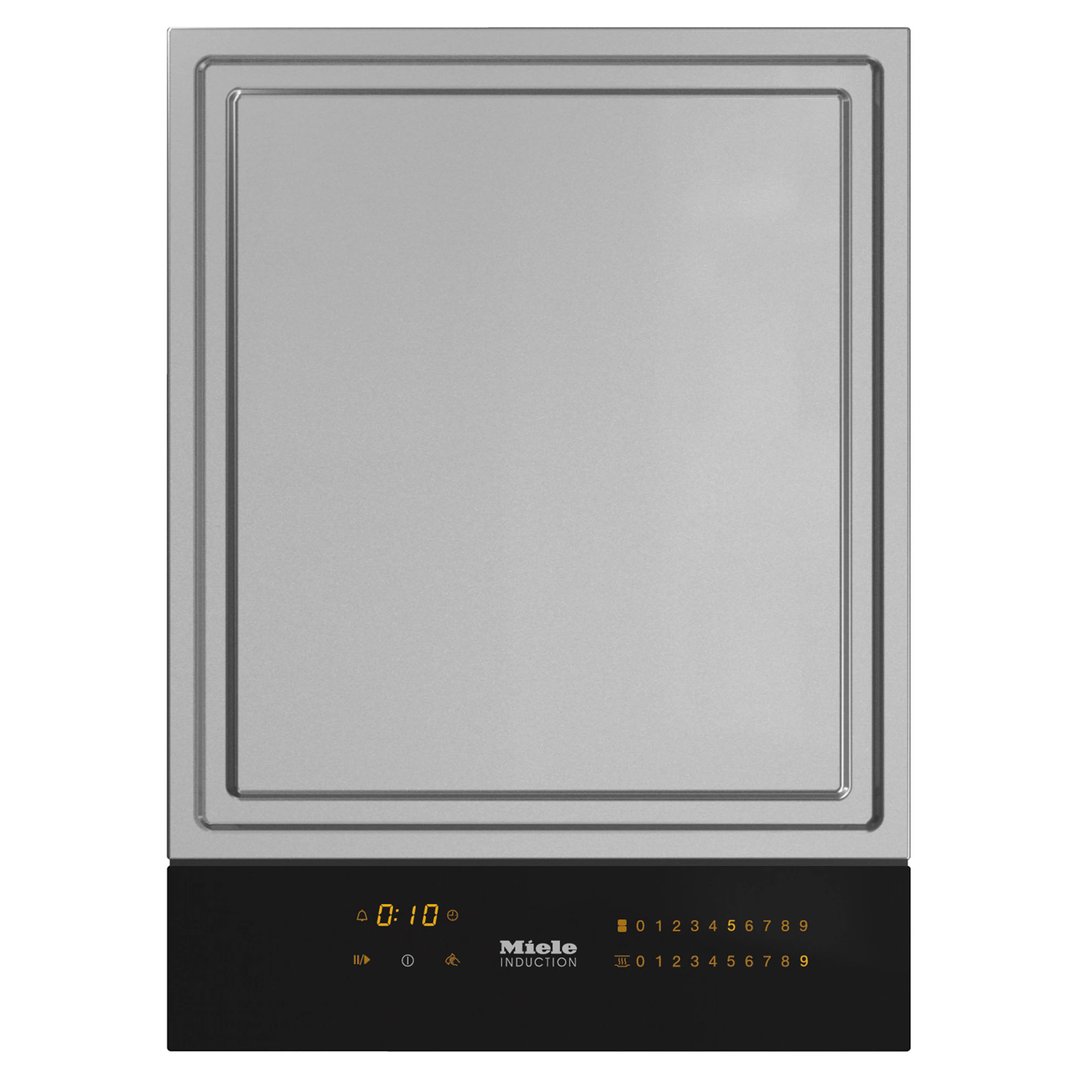
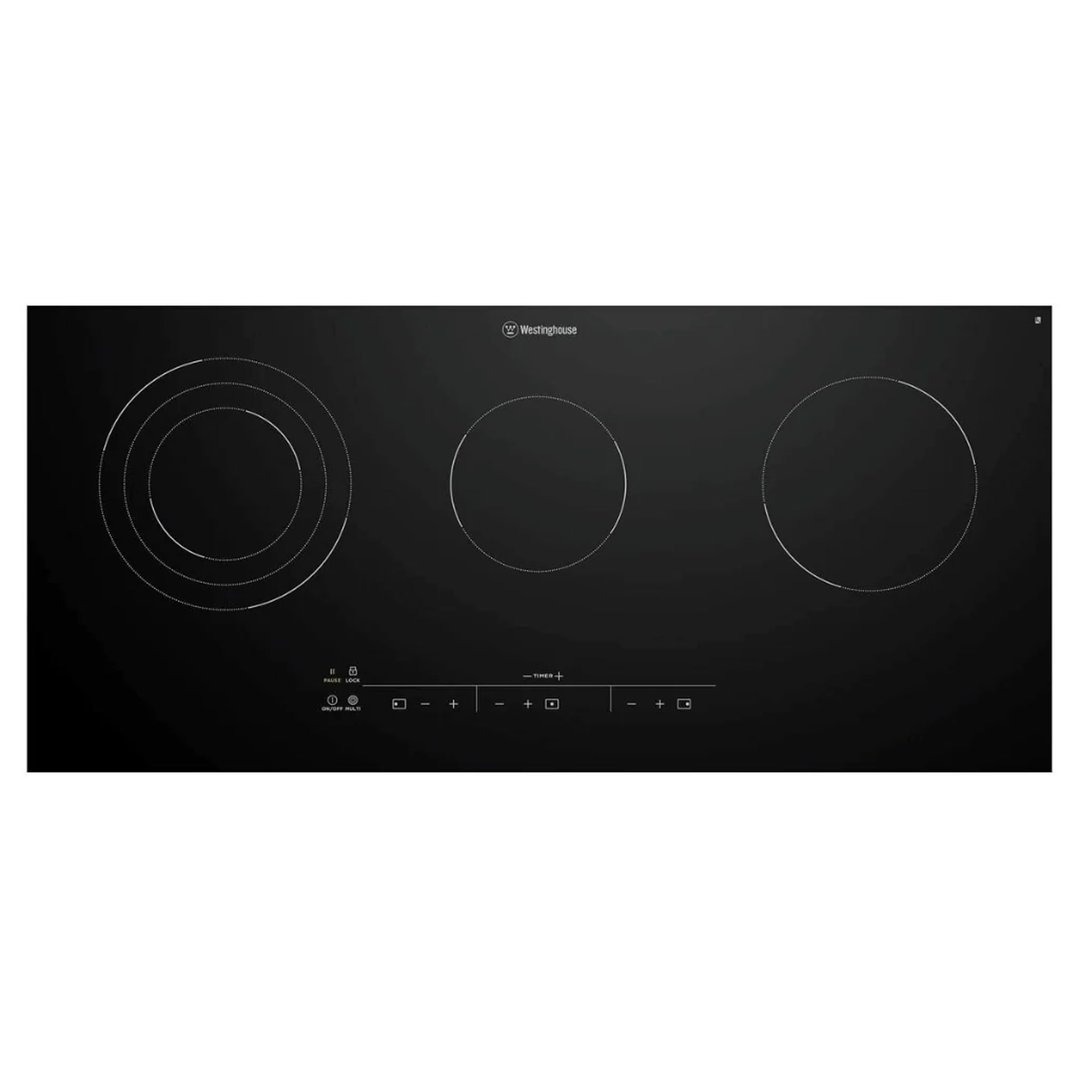
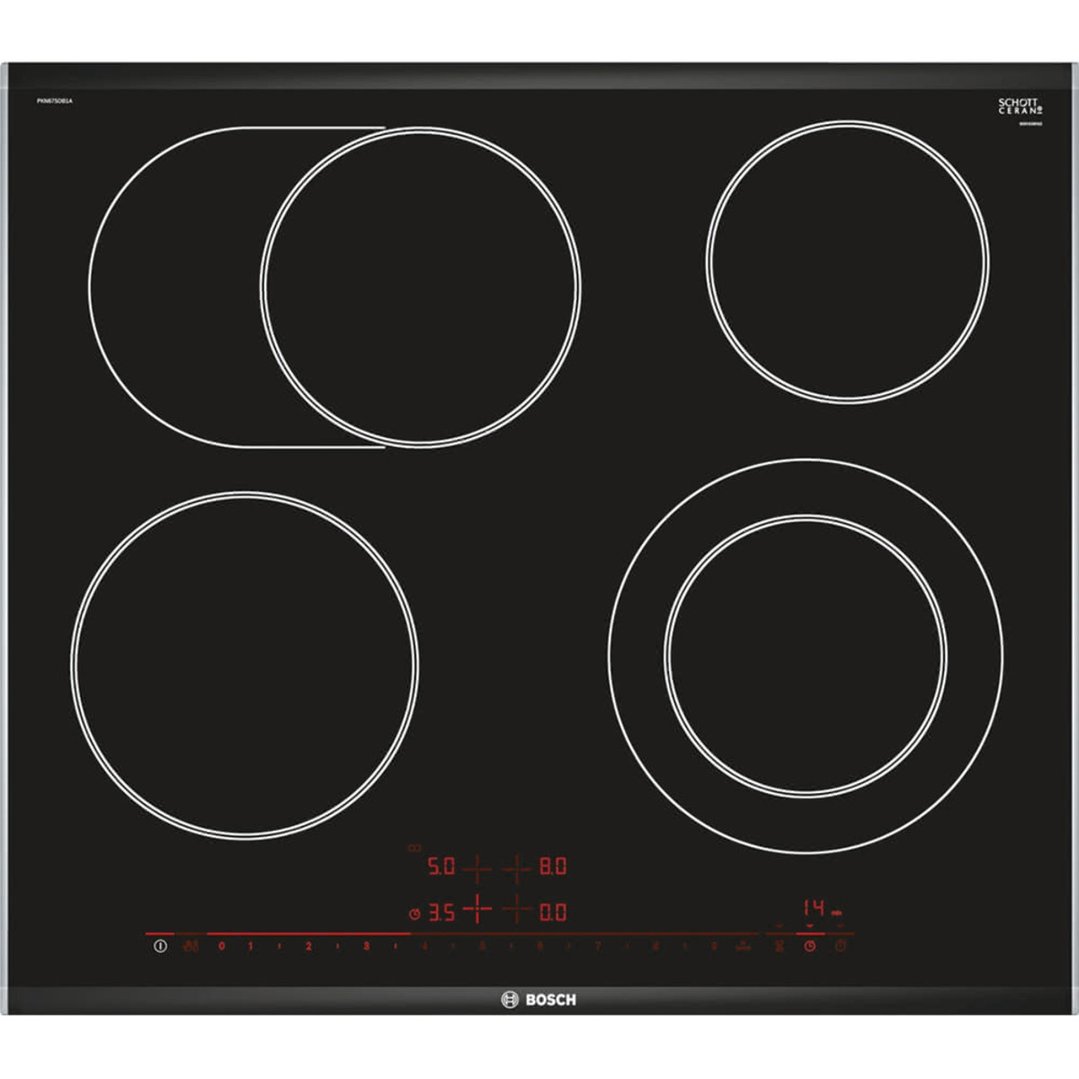

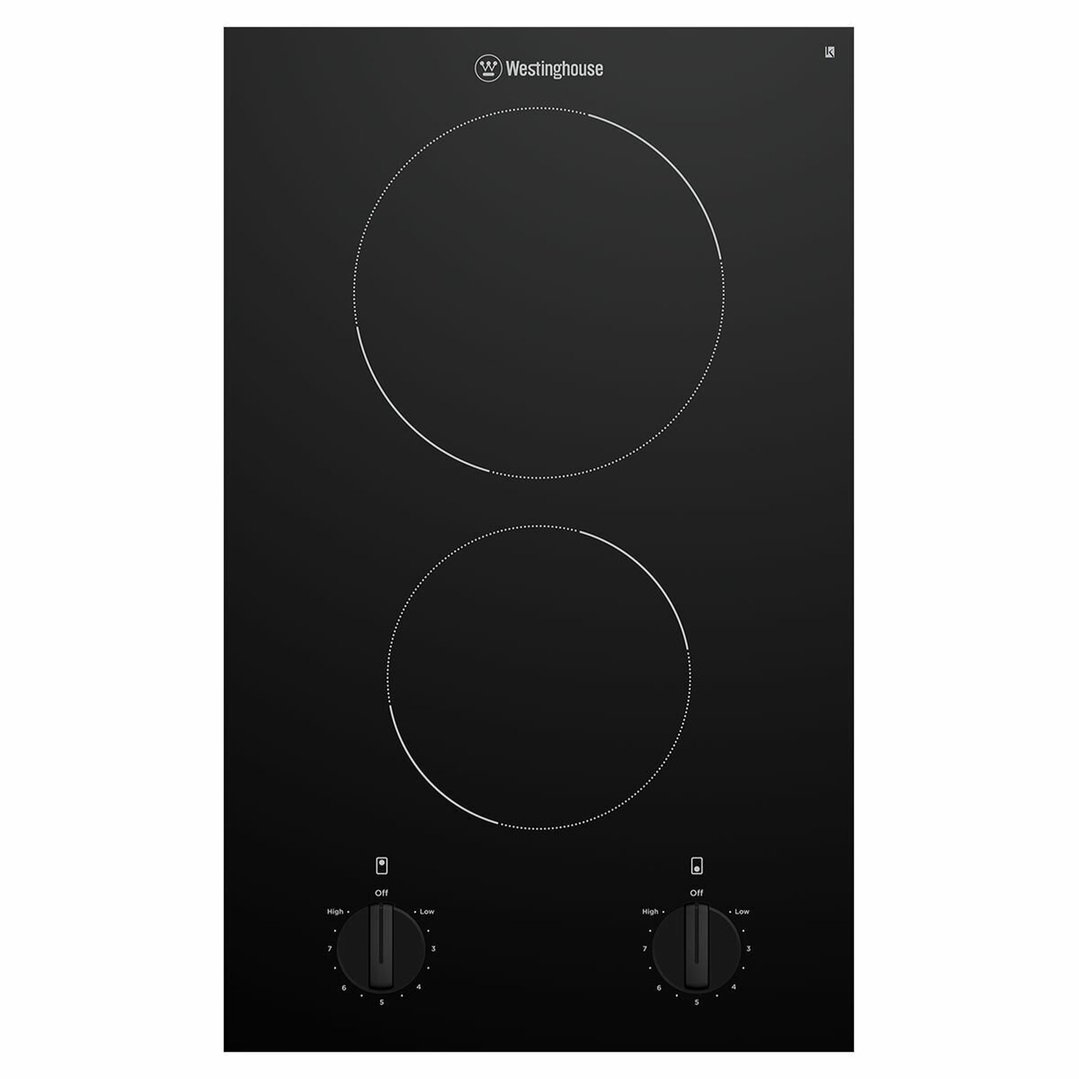



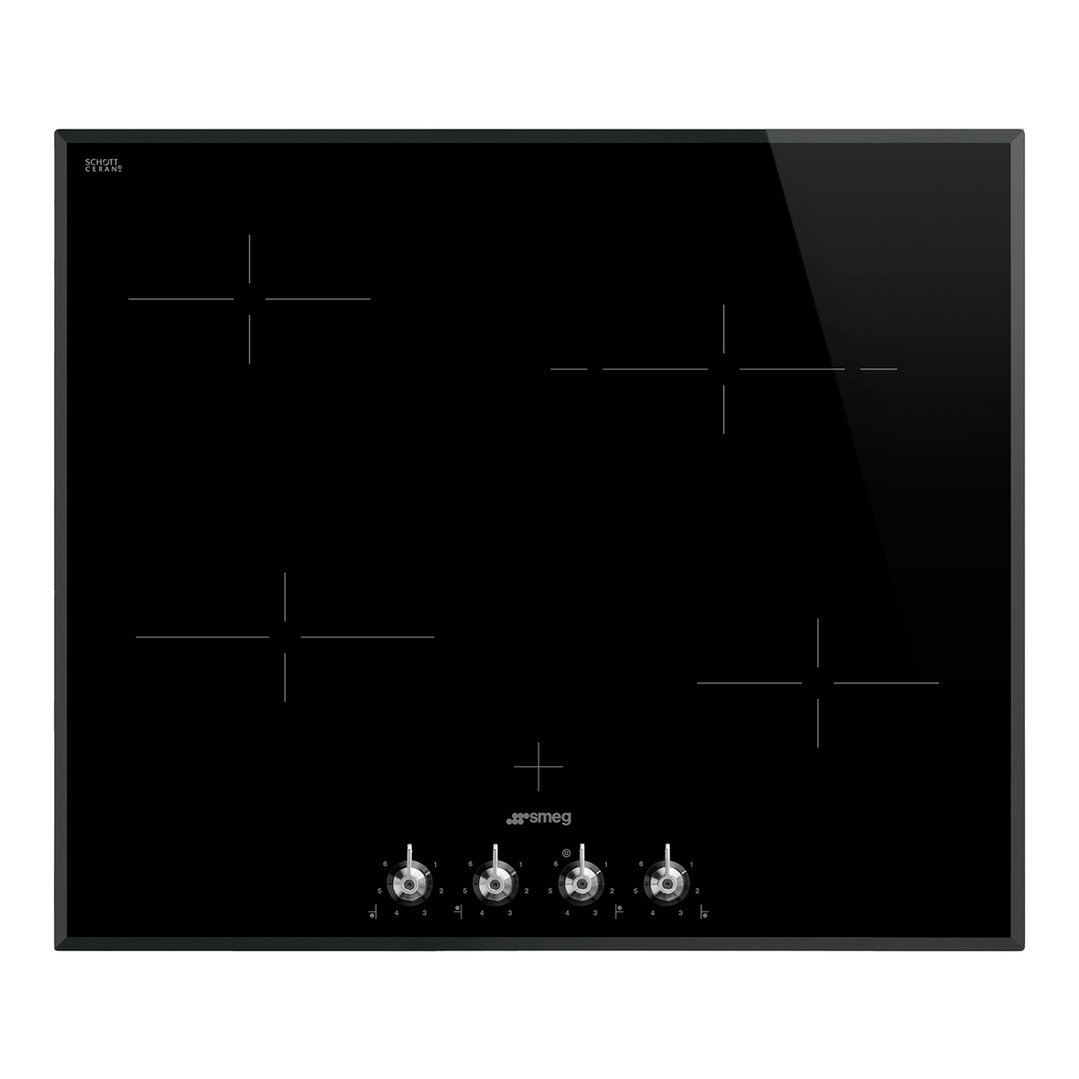

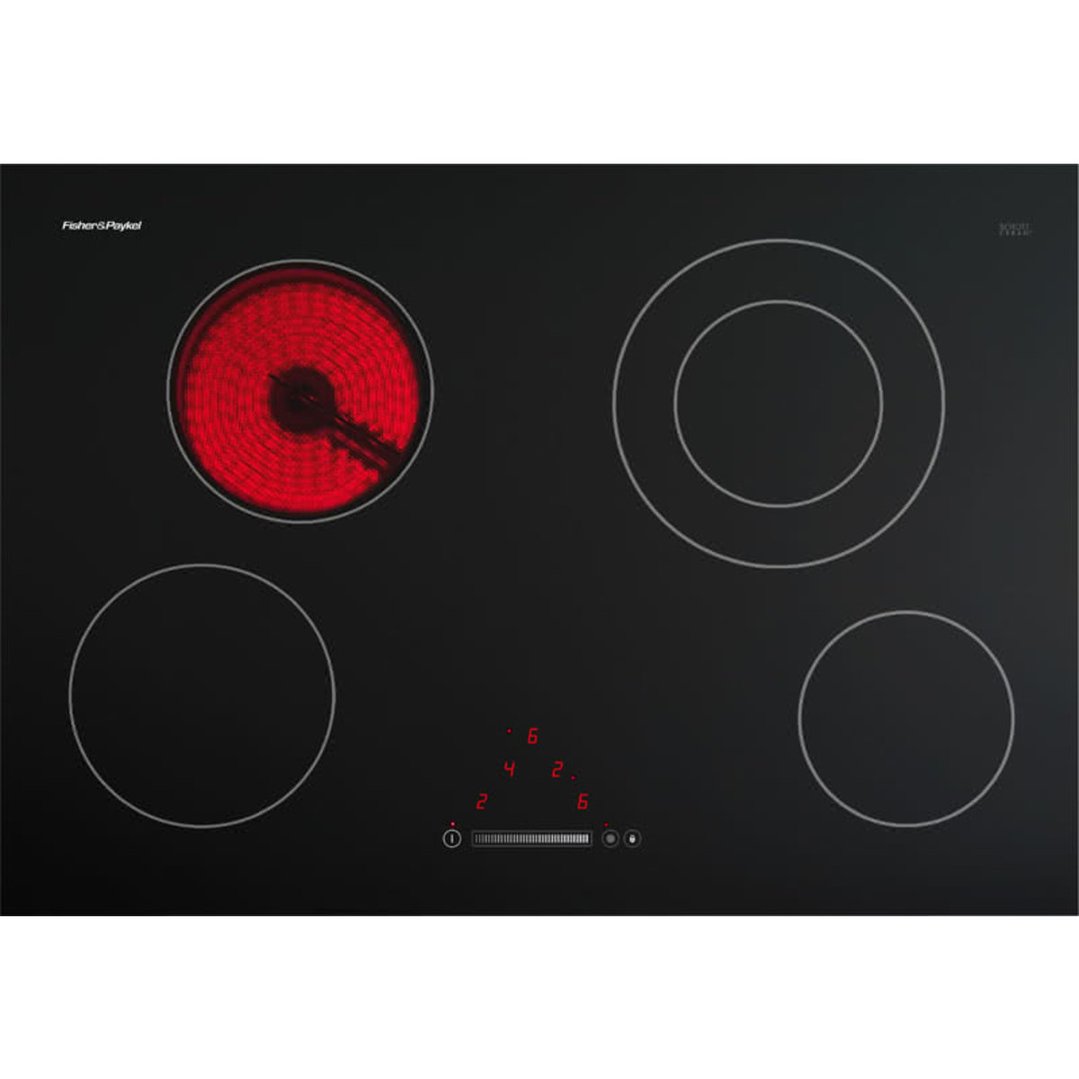
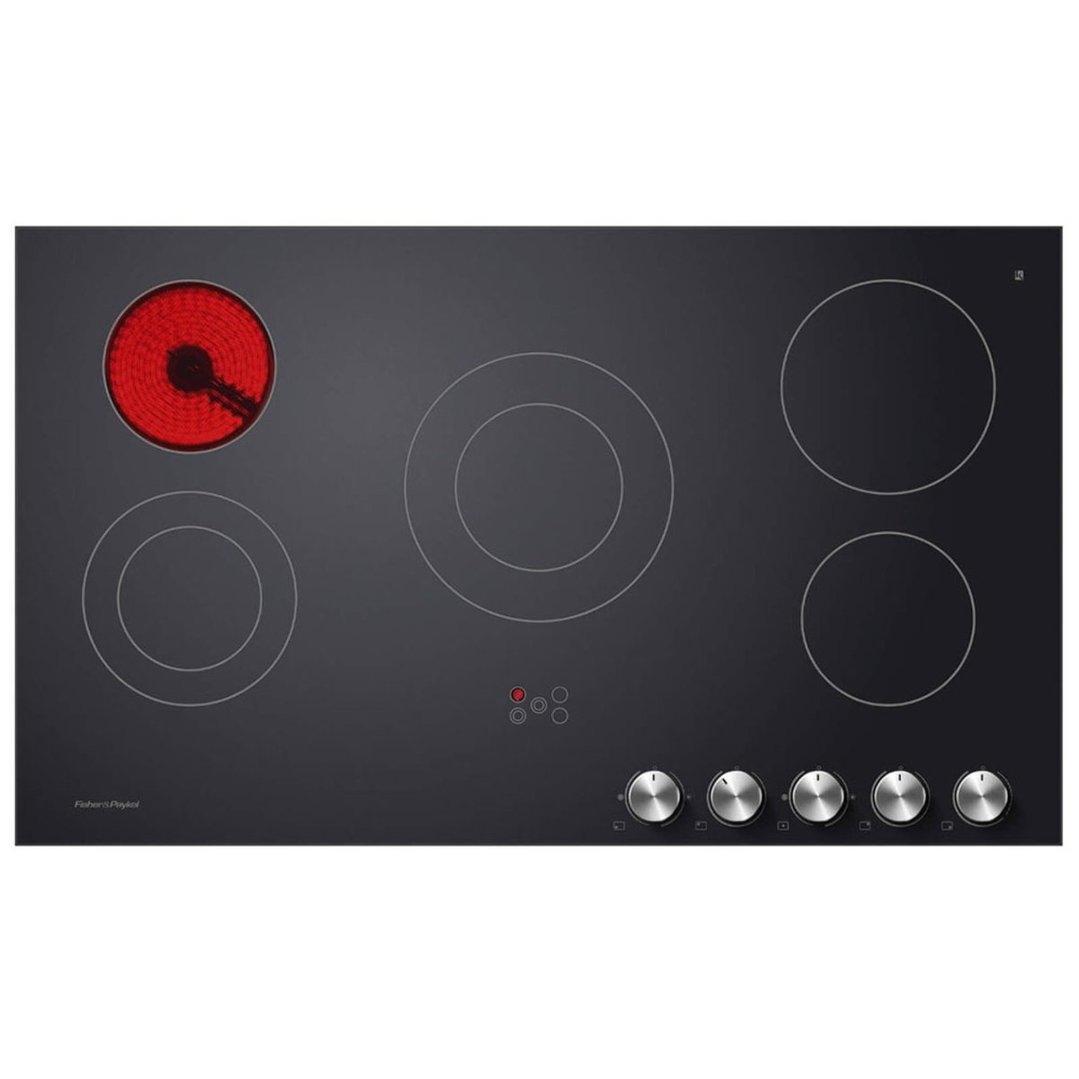
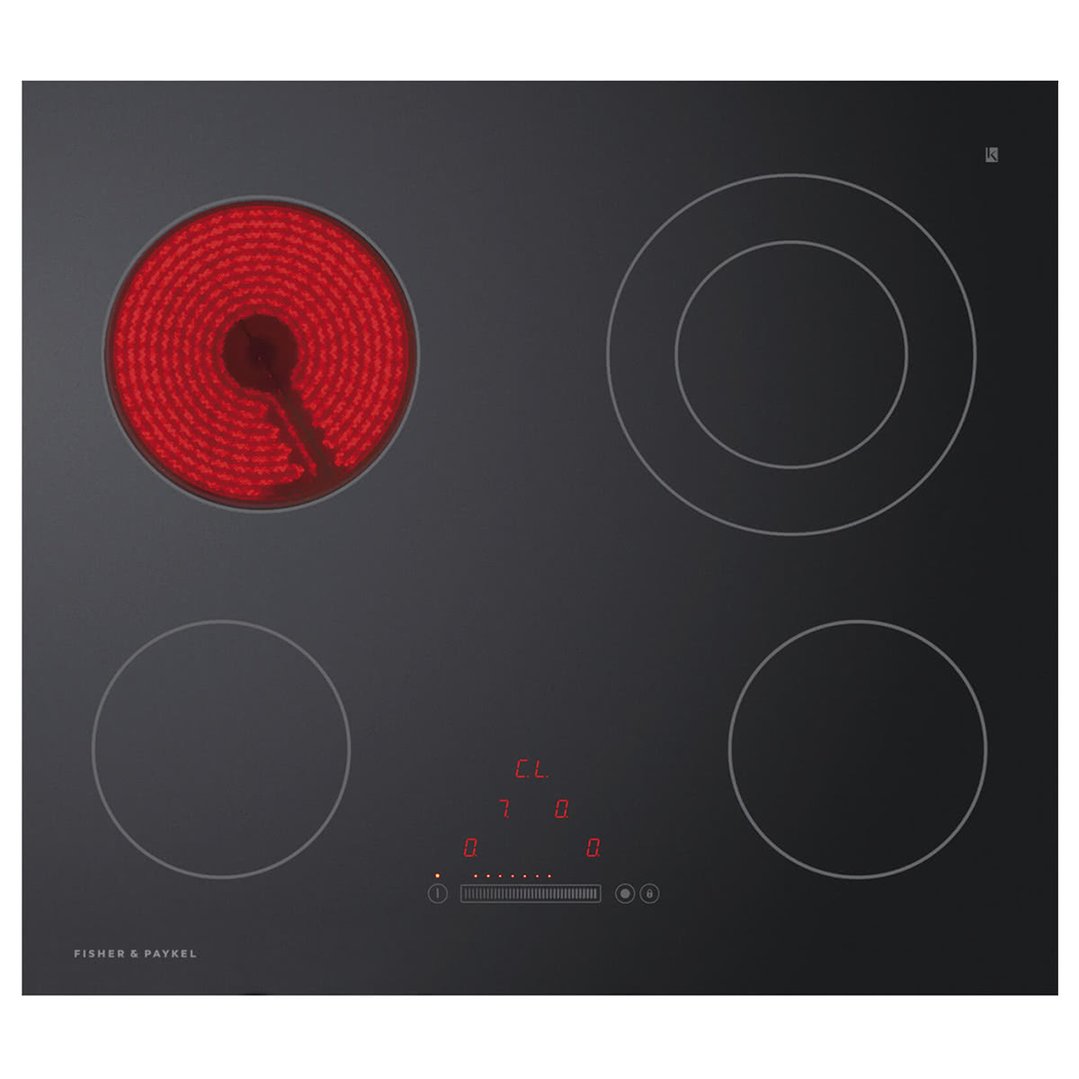

Electric cooktops cover a wide range of options, from basic coil-element models through to sleek ceramic glass tops and highly efficient induction hobs. At Bing Lee we stock electric cooktops in ceramic, induction and radiant heating styles from brands including Bosch, Westinghouse, Fisher & Paykel and more. Our FAQs below will help you work out which type suits your kitchen best.
FAQs
1. What types of electric cooktops are available?
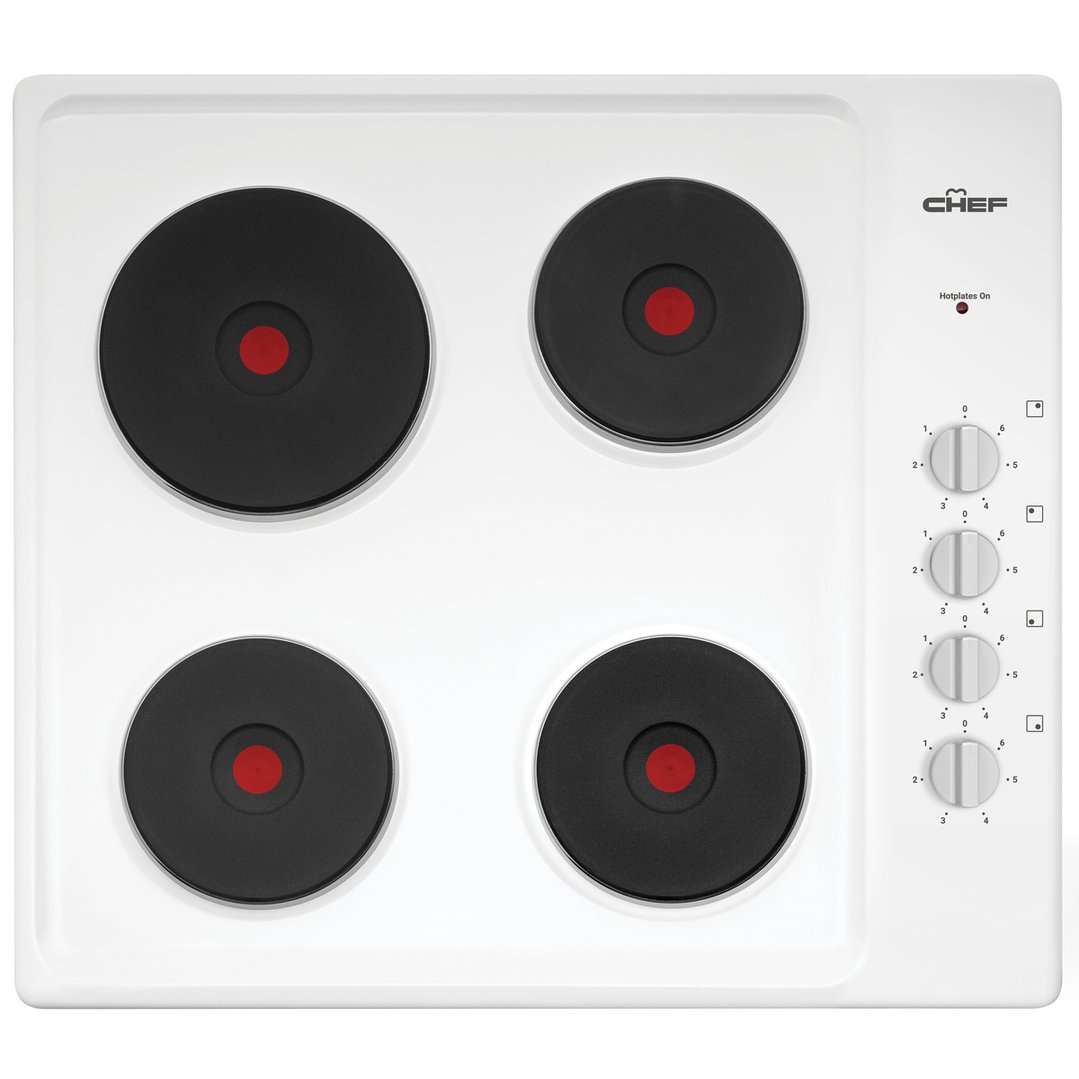
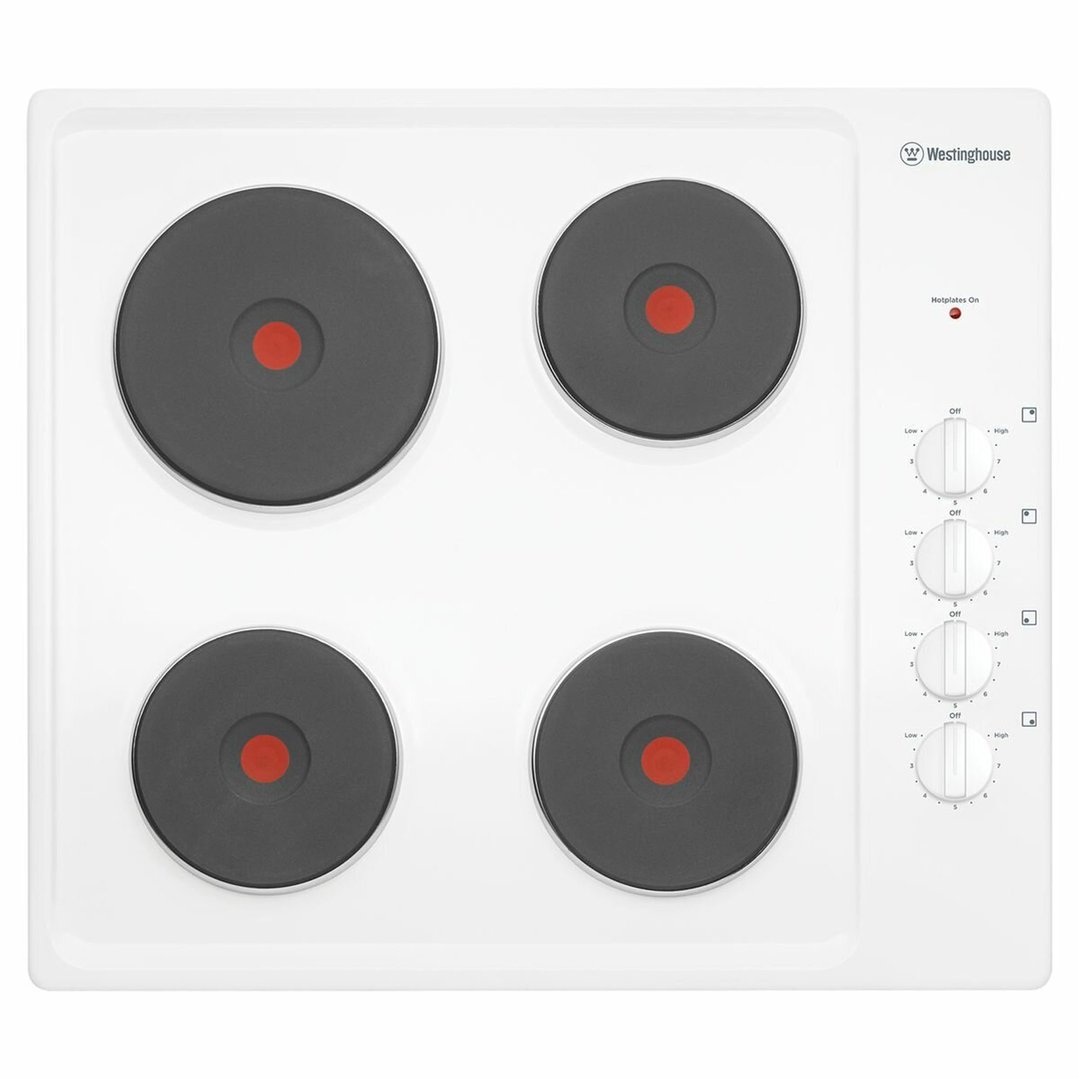
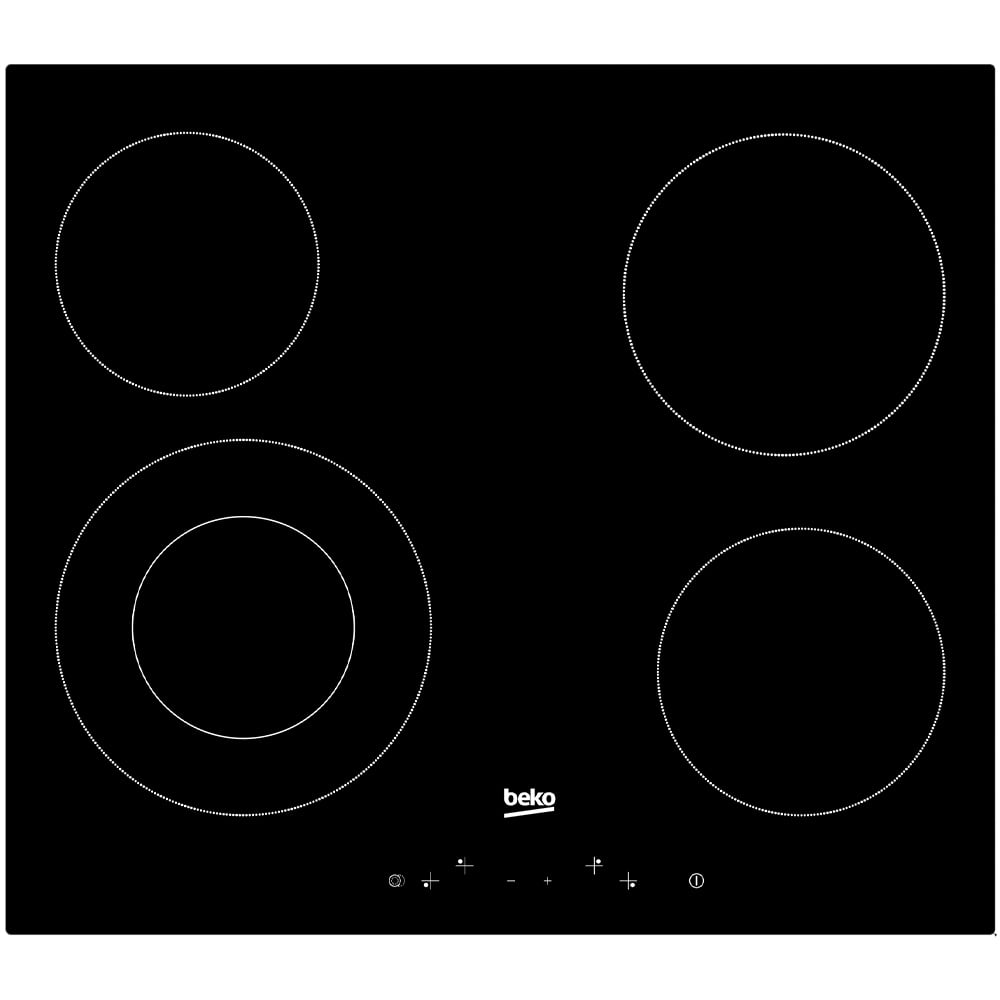
There are three main types. Standard electric coil cooktops use exposed heating coils that glow red when hot, they are the most basic and affordable option. Ceramic cooktops use a smooth glass surface with radiant heating elements beneath it, offering a flat, easy-to-clean surface without exposed coils. Induction cooktops also use a smooth glass surface but heat the pan itself using electromagnetic energy rather than heating the surface, making them the most efficient and safest option of the three.
2. What is the difference between a ceramic and an induction cooktop?
They look very similar from above, both have a flat glass surface, but they work very differently. A ceramic cooktop heats a radiant element beneath the glass, which then heats the pan. The surface gets hot and stays hot for a while after you turn the zone off. An induction cooktop uses a magnetic field to heat the pan directly, so only the cookware gets hot while the glass surface itself stays relatively cool. Induction is faster, more energy-efficient and easier to clean, but requires magnetic cookware. Ceramic will work with any pot or pan.
3. How do I choose the best electric cooktop for my kitchen?
If you want the most efficient and easiest-to-clean option and are happy to use or buy compatible cookware, induction is the clear choice. If you want a flat, good-looking cooktop that works with any cookware and costs less, ceramic is a solid middle ground. If budget is the main concern and you are replacing an older appliance, a basic radiant electric cooktop gets the job done. Also check that your bench cut-out size matches the cooktop you want to buy. For more guidance on choosing the right cooktop, check out our buying guide with expert tips to help you compare styles.
4. Do I need special cookware for an electric cooktop?
For standard coil and ceramic cooktops, any cookware material will work. Stainless steel, aluminium, copper, cast iron and enamel are all fine. For induction cooktops, you need magnetic cookware. The easiest check is to hold a magnet to the base of your pot. If it sticks firmly, the pot is induction-compatible. Cast iron and most stainless steel cookware will work; copper, aluminium and glass generally will not unless they have a built-in magnetic layer.
5. How easy are electric cooktops to clean?
Ceramic and induction cooktops are very easy to clean because the flat glass surface has no gaps, edges or grates for food to fall into. A damp cloth with a mild cleaner handles everyday spills. For burnt-on residue, a dedicated glass cooktop scraper works well. Standard coil cooktops are harder to clean since food can drip under the elements and onto the drip pans below. Keeping the cooktop as cool as possible before wiping also makes a big difference to how easily spills come off.