All Dishwashers

$1,599 you
pay $1,279Ends in
6 Days$1,479 you
pay $1,279Ends in
7 Days$1,099 you
pay $885Ends in
8 Days$599 you
pay $499Ends in
7 Days$899 you
pay $749Ends in
14 Days
















Dishwashers
Whether you're fitting out a new kitchen, replacing an aging machine or buying your first dishwasher, finding the right one makes a real difference to your daily routine. There are more options now than ever, from compact benchtop models perfect for a studio apartment, to large-capacity freestanding dishwashers that handle a full family dinner with ease.
Types of Dishwashers
Before you start comparing features, it helps to know which type suits your kitchen. Here's a quick rundown:
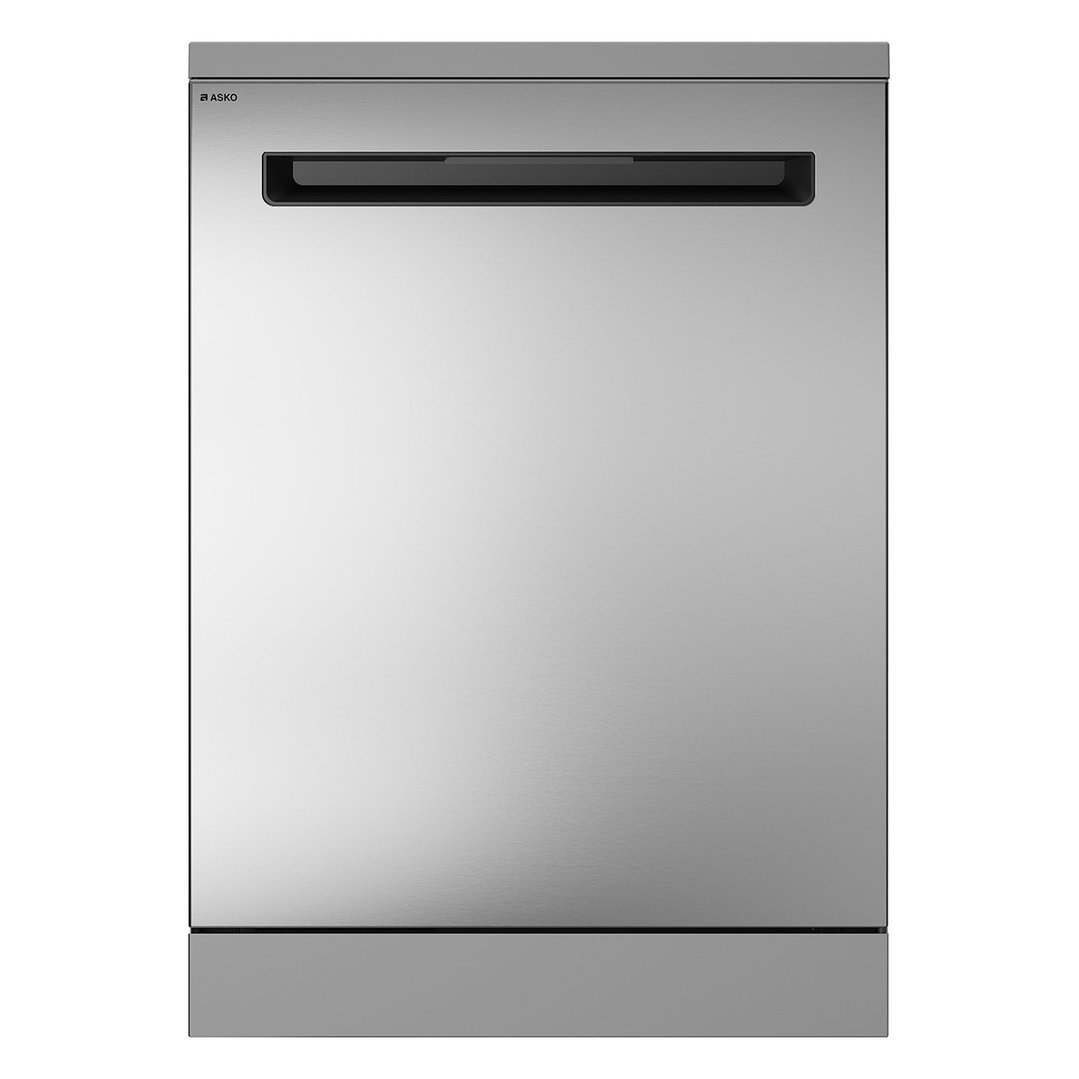
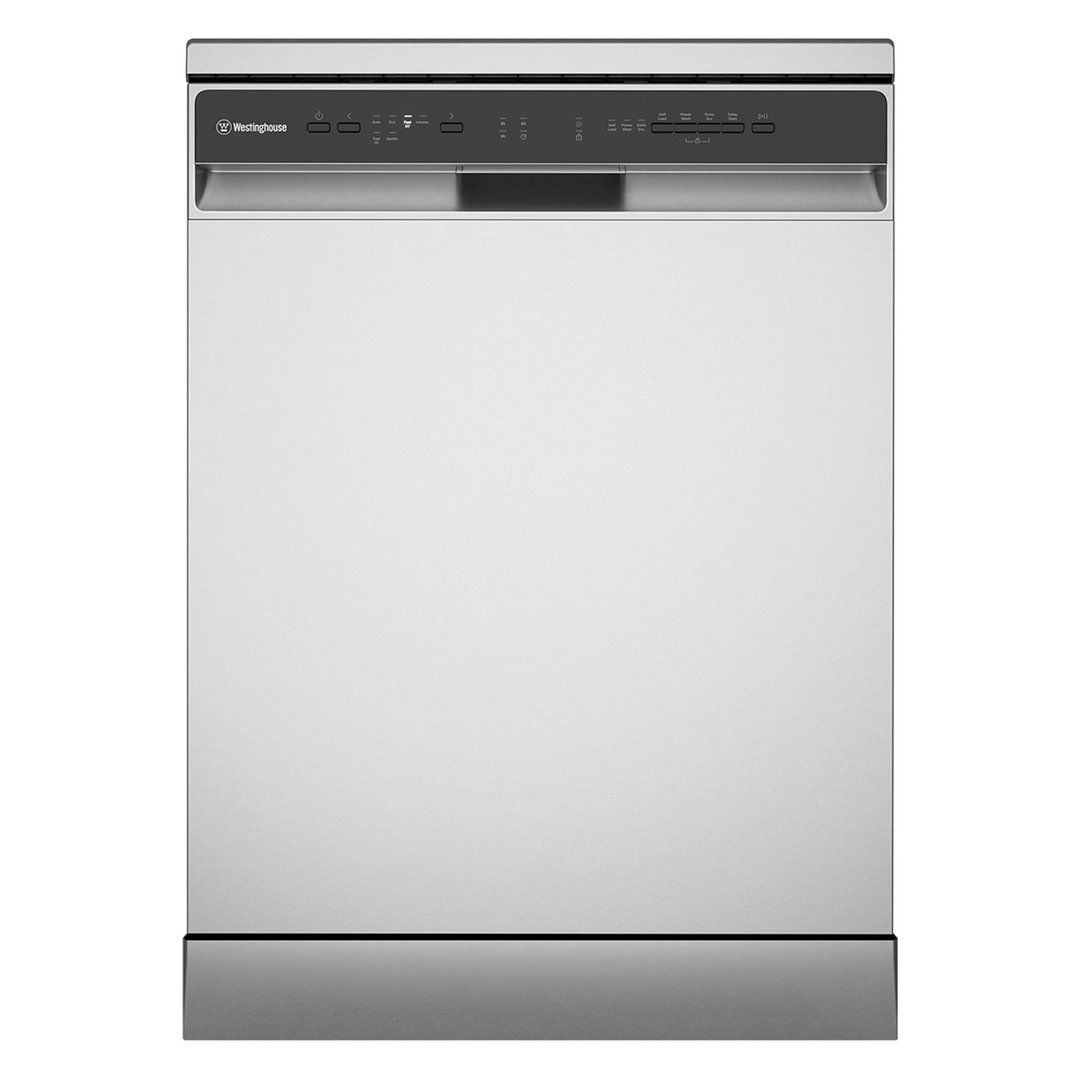
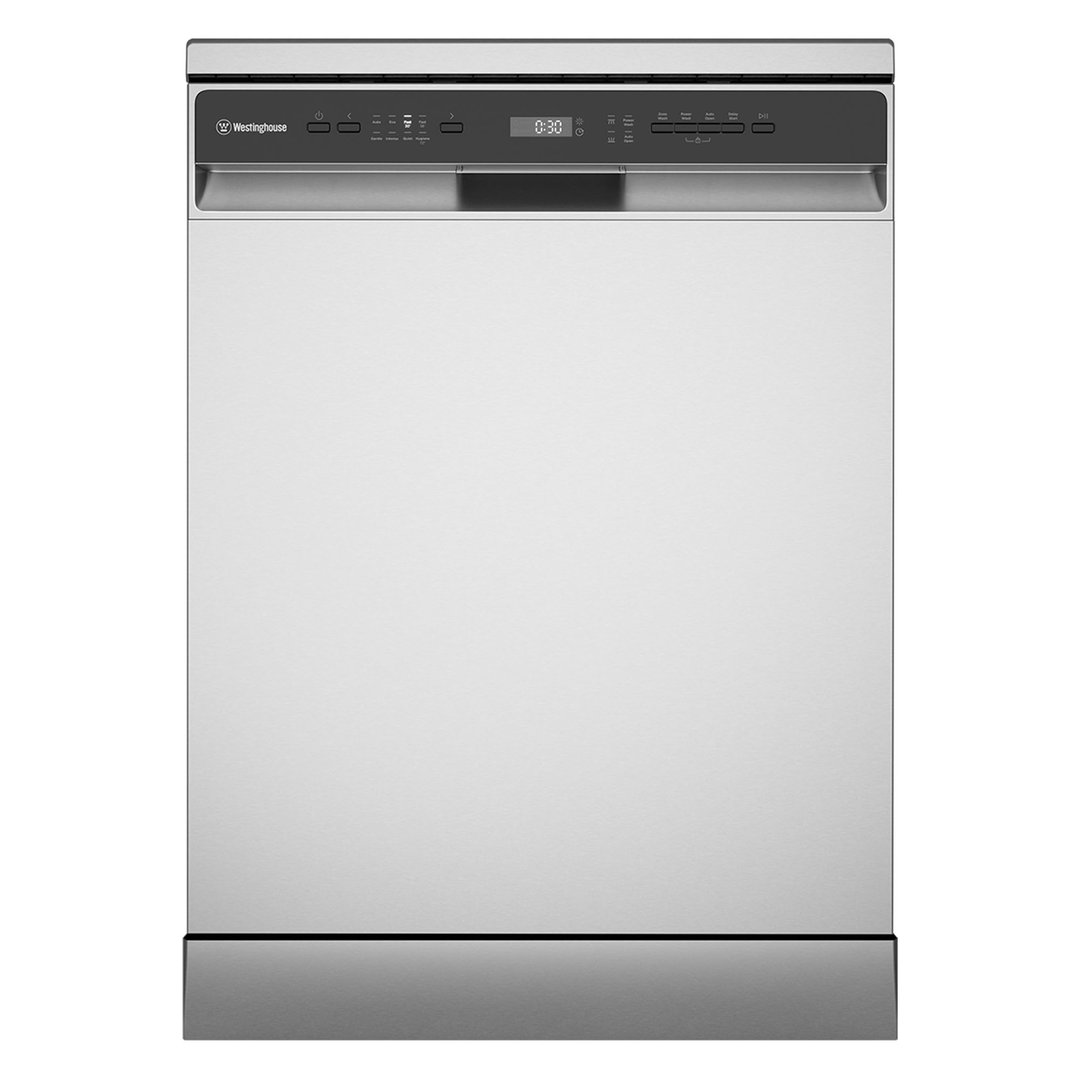
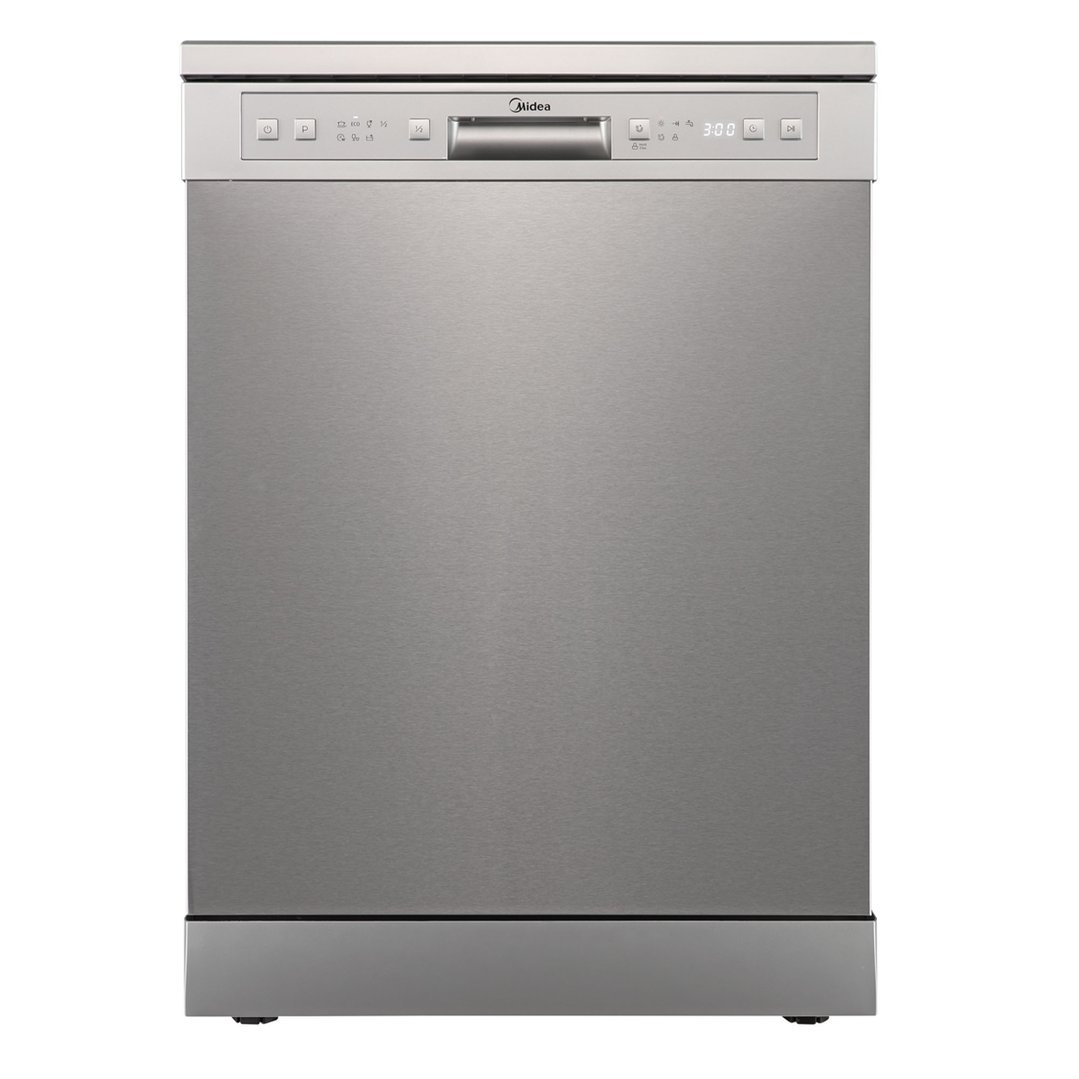
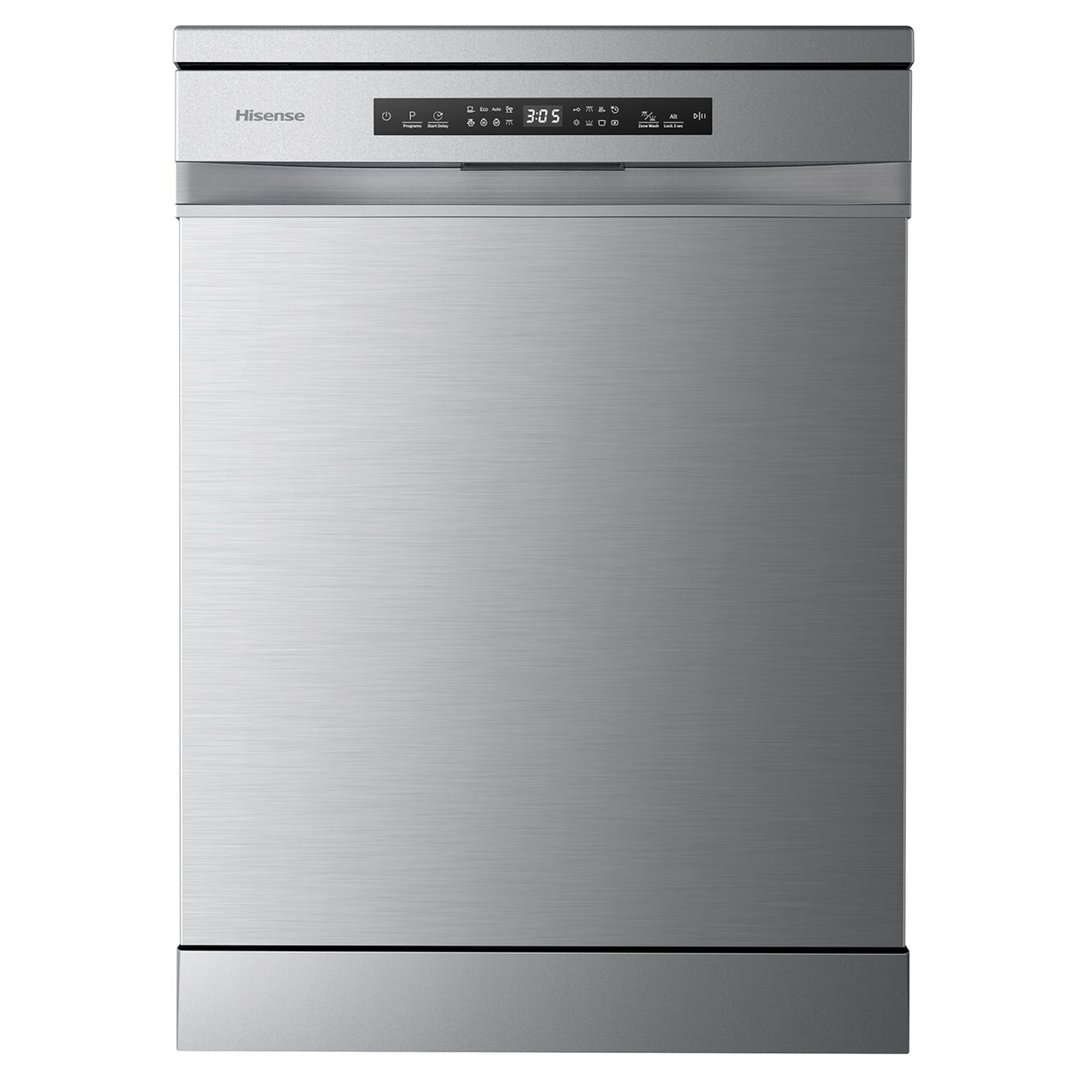
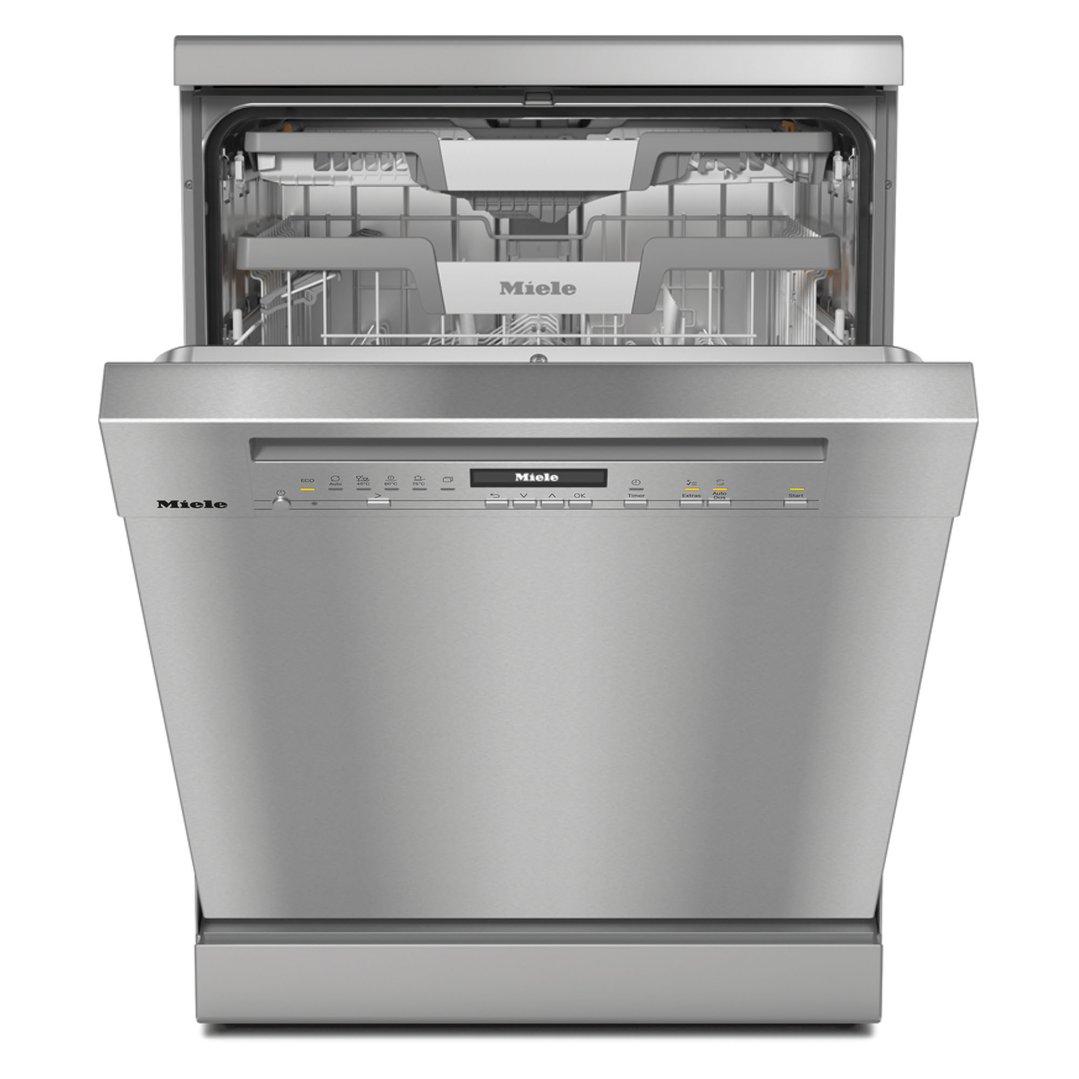
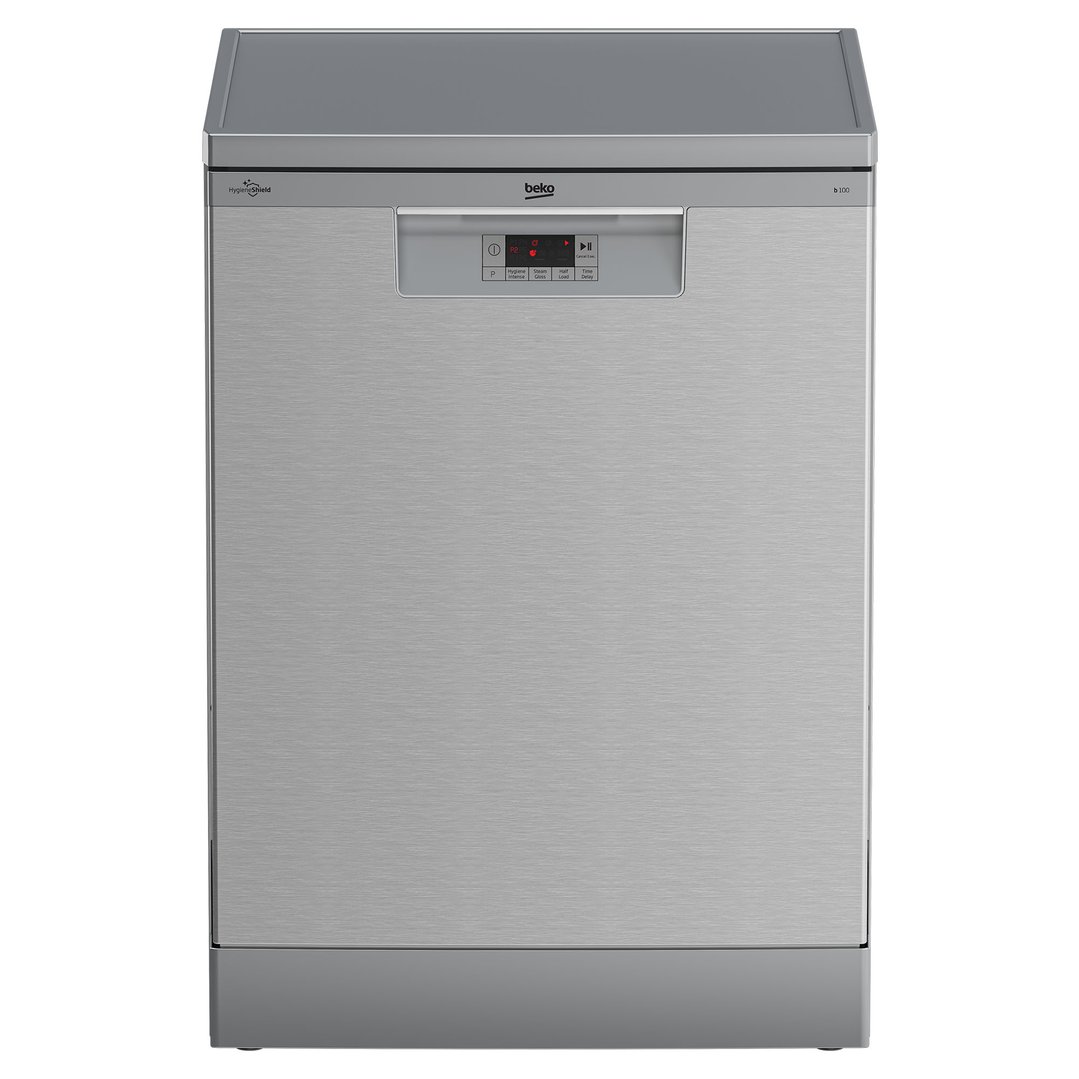
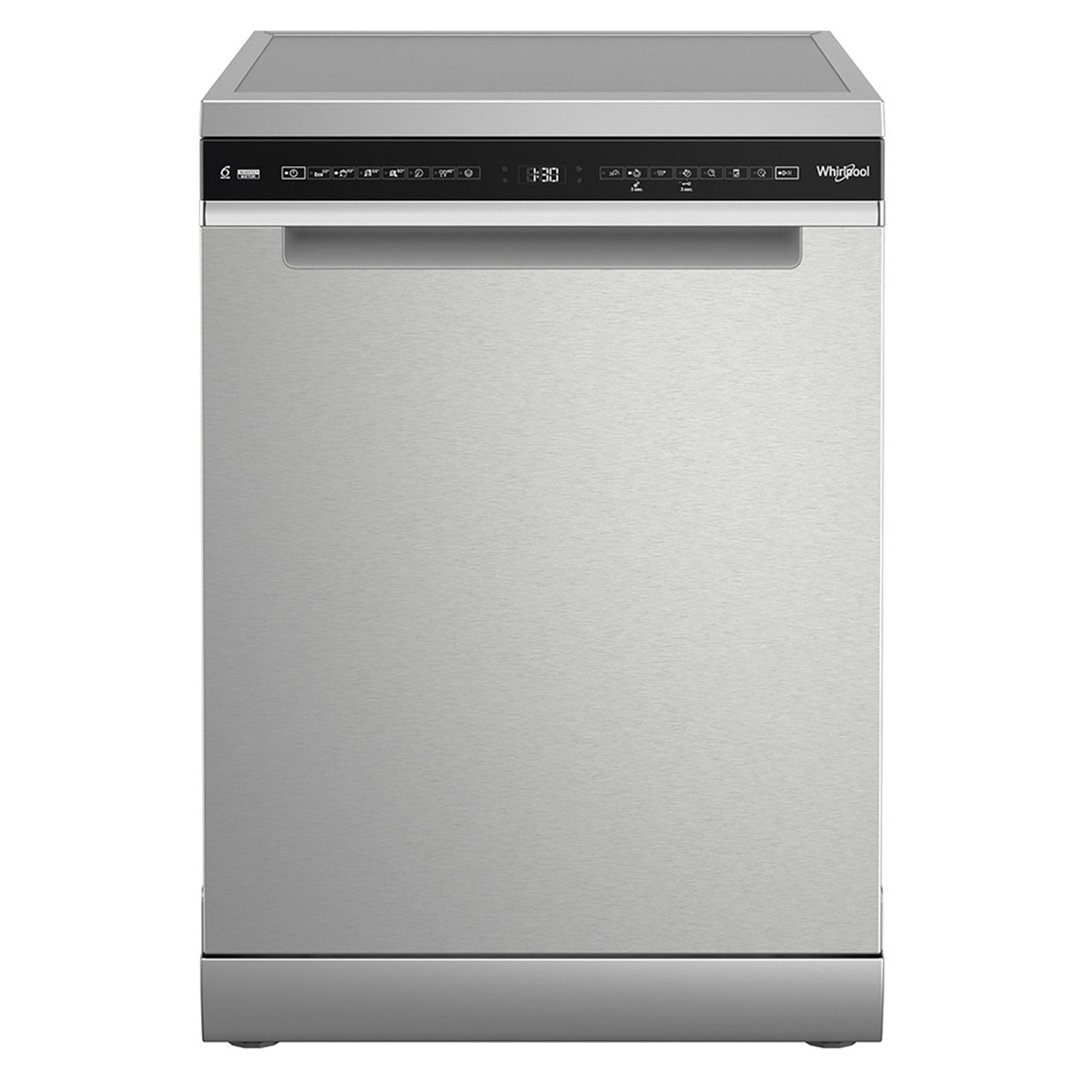
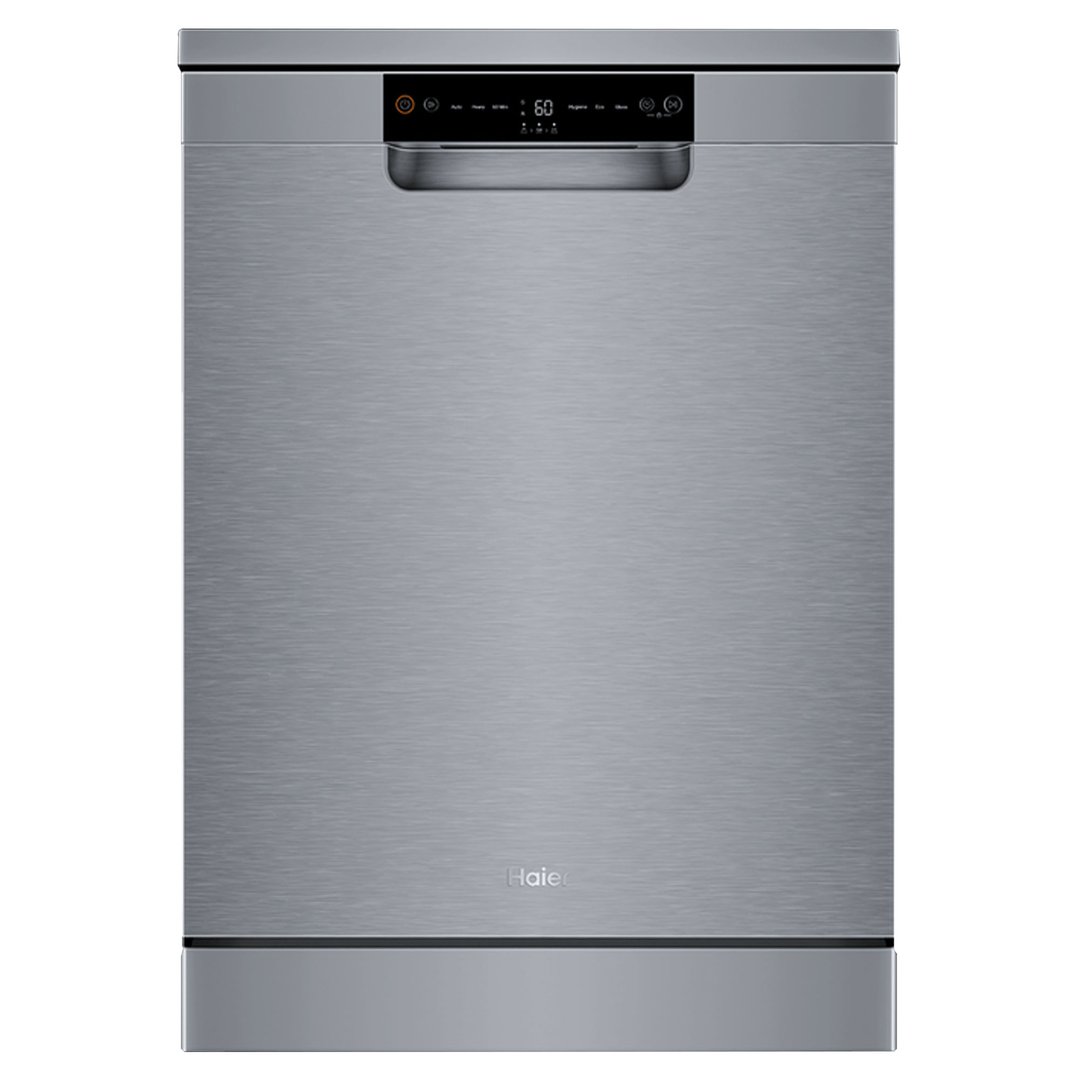
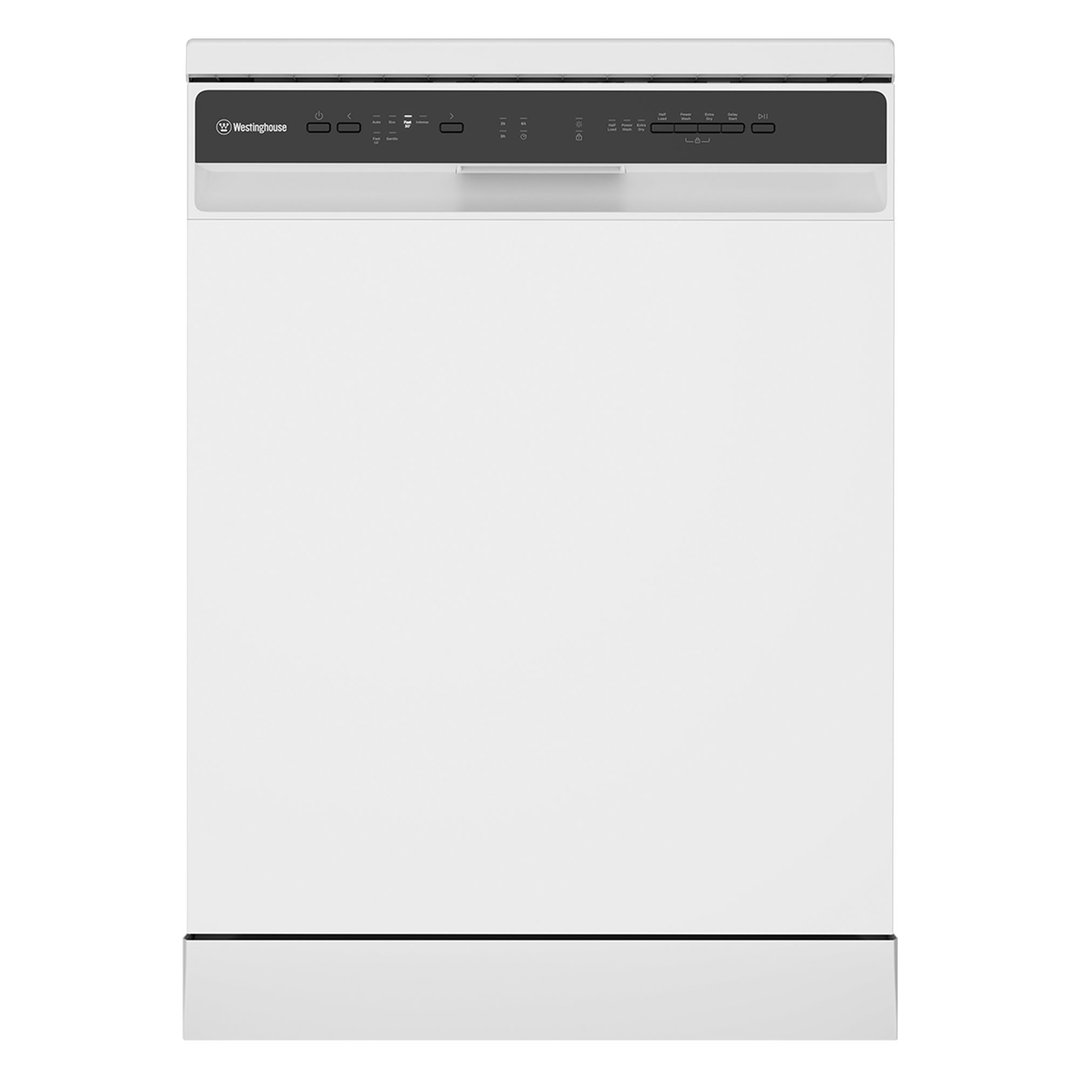
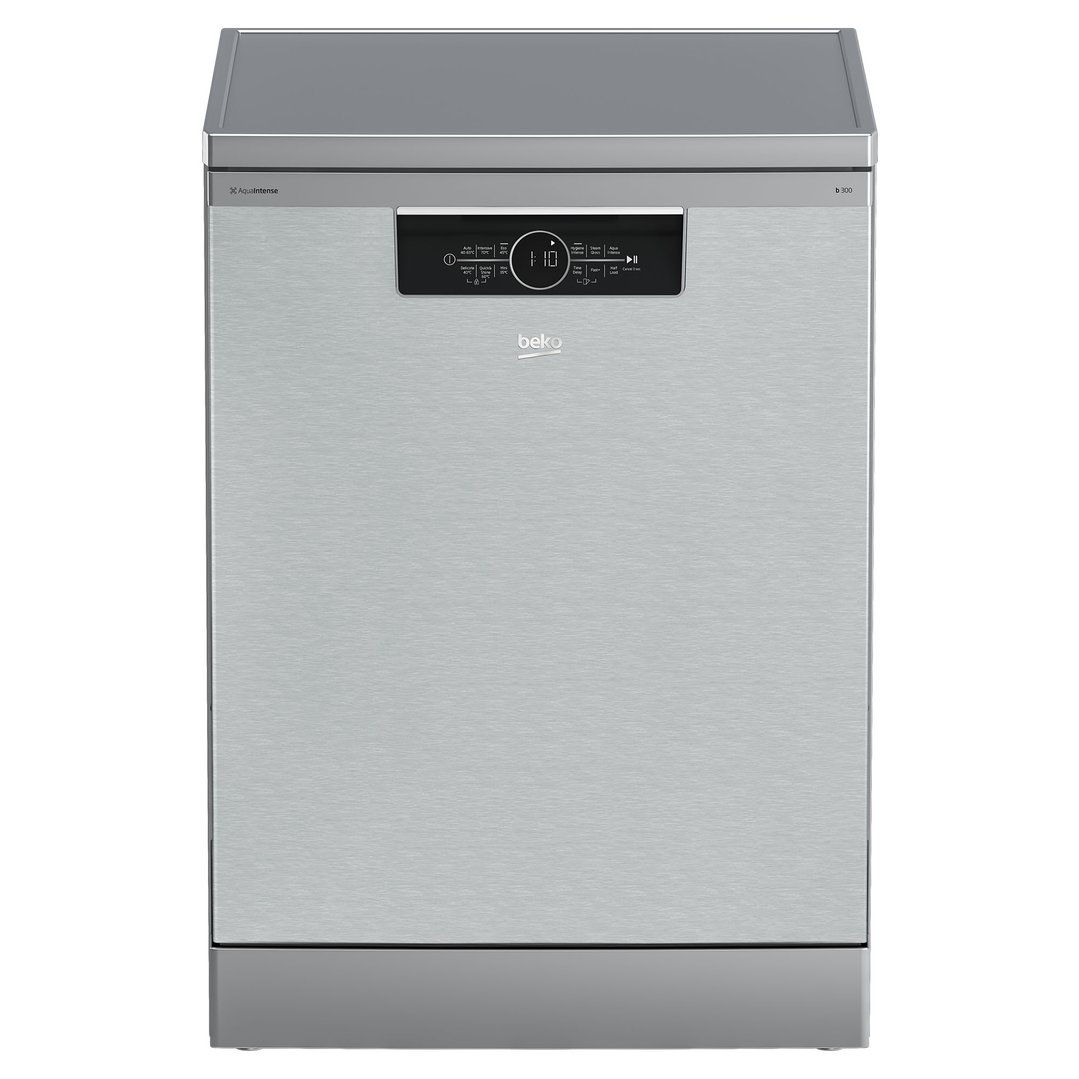
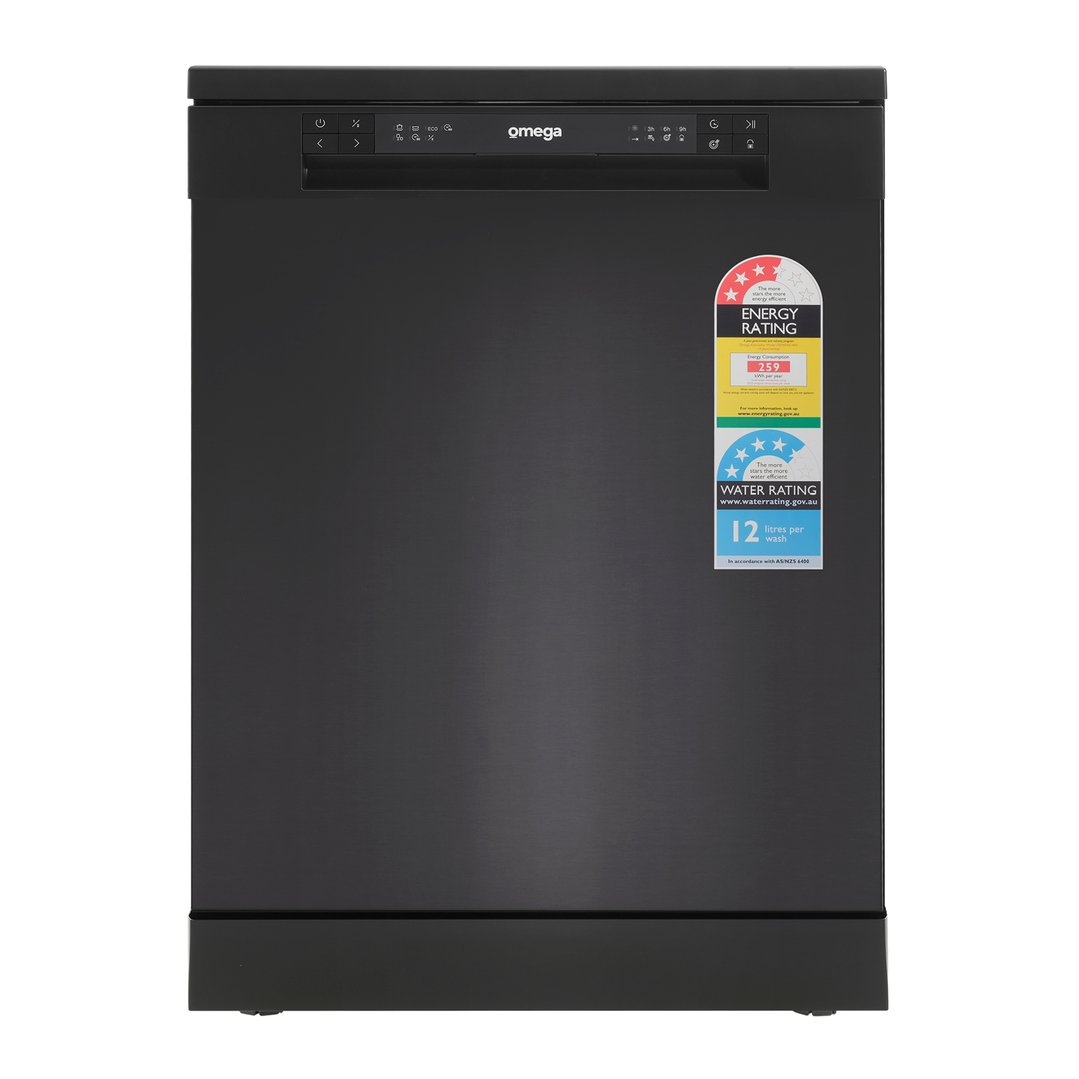
Freestanding dishwashers are standalone units, easy to install and relocate if needed. A popular choice for renters or anyone who wants to keep their options open.
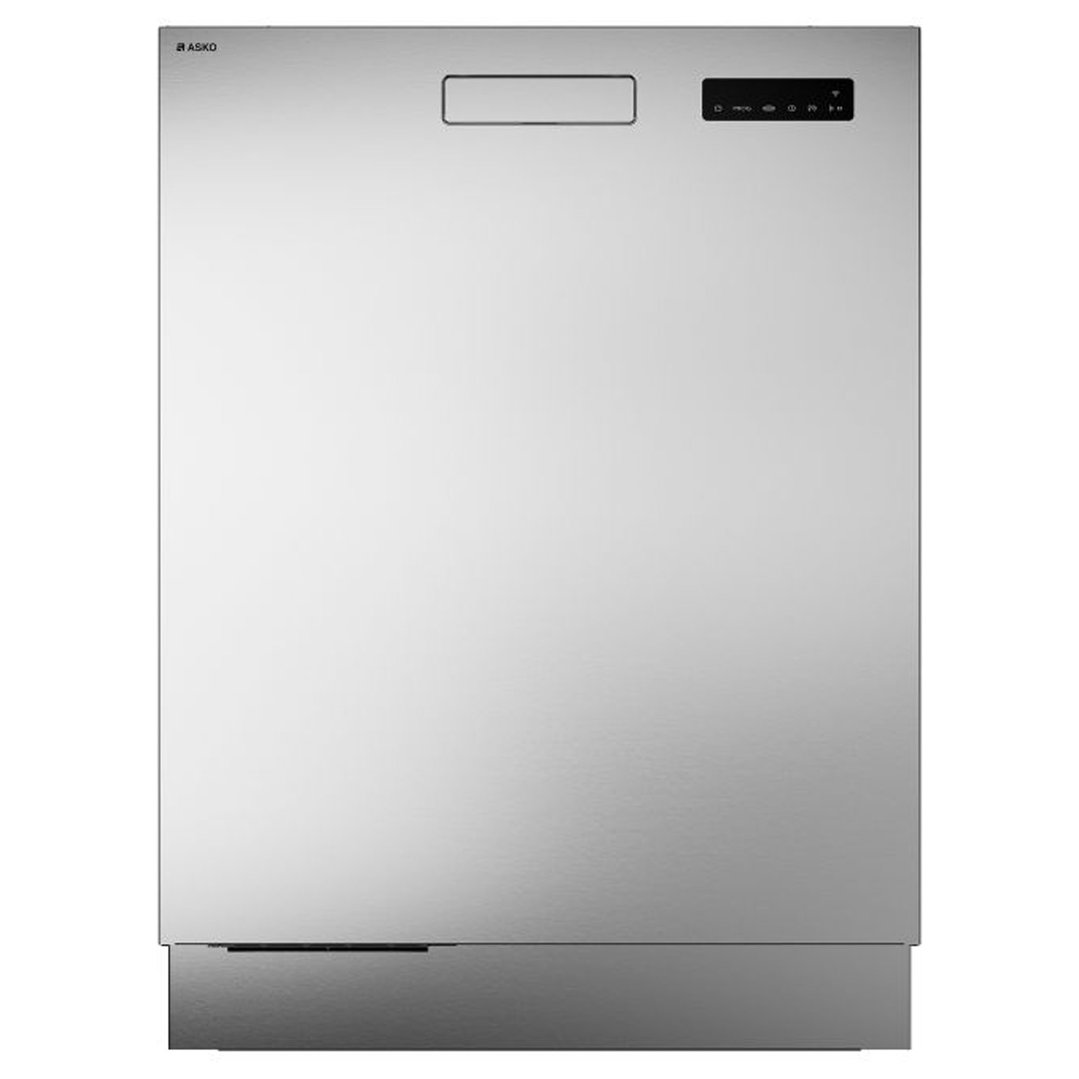
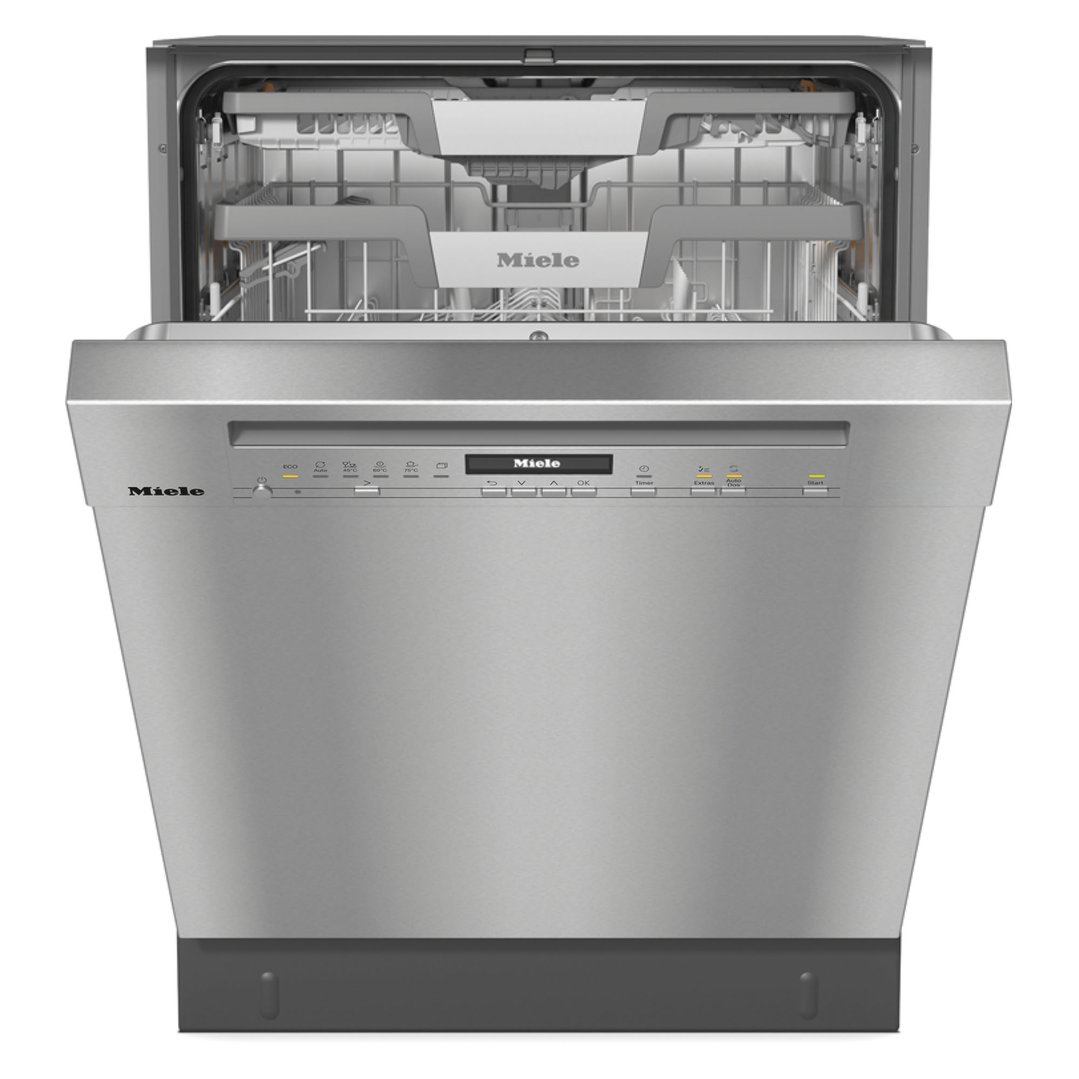
Built-under dishwashers sit flush beneath your benchtop for a clean, built-in look without the cost of full cabinetry integration.
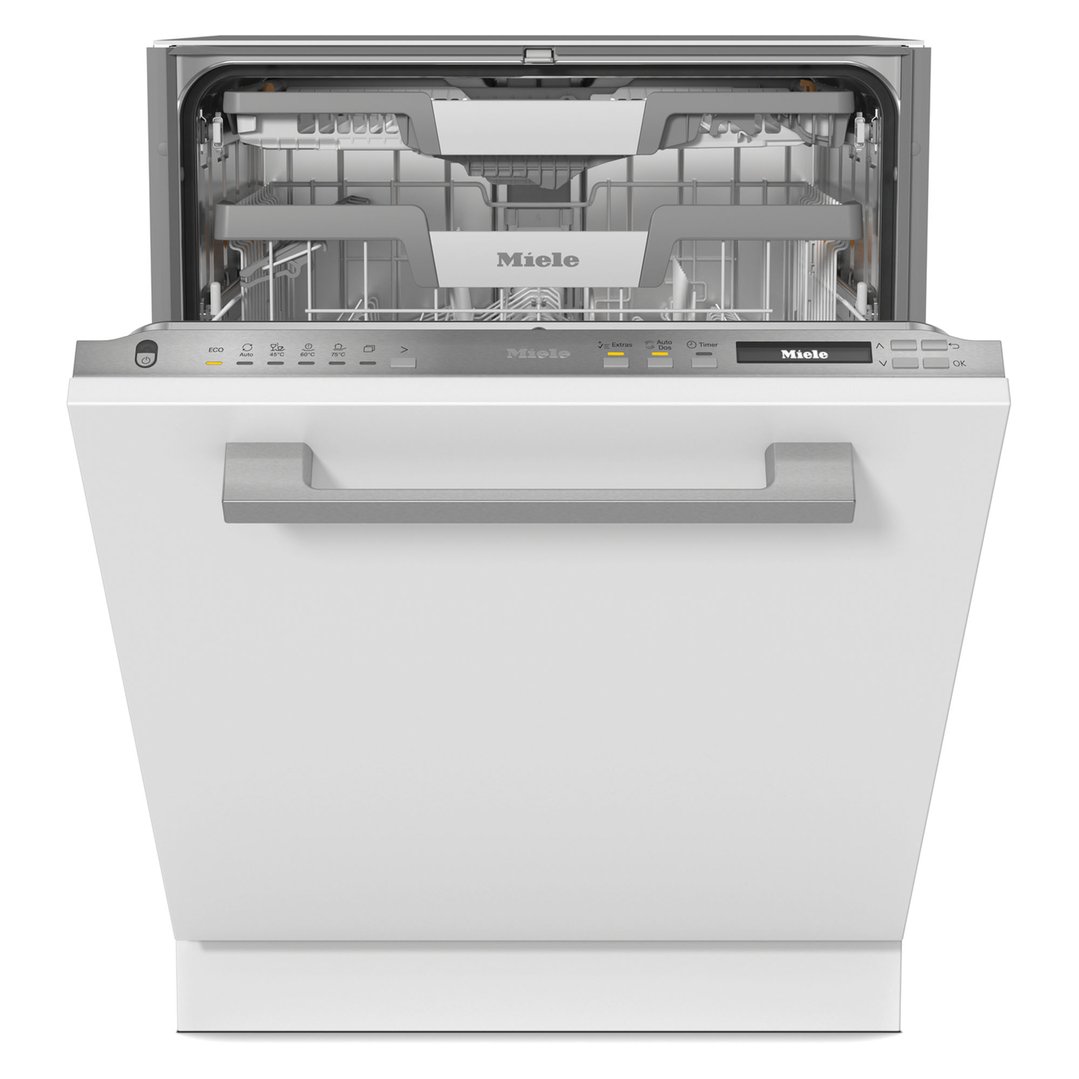
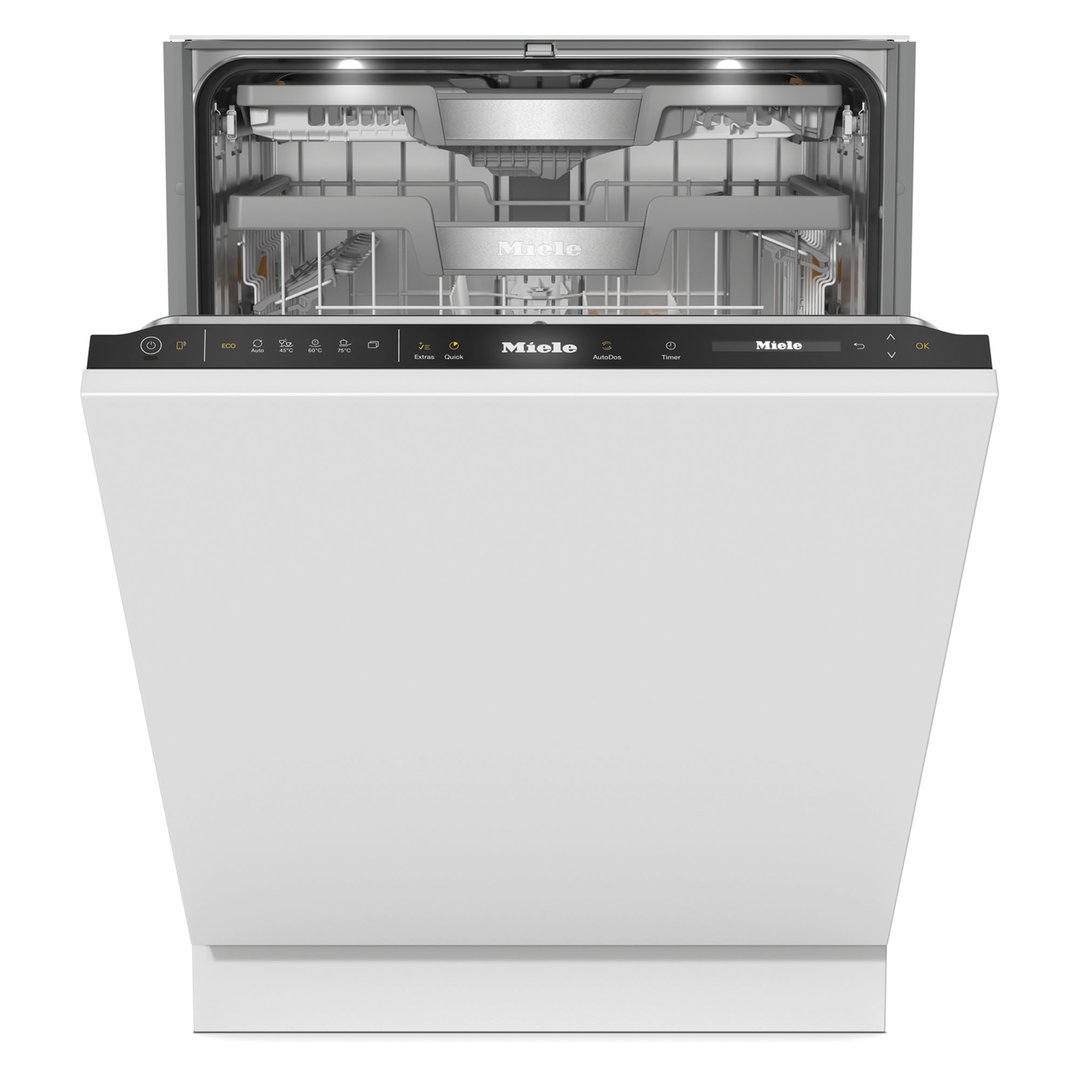
Fully integrated dishwashers are hidden completely behind a cabinet door. Controls sit on the inside edge of the door, so there's nothing visible from the front.
Semi integrated dishwashers are built into the cabinetry but keep the control panel visible on the door front, so you can check the cycle without opening it.
Dishdrawers are drawer-style dishwashers, most commonly from Fisher & Paykel, that let you run two independent loads at once. Good for smaller households or anyone who likes to separate a quick glass rinse from a heavier load.
Benchtop and slimline dishwashers sit on your counter or fit into tighter spaces. Ideal for apartments, granny flats or households that don't generate a large amount of washing each day.
What to Look For
Capacity matters most for families. Most standard 60cm dishwashers handle 12 to 15 place settings, which suits households of three to five people. If you're a couple or living alone, a slimline 45cm model or a single dishdrawer is usually plenty.
Energy and water efficiency are worth paying attention to, especially over the lifetime of the appliance. Modern dishwashers can use as little as 10-12 litres per cycle, compared to 60 or more litres for a full sink of hand washing. Our guide to energy efficient dishwashers goes into more detail on what the star ratings actually mean for your bills.
Noise levels are easy to overlook until you're trying to have a conversation over a running machine. If your kitchen is open-plan, look for models rated at 44dB or lower. Anything under 40dB is genuinely hard to hear from the next room.
Wash programs vary a lot between models. Most include eco, quick wash, intensive and delicate cycles as standard. Higher-end models add auto-sensor programs that read how dirty the load is and adjust water temperature and volume accordingly, which is handy for everyday mixed loads.
Smart connectivity is available on a growing number of models, letting you start or check a cycle from your phone. Delayed start is more common and just as useful, particularly for running the machine during off-peak electricity hours overnight.
Drying performance is one area where machines genuinely differ. Look for zeolite drying or AutoOpen drying (where the door pops ajar at the end of the cycle to release steam) if plastics and Tupperware come out wet on your current machine.
Brands We Stock
We carry dishwashers from Bosch, Miele, Fisher & Paykel, Smeg, ASKO, Westinghouse, Haier, LG, Beko and Omega. Different brands have different strengths. Some lead on quiet operation, others on drying performance or energy efficiency, and the right one depends on what matters most to your household. Our team is happy to help you work through the options, in store or online.
Our Dishwasher Buying Guide covers everything including all the different types available to give you a deeper look and help you find the perfect fit for your home!
FAQs
How long do dishwashers last?
A good dishwasher should last between 9 and 15 years with regular maintenance. Cleaning the filter, using rinse aid and running a monthly cleaning cycle all help. Premium brands like Miele and ASKO are built for the longer end of that range and typically back it up with stronger warranties.
Do dishwashers use hot water or heat their own water?
Most modern dishwashers connect to your cold water supply and heat the water internally, typically to between 55 and 75 degrees Celsius depending on the cycle selected. Some older installations are plumbed into hot water, but current machines are designed to work from cold.
How long does a dishwasher cycle take?
It depends on the program. A quick wash runs for about 30 to 45 minutes, while an eco cycle can take 2 to 3 hours because it uses lower temperatures over a longer period to achieve the same cleaning result with less electricity. Most households find a normal or auto cycle, usually 60 to 90 minutes, the right everyday balance.
Do dishwashers use a lot of electricity?
Not particularly. A typical cycle uses around 1 to 1.5 kWh, which works out to roughly 30 to 50 cents per wash at average Australian electricity rates. Eco cycles use less. Running a full load in a dishwasher is generally more efficient than hand washing the same amount.
Are dishwashers a standard size?
The most common width is 60cm, which fits a standard kitchen cabinet opening. Slimline 45cm models are available for tighter spaces. Dishdrawers and benchtop models vary more, so it's worth measuring carefully. Most built-under models stand around 82-85cm tall, and the majority have adjustable legs to accommodate small variations in benchtop height.
What is the difference between a built-under and freestanding dishwasher?
A freestanding dishwasher has a finished top and sides and can stand anywhere there's access to plumbing. A built-under model is designed to go permanently under the benchtop, so the top and sides are unfinished since they'll be hidden. Built-under models give a neater look; freestanding ones are easier to move and better suited to rental properties.
Which dishwasher type is right for my kitchen?
It depends on your kitchen layout and how long you plan to stay. Freestanding models suit renters or anyone who values flexibility. Built-under and integrated models work well in permanent kitchens where you want a finished look. Dishdrawers are a practical choice for smaller households or as a second machine. The Dishwasher Buying Guide has a full side-by-side breakdown if you're still weighing it up.